Feeling uncertain about what to expect in your upcoming interview? We’ve got you covered! This blog highlights the most important Defect Inspection and Failure Analysis interview questions and provides actionable advice to help you stand out as the ideal candidate. Let’s pave the way for your success.
Questions Asked in Defect Inspection and Failure Analysis Interview
Q 1. Explain the difference between destructive and non-destructive testing methods.
The key difference between destructive and non-destructive testing (NDT) lies in their impact on the tested component. Destructive testing involves damaging or destroying the sample to analyze its internal structure and properties. Think of it like dissecting a frog in biology class to understand its organs – you gain valuable insights but lose the frog in the process. This is useful for determining ultimate material properties like tensile strength or fracture toughness. In contrast, non-destructive testing methods allow for inspection without causing damage. We use these to check for flaws without sacrificing the part, like using a stethoscope to listen to a patient’s heart – we get information without causing harm. Examples of destructive testing include tensile testing and Charpy impact testing. Examples of NDT include visual inspection, ultrasonic testing, and radiography.
Q 2. Describe your experience with various NDE techniques (e.g., visual inspection, ultrasonic testing, radiography).
My experience spans a wide range of NDE techniques. Visual inspection is the cornerstone – a thorough visual examination often reveals surface cracks, corrosion, or dimensional inconsistencies. I’ve used it extensively on everything from welds in pressure vessels to the surface finish of automotive parts. Ultrasonic testing (UT) employs high-frequency sound waves to detect internal flaws. I’ve successfully utilized UT to find hidden cracks in aircraft components and assess the thickness of piping systems. For example, identifying delamination in composite materials relies heavily on UT’s ability to penetrate the material and detect internal discontinuities. Radiography (RT), using X-rays or gamma rays, is excellent for identifying internal voids, porosity, or inclusions. I have used this extensively in the aerospace industry for inspecting castings and welds. In one project, RT helped us uncover a critical flaw in a turbine blade casting before it could lead to catastrophic failure.
Q 3. How do you determine the root cause of a failure using the 5 Whys technique?
The 5 Whys technique is a powerful root cause analysis tool. It’s iterative, prompting you to ask ‘why’ five times to drill down to the underlying cause of a failure. Let’s say a pump failed.
- Why did the pump fail? Because the bearings seized.
- Why did the bearings seize? Because of insufficient lubrication.
- Why was there insufficient lubrication? Because the lubrication system malfunctioned.
- Why did the lubrication system malfunction? Because a sensor failed to signal low oil levels.
- Why did the sensor fail? Because it wasn’t properly calibrated during installation.
In this case, the root cause isn’t the seized bearings, but the inadequate sensor calibration. The 5 Whys helps to move beyond superficial explanations to uncover the true underlying problem, allowing for effective corrective actions.
Q 4. What are the common failure modes in metallic materials?
Metallic materials exhibit a variety of failure modes. Fatigue, caused by repeated cyclical loading, often leads to crack initiation and propagation, eventually causing failure. This is common in components subjected to vibration or fluctuating stresses, like aircraft wings or bridge components. Creep, the time-dependent deformation under constant load at elevated temperatures, can result in significant dimensional changes or failure, especially in power generation components. Corrosion, a chemical or electrochemical attack, weakens the material, leading to pitting, cracking, or overall degradation. This is a major concern in marine environments or chemical plants. Fracture, the separation of a material into two or more pieces under stress, can occur due to brittle or ductile mechanisms depending on material properties and loading conditions. Stress Corrosion Cracking (SCC) occurs when a material is subjected to a corrosive environment and tensile stress simultaneously. This is often seen in piping systems handling corrosive chemicals.
Q 5. Explain the process of creating a detailed failure analysis report.
A detailed failure analysis report follows a structured format. It begins with an executive summary outlining the findings and recommendations. Then, a detailed description of the component, including its material, geometry, and function, is provided. This is followed by a meticulous account of the failure event, including the circumstances and operational conditions leading to the failure. Next comes the visual inspection, outlining observations and photographic documentation of the failed component. The report then details the findings from various NDT and destructive testing methods used. A crucial section is devoted to root cause analysis, presenting a logical chain of events leading to the failure and often employing techniques like the 5 Whys. Finally, conclusions and recommendations are presented, outlining preventative measures, design modifications, or process improvements to avoid similar failures in the future. The report should be thorough, clear, concise, and well-illustrated.
Q 6. How do you prioritize defects based on their severity and potential impact?
Defect prioritization is crucial for efficient resource allocation. I typically use a risk-based approach considering severity and probability. Severity is assessed based on the potential consequences of the defect if it were to lead to failure. Probability represents the likelihood of the defect causing failure. A matrix is often used, with severity levels ranging from minor to catastrophic and probabilities from unlikely to highly likely. Defects falling into the high-severity/high-probability quadrant are prioritized first, addressing the most critical risks. For example, a crack in a pressure vessel (high severity, moderate probability) would be prioritized over a minor surface scratch (low severity, low probability).
Q 7. Describe your experience with statistical process control (SPC).
Statistical Process Control (SPC) is invaluable for monitoring and improving manufacturing processes. I have extensive experience implementing and interpreting control charts, such as X-bar and R charts, to track process parameters and identify trends indicative of process instability. This includes understanding the concept of control limits, identifying assignable causes of variation, and applying corrective actions. In one instance, we used SPC to monitor the thickness of a critical component. By analyzing the control chart, we identified a systematic shift in the average thickness, indicating a problem with the manufacturing equipment. This led to timely adjustments to the process and prevented the production of defective parts. SPC is a proactive approach that enhances quality and reduces waste.
Q 8. What are the common causes of fatigue failure?
Fatigue failure is a progressive and localized structural damage that occurs when a material is subjected to cyclic loading. Think of it like repeatedly bending a paper clip – eventually, it will break, even if the force applied in each bend is less than what would break it instantaneously. This isn’t a sudden catastrophic failure; it’s a gradual weakening over time.
- Cyclic Loading: The most common cause. This involves repeated application and removal of stress, even if the stress is below the material’s ultimate tensile strength. Examples include: rotating machinery components (shafts, gears), bridges subjected to traffic loads, and aircraft wings experiencing flight cycles.
- Stress Concentration: Areas with geometric discontinuities (holes, notches, sharp corners) experience higher stress than surrounding regions, significantly accelerating fatigue damage. Imagine a crack starting at a small scratch on a metal surface.
- Material Defects: Internal flaws, such as inclusions (foreign particles within the material) or voids, act as stress concentrators, initiating cracks. A small imperfection can be the starting point of a large failure.
- Surface Finish: A rough surface increases stress concentration compared to a smooth surface. Think of the difference between a smooth, polished metal and a rusty, pitted one; the rusty one is more prone to failure under cyclic loading.
- Corrosion: Corrosion pits act as stress concentrators and weaken the material, significantly reducing fatigue life. Saltwater corrosion on a ship’s hull is a prime example.
- Temperature: High or low temperatures can influence material properties and accelerate fatigue crack growth. For instance, thermal cycling (repeated heating and cooling) can cause fatigue in engine components.
Understanding these causes is critical for designing components with sufficient fatigue resistance. This often involves careful material selection, optimization of geometry to minimize stress concentrations, surface treatments to improve finish, and robust quality control to minimize internal defects.
Q 9. How do you interpret fractography results?
Fractography, the analysis of fracture surfaces, is a crucial technique in failure analysis. By examining the fracture surface’s features under a microscope (usually SEM), we can deduce the cause and mechanism of failure. The analysis involves identifying characteristics such as fracture origin, crack propagation path, and the type of fracture (ductile, brittle, fatigue).
- Fracture Origin: Identifying the point where the crack initiated helps determine the root cause. Fatigue cracks often originate at stress concentrators, whereas brittle fractures may start at pre-existing flaws.
- Crack Propagation: The path and pattern of crack growth provide insights into the loading conditions. Fatigue cracks often show characteristic beach marks (striations) representing periods of crack growth during cyclic loading. A rapid, brittle fracture displays a relatively flat and featureless surface.
- Fracture Type: Ductile fracture exhibits considerable plastic deformation, often with a cup-and-cone appearance. Brittle fracture involves little to no plastic deformation, characterized by a relatively flat and jagged surface. Fatigue fractures typically show a combination of both, starting with fatigue striations and ending with a final fast fracture.
- Secondary Cracking: Presence of secondary cracks can indicate overloading or other contributing factors.
For example, observing beach marks on a fracture surface strongly suggests fatigue failure. Conversely, a completely flat, brittle fracture might point towards a sudden overload or material defect. Combining fractography with other analytical techniques, such as chemical analysis or mechanical testing, allows for a comprehensive understanding of the failure mechanism.
Q 10. Explain the concept of Weibull analysis.
Weibull analysis is a statistical method used to analyze the failure data of components or systems. It’s particularly useful when dealing with failures that occur due to inherent variability in material properties or manufacturing processes. It’s not about predicting when *one* specific component will fail, but rather determining the overall reliability and failure rate of a population of components.
The Weibull distribution uses two key parameters:
- Shape parameter (β): This indicates the failure mode. A β value of 1 suggests a constant failure rate (random failures), β > 1 indicates a decreasing failure rate (infant mortality), and β < 1 indicates an increasing failure rate (wear-out).
- Scale parameter (η): This represents the characteristic life, or the time at which 63.2% of the population has failed.
By plotting the failure data on a Weibull probability plot, you can estimate these parameters and determine the reliability of the component at a given time. This information is valuable for predicting the lifespan of products, determining warranty periods, and making informed decisions about design and manufacturing improvements.
Example: Imagine analyzing the failure data of a batch of light bulbs. Weibull analysis might reveal that the failures follow a decreasing failure rate (β > 1), meaning that early failures are more common due to defects, but the remaining bulbs have a longer, more stable lifespan.
Q 11. Describe your experience with different microscopy techniques (e.g., SEM, optical microscopy).
My experience with microscopy techniques is extensive, encompassing both optical microscopy and scanning electron microscopy (SEM). Optical microscopy provides a relatively low magnification view, useful for observing macroscopic features and surface defects. SEM, however, offers much higher magnification and resolution, enabling detailed analysis of fracture surfaces, material microstructure, and the identification of micro-cracks or inclusions invisible to the naked eye.
Optical Microscopy: I routinely use optical microscopes for initial examinations of components, assessing surface flaws, and measuring dimensions. I’ve used this technique to identify scratches, corrosion, and other surface imperfections. The ability to quickly examine a sample makes it invaluable for initial screening.
Scanning Electron Microscopy (SEM): SEM is crucial for high-resolution fractography. I’ve extensively used SEM to analyze fracture surfaces, identifying features like fatigue striations, cleavage facets, and ductile dimples, which provide crucial insights into the failure mechanism. I’ve also used SEM’s elemental analysis capabilities (EDS) to identify the composition of inclusions or corrosion products. In one project, SEM and EDS were vital in identifying a specific contaminant as the root cause of premature failure in an electronic component.
Combining these techniques provides a powerful approach to failure analysis. Optical microscopy gives an overview, while SEM allows for detailed analysis of specific areas of interest. The synergy between these techniques is indispensable for arriving at accurate failure conclusions.
Q 12. How do you use failure analysis data to improve product design and manufacturing processes?
Failure analysis data is more than just a post-mortem; it’s a powerful tool for iterative improvement. By systematically analyzing failed components, we can identify weaknesses in design and manufacturing processes, leading to significant enhancements.
- Design Improvements: Identifying stress concentrations from fractography allows for design modifications such as fillet radii or stress relieving holes to mitigate stress buildup. We can also modify material selection based on the failure mode. For instance, if fatigue is the problem, a material with higher fatigue strength may be chosen.
- Process Optimization: Analyzing defects can highlight issues in the manufacturing process. For example, inconsistencies in welding might lead to cracking. Addressing these process inconsistencies can drastically improve product reliability.
- Predictive Modeling: Statistical methods like Weibull analysis help predict the reliability of future products and identify potential failure points early in the design phase. This allows for proactive measures to enhance durability.
- Root Cause Analysis: A systematic investigation (like a fault tree analysis) using the data helps in pinpointing the actual root cause(s) of failure rather than addressing merely the symptoms. This could involve material defects, design flaws, process errors, or external factors. Effective root cause analysis prevents recurrence of failures.
In my past work, I’ve used failure analysis data to redesign a crucial component in a medical device, eliminating stress concentrations and substantially improving its lifespan. This not only improved product reliability but also reduced manufacturing costs associated with repairs and replacements.
Q 13. What software tools are you familiar with for defect analysis and reporting?
I’m proficient in several software tools used for defect analysis and reporting. My expertise spans both data analysis and report generation.
- Statistical Software (e.g., Minitab, JMP): These packages are used for statistical analysis of failure data, including Weibull analysis, life data analysis, and other reliability studies. I use them to generate plots and statistics that support my findings and conclusions.
- Image Analysis Software (e.g., ImageJ): This is used for analyzing microscopy images, measuring dimensions, and quantifying features like crack length or surface roughness. I often use it to quantify the features identified in SEM images.
- CAD Software (e.g., SolidWorks, AutoCAD): Proficiency in CAD software enables me to visualize components, perform finite element analysis (FEA), and create 3D models to understand stress distributions and potential failure points.
- Report Writing Software (e.g., Microsoft Word, LaTeX): Creating well-structured, professional reports with high-quality images and detailed analysis is essential for communicating findings to stakeholders. I ensure that the reports include clear and concise summaries, detailed methodologies, and data-driven conclusions.
My ability to seamlessly integrate these different software tools is critical to efficient and comprehensive failure analysis.
Q 14. Explain your experience with failure analysis in different material types (e.g., plastics, ceramics, composites).
My experience encompasses failure analysis across a wide range of material types, including metals, plastics, ceramics, and composites. Each material class presents unique challenges and requires specialized analytical techniques.
- Metals: I’ve worked extensively with metallic alloys, analyzing fatigue failures, stress corrosion cracking, and other degradation mechanisms. Techniques include fractography, hardness testing, and chemical analysis.
- Plastics: Analyzing plastic failures requires understanding issues like stress cracking, embrittlement, and degradation due to UV exposure or chemical attack. Techniques include microscopy, mechanical testing, and thermal analysis.
- Ceramics: Ceramic failures often involve brittle fracture due to flaws. I’ve used microscopy techniques to identify microstructural defects and assess fracture toughness. Analyzing the grain size and pore distribution is crucial.
- Composites: Composite materials require a multi-faceted approach. Delamination, fiber breakage, and matrix cracking are common issues. Microscopy techniques, coupled with mechanical testing, are key to understanding these failures. Identifying the failure mode (matrix, fiber, interfacial) is vital in these materials.
In one project, I investigated a failure in a ceramic component of a high-temperature furnace. Through detailed microscopic analysis, we identified micro-cracks stemming from a manufacturing defect, leading to process improvements resulting in higher component reliability.
Q 15. How do you handle situations where the root cause of a failure is unclear?
When the root cause of a failure is unclear, a systematic approach is crucial. It’s like detective work; you need to gather all the evidence and methodically eliminate possibilities. I begin by thoroughly documenting the failure mode, using high-quality photography and detailed descriptions. This includes noting the location of the failure, the extent of damage, and any visible anomalies. Then, I employ a structured problem-solving methodology, often using a ‘5 Whys’ analysis to drill down to the root cause. This involves repeatedly asking ‘why’ until you reach the fundamental reason for the failure. Simultaneously, I’ll perform detailed visual inspections, potentially utilizing magnification tools like microscopes or borescopes to identify subtle clues. If visual inspection is insufficient, I’ll move to non-destructive testing methods like X-ray, ultrasonic testing, or dye penetrant inspection to find hidden flaws. If necessary, destructive testing, such as metallurgical analysis, is employed to reveal material properties or internal defects. Throughout this process, data is meticulously documented and analyzed to build a robust case supporting the conclusion. Sometimes, even after exhaustive analysis, a definitive root cause remains elusive. In such cases, I propose further investigations or suggest improvements to the design or manufacturing process to mitigate potential recurrence, even without a fully identified root cause.
Career Expert Tips:
- Ace those interviews! Prepare effectively by reviewing the Top 50 Most Common Interview Questions on ResumeGemini.
- Navigate your job search with confidence! Explore a wide range of Career Tips on ResumeGemini. Learn about common challenges and recommendations to overcome them.
- Craft the perfect resume! Master the Art of Resume Writing with ResumeGemini’s guide. Showcase your unique qualifications and achievements effectively.
- Don’t miss out on holiday savings! Build your dream resume with ResumeGemini’s ATS optimized templates.
Q 16. Describe a time you had to troubleshoot a complex failure in a product.
In a previous role, I was tasked with troubleshooting a recurring failure in a high-precision robotic arm used in a semiconductor manufacturing facility. The arm would sporadically lose positional accuracy, leading to significant production downtime. Initial investigations focused on software glitches, but after exhaustive testing, no software errors were identified. I then shifted my focus to the hardware, including the motors, encoders, and the overall mechanical assembly. Detailed visual inspection revealed no obvious defects. However, using a laser displacement sensor, I discovered minute variations in the arm’s extension during operation, suggesting a problem with the linear bearings. Further investigation, including microscopic examination of the bearings and lubricant analysis, uncovered microscopic pitting and degradation of the bearing surfaces due to a combination of contamination and insufficient lubrication. The solution involved implementing a stricter cleanroom protocol during assembly and upgrading to a higher-grade lubricant with improved resistance to degradation. This resolved the issue, demonstrating that even seemingly minor defects, undetectable by casual observation, can lead to major failures. This case highlights the importance of employing a multi-faceted approach and leveraging diverse testing methods.
Q 17. What are your preferred methods for documenting your inspection and analysis findings?
Accurate and thorough documentation is paramount in failure analysis. I utilize a combination of methods to ensure complete and easily accessible records. My primary tool is a detailed written report, structured to provide a comprehensive overview of the investigation. This report includes high-resolution images and video recordings of the failed component, detailed descriptions of the failure mode and observed anomalies, a record of all tests conducted, their methodologies, and the results obtained, and a concise summary of findings and conclusions. Additionally, I use digital tools like spreadsheets to organize and analyze numerical data from tests such as dimensional measurements or material properties. The use of a dedicated failure analysis database aids in tracking and analyzing similar failures over time to identify trends and potential systemic issues. Finally, I always strive to make my reports clear, concise, and easy to understand, even for individuals without a specialized background in failure analysis.
Q 18. How do you ensure the accuracy and reliability of your inspection results?
Ensuring accuracy and reliability is fundamental to my work. I achieve this through a multi-pronged approach. Firstly, calibration and validation of all measurement equipment are performed regularly, using certified standards to guarantee accurate readings. This is documented meticulously. Secondly, I employ standardized testing methodologies and procedures to ensure consistency and minimize human error. Thirdly, whenever possible, I conduct multiple tests and measurements to confirm results and minimize bias. Finally, I use statistical analysis to evaluate data and identify potential outliers or sources of uncertainty. Blind testing, where possible, is also employed to eliminate subjective biases. By adhering to these principles, I ensure that my findings are reliable, defensible, and form a sound basis for corrective actions.
Q 19. Explain the concept of tolerance analysis in engineering drawings.
Tolerance analysis in engineering drawings refers to the acceptable range of variation for a given dimension or characteristic of a part. It’s like a margin of error built into the design. For example, a drawing might specify a shaft diameter of 10mm ± 0.1mm. This means the actual diameter can be anywhere between 9.9mm and 10.1mm and still be considered acceptable. These tolerances are crucial to manufacturing processes because it is practically impossible to produce parts with perfect dimensions. Tolerance analysis ensures that parts will function correctly even with small variations in their dimensions. Improper tolerance analysis can result in parts that don’t fit together, leading to assembly failures or component malfunction. Sophisticated techniques, such as statistical tolerance analysis (STA), are employed to account for the accumulation of tolerances across multiple components in an assembly, to determine the overall assembly’s capability and to ensure it meets functional requirements.
Q 20. Describe your experience with different types of measurement equipment.
Throughout my career, I’ve gained extensive experience with a wide range of measurement equipment. This includes optical instruments like microscopes (both optical and electron microscopes), providing high magnification for detailed examination of surface features and microstructures. I’m proficient with CMM (Coordinate Measuring Machines) for precise dimensional measurements of complex parts. My experience also extends to non-destructive testing (NDT) equipment such as ultrasonic flaw detectors for identifying internal defects in materials, dye penetrant systems for detecting surface cracks, and X-ray machines for internal inspection. I am familiar with various types of gauges like micrometers, calipers, and dial indicators for routine dimensional checks. Additionally, I have experience using specialized equipment such as spectrometers for chemical analysis and hardness testers for material property evaluation. The choice of equipment depends heavily on the nature of the failure and the information required to understand its root cause.
Q 21. How do you communicate technical information to non-technical audiences?
Communicating complex technical information to non-technical audiences requires a clear and concise approach. I avoid jargon and technical terms whenever possible, opting for simple language and relatable analogies. For example, instead of saying ‘the component experienced fatigue failure due to cyclic loading,’ I might say ‘the part broke because it was repeatedly stressed, like bending a paperclip back and forth until it snaps’. Visual aids, such as diagrams, charts, and photographs, are indispensable for clarifying complex concepts. I tailor my communication style to the audience’s level of understanding, ensuring the information is accessible and engaging. If presenting to a group, I might use a storytelling approach, illustrating the technical information with relevant case studies or anecdotes. Finally, I always encourage questions and actively seek feedback to ensure everyone understands the information presented. Effective communication is critical to fostering collaboration and ensuring that corrective actions are effectively implemented.
Q 22. Describe your experience with quality management systems (e.g., ISO 9001).
Throughout my career, I’ve worked extensively within the framework of ISO 9001 and similar quality management systems. My experience isn’t just theoretical; it’s deeply ingrained in my daily practice. I’ve been involved in developing, implementing, and maintaining quality management systems for various organizations, ranging from small manufacturing companies to large multinational corporations. This includes participation in internal audits, management reviews, and corrective and preventive action (CAPA) processes. For instance, in a previous role, I spearheaded the implementation of a new ISO 9001-compliant system for a medical device manufacturer. This involved a complete overhaul of their documentation, training programs, and inspection processes. The result was a significant reduction in defect rates and an improvement in overall customer satisfaction.
My understanding extends beyond simply ticking boxes; I focus on the continuous improvement aspect, actively looking for areas where the system can be refined for greater efficiency and effectiveness. I’m adept at using quality management tools like control charts, Pareto analysis, and fishbone diagrams to identify root causes of defects and implement solutions. This systematic approach helps organizations achieve consistent quality and regulatory compliance.
Q 23. How do you identify and mitigate potential risks associated with your inspection procedures?
Identifying and mitigating risks in inspection procedures requires a proactive and systematic approach. It starts with a thorough risk assessment, identifying potential hazards at each stage of the inspection process. This could include things like inadequate training for inspectors, faulty equipment, environmental factors affecting the accuracy of measurements, or even insufficient documentation. For example, improper handling of delicate components during inspection could lead to damage and inaccurate results.
Once potential risks are identified, we develop mitigation strategies. This might involve implementing stricter control measures, providing additional training, using redundant equipment, or introducing better environmental controls. For instance, if humidity affects the accuracy of a particular measurement, we might implement climate control in the inspection area. Regular calibration and maintenance of equipment is crucial to minimize errors and ensure accurate readings. Documentation is key; meticulously recorded procedures and findings allow for consistent, auditable processes and facilitate easier identification of trends or emerging issues.
Continuous monitoring and review of the effectiveness of our mitigation strategies are essential. We regularly assess our procedures, looking for areas for improvement and adapting to new challenges. This iterative approach ensures that our inspection procedures remain robust and reliable, minimizing the risk of inaccurate results or potential safety hazards.
Q 24. Explain the significance of proper sample preparation for failure analysis.
Proper sample preparation is absolutely crucial for accurate and meaningful failure analysis. Think of it like preparing ingredients for a recipe; if your ingredients are poorly prepared, the final dish will be compromised. Similarly, improper sample preparation can lead to misleading or inconclusive results in failure analysis.
The specific preparation method depends heavily on the material and type of failure being investigated. For example, a metallurgical sample might require cutting, grinding, polishing, and etching to reveal the microstructure. Improper cutting could introduce artifacts that mask the true cause of failure. For polymers, cleaning solvents and meticulous sectioning techniques are needed to avoid introducing damage or altering the material’s properties. Contamination is a significant risk; therefore, clean-room conditions and careful handling are essential.
The goal of proper sample preparation is to preserve the integrity of the sample while making its internal structure or defects clearly visible. This allows for effective use of various analytical techniques, such as microscopy, spectroscopy, or chemical analysis, leading to accurate identification of the root cause of the failure.
Q 25. What are the ethical considerations involved in defect inspection and failure analysis?
Ethical considerations in defect inspection and failure analysis are paramount. Our work directly impacts product safety, customer trust, and potential legal ramifications. Maintaining objectivity is crucial; we must avoid bias in our analysis, ensuring our findings are based solely on factual evidence. Transparency is another key principle; our reports must be clear, accurate, and complete, avoiding misleading or incomplete information.
Confidentiality is also essential; information obtained during the analysis must be handled with the utmost care and protected in accordance with relevant regulations and company policies. We must never compromise the intellectual property of others. Further, it’s ethically crucial to fully disclose any potential conflicts of interest that could affect the impartiality of our findings. Maintaining professional competence through continued learning and adherence to professional standards is also a significant aspect of upholding ethical integrity in our field.
Ultimately, our work must uphold the highest standards of integrity and honesty. Our findings have real-world consequences, and ethical considerations guide our every decision to ensure the safety and well-being of those affected by our analysis.
Q 26. How do you stay updated on the latest advancements in defect inspection and failure analysis techniques?
Staying current in the rapidly evolving field of defect inspection and failure analysis is a continuous process. I actively participate in professional organizations like ASM International (formerly the American Society for Metals) and attend conferences and workshops to learn about the latest advancements in techniques and technologies. This includes both theoretical advancements and practical applications of new analytical tools.
I regularly review leading scientific journals and industry publications to keep abreast of the newest research and developments. Participating in online forums and professional networking groups provides access to a wider community of experts, fostering collaborative learning and knowledge sharing. Attending short courses and training sessions on specific techniques allows for focused skill development, improving expertise in niche areas as needed. In short, a combination of formal and informal learning keeps my knowledge and skillset sharp, enabling me to tackle complex challenges with confidence and expertise.
Q 27. Describe your experience with corrosion analysis.
My experience with corrosion analysis spans various industries and material types. I’ve investigated corrosion failures in numerous applications, ranging from pipelines and offshore structures to aerospace components and medical implants. This has involved utilizing a range of analytical techniques, including optical microscopy, scanning electron microscopy (SEM), energy-dispersive X-ray spectroscopy (EDS), and electrochemical methods.
For example, I once investigated a pipeline failure where significant pitting corrosion was observed. Using SEM and EDS, we were able to identify the specific chemical composition of the corrosion products and determine the contributing environmental factors. This allowed us to recommend corrective measures to prevent similar failures in the future. Another project involved analyzing the corrosion of a medical implant, requiring precise techniques to avoid sample contamination and accurately determine the rate and mechanism of corrosion.
My experience extends beyond just identifying the type and extent of corrosion; it encompasses understanding the underlying mechanisms and recommending practical solutions to mitigate future corrosion issues. This includes material selection considerations, designing protective coatings, and implementing effective corrosion control strategies.
Q 28. Explain your understanding of different types of corrosion (e.g., uniform, pitting, crevice).
Corrosion is the deterioration of a material, usually a metal, due to a reaction with its environment. Several types of corrosion exist, each with distinct characteristics and mechanisms.
- Uniform Corrosion: This is the most common type, where the corrosion occurs uniformly over the entire exposed surface of the metal. Think of a rusty nail – the rust appears evenly across the surface. It’s relatively predictable and easier to manage.
- Pitting Corrosion: This involves localized corrosion, resulting in the formation of small pits or holes on the metal’s surface. These pits can penetrate deep into the material, compromising structural integrity even when the overall surface area affected is small. Pitting is often difficult to detect early on.
- Crevice Corrosion: This occurs in narrow gaps or crevices where stagnant solutions accumulate, creating a highly localized corrosive environment. The oxygen concentration difference between the crevice and the surrounding environment drives the corrosion process. Think of the corrosion that can occur under gaskets or washers.
- Stress Corrosion Cracking (SCC): This is a particularly insidious form of corrosion where a combination of tensile stress and a corrosive environment leads to cracking and failure. It often occurs unexpectedly and can cause catastrophic failures.
- Galvanic Corrosion: This occurs when two dissimilar metals are in contact in the presence of an electrolyte. The more active metal corrodes preferentially. Think of steel fasteners on an aluminum part.
Understanding these different types of corrosion is crucial for developing effective prevention and mitigation strategies. The choice of materials, protective coatings, and environmental controls all depend on the type of corrosion that is likely to occur.
Key Topics to Learn for Defect Inspection and Failure Analysis Interview
- Defect Classification and Categorization: Understanding different defect types (e.g., material defects, processing defects, design defects) and their respective characteristics. This includes learning how to use various classification systems.
- Non-Destructive Testing (NDT) Methods: Familiarize yourself with common NDT techniques like visual inspection, ultrasonic testing, radiography, and their applications in identifying defects. Practical application: Be prepared to discuss the advantages and limitations of each method in specific scenarios.
- Root Cause Analysis (RCA) Techniques: Mastering techniques like 5 Whys, Fishbone diagrams, and Fault Tree Analysis to effectively identify the underlying causes of failures. Practical application: Prepare examples of how you’ve applied RCA in past projects or hypothetical scenarios.
- Failure Modes and Effects Analysis (FMEA): Understanding how to proactively identify potential failure modes and their effects on a system. Practical application: Describe how FMEA contributes to preventative maintenance and design improvements.
- Material Science Fundamentals: A solid understanding of material properties and their relationship to failure mechanisms is crucial. This includes topics like stress-strain curves, fracture mechanics, and fatigue.
- Statistical Analysis and Data Interpretation: Learn to analyze inspection data, identify trends, and draw meaningful conclusions. This includes understanding basic statistical concepts and using relevant software.
- Report Writing and Communication: Clearly and concisely documenting findings, conclusions, and recommendations is a critical skill. Practice structuring technical reports and presenting complex information to a diverse audience.
Next Steps
Mastering Defect Inspection and Failure Analysis is crucial for career advancement in many engineering and manufacturing fields, leading to increased responsibility, higher earning potential, and exciting project opportunities. To significantly improve your job prospects, focus on crafting a compelling and ATS-friendly resume that showcases your skills and experience effectively. ResumeGemini is a trusted resource that can help you build a professional, impactful resume tailored to the specific requirements of Defect Inspection and Failure Analysis roles. Examples of resumes tailored to this field are available to help you get started.

Quality Assurance Manager Resume Sample
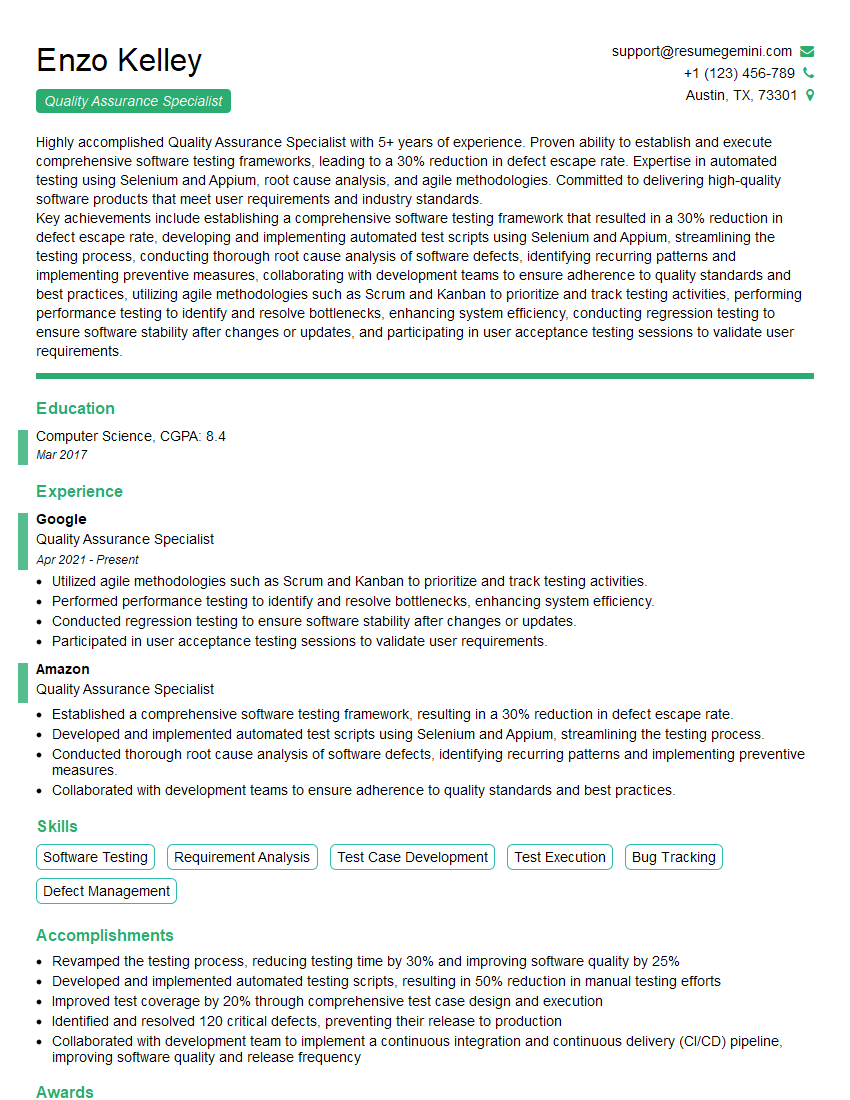
Quality Assurance Specialist Resume Sample
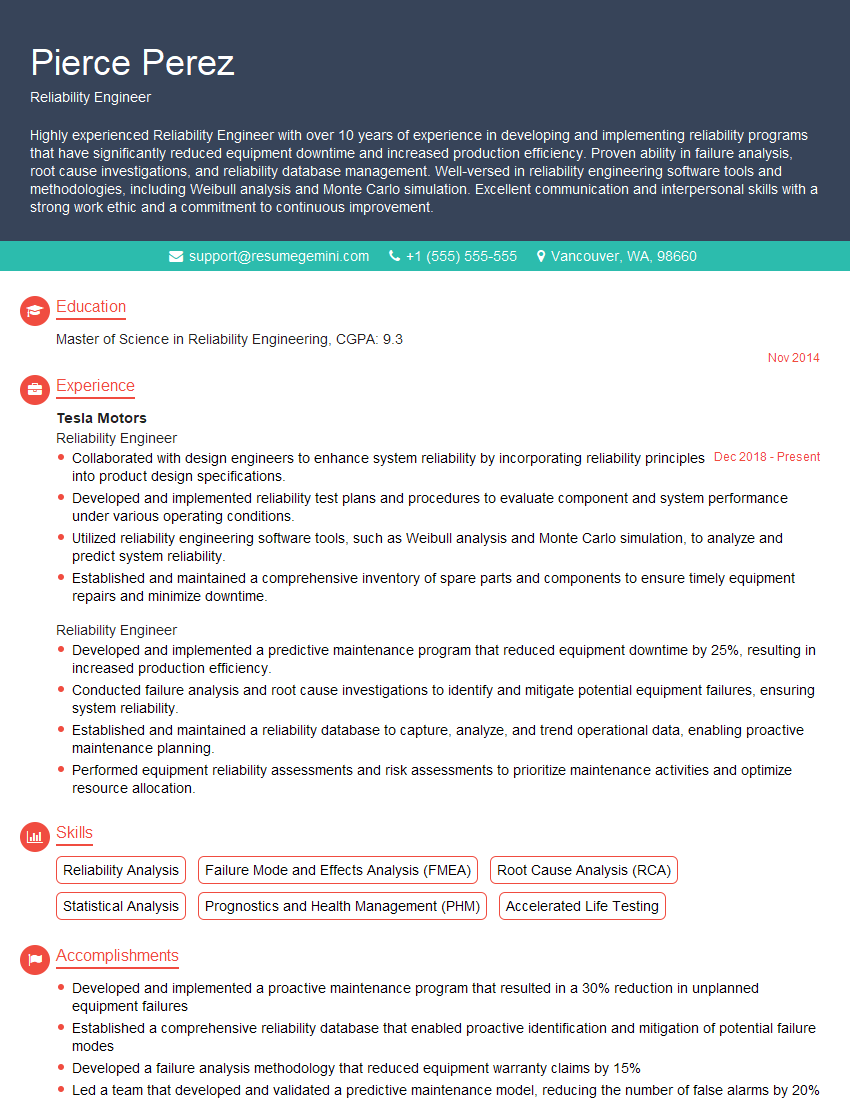
Reliability Engineer Resume Sample
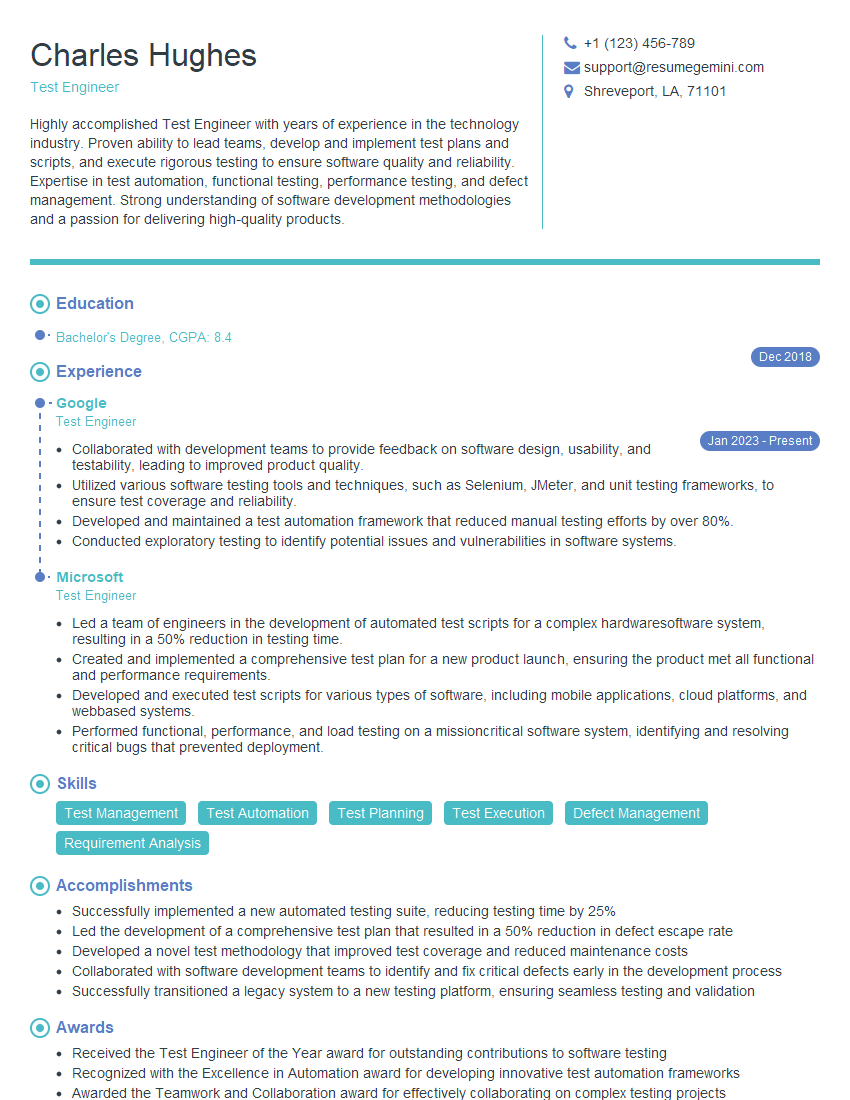
Test Engineer Resume Sample
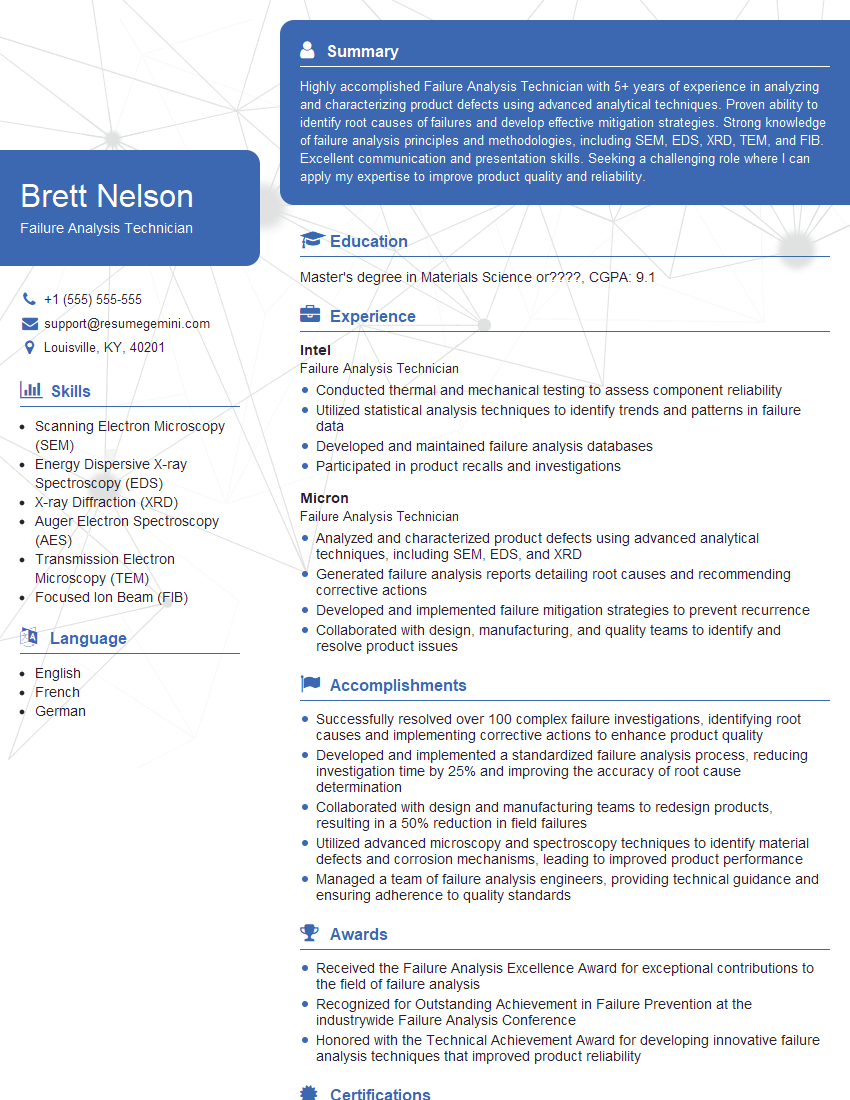
Failure Analysis Technician Resume Sample
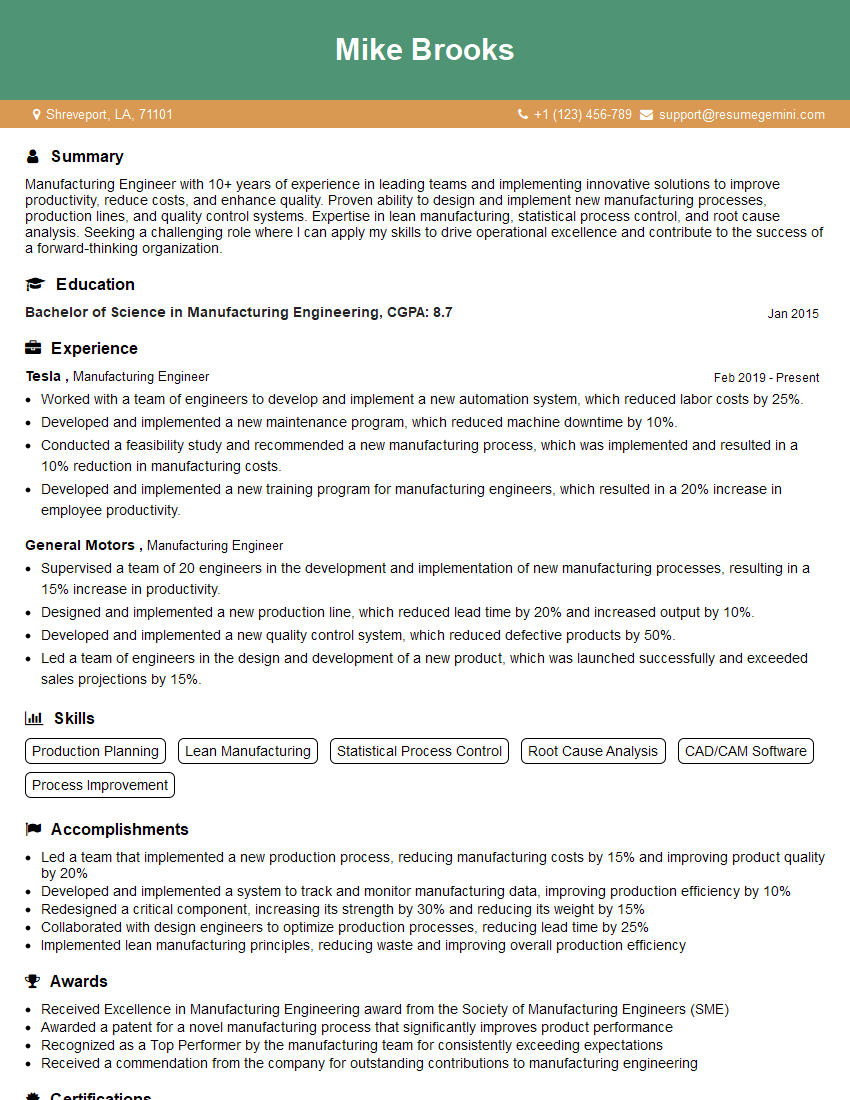
Manufacturing Engineer Resume Sample
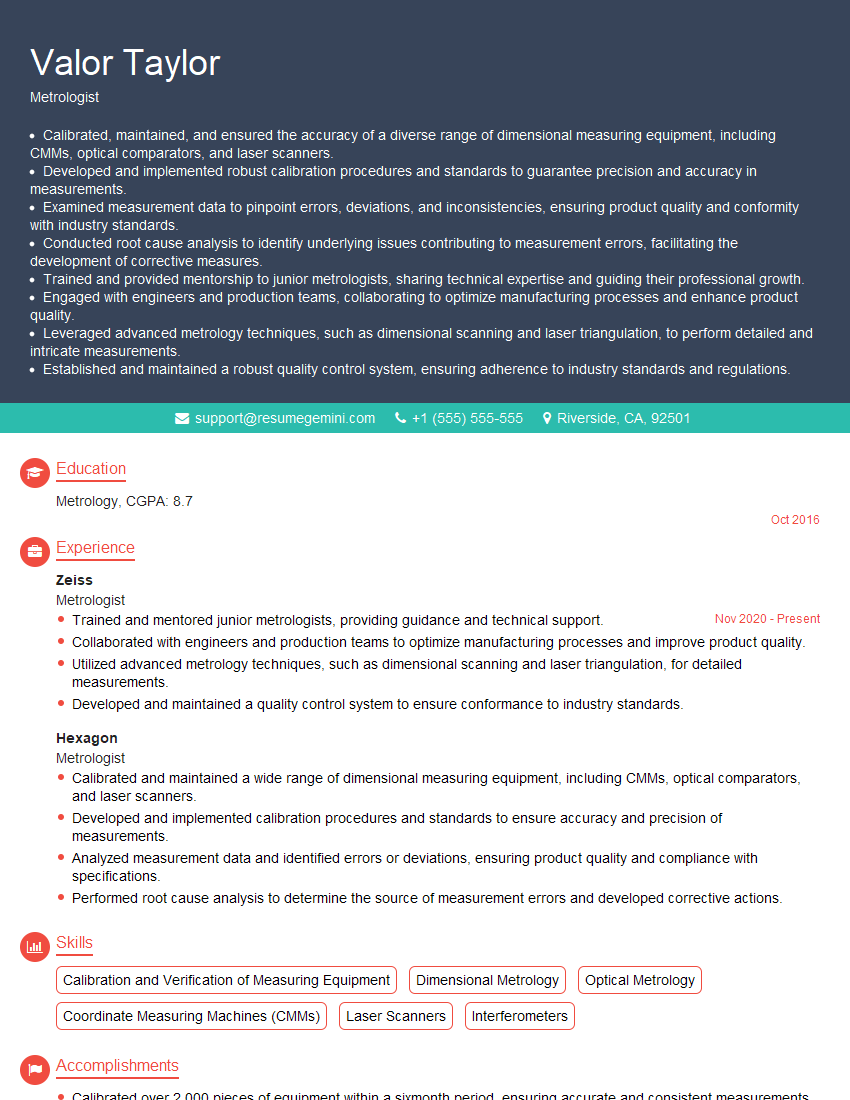
Metrologist Resume Sample
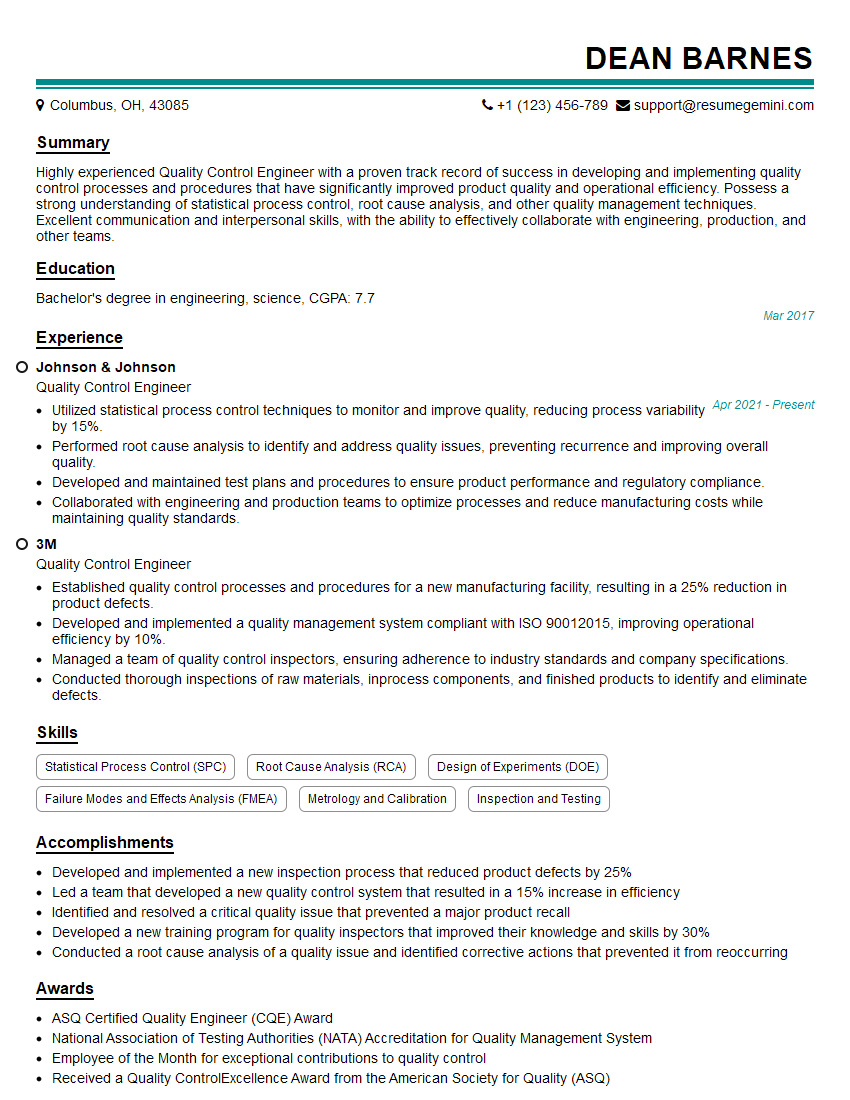
Quality Control Engineer Resume Sample

Materials Engineer Resume Sample

Metallurgist Resume Sample

Analytical Chemist Resume Sample
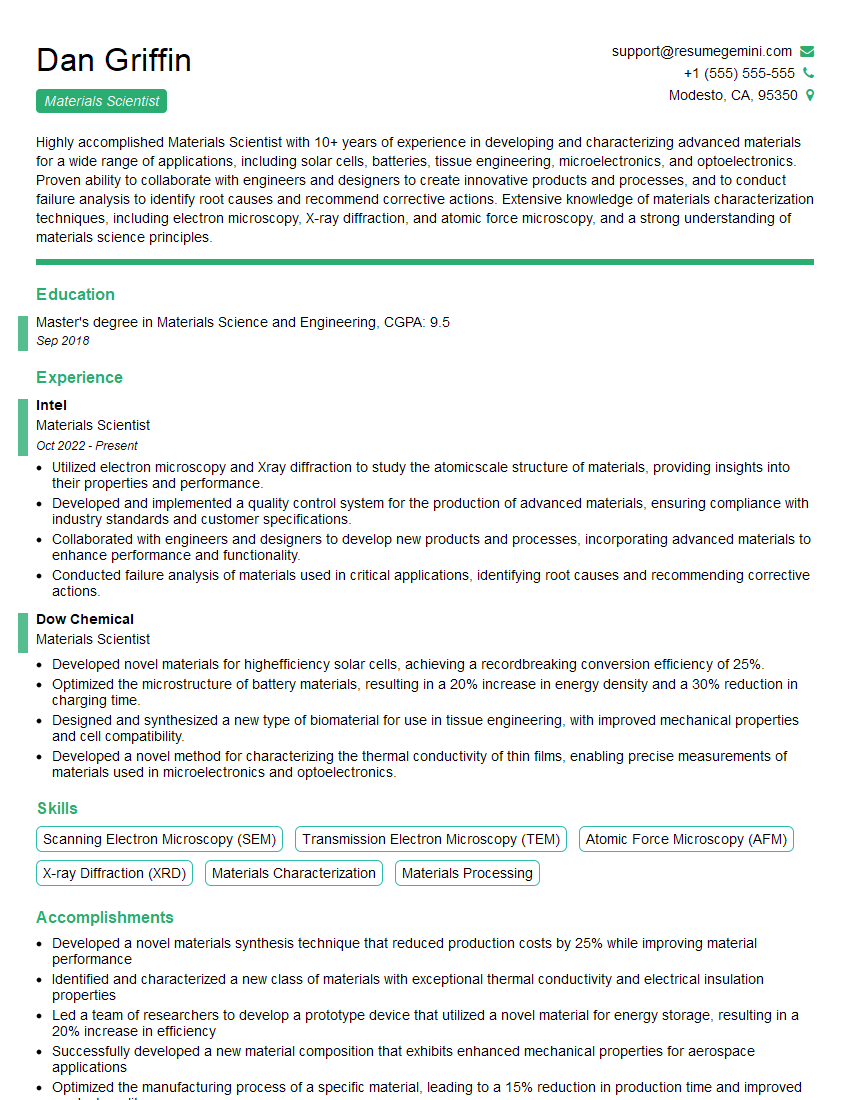
Materials Scientist Resume Sample

Quality Control Inspector Resume Sample
Explore more articles
Users Rating of Our Blogs
Share Your Experience
We value your feedback! Please rate our content and share your thoughts (optional).
What Readers Say About Our Blog
To the interviewgemini.com Webmaster.
Very helpful and content specific questions to help prepare me for my interview!
Thank you
To the interviewgemini.com Webmaster.
This was kind of a unique content I found around the specialized skills. Very helpful questions and good detailed answers.
Very Helpful blog, thank you Interviewgemini team.