The thought of an interview can be nerve-wracking, but the right preparation can make all the difference. Explore this comprehensive guide to Diagnostic Peritoneal Lavage interview questions and gain the confidence you need to showcase your abilities and secure the role.
Questions Asked in Diagnostic Peritoneal Lavage Interview
Q 1. Describe the indications for Diagnostic Peritoneal Lavage (DPL).
Diagnostic peritoneal lavage (DPL) is a minimally invasive procedure used to detect intra-abdominal bleeding. It’s primarily indicated when there’s a high clinical suspicion of intra-abdominal injury, especially in patients who are hemodynamically unstable (showing signs of shock like low blood pressure and rapid heart rate) following blunt or penetrating trauma. Essentially, we use DPL to quickly determine if surgery is necessary.
- Hemodynamically unstable patients with blunt trauma: Imagine a patient involved in a high-speed motor vehicle accident. If their blood pressure is dangerously low, and there’s a concern about internal bleeding, DPL might be the fastest way to confirm it.
- Penetrating trauma to the abdomen: A stabbing or gunshot wound to the abdomen immediately raises the possibility of organ damage and internal bleeding. DPL can help assess the severity.
- Patients with unclear abdominal findings: Sometimes, physical examination and imaging studies (like X-rays or CT scans) are inconclusive. In such cases, DPL can provide additional information.
However, the role of DPL has diminished in recent years due to advances in diagnostic imaging like CT scans. CT scans are now often preferred due to their ability to provide a more detailed picture of the abdomen. DPL is generally reserved for situations where CT is unavailable or contraindicated.
Q 2. What are the contraindications for DPL?
DPL is not suitable for all patients. Several conditions make it contraindicated, meaning it should not be performed. These contraindications primarily involve situations where the procedure itself could cause more harm than good.
- Existing peritonitis: If there’s already infection in the abdominal cavity (peritonitis), performing DPL could worsen the spread of infection.
- Advanced pregnancy: The risk of damaging the uterus and fetus is significant.
- Previous abdominal surgery: Extensive abdominal scarring from prior surgery may make the procedure technically difficult and increase the risk of complications.
- Coagulopathy: Patients with bleeding disorders (coagulopathy) have a high risk of significant bleeding during and after the procedure.
- Morbid obesity: Extremely obese patients may have difficulty accessing the abdominal cavity safely.
In these situations, alternative diagnostic methods like focused assessment with sonography for trauma (FAST) or CT scans are typically employed. It’s crucial to carefully weigh the risks and benefits of DPL in each individual case.
Q 3. Explain the technique of performing a DPL.
The DPL technique involves inserting a catheter into the peritoneal cavity under sterile conditions and then infusing and aspirating fluid to assess for the presence of blood and other contents.
- Patient Preparation: The patient is prepared with appropriate monitoring (heart rate, blood pressure), and the abdomen is cleaned and draped.
- Catheter Insertion: A small incision is made, usually below the umbilicus, and a catheter is inserted into the peritoneal cavity. This is usually guided by a surgeon’s feel.
- Fluid Infusion: A sterile isotonic fluid (e.g., saline) is instilled into the abdomen (typically 1000 ml). This helps wash out any material from the peritoneal cavity.
- Fluid Aspiration: The infused fluid is then drained and collected. This fluid is then sent for analysis.
- Closure: Once fluid is collected, the catheter is removed and the incision site is closed.
The entire procedure is quick and relatively straightforward. However, precise technique and sterile preparation are vital to minimize complications.
Q 4. What are the potential complications of DPL?
While DPL is minimally invasive, potential complications exist, although they are relatively rare with proper technique.
- Bleeding: Injury to blood vessels during catheter insertion is a possibility.
- Infection: Introducing bacteria into the sterile peritoneal cavity can lead to peritonitis.
- Bowel or bladder injury: Accidental puncture of these organs during catheter insertion is a serious, although rare complication.
- Viscus injury: Injury to an abdominal organ during fluid instillation or aspiration.
- Electrolyte imbalance: From fluid shifts.
These complications highlight the importance of skilled personnel performing the procedure in a sterile environment and making informed decisions about the appropriateness of DPL.
Q 5. How is the DPL fluid analyzed?
The aspirated DPL fluid is carefully analyzed for several key indicators:
- Gross appearance: The color (clear, bloody, cloudy) provides immediate visual information.
- Red blood cell (RBC) count: A high RBC count suggests bleeding.
- White blood cell (WBC) count: An elevated WBC count may indicate infection.
- Presence of amylase: High amylase levels may suggest pancreatic injury.
- Presence of bile: Suggests biliary tract injury.
- Presence of fecal material: Indicative of bowel perforation.
These findings are assessed together to build a complete picture of the intra-abdominal status.
Q 6. What are the criteria for a positive DPL?
There isn’t a single definitive criterion for a positive DPL; it’s an interpretation of multiple findings. A positive result strongly suggests the presence of intra-abdominal injury and necessitates surgical exploration.
- >100,000 RBC/mm³: A significantly high red blood cell count indicates substantial bleeding.
- Presence of food particles or bile: Indicates bowel or biliary injury.
- Grossly bloody aspirate: Immediately suspicious for significant injury.
- Positive bacterial culture: Suggests infection.
The interpretation of DPL results needs to be done in conjunction with the patient’s clinical picture, hemodynamic stability, and the results of other diagnostic studies. A single finding might not be enough to warrant surgery; the overall clinical picture matters most.
Q 7. What are the limitations of DPL?
Despite its role, DPL does have some limitations. It’s not a perfect test, and false positives and negatives can occur.
- False positives: Minor bleeding during the procedure or from unrelated sources could cause a positive result, even without significant intra-abdominal injury.
- False negatives: Small amounts of bleeding or injuries in specific areas of the abdomen might be missed.
- Limited information: DPL only provides general information about intra-abdominal injury; it does not provide specifics about the injured organ or the extent of injury.
- Procedural limitations: Difficulty inserting the catheter in certain cases (e.g., obesity) or inability to reach certain areas of the abdomen.
Advances in imaging, such as CT scans, often make DPL less necessary in many cases. Its application is mainly reserved for situations where CT isn’t available or feasible.
Q 8. How does DPL compare to Focused Assessment with Sonography for Trauma (FAST) exam?
Diagnostic peritoneal lavage (DPL) and Focused Assessment with Sonography for Trauma (FAST) are both rapid bedside assessments for intra-abdominal injury, but they differ significantly in their techniques and capabilities. FAST uses ultrasound to visualize free fluid in the abdomen, indicating potential bleeding or organ damage. DPL, on the other hand, is an invasive procedure where a catheter is inserted into the peritoneal cavity to aspirate fluid and assess for blood, blood products, or other contents indicative of injury. Think of FAST as a ‘look’ and DPL as a ‘feel’ – FAST provides a visual assessment, while DPL provides a direct sample of the peritoneal cavity’s contents. FAST is operator-dependent, meaning the accuracy relies heavily on the skill of the sonographer, whereas DPL has a more standardized approach. FAST is quicker to perform but may miss subtle injuries, while DPL, although more invasive, offers a higher sensitivity for detecting small amounts of blood that might be missed on ultrasound. The choice between the two often depends on the availability of trained personnel and the clinical suspicion of injury.
Q 9. Discuss the role of DPL in the management of blunt abdominal trauma.
In blunt abdominal trauma, DPL plays a crucial role in evaluating the need for laparotomy (surgical exploration). Patients with hemodynamic instability (low blood pressure, rapid heart rate) following blunt trauma often require immediate assessment. If a FAST exam is non-diagnostic or shows equivocal findings, DPL can provide a rapid and definitive answer. For example, a patient involved in a high-speed motor vehicle accident presents with hypotension and a positive FAST for free fluid. In such a situation, DPL can help determine if the free fluid is blood, indicating the need for urgent surgical intervention. A positive DPL showing significant blood would strongly support the need for laparotomy, while a negative DPL might allow for more conservative management – close observation and repeated clinical examinations. It’s vital to remember that DPL is not a substitute for clinical judgment; the overall clinical picture always guides management.
Q 10. Discuss the role of DPL in the management of penetrating abdominal trauma.
The role of DPL in penetrating abdominal trauma is less prominent now, largely superseded by focused computed tomography (CT) scans. However, in resource-limited settings or situations where immediate surgical exploration is necessary, DPL can still be a valuable tool. For instance, a patient with a gunshot wound to the abdomen in a remote area where CT is unavailable might undergo DPL. A positive DPL in this scenario would immediately indicate the need for laparotomy, even in the absence of other clinical signs. It allows for a rapid assessment to determine the need for exploratory surgery, ultimately aiming to minimize the time delay between injury and definitive surgical intervention.
Q 11. How do you manage a patient with a positive DPL?
A positive DPL, indicating the presence of blood, blood products, or other abdominal contents, necessitates immediate surgical exploration (laparotomy). There’s no room for delay in these cases. The management includes resuscitation (fluid replacement, blood transfusion if needed) while preparing the patient for surgery. The surgical team needs to be notified immediately, and the patient should be transferred to the operating room. The specifics of surgical intervention will depend on the findings during the laparotomy, which will identify the source and extent of the injury. Post-operative management will include intensive care monitoring, pain control, and ongoing assessment for complications.
Q 12. How do you manage a patient with a negative DPL?
A negative DPL is reassuring, suggesting that there is no significant intra-abdominal injury. However, it does not completely rule out all possibilities. Management involves close observation of the patient’s condition, including vital signs, physical examination, and serial abdominal examinations. The patient requires regular monitoring for any signs of developing complications. While a negative DPL reduces the likelihood of requiring laparotomy, it doesn’t entirely eliminate the need for continued monitoring. The patient may still require additional imaging, such as a CT scan, to confirm the absence of injury, particularly if clinical suspicion remains high despite the negative DPL.
Q 13. What are the alternative diagnostic methods to DPL?
Several alternative diagnostic methods have largely replaced DPL, especially in modern trauma centers. These include:
- Focused Assessment with Sonography for Trauma (FAST): A rapid bedside ultrasound examination.
- Computed Tomography (CT) Scan: A more detailed imaging technique that provides comprehensive visualization of abdominal structures.
- Diagnostic laparoscopy: A minimally invasive surgical technique that allows direct visualization of the abdominal cavity.
The choice of method depends on the specific clinical situation, the availability of resources, and the expertise of the healthcare team. CT scanning is now preferred in many settings due to its superior diagnostic capabilities.
Q 14. What is the sensitivity and specificity of DPL?
The sensitivity and specificity of DPL vary depending on factors such as the experience of the operator and the criteria used to interpret the results. Generally, the sensitivity is reported to be around 90-98% for detecting significant intra-abdominal bleeding. However, the specificity is lower, with rates reported in the range of 80-90%, meaning there is a possibility of false positives (identifying bleeding when none is present). Because of these limitations, as well as the less invasive and more informative imaging techniques now available, DPL’s use has significantly decreased in many trauma centers.
Q 15. Describe the equipment required for a DPL.
Diagnostic peritoneal lavage (DPL) requires a relatively straightforward setup. The key is maintaining sterility throughout the process. Think of it like preparing a sterile field for any major surgery.
- Sterile gloves, drapes, and gowns: Protecting both the patient and the medical team from infection is paramount.
- Local anesthetic: To numb the area before insertion of the lavage catheter.
- 10-15 gauge catheter or trocar: This is the tool used to enter the peritoneal cavity.
- Infusion bag and tubing: For administering the lavage fluid. This is usually a crystalloid solution like normal saline.
- Collection system: A system to collect the outflowing fluid for analysis. This might be a series of sterile containers.
- Suction apparatus: While not always strictly necessary, suction can help facilitate fluid drainage.
- Syringe and needles: For drawing samples of the lavage fluid for microscopic analysis.
- Microscope and slides: To examine the lavage fluid for the presence of blood, bacteria, or other materials.
It’s crucial to remember that the specific equipment may vary slightly depending on the institution’s protocols and available resources. However, the core principles of sterility and careful technique remain constant.
Career Expert Tips:
- Ace those interviews! Prepare effectively by reviewing the Top 50 Most Common Interview Questions on ResumeGemini.
- Navigate your job search with confidence! Explore a wide range of Career Tips on ResumeGemini. Learn about common challenges and recommendations to overcome them.
- Craft the perfect resume! Master the Art of Resume Writing with ResumeGemini’s guide. Showcase your unique qualifications and achievements effectively.
- Don’t miss out on holiday savings! Build your dream resume with ResumeGemini’s ATS optimized templates.
Q 16. How do you interpret the results of a DPL?
Interpreting DPL results requires careful consideration of several factors. It’s not simply a ‘yes’ or ‘no’ answer about intra-abdominal injury.
We look for several key indicators in the collected lavage fluid:
- Gross Appearance: A bloody aspirate is highly suggestive of intra-abdominal bleeding. A cloudy or purulent appearance points toward infection.
- Red Blood Cell Count (RBC): A high RBC count confirms bleeding within the peritoneal cavity. Establishing cut-offs is crucial and varies institutionally, but a high count is a significant finding.
- White Blood Cell Count (WBC): An elevated WBC count suggests inflammation or infection. Again, a clear threshold needs to be established based on local experience.
- Presence of Food Particles: Indicates bowel perforation.
- Presence of Bacteria: Gram staining and culture can identify bacterial contamination of the peritoneal cavity.
The interpretation isn’t solely based on isolated findings. We correlate these findings with the patient’s clinical presentation, mechanism of injury, and vital signs. A slightly elevated RBC count in a patient with a minor blunt trauma might be less concerning than the same count in a patient with a high-speed motor vehicle collision.
Q 17. What are the ethical considerations related to DPL?
Ethical considerations in DPL center around informed consent and the risk-benefit assessment for the procedure. We must ensure the patient (or their legal guardian) fully understands the procedure, potential complications, and alternative diagnostic methods. The information should be presented in a language they understand, free from medical jargon.
Transparency is key. We explain the possibility of false-positive or false-negative results, emphasizing that DPL is an investigative tool and not a definitive diagnostic test. We discuss alternative procedures like focused assessment with sonography for trauma (FAST) and contrast-enhanced CT scans, weighing the relative risks and benefits of each approach.
Additionally, we must ensure the procedure is only performed by appropriately trained medical professionals in a setting where immediate surgical intervention is feasible if necessary. This safeguards the patient’s safety and reduces potential harm.
Q 18. How do you explain the procedure to a patient and their family?
Explaining DPL to a patient and their family requires sensitivity and clear communication. I begin by acknowledging their anxiety and assuring them I will do my best to answer their questions. I avoid medical jargon, using simple, relatable language.
I usually explain it like this: ‘We think you might have internal bleeding or damage to your organs. To find out for sure, we will insert a thin tube into your abdomen to collect a sample of fluid. This is a quick procedure that helps us to decide if surgery is needed.’
I then explain the process in simple steps: The cleaning of the abdomen, the insertion of the tube, the collection of fluid, and the relatively short time it takes. I emphasize the potential benefits of the procedure—getting a quick answer that may prevent unnecessary surgery or allow for prompt intervention if needed. I address their concerns about pain and potential complications honestly and openly. If surgical intervention is deemed necessary, I outline the reasons and what to expect.
Involving the family in the discussion allows for shared decision-making and helps alleviate anxieties.
Q 19. What is the role of DPL in hemodynamically unstable patients?
In hemodynamically unstable patients (those with significant blood loss and falling blood pressure), DPL plays a crucial role but with caveats. Because of their unstable condition, speed and efficiency are crucial. In many centers DPL has been largely replaced by FAST scans in these patients.
While DPL can provide rapid information about the presence of intra-abdominal bleeding, the time taken to perform the procedure itself might delay essential interventions. In such scenarios, a FAST scan is often preferred as it’s quicker and doesn’t involve the same level of invasive intervention. However, if a FAST scan is inconclusive or not available, DPL remains a valuable tool to quickly assess the need for immediate laparotomy (surgical exploration of the abdomen).
In these situations, I emphasize that DPL might not offer the most comprehensive information but it is often a very effective way to decide if surgery needs to be performed immediately. If the results clearly indicate the need for surgery, I do not hesitate to recommend surgery while initiating resuscitation measures concurrently.
Q 20. What is the impact of bowel perforation on DPL results?
Bowel perforation significantly impacts DPL results, often leading to false-positive findings. The presence of food particles, bacteria, and increased WBC count in the lavage fluid can mimic the findings of significant intra-abdominal injury. This can lead to unnecessary surgery.
Differentiating between bowel perforation and other injuries requires careful clinical judgment and correlation with other findings. If a patient presents with evidence of bowel perforation (e.g., free air on X-ray, signs of peritonitis), the interpretation of DPL results needs to be adjusted for this background information.
For example, a slightly elevated RBC count in the setting of known bowel perforation might not necessarily indicate a significant bleed from other sources. The presence of food particles is a clear marker of bowel perforation and must be considered while interpreting the results of a DPL.
Q 21. How do you manage post-DPL complications such as infection?
Post-DPL infection is a rare but serious complication. The risk is minimized by strict adherence to sterile technique during the procedure. However, if an infection does develop, prompt management is crucial.
Symptoms may include fever, abdominal pain, tenderness, and purulent drainage from the insertion site. Management involves:
- Blood cultures: To identify the causative organism.
- Antibiotics: Broad-spectrum antibiotics are usually started empirically, based on the suspected organism, pending culture results.
- Drainage: If a localized abscess forms, surgical drainage may be necessary.
- Supportive Care: This includes fluid resuscitation, pain management, and monitoring vital signs.
Prevention is key, through rigorous sterile technique during the DPL procedure and close monitoring of the patient post-procedure. Early recognition and prompt treatment are essential for a positive outcome.
Q 22. How would you handle a patient who is allergic to the DPL fluid?
Allergic reactions to DPL fluid, typically saline, are rare but necessitate immediate action. The first step is to immediately stop the procedure and assess the patient’s reaction. This might involve monitoring vital signs, administering oxygen, and potentially utilizing antihistamines or epinephrine, depending on the severity of the reaction. In cases of a severe allergic reaction (anaphylaxis), emergency resuscitation measures would be prioritized, including IV fluids and potentially intubation. If the patient is known to have a severe allergy to saline, alternative fluids like Ringer’s lactate solution would be considered before the procedure, but this must be carefully discussed with the patient and documented. It is crucial to have a comprehensive allergy history taken before any procedure involving fluid infusions.
Q 23. Discuss the importance of informed consent before performing a DPL.
Informed consent is paramount before any invasive procedure, including DPL. This involves a detailed explanation of the procedure, its potential benefits and risks, and alternative diagnostic options. The patient must understand the purpose of the DPL – to detect intra-abdominal bleeding or injury – and the possibility of complications such as infection, bleeding at the insertion site, or bowel perforation. The explanation must be tailored to the patient’s level of understanding, using clear and simple language, avoiding medical jargon. The patient must be mentally competent to make the decision and free from coercion. The informed consent process is documented in the patient’s medical record. Imagine explaining to a family member who’s been in an accident why a DPL is necessary – using plain language and addressing their concerns is essential.
Q 24. What are the legal considerations surrounding DPL?
Legal considerations surrounding DPL revolve around informed consent, negligence, and adherence to medical standards of care. Failure to obtain proper informed consent, performing the procedure without appropriate indication, or committing errors leading to complications can result in legal action. Maintaining accurate and detailed documentation of the procedure – including the indications, consent obtained, the technique employed, findings, and complications, if any – is crucial. Adherence to established protocols and guidelines minimizes the risk of legal repercussions. In essence, the legal framework ensures patient safety and accountability. A well-documented procedure protects both the patient and the physician.
Q 25. How does the surgeon ensure proper aseptic technique during DPL?
Maintaining strict aseptic technique is non-negotiable in DPL. This starts with thorough hand hygiene and the use of sterile gloves, gowns, drapes, and instruments. The surgical site is prepared with an antiseptic solution, following a meticulous technique to minimize contamination. The procedure is performed in a sterile field, with all personnel adhering to strict sterile protocols. Any breach in asepsis increases the risk of infection – a significant complication. Imagine it like preparing a sterile operating room: Every step is vital in creating a sterile environment. The use of sterile drapes, for instance, is not an optional add-on, but a crucial barrier to prevent contamination.
Q 26. How is the insertion site selected for a DPL?
The insertion site for a DPL is typically chosen in the midline, below the umbilicus, often slightly off-center to avoid the median umbilical ligament. The location minimizes the risk of damaging major organs and allows for easy access to the peritoneal cavity. The selection of the site involves careful palpation and consideration of any potential underlying injuries or anatomical variations. The site is meticulously prepared and draped before incision. For example, if there is a suspected injury to the lower abdomen, an alternative site, if safe, might be considered to avoid the area of injury. However, the midline approach is typically preferred for its ease of access and reduced risk of major vessel damage.
Q 27. What are the signs and symptoms of intra-abdominal hemorrhage that warrant a DPL?
Several signs and symptoms may indicate intra-abdominal hemorrhage that warrants a DPL. These include hemodynamic instability (hypotension, tachycardia), signs of shock (cool, clammy skin, altered mental status), abdominal distension, and guarding or rigidity. Presence of significant bruising (ecchymosis) in the abdominal wall (Grey Turner’s sign or Cullen’s sign) can suggest intra-abdominal bleeding. A significant fall from height or a high-impact motor vehicle accident history further strengthens the indication for a DPL. A patient with a rapidly dropping blood pressure and a tender abdomen is a clear candidate. The symptoms point to a potential loss of intravascular volume and increased pressure within the abdomen.
Q 28. Describe the steps you take to prevent complications during and after a DPL.
Preventing complications during and after a DPL requires meticulous attention to detail at every stage. This begins with careful patient selection and appropriate pre-operative preparation, including assessment of coagulation status. During the procedure, gentle insertion of the trocar and catheter is crucial to minimize the risk of injury to organs. After the procedure, close monitoring of vital signs and abdominal examination helps detect early signs of complications like infection or bleeding. Pain management and prophylactic antibiotics are commonly used. Post-operative instructions emphasizing wound care and activity restrictions are given to promote healing. The patient is closely monitored for signs of infection such as fever or increasing abdominal pain. Just like any surgical procedure, careful attention to detail, prevention strategies, and timely intervention are essential for minimizing complications.
Key Topics to Learn for Diagnostic Peritoneal Lavage Interview
- Indications and Contraindications: Understanding the specific situations where DPL is appropriate and when it should be avoided is crucial. Consider patient factors and alternative diagnostic methods.
- Procedure Technique: Master the steps involved in performing a DPL, from patient preparation and site selection to fluid aspiration and analysis. Focus on maintaining sterile technique and minimizing complications.
- Fluid Analysis Interpretation: Learn to interpret the results of DPL fluid analysis, including the significance of red blood cell count, white blood cell count, and the presence of bacteria or other substances. Understand the limitations of DPL.
- Complications and Management: Familiarize yourself with potential complications associated with DPL, such as bleeding, infection, bowel perforation, and vascular injury. Know how to manage these complications effectively.
- Alternative Diagnostic Methods: Be prepared to discuss the advantages and disadvantages of DPL compared to other diagnostic techniques for intra-abdominal injuries, such as CT scans and FAST exams.
- Ethical Considerations: Understand the ethical implications of performing DPL, including informed consent and risk assessment.
- Case Studies & Problem Solving: Practice analyzing case scenarios involving DPL, focusing on the decision-making process, interpretation of results, and appropriate management strategies. This will strengthen your problem-solving skills.
Next Steps
Mastering Diagnostic Peritoneal Lavage significantly enhances your skills and marketability within the medical field, opening doors to specialized roles and advanced opportunities. To further boost your career prospects, creating a strong, ATS-friendly resume is paramount. ResumeGemini offers a powerful tool to craft a professional and effective resume that highlights your expertise in Diagnostic Peritoneal Lavage. Utilize ResumeGemini to build a compelling narrative and showcase your skills; examples of resumes tailored to Diagnostic Peritoneal Lavage are available to guide you.
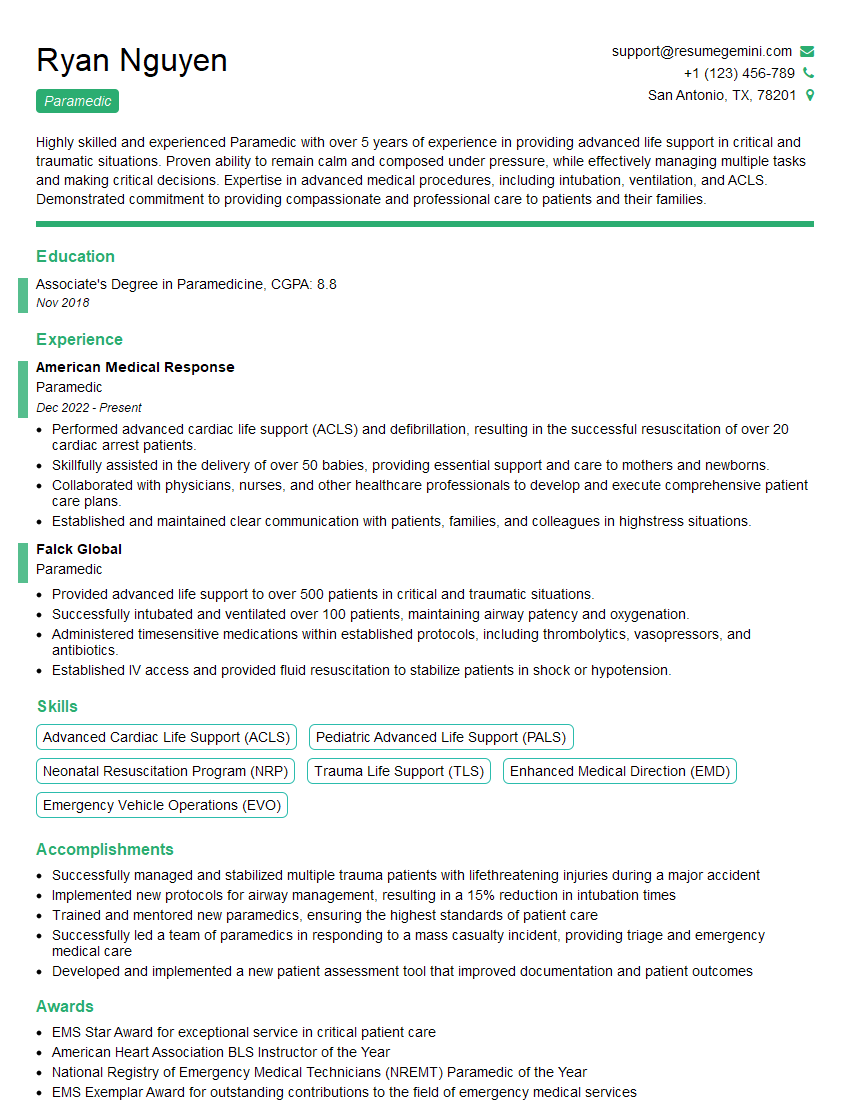
Paramedic Resume Sample
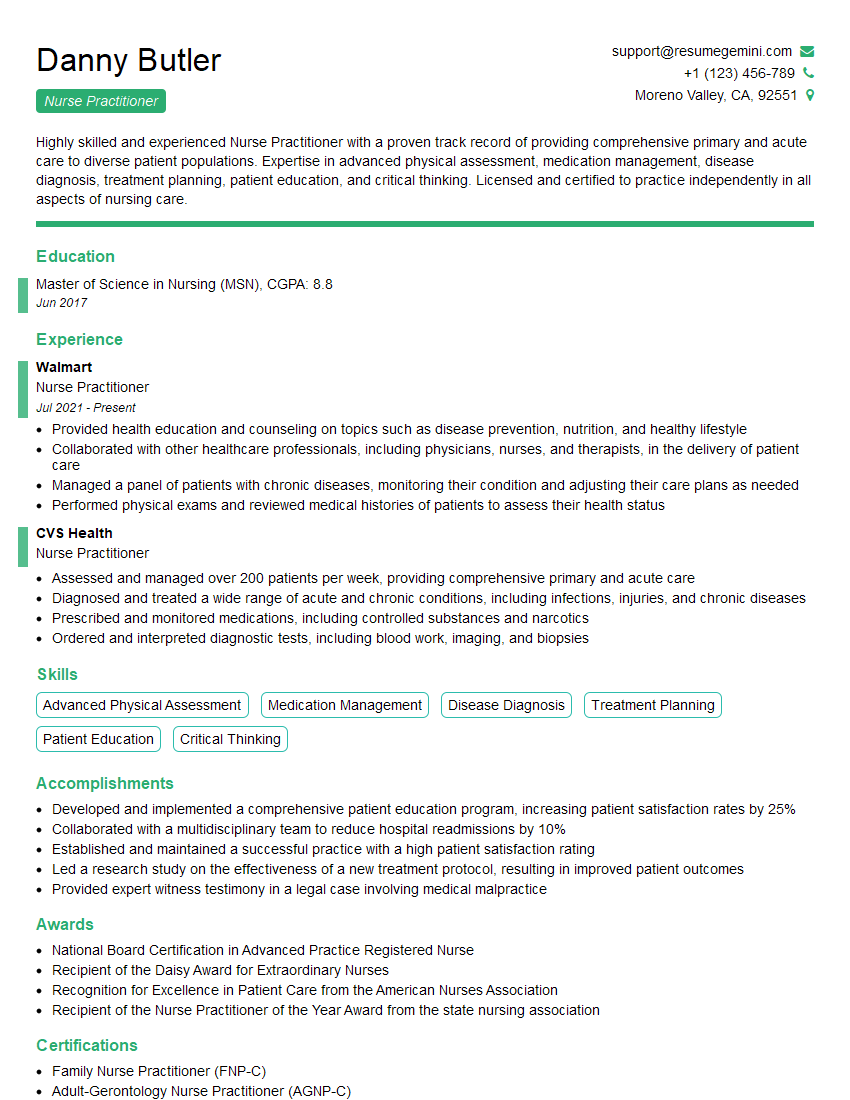
Nurse Practitioner Resume Sample
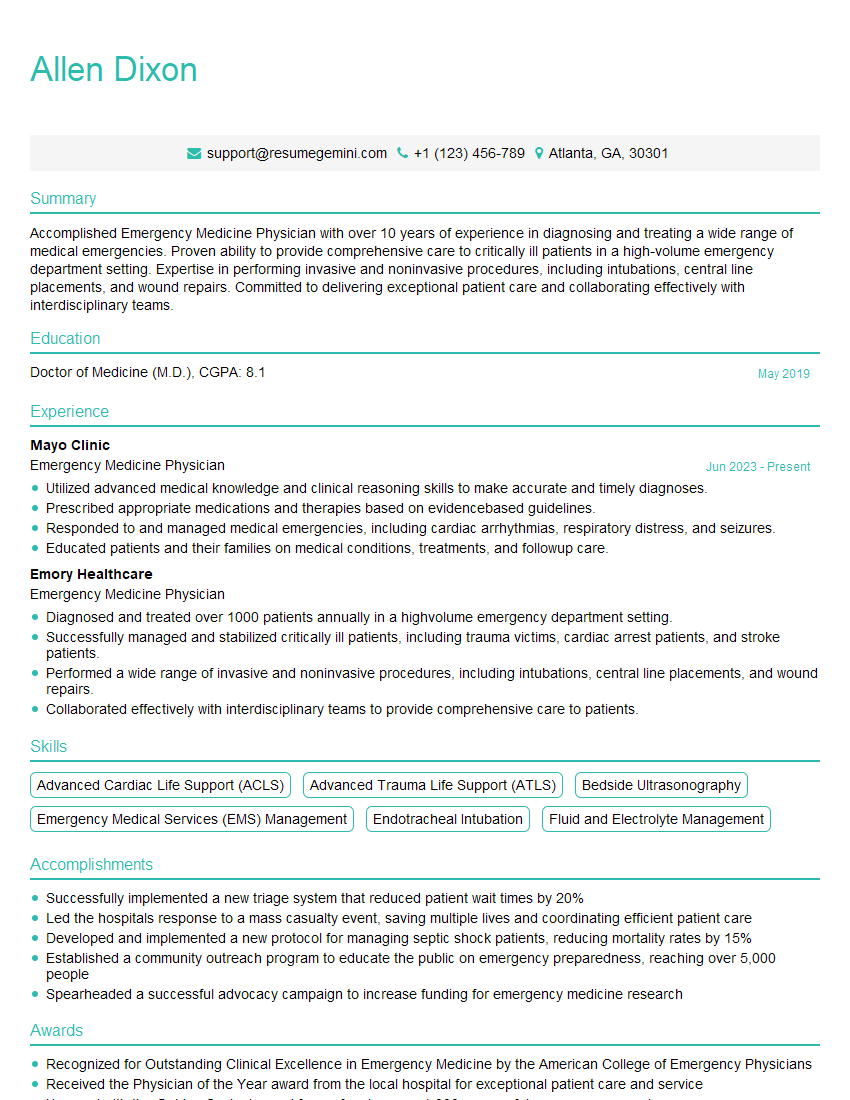
Emergency Medicine Physician Resume Sample

Physician Assistant Resume Sample
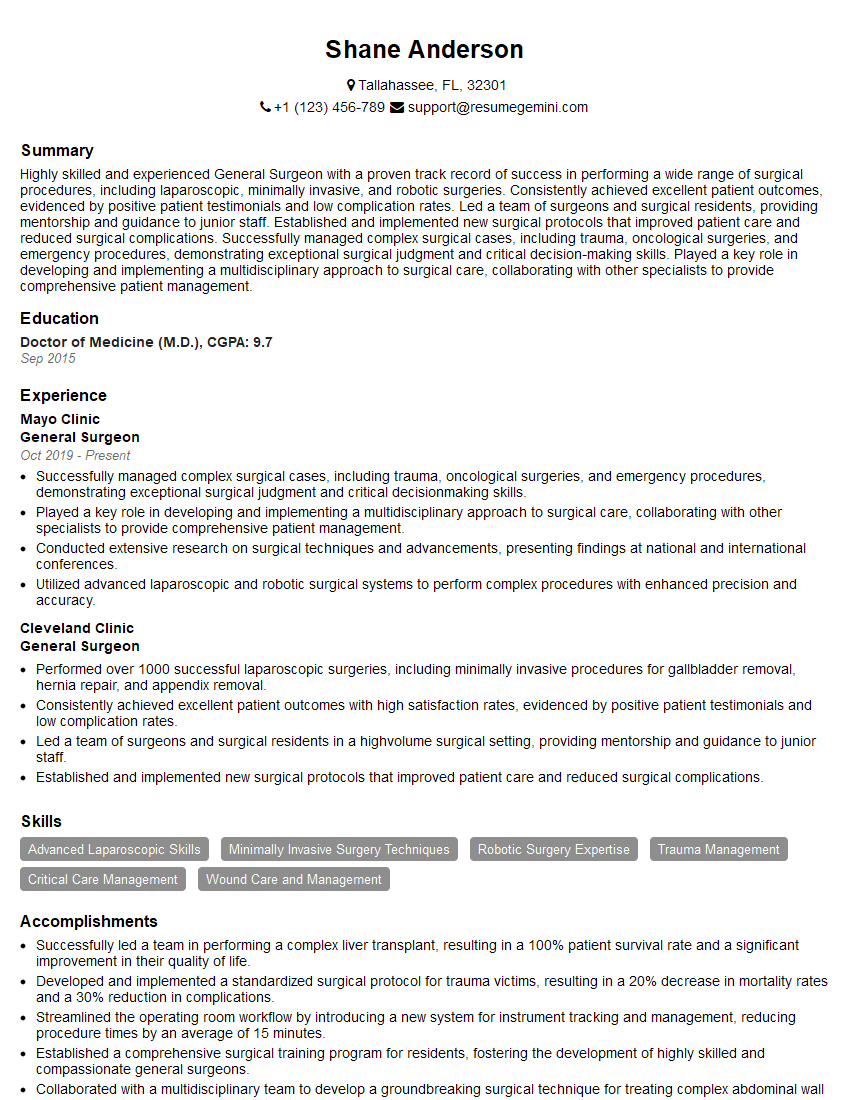
General Surgeon Resume Sample
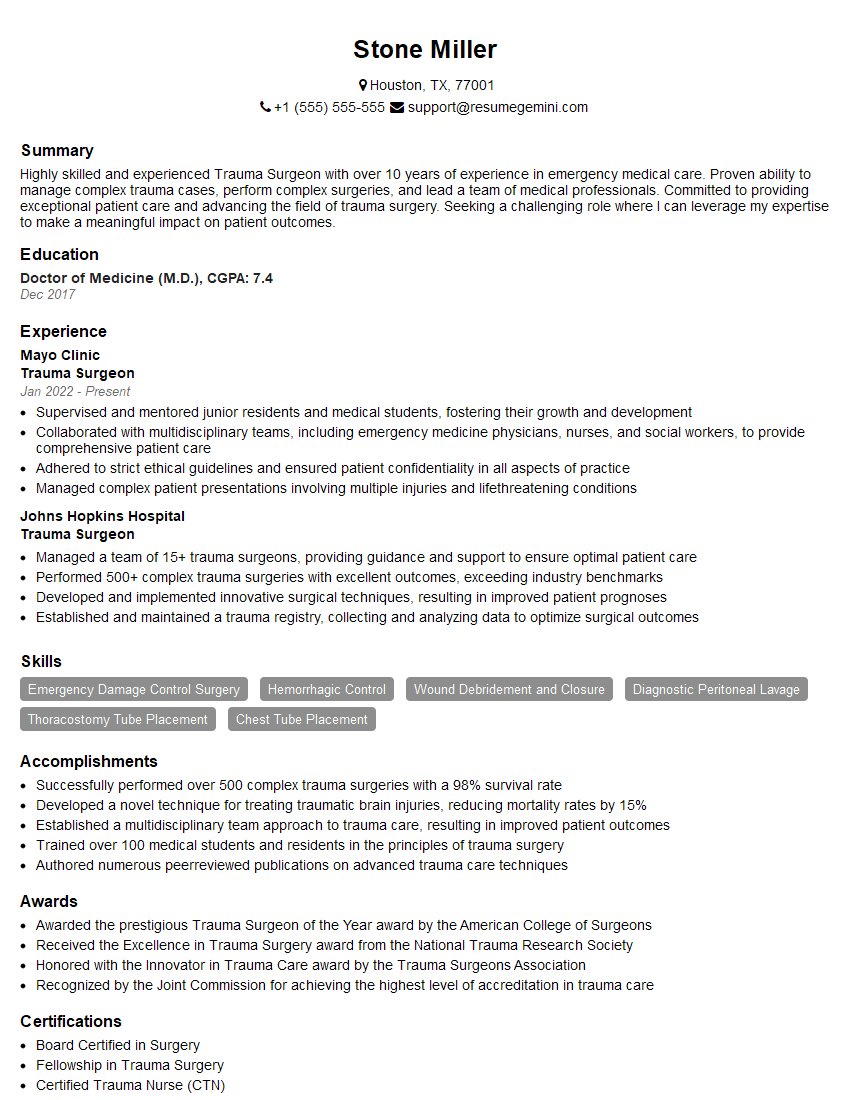
Trauma Surgeon Resume Sample
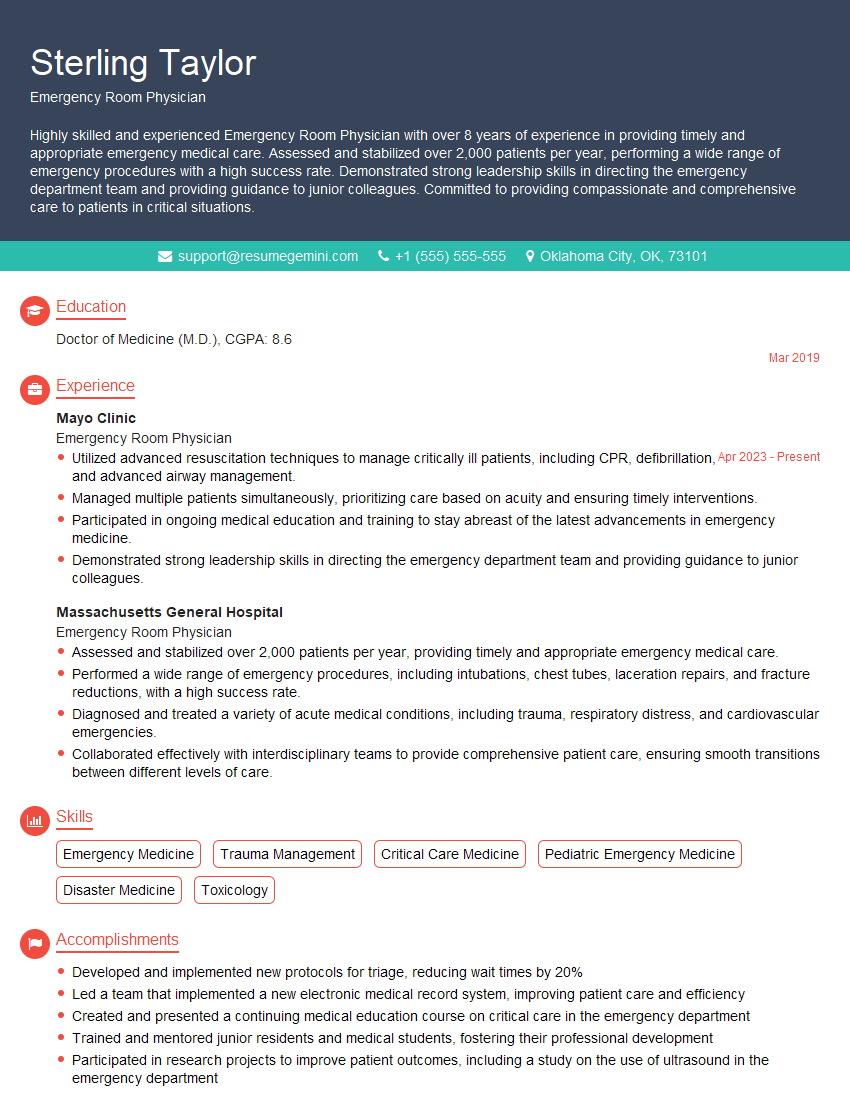
Emergency Room Physician Resume Sample
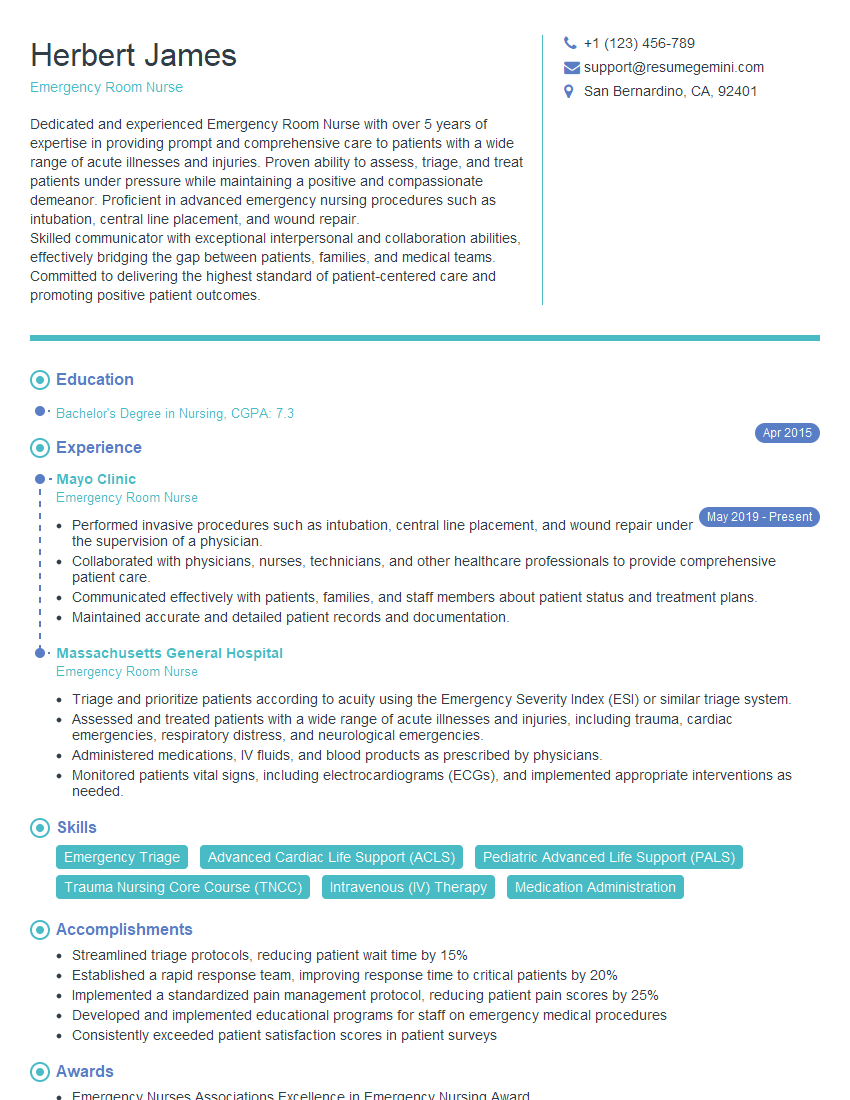
Emergency Room Nurse Resume Sample
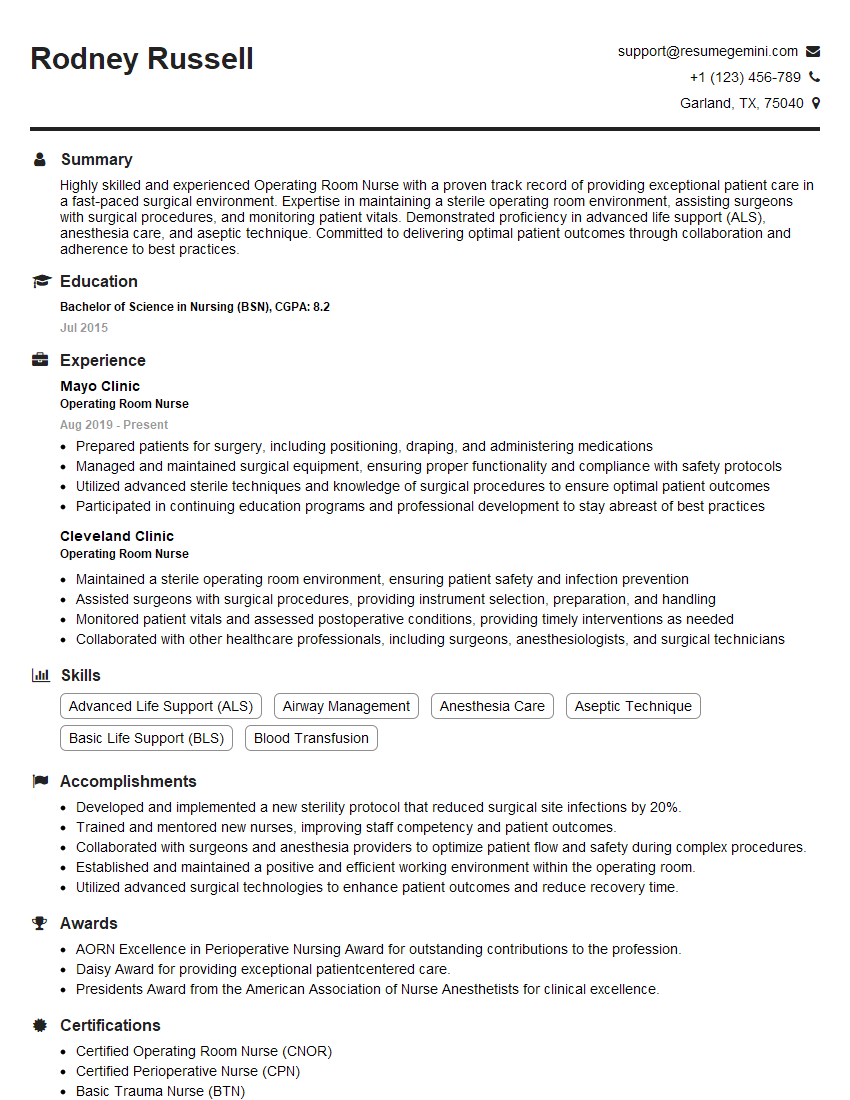
Operating Room Nurse Resume Sample
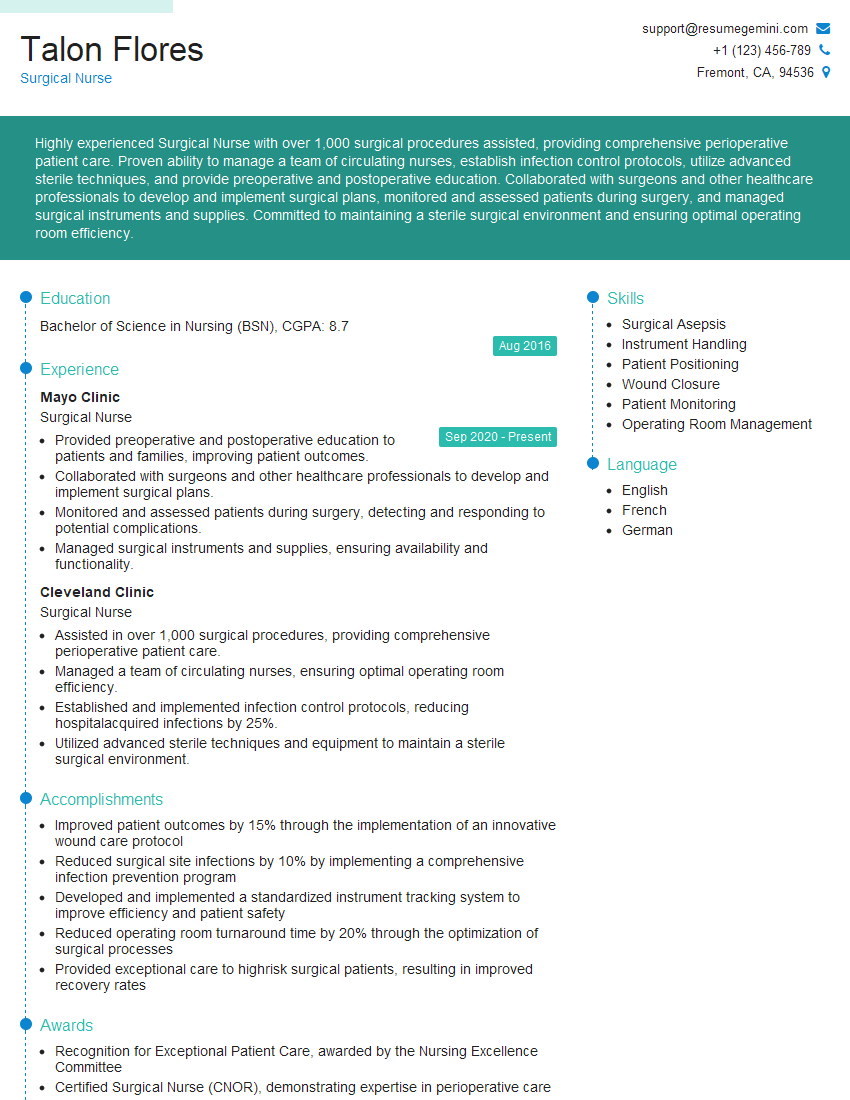
Surgical Nurse Resume Sample
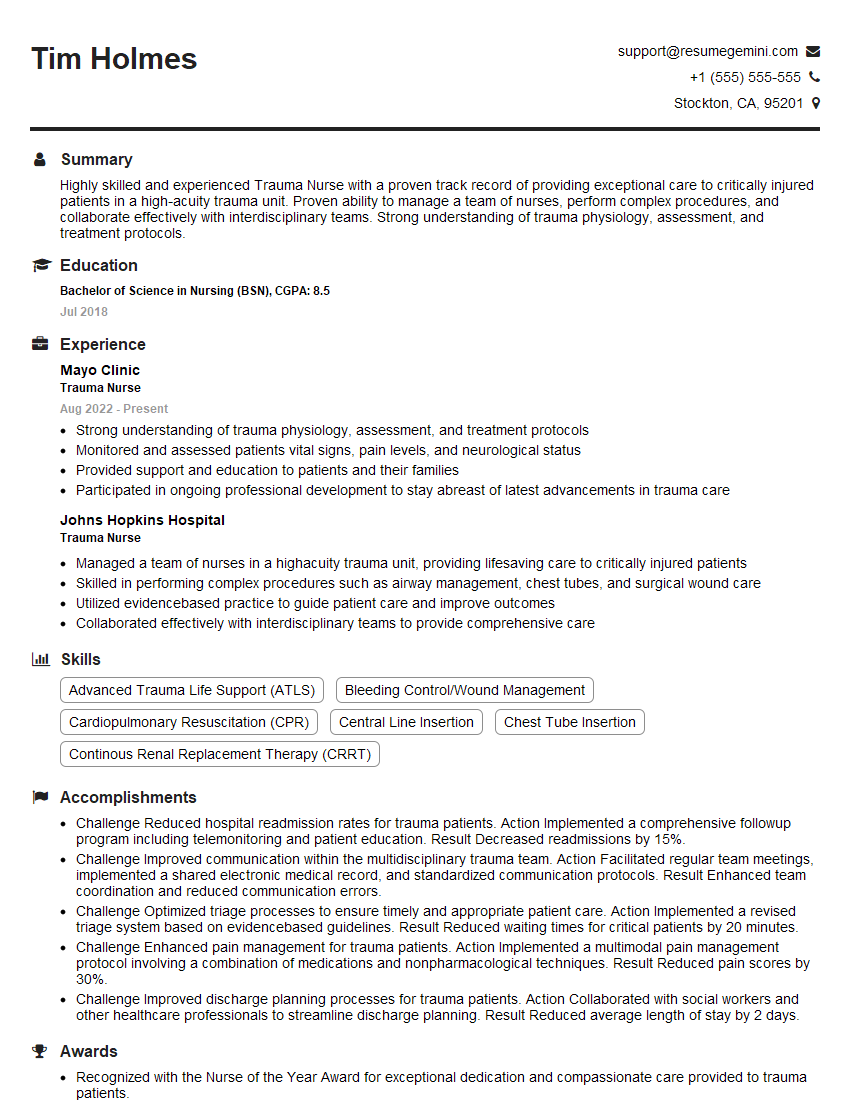
Trauma Nurse Resume Sample
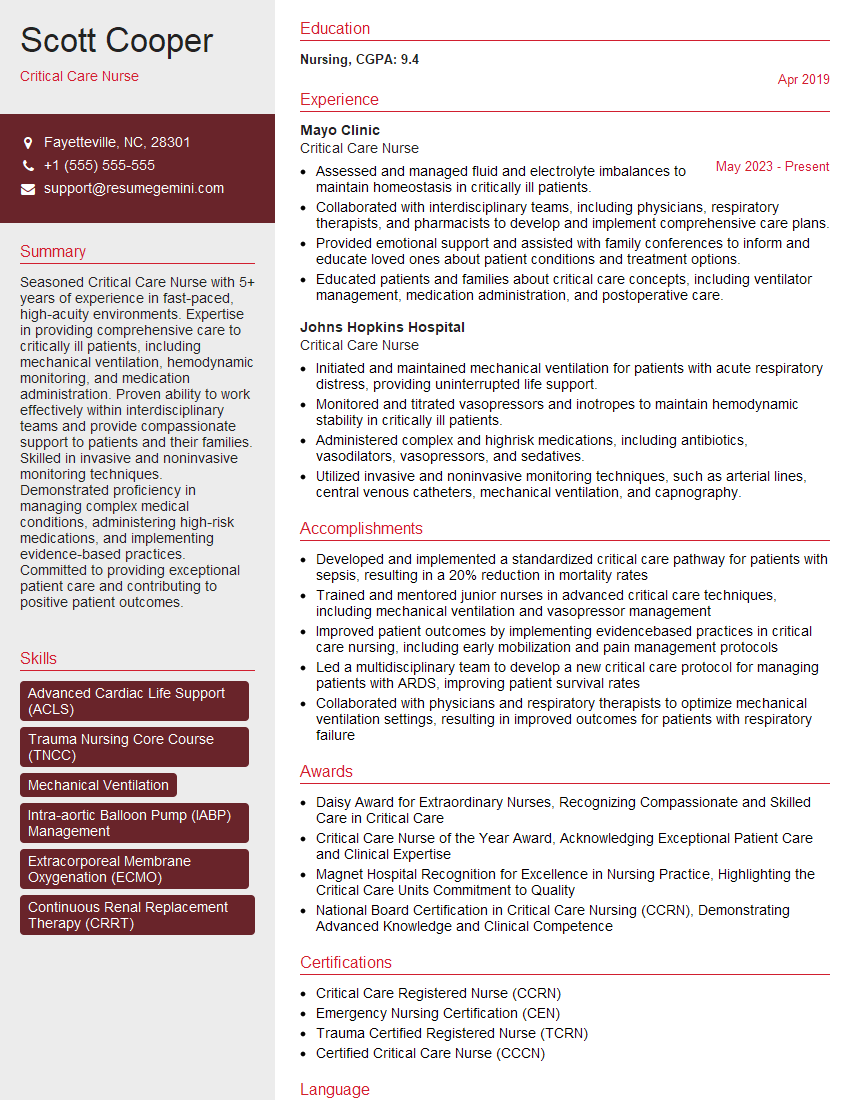
Critical Care Nurse Resume Sample
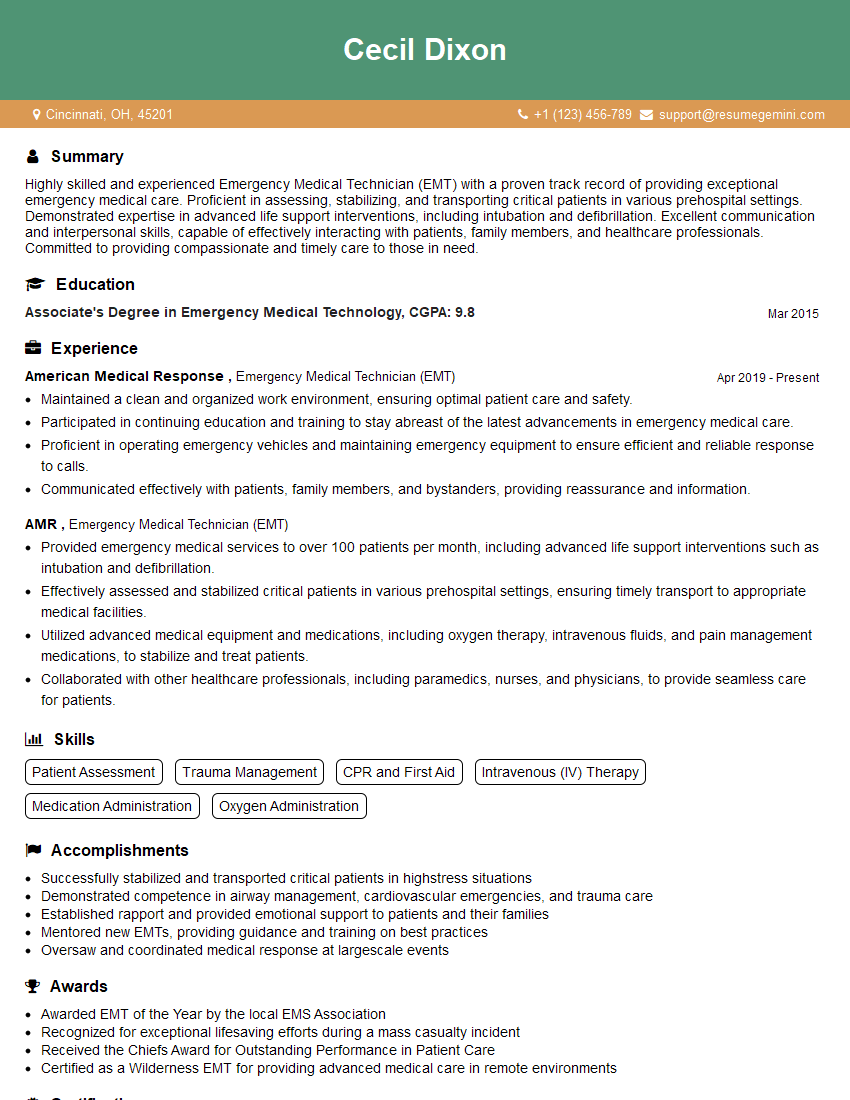
Emergency Medical Technician (EMT) Resume Sample
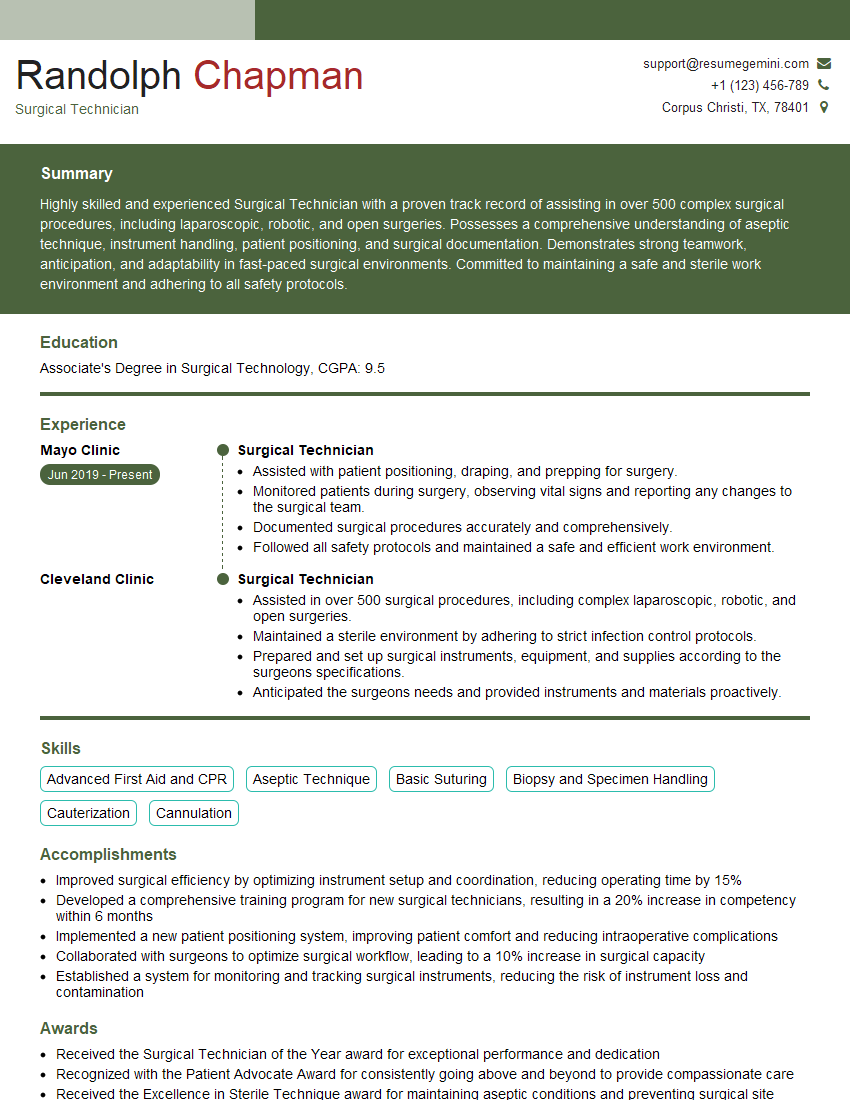
Surgical Technician Resume Sample
Explore more articles
Users Rating of Our Blogs
Share Your Experience
We value your feedback! Please rate our content and share your thoughts (optional).
What Readers Say About Our Blog
To the interviewgemini.com Webmaster.
Very helpful and content specific questions to help prepare me for my interview!
Thank you
To the interviewgemini.com Webmaster.
This was kind of a unique content I found around the specialized skills. Very helpful questions and good detailed answers.
Very Helpful blog, thank you Interviewgemini team.