Interviews are opportunities to demonstrate your expertise, and this guide is here to help you shine. Explore the essential Diffusing Capacity interview questions that employers frequently ask, paired with strategies for crafting responses that set you apart from the competition.
Questions Asked in Diffusing Capacity Interview
Q 1. Explain the physiological principles underlying the measurement of diffusing capacity (DLCO).
The diffusing capacity of the lung for carbon monoxide (DLCO) measures how well oxygen and carbon monoxide move from the alveoli (tiny air sacs in the lungs) into the bloodstream. It reflects the overall efficiency of gas exchange. The test involves having the patient breathe a mixture of gases, including carbon monoxide (CO), which binds to hemoglobin with much greater affinity than oxygen. By measuring the amount of CO that enters the blood over a certain period, we can assess the efficiency of gas transfer. This is based on several physiological principles:
- Alveolar-Capillary Membrane Diffusion: The primary principle is the diffusion of gases across the alveolar-capillary membrane. This thin membrane separates the alveolar air from the capillaries, and its integrity is crucial for efficient gas exchange. Any thickening or damage to this membrane will impair diffusion.
- Hemoglobin Binding: Carbon monoxide’s high affinity for hemoglobin allows us to measure diffusion independent of other factors affecting oxygen uptake, such as oxygen’s partial pressure and the binding affinity of hemoglobin. This simplifies interpretation.
- Pulmonary Blood Flow: The amount of blood flowing through the pulmonary capillaries directly impacts the transfer of gas. More blood flow means more opportunity for CO to bind to hemoglobin and thus a higher DLCO.
- Ventilation-Perfusion Matching: Efficient gas exchange depends on the appropriate matching of ventilation (airflow) and perfusion (blood flow). Uneven ventilation-perfusion ratios reduce overall diffusion capacity.
In essence, DLCO provides a comprehensive assessment of the gas exchange function, incorporating the integrity of the alveolar-capillary membrane, pulmonary blood flow, and ventilation-perfusion matching.
Q 2. What is the difference between DLCO and transfer factor?
While often used interchangeably, DLCO and transfer factor (KCO) are distinct but related concepts. DLCO, as explained earlier, reflects the overall diffusing capacity of the lung for carbon monoxide. It represents the volume of carbon monoxide transferred per unit of time and per unit of partial pressure difference between alveolar gas and pulmonary capillary blood. Transfer factor (KCO) normalizes DLCO for the volume of blood flowing through the lungs. Essentially, KCO is a measure of the effectiveness of gas transfer per unit volume of blood. KCO corrects for variations in pulmonary blood flow and is sometimes considered a more precise measure of the alveolar-capillary membrane’s diffusive properties independently of blood flow.
Think of it like this: DLCO is the total amount of CO transferred, while KCO is the transfer efficiency per unit volume of blood – like comparing total output (DLCO) to output per worker (KCO) in a factory.
Q 3. Describe the components of the diffusing capacity equation.
The diffusing capacity equation is a complex calculation, but the core components are:
- VCO: The volume of carbon monoxide taken up by the blood during the test. This is a directly measured quantity.
- PA,CO: The partial pressure of carbon monoxide in the alveoli. This is calculated from the inspired and expired gas concentrations.
- PC,CO: The partial pressure of carbon monoxide in the pulmonary capillary blood. Ideally this is zero at the start of the test as the CO is inhaled, and rises as it diffuses across the membrane. For calculation purposes, it can be usually approximated as negligible.
- ΔPCO: The difference between PA,CO and PC,CO, representing the partial pressure gradient driving the diffusion of carbon monoxide. Since PC,CO is usually near zero, this is largely determined by PA,CO.
The simplified equation often used is DLCO = VCO/ (PA,CO), this removes the need to directly measure PC,CO and simplifies the calculation.
Other factors, such as the time of the test and correction for hemoglobin concentration, are incorporated into the final DLCO calculation performed by the equipment’s software.
Q 4. What factors can influence DLCO measurements?
Several factors can influence DLCO measurements, leading to variations even in healthy individuals. These include:
- Age: DLCO naturally declines with age due to changes in lung structure and blood flow.
- Body size and position: Larger individuals tend to have higher DLCO values. Body position (supine vs. upright) also affects the measurement.
- Hemoglobin levels: Lower hemoglobin levels can lead to an artificially elevated DLCO, as more CO is available to diffuse before saturation. The test itself corrects for this, but anemic individuals present different considerations.
- Anemia: As mentioned above, low hemoglobin concentrations can artificially elevate DLCO values.
- Cardiovascular disease: Conditions affecting pulmonary blood flow, like heart failure, can reduce DLCO.
- Lung diseases: Emphysema, pulmonary fibrosis, and other interstitial lung diseases significantly reduce DLCO.
- Altitude: At high altitudes, partial pressures of gases are lower, hence lower DLCO.
- Smoking: Smoking damages the alveolar-capillary membrane and can markedly lower DLCO.
- Exercise: Exercise increases pulmonary blood flow, therefore increasing the measured DLCO.
It’s important for clinicians to consider these variables when interpreting DLCO results and comparing them to reference ranges specific to the patient’s age, sex, and height.
Q 5. How do you interpret a low DLCO value?
A low DLCO value indicates impaired gas exchange, suggesting a problem with one or more components involved in the diffusion process. Possible causes include:
- Emphysema: Destruction of alveoli reduces the surface area available for gas exchange.
- Pulmonary fibrosis: Thickening and scarring of the alveolar-capillary membrane impede gas diffusion.
- Interstitial lung diseases: Various conditions affecting the lung interstitium (tissue between alveoli and capillaries).
- Pneumonia: Inflammation and fluid accumulation in the alveoli can hinder gas exchange.
- Pulmonary embolism: A blood clot in the pulmonary artery reduces blood flow to a portion of the lung.
- Sarcoidosis: Granulomatous inflammation in the lungs, causing alveolar damage.
- Chronic obstructive pulmonary disease (COPD): A combination of emphysema and chronic bronchitis.
- Left heart failure: Reduced blood flow to the lungs affects gas exchange.
Further investigation is always necessary to identify the underlying cause of a reduced DLCO. Imaging techniques like chest X-ray and CT scans, along with other pulmonary function tests, help pinpoint the problem.
Q 6. How do you interpret a high DLCO value?
A high DLCO value is less common than a low one and is often considered less clinically significant. However, it can be seen in certain situations:
- Polycythemia: Increased red blood cell mass leads to a higher capacity for CO binding.
- Early-stage asthma: In some cases, increased pulmonary blood flow due to bronchodilation may lead to a slight elevation.
- High cardiac output states: Conditions with increased blood flow to the lungs.
- Increased pulmonary blood volume: This can be a result of certain cardiovascular conditions.
It’s crucial to consider the clinical context of a high DLCO. While not usually indicative of a specific disease, it may warrant further investigation if associated with other symptoms or findings.
Q 7. Explain the clinical significance of a decreased DLCO.
A decreased DLCO has significant clinical implications, as it directly reflects impaired gas exchange. This impairment leads to reduced oxygen uptake into the blood, resulting in:
- Hypoxia: Reduced oxygen levels in the blood, leading to fatigue, shortness of breath, and potentially more severe complications.
- Exercise intolerance: Reduced oxygen delivery to working muscles limits physical activity.
- Increased risk of complications: Chronic hypoxia can damage various organs, particularly the heart and lungs. It can worsen the course of existing lung diseases or contribute to the development of other conditions.
The clinical significance is dependent on the degree of reduction and the underlying cause. For example, a mild decrease in DLCO in an older adult with a history of smoking might not require immediate aggressive treatment. However, a significant reduction in a younger patient could point to a serious underlying lung disease requiring immediate evaluation and treatment.
In summary, a decreased DLCO acts as a red flag indicating impaired gas exchange and is crucial in the diagnosis, prognosis, and management of several respiratory and cardiovascular conditions.
Q 8. Discuss the relationship between DLCO and various lung diseases.
DLCO, or diffusing capacity of the lung for carbon monoxide, measures how well oxygen moves from the lungs into the bloodstream. It’s a crucial test in diagnosing and monitoring various lung diseases because these diseases often impair this vital gas exchange process.
- Emphysema: In emphysema, the alveoli (tiny air sacs in the lungs) are damaged and lose their elasticity, reducing the surface area available for gas exchange. This results in a significantly reduced DLCO.
- Pulmonary Fibrosis: This disease involves scarring and thickening of the lung tissue, impeding the diffusion of gases. Therefore, you’ll also see a reduced DLCO, often more significantly impacted than in emphysema.
- Interstitial Lung Diseases (ILDs): The various ILDs similarly affect the lung tissue’s structure and function, leading to a decreased DLCO. The extent of the decrease can vary depending on the specific ILD and its severity.
- Pulmonary Edema: Fluid buildup in the lungs creates a barrier to gas diffusion, causing a reduced DLCO. This is often seen in heart failure.
- Asthma: While asthma primarily affects airflow, it can sometimes cause a mildly reduced DLCO during exacerbations due to airway inflammation and mucus plugging, which also affects diffusion.
- Sarcoidosis: This inflammatory disease can lead to granulomas (nodules) forming in the lungs, affecting gas exchange and causing a reduced DLCO.
It’s important to note that the interpretation of DLCO results always needs to be done in the context of the patient’s clinical presentation, other pulmonary function tests, and imaging studies. A reduced DLCO isn’t diagnostic of a specific disease on its own; it’s an indicator of impaired gas exchange that requires further investigation.
Q 9. Describe the different methods used to measure DLCO.
DLCO is measured using specialized equipment that involves the patient inhaling and exhaling a gas mixture containing carbon monoxide (CO). The rate at which CO is transferred from the lungs into the blood is then measured and used to calculate DLCO.
Two main methods are commonly used:
- Single-breath DLCO (SB-DLCO): The patient takes a single, maximal inhalation of a CO-containing gas mixture and holds their breath for a specified time before exhaling into the equipment. This method is widely used due to its simplicity and speed.
- Multiple-breath DLCO (MB-DLCO): The patient breathes a CO-containing gas mixture for several minutes using a special mouthpiece and breathing valve until the CO concentration in the lungs reaches equilibrium. This method is considered more accurate in some cases, especially in patients with uneven ventilation or lung diseases affecting specific regions of the lung.
Both methods utilize a similar underlying principle but differ in their technical approach to measuring CO uptake. The choice of method often depends on the patient’s capabilities, the clinical questions, and the availability of equipment.
Q 10. Compare and contrast single-breath and multiple-breath DLCO techniques.
Both single-breath and multiple-breath DLCO techniques measure the diffusing capacity of the lungs, but they differ in their approach and the information they provide.
- Single-breath DLCO (SB-DLCO): This method assesses the overall diffusing capacity. It’s simpler and quicker to perform, making it ideal for routine assessments. However, it can be affected by uneven ventilation and doesn’t provide regional information about the diffusion process.
- Multiple-breath DLCO (MB-DLCO): This technique allows a more comprehensive assessment of lung diffusion, providing more detailed information on the overall diffusing capacity and the distribution of ventilation within the lungs. However, it’s more complex to perform and requires more time, making it less suitable for routine screenings.
In essence, SB-DLCO is like taking a single snapshot of the lungs, while MB-DLCO is like taking a video that allows us to see more details about how gas exchange functions throughout the lungs. The choice between the two methods depends on the clinical context and the specific information required.
Q 11. What are the advantages and disadvantages of each DLCO measurement technique?
The choice between single-breath and multiple-breath DLCO techniques involves weighing their respective advantages and disadvantages:
| Feature | Single-Breath DLCO | Multiple-Breath DLCO |
|---|---|---|
| Advantages | Faster, simpler, less patient effort required | More accurate in certain conditions (uneven ventilation), provides information on distribution of ventilation |
| Disadvantages | Less accurate in patients with uneven ventilation, may be influenced by technique | More time-consuming, requires more patient cooperation, more complex equipment |
For example, a busy clinic might prefer SB-DLCO for its efficiency, whereas a research setting investigating ventilation distribution might opt for MB-DLCO for its enhanced accuracy in specific scenarios.
Q 12. How do you ensure accurate and reliable DLCO measurements?
Ensuring accurate and reliable DLCO measurements requires attention to detail at every stage of the process. This includes:
- Proper patient preparation: Patients should be instructed to avoid smoking or strenuous exercise before the test. They need to understand the instructions clearly to ensure correct performance.
- Calibration of equipment: Regular calibration of the equipment is vital to ensure that measurements are accurate and consistent. Calibration should follow the manufacturer’s recommendations and be documented.
- Correct performance of the test: The technician must be well-trained and experienced to administer both the single and multiple breath tests correctly. Any deviation from the standardized protocols could compromise the reliability.
- Appropriate interpretation of results: DLCO values must be interpreted in the context of the patient’s clinical presentation, other pulmonary function tests, and age and gender norms. Experienced clinicians are best positioned to make these clinical judgments.
- Using appropriate reference values: DLCO results should always be compared against established reference values that are age, sex, height, and race adjusted.
By meticulously following these steps, we can maximize the accuracy and reliability of DLCO measurements, leading to better diagnostic and management decisions.
Q 13. Describe the quality control measures necessary for DLCO testing.
Quality control measures for DLCO testing are crucial for maintaining the accuracy and reliability of the results. Key measures include:
- Regular equipment calibration: Daily or weekly calibration checks should be performed, depending on the equipment and manufacturer recommendations. This involves using standardized calibration gases to ensure the accuracy of the equipment’s measurements.
- Quality control gases: Analysis of quality control gases with known CO concentrations can check for any systematic errors or drifts in the measuring system.
- Technician training and proficiency: Technicians administering the tests should receive regular training and demonstrate competency in performing the procedure correctly. This ensures consistency and reduces the risk of errors.
- Regular review of test results: Internal quality control checks involve the regular review of test results by experienced respiratory specialists to look for patterns of inconsistencies or unusual values. This aids early detection and helps address any issues with the equipment or procedures.
- Participation in external quality assurance programs: Participation in external quality assurance (EQA) programs allows comparison of results with other laboratories and helps identify areas for improvement in the testing process.
A robust quality control program helps minimize variability and ensures that the DLCO test results are reliable and clinically meaningful.
Q 14. What are the potential sources of error in DLCO measurements?
Several factors can introduce errors into DLCO measurements. These can broadly be categorized as:
- Patient-related factors: These include patient cooperation, understanding of instructions, any underlying medical conditions (anemia can affect CO uptake), and even factors like recent exercise or smoking.
- Technical factors: These could be incorrect calibration, leaks in the system, incorrect gas mixtures, or inadequate mixing of the inhaled gas. The technician’s skill and adherence to the procedure also plays a significant role.
- Environmental factors: Ambient temperature and humidity can subtly influence the readings. Maintaining a controlled testing environment helps mitigate these effects.
- Methodological factors: The choice of single-breath versus multiple-breath technique influences the result, and variations in breath-holding time in the single-breath technique can also affect accuracy.
Careful attention to detail throughout the process, from patient preparation to equipment maintenance and data interpretation, is essential for minimizing these sources of error and ensuring that the DLCO results accurately reflect the patient’s lung function.
Q 15. How do you handle artifacts or inconsistencies during DLCO testing?
Handling artifacts and inconsistencies during DLCO (Diffusion Capacity of the Lung for Carbon Monoxide) testing is crucial for accurate diagnosis. Several factors can lead to inaccurate results. These include patient factors (e.g., poor effort, anxiety, recent exercise), equipment malfunctions (e.g., leaks in the system, inaccurate calibration), and procedural errors (e.g., incorrect instructions, improper sampling).
Our approach involves a multi-pronged strategy:
- Rigorous Quality Control: We meticulously check equipment calibration before each test, ensuring the spirometer and gas analyzers are functioning correctly. We follow standardized protocols precisely, verifying that the patient understands the instructions and performs the maneuvers correctly.
- Patient Assessment: We carefully assess patient factors such as age, smoking history, and any underlying respiratory conditions that might affect DLCO values. This helps us interpret the results in context and identify potential sources of variation.
- Data Analysis: If there are unusual or inconsistent results (e.g., unusually low or high values, fluctuating readings), we review the test procedure, looking for any deviations from the established protocol. If necessary, we perform repeat tests after addressing any identified issues. This includes careful visual inspection of the spirometry tracing to identify artefacts like coughing, leaks, or premature termination of the manoeuvre.
- Comparison to Previous Results: We always compare the current DLCO results to previous tests, if available. Significant changes from baseline might suggest disease progression or new issues that warrant further investigation. Trends are more informative than isolated values.
- Clinical Correlation: We never interpret DLCO in isolation. The result should be considered alongside the patient’s symptoms, medical history, physical examination findings, chest x-ray, and other pulmonary function tests (PFTs), like FEV1/FVC ratio, and total lung capacity. A low DLCO may warrant further investigations into causes like interstitial lung disease, emphysema, or pulmonary embolism, while a normal DLCO may help exclude these.
By systematically addressing these potential sources of error, we strive for the most accurate and reliable DLCO results possible, leading to more informed clinical decisions.
Career Expert Tips:
- Ace those interviews! Prepare effectively by reviewing the Top 50 Most Common Interview Questions on ResumeGemini.
- Navigate your job search with confidence! Explore a wide range of Career Tips on ResumeGemini. Learn about common challenges and recommendations to overcome them.
- Craft the perfect resume! Master the Art of Resume Writing with ResumeGemini’s guide. Showcase your unique qualifications and achievements effectively.
- Don’t miss out on holiday savings! Build your dream resume with ResumeGemini’s ATS optimized templates.
Q 16. Explain the role of DLCO in the diagnosis of interstitial lung disease.
In interstitial lung diseases (ILDs), DLCO plays a significant role in diagnosis and assessment of disease severity. ILDs involve inflammation and scarring of the lung’s interstitium (the tissue surrounding the alveoli – the air sacs responsible for gas exchange). This process impairs the diffusion of gases across the alveolar-capillary membrane.
Typically, in ILDs, we see a reduced DLCO. The degree of reduction often correlates with the severity of the disease. However, it’s crucial to note that the DLCO reduction is not always proportional to the severity of the lung damage. For example, early-stage ILD may have only mild DLCO reduction, whereas in advanced stages, other factors, like lung volume reduction, can affect the DLCO measurement despite significant damage to the lungs.
For instance, in patients with pulmonary fibrosis, a reduced DLCO along with reduced lung volumes and abnormal high resolution CT scans, significantly strengthens the diagnostic impression. Therefore, a low DLCO, combined with other clinical and radiological findings, significantly contributes to the diagnosis and helps monitor disease progression and treatment response in ILDs. It’s important to understand that DLCO is just one piece of the puzzle, and a comprehensive approach involving clinical assessment, imaging, and other pulmonary function tests is essential for accurate diagnosis and management.
Q 17. Explain the role of DLCO in the diagnosis of emphysema.
Emphysema is a chronic obstructive pulmonary disease (COPD) characterized by the destruction of alveolar walls, leading to enlarged air spaces and reduced surface area for gas exchange. The impact of emphysema on DLCO is complex and depends on the stage and severity of the disease.
In many cases of emphysema, the DLCO is reduced. This reduction reflects the decreased surface area available for gas exchange due to the destruction of alveolar walls. However, this isn’t always the case, especially in early stages. The degree of DLCO reduction varies depending on the extent of alveolar destruction.
It’s important to remember that other factors like airflow obstruction can also influence the DLCO. The relationship between DLCO and emphysema isn’t always straightforward, and a comprehensive assessment is needed, including spirometry (to assess airflow obstruction) and imaging (to visualize the extent of alveolar destruction), to make a definitive diagnosis. A normal DLCO cannot exclude emphysema, as its measurement is also influenced by the total lung volume which can be increased in emphysema. In summary, although a reduced DLCO is common in emphysema, other aspects of lung function testing and clinical presentation are critical for proper diagnosis.
Q 18. Explain the role of DLCO in the diagnosis of pulmonary fibrosis.
Pulmonary fibrosis, a type of ILD, is characterized by excessive scarring and thickening of the lung tissue, leading to reduced lung compliance and impaired gas exchange. The DLCO in pulmonary fibrosis is typically reduced, reflecting the impaired diffusion across the thickened alveolar-capillary membrane.
The degree of DLCO reduction can vary and often correlates with the severity of the fibrosis. However, the DLCO may not always be severely reduced, especially in early stages or milder forms of the disease. Other factors, like the presence of pulmonary hypertension or airway obstruction, can also influence DLCO values. Thus, it is important to interpret DLCO findings in conjunction with other diagnostic information, such as high-resolution computed tomography (HRCT) scans of the lungs, pulmonary function tests, and clinical presentation. A reduced DLCO, along with other clinical findings, significantly contributes to the diagnosis and monitoring of pulmonary fibrosis.
Q 19. How does DLCO change with age?
DLCO naturally declines with age. This decline is primarily attributed to age-related changes in lung structure and function. As we age, the elasticity of the lungs decreases, alveolar walls become thinner, and the capillary network may become less efficient. These changes collectively reduce the surface area available for gas exchange and hence lower the DLCO.
The rate of decline varies among individuals, but it is generally gradual. When interpreting DLCO results, age-specific reference values are used to determine whether the measured value falls within the normal range for a person’s age and sex. Age-predicted DLCO values are necessary to account for this natural physiological decline.
Q 20. How does DLCO change with smoking?
Smoking has a significant negative impact on DLCO. Cigarette smoke causes inflammation and damage to the alveoli and their surrounding tissues, thus reducing the efficiency of gas exchange and decreasing DLCO. The effect is dose-dependent, with heavier smokers exhibiting more pronounced reductions in DLCO.
Interestingly, DLCO reduction is observed even in smokers who have quit smoking, although it can improve over time with cessation. This improvement is gradual, and the extent of recovery varies depending on the duration and intensity of prior smoking habits. The persistent reduction after smoking cessation highlights the long-term damage inflicted by smoking on the lung’s gas exchange capabilities. Therefore, smoking history is a crucial factor to consider when interpreting DLCO values. It’s important to adjust DLCO measurements according to smoking status and duration to properly interpret the findings.
Q 21. How does DLCO change with altitude?
Altitude significantly affects DLCO. At higher altitudes, the partial pressure of oxygen is lower. The body adapts by increasing ventilation and red blood cell production to compensate for the reduced oxygen availability. However, these adaptations can temporarily alter DLCO measurements.
While the underlying diffusion capacity of the lung doesn’t inherently change, the measured DLCO may appear lower at higher altitudes due to factors such as reduced alveolar PO2, increased ventilation, and changes in blood flow and haemoglobin saturation. These temporary changes typically resolve once acclimatization to the altitude occurs. Therefore, when interpreting DLCO values obtained at high altitudes, it’s important to consider this altitude effect and ideally compare values obtained at similar altitudes. If there are significant inconsistencies in comparison, further investigations might be necessary.
Q 22. Describe the pre-test instructions for DLCO measurement.
Before a DLCO (Diffusing Capacity of the Lungs for Carbon Monoxide) test, patients need to understand the procedure and what’s expected of them. This ensures accurate results and patient comfort. The instructions typically include:
- Medication Review: Patients should inform their physician about all medications they’re taking, especially those that could affect lung function (e.g., bronchodilators). They may be asked to temporarily hold certain medications before the test.
- Smoking Cessation: Smoking significantly impacts DLCO results. Patients are typically advised to abstain from smoking for at least 4 hours, ideally longer, before the test. This is crucial for accurate interpretation.
- Physical Activity: Strenuous physical activity before the test can elevate heart rate and respiration, potentially influencing the results. Patients are instructed to rest for a period prior to the test.
- Fasting: While not always strictly necessary, some clinics might recommend avoiding large meals or heavy liquids immediately before the test to minimize any discomfort.
- Clothing: Comfortable, loose-fitting clothing is recommended for easy breathing during the procedure.
- Procedure Explanation: A clear explanation of the test itself, including what to expect during the test, is provided. Addressing any patient anxieties and ensuring their understanding is vital for a successful test.
These instructions are tailored to individual patient needs and any underlying health conditions. For instance, a patient with severe COPD might require more detailed instructions or additional pre-test considerations.
Q 23. What are the contraindications for DLCO testing?
Certain medical conditions or situations may make DLCO testing inappropriate or risky. These contraindications include:
- Severe Uncontrolled Cardiovascular Disease: Patients with unstable angina, recent myocardial infarction, or severe arrhythmias are generally not suitable candidates as the test can place undue stress on the heart.
- Severe Respiratory Distress: Patients with acute respiratory failure or severe hypoxemia (low blood oxygen levels) may be too unstable for the procedure.
- Inability to Cooperate: The test requires patient cooperation; those unable to follow instructions (e.g., due to cognitive impairment or severe anxiety) will not produce reliable results.
- Recent Lung Surgery or Trauma: Immediately following lung surgery or trauma, the results could be affected and potentially misleading, necessitating a delay until recovery.
- Hemoptysis (Coughing Up Blood): This indicates active bleeding in the respiratory tract and may pose risks during the procedure, making it contraindicated.
- Pregnancy: While not an absolute contraindication, the exposure to carbon monoxide during the test needs careful consideration and discussion with the physician.
Clinicians carefully assess each patient’s condition to determine if the benefits of DLCO testing outweigh the potential risks before proceeding.
Q 24. How do you communicate DLCO results to patients?
Communicating DLCO results requires sensitivity and clear, non-technical language. It’s crucial to tailor the explanation to the patient’s educational background and understanding. I begin by stating the measured DLCO value and comparing it to the predicted value (based on age, sex, height, and race). I might say something like:
“Your DLCO result is [actual value], while the expected value for someone your age and build is [predicted value].”
Then, I explain what this difference (if any) means in simple terms. For example:
- If the result is within the normal range: “Your lungs are functioning well in terms of gas exchange.”
- If the result is below the normal range: “The test shows some impairment in your lung’s ability to transfer oxygen into your bloodstream. This might be due to [potential causes discussed next].”
- If the result is above the normal range: (less common) “The test shows your lung’s ability to take in oxygen is higher than expected. This is often associated with [potential causes discussed next].”
I always ensure the patient understands that the DLCO is just one piece of the puzzle in assessing their lung health and is interpreted in conjunction with other tests and clinical findings. I avoid medical jargon and welcome their questions.
Q 25. How do you explain the implications of DLCO results to patients?
Explaining the implications of DLCO results to patients requires patience and empathy. The explanation focuses on the patient’s specific situation and the possible underlying conditions contributing to the abnormal findings. For example:
- Low DLCO: A low DLCO could indicate problems such as interstitial lung disease, emphysema, pulmonary fibrosis, or pulmonary edema. I would explain that these conditions affect the ability of oxygen to pass from the lungs into the blood. In these scenarios, I explain how it impacts their daily life and the importance of further investigations.
- High DLCO: A higher-than-expected DLCO might suggest conditions like polycythemia (excess red blood cells) or arteriovenous malformations (abnormal blood vessels in the lungs). I would highlight the need for further tests to pinpoint the cause and implement relevant treatments.
I use visual aids, if necessary, to illustrate the processes and the implications for the patient. For example, showing a diagram of the alveoli and their role in gas exchange can help the patient grasp the concept better. I always emphasize that further testing and treatment may be needed depending on the result and patient’s overall health condition.
Q 26. How does DLCO testing help in monitoring disease progression?
DLCO testing plays a crucial role in monitoring disease progression, particularly in chronic lung diseases. Serial DLCO measurements over time can provide valuable insights into:
- Disease Severity: A declining DLCO trend indicates worsening lung function and can help clinicians assess the severity of the disease.
- Treatment Response: If a patient is undergoing treatment for a lung condition, tracking their DLCO levels over time can help determine the effectiveness of the treatment. A positive response would usually be indicated by a stabilization or improvement in DLCO values.
- Prognosis: DLCO measurements can also contribute to predicting the prognosis and planning for future interventions. A consistently declining DLCO might suggest a need for more aggressive treatment.
For instance, in a patient with emphysema, regular DLCO monitoring can reveal whether their disease is progressing rapidly, slowly, or stabilizing, guiding treatment adjustments and patient management.
Q 27. Discuss the role of DLCO in assessing the effectiveness of treatment strategies.
The DLCO is a valuable tool in assessing the effectiveness of various treatment strategies for respiratory diseases. Changes in DLCO values can indicate whether a therapy is working or needs modification. For example:
- Bronchodilator Therapy: In patients with asthma or COPD, a significant increase in DLCO after using a bronchodilator indicates improved airway function and treatment efficacy.
- Oxygen Therapy: In patients with hypoxemia, monitoring DLCO in conjunction with oxygen saturation levels can gauge the effectiveness of supplemental oxygen therapy.
- Surgical Interventions: DLCO measurements pre- and post-lung surgery or lung transplantation can help assess the success of the procedure and identify any post-operative complications impacting gas exchange.
- Medication Effectiveness: In patients on medications like corticosteroids or immunomodulators for interstitial lung disease, changes in DLCO may suggest improvement or progression of the disease, allowing for appropriate adjustments to the medication plan.
Tracking DLCO changes allows clinicians to make data-driven decisions to optimize treatment and improve patient outcomes.
Q 28. Explain how DLCO results are integrated into overall patient care.
DLCO results are integrated into the overall patient care plan, informing various aspects of management. It’s not interpreted in isolation but in conjunction with other clinical data, including:
- Patient History: The patient’s medical history, smoking status, and exposure to environmental pollutants are crucial in interpreting DLCO results.
- Physical Examination: Findings from the physical exam, such as breath sounds and oxygen saturation levels, help contextualize the DLCO measurement.
- Other Pulmonary Function Tests: DLCO is often performed alongside other tests, such as spirometry and arterial blood gas analysis, for a comprehensive assessment of lung function.
- Imaging Studies: Chest X-rays, CT scans, and high-resolution CT scans provide structural information that helps clarify the cause of any abnormal DLCO findings.
Based on the integrated information, clinicians can diagnose respiratory conditions, tailor treatment strategies, monitor disease progression, and predict prognosis, ultimately leading to improved patient care and quality of life. The DLCO forms a critical cornerstone of evidence-based decision-making in respiratory medicine.
Key Topics to Learn for Diffusing Capacity Interview
- Gas Exchange Principles: Understanding the physiological mechanisms behind gas diffusion across the alveolar-capillary membrane, including partial pressures and Fick’s Law.
- Measurement Techniques: Familiarize yourself with different methods for measuring diffusing capacity (DLCO), their principles, limitations, and interpretation of results. This includes single-breath and steady-state techniques.
- Interpreting DLCO Results: Learn to analyze DLCO values in the context of various respiratory diseases and conditions. Understand the implications of abnormal results and how they inform diagnosis and treatment.
- Factors Affecting DLCO: Master the knowledge of physiological and pathological factors that influence diffusing capacity, such as age, body position, lung volume, and disease processes (e.g., emphysema, pulmonary fibrosis, pulmonary edema).
- Clinical Applications: Explore how DLCO testing is utilized in diagnosing and managing various respiratory illnesses. Be prepared to discuss real-world case studies or scenarios where DLCO plays a crucial role.
- Correlation with other Pulmonary Function Tests: Understand how DLCO integrates with other pulmonary function tests (PFTs) to provide a comprehensive assessment of respiratory health. Discuss the relationship between DLCO and FEV1, FVC, and other relevant parameters.
- Troubleshooting and Quality Control: Understand potential sources of error in DLCO measurements and the procedures for ensuring accurate and reliable results. This includes understanding the importance of patient cooperation and proper equipment calibration.
Next Steps
Mastering Diffusing Capacity is crucial for advancing your career in respiratory care, pulmonary medicine, or related fields. A strong understanding of this topic demonstrates a high level of clinical competence and problem-solving skills, making you a highly desirable candidate. To maximize your job prospects, it’s essential to present your skills effectively. Creating an ATS-friendly resume is key to getting your application noticed. ResumeGemini is a trusted resource that can help you build a professional and impactful resume, tailored to highlight your expertise in Diffusing Capacity. Examples of resumes tailored to this field are available to help guide you.
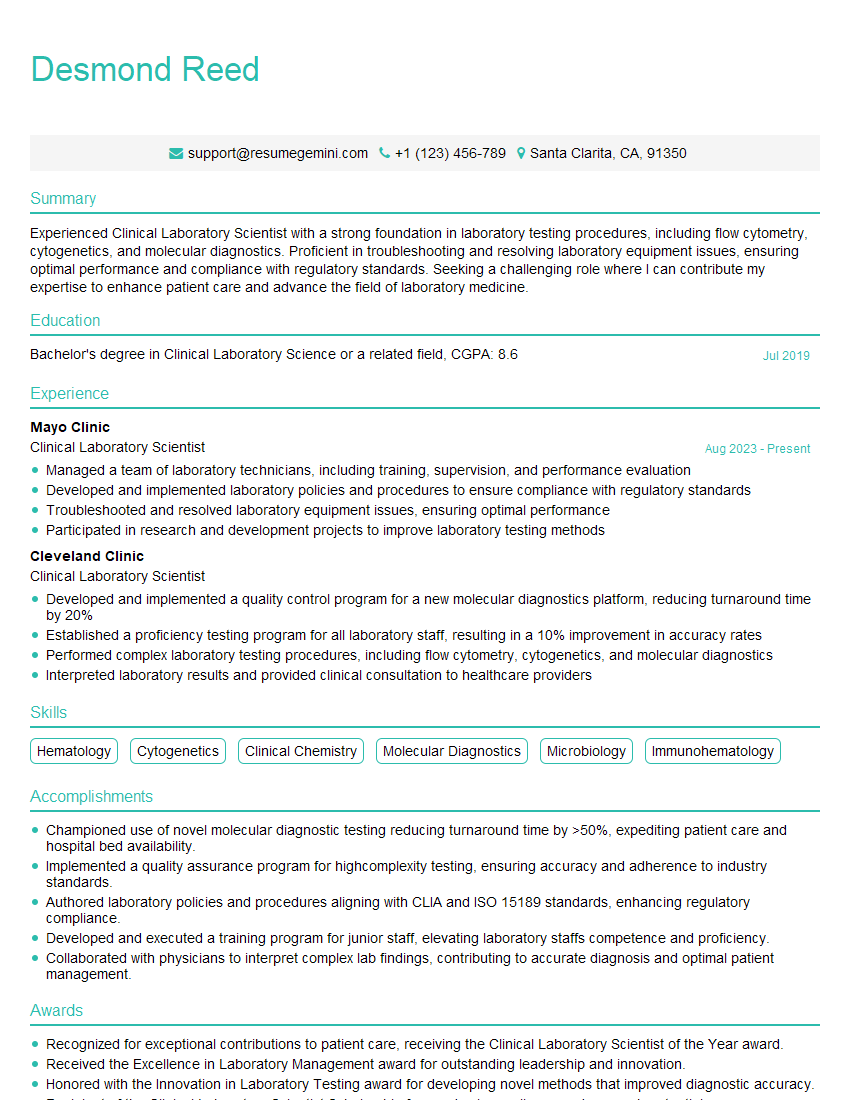
Clinical Laboratory Scientist Resume Sample
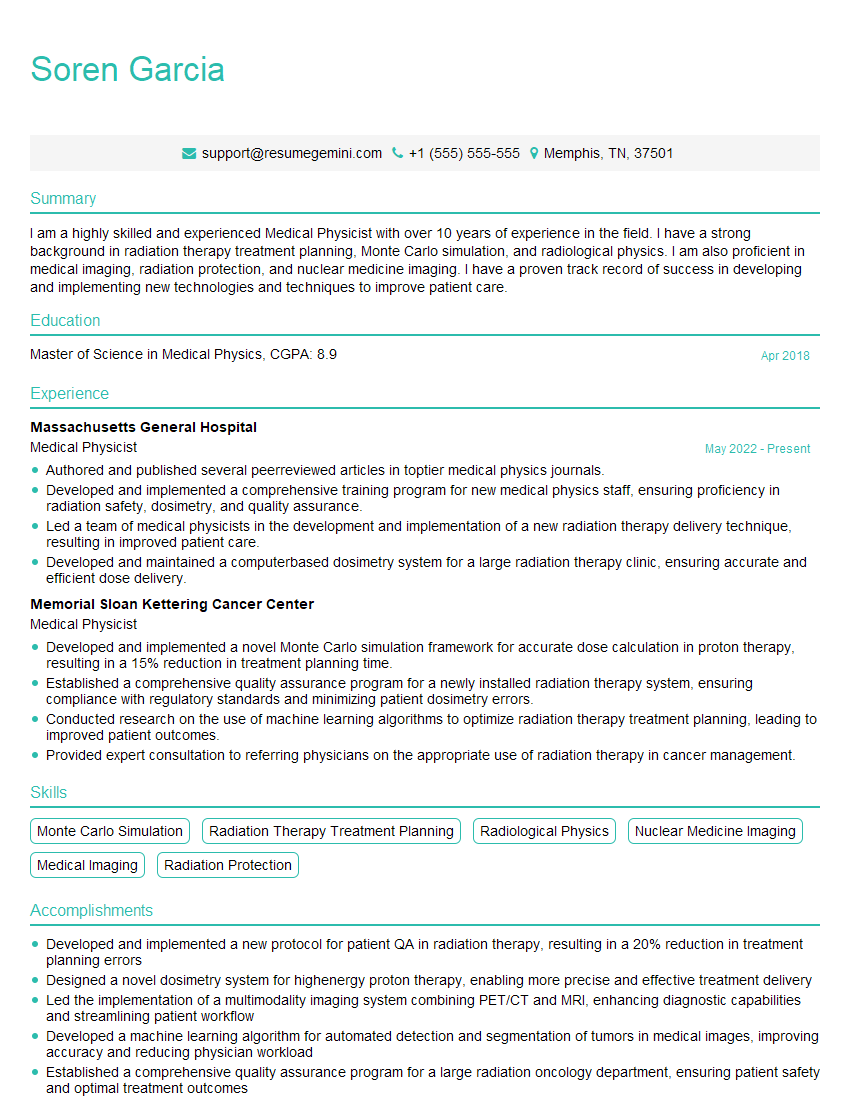
Medical Physicist Resume Sample

Pulmonologist Resume Sample
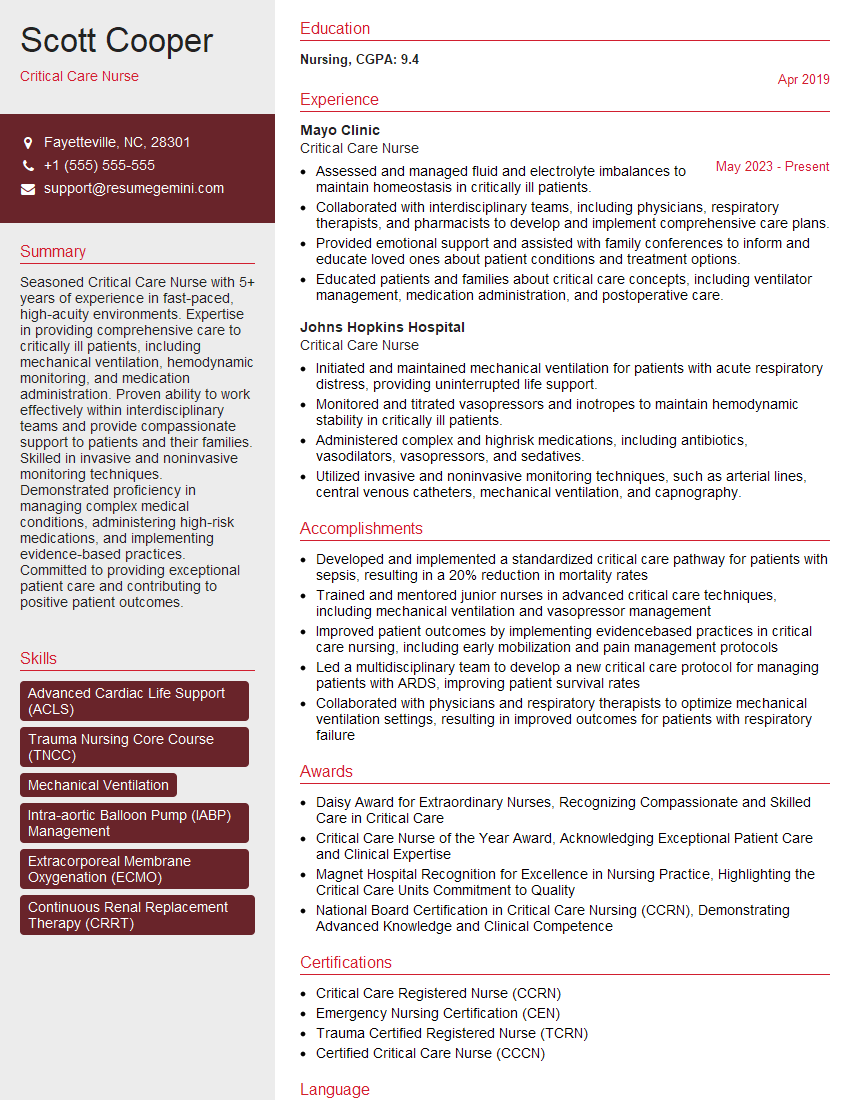
Critical Care Nurse Resume Sample

Cardiopulmonary Technologist Resume Sample
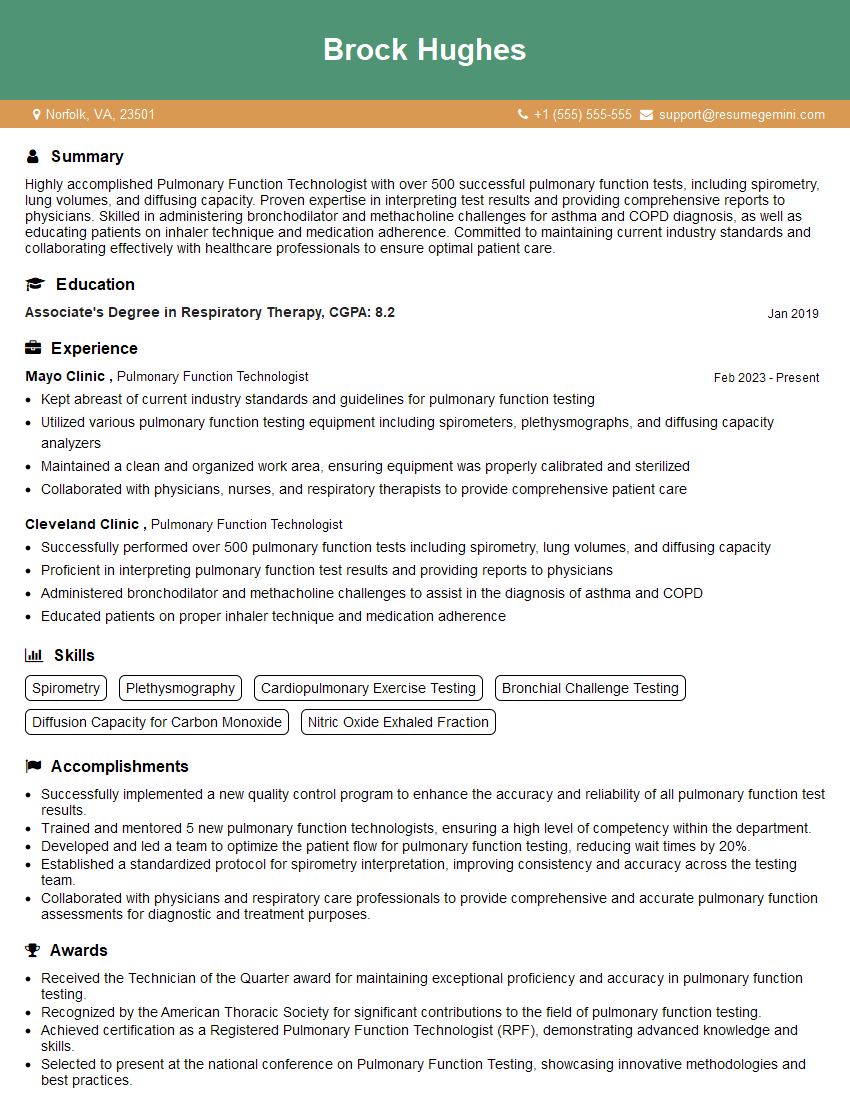
Pulmonary Function Technologist Resume Sample
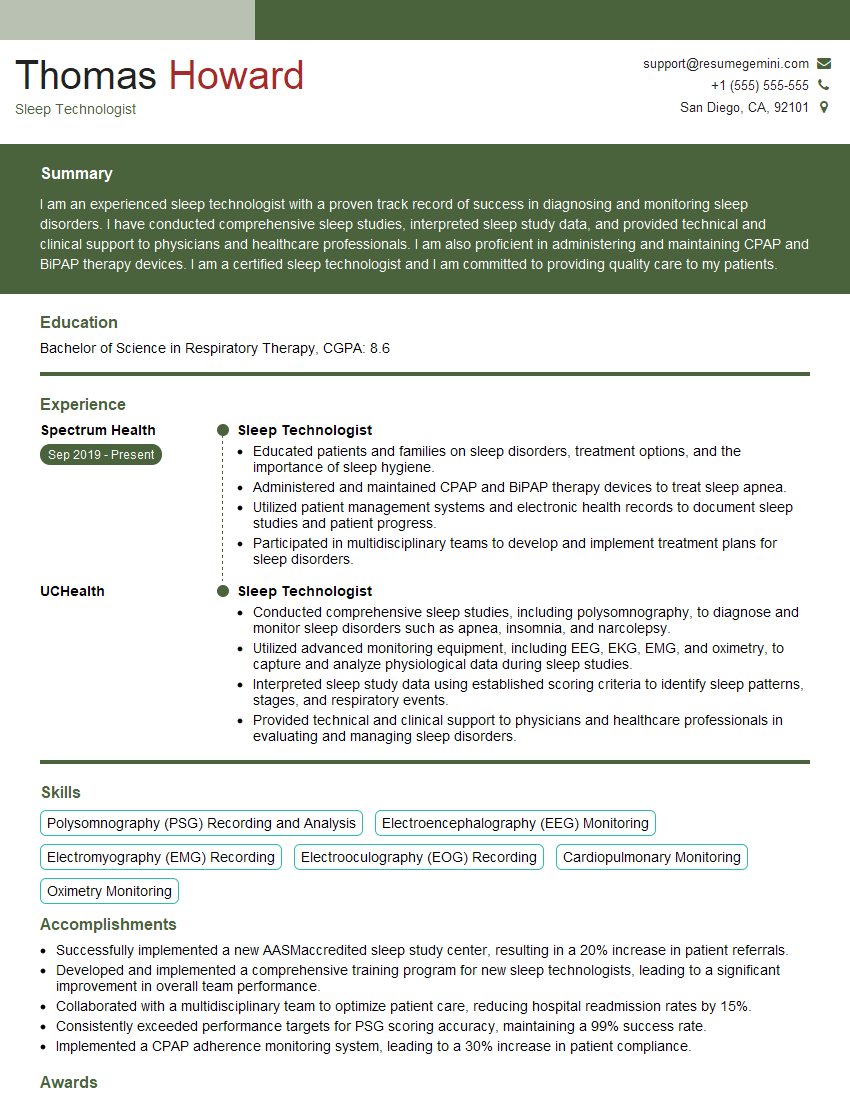
Sleep Technologist Resume Sample

Occupational Therapist Resume Sample

Medical Laboratory Scientist Resume Sample
Explore more articles
Users Rating of Our Blogs
Share Your Experience
We value your feedback! Please rate our content and share your thoughts (optional).
What Readers Say About Our Blog
To the interviewgemini.com Webmaster.
Very helpful and content specific questions to help prepare me for my interview!
Thank you
To the interviewgemini.com Webmaster.
This was kind of a unique content I found around the specialized skills. Very helpful questions and good detailed answers.
Very Helpful blog, thank you Interviewgemini team.