The right preparation can turn an interview into an opportunity to showcase your expertise. This guide to Eclampsia interview questions is your ultimate resource, providing key insights and tips to help you ace your responses and stand out as a top candidate.
Questions Asked in Eclampsia Interview
Q 1. Define eclampsia and differentiate it from pre-eclampsia.
Eclampsia is a severe, life-threatening complication of pregnancy characterized by seizures or coma in a woman with pre-eclampsia. Pre-eclampsia, in contrast, is a condition characterized by high blood pressure and protein in the urine after 20 weeks of pregnancy. Think of it like this: pre-eclampsia is the underlying condition, and eclampsia is the serious, convulsive manifestation of that condition. Pre-eclampsia can progress to eclampsia, but not all cases of pre-eclampsia result in eclampsia. The key difference lies in the presence of seizures or coma—these are the hallmarks distinguishing eclampsia from pre-eclampsia.
Q 2. Describe the pathophysiology of eclampsia.
The exact pathophysiology of eclampsia is still not fully understood, but it’s believed to involve a complex interplay of factors. A key element is endothelial dysfunction, leading to impaired blood vessel function. This causes increased vascular tone, reduced blood flow to vital organs like the kidneys, liver, and brain, and ultimately leads to organ damage. This dysfunction is linked to abnormal placental development, which releases various factors into the mother’s bloodstream. These factors contribute to inflammation and oxidative stress, further exacerbating the endothelial damage. The resulting hypertension and vascular constriction eventually trigger cerebral ischemia (reduced blood flow to the brain), culminating in seizures. Imagine a dam holding back a river (blood flow): In eclampsia, this dam weakens due to endothelial damage, leading to a surge that causes the brain’s dam to break (seizure).
Q 3. List the common clinical manifestations of eclampsia.
Clinical manifestations of eclampsia are dramatic and life-threatening. The most prominent is the occurrence of seizures, which can range from brief tonic-clonic convulsions to prolonged, potentially life-threatening events. Other symptoms often precede the seizure and include severe headache, blurred vision, epigastric pain (severe pain under the ribs), hyperreflexia (overactive reflexes), and shortness of breath. Severe hypertension is also a constant feature. In addition to these, patients may experience nausea, vomiting, and swelling of the hands and face. The severity and combination of these symptoms can vary significantly among individuals.
Q 4. Explain the diagnostic criteria for eclampsia.
Diagnosing eclampsia relies primarily on clinical presentation. The presence of seizures or coma in a woman with pre-eclampsia or other hypertensive disorder of pregnancy is diagnostic. Blood pressure measurements are critical, reflecting the hypertensive nature of the condition. Urine tests may reveal proteinuria (protein in the urine), further confirming the presence of pre-eclampsia. Other lab investigations might include liver function tests (LFTs) and blood count analysis to assess organ function and identify other potential complications. While imaging (like brain MRI) isn’t routinely used for diagnosis, it might be necessary to exclude other neurological causes if the diagnosis is unclear.
Q 5. Outline the immediate management of eclampsia.
Immediate management of eclampsia is a critical, life-saving intervention, prioritizing stabilization of the mother and fetus. This includes securing the airway and providing supplemental oxygen. Intravenous magnesium sulfate is the cornerstone of treatment, acting to prevent further seizures. Controlling blood pressure is crucial, typically achieved with antihypertensive medications like hydralazine or labetalol. Delivery of the baby is paramount, often via cesarean section to minimize the risk of further complications. Continuous monitoring of vital signs, including blood pressure, heart rate, and urine output, is essential. The goal is immediate seizure control, stabilization of vital signs, and safe delivery of the baby.
Q 6. What are the key elements of long-term management after an eclampsia episode?
Long-term management post-eclampsia focuses on preventing recurrence and addressing potential long-term health implications. This includes careful monitoring of blood pressure and renal function, often requiring follow-up appointments with both an obstetrician and a nephrologist. Lifestyle modifications, such as dietary changes (low sodium diet), regular exercise, and stress reduction techniques, are recommended. Counseling to address the psychological impact of the experience is vital. Discussions regarding future pregnancies must include careful consideration of risks and potential preventive measures. Furthermore, early identification and management of any long-term organ damage is essential.
Q 7. Discuss the role of magnesium sulfate in eclampsia management.
Magnesium sulfate is the gold standard for preventing further seizures in eclampsia. It acts by blocking neuromuscular transmission, thus suppressing the convulsive activity. It’s administered intravenously, often followed by a maintenance infusion. Careful monitoring of magnesium levels is crucial, as both under-dosing and over-dosing can have severe consequences. Signs of magnesium toxicity include decreased deep tendon reflexes, respiratory depression, and cardiac arrhythmias. The successful use of magnesium sulfate significantly reduces maternal and fetal morbidity and mortality associated with eclampsia. It’s important to note that the effect is temporary, necessitating timely delivery of the baby.
Q 8. What are the potential complications of eclampsia for the mother and the fetus?
Eclampsia, a severe complication of preeclampsia, poses significant risks to both mother and fetus. For the mother, the most immediate danger is the life-threatening seizure activity itself. This can lead to:
- Cerebral hemorrhage (brain bleed): Seizures can cause brain bleeding, resulting in permanent neurological damage or death.
- Pulmonary edema (fluid in the lungs): The increased blood pressure can strain the heart, leading to fluid buildup in the lungs, making breathing difficult.
- Renal failure (kidney failure): Eclampsia can severely damage the kidneys, requiring dialysis or even leading to permanent kidney damage.
- Hepatic rupture (liver rupture): The liver can be affected, potentially rupturing and causing internal bleeding.
- Disseminated intravascular coagulation (DIC): This is a serious clotting disorder that can lead to organ damage and bleeding.
- Placental abruption: The placenta can separate from the uterine wall prematurely, cutting off oxygen and nutrients to the baby.
For the fetus, the consequences can be equally dire:
- Premature birth: Eclampsia often necessitates early delivery to protect both mother and baby.
- Fetal growth restriction: Reduced blood flow to the placenta due to high blood pressure can restrict fetal growth.
- Fetal distress: The baby may experience oxygen deprivation during labor, leading to complications.
- Stillbirth or neonatal death: In severe cases, eclampsia can result in the death of the fetus.
It’s crucial to understand that early recognition and aggressive management are vital to minimizing these risks.
Q 9. Describe the nursing management of a patient with eclampsia.
Nursing management of a patient with eclampsia is focused on stabilizing the mother and ensuring fetal well-being. It’s a high-acuity situation demanding a multidisciplinary approach. Here’s a breakdown of key nursing interventions:
- Airway management: Maintaining a patent airway is paramount. This includes positioning the patient to prevent aspiration and using suction as needed.
- Seizure management: Administering magnesium sulfate as ordered is crucial to prevent further seizures. Close monitoring for magnesium toxicity is essential.
- Hemodynamic monitoring: Continuous blood pressure monitoring is crucial to track response to treatment. Strict fluid balance monitoring is vital to manage potential fluid overload or dehydration.
- Fetal monitoring: Continuous fetal heart rate monitoring is critical to assess fetal well-being. Changes in fetal heart rate may indicate distress requiring immediate intervention.
- Neurological assessment: Regular neurological assessments (LOC, pupils, reflexes) are crucial to detect worsening neurological status.
- Maternal and fetal surveillance: Continuous observation for changes in vital signs, urine output, and any signs of organ dysfunction are essential. Regular assessment of deep tendon reflexes is part of assessing magnesium sulfate therapy.
- Medications: Administering antihypertensive medications as ordered (e.g., hydralazine, labetalol) to control blood pressure.
- Support and education: Providing emotional support and education to the patient and her family is critical during this stressful time.
- Emergency preparedness: Having emergency equipment readily available (e.g., intubation supplies, resuscitation equipment) is vital.
The nursing interventions are dictated by the patient’s condition and the medical team’s orders, but these points highlight the critical elements of care.
Q 10. Explain the monitoring parameters for a patient with eclampsia.
Monitoring a patient with eclampsia is a continuous process requiring close attention to detail. Key monitoring parameters include:
- Blood pressure: Frequent monitoring, often continuous, to detect hypertension and the effectiveness of antihypertensive medications. Significant hypertension could indicate worsening pre-eclampsia.
- Heart rate: Monitoring for tachycardia, which could indicate hypovolemia or other complications.
- Respiratory rate and oxygen saturation: Assessing for respiratory distress, which may indicate pulmonary edema.
- Urine output: Monitoring for oliguria (low urine output), which is indicative of kidney involvement.
- Deep tendon reflexes (DTRs): Assessing DTRs and checking for clonus are essential to monitor magnesium sulfate levels and prevent toxicity. Hyperreflexia, before seizures, is a clinical clue to eclampsia.
- Level of consciousness (LOC): Continuous assessment of LOC is critical to detect changes that might indicate neurological deterioration.
- Fetal heart rate (FHR): Continuous monitoring of FHR using electronic fetal monitoring is essential to detect any signs of fetal distress.
- Neurological examination: Regular neurological examinations to detect any signs of cerebral involvement, such as headaches, vision changes, or altered mental status.
- Laboratory tests: Regular blood tests to monitor electrolyte levels, liver function, kidney function, and blood counts.
These parameters provide a comprehensive picture of the patient’s condition and guide treatment decisions. Regular charting and reporting of these findings are essential.
Q 11. How would you assess fetal well-being in a patient with eclampsia?
Assessing fetal well-being in a patient with eclampsia is crucial due to the increased risk of complications. Methods include:
- Continuous electronic fetal monitoring (EFM): This is the primary method, providing real-time assessment of fetal heart rate (FHR), variability, accelerations, and decelerations. Recurring decelerations are a sign of fetal distress.
- Ultrasound: Ultrasound can assess fetal growth, placental position, amniotic fluid volume, and detect any abnormalities.
- Biophysical profile (BPP): A BPP combines ultrasound assessment of fetal movements, tone, breathing, and amniotic fluid volume with FHR monitoring to provide a comprehensive evaluation of fetal well-being.
- Doppler velocimetry: This technique assesses blood flow in the umbilical artery and fetal vessels to detect signs of placental insufficiency.
The choice of method depends on the gestational age, maternal condition, and clinical circumstances. It’s not uncommon to utilize a combination of methods for comprehensive assessment.
Q 12. What are the risk factors for developing eclampsia?
Several factors increase the risk of developing eclampsia. These can be broadly classified as:
- Pre-existing hypertension or chronic kidney disease: These conditions significantly increase the risk of developing preeclampsia, which can progress to eclampsia.
- Multiple gestation (twins, triplets, etc.): Carrying multiple fetuses puts increased stress on the cardiovascular system.
- Age extremes: Women who are younger than 18 or older than 35 have an increased risk.
- Obesity: A high BMI before pregnancy is a significant risk factor.
- Pre-eclampsia in a previous pregnancy: A history of preeclampsia greatly increases the risk of recurrence.
- Family history of preeclampsia or eclampsia: Genetic predisposition can play a role.
- Diabetes: Pre-existing diabetes increases the risk of preeclampsia.
- Autoimmune disorders: Certain autoimmune diseases are associated with a higher risk of preeclampsia.
- First pregnancy: Nulliparous women (those without prior pregnancies) are at a higher risk.
It’s important to note that not all women with these risk factors will develop eclampsia, but their presence increases the likelihood.
Q 13. Discuss the preventative measures for eclampsia.
Preventing eclampsia focuses primarily on preventing preeclampsia, its precursor. Strategies include:
- Optimal prenatal care: Regular antenatal checkups are crucial for early detection and management of risk factors. Blood pressure monitoring is a cornerstone of prenatal care.
- Lifestyle modifications: Maintaining a healthy weight, following a balanced diet low in sodium, and getting regular exercise can help reduce the risk.
- Aspirin prophylaxis: Low-dose aspirin during pregnancy is often recommended for women at high risk of preeclampsia, although it is not uniformly recommended for all.
- Early detection and management of preeclampsia: Careful monitoring for symptoms of preeclampsia (high blood pressure, proteinuria, edema) is essential to implement timely interventions before it progresses to eclampsia.
- Careful consideration of medication: Certain medication choices during pregnancy can impact the risk of developing pre-eclampsia. A doctor should be consulted before considering any medication during pregnancy.
These measures, implemented appropriately and consistently, significantly reduce the incidence of eclampsia.
Q 14. How would you counsel a patient about the risks and management of eclampsia during pregnancy?
Counseling a patient about the risks and management of eclampsia during pregnancy requires sensitivity, empathy, and clear communication. The conversation should include:
- Explanation of preeclampsia and eclampsia: Clearly explain the conditions, including their potential complications for both mother and baby, using understandable language.
- Risk factors: Discuss the patient’s individual risk factors and how they might affect the likelihood of developing eclampsia. Be straightforward, yet reassuring.
- Importance of regular prenatal care: Emphasize the crucial role of regular checkups, blood pressure monitoring, and urine testing in early detection and prevention.
- Lifestyle modifications: Discuss the importance of healthy eating, regular exercise, and maintaining a healthy weight.
- Signs and symptoms: Educate the patient on recognizing the signs and symptoms of preeclampsia (severe headaches, vision changes, swelling, high blood pressure) and the importance of seeking immediate medical attention if these occur.
- Management strategies: Describe how preeclampsia and eclampsia are managed, including medications, bed rest, hospitalizations, and delivery decisions.
- Emotional support: Recognize the anxiety and fear that these conditions can generate and offer emotional support and reassurance.
- Follow-up: Provide information about follow-up appointments and support resources.
Using patient-friendly language, visual aids, and involving the patient’s partner or support person can enhance understanding and reduce anxiety. The aim is to empower the patient with knowledge and support to navigate pregnancy safely.
Q 15. What are the indications for cesarean delivery in a patient with eclampsia?
Cesarean delivery in a patient with eclampsia is indicated when the mother or fetus is at significant risk. This is a critical decision balancing maternal and fetal well-being. The decision isn’t taken lightly and involves careful assessment of the situation.
- Maternal Indications: Severe uncontrolled hypertension despite aggressive medical management, uncontrolled seizures despite magnesium sulfate administration, signs of impending or actual maternal organ damage (e.g., acute renal failure, pulmonary edema, severe liver dysfunction).
- Fetal Indications: Fetal distress (e.g., non-reassuring fetal heart rate tracing), preterm delivery where the risks of continuing the pregnancy outweigh the risks of prematurity, failure to progress during labor.
For example, if a woman with eclampsia is experiencing persistent seizures despite magnesium sulfate, and the fetal heart rate tracing is showing signs of distress, an immediate cesarean section would be necessary to save both mother and baby. The risks of continued seizures and potential maternal mortality outweigh the risks associated with immediate delivery.
Career Expert Tips:
- Ace those interviews! Prepare effectively by reviewing the Top 50 Most Common Interview Questions on ResumeGemini.
- Navigate your job search with confidence! Explore a wide range of Career Tips on ResumeGemini. Learn about common challenges and recommendations to overcome them.
- Craft the perfect resume! Master the Art of Resume Writing with ResumeGemini’s guide. Showcase your unique qualifications and achievements effectively.
- Don’t miss out on holiday savings! Build your dream resume with ResumeGemini’s ATS optimized templates.
Q 16. Describe the postpartum care of a patient who experienced eclampsia.
Postpartum care for a woman who experienced eclampsia is crucial and focuses on stabilizing her condition, preventing recurrence, and monitoring for potential complications. It’s a multidisciplinary approach involving obstetricians, anesthesiologists, and nurses.
- Continued Blood Pressure Monitoring: Frequent blood pressure checks are essential to detect any hypertension rebound.
- Magnesium Sulfate Management: Careful monitoring of magnesium levels and gradual tapering of the medication to avoid toxicity or recurrence of seizures.
- Neurological Assessment: Regular neurological examinations to assess for any residual neurological deficits.
- Renal and Liver Function Tests: Monitoring of renal and liver function to detect any organ damage.
- Hydration and Electrolyte Balance: Maintaining proper hydration and electrolyte balance is important.
- Antihypertensive Medications: May be continued if hypertension persists.
- Psychosocial Support: Providing emotional and psychological support for the mother is critical as this can be a very stressful experience.
Imagine a patient who delivered via cesarean section after experiencing eclamptic seizures. Postpartum, she would require continuous blood pressure monitoring, magnesium sulfate tapering, and close observation for any signs of postpartum hemorrhage or other complications. The medical team would regularly assess her neurological status, renal function, and liver function, adjusting medications and treatments as needed.
Q 17. Discuss the role of antihypertensive medications in managing eclampsia.
Antihypertensive medications play a crucial role in managing eclampsia by lowering blood pressure and reducing the risk of seizures. The choice of medication depends on the severity of hypertension and the patient’s overall condition.
- Hydralazine: A frequently used medication that acts quickly and effectively to lower blood pressure.
- Labetalol: Another effective medication that is often preferred due to its beta-blocking effects which can help to reduce the risk of seizures.
- Nifedipine: A calcium channel blocker that can be used as an alternative to hydralazine or labetalol.
It is important to note that the goal is to gradually lower blood pressure, not to cause a sudden drop which could compromise blood flow to the baby. For example, a patient with severely elevated blood pressure might be treated initially with hydralazine intravenously to rapidly reduce the pressure, followed by a transition to oral labetalol for ongoing management.
Q 18. How would you manage an eclamptic seizure?
Managing an eclamptic seizure is a critical situation requiring immediate action. The primary goal is to protect the mother and the fetus from harm.
- Maintain Airway: Turn the patient on her side to prevent aspiration.
- Administer Oxygen: Provide supplemental oxygen via face mask.
- Administer Magnesium Sulfate: This is the mainstay of treatment to prevent further seizures.
- Monitor Fetal Heart Rate: Continuous fetal heart rate monitoring is essential to assess fetal well-being.
- Control Blood Pressure: Administer antihypertensive medications as needed to manage blood pressure.
- Post-Seizure Care: Post-seizure monitoring includes assessing for any neurological deficits and ensuring that the airway is patent.
Imagine a woman suddenly experiencing a generalized tonic-clonic seizure. The immediate actions would be to turn her onto her side, administer oxygen, and prepare for the administration of magnesium sulfate. Simultaneously, fetal heart rate monitoring would be initiated, and the blood pressure would be closely monitored. Once the seizure subsides, the patient’s airway needs to be checked, and monitoring of vital signs and neurological status will continue.
Q 19. What are the potential adverse effects of magnesium sulfate?
Magnesium sulfate, while effective in preventing eclamptic seizures, can have potential adverse effects. Careful monitoring is crucial to minimize risks.
- Hypotension: Magnesium sulfate can cause a drop in blood pressure.
- Respiratory Depression: High levels of magnesium can depress respiration.
- Nausea and Vomiting: These are common side effects.
- Muscle Weakness: Magnesium can cause muscle weakness, which can be particularly concerning for pregnant patients.
- Loss of Deep Tendon Reflexes: This is a key indicator of magnesium toxicity.
For example, during magnesium sulfate infusion, it’s vital to continuously monitor the patient’s blood pressure, respiratory rate, and deep tendon reflexes. If respiratory depression or loss of deep tendon reflexes occurs, calcium gluconate is given as an antidote.
Q 20. How would you differentiate eclampsia from other hypertensive disorders in pregnancy?
Differentiating eclampsia from other hypertensive disorders in pregnancy is crucial for proper management. Eclampsia is defined by the occurrence of seizures in a pregnant woman with pre-eclampsia. The key differentiating feature is the presence of seizures.
- Pre-eclampsia: Characterized by hypertension and proteinuria after 20 weeks of gestation. Pre-eclampsia can progress to eclampsia if seizures develop.
- Gestational Hypertension: Hypertension developing after 20 weeks of gestation without proteinuria. It does not involve seizures.
- Chronic Hypertension: Hypertension present before pregnancy or diagnosed before 20 weeks of gestation.
A woman presenting with hypertension and proteinuria (pre-eclampsia) would be carefully monitored for the development of seizures. If seizures occur, the diagnosis shifts to eclampsia. A woman with only hypertension without proteinuria and without seizures would be diagnosed with gestational hypertension, rather than eclampsia.
Q 21. Describe the importance of blood pressure monitoring in eclampsia.
Blood pressure monitoring is paramount in managing eclampsia because blood pressure is directly related to the severity of the disease and the risk of complications. Frequent and accurate measurements are critical for guiding treatment and detecting potential problems.
- Assessing Severity: Blood pressure readings help to gauge the severity of the hypertension and guide decisions regarding medication management.
- Monitoring Response to Treatment: Blood pressure monitoring is crucial for evaluating the effectiveness of antihypertensive medications.
- Early Detection of Complications: Significant fluctuations in blood pressure may indicate organ damage or other complications.
Imagine a patient with eclampsia whose blood pressure remains elevated despite treatment. Continuous blood pressure monitoring would allow the medical team to quickly identify this lack of response and adjust the treatment plan accordingly, potentially including a change in medication or the addition of other interventions. Regular monitoring also helps to identify if the patient’s blood pressure is becoming dangerously low which can affect both the mom and the fetus.
Q 22. What are the long-term implications of eclampsia for the mother and child?
Eclampsia, a severe complication of preeclampsia, carries significant long-term implications for both mother and child. For the mother, the risks extend beyond the immediate postpartum period. She may experience long-term effects on her cardiovascular system, including an increased risk of hypertension, stroke, and kidney disease. Some women may also suffer from chronic headaches or visual disturbances. The severity of these effects depends on the severity of the eclampsia episode and the adequacy of treatment.
For the child, the consequences can include premature birth due to the need for early delivery, resulting in developmental delays or long-term health issues. Babies born to mothers with eclampsia are at increased risk of low birth weight, respiratory distress syndrome, and cerebral palsy. Long-term neurological problems are also a concern, emphasizing the importance of careful monitoring of the newborn’s development.
Think of it like this: eclampsia is a major stressor on the mother’s body, affecting vital organs. The impact on the developing fetus can be equally profound, leading to challenges that might manifest even years later.
Q 23. Discuss the role of interprofessional collaboration in managing eclampsia.
Managing eclampsia requires a seamless collaboration between various healthcare professionals. This interprofessional approach is crucial for optimal patient outcomes. The team typically includes obstetricians, neonatologists, anesthesiologists, nurses, and sometimes neurologists and nephrologists depending on the severity of the case.
The obstetrician leads the management of the pregnancy and delivery, while the anesthesiologist plays a key role in managing the mother’s airway and pain. Nurses provide continuous monitoring and support, communicating vital signs and changes in the patient’s condition. Neonatologists are involved in the care of the newborn, particularly if premature delivery is necessary. Neurologists and nephrologists may be consulted if the mother experiences neurological or kidney complications.
Effective communication, shared decision-making, and a coordinated care plan are fundamental to this collaborative effort. Regular team meetings and clear communication channels ensure that everyone is on the same page, optimizing the mother’s and baby’s chances of a favorable outcome. For example, a timely discussion between the obstetrician and anesthesiologist about the timing of delivery and the management of potential seizures during labor is critical.
Q 24. How would you prioritize interventions in a patient with eclampsia experiencing multiple complications?
Prioritizing interventions in a patient with eclampsia experiencing multiple complications requires a systematic approach based on the ABCDE principle: Airway, Breathing, Circulation, Disability, and Exposure. This framework ensures that life-threatening issues are addressed first.
- Airway: Securing the airway is paramount, especially if seizures are present. This might involve endotracheal intubation.
- Breathing: Ensuring adequate oxygenation is next. Supplemental oxygen and mechanical ventilation may be needed.
- Circulation: Managing blood pressure and addressing any signs of hemorrhage are critical. Intravenous fluids and medications may be administered.
- Disability: Assessing neurological status is vital. Seizure control is a top priority, often using magnesium sulfate.
- Exposure: A thorough examination is performed to detect other complications such as organ dysfunction.
Once the immediate life threats are addressed, attention shifts to managing other complications such as HELLP syndrome (Hemolysis, Elevated Liver enzymes, Low Platelets), pulmonary edema, or renal failure. The decisions are made based on the patient’s specific condition and the severity of each complication. In summary, a prioritized, ABCDE-guided approach ensures a logical and effective response to multiple complications in eclampsia.
Q 25. Explain the use of corticosteroids in the management of eclampsia.
Corticosteroids, such as betamethasone or dexamethasone, are not routinely used to treat eclampsia itself. Their primary role in managing high-risk pregnancies complicated by eclampsia is to promote fetal lung maturity in cases where premature delivery is anticipated.
If a woman with eclampsia requires early delivery before 34 weeks of gestation, corticosteroids are given to accelerate the production of surfactant in the fetal lungs, reducing the risk of respiratory distress syndrome (RDS) in the newborn. This is a crucial intervention to improve neonatal survival and reduce complications associated with premature birth. The timing of administration is crucial, and usually given at least 24 hours before delivery.
It’s important to remember that corticosteroids do not directly treat eclampsia, but they play a supportive role in minimizing the risks associated with premature birth in this high-risk scenario.
Q 26. Describe the ethical considerations in managing high-risk pregnancies complicated by eclampsia.
Managing high-risk pregnancies complicated by eclampsia presents several ethical considerations. The primary concern is balancing the well-being of the mother and the fetus. Decisions regarding interventions such as early delivery often involve weighing the risks of both prolonged pregnancy and preterm birth.
Informed consent is crucial, ensuring the mother understands the risks and benefits of various management options. This requires clear communication, tailoring the explanation to her level of understanding and addressing her concerns and preferences.
Another ethical dilemma can arise when maternal and fetal interests conflict. For example, a decision to deliver early may improve the mother’s health but increase the risk of neonatal complications. In such situations, shared decision-making becomes vital, ensuring the mother is actively involved in choosing the best course of action, considering her values and priorities. The healthcare team plays a critical role in providing unbiased, evidence-based information and facilitating open communication to aid this process.
Q 27. What are the latest research findings on the etiology and treatment of eclampsia?
Research on eclampsia continues to evolve. While the exact etiology remains incompletely understood, it’s widely accepted that impaired placental perfusion plays a central role. Recent research focuses on identifying biomarkers that can predict eclampsia earlier and more accurately, leading to better prevention strategies.
Several studies are exploring the role of genetic factors, inflammation, and endothelial dysfunction in the development of the condition. Advancements in understanding the underlying pathophysiology could lead to more targeted therapies beyond the current standard of magnesium sulfate for seizure management and delivery of the baby.
Ongoing research also explores novel therapeutic approaches, including the use of anti-angiogenic therapies or other medications that could potentially prevent or mitigate the severity of eclampsia. However, it’s crucial to note that many of these are still in the experimental phase.
Q 28. How would you interpret laboratory results relevant to eclampsia (e.g., liver enzymes, platelets)?
Interpreting laboratory results is crucial in managing eclampsia. Elevated liver enzymes (AST, ALT) indicate liver damage, a hallmark of HELLP syndrome, a severe form of preeclampsia often associated with eclampsia. Significant elevations require close monitoring and might necessitate immediate intervention.
Low platelet count (thrombocytopenia) is another crucial indicator, also characteristic of HELLP syndrome. A dangerously low platelet count increases the risk of bleeding and necessitates careful management, including potential blood product transfusion.
Increased serum creatinine levels suggest kidney impairment, a potential complication of eclampsia.
It’s important to consider these results in conjunction with the clinical picture, as isolated abnormal findings might not always indicate severe disease. The trends in these parameters are equally important; a sudden and dramatic increase is often more significant than a small or gradually worsening abnormality. These laboratory findings help guide treatment decisions and monitor the effectiveness of interventions.
Key Topics to Learn for Eclampsia Interview
- Pathophysiology of Eclampsia: Understand the underlying mechanisms leading to the development of eclampsia, including the role of hypertension, endothelial dysfunction, and placental ischemia.
- Clinical Presentation and Diagnosis: Master the recognition of key symptoms such as seizures, hypertension, proteinuria, and edema. Familiarize yourself with diagnostic criteria and appropriate laboratory investigations.
- Management of Eclampsia: Become proficient in outlining the immediate and long-term management strategies, including anticonvulsant therapy, blood pressure control, and delivery considerations. Discuss the nuances of magnesium sulfate administration and its monitoring.
- Risk Factors and Prevention: Thoroughly understand the risk factors associated with the development of eclampsia and explore preventative measures, including prenatal care and blood pressure monitoring.
- Postpartum Management: Be prepared to discuss the ongoing care required after delivery, addressing potential complications and long-term consequences for both mother and baby.
- Differential Diagnosis: Know how to differentiate eclampsia from other conditions presenting with similar symptoms, including pre-eclampsia, stroke, and other neurological emergencies.
- Ethical and Legal Considerations: Familiarize yourself with the ethical dilemmas and legal implications related to decision-making in the management of eclampsia, particularly regarding maternal and fetal well-being.
- Case Studies and Problem Solving: Practice applying your knowledge to real-world scenarios. Consider how you would approach a complex case involving eclampsia, focusing on your diagnostic reasoning and management plan.
Next Steps
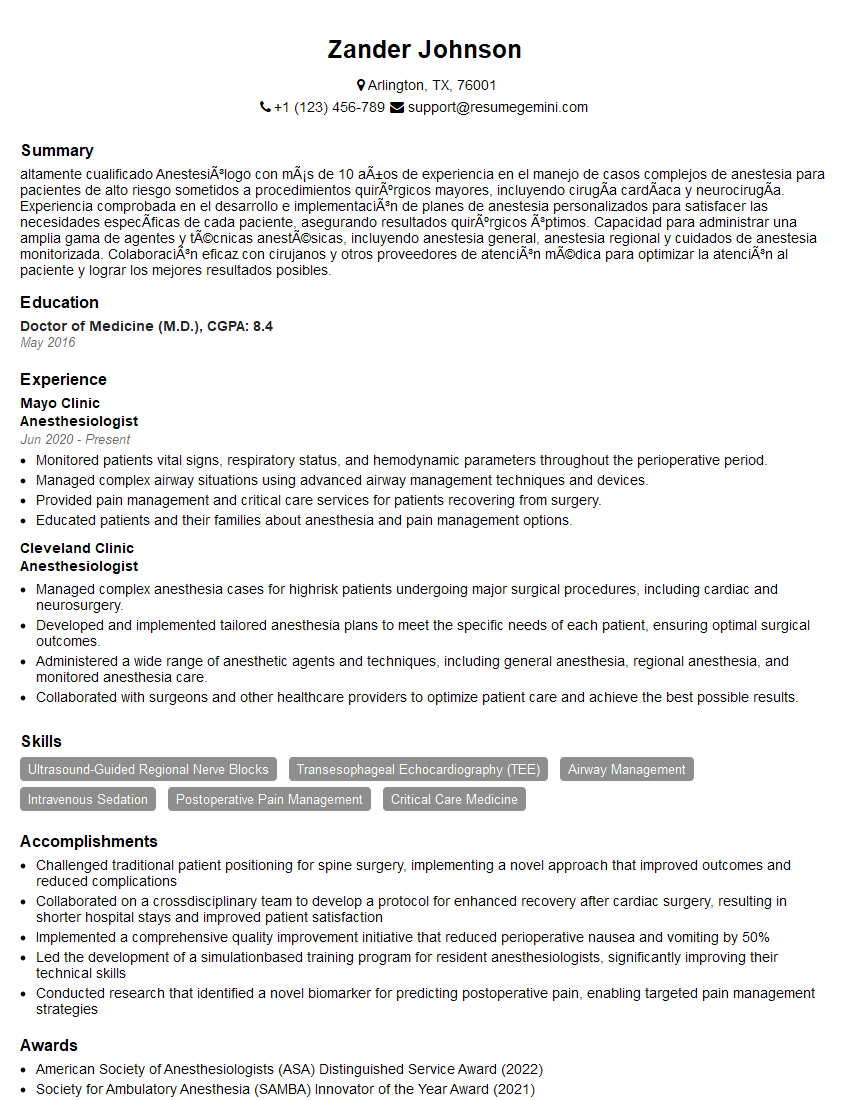
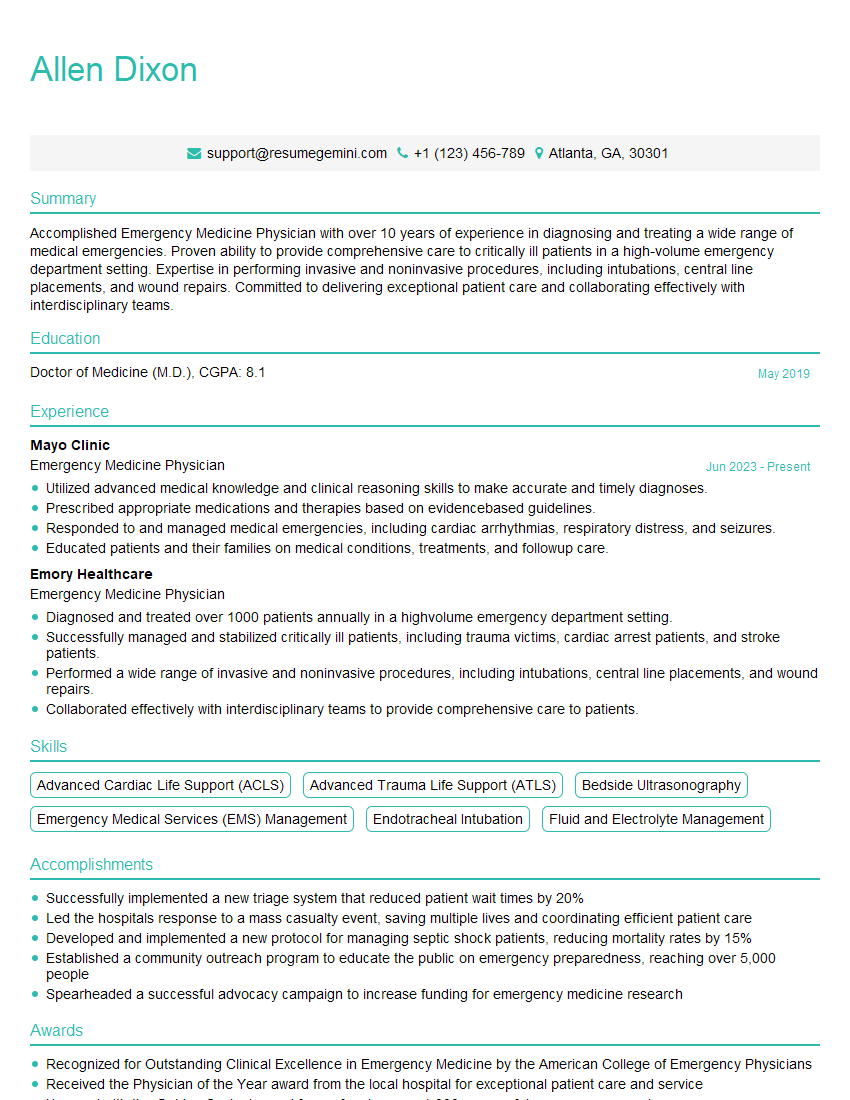
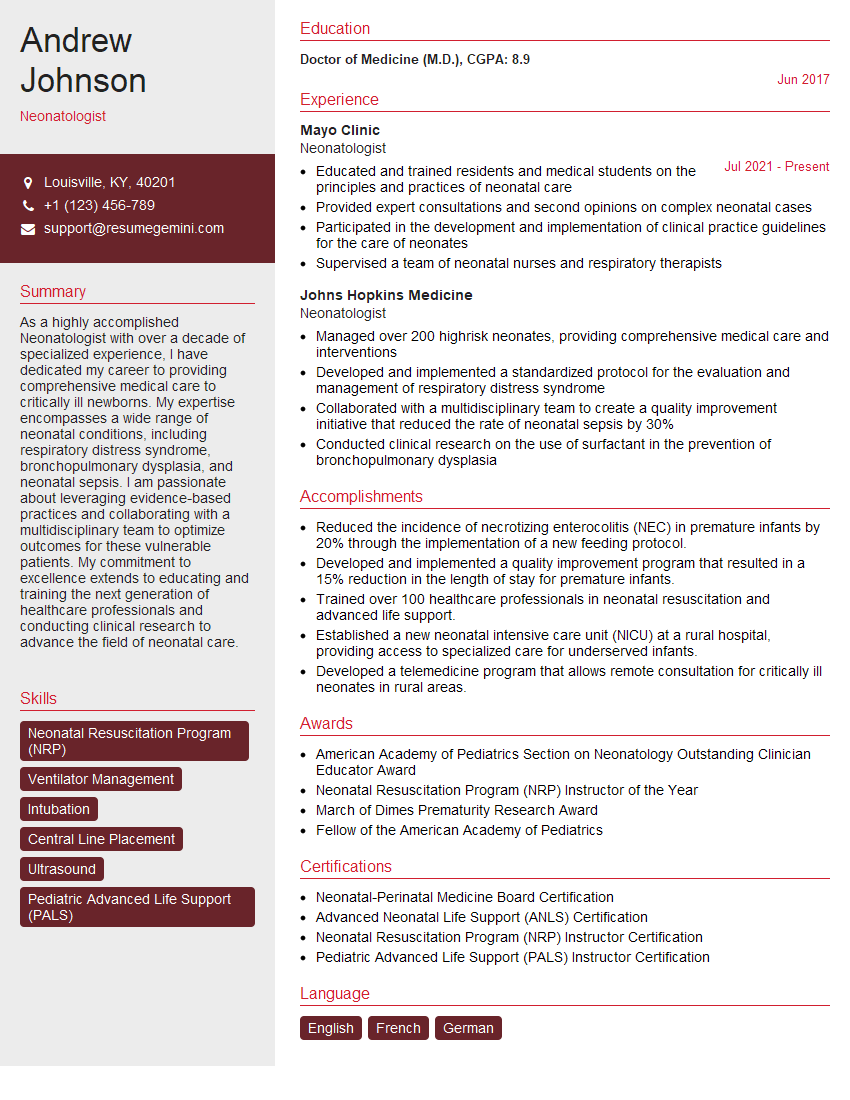
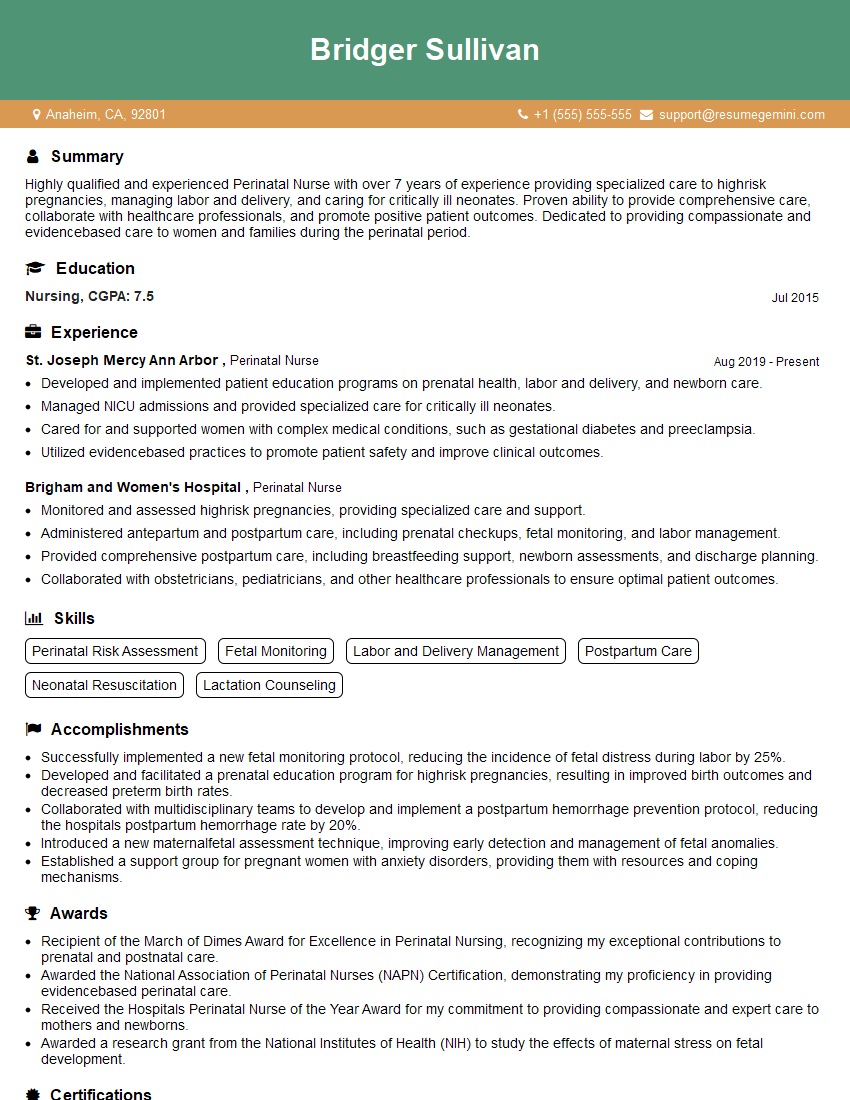
Mastering the complexities of Eclampsia demonstrates a high level of clinical competence and significantly enhances your career prospects in obstetrics and maternal-fetal medicine. To stand out in a competitive job market, a strong and ATS-friendly resume is crucial. ResumeGemini can help you create a compelling resume that showcases your expertise in Eclampsia and other relevant areas. Use ResumeGemini’s tools to build a professional resume that highlights your skills and experience. Examples of resumes tailored to Eclampsia are available within the ResumeGemini platform to help guide your creation.
Explore more articles
Users Rating of Our Blogs
Share Your Experience
We value your feedback! Please rate our content and share your thoughts (optional).
What Readers Say About Our Blog
To the interviewgemini.com Webmaster.
Very helpful and content specific questions to help prepare me for my interview!
Thank you
To the interviewgemini.com Webmaster.
This was kind of a unique content I found around the specialized skills. Very helpful questions and good detailed answers.
Very Helpful blog, thank you Interviewgemini team.