Every successful interview starts with knowing what to expect. In this blog, we’ll take you through the top Economic Modeling Software (e.g., GAMS, AIMMS) interview questions, breaking them down with expert tips to help you deliver impactful answers. Step into your next interview fully prepared and ready to succeed.
Questions Asked in Economic Modeling Software (e.g., GAMS, AIMMS) Interview
Q 1. Explain the difference between linear and non-linear programming.
The core difference between linear and nonlinear programming lies in the nature of the objective function and constraints. In linear programming (LP), both the objective function and all constraints are linear functions of the decision variables. This means they can be represented as straight lines or planes. Think of it like building with LEGOs – each block contributes a fixed amount to the overall structure. In contrast, nonlinear programming (NLP) involves at least one nonlinear function in either the objective function or the constraints. This introduces curves and more complex shapes, making the problem significantly more challenging to solve. Imagine sculpting with clay – you have much more flexibility, but also far more complex interactions.
Example:
- LP: Maximize Z = 2x + 3y, subject to x + y ≤ 5, x ≥ 0, y ≥ 0. This is linear because the objective and constraints are all straight lines.
- NLP: Maximize Z = 2x2 + 3y, subject to x + y ≤ 5, x ≥ 0, y ≥ 0. This is nonlinear due to the x2 term in the objective function, creating a curved surface.
The implications are significant. LP problems can be solved efficiently using simplex or interior-point methods, guaranteeing a global optimum (if one exists). NLP problems, on the other hand, are far more computationally intensive and may only find local optima, meaning the solution may not be the absolute best possible.
Q 2. Describe your experience with GAMS or AIMMS solvers (e.g., CONOPT, BARON, IPOPT).
I have extensive experience with both GAMS and AIMMS, utilizing a variety of solvers including CONOPT, BARON, and IPOPT. My work has involved complex models in various sectors including energy, logistics, and finance.
CONOPT is a particularly robust solver for smooth nonlinear programming problems and I’ve relied on it heavily for its efficiency and reliability in large-scale models. I’ve found its advanced features, such as automatic scaling and feasibility checks, invaluable. BARON, on the other hand, is a global solver well-suited for mixed-integer nonlinear programming (MINLP) problems. Its ability to guarantee global optimality, albeit at a higher computational cost, has proven critical in projects requiring absolute certainty in the results. Finally, IPOPT, an open-source interior-point solver, is a strong choice for large-scale nonlinear problems and its adaptability and integration with other software made it an excellent tool for many projects. I’ve specifically used IPOPT for its ability to handle problems with sparse matrices, significantly improving computational speed in scenarios with many variables.
For example, in a recent project optimizing a refinery’s production schedule, CONOPT’s speed and reliability were crucial for handling the nonlinear relationships between crude oil blends, processing units, and product demands. In another project involving portfolio optimization, BARON’s ability to handle integer constraints and find the global optimum was essential for making informed investment decisions.
Q 3. How would you handle model degeneracy in a linear programming problem?
Model degeneracy in linear programming occurs when there are multiple optimal solutions or when a basic feasible solution has fewer than m linearly independent basic variables (where m is the number of constraints). This can lead to numerical instability and slow convergence during the simplex method.
To handle degeneracy, several strategies can be employed:
- Perturbation: Adding a small random perturbation to the objective function coefficients or constraint constants can often break the degeneracy. This slightly alters the problem, making the solution unique.
- Lexicographic method: This method prioritizes variables based on a lexicographic ordering. Instead of selecting the entering variable based solely on the largest reduced cost, it considers the entire vector of reduced costs in a lexicographic order.
- Bland’s rule: A specific pivoting rule in the simplex method that avoids cycling (infinite loops) caused by degeneracy. It systematically selects the entering and leaving variables, preventing repeated bases.
The choice of method depends on the specific problem and the solver used. In many cases, modern solvers incorporate techniques to automatically detect and handle degeneracy. However, understanding the underlying causes and potential solutions is essential for effective model development and troubleshooting.
Q 4. Explain the concept of duality in linear programming.
Duality in linear programming is a fundamental concept that establishes a relationship between a primal linear programming problem and its corresponding dual problem. The primal problem represents the original optimization task (e.g., minimizing cost while meeting production targets). The dual problem provides an alternative perspective on the same problem, offering insights into the shadow prices or marginal values associated with constraints.
Imagine you’re a farmer (primal problem) minimizing the cost of producing crops while meeting demand. The dual problem focuses on the ‘value’ or shadow price of meeting those demands. If the demand for corn increases, its shadow price goes up, reflecting the increased value of producing more corn.
Key aspects of duality include:
- Weak duality theorem: The objective function value of the dual problem provides a bound for the optimal objective function value of the primal problem.
- Strong duality theorem: If both the primal and dual problems have feasible solutions, then their optimal objective function values are equal.
- Complementary slackness: This theorem describes the relationship between the optimal primal and dual solutions. It explains how binding constraints in the primal problem correspond to nonzero dual variables (shadow prices).
Understanding duality helps in model interpretation, sensitivity analysis, and developing efficient algorithms. It allows us to gain valuable insights into the economic interpretation of optimization problems, like understanding the value of additional resources or the impact of changes in constraints.
Q 5. What are the advantages and disadvantages of using GAMS over AIMMS?
Both GAMS and AIMMS are powerful algebraic modeling languages, but they cater to different preferences and project needs.
Advantages of GAMS:
- Wider solver support: GAMS boasts a broader range of solvers, offering more flexibility in selecting the best tool for a specific problem.
- Stronger community and documentation: A larger user community and extensive documentation make it easier to find solutions to common problems and get support.
- Better for large-scale models: GAMS’s architecture is often better suited for managing and solving extremely large-scale models.
Advantages of AIMMS:
- User-friendly interface: AIMMS provides a more intuitive graphical user interface, which can be particularly beneficial for users less familiar with command-line interfaces.
- Stronger data management capabilities: AIMMS excels at integrating with and managing large datasets, simplifying data input and output operations.
- Advanced reporting and visualization features: Provides advanced capabilities for creating reports and visualizing results. Better suited for users who need to present findings visually.
Ultimately, the choice between GAMS and AIMMS depends on the specific project requirements, team expertise, and personal preferences. For instance, I might prefer GAMS for a highly complex, large-scale model requiring a specific solver, while AIMMS might be more appropriate for a project with a strong emphasis on data management and intuitive reporting.
Q 6. How do you debug a large-scale optimization model?
Debugging large-scale optimization models requires a systematic approach. It’s akin to detective work – you need to systematically eliminate suspects until you find the culprit.
My strategy generally involves:
- Start with smaller, simpler cases: Break down the model into smaller, more manageable parts to isolate the source of the error. If you can’t solve the small piece, you won’t be able to solve the larger model.
- Check data integrity: Ensure that the input data is correct, consistent, and formatted properly. Errors in input data are frequently the cause of model problems.
- Use the solver’s diagnostics: Pay close attention to error messages and warnings issued by the solver. These often pinpoint the location and nature of the problem.
- Trace variable values: Use the debugger to step through the code and examine the values of variables at different points in the execution. Identify where unexpected values are occurring.
- Simplify the model: Temporarily remove constraints or parts of the objective function to determine their impact. This can reveal which components are causing problems.
- Implement logging and monitoring: Include logging statements throughout the code to track the values of critical variables and monitor the model’s progress. This creates a trail of what is happening.
- Utilize profiling tools: Identify bottlenecks in the model’s computation, helping improve efficiency.
For example, if a model isn’t converging, I might simplify it by removing constraints one by one, and watch to see if the solver converges. This will help to locate which constraint(s) caused the problem.
Q 7. Describe your experience with sensitivity analysis in optimization models.
Sensitivity analysis is a crucial aspect of optimization modeling that examines how changes in input parameters affect the optimal solution. This is like testing the robustness of your solution. A small change in input shouldn’t radically change the optimal output.
My experience involves using both manual and automated techniques:
- Range analysis: Determining the range of values for each parameter within which the optimal solution remains unchanged. This identifies the robustness of the optimal solution with respect to parameter variations.
- Parametric analysis: Systematically varying one or more parameters over a specified range and observing the effects on the optimal solution and objective function value. This helps understand the impacts of parameter changes.
- Shadow prices (dual variables): In linear programming, shadow prices indicate the change in the optimal objective function value resulting from a one-unit change in a constraint’s right-hand side (RHS).
- Reduced costs: In linear programming, reduced costs measure the change in the objective function value if the level of a non-basic variable is increased by one unit.
For example, in a supply chain optimization project, sensitivity analysis allowed us to assess the impact of potential fluctuations in transportation costs or raw material prices on the optimal inventory levels and distribution strategy. This enabled us to develop more resilient and adaptable strategies, preparing for uncertain market conditions. This analysis provided valuable information regarding the robustness of our proposed solution and highlighted which inputs were particularly sensitive, informing management decisions regarding risk mitigation.
Q 8. Explain how you would approach validating the results of an economic model.
Validating an economic model’s results is crucial for ensuring its reliability and usefulness. It’s not a single step but a multi-faceted process involving several checks and balances. Think of it like building a house – you wouldn’t move in without inspecting the foundation, walls, and plumbing, right?
Internal Validity: This focuses on whether the model’s internal structure and logic are sound. Does the model accurately represent the economic relationships it intends to capture? We check for inconsistencies in equations, correct implementation of algorithms, and whether the model solves as expected. For instance, if a model predicts negative quantities, that’s a red flag needing investigation.
External Validity: This assesses how well the model’s predictions align with real-world data. We compare the model’s output (e.g., predicted prices, quantities) with actual historical or observed data. Statistical measures like R-squared, Mean Absolute Error (MAE), or Root Mean Squared Error (RMSE) are used to quantify the goodness of fit. A high R-squared suggests a strong correlation, but it’s not the only metric. We need to examine the residuals (differences between predicted and actual values) to spot any systematic biases.
Sensitivity Analysis: We test the model’s robustness by systematically changing input parameters (e.g., interest rates, demand elasticity) and observing how the results change. This helps us understand the model’s uncertainties and identify key parameters driving the results. A highly sensitive model might be less reliable as minor changes in input could lead to vastly different conclusions.
Scenario Analysis: This involves simulating different scenarios (e.g., best-case, worst-case, and base-case) to assess the model’s predictions under varied conditions. This provides a range of possible outcomes and improves our understanding of potential risks.
For example, in a supply chain optimization model, we would validate by comparing model-predicted inventory levels with actual historical data, and assess the model’s response to changes in demand or transportation costs.
Q 9. How do you handle data preprocessing for use in GAMS or AIMMS?
Data preprocessing for GAMS or AIMMS is a critical step that significantly impacts the model’s accuracy and efficiency. Think of it as preparing ingredients before cooking – you wouldn’t throw raw meat directly into the pan, would you?
Data Cleaning: This involves handling missing values, outliers, and inconsistencies in the data. In GAMS/AIMMS, we might use built-in functions or external tools like spreadsheets or Python scripts to perform this. For missing values, we might use imputation techniques like mean/median substitution or more advanced methods like k-Nearest Neighbors (k-NN).
Data Transformation: This involves converting data into a suitable format for the model. This could include scaling or normalizing data, converting categorical variables into numerical representations (e.g., dummy variables), and aggregating data to the appropriate level of detail. For example, we might transform daily demand data into weekly or monthly aggregates to reduce dimensionality.
Data Validation: Before importing data into GAMS/AIMMS, we rigorously check its consistency and accuracy. We might use data validation rules within spreadsheets to ensure data types and ranges are correct, and perform plausibility checks to ensure values are realistic. For example, we might check that market share values add up to 100%.
In GAMS, we would typically use the $load statement to import data from external files, while in AIMMS we might use the data management facilities to link to databases or spreadsheets. Robust error handling is incorporated in the code to manage potential issues during data import and processing.
Q 10. Describe your experience with different modeling paradigms (e.g., MIP, NLP, MINLP).
I have extensive experience with various modeling paradigms, each suited for different types of problems. It’s like having a toolbox with different tools, each for a specific job.
Mixed Integer Programming (MIP): This is used when some or all decision variables are restricted to integer values. MIP is powerful for problems with discrete choices, such as facility location, production scheduling, or network design. For example, deciding whether to open a factory (1 for open, 0 for closed) is a binary integer decision. In GAMS, we would use solvers like CPLEX or GUROBI.
Nonlinear Programming (NLP): This involves problems with nonlinear objective functions or constraints. NLP is applicable to many economic problems where relationships aren’t linear. For example, optimizing a firm’s production level with a non-linear cost function would use NLP. Solvers like IPOPT or CONOPT are often used.
Mixed Integer Nonlinear Programming (MINLP): This combines the challenges of both MIP and NLP. MINLP problems are often the most computationally difficult but can model complex real-world scenarios, such as optimizing chemical processes or blending problems, where both discrete and continuous choices are involved. Solvers like BARON or ANTIGONE are specialized for these problems.
I’ve successfully applied these paradigms in various projects, tailoring the choice of paradigm to the specifics of the problem at hand. For instance, in a project involving energy resource allocation, the discrete choices of selecting energy sources (coal, wind, solar) led to the use of MIP, while the optimization of power generation outputs, which is a continuous variable, required NLP techniques.
Q 11. How do you choose the appropriate solver for a given problem?
Choosing the right solver is critical for model efficiency and solution accuracy. It’s like selecting the right tool for a specific task.
Problem Type: The first consideration is the type of optimization problem (MIP, NLP, MINLP). Different solvers are specialized for each problem type.
Problem Size: The size of the problem (number of variables and constraints) influences solver performance. For large-scale problems, specialized solvers that employ efficient algorithms and parallel processing are needed.
Solver Capabilities: Some solvers have specific features like handling special constraint structures or dealing with integer variables more efficiently. For example, some solvers excel in handling sparse matrices, while others are better suited for dense matrices.
Computational Resources: The availability of computing power and memory will also influence the solver choice. Some solvers are more memory-intensive than others.
Licensing: Solver licenses can be expensive, so cost must be considered.
Often, experimentation is necessary to determine the best solver for a given problem. We might test different solvers, comparing their solution times, accuracy, and memory usage. A good understanding of solver algorithms helps in this process.
Q 12. Explain your experience with different solution algorithms (e.g., Simplex, Interior Point).
Solution algorithms are the ‘engines’ that drive the optimization process. Different algorithms have strengths and weaknesses.
Simplex Method: A classic algorithm for linear programming problems. It’s relatively simple to understand and implement, but its performance can degrade with problem size.
Interior Point Methods: These are efficient for both linear and nonlinear programming problems, especially large-scale ones. They can converge faster than the Simplex method, particularly for problems with many variables. However, they’re more complex to implement and understand.
The choice between Simplex and Interior Point methods often depends on the problem size and structure. For smaller linear problems, the Simplex method might be preferred due to its simplicity. For larger linear or nonlinear problems, Interior Point methods generally perform better. Many modern solvers use hybrid approaches, combining aspects of both methods to exploit their respective advantages. In GAMS and AIMMS, we can often specify the algorithm used by the solver; it is not always explicitly controlled by the user directly but is a solver parameter.
Q 13. Describe your experience with model calibration and validation techniques.
Model calibration and validation are iterative processes, crucial for building reliable models. Imagine calibrating a measuring scale before using it – you wouldn’t want inaccurate measurements, right?
Calibration: This involves adjusting model parameters to improve the fit between the model’s predictions and observed data. This could involve using statistical techniques like least squares estimation or maximum likelihood estimation. We use historical data to calibrate parameters, potentially utilizing techniques such as optimization algorithms to find the best-fitting parameter values.
Validation: After calibration, the model is validated using a separate dataset (different from the calibration data) to ensure it generalizes well to unseen data. If the model performs poorly on validation data, it indicates overfitting and needs further refinement. Statistical measures of model fit are compared across different datasets to check the consistency of performance.
For example, in a macroeconomic model, we might calibrate parameters like the elasticity of substitution using historical data on consumption and prices. Then, we’d validate the model using a different period’s data to assess its predictive power. Addressing issues in model calibration and validation often involves data exploration, experimentation with alternative model specifications, or revisiting underlying economic assumptions.
Q 14. How do you handle model uncertainty and risk in your analysis?
Model uncertainty and risk are inherent in any economic model due to data limitations, simplifying assumptions, and inherent randomness in economic processes. We need strategies to address these aspects.
Sensitivity Analysis: As discussed earlier, this helps quantify the impact of parameter uncertainty on model outcomes. By varying input parameters within plausible ranges, we can identify the most sensitive parameters and assess the uncertainty associated with the results.
Stochastic Modeling: This approach incorporates randomness into the model by introducing stochastic variables or probability distributions for uncertain parameters. This can be achieved via Monte Carlo simulations, allowing us to generate multiple model outcomes, capturing the uncertainty in model parameters and generating a distribution of results rather than a single point estimate.
Scenario Planning: We create different scenarios reflecting various possible future states, capturing a range of potential outcomes and risks. Each scenario is run through the model and the associated results are assessed to understand potential vulnerabilities and opportunities.
Robust Optimization: This approach explicitly accounts for uncertainty by formulating the model to find solutions that are robust to the worst-case scenarios within a predefined set of uncertainties.
For example, in a portfolio optimization model, we would use Monte Carlo simulation to account for the uncertainty in asset returns, allowing us to create a portfolio that is robust to the range of possible return outcomes. Careful communication of uncertainty and risk associated with model outcomes to stakeholders is always crucial.
Q 15. How do you document your models and ensure reproducibility?
Reproducible research is paramount in economic modeling. My documentation strategy focuses on clarity and completeness. I use a multi-layered approach, starting with comprehensive model code comments. I meticulously explain each variable, equation, and parameter, including units of measurement and data sources. For instance, in GAMS, I utilize the * comment symbol extensively for inline explanations and create separate documentation files (e.g., .txt or .pdf) outlining the model’s structure, assumptions, and limitations. These documents often include flowcharts visualizing the model’s logic, making it easily understandable. Further enhancing reproducibility, I use version control systems like Git to track changes and allow for collaboration and easy rollback to previous model versions. This allows others (or my future self) to understand the model’s development journey and easily reproduce the results. Finally, I strive for modularity in my code, breaking down complex models into smaller, manageable components, each with its own documentation. This makes debugging, modification, and validation much easier.
Career Expert Tips:
- Ace those interviews! Prepare effectively by reviewing the Top 50 Most Common Interview Questions on ResumeGemini.
- Navigate your job search with confidence! Explore a wide range of Career Tips on ResumeGemini. Learn about common challenges and recommendations to overcome them.
- Craft the perfect resume! Master the Art of Resume Writing with ResumeGemini’s guide. Showcase your unique qualifications and achievements effectively.
- Don’t miss out on holiday savings! Build your dream resume with ResumeGemini’s ATS optimized templates.
Q 16. Explain your experience with developing user interfaces for economic models.
I have extensive experience developing user interfaces (UIs) for economic models, primarily using AIMMS’s built-in UI development tools and Python libraries like Tkinter or PyQt. For instance, in a project involving agricultural market modeling, I developed a UI allowing users to interactively input crop yields, prices, and policy parameters. The UI then executed the AIMMS model, presenting the results—market equilibrium prices, farmer incomes, and consumer surpluses—in clear, visually appealing charts and tables. This reduced the technical barrier for users without modeling expertise, allowing them to easily explore different scenarios. For more complex scenarios needing advanced data visualization, I’ve integrated interactive dashboards using libraries like Plotly or Bokeh, enabling interactive exploration of the model’s outputs. The key to a successful UI is intuitive design, clear feedback mechanisms, and robust error handling, making the experience user-friendly and accessible.
Q 17. Describe a complex modeling problem you have solved and the approach you used.
One complex project involved optimizing the energy portfolio of a large utility company. The model had to account for various energy sources (solar, wind, natural gas, coal), transmission constraints, demand fluctuations, and carbon emission regulations. This was a large-scale mixed-integer linear programming (MILP) problem solved using GAMS. My approach involved a phased strategy. First, I developed a simplified base model to verify the core logic and algorithms. This involved carefully defining the objective function (minimizing cost while meeting demand and emission targets), constraints (capacity limitations, transmission network topology), and variables (energy generation from each source). Then, I progressively added complexity, incorporating elements like stochasticity in renewable energy generation and market price dynamics. To manage the model’s computational demands, I employed techniques like decomposition and parallel processing. The final model, validated against historical data and expert opinions, provided crucial insights into optimal generation mixes, investment decisions, and potential policy impacts. The project successfully delivered actionable recommendations, leading to significant cost savings and emissions reductions for the utility.
Q 18. What are some common pitfalls to avoid when building economic models?
Several pitfalls can derail economic model development. One major issue is data quality; inaccurate or incomplete data will yield unreliable results. Thorough data cleaning, validation, and sensitivity analysis are crucial. Another common problem is oversimplification; models should capture essential features but avoid unnecessary complexity. Balancing realism and tractability requires careful consideration. Incorrect model specification is also a significant concern; errors in formulating the equations or relationships can lead to biased or meaningless results. Thorough testing and validation are essential to ensure that the model accurately reflects the underlying economic system. Finally, lack of transparency and documentation can render the model unusable for others, hindering reproducibility and collaborative efforts. Good documentation, clear variable definitions, and rigorous model testing are critical to prevent these problems.
Q 19. How do you ensure the scalability and efficiency of your models?
Scalability and efficiency are vital, especially with large-scale models. I leverage several strategies. First, I optimize the model’s algorithmic efficiency. This may involve selecting appropriate solution algorithms (e.g., interior point methods for linear programming) and exploiting problem structure. For example, in a large network optimization problem, sparse matrix representations can significantly reduce memory usage and computational time. Second, I employ techniques like data aggregation and model decomposition to break down large problems into smaller, more manageable subproblems. This allows for parallel processing, leveraging multi-core processors or cloud computing resources for significant speed improvements. Third, efficient data handling is critical. Using optimized data structures, such as hash tables, and minimizing data transfers can greatly enhance performance. Regularly profiling the code to identify bottlenecks helps target optimization efforts effectively. Careful consideration of model architecture and data management practices are key to building highly scalable and efficient economic models.
Q 20. Describe your experience with integrating economic models with other systems.
I have experience integrating economic models with various systems, including databases (e.g., SQL Server, PostgreSQL), Geographic Information Systems (GIS) software (e.g., ArcGIS), and statistical packages (e.g., R, Stata). For example, in a regional development model, I linked an economic model built in GAMS with a GIS database containing spatial information on infrastructure, demographics, and land use. This allowed the model to incorporate spatial factors into its analysis, leading to more realistic and nuanced results. Data exchange usually involves structured data formats like CSV or XML. Application Programming Interfaces (APIs) are utilized when interacting with external services or databases. For example, I used Python scripts to automate data transfer between the economic model and the GIS database. Careful planning of data structures and formats is crucial to ensure seamless and error-free integration between different systems.
Q 21. How do you communicate complex technical information to non-technical audiences?
Communicating complex technical information requires clear, concise language and effective visualization. I avoid jargon and technical terms whenever possible, using simple analogies and real-world examples to illustrate key concepts. Instead of explaining technical details of a model’s algorithms, I focus on communicating the model’s purpose, key findings, and implications for decision-making. Visual aids, such as charts, graphs, and maps, are critical. They can simplify complex data and make it more accessible to a non-technical audience. I often tailor my communication style to the audience’s level of understanding, ensuring that the message is both relevant and understandable. For instance, when presenting to policymakers, I would focus on the policy implications of my findings, while when presenting to business leaders, I might emphasize the cost-benefit analysis.
Q 22. Explain your understanding of different types of constraints in optimization models.
Constraints in optimization models define the feasible region – the set of solutions that satisfy all the model’s requirements. They are crucial because they restrict the values of the decision variables, ensuring the model’s solution is realistic and meaningful. Think of them as the rules of the game.
We can categorize constraints in several ways:
- Equality Constraints: These constraints require a specific relationship to hold exactly. For example, in a production model, you might have an equality constraint ensuring total production equals total demand:
Production_Total = Demand_Total - Inequality Constraints: These allow for a range of values. For instance, a capacity constraint on a machine might be
Machine_Output <= Machine_Capacity. This ensures the machine doesn't produce more than it can handle. - Simple Bounds: These are constraints on individual variables. A simple bound might limit a variable to be non-negative:
Variable >= 0, or within a specific range, like0 <= Variable <= 100 - Logical Constraints: These involve Boolean logic (TRUE/FALSE) and often use binary variables (0 or 1) to represent decisions. For example, 'if factory A is open, then at least 10 units must be produced there.' This could be represented using a combination of binary variables and inequality constraints.
- Integer Constraints: These require specific variables to take only integer values. This is common when dealing with indivisible entities like vehicles or employees.
In practice, the type and complexity of constraints used depend heavily on the problem being modeled. For example, a simple portfolio optimization problem might only use simple bounds and inequality constraints, while a complex supply chain model could use all the constraint types mentioned above, even incorporating complex logical constraints involving conditional relationships.
Q 23. Describe your experience with multi-period or dynamic optimization models.
Multi-period or dynamic optimization models extend the scope of traditional optimization by explicitly considering time. Instead of a single snapshot, these models analyze decision-making over several time periods, incorporating the impact of current decisions on future outcomes. Imagine planning your retirement; a dynamic model would take into account yearly contributions, market fluctuations, and your target retirement income.
My experience with these models includes using both recursive and simultaneous approaches. Recursive models solve each period sequentially, using the solution from one period as input to the next. Simultaneous models solve for all periods simultaneously, considering the overall inter-temporal relationships. The choice depends on the model's complexity and the solver's capabilities. In GAMS and AIMMS, this often involves using indexed variables and equations that span multiple periods. For instance, a simple model might track inventory levels over time:
Inventory(t+1) = Inventory(t) + Production(t) - Demand(t);Here, t represents the time period, illustrating how the inventory in the next period depends on the current period's inventory, production, and demand. I've used these models extensively in scenarios such as long-term resource management, capacity planning, and optimal control problems, where the dynamic aspect is essential for accurate modeling and decision-making.
Q 24. What is your experience with stochastic programming?
Stochastic programming tackles optimization problems where some parameters are uncertain. Unlike deterministic models that assume perfect knowledge of all inputs, stochastic programming explicitly incorporates uncertainty, typically represented through probability distributions. This is crucial in scenarios where unpredictable events, like fluctuating market prices or unexpected demand shocks, significantly impact the outcome.
My experience involves using various stochastic programming techniques, including:
- Scenario-based stochastic programming: This approach represents uncertainty by creating a set of possible scenarios, each with its own probability. The model then optimizes considering all these scenarios, aiming for a robust solution that performs well across multiple possibilities.
- Chance-constrained programming: This approach focuses on ensuring that constraints are satisfied with a certain probability. This is particularly useful for scenarios with critical constraints that must be met with high reliability.
- Two-stage stochastic programming: This method divides the problem into two stages: a first-stage decision made under uncertainty, and a second-stage decision that adapts to the realized uncertainty. This reflects real-world scenarios where initial decisions are made before the full uncertainty is revealed.
I've applied these techniques in projects involving portfolio optimization, where asset returns are uncertain, and supply chain management, where demand fluctuations are significant. The ability to incorporate uncertainty leads to more realistic and resilient solutions, minimizing the risk associated with unpredictable events.
Q 25. How do you manage large datasets within GAMS or AIMMS?
Managing large datasets in GAMS and AIMMS requires a strategic approach, focusing on efficient data structures and leveraging the software's capabilities.
Techniques I employ include:
- Using external data formats: Reading data from efficient formats like CSV or databases (SQL, etc.) rather than hardcoding the data within the model. This keeps the model compact and allows for easy updates.
- Data aggregation and summarization: Reducing data volume through appropriate aggregation where possible without losing essential information. For example, aggregating daily data into monthly averages for long-term forecasting models.
- Sparse matrices: Utilizing sparse matrix representations when dealing with large, sparse datasets, as this significantly reduces memory usage and improves solver performance.
- Data partitioning and parallel processing: For extremely large datasets, splitting data into manageable chunks and processing them in parallel, a strategy particularly well-suited for larger cluster computing environments. AIMMS and GAMS offer features to enhance these types of approaches.
- Efficient data structures: Employing appropriate data structures within the model, such as sets and ordered sets, to optimize data access and manipulation.
Furthermore, I'm proficient in using GAMS and AIMMS's built-in features for database interaction and data management. This has proven invaluable in handling datasets too large to comfortably manage within the model itself. The goal is always to find the right balance between data fidelity and computational efficiency.
Q 26. Describe your experience with using APIs to interact with your models.
API interaction with economic models allows for seamless integration within larger systems or applications. This enables dynamic data exchange, automated model runs, and the incorporation of models into dashboards or decision support tools.
My experience encompasses using both RESTful APIs and custom-built APIs to interact with models built in GAMS and AIMMS. I have used APIs to:
- Automate model execution: Triggering model runs from external systems, such as scheduling software or data pipelines.
- Fetch input data dynamically: Retrieving real-time data from various sources, including databases and web services, as input for model runs.
- Publish model outputs: Sharing results with other systems or applications through API endpoints.
- Build custom interfaces: Creating user-friendly interfaces that allow non-experts to interact with the models without needing direct GAMS or AIMMS knowledge.
For example, I integrated a GAMS model into a web application that allowed users to input parameters via a web form, trigger the model run, and view the results on a customized dashboard. This streamlined the process of using complex models, making them more accessible to a broader audience.
Q 27. Explain your experience with version control for your model code.
Version control is absolutely essential for managing model code, particularly in collaborative projects or when developing complex models. It ensures that changes are tracked, facilitates collaboration, and enables easy rollback to previous versions if needed. This is critical in mitigating the risk of errors and making the whole development process more transparent and manageable.
I've extensively used Git, both through command line and GUI tools. My workflow typically involves:
- Regular commits: Committing code changes frequently, with descriptive commit messages that clearly explain the modifications made.
- Branching and merging: Using branches for developing new features or bug fixes independently, merging changes back into the main branch after review.
- Pull requests: Utilizing pull requests for code review and collaboration, ensuring that changes are thoroughly reviewed before they are merged into the main branch.
- Remote repositories: Storing the code in remote repositories (like GitHub, GitLab, or Bitbucket) to ensure backups and facilitate collaboration among team members.
In large projects, using a proper version control system like Git is non-negotiable. It drastically reduces the risk of overwriting work, losing code, and creates an audit trail which is valuable for identifying and fixing bugs and making sure the model's evolution is transparent and documented.
Q 28. How do you stay up-to-date with advancements in economic modeling software and techniques?
Staying current in the rapidly evolving field of economic modeling requires a multifaceted approach.
My strategies include:
- Attending conferences and workshops: Participating in industry conferences and workshops, such as those hosted by INFORMS or specific software vendors, to learn about the latest advancements and best practices.
- Reading academic journals and publications: Regularly reading relevant academic journals and publications that focus on optimization, econometrics, and related fields.
- Following online resources and communities: Engaging with online resources, forums, and communities dedicated to economic modeling software (GAMS, AIMMS user groups, etc.) to stay informed about new developments and solutions to common challenges.
- Participating in online courses and tutorials: Continuously improving my knowledge by participating in online courses and tutorials that focus on advanced modeling techniques or new features offered by different software.
- Staying updated on solver technology: Keeping myself informed on the newest solver technologies and their capabilities because these improvements are constantly occurring. Choosing the right solver can significantly improve the performance and efficiency of models.
Continual learning is critical in this field. The landscape of available software and techniques is constantly evolving, and staying current ensures I can leverage the best tools and methods available to address the challenges of my projects.
Key Topics to Learn for Economic Modeling Software (e.g., GAMS, AIMMS) Interview
- Model Formulation: Understanding how to translate economic problems into mathematical models suitable for GAMS or AIMMS. This includes defining variables, parameters, equations, and objective functions.
- Data Management: Efficiently importing, manipulating, and managing data within the chosen software. This is crucial for accurate and reliable model results.
- Solver Selection and Optimization: Knowing which solver is best suited for different problem types (linear, nonlinear, mixed-integer) and interpreting solver outputs.
- Sensitivity Analysis: Understanding how changes in input parameters affect model outputs and the implications for decision-making.
- Calibration and Validation: Techniques for ensuring the model accurately reflects real-world data and relationships. This includes statistical measures and validation against historical data.
- Practical Applications: Demonstrating familiarity with applications of economic modeling in areas like supply chain optimization, resource allocation, market equilibrium analysis, or financial modeling.
- Debugging and Troubleshooting: Experience in identifying and resolving errors in model code and data. This shows problem-solving skills essential in a professional setting.
- Reporting and Visualization: Presenting model results clearly and effectively through reports, charts, and graphs. This is key to communicating insights to stakeholders.
- Advanced Topics (depending on role): Explore areas like stochastic modeling, dynamic programming, or specific functionalities within GAMS or AIMMS (e.g., GAMS' algebraic modeling language or AIMMS' user interface).
Next Steps
Mastering economic modeling software like GAMS or AIMMS is vital for a successful career in many analytical roles, opening doors to challenging and rewarding opportunities in diverse sectors. A strong resume is your key to unlocking these prospects. Make sure your resume is ATS-friendly to maximize its visibility to potential employers. We highly recommend using ResumeGemini to craft a professional and impactful resume that highlights your skills and experience effectively. ResumeGemini provides examples of resumes tailored specifically for candidates with expertise in economic modeling software like GAMS and AIMMS, helping you present your qualifications in the best possible light.
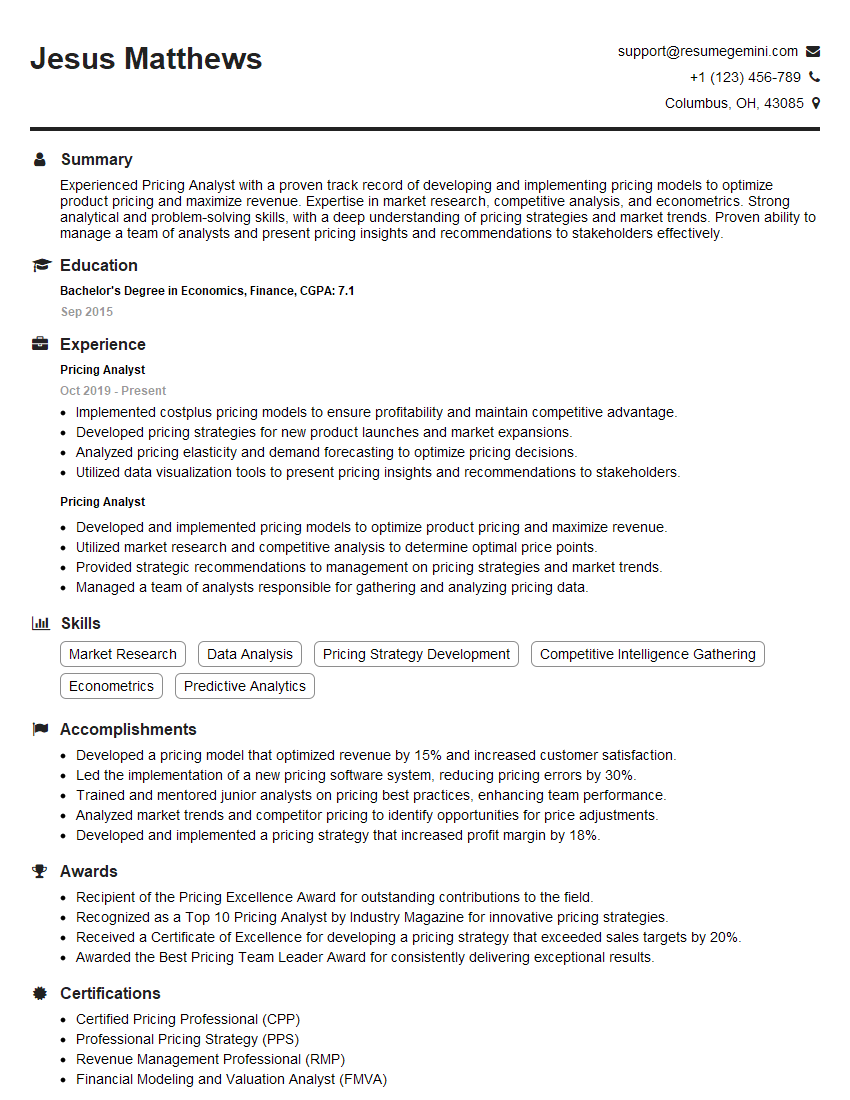
Pricing Analyst Resume Sample
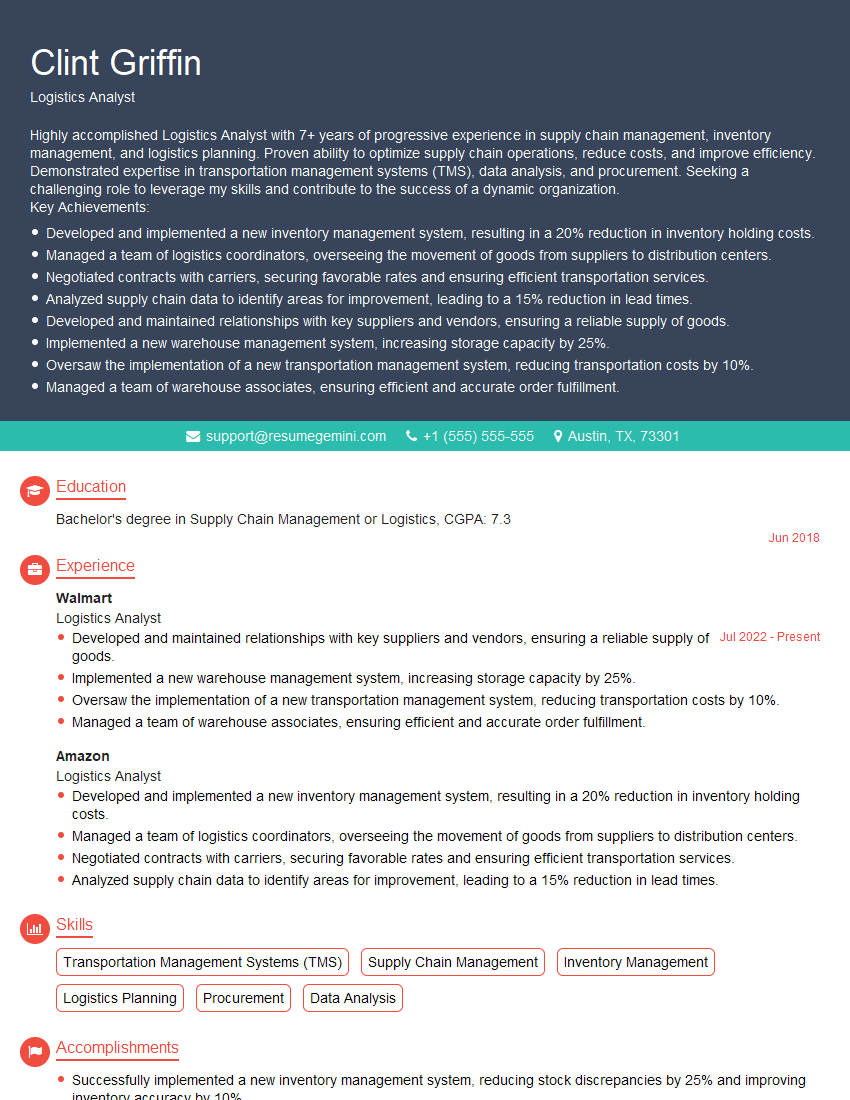
Logistics Analyst Resume Sample
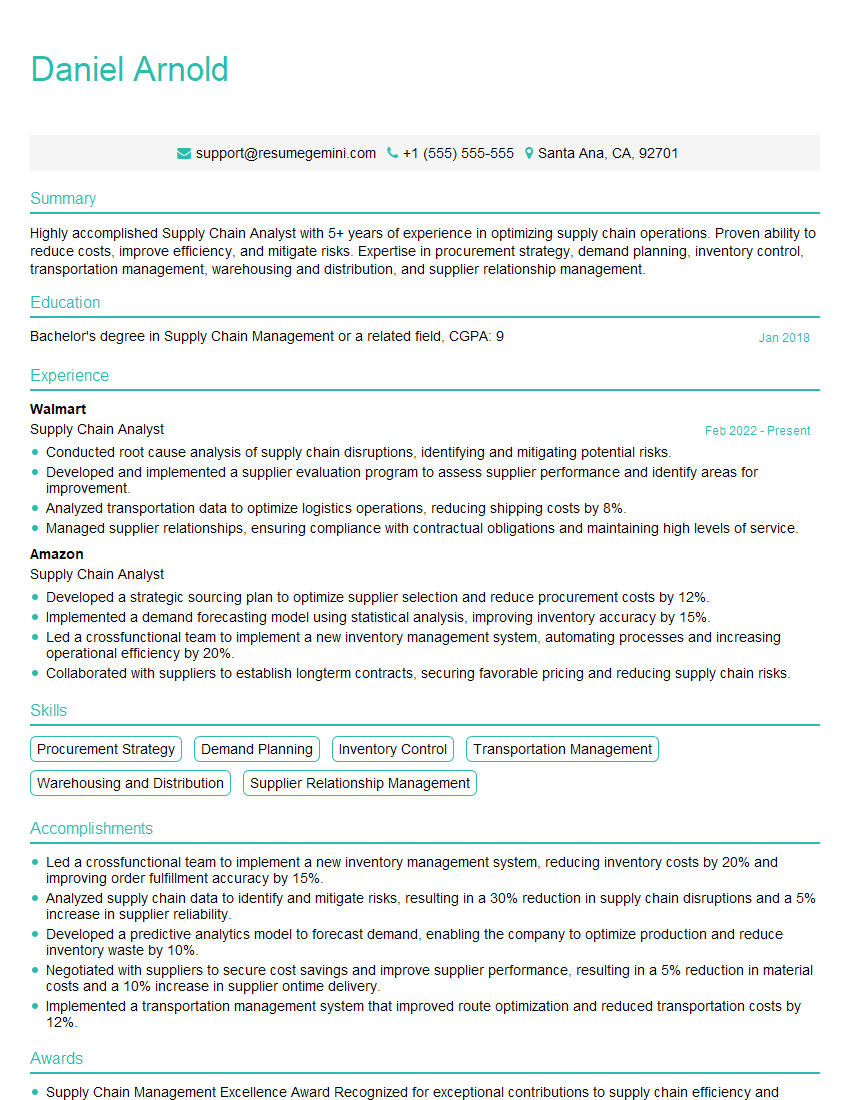
Supply Chain Analyst Resume Sample
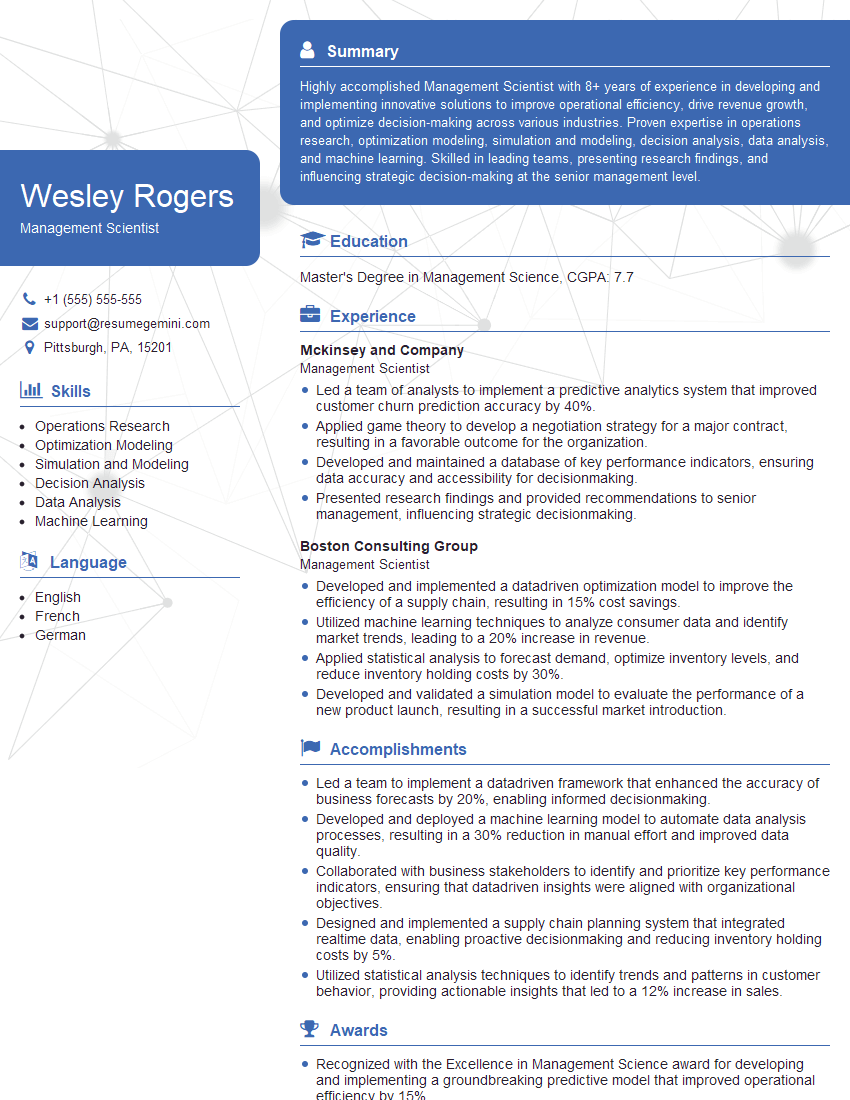
Management Scientist Resume Sample
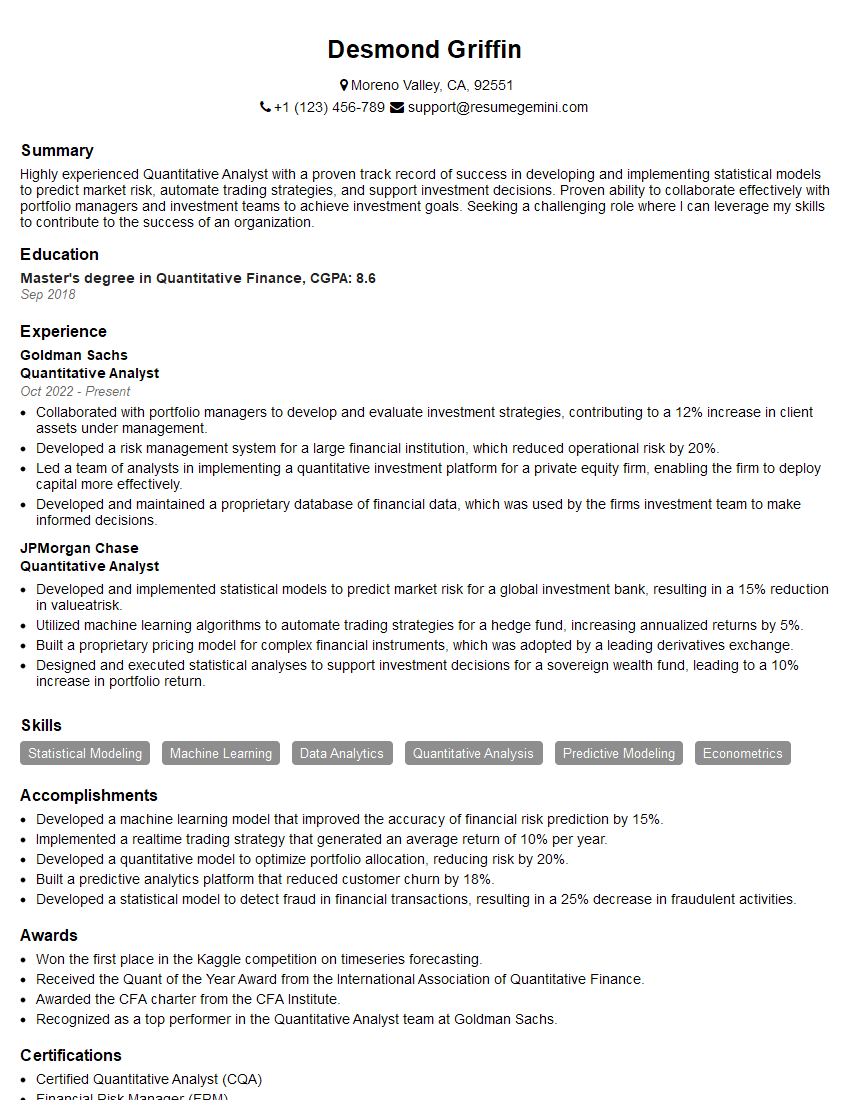
Quantitative Analyst Resume Sample
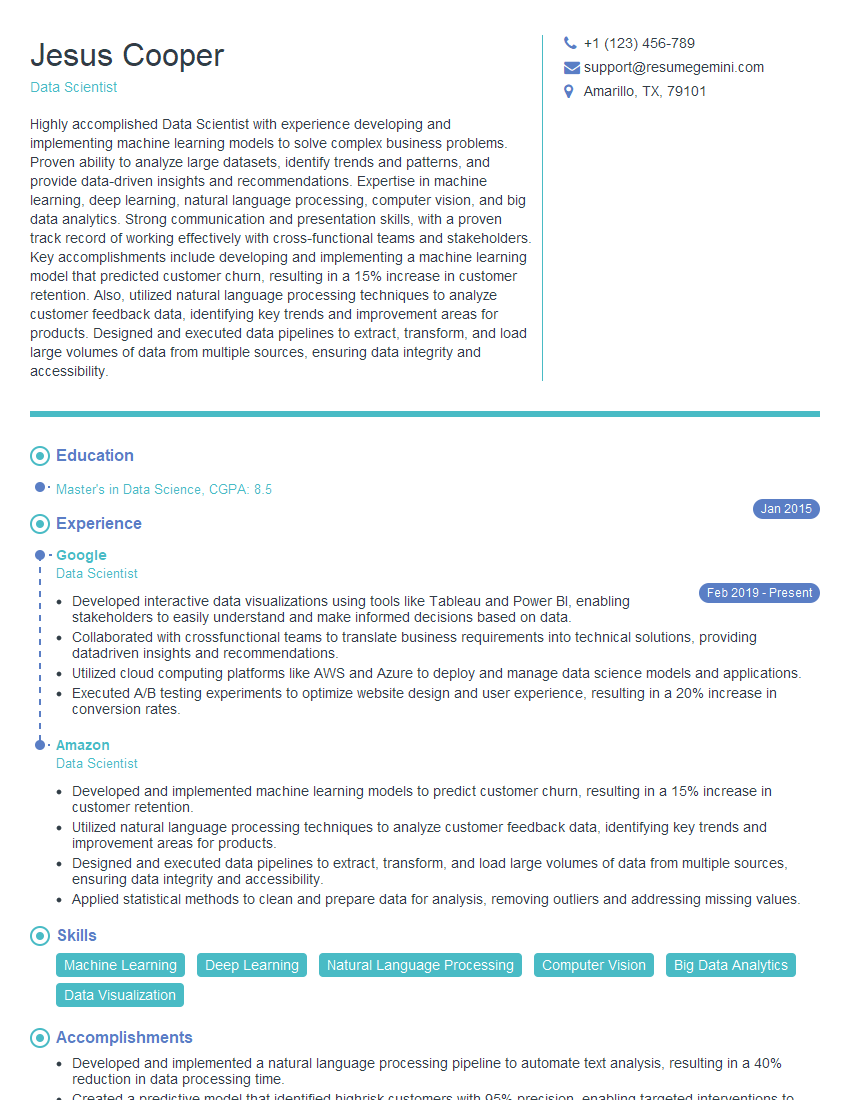
Data Scientist Resume Sample
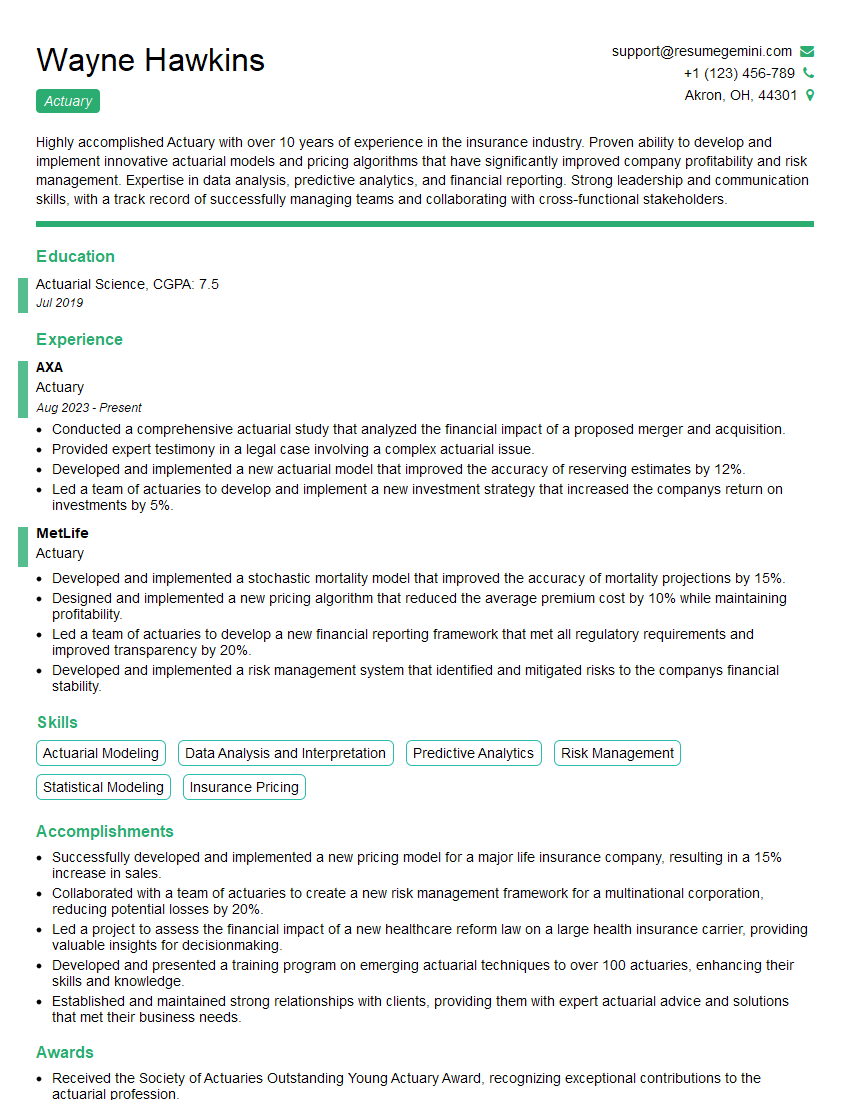
Actuary Resume Sample
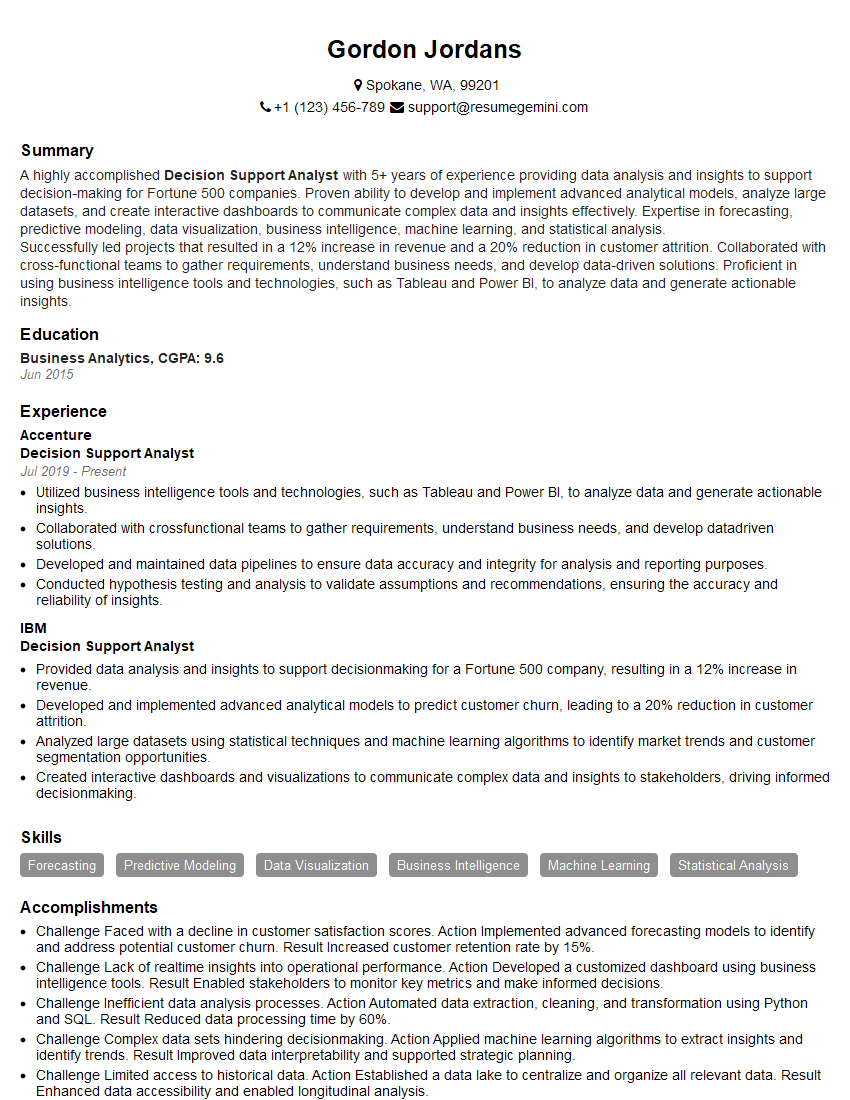
Decision Support Analyst Resume Sample

Operations Research Analyst Resume Sample
Explore more articles
Users Rating of Our Blogs
Share Your Experience
We value your feedback! Please rate our content and share your thoughts (optional).
What Readers Say About Our Blog
To the interviewgemini.com Webmaster.
Very helpful and content specific questions to help prepare me for my interview!
Thank you
To the interviewgemini.com Webmaster.
This was kind of a unique content I found around the specialized skills. Very helpful questions and good detailed answers.
Very Helpful blog, thank you Interviewgemini team.