Interviews are more than just a Q&A session—they’re a chance to prove your worth. This blog dives into essential Electrical Equipment Commissioning and Troubleshooting interview questions and expert tips to help you align your answers with what hiring managers are looking for. Start preparing to shine!
Questions Asked in Electrical Equipment Commissioning and Troubleshooting Interview
Q 1. Describe your experience with different types of electrical testing equipment.
My experience with electrical testing equipment spans a wide range, encompassing both low-voltage and high-voltage apparatus. I’m proficient in using instruments like multimeters (for voltage, current, and resistance measurements), clamp meters (for non-contact current measurement), insulation resistance testers (meggers) to check for insulation breakdown, and power quality analyzers to assess voltage sags, surges, and harmonics. For high-voltage applications, I’ve extensively used partial discharge detectors to identify insulation defects in cables and transformers, and high-voltage testers for switchgear testing. For example, during the commissioning of a large industrial facility, I used a megger to verify the insulation integrity of newly installed motor windings before energization, preventing potential short circuits and costly downtime. In another instance, a power quality analyzer helped identify harmonic distortion caused by a faulty variable-frequency drive, leading to its replacement and improved system efficiency.
- Multimeters: Essential for basic electrical measurements.
- Clamp meters: Ideal for measuring current without breaking the circuit.
- Meggers: Crucial for assessing insulation resistance.
- Power Quality Analyzers: Detect power disturbances.
- Partial Discharge Detectors: Identify insulation defects in high voltage equipment.
Q 2. Explain the process of commissioning a medium voltage switchgear.
Commissioning medium-voltage switchgear is a critical process requiring meticulous attention to detail and adherence to safety protocols. It involves several key stages:
- Inspection and Verification: This initial phase checks that the switchgear conforms to specifications, verifying all components are present and correctly installed according to the manufacturer’s instructions and the electrical drawings. This includes checking for correct wiring, grounding, and labeling.
- Cleaning and Preparation: The switchgear is thoroughly cleaned, ensuring that there’s no debris or foreign objects that could cause problems during testing.
- Testing: This stage involves multiple tests including insulation resistance testing (meggering) on all phases and earth, dielectric strength testing to check for insulation breakdown, and continuity testing to check the wiring for shorts and opens. Protection relay testing is performed to confirm the correct operation of the relays under various fault conditions. Contact resistance testing of busbars and connections ensures low resistance and proper contact.
- Calibration and Setting of Protection Relays: This is crucial for safety and correct system protection. The relays’ settings are calibrated according to the system characteristics and protection requirements.
- Functional Testing: The switchgear’s operation is tested to verify that all breakers and switches function correctly, that the interlocking mechanisms work as intended, and that the control circuits operate as designed. This is often done using a dedicated control panel simulator.
- Documentation: All test results, settings, and observations are meticulously documented and compiled into a final commissioning report. This serves as a record of the switchgear’s performance and operational status.
Imagine commissioning a medium-voltage switchgear for a new substation – failing to properly test the protection relays could lead to catastrophic equipment failure during a fault. Proper commissioning ensures the system works correctly and safely.
Q 3. How do you troubleshoot a faulty motor control center?
Troubleshooting a faulty motor control center (MCC) requires a systematic approach. The process begins with a thorough safety check, ensuring the power is isolated before any investigation commences. Then, I follow these steps:
- Identify the Symptoms: Determine the precise nature of the malfunction. Is a motor not starting? Is there an overload tripping? Are there any unusual sounds or smells? This provides clues about the likely source of the problem.
- Visual Inspection: Examine the MCC for obvious signs of damage such as loose connections, burned wires, or damaged components. Look for tripped breakers or blown fuses.
- Check Input Power: Verify that power is reaching the MCC’s incoming feeders. Use a multimeter to check voltage and current at the incoming terminals.
- Inspect Wiring and Connections: Carefully check all wiring and connections for loose terminations, corrosion, or damage. Tighten any loose connections, repair or replace any damaged wiring.
- Test Control Circuits: Using a multimeter, test the control circuits to identify any shorts, opens, or incorrect wiring. Check the operation of pilot lights, switches, and push buttons.
- Test Motor Circuits: Check the motor windings for insulation resistance (using a megger) and look for any signs of overheating or damage. Check the motor starters and overload relays for proper operation.
- Use Specialized Equipment: If the problem isn’t readily apparent, utilize specialized tools like thermal imagers to detect hot spots indicating overheating or short circuits, or motor current analyzers to investigate motor performance issues.
- Consult Schematics: Electrical schematics are invaluable in tracing circuits and identifying the flow of power and signals.
For example, I once encountered an MCC where a motor wouldn’t start. A visual inspection revealed a loose connection on a control relay, causing intermittent power to the motor starter. A simple tightening of the connection resolved the issue, highlighting the importance of thorough visual inspection.
Q 4. What are the safety precautions you take during electrical commissioning?
Safety is paramount during electrical commissioning. My approach incorporates several key measures:
- Lockout/Tagout (LOTO): Before commencing any work, I ensure that all power sources to the equipment are completely de-energized and locked out using a LOTO procedure. This prevents accidental energization and minimizes the risk of electrical shock.
- Personal Protective Equipment (PPE): I always use appropriate PPE, including safety glasses, insulated gloves, and arc flash protective clothing, depending on the voltage level and work being performed.
- Grounding: Equipment is properly grounded to prevent static electricity buildup and to provide a path for fault currents.
- Proper Tools: I use only insulated tools rated for the voltage level being worked on.
- Permit-to-Work System: I adhere strictly to a permit-to-work system, which ensures that all necessary safety precautions have been taken before work begins and that the work area is safe.
- Training and Competence: I make sure all personnel involved have received proper training and hold the necessary certifications for working on electrical equipment.
- Emergency Procedures: I am familiar with and prepared for emergency procedures in case of an accident or incident.
A story from my experience: I was once part of a team commissioning a high-voltage transformer. Strict adherence to LOTO, PPE use, and our permit-to-work system prevented a potential accident when a colleague almost accidentally energized a live conductor.
Q 5. Explain your experience with PLC programming and troubleshooting.
I have extensive experience with PLC programming and troubleshooting using various platforms like Allen-Bradley, Siemens, and Schneider Electric. My expertise encompasses ladder logic, structured text, and function block programming. I am proficient in configuring various communication protocols (e.g., Ethernet/IP, Modbus, Profibus) and integrating PLCs into SCADA systems.
Troubleshooting PLC programs involves a systematic approach, similar to that used for other electrical equipment. This typically includes:
- Reviewing the PLC Program: Analyzing the ladder logic or other programming code to identify any potential errors or inconsistencies.
- Monitoring I/O Signals: Using the PLC’s diagnostic tools to monitor the input and output signals, checking if they match the expected values.
- Using PLC Diagnostics: Many PLCs have built-in diagnostic features to help pinpoint the source of problems. Error codes and status bits can be invaluable in identifying faults.
- Simulating the System: In some cases, simulating the system using PLC software can help identify potential problems before deploying changes to the physical hardware.
- Testing Individual Components: Testing input and output modules, sensors, and actuators can help isolate faults.
For example, I once resolved a production line stoppage by troubleshooting a PLC program that controlled a conveyor system. By using the PLC’s diagnostic features and monitoring the I/O signals, I discovered a faulty sensor was causing the system to malfunction. Replacing the sensor restored the system’s operation.
//Example Ladder Logic (Illustrative): // IF (Sensor Input) THEN (Conveyor Motor Output) END_IF;
Q 6. How do you interpret electrical drawings and schematics?
Interpreting electrical drawings and schematics is fundamental to my work. I can readily understand and utilize one-line diagrams, three-line diagrams, wiring diagrams, and P&ID’s (Piping and Instrumentation Diagrams). My skill lies not just in understanding the individual components but in visualizing the overall system and tracing the flow of power and signals through complex networks.
I use these drawings to:
- Plan installations and maintenance: Schematics provide a roadmap for understanding the electrical layout and how components interact.
- Troubleshoot faults: By following the schematic, I can trace the path of signals and power to identify the location of problems.
- Verify installations: I use the drawings to verify that the installation matches the design specifications.
- Generate reports and documentation: The drawings serve as the basis for commissioning reports and other technical documentation.
Think of electrical drawings as blueprints of electrical systems. Understanding them is like being able to navigate a complex city using a detailed map – it’s essential for efficient and effective work. I am comfortable working with both hand-drawn and computer-generated schematics, and I can interpret different symbols and notations commonly used in the industry.
Q 7. Describe your experience with SCADA systems commissioning and troubleshooting.
My experience with SCADA systems encompasses both commissioning and troubleshooting. I’m familiar with various SCADA platforms and understand their integration with PLCs, RTUs (Remote Terminal Units), and other field devices. Commissioning a SCADA system involves configuring communication protocols, designing the human-machine interface (HMI), and validating data acquisition and control functionality.
Troubleshooting typically involves:
- Verifying Communication Links: Ensuring all communication links between the SCADA server, PLCs, and RTUs are functioning correctly.
- Checking Data Acquisition: Validating that the SCADA system is accurately acquiring data from field devices.
- Testing Control Functions: Ensuring that the SCADA system is able to control field devices as designed.
- Analyzing Alarm and Event Logs: Investigating alarm and event logs to identify the root cause of problems.
- Using Diagnostic Tools: Employing SCADA system’s diagnostic tools to identify and resolve issues.
One example was troubleshooting a SCADA system where a remote pump wasn’t displaying its status correctly. Through analyzing the communication logs and using diagnostic tools, I found a misconfiguration in the communication settings between the RTU and the SCADA server, which was easily rectified. This highlights how important it is to have a deep understanding of communication protocols and data flow within SCADA systems.
Q 8. How do you handle a situation where commissioning deadlines are tight?
Handling tight commissioning deadlines requires a proactive and organized approach. It’s not just about working faster, but working smarter. My strategy begins with a thorough review of the project scope and schedule, identifying critical path activities and potential bottlenecks. I then establish clear communication channels with the client, contractors, and other stakeholders, ensuring everyone is aligned on priorities and potential delays are flagged immediately.
Next, I utilize techniques like parallel testing wherever possible. For example, instead of testing each circuit breaker individually, we might group similar units for simultaneous testing where it’s safe and compliant. We also prioritize tasks based on their criticality, focusing on essential components first. Detailed scheduling using tools like MS Project or Primavera P6 helps manage resources efficiently. Finally, contingency planning is crucial. We identify potential delays and develop mitigation strategies in advance. Perhaps this means securing extra resources or having backup equipment on hand.
For instance, on a recent hospital project, we faced a compressed schedule due to patient occupancy demands. By implementing parallel testing and optimizing our workflow, we successfully completed commissioning within the deadline without compromising quality or safety. The key was proactive planning, meticulous execution, and consistent communication.
Q 9. What are the common causes of electrical equipment failure?
Electrical equipment failures stem from various causes, often interconnected. We can broadly categorize these as:
- Environmental Factors: Excessive heat, humidity, vibration, and contamination (dust, moisture) can degrade insulation, damage components, and lead to premature failures. Think of the accelerated wear on outdoor transformers compared to indoor ones.
- Mechanical Issues: Wear and tear, improper lubrication, and loose connections are common culprits. For example, a worn-out bearing in a motor can lead to vibration, overheating, and eventual failure.
- Electrical Stress: Overloads, surges, transients, and harmonic distortion can stress components beyond their design limits. A sudden power surge can easily damage sensitive electronic devices.
- Manufacturing Defects: Faulty components or improper assembly during manufacturing can lead to early failures. This is why reputable suppliers and rigorous quality checks are important.
- Improper Installation and Maintenance: Incorrect wiring, insufficient grounding, or lack of regular maintenance are significant contributors to failures. A simple loose connection can cause overheating and eventual fire.
Identifying the root cause often requires a systematic approach involving visual inspection, testing with specialized equipment, and analyzing operating data. Effective preventative maintenance significantly reduces these failures.
Q 10. Explain your experience with relay testing and protection settings.
Relay testing and protection settings are critical for ensuring the safety and reliability of electrical systems. My experience encompasses various types of relays, including overcurrent, differential, distance, and directional relays. I’m proficient in using test equipment like relay testers and digital fault recorders to perform various tests including:
- Verification of Relay Operation: This involves simulating fault conditions to check if relays operate as designed within the specified time and trip levels.
- Protection Setting Verification: Ensuring that the relay settings are correctly configured to protect equipment from various fault conditions. This often involves calculating fault current levels and setting relays to trip accordingly.
- Communication Testing: Checking communication between relays and the protection system.
I have extensive experience with different communication protocols like IEC 61850 and Modbus. Setting protection relays involves understanding system characteristics, coordination with upstream and downstream devices, and adherence to relevant standards. For instance, I once worked on a project where incorrect protection settings resulted in unnecessary tripping. By accurately configuring the relays, we eliminated these false trips and enhanced the system’s reliability. Documentation of each test, including settings, results and any corrective actions taken, is critical.
Q 11. How do you identify and resolve grounding issues?
Grounding issues can lead to safety hazards, equipment damage, and system instability. Identifying and resolving these problems requires a methodical approach. It typically begins with a visual inspection, looking for loose connections, corroded wires, or damaged grounding electrodes. Next, I use testing instruments like a ground resistance tester, clamp meter and a megohmmeter to assess the effectiveness of the grounding system.
Specific techniques employed include measuring the ground resistance, verifying continuity between grounding points, and checking for stray currents. If high resistance or potential differences are found, I investigate the cause, whether it’s corroded connections, insufficient electrode size, or inadequate grounding paths. Solutions range from cleaning and tightening connections, replacing damaged components, adding additional grounding conductors, or installing new grounding electrodes. For example, on a recent data center project, we discovered high ground resistance. We found corroded connections at the grounding electrode and remedied the situation by replacing the corroded parts, improving the system’s ground impedance, and thus improving safety and equipment performance. Detailed documentation of the findings and corrective actions is crucial for future maintenance.
Q 12. Describe your experience with power quality analysis and mitigation.
Power quality analysis is essential for identifying and mitigating issues like voltage sags, swells, harmonics, and transients that can negatively affect equipment performance and lifespan. My experience involves using power quality analyzers to monitor and record voltage, current, and power parameters over time. Data is analyzed to pinpoint power quality problems.
Mitigation strategies depend on the specific issues identified. Solutions could include installing power conditioning equipment such as voltage regulators, uninterruptible power supplies (UPS), harmonic filters, or surge protectors. In some cases, adjustments to the electrical system design might be necessary. For instance, I was involved in a project where harmonic distortion was causing premature failure of certain industrial drives. By implementing harmonic filters, we reduced the harmonic content, substantially improving equipment reliability and extending its lifespan. Regular power quality monitoring helps identify potential problems before they escalate into major issues, saving time and money in the long run.
Q 13. Explain your process for documenting commissioning activities.
Thorough documentation is crucial for ensuring traceability, accountability, and efficient maintenance. My process for documenting commissioning activities involves a multi-step approach, typically starting with a comprehensive commissioning plan, laying out all activities and deliverables. Throughout the process, detailed records are maintained of all tests performed, settings verified, equipment inspected, and observations made.
This involves using a combination of methods. This includes digital logs from testing equipment, spreadsheets detailing test results, photographs, and written reports. All documentation is systematically organized and stored, ideally in a centralized system accessible to all stakeholders. The final commissioning report summarizes all findings, provides recommendations, and certifies that the equipment meets the required specifications. This report often includes as-built drawings, test reports, and photographs. A well-documented project facilitates efficient troubleshooting and maintenance, saving time and resources down the line. A properly documented project also enables efficient handover to the client’s operations and maintenance team.
Q 14. How do you ensure compliance with relevant electrical codes and standards?
Compliance with electrical codes and standards is paramount for safety and legal reasons. My approach to ensuring compliance starts with a thorough understanding of the applicable codes and standards for the project location, including the National Electrical Code (NEC), IEEE standards, and any local regulations.
I incorporate these requirements into the project planning and design phases. During the commissioning process, I conduct rigorous testing and inspection to verify compliance, ensuring all equipment meets safety and performance requirements. This includes verifying grounding, overcurrent protection, insulation resistance, and other key parameters. Any discrepancies or non-compliance issues are addressed promptly, documented, and corrected before project acceptance. I also maintain detailed records demonstrating compliance, which can be crucial for audits and inspections. Prioritizing safety and compliance not only avoids potential legal issues but also ensures a reliable and safe electrical system for the end-user.
Q 15. What software and tools are you proficient in for electrical commissioning?
My proficiency in electrical commissioning software and tools spans a wide range, encompassing both dedicated commissioning software and general-purpose tools. I’m adept at using software packages like E*Tabs for electrical system analysis and design verification. I’m also experienced with commissioning management software which allows for tracking progress, managing test results, and generating reports. This is often supplemented by data acquisition systems like Fluke systems for precise measurements and logging. For documentation, I am proficient with Microsoft Office Suite and specialized software for creating as-built drawings and schematics. Beyond software, I’m highly skilled in using various test equipment, including multimeters, insulation resistance testers, clamp meters, power quality analyzers, and loop impedance testers—all essential for thorough commissioning.
For example, during the commissioning of a large industrial facility, I used E*Tabs to model the entire electrical system, validating the design’s adherence to specifications and identifying potential issues before construction even began. This proactive approach helped avoid costly rework and delays later in the project.
Career Expert Tips:
- Ace those interviews! Prepare effectively by reviewing the Top 50 Most Common Interview Questions on ResumeGemini.
- Navigate your job search with confidence! Explore a wide range of Career Tips on ResumeGemini. Learn about common challenges and recommendations to overcome them.
- Craft the perfect resume! Master the Art of Resume Writing with ResumeGemini’s guide. Showcase your unique qualifications and achievements effectively.
- Don’t miss out on holiday savings! Build your dream resume with ResumeGemini’s ATS optimized templates.
Q 16. Describe your experience with different types of transformers and their testing.
My experience with transformers covers a broad spectrum, including power transformers, instrument transformers (current and potential), and distribution transformers. Testing procedures vary depending on the type and size of the transformer, but generally involve several key tests:
- Turns Ratio Test: Verifies the turns ratio of the windings, confirming the correct voltage transformation.
- Insulation Resistance Test (Megger Test): Measures the insulation resistance between windings and ground to identify potential insulation breakdown.
- Winding Resistance Test: Measures the resistance of each winding to detect short circuits or open circuits.
- Polarity Test: Determines the phase relationship between the primary and secondary windings, crucial for safe operation.
- Impedance Test: Measures the impedance of the transformer windings to determine short-circuit current capability and verify impedance matching.
- No-Load Test and Short-Circuit Test: These tests are used to determine the transformer’s efficiency and other performance parameters.
For example, during the commissioning of a substation, I performed all the above tests on a large power transformer using specialized high-voltage testing equipment. Any discrepancies from expected values were carefully investigated and documented, ensuring the transformer’s safe and reliable operation.
Q 17. How do you troubleshoot a low voltage power supply issue?
Troubleshooting a low voltage power supply issue requires a systematic approach. The first step is to clearly define the problem: which circuits are affected? What is the actual voltage reading? When did the issue start? Then, I follow these steps:
- Visual Inspection: Check for loose connections, damaged wires, blown fuses or circuit breakers.
- Voltage Measurement: Use a multimeter to measure the voltage at various points in the circuit, from the source to the load. This helps pinpoint where the voltage drop is occurring.
- Current Measurement: Measure the current draw of the load. An abnormally high current draw could indicate a short circuit.
- Load Test: Disconnect the load and measure the voltage. If the voltage returns to normal, the problem likely lies within the load itself.
- Source Inspection: Examine the power supply itself, checking for any issues with the power supply’s internal components or any problems with its input voltage.
- Documentation: Throughout the process, carefully document all findings, measurements, and corrective actions.
For instance, in a recent project, a low voltage issue in a control panel was traced to a loose connection at a terminal block. Once tightened, the voltage returned to normal.
Q 18. Explain your experience with electrical safety lock-out/tag-out procedures.
I have extensive experience with electrical safety lock-out/tag-out (LOTO) procedures, adhering strictly to industry best practices and company safety regulations. This involves completely de-energizing equipment before performing any maintenance or repair work. The process typically follows these steps:
- Preparation: Identify all energy sources to be isolated (electrical, hydraulic, pneumatic).
- Lockout: Use approved lockout devices to prevent the accidental re-energization of the equipment.
- Tagout: Clearly label the lockout device with information about who performed the lockout, the date, and the reason for the lockout.
- Verification: Verify that the equipment is de-energized using appropriate testing methods (e.g., multimeter).
- Tagout Removal: Only the person who applied the lockout can remove it after verifying the equipment’s safety.
I always insist on thorough training and a clear understanding of LOTO procedures by all personnel involved in any electrical work, emphasizing the critical importance of this process in preventing electrical accidents.
Q 19. How do you handle a situation where a piece of equipment fails during commissioning?
Equipment failure during commissioning requires a calm and methodical response. First priority is safety; ensure the failed equipment is isolated to prevent further damage or injury. Then, I follow these steps:
- Assess the Situation: Determine the extent of the failure, the affected systems, and potential safety hazards.
- Gather Data: Collect all relevant information, including error messages, operational data, and any witness accounts.
- Initial Troubleshooting: Begin basic troubleshooting steps (visual inspection, voltage/current measurements).
- Root Cause Analysis: Collaborate with engineers, manufacturers, and other experts to pinpoint the root cause of the failure.
- Repair or Replacement: Depending on the severity of the failure and cost-effectiveness, implement repairs or plan for equipment replacement.
- Documentation: Maintain a comprehensive record of the failure, troubleshooting steps, corrective actions, and lessons learned.
In one instance, a motor failed during commissioning. Through systematic troubleshooting, we identified a manufacturing defect; replacement and retesting resolved the issue, and the root cause was reported to the manufacturer to prevent similar issues.
Q 20. Describe your experience with commissioning electrical systems in hazardous locations.
Commissioning electrical systems in hazardous locations requires adherence to stringent safety regulations and specialized equipment. This includes understanding and applying the relevant codes and standards (e.g., NEC, IEC, ATEX). Key aspects include:
- Specialized Equipment: Using intrinsically safe equipment, explosion-proof enclosures, and appropriately rated wiring and connectors.
- Environmental Considerations: Accounting for temperature, humidity, and other environmental factors that could impact equipment performance and safety.
- Gas Detection: Implementing appropriate gas detection systems to monitor for hazardous atmospheres.
- Permit-to-Work Systems: Employing robust permit-to-work systems to control access to hazardous areas and ensure safe work practices.
- Specialized Training: Ensuring all personnel involved have the necessary training and certifications to work in hazardous locations.
For example, during the commissioning of an offshore oil platform, we used intrinsically safe instrumentation and followed strict permit-to-work procedures to ensure the safety of personnel and prevent potential explosions. Every step followed relevant industry codes and standards.
Q 21. What are your strategies for effective communication during commissioning projects?
Effective communication is crucial for successful commissioning projects. My strategies include:
- Regular Meetings: Holding regular meetings with the project team, including client representatives, engineers, contractors, and other stakeholders.
- Clear Documentation: Maintaining comprehensive project documentation, including test reports, commissioning procedures, and any deviations from the plan.
- Open Communication Channels: Establishing clear communication channels (email, instant messaging, project management software) to facilitate quick and efficient information exchange.
- Proactive Reporting: Providing regular progress reports to stakeholders, highlighting any issues or potential delays.
- Constructive Feedback: Encouraging open and honest communication and providing constructive feedback to resolve issues promptly.
Using a combination of these approaches, I ensure everyone is informed and aligned on the project’s progress, preventing misunderstandings and facilitating problem-solving.
Q 22. How do you manage conflicts between different stakeholders during commissioning?
Managing stakeholder conflicts during commissioning requires proactive communication and a collaborative approach. Think of it like orchestrating a complex symphony – each instrument (stakeholder) has a vital role, but they need to be in harmony. I begin by establishing clear communication channels, ensuring everyone understands project goals, timelines, and responsibilities. Regular meetings, documented decisions, and a well-defined conflict resolution process are crucial. This process often involves:
- Clearly Defined Roles and Responsibilities: A Responsibility Assignment Matrix (RAM) helps clarify who’s responsible for what, minimizing overlap and potential disagreements.
- Open Communication: Regular meetings, both formal and informal, allow for open dialogue and address concerns proactively. I encourage constructive feedback and active listening.
- Objective Decision-Making: When conflicts arise, I facilitate discussions based on objective data and project requirements, not personal opinions. This might involve reviewing technical specifications, testing results, or relevant industry standards.
- Escalation Protocol: For unresolved conflicts, a clearly defined escalation path ensures timely intervention from senior management or a designated mediator.
For example, on a recent hospital project, the electrical contractor and the IT department clashed over cable routing. Using the RAM and open communication, we found a compromise that satisfied both parties’ needs while ensuring safety and code compliance. This collaborative solution avoided costly delays.
Q 23. Describe a time you had to troubleshoot a complex electrical problem.
During the commissioning of a large industrial facility, we encountered an intermittent fault in a 480V motor control center. The problem was the motor would randomly trip its overload protection. Initial inspections revealed nothing obvious. This was like searching for a needle in a haystack – many potential causes.
My troubleshooting methodology involved a systematic approach:
- Data Collection: First, we meticulously documented the fault’s occurrence – the time of day, load conditions, and any preceding events. We used a power quality analyzer to record voltage and current waveforms during operation and fault conditions.
- Visual Inspection: A thorough visual inspection of wiring, connections, and components within the motor control center, including the motor itself, was conducted.
- Testing and Measurement: We used a digital multimeter to test insulation resistance, continuity, and voltage levels. The power quality analyzer helped identify any harmonics or voltage sags that might be contributing to the problem.
- Targeted Investigation: The data pointed towards possible loose connections within the motor control center. Careful inspection revealed a slightly loose connection on one of the motor starter’s auxiliary contacts. Tightening this connection resolved the problem.
This experience highlighted the importance of methodical troubleshooting – combining thorough data collection with targeted investigation and appropriate testing to pinpoint the root cause.
Q 24. Explain your experience with preventative maintenance of electrical equipment.
Preventative maintenance (PM) is crucial for extending the lifespan and ensuring the reliable operation of electrical equipment. Think of it as regular checkups for your car – preventing small problems from becoming major breakdowns. My experience includes developing and implementing PM schedules based on manufacturer recommendations, site-specific conditions, and risk assessments. This usually involves:
- Scheduled Inspections: Regular visual inspections of all electrical equipment, including motors, transformers, switchgear, and cabling, for signs of wear, damage, or overheating.
- Testing and Measurements: Periodic testing of insulation resistance, continuity, and grounding. This includes using infrared thermography to detect hot spots that might indicate developing faults.
- Cleaning and Lubrication: Cleaning electrical contacts, terminals, and enclosures to remove dust and debris, and lubricating moving parts as needed.
- Calibration: Regularly calibrating measuring instruments like multimeters and clamp meters to ensure accuracy.
- Documentation: Maintaining detailed records of all PM activities, including dates, findings, and corrective actions taken. This is vital for tracking equipment health and identifying trends.
I’ve successfully implemented PM programs in various settings, leading to reduced downtime, improved safety, and lower operating costs. For instance, by implementing a robust PM program in a manufacturing plant, we reduced electrical equipment failures by 40% in the first year.
Q 25. How do you use diagnostic tools to identify electrical faults?
Diagnostic tools are indispensable for efficient fault identification. My experience encompasses a wide range of tools, each suited to specific tasks. It’s about choosing the right tool for the job, much like a surgeon selecting the appropriate instruments for a procedure. These tools often include:
- Multimeters: For basic measurements of voltage, current, resistance, and continuity.
- Clamp Meters: To measure current without breaking the circuit.
- Power Quality Analyzers: For detailed analysis of voltage waveforms, harmonics, and other power quality issues.
- Infrared Thermography Cameras: To detect overheating components, which are often indicative of faults.
- Motor Analysers: Specialized tools for diagnosing motor-related problems, such as imbalances or winding faults.
- Partial Discharge Detectors: To detect insulation degradation in high-voltage equipment.
For example, during the troubleshooting of a low-voltage system, I used a power quality analyzer to identify intermittent voltage sags that were causing equipment malfunctions. The analyzer’s data helped pinpoint the source of the problem to a faulty transformer.
Q 26. What are some common mistakes to avoid during electrical commissioning?
Avoiding mistakes during electrical commissioning is crucial for safety and project success. Some common pitfalls to avoid include:
- Insufficient Planning: Inadequate planning, including unclear scope definition, incomplete documentation, or insufficient resource allocation can lead to delays and errors.
- Inadequate Testing: Insufficient testing or skipping critical test steps can result in hidden faults that manifest after commissioning.
- Ignoring Safety Procedures: Neglecting safety procedures such as lockout/tagout, proper grounding, and personal protective equipment (PPE) can result in accidents and injuries.
- Poor Documentation: Insufficient documentation, including incomplete test reports or as-built drawings, hinders future maintenance and troubleshooting efforts.
- Lack of Communication: Poor communication among commissioning team members and stakeholders can lead to misunderstandings and delays.
For instance, overlooking a critical test during the commissioning of a fire alarm system can have potentially disastrous consequences. Thorough testing and proper documentation are key to preventing such issues.
Q 27. Describe your experience with the commissioning of renewable energy systems (solar, wind).
My experience with renewable energy system commissioning, specifically solar and wind, involves unique considerations compared to traditional power systems. These systems often incorporate complex control systems, inverters, and grid connection requirements. I’ve been involved in several projects, including the commissioning of both ground-mounted and rooftop solar PV systems, and small-scale wind turbine installations. This often entails:
- System Integration Testing: Testing the interaction between different components, such as solar panels, inverters, and grid connection equipment.
- Performance Testing: Measuring the system’s energy output and efficiency under various operating conditions.
- Safety Testing: Ensuring the system meets all relevant safety standards and regulations.
- Grid Compliance Testing: Verifying that the system complies with grid connection requirements and operates seamlessly with the utility grid.
- Data Acquisition and Monitoring: Installing and configuring monitoring systems to track system performance and identify potential issues.
For example, during the commissioning of a large-scale solar farm, we identified a misconfiguration in the inverter settings that was impacting overall system efficiency. Addressing this issue resulted in a significant improvement in energy production.
Q 28. How do you stay up-to-date with the latest advancements in electrical commissioning technology?
Staying current in the rapidly evolving field of electrical commissioning technology requires a multifaceted approach. It’s a continuous learning process, akin to a lifelong journey of exploration and refinement. My strategies include:
- Professional Organizations: Active membership in professional organizations such as IEEE and relevant industry associations provides access to the latest research, publications, and networking opportunities.
- Industry Publications and Journals: Regularly reviewing industry publications and journals keeps me abreast of new technologies and best practices.
- Webinars and Online Courses: Participating in webinars and online courses offered by industry experts expands my knowledge and skillset.
- Conferences and Trade Shows: Attending conferences and trade shows allows me to network with peers, learn about new technologies, and stay informed about industry trends.
- Manufacturer Training: Participating in manufacturer-sponsored training programs helps me to understand the latest advancements in specific equipment and technologies.
For instance, recently, I attended a workshop on the use of advanced diagnostic tools for electrical system analysis, improving my ability to identify and resolve complex problems more efficiently.
Key Topics to Learn for Electrical Equipment Commissioning and Troubleshooting Interviews
- Safety Procedures and Regulations: Understanding and applying relevant safety standards (e.g., lockout/tagout procedures, electrical safety codes) is paramount. This includes practical application in real-world scenarios.
- Electrical Drawings and Schematics Interpretation: Proficiency in reading and interpreting electrical schematics, wiring diagrams, and P&IDs is crucial for understanding system functionality and troubleshooting effectively. Practice interpreting complex diagrams and identifying potential issues.
- Commissioning Processes: Detail the steps involved in commissioning electrical equipment, including pre-commissioning checks, testing procedures, and documentation. Consider different types of equipment and their specific requirements.
- Troubleshooting Techniques: Master systematic troubleshooting methodologies, including identifying symptoms, isolating faults, and implementing corrective actions. Focus on both preventative and reactive maintenance approaches.
- Testing and Measurement Equipment: Demonstrate familiarity with various testing instruments (multimeters, oscilloscopes, insulation testers) and their proper usage for accurate diagnostics. Include practical experience with different types of testing.
- Control Systems and Programmable Logic Controllers (PLCs): Understanding basic PLC operation, programming, and troubleshooting is highly valuable, especially in automated systems. Highlight your experience with various PLC brands and programming languages if applicable.
- Motor Control and Drives: Familiarize yourself with the principles of motor control, including various drive types (VFDs, soft starters) and their applications. Be prepared to discuss troubleshooting common motor and drive issues.
- Power Distribution Systems: Gain a thorough understanding of power distribution systems, including transformers, switchgear, and protective relays. This includes identifying and resolving faults within these systems.
- Predictive Maintenance Techniques: Discuss your knowledge of using data analysis and predictive maintenance strategies to minimize downtime and optimize equipment performance. This demonstrates forward-thinking problem-solving skills.
- Documentation and Reporting: Effective communication is vital. Practice clearly documenting commissioning procedures, troubleshooting steps, and test results. This includes creating professional reports and maintaining accurate records.
Next Steps
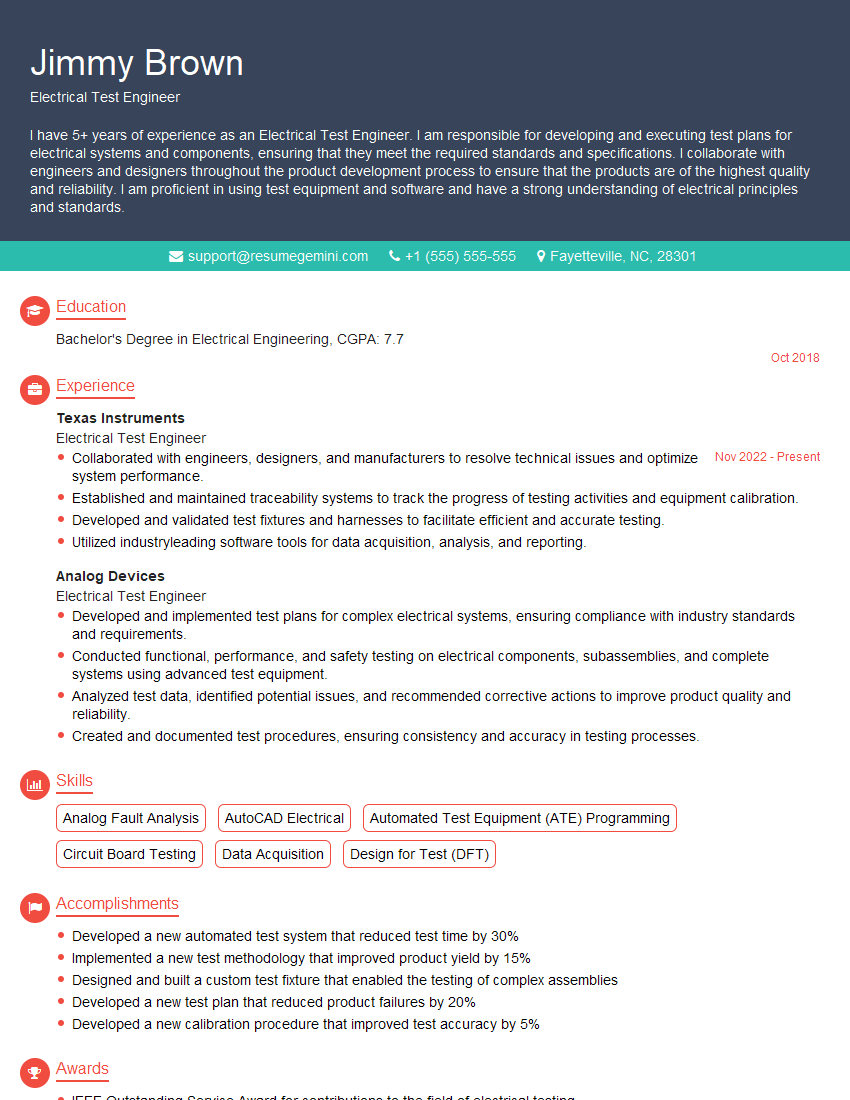
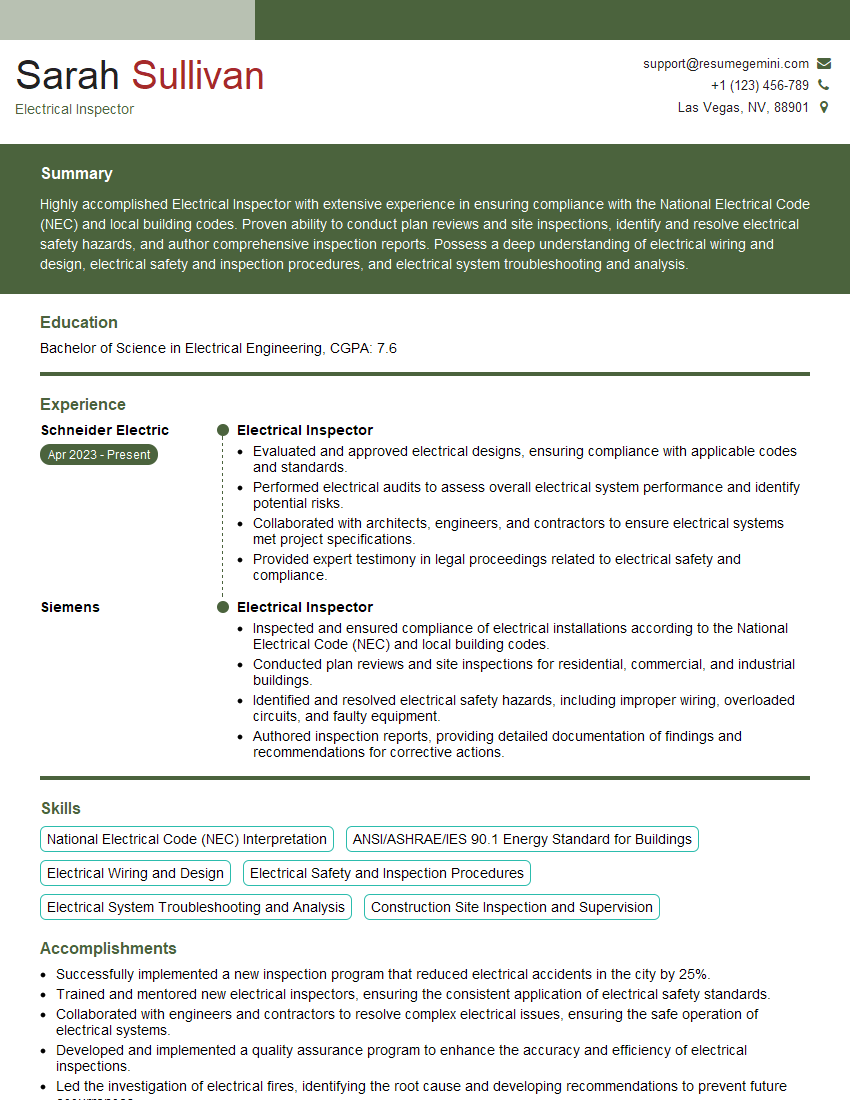
Mastering Electrical Equipment Commissioning and Troubleshooting significantly enhances your career prospects, opening doors to specialized roles and higher earning potential. A well-crafted, ATS-friendly resume is crucial for getting your application noticed. ResumeGemini is a trusted resource to help you build a professional resume that highlights your skills and experience effectively. They provide examples of resumes tailored to Electrical Equipment Commissioning and Troubleshooting to help guide you through the process. Invest time in crafting a compelling resume—it’s your first impression to potential employers.
Explore more articles
Users Rating of Our Blogs
Share Your Experience
We value your feedback! Please rate our content and share your thoughts (optional).
What Readers Say About Our Blog
To the interviewgemini.com Webmaster.
Very helpful and content specific questions to help prepare me for my interview!
Thank you
To the interviewgemini.com Webmaster.
This was kind of a unique content I found around the specialized skills. Very helpful questions and good detailed answers.
Very Helpful blog, thank you Interviewgemini team.