Interviews are opportunities to demonstrate your expertise, and this guide is here to help you shine. Explore the essential Electrical power quality analysis interview questions that employers frequently ask, paired with strategies for crafting responses that set you apart from the competition.
Questions Asked in Electrical power quality analysis Interview
Q 1. Explain the difference between voltage sags, swells, and interruptions.
Voltage sags, swells, and interruptions are all temporary variations in the voltage level of the power supply, significantly impacting the performance of electrical equipment. They differ primarily in the magnitude and duration of the voltage change.
Voltage Sag (Dip): A temporary reduction in voltage amplitude, typically lasting from a few cycles to several seconds. Imagine turning on a large appliance like a washing machine – it might cause a brief dimming of lights (a voltage sag).
Voltage Swell: A temporary increase in voltage amplitude, also lasting from a few cycles to several seconds. A sudden drop in load on the system, for example, a large factory shutting down, can result in a voltage swell.
Voltage Interruption (Outage): A complete loss of voltage, lasting from a fraction of a second to an extended period. A lightning strike hitting a power line is a common cause of a voltage interruption.
The key difference lies in their effect: sags reduce the voltage, swells increase it, and interruptions eliminate it entirely. The severity of each depends on its depth (percentage change from the nominal voltage), duration, and frequency.
Q 2. Describe different types of power quality disturbances and their causes.
Power quality disturbances encompass a wide range of events affecting the stability and reliability of the electrical power supply. Beyond sags, swells, and interruptions, we find:
Harmonics: Non-linear loads like computers and switching power supplies inject harmonic currents into the system, distorting the sinusoidal waveform.
Flicker: Short-term variations in voltage amplitude, often caused by fluctuating loads like arc welders or large motor starts, leading to noticeable light fluctuations.
Transients (Spikes and Surges): Sudden, high-amplitude voltage variations of short duration, often stemming from lightning strikes or switching operations. They can damage sensitive electronic equipment.
Notches: Brief interruptions in the voltage waveform, often due to faults or switching events.
Unbalanced Voltages: Unequal voltage levels in the three phases of a three-phase system, typically caused by unbalanced loads or faults.
Causes are diverse: faulty equipment, switching transients, lightning strikes, large motor starting, and non-linear loads are just some examples. Identifying the root cause is crucial for effective mitigation.
Q 3. What are harmonic distortions and their effects on power systems?
Harmonic distortions are deviations from a pure sinusoidal waveform caused by the presence of harmonic frequencies – multiples of the fundamental frequency (typically 50Hz or 60Hz). These distortions are primarily introduced by non-linear loads that draw current in pulses rather than smoothly.
Effects on Power Systems:
Increased Heating: Harmonic currents cause additional heating in transformers, cables, and other equipment, potentially leading to premature failure.
Overloading of Transformers and Neutral Conductors: Certain harmonics, particularly the third harmonic, add up in the neutral conductor, potentially leading to overheating and failure.
Malfunctioning of Sensitive Equipment: Harmonics can disrupt the operation of sensitive electronic devices and control systems.
For example, a large number of computers in an office building can inject significant harmonic currents, increasing the load on transformers and potentially causing overheating. This highlights the need for harmonic analysis and mitigation strategies.
Q 4. How do you measure and analyze power quality parameters?
Power quality analysis involves measuring and interpreting various parameters to identify and quantify power quality disturbances. This requires specialized equipment and software.
Measurement Equipment: Power quality analyzers are used to measure voltage and current waveforms, including harmonic content, sags, swells, interruptions, flicker, and other disturbances. These devices can range from simple meters to sophisticated data loggers capable of continuous monitoring.
Software Analysis: The data collected is analyzed using dedicated software packages to identify patterns, quantify the severity of disturbances, and pinpoint their sources. Software allows for detailed visualization of waveforms, harmonic spectra, and statistical summaries of power quality events.
The process typically involves setting up the analyzer, configuring it to measure the relevant parameters, collecting data over a sufficient period, and then using software to analyze the collected waveforms and extract relevant statistical data. This could involve calculating THD (Total Harmonic Distortion), identifying the dominant harmonic frequencies, determining the duration and depth of voltage sags, and so on.
Q 5. Explain the role of power factor correction in improving power quality.
Power factor correction (PFC) aims to improve the power factor of the electrical system. The power factor represents the ratio of real power (used to do actual work) to apparent power (total power supplied). A low power factor indicates that a significant portion of the supplied power is reactive power, which doesn’t contribute to useful work but still stresses the system.
Improving Power Quality:
Reduced Reactive Power: PFC reduces the reactive power demand, freeing up capacity in the power system and reducing losses in transformers, cables, and generators.
Improved Voltage Regulation: A better power factor leads to improved voltage regulation, minimizing voltage fluctuations and sags.
Reduced Harmonic Distortion: Some PFC methods can also help mitigate harmonic distortion.
Imagine a factory with many inductive loads (motors). These create a low power factor. Adding capacitor banks for PFC reduces reactive power demand, improving the power factor and reducing losses. This also minimizes the stress on the power supply and improves the overall power quality for all the equipment in the factory.
Q 6. What are the common methods for mitigating power quality problems?
Mitigating power quality problems requires a multi-faceted approach, focusing on both prevention and remediation. Common methods include:
Power Factor Correction (PFC): As discussed previously, improving the power factor reduces voltage fluctuations and system losses.
Surge Protection Devices (SPDs): These devices protect equipment from transient overvoltages caused by lightning strikes and switching surges.
Uninterruptible Power Supplies (UPS): UPS systems provide backup power during interruptions, protecting sensitive equipment from data loss and downtime.
Voltage Regulators: These devices maintain a stable output voltage despite input voltage variations, mitigating the effects of sags and swells.
Harmonic Filters: These filters are specifically designed to remove harmonic currents from the power system, reducing harmonic distortion.
Load Balancing: Distributing loads evenly across the phases in a three-phase system minimizes voltage imbalances.
The choice of mitigation strategy depends on the specific power quality problem, its severity, and the sensitivity of the affected equipment. A thorough power quality assessment is crucial for selecting the most effective solution.
Q 7. Describe different power quality monitoring techniques and equipment.
Power quality monitoring employs various techniques and equipment to continuously or periodically assess the quality of the electrical power supply.
Online Monitoring: Continuous monitoring using power quality analyzers provides real-time data on voltage, current, and other power quality parameters. This allows for immediate detection of disturbances and helps in preventative maintenance.
Offline Monitoring: Periodic measurements using portable power quality analyzers offer a snapshot of the power quality at specific times. This approach is more cost-effective but lacks the continuous data provided by online monitoring.
Data Loggers: Data loggers capture power quality data over extended periods, allowing for long-term trend analysis and identification of recurring problems.
Specialized Sensors: Various sensors are used to monitor specific aspects of power quality, such as current transformers (CTs) and voltage transformers (VTs) for measuring voltage and current, and fiber optic sensors for detecting electromagnetic fields.
Modern power quality monitoring systems often involve integrating data from multiple sensors and analyzers into a centralized system for comprehensive analysis and reporting. Sophisticated software packages then analyze this data to provide valuable insights into the power quality of the system.
Q 8. How do you interpret power quality data and reports?
Interpreting power quality data and reports involves a systematic approach. It starts with understanding the data’s context – the type of equipment monitored, the duration of the recording, and the location. I then look for patterns and anomalies. For instance, a sudden voltage dip might indicate a short circuit, while frequent voltage sags could point to overloaded transformers or insufficient generation capacity.
The reports themselves often contain waveforms, harmonic analysis, and statistical summaries of events. I carefully examine these: Waveforms reveal the shape and magnitude of disturbances, harmonic analysis identifies frequency components beyond the fundamental frequency (which can damage equipment), and statistical summaries (like average voltage, THD – Total Harmonic Distortion, and the number of events exceeding specific thresholds) help quantify the severity of power quality issues.
Let’s say a report shows high THD levels at specific frequencies. This suggests harmonic distortion from non-linear loads like rectifiers in computers or variable speed drives. Conversely, consistent voltage sags during peak demand hours may highlight insufficient power distribution infrastructure.
Finally, I correlate the findings with operational data to pinpoint the root causes and their impact on the system. This might involve integrating power quality data with production logs to see if power disturbances correlate with equipment failures or reduced output.
Q 9. Explain the concept of power quality standards and regulations (e.g., IEEE 519).
Power quality standards and regulations define acceptable limits for various power quality disturbances. These standards are essential for ensuring reliable operation of electrical equipment and preventing costly damage. IEEE 519, for instance, is a widely recognized standard that focuses on harmonic limits in electrical power systems. It specifies acceptable levels of harmonic currents injected by various equipment into the power system. This is crucial because harmonics can overheat equipment, cause malfunction, and even trigger protective devices to trip unnecessarily.
Other standards address other power quality issues like voltage fluctuations, voltage sags and swells, and interruptions. For instance, IEC 61000 series provides comprehensive guidelines for various aspects of electromagnetic compatibility (EMC) and power quality. Adhering to these standards is not just good practice, it often is mandated by regulatory bodies or imposed by contracts with customers. The consequence of not meeting standards can include equipment damage, penalties for non-compliance, safety hazards, and financial losses due to production downtime.
Compliance involves careful monitoring, mitigation strategies (as discussed later), and periodic audits to ensure that the power system meets the required specifications and continues to operate within those limits.
Q 10. What are the key performance indicators (KPIs) used in power quality analysis?
Key Performance Indicators (KPIs) in power quality analysis provide quantifiable measures to assess the overall health and reliability of an electrical system. The most important KPIs usually include:
- Total Harmonic Distortion (THD): Measures the distortion of the voltage or current waveform caused by harmonics, expressed as a percentage of the fundamental frequency.
- Voltage Sags and Swells: Frequency and duration of voltage deviations from the nominal voltage. This data is vital in understanding the impact of transient events.
- Interruptions: Number and duration of complete power outages. These KPIs are critical for assessing the reliability of the power supply.
- Flicker: Perceptible variations in light intensity caused by voltage fluctuations. This is especially important for lighting sensitive environments and user experience.
- Power Factor (PF): The ratio of real power to apparent power. A low power factor indicates inefficient power utilization and potential issues with reactive loads.
- Unbalanced Voltages: Difference in voltage magnitude among phases, which can lead to equipment damage.
The specific KPIs relevant to a particular application depend on the criticality of the loads and the sensitivity of the equipment involved. For a hospital, for example, interruption frequency and duration would be paramount KPIs, whereas in a manufacturing setting, the focus might be on voltage stability to prevent production line disruptions.
Q 11. How do you troubleshoot power quality issues in industrial settings?
Troubleshooting power quality issues in industrial settings requires a systematic and methodical approach. It’s similar to a detective investigation.
1. Data Acquisition: The first step involves gathering comprehensive power quality data using appropriate monitoring equipment (power quality meters, oscilloscopes). The duration and location of monitoring are critical. We need sufficient data to identify recurring issues and understand their impact.
2. Data Analysis: Analyze the collected data, looking for patterns and correlations. Identify events exceeding acceptable thresholds as defined by standards and the equipment’s specifications.
3. Root Cause Identification: This is the most challenging part. Consider possible causes based on the identified issues. For example, high THD could be caused by nonlinear loads (variable-frequency drives, rectifiers), while voltage sags could be due to motor starting, overloaded transformers, or problems in the utility grid.
4. Verification: Verify the identified root cause through targeted testing and observations. For example, if you suspect a specific motor is the culprit, measuring its starting current and analyzing its harmonic emissions will confirm this.
5. Mitigation: Implement appropriate mitigation strategies, such as installing power filters, adding capacitor banks, or upgrading the power distribution system.
6. Validation: Monitor the system after implementing the mitigation measures to ensure that the power quality has improved and the root cause is addressed. We monitor the KPIs to verify the effectiveness of the mitigation techniques.
Example: Imagine a manufacturing facility experiencing frequent production line stoppages. Analyzing the power quality data reveals frequent voltage sags coinciding with the starting of a large compressor. The solution could involve installing a soft starter to reduce the inrush current of the compressor, minimizing the voltage sags and preventing production interruptions.
Q 12. Discuss different power quality mitigation equipment (e.g., UPS, surge protectors).
Several types of power quality mitigation equipment are available to address specific issues. Their choice depends on the nature and severity of the disturbance, the sensitivity of the load, and the budget.
- Uninterruptible Power Supply (UPS): Provides backup power during outages and protects against voltage sags and surges. UPS systems offer various topologies (online, offline, line-interactive) with different characteristics and capabilities, chosen based on requirements like response time, battery capacity, and waveform quality.
- Surge Protection Devices (SPDs): Protect against transient overvoltages caused by lightning strikes or switching surges. They divert excess energy to ground, preventing damage to sensitive equipment. The location and type of SPD (e.g., type 1, type 2, type 3) are crucial to protect the system effectively.
- Power Line Conditioners: These devices are designed to improve overall power quality by addressing various issues. They can filter harmonics, regulate voltage, and provide voltage regulation and isolation.
- Active Power Filters (APF): Advanced devices that actively compensate for harmonic currents and reactive power, improving the power factor and reducing THD. These are frequently used for advanced harmonic filtering in industrial settings.
- Isolation Transformers: These help isolate the load from voltage fluctuations on the supply line and help in minimizing the impact of earth faults on equipment.
Choosing the right equipment is crucial. An improperly sized or incorrectly applied device can be ineffective, or even exacerbate the problem. Careful consideration of the specific power quality issues, load requirements, and system characteristics is essential for a successful mitigation strategy.
Q 13. Explain the application of power quality analysis software.
Power quality analysis software plays a crucial role in simplifying the process of data acquisition, analysis, and reporting. It streamlines the entire process, making it more efficient and providing more in-depth analysis than manual methods. This software can automatically collect data from monitoring devices, perform sophisticated analysis (harmonic analysis, waveform analysis, statistical calculations), and generate comprehensive reports with visualizations. Features such as automated threshold detection, event logging, and trend analysis facilitate the quick identification and diagnosis of issues.
For example, the software can automatically flag events that exceed pre-defined thresholds, saving valuable time compared to manual review of vast amounts of raw data. It can also visually present power quality issues (e.g., voltage sags, surges, harmonics) using clear graphical representations like waveforms, histograms, and power quality summary tables. The ability to filter and analyze data based on various parameters helps pinpoint the root cause of disturbances. Some advanced software can even predict potential future power quality issues based on historical data and system loading information.
Software packages are available ranging from simple data loggers with basic analysis capabilities to sophisticated systems with advanced algorithms for harmonic analysis, flicker calculations, and power system simulation. The choice depends on the complexity of the power system and the specific requirements of the application. A sophisticated system might be needed in a large industrial facility or critical infrastructure application, while a simpler system might suffice for smaller commercial buildings.
Q 14. How do you assess the impact of power quality disturbances on sensitive equipment?
Assessing the impact of power quality disturbances on sensitive equipment requires a detailed understanding of the equipment’s specifications and its susceptibility to various types of disturbances. The severity of the impact depends on several factors, including the type of disturbance (sag, swell, surge, harmonic distortion, interruption), its magnitude, and its duration. The equipment’s sensitivity to these disturbances is often specified in its technical documentation.
For example, a momentary voltage sag might cause a computer to reboot, while a prolonged interruption can lead to data loss and even permanent damage. Similarly, harmonic distortion can overheat motors, reduce their lifespan, and cause premature failure. Specific equipment may have a lower threshold for specific types of disturbances.
The assessment process typically involves:
- Reviewing equipment specifications: Identifying the equipment’s sensitivity to various power quality disturbances from its datasheets and manuals.
- Analyzing power quality data: Correlating power quality disturbances with equipment malfunctions or failures.
- Using simulation tools: Simulating the impact of power quality disturbances on the equipment using specialized software.
- Conducting field tests: Introducing controlled power quality disturbances to observe their effects on the equipment.
The outcome of this assessment can inform decisions about power quality mitigation strategies, equipment selection, and operational procedures. The goal is to implement appropriate measures to prevent or minimize costly downtime and equipment damage.
Q 15. What are the challenges in analyzing power quality data from distributed generation sources?
Analyzing power quality data from distributed generation (DG) sources, like solar panels and wind turbines, presents unique challenges compared to traditional grid-connected systems. The intermittent and fluctuating nature of these sources introduces significant variability into the power system.
- Intermittency and Variability: The output of DG sources is inherently dependent on weather conditions (solar irradiance, wind speed), making accurate prediction and consistent monitoring crucial. This contrasts with the relatively stable output of conventional power plants.
- Harmonics and Voltage Fluctuations: The power electronic converters frequently used with DG sources can inject harmonics into the power system, causing waveform distortion and potential equipment damage. The rapid changes in output can also lead to voltage fluctuations that negatively impact sensitive loads.
- Data Acquisition and Communication: Integrating data acquisition systems across numerous distributed sources can be complex. Reliable communication infrastructure is necessary for real-time monitoring and control, and this infrastructure can be costly and geographically dispersed.
- Protection Coordination: Protecting the grid from faults and overcurrents becomes more intricate with the increased number of distributed generation points. The interaction of protection systems from various sources needs careful coordination to avoid cascading failures.
- Data Analysis Complexity: The large volume of data generated by many DG units requires sophisticated algorithms and software for processing and analysis. This contrasts with simpler analysis methods suitable for centralized power plants.
For example, imagine a microgrid powered partially by solar panels. Unexpected cloud cover could suddenly decrease solar output, causing a voltage dip. Analyzing the data requires sophisticated algorithms to isolate the cause and assess its impact on the entire system. A robust communication network is also essential for timely responses to such events.
Career Expert Tips:
- Ace those interviews! Prepare effectively by reviewing the Top 50 Most Common Interview Questions on ResumeGemini.
- Navigate your job search with confidence! Explore a wide range of Career Tips on ResumeGemini. Learn about common challenges and recommendations to overcome them.
- Craft the perfect resume! Master the Art of Resume Writing with ResumeGemini’s guide. Showcase your unique qualifications and achievements effectively.
- Don’t miss out on holiday savings! Build your dream resume with ResumeGemini’s ATS optimized templates.
Q 16. Discuss the role of power quality in smart grid applications.
Power quality plays a vital role in the successful implementation and operation of smart grid applications. A reliable and high-quality power supply is crucial for the smooth functioning of advanced metering infrastructure (AMI), distributed energy resources (DER), and other smart grid components.
- Advanced Metering Infrastructure (AMI): AMI relies on accurate and reliable power measurements for billing, demand response programs, and grid management. Power quality issues can lead to inaccurate readings and hinder effective grid management.
- Distributed Energy Resources (DER): The integration of DER, such as rooftop solar and battery storage, requires sophisticated power electronics converters that can affect power quality. Robust power quality management is essential to ensure stability and prevent grid instability.
- Demand Response Programs: Effective demand response requires accurate monitoring of load profiles and reliable power delivery. Power quality disruptions can impact the effectiveness of demand response and create uncertainties in grid operation.
- Electric Vehicles (EVs): The increasing adoption of EVs necessitates the delivery of high-quality power to charging stations. Poor power quality can damage EV batteries and reduce charging efficiency.
- Grid Stability and Resilience: Good power quality enhances the overall resilience and stability of the smart grid by reducing the risk of outages and equipment damage caused by voltage sags, surges, and harmonics.
Imagine a smart city with thousands of interconnected devices. Poor power quality can lead to widespread disruptions, impacting everything from traffic lights to hospital equipment. Maintaining high power quality is therefore essential for a well-functioning and reliable smart grid.
Q 17. How do you prioritize power quality improvement projects?
Prioritizing power quality improvement projects requires a systematic approach that balances the cost of improvement with the potential benefits and risks. This typically involves a multi-step process:
- Assessment and Data Collection: Conduct a thorough power quality assessment using monitoring equipment to identify problem areas and quantify the severity and frequency of power quality disturbances.
- Risk Assessment: Evaluate the potential impacts of each identified power quality problem. This involves considering the sensitivity of critical loads, potential equipment damage, production losses, and safety risks.
- Cost-Benefit Analysis: Develop a cost-benefit analysis for each potential improvement project. Compare the cost of implementing mitigation measures with the estimated savings from reduced downtime, equipment damage, and improved productivity.
- Prioritization Matrix: Use a prioritization matrix to rank projects based on their risk level and cost-effectiveness. Projects with high risk and high cost-effectiveness should be prioritized.
- Implementation and Monitoring: Implement the chosen mitigation measures and continuously monitor the effectiveness of the implemented solutions. Regular monitoring helps to identify any unforeseen issues and to optimize the overall power quality management strategy.
For example, a factory might prioritize fixing voltage sags affecting critical production equipment over minor harmonic distortion issues impacting less sensitive office equipment.
Q 18. Explain the economic impact of poor power quality.
Poor power quality has significant economic consequences across various sectors. These costs can be both direct and indirect:
- Equipment Damage and Repair: Voltage surges, sags, and harmonics can damage sensitive electronic equipment, leading to costly repairs or replacements. This is particularly true for industrial processes that use complex machinery.
- Production Losses and Downtime: Power quality problems can cause production interruptions, leading to lost revenue and decreased productivity. This is a major concern for manufacturing facilities and data centers.
- Increased Maintenance Costs: Frequent power disturbances necessitate more frequent maintenance and inspections, increasing operational expenses.
- Product Defects and Spoilage: In industries like food processing, poor power quality can result in product spoilage, leading to significant financial losses.
- Data Loss and Corruption: Power quality issues can cause data loss or corruption in computer systems and data centers, resulting in lost information and business disruption.
- Safety Risks: Poor power quality can lead to equipment malfunctions that pose safety risks to personnel and damage to facilities.
Imagine a data center experiencing frequent power outages due to poor power quality. The cost of lost data, downtime, and equipment repair can quickly add up to millions of dollars. The economic impact underscores the importance of proactive power quality management.
Q 19. Describe the different types of waveform distortion.
Waveform distortion refers to any deviation from a pure sinusoidal waveform. Several types of distortion exist:
- Harmonics: Integer multiples of the fundamental frequency (typically 50 or 60 Hz). Non-linear loads, like rectifiers and switching power supplies, generate harmonics, leading to increased current and voltage distortion.
- Interharmonics: Non-integer multiples of the fundamental frequency. These are often caused by power electronic devices operating at variable frequencies.
- Notches: Brief interruptions or dips in the voltage waveform, often caused by switching events in power electronic devices.
- Sags (Voltage Dips): Temporary reductions in voltage amplitude, typically caused by motor starting, short circuits, or fault conditions.
- Swells (Voltage Increases): Temporary increases in voltage amplitude, often due to capacitor switching or switching transients.
- Transients: Short-duration voltage or current spikes, often caused by lightning strikes or switching operations.
For instance, a large motor starting can cause a voltage sag, while a lightning strike can inject a high-voltage transient into the system. Harmonics are more insidious; they continuously degrade the quality of the waveform.
Q 20. How do you identify the source of power quality problems?
Identifying the source of power quality problems involves a systematic approach that combines data analysis, site surveys, and load characterization.
- Power Quality Monitoring: Deploy monitoring equipment to record voltage and current waveforms, and harmonic levels at various points in the power system.
- Data Analysis: Analyze the collected data to identify the types, magnitudes, and durations of power quality disturbances. Specialized software can help isolate the source.
- Load Characterization: Determine the load profile of the system, paying particular attention to non-linear loads that contribute to harmonic distortion.
- Site Survey: Conduct a physical inspection of the power system to identify potential sources of disturbances, including faulty equipment, wiring issues, and inadequate grounding.
- Correlation Analysis: Correlate power quality events with load changes or specific equipment operations. This may involve isolating sections of the electrical system and observing the impact on power quality.
Imagine a factory experiencing harmonic distortion. By monitoring harmonic levels at various busbars and analyzing load profiles, engineers could pinpoint the source, perhaps a poorly designed rectifier in a specific machine.
Q 21. What are the common causes of voltage fluctuations?
Voltage fluctuations encompass both sags (dips) and swells (increases) in voltage amplitude. Several common causes exist:
- Motor Starting: Large motors, when starting, draw significant inrush current, leading to voltage dips in the system.
- Fault Conditions: Short circuits or other faults in the power system cause voltage dips or complete outages.
- Switching Transients: Switching of large capacitive or inductive loads can create voltage surges or dips.
- Fluctuations in Load Demand: Sudden changes in load demand can lead to variations in voltage levels, especially in weakly meshed systems.
- Intermittent Power Sources: Intermittent renewable energy sources, such as solar and wind, can cause voltage fluctuations if not properly managed.
- Utility Grid Issues: Problems within the utility grid, such as faults or maintenance activities, can also lead to voltage variations.
For example, the starting of a large air conditioning unit in a building can cause a short-term voltage dip, whereas a transformer fault might lead to a more prolonged and severe voltage sag.
Q 22. How do you use power quality meters effectively?
Power quality meters are sophisticated instruments used to monitor and analyze various aspects of the electrical power supply. Effective use involves understanding their capabilities and applying appropriate measurement techniques.
- Proper Meter Selection: Choose a meter with the necessary parameters (voltage, current, frequency, power factor, harmonics, etc.) based on the application and anticipated power quality issues. For example, a meter measuring only voltage and current might suffice for basic monitoring, while a more advanced meter with harmonic analysis is needed for detecting harmonic distortion.
- Strategic Placement: Install the meter at a location representative of the system’s power quality. If monitoring a specific piece of equipment, place it at the input terminals. For overall system assessment, placement at the main service entrance is ideal.
- Calibration and Validation: Regular calibration ensures accuracy. Compare readings with a known standard or another calibrated meter to verify accuracy.
- Data Interpretation: Power quality meters generate large volumes of data. Effective use hinges on proper data analysis using specialized software. Identify trends, anomalies, and correlate these findings with known events (e.g., equipment switching, motor starts).
- Data Logging and Reporting: Configure the meter to automatically log data at specified intervals and generate reports. This allows for long-term trend analysis and facilitates identification of recurring problems.
For instance, I once used a power quality meter with harmonic analysis capabilities to identify a significant harmonic distortion issue originating from a variable-speed drive. This data was instrumental in implementing harmonic mitigation measures and preventing future equipment damage.
Q 23. Explain the importance of grounding and earthing in power quality.
Grounding and earthing are crucial for power quality, primarily for safety and to provide a return path for fault currents. Improper grounding can lead to numerous power quality problems.
- Safety: Grounding provides a low-impedance path for fault currents to flow to the earth, preventing hazardous voltage buildup on exposed conductive surfaces. This protects personnel and equipment from electric shock.
- Surge Protection: A properly grounded system provides a path for transient surges (lightning strikes, switching transients) to dissipate to the earth, minimizing their impact on sensitive equipment.
- Neutral Point Stabilization: In three-phase systems, a solid neutral ground helps to stabilize the neutral point voltage, reducing voltage unbalance and harmonic distortion.
- Noise Reduction: Grounding helps to reduce electromagnetic interference (EMI) and radio frequency interference (RFI) by providing a low-impedance path for these noise currents.
- Equipment Protection: A properly grounded system helps to protect equipment from damage due to overvoltages, undervoltages, and other power quality disturbances.
Imagine a scenario without proper grounding. A lightning strike could easily cause significant damage to sensitive equipment, or a simple fault could result in dangerous voltages on equipment casings. Grounding provides the essential safety net, preventing these hazards and maintaining reliable power quality.
Q 24. Describe different types of power system protection schemes related to power quality.
Power system protection schemes play a vital role in maintaining power quality by detecting and mitigating disturbances. They can be broadly classified into:
- Overcurrent Protection: Relays detect excessive current flow due to short circuits or overloads, tripping circuit breakers to isolate the fault.
- Overvoltage and Undervoltage Protection: These schemes protect against voltage excursions outside the acceptable range, typically using voltage relays to trigger corrective actions.
- Ground Fault Protection: Detects current flow to ground, signaling a ground fault that needs immediate attention. This is critical for safety and equipment protection.
- Differential Protection: Compares current entering and leaving a protected zone. Any imbalance indicates an internal fault within the protected zone.
- Distance Protection: Measures the impedance to a fault along a transmission line, enabling faster isolation of faults, improving system stability and power quality.
- Power Swing Protection: Detects power swings or oscillations within the system, preventing unnecessary tripping during temporary system disturbances.
These protection schemes are implemented using various devices, including circuit breakers, relays, and protective devices. Their coordination is crucial to ensure selective fault clearing, minimizing the impact of disturbances on the rest of the system.
Q 25. What are the benefits of using a power quality monitoring system?
Power quality monitoring systems offer numerous benefits for both industrial and commercial settings:
- Improved Equipment Reliability: By identifying and mitigating power quality problems, these systems prevent equipment damage and downtime.
- Reduced Maintenance Costs: Early detection of issues minimizes costly repairs and replacements.
- Enhanced Operational Efficiency: By optimizing power consumption and reducing energy waste, these systems help improve overall efficiency.
- Improved Product Quality: In manufacturing settings, consistent power quality ensures consistent product quality and production processes.
- Data-Driven Decision Making: Comprehensive data logging and analysis allow for informed decisions regarding power quality improvements and equipment upgrades.
- Compliance with Standards: Monitoring ensures compliance with power quality standards and regulations, avoiding potential penalties.
For example, a manufacturing facility using a power quality monitoring system could identify harmonic distortion causing premature failure of its variable-speed drives. This data allows for the implementation of harmonic filters, substantially extending the lifespan of the drives and preventing costly production downtime.
Q 26. Explain the significance of transient events in power quality analysis.
Transient events are short-duration voltage or current disturbances that can significantly impact power quality and equipment reliability. They are characterized by their rapid rise and fall times.
- Causes: Switching operations (circuit breakers, motors, electronic devices), lightning strikes, and other fault conditions.
- Types: Voltage sags, swells, surges, and impulses.
- Impact: Data loss, equipment malfunction, premature component failure, and potentially catastrophic damage.
- Analysis: Transient events are often analyzed using specialized equipment capable of capturing high-speed waveforms. The analysis focuses on amplitude, duration, and frequency content to determine the severity and potential impact.
Think of a lightning strike hitting a power line. The resulting surge can be several times the normal voltage, exceeding the equipment’s withstand capability and causing irreversible damage. Analyzing these transients helps us design protection measures to mitigate their effects.
Q 27. How do you determine the appropriate sampling rate for power quality measurements?
The appropriate sampling rate for power quality measurements depends on the frequencies of interest. The Nyquist-Shannon sampling theorem dictates that the sampling rate must be at least twice the highest frequency component to be accurately captured.
- Power Frequency Components (50/60 Hz): For analyzing power frequency parameters (voltage, current, power factor), a sampling rate of a few hundred Hz is typically sufficient.
- Harmonics: Detecting and analyzing harmonics requires a much higher sampling rate. For example, to accurately capture harmonics up to the 50th harmonic (3000 Hz at 60 Hz), a sampling rate of at least 6000 Hz is necessary.
- Transients: Capturing fast transients requires extremely high sampling rates, often in the tens or hundreds of kHz.
Choosing an excessively low sampling rate leads to aliasing, where high-frequency components are misrepresented as lower frequencies, resulting in inaccurate measurements. Conversely, an excessively high sampling rate increases data storage requirements and processing time without necessarily improving accuracy.
Q 28. Discuss the role of power quality in ensuring equipment reliability.
Power quality plays a paramount role in ensuring equipment reliability. Poor power quality leads to various problems, reducing lifespan and increasing maintenance costs.
- Overvoltages and Surges: Can cause insulation breakdown and damage to sensitive electronics.
- Undervoltages and Sags: Can lead to motor stalling, data loss, and improper operation of electronic devices.
- Harmonics: Cause additional heating in equipment, reducing component lifespan and leading to premature failure.
- Voltage Imbalance: Leads to unequal current flow in three-phase systems, stressing components and causing premature failure.
- Interruptions: Cause data loss, production downtime, and potential damage to equipment.
Imagine a hospital relying on critical medical equipment. Power quality disturbances could lead to malfunctioning equipment, endangering patients’ lives. A robust power quality management system is essential to prevent these scenarios and ensure uninterrupted, reliable operation of critical systems. Maintaining high power quality translates directly to reduced downtime, extended equipment lifespan, improved safety, and ultimately, better overall operational efficiency.
Key Topics to Learn for Electrical Power Quality Analysis Interview
- Harmonic Distortion: Understanding the sources, effects, and mitigation techniques of harmonic currents and voltages. Practical application: Analyzing power system waveforms to identify harmonic content and its impact on equipment.
- Power Factor Correction (PFC): Theoretical concepts behind PFC and its implementation using various methods (capacitors, active PFC). Practical application: Designing and sizing PFC systems for industrial loads to improve efficiency and reduce energy costs.
- Transient Analysis: Modeling and analyzing voltage sags, swells, and surges. Practical application: Using simulation software to predict the impact of transients on sensitive equipment and developing protection strategies.
- Power Quality Monitoring and Measurement: Familiarize yourself with various instruments and techniques used for power quality monitoring, including data acquisition and analysis. Practical application: Interpreting power quality data to diagnose problems and recommend solutions.
- Standards and Regulations: Understanding relevant international and regional standards (e.g., IEEE, IEC) related to power quality. Practical application: Ensuring compliance with standards in power system design and operation.
- Mitigation Techniques: Exploring various methods for mitigating power quality problems, including active and passive filters, voltage regulators, and uninterruptible power supplies (UPS). Practical application: Selecting appropriate mitigation techniques based on the specific power quality issues and system constraints.
- Power System Modeling and Simulation: Proficiency in using software tools (e.g., ETAP, PSCAD) to model and simulate power systems for power quality studies. Practical application: Conducting simulations to assess the impact of various factors on power quality and optimizing system performance.
Next Steps
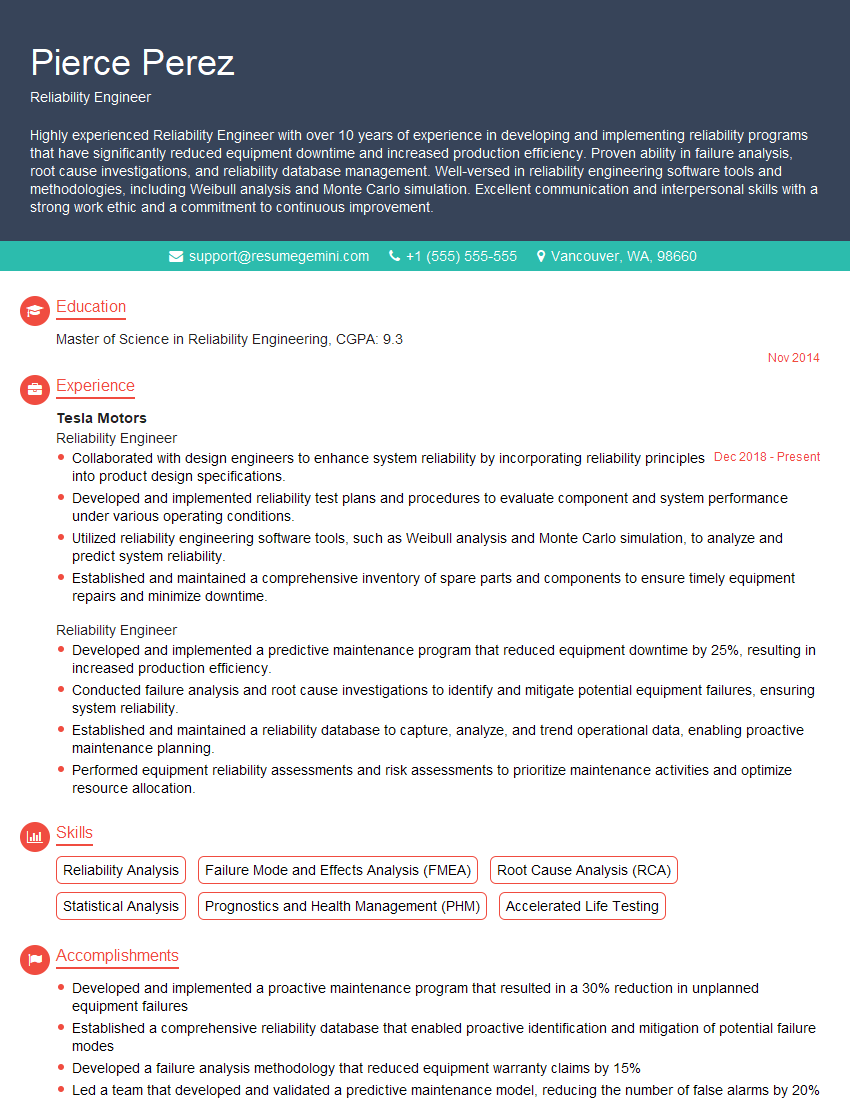
Mastering electrical power quality analysis is crucial for career advancement in the energy sector, opening doors to specialized roles and increased earning potential. A strong resume is your key to unlocking these opportunities. Building an ATS-friendly resume ensures your qualifications are effectively communicated to potential employers. We recommend using ResumeGemini, a trusted resource, to craft a professional and impactful resume. ResumeGemini provides examples of resumes tailored to Electrical Power Quality Analysis, helping you present your skills and experience in the best possible light. Take the next step towards your dream career today!
Explore more articles
Users Rating of Our Blogs
Share Your Experience
We value your feedback! Please rate our content and share your thoughts (optional).
What Readers Say About Our Blog
To the interviewgemini.com Webmaster.
Very helpful and content specific questions to help prepare me for my interview!
Thank you
To the interviewgemini.com Webmaster.
This was kind of a unique content I found around the specialized skills. Very helpful questions and good detailed answers.
Very Helpful blog, thank you Interviewgemini team.