Feeling uncertain about what to expect in your upcoming interview? We’ve got you covered! This blog highlights the most important Electrical schematics and drawings interpretation interview questions and provides actionable advice to help you stand out as the ideal candidate. Let’s pave the way for your success.
Questions Asked in Electrical schematics and drawings interpretation Interview
Q 1. Explain the difference between a single-line diagram and a three-line diagram.
The key difference between single-line and three-line diagrams lies in the level of detail they provide for electrical systems. Think of it like a map: a single-line diagram is a simplified overview, while a three-line diagram shows more intricate details.
A single-line diagram (SLD) uses a single line to represent each phase of a power system, regardless of the number of conductors. It’s ideal for showing the overall system layout, connections between major components (like transformers, generators, and buses), and the flow of power. It’s perfect for high-level planning, system analysis, and protection coordination studies. Imagine a road map showing major highways – you get the general route, but not the individual lanes.
A three-line diagram, on the other hand, shows each phase individually (phases A, B, and C) with three separate lines, providing a more detailed representation. This level of detail is crucial for understanding the specific connections within a system, including neutral conductors, grounding, and phase relationships. It’s frequently used for design, construction, and detailed system studies. This is like a detailed street map, showing all the roads, streets, and even lane markings.
For example, an SLD might simply show a transformer connected to a bus, while a three-line diagram would illustrate the individual connections of each phase winding on the transformer to the busbar and the neutral connection.
Q 2. Describe your experience interpreting ladder logic diagrams.
I have extensive experience interpreting ladder logic diagrams, primarily in industrial automation applications. I’m comfortable reading and modifying diagrams from various PLC manufacturers. Ladder logic, essentially, is a graphical programming language for PLCs. I understand the symbols and logic used to represent inputs, outputs, timers, counters, and various other control elements.
My experience encompasses troubleshooting faulty logic, optimizing existing programs for efficiency, and even creating new ladder logic programs based on project specifications. I’ve worked on projects involving conveyor systems, robotic arms, and complex manufacturing processes, all requiring a solid understanding of ladder logic.
For example, I recently worked on a project where a conveyor system was intermittently stopping. By carefully examining the ladder logic, I identified a faulty timer setting that was causing the system to shut down prematurely. A simple adjustment in the program resolved the issue, demonstrating the importance of being able to accurately read and understand ladder logic.
Q 3. How do you identify potential hazards in electrical schematics?
Identifying potential hazards in electrical schematics requires a systematic approach. I look for several key indicators:
- Incorrect Wiring: Missing or incorrectly connected grounds, improper neutral connections, and phase-to-phase short circuits are major concerns. I’d check for compliance with relevant electrical codes (NEC, IEC, etc.).
- Overloaded Circuits: I calculate the current draw of each circuit to ensure that it’s within the capacity of the conductors and protective devices (fuses, circuit breakers).
- Lack of Protection: Absence of appropriate overcurrent protection devices (fuses or circuit breakers) or ground fault protection is a significant hazard.
- Improper Grounding: Inadequate or missing grounding can lead to shock hazards and equipment damage.
- Missing Safety Devices: The absence of emergency stop switches, interlocks, or other safety devices is a critical safety violation.
- Incorrect Voltage Levels: Mismatched voltages between equipment and power sources can lead to damage or injury.
By systematically reviewing each component and connection, and comparing the schematic to relevant safety standards, I can effectively identify and mitigate potential electrical hazards.
Q 4. What software are you proficient in for creating and interpreting electrical schematics?
I’m proficient in several software packages for creating and interpreting electrical schematics. My expertise includes:
- AutoCAD Electrical: For creating detailed electrical drawings, including wiring diagrams, panel layouts, and single-line diagrams. I can utilize its extensive library of symbols and automation features to produce professional-quality schematics.
- EPLAN Electric P8: A powerful software package offering comprehensive features for electrical design, project management, and documentation. I’m well-versed in its database management capabilities and integrated design tools.
- SolidWorks Electrical: For integrating electrical schematics into 3D models, which allows for a more comprehensive design review and better visualization.
Beyond these, I am familiar with other schematic capture programs and possess the ability to adapt quickly to new software as needed.
Q 5. Explain the significance of different symbols used in electrical schematics.
Electrical schematic symbols are crucial for conveying information concisely. Each symbol represents a specific component or function. Understanding these symbols is vital for interpreting the schematic accurately.
For example:
+and-represent positive and negative terminals of a DC power supply.- A circle with a zig-zag line inside typically represents a resistor.
- A circle with an arrow inside can denote a diode.
- A coil with a dot usually represents an inductor.
- Various geometric shapes represent switches, relays, and other control devices.
Industry standards such as IEC 60617 ensure consistent symbol usage, facilitating better comprehension across different projects and geographical locations. The standardization of symbols avoids ambiguity and contributes to a more efficient design and troubleshooting process.
Q 6. How do you interpret a wiring diagram to troubleshoot a faulty circuit?
Troubleshooting a faulty circuit using a wiring diagram involves a systematic process:
- Identify the symptom: What is malfunctioning? Is there a lack of power, incorrect operation, or a short circuit?
- Locate the relevant section: Using the wiring diagram, find the specific circuit related to the problem.
- Trace the circuit: Follow the path of the wires from the power source to the affected component.
- Check for continuity: Use a multimeter to test the continuity of each wire and component within the circuit. Look for breaks, shorts, or open circuits.
- Verify voltage levels: Measure the voltage at various points along the circuit to pinpoint where the voltage drop occurs.
- Inspect components: Carefully examine each component along the circuit for visual signs of damage or wear.
- Isolate the fault: Once the faulty component or connection is identified, replace or repair it.
- Test and verify: After repair, test the circuit to ensure it is functioning correctly.
For example, if a light fixture isn’t working, I’d start by checking the circuit breaker, then trace the wiring from the breaker to the fixture, testing voltage at each point along the way until I locate the problem.
Q 7. Describe your process for verifying the accuracy of an electrical schematic.
Verifying the accuracy of an electrical schematic is crucial for safety and functionality. My process involves several steps:
- Cross-referencing: Compare the schematic to actual wiring and component placement on-site. This verifies that the diagram accurately reflects the physical installation.
- Component verification: Ensure that all components listed on the schematic are present and correctly installed. Check component ratings (voltage, current, power) against the design specifications.
- Circuit analysis: Use software tools or manual calculations to verify that the circuit design meets the required functionality and safety standards. Check for potential hazards like short circuits or overloading.
- Simulation: If possible, use simulation software to test the circuit design under various operating conditions. This can help identify potential issues before physical implementation.
- Peer review: Have another qualified engineer review the schematic for potential errors or omissions.
- Documentation review: Check for compliance with company standards and any specific requirements of the project.
This multi-faceted approach helps ensure a high level of accuracy and minimizes the risk of errors in the design and construction phases.
Q 8. How familiar are you with NEC (National Electrical Code) standards?
My familiarity with the NEC (National Electrical Code) is extensive. I’ve worked with it for over [Number] years, applying its standards across a variety of projects, from small residential renovations to large-scale industrial installations. I understand its purpose is to ensure safety and I’m adept at interpreting its articles and referencing applicable tables. For instance, I routinely consult Article 210 (Branch Circuits) to determine appropriate circuit breaker sizing and wire gauge selection for various loads, and Article 400 (Flexible Cords and Cables) to ensure proper application of flexible cords. My understanding goes beyond simply knowing the code; I understand how to apply it practically and efficiently in diverse situations, ensuring compliance and minimizing potential hazards. I’m also aware of the regional variations and any relevant local amendments to the NEC where applicable.
Q 9. How do you handle discrepancies or inconsistencies in electrical schematics?
Discrepancies in electrical schematics are a common challenge, requiring a methodical approach to resolution. My first step is careful review of the schematic, cross-referencing it with other available documentation, such as specifications or previous revisions. I then look for patterns or potential sources of error, such as simple transcription mistakes or outdated information. If the discrepancy involves a conflict in component specifications, I’d consult with the design engineer or other relevant stakeholders to determine the correct information. For instance, if a schematic shows a 20-amp breaker protecting a 15-amp load, I would raise the issue because it’s over protection. This process might include reaching out to vendors for clarification on component data. Documenting these issues and their resolutions is critical for maintaining a clear audit trail. Finally, I utilize version control systems to manage updates and revisions to the schematics, ensuring that all team members have access to the latest, accurate version.
Q 10. Explain your understanding of different types of electrical drawings (e.g., P&ID, layout drawings).
Electrical drawings come in various forms, each serving a specific purpose.
- P&ID (Piping and Instrumentation Diagrams): These are crucial in process industries and illustrate the flow of fluids, gases, and their associated instrumentation. They’re essential in identifying the location and function of electrical components within the process system. For example, a P&ID might show the location of motor starters related to process pumps.
- One-Line Diagrams: These provide a simplified representation of a power system, showing the major components like generators, transformers, and busbars, but not the individual wiring details. They’re useful for understanding the overall power flow and protection schemes.
- Layout Drawings: These illustrate the physical location of equipment and wiring within a building or facility, including conduit runs, panel locations, and equipment placement. They show the spatial relationships between electrical components.
- Schematic Diagrams: These show the electrical connections and circuitry in detail, using standardized symbols to represent components and wiring. They’re essential for understanding how the system functions electrically.
Q 11. How do you ensure the schematics comply with relevant safety regulations?
Ensuring schematic compliance with safety regulations is paramount. This process involves a multi-faceted approach. First, thorough familiarity with relevant codes like the NEC is essential. Second, I meticulously check the schematic against these codes, verifying aspects like proper grounding, overcurrent protection, arc flash hazard analysis, and safe voltage levels. Third, I perform detailed calculations to ensure the selected components, like breakers and wire gauges, are appropriately sized for the intended loads. Fourth, I utilize simulation software to analyze the system’s behavior and potential risks under various operating conditions. For example, I will often verify that short-circuit currents are within the interrupting capacity of the circuit breakers. Lastly, and vitally, I carefully document all checks, calculations, and analyses, creating a comprehensive record for review and audit.
Q 12. Describe your experience with different types of electrical components and their symbols.
My experience encompasses a wide range of electrical components, including motors, transformers, circuit breakers, contactors, relays, sensors, and various types of wiring and cabling. I’m proficient in interpreting their respective symbols on schematics, understanding their functions and applications. For instance, I recognize the difference between a normally open (NO) and normally closed (NC) contact in a relay symbol and understand the implications for control circuits. Furthermore, I’m familiar with the various ratings and characteristics of components, such as voltage, current, power, and impedance. This allows me to make informed selections and ensure proper compatibility within a system. I also have practical experience with selecting and sizing components based on load requirements and other system considerations.
Q 13. How do you interpret and use a bill of materials (BOM) in conjunction with schematics?
The bill of materials (BOM) and the electrical schematics work hand-in-hand. The schematic provides the design, showing how components are interconnected, while the BOM lists each component, its quantity, and other crucial information like part numbers and manufacturer. I use both to verify component selection and ensure the schematic accurately reflects the intended parts. For example, if the schematic shows a specific type of motor, I would cross-reference it with the BOM to ensure that the correct motor, with matching specifications, is listed for procurement. Any discrepancies between the BOM and schematic are immediately flagged and investigated to prevent errors during the construction or installation phase. The BOM provides critical information for cost estimations, procurement, and inventory management.
Q 14. Explain the process of creating an electrical schematic from a design concept.
Creating an electrical schematic from a design concept is a systematic process. It begins with a thorough understanding of the design requirements, functional specifications, and intended application. Next, I’d develop a functional block diagram, outlining the major system components and their interactions. Then, I’d translate this into a detailed schematic, using standardized symbols and adhering to industry best practices. This involves careful consideration of power distribution, grounding, safety features, and component placement. I employ computer-aided design (CAD) software to create clear, accurate, and easily readable schematics. Throughout the process, I continuously check for consistency and compliance with safety regulations, performing calculations and simulations as needed. Finally, I thoroughly review and revise the schematic before finalizing it for use in construction and manufacturing.
Q 15. How do you manage revisions and updates to electrical schematics?
Managing revisions and updates to electrical schematics requires a robust system to ensure accuracy and traceability. We typically use version control software, such as a dedicated Electrical CAD (Computer-Aided Design) system with revision tracking capabilities, or even a more general system like Git with appropriate file management. Each revision is clearly numbered, dated, and includes a description of the changes made. This ensures everyone is working from the latest version and previous versions are archived for reference. For example, a revision might be denoted as “Rev. A,” “Rev. B,” etc., with a log entry detailing modifications, such as adding a new component, correcting a wiring error, or incorporating feedback from other engineers. This meticulous approach minimizes errors and facilitates collaboration. We also often incorporate a formal change management process where revisions are reviewed and approved before implementation to maintain the integrity and reliability of the schematics.
Career Expert Tips:
- Ace those interviews! Prepare effectively by reviewing the Top 50 Most Common Interview Questions on ResumeGemini.
- Navigate your job search with confidence! Explore a wide range of Career Tips on ResumeGemini. Learn about common challenges and recommendations to overcome them.
- Craft the perfect resume! Master the Art of Resume Writing with ResumeGemini’s guide. Showcase your unique qualifications and achievements effectively.
- Don’t miss out on holiday savings! Build your dream resume with ResumeGemini’s ATS optimized templates.
Q 16. How do you collaborate with other engineering disciplines during the schematic design phase?
Collaboration with other engineering disciplines, like mechanical and process engineers, is crucial during schematic design. We achieve this through regular meetings and shared project management tools. For instance, when designing a control system for a piece of equipment, we need to consider the mechanical layout, which will influence cable routing and component placement. We might use a shared digital platform where we can mark up designs, leave comments, and track progress in real-time. A good example is collaborating with a process engineer to ensure that the instrumentation schematic correctly reflects the process parameters and alarm thresholds. This cross-functional communication is vital to ensure that the electrical design is compatible with other systems and meets the overall project requirements. Effective communication often involves translating technical details into plain language to ensure mutual understanding across different engineering backgrounds.
Q 17. Describe your experience using electrical simulation software.
I have extensive experience using several electrical simulation software packages, including LTSpice, Multisim, and PSIM. These tools allow me to verify circuit behavior, analyze performance under various operating conditions, and identify potential problems before physical implementation. For instance, I recently used LTSpice to simulate the transient response of a power supply circuit to ensure it met the required specifications under different load conditions. This prevented costly rework after the circuit was built. Simulation software also facilitates what-if analyses. I can quickly evaluate the impact of different component choices or design modifications without physically building prototypes. My proficiency with these tools helps optimize designs for efficiency, stability, and reliability and greatly reduces development time and expenses.
Q 18. Explain the importance of proper grounding and its representation in schematics.
Proper grounding is paramount in electrical systems for safety, noise reduction, and proper circuit operation. It provides a low-impedance path for fault currents to flow, preventing equipment damage and protecting personnel. In schematics, grounding is usually represented by a symbol, often a triangle or a ground symbol connected to a designated point. The symbol indicates a connection to the earth or a common reference point. A common mistake is insufficient attention to grounding, especially in noisy environments. Poor grounding can lead to interference, ground loops, and even equipment malfunction. In a recent project involving high-frequency signals, we meticulously designed the grounding scheme to minimize noise pickup, significantly improving the overall system performance. A well-defined and implemented grounding strategy is critical for a reliable and safe electrical system.
Q 19. How do you differentiate between power, control, and instrumentation schematics?
Power, control, and instrumentation schematics serve different purposes within an electrical system. A power schematic shows the main power distribution, including transformers, breakers, and cabling for higher voltage systems. Think of it as the backbone providing power to the entire system. A control schematic details the logic circuits and components that manage and regulate the system’s operation, like programmable logic controllers (PLCs), relays, and sensors. This is the brain of the operation. Finally, an instrumentation schematic illustrates the measurement and monitoring aspects, outlining sensors, transmitters, and signal conditioning circuits used to acquire data from the process. This is like the nervous system that monitors and reports the process status. They are all interconnected and need to be carefully coordinated for optimal system functionality. For example, a process control system for a chemical reactor would have separate schematics for the power distribution, the control logic (which dictates the reactor’s operation), and the instrumentation monitoring temperature and pressure.
Q 20. Explain your experience with cable sizing and selection based on schematics.
Cable sizing and selection is critical for safety and performance. I use the schematics to determine the current rating required for each circuit. This involves calculating the maximum current draw based on the loads connected, considering factors like voltage drop and temperature rise. Then, I consult appropriate cable sizing tables and standards (like NEC in the US) to choose a cable with sufficient ampacity to handle the current without overheating or excessive voltage drop. Proper cable sizing is also important for preventing voltage drops, which could affect the performance of sensitive equipment. Software tools are also used to simplify and automate this process, often incorporating cable database and relevant standards. For instance, in a recent project, selecting the correct cable for a long-distance high-power circuit was crucial to prevent unacceptable voltage drop and ensure operational reliability.
Q 21. How do you identify potential interference or noise issues from electrical schematics?
Identifying potential interference or noise issues starts with a careful review of the schematics. I look for potential sources of noise, such as high-frequency switching circuits or long signal lines that can act as antennas. I pay close attention to the grounding scheme, looking for potential ground loops or inadequate grounding that can lead to noise. High-impedance connections or insufficient shielding are other potential trouble spots. Simulation tools are invaluable here; they help model the system’s behavior and predict the levels of electromagnetic interference (EMI) and radio frequency interference (RFI). In a past project involving high-speed digital signals, I identified a potential noise issue caused by improper shielding of a high-speed data cable. Addressing this during the design phase prevented expensive and time-consuming troubleshooting later. Preventing noise interference requires thoughtful design and careful placement of components, especially those susceptible to noise.
Q 22. Explain your understanding of different protection devices (e.g., fuses, circuit breakers) and their representation in schematics.
Protection devices are crucial for safeguarding electrical circuits and equipment from overcurrent, short circuits, and other faults. Fuses and circuit breakers are the most common. A fuse is a one-time device; once its internal element melts due to excessive current, it needs replacement. A circuit breaker, on the other hand, is a reusable device that can be reset after tripping. Both interrupt the current flow to protect the circuit.
In schematics, fuses are typically represented by a simple symbol resembling a small rectangle with a thin line inside, sometimes with a value indicating the amperage rating (e.g., 10A). Circuit breakers have a slightly more complex symbol, often including a switch-like representation to show the mechanism for opening and closing the circuit. They also usually have their amperage rating indicated.
For instance, a simple circuit might show a power source connected to a load, with a fuse placed in series between them. The fuse protects the load from excessive current draw. Similarly, a more complex circuit might employ a circuit breaker for overload protection in a branch circuit.
Q 23. Describe your experience with creating and interpreting PLC (Programmable Logic Controller) schematics.
I have extensive experience in creating and interpreting PLC schematics. This involves understanding the logic behind the system’s operation and translating it into a visual representation using standard ladder logic symbols. I am proficient in using various software packages to create and modify these schematics, ensuring that they adhere to industry best practices and company standards.
My experience includes working with both simple and complex PLC systems, encompassing various input/output (I/O) devices such as sensors, actuators, and human-machine interfaces (HMIs). I’m comfortable with different programming styles and can interpret schematics developed by others to troubleshoot or modify existing systems.
For example, I once worked on a project involving a complex automated manufacturing line. The PLC schematic showed the intricate logic for controlling the different stages of the production process, including material handling, assembly, and quality control. Understanding the schematic was essential for debugging the system and implementing improvements.
Q 24. How do you handle complex electrical systems with multiple interconnected components?
Handling complex electrical systems requires a systematic approach. I start by breaking down the system into smaller, manageable subsystems. This often involves identifying functional blocks and tracing the flow of power and signals through each block. I then carefully analyze the interconnections between these blocks, paying close attention to wiring diagrams and connection points.
One helpful technique is to create a hierarchical representation of the system, starting with a high-level overview and progressively delving into greater detail for each subsystem. Software tools are invaluable for managing this complexity, allowing for layers of detail and efficient cross-referencing.
Think of it like assembling a complex piece of furniture – you don’t try to assemble all the parts at once. You start with the main structure, then add smaller components one by one, referring to the instruction manual (equivalent to the schematic) frequently.
Q 25. How do you ensure the readability and clarity of your electrical schematics?
Readability and clarity are paramount in electrical schematics. To ensure these qualities, I follow strict standards and best practices. This includes using a consistent set of symbols and conventions, employing clear labeling and numbering, and maintaining a logical layout. I also use different line styles and colors to distinguish different signal types (e.g., power, control, communication).
Furthermore, I always include a revision control system to document modifications and track changes, preventing confusion and ensuring everyone works from the latest version. Good documentation, including title blocks and revision notes, is essential.
Imagine a poorly drawn map – it would be frustrating and inefficient to follow. A well-structured, clearly labeled schematic serves as a reliable roadmap for understanding and maintaining the electrical system.
Q 26. Explain your approach to troubleshooting a circuit using only the electrical schematic.
Troubleshooting using only the schematic requires careful observation and logical deduction. My approach involves systematically tracing the circuit path from the power source to the point of failure. I carefully examine each component, checking for inconsistencies in the wiring or component values. I would then use the schematic to predict the voltage and current at various points in the circuit.
I would start by verifying that the power supply is operating correctly. I would then trace the signal path, checking for any obvious breaks or shorts. If I find a discrepancy between the schematic and the actual wiring, that’s the first place to investigate.
Think of it like solving a puzzle – each piece of information in the schematic helps eliminate possibilities and narrow down the location of the fault. This systematic process, combining schematic interpretation and logical reasoning, usually leads to pinpointing the problem.
Q 27. Describe your experience with different types of transformers and their representation in schematics.
Transformers are essential components in many electrical systems. I have experience with various types, including power transformers, isolation transformers, and autotransformers. Each type serves a specific purpose and has a unique symbol in schematics.
Power transformers, used for stepping voltage up or down, are typically represented by a pair of coils, with the number of windings often indicated to suggest the turns ratio. Isolation transformers, used for electrical isolation, are similarly represented but might include additional markings to indicate their isolation properties. Autotransformers, which use a single winding, have a different symbol reflecting this characteristic.
Each symbol usually includes labels indicating the primary and secondary windings and their voltage ratings. Understanding these symbols and their associated ratings is crucial for comprehending the function of transformers within a circuit. For example, a schematic might depict a power transformer stepping down the mains voltage before it reaches a specific load, with the voltage ratings clearly marked on the transformer symbol.
Q 28. How would you approach identifying a short circuit using an electrical schematic and test equipment?
Identifying a short circuit combines schematic analysis and practical testing. I would begin by carefully reviewing the schematic to identify potential points of a short circuit – areas where wires might be improperly routed or components may be faulty. I would look for paths of least resistance that could cause an unexpected current flow.
Then, I would use a multimeter to measure voltages and currents at various points in the circuit. A significant deviation from expected values would indicate a potential short circuit. By comparing my measurements with the expected values obtained from the schematic, I can precisely locate the short. A visual inspection, aided by the schematic, would help in pinpointing the exact location of the faulty connection or component.
Think of it as using a map to search for a specific location; the schematic provides the general layout, while the multimeter provides the precise coordinates of the short circuit.
Key Topics to Learn for Electrical Schematics and Drawings Interpretation Interview
- Schematic Symbol Recognition and Understanding: Mastering the identification and interpretation of common electrical symbols (resistors, capacitors, transistors, integrated circuits, etc.) and their representation on schematics.
- Circuit Analysis Techniques: Applying fundamental circuit analysis methods like Ohm’s Law, Kirchhoff’s Laws, and nodal/mesh analysis to understand circuit behavior and solve for unknown values depicted in the schematics.
- Reading and Interpreting Wiring Diagrams: Understanding how wiring diagrams translate schematic representations into physical connections and layouts, including identifying different wiring methods and components.
- Component Identification and Function: Gaining a deep understanding of the function and application of various electrical components within a circuit and recognizing them in both schematic and physical representations.
- Troubleshooting Using Schematics: Developing the ability to use schematics for troubleshooting purposes, identifying potential faults, and tracing signal paths to diagnose issues.
- Understanding Different Schematic Types: Familiarizing yourself with various types of electrical schematics (e.g., block diagrams, ladder diagrams, P&ID diagrams) and their specific applications.
- Practical Application: Applying learned concepts to real-world examples and scenarios, such as analyzing a given schematic to determine circuit functionality or identifying potential design flaws.
- Industry Standards and Conventions: Becoming familiar with industry standards and conventions for creating and interpreting electrical schematics and drawings, ensuring consistent understanding across projects and teams.
Next Steps
Mastering electrical schematics and drawings interpretation is crucial for career advancement in the electrical engineering field. A strong understanding of these concepts will significantly enhance your problem-solving abilities and make you a more valuable asset to any team. To maximize your job prospects, it’s essential to create a compelling and ATS-friendly resume that effectively showcases your skills and experience. ResumeGemini is a trusted resource that can help you build a professional and impactful resume. They offer examples of resumes tailored to Electrical schematics and drawings interpretation to help you create a document that will truly stand out. Take the next step in your career journey – build a resume that reflects your expertise and secures your dream role.

Automation Engineer Resume Sample

Test Engineer Resume Sample
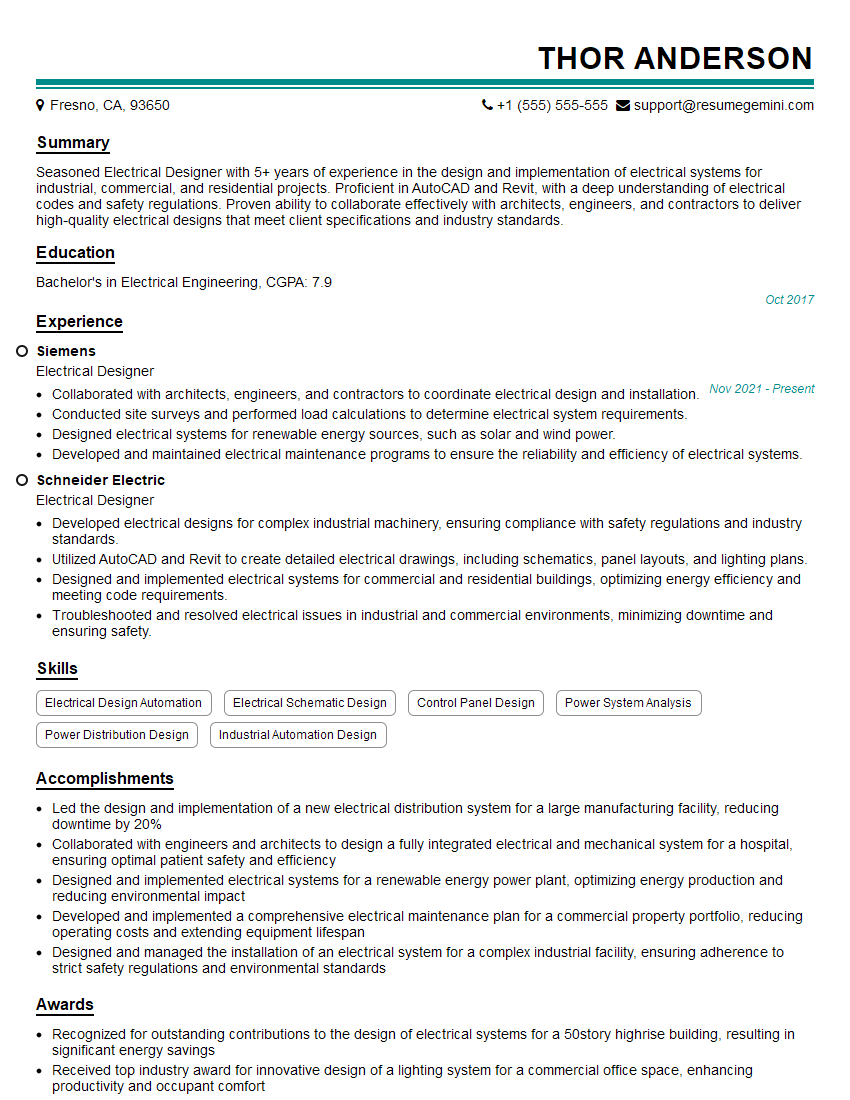
Electrical Designer Resume Sample
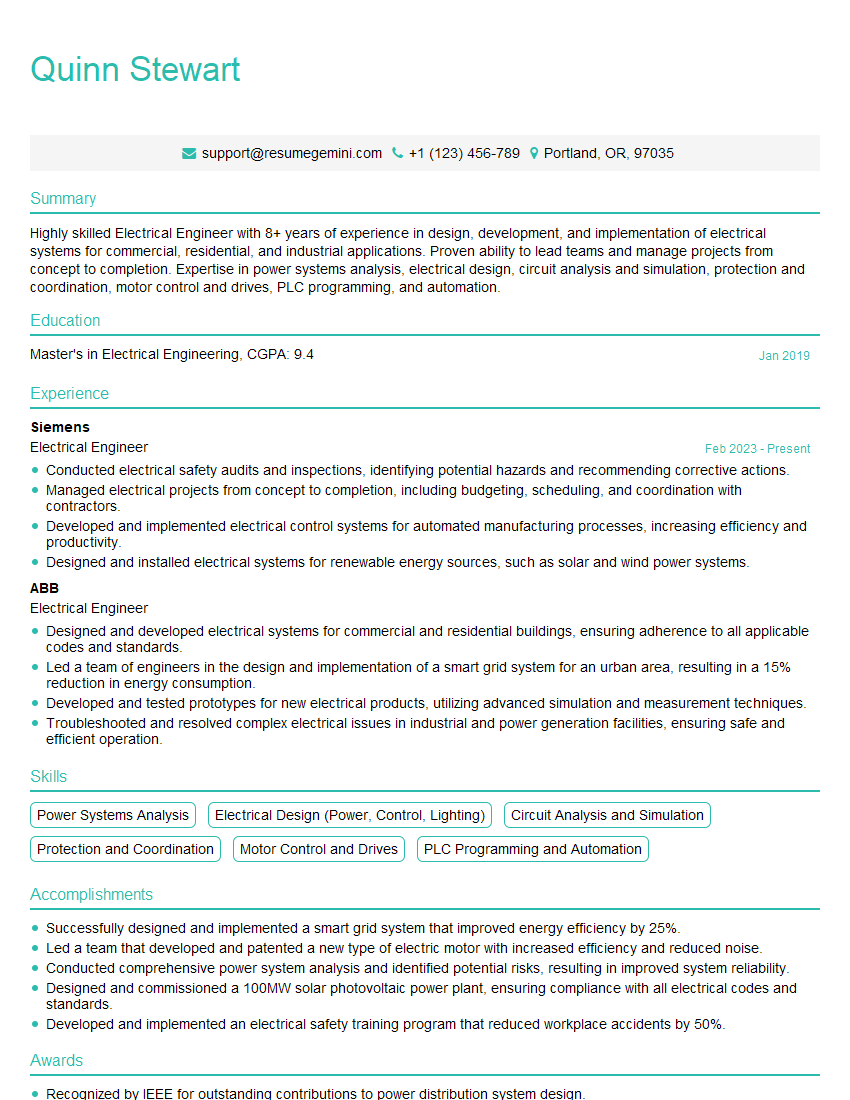
Electrical Engineer Resume Sample
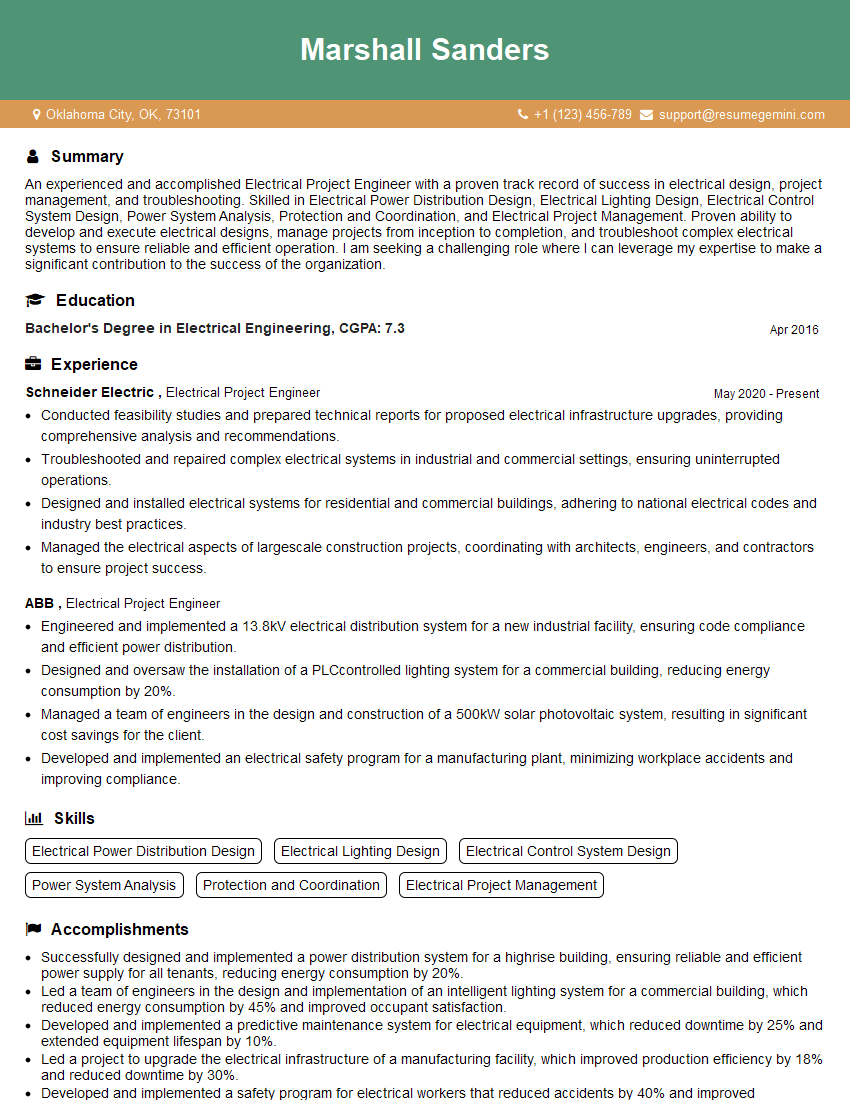
Electrical Project Engineer Resume Sample
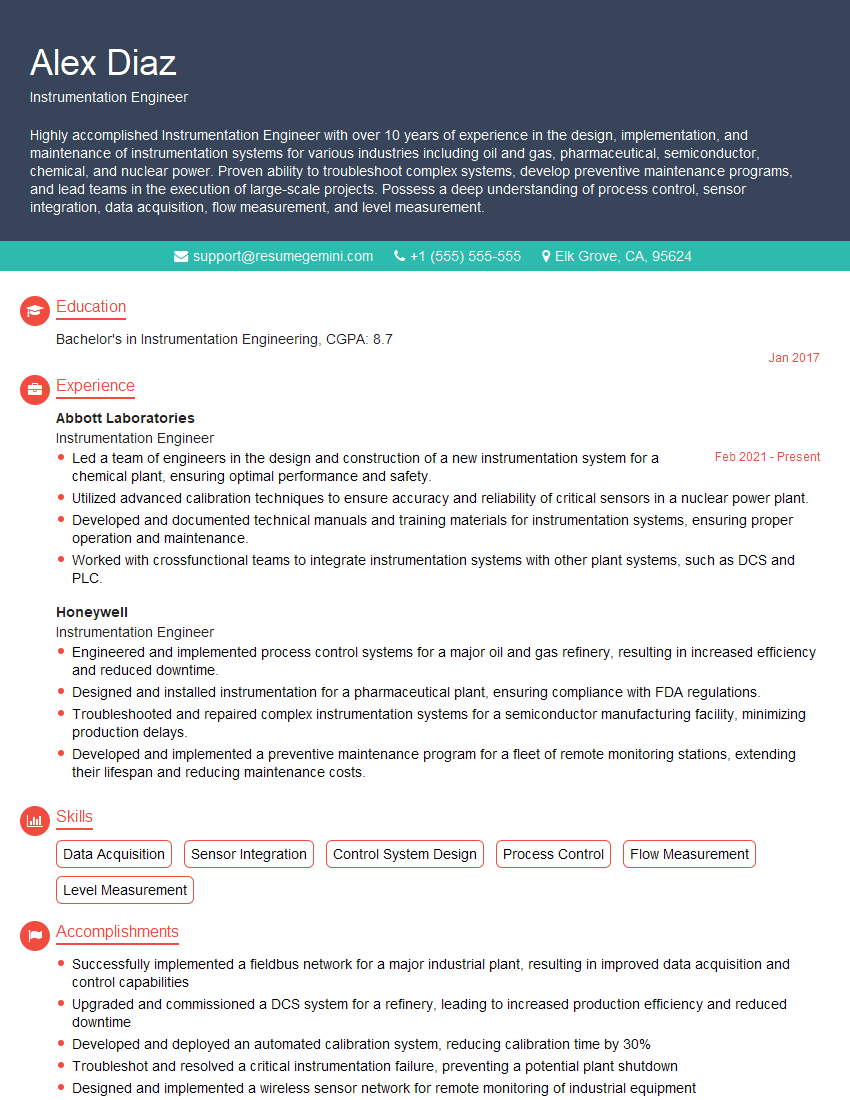
Instrumentation Engineer Resume Sample
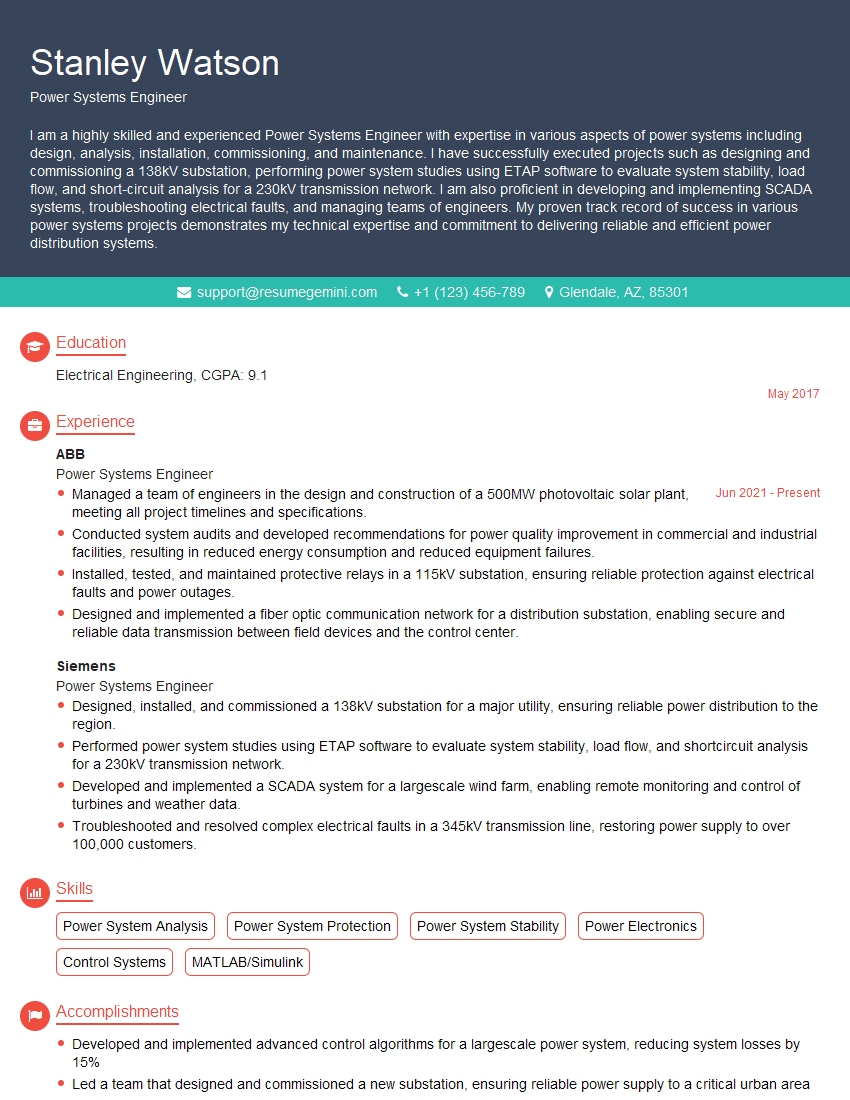
Power Systems Engineer Resume Sample

Control Systems Engineer Resume Sample

Robotics Engineer Resume Sample

Electrical Drafter Resume Sample
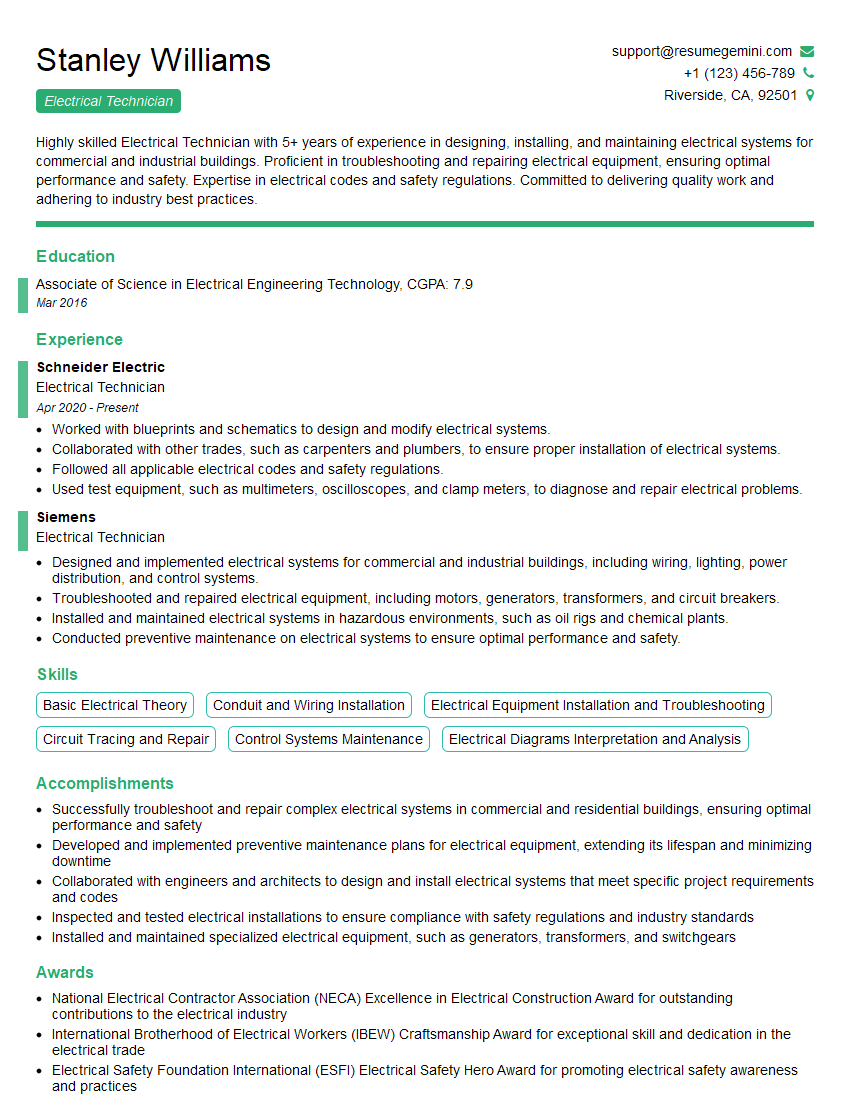
Electrical Technician Resume Sample
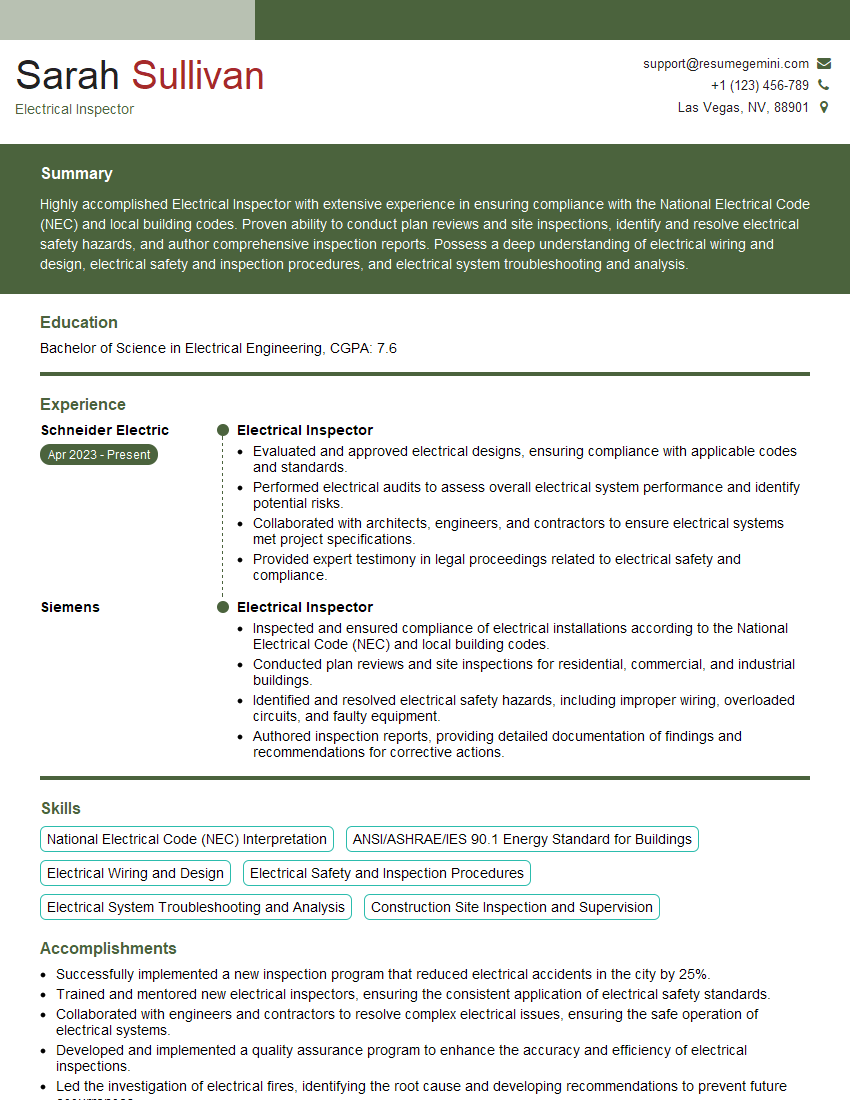
Electrical Inspector Resume Sample
Explore more articles
Users Rating of Our Blogs
Share Your Experience
We value your feedback! Please rate our content and share your thoughts (optional).
What Readers Say About Our Blog
To the interviewgemini.com Webmaster.
Very helpful and content specific questions to help prepare me for my interview!
Thank you
To the interviewgemini.com Webmaster.
This was kind of a unique content I found around the specialized skills. Very helpful questions and good detailed answers.
Very Helpful blog, thank you Interviewgemini team.