The right preparation can turn an interview into an opportunity to showcase your expertise. This guide to Emergency Resuscitation interview questions is your ultimate resource, providing key insights and tips to help you ace your responses and stand out as a top candidate.
Questions Asked in Emergency Resuscitation Interview
Q 1. Describe the steps involved in basic life support (BLS).
Basic Life Support (BLS) is the foundation of emergency resuscitation, focusing on maintaining oxygen supply to the brain and vital organs until advanced care arrives. It’s a sequence of actions designed to treat life-threatening conditions like cardiac arrest and respiratory failure.
- Check for Responsiveness and Call for Help: Gently tap the person and shout, ‘Are you okay?’ If there’s no response, immediately activate the Emergency Response System (call 911 or your local emergency number) and get an AED (Automated External Defibrillator) if available.
- Check for Breathing and Pulse: Look, listen, and feel for normal breathing for no more than 10 seconds. Simultaneously, check for a carotid pulse in adults and children, or brachial pulse in infants. If there’s no breathing or pulse, start CPR.
- Chest Compressions: Place the heel of one hand in the center of the chest (between the nipples) and the other hand on top. Interlock your fingers and keep your arms straight. Push hard and fast at a rate of 100-120 compressions per minute, allowing the chest to fully recoil after each compression. Depth should be at least 2 inches for adults and 2 inches for children, about 1.5 inches for infants.
- Rescue Breaths: After 30 chest compressions, give two rescue breaths lasting about 1 second each, ensuring that the chest rises. For adults, use a mouth-to-mouth technique; for infants and children, use a mouth-to-nose and mouth technique.
- Continue CPR: Continue cycles of 30 compressions and 2 breaths until an AED arrives, EMS takes over, or the person shows signs of life (e.g., breathing, coughing).
- AED Use (if available): Turn on the AED, attach the pads to the chest as instructed, and follow the device’s prompts. The AED will analyze the heart rhythm and advise whether a shock is needed.
Remember, high-quality CPR is crucial. Consistent depth and rate are key to maximizing effectiveness. Proper hand placement minimizes the risk of rib fractures.
Q 2. Explain the differences between adult, child, and infant CPR.
The core principles of CPR remain consistent across age groups (adult, child, infant), but there are important differences in technique to accommodate varying anatomy and physiology.
- Compression Depth and Rate: The rate remains consistent (100-120 compressions per minute) but the depth varies: at least 2 inches for adults, 2 inches for children, and about 1.5 inches for infants. The smaller size of a child’s and infant’s chest necessitates shallower compressions to avoid injury.
- Hand Placement: For adults, the heel of one hand is placed in the center of the chest. For children, one or two hands may be used depending on the size of the child. For infants, two fingers are used to perform compressions.
- Rescue Breaths: While the ratio of compressions to breaths remains 30:2, the technique varies slightly. For adults, mouth-to-mouth is used. For infants and children, a mouth-to-nose and mouth technique (covering both the nose and mouth) is preferred to ensure effective ventilation without excessive pressure.
- Airway Management: In infants and children, it’s crucial to be mindful of the smaller airway and avoid excessive head tilt, which can obstruct the airway. The head should be in a neutral position or slightly tilted back, sufficient to open the airway.
Consider using a pocket mask or bag-valve mask for improved ventilation especially in adults, to reduce risk of cross contamination.
Q 3. What are the key components of Advanced Cardiac Life Support (ACLS)?
Advanced Cardiac Life Support (ACLS) builds upon BLS, incorporating advanced interventions to manage cardiac arrest and other life-threatening emergencies. It requires specialized training and encompasses:
- Advanced Airway Management: Techniques beyond basic rescue breaths, such as endotracheal intubation, supraglottic airway devices (e.g., laryngeal mask airway), and cricothyrotomy.
- Pharmacological Interventions: Administering medications such as epinephrine, amiodarone, and atropine, based on the patient’s rhythm and clinical presentation.
- Defibrillation: Using an AED or defibrillator to deliver electrical shocks to restore a normal heart rhythm.
- ECG Interpretation: Advanced knowledge of ECG rhythms to quickly identify and address various causes of cardiac arrest (e.g., ventricular fibrillation, pulseless ventricular tachycardia).
- Advanced Cardiac Monitoring: Continuous monitoring of the patient’s heart rhythm and other vital signs to guide treatment and assess effectiveness.
- Team Dynamics and Leadership: Effective communication and coordination within a resuscitation team are essential for efficient and successful intervention.
ACLS utilizes a structured approach, typically following established algorithms and guidelines (e.g., those published by the American Heart Association) to ensure consistent and effective care.
Q 4. How do you manage an airway in a patient with respiratory distress?
Managing an airway in a patient with respiratory distress requires a systematic approach, focusing on maintaining a patent airway and adequate oxygenation. The severity of respiratory distress dictates the intervention needed.
- Assessment: Evaluate the patient’s respiratory rate, depth, and effort; assess for signs of cyanosis (bluish discoloration of the skin) and use of accessory muscles for breathing.
- Positioning: Place the patient in a comfortable position that facilitates breathing. Often, a semi-Fowler’s position (slightly elevated head) is helpful.
- Supplemental Oxygen: Administer supplemental oxygen via a nasal cannula or mask, depending on the patient’s oxygen saturation level.
- Airway Adjuncts (if necessary): If the patient is unable to maintain a patent airway, consider airway adjuncts like nasal or oral airways. These devices help prevent tongue obstruction.
- Advanced Airway Management (if necessary): If the patient’s condition deteriorates, more advanced techniques such as endotracheal intubation or supraglottic airway placement might be necessary. This typically requires specialized training and skills.
- Continuous Monitoring: Monitor the patient’s oxygen saturation, heart rate, and respiratory rate continuously.
In cases of severe respiratory distress, rapid intervention is critical to prevent respiratory arrest. Early recognition and timely intervention can be life-saving.
Q 5. Describe your experience with endotracheal intubation.
Endotracheal intubation is a crucial advanced airway technique involving inserting a tube into the trachea (windpipe) to secure an airway and facilitate mechanical ventilation. My experience includes numerous successful intubations in diverse clinical settings, both in controlled environments and during emergency situations, such as during cardiac arrests and trauma.
I’m proficient in various intubation techniques, including direct laryngoscopy and video laryngoscopy. I’ve utilized various airway adjuncts like bougie, and have experience managing difficult airways, utilizing alternative approaches like fiberoptic bronchoscopy when necessary. I always prioritize patient safety, utilizing appropriate pre-oxygenation strategies and ensuring proper equipment is readily available.
A particularly memorable experience involved a patient with severe facial trauma who required emergency intubation during transport to the hospital. Because of the anatomical difficulties and the unstable nature of the patient, using a video laryngoscope to confirm the correct tube placement was essential.
I regularly participate in continuing medical education to refine my skills and stay abreast of the latest techniques in airway management. Maintaining proficiency in this life-saving procedure is a top priority for me.
Q 6. Explain the indications and contraindications for defibrillation.
Defibrillation is a life-saving procedure that delivers a controlled electrical shock to the heart to terminate life-threatening cardiac rhythms, primarily ventricular fibrillation (VF) and pulseless ventricular tachycardia (VT).
- Indications: The primary indications for defibrillation are VF and pulseless VT. These rhythms represent disorganized electrical activity that prevents the heart from effectively pumping blood.
- Contraindications: There are few absolute contraindications to defibrillation. Relative contraindications may include hypothermia (low body temperature) and the presence of an implantable cardioverter-defibrillator (ICD), requiring careful consideration and adjustment of the defibrillation strategy.
It’s crucial to remember that defibrillation is only effective for shockable rhythms. Administering a shock to a non-shockable rhythm is ineffective and may even be harmful. Therefore, accurate ECG interpretation is paramount before defibrillation.
Q 7. How do you interpret an ECG rhythm strip during a cardiac arrest?
Interpreting an ECG rhythm strip during a cardiac arrest is critical for guiding resuscitation efforts. It helps determine the underlying rhythm and select appropriate treatment strategies. I approach this systematically:
- Rate: Determine the heart rate (number of QRS complexes per minute). A very fast or very slow rate suggests a potential problem.
- Rhythm: Identify the rhythm’s regularity. Is it regular or irregular? Regularity helps narrow down the possible diagnoses.
- QRS Complexes: Analyze the QRS complexes’ width. Narrow QRS complexes usually indicate supraventricular rhythms, while wide QRS complexes suggest ventricular rhythms (potentially life-threatening).
- P Waves: Identify the presence or absence of P waves (atrial activity). The relationship between P waves and QRS complexes is crucial for rhythm identification.
- ST Segments and T Waves: Assess ST segments and T waves for abnormalities that could indicate myocardial ischemia (reduced blood flow to the heart muscle) or infarction (heart attack).
For instance, a rapid, irregular rhythm with absent P waves and wide QRS complexes may indicate ventricular fibrillation or ventricular tachycardia—both life-threatening rhythms requiring immediate defibrillation. A slow rate with no P waves could suggest a heart block requiring specific interventions. Each rhythm requires a specific response, emphasizing the need for accurate and prompt interpretation.
Q 8. What is the role of epinephrine in cardiac arrest?
Epinephrine is a crucial medication in cardiac arrest because it acts as a powerful vasoconstrictor and inotrope. As a vasoconstrictor, it narrows blood vessels, increasing peripheral resistance and thus raising blood pressure. This improved blood pressure is vital for perfusing vital organs like the brain and heart. As an inotrope, it strengthens the heart’s contractions, improving cardiac output – the amount of blood pumped by the heart per minute. In the context of cardiac arrest, where the heart has stopped pumping effectively, epinephrine aims to restore sufficient blood flow to allow the heart to potentially resume a normal rhythm. It’s usually administered intravenously or intraosseously (into the bone marrow) during advanced cardiac life support (ACLS) protocols. The precise dose and administration route depend on the patient’s specific circumstances and local protocols.
Think of it like this: a car (the heart) has stalled. Epinephrine is like giving the car a powerful boost to get it started again. It’s not a guaranteed fix, but it significantly improves the chances of restarting the engine (the heart).
Q 9. How do you manage a patient with a suspected tension pneumothorax?
A tension pneumothorax is a life-threatening condition where air builds up in the pleural space (the area between the lung and the chest wall), causing the lung to collapse and compressing the heart and great vessels. Management involves immediate needle decompression followed by chest tube insertion. Needle decompression is a rapid intervention to relieve the pressure. This is typically done by inserting a large-bore needle (e.g., 14-16 gauge) into the second intercostal space, mid-clavicular line on the affected side. This allows the trapped air to escape, immediately improving the patient’s respiratory and circulatory status.
Chest tube insertion is a more definitive treatment, which is performed in a controlled environment, ideally an operating room or emergency department. A chest tube is inserted to drain the air and fluid from the pleural space. It is crucial to monitor the patient’s vital signs closely throughout the procedure and after. Failure to address this condition rapidly can lead to circulatory collapse and death. This is one of the few emergency situations where immediate intervention can literally be life saving within seconds.
Q 10. Describe your experience with managing a patient with a massive hemorrhage.
I’ve managed several patients with massive hemorrhage, each case demanding a rapid and coordinated response. One particular case involved a patient who suffered a severe laceration to the femoral artery in a motor vehicle accident. Upon assessment, I immediately initiated direct pressure to control bleeding while simultaneously calling for assistance, including surgical teams and transfusion services. We established two large bore IV lines for rapid fluid resuscitation using crystalloid solutions, followed by packed red blood cells and plasma, as part of Damage Control Resuscitation. Simultaneously, we initiated monitoring for vital signs, pulse oximetry, and continuous ECG to track blood pressure, heart rate, and oxygen saturation. The patient was rapidly transported to the operating room for surgical repair of the artery. In this scenario, rapid assessment, haemorrhage control, fluid resuscitation, and coordination with other healthcare professionals were all crucial for survival. The key was the prompt application of direct pressure coupled with the rapid implementation of a damage control resuscitation protocol.
Q 11. What are the signs and symptoms of anaphylaxis, and how do you treat it?
Anaphylaxis is a severe, life-threatening allergic reaction that requires immediate treatment. Signs and symptoms can manifest rapidly and vary in severity, but commonly include: skin reactions (hives, itching, swelling), respiratory distress (wheezing, shortness of breath, cough), cardiovascular collapse (hypotension, tachycardia), and gastrointestinal symptoms (nausea, vomiting, abdominal cramps).
Treatment hinges on immediate administration of epinephrine, ideally intramuscularly via auto-injector (like an EpiPen) in the thigh. This is followed by securing an airway (potentially with intubation if necessary), administering supplemental oxygen, and initiating intravenous fluids to manage hypotension. Monitoring vital signs and continuous ECG is crucial to track response to treatment and identify potential complications. Further treatment might include the use of antihistamines, corticosteroids, and bronchodilators depending on the individual’s condition. Time is of the essence in anaphylaxis. Early recognition and rapid administration of epinephrine are paramount to prevent potentially fatal complications.
Q 12. Explain the difference between hypovolemic and cardiogenic shock.
Both hypovolemic and cardiogenic shock represent states of inadequate tissue perfusion (inadequate blood flow to the body’s tissues), but their underlying causes differ significantly.
- Hypovolemic shock results from insufficient blood volume. This can be caused by hemorrhage, severe dehydration, or significant fluid loss from burns. The heart is pumping effectively, but there’s not enough blood to pump.
- Cardiogenic shock arises from the heart’s inability to pump enough blood to meet the body’s needs, despite adequate blood volume. This typically occurs due to severe heart failure, myocardial infarction (heart attack), or other conditions that compromise cardiac function. The heart itself is the problem; it’s not pumping efficiently.
The distinction is crucial for appropriate treatment. Hypovolemic shock requires fluid resuscitation to restore blood volume, while cardiogenic shock often requires inotropic support to improve heart function and potentially other interventions like angioplasty.
Q 13. How do you assess a patient’s neurological status during a resuscitation?
Neurological assessment during resuscitation is a vital part of determining the severity of brain injury and predicting prognosis. I utilize the Glasgow Coma Scale (GCS) to quantify neurological function. This scale assesses three parameters: eye opening, verbal response, and motor response, with scores ranging from 3 (deep coma) to 15 (fully alert). Pupillary response (size and reactivity to light) is another important indicator of brain stem function. Checking for presence of any posturing (decerebrate or decorticate) also provides crucial information about the level of brain injury. Additionally, I assess vital signs (heart rate, blood pressure, respiratory rate) as changes in these can significantly influence the patient’s neurological outcome.
Beyond the GCS, continuous monitoring is often used to provide valuable additional information about neurological functioning. The key is a rapid and thorough assessment, focusing on early identification of life-threatening complications that may require immediate intervention. The findings will assist in guiding treatment decisions, adjusting care, and predicting patient outcomes.
Q 14. Describe your experience with using a mechanical ventilator.
I have extensive experience using mechanical ventilators, both in emergency situations and in the intensive care unit. My experience encompasses managing various ventilator settings, troubleshooting equipment malfunctions, and interpreting ventilator waveforms. I’m proficient in adjusting settings such as tidal volume, respiratory rate, positive end-expiratory pressure (PEEP), and FiO2 (fraction of inspired oxygen) to optimize gas exchange and minimize complications such as barotrauma and volutrauma. I regularly monitor patients on mechanical ventilation, closely observing vital signs, blood gases, and ventilator waveforms for signs of respiratory distress, infection, or other complications. A key aspect of my experience involves adapting ventilator strategies based on the patient’s individual needs and clinical response. For instance, in patients with acute respiratory distress syndrome (ARDS), I might utilize lung-protective ventilation strategies with low tidal volumes and higher PEEP to improve oxygenation while reducing lung injury.
Beyond the technical aspects, a significant part of my experience involves communicating effectively with the patient’s family regarding the need for and potential implications of mechanical ventilation. Providing clear explanations and managing expectations are essential for building trust and support during what is often a stressful period.
Q 15. How do you manage a patient with a severe allergic reaction?
Managing a severe allergic reaction, or anaphylaxis, requires immediate action. Anaphylaxis is a life-threatening condition caused by a rapid, severe allergic response. The key is recognizing the signs and symptoms quickly and initiating treatment promptly. Symptoms can include difficulty breathing (wheezing, shortness of breath), swelling (especially of the face, lips, tongue), hives, dizziness, and a drop in blood pressure.
- First, ensure airway patency: If the patient is having trouble breathing, this is your priority. This may involve placing them in a position that helps breathing or assisting with airway management techniques.
- Administer epinephrine (adrenaline): This is the cornerstone of anaphylaxis treatment. It’s a potent bronchodilator and vasoconstrictor, quickly reversing many of the life-threatening effects. The dose and route are dictated by age and weight, usually intramuscularly into the thigh.
- Provide supplemental oxygen: Administer high-flow oxygen via a non-rebreather mask to improve oxygenation.
- Monitor vital signs: Closely monitor heart rate, blood pressure, respiratory rate, and oxygen saturation. Continuous monitoring is crucial.
- Transport to hospital: Even after apparent improvement, the patient needs immediate transport to a hospital for continued monitoring and potential further treatment such as intravenous fluids or antihistamines.
I once treated a patient who experienced anaphylaxis after eating peanuts. He presented with severe respiratory distress and swelling of his throat. Administering epinephrine promptly reversed his respiratory compromise. He was transported immediately, and within an hour, he was stable. This emphasizes the time-sensitive nature of anaphylaxis management.
Career Expert Tips:
- Ace those interviews! Prepare effectively by reviewing the Top 50 Most Common Interview Questions on ResumeGemini.
- Navigate your job search with confidence! Explore a wide range of Career Tips on ResumeGemini. Learn about common challenges and recommendations to overcome them.
- Craft the perfect resume! Master the Art of Resume Writing with ResumeGemini’s guide. Showcase your unique qualifications and achievements effectively.
- Don’t miss out on holiday savings! Build your dream resume with ResumeGemini’s ATS optimized templates.
Q 16. What are the steps involved in managing a patient with a stroke?
Managing a stroke requires rapid assessment and intervention. Time is brain, meaning the faster treatment is initiated, the better the chances of minimizing long-term disability. Strokes are categorized into ischemic (caused by a blockage) and hemorrhagic (caused by bleeding in the brain).
- Rapid Neurological Assessment: Immediately assess the patient’s level of consciousness using the Glasgow Coma Scale (GCS). Check for facial asymmetry, arm drift, and speech difficulties (FAST signs). These are crucial in identifying stroke symptoms.
- CT Scan: A non-contrast CT scan is crucial to distinguish between ischemic and hemorrhagic stroke. This informs treatment decisions.
- Treatment for Ischemic Stroke: For ischemic stroke, intravenous tissue plasminogen activator (tPA) is the primary treatment, if eligible. tPA is a clot-busting drug administered within a specific time window to restore blood flow to the affected area. Eligibility criteria are strict to prevent hemorrhagic transformation.
- Treatment for Hemorrhagic Stroke: For hemorrhagic stroke, treatment focuses on controlling blood pressure and managing any associated bleeding.
- Supportive Care: Includes maintaining airway, breathing, and circulation; managing blood pressure; and preventing complications like seizures and pneumonia.
In one instance, a patient presented with sudden onset weakness on one side of their body. A rapid neurological assessment confirmed stroke symptoms. They received a tPA infusion within the therapeutic window, leading to significant neurological improvement.
Q 17. Describe your experience with managing a patient with a myocardial infarction.
Myocardial infarction (MI), or heart attack, occurs when blood flow to the heart muscle is severely reduced or blocked, resulting in myocardial cell death. Effective management hinges on prompt recognition, timely intervention, and ongoing care.
- Initial Assessment and Stabilization: This includes monitoring vital signs (heart rate, blood pressure, respiratory rate, oxygen saturation), ECG monitoring to identify characteristic changes, and obtaining a detailed medical history.
- Oxygen Therapy: Supplemental oxygen is crucial to improve oxygenation to the myocardium.
- Analgesia: Pain relief with morphine or other suitable analgesics is important to alleviate discomfort and reduce stress on the heart.
- Nitroglycerin: This vasodilator helps reduce myocardial oxygen demand and can improve blood flow.
- Aspirin: Reduces platelet aggregation and helps prevent further clot formation.
- Reperfusion Therapy: This is the cornerstone of treatment, aiming to restore blood flow to the heart muscle quickly. This may involve percutaneous coronary intervention (PCI), using a catheter to open blocked arteries, or fibrinolytic therapy, administering clot-busting drugs intravenously.
- Ongoing Monitoring and Treatment: After the acute phase, continued monitoring of cardiac rhythm, blood pressure, and cardiac enzymes is crucial. Patients usually require further medical care, including medication to manage blood pressure, cholesterol, and blood clots, as well as cardiac rehabilitation.
I recall a case where a patient arrived with crushing chest pain and ECG changes consistent with an ST-elevation MI. Rapid initiation of oxygen, aspirin, nitroglycerin, and immediate transfer for PCI led to the successful opening of the blocked artery, preventing further damage to the heart muscle. The patient recovered well and is now doing fine.
Q 18. Explain your understanding of the trauma triad of death.
The trauma triad of death refers to three physiological processes that often interact to cause death in severely injured patients. Understanding this triad is vital for effective trauma management. The three components are:
- Hypothermia: Significant blood loss causes decreased perfusion, leading to hypothermia. This slows down metabolic processes and impairs coagulation, making bleeding harder to control.
- Acidosis: Decreased tissue perfusion results in lactic acid accumulation, leading to metabolic acidosis. Acidosis further impairs coagulation and reduces myocardial contractility, worsening shock.
- Coagulopathy: Hypothermia and acidosis impair the coagulation cascade, resulting in uncontrolled bleeding and worsening shock. The body’s clotting ability is reduced, making it difficult to stop bleeding.
Think of it as a vicious cycle: Hypothermia leads to acidosis, which worsens coagulopathy, leading to more bleeding and further hypothermia. Breaking this cycle is crucial for survival. This is done by aggressive resuscitation, including warming the patient, aggressive fluid resuscitation, and blood product transfusion to address the hypothermia, acidosis, and coagulopathy.
Q 19. How do you manage a patient with a traumatic brain injury?
Managing traumatic brain injury (TBI) involves a multi-faceted approach focusing on preventing secondary brain injury and optimizing neurological outcomes. The severity of TBI ranges from mild concussions to severe, life-threatening injuries.
- Airway Management: Maintaining a patent airway is paramount. This might involve endotracheal intubation or other airway adjuncts.
- Ventilation and Oxygenation: Ensure adequate ventilation and oxygenation to prevent cerebral hypoxia.
- Hemodynamic Support: Maintain adequate blood pressure and cerebral perfusion pressure (CPP) to ensure sufficient blood flow to the brain.
- Neurological Monitoring: Continuous monitoring of neurological status, including GCS, pupillary responses, and vital signs is critical.
- Imaging: CT scans are crucial for assessing the extent of brain injury.
- Intracranial Pressure (ICP) Monitoring: In severe TBI, ICP monitoring is often necessary to guide management strategies.
- Surgical Intervention: Surgical decompression or evacuation of hematomas may be necessary to reduce ICP.
I once cared for a patient with a severe TBI resulting from a motor vehicle accident. Management focused on stabilizing his airway, maintaining CPP, and closely monitoring his ICP. He underwent surgical evacuation of a large subdural hematoma, and his neurological outcome was surprisingly good thanks to the timely and coordinated efforts of the team.
Q 20. What are the components of a rapid trauma assessment?
A rapid trauma assessment is a systematic approach to quickly identify life-threatening injuries in a trauma patient. It’s a crucial step in the initial management of trauma patients and must be performed efficiently to maximize the chances of survival.
- Airway and Breathing: Assess airway patency, breathing adequacy, and signs of respiratory distress.
- Circulation: Assess heart rate, blood pressure, capillary refill time, and presence of external bleeding.
- Disability: Assess neurological status, including level of consciousness (GCS), pupillary response, and motor function.
- Exposure: Completely expose the patient to allow a thorough physical examination.
- Further Assessment: This includes a detailed head-to-toe examination to identify any other injuries that might be present.
The rapid trauma assessment isn’t a single examination, but a dynamic process. It’s repeated and refined as more information becomes available during the patient’s care. This allows for swift identification of potential problems and guides subsequent management.
Q 21. Describe your experience with pediatric advanced life support (PALS).
My experience with Pediatric Advanced Life Support (PALS) is extensive. PALS focuses on the unique challenges of resuscitation in children, differing significantly from adult resuscitation. Children have different physiological responses and vulnerabilities, requiring a specialized approach.
- Airway Management: Maintaining a patent airway is crucial. Techniques often involve different sized equipment and approaches compared to adults.
- Circulatory Support: Managing shock in children involves understanding the peculiarities of pediatric physiology and circulatory response to various interventions.
- Cardiac Arrest Management: The approach to cardiac arrest in children often includes different drug dosages and approaches compared to adults.
- Rhythm Recognition and Management: Understanding the unique presentations and treatment of different cardiac rhythms in children is crucial.
I’ve participated in numerous PALS simulations and real-life scenarios, emphasizing the importance of a rapid and coordinated team approach. For instance, a child with respiratory distress caused by bronchiolitis can quickly deteriorate, highlighting the importance of early recognition and intervention.
Q 22. How do you assess and manage a patient with a seizure?
Managing a seizing patient prioritizes patient safety and preventing further injury. The initial assessment focuses on protecting the airway, breathing, and circulation (ABCs).
- Safety: Move the patient away from any potential hazards. Clear the immediate area of furniture or objects that could cause injury during the seizure.
- Airway: Ensure the airway is open and clear. Turn the patient gently onto their side (recovery position) to prevent aspiration if vomiting occurs. Do not restrain the patient unless absolutely necessary to prevent self-harm.
- Breathing: Monitor breathing; if breathing stops, begin CPR immediately.
- Circulation: Check pulse and blood pressure after the seizure.
- Post-ictal Phase: Once the seizure subsides, monitor the patient closely during the post-ictal phase (the period immediately following the seizure), which can include altered mental status, drowsiness, confusion, or muscle weakness. Assess for injuries sustained during the seizure.
- Medical History: Once the patient is stable, gather information about the seizure history (frequency, duration, aura), medications, and any known medical conditions.
Example: I once responded to a call involving a young child experiencing a prolonged seizure. We immediately prioritized ensuring a safe environment, turning the child onto their side to prevent aspiration, and closely monitoring their breathing and pulse. After the seizure, we provided oxygen and transported the child to the nearest hospital for further evaluation and treatment.
Q 23. Describe your experience with managing a patient with diabetic ketoacidosis.
Diabetic ketoacidosis (DKA) is a serious complication of diabetes characterized by high blood sugar, ketone accumulation, and metabolic acidosis. Management requires a multi-faceted approach focusing on fluid resuscitation, insulin administration, and electrolyte correction.
- Fluid Resuscitation: Begin with intravenous (IV) fluid administration using isotonic saline to correct dehydration, a common feature of DKA.
- Insulin Therapy: Continuous intravenous insulin infusion is crucial to lower blood glucose levels and correct ketoacidosis. Blood glucose and blood ketone levels must be monitored closely.
- Electrolyte Correction: DKA often leads to electrolyte imbalances, particularly potassium depletion. Potassium levels need to be monitored carefully, and potassium supplementation might be necessary under close medical supervision.
- Monitoring: Vital signs, including blood pressure, heart rate, and respiratory rate, are continuously monitored, along with blood glucose, blood ketone levels, arterial blood gas, and electrolyte levels.
Experience: I’ve managed numerous DKA cases. One particularly challenging case involved a young adult with a history of type 1 diabetes who presented with severe dehydration, altered mental status, and dangerously high blood glucose. We initiated aggressive fluid resuscitation, insulin infusion, and close electrolyte monitoring. The patient responded well to treatment and was discharged after several days of stabilization.
Q 24. How do you manage a patient with a severe asthma exacerbation?
Severe asthma exacerbation is a life-threatening condition requiring prompt intervention. Management focuses on rapidly reversing airway obstruction and improving ventilation.
- High-Flow Oxygen: Administer high-flow oxygen via a non-rebreather mask to improve oxygen saturation.
- Nebulized Bronchodilators: Administer nebulized beta-agonists (e.g., albuterol) to relax airway smooth muscles and improve airflow. Repeat as necessary.
- Systemic Corticosteroids: Administer systemic corticosteroids (e.g., methylprednisolone) to reduce airway inflammation.
- Ipratropium Bromide: Consider adding ipratropium bromide, an anticholinergic agent, to provide additional bronchodilation.
- Magnesium Sulfate: In severe cases, magnesium sulfate may be considered for its bronchodilating and anti-inflammatory effects.
- Intubation and Mechanical Ventilation: If the patient fails to respond to initial treatment and respiratory distress continues, endotracheal intubation and mechanical ventilation may be necessary.
Example: I encountered a patient experiencing a severe asthma exacerbation with significant wheezing, tachypnea, and decreased oxygen saturation. We immediately initiated high-flow oxygen, nebulized bronchodilators, and systemic corticosteroids. Continuous monitoring of oxygen saturation and respiratory effort was crucial. The patient responded well to the treatment, and his condition stabilized. This highlighted the importance of prompt and aggressive intervention in severe asthma exacerbations.
Q 25. Explain your understanding of the chain of survival.
The Chain of Survival is a sequence of actions that increase the chance of survival in cases of cardiac arrest. It emphasizes early recognition and prompt intervention at each link.
- Early Access to Emergency Response System: Promptly calling emergency medical services (EMS) is the first critical step.
- Early CPR: High-quality cardiopulmonary resuscitation (CPR) with chest compressions and rescue breaths maintains circulation and oxygenation until advanced medical help arrives.
- Early Defibrillation: Using an automated external defibrillator (AED) to deliver an electric shock to restore a normal heart rhythm is crucial in cases of ventricular fibrillation or pulseless ventricular tachycardia.
- Early Advanced Life Support (ALS): Rapid advanced medical care provided by paramedics and emergency room personnel, including medications, airway management, and continuous monitoring, significantly improves the chances of survival.
- Post-cardiac Arrest Care: Post-cardiac arrest care includes managing complications and supporting the patient’s recovery, involving specialized medical interventions and rehabilitation.
Think of it as a relay race: each step is crucial for passing the baton to the next to ensure survival. Early intervention at every stage significantly increases the likelihood of successful resuscitation.
Q 26. How do you prioritize patients in a mass casualty incident?
In a mass casualty incident (MCI), prioritizing patients involves using a triage system to efficiently allocate resources and maximize survival. The START (Simple Triage and Rapid Treatment) method is commonly used.
- Respiratory Status: First, assess breathing. Patients who are not breathing are tagged as immediate (red) and require immediate attention. Those breathing spontaneously move to the next step.
- Perfusion: Assess radial pulse. Patients with absent radial pulse are tagged as immediate (red). Those with a palpable pulse continue to the next step.
- Mental Status: Assess the patient’s mental status. Those who are unresponsive are tagged as immediate (red). Those who are responsive proceed to the next step.
- Categorization: Based on the above, patients are categorized into the following:
- Red (Immediate): Patients who require immediate attention to survive.
- Yellow (Delayed): Patients who require treatment but can wait a short period.
- Green (Minor): Patients with minor injuries who can wait for treatment.
- Black (Expectant): Patients with injuries that are so severe they are unlikely to survive.
Example: In a simulated MCI training exercise, we used the START method to effectively triage over 50 simulated casualties. This allowed us to focus limited resources on patients with the highest chance of survival, highlighting the importance of structured triage in MCI settings.
Q 27. What are your strategies for effective teamwork during a resuscitation?
Effective teamwork during a resuscitation is paramount. It requires clear communication, defined roles, and a collaborative approach.
- Clear Communication: Use concise and direct language, avoiding jargon. Establish a designated leader to coordinate efforts.
- Defined Roles: Each team member should have a clear role and responsibility (e.g., compressor, airway manager, medication administration). Team members should understand their roles and responsibilities.
- Situation Monitoring: Continuous monitoring of the patient’s response to treatment is crucial. Team members should communicate observations openly and honestly.
- Debriefing: After the event, a debriefing should be held to discuss what went well, what could be improved, and learn from any mistakes.
- Closed-Loop Communication: A crucial element of effective teamwork is closed-loop communication. This involves the sender providing an instruction, the receiver confirming they understand the instruction, and then the sender confirming confirmation. Example: “Doctor, we are going to administer 1mg of epinephrine IV push” -> “1mg of epinephrine IV push, confirmed” -> “Thank you.”
Think of it like an orchestra: each instrument plays its part, but a conductor ensures coordination and harmony for a successful performance.
Q 28. Describe a challenging resuscitation case you have managed and the lessons you learned.
One of the most challenging resuscitation cases I managed involved a young adult who suffered a sudden cardiac arrest during a sporting event. The patient was found pulseless and apneic. We initiated CPR immediately, and an AED was deployed, delivering three shocks before achieving ROSC (return of spontaneous circulation).
The patient remained unstable, requiring prolonged advanced life support including intubation, vasopressors, and inotropic support. The delay in reaching the patient and the extended period of resuscitation posed significant challenges.
Lessons Learned: This case highlighted the importance of:
- Rapid Response: Every second counts in cardiac arrest; prompt initiation of CPR and defibrillation significantly impacts survival.
- Teamwork and Coordination: Efficient teamwork and seamless transitions between phases of care are crucial.
- Post-Resuscitation Care: Post-resuscitation care is as critical as the resuscitation itself; continuous monitoring and management of potential complications are vital for long-term patient outcomes.
This experience reinforced the importance of practicing emergency protocols regularly and the need for ongoing professional development in advanced cardiac life support.
Key Topics to Learn for Emergency Resuscitation Interview
- Airway Management: Understanding advanced airway techniques (e.g., endotracheal intubation, cricothyrotomy), indications, contraindications, and complications. Practical application includes demonstrating knowledge of appropriate equipment selection and troubleshooting common issues.
- Breathing and Ventilation: Mastering the principles of ventilation, recognizing respiratory distress, and applying various ventilation strategies (e.g., bag-valve mask ventilation, mechanical ventilation). Practical application involves assessing respiratory parameters and adjusting ventilation based on patient response.
- Circulation and Hemodynamics: Comprehending the physiology of shock, identifying and managing various types of shock (hypovolemic, cardiogenic, septic), and utilizing advanced cardiac life support (ACLS) algorithms. Practical application involves interpreting ECG rhythms and initiating appropriate interventions.
- Pharmacology in Resuscitation: Understanding the mechanisms of action, indications, contraindications, and potential side effects of commonly used resuscitation medications (e.g., adrenaline, atropine, amiodarone). Practical application involves calculating drug dosages and administering medications safely and effectively.
- Team Dynamics and Communication: Recognizing the importance of effective team communication and leadership in high-pressure situations. Practical application involves demonstrating an understanding of roles and responsibilities within a resuscitation team.
- Post-Resuscitation Care: Understanding the principles of post-resuscitation care, including monitoring, supportive measures, and the importance of ongoing assessment. Practical application includes recognizing potential complications and initiating appropriate interventions.
- Ethical and Legal Considerations: Understanding the legal and ethical implications of emergency resuscitation, including informed consent, advanced directives, and end-of-life care. Practical application involves demonstrating awareness of these considerations in decision-making.
Next Steps
Mastering Emergency Resuscitation demonstrates critical skills highly valued in healthcare, significantly boosting your career prospects. A strong, ATS-friendly resume is crucial for showcasing these skills effectively to potential employers. To create a compelling resume that highlights your expertise and experience in Emergency Resuscitation, we recommend using ResumeGemini. ResumeGemini provides a user-friendly platform for crafting professional resumes and offers examples specifically tailored to Emergency Resuscitation roles. Invest in a well-crafted resume to unlock your career potential.
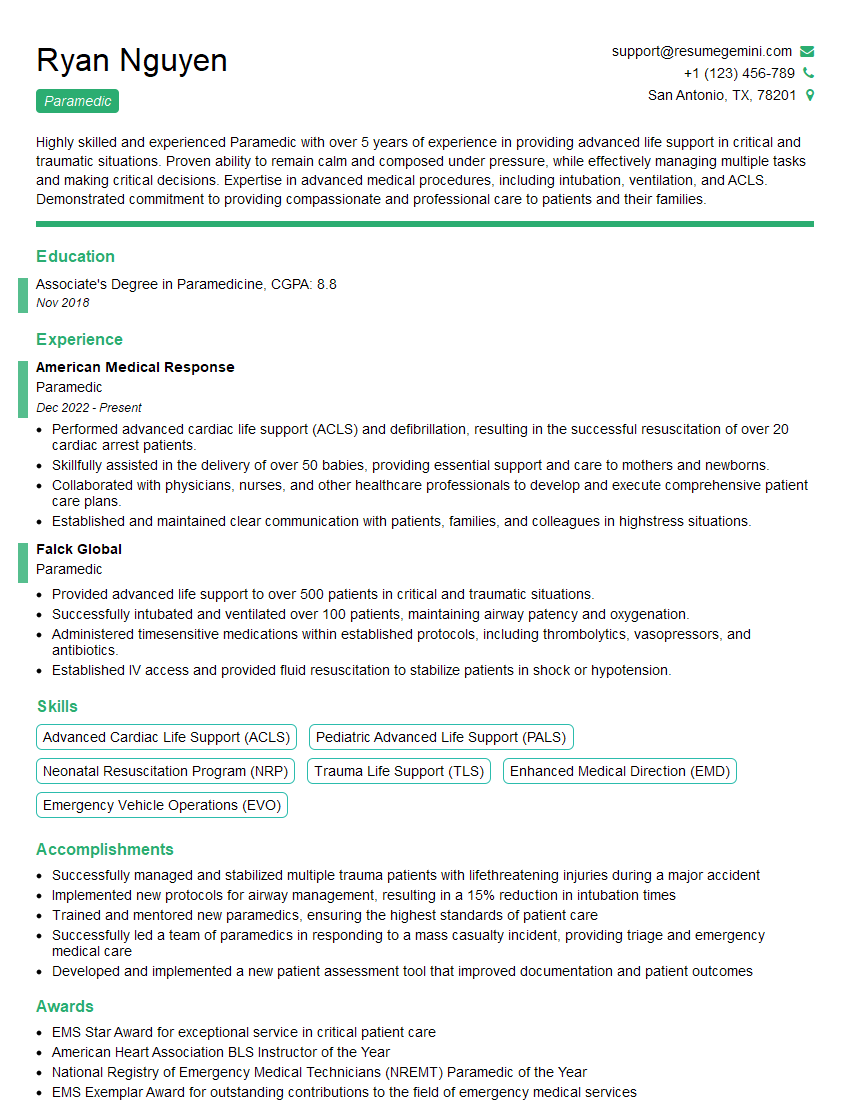
Paramedic Resume Sample
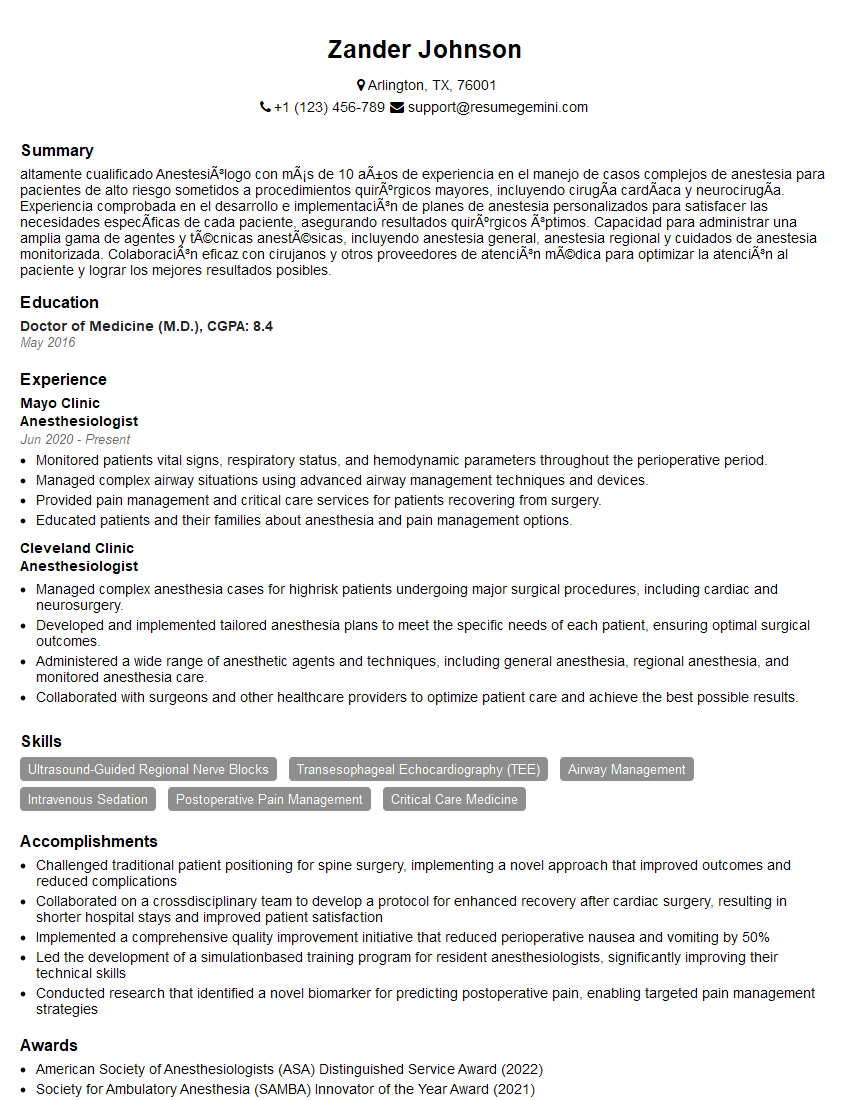
Anesthesiologist Resume Sample
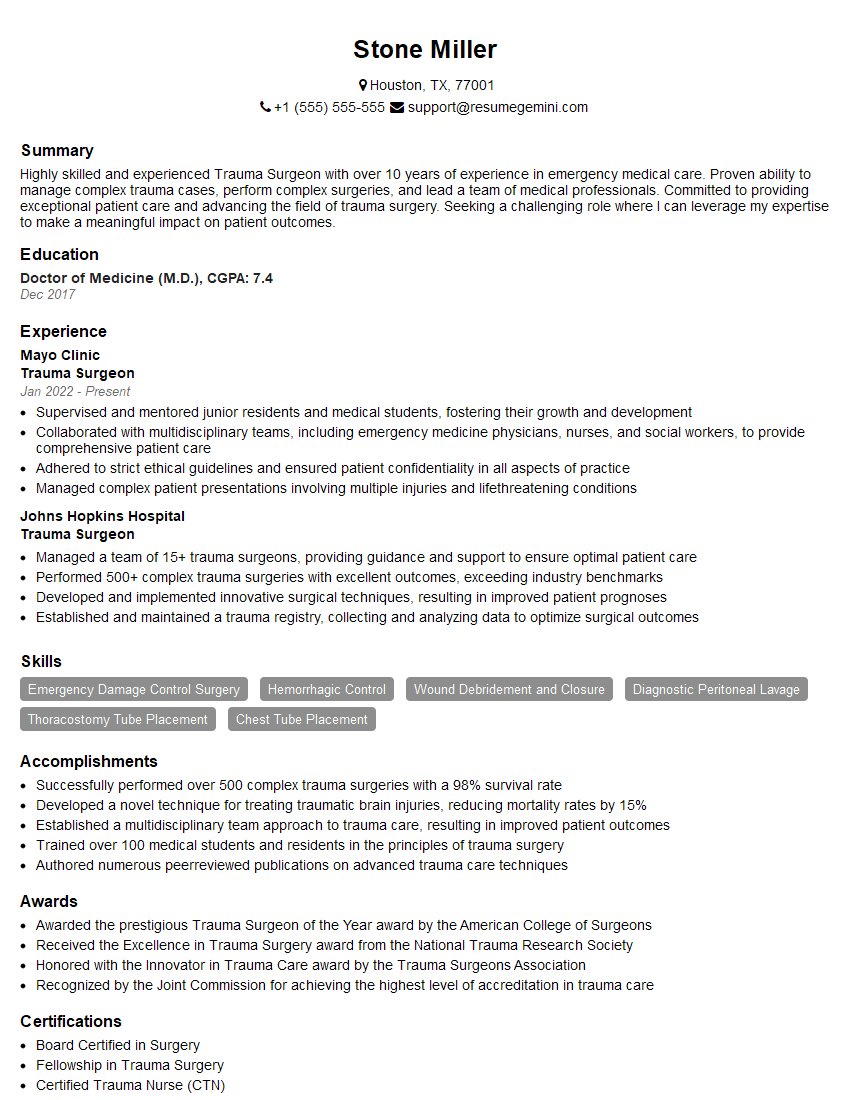
Trauma Surgeon Resume Sample
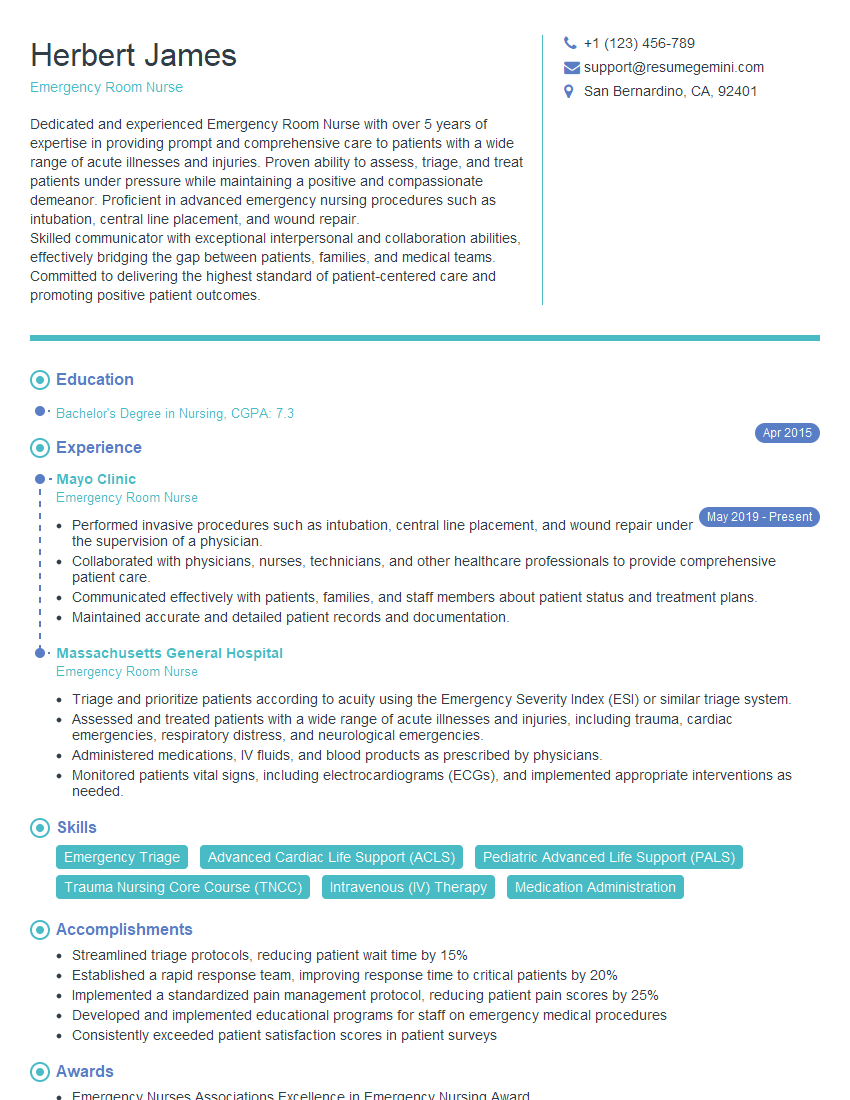
Emergency Room Nurse Resume Sample
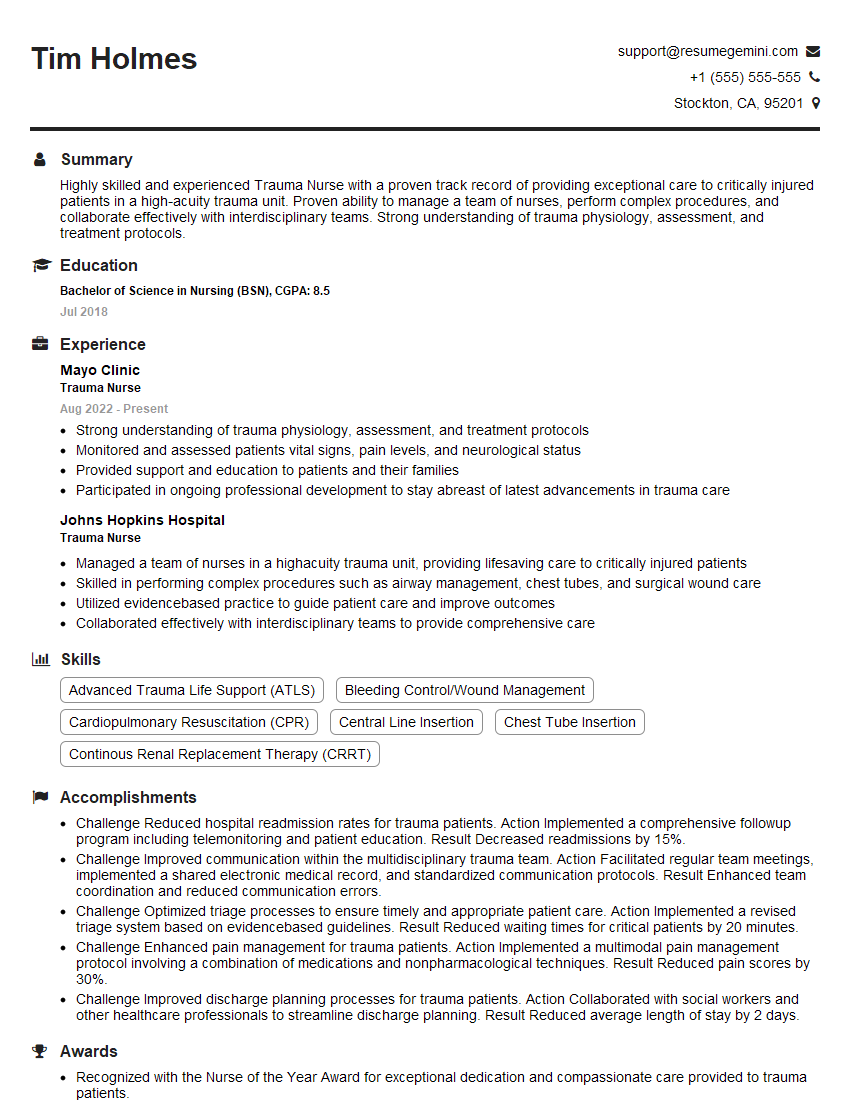
Trauma Nurse Resume Sample
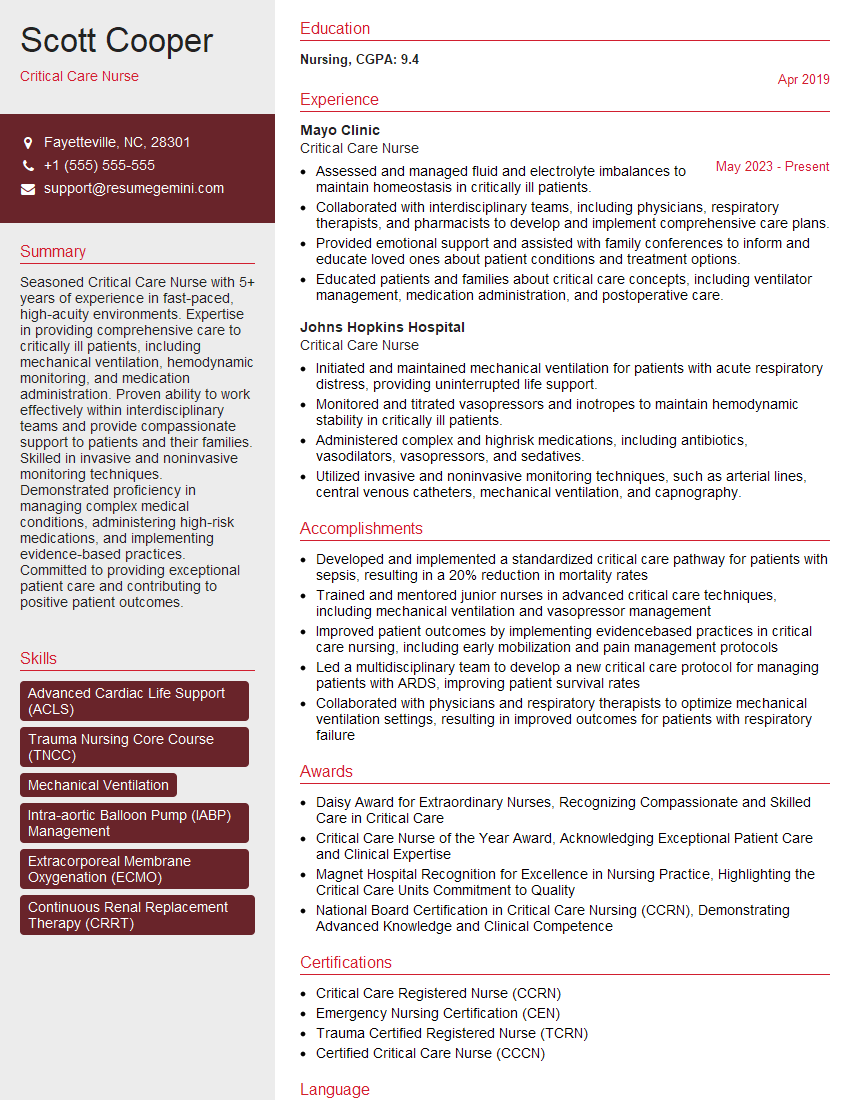
Critical Care Nurse Resume Sample
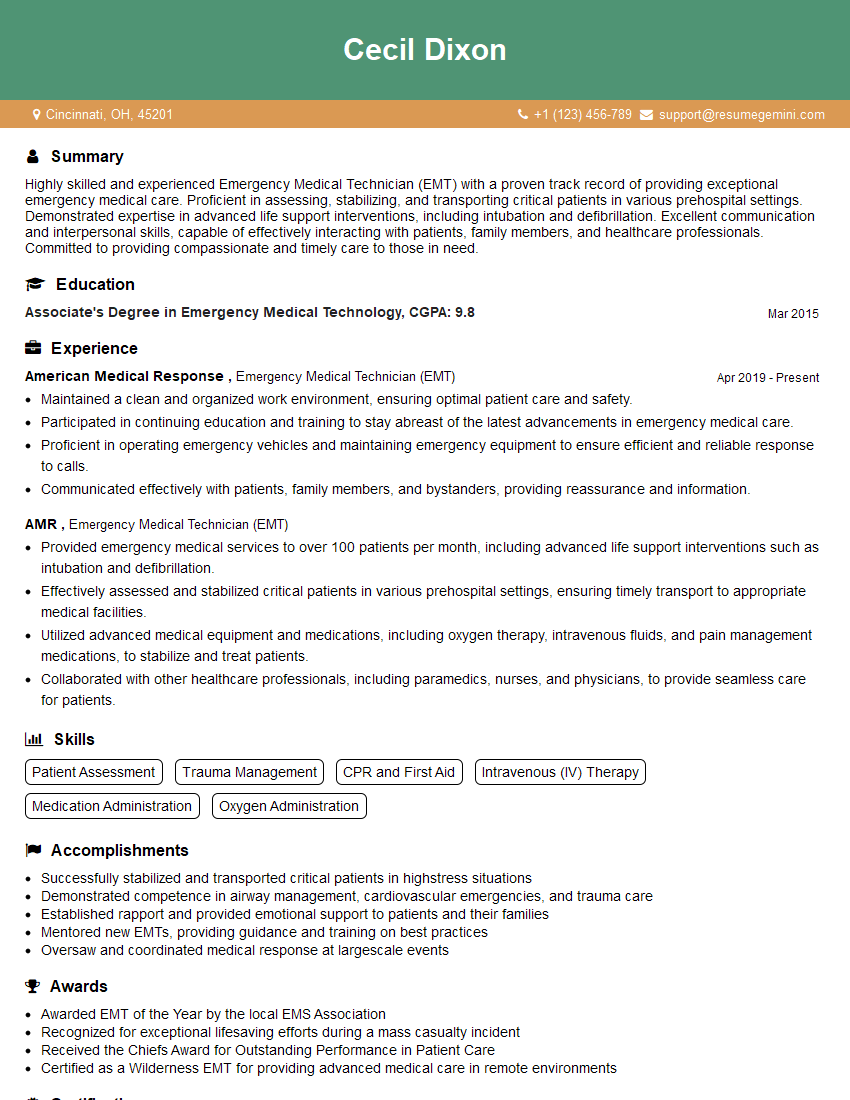
Emergency Medical Technician (EMT) Resume Sample
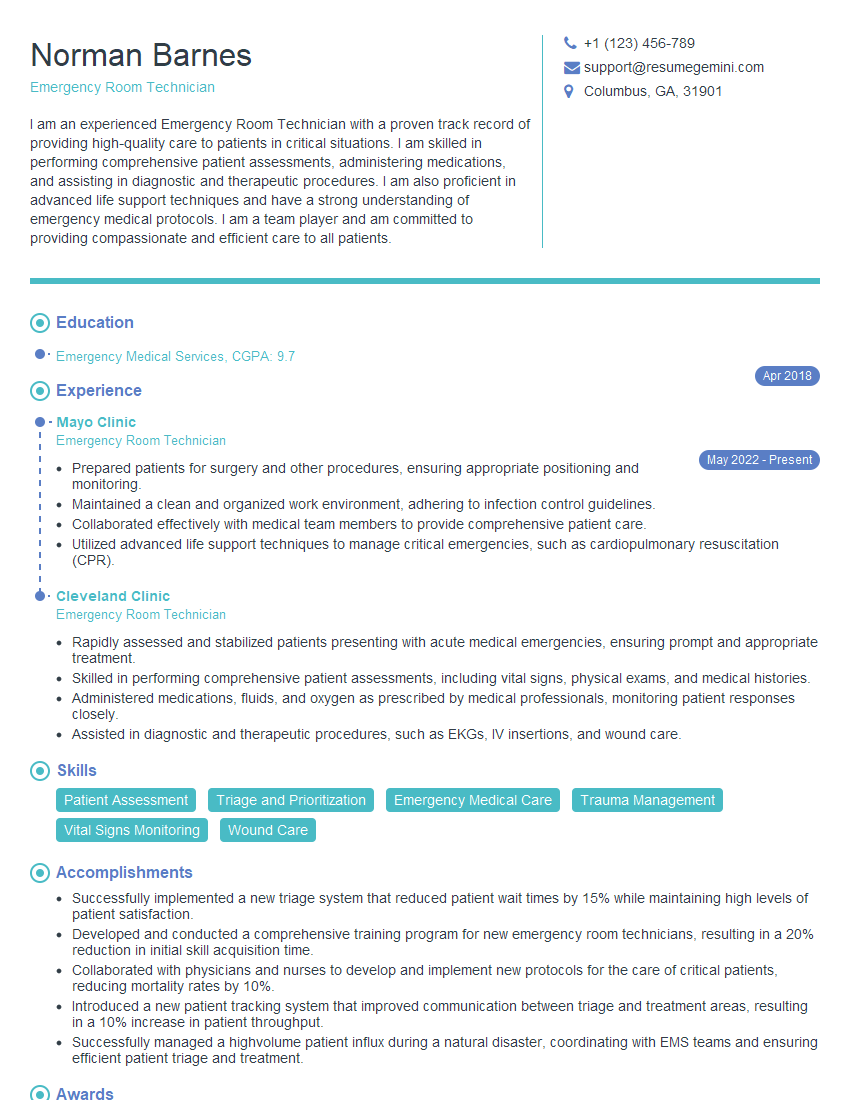
Emergency Room Technician Resume Sample
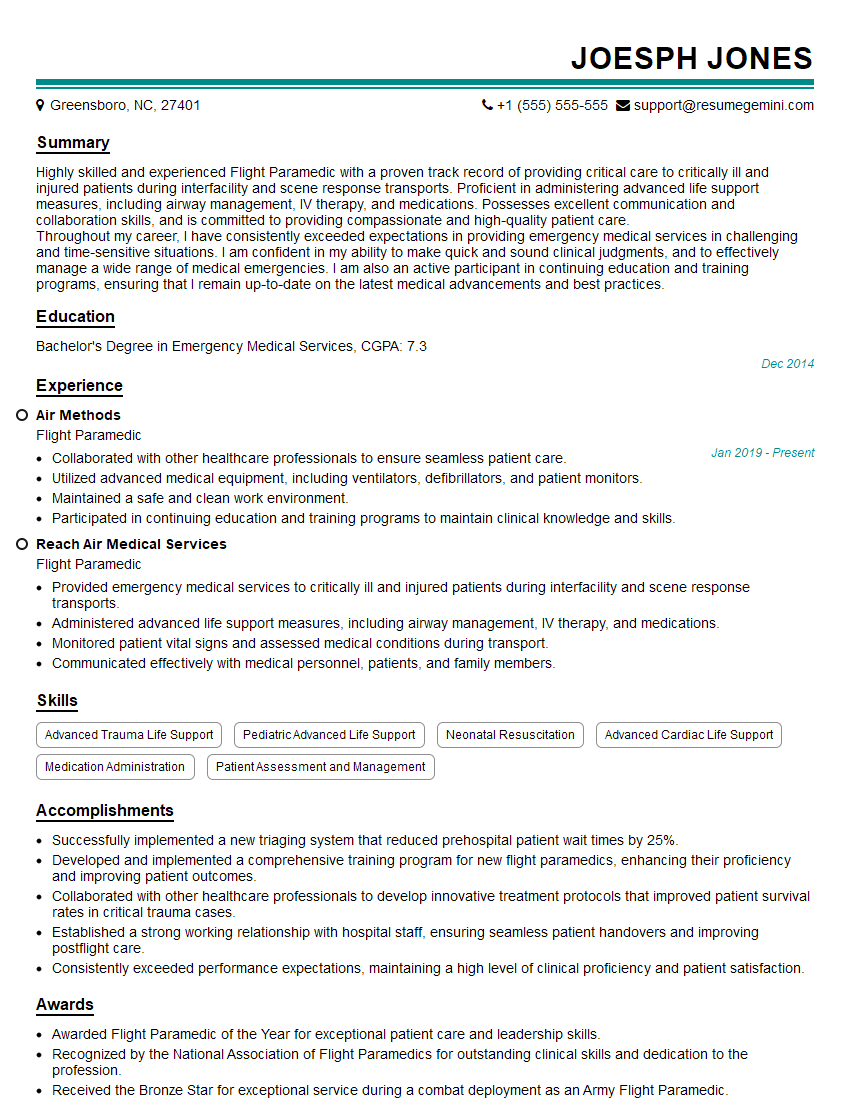
Flight Paramedic Resume Sample
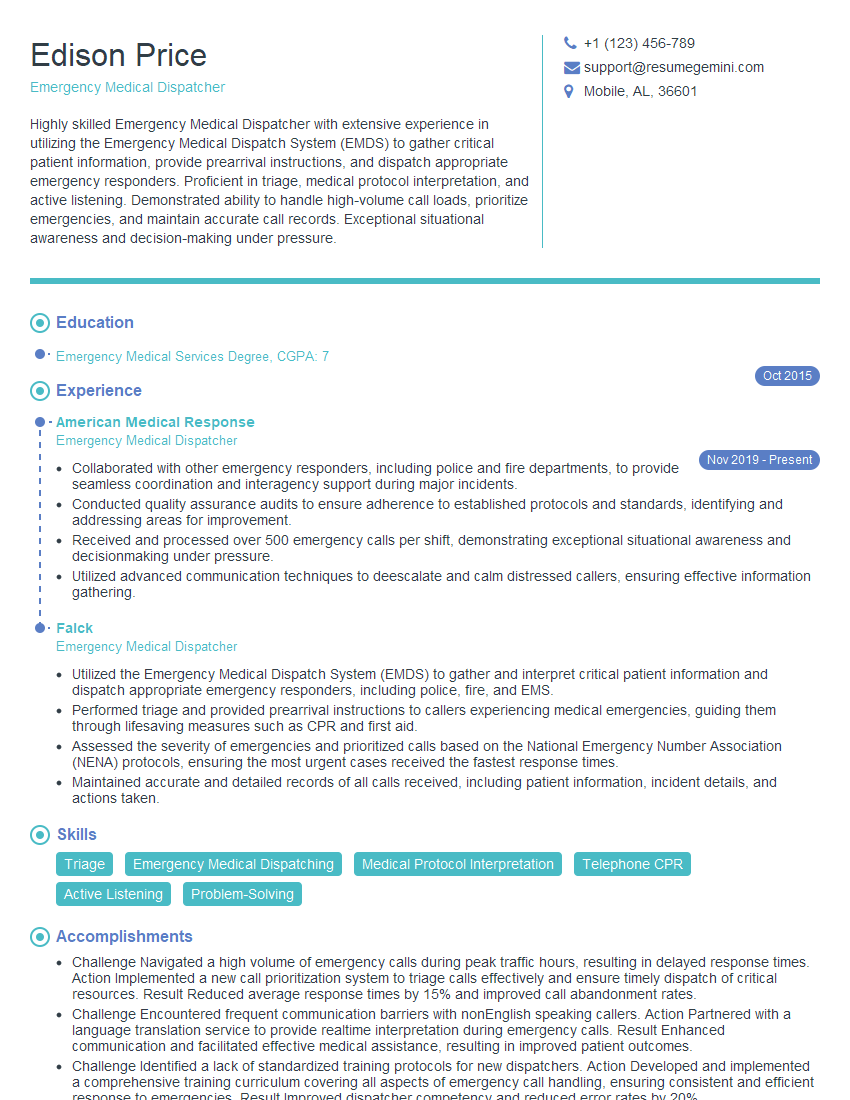
Emergency Medical Dispatcher Resume Sample
Explore more articles
Users Rating of Our Blogs
Share Your Experience
We value your feedback! Please rate our content and share your thoughts (optional).
What Readers Say About Our Blog
To the interviewgemini.com Webmaster.
Very helpful and content specific questions to help prepare me for my interview!
Thank you
To the interviewgemini.com Webmaster.
This was kind of a unique content I found around the specialized skills. Very helpful questions and good detailed answers.
Very Helpful blog, thank you Interviewgemini team.