Preparation is the key to success in any interview. In this post, we’ll explore crucial Equipment and tools operation interview questions and equip you with strategies to craft impactful answers. Whether you’re a beginner or a pro, these tips will elevate your preparation.
Questions Asked in Equipment and tools operation Interview
Q 1. Describe your experience with preventative maintenance on heavy equipment.
Preventative maintenance (PM) on heavy equipment is crucial for maximizing uptime, minimizing costly repairs, and ensuring safety. It involves regularly inspecting, cleaning, lubricating, and replacing parts before they fail. My experience spans various types of heavy machinery, including excavators, bulldozers, and forklifts. A typical PM schedule involves daily, weekly, monthly, and annual checks.
- Daily Checks: These focus on visual inspections for leaks, loose bolts, unusual noises, and fluid levels. For example, I’d check the engine oil, hydraulic fluid, coolant, and fuel levels on a daily basis for an excavator.
- Weekly Checks: More in-depth inspections, including checking tire pressure, greasing moving parts, and inspecting belts and hoses for wear and tear. I might perform a thorough inspection of the hydraulic lines on a bulldozer weekly.
- Monthly Checks: This often involves more specialized tasks, like filter replacements, checking battery fluid levels, and performing basic lubrication of critical components. For instance, I’d replace the air filter on a forklift monthly.
- Annual Checks: These are comprehensive inspections that might involve more extensive servicing, such as major component overhauls, testing of safety systems, and specialized testing of components like hydraulic pumps.
I meticulously document all PM activities, including the date, type of maintenance, and any identified issues. This documentation is vital for tracking equipment health and predicting potential failures. Thorough record-keeping allows for proactive maintenance, preventing unexpected downtime and enhancing operational efficiency.
Q 2. Explain the process of troubleshooting a malfunctioning hydraulic system.
Troubleshooting a malfunctioning hydraulic system requires a systematic approach. It’s not just about fixing the immediate problem; it’s about understanding the root cause to prevent recurrence. My approach involves a series of steps:
- Safety First: Always isolate the system, ensuring the equipment is turned off and locked out before beginning any troubleshooting.
- Gather Information: Identify the specific symptom (e.g., slow movement, lack of movement, leaks). Note when the malfunction started and any preceding events.
- Visual Inspection: Look for obvious issues such as leaks, damaged hoses, loose connections, or broken components. Often, a simple visual inspection can pinpoint the problem. For instance, a visibly leaking hose is an easy fix, just requiring replacement.
- Check Fluid Levels: Low hydraulic fluid can severely impact performance. Always check the fluid level and ensure it’s within the specified range.
- Check Pressure: Using a hydraulic pressure gauge, measure the system pressure at various points to determine whether there’s a pressure loss or blockage.
- Listen for Unusual Noises: Unusual sounds like whining, squealing, or grinding can indicate problems with the pump, valves, or other components.
- Component Testing: If necessary, individual components can be tested using specialized equipment to pinpoint the faulty part. For example, I’d test the hydraulic pump separately.
- Repair/Replacement: Once the faulty component is identified, repair or replace it, ensuring that all connections are secure and the system is properly bled.
Troubleshooting hydraulic systems requires a combination of practical experience and a thorough understanding of hydraulic principles. Proper diagnosis is crucial to ensure the correct repair and avoid further damage to the system.
Q 3. What safety protocols do you follow when operating heavy machinery?
Safety is paramount when operating heavy machinery. My approach is guided by established safety protocols and best practices. This involves:
- Pre-Operational Checks: Always perform a thorough pre-operational inspection of the equipment, checking fluid levels, tire pressure, and the overall condition of the machine. This includes checking safety devices, like emergency stops and warning lights.
- Personal Protective Equipment (PPE): Consistent use of PPE, including safety helmets, high-visibility clothing, safety glasses, and hearing protection, is essential. The type of PPE varies based on the task.
- Safe Operating Procedures: Adhering to established operating procedures, including speed limits, load limits, and safe lifting techniques, is crucial to prevent accidents. Never operate the equipment when fatigued or under the influence of drugs or alcohol.
- Awareness of Surroundings: Maintaining constant awareness of the surroundings, including other personnel, obstacles, and environmental conditions, is crucial. Blind spots must be accounted for.
- Emergency Procedures: Understanding and practicing emergency procedures, including proper shutdown procedures and emergency contact protocols, is essential. Knowing how to use and operate fire extinguishers is also crucial.
- Lockout/Tagout Procedures: Always follow proper lockout/tagout procedures before performing maintenance or repairs to prevent accidental starts.
Safety is not just a set of rules, but a mindset. I approach every task with a focus on safety, prioritizing the well-being of myself and others.
Q 4. How do you ensure the proper calibration and functionality of your tools?
Ensuring the proper calibration and functionality of tools is crucial for accuracy and safety. My approach involves a combination of regular checks and periodic calibration:
- Regular Checks: I perform regular visual inspections of tools for damage, wear, and tear. This includes checking for loose parts, cracks, or other signs of damage. Tools are immediately replaced or repaired if defects are identified.
- Calibration: Many tools require periodic calibration to ensure accuracy. This is especially important for measuring tools, such as micrometers, calipers, and levels. I follow manufacturer’s instructions for calibration, using certified standards to ensure accuracy. Calibration records are meticulously maintained.
- Testing: Where appropriate, tools are tested to verify their functionality. For example, torque wrenches are tested to confirm that they deliver the correct torque. Testing is often integrated with calibration procedures.
- Storage and Handling: Proper storage and handling of tools is vital to maintaining their accuracy and preventing damage. Tools are stored in designated areas, protected from damage, and organized for easy access.
Accuracy and reliability are key. Using improperly calibrated tools can lead to costly mistakes and safety hazards. Therefore, maintaining tools in optimal condition is a priority.
Q 5. Describe your experience working with different types of welding equipment.
My experience encompasses various welding processes, including:
- Shielded Metal Arc Welding (SMAW): Also known as stick welding, this process is versatile and relatively simple, suitable for various metals. I’m proficient in selecting the correct electrode based on the material and application.
- Gas Metal Arc Welding (GMAW): Also known as MIG welding, this process uses a continuous feed wire and shielding gas, resulting in faster welding speeds and cleaner welds. I understand different wire types, gas mixtures, and the importance of adjusting parameters based on the material thickness and type.
- Gas Tungsten Arc Welding (GTAW): Also known as TIG welding, this process produces high-quality welds, ideal for precision work. I’m experienced in controlling the arc, adjusting current, and selecting the right filler rod for different materials.
In addition to these common processes, I’ve also worked with specialized welding equipment like automated welding systems, where the equipment is programmed for precise and repeatable welds. Understanding the specific needs of each welding process, including safety measures and proper technique, is paramount. Proper safety procedures, including the use of eye protection and appropriate ventilation are vital.
Q 6. What are the common causes of equipment failure and how do you address them?
Equipment failure can stem from various causes, and addressing them effectively requires a thorough understanding of the equipment and its operating environment. Common causes include:
- Lack of Preventative Maintenance: Neglecting regular inspections and maintenance is a leading cause of equipment failure. This often leads to premature wear and tear, and ultimately, catastrophic failures.
- Operator Error: Improper operation, overloading, or exceeding operational limits can lead to equipment damage. Training and adherence to proper operating procedures are key.
- Environmental Factors: Exposure to extreme temperatures, moisture, or corrosive substances can degrade equipment components. Protecting equipment from the elements is crucial.
- Material Fatigue: Over time, components experience stress and fatigue, leading to failure. Regular inspections and replacements can mitigate this.
- Design Flaws: In some cases, equipment failures can be attributed to design flaws or manufacturing defects. Addressing these requires working with manufacturers to identify and resolve underlying issues.
My approach to addressing equipment failure involves a thorough investigation to identify the root cause, followed by appropriate repair or replacement. Preventive measures are then implemented to prevent recurrence. For example, after a hydraulic pump failure, a thorough inspection of the entire system would be performed, and preventive maintenance steps, such as fluid changes, would be implemented.
Q 7. Explain your understanding of different types of lubricants and their applications.
Lubricants are vital for reducing friction, wear, and heat in machinery. Different lubricants have different properties and applications. My understanding includes:
- Engine Oils: These oils are formulated to lubricate internal combustion engines, protecting against wear and reducing friction. The choice of engine oil depends on factors such as engine type, operating temperature, and viscosity requirements. For example, a heavier weight oil is used in hotter climates.
- Gear Oils: These are high-viscosity oils designed to lubricate gears and other high-stress components. Gear oils often contain extreme-pressure (EP) additives to protect against wear under heavy loads.
- Hydraulic Oils: These oils are designed to transmit power in hydraulic systems. They need to have specific properties to ensure smooth operation and prevent leaks. Different types exist depending on the system’s operating conditions.
- Greases: These are semi-solid lubricants used to lubricate moving parts that are difficult to lubricate with oil. Greases provide long-lasting lubrication and help to protect against contamination. Different greases are formulated for different operating conditions and applications.
Selecting the right lubricant is critical for equipment performance and longevity. Improper lubrication can lead to premature wear, increased friction, overheating, and ultimately, equipment failure. I always consult the manufacturer’s recommendations for the correct type and grade of lubricant for each piece of equipment. It’s important to remember that the environment and specific application will impact the choice of lubricant.
Q 8. How do you interpret technical manuals and diagrams?
Interpreting technical manuals and diagrams is crucial for safe and efficient equipment operation. I approach this systematically. First, I scan the document for an overview – understanding the equipment’s purpose and key components. Then, I carefully read the sections relevant to my immediate task, paying close attention to safety precautions, operational procedures, and troubleshooting guides. Diagrams are invaluable; I use them in conjunction with the text to visualize the system’s layout and the relationships between different parts. For instance, when working on a hydraulic press, I’d refer to the schematic to understand the flow of hydraulic fluid and identify potential points of failure. If I encounter unfamiliar terminology, I consult glossaries or online resources to ensure complete comprehension before proceeding. I often make annotations directly on the manuals or create my own simplified diagrams to aid my understanding and future reference.
Q 9. How do you prioritize tasks when multiple pieces of equipment require attention?
Prioritizing tasks when multiple pieces of equipment need attention involves a risk-based approach. I first identify critical systems – those whose failure would have the most significant impact on production or safety. For example, a malfunctioning ventilation system in a confined space takes precedence over a minor leak in a less critical piece of machinery. I then assess the urgency of each task, considering factors like the severity of the problem and the potential consequences of delay. I use a system of tags or labels (e.g., high, medium, low priority) to visually track the tasks and their urgency. I might create a simple to-do list or utilize a dedicated maintenance management software if the workload is extensive. This methodical prioritization ensures that resources are allocated efficiently and critical issues are addressed promptly.
Q 10. Describe your experience with diagnosing and repairing electrical faults in equipment.
Diagnosing and repairing electrical faults requires a methodical and safety-conscious approach. I start by visually inspecting the equipment for obvious signs of damage, such as frayed wires, loose connections, or burnt components. Then, using multimeters and other appropriate testing equipment, I systematically check voltage, current, and resistance in various circuits. I carefully follow safety procedures, such as locking out and tagging out energized circuits before working on them. For example, I once diagnosed a faulty motor control circuit in a conveyor belt by tracing the wiring, measuring voltage drops across components, and ultimately replacing a damaged relay. My experience also includes working with schematics and wiring diagrams to understand the electrical pathways within complex equipment. Troubleshooting often involves a process of elimination, systematically testing components until the faulty one is identified.
Q 11. What are your preferred methods for documenting maintenance and repairs?
Thorough documentation is essential for maintaining equipment history and facilitating future repairs. My preferred methods include using a combination of digital and paper-based records. I create detailed written reports that specify the equipment involved, the nature of the problem, the steps taken to diagnose and resolve the issue, and the parts replaced. I include date and time stamps, and I always sign off on the completed work. I also take photographs or videos of the equipment before, during, and after repair to visually document the process. For instance, when servicing a complex piece of CNC machinery, I might document the tool changes, calibration adjustments, and error codes encountered. Digital documentation in a centralized system allows for efficient searching and data analysis for proactive maintenance.
Q 12. How do you handle emergency situations involving equipment malfunctions?
Handling equipment malfunctions requires immediate action with a focus on safety. My first step is to assess the situation and determine the immediate risks. If there is an immediate danger, I’ll evacuate the area and ensure the safety of personnel. Then, I’ll shut down the affected equipment following established emergency shutdown procedures. Once the immediate danger is mitigated, I’ll initiate a damage assessment, focusing on both the equipment and the surrounding environment. Depending on the nature of the malfunction, I may contact maintenance personnel, engineering support, or emergency services. Thorough documentation of the incident is crucial, including the sequence of events, actions taken, and any injuries or damages incurred. Post-incident analysis helps identify the root cause of the failure and to implement preventive measures to prevent future occurrences.
Q 13. Explain your understanding of OSHA regulations related to equipment operation.
My understanding of OSHA regulations related to equipment operation is comprehensive. I am familiar with the key requirements for lockout/tagout procedures, personal protective equipment (PPE) usage, hazard communication, and machine guarding. I understand the importance of regular inspections, preventative maintenance, and adhering to safe operating procedures. I also know the importance of proper training for equipment operators and the necessity of reporting accidents and near misses. For example, I always ensure that machines are properly guarded to prevent accidental contact, and I’m vigilant in wearing appropriate PPE, such as safety glasses, gloves, and hearing protection, when necessary. Regularly reviewing and updating my knowledge of OSHA standards and company-specific safety protocols is a critical aspect of my work.
Q 14. Describe your experience with different types of hand tools and their applications.
My experience encompasses a wide range of hand tools, from basic screwdrivers and wrenches to more specialized tools like torque wrenches, dial indicators, and micrometers. I am proficient in using these tools for various tasks, including assembly, disassembly, measurement, and adjustment of equipment. For example, I use screwdrivers of different sizes and types to tighten and loosen screws, and I employ torque wrenches to apply the precise amount of torque required for specific fasteners to prevent damage. I use dial indicators to check alignment and parallelism, while micrometers provide precise measurements for dimensional accuracy. My knowledge extends to the proper selection of tools for different materials and applications, ensuring efficient and safe operation. I’m also familiar with the correct maintenance and storage of hand tools to ensure their longevity and prevent accidents.
Q 15. How familiar are you with different types of power tools and their safety procedures?
My familiarity with power tools extends across various types, including rotary tools like drills and grinders, reciprocating saws, impact wrenches, and various specialized tools for woodworking, metalworking, and construction. Safety is paramount, and my procedures always begin with a thorough pre-use inspection. This includes checking for damage to cords, ensuring proper blade or bit installation, and verifying that all safety guards are in place and functioning correctly. I always wear appropriate personal protective equipment (PPE), such as safety glasses, hearing protection, and work gloves, selecting the correct type based on the task. For example, when using a grinder, I would employ a face shield in addition to safety glasses. Furthermore, I’m trained in lockout/tagout procedures to prevent accidental starts, and I’m aware of the specific hazards associated with each tool – for example, kickback with circular saws or the potential for dust inhalation with grinding wheels. I always follow the manufacturer’s instructions and any relevant safety regulations specific to the job site.
- Example 1: Before operating a circular saw, I always check the blade’s condition, ensuring it’s sharp, free from damage, and correctly secured. I also adjust the depth of cut appropriately to avoid binding.
- Example 2: When using a grinder, I ensure I’m using the correct type of wheel for the material I’m working with and maintain a firm grip to control the tool, avoiding sudden movements.
Career Expert Tips:
- Ace those interviews! Prepare effectively by reviewing the Top 50 Most Common Interview Questions on ResumeGemini.
- Navigate your job search with confidence! Explore a wide range of Career Tips on ResumeGemini. Learn about common challenges and recommendations to overcome them.
- Craft the perfect resume! Master the Art of Resume Writing with ResumeGemini’s guide. Showcase your unique qualifications and achievements effectively.
- Don’t miss out on holiday savings! Build your dream resume with ResumeGemini’s ATS optimized templates.
Q 16. What is your experience with computer-aided design (CAD) software related to equipment?
My experience with CAD software in relation to equipment design and modification is extensive. I’m proficient in AutoCAD and SolidWorks, utilizing them to create detailed 2D and 3D models of equipment, analyze designs for feasibility, and generate manufacturing drawings. For instance, I’ve used CAD to design custom jigs and fixtures for improving efficiency in manufacturing processes. I’ve also used these tools to create detailed representations of existing equipment to support troubleshooting and repair. Furthermore, I utilize CAD to simulate equipment operation and identify potential issues before construction or implementation, minimizing waste and improving functionality.
Example: I recently used SolidWorks to design a custom clamping system for a robotic arm, optimizing the design for strength and ease of use. The model allowed me to test different materials and configurations, optimizing the design before fabrication.Q 17. Describe your experience working with pneumatic and hydraulic systems.
My experience with pneumatic and hydraulic systems encompasses both maintenance and repair. I understand the principles behind pressure regulation, flow control, and actuation in both systems. I’m familiar with various components, including air compressors, pneumatic cylinders, hydraulic pumps, valves, and actuators. I’ve worked on troubleshooting leaks, repairing damaged components, and diagnosing system malfunctions. For instance, I have successfully identified and repaired a leak in a hydraulic system by tracing the pressure drop and replacing a faulty seal. In pneumatic systems, I’ve resolved issues related to air pressure loss by inspecting air lines for leaks and replacing faulty valves or filters. I’m also experienced in the safe handling of these systems, understanding the hazards associated with high-pressure fluids and air.
- Example: When diagnosing a problem in a hydraulic system, I often use a pressure gauge to check pressure at various points in the system. This helps pinpoint the location of a leak or blockage.
- Example: Regular maintenance of pneumatic systems involves checking air filters, lubricating moving parts, and inspecting hoses and fittings for wear and tear.
Q 18. How do you ensure the proper storage and handling of tools and equipment?
Proper storage and handling of tools and equipment are critical for safety and longevity. My approach involves organizing tools systematically – using designated storage locations, shadow boards, or tool chests for easy identification and access. Tools are cleaned and inspected after each use, ensuring they’re properly lubricated and stored to prevent corrosion or damage. Heavy equipment is stored securely, preventing damage from accidental movement or environmental factors. I follow established safety protocols, including lockout/tagout procedures to ensure equipment is not accidentally activated during maintenance or storage. Furthermore, I utilize appropriate material handling techniques to prevent injuries – this includes using lifting devices for heavy items and following correct lifting procedures for lighter items.
- Example: Sharp tools, such as chisels and knives, are stored in protective sheaths or cases to prevent accidental cuts or damage.
- Example: Power tools with exposed moving parts are covered to prevent dust or debris from entering and causing damage.
Q 19. What is your experience with different types of measuring instruments?
My experience with measuring instruments includes a wide range, from basic rulers and tape measures to advanced digital calipers, micrometers, and laser levels. I understand the precision and limitations of each instrument. I’m proficient in using them accurately to take various measurements, ensuring the appropriate level of precision for the task. For instance, I would use a micrometer for extremely precise measurements required for machining, whereas a tape measure would suffice for broader construction measurements. I also understand the importance of regular calibration and maintenance of these instruments to ensure accurate readings. Calibration procedures vary by instrument type but generally involve comparison to a known standard.
- Example: When performing precise machining operations, I use digital calipers to ensure accurate measurements of workpiece dimensions.
- Example: Laser levels are used to ensure accurate alignment and leveling of structures in construction projects.
Q 20. Describe your experience with diagnosing and repairing engine problems.
Diagnosing and repairing engine problems involves a systematic approach. I begin with a visual inspection, checking for obvious signs of damage, leaks, or loose connections. Then, I move to more in-depth diagnostics, using tools like compression testers, multimeters, and diagnostic scanners. Based on the symptoms and diagnostic results, I identify the likely cause of the problem, from simple issues like spark plug fouling to more complex issues involving fuel delivery, ignition systems, or internal engine damage. I have experience repairing various engine types, including gasoline, diesel, and small engines. My repairs include replacing worn parts, performing tune-ups, and conducting more extensive overhauls when necessary.
- Example: If an engine is experiencing hard starting, I might check the battery voltage, spark plugs, and fuel system pressure to determine the cause.
- Example: If an engine is overheating, I would check the coolant level, thermostat, radiator, and water pump to determine the source of the problem.
Q 21. What are your troubleshooting skills for identifying mechanical issues in equipment?
My troubleshooting skills rely on a systematic approach: I start by gathering information – understanding the symptoms of the malfunction and the conditions under which it occurs. Then I perform a visual inspection, checking for obvious signs of damage or wear. Next, I use diagnostic tools and techniques relevant to the type of equipment. I might use multimeters to check electrical circuits, pressure gauges for hydraulic or pneumatic systems, or specialized diagnostic scanners for more complex equipment. I always prioritize safety – using lockout/tagout procedures and appropriate PPE. Throughout the process, I document my findings, making notes of observations and test results, to ensure a thorough record of the troubleshooting process. Often, problem-solving involves a combination of deduction and testing. I’ll form a hypothesis about the cause of the problem and then design tests to confirm or refute that hypothesis. I repeat this cycle until the problem is identified and resolved.
- Example: If a piece of equipment is not functioning, I might start by checking the power supply, fuses, and any circuit breakers before moving on to more complex diagnostics.
- Example: If a machine is making unusual noises, I’ll examine bearings, belts, and other moving parts to identify the source of the noise.
Q 22. How do you maintain accurate records of equipment maintenance and repair?
Maintaining accurate equipment records is crucial for ensuring operational efficiency and safety. I utilize a combination of digital and physical methods to achieve this. Digitally, I employ a Computerized Maintenance Management System (CMMS), which allows for centralized data storage, automated alerts for scheduled maintenance, and easy tracking of repairs. Think of it like a sophisticated to-do list for all our equipment. This system records every maintenance activity, from oil changes to major overhauls, including date, technician, parts used, and any relevant notes. For example, if a piece of heavy machinery requires a specific type of oil, the CMMS ensures this information is documented, preventing future errors.
Physically, I maintain a detailed logbook for each piece of equipment. This logbook serves as a backup and provides immediate access to critical information in case of system failures. It includes visual inspection records (often with photos), which is especially important for identifying wear and tear. For instance, a picture of a worn-out belt can help assess the severity of the problem quickly, even before reviewing digital records. By combining both digital and physical records, we ensure redundancy and easy accessibility to information whenever needed.
Q 23. Explain your understanding of different types of welding techniques.
Welding is a crucial skill in many industries, and I’m proficient in several techniques. The choice of technique depends on factors like material thickness, desired weld quality, and access to the joint.
- Shielded Metal Arc Welding (SMAW), or stick welding: This is a versatile and widely used process using a consumable electrode coated with flux to protect the weld puddle from atmospheric contamination. It’s robust, relatively inexpensive, and portable, ideal for outdoor or remote locations. Think of it as the ‘workhorse’ of welding, reliable in various conditions.
- Gas Metal Arc Welding (GMAW), or MIG welding: This process uses a continuous wire electrode fed automatically, with shielding gas protecting the weld. It’s faster and produces cleaner welds than SMAW, making it well-suited for high-volume production. I often use it for automotive repairs or thin sheet metal applications.
- Gas Tungsten Arc Welding (GTAW), or TIG welding: This technique uses a non-consumable tungsten electrode, requiring precise hand control. It’s ideal for producing high-quality, aesthetically pleasing welds on thinner materials or intricate designs, as seen in precision fabrication or aerospace work. This process demands greater skill and precision.
- Flux-Cored Arc Welding (FCAW): Similar to MIG, but the electrode wire contains its own flux. This process is often used for outdoor work or applications where shielding gas might be difficult to use.
My experience encompasses all these techniques, enabling me to select the most appropriate method based on the specific task at hand.
Q 24. How familiar are you with different types of cutting tools and their applications?
Cutting tools are fundamental in many trades, and I’m familiar with a wide range, each suited to different materials and applications.
- Abrasive cutting tools: These include grinding wheels, cutting discs, and abrasive belts used for removing material, shaping, or cutting through hard materials like metal or stone. The selection depends on the material’s hardness and desired finish. For example, a diamond blade is perfect for cutting through concrete, while a metal-cutting disc is suited for steel.
- Mechanical cutting tools: These tools use mechanical action to separate materials. Examples include shears for sheet metal, chisels for wood or stone, and various types of saws (hand saws, circular saws, reciprocating saws) used for different materials and cuts. The choice depends on the material thickness and the desired cut type. A band saw is great for curves, while a circular saw excels in straight cuts.
- Thermal cutting tools: These use heat to cut materials. This includes oxy-fuel torches which utilize a high-temperature flame to melt and separate materials, commonly used on steel. Plasma cutters use ionized gas to melt and cut materials offering speed and precision for thicker materials.
- Laser cutters: These use focused beams of light to cut materials with amazing precision. Their application ranges from plastics and wood to intricate metal work.
My expertise allows me to choose the right tool for the specific cutting task, ensuring efficiency and safety.
Q 25. Describe your experience with using diagnostic tools and equipment.
I have extensive experience using diagnostic tools and equipment for various types of machinery and systems. This includes using multimeters to check voltage, amperage, and resistance; oscilloscopes to analyze waveforms and signals; and specialized diagnostic software for different types of equipment. For instance, in diagnosing a faulty engine, I’d use an engine analyzer to check for misfires, fuel delivery problems, or sensor failures. The specific diagnostic tools would depend on the equipment and the problem’s nature.
Recently, I successfully identified and repaired a malfunctioning hydraulic system on a large excavator by systematically using a pressure gauge to isolate the problem to a faulty valve. This involved understanding the hydraulic system’s schematic, using appropriate safety protocols, and a systematic troubleshooting approach.
Q 26. What is your experience with preventative maintenance scheduling and tracking?
Preventative maintenance scheduling and tracking are vital for maximizing equipment lifespan and minimizing downtime. My approach involves a combination of established procedures and data-driven analysis. I use the CMMS (mentioned earlier) to schedule routine maintenance tasks based on manufacturer’s recommendations, operating hours, and historical data. This includes oil changes, filter replacements, inspections, and more.
For example, if historical data shows a particular component tends to fail after a certain number of operating hours, I’ll adjust the preventative maintenance schedule accordingly, proactively replacing the component before failure to avoid unexpected downtime. I also analyze equipment usage patterns to optimize the scheduling and ensure that tasks are performed at the most convenient times, minimizing disruptions to operations.
Q 27. How do you ensure compliance with all relevant safety regulations and procedures?
Safety is paramount in equipment operation. I strictly adhere to all relevant safety regulations and procedures, which involve several key steps.
- Regular Training: I participate in regular safety training to stay updated on best practices, new regulations, and emergency procedures.
- Lockout/Tagout Procedures: I strictly follow lockout/tagout procedures whenever working on equipment that presents an electrical or mechanical hazard. This ensures the equipment is safely de-energized and secured before any maintenance or repair work begins.
- Personal Protective Equipment (PPE): I always use appropriate PPE, such as safety glasses, gloves, hearing protection, and safety shoes, depending on the task. This protects me from potential hazards.
- Regular Inspections: I conduct regular safety inspections of equipment and the workplace to identify and rectify potential hazards before they can cause incidents. This includes checking for proper grounding, adequate lighting, and the presence of any trip hazards.
- Reporting Incidents: All accidents or near-miss incidents are reported immediately, allowing for thorough investigation and corrective action to prevent future occurrences.
My commitment to safety is unwavering, reflecting a proactive and responsible approach to equipment operation and maintenance.
Key Topics to Learn for Equipment and Tools Operation Interview
- Safety Procedures and Regulations: Understanding and adhering to all relevant safety protocols, including lockout/tagout procedures, personal protective equipment (PPE) usage, and hazard identification.
- Equipment Operation & Maintenance: Demonstrating practical knowledge of operating various equipment (specify relevant equipment types based on target roles, e.g., forklifts, cranes, power tools). This includes pre-operational checks, routine maintenance, and troubleshooting minor malfunctions.
- Technical Specifications and Troubleshooting: Understanding the technical specifications of different equipment and tools, and the ability to diagnose and resolve common operational problems. This also includes knowing when to escalate issues to a supervisor.
- Preventive Maintenance: Explaining the importance of preventive maintenance schedules and their role in extending equipment lifespan and preventing costly repairs. Practical examples of conducting such maintenance would be beneficial.
- Data Recording and Reporting: Demonstrating familiarity with accurately recording operational data, maintenance logs, and reporting any incidents or near misses.
- Teamwork and Communication: Highlighting the importance of effective communication within a team environment, including following instructions, providing updates, and collaborating effectively with colleagues.
- Problem-solving and Decision-Making: Showcasing your ability to analyze situations, identify potential hazards, make sound judgments, and implement effective solutions in a timely manner.
Next Steps
Mastering equipment and tools operation is crucial for career advancement in many high-demand industries. A strong understanding of these skills demonstrates reliability, technical proficiency, and a commitment to safety – qualities highly valued by employers. To significantly increase your job prospects, create an ATS-friendly resume that highlights your skills and experience effectively. ResumeGemini is a trusted resource that can help you build a professional and impactful resume tailored to the specific requirements of the jobs you are applying for. Examples of resumes tailored to Equipment and Tools Operation are available to help you get started.
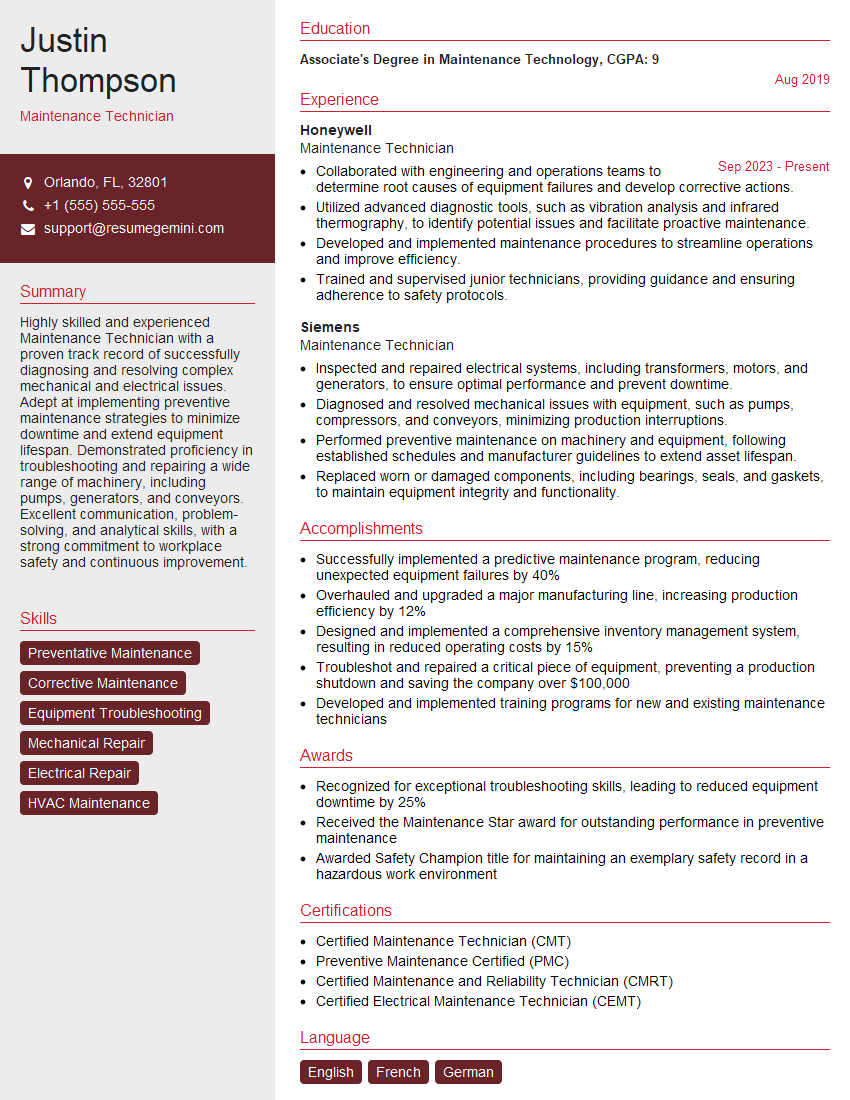
Maintenance Technician Resume Sample

Field Service Technician Resume Sample

Robotics Technician Resume Sample

Machinist Resume Sample

Equipment Operator Resume Sample

Crane Operator Resume Sample
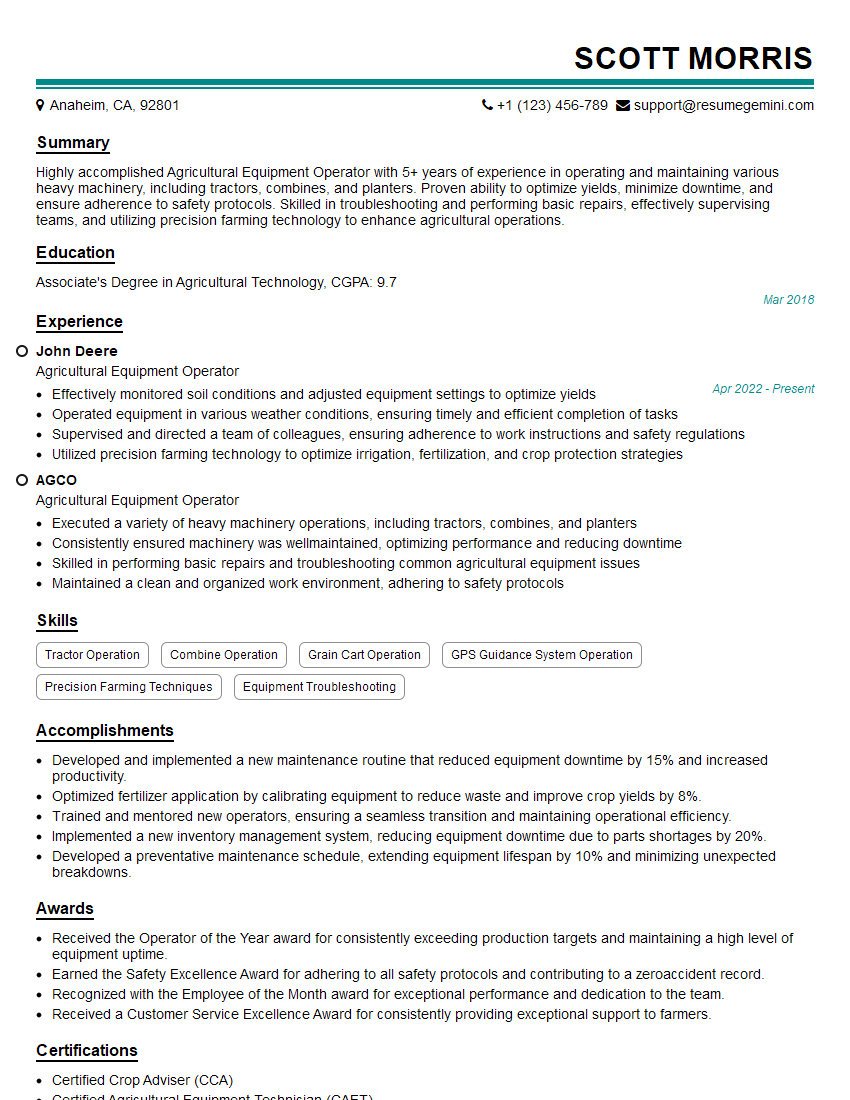
Agricultural Equipment Operator Resume Sample
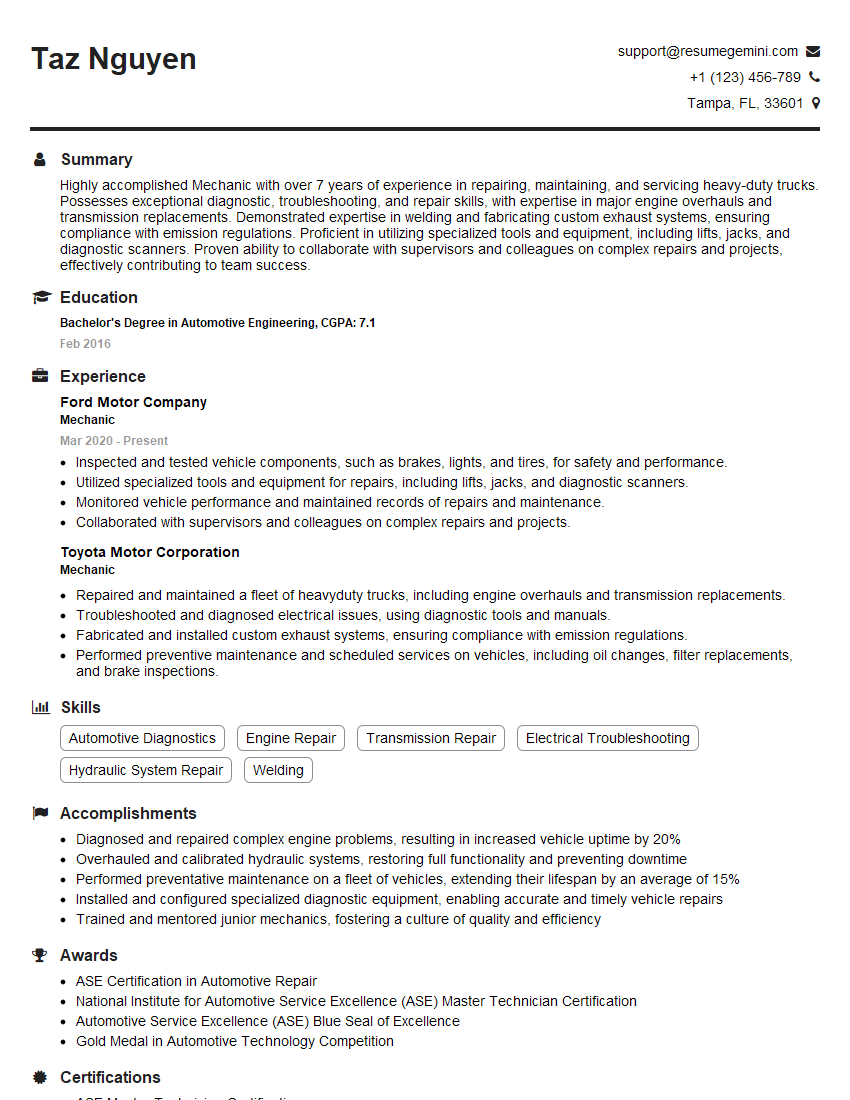
Mechanic Resume Sample

Heavy Equipment Operator Resume Sample

Forklift Operator Resume Sample
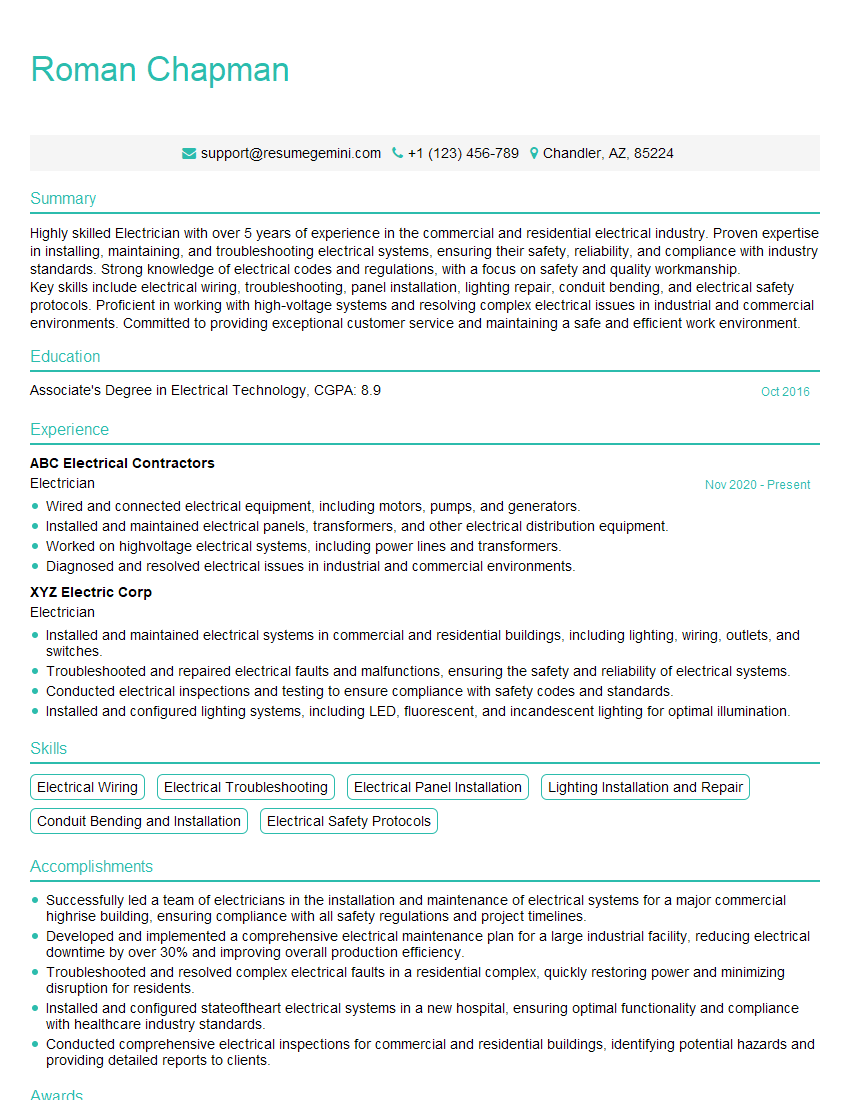
Electrician Resume Sample

Plumber Resume Sample
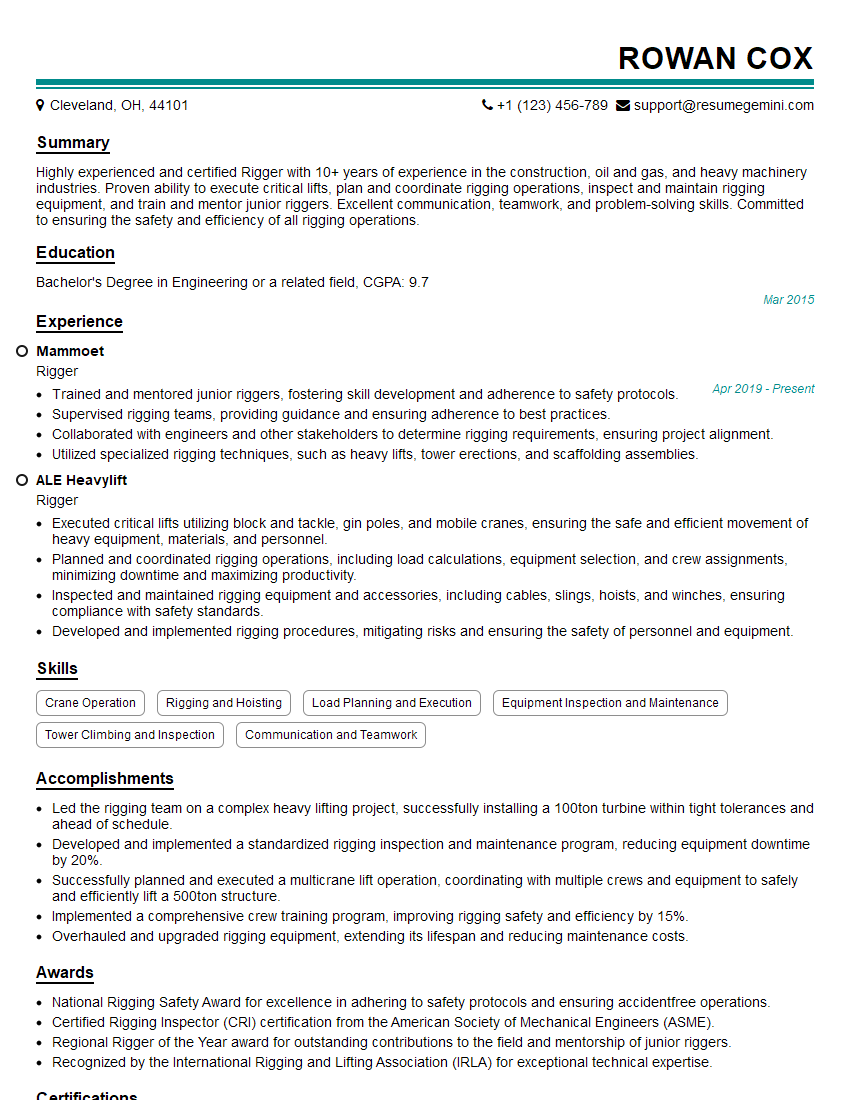
Rigger Resume Sample

Automotive Technician Resume Sample
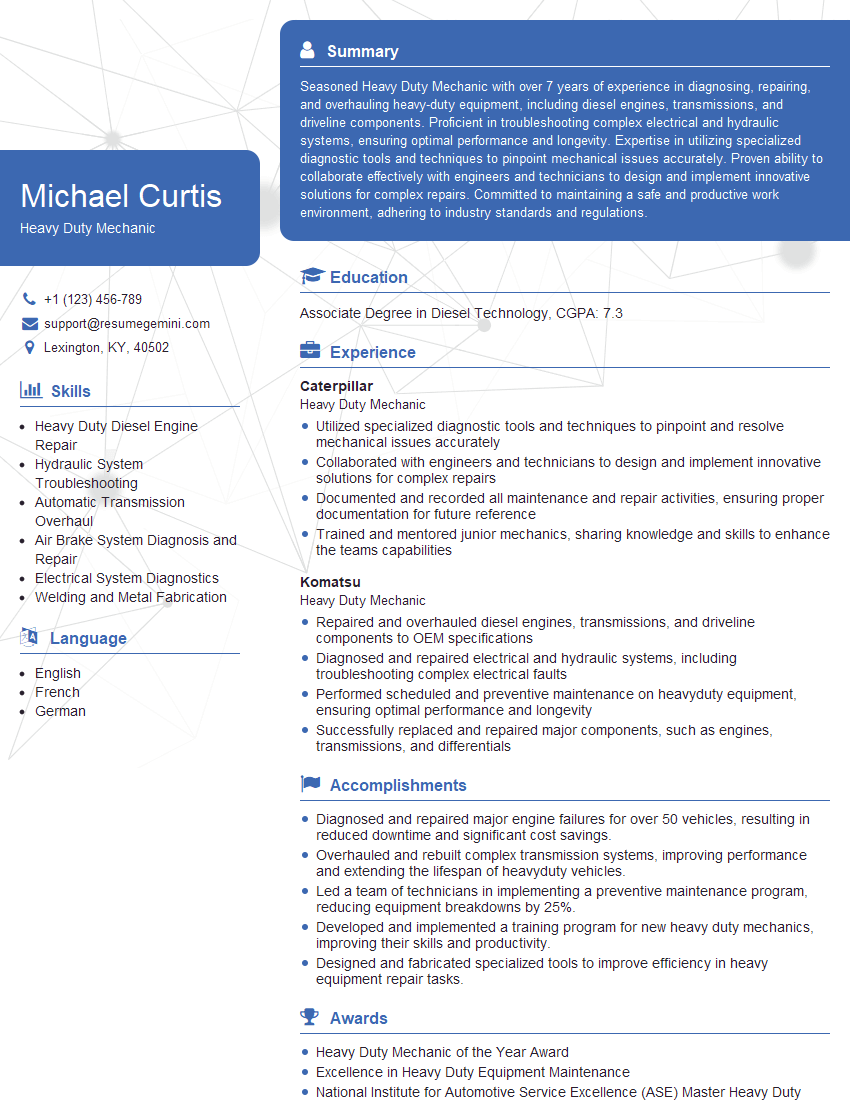
Heavy Duty Mechanic Resume Sample

Welder Resume Sample

Millwright Resume Sample
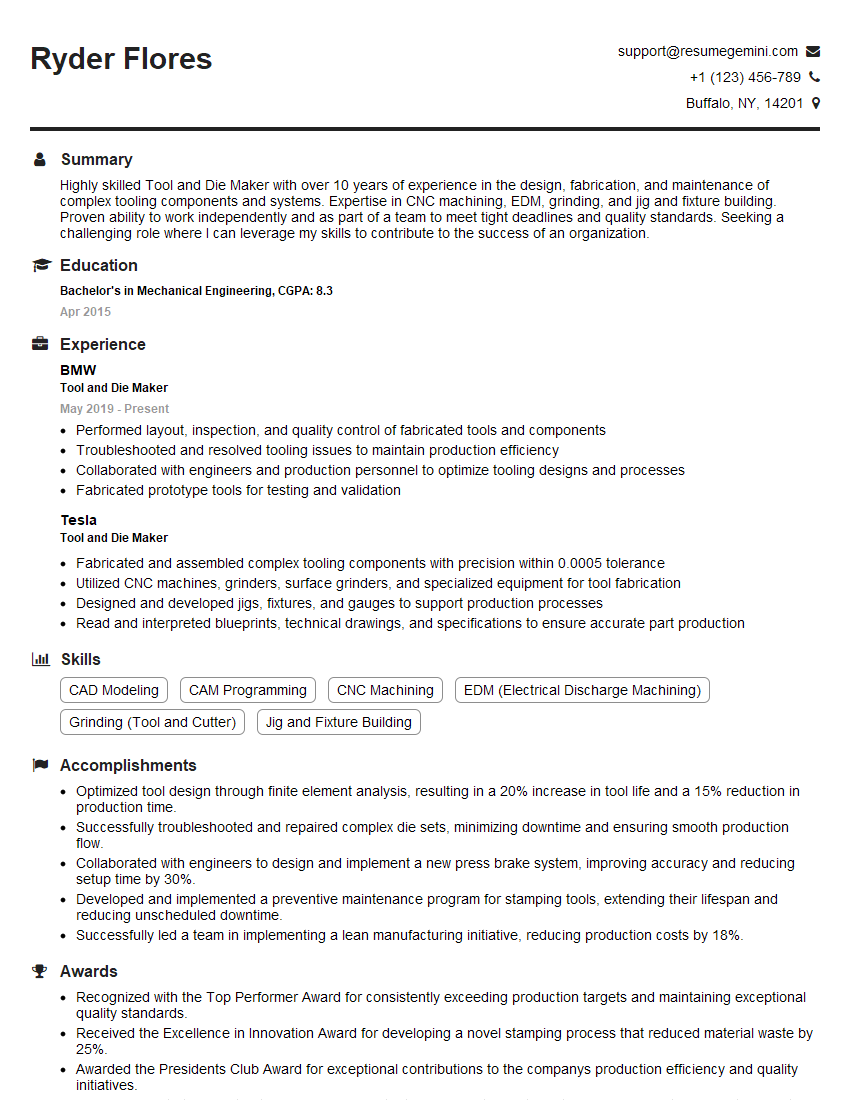
Tool and Die Maker Resume Sample

Power Plant Operator Resume Sample
- Maintenance Technician
- Field Service Technician
- Robotics Technician
- Machinist
- Equipment Operator
- Crane Operator
- Agricultural Equipment Operator
- Mechanic
- Heavy Equipment Operator
- Forklift Operator
- Electrician
- Plumber
- Rigger
- Automotive Technician
- Heavy Duty Mechanic
- Welder
- Millwright
- Tool and Die Maker
- Power Plant Operator
Explore more articles
Users Rating of Our Blogs
Share Your Experience
We value your feedback! Please rate our content and share your thoughts (optional).
What Readers Say About Our Blog
To the interviewgemini.com Webmaster.
Very helpful and content specific questions to help prepare me for my interview!
Thank you
To the interviewgemini.com Webmaster.
This was kind of a unique content I found around the specialized skills. Very helpful questions and good detailed answers.
Very Helpful blog, thank you Interviewgemini team.