Unlock your full potential by mastering the most common Equipment Decontamination interview questions. This blog offers a deep dive into the critical topics, ensuring you’re not only prepared to answer but to excel. With these insights, you’ll approach your interview with clarity and confidence.
Questions Asked in Equipment Decontamination Interview
Q 1. Describe your experience with different decontamination methods (e.g., chemical, thermal, radiation).
My experience encompasses a broad range of decontamination methods, each chosen based on the specific contaminant and the equipment involved. Think of it like choosing the right tool for a job – a hammer for a nail, a screwdriver for a screw. We don’t use a sledgehammer for delicate electronics!
- Chemical Decontamination: This is arguably the most common method, utilizing various chemicals like disinfectants (e.g., sodium hypochlorite, quaternary ammonium compounds) and sterilants (e.g., glutaraldehyde, hydrogen peroxide) to kill or inactivate microorganisms. For example, I’ve extensively used peracetic acid solutions for decontaminating surgical instruments, carefully following manufacturer’s instructions for concentration and exposure time to ensure efficacy while minimizing potential damage to the instruments. The selection of the chemical is paramount; it needs to be compatible with the material of the equipment and effective against the specific contaminant.
- Thermal Decontamination: This method uses heat to eliminate contaminants. Autoclaving (steam sterilization) is a prime example, where high-pressure steam at 121°C (249°F) for a specific duration destroys microorganisms. I’ve frequently used autoclaves for sterilizing glassware, surgical instruments, and other heat-resistant equipment in pharmaceutical and medical settings. Dry heat sterilization, involving high temperatures in an oven, is another method used for items that cannot withstand steam, like certain powders or oils.
- Radiation Decontamination: This utilizes ionizing radiation (gamma or electron beams) to eliminate microorganisms. It’s particularly useful for items that cannot be autoclaved or chemically decontaminated. For example, this method might be used for disposable medical devices, or for decontaminating certain types of packaging. However, careful consideration must be given to the effect of radiation on the equipment itself.
My experience involves optimizing these methods based on factors like the type of contaminant (bacteria, viruses, spores, prions), the material of the equipment (metal, plastic, glass), and the desired level of decontamination (disinfection, sterilization).
Q 2. Explain the importance of proper decontamination procedures in preventing cross-contamination.
Proper decontamination procedures are absolutely critical in preventing cross-contamination, which can lead to serious consequences, from equipment malfunction to patient infections or environmental damage. Imagine a hospital operating room – if surgical instruments aren’t properly decontaminated, a patient could suffer a serious infection. The same principle applies in various other settings, from food processing plants to research laboratories.
Effective decontamination ensures that any biological agents, chemicals, or other contaminants are removed or neutralized, thereby preventing the transfer of these hazards from one item or surface to another. A thorough and validated decontamination process is a cornerstone of infection control and maintaining a safe environment. Failure to follow proper protocols creates the potential for spreading disease, damaging sensitive equipment, or compromising the integrity of research results.
Q 3. What are the key regulatory guidelines and standards you follow in equipment decontamination?
Adherence to regulatory guidelines and standards is paramount in equipment decontamination. The specific standards vary depending on the industry and the nature of the contaminants handled, but some key examples include:
- FDA regulations (for medical devices and pharmaceuticals): These guidelines dictate the requirements for sterilization and disinfection of medical devices and pharmaceutical products, ensuring their safety and efficacy.
- AAMI (Association for the Advancement of Medical Instrumentation) standards: These provide detailed recommendations for sterilization techniques and validation methods, supporting compliance with FDA regulations.
- OSHA (Occupational Safety and Health Administration) regulations: These protect workers from occupational hazards associated with decontamination, such as exposure to hazardous chemicals.
- EPA (Environmental Protection Agency) regulations: These cover the safe disposal of decontamination waste and the environmental impact of decontamination processes.
My work consistently incorporates these guidelines and standards, ensuring that all decontamination processes are compliant and protect both personnel and the environment.
Q 4. How do you ensure the effectiveness of decontamination processes?
Ensuring the effectiveness of decontamination is an ongoing process, not a one-time event. It requires a multi-faceted approach:
- Validation of Decontamination Methods: This involves rigorous testing to demonstrate that the chosen method consistently achieves the desired level of decontamination.
- Monitoring and Documentation: Detailed records of decontamination procedures, including parameters like temperature, time, and chemical concentration, are essential for tracking effectiveness and identifying potential issues.
- Regular Equipment Calibration and Maintenance: Autoclaves and other equipment require regular calibration and maintenance to ensure they operate correctly. This prevents inconsistent results and ensures the efficacy of the decontamination process.
- Environmental Monitoring: This involves testing surfaces and the environment for the presence of contaminants to verify the effectiveness of the decontamination efforts and identify potential contamination sources.
- Personnel Training: Proper training for personnel handling the decontamination processes is crucial to ensure correct execution of procedures. This often includes safety training and understanding of the hazards involved.
By combining these measures, we can build confidence in the effectiveness of the decontamination procedures and minimize the risk of cross-contamination.
Q 5. Describe your experience with validating decontamination processes.
Validating decontamination processes is a crucial part of ensuring safety and effectiveness. It’s not just about following procedures, it’s about scientifically proving they work as intended. Think of it like testing a new medicine before it goes to market – rigorous testing ensures safety and efficacy. My experience involves using various validation techniques such as:
- Biological Indicators (BIs): These are spore-forming microorganisms that are highly resistant to the decontamination method being validated. Their inactivation provides strong evidence of sterilization effectiveness. For example, Geobacillus stearothermophilus spores are commonly used for steam sterilization validation.
- Chemical Indicators (CIs): These change color when exposed to specific parameters (temperature, steam, etc.), providing visual confirmation that the equipment has been exposed to the decontamination process. However, they do not demonstrate microbial kill.
- Physical Monitoring: This includes documenting parameters like temperature, pressure, and time during a decontamination cycle. It helps ensure proper procedure execution.
- Process Challenge Studies: These simulate worst-case scenarios (e.g., heavily soiled instruments) to confirm process robustness and efficacy under challenging conditions.
By documenting and analyzing results from these methods, I can demonstrate the reliability and effectiveness of the decontamination process, ensuring patient and environmental safety.
Q 6. What are the different types of equipment you have decontaminated?
Over my career, I’ve worked with a diverse range of equipment, requiring tailored decontamination approaches based on their material, function, and the potential contaminants involved.
- Surgical Instruments: These require stringent sterilization using autoclaves or chemical sterilants, depending on the material composition and the intended use.
- Laboratory Equipment: This can include glassware, pipettes, centrifuges, and biosafety cabinets, each requiring specific decontamination methods tailored to the potential biological hazards they might harbor.
- Medical Devices: Depending on the material and intended use, this might involve ethylene oxide sterilization, radiation sterilization, or chemical disinfection.
- Pharmaceutical Equipment: This encompasses processing equipment, such as tanks, filters, and tubing, that require decontamination to prevent cross-contamination and ensure product purity.
- Environmental surfaces: This includes cleaning and disinfecting floors, walls, and work surfaces in clinical or laboratory settings.
The common thread is the need for meticulous attention to detail, a thorough understanding of the decontamination process and its impact on the equipment, and strict adherence to safety protocols.
Q 7. Explain your understanding of various decontamination agents and their applications.
My understanding of decontamination agents encompasses their chemical properties, mechanisms of action, and appropriate applications. Selecting the right agent is crucial; an ineffective choice can lead to inadequate decontamination or damage to the equipment. The choice depends heavily on the nature of the contaminant and the material compatibility of the equipment.
- Sodium Hypochlorite (Bleach): A cost-effective disinfectant, effective against many bacteria and viruses, but corrosive and potentially damaging to some materials. Its use often requires careful dilution and neutralization.
- Quaternary Ammonium Compounds (Quats): Broad-spectrum disinfectants, less corrosive than bleach but less effective against spores. They are widely used in hospital settings for general disinfection.
- Glutaraldehyde: A high-level disinfectant and sterilant effective against a wide range of microorganisms, including spores. However, it’s toxic and requires careful handling.
- Hydrogen Peroxide: Available in various concentrations, used as a disinfectant and sterilant. It’s less toxic than glutaraldehyde but its effectiveness is affected by organic matter.
- Peracetic Acid: A powerful sterilant effective against a wide range of microorganisms, including spores and viruses, and compatible with many materials. Its use needs careful handling due to its corrosive nature.
- Ethylene Oxide (EtO): A sterilant used for heat-sensitive medical devices. It’s highly effective but requires specialized equipment and careful handling due to its toxicity and flammability.
Selecting the appropriate agent requires careful consideration of the specific application, understanding the agent’s limitations, and ensuring safe handling and disposal procedures are followed.
Q 8. How do you handle spills or accidental exposures to hazardous materials during decontamination?
Handling spills or accidental exposures to hazardous materials during decontamination requires immediate and decisive action. The first step is always safety. This involves evacuating the immediate area, ensuring everyone is at a safe distance, and notifying the appropriate emergency response team. Then, the spill must be contained to prevent further spread. We use absorbent materials like spill pads or specialized sorbents, depending on the nature of the spill. The type of material will be chosen based on compatibility with the spilled substance to avoid any reactions.
After containment, we utilize personal protective equipment (PPE) appropriate for the specific hazardous material – this could range from gloves and eye protection to respirators and full body suits. Decontamination then proceeds according to the material safety data sheet (MSDS) for the specific substance, which outlines proper cleanup and disposal procedures. This often involves neutralizing the spill using a designated agent, followed by thorough cleaning and disinfection. All contaminated materials are then disposed of according to regulations, often as hazardous waste. For example, a mercury spill would involve using sulfur powder to bind the mercury, careful collection with specialized tools, and disposal at a designated hazardous waste facility.
Documentation is critical throughout this process, including the type of spill, the steps taken, the PPE used, and the disposal methods employed. This ensures accountability and aids in future incident prevention.
Q 9. Describe your experience with maintaining decontamination equipment and records.
Maintaining decontamination equipment and records is crucial for ensuring the effectiveness and safety of our procedures. I’m experienced in maintaining a wide range of equipment, including autoclaves, ultrasonic cleaners, and washer-disinfectors. This involves regular preventative maintenance such as checking fluid levels, calibrating instruments, and replacing worn-out parts. I also perform regular functional testing to ensure equipment operates correctly. For example, with autoclaves, I regularly run Bowie-Dick tests to verify steam penetration and sterilization effectiveness, documenting all results meticulously.
Record-keeping is equally important. I maintain detailed logs of all equipment maintenance, including dates, procedures performed, and any observed issues. This includes calibration certificates and operational logs for each piece of equipment. Additionally, we maintain records of all decontamination cycles, including the items processed, parameters used (temperature, time, pressure), and the personnel involved. These records are essential for tracing and tracking in case of issues and for demonstrating compliance with regulatory requirements.
Q 10. How do you identify and address potential contamination sources?
Identifying potential contamination sources involves a systematic approach. We begin with a thorough risk assessment, identifying areas and activities likely to generate contamination. This might include analyzing workflows, equipment use patterns, and the nature of the materials handled. Visual inspections are a fundamental part of this process; looking for visible signs of spillage, debris, or damage to equipment.
Environmental monitoring plays a vital role. We use various methods, such as swabbing surfaces, air sampling, and using ATP bioluminescence testing to detect the presence of contaminants. This data helps pinpoint the sources of contamination. For instance, identifying high ATP levels on a particular piece of equipment suggests a potential contamination source and the need for more thorough cleaning and disinfection protocols.
After identifying a potential contamination source, we implement corrective actions, which might include enhanced cleaning procedures, equipment repairs, or changes to workflows. Regular audits and training are key to keeping contamination risks low.
Q 11. What safety precautions do you take during decontamination procedures?
Safety is paramount in all decontamination procedures. We adhere to strict protocols, beginning with a thorough risk assessment specific to the items being decontaminated and the potential hazards involved. This determines the appropriate personal protective equipment (PPE) to be used. This might include gloves, lab coats, eye protection, respirators, and in some cases, full-body suits.
We strictly follow established standard operating procedures (SOPs) that detail step-by-step procedures for each decontamination method. This ensures consistency and reduces the risk of errors. We also emphasize proper handling techniques to prevent accidental exposure or injury.
Furthermore, engineering controls such as fume hoods and biosafety cabinets are employed wherever necessary to contain hazardous materials. Regular training and competency assessments are provided to all personnel to ensure they understand and comply with all safety measures. Finally, regular safety inspections are conducted to identify and address any potential hazards.
Q 12. Explain your understanding of different sterilization methods (e.g., autoclaving, ethylene oxide).
My understanding of sterilization methods encompasses various techniques, each suited for different applications. Autoclaving, or steam sterilization, is a widely used method that employs high-pressure saturated steam to kill microorganisms. Its effectiveness is reliant on achieving a specific temperature and duration, ensuring proper penetration of the steam into the material being sterilized.
Ethylene oxide (EtO) sterilization is a gas sterilization process used for heat-sensitive items. It’s effective against a wide range of microorganisms, but it’s crucial to manage the process carefully due to EtO’s toxicity and flammability. EtO sterilization often requires specialized equipment and stringent safety protocols.
Other methods include dry heat sterilization, primarily used for glassware and metal instruments; plasma sterilization, a low-temperature method using plasma gas; and liquid chemical sterilization, often employing agents like glutaraldehyde or peracetic acid.
Q 13. How do you select appropriate decontamination methods for different types of equipment and materials?
Selecting appropriate decontamination methods depends on several factors: the type of equipment or material, the nature and level of contamination, and regulatory requirements. For example, heat-sensitive medical devices might require EtO or plasma sterilization, whereas heat-resistant surgical instruments are commonly autoclaved.
Materials compatible with high temperatures and moisture may be suitable for autoclaving. In contrast, delicate materials or those susceptible to damage from heat or moisture require gentler methods like low-temperature sterilization (e.g. plasma). The type of microorganism to be eliminated also informs the choice of method. Spores, for instance, require more robust methods like autoclaving or EtO sterilization.
Regulatory compliance is paramount. The selected method must adhere to guidelines and standards set by relevant regulatory bodies to ensure effective decontamination and patient safety. A risk assessment is crucial before selecting a method; this identifies potential risks associated with the decontamination process and ensures the chosen approach effectively mitigates them.
Q 14. Describe your troubleshooting experience with decontamination equipment malfunctions.
Troubleshooting decontamination equipment malfunctions involves a systematic approach. I begin by identifying the nature of the malfunction. This could be anything from a faulty sensor to a malfunctioning heating element. I would consult the equipment’s operational manual and perform initial checks, such as verifying power supply, fluid levels, and connections.
If a simple fix isn’t obvious, I would check the error codes displayed by the equipment, which often provide valuable insights into the problem. I might then perform more detailed diagnostic tests, which may involve checking pressure gauges, temperature sensors, and other components to isolate the faulty part. For example, a malfunctioning autoclave might show a low-pressure alarm; this could indicate a leak, a faulty pressure sensor, or a problem with the steam generation system.
If I cannot resolve the issue, I would contact the equipment manufacturer or a qualified service technician for assistance. Throughout this process, detailed records of all troubleshooting steps, findings, and any repairs performed are meticulously documented.
Q 15. How do you document and report decontamination procedures and results?
Decontamination procedures and results are meticulously documented to ensure traceability, regulatory compliance, and continuous improvement. This involves a multi-step process.
Pre-Decontamination Documentation: This includes a detailed description of the equipment, its condition before decontamination (including any visible contamination), the type of contamination suspected, and the chosen decontamination method. We often use checklists and forms for consistency.
Decontamination Procedure Documentation: This section logs the steps followed during the decontamination process. For example, it would note the specific cleaning agents used, contact times, rinsing procedures, and any specialized equipment employed (e.g., ultrasonic cleaners, autoclaves). Detailed records of temperature, pressure, and time are essential for autoclave cycles.
Post-Decontamination Documentation: This confirms completion of the process. It includes visual inspection results, documenting the absence of visible contamination, and any further testing conducted (e.g., microbial testing, ATP bioluminescence testing to confirm the effectiveness of cleaning). If any issues are found, this is where they’re recorded, along with corrective actions.
Reporting: All documentation is compiled into a comprehensive report that is stored securely, usually electronically. This allows for easy retrieval of information for audits or investigations. The report summarizes the entire decontamination process, highlighting key parameters and results. In case of deviations, root cause analysis and corrective actions are detailed.
For example, in a recent project involving the decontamination of surgical instruments, our documentation clearly showed the specific sterilizing agent used, the autoclave cycle parameters (temperature, pressure, time), and the biological indicator results proving sterility.
Career Expert Tips:
- Ace those interviews! Prepare effectively by reviewing the Top 50 Most Common Interview Questions on ResumeGemini.
- Navigate your job search with confidence! Explore a wide range of Career Tips on ResumeGemini. Learn about common challenges and recommendations to overcome them.
- Craft the perfect resume! Master the Art of Resume Writing with ResumeGemini’s guide. Showcase your unique qualifications and achievements effectively.
- Don’t miss out on holiday savings! Build your dream resume with ResumeGemini’s ATS optimized templates.
Q 16. What is your experience with quality control measures in decontamination?
Quality control is paramount in decontamination. We employ several measures to ensure effectiveness and consistency. Think of it like baking a cake – you need to follow the recipe precisely to get a good result!
Regular Equipment Calibration and Maintenance: This includes regular checks on autoclaves, washers, and other equipment to ensure they are functioning within specified parameters. Calibration logs are meticulously maintained.
Monitoring of Decontamination Processes: We use various methods including chemical indicators, biological indicators (spores), and ATP bioluminescence testing to verify the effectiveness of the cleaning and sterilization cycles. This provides objective evidence of success.
Environmental Monitoring: Regular sampling and testing of the decontamination area for microbial contamination help detect and prevent any cross-contamination.
Staff Training and Competency Assessment: Regular training and competency assessments for decontamination staff are crucial to ensure they are adhering to protocols and maintaining high standards.
Use of Standard Operating Procedures (SOPs): Detailed, documented SOPs ensure consistency and standardization across all decontamination activities. They serve as a guide for every procedure.
For instance, we regularly perform sterility assurance tests using biological indicators (spores) in our autoclaves to verify sterilization efficacy. Failure to meet our quality control standards immediately triggers investigation and corrective actions.
Q 17. Explain your understanding of infection control principles related to decontamination.
Infection control principles form the bedrock of decontamination. The goal is to prevent the spread of infectious agents. This means eliminating or reducing the number of microorganisms to a safe level.
Understanding the nature of the contamination: Knowing the type of microorganisms present (bacteria, viruses, fungi, etc.) guides the selection of appropriate decontamination methods. Some pathogens are more resistant to certain treatments than others.
Appropriate cleaning and disinfection techniques: Selecting appropriate cleaning agents and disinfectants that effectively target the specific microorganisms is crucial. This considers the type of surface being cleaned and the compatibility of the chosen agent.
Sterilization for critical items: For instruments that penetrate sterile tissues or the bloodstream, sterilization is essential to eliminate all microorganisms. Methods like autoclaving or ethylene oxide sterilization are commonly used.
Personal Protective Equipment (PPE): Proper use of PPE (gloves, gowns, masks, eye protection) protects both the staff and the environment from contamination.
Waste management: Safe handling and disposal of contaminated waste is critical to prevent the spread of infection.
Think of it like this: a hospital operating room needs a higher level of cleanliness than a general office space. The principles remain the same, but the rigor increases based on the risk of infection.
Q 18. How do you ensure the proper handling and disposal of contaminated waste?
Safe handling and disposal of contaminated waste is a critical component of infection control and environmental protection. This involves following strict protocols and regulations.
Segregation: Contaminated waste is segregated into different categories (e.g., sharps, infectious waste, general waste) according to local regulations and the type of contamination.
Packaging: Waste is packaged securely in puncture-resistant containers to prevent leakage or accidental exposure.
Labeling: Clear labeling is essential, indicating the type of waste and any associated hazards.
Transportation and Disposal: Waste is transported and disposed of by licensed waste management companies that adhere to all relevant environmental and safety regulations.
Documentation: Detailed records are maintained for all waste generated, including the type, quantity, and disposal method.
For example, in a microbiology lab, sharps are handled and disposed of in puncture-resistant containers. Infectious waste is autoclaved to kill microorganisms before disposal.
Q 19. Describe your experience with training others in decontamination procedures.
I have extensive experience training others in decontamination procedures. My approach focuses on practical hands-on training and continuous assessment.
Classroom training: This includes theoretical instruction covering infection control principles, decontamination methods, the use of equipment, and safety protocols.
Practical demonstrations: I demonstrate proper techniques for cleaning, disinfection, and sterilization, using real-world examples and scenarios.
Hands-on practice: Trainees actively participate in simulated decontamination procedures, under supervision, to develop proficiency.
Competency assessment: Regular assessments are carried out to evaluate the trainees’ understanding and competency. This may involve written tests, practical demonstrations, and observations.
Refresher training: Ongoing refresher training ensures that staff stay updated on the latest techniques, protocols, and safety regulations.
In a previous role, I developed and delivered a comprehensive training program for a team of new technicians, resulting in a significant improvement in their decontamination practices and a reduction in errors.
Q 20. What is your experience working in a cleanroom environment?
I have significant experience working in cleanroom environments, adhering to strict cleanliness and contamination control protocols. These environments require meticulous attention to detail and a thorough understanding of contamination control principles.
Cleanroom protocols: I am familiar with the various cleanroom classifications (ISO classes) and the associated particulate and microbial limits. I understand the importance of gowning procedures and maintaining a controlled environment.
Cleanroom equipment: I am proficient in using various cleanroom equipment, including laminar flow hoods, cleanroom wipes, and specialized cleaning agents.
Environmental monitoring: I have experience in performing regular environmental monitoring to ensure the cleanroom environment meets the required standards.
Contamination control strategies: I am adept at implementing and monitoring contamination control strategies to minimize the introduction and spread of contaminants within the cleanroom.
For example, in a previous role involving the production of pharmaceutical products, I was responsible for ensuring the cleanroom environment maintained the required ISO Class 7 standards, as documented through regular particle counts and microbial testing.
Q 21. How familiar are you with different types of personal protective equipment (PPE) used in decontamination?
I am very familiar with the various types of personal protective equipment (PPE) used in decontamination, understanding their purpose and limitations.
Gloves: Different glove types (nitrile, latex, neoprene) offer varying levels of protection against different chemicals and microorganisms. The selection depends on the specific hazards.
Gowns: Gowns provide barrier protection against splashes and aerosols. The choice of material (disposable, reusable) depends on the nature of the contamination.
Eye protection: Safety glasses or goggles protect the eyes from splashes and aerosols of chemicals or biological agents.
Respiratory protection: Depending on the hazard, respirators (N95 masks, PAPRs) may be required to protect against airborne particles or vapors.
Footwear: Closed-toe shoes or boots protect the feet from spills and punctures.
It’s important to remember that selecting the appropriate PPE is crucial. Using the wrong type can expose personnel to hazards, compromising their safety and the integrity of the decontamination process. Proper training on PPE use and disposal is also essential.
Q 22. Explain your experience with maintaining a clean and organized decontamination area.
Maintaining a clean and organized decontamination area is paramount for ensuring the effectiveness and safety of the decontamination process. It’s not just about tidiness; it’s about preventing cross-contamination and maintaining a safe working environment. My approach involves a multi-pronged strategy.
Designated Zones: We establish clearly defined zones for dirty, clean, and potentially contaminated equipment. This prevents accidental mixing and ensures a clear workflow.
Regular Cleaning and Disinfection: All surfaces, including floors, walls, and equipment, are regularly cleaned and disinfected using appropriate agents, following strict protocols and schedules. We use color-coded cleaning supplies to prevent accidental misuse. For example, green for general cleaning, red for high-level disinfection.
Waste Management: A robust waste management system is crucial. Different types of waste (e.g., sharps, contaminated liquids, general waste) are segregated and disposed of according to regulatory guidelines. We meticulously record and track waste disposal activities.
Equipment Maintenance: Decontamination equipment, like autoclaves and ultrasonic cleaners, needs regular maintenance and calibration to ensure optimal performance and prevent breakdowns. We keep detailed logs of maintenance schedules and any repairs.
Personal Protective Equipment (PPE): Strict adherence to PPE protocols is a non-negotiable aspect of maintaining a clean and safe area. Proper storage and usage are emphasized, ensuring employees always have access to and understand how to use the necessary PPE.
In my previous role, we implemented a color-coded system for identifying different decontamination stages, which significantly reduced errors and improved efficiency.
Q 23. Describe a situation where you had to adapt a decontamination procedure due to unforeseen circumstances.
During a large-scale biohazard cleanup, we faced an unexpected shortage of the primary disinfectant we typically used. Adapting quickly was critical. We followed a three-step process:
Assessment: We first assessed the available alternatives, considering their efficacy against the specific biohazard and compatibility with the contaminated materials.
Validation: We consulted our safety data sheets and scientific literature to confirm the efficacy and safety of a substitute disinfectant. We conducted a small-scale test on a sample of the contaminated material to validate the effectiveness of the alternative.
Implementation: Once validated, we implemented the new procedure, documenting all changes and ensuring all staff were adequately trained on the updated protocol. We closely monitored the decontamination process for any unexpected issues.
This experience highlighted the importance of having contingency plans and a thorough understanding of different decontamination methods and their limitations. We revised our protocols to include alternative disinfectants and expanded our supplier network.
Q 24. How do you stay updated on the latest advancements and best practices in decontamination?
Staying current in this field is crucial for maintaining best practices and ensuring safety. I employ a multifaceted approach:
Professional Organizations: I am an active member of professional organizations like the Association for Professionals in Infection Control and Epidemiology (APIC), attending conferences and webinars to learn about the latest research and guidelines.
Peer-Reviewed Journals: I regularly read peer-reviewed journals focused on infection control and decontamination techniques to stay informed about new technologies and approaches.
Regulatory Updates: I actively monitor changes in relevant health and safety regulations (e.g., OSHA, FDA) to ensure compliance with all applicable standards.
Continuing Education: I actively participate in continuing education courses and workshops to maintain and enhance my expertise in the latest decontamination technologies and procedures. Recent training included advancements in low-temperature sterilization techniques.
Industry Events: Attendance at industry conferences and trade shows allows me to learn about the latest equipment and technologies available in the market and network with other professionals in the field.
Q 25. Describe your experience with different types of decontamination monitoring and testing methods.
My experience encompasses a broad range of decontamination monitoring and testing methods:
Visual Inspection: A basic but essential method used to detect visible contaminants or damage to equipment.
Chemical Indicators: These indicators change color to verify that a certain sterilization process (e.g., autoclaving) has been achieved. Examples include Bowie-Dick tests and chemical indicator strips.
Biological Indicators: These indicators, typically containing resistant bacterial spores, provide definitive proof of sterilization efficacy. Positive results indicate a sterilization failure requiring investigation.
ATP Bioluminescence: This method uses adenosine triphosphate (ATP) detection to rapidly assess the cleanliness of surfaces. High ATP levels indicate microbial contamination.
Microbial Culture: This involves culturing samples from surfaces or equipment to identify the specific types and numbers of microorganisms present.
For example, in a recent project involving surgical equipment, we used a combination of chemical and biological indicators to validate the sterilization process of autoclaved instruments.
Q 26. What are the limitations of different decontamination methods?
Every decontamination method has limitations. Understanding these is crucial for choosing the most appropriate approach for a given situation.
Heat Sterilization (Autoclaving): Not suitable for heat-sensitive materials, can damage certain plastics or electronics.
Chemical Sterilization: Requires careful selection of agents based on the type of contaminant and material. Some chemicals can be corrosive or toxic.
Low-Temperature Sterilization (e.g., ethylene oxide): Can be time-consuming, requires specialized equipment, and poses safety concerns related to the use of potentially hazardous gases.
Ultrasonic Cleaning: Effective for removing debris but may not kill all microorganisms, often used as a pre-sterilization step.
For instance, choosing an appropriate method for decontaminating delicate medical instruments may necessitate a combination of low-temperature sterilization and ultrasonic cleaning to avoid damaging the instruments.
Q 27. How do you manage competing priorities when dealing with multiple decontamination requests?
Managing competing priorities in decontamination requires a systematic approach:
Prioritization Matrix: I use a prioritization matrix based on factors like urgency, risk level, and regulatory requirements. This allows me to allocate resources effectively.
Communication: Clear and consistent communication with stakeholders, including clients, supervisors, and staff, is essential to manage expectations and set realistic timelines.
Flexibility: Being flexible and adaptable is crucial. Unexpected events may require adjustments to the decontamination schedule, and my ability to handle these adjustments efficiently ensures smooth operations.
Workflow Optimization: Streamlining decontamination workflows, implementing efficient procedures, and optimizing resource allocation reduces turnaround times and improves efficiency.
Documentation: Meticulous documentation of all decontamination activities allows for tracking progress, identifying bottlenecks, and improving future workflows.
In a past role, I utilized a Kanban board to visualize the decontamination workflow and prioritize tasks based on urgency and complexity, leading to significant improvement in turnaround time.
Q 28. How do you ensure compliance with all relevant health and safety regulations during decontamination?
Ensuring compliance with health and safety regulations is a top priority. My approach involves several key steps:
Thorough Training: All staff undergo thorough training on relevant health and safety regulations, including the proper use of PPE, handling of hazardous materials, and emergency procedures. Regular refresher training is provided.
Adherence to Protocols: Strict adherence to established decontamination protocols, Standard Operating Procedures (SOPs), and safety guidelines is paramount. This is rigorously enforced through regular audits and checks.
Proper Waste Disposal: All waste is handled and disposed of according to local, state, and federal regulations. Detailed records of waste disposal are maintained.
Risk Assessment: Regular risk assessments are conducted to identify and mitigate potential hazards. This includes hazard identification, risk evaluation, and the implementation of control measures.
Incident Reporting: Any accidents or near misses are promptly reported and investigated to identify root causes and prevent future incidents. Corrective actions are implemented as needed.
Record Keeping: Meticulous record-keeping of all decontamination activities, including equipment maintenance logs, training records, and safety incident reports, ensures compliance audits are straightforward and successful.
For instance, we implemented a robust chemical inventory management system to ensure compliance with OSHA regulations related to hazardous chemical handling and storage.
Key Topics to Learn for Equipment Decontamination Interview
- Decontamination Principles: Understanding various decontamination methods (chemical, physical, sterilization), their effectiveness against different types of contaminants (bacteria, viruses, spores), and appropriate selection based on equipment type and contamination level.
- Cleaning and Disinfection Procedures: Mastering the practical steps involved in cleaning, disinfecting, and sterilizing medical and laboratory equipment, including proper handling, use of personal protective equipment (PPE), and waste disposal procedures. Consider different equipment types and their specific cleaning requirements.
- Regulatory Compliance: Familiarity with relevant regulations, guidelines, and standards (e.g., OSHA, FDA, local health codes) related to equipment decontamination and infection control. Understanding documentation and record-keeping best practices.
- Quality Control and Assurance: Implementing and monitoring quality control measures to ensure effective decontamination. This includes understanding validation techniques, monitoring effectiveness, and addressing deviations from standard procedures.
- Safety Procedures and Risk Management: Identifying and mitigating potential hazards associated with decontamination processes (e.g., chemical exposure, sharps injuries, biological hazards). Applying appropriate safety protocols and emergency procedures.
- Troubleshooting and Problem-Solving: Analyzing decontamination failures, identifying root causes, and implementing corrective actions. Understanding the importance of preventative maintenance and equipment calibration.
- Emerging Technologies and Methodologies: Keeping abreast of advancements in equipment decontamination technologies, including automated systems and new sterilization methods.
Next Steps
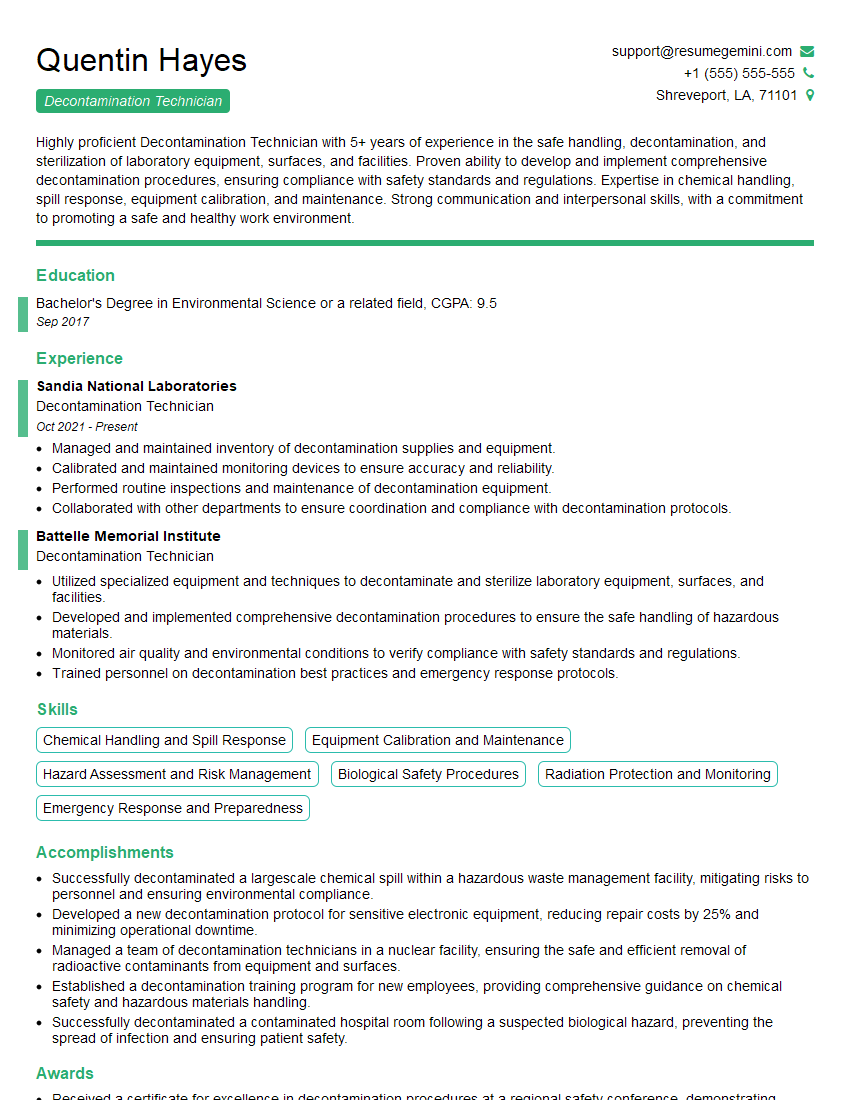
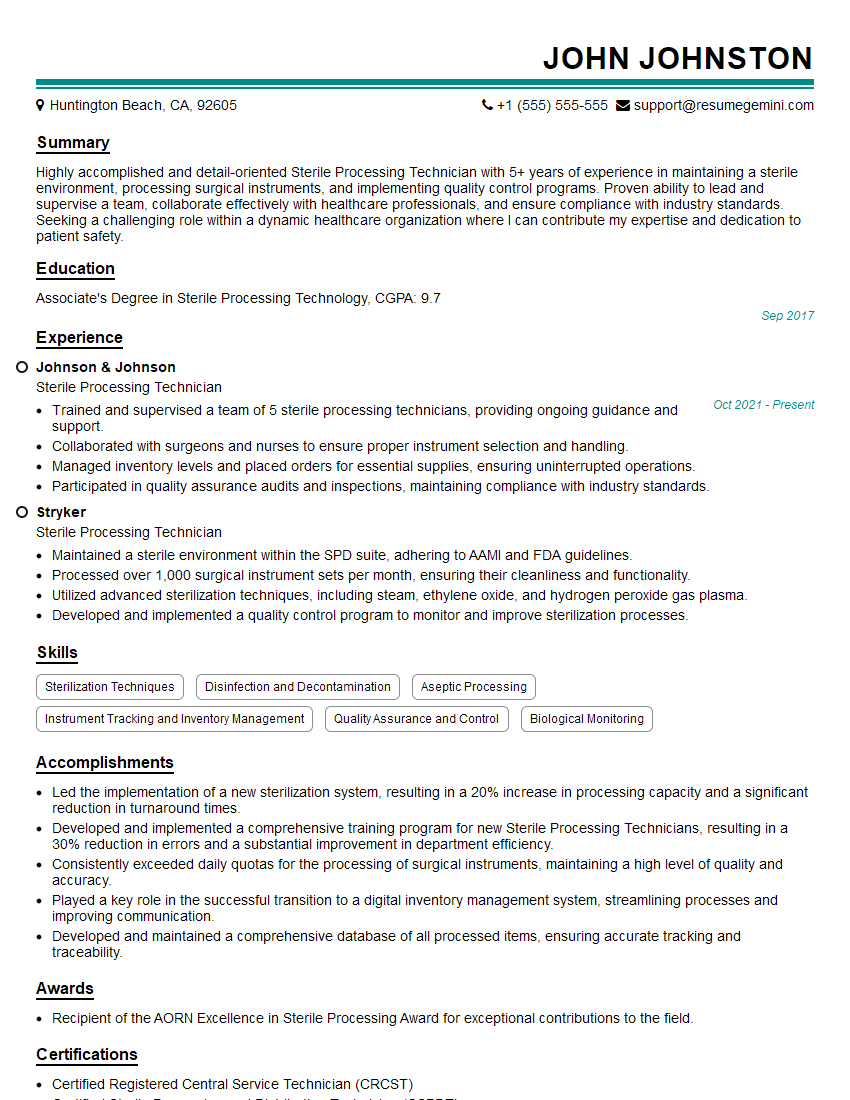
Mastering Equipment Decontamination opens doors to rewarding careers in healthcare, research, and various industrial settings. A strong understanding of these principles demonstrates commitment to safety and precision, highly valued attributes in today’s competitive job market. To maximize your job prospects, it’s crucial to present your skills effectively. Building an ATS-friendly resume is key to getting noticed by recruiters. ResumeGemini is a trusted resource to help you craft a professional and impactful resume that highlights your qualifications. Examples of resumes tailored to Equipment Decontamination are available through ResumeGemini, ensuring your application stands out from the crowd.
Explore more articles
Users Rating of Our Blogs
Share Your Experience
We value your feedback! Please rate our content and share your thoughts (optional).
What Readers Say About Our Blog
To the interviewgemini.com Webmaster.
Very helpful and content specific questions to help prepare me for my interview!
Thank you
To the interviewgemini.com Webmaster.
This was kind of a unique content I found around the specialized skills. Very helpful questions and good detailed answers.
Very Helpful blog, thank you Interviewgemini team.