The thought of an interview can be nerve-wracking, but the right preparation can make all the difference. Explore this comprehensive guide to Equipment Operation (e.g., Mortar Mixing Machine) interview questions and gain the confidence you need to showcase your abilities and secure the role.
Questions Asked in Equipment Operation (e.g., Mortar Mixing Machine) Interview
Q 1. Describe your experience operating a mortar mixing machine.
My experience with mortar mixing machines spans over seven years, encompassing various models and brands. I’ve operated both small, portable units on smaller construction sites and larger, stationary mixers in industrial settings. This experience includes daily operation, troubleshooting, and preventative maintenance. I’m proficient in loading materials, setting the mixing cycle, and ensuring consistent mortar quality. For instance, on a recent project involving a large-scale bricklaying job, I operated a 1-cubic-yard mixer continuously for several weeks, consistently producing high-quality mortar with minimal waste. This required careful monitoring of material flow and mixing times to maintain the optimal consistency for the bricklayers.
Q 2. What safety procedures do you follow when operating a mortar mixing machine?
Safety is paramount when operating a mortar mixing machine. My standard operating procedure always begins with a thorough pre-operational inspection. This includes checking for loose parts, ensuring all safety guards are in place, and verifying that the machine is properly grounded. I always wear appropriate personal protective equipment (PPE), including safety glasses, gloves, and steel-toed boots. Before starting the machine, I ensure the area is clear of obstructions and that no one is within the machine’s operational radius. During operation, I maintain a safe distance from the rotating drum and avoid reaching into the mixer while it’s running. After operation, I always shut down the machine completely before performing any cleaning or maintenance.
Q 3. How do you ensure the correct mix ratio of materials in a mortar mixing machine?
Accurate mix ratios are crucial for the strength and workability of the mortar. I typically follow the manufacturer’s recommendations for specific cement, sand, and water ratios, which are often provided on the packaging or in accompanying documentation. To ensure accuracy, I use calibrated measuring tools such as wheelbarrows with volume markings and volumetric buckets. For larger batches, I often use a pre-measured batching system to ensure precision and consistency. For instance, if the mix ratio calls for 1:3 cement to sand, I’ll meticulously measure one wheelbarrow of cement and three wheelbarrows of sand before adding water gradually while the machine mixes. Regularly checking the consistency is key. If it’s too dry, I add water; if it’s too wet, I add more dry materials. I visually assess the consistency throughout the mixing process, making small adjustments as needed to achieve the desired result.
Q 4. What are the common malfunctions of a mortar mixing machine, and how do you troubleshoot them?
Common malfunctions include motor failures, issues with the mixing drum, and problems with the discharge chute. Troubleshooting starts with identifying the problem. If the motor fails to start, I first check the power supply and circuit breaker. A faulty motor would require professional repair or replacement. If the drum fails to rotate, I check the drive belt, motor coupling, and the drum itself for any obstructions. A clogged discharge chute can be cleared by simply removing the obstruction. I have experience in identifying and resolving these and other issues, including bearing failure, which involves careful inspection and, if necessary, replacement by a qualified technician. I always document any issues and repairs performed for record-keeping purposes.
Q 5. Explain the process of cleaning and maintaining a mortar mixing machine.
Cleaning and maintaining a mortar mixer is essential for extending its lifespan and ensuring its safe operation. After each use, I thoroughly clean the mixing drum and discharge chute to remove all residual mortar. I usually use a high-pressure water hose for this purpose. I then inspect the machine for any damage or wear and tear. Regularly, I lubricate moving parts as specified in the manufacturer’s manual. This includes bearings, gears, and the drive belt. I also check the tightness of all bolts and nuts. If any components show excessive wear or damage, I report it to my supervisor for prompt repair or replacement. Annual maintenance might involve more thorough checks conducted by a qualified technician, including inspection of electrical components and a more comprehensive lubrication schedule.
Q 6. How do you identify and address potential hazards associated with operating a mortar mixing machine?
Potential hazards include rotating parts, electrical hazards, and material handling risks. I mitigate these by adhering to strict safety protocols, as previously mentioned. I always ensure the machine is switched off before performing any cleaning or maintenance. I regularly inspect the electrical wiring and connections for any damage, and report any faults immediately. I use appropriate lifting techniques and equipment when handling heavy bags of cement and sand to avoid back injuries. Furthermore, I’m aware of potential chemical hazards related to cement dust and take precautions to minimize inhalation by wearing a dust mask and ensuring adequate ventilation in the work area.
Q 7. What is the importance of regular maintenance for a mortar mixing machine?
Regular maintenance is crucial for several reasons. Firstly, it prevents costly repairs or replacements. Catching small problems early can significantly reduce downtime and extend the machine’s operational life. Secondly, it ensures the safety of the operator and others working nearby. A well-maintained machine is less likely to malfunction and cause accidents. Finally, it guarantees consistent production of high-quality mortar, contributing to the overall efficiency and success of the project. Think of it like regular servicing for a car; it’s an investment that pays off in terms of longevity and reliable performance.
Q 8. What are the different types of mortar mixes, and how do they differ in application?
Mortar mixes are categorized based on their intended application and the properties they need to exhibit. The main types include:
- Type M Mortar: This is the strongest type, ideal for high-strength applications like below-grade work, foundations, and areas subjected to significant stress. Think of it as the ‘heavy-duty’ mortar.
- Type S Mortar: A versatile option suitable for general masonry applications above grade, such as bricklaying and blockwork. It strikes a balance between strength and workability.
- Type N Mortar: A more flexible and workable mix, commonly used for non-load-bearing walls and applications where higher workability is prioritized over ultimate strength. It’s like the ‘all-rounder’ mortar.
- Type O Mortar: The weakest type, used mainly for interior non-load-bearing walls and applications where minimal strength is required. Think of it as the ‘lightweight’ mortar.
The differences lie primarily in their cement and lime content. Type M has the highest cement content, giving it superior strength but reduced workability. As you go down the types (S, N, O), the cement content decreases, while the lime content increases, resulting in increased workability but lower strength. The choice depends entirely on the project’s structural needs and the desired properties of the final construction.
Q 9. How do you adjust the mixing speed and time depending on the type of mortar being mixed?
Adjusting the mixing speed and time is crucial for achieving the correct mortar consistency. The goal is to thoroughly hydrate the cement without overmixing, which can lead to decreased strength and increased water demand.
Generally, a lower mixing speed is used for the initial stages to allow for even distribution of water and prevent splashing. As the dry ingredients are incorporated, the speed can be increased slightly to ensure a homogenous mix. The mixing time will vary based on the type of mortar and machine but typically ranges from 3 to 7 minutes.
For example, a Type M mortar, requiring thorough mixing of high cement content, might need a slightly longer mixing time at a slightly higher speed compared to a Type O mortar, where overmixing is to be avoided. Always refer to the manufacturer’s recommendations for specific mixing parameters for different mortar types. Using a timer to maintain consistency is essential.
Q 10. How do you ensure the consistency of the mortar mix throughout the operation?
Ensuring consistent mortar mix throughout the operation involves several key steps:
- Precise Measurements: Use calibrated tools to measure all ingredients accurately according to the manufacturer’s specifications. Inconsistent ingredient ratios lead to variable mortar quality.
- Regular Monitoring: Visually inspect the mix regularly throughout the process for uniformity in color and texture. The absence of lumps and a smooth, homogenous consistency indicates a well-mixed batch.
- Proper Water Addition: Add water gradually, monitoring the consistency. Over-watering weakens the mortar, while under-watering results in a dry, unworkable mix. The ideal consistency should be workable but not overly wet or runny.
- Batch Consistency: If mixing multiple batches, use the same tools, measurements, and procedure for each batch to ensure uniformity.
- Machine Maintenance: A clean and well-maintained mixer ensures consistent mixing performance. Regular cleaning prevents material build-up, which can affect the mix quality.
Think of it like baking a cake – consistent ingredients and precise measurements are key to a uniform outcome.
Q 11. Describe your experience with different types of mixing machines.
My experience encompasses various mortar mixing machines, including:
- Batch Mixers: These are robust machines ideal for larger projects. I’m proficient in operating both stationary and mobile batch mixers, understanding their capacity limits and the importance of proper loading and unloading procedures.
- Continuous Mixers: These are high-volume machines suitable for large-scale construction projects. My experience includes optimizing their settings to achieve consistent output and minimize downtime.
- Paddle Mixers: Commonly used for smaller jobs, I’m experienced in their operation and in selecting the correct paddle type for different mortar mixes. The right paddle ensures effective mixing and prevents segregation.
I understand the strengths and limitations of each type and can adapt my techniques to maximize efficiency and ensure quality regardless of the machine being used.
Q 12. How do you handle material jams or blockages in the mixing machine?
Material jams or blockages are a common issue. My approach involves a combination of prevention and remediation:
- Prevention: Avoid overloading the mixer. Ensure materials are properly fed to prevent clumping, and regularly inspect the mixer for any signs of build-up.
- Identification: Determine the location and cause of the blockage. Is it dry material clumping, or is there a structural issue within the mixer?
- Remediation (depending on the cause):
- Minor Blockages: If it’s a minor blockage, carefully reverse the mixing action briefly. This can help dislodge the material.
- Major Blockages: For more significant blockages, the machine may need to be shut off and the blockage removed manually. Always ensure the machine is completely powered off before any manual intervention.
- Structural Issues: If the blockage is due to a structural issue (damaged blades etc.), the issue should be reported and addressed by a qualified technician before restarting.
Safety is paramount. Never attempt to clear a blockage while the machine is running. Always follow the manufacturer’s safety guidelines.
Q 13. What are the signs of a malfunctioning mortar mixing machine?
Several signs indicate a malfunctioning mortar mixing machine:
- Unusual Noises: Grinding, screeching, or unusual vibrations suggest mechanical issues that require attention.
- Inconsistent Mixing: If the mortar is not mixing evenly, the blades or motor may be malfunctioning. This will result in an inconsistent mortar mix, impacting the quality.
- Motor Problems: The motor overheating, struggling to turn, or showing signs of burning indicates electrical or mechanical issues in the motor.
- Leaking Seals: Leaks of water or mortar indicate damaged seals, leading to material loss and potential damage to the machine.
- Slow Mixing Times: Significantly longer mixing times than usual suggest a problem with the motor or drive system.
Addressing these issues promptly prevents further damage and ensures safety and efficient operation. Regular maintenance can significantly reduce the risk of malfunctions.
Q 14. What are the safety regulations related to operating a mortar mixing machine?
Safety is paramount when operating a mortar mixing machine. Key regulations and practices include:
- Personal Protective Equipment (PPE): Always wear appropriate PPE, including safety glasses, gloves, and sturdy closed-toe shoes. A dust mask is recommended, especially when working with dry cement.
- Machine Guards: Ensure all safety guards are in place and functioning correctly before operating the machine. Never attempt to operate a machine with damaged or missing guards.
- Lockout/Tagout Procedures: Before performing any maintenance or repairs, use proper lockout/tagout procedures to prevent accidental startup.
- Electrical Safety: Check for damaged cords or frayed wires. Ensure the machine is properly grounded and connected to an appropriate power supply.
- Emergency Shut-Off: Familiarize yourself with the location of the emergency shut-off switch and how to operate it.
- Training and Certification: Proper training and, where applicable, certification are essential to ensure safe and efficient operation.
Following these safety guidelines not only protects the operator but also ensures the longevity and proper functioning of the mixing machine. Remember, safety should always be the top priority.
Q 15. How do you ensure the efficient use of materials in the mortar mixing process?
Efficient material use in mortar mixing hinges on precise measurement and a deep understanding of the mix design. Think of it like baking a cake – you wouldn’t just throw in ingredients haphazardly! We start with a carefully calculated recipe, often provided by a structural engineer or determined through laboratory testing. This recipe specifies the exact proportions of cement, sand, aggregate, and water required to achieve the desired strength and workability.
To ensure accuracy, I always use calibrated measuring equipment, such as volumetric hoppers or weigh scales, ensuring consistent batching. Any deviation from the prescribed mix can lead to compromised strength or excessive material wastage. For instance, using too much water reduces strength, while using too little makes the mix difficult to work with and potentially causes cracking. Regularly checking and calibrating equipment is crucial for maintaining accuracy and preventing material loss due to measurement errors.
Furthermore, I prioritize minimizing material waste by carefully managing the mixing process and cleaning procedures. Leftover mortar can be reused in non-critical applications if it’s still workable, or disposed of responsibly according to environmental regulations.
Career Expert Tips:
- Ace those interviews! Prepare effectively by reviewing the Top 50 Most Common Interview Questions on ResumeGemini.
- Navigate your job search with confidence! Explore a wide range of Career Tips on ResumeGemini. Learn about common challenges and recommendations to overcome them.
- Craft the perfect resume! Master the Art of Resume Writing with ResumeGemini’s guide. Showcase your unique qualifications and achievements effectively.
- Don’t miss out on holiday savings! Build your dream resume with ResumeGemini’s ATS optimized templates.
Q 16. What is your experience with batching systems in conjunction with a mortar mixer?
My experience with batching systems is extensive. I’ve worked with both automated and manual systems, each with its own advantages and challenges. Automated batching systems, such as those found in large-scale precast concrete plants, offer high precision and repeatability. These systems utilize computer-controlled weighing and dispensing mechanisms, ensuring consistent material proportions across numerous batches. This minimizes human error and significantly improves efficiency. The data from these systems provide valuable records for quality control and project management.
Manual batching, on the other hand, demands meticulous attention to detail and skilled operators. This often involves using calibrated wheelbarrows or shovels to measure and combine materials. While less precise than automated systems, manual batching is adaptable to smaller projects and varied site conditions. A key skill here is in the ability to judge quantities accurately and consistently, ensuring each batch is consistent with the mix design. I’ve always ensured proper training for anyone working on a manual system. In any situation, regular calibration of all weighing and measuring equipment is critical.
Q 17. Describe your experience working with different types of aggregates in mortar mixes.
I’ve worked with a wide variety of aggregates, including sand, crushed stone, and recycled aggregates. Each presents unique challenges and necessitates adjustments to the mixing process. The type and gradation of the aggregate significantly impact the mortar’s properties. For example, fine sand produces a smoother finish, while coarser sand results in a more textured surface. The gradation (size distribution) of the aggregate is critical; poorly graded aggregates can lead to voids within the mortar, reducing its strength and durability.
Working with recycled aggregates requires extra care. Their properties can vary widely depending on the source material. I always ensure that recycled aggregates are thoroughly cleaned and tested to verify their suitability and compliance with project specifications. This often involves testing for contaminants that could compromise the mortar’s performance or long-term durability. I adjust the water content and mixing time as needed based on the aggregate’s characteristics, always adhering to best practices to ensure proper consistency and workability.
Q 18. How do you handle variations in material quality?
Variations in material quality can significantly affect the mortar’s properties. This is where thorough quality control procedures are essential. Before starting any project, I always review the material specifications and perform visual inspections to identify any anomalies. This includes checking for impurities, color variations, and consistency of the aggregate and cement.
If inconsistencies are found, I employ several strategies. For instance, if the sand is too fine, I might adjust the water-cement ratio to compensate and maintain workability. If the cement’s strength is lower than expected, I might increase the cement content slightly, adhering to best practices and safety measures. The use of a laboratory to perform compressive strength testing on sample batches is critical to ensure the desired results are met and adjustments can be quickly made if problems are identified. Maintaining thorough records of these adjustments and the testing results is essential for tracking the project’s quality.
Q 19. How do you maintain accurate records of the materials used and the batches produced?
Maintaining accurate records is paramount. This is not just about compliance but also crucial for quality control, project analysis, and future reference. For automated systems, the batching computer provides detailed digital records of each batch, including timestamps, material quantities, and mixer parameters. For manual systems, I meticulously record every aspect of each batch in a dedicated logbook or spreadsheet, ensuring information is clear, concise, and easily traceable. This information typically includes batch number, date, time, material quantities (cement, sand, aggregate, and water), mixer settings (mixing time and speed), and any observations made during the mixing process.
These records are vital for tracing any issues to their source, such as defects in the final product. They also allow us to analyze the efficiency of the mixing process and identify areas for improvement. I always ensure proper archiving of these records, ensuring they are accessible for review and audit purposes. Electronic record-keeping has the added advantage of facilitating easy data analysis and reporting.
Q 20. What is your understanding of the different types of cement used in mortar mixes?
My understanding of cement types is crucial for selecting the appropriate mix for a particular application. Different cements have varying properties affecting the mortar’s strength, setting time, and durability. Common types include ordinary Portland cement (OPC), which is widely used for general-purpose mortar; and blended cements, which incorporate supplementary cementitious materials like fly ash or slag. Blended cements often offer enhanced properties, such as improved workability, reduced heat generation during hydration, or improved resistance to sulfate attack.
The choice of cement depends on several factors, including the project’s requirements, environmental considerations, and budget constraints. For example, in applications requiring rapid strength development, I would select a high-early-strength cement. If sustainability is a priority, I’d opt for a blended cement with a high percentage of supplementary cementitious materials. I always consult the project specifications and relevant industry standards to ensure that the selected cement type meets the required performance criteria.
Q 21. How do you ensure the longevity of the mortar mix?
Ensuring the longevity of the mortar mix involves several key aspects. First, using high-quality materials, as discussed earlier, is paramount. Second, adherence to the correct mix proportions is vital. Any deviation can lead to reduced strength and increased vulnerability to weathering and degradation. Third, proper mixing is essential. Insufficient mixing can lead to uneven distribution of materials, creating weak points within the mortar. This affects the structural integrity and longevity of the final product.
Furthermore, environmental factors heavily influence the longevity of the mortar. Protection from excessive moisture during the curing process is crucial, as premature drying can lead to cracking and reduced strength. Regular maintenance and periodic inspections can also extend the life of the mortar by allowing the early detection and remediation of any issues, such as cracks or efflorescence (salt deposits). Proper design and application techniques, including considerations for expansion and contraction, are equally critical in ensuring long-lasting performance.
Q 22. What are the effects of extreme weather conditions on the mortar mix and the operation?
Extreme weather significantly impacts mortar mix consistency and the operation of a mortar mixing machine. Heat accelerates water evaporation, potentially leading to a premature stiffening of the mix, making it difficult to work with and reducing its overall strength. Conversely, freezing temperatures can cause the water to freeze, preventing the proper hydration of the cement and rendering the mix unusable. This can lead to significant delays and potentially compromised structural integrity.
- High Temperatures: Increased evaporation leads to a quicker setting time, requiring faster application and potentially increasing the need for more water, which can weaken the mortar. Imagine baking a cake – too much heat, and it dries out and becomes brittle. It’s the same principle with mortar.
- Low Temperatures: Freezing temperatures prevent the chemical reaction necessary for cement hydration. The mix won’t set properly, leading to a weak and potentially crumbling final product. Think of trying to mix ingredients when some are frozen solid; it just won’t work.
- Rain and Humidity: Excess moisture can dilute the mix, weakening it and causing potential washing away of the fresh mortar. Conversely, excessively dry conditions can hinder the hydration process, leading to a weak, brittle mortar.
Operational adjustments include using different mixes designed for extreme temperatures, adjusting water content based on weather conditions, and potentially halting operation during particularly severe weather.
Q 23. How do you adapt to changing job requirements or priorities?
Adapting to changing job requirements is a crucial skill for any equipment operator. I approach it systematically. First, I carefully listen to instructions from supervisors, ensuring I understand the new priorities. Next, I reassess the task at hand, identifying what adjustments need to be made in terms of materials, equipment setup, and my own workflow. Finally, I prioritize the tasks based on urgency and importance, focusing on the most critical aspects first. For example, if a rush order requires a different type of mortar, I’d quickly familiarize myself with its mixing requirements, adjust the machine settings accordingly, and ensure the right safety precautions are in place.
I find using a visual checklist helpful. I’ll jot down the new requirements and cross them off as I complete them, ensuring nothing is overlooked in the changeover process. This systematic approach allows me to quickly and efficiently adapt to new demands while maintaining high-quality output and safety.
Q 24. Describe a time you had to troubleshoot a problem with the equipment.
One time, the mortar mixing machine’s auger became jammed. The machine was making unusual grinding noises and failing to properly mix the ingredients. My first step was to shut off the machine immediately, prioritizing safety. Then, I visually inspected the auger, noticing a large clump of hardened mortar had blocked its path. I couldn’t simply remove it manually as it was dangerously lodged. I therefore consulted the machine’s operation manual and found a detailed procedure for removing obstructions using a specialized tool. Following these instructions precisely, I carefully removed the blockage and thoroughly cleaned the auger. A post-cleanup inspection and a test run ensured the machine was functioning correctly before resuming operation. This experience highlighted the importance of understanding equipment manuals, systematic troubleshooting, and above all, safety.
Q 25. How do you prioritize safety during high-pressure situations?
Safety is paramount, even under pressure. My approach involves several key strategies. First, I adhere strictly to all safety protocols and guidelines, no matter how tight the deadlines. This includes wearing all necessary personal protective equipment (PPE), such as safety glasses, gloves, and hearing protection. Second, I continuously assess potential hazards. Before starting any task, I conduct a thorough risk assessment, identifying any potential dangers and developing mitigation strategies. Third, I communicate clearly and proactively. In high-pressure scenarios, clear and concise communication with colleagues is crucial to ensure everyone is aware of potential risks and safety measures. For instance, I’ll always alert colleagues before starting or stopping the machine to prevent accidents.
I always remember that a shortcut that compromises safety is not a shortcut at all; it’s a dangerous detour.
Q 26. Describe your experience working as part of a team.
I thrive in team environments. My experience has shown me that efficient and safe operation relies heavily on collaboration. In previous roles, I’ve been part of teams responsible for large-scale construction projects. We regularly had to coordinate our efforts to ensure the timely and efficient delivery of mortar to various work sites. This involved close communication, task delegation, and mutual support. For instance, if one member of the team faced a challenge with the mixing process, others would assist, offering advice or taking on some of their workload. Effective teamwork not only boosted productivity but also enhanced safety.
I value open communication, mutual respect, and a willingness to help others. I believe in the power of teamwork to overcome obstacles and deliver exceptional results.
Q 27. How do you stay up to date on industry best practices and new technologies?
Staying current in the industry is essential. I regularly attend industry conferences and workshops, networking with peers and learning about the latest developments in equipment and techniques. I also subscribe to relevant trade publications and online forums, keeping abreast of new regulations, best practices, and emerging technologies. Online learning platforms provide valuable resources for continuous professional development. For example, I recently completed a course on advanced mortar mixing techniques and the latest innovations in machinery efficiency.
Continuous learning ensures I can maintain peak efficiency and contribute meaningfully to the company’s goals.
Q 28. What are your salary expectations for this role?
My salary expectations are commensurate with my experience and skills, and aligned with the industry standard for this position. I am open to discussing this further based on the specifics of the role and the compensation package offered. My primary focus is on finding a position where I can contribute my expertise and continue to grow professionally.
Key Topics to Learn for Equipment Operation (Mortar Mixing Machine) Interview
- Understanding Mortar Composition and Properties: Knowing the different types of mortar, their ingredients, and how variations affect mixing and application is crucial. This includes understanding the impact of water-cement ratio and aggregate size.
- Safe Operation Procedures: Mastering the safe startup, operation, and shutdown procedures for the mortar mixing machine is paramount. This includes understanding lockout/tagout procedures and recognizing potential hazards.
- Machine Maintenance and Troubleshooting: Familiarity with routine maintenance tasks, such as cleaning, lubrication, and component inspections, is essential. You should also be prepared to discuss common malfunctions and troubleshooting strategies.
- Quality Control and Consistency: Understanding how to ensure consistent mortar quality through proper mixing techniques and monitoring is key. This involves knowing how to identify and correct inconsistencies in the final product.
- Material Handling and Storage: Safe and efficient handling of cement, aggregates, and other materials is crucial for both safety and productivity. Understanding proper storage techniques to prevent material degradation is also important.
- Production Optimization: Discuss strategies to maximize output while maintaining quality and safety. This could include understanding the machine’s capacity, optimal mixing times, and efficient batch management.
Next Steps
Mastering equipment operation, particularly for specialized machinery like a mortar mixing machine, is vital for career advancement in construction and related fields. It demonstrates practical skills, attention to detail, and a commitment to safety – all highly sought-after qualities by employers. To significantly improve your job prospects, creating a strong, ATS-friendly resume is crucial. ResumeGemini can help you build a professional and impactful resume tailored to highlight your skills and experience in equipment operation. We offer examples of resumes specifically designed for candidates with experience in operating mortar mixing machines and similar equipment to help you get started. Let ResumeGemini assist you in crafting a resume that gets noticed.

Operations Manager Resume Sample
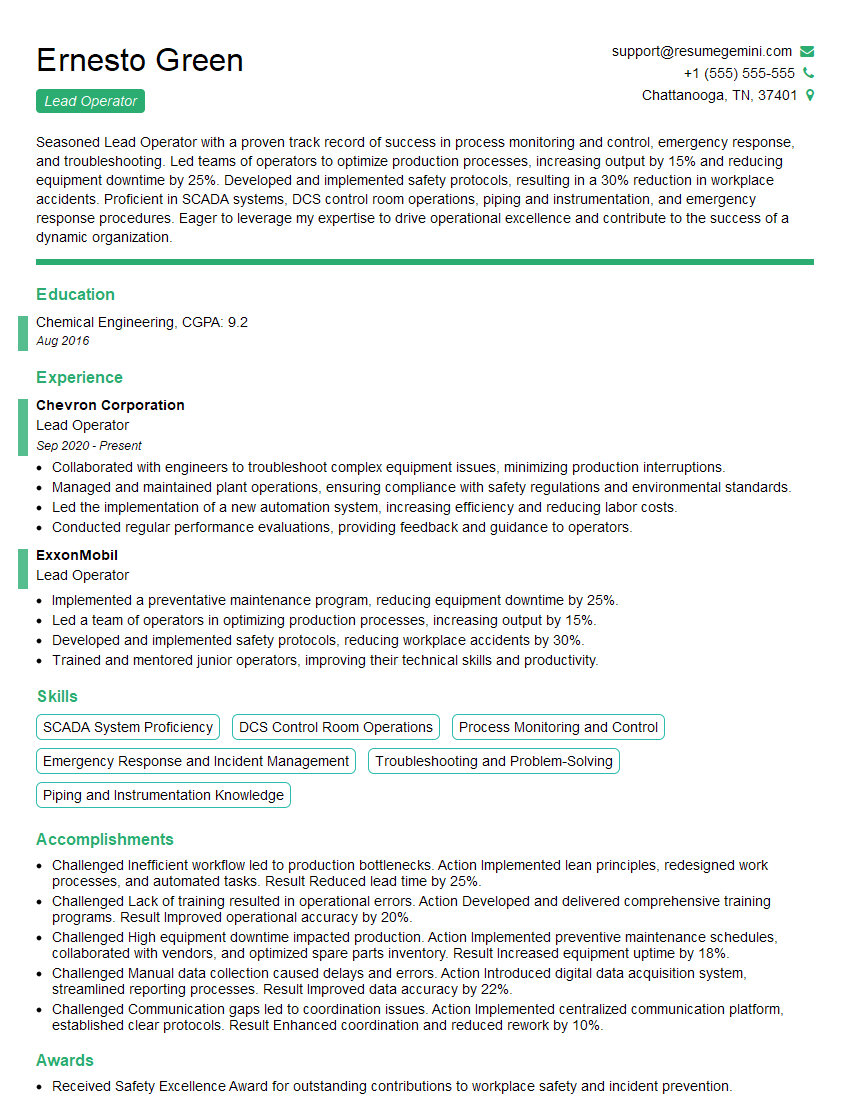
Lead Operator Resume Sample
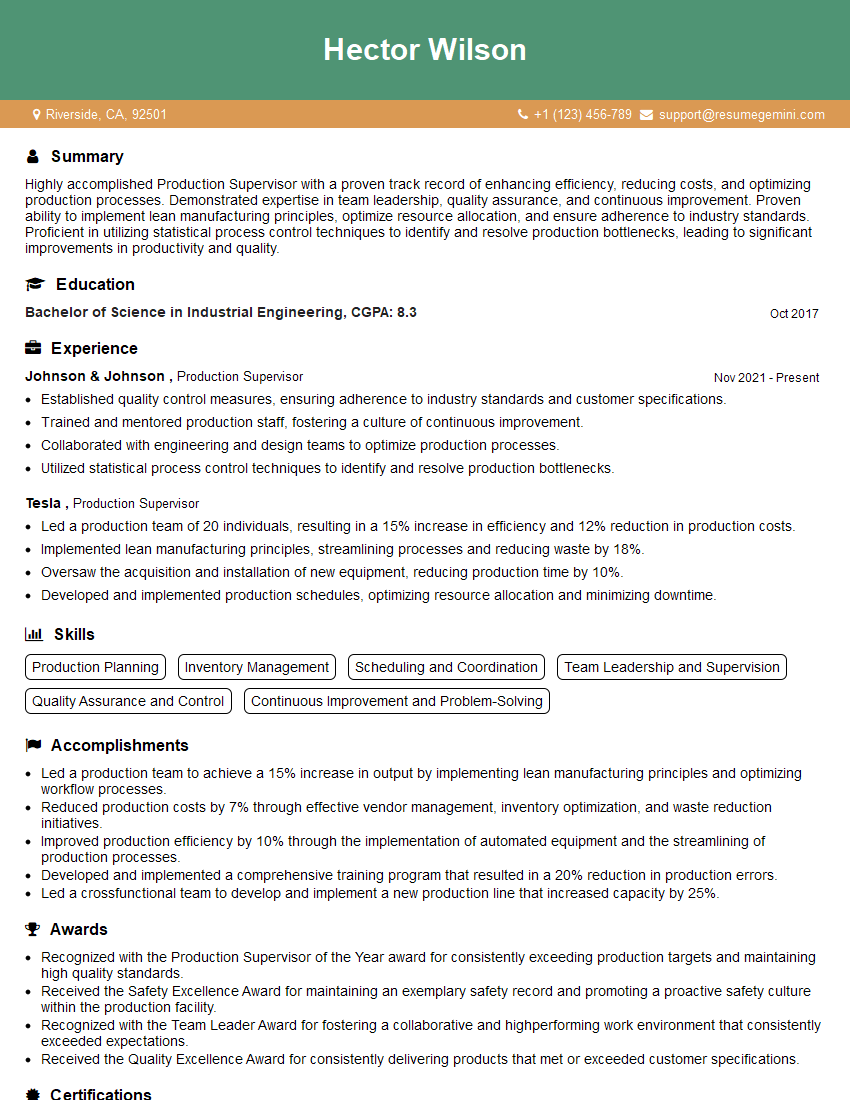
Production Supervisor Resume Sample

Field Technician Resume Sample
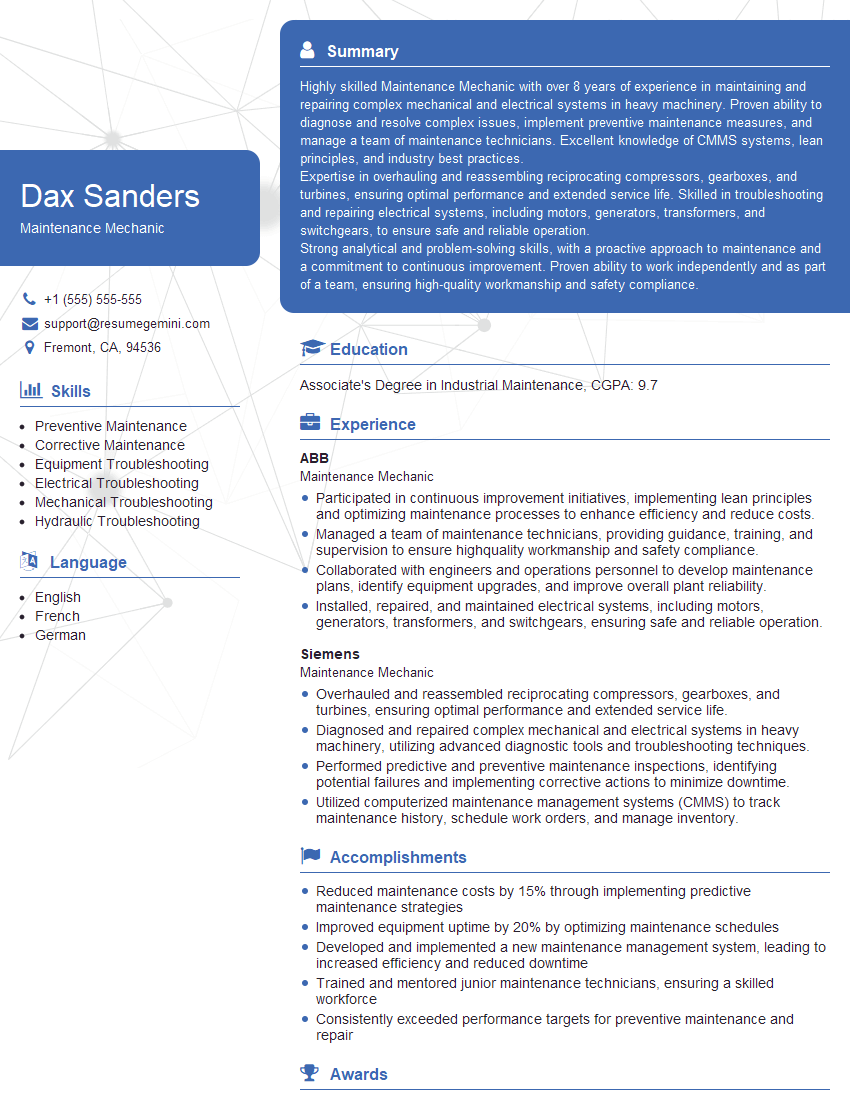
Maintenance Mechanic Resume Sample
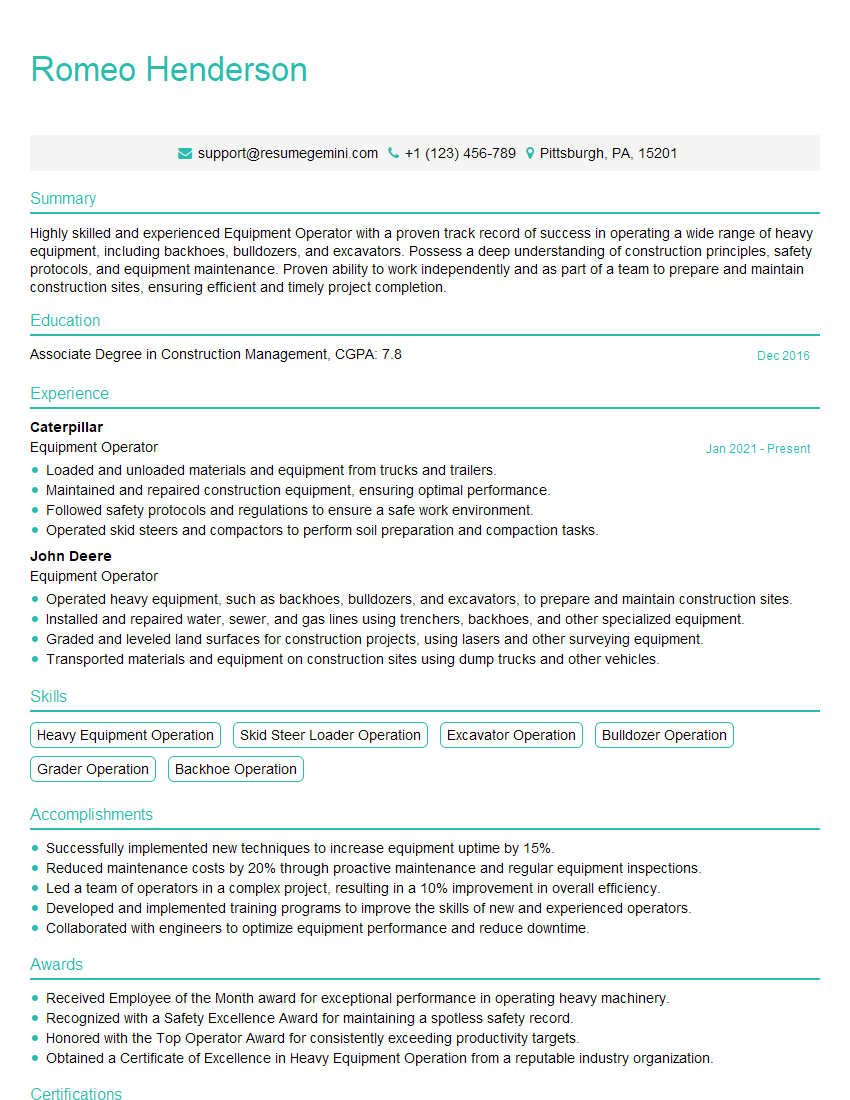
Equipment Operator Resume Sample
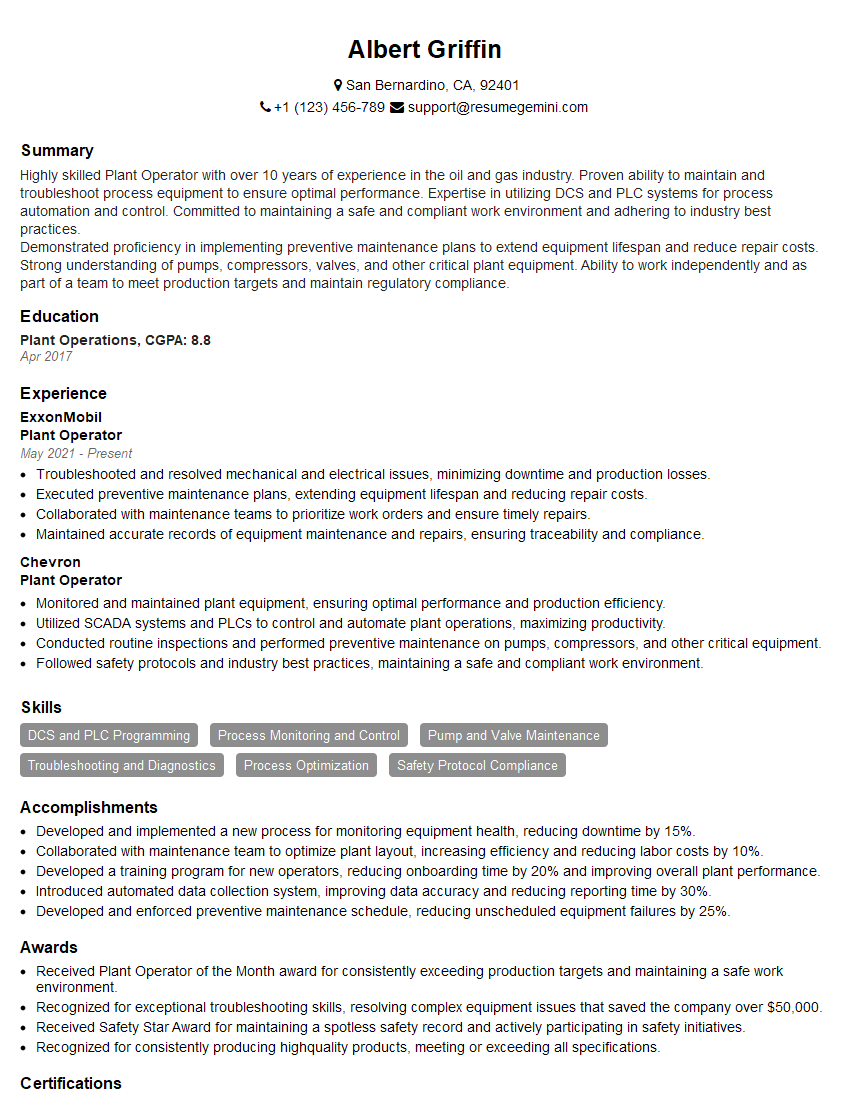
Plant Operator Resume Sample
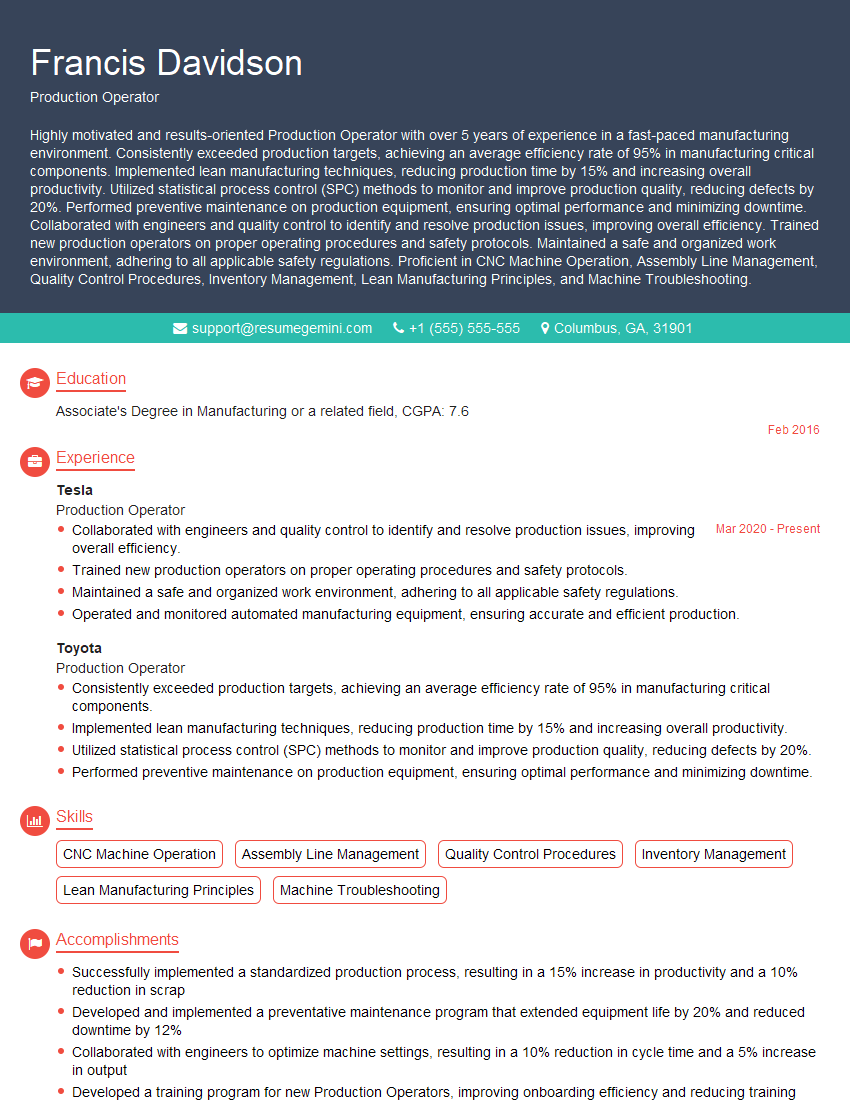
Production Operator Resume Sample

Heavy Equipment Operator Resume Sample
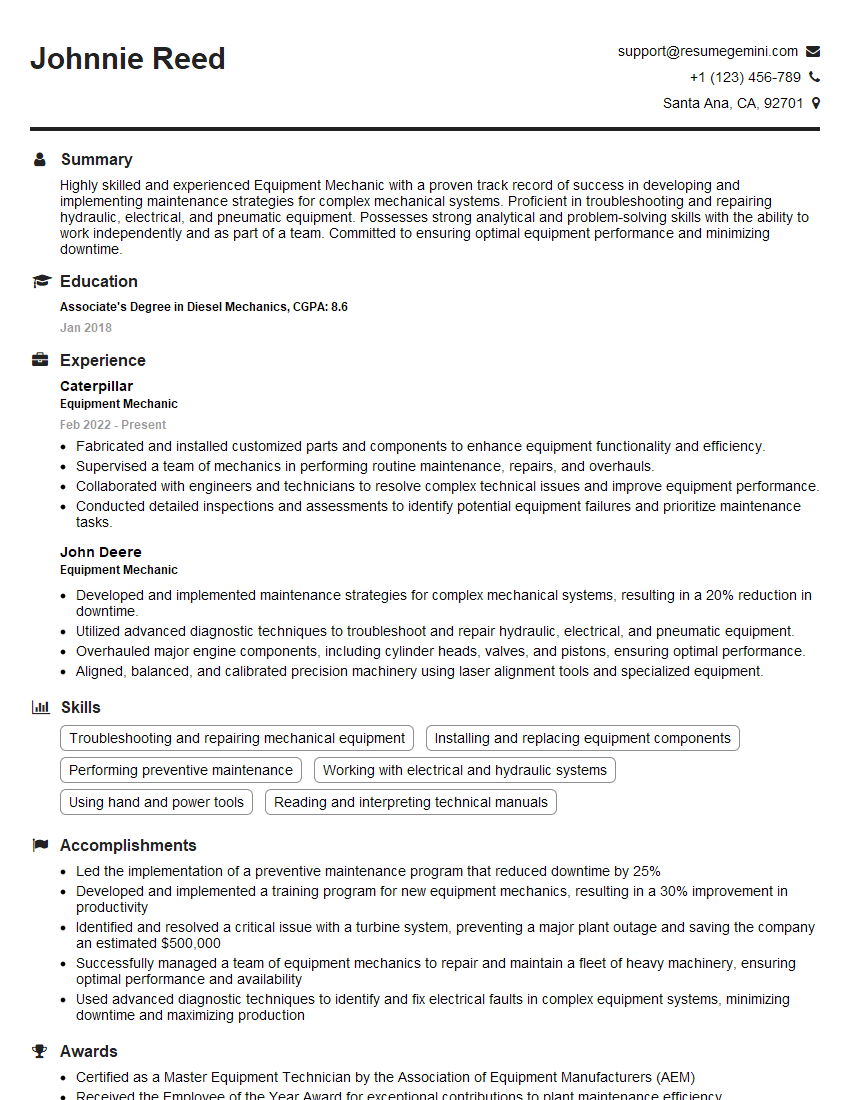
Equipment Mechanic Resume Sample
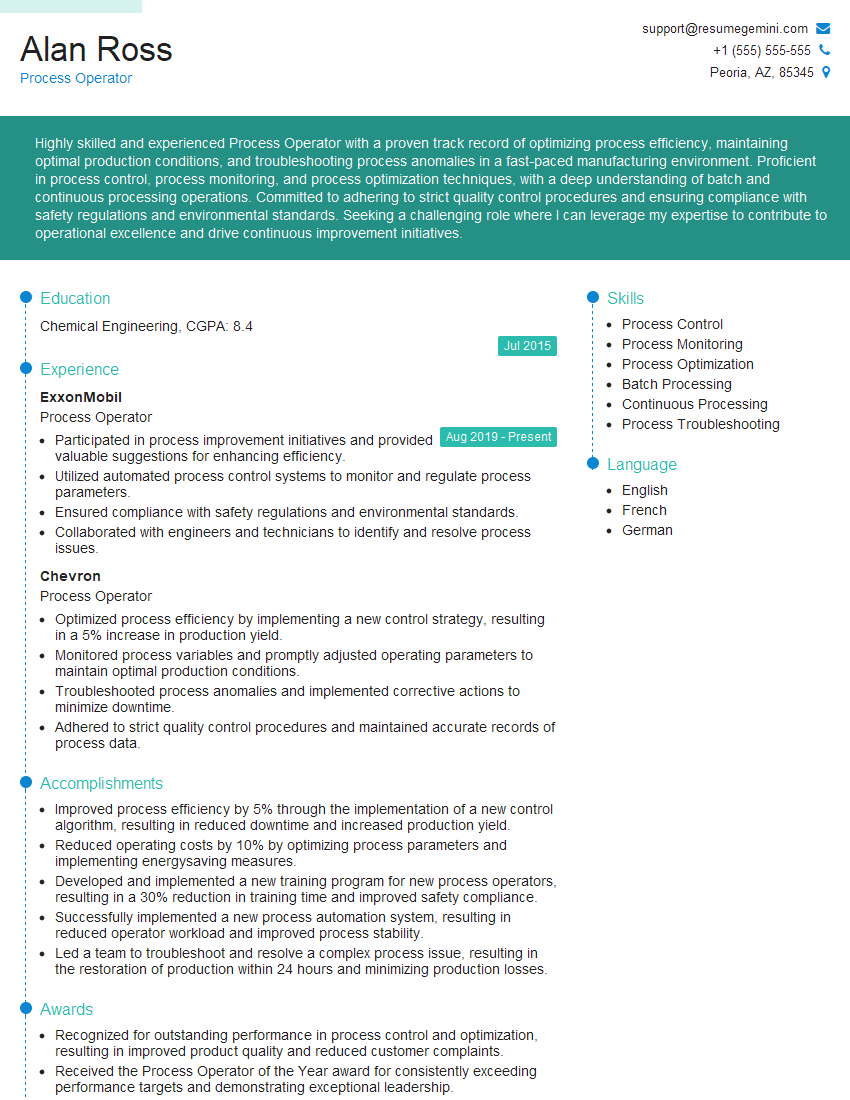
Process Operator Resume Sample
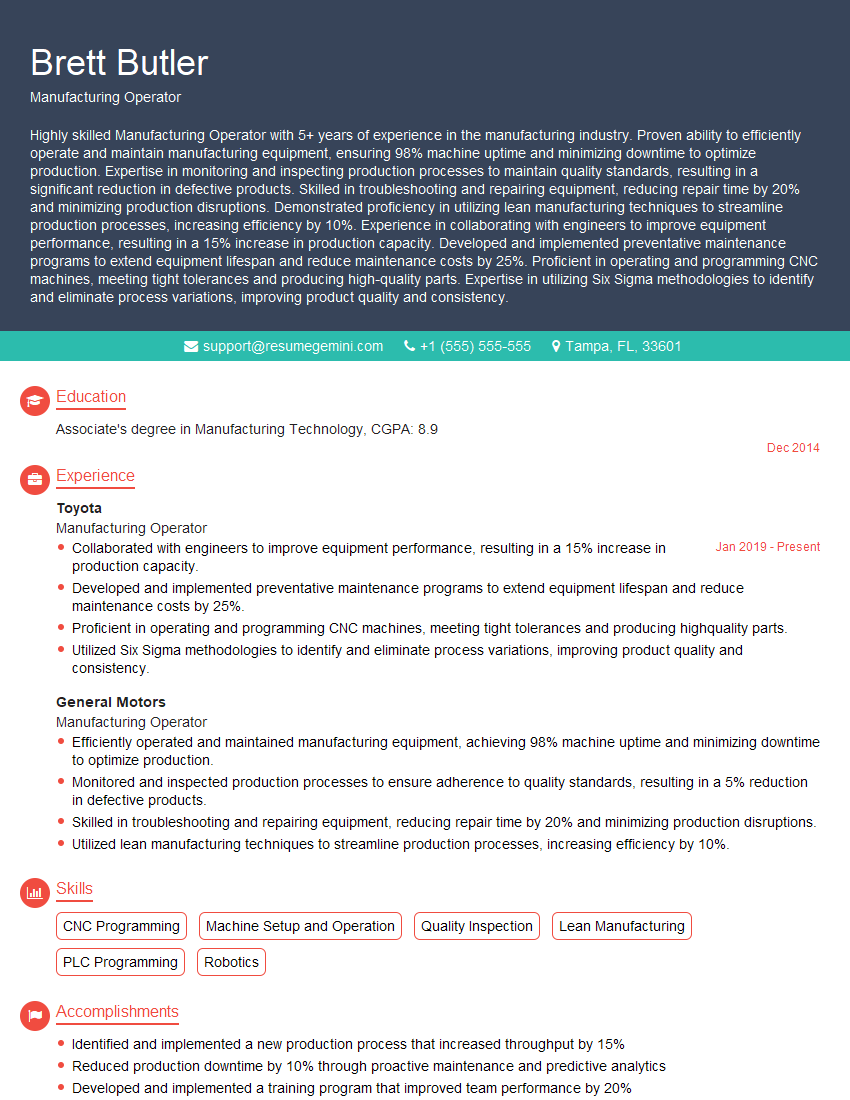
Manufacturing Operator Resume Sample
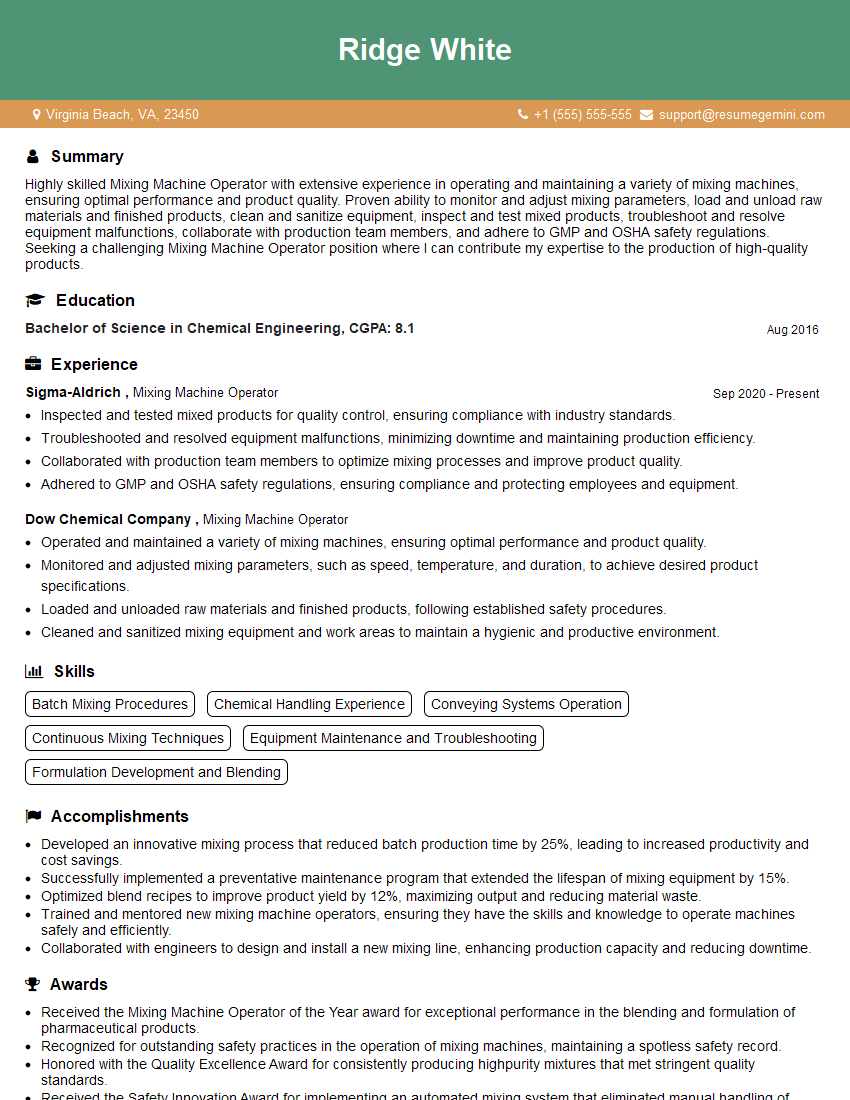
Mixing Machine Operator Resume Sample
Senior Operator Resume Sample
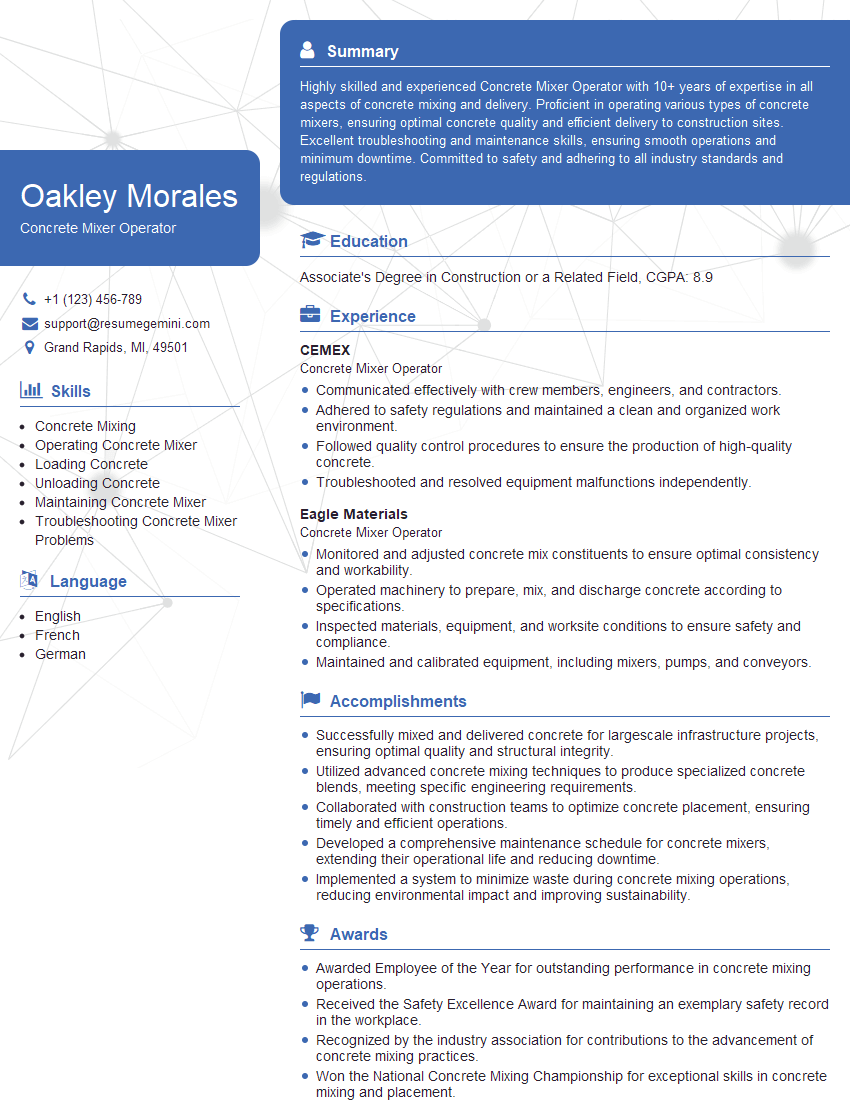
Concrete Mixer Operator Resume Sample

Mortar Mixer Operator Resume Sample
- Operations Manager
- Lead Operator
- Production Supervisor
- Field Technician
- Maintenance Mechanic
- Equipment Operator
- Plant Operator
- Production Operator
- Heavy Equipment Operator
- Equipment Mechanic
- Process Operator
- Manufacturing Operator
- Mixing Machine Operator
- Senior Operator
- Concrete Mixer Operator
- Mortar Mixer Operator
Explore more articles
Users Rating of Our Blogs
Share Your Experience
We value your feedback! Please rate our content and share your thoughts (optional).
What Readers Say About Our Blog
To the interviewgemini.com Webmaster.
Very helpful and content specific questions to help prepare me for my interview!
Thank you
To the interviewgemini.com Webmaster.
This was kind of a unique content I found around the specialized skills. Very helpful questions and good detailed answers.
Very Helpful blog, thank you Interviewgemini team.