Interviews are more than just a Q&A session—they’re a chance to prove your worth. This blog dives into essential Ethical Hunting Practices interview questions and expert tips to help you align your answers with what hiring managers are looking for. Start preparing to shine!
Questions Asked in Ethical Hunting Practices Interview
Q 1. Explain the difference between black box, white box, and grey box penetration testing.
The key difference between black box, white box, and grey box penetration testing lies in the amount of information the tester has about the target system. Think of it like searching for a specific book in a library.
Black Box Testing: This is like walking into the library blindfolded. The tester has no prior knowledge of the system’s architecture, code, or internal workings. They must rely entirely on publicly available information and their own skills to discover vulnerabilities. This mirrors real-world attacks where hackers have limited knowledge of the target.
White Box Testing: This is like having the library’s complete catalog and floor plan. The tester has complete access to source code, network diagrams, and internal documentation. This allows for a more thorough and targeted assessment, focusing on specific code segments or architectural weaknesses. This approach is useful for finding deeply embedded vulnerabilities.
Grey Box Testing: This falls somewhere in between. The tester might have partial knowledge of the system, such as network maps or some high-level architectural information, but not complete access to the source code. This approach is practical as it often reflects the partial knowledge an attacker might gain through reconnaissance.
Each approach has its strengths and weaknesses. Black box testing is more realistic, while white box testing allows for a deeper dive. Grey box testing provides a balance between the two.
Q 2. Describe your experience with vulnerability scanning tools.
I have extensive experience with a variety of vulnerability scanning tools, including Nessus, OpenVAS, QualysGuard, and Nikto. My experience encompasses not only running these tools but also understanding their limitations and interpreting their results critically. Simply running a scanner and accepting its output at face value is insufficient. It’s crucial to understand the underlying technologies and methodologies each tool employs.
For instance, Nessus is known for its comprehensive coverage and regular updates, but it can produce a high number of false positives requiring careful manual verification. OpenVAS, while open-source, requires more configuration and maintenance but provides a robust scanning capability. I always correlate the results from multiple scanners to reduce false positives and ensure thorough coverage. Further, I tailor my selection of tools based on the specific context of the engagement, considering factors such as the target’s operating system, network architecture, and available resources.
Beyond automated scanners, I also leverage manual techniques like reconnaissance and exploit development to uncover vulnerabilities that automated tools might miss. This is particularly important for detecting zero-day exploits or custom-built vulnerabilities.
Q 3. How do you prioritize vulnerabilities discovered during a penetration test?
Prioritizing vulnerabilities involves a multi-faceted approach using several frameworks, including the CVSS (Common Vulnerability Scoring System) score and business impact analysis. Simply focusing on the highest CVSS score isn’t always sufficient.
My process typically includes these steps:
CVSS Scoring: I use CVSS to get a standardized measure of the severity of each vulnerability, considering factors like attack vector, attack complexity, and privileges required. However, I don’t solely rely on this score.
Business Impact Analysis: I assess the potential impact of each vulnerability on the organization’s business operations. A high-CVSS vulnerability with limited business impact might have lower priority than a lower-CVSS vulnerability affecting critical systems or sensitive data. For example, a vulnerability that could lead to a data breach of customer credit card information is higher priority than a vulnerability that only allows unauthorized access to a low-impact internal resource.
Exploitability: I consider how easily a vulnerability can be exploited. A vulnerability that is easily exploitable, even if it has a lower CVSS score, is prioritized.
Remediation Effort: The time and resources required to fix a vulnerability are also considered. If a patch is easily available, we prioritize the fix irrespective of the CVSS score.
Ultimately, prioritization is a balance of technical severity, business impact, and practicality. This allows me to focus on the most critical vulnerabilities first.
Q 4. What are the key steps in the ethical hacking methodology?
Ethical hacking methodologies generally follow a structured approach. While variations exist, a common framework involves these steps:
Planning & Scoping: Defining the objectives, target systems, and acceptable methods of engagement. This stage involves legal and contractual agreements. Think of this as drawing up blueprints for the project.
Reconnaissance: Gathering information about the target. This includes passive techniques (e.g., searching public databases) and active techniques (e.g., network scanning). This stage is analogous to a detective gathering clues before entering a crime scene.
Vulnerability Analysis: Identifying and assessing vulnerabilities within the target system using various methods, from automated scanners to manual penetration testing. This is akin to a doctor conducting a full medical examination.
Exploitation: Attempting to exploit discovered vulnerabilities to demonstrate the potential impact. This stage is strictly controlled within ethical parameters and always with prior consent.
Post-Exploitation: Analyzing the impact of successful exploitation, assessing the extent of the compromise, and gathering further information. This step is analogous to the clean-up and investigation following the penetration.
Reporting: Documenting all findings, including vulnerabilities, their severity, and recommendations for remediation. This stage involves creating a detailed report for clients.
Throughout this process, strict adherence to ethical guidelines and legal frameworks is paramount.
Q 5. Explain the concept of OWASP Top 10 vulnerabilities.
The OWASP (Open Web Application Security Project) Top 10 is a regularly updated list of the most critical web application security risks. It’s a valuable resource for prioritizing security efforts. Think of it as a checklist of common vulnerabilities found in websites and web applications.
The list encompasses a wide range of vulnerabilities, including:
Injection: SQL injection, command injection, and others where attackers insert malicious code into inputs.
Broken Authentication and Session Management: Weak or improperly implemented authentication and session management mechanisms.
Sensitive Data Exposure: Improper protection of sensitive data, such as passwords or credit card information.
XML External Entities (XXE): Attackers exploiting the processing of XML data.
Broken Access Control: Insufficient authorization checks, allowing unauthorized access to resources.
Security Misconfiguration: Inadequate security settings, leaving systems vulnerable to attacks.
Cross-Site Scripting (XSS): Injecting malicious scripts into websites to steal user data or perform other malicious actions.
Insecure Deserialization: Deserialization of untrusted data, potentially allowing attackers to execute arbitrary code.
Using Components with Known Vulnerabilities: Using outdated or insecure libraries or frameworks.
Insufficient Logging & Monitoring: Lack of adequate logging and monitoring makes detection and response difficult.
Staying informed about the OWASP Top 10 is crucial for any security professional.
Q 6. How do you handle unexpected findings during a penetration test?
Unexpected findings are a common occurrence in penetration testing. They often present opportunities to uncover more severe vulnerabilities. My approach involves a structured response:
Immediate Documentation: I meticulously document every unexpected finding, no matter how seemingly insignificant. This includes screenshots, logs, and detailed descriptions of the discovery process.
Risk Assessment: I conduct a thorough risk assessment to determine the potential impact of the finding. This will influence how I proceed.
Scope Verification: If the unexpected finding falls outside the defined scope, I immediately notify the client and discuss whether to proceed with further investigation.
Escalation: If the finding represents a significant security risk (e.g., critical data exposure), I escalate the issue immediately to the appropriate personnel, ensuring a swift response.
Controlled Investigation (If Applicable): If deemed within scope and safe, I will conduct a controlled investigation to fully understand the extent of the vulnerability. I will take extra care to avoid any damage or disruption to the system.
Transparency and communication are key when handling unexpected findings. I maintain open communication with the client throughout the process.
Q 7. What are your preferred methods for reporting vulnerabilities?
My preferred method for reporting vulnerabilities involves a comprehensive and detailed report tailored to the client’s technical understanding. I aim for clarity and actionability.
The report typically includes:
Executive Summary: A high-level overview of the key findings and recommendations.
Methodology: A description of the penetration testing methodology used.
Vulnerability Details: A detailed description of each vulnerability discovered, including its severity, CVSS score, potential impact, proof of concept (where appropriate and ethical), and remediation advice.
Remediation Recommendations: Clear and actionable steps to address each vulnerability.
Appendix: Supporting documentation such as raw scan data, screenshots, and logs.
I prefer to present the findings in a structured format that allows for easy understanding and prioritization. I also prioritize visual aids like diagrams and flowcharts to improve comprehension. Finally, a follow-up meeting is arranged to discuss the findings in detail and answer any questions from the client. The goal is to empower them to remediate the vulnerabilities effectively and increase their security posture.
Q 8. Describe your experience with various penetration testing frameworks (e.g., NIST, PTES).
My penetration testing experience encompasses a deep understanding and practical application of various frameworks, primarily NIST Cybersecurity Framework and PTES (Penetration Testing Execution Standard). NIST provides a comprehensive approach to cybersecurity risk management, guiding the scope and objectives of a penetration test. I use it to align testing activities with organizational priorities and regulatory compliance. PTES, on the other hand, offers a structured methodology for executing penetration tests, ensuring a consistent and repeatable process. I’ve utilized its phases – planning, scoping, discovery, attack, reporting – numerous times to conduct thorough assessments.
For example, during a recent engagement for a financial institution, we used the NIST framework to define the critical assets and the potential impact of a compromise. This informed the scope of our PTES-aligned penetration test, focusing on areas like web applications and network infrastructure deemed most sensitive. The PTES structure helped us meticulously document each phase, ensuring complete traceability and a detailed report for the client.
Q 9. How do you ensure compliance with legal and ethical guidelines during a penetration test?
Legal and ethical compliance is paramount in penetration testing. Before initiating any activity, I always obtain explicit written authorization from the client, clearly defining the scope of the test, including permitted targets and methodologies. This authorization serves as a legal basis for my actions and helps prevent misunderstandings or legal repercussions.
I strictly adhere to the principle of non-maleficence – avoiding any actions that could cause damage or disruption beyond the agreed-upon scope. I carefully review and follow all applicable laws and regulations, such as GDPR or CCPA, ensuring data privacy is maintained throughout the testing process. For example, I would never attempt to access personally identifiable information unless explicitly authorized and would always anonymize data when presenting findings.
Furthermore, I maintain a detailed record of all activities, including timestamps and screenshots, to provide transparency and accountability. Regular communication with the client about the progress and any unexpected findings is essential to maintain trust and manage expectations.
Q 10. What are your experiences with different types of attacks (e.g., SQL injection, XSS, phishing)?
My experience covers a wide range of attack vectors, including SQL injection, cross-site scripting (XSS), and phishing. I’ve successfully exploited vulnerabilities in web applications using SQL injection techniques to gain unauthorized access to databases, a scenario I encountered while testing an e-commerce platform. I’ve also leveraged XSS vulnerabilities to inject malicious scripts, demonstrating the potential for session hijacking and data theft. This was demonstrated in a recent test where a reflected XSS vulnerability allowed us to steal user credentials.
Phishing simulations are another key component of my work. I’ve designed and executed various phishing campaigns to assess the susceptibility of employees to social engineering tactics. Analyzing the success rate of these campaigns provides valuable insights into the organization’s awareness and training needs. In one instance, a remarkably realistic phishing email fooled over 30% of the staff, highlighting a critical need for improved security awareness training.
Q 11. How do you document your penetration testing process?
Documentation is crucial for demonstrating the rigor and validity of a penetration test. My documentation process follows a standardized format, usually incorporating a combination of written reports, screenshots, and video recordings. The initial phase involves comprehensive planning documentation, specifying the scope, objectives, methodology, and timelines of the engagement.
During the testing phase, I maintain detailed logs of all activities, including commands executed, vulnerabilities discovered, and remediation steps attempted. This log forms the basis for the final report, which provides a clear and concise overview of the findings, including vulnerability descriptions, severity levels (using CVSS scoring), and actionable remediation recommendations. This documentation includes evidence such as screenshots, network diagrams, and exploit code (sanitized for security).
Finally, the report is presented to the client in a clear, understandable format, tailored to their technical proficiency, emphasizing the business impact of vulnerabilities. This often includes executive summaries and prioritized remediation plans.
Q 12. Explain your experience with various operating systems (e.g., Windows, Linux).
I possess extensive experience with both Windows and Linux operating systems. My proficiency extends beyond basic usage to include advanced system administration, command-line interface manipulation, and security hardening techniques. In Windows environments, I’m adept at analyzing registry settings, event logs, and system processes to identify potential security weaknesses. On Linux systems, my expertise includes command-line tools like netstat, tcpdump, and awk for network analysis and log file parsing.
For instance, in a recent engagement, I used Windows PowerShell to identify misconfigured user accounts with excessive privileges. On a Linux server, I employed tcpdump to capture network traffic and analyze suspicious connections, ultimately leading to the discovery of a backdoor.
Q 13. Describe your experience with network protocols (e.g., TCP/IP, HTTP, HTTPS).
A strong grasp of network protocols is fundamental to penetration testing. My expertise includes TCP/IP, HTTP, HTTPS, and various other protocols. I understand how these protocols function, their inherent vulnerabilities, and how they can be exploited. This includes the ability to analyze network traffic using tools like Wireshark, identify weaknesses in network configurations, and design attacks based on protocol-specific vulnerabilities.
For example, I have experience analyzing HTTP traffic to identify vulnerabilities like insecure direct object references and cross-site request forgery. My understanding of HTTPS allows me to assess the effectiveness of SSL/TLS configurations and identify potential weaknesses in certificate management.
Q 14. How do you stay up-to-date with the latest cybersecurity threats and vulnerabilities?
Staying current with the ever-evolving landscape of cybersecurity threats and vulnerabilities is an ongoing process. I utilize several methods to remain updated. This includes regular review of security advisories and vulnerability databases such as the National Vulnerability Database (NVD) and CVE details.
I actively participate in online security communities and forums, engaging in discussions and learning from the experiences of other professionals. Attending security conferences and webinars provides valuable insights into emerging threats and best practices. Furthermore, I dedicate time to hands-on experimentation and vulnerability research to gain a practical understanding of the latest attack techniques. This allows me to stay ahead of the curve and provide up-to-date, effective penetration testing services.
Q 15. Describe your experience with scripting languages (e.g., Python, PowerShell).
My scripting skills are a cornerstone of my ethical hacking practice. I’m highly proficient in both Python and PowerShell, leveraging them for automation, data analysis, and vulnerability exploitation. Python, with its extensive libraries like requests and scapy, allows me to craft sophisticated scripts for tasks ranging from web application testing to network reconnaissance. For example, I’ve used Python to automate the process of identifying vulnerable services across a network, drastically reducing the time required for a comprehensive assessment. PowerShell, on the other hand, is invaluable for Windows-centric engagements, providing powerful tools for interacting with the operating system and Active Directory. I’ve used it extensively to enumerate user accounts, analyze event logs, and perform post-exploitation analysis. I find that combining these two languages provides a powerful and flexible approach to ethical hacking.
Career Expert Tips:
- Ace those interviews! Prepare effectively by reviewing the Top 50 Most Common Interview Questions on ResumeGemini.
- Navigate your job search with confidence! Explore a wide range of Career Tips on ResumeGemini. Learn about common challenges and recommendations to overcome them.
- Craft the perfect resume! Master the Art of Resume Writing with ResumeGemini’s guide. Showcase your unique qualifications and achievements effectively.
- Don’t miss out on holiday savings! Build your dream resume with ResumeGemini’s ATS optimized templates.
Q 16. How do you handle sensitive data during a penetration test?
Handling sensitive data responsibly is paramount. My approach adheres strictly to the principles outlined in the engagement’s scope and any relevant legal and regulatory frameworks like GDPR or CCPA. Before even beginning a penetration test, I ensure a clear understanding of the data sensitivity classifications and any specific restrictions. I employ several key strategies: Data anonymization, where possible, using techniques like hashing or tokenization to replace real data with meaningless substitutes. Secure storage and transmission using encrypted channels and dedicated, isolated environments. Strict access control, limiting access to sensitive data only to authorized personnel, with all activity meticulously logged. And finally, a thorough destruction or anonymization of all collected data upon project completion, leaving no trace beyond the final report.
Q 17. What are some common misconceptions about ethical hacking?
One common misconception is that ethical hacking is just about breaking into systems. While penetration testing involves identifying vulnerabilities, it’s a much broader process. It’s about understanding the system’s weaknesses to improve security, not for malicious purposes. Another misconception is that ethical hackers are solely responsible for finding every single vulnerability. The scope of a penetration test is defined beforehand, focusing on specific areas of concern. A third misconception is the idea that ethical hackers are inherently malicious individuals. In reality, we’re security professionals working to improve systems and mitigate risks. We use our skills for good, contributing to a safer digital landscape.
Q 18. Explain your understanding of different types of security testing (e.g., static, dynamic).
Security testing encompasses a range of approaches. Static testing involves analyzing code or documents without actually executing them. Think of it as a detailed review of blueprints before construction. This method helps to identify potential vulnerabilities in the design or code itself, like SQL injection flaws or insecure authentication mechanisms. Dynamic testing, on the other hand, involves actively testing the running system. It’s like testing the actual building once it’s constructed. We use tools and techniques to probe the system for weaknesses while it’s operational, often revealing vulnerabilities like cross-site scripting or buffer overflows. In practice, a combination of both methods provides the most comprehensive security assessment. For example, static analysis might reveal a potential vulnerability in a web application’s login form, while dynamic testing confirms its exploitability by successfully logging in with manipulated inputs.
Q 19. How do you determine the scope of a penetration test?
Determining the scope of a penetration test is a crucial first step. It involves a detailed discussion with the client to define the targets, the types of vulnerabilities to be tested, the techniques that can be used (e.g., social engineering is often out of scope unless explicitly defined), the timeline and deliverables. We’ll create a document that clearly outlines the ‘in-scope’ and ‘out-of-scope’ targets. This might include specific systems, applications, or network segments. Anything outside this defined scope is explicitly excluded to avoid accidental damage or legal issues. A well-defined scope helps to manage expectations and ensure the assessment remains focused and efficient. For example, a penetration test might focus solely on a new e-commerce website, excluding the company’s internal network and legacy systems.
Q 20. Describe your experience with intrusion detection and prevention systems (IDS/IPS).
My experience with Intrusion Detection and Prevention Systems (IDS/IPS) is extensive. I understand how they function and how they can be bypassed or even exploited. IDS passively monitors network traffic, alerting administrators to suspicious activity. IPS, on the other hand, actively blocks malicious traffic. During penetration tests, I evaluate the effectiveness of existing IDS/IPS systems by attempting to bypass their detection mechanisms and assess their ability to prevent intrusions. This involves crafting payloads and using evasion techniques to test the system’s sensitivity and resilience. I find that understanding how these systems operate, their limitations, and their potential vulnerabilities is crucial to developing robust security strategies. In one recent project, we identified a misconfiguration in the company’s IPS that allowed us to bypass it and penetrate the internal network.
Q 21. How do you ensure the confidentiality, integrity, and availability of data?
Ensuring the CIA triad—Confidentiality, Integrity, and Availability—is the foundation of any secure system. Confidentiality means protecting data from unauthorized access, achieved through encryption, access controls, and secure storage. Integrity ensures the data’s accuracy and trustworthiness, protected through checksums, digital signatures, and access controls. Availability means ensuring the system and data are accessible to authorized users when needed, achieved through redundancy, failover mechanisms, and disaster recovery planning. My approach involves a layered security strategy, combining these elements to provide a robust defense. For example, sensitive data is encrypted both in transit and at rest, access is controlled through role-based permissions, and regular backups ensure data availability even in the event of a disaster. A multi-faceted approach ensures that all aspects of data security are addressed comprehensively.
Q 22. Explain your understanding of risk assessment and management.
Risk assessment and management is the cornerstone of any ethical hacking engagement. It involves systematically identifying, analyzing, and prioritizing potential vulnerabilities and threats to an organization’s systems and data. This process helps determine the likelihood and impact of security incidents, guiding resource allocation for mitigation.
My approach follows a structured methodology: First, I define the scope, identifying the systems and data to be assessed. Next, I conduct vulnerability identification using both automated and manual techniques, looking for weaknesses in network infrastructure, applications, and human processes. Then, I analyze the potential impact of each vulnerability, considering factors like confidentiality, integrity, and availability. This forms the basis of risk prioritization – which vulnerabilities pose the greatest threat and should be addressed first. Finally, I recommend appropriate risk mitigation strategies, which may include patching vulnerabilities, implementing security controls, and providing security awareness training.
For example, during an engagement with a financial institution, I identified a critical vulnerability in their web application allowing SQL injection. The risk assessment highlighted the potential for data breaches, financial losses, and reputational damage. My recommendation was immediate patching and the implementation of a Web Application Firewall (WAF) to prevent future attacks, along with enhanced input validation.
Q 23. What are your experiences with security incident response?
My experience in security incident response encompasses the entire lifecycle, from initial detection to post-incident analysis. I’ve been involved in numerous incidents, ranging from minor phishing attempts to large-scale data breaches. My role typically involves:
- Incident triage and containment: Quickly isolating affected systems to prevent further damage.
- Root cause analysis: Investigating the incident to determine the cause, vectors, and impact.
- Evidence collection and preservation: Gathering forensic evidence to support investigations and legal proceedings.
- Recovery and restoration: Restoring affected systems and data to a safe and operational state.
- Post-incident analysis and reporting: Documenting the incident, identifying lessons learned, and recommending preventative measures.
During one incident, a client experienced a ransomware attack. I collaborated with the incident response team, containing the spread of the malware, performing data recovery from backups, and implementing enhanced security measures, such as multi-factor authentication and improved endpoint protection, to prevent future similar occurrences. We conducted a comprehensive post-mortem analysis to identify the vulnerabilities that allowed the attack to occur, ultimately strengthening the client’s overall security posture.
Q 24. Describe your experience with various security tools (e.g., Metasploit, Nmap).
I have extensive experience using a variety of security tools. My proficiency includes both penetration testing frameworks like Metasploit and network scanning tools like Nmap, as well as other specialized tools for vulnerability assessment and analysis.
Nmap, for example, is crucial for initial reconnaissance. I use it to identify open ports, operating systems, and running services on target networks (nmap -sV -sC ). This provides essential information for further investigation. Metasploit is invaluable for exploiting identified vulnerabilities. I utilize its extensive module library to simulate real-world attacks, verifying the impact and helping identify potential weaknesses in security controls. I am also proficient with tools like Burp Suite for web application testing, Wireshark for network traffic analysis, and various other specialized tools depending on the specific requirements of the engagement.
For instance, I once utilized Nmap to discover a misconfigured FTP server exposed to the internet. Further investigation with Metasploit revealed a critical vulnerability which, if exploited, would have granted attackers full control of the server. This highlight the importance of regular network scanning and vulnerability assessment.
Q 25. How do you create and present a vulnerability report?
Creating and presenting a vulnerability report requires meticulous attention to detail and clarity. The report should be structured to provide a comprehensive overview of findings, with clear recommendations for remediation. My reports typically include:
- Executive Summary: A concise overview of the key findings and their potential impact.
- Methodology: A description of the assessment process, tools used, and scope.
- Vulnerability Details: A detailed description of each identified vulnerability, including its severity, location, and potential impact.
- Evidence: Screenshots, logs, and other supporting evidence to corroborate findings.
- Recommendations: Clear and actionable recommendations for remediation, prioritizing critical vulnerabilities.
- Appendix (optional): Detailed technical information, such as exploit code snippets (only for internal review and never publicly shared) or additional supporting data.
I tailor the report’s language and level of detail to the audience. For technical audiences, I’ll include detailed technical information, while for executives, I’ll focus on the high-level risks and recommended actions. The goal is to ensure the information is easily understandable and actionable.
Q 26. Explain your experience with different authentication methods.
I have experience with a wide range of authentication methods, including:
- Password-based authentication: While widely used, it’s susceptible to brute-force and phishing attacks; robust password policies and multi-factor authentication are crucial.
- Multi-factor authentication (MFA): A significant enhancement to security, requiring multiple forms of authentication (e.g., password, one-time code, biometric).
- Token-based authentication: Using short-lived tokens to verify identity, common in APIs and web applications.
- Biometric authentication: Utilizing physical characteristics like fingerprints or facial recognition for authentication; while convenient, privacy concerns need to be addressed.
- Public Key Infrastructure (PKI): Using digital certificates for authentication and encryption; widely used for secure communication and data exchange.
My experience includes testing the effectiveness of various authentication mechanisms, identifying weaknesses, and recommending improvements. For instance, I’ve helped organizations implement MFA to significantly enhance their security posture against credential theft and phishing attacks. Understanding the strengths and limitations of different methods allows me to advise organizations on the best approach for their specific needs and risk profile.
Q 27. How do you handle a situation where you discover a critical vulnerability?
Discovering a critical vulnerability requires immediate and careful action. My process involves:
- Verification: Thoroughly verify the vulnerability’s existence and potential impact before taking any action.
- Reporting: Immediately report the vulnerability to the appropriate personnel within the organization, following established incident response procedures.
- Containment: If possible and safe to do so, work with the organization to implement temporary mitigation measures to minimize the risk of exploitation.
- Documentation: Meticulously document all findings, including steps to reproduce the vulnerability, potential impact, and mitigation strategies.
- Collaboration: Collaborate with the organization’s security team to develop and implement a permanent remediation plan.
The key is responsible disclosure. I prioritize protecting the organization’s systems and data while ensuring the vulnerability is addressed promptly and effectively. This often involves working closely with the organization’s security team, providing them with the information they need to patch the vulnerability and prevent future attacks. A recent instance involved a critical vulnerability on a client’s web server that could have led to a data breach. By promptly reporting and working with their security team, we mitigated the risk within 24 hours, preventing a potentially devastating outcome.
Q 28. Describe your experience with social engineering techniques (within ethical boundaries).
My experience with social engineering techniques, strictly within ethical boundaries and with explicit consent from the organization, focuses on assessing the effectiveness of human factors in security. This involves simulating real-world attacks to identify vulnerabilities in human processes, rather than exploiting individuals or compromising systems. This is a critical element of ethical hacking as human error is frequently a significant factor in security breaches.
Examples of ethically conducted social engineering tests include:
- Simulated phishing campaigns: Sending controlled phishing emails to assess employees’ susceptibility to social engineering attacks, with their prior consent and knowledge.
- Pretexting scenarios: Creating scenarios where employees are contacted by individuals posing as someone they trust to see if they will reveal sensitive information.
- Shoulder surfing simulations: Observing (with permission) how easily employees’ passwords or other sensitive information can be observed.
These tests aren’t about tricking people; they’re about highlighting weaknesses in security awareness training and reinforcing the importance of security best practices. The results of these tests inform targeted security awareness training programs, improving the overall security posture of the organization by strengthening human factors. A recent example involved a simulated phishing campaign that exposed vulnerabilities in the organization’s email security filters; subsequent improvements led to a significant increase in the detection of actual malicious emails.
Key Topics to Learn for Ethical Hunting Practices Interview
- Understanding Legal Frameworks: Grasp the legal and regulatory landscape surrounding ethical hunting, including licensing, permits, and wildlife conservation laws. This includes understanding variations across different jurisdictions.
- Fair Chase Principles: Deeply understand the concept of “fair chase” and its practical application in various hunting scenarios. Be prepared to discuss scenarios and ethical dilemmas related to this principle.
- Wildlife Management and Conservation: Demonstrate knowledge of wildlife management techniques and their role in maintaining healthy populations. Discuss the ethical implications of hunting within a conservation context.
- Responsible Hunting Practices: Explain safe handling of firearms, proper tracking and field dressing techniques, and the importance of minimizing animal suffering. Be prepared to discuss scenarios requiring quick ethical decision-making.
- Landowner Relations and Permission: Discuss the ethical considerations and practical steps involved in obtaining permission to hunt on private land and respecting landowner rights and property.
- Technology and Ethical Hunting: Explore the ethical implications of using technology in hunting, including trail cameras, GPS, and other tracking devices. Consider potential biases and unintended consequences.
- Ethical Decision-Making Frameworks: Showcase your ability to apply ethical decision-making models to complex hunting scenarios, considering potential conflicts of interest and multiple stakeholder perspectives.
Next Steps
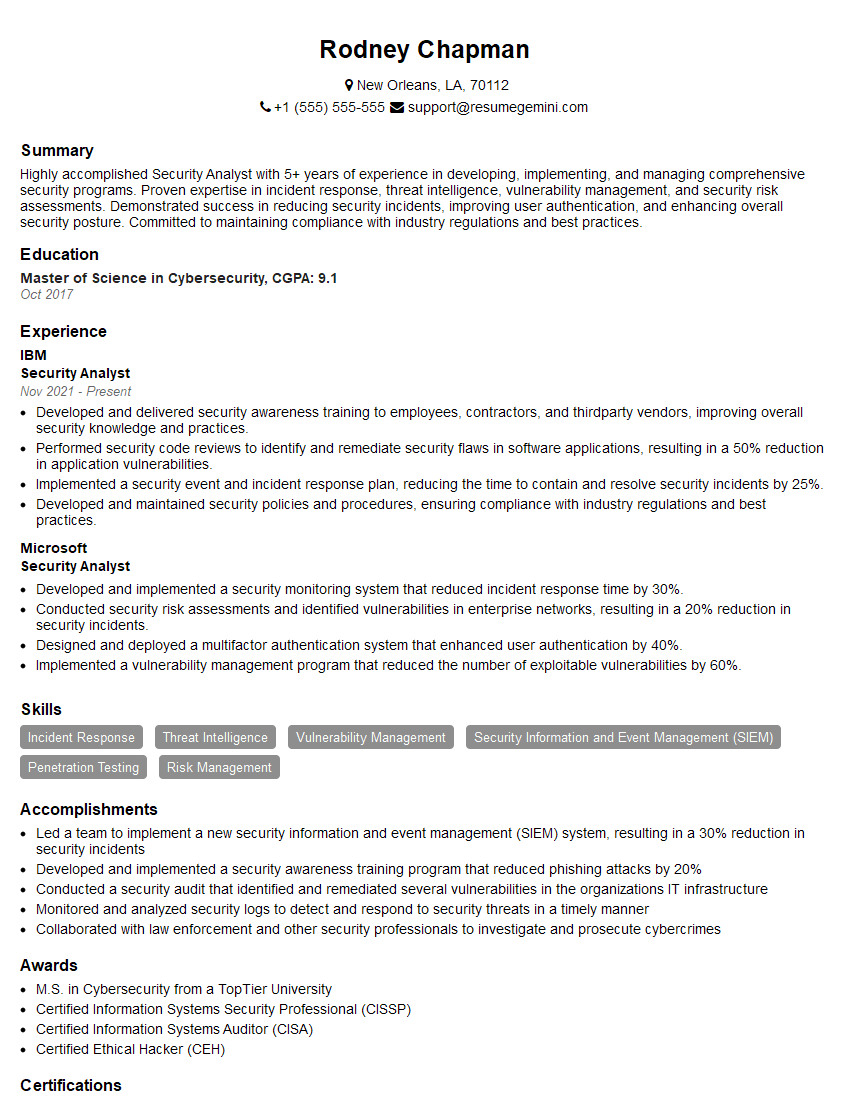
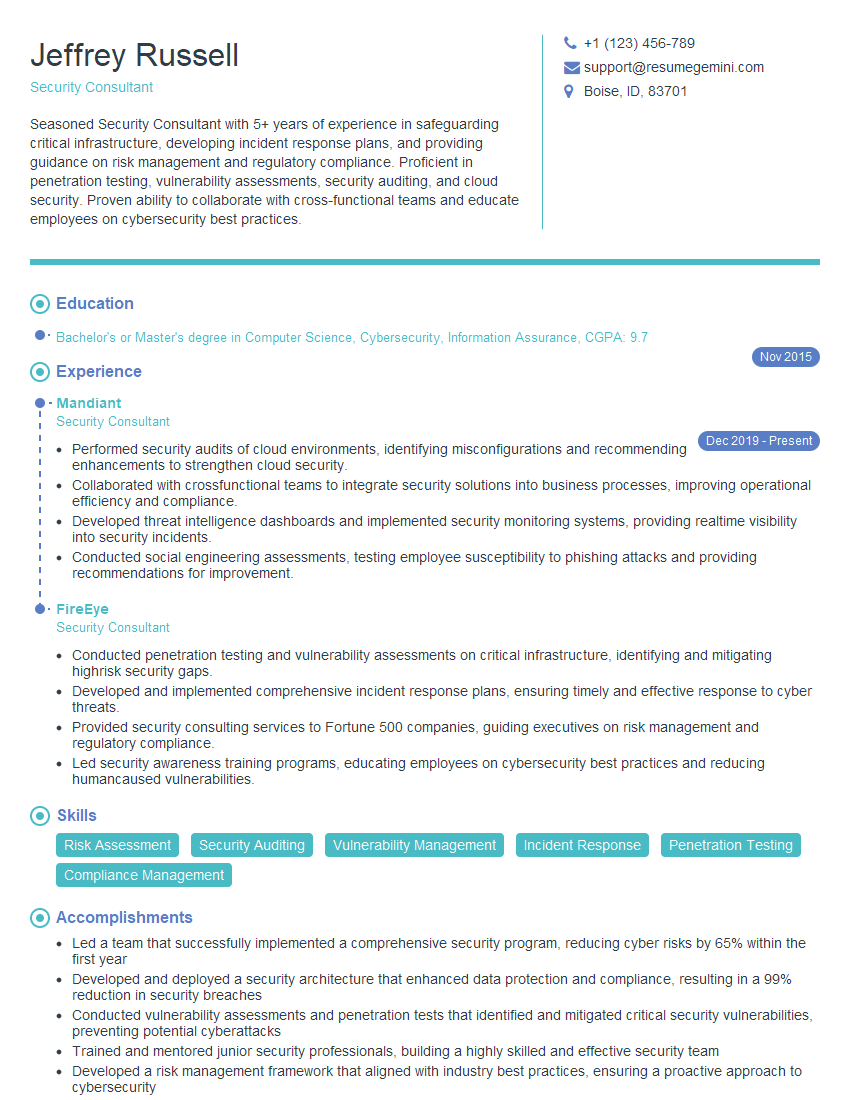
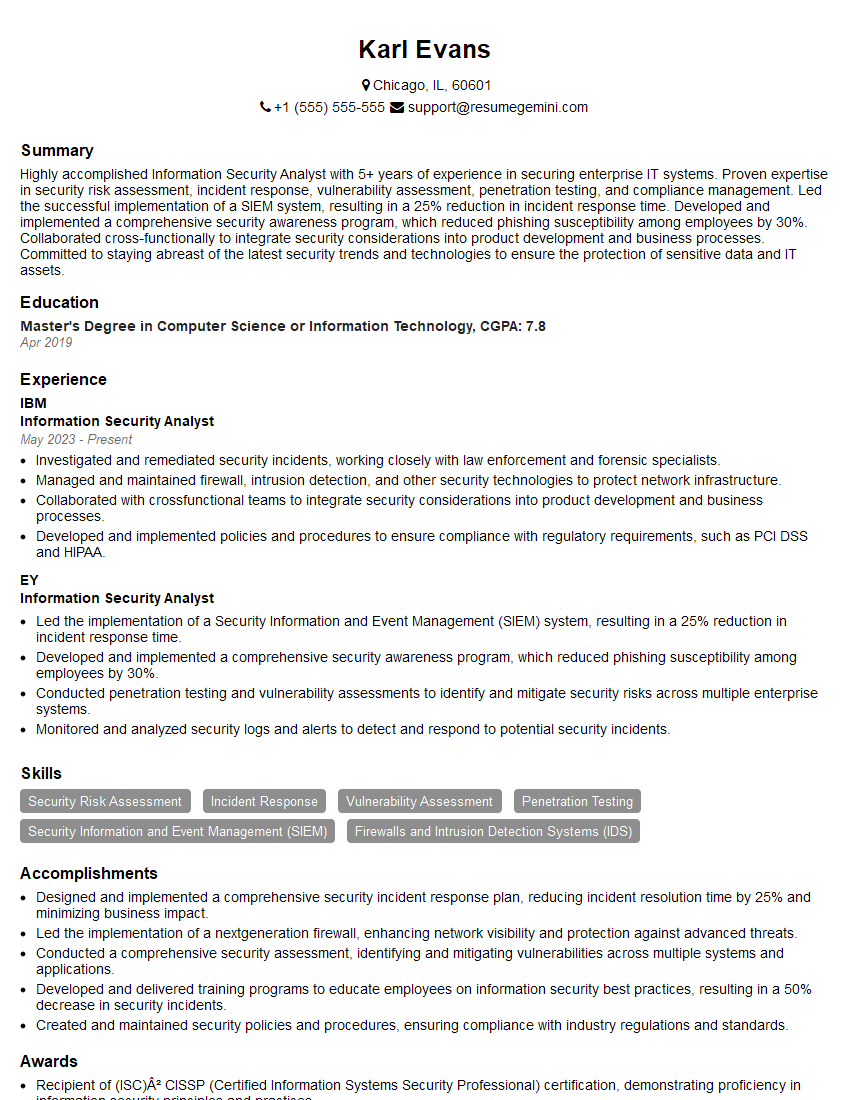
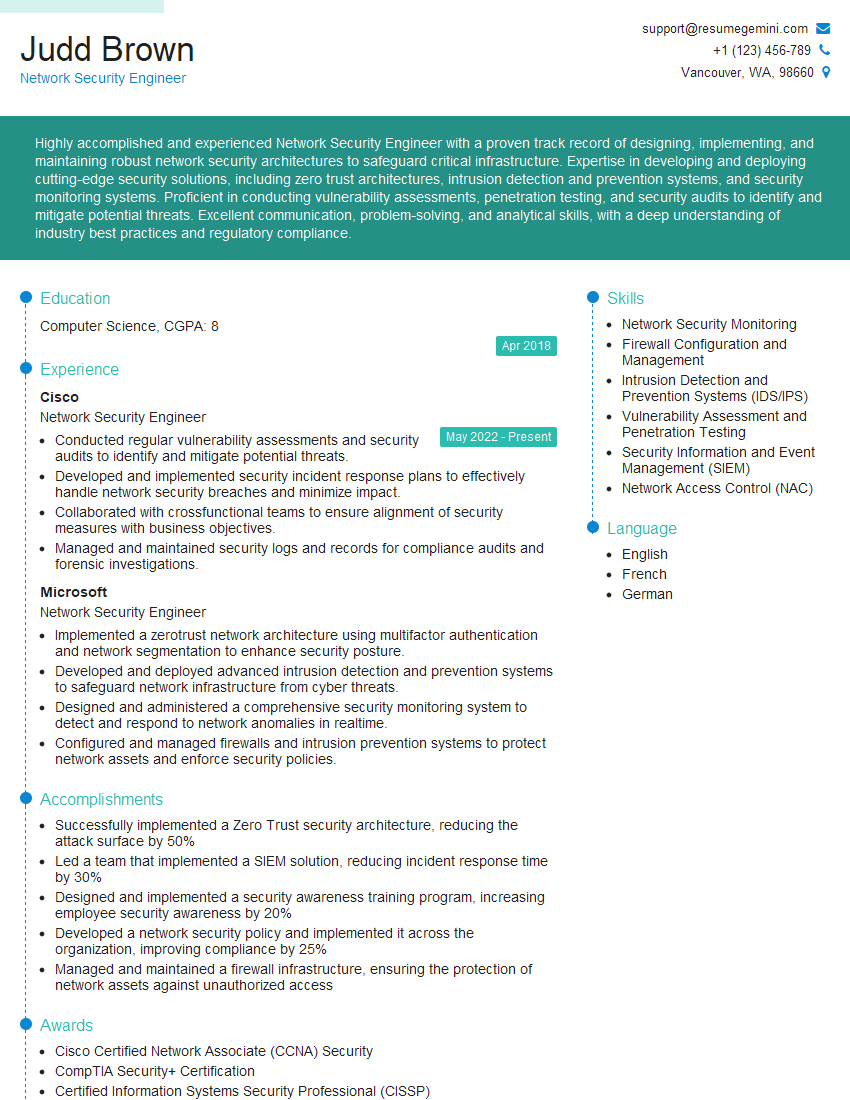
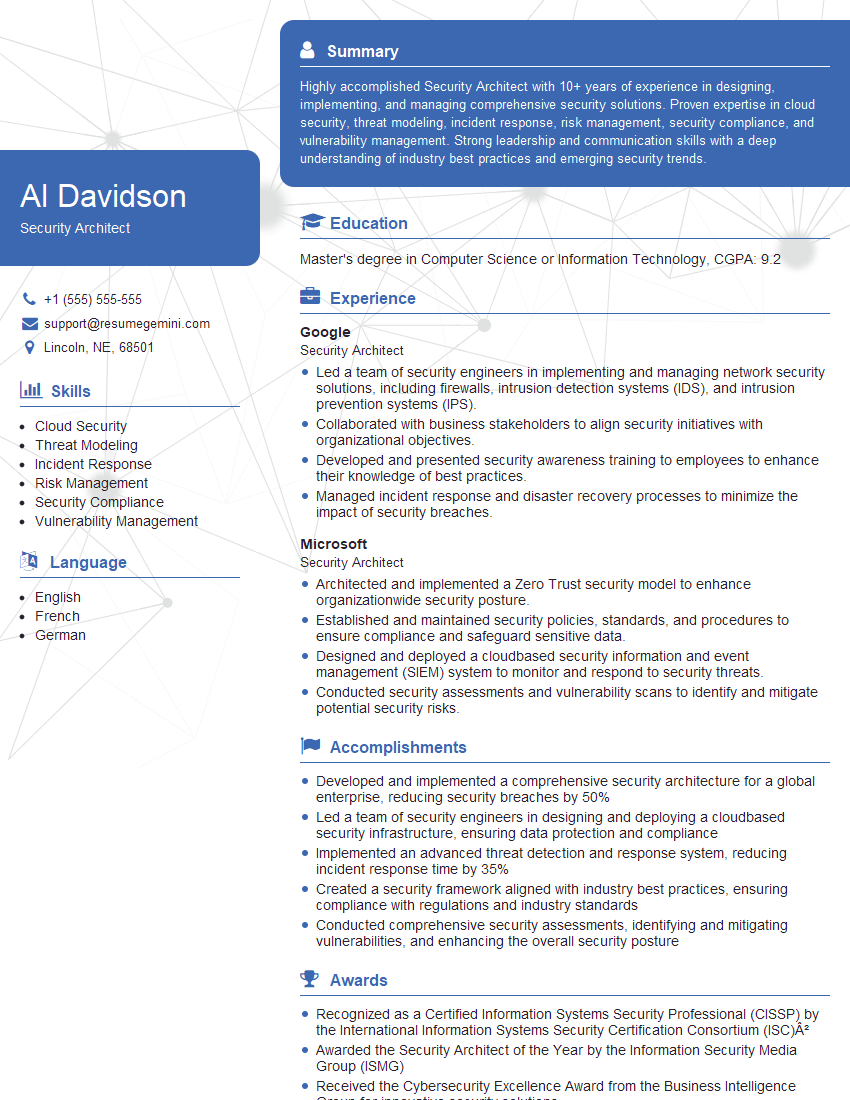
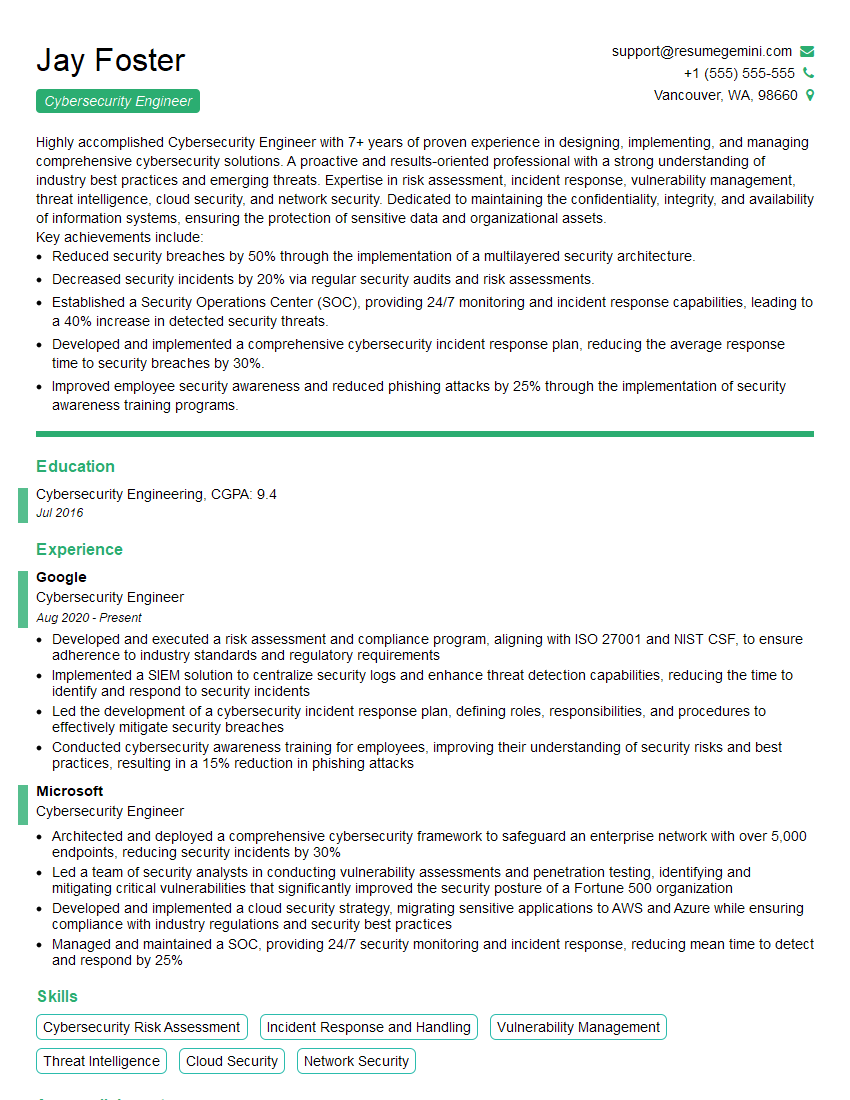
Mastering ethical hunting practices is crucial for career advancement in the field, demonstrating your commitment to responsible resource management and conservation. A strong resume is vital to showcasing these skills to potential employers. To maximize your job prospects, create an ATS-friendly resume that highlights your relevant experience and qualifications. ResumeGemini is a trusted resource to help you build a professional and impactful resume. We provide examples of resumes tailored to Ethical Hunting Practices to help you get started. Take advantage of these resources to present yourself effectively and land your dream job.

Explore more articles
Users Rating of Our Blogs
Share Your Experience
We value your feedback! Please rate our content and share your thoughts (optional).
What Readers Say About Our Blog
To the interviewgemini.com Webmaster.
Very helpful and content specific questions to help prepare me for my interview!
Thank you
To the interviewgemini.com Webmaster.
This was kind of a unique content I found around the specialized skills. Very helpful questions and good detailed answers.
Very Helpful blog, thank you Interviewgemini team.