Every successful interview starts with knowing what to expect. In this blog, we’ll take you through the top Ethical Principles interview questions, breaking them down with expert tips to help you deliver impactful answers. Step into your next interview fully prepared and ready to succeed.
Questions Asked in Ethical Principles Interview
Q 1. Explain the difference between deontological and consequentialist ethical theories.
Deontological and consequentialist ethical theories represent two fundamentally different approaches to determining the morality of actions. Deontology, often associated with thinkers like Immanuel Kant, focuses on the inherent rightness or wrongness of actions themselves, regardless of their consequences. It emphasizes duty, rules, and principles. Think of it as following a moral rulebook: certain actions are always wrong (e.g., lying, stealing), regardless of whether they lead to a good outcome.
Consequentialism, on the other hand, judges the morality of an action based solely on its consequences. The most prominent form is utilitarianism, which advocates for maximizing overall happiness or well-being. A consequentialist might justify a seemingly wrong action (e.g., lying to protect someone from harm) if it leads to a better overall outcome.
In short: Deontology is about duty; consequentialism is about outcome. A deontologist might refuse to lie even if it means a worse outcome; a consequentialist might lie if it leads to a better outcome.
- Example (Deontology): A doctor refuses to participate in euthanasia, even if the patient is suffering immensely, because it violates their moral duty to preserve life.
- Example (Consequentialism): A public health official might advocate for a temporary lockdown, even if it impacts individual liberties, if it significantly reduces the spread of a deadly disease and saves more lives overall.
Q 2. Describe a situation where you had to make a difficult ethical decision. What was your process?
During my previous role, I faced a situation involving a colleague who consistently submitted substandard work, impacting team deadlines and project quality. While I valued our professional relationship, I also had a responsibility to maintain the team’s integrity and deliver on our commitments.
My decision-making process involved several steps:
- Assessment: I first documented the instances of substandard work and its impact. I considered the potential motivations behind the colleague’s performance, looking beyond simple incompetence to understand if there were underlying personal or professional challenges.
- Consultation: I sought advice from a trusted mentor within the organization. This helped me to frame the issue objectively and consider potential solutions from multiple perspectives.
- Direct Communication: I scheduled a private meeting with my colleague to discuss my concerns in a constructive manner, focusing on the impact of their work and offering support where appropriate.
- Escalation (if necessary): If direct communication wasn’t successful, I would have escalated the matter to my manager, ensuring a transparent and documented process. My goal was to help my colleague improve, but I also recognized the importance of protecting the team.
Ultimately, through a combination of support and clear expectations, we were able to address the issue, leading to improved performance and a stronger working relationship.
Q 3. How would you handle a conflict of interest in the workplace?
A conflict of interest arises when an individual’s personal interests could potentially compromise their objectivity or impartiality in their professional role. My approach to handling such a situation is straightforward and emphasizes transparency and adherence to company policy.
- Disclosure: I would immediately disclose the potential conflict of interest to my supervisor or the relevant ethics committee. This should be done in writing, documenting the nature of the conflict and any potential impact on my work.
- Recusal: If the conflict cannot be mitigated, I would recuse myself from any decisions or activities related to the matter. This ensures fairness and prevents any appearance of impropriety.
- Seeking Guidance: I would proactively seek guidance from company ethics policies or external legal counsel to ensure I am following the correct procedures.
- Documentation: Throughout the process, I would meticulously document all communications, decisions, and actions taken to maintain a clear record and ensure accountability.
Prevention is key. By being proactive in identifying and managing potential conflicts of interest, I can minimize any risk to the organization and maintain my own professional integrity.
Q 4. What is your understanding of corporate social responsibility?
Corporate Social Responsibility (CSR) is a self-regulating business model that helps a company be socially accountable—to itself, its stakeholders, and the public. By practicing corporate social responsibility, companies can be conscious of the kind of impact they are having on all aspects of society, including economic, social, and environmental. Essentially, it’s about businesses going beyond simply maximizing profits and considering their broader impact on society and the environment.
Key aspects of CSR include:
- Environmental Sustainability: Reducing carbon footprint, conserving resources, and promoting environmentally friendly practices.
- Social Equity: Fair labor practices, promoting diversity and inclusion, and supporting community initiatives.
- Ethical Conduct: Maintaining high ethical standards in all business operations, transparency, and accountability.
- Philanthropy: Contributing to charitable causes and supporting community development.
A company demonstrating strong CSR might invest in renewable energy, ensure fair wages for its employees, support local communities through charitable donations, and operate ethically and transparently.
Q 5. Explain the concept of whistleblowing and its ethical implications.
Whistleblowing is the act of reporting wrongdoing within an organization to an external authority. This wrongdoing might involve illegal activities, unethical behavior, or serious violations of company policies. It is a complex issue with significant ethical implications.
Ethical Implications:
- Protecting Public Interest: Whistleblowing can safeguard the public from harm caused by unethical or illegal activities. It holds organizations accountable and promotes transparency.
- Moral Obligation: Some argue that individuals have a moral obligation to report wrongdoing, especially if it poses a significant risk to others.
- Potential Retaliation: Whistleblowers often face risks, including job loss, social ostracism, and legal repercussions. This highlights the ethical responsibility of organizations to protect whistleblowers from retaliation.
- Confidentiality and Privacy: Balancing the need to expose wrongdoing with the need to protect confidential information is a critical ethical consideration.
The ethics of whistleblowing involve careful consideration of the potential benefits and harms, the severity of the wrongdoing, the available avenues for reporting, and the potential consequences for the whistleblower. A responsible approach involves thorough documentation, careful consideration of all potential outcomes, and, ideally, seeking legal counsel.
Q 6. How do you assess the ethical implications of a new technology or business strategy?
Assessing the ethical implications of new technologies or business strategies requires a systematic and multi-faceted approach. I would utilize a framework that incorporates several key elements:
- Stakeholder Analysis: Identify all stakeholders who might be affected by the technology or strategy (employees, customers, competitors, the community, the environment).
- Impact Assessment: Analyze the potential positive and negative impacts on each stakeholder group. Consider economic, social, and environmental consequences.
- Ethical Principles: Apply relevant ethical principles, such as fairness, transparency, accountability, respect for autonomy, and beneficence, to evaluate the potential impacts.
- Risk Assessment: Identify and assess potential risks associated with the technology or strategy, including legal, reputational, and ethical risks.
- Mitigation Strategies: Develop strategies to mitigate or reduce identified risks and negative impacts.
- Transparency and Communication: Maintain transparent communication with stakeholders about the potential impacts and mitigation strategies.
This framework helps ensure a thorough and responsible ethical review process that fosters informed decision-making and minimizes negative consequences.
Q 7. What is your approach to ensuring ethical data handling and privacy?
Ensuring ethical data handling and privacy requires a multi-pronged approach based on established principles and best practices. My strategy would encompass several key areas:
- Compliance: Strict adherence to relevant data protection laws and regulations (e.g., GDPR, CCPA). This includes implementing appropriate technical and organizational measures to protect data.
- Data Minimization: Collecting only the data necessary for specified, explicit, and legitimate purposes. Avoiding the collection of excessive or irrelevant personal data.
- Data Security: Implementing robust security measures to prevent unauthorized access, use, disclosure, alteration, or destruction of data. This includes encryption, access controls, and regular security audits.
- Transparency and Consent: Being transparent with individuals about how their data is collected, used, and protected. Obtaining informed consent before collecting and processing personal data.
- Data Subject Rights: Respecting and facilitating the exercise of data subject rights, such as the right to access, rectification, erasure, and restriction of processing.
- Accountability: Establishing clear lines of responsibility and accountability for data protection within the organization. Regular monitoring and review of data handling practices.
By integrating these principles into all aspects of data handling, we can build a culture of trust and respect for individual privacy, ultimately enhancing the ethical reputation of the organization.
Q 8. Describe a time you had to uphold ethical principles despite pressure to do otherwise.
Upholding ethical principles under pressure requires a strong moral compass and the courage to act on it. In a previous role, I was tasked with analyzing data for a marketing campaign. My initial analysis revealed that some of the data was flawed and potentially misleading, leading to inflated results. The pressure to present the manipulated data to senior management was immense, as the campaign was already underway and significant resources were invested. However, I knew that presenting inaccurate information would be unethical and potentially harmful to the company’s reputation.
Instead of succumbing to the pressure, I documented my findings meticulously, detailing the flaws in the data and presenting alternative, accurate analysis. I explained my concerns to my supervisor, emphasizing the importance of ethical data handling and the potential risks associated with presenting misleading information. Although it was initially met with resistance, my transparent approach ultimately persuaded them to review the data and adjust the campaign strategy accordingly. While the initial reaction was challenging, the long-term consequences of upholding ethical standards – preserving the company’s integrity and fostering a culture of trust – made it the right decision.
Q 9. How would you address unethical behavior within a team?
Addressing unethical behavior within a team requires a thoughtful and measured approach. The first step is to privately address the individual involved, focusing on the specific behavior and its impact. I would use a constructive approach, highlighting the ethical violation and emphasizing its consequences. I would try to understand the root cause of the behavior, considering factors like pressure, lack of training or understanding, and unintentional mistakes.
If the behavior persists after a private conversation or is more serious, involving a supervisor or HR department may be necessary. Proper documentation of all conversations and actions is crucial. For example, if a team member consistently plagiarizes work, I would first discuss it with them, providing educational resources on plagiarism and the company’s policies. If the behavior continues, I would escalate the matter, providing documentation to HR for further investigation.
It’s important to remember that maintaining a supportive and respectful environment is key during this process. Focus on addressing the behavior, not attacking the individual. The goal is to correct the unethical behavior and prevent future instances while protecting the overall integrity of the team.
Q 10. How familiar are you with relevant ethical codes of conduct or regulatory frameworks?
I am very familiar with several ethical codes of conduct and regulatory frameworks. My understanding encompasses industry-specific codes, such as those related to data privacy (e.g., GDPR, CCPA), professional codes (e.g., those from professional bodies like ACM for computer scientists), and general business ethics guidelines. I also have a strong grasp of relevant legislation, ensuring that my actions consistently align with legal requirements and ethical principles.
My familiarity extends to understanding the nuances of different codes and how they intersect. For example, I understand that while GDPR protects personal data, a professional code of conduct might also address issues of confidentiality or intellectual property. This holistic understanding allows me to make informed and ethical decisions in complex situations.
Q 11. What are the key components of a robust ethics program?
A robust ethics program comprises several key components, working in concert to foster an ethical organizational culture. First and foremost is a clearly defined code of conduct, specifying ethical expectations and providing specific examples of acceptable and unacceptable behavior. This code should be easily accessible and regularly reviewed.
- Ethics Training: Regular and comprehensive training programs are essential to ensure everyone understands and can apply the code of conduct.
- Whistleblowing Mechanisms: Confidential and anonymous reporting mechanisms allow employees to raise concerns without fear of reprisal. These should be actively promoted and effectively managed.
- Leadership Commitment: Ethical behavior must be modeled from the top down. Leaders must demonstrate commitment to ethical principles in their actions and decisions.
- Regular Audits and Reviews: Periodic reviews of the ethics program itself are necessary to ensure its effectiveness and relevance. This includes evaluating policies, procedures, and the effectiveness of training programs.
- Disciplinary Procedures: Consequences must be clearly defined for breaches of the code of conduct. This fosters accountability and discourages unethical behavior.
These components, when implemented effectively, create a culture of integrity and accountability, minimizing ethical risks and maximizing the organization’s positive impact.
Q 12. Explain the importance of transparency and accountability in maintaining ethical standards.
Transparency and accountability are cornerstones of maintaining ethical standards. Transparency ensures that decisions and actions are open and easily understood by all stakeholders. This builds trust and allows for scrutiny, which helps prevent unethical behavior. For example, transparent procurement processes minimize the risk of corruption.
Accountability, on the other hand, means taking responsibility for one’s actions and decisions. It involves establishing mechanisms to track, monitor, and evaluate performance against ethical standards. This could involve regular performance reviews, internal audits, or external oversight. Without accountability, ethical codes become merely aspirational statements.
The combination of transparency and accountability creates a virtuous cycle. Transparency encourages ethical behavior, and accountability ensures that any deviations are identified and addressed.
Q 13. How do you ensure ethical considerations are integrated into decision-making processes?
Integrating ethical considerations into decision-making requires a structured approach. I use a framework that involves several steps:
- Identify Ethical Issues: Clearly identify any potential ethical dilemmas or conflicts of interest related to the decision.
- Gather Information: Gather relevant information from multiple perspectives, ensuring a comprehensive understanding of the situation.
- Apply Ethical Principles: Apply relevant ethical principles, codes of conduct, and legal frameworks to analyze the potential consequences of different options.
- Consider Stakeholders: Identify and evaluate the impact of the decision on all stakeholders—employees, customers, partners, and the wider community.
- Evaluate Options: Evaluate the various options based on their ethical implications and potential outcomes. This often involves weighing competing values and interests.
- Document the Decision-Making Process: Maintain a clear record of the decision-making process, rationale, and the ethical considerations involved. This facilitates accountability and transparency.
- Implement and Monitor: Implement the decision and monitor its impact, making adjustments as needed. Regular review ensures ethical compliance.
This framework ensures that ethical considerations are not an afterthought, but are integral to the entire decision-making process.
Q 14. What are some common ethical challenges faced in your field?
Ethical challenges vary across fields, but some common ones include:
- Conflicts of Interest: Situations where personal interests might compromise professional judgment. This could involve accepting gifts from vendors or prioritizing personal gain over client interests.
- Data Privacy and Security: Protecting sensitive data from unauthorized access or misuse. This is particularly crucial in fields dealing with personal information or intellectual property.
- Bias and Discrimination: Ensuring fairness and avoiding bias in decision-making, particularly in areas like hiring, promotion, and resource allocation.
- Transparency and Accountability: Maintaining open communication and taking responsibility for actions and decisions.
- Intellectual Property Rights: Respecting the intellectual property rights of others and avoiding plagiarism or unauthorized use of copyrighted material.
Addressing these challenges effectively requires a proactive approach, including strong ethical guidelines, robust training programs, and clear mechanisms for reporting and resolving ethical violations.
Q 15. How would you address an ethical dilemma involving conflicting stakeholder interests?
Addressing ethical dilemmas with conflicting stakeholder interests requires a systematic approach. Imagine a scenario where a company is deciding whether to lay off employees to improve profitability or maintain employment levels despite financial strain. This pits the interests of shareholders (profitability) against those of employees (job security).
- Identify all stakeholders: This includes shareholders, employees, customers, suppliers, the community, and potentially even the government.
- Analyze each stakeholder’s interests: What are their needs, concerns, and potential impacts from the decision?
- Prioritize stakeholder interests: This isn’t necessarily about favoring one over the other, but weighing the importance of each interest based on factors like severity of impact and the organization’s values. A framework like a stakeholder matrix can be helpful here.
- Explore all options: Brainstorm multiple solutions, seeking options that might mitigate the negative impacts on multiple stakeholders. Could there be a voluntary reduction in work hours instead of layoffs? Could there be temporary cost-cutting measures?
- Transparency and Communication: Keep all affected stakeholders informed throughout the process. Open dialogue allows for greater understanding and can lead to more acceptable outcomes.
- Decision-Making and Justification: Once a decision is made, it’s crucial to clearly articulate the rationale, explaining why it was chosen and how it balances stakeholder interests. Document this decision thoroughly.
The key is to strive for a fair and equitable solution, even if it’s not perfect. The process of carefully considering all perspectives and making a transparent decision is just as important as the decision itself.
Career Expert Tips:
- Ace those interviews! Prepare effectively by reviewing the Top 50 Most Common Interview Questions on ResumeGemini.
- Navigate your job search with confidence! Explore a wide range of Career Tips on ResumeGemini. Learn about common challenges and recommendations to overcome them.
- Craft the perfect resume! Master the Art of Resume Writing with ResumeGemini’s guide. Showcase your unique qualifications and achievements effectively.
- Don’t miss out on holiday savings! Build your dream resume with ResumeGemini’s ATS optimized templates.
Q 16. Describe your understanding of different ethical frameworks (e.g., virtue ethics, utilitarianism).
Several ethical frameworks offer different approaches to ethical decision-making. Let’s explore two prominent ones:
- Utilitarianism: This framework focuses on maximizing overall happiness and well-being. Decisions are made based on their consequences, aiming to produce the greatest good for the greatest number of people. For example, a utilitarian might support a policy that slightly increases taxes on the wealthy to fund a program benefiting a larger population of low-income families, even if it disadvantages the wealthy few.
- Virtue Ethics: This framework emphasizes character and moral virtues. It focuses on developing good character traits (honesty, compassion, courage) and acting in accordance with those virtues. A virtue ethics approach in a business context might involve a CEO prioritising employee well-being and fair treatment because those actions align with their personal values of integrity and responsibility.
Other frameworks include deontology (focus on duties and rules), rights-based ethics (emphasizing individual rights), and care ethics (highlighting relationships and responsibilities). Understanding these frameworks allows for a more nuanced and comprehensive ethical analysis.
Q 17. What steps would you take to investigate an alleged ethical violation?
Investigating an alleged ethical violation requires a structured and impartial approach:
- Gather information: Collect all relevant evidence, including witness statements, documents, emails, and any other supporting data. Ensure confidentiality and data privacy are maintained throughout the process.
- Interview witnesses and involved parties: Conduct thorough interviews, keeping a record of everything that is said. Ask open-ended questions to encourage complete and accurate responses.
- Analyze the evidence: Objectively assess the evidence to determine whether an ethical violation occurred and the extent of its severity.
- Apply the relevant ethical code: Refer to the company’s code of conduct and any relevant laws or regulations. Determine if the alleged violation is a breach of those guidelines.
- Document findings: Prepare a comprehensive report detailing the investigation process, evidence collected, and conclusions reached. The report should be clear, accurate, and unbiased.
- Take appropriate action: Based on the findings, determine the necessary corrective actions. This might involve disciplinary measures, remediation efforts, policy changes or training to prevent similar occurrences in the future.
Throughout the investigation, maintaining fairness, due process, and confidentiality is crucial to preserving trust and integrity within the organization.
Q 18. How would you educate and train employees on ethical conduct?
Educating and training employees on ethical conduct is a continuous process, not a one-time event. Effective programs should be interactive and engaging, going beyond simply distributing a code of conduct.
- Interactive training modules: Use engaging methods like case studies, role-playing, and online simulations to illustrate ethical dilemmas and best practices.
- Regular communication: Remind employees regularly about the importance of ethics through newsletters, emails, or presentations.
- Whistleblower protection: Establish a clear and confidential reporting mechanism for employees to report ethical concerns without fear of retribution.
- Leadership commitment: Leaders must actively model ethical behaviour and demonstrate that ethical conduct is a priority within the organization.
- Integration with performance reviews: Include ethical conduct as a key performance indicator (KPI) in employee appraisals.
- Training reinforcement: Conduct regular refresher training sessions to reinforce key concepts and to address evolving challenges.
By incorporating these elements, you create a culture of ethics where employees are informed, empowered, and encouraged to act ethically in their daily work.
Q 19. How do you balance ethical considerations with business objectives?
Balancing ethical considerations with business objectives is not a compromise; it’s an integration. Profitability shouldn’t come at the expense of ethical principles. Instead, ethical conduct should be viewed as a crucial component of long-term business success.
- Identify ethical risks: Proactively assess potential ethical issues associated with business decisions and strategies.
- Integrate ethics into decision-making processes: Make ethical considerations an integral part of all business decisions, ensuring they are weighed alongside financial or operational factors. A simple checklist can be useful here.
- Invest in ethical initiatives: Allocate resources to ethical programs, including training, compliance initiatives, and social responsibility projects.
- Long-term perspective: Consider the long-term impacts of decisions, including reputational risk, legal liabilities, and stakeholder relationships. Short-term gains shouldn’t overshadow long-term consequences.
- Stakeholder engagement: Involve key stakeholders in the decision-making process to ensure diverse perspectives are considered.
Ultimately, ethical businesses are more resilient, attract and retain better talent, and build stronger relationships with customers and communities. Ethical practices are not an obstacle to profit, but rather a foundation for sustainable growth.
Q 20. How would you assess the effectiveness of an organization’s ethics program?
Assessing the effectiveness of an organization’s ethics program requires a multi-faceted approach:
- Employee surveys: Gauge employee awareness, understanding, and adherence to the organization’s ethical code. This should be anonymous to encourage honest feedback.
- Ethical incident reporting: Track the number and nature of ethical violations reported and the timeliness and effectiveness of the responses. A higher number of reports may indicate a healthy reporting system and a strong ethical culture.
- Compliance audits: Conduct regular audits to ensure compliance with relevant laws, regulations, and internal policies.
- Stakeholder feedback: Gather feedback from stakeholders like customers, suppliers, and community members to understand their perceptions of the organization’s ethical conduct.
- Leadership assessment: Evaluate the extent to which leadership demonstrates ethical behavior and promotes a culture of integrity.
- Review and update the program: Regularly review and update the ethics program to address changing circumstances, new challenges, and employee feedback.
The goal is not just to measure adherence to rules, but also to understand the overall ethical culture and its impact on organizational performance and stakeholder relationships.
Q 21. Explain the importance of due diligence in ethical decision-making.
Due diligence in ethical decision-making involves thoroughly investigating all relevant facts and considering potential consequences before making a decision. It’s about being proactive rather than reactive, preventing ethical missteps before they occur.
- Fact-finding: Gather comprehensive information from multiple sources to get a complete picture of the situation.
- Impact assessment: Analyze the potential consequences of different courses of action on all stakeholders.
- Consultation: Seek expert advice when needed, whether legal, ethical, or technical.
- Risk assessment: Identify potential risks and develop mitigation strategies.
- Transparency and documentation: Maintain a clear record of the decision-making process, including the facts considered, analysis performed, and rationale behind the chosen course of action.
Due diligence is not just about avoiding legal trouble; it’s about making responsible and ethical decisions that build trust and strengthen relationships with stakeholders. It’s about preventing problems before they arise, leading to a more sustainable and responsible business practice.
Q 22. What are the potential consequences of unethical behavior?
Unethical behavior carries significant consequences, impacting individuals, organizations, and even society at large. These consequences can be broadly categorized into reputational damage, legal repercussions, financial losses, and erosion of trust.
- Reputational Damage: Unethical actions can severely tarnish an individual’s or organization’s reputation, leading to loss of credibility and public confidence. Think of a company caught engaging in deceptive advertising – their brand image suffers immensely, potentially leading to boycotts and decreased sales.
- Legal Repercussions: Many unethical acts are also illegal. This can result in fines, lawsuits, criminal charges, and even imprisonment. For instance, insider trading violates securities laws and leads to severe penalties.
- Financial Losses: Unethical practices often lead to direct financial losses. Bribery, fraud, and embezzlement all result in monetary damage. Beyond direct losses, the cost of investigations, legal battles, and reputational repair can be staggering.
- Erosion of Trust: Perhaps the most pervasive consequence is the loss of trust. Once trust is broken, it is extremely difficult to rebuild. This applies to both internal relationships (among employees) and external relationships (with customers, investors, and the public).
In essence, unethical behavior creates a ripple effect, impacting many stakeholders and potentially undermining long-term success.
Q 23. How familiar are you with relevant legislation concerning ethical conduct?
My familiarity with relevant legislation concerning ethical conduct is extensive. I have a strong understanding of laws related to corporate governance, such as the Sarbanes-Oxley Act (SOX) in the US, and similar regulations in other jurisdictions. I am also well-versed in anti-bribery and anti-corruption laws, including the Foreign Corrupt Practices Act (FCPA), and data privacy regulations like GDPR. Furthermore, I’m aware of industry-specific ethical codes and best practices. My knowledge isn’t limited to just the legal aspects; I also understand the ethical underpinnings that inform these laws and regulations. I regularly stay updated on changes and developments in this dynamic area of law.
Q 24. How would you handle a situation where a colleague is behaving unethically?
Handling a situation where a colleague is behaving unethically requires a thoughtful and measured approach. My first step would be to gather information to ensure I have a complete understanding of the situation, avoiding assumptions and hearsay. Then, I would consider the severity of the unethical conduct. For minor infractions, a private conversation with my colleague might suffice, focusing on explaining the ethical concerns and potential repercussions. For more serious breaches, or if the private conversation doesn’t resolve the issue, I would escalate the matter to the appropriate channels within the organization – my supervisor, HR, or an ethics committee – depending on company policy. I would document everything throughout the process, maintaining a record of my actions and communications. My goal is always to resolve the issue effectively and ethically, protecting both the individual and the organization’s interests.
Q 25. Describe your understanding of environmental, social, and governance (ESG) principles.
Environmental, Social, and Governance (ESG) principles represent a framework for evaluating a company’s performance beyond traditional financial metrics. They consider the impact of a business on the environment, its social responsibility, and its governance structure.
- Environmental: This aspect focuses on a company’s environmental footprint, encompassing its carbon emissions, waste management, resource consumption, and commitment to sustainability. For example, investing in renewable energy, reducing carbon emissions, and using sustainable materials.
- Social: This involves a company’s relationships with its employees, customers, suppliers, and the wider community. It considers factors such as labor standards, diversity and inclusion, human rights, and community engagement. Fair wages, safe working conditions, and ethical sourcing of materials are key components.
- Governance: This refers to a company’s leadership, executive pay, audits, internal controls, and shareholder rights. Good governance ensures transparency, accountability, and responsible decision-making. Independent board oversight and clear ethical guidelines are essential.
ESG principles are increasingly important for investors and consumers alike, reflecting a growing awareness of the interconnectedness of business and society.
Q 26. Explain the concept of ‘moral courage’ and provide a relevant example.
Moral courage is the strength to act according to one’s conscience, even in the face of adversity, potential repercussions, or strong social pressure. It’s about upholding ethical principles despite personal risk or discomfort.
A relevant example is the story of whistleblowers who expose wrongdoing within organizations, even if it means risking their jobs or careers. For instance, an employee who discovers illegal accounting practices within their company, and despite potential retaliation, reports it to the appropriate authorities. This individual demonstrates moral courage by prioritizing ethical conduct over self-preservation. It requires a strong sense of integrity and the willingness to take a stand for what is right, even when it is difficult.
Q 27. How would you evaluate the ethical implications of using artificial intelligence in a business context?
Evaluating the ethical implications of using AI in a business context requires a multifaceted approach. Key concerns include:
- Bias and Discrimination: AI algorithms are trained on data, and if this data reflects existing societal biases (e.g., gender, race), the AI system can perpetuate and amplify these biases in its decisions. This could lead to unfair or discriminatory outcomes in areas like hiring, loan applications, or even criminal justice.
- Privacy and Data Security: AI systems often rely on vast amounts of data, raising concerns about privacy violations and the security of sensitive information. Robust data protection measures are crucial.
- Transparency and Explainability: Many AI systems, particularly deep learning models, are “black boxes,” making it difficult to understand how they arrive at their decisions. Lack of transparency can hinder accountability and trust.
- Job Displacement: The automation potential of AI raises concerns about job displacement and the need for workforce retraining and adaptation.
- Responsibility and Accountability: Determining responsibility when an AI system makes a mistake or causes harm is a complex ethical and legal challenge.
To mitigate these risks, it is essential to develop and deploy AI systems responsibly, ensuring fairness, transparency, accountability, and human oversight. Regular audits and ethical reviews are necessary to address potential problems.
Q 28. What is your approach to identifying and mitigating ethical risks within an organization?
My approach to identifying and mitigating ethical risks within an organization involves a proactive and multi-layered strategy:
- Establish a Strong Ethical Culture: This begins with a clear code of conduct, regular ethics training for all employees, and mechanisms for reporting ethical concerns without fear of reprisal (whistleblower protection). Leadership commitment to ethical behavior is critical.
- Risk Assessment: Regularly assess potential ethical risks across all areas of the business, considering factors such as industry-specific regulations, technological advancements, and emerging societal concerns.
- Develop Mitigation Strategies: Based on the risk assessment, develop specific strategies to address identified risks. This might include implementing new policies, improving internal controls, enhancing training programs, or investing in ethical technology solutions.
- Monitoring and Evaluation: Continuously monitor the effectiveness of mitigation strategies, using key performance indicators (KPIs) and regular audits to track progress and identify areas needing improvement. This helps to adapt to changing circumstances and emerging challenges.
- Transparency and Communication: Maintain open communication about ethical standards and performance, both internally and externally. Transparency builds trust and accountability.
By adopting a holistic and proactive approach, organizations can effectively manage ethical risks and foster a culture of integrity and responsible business practices.
Key Topics to Learn for Ethical Principles Interview
- Defining Ethical Frameworks: Understanding different ethical theories (e.g., utilitarianism, deontology, virtue ethics) and their implications for decision-making.
- Practical Application in Problem Solving: Analyzing ethical dilemmas using chosen frameworks, considering potential consequences and stakeholders involved. This includes practicing case studies and scenario-based questions.
- Ethical Decision-Making Models: Familiarizing yourself with structured approaches to ethical decision-making, such as identifying the problem, gathering information, considering options, and evaluating outcomes.
- Confidentiality and Data Privacy: Understanding the importance of data protection, ethical handling of sensitive information, and compliance with relevant regulations.
- Bias and Fairness in Algorithms and Systems: Exploring the ethical implications of AI and technology, including potential biases and the need for fairness and accountability.
- Professional Responsibility and Codes of Conduct: Understanding and applying relevant professional codes of ethics and standards of practice in various situations.
- Whistleblowing and Reporting Mechanisms: Knowing when and how to report ethical violations within an organization, while understanding potential risks and protections.
- Corporate Social Responsibility (CSR): Understanding the role of businesses in promoting ethical practices and contributing to social good.
- Sustainability and Environmental Ethics: Exploring the ethical considerations related to environmental protection and sustainable business practices.
Next Steps
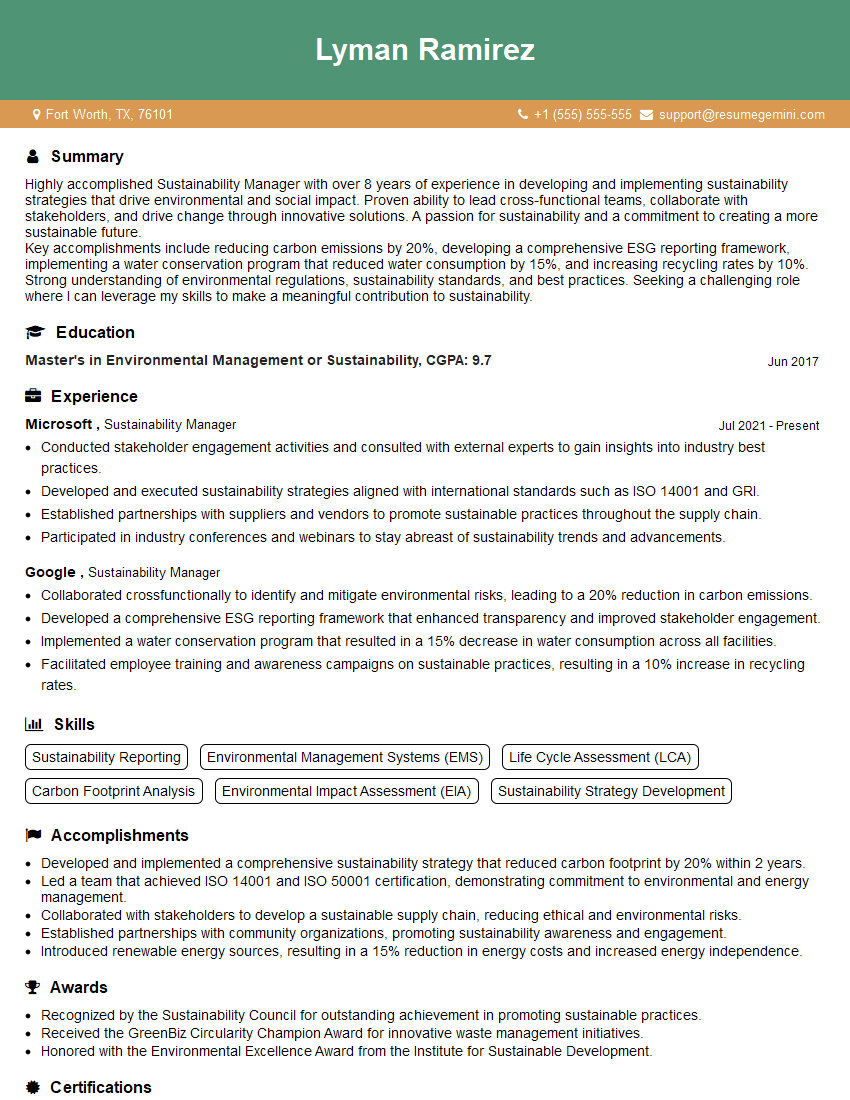
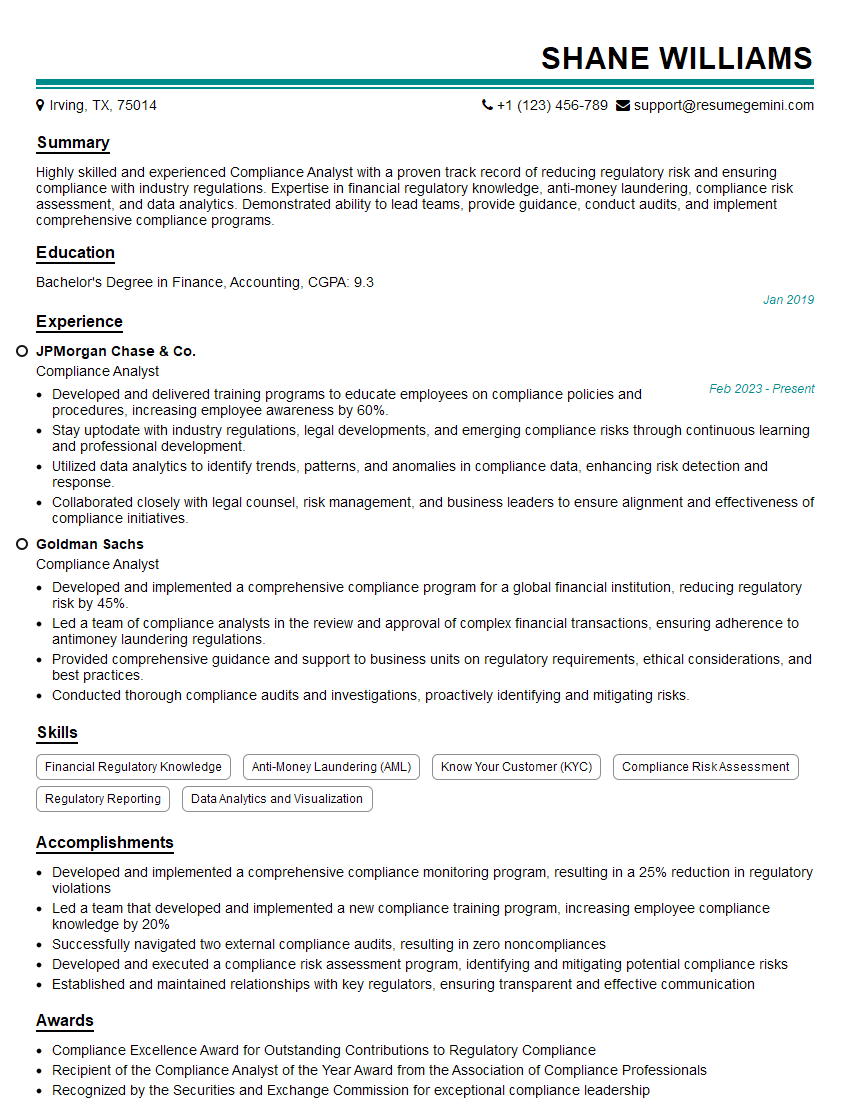
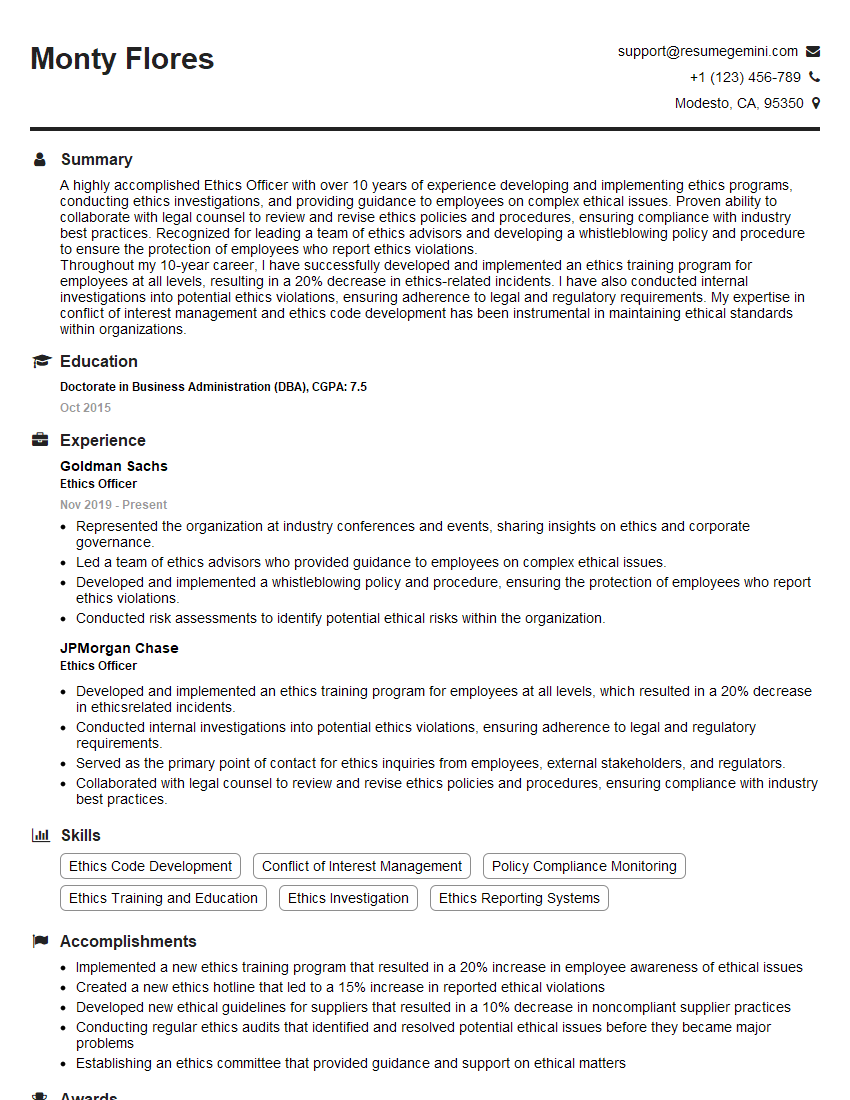
Mastering ethical principles is crucial for career advancement in today’s increasingly complex and interconnected world. Employers highly value candidates who demonstrate strong ethical reasoning and decision-making skills. To maximize your job prospects, crafting an ATS-friendly resume is essential. This ensures your qualifications are effectively communicated to hiring managers. We strongly encourage you to use ResumeGemini to build a professional resume that highlights your ethical expertise. Examples of resumes tailored to Ethical Principles positions are available to help you get started.


Explore more articles
Users Rating of Our Blogs
Share Your Experience
We value your feedback! Please rate our content and share your thoughts (optional).
What Readers Say About Our Blog
To the interviewgemini.com Webmaster.
Very helpful and content specific questions to help prepare me for my interview!
Thank you
To the interviewgemini.com Webmaster.
This was kind of a unique content I found around the specialized skills. Very helpful questions and good detailed answers.
Very Helpful blog, thank you Interviewgemini team.