The right preparation can turn an interview into an opportunity to showcase your expertise. This guide to Event Response Guidelines interview questions is your ultimate resource, providing key insights and tips to help you ace your responses and stand out as a top candidate.
Questions Asked in Event Response Guidelines Interview
Q 1. Describe your experience developing and implementing event response guidelines.
Developing and implementing effective event response guidelines is a multifaceted process that requires a deep understanding of potential threats, organizational vulnerabilities, and communication strategies. My approach begins with a thorough risk assessment, identifying potential incidents ranging from minor IT outages to major security breaches or natural disasters. This assessment informs the creation of tailored guidelines, outlining roles, responsibilities, escalation procedures, and communication protocols for each type of event.
I then work closely with stakeholders across various departments to ensure buy-in and ownership of the guidelines. This collaborative process involves workshops, training sessions, and regular reviews to refine the plan. Implementation involves integrating the guidelines into existing workflows, establishing communication channels, and conducting regular drills and simulations to test the plan’s efficacy. For example, in a previous role, I spearheaded the development of a cybersecurity incident response plan, working with IT, legal, and public relations to ensure a coordinated response in the event of a data breach. The plan included detailed procedures for containment, eradication, recovery, and post-incident analysis, significantly reducing our response time and minimizing potential damage.
Q 2. How do you prioritize incidents during a large-scale event?
Prioritizing incidents during a large-scale event requires a structured approach. I utilize a framework that considers the impact and urgency of each incident. Impact refers to the potential consequences of the incident – financial losses, reputational damage, or loss of life. Urgency refers to the time sensitivity – requiring immediate action to prevent escalation. This is often visualized using a matrix, with quadrants representing high impact/high urgency, high impact/low urgency, low impact/high urgency, and low impact/low urgency. Incidents in the high impact/high urgency quadrant receive immediate attention, while others are prioritized based on their relative importance.
For instance, during a severe weather event impacting a critical infrastructure system, restoring power would be a high impact/high urgency incident, while addressing minor customer service inquiries would be lower priority. This systematic approach ensures resources are allocated effectively to mitigate the most critical threats first. Clear communication is key during this process, ensuring all teams understand the prioritized list and their roles in addressing each incident.
Q 3. What metrics do you use to measure the effectiveness of an event response plan?
Measuring the effectiveness of an event response plan involves tracking several key metrics. These include:
- Response Time: How quickly the organization initiated and deployed its response.
- Incident Containment Time: The time taken to contain the impact of the event.
- Recovery Time: How long it took to restore normal operations.
- Financial Losses: Quantifying direct and indirect costs incurred due to the incident.
- Reputational Impact: Assessing the effect on brand image and customer trust (e.g., through social media sentiment analysis).
- Employee Safety: Measuring the number of injuries or fatalities.
- Plan Adherence: Assessing how well the response team followed established procedures.
By monitoring these metrics, we can identify areas for improvement in the event response plan and demonstrate its overall effectiveness. Regular post-incident reviews, incorporating these metrics, are critical for continuous improvement.
Q 4. Explain your process for communicating during a crisis.
Effective communication during a crisis is crucial. My process focuses on establishing clear communication channels, designated spokespeople, and a consistent messaging strategy. We use a multi-channel approach, leveraging various communication tools such as email, phone, SMS, and social media, depending on the audience and the urgency of the message. A central communication hub helps manage information flow and ensures consistency.
Designated spokespeople are trained to deliver clear, concise, and factual information to various stakeholders, including internal teams, customers, the media, and regulatory bodies. A pre-approved communication plan outlines key messages and answers to frequently asked questions, ensuring a consistent narrative. For example, during a product recall, our pre-defined communication plan ensured consistent messaging across all channels, preventing confusion and minimizing reputational damage.
Q 5. How do you ensure that your event response plan is regularly updated and tested?
Regular updates and testing are essential to maintain the relevance and effectiveness of an event response plan. I advocate for a continuous improvement cycle that includes:
- Regular Reviews: The plan should be reviewed at least annually, or more frequently following significant incidents or organizational changes.
- Tabletop Exercises: Simulated scenarios allow teams to practice their response without the pressure of a real event.
- Functional Exercises: More involved simulations that test the plan’s functionality in a real-world setting.
- Full-Scale Simulations: Comprehensive exercises that test the entire plan, involving all stakeholders and departments.
- Feedback Mechanisms: Gathering feedback from participants after each exercise allows for continuous improvement.
Documenting changes and updates is crucial. Version control ensures that everyone is working with the latest version of the plan.
Q 6. Describe a time you had to adapt your event response plan to an unexpected situation.
During a major software outage, our initial response plan focused on technical troubleshooting and restoration. However, the outage revealed a vulnerability in our system that led to a significant data breach. This unexpected situation required a swift adaptation of our response plan. We immediately activated our cybersecurity incident response plan, engaging our legal team and external cybersecurity experts. We had to balance the urgent need to restore service with the critical task of containing the data breach and investigating its root cause. This involved extensive communication with affected customers, regulatory bodies, and law enforcement. The experience highlighted the importance of incorporating diverse scenarios and adapting quickly to unexpected events. The subsequent post-incident review resulted in significant enhancements to our plan, including a stronger focus on data security and enhanced communication protocols.
Q 7. What are the key elements of a successful post-incident review?
A successful post-incident review is crucial for continuous improvement. It involves a structured analysis of the event, focusing on both successes and shortcomings. Key elements include:
- Factual Reconstruction: A detailed chronological account of the incident.
- Cause Analysis: Identifying the root causes of the incident and contributing factors.
- Effectiveness Assessment: Evaluating the effectiveness of the response plan and individual actions.
- Lessons Learned: Identifying areas for improvement in the plan, processes, and individual performance.
- Action Planning: Developing concrete actions to address identified deficiencies and prevent future incidents.
- Documentation: Comprehensive documentation of the entire review process, including findings and action items.
The review should be collaborative, involving all relevant stakeholders. A formal report summarizing findings and recommendations should be circulated to ensure accountability and inform future planning.
Q 8. How do you identify and mitigate potential risks before an event occurs?
Proactive risk identification and mitigation is crucial for effective event response. It involves a systematic approach focusing on understanding potential threats and vulnerabilities specific to the event and its context. This process typically involves several key steps:
Risk Assessment: This involves brainstorming potential hazards, considering factors like location, event type, attendee demographics, and historical data. For example, an outdoor concert might face risks of severe weather, while a large conference could be vulnerable to cyberattacks.
Vulnerability Analysis: Once potential hazards are identified, we assess vulnerabilities – weaknesses that could be exploited by these hazards. This might involve analyzing security protocols, emergency exits, or communication systems.
Risk Prioritization: Not all risks are created equal. We prioritize based on the likelihood of occurrence and potential impact. A low-probability, high-impact event (like a major earthquake) might require different mitigation strategies than a high-probability, low-impact event (like minor injuries).
Mitigation Strategies: Based on the prioritized risks, we develop mitigation strategies. This might involve implementing security measures, purchasing insurance, developing contingency plans, or providing appropriate training to personnel.
Testing and Review: Regular testing and review of mitigation strategies are vital. This ensures plans remain relevant and effective. Tabletop exercises or simulations can help identify weaknesses in the plan and refine mitigation strategies before a real incident occurs.
Q 9. What is your experience with different communication technologies during an emergency?
Effective communication is paramount during an emergency. My experience spans a range of technologies, including:
Two-way radios: Ideal for immediate, real-time communication among on-site personnel, especially in areas with limited cellular service.
SMS and text messaging: Useful for mass notifications to a wide audience, especially when phone lines are congested.
Email and internal communication platforms: Suitable for disseminating less time-sensitive information to stakeholders and coordinating internal responses.
Social media: Can be used to provide updates to the public and manage public perception, though careful messaging and vetting are essential.
Public address systems: Effective for communicating critical information to large groups of people within a specific venue.
Dedicated emergency communication systems: We also utilize systems designed specifically for crisis communication, often incorporating redundant systems to ensure reliability.
Choosing the right technology depends on the specific situation, the audience, and the urgency of the message. I am proficient in using multiple systems in conjunction to ensure comprehensive and efficient communication.
Q 10. How do you manage stakeholder expectations during a crisis?
Managing stakeholder expectations during a crisis is a delicate balancing act. Transparency, honesty, and consistent communication are key. I approach this by:
Establishing clear communication channels: Designating specific points of contact for different stakeholder groups (e.g., media, employees, customers).
Providing regular updates: Even if the information is limited, frequent updates help maintain trust and reduce speculation. I frame updates with facts and acknowledge uncertainties honestly.
Being empathetic and responsive: Understanding the concerns and anxieties of stakeholders is essential. Addressing their questions and concerns directly, even if I don’t have all the answers, demonstrates that their well-being is a priority.
Setting realistic expectations: Avoiding overpromising and managing expectations are crucial to prevent disappointment and maintain credibility. I clearly communicate challenges and limitations, focusing on the actions being taken to address the situation.
Post-Incident Debriefing: After the crisis, I conduct a debriefing to address outstanding questions, gather feedback, and improve future responses. This shows our commitment to learning from the experience and strengthens stakeholder relationships.
Q 11. Describe your understanding of legal and regulatory requirements related to event response.
My understanding of legal and regulatory requirements related to event response is extensive. These vary greatly depending on the type of event, location, and industry. Key areas include:
Occupational Safety and Health Administration (OSHA) regulations: These regulations cover workplace safety and emergency preparedness, including requirements for emergency action plans, employee training, and hazard communication.
Americans with Disabilities Act (ADA): Event response plans must ensure the safety and accessibility of individuals with disabilities.
Emergency Management Agency (FEMA) guidelines: These provide frameworks for planning, response, and recovery from various types of emergencies.
Data privacy laws (e.g., GDPR, CCPA): Protecting the personal data of attendees and employees during and after an event is crucial.
Insurance requirements: Depending on the event, specific types of insurance might be required to cover liabilities, property damage, and other potential losses.
Staying current with evolving laws and regulations is an ongoing process that is critical for ensuring legal compliance and mitigating potential risks.
Q 12. How do you ensure the safety and security of personnel during an event?
Ensuring the safety and security of personnel during an event requires a multi-layered approach:
Pre-Event Planning: This involves conducting thorough risk assessments, developing detailed emergency action plans, and providing comprehensive training to all personnel involved. This includes training on evacuation procedures, first aid, and communication protocols.
On-Site Security: This includes having appropriate security personnel, implementing access control measures, and using surveillance systems. Clear signage and well-lit areas are also important.
Emergency Response Procedures: Having clear procedures in place for various types of emergencies (fire, medical emergencies, active shooter situations) is critical. These procedures should be regularly practiced through drills and simulations.
Communication Systems: Reliable communication systems are vital for coordinating responses among personnel and relaying information to attendees. This might involve two-way radios, text alerts, and public address systems.
Post-Event Review: After the event, a thorough review of safety and security measures is crucial to identify areas for improvement and prevent future incidents.
Q 13. Explain your process for documenting event response activities.
Detailed documentation of event response activities is critical for legal compliance, continuous improvement, and future planning. My process involves:
Real-Time Logging: During the event, I maintain a chronological log of all significant events, actions taken, and communication exchanges. This might include timestamps, personnel involved, and decisions made.
Data Collection: I collect relevant data, including incident reports, communication records, and any other relevant documentation.
After-Action Report (AAR): Following the event, I prepare a comprehensive AAR that summarizes the incident, response actions, outcomes, and lessons learned. This report often includes an analysis of strengths and weaknesses in the response.
Data Storage and Retention: All documentation is stored securely and in accordance with relevant regulations. Retention policies are established to comply with legal requirements.
Sharing and Dissemination: Relevant information is shared with stakeholders, as needed, to ensure transparency and facilitate informed decision-making.
Q 14. What is your experience with different types of emergency response plans (e.g., fire, cyber, natural disaster)?
My experience encompasses a variety of emergency response plans, including:
Fire Emergency Plans: These plans cover procedures for fire prevention, detection, evacuation, and suppression. They include details on fire alarm systems, evacuation routes, assembly points, and communication protocols. I’ve worked with plans for both large venues and smaller offices, ensuring compliance with relevant fire codes and safety standards.
Cybersecurity Incident Response Plans: These plans outline procedures for addressing cyber threats, such as data breaches, malware attacks, and denial-of-service attacks. I have experience in developing and implementing plans that involve incident identification, containment, eradication, recovery, and post-incident analysis. This includes using tools for threat detection, incident response, and data recovery.
Natural Disaster Response Plans: These plans address the challenges posed by natural disasters, such as earthquakes, hurricanes, floods, and wildfires. This includes procedures for evacuation, sheltering, resource allocation, and communication with relevant authorities. I have experience adapting plans for the specific risks in different geographical areas.
Each plan is tailored to the specific risks and vulnerabilities associated with the particular event and environment. Regular training, drills, and testing are crucial to ensuring the plans remain effective and personnel are prepared to respond effectively.
Q 15. How do you collaborate with different teams and stakeholders during an event response?
Effective event response hinges on seamless collaboration. I approach this by establishing clear communication channels and roles from the outset. This often involves using a collaborative platform like Slack or Microsoft Teams for real-time updates and document sharing. I also champion regular briefings and debriefings, ensuring all stakeholders are informed and aligned. For example, during a recent server outage, I coordinated with the IT team to troubleshoot the issue, the PR team to manage communication with clients, and the executive team for decision-making. This multi-faceted approach ensures we respond swiftly and effectively, minimizing disruption.
My strategy includes proactively identifying key stakeholders before an event even occurs, building relationships and understanding their respective responsibilities. This pre-emptive approach allows for smoother coordination when pressure is high. I utilize a matrix structure to define responsibilities and reporting lines clearly, minimizing confusion during a crisis.
Career Expert Tips:
- Ace those interviews! Prepare effectively by reviewing the Top 50 Most Common Interview Questions on ResumeGemini.
- Navigate your job search with confidence! Explore a wide range of Career Tips on ResumeGemini. Learn about common challenges and recommendations to overcome them.
- Craft the perfect resume! Master the Art of Resume Writing with ResumeGemini’s guide. Showcase your unique qualifications and achievements effectively.
- Don’t miss out on holiday savings! Build your dream resume with ResumeGemini’s ATS optimized templates.
Q 16. What are some common challenges in event response, and how do you overcome them?
Common challenges in event response include information silos, unclear communication, insufficient resources, and lack of preparedness. Overcoming these requires a proactive and multi-pronged approach.
- Information Silos: I combat this by implementing centralized communication systems and ensuring all teams are using the same platform. Regular information sharing sessions and cross-functional training further break down barriers.
- Unclear Communication: This is mitigated through clearly defined roles, responsibilities, and communication protocols. Regular drills and simulations help teams practice their communication and coordination.
- Insufficient Resources: Proactive resource planning and identification of alternative resources are crucial. This might include pre-negotiated contracts with external vendors or having backup systems in place.
- Lack of Preparedness: This is addressed through comprehensive training programs, regular tabletop exercises, and post-incident reviews. These exercises allow us to test our plans and identify areas for improvement.
For instance, during a recent cyberattack, the lack of a standardized incident reporting procedure slowed down our response. By implementing a clearly defined process, we addressed this weakness in our future planning.
Q 17. Describe your experience with incident command systems (ICS).
I have extensive experience with Incident Command Systems (ICS), specifically the National Incident Management System (NIMS). ICS provides a standardized, flexible framework for managing incidents of all sizes and complexities. I’m proficient in the five ICS functional areas: Command, Operations, Planning, Logistics, and Finance/Administration. I understand how to establish an Incident Command Post (ICP) and effectively manage resources and personnel within the ICS structure.
In a previous role, I led the response to a major data breach using the ICS framework. We successfully contained the breach, mitigated the damage, and recovered our systems within a minimal timeframe. The ICS framework allowed us to organize our efforts effectively, ensuring clear communication, coordinated actions, and accountable responsibilities.
Q 18. How do you ensure business continuity during a major disruption?
Ensuring business continuity during major disruptions relies on a robust business continuity plan (BCP). This plan outlines strategies for minimizing disruptions and ensuring critical business functions continue to operate. Key components include:
- Risk Assessment: Identifying potential disruptions and their impact.
- Business Impact Analysis (BIA): Determining the critical functions and resources needed to maintain operations.
- Recovery Strategies: Developing strategies to restore critical functions in the event of a disruption, such as data backups, failover systems, and alternative work locations.
- Testing and Training: Regularly testing the BCP and training staff on their roles and responsibilities.
For example, our BCP includes a detailed plan for relocating our operations to a secondary data center in the event of a natural disaster. This plan includes procedures for data backup, system restoration, and staff relocation, all tested through regular drills.
Q 19. Explain your understanding of risk assessment methodologies in event response.
Risk assessment methodologies are crucial for proactive event response. I utilize a combination of qualitative and quantitative methods to identify, analyze, and prioritize risks. Qualitative methods, such as brainstorming sessions and expert interviews, help identify potential threats. Quantitative methods, such as fault tree analysis and Failure Modes and Effects Analysis (FMEA), help assess the likelihood and impact of those threats.
The output is a prioritized risk register, highlighting the most critical risks requiring immediate attention. This informs our resource allocation and development of mitigation strategies. For example, we recently used a risk matrix to evaluate the likelihood and impact of various cyber threats, prioritizing our security investments based on this analysis.
Q 20. How do you train staff on event response procedures?
Staff training on event response procedures is an ongoing process. We utilize a multi-faceted approach:
- Initial Training: Comprehensive training on company policies, procedures, and roles and responsibilities.
- Regular Drills and Simulations: Tabletop exercises and full-scale simulations test our plans and allow staff to practice their roles in a safe environment.
- Refresher Training: Regular refresher courses keep staff updated on changes in procedures and technologies.
- Online Modules: Interactive online modules provide accessible and convenient learning opportunities.
- Post-Incident Reviews: Analyzing past incidents to identify areas for improvement in training and procedures.
We use a blended learning approach, combining classroom instruction, online modules, and practical exercises to enhance knowledge retention and skill development. Regular feedback sessions help identify areas where additional training may be needed.
Q 21. What are your preferred methods for tracking and reporting on event response activities?
Tracking and reporting on event response activities require a structured approach. I favor using a combination of tools and techniques:
- Incident Management Software: This provides a centralized system for recording and tracking incident details, including timelines, actions taken, and personnel involved.
- Spreadsheets and Dashboards: For summarizing key metrics and providing real-time updates to stakeholders.
- Post-Incident Reports: Detailed reports summarizing the incident, response efforts, lessons learned, and recommendations for improvement.
For example, we use a dedicated incident management system that allows us to track all aspects of an event, from initial detection to resolution. This system provides valuable data for post-incident analysis and continuous improvement of our response capabilities. We also utilize dashboards to provide real-time updates to senior management during critical incidents.
Q 22. Describe your experience with using technology to support event response efforts.
Technology plays a crucial role in modern event response. My experience encompasses leveraging various tools to enhance efficiency and coordination. For instance, I’ve extensively used Geographic Information Systems (GIS) software to map incident locations, track resource deployment (personnel, equipment), and visualize the event’s impact in real-time. This allows for quicker decision-making and more effective resource allocation. Furthermore, I’m proficient in utilizing communication platforms like dedicated secure chat applications and mass notification systems to disseminate critical information rapidly to responders and affected populations. In one specific instance, during a large-scale power outage, using a GIS dashboard enabled us to identify vulnerable populations lacking access to critical services like healthcare, allowing for targeted support deployment.
I’ve also worked with data analytics tools to analyze incident trends, identifying patterns and potential vulnerabilities that we can proactively address through improved preparedness strategies. For example, analyzing past incident reports allowed us to better anticipate needs for specific resources during similar future events.
Q 23. How do you maintain confidentiality during a sensitive event?
Maintaining confidentiality during sensitive events is paramount. It involves strict adherence to data protection regulations and internal protocols. This includes limiting access to sensitive information on a need-to-know basis, using encrypted communication channels, and properly securing all physical and digital records. We employ strict access control measures, using role-based access systems to ensure only authorized personnel can view sensitive data. All personnel involved receive specific training on data security and privacy regulations. During a recent incident involving a data breach, our adherence to these protocols enabled us to mitigate the damage and protect sensitive information.
Furthermore, thorough documentation outlining the actions taken and the information shared is crucial for audit trails and accountability. Transparency about what information is being shared with whom and why helps build trust and ensures appropriate handling.
Q 24. Explain your experience with post-incident damage assessment.
Post-incident damage assessment is a critical step in the event response lifecycle. My experience involves conducting comprehensive assessments to determine the extent of damage across various domains: physical infrastructure, environmental impact, economic losses, and social consequences. This involves on-site inspections, data collection from various sources (reports, surveys, interviews), and detailed analysis. The process starts immediately after the event has been contained, focusing on immediate needs such as assessing the safety and well-being of the affected population. We utilize both qualitative and quantitative methods to ensure a thorough picture is created.
For example, after a significant flood, I led a team that assessed the extent of damage to homes, businesses, and critical infrastructure like bridges and roads. Our findings were used to guide resource allocation for recovery and reconstruction efforts, along with informing long-term strategies to improve resilience to future similar events. The assessment includes creating detailed reports outlining the extent of the damage, potential long-term effects, and recommendations for recovery.
Q 25. How do you measure the effectiveness of your emergency response training programs?
Measuring the effectiveness of emergency response training programs requires a multifaceted approach. We use a combination of methods to assess both knowledge acquisition and practical skills development. This includes pre- and post-training assessments to gauge knowledge improvement. We also conduct practical drills and simulations, observing team performance and identifying areas for improvement. Post-training surveys and feedback sessions gather participant perspectives on the training’s relevance, effectiveness, and areas requiring improvement.
Furthermore, we analyze data from actual event responses to assess how well the training translates to real-world performance. This may involve reviewing incident reports, conducting post-incident critiques, and interviewing participants to identify successes and areas where training could be enhanced. Key performance indicators (KPIs) might include response time, resource utilization efficiency, and the number of successful interventions. Regular review and updates based on feedback and performance data are crucial to maintain the relevance and effectiveness of our programs.
Q 26. What are your strengths and weaknesses in event response management?
My strengths lie in my ability to remain calm and decisive under pressure, coupled with my strong leadership and communication skills. I excel at coordinating diverse teams, fostering collaboration, and making sound judgments based on incomplete information. I have a proven track record of successful event response management, demonstrated by consistently effective coordination, clear communication, and successful mitigation of various crises. My strategic thinking allows me to anticipate challenges and develop proactive mitigation strategies.
However, like any professional, I also acknowledge areas for continued improvement. I am always working to enhance my technical proficiency with emerging technologies relevant to event response. I’m also focusing on improving my delegation skills to better leverage the talents of my team members during high-pressure situations.
Q 27. Describe your approach to de-escalating a tense situation during an event.
De-escalating tense situations requires a calm and empathetic approach. My strategy centers on active listening, building rapport, and demonstrating respect. I aim to understand the concerns of individuals involved, validating their feelings while conveying a sense of calm and control. Clear, concise communication, avoiding inflammatory language, is crucial. I use verbal and non-verbal cues to convey empathy and understanding.
For instance, during a public protest that escalated, I successfully de-escalated the situation by engaging in calm dialogue with the key organizers, understanding their grievances, and finding common ground. This led to a peaceful resolution. In such cases, patience and thoughtful communication often lead to a more positive outcome than coercive tactics. When necessary, I involve trained mediators or law enforcement only after all attempts at verbal de-escalation have been exhausted.
Q 28. How do you handle conflicting priorities during a crisis?
Handling conflicting priorities during a crisis requires a systematic approach to prioritization. I use a decision-making framework that considers factors such as urgency, impact, and resource availability. This involves clearly identifying all competing priorities, assessing their relative importance using a matrix or scoring system, and allocating resources accordingly. Open communication and clear justification of decisions are crucial to maintaining team morale and buy-in. Transparent communication with stakeholders is critical to maintaining confidence and support.
For example, during a multi-faceted disaster, I had to prioritize search and rescue operations while simultaneously managing the allocation of medical resources and communication infrastructure repairs. Using a risk assessment matrix, we prioritized the most life-threatening situations first, ensuring that we allocated our limited resources efficiently. The clear communication of the prioritization strategy to all teams helped ensure that everyone worked effectively towards the same objectives despite resource constraints.
Key Topics to Learn for Event Response Guidelines Interview
- Incident Classification and Prioritization: Understanding the severity levels of different events and how to prioritize responses based on impact and urgency. This includes practical application in a simulated scenario, analyzing various event types and determining appropriate response levels.
- Communication Protocols and Procedures: Mastering effective communication strategies during an event, including internal and external stakeholders. This involves understanding the importance of clear, concise messaging, using the right channels, and maintaining consistent updates. Consider practical application: developing a communication plan for a hypothetical crisis.
- Emergency Response Planning and Execution: Developing and implementing comprehensive event response plans. This includes understanding risk assessment, resource allocation, and the steps involved in executing a plan effectively. Consider practical application: analyzing a pre-existing plan and identifying potential areas for improvement.
- Post-Incident Analysis and Reporting: Conducting thorough post-incident reviews to identify areas for improvement and prevent future occurrences. This involves data analysis, identifying contributing factors, and creating actionable recommendations. Practical application involves creating a post-incident report based on a hypothetical scenario.
- Legal and Regulatory Compliance: Understanding relevant laws and regulations related to event response and ensuring compliance throughout the process. This includes understanding data privacy, reporting requirements, and potential legal ramifications. Practical application involves identifying potential legal and regulatory implications in a hypothetical scenario.
- Technological Tools and Systems: Familiarity with relevant software and technologies used in event response, such as incident management systems or communication platforms. Practical application involves describing your experience with similar systems or expressing a willingness to learn new ones quickly.
Next Steps
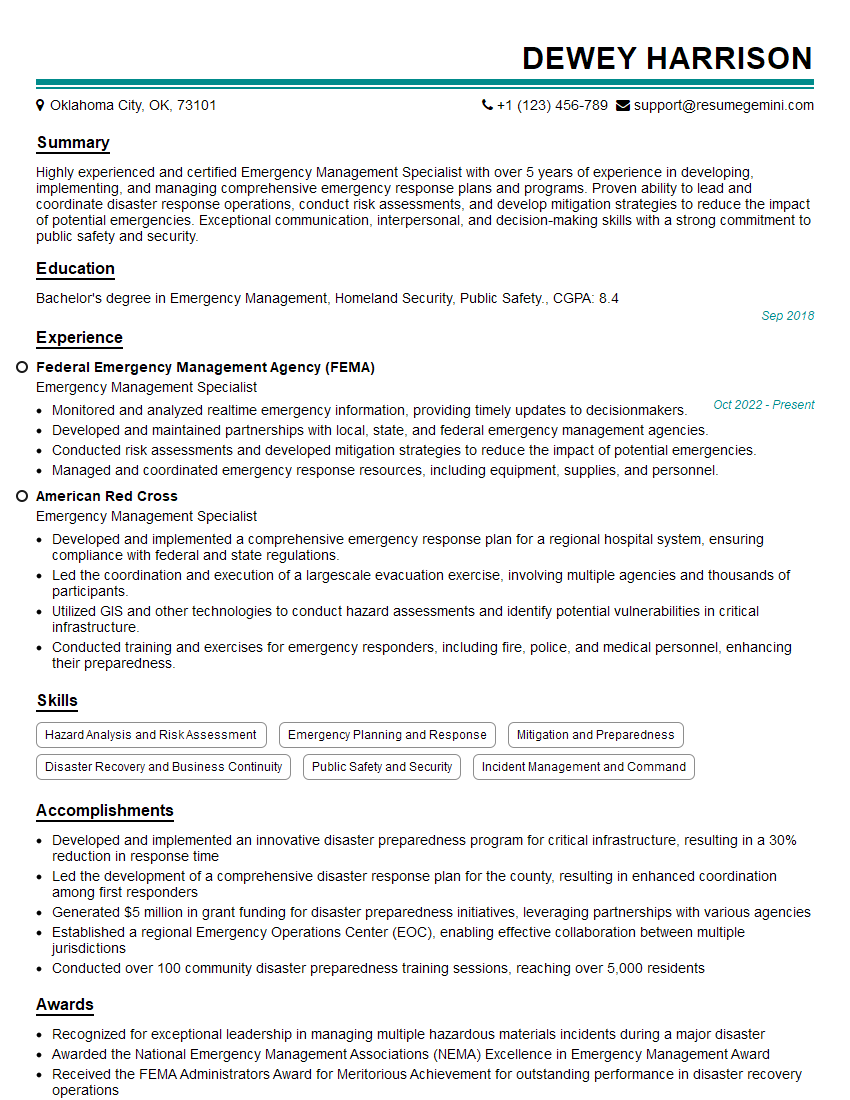
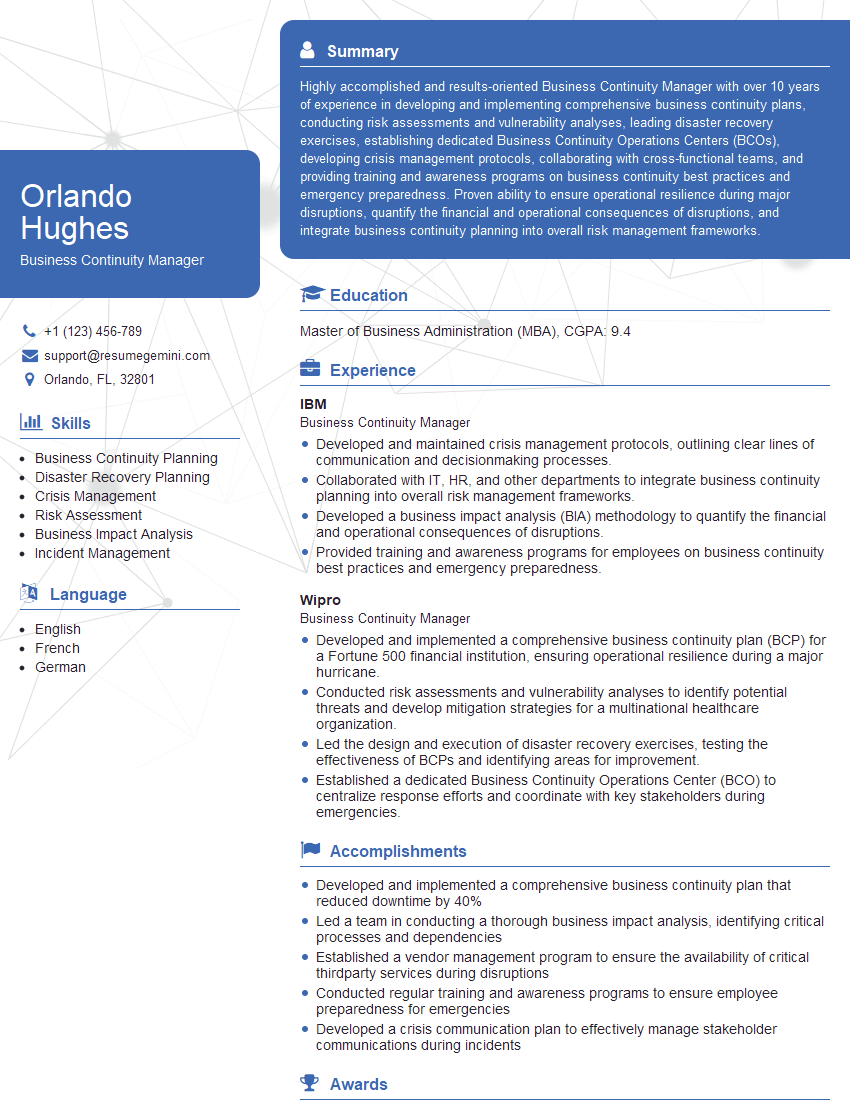
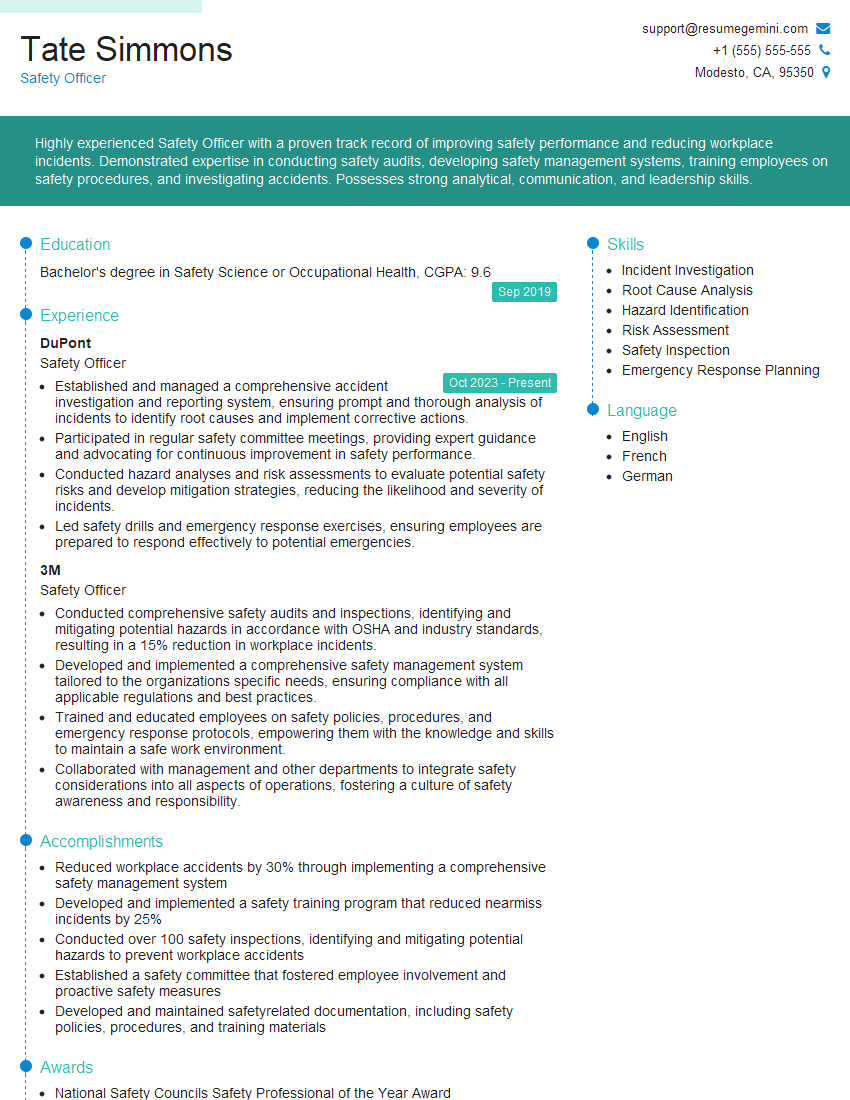
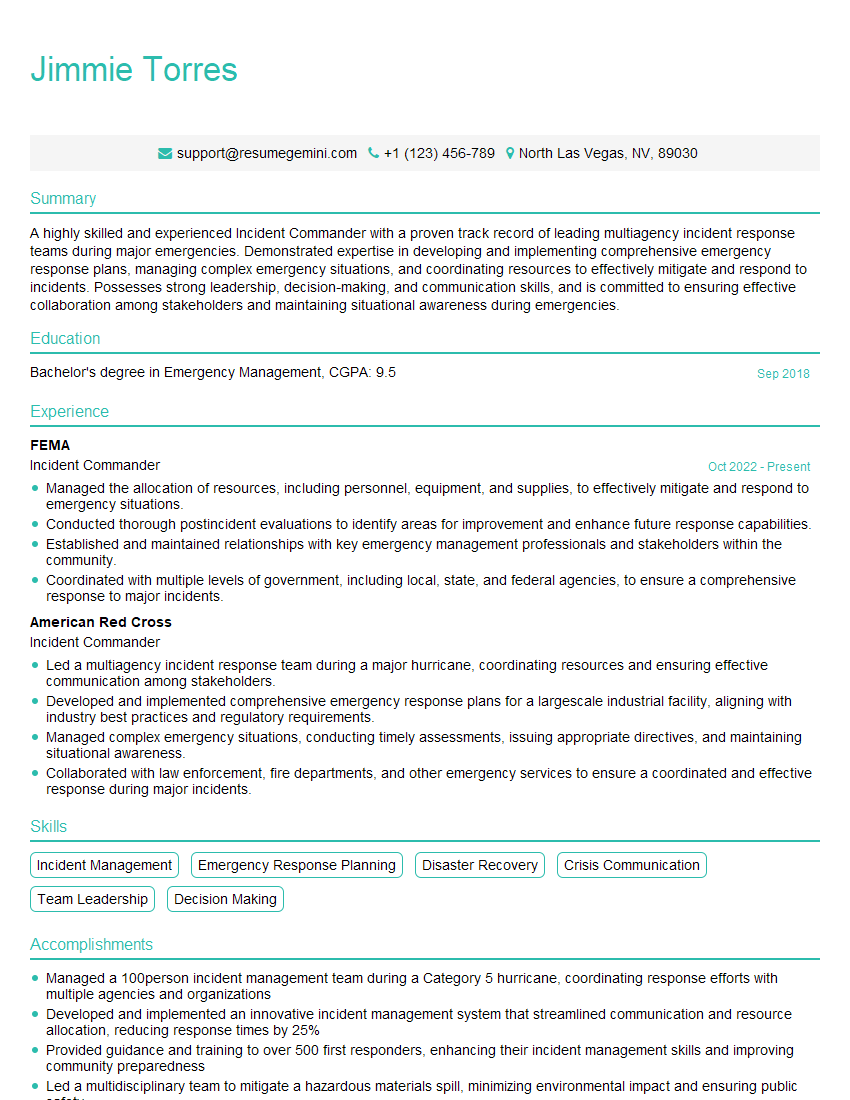
Mastering Event Response Guidelines is crucial for career advancement in many fields, demonstrating your ability to handle pressure, think critically, and work effectively under challenging circumstances. A strong understanding of these guidelines will significantly boost your job prospects. To enhance your chances, create an ATS-friendly resume that highlights your relevant skills and experience. ResumeGemini is a trusted resource that can help you build a professional and impactful resume. We provide examples of resumes tailored to Event Response Guidelines to guide you in showcasing your qualifications effectively. Invest time in crafting a compelling resume—it’s your first impression with potential employers.
Explore more articles
Users Rating of Our Blogs
Share Your Experience
We value your feedback! Please rate our content and share your thoughts (optional).
What Readers Say About Our Blog
To the interviewgemini.com Webmaster.
Very helpful and content specific questions to help prepare me for my interview!
Thank you
To the interviewgemini.com Webmaster.
This was kind of a unique content I found around the specialized skills. Very helpful questions and good detailed answers.
Very Helpful blog, thank you Interviewgemini team.