The right preparation can turn an interview into an opportunity to showcase your expertise. This guide to Exercise Adherence interview questions is your ultimate resource, providing key insights and tips to help you ace your responses and stand out as a top candidate.
Questions Asked in Exercise Adherence Interview
Q 1. Define exercise adherence and its importance in achieving health goals.
Exercise adherence refers to the extent to which individuals maintain a prescribed exercise program over time. It’s not just about starting an exercise routine; it’s about sticking with it consistently to achieve and maintain health benefits. Its importance in achieving health goals cannot be overstated. Without adherence, even the best-designed exercise plan will fail to deliver its intended results. Consistent exercise is crucial for weight management, reducing the risk of chronic diseases (like heart disease, type 2 diabetes, and some cancers), improving mental health, increasing energy levels, and enhancing overall quality of life.
Think of it like this: a fantastic recipe for a delicious cake is useless if you don’t follow the instructions and bake it. Similarly, a perfect exercise plan is ineffective without consistent effort and commitment.
Q 2. Explain the difference between intrinsic and extrinsic motivation in exercise adherence.
Intrinsic motivation arises from within; it’s the inherent satisfaction and enjoyment derived from the exercise itself. Individuals intrinsically motivated to exercise find it rewarding and pleasurable, leading to greater adherence. They exercise because they want to, not because of external pressure.
Extrinsic motivation, on the other hand, stems from external factors such as rewards, social pressure, or avoiding punishment. While it can be effective in the short term, reliance on extrinsic motivation often leads to lower adherence once the external reward or pressure is removed. For example, someone might join a gym because of a New Year’s resolution (extrinsic) but will likely drop out if they don’t see immediate results or find the workouts unenjoyable.
Ideally, we aim for a balance, fostering both intrinsic and extrinsic motivation to build long-term sustainable exercise habits. For example, starting with an external goal (losing weight) and then discovering the intrinsic joy of running or cycling can create a powerful combination for continued adherence.
Q 3. Describe three common barriers to exercise adherence and strategies to overcome them.
Three common barriers to exercise adherence are:
- Lack of Time: Many individuals struggle to find time to exercise amidst their busy schedules.
- Lack of Energy/Fatigue: Feeling tired or exhausted can make it difficult to find the motivation to exercise.
- Lack of Social Support: Exercising with friends or family can significantly improve adherence; however, a lack of support can create feelings of isolation and hinder progress.
Strategies to overcome these barriers include:
- Time Management: Scheduling exercise into the day like any other important appointment, incorporating short exercise bursts throughout the day, or finding convenient exercise options such as at-home workouts.
- Energy Management: Prioritizing sleep, managing stress, and gradually increasing exercise intensity to avoid burnout. Understanding that exercise often provides more energy in the long run can help overcome initial fatigue.
- Building Social Support: Finding a workout buddy, joining a fitness class, or participating in group activities to create a sense of community and shared goals.
Q 4. How do you assess an individual’s readiness for change regarding exercise?
Assessing an individual’s readiness for change involves using tools and techniques to gauge their motivation and commitment to adopting and maintaining an exercise program. The Transtheoretical Model (Stages of Change) is a helpful framework. It identifies five stages: Precontemplation (not considering change), Contemplation (considering change within the next 6 months), Preparation (planning to change within the next month), Action (actively engaging in change), and Maintenance (maintaining the change for 6 months or more).
Assessment might involve questionnaires (like the Stages of Change questionnaire), interviews, and discussions to determine the individual’s stage. This allows for tailored interventions. For example, someone in the precontemplation stage would need different strategies than someone in the action stage. Those in the precontemplation stage might benefit from education about the benefits of exercise, while those in the action stage might need support in overcoming barriers.
Q 5. What are the key components of a successful exercise prescription?
A successful exercise prescription involves several key components:
- Mode: The type of exercise (e.g., cardiovascular, strength training, flexibility).
- Intensity: The level of exertion during exercise (e.g., moderate, vigorous). This is often measured using heart rate, perceived exertion, or metabolic equivalents (METs).
- Frequency: How often exercise is performed per week.
- Duration: The length of each exercise session.
- Progression: Gradually increasing the intensity, frequency, or duration of exercise over time to avoid plateaus and injury.
- Type: Specifying the exercise types (running, swimming, weight lifting, etc.)
Consider this example: A prescription for a 50-year-old aiming to improve cardiovascular fitness might be: Moderate-intensity cardio (brisk walking) 30 minutes, 5 days per week, with gradual increases in duration and intensity over 8 weeks.
Q 6. How do you tailor exercise programs to meet individual needs and preferences?
Tailoring exercise programs requires understanding individual needs and preferences. This begins with a thorough assessment that includes:
- Physical fitness level: Assessing current fitness, any limitations, and medical history.
- Exercise history: Understanding prior exercise experience to design a program that’s challenging yet achievable.
- Personal goals: Clarifying the client’s objectives (weight loss, muscle gain, improved endurance, etc.).
- Preferences: Considering preferences for activities, workout environments, and schedules.
- Lifestyle factors: Taking into account work schedules, family commitments, and any potential time constraints.
For example, a busy professional might prefer shorter, more intense workouts at home, whereas someone with more free time may enjoy longer sessions at a gym. Variety is also key—offering different activities to prevent boredom and maintain motivation.
Q 7. What strategies do you use to build rapport and trust with clients?
Building rapport and trust is crucial for successful exercise adherence. Strategies include:
- Active Listening: Paying close attention to the client’s concerns and goals, showing genuine interest in their experiences.
- Empathy and Understanding: Acknowledging the challenges of maintaining an exercise program and offering support and encouragement.
- Clear Communication: Explaining the exercise program clearly and answering any questions thoroughly.
- Setting Realistic Goals: Collaboratively establishing achievable goals that are motivating and attainable.
- Positive Reinforcement: Regularly praising effort and progress, celebrating successes, no matter how small.
- Respecting Boundaries: Acknowledging that adherence is a personal journey and respecting the client’s autonomy and pace.
Building a strong client-professional relationship creates a supportive environment conducive to long-term adherence. Showing genuine care and concern for the client’s well-being fosters trust and improves the likelihood of success.
Q 8. Explain how you would address a client’s lack of motivation or progress.
Addressing a client’s lack of motivation or progress requires a multifaceted approach focusing on understanding the root cause. It’s rarely simply a lack of willpower. I begin by engaging in a thorough discussion, exploring potential barriers. This might involve examining their schedule, assessing their current support system, and identifying any psychological factors like stress or self-doubt.
For example, a client might report feeling overwhelmed by a demanding work schedule. In this case, I wouldn’t simply tell them to ‘exercise more.’ Instead, we’d collaboratively find realistic times to fit in shorter, more manageable workouts, perhaps integrating them into their commute or lunch break. We may also explore strategies for stress management, such as mindfulness exercises, to improve overall well-being and boost motivation.
If the problem stems from unrealistic expectations, we would re-evaluate their goals and focus on celebrating small victories along the way. Positive reinforcement and a focus on progress, not perfection, are crucial. I might also involve their support network – family, friends, or colleagues – to promote accountability and encouragement.
Q 9. Describe your experience using technology to track and improve exercise adherence.
Technology plays a vital role in enhancing exercise adherence. I’ve extensively used wearable fitness trackers (like Fitbits or Apple Watches) and smartphone apps (such as MyFitnessPal or Strava) to monitor activity levels, sleep patterns, and nutritional intake. This data provides valuable insights into a client’s behavior patterns and helps identify areas for improvement.
For example, a client struggling with consistency might consistently miss their morning workouts. By reviewing their sleep data, we might discover they are consistently sleep-deprived, leading to decreased motivation. Addressing sleep hygiene becomes as important as the workout itself. Furthermore, I use these tools to provide personalized feedback and celebrate progress, which is often more motivating than simply stating goals.
Beyond tracking, apps allow for remote communication and personalized programming. Clients can easily log their workouts and receive feedback or modifications as needed, fostering a stronger connection and ensuring adherence even when we aren’t meeting in person. I also leverage telehealth platforms for virtual consultations and coaching.
Q 10. How do you incorporate behavioral change techniques into your exercise programs?
Behavioral change techniques are fundamental to successful exercise programs. I apply principles of goal-setting theory, self-monitoring, reinforcement, and social support. For goal setting, I work with clients to establish SMART goals – Specific, Measurable, Achievable, Relevant, and Time-bound.
- Self-Monitoring: Clients use trackers or journals to document their activity levels, enhancing self-awareness and accountability.
- Reinforcement: I utilize both positive and negative reinforcement techniques. Positive reinforcement focuses on rewarding progress with praise, celebrating milestones, or offering small rewards. Negative reinforcement involves gradually removing undesirable stimuli, such as reducing the duration of an unpleasant activity after a workout.
- Social Support: I encourage clients to find workout buddies or join fitness groups to foster a sense of community and shared motivation.
- Habit Stacking: I help clients integrate exercise into their existing routines by linking it to established habits, for example, doing 10 minutes of stretching immediately after brushing their teeth in the morning.
For instance, a client might set a goal to walk for 30 minutes, three times a week for four weeks. We’d track progress together and celebrate achieving each week’s target. If they miss a day, we discuss why and strategize to get back on track without self-criticism.
Q 11. What is your approach to setting realistic and achievable exercise goals?
Setting realistic and achievable goals is paramount. I avoid creating overly ambitious targets that lead to discouragement and early dropout. Instead, I begin with a thorough assessment of the client’s current fitness level, health history, and lifestyle. We collaboratively establish a baseline and incrementally increase the intensity and duration of exercise over time.
For example, for a sedentary individual, starting with a brisk 10-minute walk three times a week might be more appropriate than immediately aiming for a 60-minute run. Gradual progression prevents injury, builds confidence, and promotes long-term adherence. I emphasize process goals, like consistently attending workouts, rather than solely focusing on outcome goals like weight loss. This fosters a sense of accomplishment even on days when the scale may not show immediate results.
Regular check-ins and adjustments are vital. As the client progresses, we revisit their goals, celebrate successes, and modify the plan as needed to maintain motivation and challenge while avoiding burnout.
Q 12. How do you monitor and evaluate the effectiveness of your exercise programs?
Monitoring and evaluating program effectiveness involves a multi-pronged approach, combining subjective and objective measures. Objective measures include tracking physical data like weight, body composition, blood pressure, and cardiovascular fitness using fitness tests. I might use tools like the Rockport Walk Test or a VO2 max test depending on the individual and their goals.
Subjective measures assess the client’s perceived exertion, enjoyment of the program, and overall satisfaction. I regularly use questionnaires and feedback sessions to gauge their experience. For instance, a standardized measure of physical activity like the International Physical Activity Questionnaire (IPAQ) might be used. I also closely monitor adherence rates – the consistency with which the client follows the program. Any significant deviations warrant investigation and adjustments to the program or support system.
This data informs modifications to the exercise program. For example, if a client plateaus in their progress, we might adjust the intensity, duration, or type of exercise to provide a renewed stimulus and maintain motivation.
Q 13. Explain your understanding of the Transtheoretical Model of Change.
The Transtheoretical Model of Change (also known as the Stages of Change model) is a valuable framework for understanding and guiding behavior change. It proposes that individuals progress through five stages: Precontemplation, Contemplation, Preparation, Action, and Maintenance.
- Precontemplation: The individual is not considering change.
- Contemplation: The individual is aware of the need for change but hasn’t committed to action.
- Preparation: The individual is preparing to take action, making small changes.
- Action: The individual is actively engaging in the new behavior.
- Maintenance: The individual has sustained the new behavior for a considerable period and is working to prevent relapse.
My approach tailors interventions to each stage. For example, a client in the precontemplation stage might benefit from education about the benefits of exercise. A client in the action stage might need strategies for overcoming obstacles and maintaining momentum. Understanding the stage allows for targeted support and increased success rates.
Q 14. How do you address client setbacks and prevent relapse?
Setbacks are inevitable in any behavior change process. My approach focuses on viewing setbacks not as failures, but as learning opportunities. When a setback occurs, I work with the client to understand the contributing factors. This might include increased stress levels, illness, lack of support, or unrealistic expectations.
We collaboratively develop strategies for preventing future setbacks. This might involve identifying potential triggers and developing coping mechanisms, building a stronger support system, refining goal setting, or adjusting the exercise program to make it more sustainable. Relapse prevention involves proactively identifying high-risk situations and developing plans to navigate them. This might include identifying alternative activities for days when their usual routine is disrupted.
Open communication and a non-judgmental approach are key to helping clients navigate setbacks. Emphasizing self-compassion and reframing setbacks as temporary deviations from a long-term goal is crucial for maintaining motivation and preventing relapse.
Q 15. What is your experience with different types of exercise interventions?
My experience encompasses a wide range of exercise interventions, from individualised programs to group-based initiatives. I’ve worked with clients across various age groups and fitness levels, utilizing diverse methodologies. This includes designing and implementing:
- Aerobic training programs: Focusing on activities like running, swimming, cycling, and brisk walking, tailored to individual cardiovascular fitness levels and goals. For example, I designed a progressive running program for a client aiming for a 5k, starting with walk-run intervals and gradually increasing running time.
- Strength training programs: Incorporating resistance exercises using weights, resistance bands, or bodyweight, emphasizing proper form and progressive overload. A recent example involved designing a strength training program for a post-menopausal woman focusing on bone density improvement and muscle mass gain.
- Flexibility and balance programs: Emphasizing exercises like yoga, Pilates, and tai chi, crucial for improving range of motion and reducing injury risk, particularly relevant for older adults or individuals with limited mobility.
- Mindfulness-based exercise interventions: Integrating mindfulness techniques to enhance awareness of body sensations and improve the mind-body connection during physical activity, promoting adherence and stress reduction.
Each program is meticulously designed, considering the client’s specific needs, preferences, and limitations, ensuring safety and efficacy.
Career Expert Tips:
- Ace those interviews! Prepare effectively by reviewing the Top 50 Most Common Interview Questions on ResumeGemini.
- Navigate your job search with confidence! Explore a wide range of Career Tips on ResumeGemini. Learn about common challenges and recommendations to overcome them.
- Craft the perfect resume! Master the Art of Resume Writing with ResumeGemini’s guide. Showcase your unique qualifications and achievements effectively.
- Don’t miss out on holiday savings! Build your dream resume with ResumeGemini’s ATS optimized templates.
Q 16. How would you design an exercise program for a client with specific health conditions (e.g., obesity, diabetes)?
Designing an exercise program for clients with specific health conditions requires a collaborative approach involving healthcare professionals. For example, a program for someone with obesity would prioritize gradual weight loss and improved cardiovascular health. It might involve a combination of moderate-intensity aerobic exercise, resistance training, and dietary modifications. Safety is paramount; I’d start with low-impact activities and progressively increase intensity and duration. For a diabetic client, the focus would be on blood glucose control through regular physical activity, improving insulin sensitivity. This could include consistent aerobic exercise and strength training, scheduled around medication and blood glucose monitoring times.
Here’s a hypothetical example for a client with type 2 diabetes:
- Phase 1 (Weeks 1-4): Low-impact activities like walking for 20 minutes, 3 days a week. Focus on establishing a consistent routine.
- Phase 2 (Weeks 5-8): Increase duration and/or intensity of walking, incorporate 2 days of light resistance training (bodyweight exercises).
- Phase 3 (Weeks 9-12): Progress to more vigorous activities (e.g., jogging), increase resistance training intensity, potentially adding weights.
Crucially, constant monitoring of blood glucose levels and regular consultations with the client’s physician are vital components.
Q 17. Describe your experience using motivational interviewing techniques.
Motivational Interviewing (MI) is a cornerstone of my approach. I use it to guide clients towards their own intrinsic motivation to change, rather than imposing external pressure. I’ve used MI to address ambivalence about exercise, helping clients identify their own reasons for wanting to be more active.
For example, I might use open-ended questions like, ‘Tell me about your thoughts on starting an exercise program,’ to understand their perspectives. I then use reflective listening to ensure understanding and empathy. If a client expresses doubt, I might say, ‘It sounds like you’re hesitant about the time commitment.’ This avoids confrontation and builds rapport. The goal is to collaboratively set realistic goals that align with their values and capabilities. I find that framing exercise as a positive step towards their own goals (e.g., increased energy, better sleep, improved mood) is much more effective than simply focusing on weight loss or reducing health risks.
Q 18. How do you adapt your communication style to different client personalities?
Adapting my communication style is essential for effective client interaction. I recognize that individuals have different learning styles and communication preferences. For example, some clients prefer detailed explanations and structured programs, while others respond better to a more relaxed, informal approach.
With introverted clients, I might opt for quieter, more thoughtful conversations, focusing on their individual needs and providing space for reflection. With extroverted clients, I might engage in more lively discussions, incorporating group activities or setting shared goals. I pay attention to their body language and verbal cues, adjusting my tone and pace accordingly. I also make use of various communication methods – written plans, videos, phone calls – to cater to individual preferences and learning styles.
Q 19. What are some effective strategies for maintaining long-term exercise adherence?
Maintaining long-term exercise adherence requires a multifaceted approach that goes beyond simply prescribing a workout routine. Key strategies include:
- Goal setting: Establishing SMART (Specific, Measurable, Achievable, Relevant, Time-bound) goals. This provides clear direction and motivation.
- Self-monitoring: Tracking progress through exercise logs, fitness trackers, or apps. This provides positive reinforcement and helps identify areas for improvement.
- Social support: Encouraging participation in group activities or finding an exercise buddy. This builds accountability and provides encouragement.
- Habit formation: Integrating exercise into daily routines to make it an automatic behavior.
- Reinforcement and rewards: Celebrating milestones and rewarding achievements to maintain motivation.
- Finding enjoyable activities: Selecting activities the client finds fun and engaging to increase adherence.
- Planning for challenges: Addressing potential barriers such as time constraints, lack of access to facilities, or setbacks through proactive planning and contingency strategies.
It’s crucial to be adaptable and adjust the plan as needed, acknowledging that life happens and there will be interruptions along the way.
Q 20. How do you utilize goal setting and self-monitoring techniques to improve adherence?
Goal setting and self-monitoring are powerful tools for improving adherence. Effective goal setting involves collaboratively establishing realistic and attainable goals with the client. These goals must be tailored to their individual circumstances, abilities, and preferences. I often use a collaborative approach, starting with broad aspirations and working towards specific, measurable targets.
Self-monitoring involves tracking progress towards those goals. This could involve a simple exercise log, a fitness tracker, or a smartphone app. Visualizing progress is motivating; using charts or graphs can help clients see how far they’ve come. This regular feedback helps maintain motivation, highlights successes, and allows for necessary adjustments to the exercise program. For example, if a client is struggling to meet their step goal, we can discuss ways to modify the program to make it more achievable or explore alternative strategies.
Q 21. Explain the importance of social support in exercise adherence.
Social support plays a crucial role in exercise adherence. Having a supportive network significantly increases the likelihood of long-term engagement. This support can come from various sources:
- Family and friends: Encouragement and accountability from loved ones are powerful motivators.
- Exercise buddies: Working out with a friend or partner can increase enjoyment and commitment.
- Support groups: Connecting with others who share similar goals provides camaraderie and motivation.
- Healthcare professionals: Regular check-ins and guidance from a physician or other healthcare provider can reinforce commitment and ensure safety.
I encourage clients to leverage their social networks, seeking out supportive individuals who can help them stay on track. Sometimes, this involves helping them identify and cultivate these relationships, perhaps through joining a gym with a supportive community or finding a friend who shares their exercise interests. The feeling of community and shared experience can be a powerful motivator, making exercise a more enjoyable and sustainable part of their lives.
Q 22. How would you address a client’s concerns about the safety of exercise?
Addressing client safety concerns regarding exercise begins with a thorough needs assessment. This involves understanding their medical history, current fitness level, and any pre-existing conditions. I always recommend a physician’s clearance before starting any new exercise program, especially for individuals with health concerns. Once cleared, I emphasize a gradual progression, starting with low-intensity activities and gradually increasing duration and intensity. I also teach proper form and technique to minimize the risk of injury. I create a safe and supportive environment, emphasizing listening to their body and respecting their limits. For example, if a client expresses fear of falling during a cardio workout, we may start with low-impact exercises like swimming or cycling before progressing to higher-impact activities. Open communication is key; I encourage clients to voice any concerns or discomfort immediately.
Q 23. Describe your experience working with diverse populations.
My experience working with diverse populations is extensive. I’ve worked with clients of various ages, ethnicities, fitness levels, and socioeconomic backgrounds. This has taught me the importance of adapting my approach to individual needs and preferences. For instance, I’ve designed programs for older adults focusing on balance and flexibility, while working with younger clients on strength training and high-intensity interval training (HIIT). I understand the impact of cultural factors on exercise preferences and incorporate culturally sensitive practices into my programs. For example, when working with a client from a culture where group exercise isn’t the norm, I might create a personalized home workout plan. Furthermore, I am mindful of socioeconomic factors that might influence access to resources and tailor programs accordingly, considering affordability and availability of equipment.
Q 24. How do you stay current with the latest research and best practices in exercise adherence?
Staying current in exercise adherence requires a multi-faceted approach. I regularly subscribe to and read peer-reviewed journals such as the Journal of Sports Science and Medicine and the American Journal of Preventive Medicine. I attend conferences and workshops focused on exercise science and behavior change. I also actively engage in professional organizations like the American College of Sports Medicine (ACSM), participating in webinars and online courses. Finally, I maintain a network of colleagues and mentors in the field, exchanging ideas and best practices. This continuous learning ensures I’m providing the most evidence-based and effective strategies for my clients.
Q 25. How do you handle conflicts or disagreements with clients?
Handling conflicts with clients involves active listening, empathy, and a collaborative approach. I create a safe space for open communication and encourage clients to express their concerns. I strive to understand their perspective before offering solutions. If disagreements arise regarding exercise plans, I revisit the client’s goals, addressing any misalignment. For example, if a client feels a workout is too challenging, we’ll modify the program together, focusing on achievable goals. If the conflict is beyond my scope, I refer them to a relevant professional, such as a therapist or dietician. The key is to maintain respect and prioritize the client’s well-being throughout the process.
Q 26. What are your professional development goals related to Exercise Adherence?
My professional development goals revolve around enhancing my expertise in behavior change and motivational interviewing techniques. I aim to deepen my understanding of the psychological factors influencing exercise adherence, specifically addressing issues like self-efficacy and goal setting. I plan to pursue certifications in specialized areas, such as exercise oncology or pre- and postnatal exercise. I also want to develop my skills in using technology to support exercise adherence, incorporating wearable technology and mobile apps into my practice. Continual learning is essential for providing optimal care and staying at the forefront of this field.
Q 27. Describe a time you successfully helped a client overcome a barrier to exercise adherence.
I once worked with a client who consistently missed workouts due to a hectic work schedule. She felt overwhelmed and believed she lacked the time to exercise. Instead of simply recommending she find more time, I helped her re-evaluate her priorities and set realistic, smaller goals. We worked together to identify 15-minute slots in her day for quick workouts, emphasizing that even short bursts of activity are beneficial. We also explored different workout options—like short, at-home bodyweight workouts she could do during her lunch break. We celebrated her small victories along the way, building confidence and momentum. By focusing on achievable goals and fostering a sense of self-efficacy, she gradually increased her adherence to a regular exercise routine.
Q 28. What are some common misconceptions about exercise that you encounter and how do you address them?
One common misconception is that you need to exercise for hours each day to see results. I explain that consistency and moderate intensity are far more important than duration. Another misconception is that you have to completely overhaul your lifestyle overnight to achieve fitness goals. I emphasize making gradual, sustainable changes instead of drastic ones. For example, rather than focusing on eliminating sugary drinks entirely, we focus on gradually reducing consumption. Finally, the idea that you need to be highly athletic or already ‘in shape’ to exercise is often untrue. I encourage clients to start where they are, focusing on progress not perfection, emphasizing that any amount of exercise is better than none.
Key Topics to Learn for Exercise Adherence Interview
- Behavioral Theories of Exercise Adherence: Understanding models like the Health Belief Model, Theory of Planned Behavior, and Transtheoretical Model, and their application in designing effective interventions.
- Motivational Interviewing Techniques: Practical application of motivational interviewing strategies to enhance client engagement and commitment to exercise programs. This includes active listening, empathy, and guiding self-discovery.
- Developing Personalized Exercise Plans: Creating tailored programs considering individual goals, fitness levels, limitations, and preferences. This involves understanding physiological principles and adapting plans based on client progress.
- Overcoming Barriers to Exercise Adherence: Identifying and addressing common obstacles like time constraints, lack of motivation, environmental factors, and social influences. Developing strategies for overcoming these challenges.
- Measuring and Tracking Exercise Adherence: Utilizing various methods to assess adherence (e.g., self-report, wearable technology, objective measures) and interpreting the data to make informed adjustments to the program.
- Maintaining Long-Term Adherence: Strategies for fostering sustainable exercise habits, including relapse prevention planning and promoting intrinsic motivation.
- Technology and Exercise Adherence: Exploring the role of fitness trackers, apps, and other technologies in promoting and monitoring exercise adherence. Understanding the benefits and limitations of these tools.
- Group Dynamics and Exercise Adherence: The impact of social support, group cohesion, and peer influence on long-term participation in exercise programs.
Next Steps
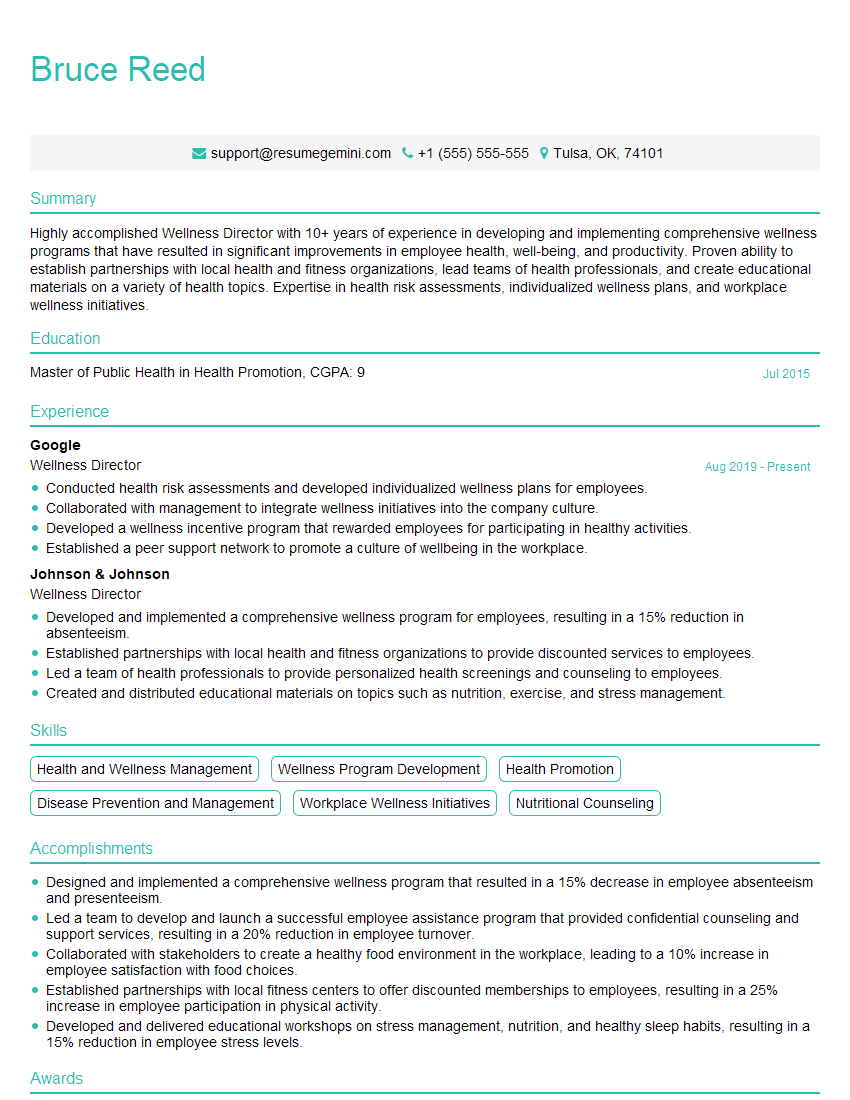
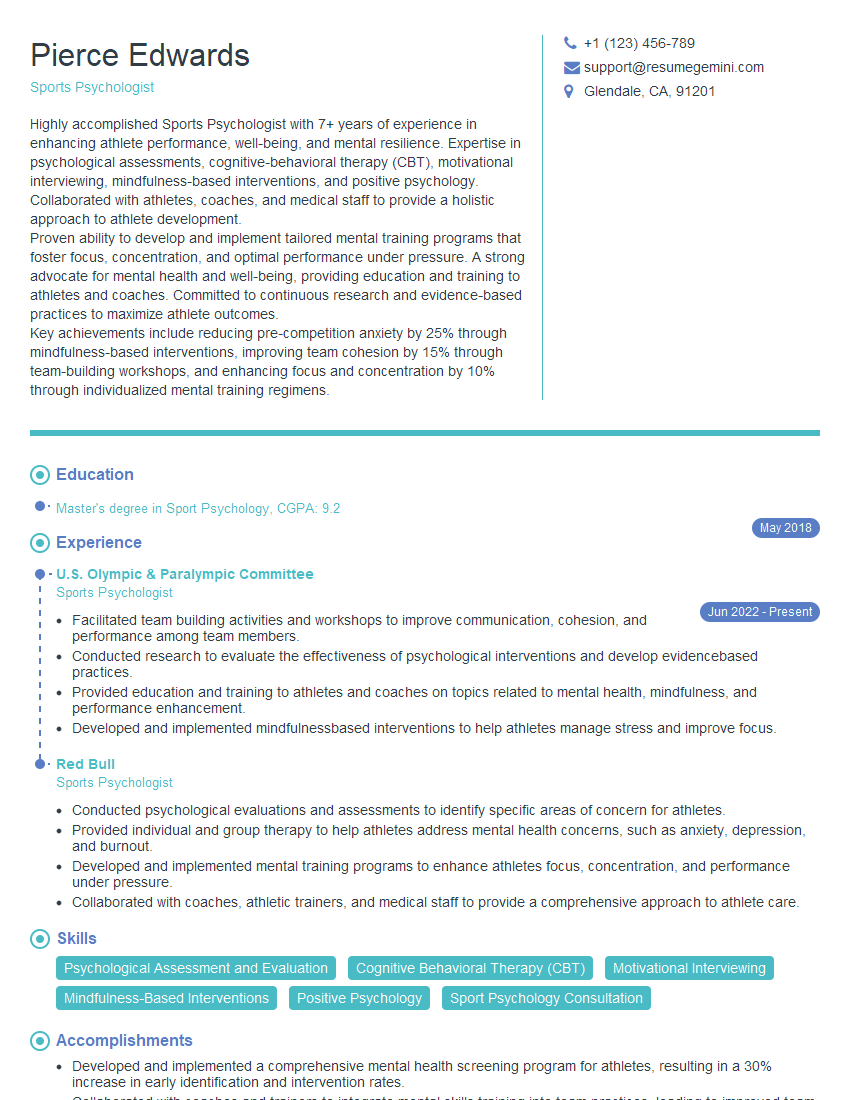
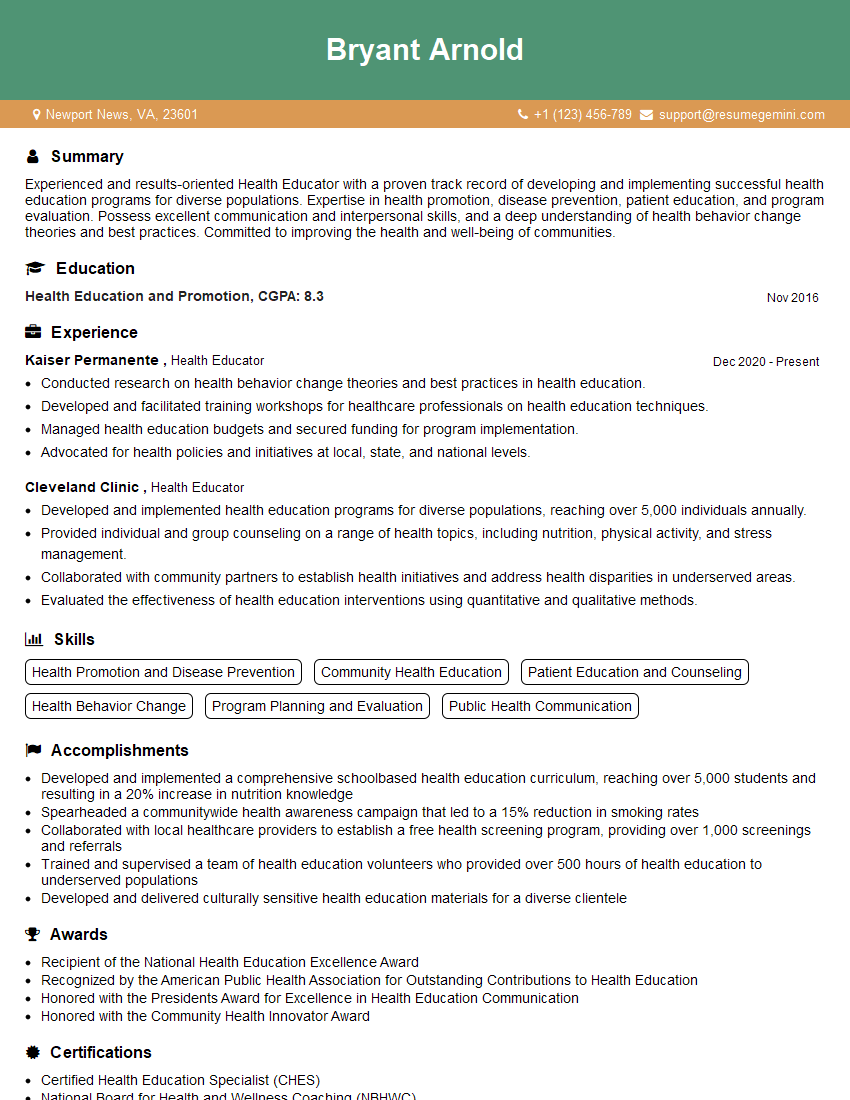
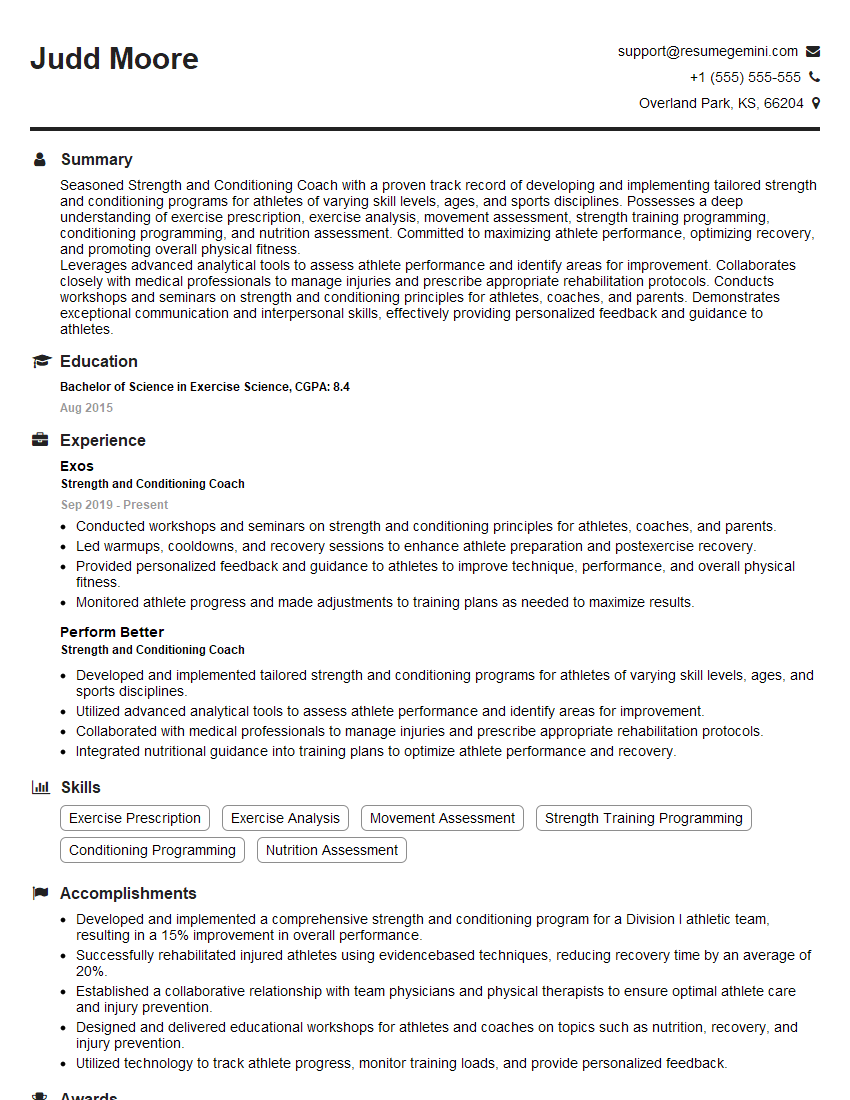
Mastering Exercise Adherence principles is crucial for career advancement in health and fitness. A strong understanding of these concepts will set you apart in a competitive job market. To significantly boost your job prospects, create an ATS-friendly resume that highlights your skills and experience effectively. We strongly recommend using ResumeGemini to build a professional and impactful resume. ResumeGemini offers a user-friendly platform and provides examples of resumes tailored to the Exercise Adherence field to help you showcase your expertise.
Explore more articles
Users Rating of Our Blogs
Share Your Experience
We value your feedback! Please rate our content and share your thoughts (optional).
What Readers Say About Our Blog
To the interviewgemini.com Webmaster.
Very helpful and content specific questions to help prepare me for my interview!
Thank you
To the interviewgemini.com Webmaster.
This was kind of a unique content I found around the specialized skills. Very helpful questions and good detailed answers.
Very Helpful blog, thank you Interviewgemini team.