Cracking a skill-specific interview, like one for Planning and Development Process Knowledge, requires understanding the nuances of the role. In this blog, we present the questions you’re most likely to encounter, along with insights into how to answer them effectively. Let’s ensure you’re ready to make a strong impression.
Questions Asked in Planning and Development Process Knowledge Interview
Q 1. Describe the different phases of a typical project development lifecycle.
A typical project development lifecycle comprises several key phases, each with specific goals and deliverables. Think of it like building a house; you wouldn’t start painting before laying the foundation!
- Initiation: This phase defines the project’s objectives, scope, and feasibility. We identify stakeholders, establish high-level requirements, and secure initial funding. For example, in a software project, this might involve defining the core features and target audience.
- Planning: Here, we create a detailed project plan, outlining tasks, timelines, resources, and budget. This involves breaking down the project into smaller, manageable tasks, assigning responsibilities, and setting milestones. Think of this as creating a detailed blueprint for the house.
- Execution: This is where the actual work happens. Teams execute the tasks outlined in the project plan, tracking progress and managing resources. In our house analogy, this is the actual construction phase.
- Monitoring and Controlling: Throughout execution, we constantly monitor progress against the plan, identifying and addressing any deviations or risks. This is like regular site inspections during construction to ensure everything’s on track.
- Closure: Once all tasks are completed and the project objectives are met, the project formally concludes. This involves final documentation, project handover, and post-project review. This is the final inspection and handover of the completed house.
Q 2. Explain the importance of risk assessment in planning and development.
Risk assessment is crucial in planning and development because it allows us to proactively identify and mitigate potential problems before they escalate into major setbacks. Imagine building a house in an earthquake-prone zone without considering seismic activity – disaster!
A thorough risk assessment involves identifying potential risks (e.g., delays, budget overruns, technical challenges, regulatory hurdles), analyzing their likelihood and impact, and developing strategies to minimize their occurrence or lessen their impact. This might involve creating contingency plans, securing additional resources, or adjusting the project timeline. A well-executed risk assessment dramatically improves project success rates.
Q 3. How do you prioritize tasks in a complex project with competing deadlines?
Prioritizing tasks in a complex project with competing deadlines requires a structured approach. I often use a combination of techniques like:
- MoSCoW method: Categorizing tasks as Must have, Should have, Could have, and Won’t have. This helps focus on the essential tasks first.
- Prioritization Matrix: Using a matrix that plots tasks based on their urgency and importance. This helps visualize which tasks demand immediate attention.
- Dependency analysis: Identifying tasks that depend on others, ensuring that critical path tasks are prioritized to avoid delays.
For example, if we’re developing a software application with a tight deadline, we’d prioritize core functionalities (Must have) over less critical features (Could have). We might use Agile methodologies to adapt our priorities based on feedback and changing circumstances.
Q 4. What methodologies are you familiar with for project planning and management (e.g., Agile, Waterfall)?
I’m proficient in both Waterfall and Agile project management methodologies. Waterfall is a linear, sequential approach where each phase must be completed before the next begins. It’s suitable for projects with well-defined requirements and minimal expected changes. Agile, on the other hand, is iterative and incremental, focusing on flexibility and adaptability. It’s ideal for projects where requirements might evolve during development.
My experience includes using various Agile frameworks like Scrum and Kanban. I choose the methodology best suited to the project’s specific context, considering factors like project complexity, stakeholder involvement, and the need for flexibility.
Q 5. Explain your experience with Gantt charts and their application in project planning.
Gantt charts are indispensable tools for visualizing project schedules. They provide a graphical representation of tasks, their durations, dependencies, and milestones. They’re like roadmaps for a project, showing the overall progress and potential bottlenecks.
I use Gantt charts to plan, monitor, and communicate project progress. They allow me to identify critical paths, potential delays, and resource allocation issues. For instance, if a task is delayed, the Gantt chart immediately shows its impact on subsequent tasks and the overall project timeline, allowing for proactive adjustments. I frequently use project management software that integrates Gantt charts for ease of use and collaboration.
Q 6. How do you handle unexpected changes or challenges during a project?
Handling unexpected changes or challenges requires a proactive and adaptable approach. My strategy involves:
- Immediate assessment: Understanding the nature and scope of the change or challenge.
- Impact analysis: Determining the impact on the project timeline, budget, and deliverables.
- Communication: Keeping stakeholders informed about the situation and the proposed solutions.
- Problem-solving: Developing and implementing solutions, potentially involving adjustments to the project plan.
- Documentation: Recording the changes and the rationale behind them for future reference.
For example, if a critical vendor delays delivery, we might explore alternative vendors, adjust the timeline, or redesign certain aspects of the project to mitigate the impact.
Q 7. Describe your approach to stakeholder management in a development project.
Stakeholder management is critical for project success. It involves identifying, understanding, and managing the expectations and needs of all individuals and groups affected by the project. Think of it as orchestrating a symphony – each instrument (stakeholder) plays a vital role, and the conductor (project manager) ensures harmonious collaboration.
My approach involves:
- Stakeholder identification: Creating a comprehensive list of all stakeholders, including their roles and interests.
- Communication planning: Establishing a clear communication plan to keep stakeholders informed about progress, risks, and changes.
- Engagement strategies: Developing strategies to actively engage stakeholders, seeking their input and feedback.
- Conflict resolution: Developing strategies for addressing and resolving conflicts between stakeholders.
Regular stakeholder meetings, progress reports, and feedback mechanisms are essential for maintaining transparency and building strong relationships.
Q 8. How do you measure the success of a planning and development project?
Measuring the success of a planning and development project goes beyond simply completing it on time and within budget. It requires a multi-faceted approach, considering various key performance indicators (KPIs) aligned with the project’s initial goals and objectives.
- On-Time and On-Budget Delivery: This is a fundamental measure, reflecting project efficiency and management capability. Significant deviations require investigation and corrective action planning.
- Achievement of Project Goals: Did the project achieve its intended outcomes? This may involve quantitative measures (e.g., increased sales, improved efficiency) or qualitative measures (e.g., enhanced customer satisfaction, improved employee morale).
- Stakeholder Satisfaction: Gathering feedback from all stakeholders – clients, users, team members, and community members – is crucial. Surveys, interviews, and focus groups can provide valuable insights into overall satisfaction.
- Return on Investment (ROI): This is a crucial metric, especially for commercial projects. It quantifies the financial benefits of the project relative to its costs.
- Sustainability and Long-Term Impact: For projects with a long-term vision, assessing their lasting effects on the environment, community, or organization is essential. This might include measuring environmental impact or social benefits.
For example, a successful urban renewal project might be measured by the increase in property values, the number of new businesses established, and the improved quality of life for residents, in addition to being completed on time and within budget. A successful software development project might be measured by user adoption rates, positive user reviews, and a measurable increase in efficiency for the client.
Q 9. What are some common pitfalls to avoid in the planning and development process?
Many pitfalls can derail a planning and development project. Careful planning and proactive risk management are crucial to avoid them.
- Poorly Defined Scope: Unclear objectives and requirements lead to scope creep, budget overruns, and missed deadlines. A detailed and agreed-upon project scope statement is paramount.
- Inadequate Resource Planning: Underestimating the time, budget, or personnel needed can cause delays and compromises in quality. Thorough resource allocation and contingency planning are vital.
- Lack of Communication: Poor communication among team members, stakeholders, and clients leads to misunderstandings, conflicts, and duplicated efforts. Establishing clear communication channels and protocols is essential.
- Unrealistic Timelines: Setting overly optimistic deadlines leads to stress, rushed work, and potential compromises in quality. Realistic scheduling that accounts for potential delays is crucial.
- Ignoring Risk Management: Failing to identify and mitigate potential risks can lead to significant setbacks. A formal risk assessment and mitigation plan should be implemented.
- Insufficient Stakeholder Engagement: Failing to involve and engage key stakeholders throughout the project can lead to resistance, delays, and even project failure. Active stakeholder management is vital.
For instance, failing to account for regulatory approvals in a construction project can lead to significant delays. Ignoring user feedback during software development can result in a product that doesn’t meet user needs.
Q 10. Explain your experience with budgeting and resource allocation in project planning.
Budgeting and resource allocation are critical aspects of successful project planning. My experience involves creating detailed budgets, allocating resources effectively, and monitoring spending throughout the project lifecycle.
I utilize various techniques, including:
- Work Breakdown Structure (WBS): Breaking down the project into smaller, manageable tasks allows for more accurate cost and time estimation for each component.
- Earned Value Management (EVM): EVM provides a powerful framework to track project progress, measure performance against the baseline plan, and identify potential cost and schedule variances.
- Contingency Planning: I always include contingency reserves in the budget to account for unforeseen circumstances and risks. This prevents budget overruns and ensures project completion.
- Resource Leveling: This technique optimizes resource allocation to balance workload and avoid resource conflicts, maximizing efficiency and minimizing delays.
In a recent project, developing a new marketing campaign, I used a WBS to break down the campaign into phases, including market research, creative development, media buying, and campaign launch. This allowed me to allocate budget and resources effectively to each phase. Regular monitoring of expenditures against the baseline budget ensured we remained on track.
Q 11. How do you ensure effective communication and collaboration within a project team?
Effective communication and collaboration are the cornerstones of successful project management. I employ various strategies to foster a collaborative and communicative environment within project teams.
- Regular Team Meetings: Frequent, structured meetings provide opportunities for updates, discussion of issues, and collaborative problem-solving. Clear agendas and minutes are essential.
- Project Management Software: Tools like Jira, Asana, or MS Project facilitate task management, communication, and progress tracking, keeping everyone informed and aligned.
- Clear Communication Channels: Establishing clear channels for different communication types (e.g., email for formal updates, instant messaging for quick queries) minimizes confusion and ensures efficient communication.
- Open and Honest Feedback: Creating a culture of open communication and constructive feedback empowers team members to express concerns and contribute to problem-solving.
- Collaborative Workspaces: Virtual or physical collaborative workspaces promote teamwork and knowledge sharing.
For example, in a previous project, we used daily stand-up meetings to quickly address roadblocks and keep the team synchronized. We also used a shared project management software to track progress, share documents, and maintain a centralized repository of project information. This helped immensely in keeping everyone on the same page.
Q 12. What tools and techniques do you use for project monitoring and control?
Project monitoring and control involve tracking progress against the plan, identifying deviations, and taking corrective actions to keep the project on track. I utilize several tools and techniques for this purpose.
- Gantt Charts: These visual representations of project schedules effectively communicate tasks, dependencies, and timelines, facilitating progress tracking.
- Earned Value Management (EVM): EVM provides a comprehensive framework for measuring project performance, identifying variances, and taking corrective actions.
- Project Management Software: Tools like MS Project, Jira, or Asana provide automated tracking of tasks, milestones, and resources, simplifying monitoring and reporting.
- Regular Progress Reports: Periodic progress reports provide a snapshot of the project’s status, identifying areas that require attention.
- Performance Indicators (KPIs): Tracking relevant KPIs (e.g., schedule adherence, budget performance, quality metrics) helps identify areas where adjustments are needed.
For instance, in a recent project, using a project management software, we were able to automatically track task completion and flag potential delays before they impacted the overall schedule. This allowed us to proactively address issues and prevent significant setbacks.
Q 13. Describe your experience with conflict resolution in a project team setting.
Conflict resolution is an unavoidable aspect of project management. My approach is based on fostering open communication, understanding the root causes of conflict, and finding mutually agreeable solutions.
I employ various strategies, including:
- Active Listening: Carefully listening to all parties involved to understand their perspectives and concerns.
- Mediation: Facilitating constructive dialogue between conflicting parties to help them find common ground.
- Collaboration: Working with conflicting parties to brainstorm solutions that address everyone’s concerns.
- Compromise: When necessary, finding mutually acceptable compromises to resolve the conflict.
- Documentation: Documenting the conflict, the agreed-upon solution, and any subsequent actions to prevent similar conflicts in the future.
For example, in one project, a conflict arose between the design and development teams regarding the feasibility of a certain design feature. Through facilitated discussions, we identified the root causes of the disagreement—different interpretations of the user requirements and unrealistic timelines. We collaboratively revised the design and timeline, resulting in a mutually acceptable solution.
Q 14. How do you utilize data analysis to inform planning and development decisions?
Data analysis plays a vital role in informing planning and development decisions. By analyzing relevant data, we can make more informed, evidence-based decisions, optimizing project outcomes and minimizing risks.
I leverage various data analysis techniques, including:
- Descriptive Statistics: Summarizing and describing project data to gain insights into project performance and identify trends.
- Predictive Modeling: Using historical data to forecast future project performance and identify potential risks.
- Regression Analysis: Identifying relationships between different variables to understand the impact of various factors on project outcomes.
- Data Visualization: Creating charts and graphs to visually represent project data, making it easier to understand and communicate insights.
For example, in a previous project, by analyzing historical data on similar projects, we were able to predict potential delays and budget overruns, allowing us to proactively adjust the project plan and allocate additional resources. The use of data-driven insights led to a more efficient and successful project outcome.
Q 15. Explain your understanding of project scope management.
Project scope management is the process of defining, planning, and controlling what is and isn’t included in a project. It’s like drawing a fence around your project – defining the boundaries to keep it focused and manageable. This involves creating a detailed scope statement, a work breakdown structure (WBS), and a scope baseline. The scope statement clearly articulates the project objectives, deliverables, and acceptance criteria. The WBS breaks down the project into smaller, more manageable tasks. The scope baseline, which is a combination of the approved scope statement, WBS, and WBS dictionary, becomes the reference point for managing changes throughout the project lifecycle. Failing to properly manage scope is a leading cause of project failure, leading to cost overruns, missed deadlines, and dissatisfied stakeholders.
For example, imagine building a house. The scope might include framing, roofing, plumbing, and electrical work, but it specifically *excludes* landscaping or interior design. A well-defined scope ensures everyone understands what’s included and what’s not. Changes to this scope, like adding a swimming pool, require a formal change request process to avoid scope creep.
Career Expert Tips:
- Ace those interviews! Prepare effectively by reviewing the Top 50 Most Common Interview Questions on ResumeGemini.
- Navigate your job search with confidence! Explore a wide range of Career Tips on ResumeGemini. Learn about common challenges and recommendations to overcome them.
- Craft the perfect resume! Master the Art of Resume Writing with ResumeGemini’s guide. Showcase your unique qualifications and achievements effectively.
- Don’t miss out on holiday savings! Build your dream resume with ResumeGemini’s ATS optimized templates.
Q 16. How do you manage dependencies between different tasks in a project?
Managing task dependencies involves identifying relationships between tasks and sequencing them appropriately. Some tasks can’t start until others are finished (finish-to-start), while others can overlap (start-to-start or finish-to-finish). Tools like Gantt charts and network diagrams visually represent these dependencies. I usually employ a combination of these along with a well-defined project schedule to effectively manage these inter-task relationships. Understanding these dependencies allows for effective resource allocation and timely completion. Ignoring dependencies can lead to delays and bottlenecks.
For example, you can’t paint a wall (Task B) before it’s been plastered (Task A). This is a finish-to-start dependency. However, you could potentially start the electrical work (Task C) concurrently with the plumbing (Task D), if there’s no interference. Properly identifying these relationships prevents delays. A critical path analysis would help in identifying the most time-sensitive sequence of tasks to improve efficiency.
Q 17. Describe your approach to quality control in a planning and development project.
My approach to quality control is proactive, encompassing all phases of a planning and development project. It’s not just about checking for defects at the end; it’s about building quality into every stage. This involves establishing clear quality standards upfront, using quality checklists at various stages, and implementing regular reviews and inspections. It also includes using suitable tools for assessing quality (e.g. code analysis tools for software projects or building inspections for construction projects).
I advocate for a ‘quality first’ mentality, fostering collaboration among team members and emphasizing the importance of attention to detail. Continuous improvement is crucial; using lessons learned from past projects to refine our quality control processes and avoid repeating errors. For example, in a software development project, regular code reviews, unit testing and integration testing are crucial quality control measures that help identify and fix defects early in the development cycle. In a construction project, regular site inspections ensure adherence to building codes and specifications.
Q 18. How do you ensure that projects are delivered on time and within budget?
Delivering projects on time and within budget requires meticulous planning, proactive risk management, and effective monitoring. This starts with realistic estimation of resources and timelines, based on historical data and expert judgment. We use project management software to track progress, identify potential delays, and manage resources effectively. Regular progress meetings with the team and stakeholders keep everyone informed and allow for early problem identification and resolution. Moreover, implementing robust change control processes prevents unplanned work that can impact both schedule and budget. A contingency plan for unforeseen circumstances is also essential.
Imagine a software project. Accurate task estimations, sprints with defined goals, and daily stand-up meetings, combined with the use of agile methodologies, help in keeping the project aligned with the timeline and budget. If challenges arise, a well-defined escalation path helps in solving problems promptly.
Q 19. What is your experience with change management in a project context?
Change management is an integral part of any project. Projects rarely proceed exactly as initially planned. My approach emphasizes proactive communication and collaboration. I firmly believe that involving stakeholders early in the change process ensures buy-in and minimizes disruption. This includes clearly defining the change, assessing its impact, obtaining necessary approvals, and implementing the change effectively, with careful attention to training and communication.
I’ve managed several scenarios where unforeseen circumstances required changes in project scope or schedule. For example, during a website redesign project, a major platform update mandated changes to our design approach. I convened a meeting with stakeholders to explain the change, explore options and decide on the optimal course of action and subsequently communicated the update to the team. Through clear communication and collaboration, we successfully integrated these changes whilst ensuring minimal disruption to the timeline.
Q 20. Explain your understanding of earned value management (EVM).
Earned Value Management (EVM) is a project management technique that integrates scope, schedule, and cost to provide a comprehensive view of project performance. It uses three key metrics: Planned Value (PV), Earned Value (EV), and Actual Cost (AC). PV represents the budgeted cost of work scheduled to be completed at a given point. EV represents the value of the work actually completed, while AC represents the actual cost incurred. By comparing these values, we can calculate the Schedule Variance (SV), Cost Variance (CV), Schedule Performance Index (SPI), and Cost Performance Index (CPI). These metrics provide insights into whether the project is on track in terms of both schedule and budget.
For example, if the PV is $10,000, EV is $8,000, and AC is $9,000, the CV is -$1,000 (meaning we’re over budget) and the SPI is 0.8 (meaning we’re behind schedule). This data allows for proactive intervention and corrective actions.
Q 21. How do you use critical path analysis to identify project risks?
Critical Path Analysis (CPA) identifies the longest sequence of tasks in a project, which determines the shortest possible project duration. Tasks on the critical path have zero float (or slack), meaning any delay on these tasks directly impacts the project completion date. By focusing on the critical path, we can identify the tasks most susceptible to delays and thus the areas of highest risk. We can then develop mitigation strategies to reduce those risks. These mitigation strategies could include allocating additional resources to critical path tasks, closely monitoring their progress, or developing contingency plans.
For example, imagine building a house. If the foundation work is delayed, this will delay the entire project because it’s on the critical path. By identifying this critical path, we can focus our risk management efforts on ensuring that foundation work is completed on time and potentially allocate extra resources if necessary.
Q 22. Describe your experience with different project delivery methods (e.g., Design-Bid-Build, Design-Build).
My experience encompasses a range of project delivery methods, primarily Design-Bid-Build and Design-Build. Design-Bid-Build, the traditional approach, involves separate design and construction phases. The owner hires a designer, the design is completed, and then it’s bid out to contractors. This method is straightforward and allows for competitive bidding, leading to potentially lower initial costs. However, it can extend the project timeline and potentially lead to design changes during construction due to unforeseen issues or contractor suggestions. I’ve worked on several large-scale infrastructure projects using this method, successfully managing the complex communication and coordination between the design and construction teams.
Design-Build, on the other hand, merges the design and construction phases under a single contract. A single entity is responsible for both design and construction, streamlining the process and improving communication. This can result in faster project completion and better cost control, as potential problems are identified and addressed earlier. I’ve led teams on several Design-Build projects, focusing on early collaboration and risk management to ensure project success. For instance, on a recent commercial development project, utilizing Design-Build allowed us to incorporate client feedback seamlessly throughout the process, resulting in a superior final product and enhanced client satisfaction.
Q 23. How do you handle scope creep in a project?
Scope creep, the uncontrolled expansion of project requirements, is a major threat to project success. My approach is proactive, focusing on prevention and management. First, I emphasize thorough upfront planning with clearly defined scope, deliverables, and acceptance criteria documented in a comprehensive project scope statement. This includes detailed specifications and visuals to minimize ambiguities. Second, I implement a robust change management process. Any proposed scope changes must be formally documented, assessed for impact (time, cost, resources), and approved by relevant stakeholders. This process involves cost-benefit analysis and may require re-baselining the project schedule and budget. For example, on a recent renovation project, the client requested additional features mid-way. We followed the change management process meticulously; we documented the request, assessed its impact, revised the schedule and budget, and obtained client approval before proceeding. This transparency prevented project delays and cost overruns.
Q 24. What is your experience with project post-mortem analysis?
Post-mortem analysis is crucial for continuous improvement. I conduct structured post-project reviews, gathering input from all stakeholders through interviews, surveys, and document analysis. This involves analyzing what went well, what could be improved, and identifying lessons learned. The information is used to create actionable recommendations, focusing on areas such as process optimization, risk management, and team collaboration. For instance, on a recent project that experienced delays, the post-mortem analysis revealed communication bottlenecks and inadequate risk assessment. This insight led to improved communication protocols and a revised risk management plan for future projects.
The process typically includes identifying key performance indicators (KPIs) and evaluating project performance against those targets. I then use this information to create a structured report that includes: a summary of project success/failure, areas of strength and weakness, key learnings, and action plans for improvements. This report is then shared with relevant stakeholders and used to inform future projects.
Q 25. Describe your familiarity with different project documentation practices.
My experience covers a wide range of project documentation practices. This includes preparing comprehensive project plans, specifications, drawings, meeting minutes, change orders, and progress reports. I’m proficient in using various software tools for document management and version control, ensuring all documentation is accurate, current, and readily accessible. I strongly believe in utilizing a centralized document management system to maintain consistency and prevent version conflicts. This is especially important in large or complex projects with numerous stakeholders. Furthermore, I follow industry best practices for document archiving and retrieval to ensure long-term accessibility and compliance.
Q 26. How do you utilize technology to enhance efficiency in planning and development?
Technology is indispensable for enhancing efficiency in planning and development. I leverage Building Information Modeling (BIM) software for collaborative design, visualization, and cost estimation. BIM improves communication and coordination amongst the project team and allows for early detection and resolution of clashes. Furthermore, I utilize project management software for task assignments, progress tracking, and communication. This allows for better transparency and control. For example, using project management tools such as Asana or Monday.com streamlines communication and helps in keeping the project team updated on the progress. Cloud-based platforms for document sharing and collaboration further improve efficiency by providing real-time access to information for all stakeholders. This minimizes delays caused by searching for documents and ensuring everyone works with the most up-to-date information.
Q 27. Explain your understanding of sustainability principles in planning and development.
Sustainability is paramount in modern planning and development. My understanding encompasses environmental, social, and economic aspects. Environmentally, I focus on reducing carbon footprint through energy-efficient designs, renewable energy integration, and material selection that minimizes waste. Socially, I consider equitable access to amenities, community engagement, and the creation of inclusive spaces. Economically, I aim for long-term viability, minimizing life-cycle costs and creating opportunities for local businesses. For example, in a recent residential development project, we incorporated green building materials, implemented water-efficient landscaping, and designed energy-efficient housing, minimizing environmental impact while increasing property value and resident satisfaction. We actively engaged with the local community to address their concerns and ensure that the development complemented the existing neighborhood.
Q 28. How do you balance competing priorities in a resource-constrained environment?
Balancing competing priorities in a resource-constrained environment requires strategic decision-making and prioritization. I utilize techniques like the prioritization matrix (e.g., MoSCoW method: Must have, Should have, Could have, Won’t have) to rank requirements based on their importance and feasibility. This approach helps to focus efforts on the most critical aspects of the project within the available resources. Then, I employ agile methodologies, breaking down the project into smaller, manageable tasks, allowing for flexibility and adaptation as circumstances change. Transparent communication with stakeholders is vital to managing expectations and securing buy-in for necessary trade-offs. For example, on a project with a tight budget, we used the MoSCoW method to identify essential features and prioritized them. We then communicated this plan clearly to the client, explaining the rationale behind the decision and ensuring they understood the limitations. This transparency facilitated agreement and avoided conflicts later on.
Key Topics to Learn for Planning and Development Process Knowledge Interview
- Project Initiation & Scoping: Understanding project charters, defining objectives, identifying stakeholders, and conducting feasibility studies. Practical application: Describe your experience in defining the scope of a complex project and managing stakeholder expectations.
- Planning & Scheduling: Mastering techniques like Gantt charts, critical path analysis, and agile methodologies. Practical application: Explain how you’ve used scheduling tools to manage project timelines and resources effectively, highlighting problem-solving instances.
- Risk Management & Mitigation: Identifying, assessing, and developing strategies to mitigate potential project risks. Practical application: Detail a situation where you proactively identified and mitigated a significant project risk.
- Resource Allocation & Management: Optimizing resource utilization (human, financial, material) throughout the project lifecycle. Practical application: Describe your experience in allocating resources effectively in a challenging project environment.
- Communication & Collaboration: Effective communication strategies with stakeholders at all levels. Practical application: Share an example of how you fostered collaboration and communication within a diverse team to achieve project goals.
- Monitoring & Control: Tracking progress against the plan, identifying deviations, and implementing corrective actions. Practical application: Explain a time you used metrics to track progress and make necessary adjustments to stay on schedule and within budget.
- Project Closure & Evaluation: Formalizing project completion, conducting post-project reviews, and documenting lessons learned. Practical application: Describe your experience in documenting lessons learned from past projects and how those lessons informed future endeavors.
Next Steps
Mastering Planning and Development Process Knowledge is crucial for career advancement in today’s competitive job market. A strong understanding of these concepts demonstrates valuable skills to potential employers, setting you apart from other candidates. To maximize your job prospects, crafting an ATS-friendly resume is essential. ResumeGemini can significantly enhance your resume-building experience, providing the tools and resources you need to create a professional and impactful document that showcases your skills effectively. Examples of resumes tailored to Planning and Development Process Knowledge are available to help you get started. Invest the time to build a strong resume – it’s your first impression!
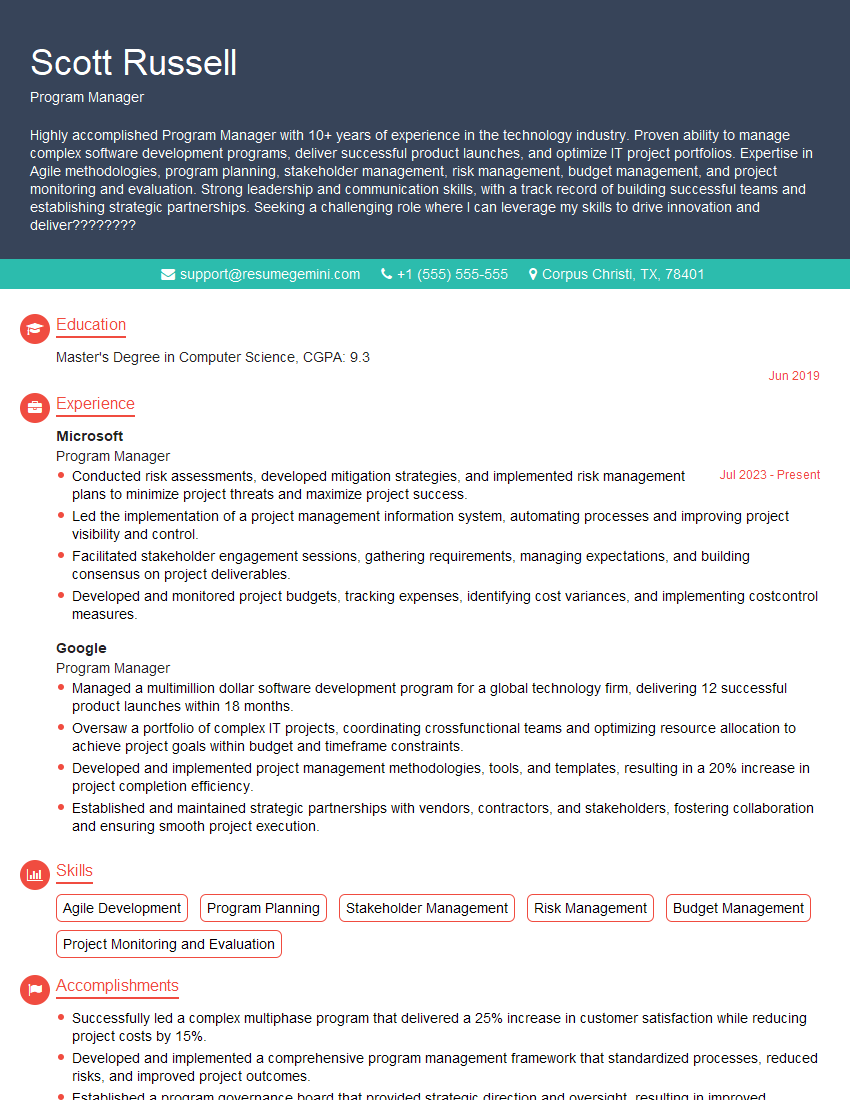
Program Manager Resume Sample
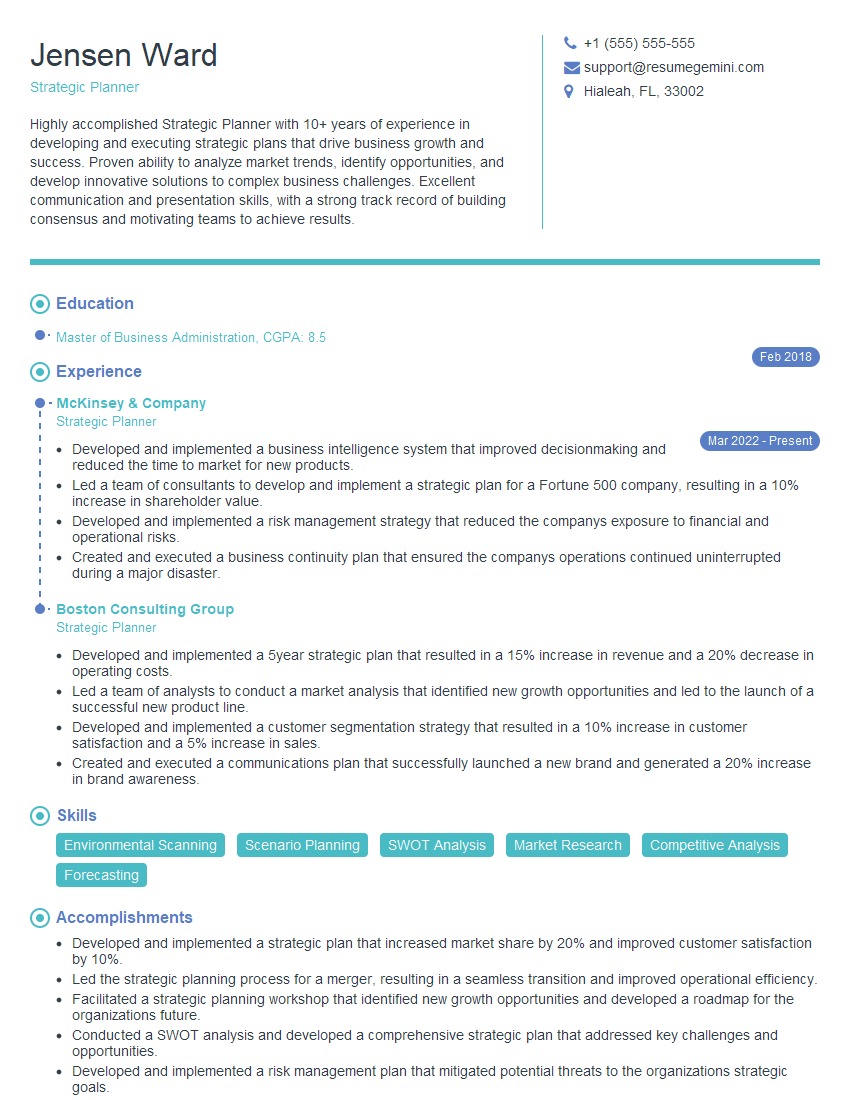
Strategic Planner Resume Sample
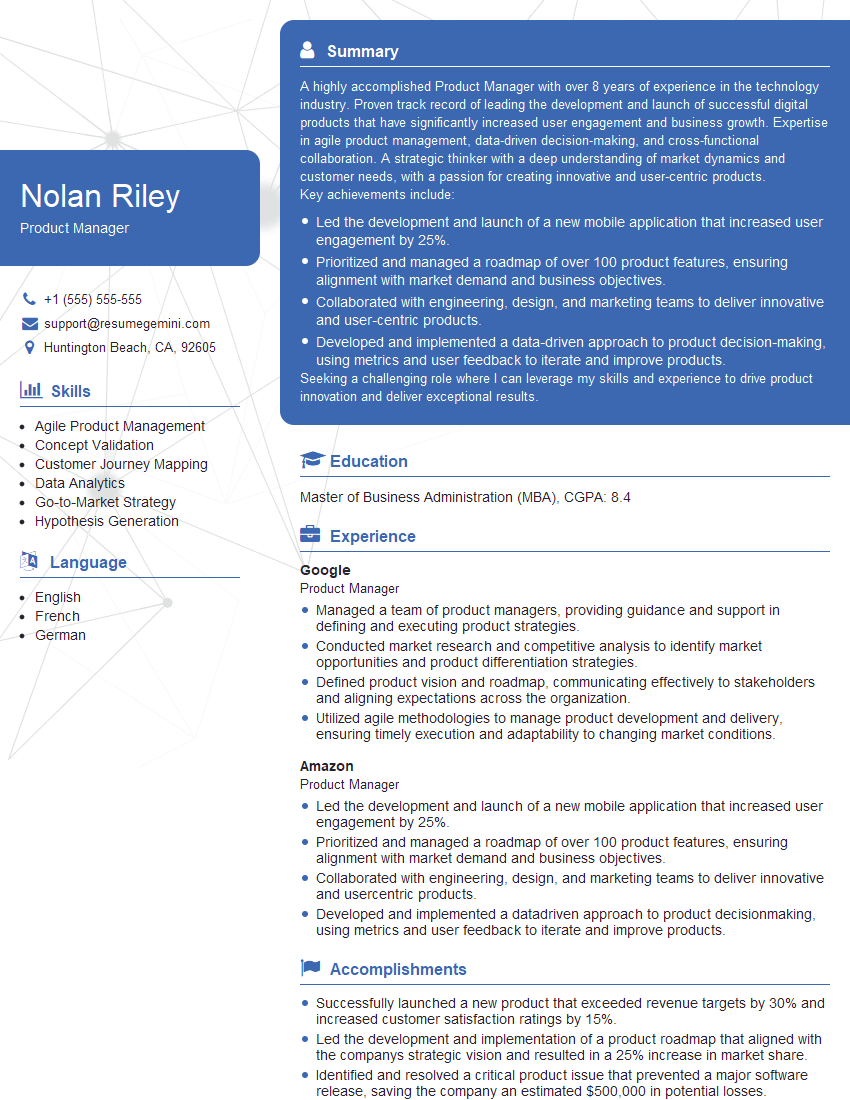
Product Manager Resume Sample
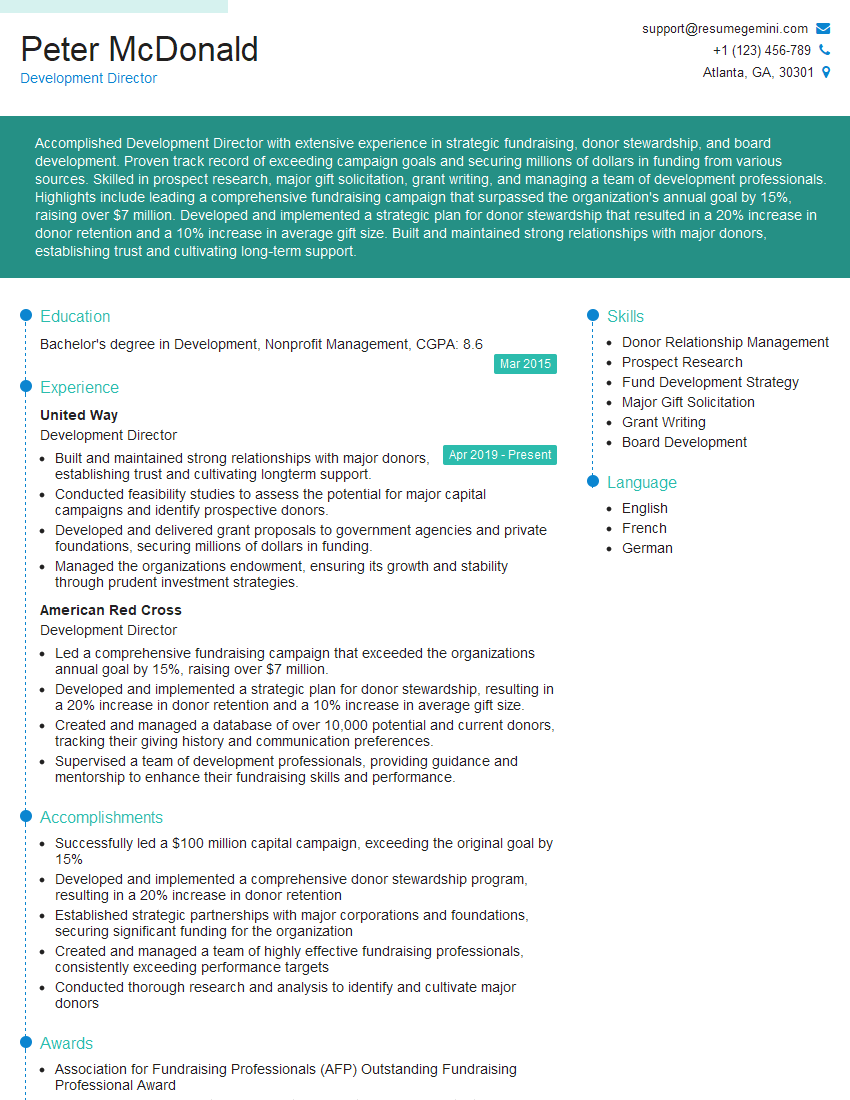
Development Director Resume Sample
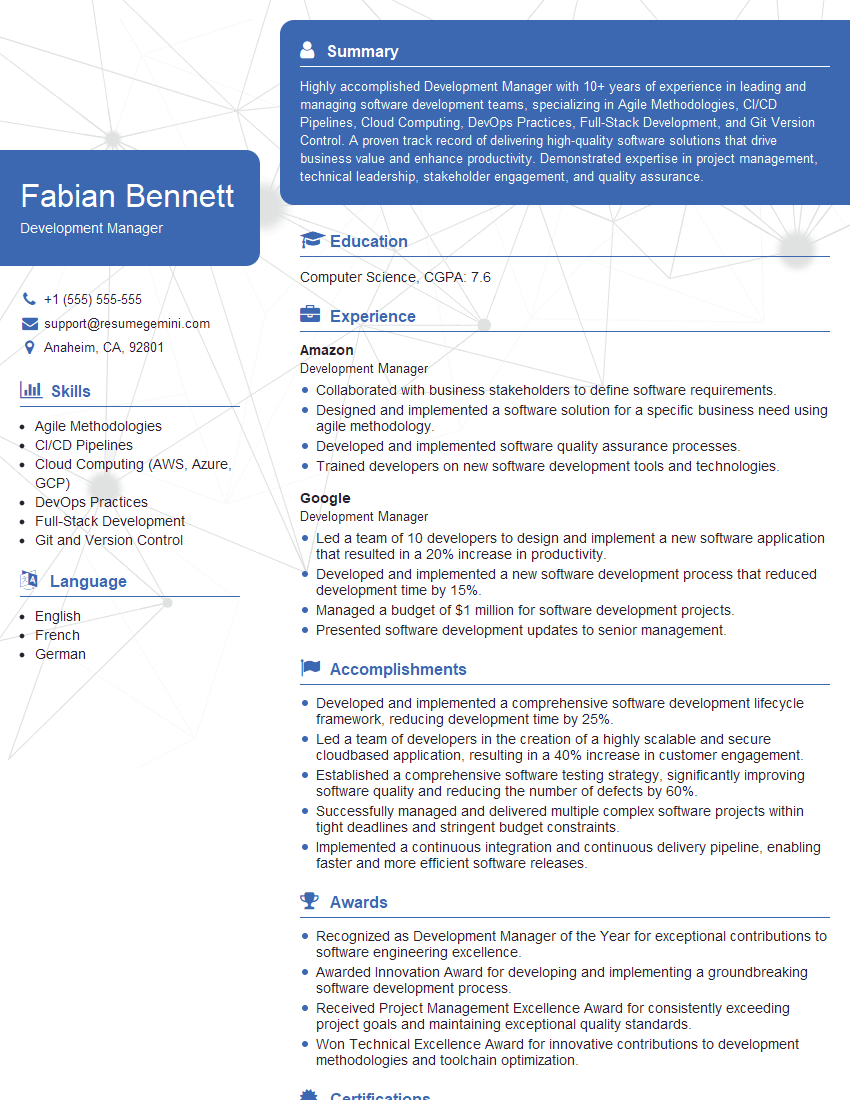
Development Manager Resume Sample
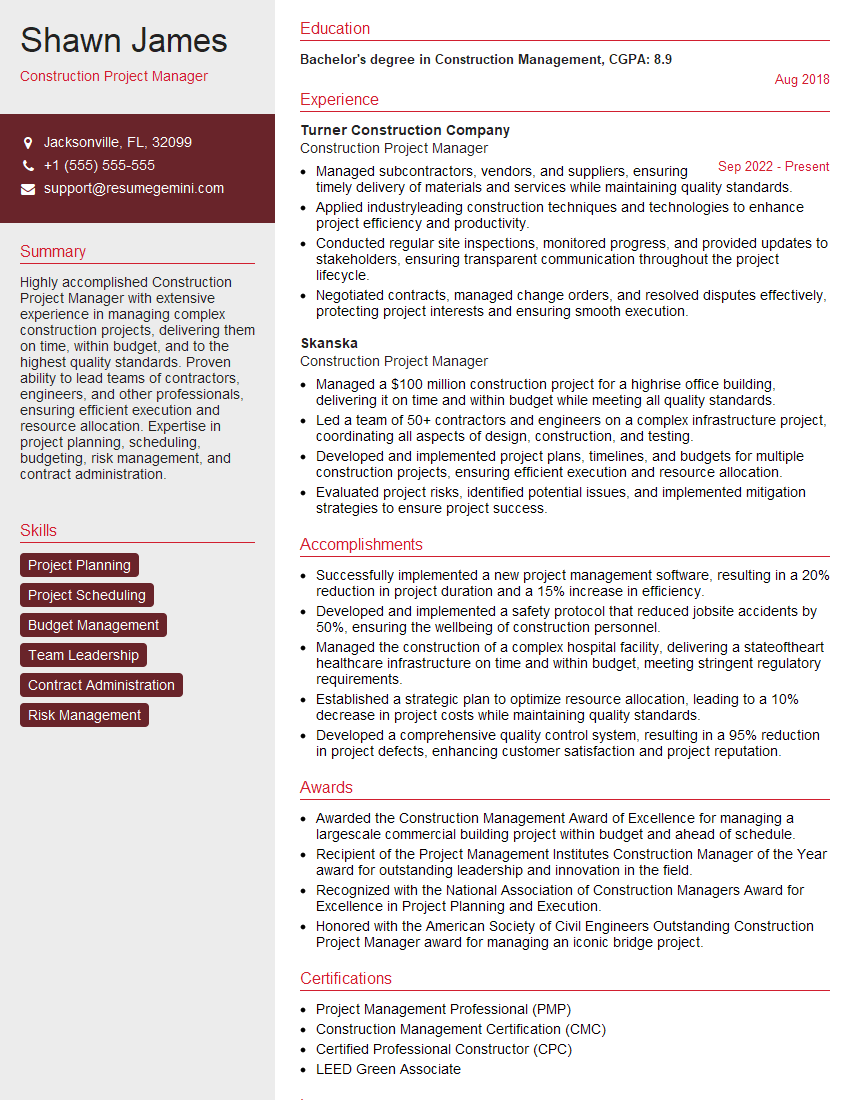
Construction Project Manager Resume Sample
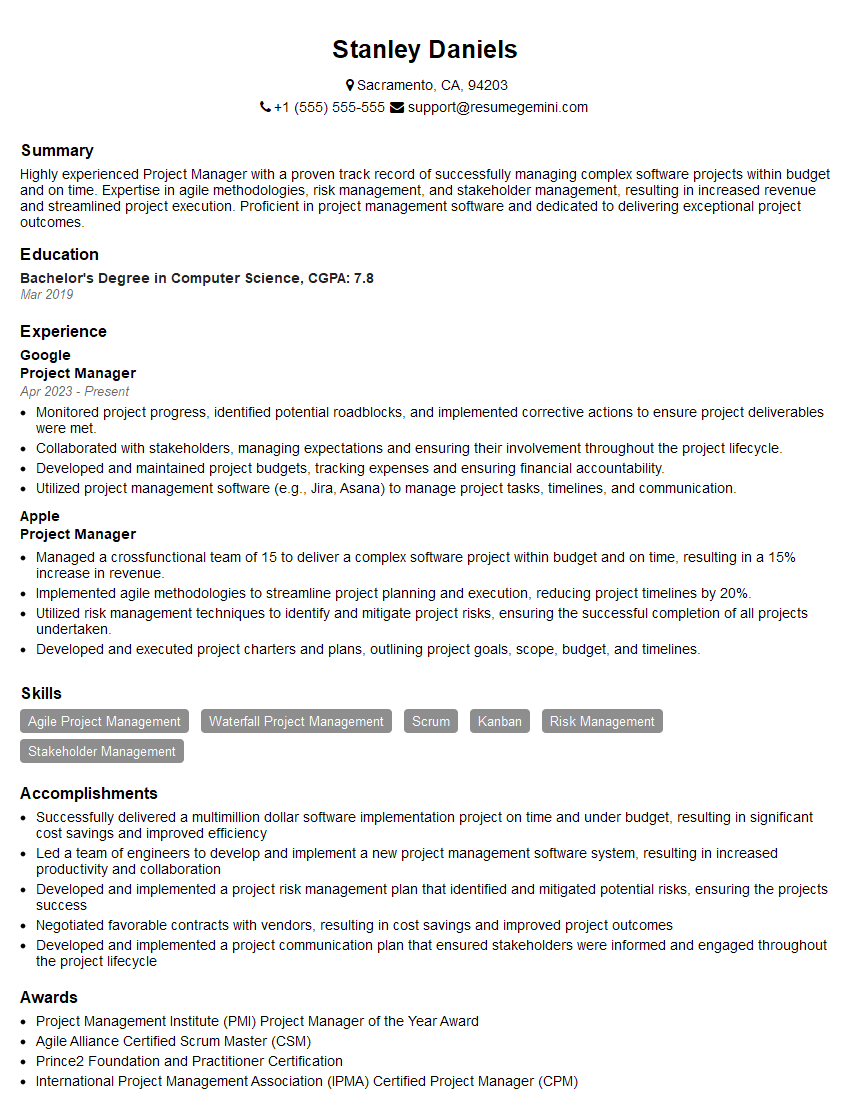
Project Manager Resume Sample
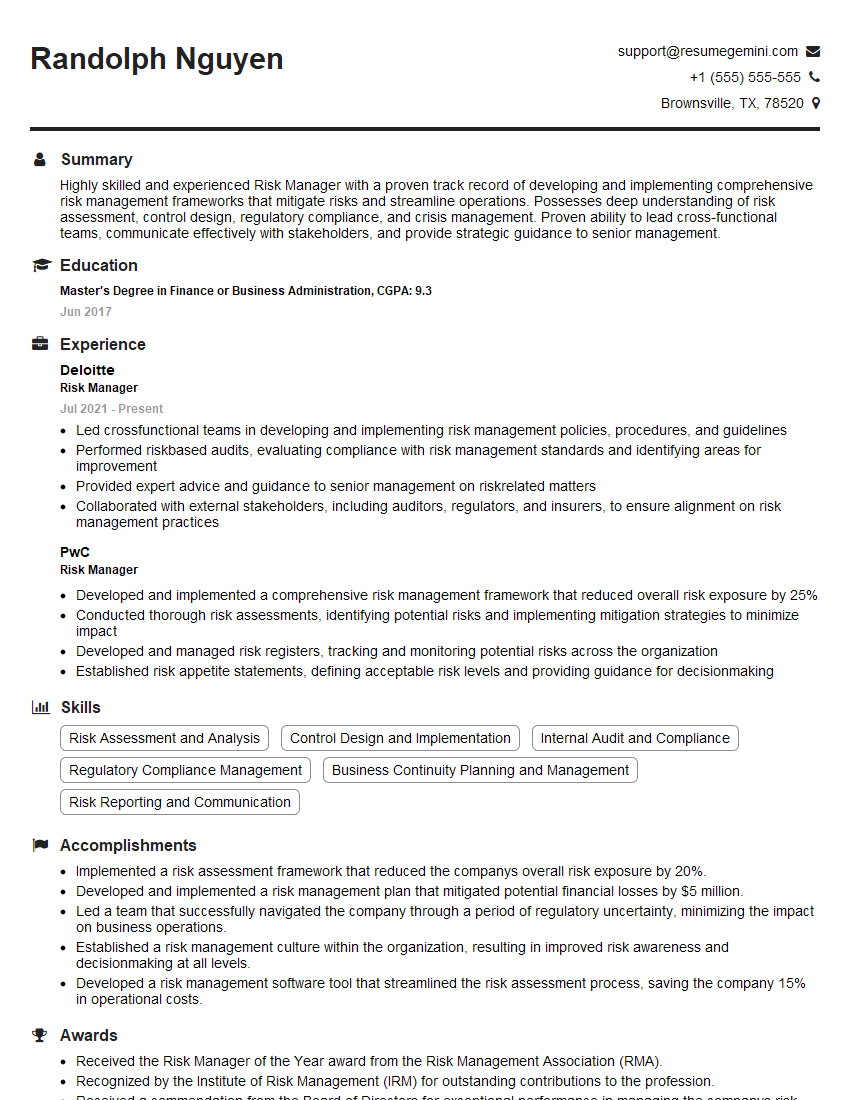
Risk Manager Resume Sample
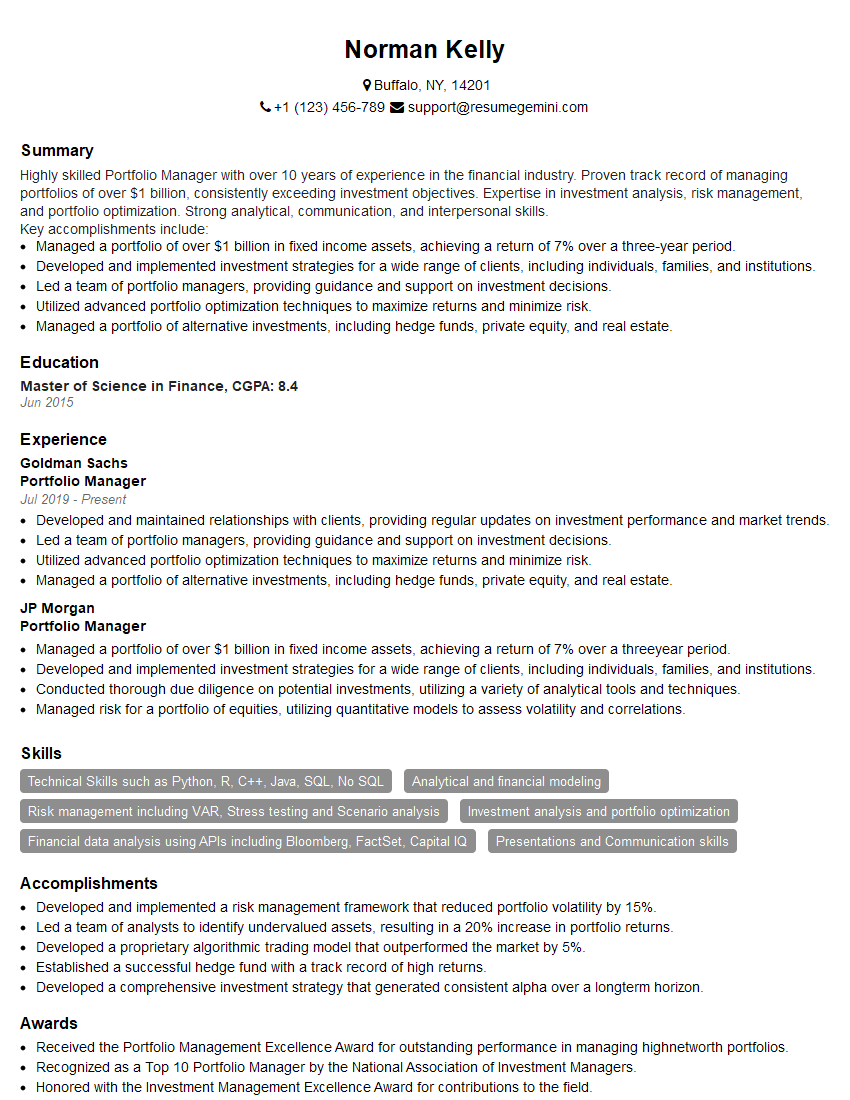
Portfolio Manager Resume Sample
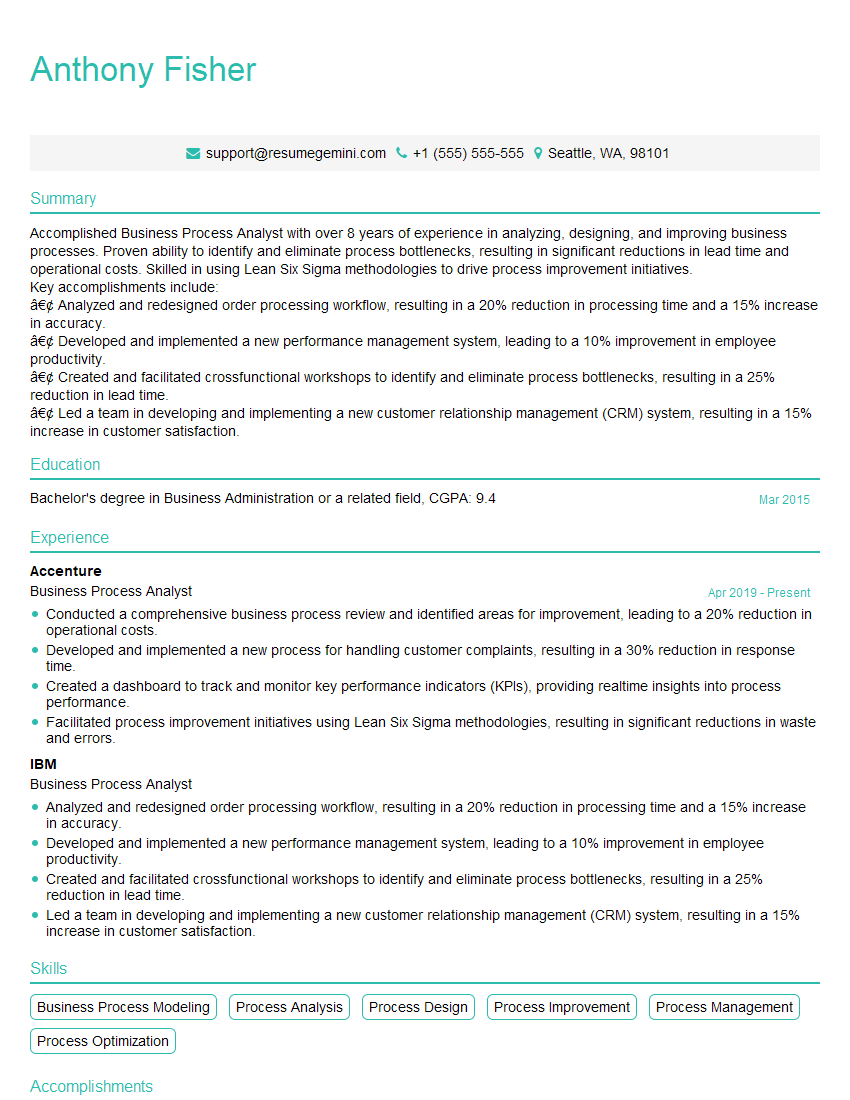
Business Process Analyst Resume Sample
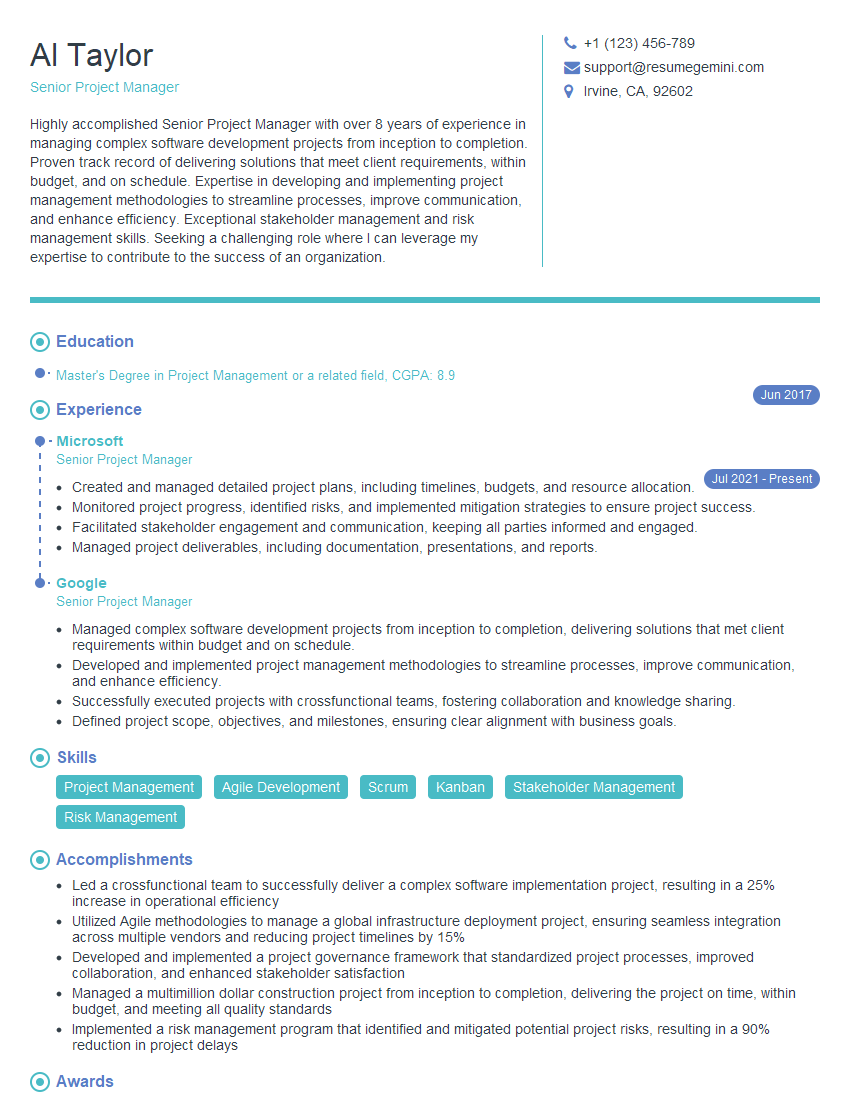
Senior Project Manager Resume Sample
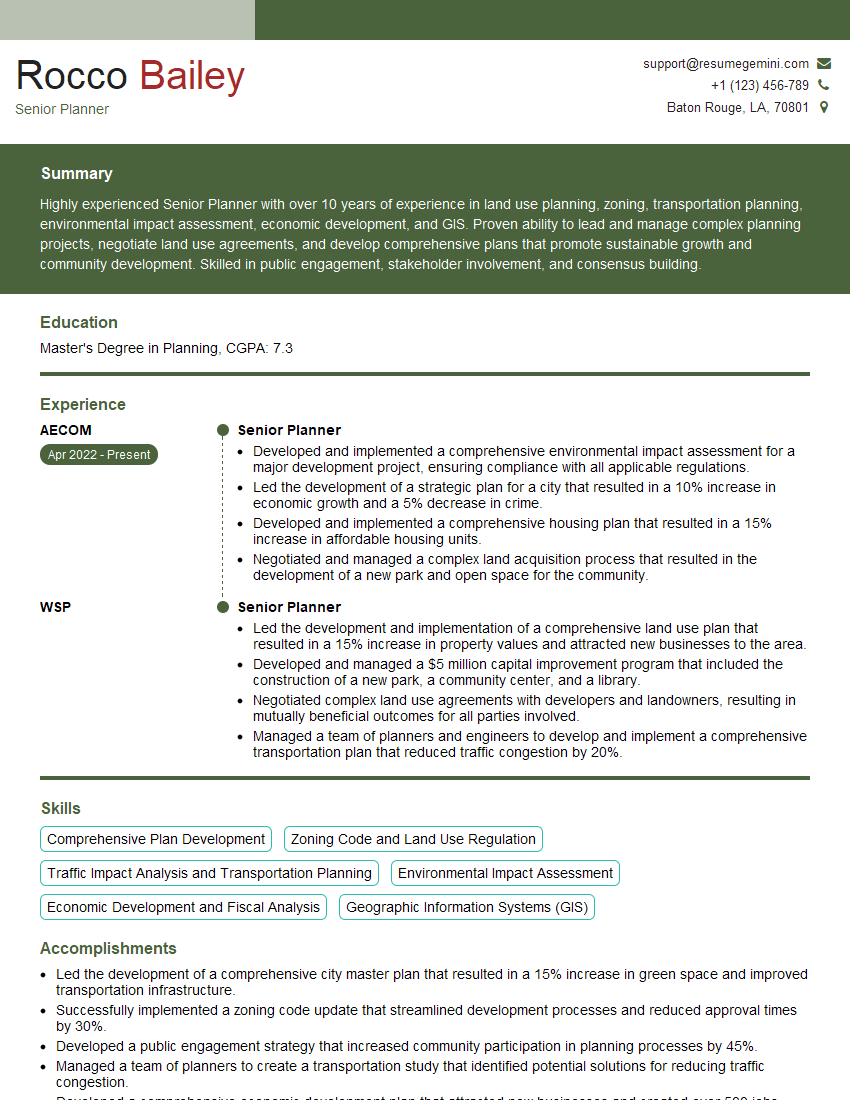
Senior Planner Resume Sample

Planning Manager Resume Sample
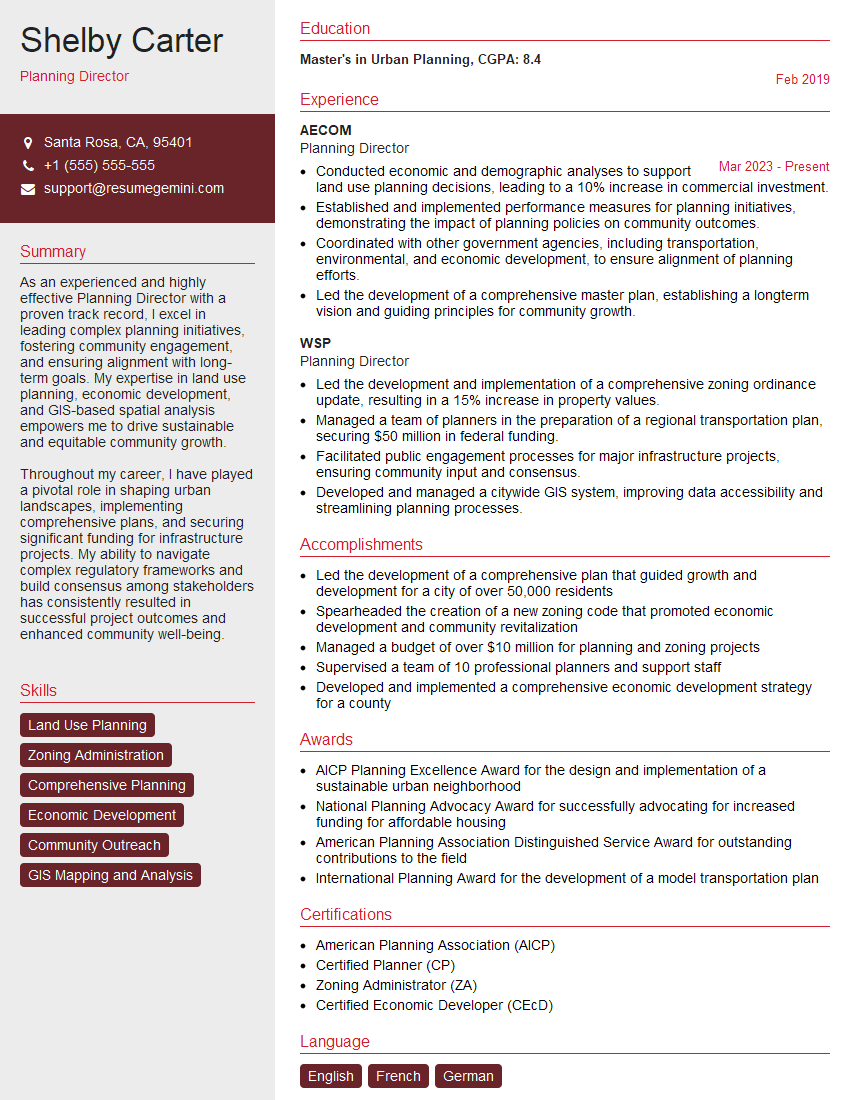
Planning Director Resume Sample
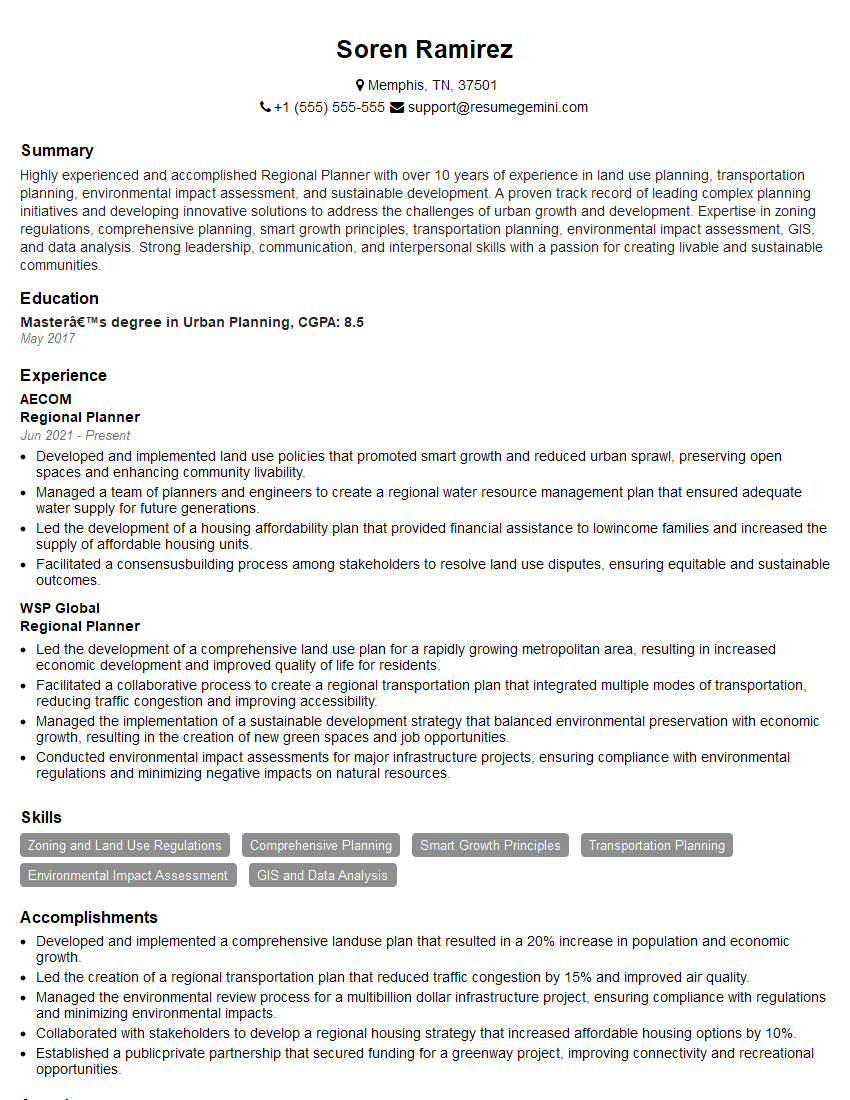
Regional Planner Resume Sample
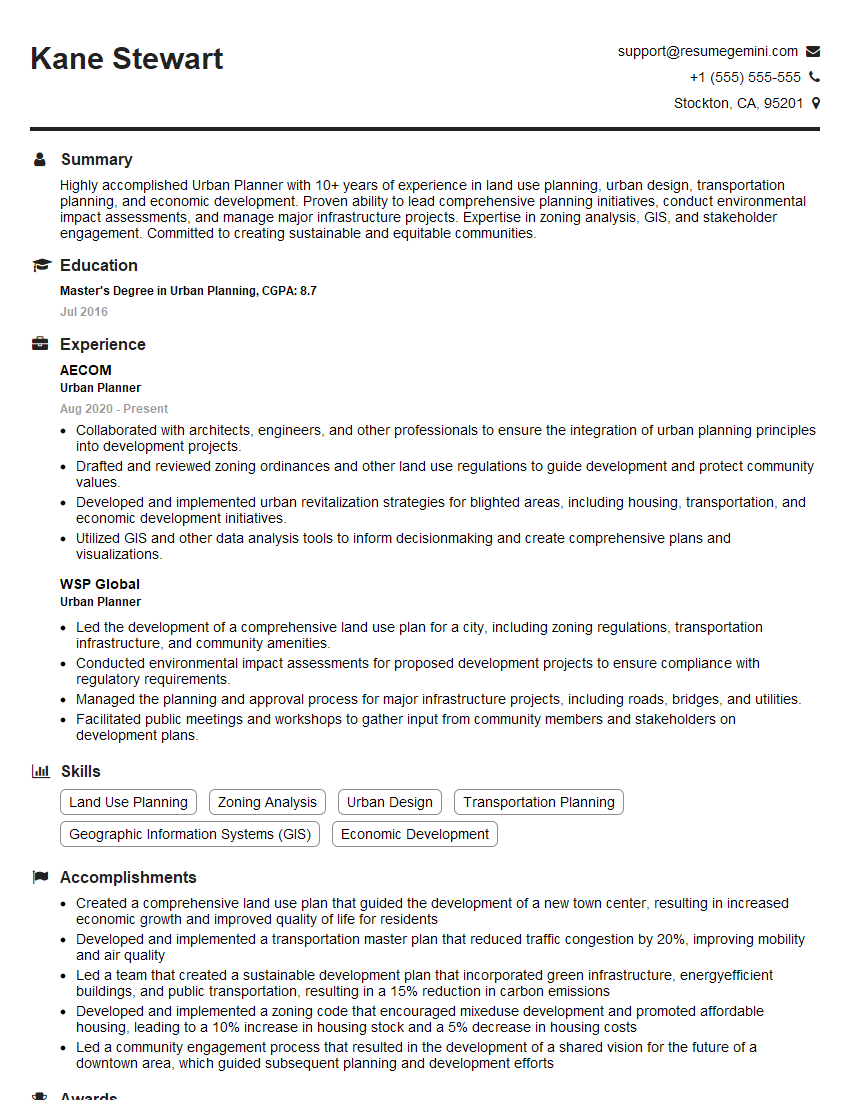
Urban Planner Resume Sample
Explore more articles
Users Rating of Our Blogs
Share Your Experience
We value your feedback! Please rate our content and share your thoughts (optional).
What Readers Say About Our Blog
To the interviewgemini.com Webmaster.
Very helpful and content specific questions to help prepare me for my interview!
Thank you
To the interviewgemini.com Webmaster.
This was kind of a unique content I found around the specialized skills. Very helpful questions and good detailed answers.
Very Helpful blog, thank you Interviewgemini team.