The right preparation can turn an interview into an opportunity to showcase your expertise. This guide to Exercise Prescription and Monitoring interview questions is your ultimate resource, providing key insights and tips to help you ace your responses and stand out as a top candidate.
Questions Asked in Exercise Prescription and Monitoring Interview
Q 1. Explain the FITT principle and its application in exercise prescription.
The FITT principle is a fundamental guideline in exercise prescription, providing a framework for designing effective workout programs. It stands for Frequency, Intensity, Time, and Type of exercise. Let’s break down each component:
- Frequency: How often you exercise per week. This depends on the individual’s goals, fitness level, and the type of exercise. For example, someone aiming for cardiovascular improvement might aim for 3-5 sessions per week, while strength training might be 2-3 sessions.
- Intensity: How hard you work during each exercise session. This can be measured using various methods like heart rate, perceived exertion (RPE), or METs (metabolic equivalents). A higher intensity generally leads to greater improvements in fitness but also increases the risk of injury if not properly managed.
- Time: How long each exercise session lasts. This includes warm-up, workout, and cool-down. The duration varies depending on the intensity and type of exercise. For instance, a high-intensity interval training (HIIT) session might be shorter (20-30 minutes) than a moderate-intensity continuous training session (45-60 minutes).
- Type: The mode or kind of exercise performed. This encompasses various activities like running, swimming, cycling, strength training, or flexibility exercises. A well-rounded program usually incorporates a variety of exercise types to target different muscle groups and enhance overall fitness.
Application in Exercise Prescription: Let’s say a client wants to improve cardiovascular health. Using FITT, we might prescribe a program like this: Frequency: 3 times per week; Intensity: Moderate, achieving 60-70% of their maximum heart rate; Time: 30 minutes per session; Type: Brisk walking or cycling.
Q 2. Describe the process of creating a personalized exercise program for a client with hypertension.
Creating a personalized exercise program for a client with hypertension requires a careful and collaborative approach. It begins with a thorough assessment of their current health status, including blood pressure levels, any other health conditions, medication use, and physical limitations. The program should always be designed in consultation with their physician.
- Assessment: A comprehensive health history, including current medications and any limitations, is crucial. A physical examination might also be necessary.
- Goal Setting: Establish realistic and achievable goals with the client. This might include reducing blood pressure, improving cardiovascular fitness, or increasing overall well-being. The goals should be SMART: Specific, Measurable, Achievable, Relevant, and Time-bound.
- Exercise Selection: Focus on low-impact aerobic activities such as brisk walking, swimming, or cycling to improve cardiovascular health without putting undue stress on the heart. Strength training, focusing on major muscle groups, should also be included to improve overall body strength and manage blood pressure, but with caution and proper technique. Avoid high-intensity activities or exercises that involve sudden changes in posture or heavy lifting.
- FITT Principle Application: We’ll use the FITT principle to design the exercise program. For example: Frequency: 4-5 days a week; Intensity: Moderate, aiming for 50-70% of maximum heart rate; Time: 30-45 minutes per session; Type: Brisk walking, cycling, and strength training.
- Progression: Gradually increase the frequency, intensity, and duration of exercise over time to avoid overexertion and promote adaptation. Regular monitoring and adjustments are necessary.
- Monitoring: Closely monitor the client’s blood pressure before, during, and after exercise. Any significant increase should be carefully evaluated and the exercise program adjusted accordingly.
Remember, safety is paramount. Regular communication with the client’s physician is essential throughout the program.
Q 3. How would you assess a client’s cardiovascular fitness level?
Assessing a client’s cardiovascular fitness level involves a multi-faceted approach. We can use a combination of methods for a comprehensive evaluation.
- Submaximal Exercise Tests: These tests involve exercising at a submaximal level (below maximum effort) to estimate maximum oxygen uptake (VO2 max), a key indicator of cardiovascular fitness. Common tests include the Bruce protocol treadmill test or the bicycle ergometer test. These tests are often preferred for safety reasons and are easily scalable to various fitness levels.
- Resting Heart Rate (RHR): A lower resting heart rate typically indicates better cardiovascular fitness. It’s a simple, non-invasive measure easily obtained using a pulse oximeter or by manually counting the pulse.
- Heart Rate Recovery (HRR): This measures how quickly the heart rate returns to resting levels after exercise. Faster recovery is associated with better cardiovascular health. The HRR can be calculated by subtracting your heart rate after a minute of rest post-exercise from your heart rate post-exercise.
- Field Tests: These tests, such as the 1.5-mile run or the step test, are often used for large group assessments or when access to sophisticated equipment is limited. Results can estimate cardiovascular fitness.
- Self-Reported Questionnaires: Questionnaires that assess physical activity levels and lifestyle factors can provide a preliminary understanding of cardiovascular fitness before embarking on more formal testing.
Choosing the right assessment method depends on the client’s health status, available resources, and the specific goals of the assessment. A professional should always prioritize safety and ensure proper protocols are followed.
Q 4. What are the key considerations when prescribing exercise for individuals with diabetes?
Prescribing exercise for individuals with diabetes requires careful consideration of several factors, including the type of diabetes (Type 1 or Type 2), the presence of complications, and the individual’s current fitness level and health status.
- Blood Glucose Monitoring: Regular blood glucose monitoring before, during, and after exercise is crucial to avoid hypoglycemia (low blood sugar), especially in individuals with Type 1 diabetes. Adjusting insulin doses or carbohydrate intake might be necessary.
- Exercise Type: Both aerobic and resistance training are beneficial. Aerobic exercise improves insulin sensitivity, while resistance training builds muscle mass, which helps regulate blood sugar. Choose low-impact activities initially to minimize the risk of injury. The focus is on consistency, not intensity.
- Foot Care: Proper foot care is essential as individuals with diabetes are at increased risk of foot complications. They should examine their feet regularly and wear appropriate footwear during exercise. The program should be adjusted based on the client’s foot sensitivity and health.
- Hydration: Maintaining adequate hydration is critical during exercise to prevent dehydration, which can worsen blood glucose control.
- Nutrition: Incorporating a balanced diet, with adequate carbohydrate intake before and after exercise, can help manage blood glucose levels.
- Medical Supervision: Collaboration with the client’s physician and/or certified diabetes educator is essential to develop a safe and effective exercise program.
The exercise program should be tailored to the individual’s needs and abilities. Starting slowly and gradually increasing the intensity and duration of exercise is essential to avoid overexertion and potential complications.
Q 5. Explain the importance of monitoring exercise intensity and how you would do so.
Monitoring exercise intensity is crucial for ensuring the exercise is effective and safe. Overtraining can lead to injury and burnout, while undertraining may not provide sufficient stimulus for improvement. Proper intensity monitoring ensures the client works hard enough to achieve benefits without exceeding their capacity.
Methods of Monitoring Exercise Intensity:
- Heart Rate Monitoring: Using a heart rate monitor or by manually checking the pulse, we can determine if the exercise is at the target intensity zone. This is calculated using the client’s maximum heart rate.
- Rate of Perceived Exertion (RPE): This subjective measure assesses how hard the client feels they are working on a scale of 1-10 (or 6-20 Borg Scale), which allows them to provide feedback on their exertion level. This can be particularly useful for individuals who may not have access to a heart rate monitor.
- Talk Test: A simple method to gauge intensity. If the client can easily hold a conversation, the intensity is likely low to moderate. If they can only speak a few words before needing to pause for breath, the intensity is likely higher.
- Metabolic Equivalents (METs): This measure reflects the energy expenditure during physical activity. MET values can be used to quantify the intensity of various activities, allowing for a standardized measure of exertion.
Regularly checking and adjusting exercise intensity based on the client’s feedback and physiological responses is essential to maximize results and promote adherence.
Q 6. Describe different methods for measuring exercise intensity (e.g., RPE, heart rate, METs).
Different methods exist for measuring exercise intensity, each with its strengths and weaknesses:
- Rate of Perceived Exertion (RPE): A subjective scale (e.g., Borg Scale) where clients rate their exertion level (6-20) or (1-10). It’s easy to use but relies on client self-assessment, potentially affected by individual perception.
- Heart Rate (HR): Measured using a heart rate monitor or by manually checking the pulse. It’s an objective measure, but factors like medications, stress, and hydration can influence heart rate. The calculation of target heart rate (THR) can be done using several formulas. For instance, the Karvonen formula:
THR = [(Max HR - Resting HR) x %Intensity] + Resting HRwhere Max HR is the maximum heart rate, Resting HR is the resting heart rate, and %Intensity is the desired intensity percentage. - Metabolic Equivalents (METs): Represents the energy cost of an activity relative to rest (1 MET = resting metabolic rate). MET values are standardized for various activities. For example, walking at 3 mph is approximately 3 METs, while running at 6 mph is about 10 METs. METs provide an objective measure but are often only available through specialized resources or equipment.
- Talk Test: A simple method where the ability to hold a conversation during exercise is assessed. Easy conversation indicates low intensity, while difficulty indicates high intensity. This method is subjective and lacks precision but is valuable for guiding intensity levels.
The best method depends on the client’s capabilities and the resources available. A combination of methods can provide a more comprehensive and accurate assessment of exercise intensity.
Q 7. How do you modify exercise programs based on client progress and limitations?
Modifying exercise programs based on client progress and limitations is a crucial aspect of successful exercise prescription. Regular assessment and communication with the client are key to this process.
- Progress Monitoring: Track the client’s progress regularly through various measures such as strength improvements, improvements in endurance (distance covered, time taken), decreases in resting heart rate or blood pressure, and feedback from the client. This allows us to gauge the effectiveness of the program and make appropriate adjustments.
- Limitations Assessment: Assess any limitations that may arise, such as pain, fatigue, or other medical issues. This may involve modifying the intensity, duration, or type of exercise, or even temporarily suspending certain aspects of the program. Any reported pain should be taken seriously and properly investigated.
- Program Adjustments: Based on the assessment of progress and limitations, adjustments can be made. This might include increasing the intensity or duration of exercises, introducing new exercises, modifying the exercise technique, or decreasing the intensity or duration. The changes should be gradual and well-explained to maintain client motivation.
- Communication: Open and honest communication between the exercise professional and the client is essential throughout the process. This includes regularly checking in with the client about their progress, any challenges they are facing, and how they are feeling overall.
Flexibility and responsiveness are key to adapting exercise programs to individual needs. Regular adjustments ensure the program remains safe, effective, and enjoyable for the client.
Q 8. What are the signs and symptoms of exercise intolerance that warrant program modification or cessation?
Exercise intolerance manifests as the inability to complete a planned exercise session due to physical limitations. Recognizing its signs and symptoms is crucial for modifying or stopping an exercise program to prevent injury or other adverse events. Signs can range from mild to severe.
- Mild: Excessive breathlessness, unusual fatigue, muscle soreness (beyond expected DOMS – delayed onset muscle soreness), lightheadedness.
- Moderate: Chest pain or discomfort, palpitations (irregular heartbeat), severe muscle cramps, nausea, dizziness.
- Severe: Loss of consciousness, severe shortness of breath, severe chest pain radiating to the arm or jaw, severe dizziness or lightheadedness that doesn’t resolve quickly.
Program Modification/Cessation: Mild symptoms might warrant reducing intensity, duration, or frequency of exercise. Moderate symptoms necessitate immediate program modification or a temporary pause, depending on the severity and nature of the symptoms. Severe symptoms necessitate immediate program cessation and potentially medical attention. For example, if a client reports chest pain, I would immediately stop the exercise and seek medical advice. The client would need a physician’s clearance before resuming any exercise program.
Q 9. How would you address a client’s concerns about exercise safety and potential risks?
Addressing client concerns about exercise safety is paramount. I begin by actively listening to their fears and validating their concerns. Transparency and education are key. I explain that while exercise offers significant health benefits, there are potential risks, just like any physical activity. However, these risks are minimized through proper planning, warm-up, cool-down, appropriate intensity levels, and careful monitoring.
I would emphasize the importance of a thorough health screening before starting any program, including a discussion about pre-existing health conditions. I share statistics on the benefits of exercise and its role in reducing risks associated with various diseases. If the client has specific concerns, I might refer them to their physician for a personalized risk assessment. Finally, I’d build a trusting relationship emphasizing their autonomy in the process and always respecting their limits.
For example, if a client expresses fear of falling during exercise, I might suggest starting with exercises that improve balance and stability in a controlled environment. We can progress gradually, ensuring their comfort level throughout the process.
Q 10. Explain the importance of obtaining informed consent before starting an exercise program.
Informed consent is the cornerstone of ethical and legal exercise prescription. It ensures clients understand the purpose, procedures, risks, and benefits of the exercise program before they begin. It is not merely a signature on a form but a process of communication and shared decision-making.
The process usually involves a detailed explanation of the exercise program, including the goals, types of exercises involved, expected duration, potential benefits, and possible risks or side effects. I make sure the client understands their right to withdraw at any time without penalty and address any questions or concerns they might have. This ensures the client makes a fully informed and voluntary decision to participate.
Obtaining informed consent protects both the client and the exercise professional. It safeguards the client from unexpected risks or procedures. For the professional, it provides legal protection and demonstrates a commitment to ethical practices.
Q 11. Describe your experience with different types of exercise equipment and its proper use.
My experience encompasses a wide range of exercise equipment, including cardiovascular equipment (treadmills, stationary bikes, elliptical trainers), resistance training equipment (free weights, weight machines, resistance bands), and functional training tools (BOSU balls, stability balls). Proper use is crucial for safety and effectiveness. I emphasize proper technique to prevent injuries.
For example, with treadmills, I educate clients on proper posture, gait, and how to safely adjust speed and incline. With weight machines, I demonstrate correct form to target specific muscle groups and avoid strain. With free weights, I instruct on proper lifting techniques, including maintaining a stable core and using a spotter when necessary. I frequently assess form during training and provide corrective feedback to maximize effectiveness and minimize risk of injury. Regular maintenance checks of all equipment are imperative.
Q 12. How would you handle a client experiencing unexpected symptoms during exercise?
Handling unexpected symptoms requires immediate action and prioritizes client safety. My response follows a structured approach:
- Stop the exercise immediately.
- Assess the situation. Determine the nature and severity of the symptoms (e.g., chest pain, dizziness, shortness of breath).
- Provide appropriate first aid. This could include resting the client, providing water, monitoring vital signs, or administering emergency care if necessary.
- Contact emergency medical services if necessary. This is crucial for serious symptoms such as chest pain, loss of consciousness, or severe allergic reactions.
- Document the incident thoroughly. This includes the time, the symptoms observed, the actions taken, and the outcome.
- Follow up with the client. After the event, I schedule a follow-up meeting to review the incident, make necessary program modifications, and obtain medical clearance before resuming any exercise program.
For example, if a client experiences sudden dizziness, I’d immediately stop the exercise, help them sit or lie down, monitor their breathing and pulse, and if the symptoms persist or worsen, call for emergency medical assistance.
Q 13. What is your experience with exercise prescription for specific populations (e.g., older adults, pregnant women)?
Exercise prescription for specific populations requires specialized knowledge and adaptation.
- Older Adults: Programs focus on maintaining functional fitness, improving balance and coordination, and preventing falls. I consider age-related physiological changes, such as decreased bone density and cardiovascular function, adapting intensity and exercise selection accordingly. I emphasize exercises that improve strength, flexibility, and endurance. For example, resistance training with lighter weights and higher repetitions, along with balance exercises, are typically included.
- Pregnant Women: Modifications are crucial to accommodate the physiological changes associated with pregnancy. Exercises are selected to promote cardiovascular fitness and strength, while minimizing the risk of injury. I consider potential conditions such as diastasis recti (abdominal separation) and gestational diabetes, adjusting the program accordingly. Breathing techniques are often incorporated. Low-impact exercises like swimming and walking are often favored.
In both cases, thorough health screenings and ongoing monitoring are crucial. Collaboration with healthcare professionals is essential, especially when managing pre-existing conditions.
Q 14. How do you incorporate progressive overload into exercise programs?
Progressive overload is a fundamental principle in exercise programming. It involves gradually increasing the demands placed on the body to stimulate continuous improvement. This is achieved through manipulating different variables:
- Intensity: Increasing the weight, resistance, or speed of an exercise.
- Volume: Increasing the number of sets or repetitions performed.
- Frequency: Increasing the number of training sessions per week.
- Exercise Selection: Progressing to more challenging exercises or variations.
For example, if a client initially performs 10 repetitions of bicep curls with 5kg dumbbells, I might gradually increase the weight, repetitions, sets, or the exercise itself (e.g., incline dumbbell curls) as they adapt. This prevents plateaus and promotes continual progress. It’s important to monitor the client closely and adjust the overload based on their response to prevent injury and ensure adherence.
The rate of progression depends on the individual’s fitness level, training experience, and recovery capacity. I use a combination of subjective measures (client feedback, perceived exertion) and objective measures (strength testing, progress tracking) to guide the progressive overload process.
Q 15. What are the benefits and limitations of different modes of exercise (e.g., aerobic, resistance, flexibility)?
Different modes of exercise offer unique benefits and limitations. Let’s explore aerobic, resistance, and flexibility training.
- Aerobic Exercise (e.g., running, swimming):
- Benefits: Improves cardiovascular health, burns calories, enhances endurance, boosts mood.
- Limitations: Can be high-impact, potentially leading to joint stress; may be less effective for building muscle mass.
- Resistance Training (e.g., weightlifting, bodyweight exercises):
- Benefits: Increases muscle strength and mass, improves bone density, boosts metabolism, enhances functional strength for daily activities.
- Limitations: Risk of injury if improper form is used; requires specialized equipment for some exercises; may not significantly improve cardiovascular fitness if not done in a circuit style.
- Flexibility Training (e.g., yoga, stretching):
- Benefits: Improves range of motion, reduces muscle stiffness and soreness, enhances posture, decreases risk of injury.
- Limitations: May not significantly improve cardiovascular health or muscle strength; requires consistent practice to see results; may exacerbate existing injuries if not performed correctly.
A well-rounded fitness program ideally incorporates all three modes to maximize benefits and minimize limitations. For example, a client aiming for overall health might combine aerobic training (3 days/week), resistance training (2 days/week), and flexibility training (daily).
Career Expert Tips:
- Ace those interviews! Prepare effectively by reviewing the Top 50 Most Common Interview Questions on ResumeGemini.
- Navigate your job search with confidence! Explore a wide range of Career Tips on ResumeGemini. Learn about common challenges and recommendations to overcome them.
- Craft the perfect resume! Master the Art of Resume Writing with ResumeGemini’s guide. Showcase your unique qualifications and achievements effectively.
- Don’t miss out on holiday savings! Build your dream resume with ResumeGemini’s ATS optimized templates.
Q 16. Explain the role of nutrition in achieving fitness goals and how you integrate it into your exercise recommendations.
Nutrition plays a crucial role in achieving fitness goals. It provides the fuel for exercise and supports muscle recovery and growth. I integrate nutrition into my exercise recommendations by:
- Assessing Dietary Habits: I start by understanding a client’s current diet, identifying potential nutritional deficiencies or excesses.
- Setting Realistic Goals: I work with clients to set achievable dietary changes, focusing on small, sustainable steps rather than drastic overhauls. This might involve increasing vegetable intake, reducing processed foods, or choosing lean protein sources.
- Tailoring Recommendations: Recommendations are individualized based on the client’s goals, activity level, and any dietary restrictions or preferences. For example, an endurance athlete will have different nutritional needs than someone focusing on weight loss.
- Hydration Emphasis: I always emphasize the importance of adequate hydration, especially before, during, and after exercise.
- Macronutrient Balance: We discuss macronutrient ratios (carbohydrates, proteins, fats) to ensure sufficient energy for workouts and support muscle recovery. The ideal ratio depends on individual goals.
- Collaboration with Professionals: If necessary, I collaborate with registered dietitians for more personalized and in-depth nutritional guidance.
For instance, a client aiming for weight loss might be advised to consume a higher protein intake to promote satiety and muscle preservation during a calorie deficit, combined with an increased intake of fruits and vegetables. This dietary approach would be paired with a balanced exercise program.
Q 17. Describe your understanding of different exercise testing procedures (e.g., graded exercise test, VO2 max test).
Exercise testing procedures help assess fitness levels and identify potential health risks.
- Graded Exercise Test (GXT): This involves gradually increasing the intensity of exercise (e.g., on a treadmill or cycle ergometer) while monitoring heart rate, blood pressure, and ECG. It helps assess cardiovascular fitness and identify any abnormalities. This is often used to determine the functional capacity of an individual.
- VO2 Max Test: This measures the maximum amount of oxygen your body can utilize during intense exercise. It’s a gold standard for assessing cardiorespiratory fitness. It often involves a GXT with a metabolic cart to measure oxygen uptake.
Other tests such as lactate threshold testing (determines the exercise intensity at which lactate production exceeds clearance), muscular strength and endurance tests (e.g., 1RM, push-up test), and flexibility assessments (e.g., sit-and-reach test) provide a more complete picture of a client’s fitness level and inform program design. The choice of test depends on the client’s goals, health status and the specific information required.
Q 18. How do you determine appropriate rest periods between exercise sets and workouts?
Determining appropriate rest periods is crucial for optimizing training results and preventing overtraining. The duration depends on several factors:
- Training Goal: Longer rest periods (2-5 minutes) are generally needed for strength gains, allowing for complete muscle recovery. Shorter rest periods (30-60 seconds) are more suitable for muscular endurance or hypertrophy (muscle growth).
- Exercise Intensity: Higher intensity exercises require longer rest periods due to greater energy expenditure and physiological stress on the body.
- Client’s Fitness Level: Beginners generally need longer rest periods compared to more experienced individuals.
- Exercise Type: Compound exercises (involving multiple muscle groups) often require longer rest than isolation exercises (targeting a single muscle group).
Example: A beginner client performing a strength training workout might have 2-3 minutes rest between sets of squats, while a more advanced client might only need 1-2 minutes. Between workouts, adequate rest is equally important, usually at least one day of rest for every one day of intense activity, allowing muscles to recover and rebuild.
Q 19. What strategies do you employ to enhance client adherence to an exercise program?
Client adherence is paramount to successful exercise programs. My strategies include:
- Goal Setting: We collaborate to establish SMART (Specific, Measurable, Achievable, Relevant, Time-bound) goals to provide motivation and a sense of accomplishment.
- Personalized Programs: I design programs tailored to individual preferences, fitness levels, and schedules. This increases the likelihood of enjoyment and consistency.
- Regular Check-ins and Communication: Frequent communication helps address challenges, offer support, and modify the program as needed. This creates a sense of accountability and rapport.
- Variety and Progression: Introducing variety prevents boredom, while progressively increasing the intensity and volume keeps clients challenged and motivated.
- Positive Reinforcement: Focusing on achievements and progress, even small ones, encourages continued effort.
- Building a Support System: Encouraging clients to exercise with friends or family or to use fitness tracking apps to enhance social connection and motivation.
- Finding Enjoyable Activities: We explore various activities that the client finds enjoyable, such as dancing, hiking, or team sports, to increase adherence and make exercise a sustainable part of their lives.
For example, I’ve worked with a client who initially disliked running. We substituted running with swimming and cycling, activities that she found more enjoyable, and gradually reintroduced running when she felt more comfortable and confident.
Q 20. Describe your experience with creating and interpreting exercise logs and progress reports.
Exercise logs and progress reports are essential tools for monitoring client progress and making informed adjustments to programs.
- Creating Logs: I use simple, easy-to-understand logs that track key metrics, such as exercise type, duration, intensity, weight lifted, sets, reps, and subjective feedback (e.g., RPE – Rate of Perceived Exertion). Digital tools or apps can streamline this process.
- Interpreting Logs: Regular review of exercise logs allows me to identify trends, assess progress towards goals, and identify any potential issues, such as plateauing or injury risk. This data-driven approach allows for continuous program adjustments and refinement.
- Progress Reports: I prepare concise reports summarizing the client’s progress over a specific period (e.g., monthly). These reports include key metrics, achievements, and areas for improvement. These reports provide a clear overview of the effectiveness of the training program and allow for discussion with the client about their progress.
For example, if a client’s strength gains have plateaued, a review of their exercise log might reveal a need to increase weight, sets, or reps, or to incorporate more advanced training techniques. This data informs the adjustments I would make to their program.
Q 21. How would you adapt an exercise program for a client with musculoskeletal injuries?
Adapting exercise programs for clients with musculoskeletal injuries requires careful consideration and collaboration with healthcare professionals.
- Medical Clearance: I would first ensure the client has received medical clearance from their physician or physical therapist before starting any exercise program.
- Assessment and Evaluation: I would conduct a thorough assessment to determine the nature and severity of the injury, as well as the client’s current functional capacity.
- Pain Management: The exercise program must be pain-free; I would encourage light aerobic exercise (e.g., walking or cycling) initially to improve circulation, and flexibility exercises focusing on improving ROM within pain-free limits.
- Modified Exercises: I would modify or substitute exercises to avoid stressing the injured area. This might involve using lighter weights, reducing the range of motion, or changing the exercise entirely. For example, a client with a knee injury might substitute squats with leg press or stationary bike exercises.
- Gradual Progression: Exercise intensity and duration should be increased gradually to avoid re-injury. Progress would be guided by the client’s symptoms and tolerance.
- Functional Exercises: Focus on restoring functional strength and movement patterns related to daily activities.
- Communication and Monitoring: Regular communication with the client and their healthcare providers is vital to monitor progress and adjust the program accordingly.
For example, a client recovering from a rotator cuff injury might initially focus on range-of-motion exercises, progress to light resistance training using therabands, and eventually incorporate more weight-bearing exercises as their strength and pain tolerance improve. Close monitoring for signs of pain or discomfort is crucial throughout the process.
Q 22. Explain your understanding of the principles of exercise progression and deload.
Exercise progression is the systematic and gradual increase in training demands over time to continually challenge the body and promote adaptation. This involves manipulating variables like intensity, volume, frequency, and exercise selection. A deload, conversely, is a planned reduction in training volume and intensity to allow the body to recover and prevent overtraining. Think of it like this: progression is building a house brick by brick, while a deload is taking a short break to sharpen your tools before continuing construction.
Principles of Progression:
- Specificity: Adapt training to the specific goals of the client. If the goal is marathon running, training will focus on endurance.
- Progressive Overload: Gradually increase the demands placed on the body. This could be increasing weight lifted, reps performed, or duration of exercise.
- Individualization: Consider the client’s fitness level, goals, and any limitations.
- Variation: Avoid plateaus by regularly altering training programs to prevent adaptation and boredom.
Principles of Deloading:
- Timing: Deloads are typically implemented after several weeks or months of intense training.
- Duration: Deloads can last from a few days to two weeks, depending on the training program and individual needs.
- Intensity Reduction: Reduce training intensity significantly, but don’t stop exercising completely. Maintaining some activity promotes blood flow and recovery.
Example: A client training for a half-marathon might increase their weekly mileage by 10% each week for several weeks, then implement a deload week where they reduce their mileage by 50% before resuming the progression.
Q 23. What are the common contraindications for exercise?
Contraindications to exercise are conditions that make exercise unsafe or potentially harmful. These can be absolute (exercise is strictly prohibited) or relative (exercise may be modified or avoided depending on the individual’s circumstances and medical advice).
Examples of Absolute Contraindications:
- Unstable angina (chest pain at rest or with minimal exertion).
- Uncontrolled hypertension (severely high blood pressure).
- Recent myocardial infarction (heart attack).
- Severe aortic stenosis (narrowing of the aorta).
- Uncontrolled arrhythmias (irregular heartbeats).
Examples of Relative Contraindications:
- Mild hypertension (high blood pressure that is being managed).
- Recent surgery.
- Pregnancy (needs careful modification).
- Osteoporosis (modification to protect bones).
- Diabetes (requires careful glucose monitoring).
It’s crucial to obtain medical clearance before starting any exercise program, especially for individuals with pre-existing health conditions. A thorough health screening and discussion with a physician is essential to determine any contraindications and tailor an exercise plan accordingly.
Q 24. How would you counsel a client on the importance of proper warm-up and cool-down procedures?
Proper warm-up and cool-down are critical components of any safe and effective exercise program. They prepare the body for exercise and aid in recovery afterward.
Warm-up: This prepares the body for exercise by increasing blood flow to muscles, increasing heart rate and respiration, and increasing body temperature. A typical warm-up includes:
- Light cardio: 5-10 minutes of low-intensity activity, like walking or jogging.
- Dynamic stretching: Moving stretches that mimic the movements of the upcoming workout, such as arm circles, leg swings, and torso twists.
Cool-down: This helps the body gradually return to its resting state, reducing muscle soreness and promoting recovery. It typically includes:
- Light cardio: 5-10 minutes of low-intensity activity.
- Static stretching: Holding stretches for 15-30 seconds, focusing on major muscle groups worked during the workout. This increases flexibility and reduces muscle tightness.
Counseling Clients: I would emphasize that skipping warm-up and cool-down can increase the risk of injury, reduce performance, and impair recovery. I would explain the physiological benefits in simple terms, using relatable analogies. For example, I might compare warming up to preparing a car engine before driving, and cooling down to allowing the engine to cool slowly after a long journey.
Q 25. Describe your understanding of the different training methods (e.g., interval training, circuit training).
Several training methods can be incorporated into exercise programs, each with its advantages and application depending on the client’s goals.
Interval Training: This involves alternating periods of high-intensity exercise with periods of rest or low-intensity exercise. This improves cardiovascular fitness, increases VO2 max, and burns a significant amount of calories. For example, a client might alternate between 30 seconds of sprinting and 30 seconds of walking for 20 minutes.
Circuit Training: This method involves performing a series of exercises in a circuit, with minimal rest between exercises. This is a great way to build strength and endurance, and it also improves coordination and flexibility. An example circuit could include push-ups, squats, lunges, and rows.
Other methods include:
- Resistance Training: Using weights, resistance bands, or bodyweight to improve muscle strength and mass.
- Plyometrics: Exercises that involve explosive movements to develop power.
- Calisthenics: Bodyweight exercises that improve strength, flexibility, and balance.
The choice of training method depends on client goals, fitness level, and preferences. A well-designed program incorporates several methods for comprehensive fitness development.
Q 26. How do you ensure the safety and effectiveness of your exercise programs?
Ensuring the safety and effectiveness of exercise programs requires a multi-faceted approach.
1. Thorough Assessment: This includes a comprehensive health history, fitness assessment (e.g., resting heart rate, blood pressure, body composition), and movement screening to identify any limitations or potential risks.
2. Individualized Program Design: Programs should be tailored to the client’s fitness level, goals, and any identified limitations. Progression should be gradual and monitored closely.
3. Proper Technique Instruction: Correct exercise form is critical for preventing injuries and maximizing effectiveness. I demonstrate and correct technique during each session.
4. Regular Monitoring and Adjustment: I track client progress through various metrics (e.g., weight, body measurements, exercise performance) and adjust the program as needed. Open communication with clients is crucial for identifying any problems or discomfort.
5. Emergency Preparedness: I am prepared to handle any emergencies that may arise during exercise sessions, including knowing how to respond to common injuries and having access to emergency services.
6. Continuous Professional Development: Staying up-to-date with the latest research and best practices in exercise prescription and monitoring ensures I provide the safest and most effective programs.
Q 27. How do you communicate with clients and medical professionals to ensure the best outcomes?
Effective communication is crucial for optimal client outcomes. I strive for clear, concise, and empathetic communication with both clients and medical professionals.
Client Communication:
- Active Listening: I pay close attention to clients’ concerns, questions, and feedback.
- Clear Explanations: I explain exercise programs, rationale, and progress in easily understandable terms, avoiding technical jargon whenever possible.
- Motivational Support: I provide encouragement and support to help clients stay motivated and committed to their goals.
- Regular Check-ins: I schedule regular check-ins to monitor progress, address any challenges, and make necessary adjustments to the program.
Communication with Medical Professionals:
- Collaboration: I work closely with physicians, physical therapists, and other healthcare professionals to ensure the safety and appropriateness of exercise programs, especially for clients with pre-existing conditions.
- Information Sharing: I share relevant information, such as client progress, any concerns, or modifications made to the exercise program.
- Referral: I refer clients to other healthcare professionals as needed.
Open communication and collaboration are key to maximizing client safety and achieving their fitness goals.
Q 28. Explain your experience with using technology to track client progress and deliver exercise programs (e.g., fitness trackers, apps).
Technology plays a significant role in modern exercise prescription and monitoring. I utilize several technological tools to track client progress and deliver exercise programs more effectively.
Fitness Trackers: Wearable devices like Fitbits and Apple Watches provide valuable data on activity levels, sleep patterns, and heart rate. This information helps me assess client progress and make data-driven adjustments to the training plan. For example, if a client’s sleep is consistently poor, we might discuss stress management techniques or adjust their training schedule.
Fitness Apps: Apps like MyFitnessPal, Strava, and Nike Training Club provide tools for tracking workouts, nutrition, and progress. These apps enhance client engagement and adherence by offering personalized feedback and progress visualization.
Exercise Prescription Software: Dedicated software allows me to create customized workout plans, track client progress, and communicate efficiently. Some platforms offer automated program adjustments based on client data.
Telehealth Platforms: Remote coaching utilizes video conferencing for virtual sessions, providing access to fitness services to clients regardless of their location. This enhances accessibility and convenience.
I always ensure data privacy and comply with all relevant regulations when using technology to manage client information.
Key Topics to Learn for Exercise Prescription and Monitoring Interview
- Needs Analysis and Assessment: Understanding client needs, goals, and limitations through thorough health history review, physical assessments, and fitness testing. Practical application: Designing a pre-exercise screening process to identify potential risks and contraindications.
- Exercise Program Design: Developing safe and effective exercise programs tailored to individual needs, including considerations for mode, intensity, duration, frequency, and progression. Practical application: Creating a personalized training plan for a client with hypertension, incorporating appropriate exercise modalities and intensity levels.
- Exercise Technique and Safety: Proper instruction and supervision of exercise techniques to minimize injury risk and optimize results. Practical application: Correcting improper form during weightlifting exercises to prevent musculoskeletal injuries.
- Monitoring and Evaluation: Tracking client progress, adjusting exercise programs based on responses, and utilizing various monitoring methods (e.g., heart rate, perceived exertion, RPE). Practical application: Analyzing client data to modify training intensity and volume based on observed improvements or plateaus.
- Exercise Prescription for Specific Populations: Understanding the unique needs and considerations for diverse populations, such as individuals with chronic diseases (e.g., diabetes, cardiovascular disease), older adults, and pregnant women. Practical application: Adapting an exercise program to address the specific needs of a client with osteoarthritis.
- Motivational Strategies and Adherence: Implementing strategies to enhance client motivation and adherence to their exercise program. Practical application: Developing a plan to address common barriers to exercise, such as lack of time or motivation.
- Legal and Ethical Considerations: Understanding professional standards, liability, and scope of practice. Practical application: Knowing when to refer a client to a physician or other healthcare professional.
Next Steps
Mastering Exercise Prescription and Monitoring is crucial for career advancement in the fitness and health industry, opening doors to specialized roles and increased earning potential. To maximize your job prospects, creating a strong, ATS-friendly resume is paramount. ResumeGemini is a trusted resource to help you build a professional and impactful resume that showcases your skills and experience effectively. Examples of resumes tailored to Exercise Prescription and Monitoring professionals are available to guide you through the process. Invest the time to craft a compelling resume – it’s your first impression with potential employers.
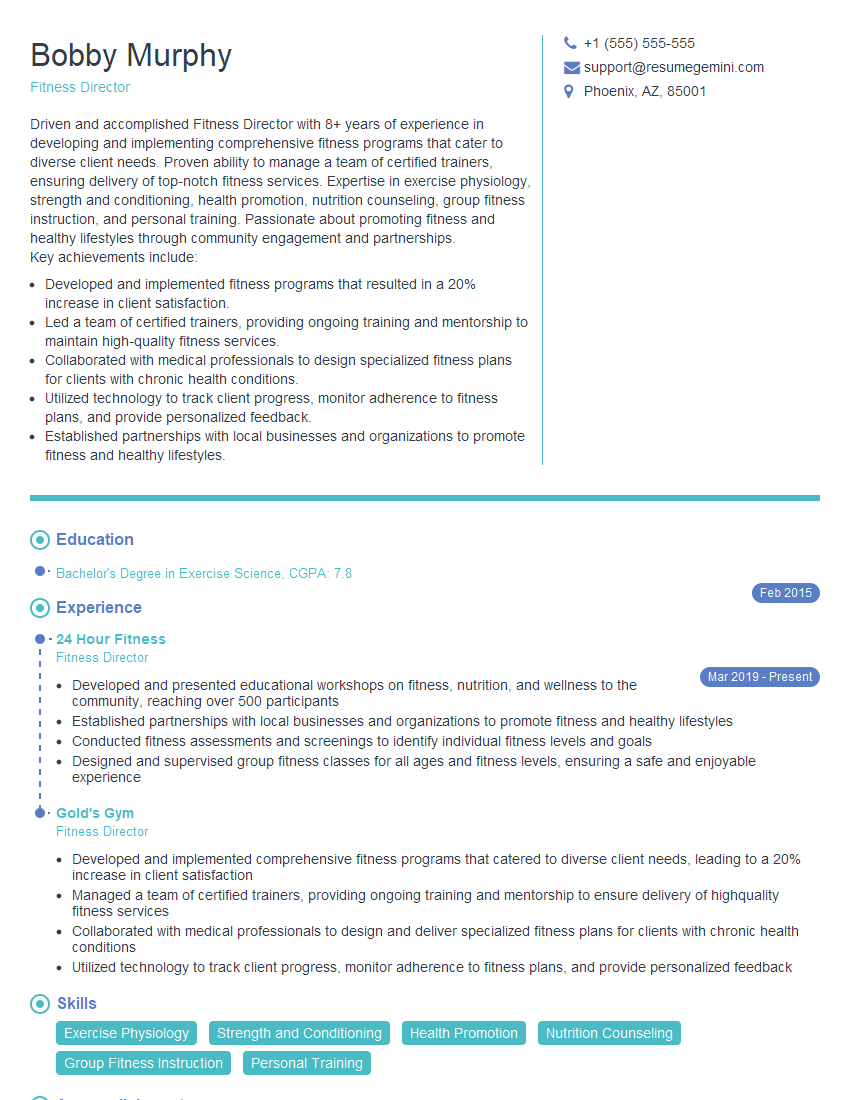
Fitness Director Resume Sample

Wellness Coordinator Resume Sample
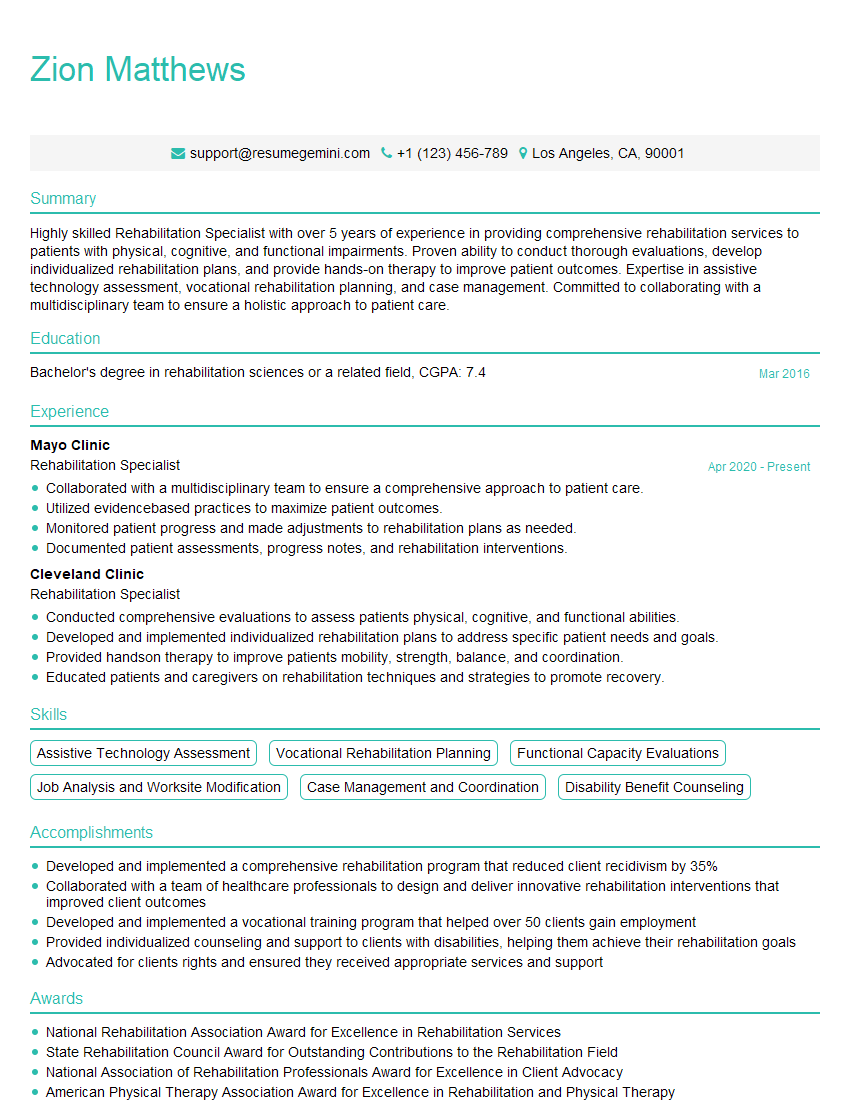
Rehabilitation Specialist Resume Sample
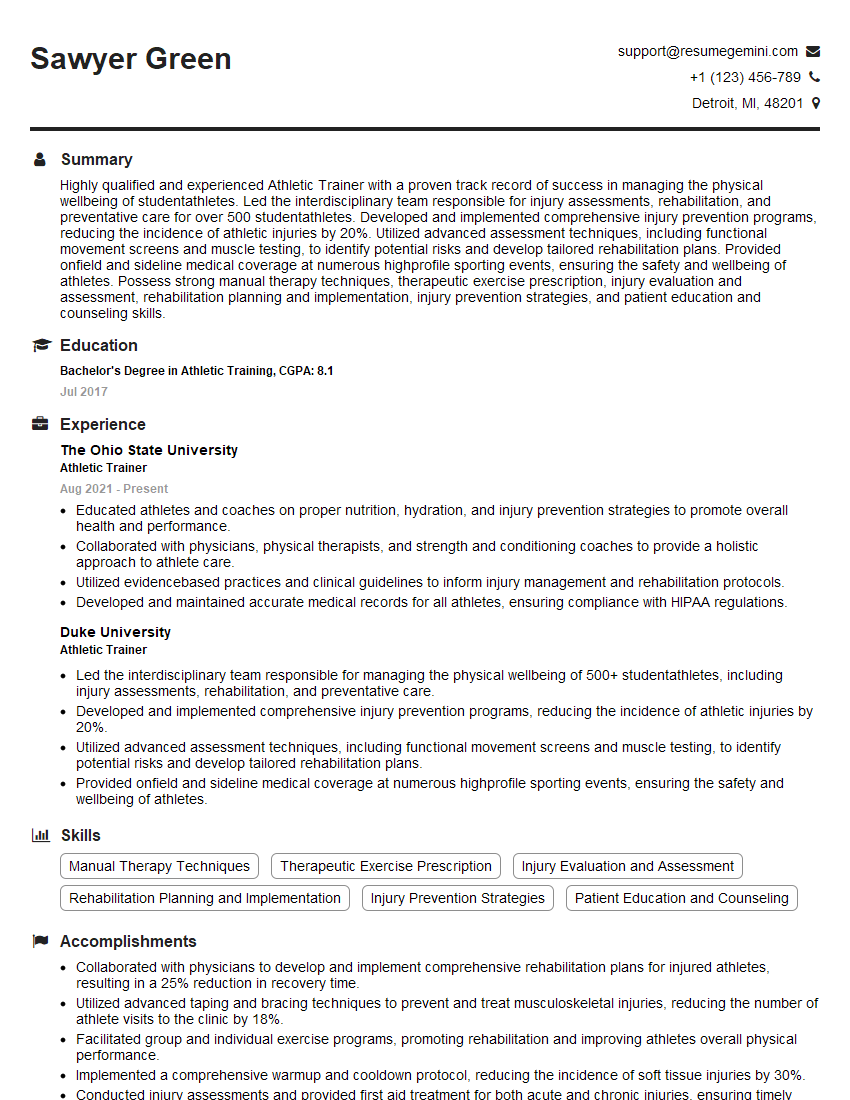
Athletic Trainer Resume Sample
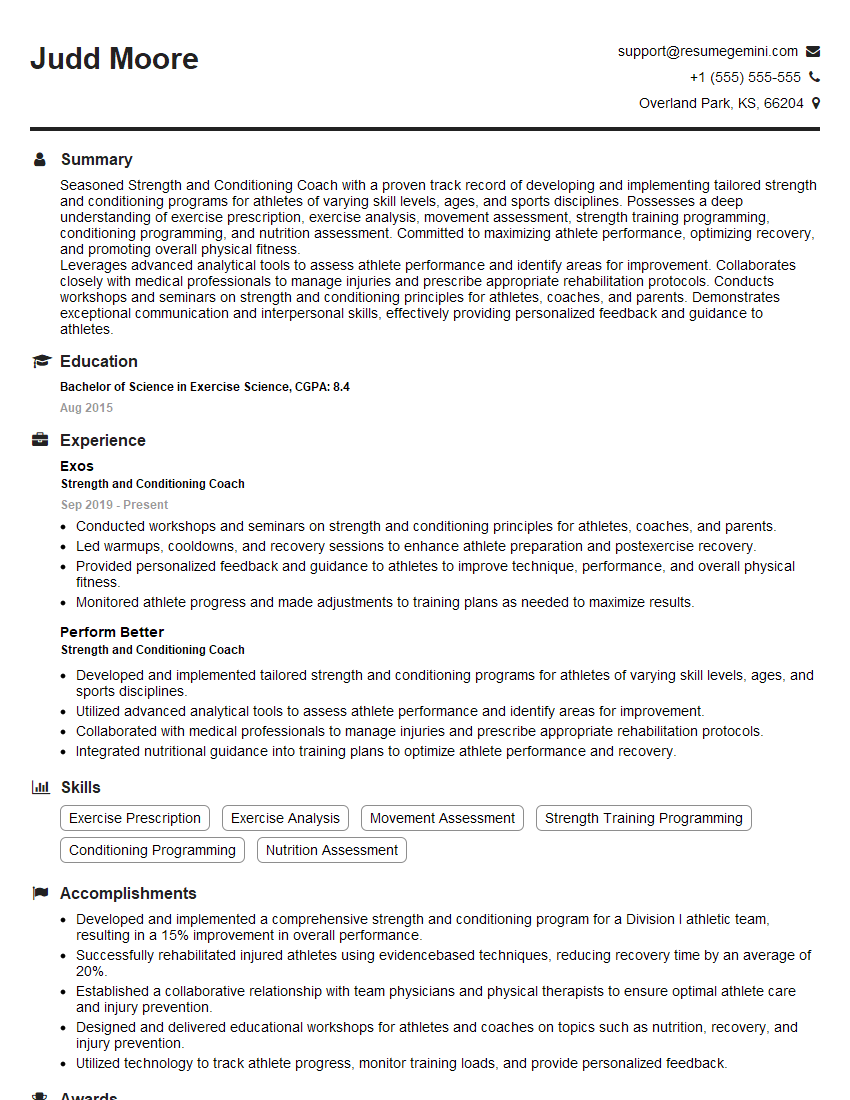
Strength and Conditioning Coach Resume Sample
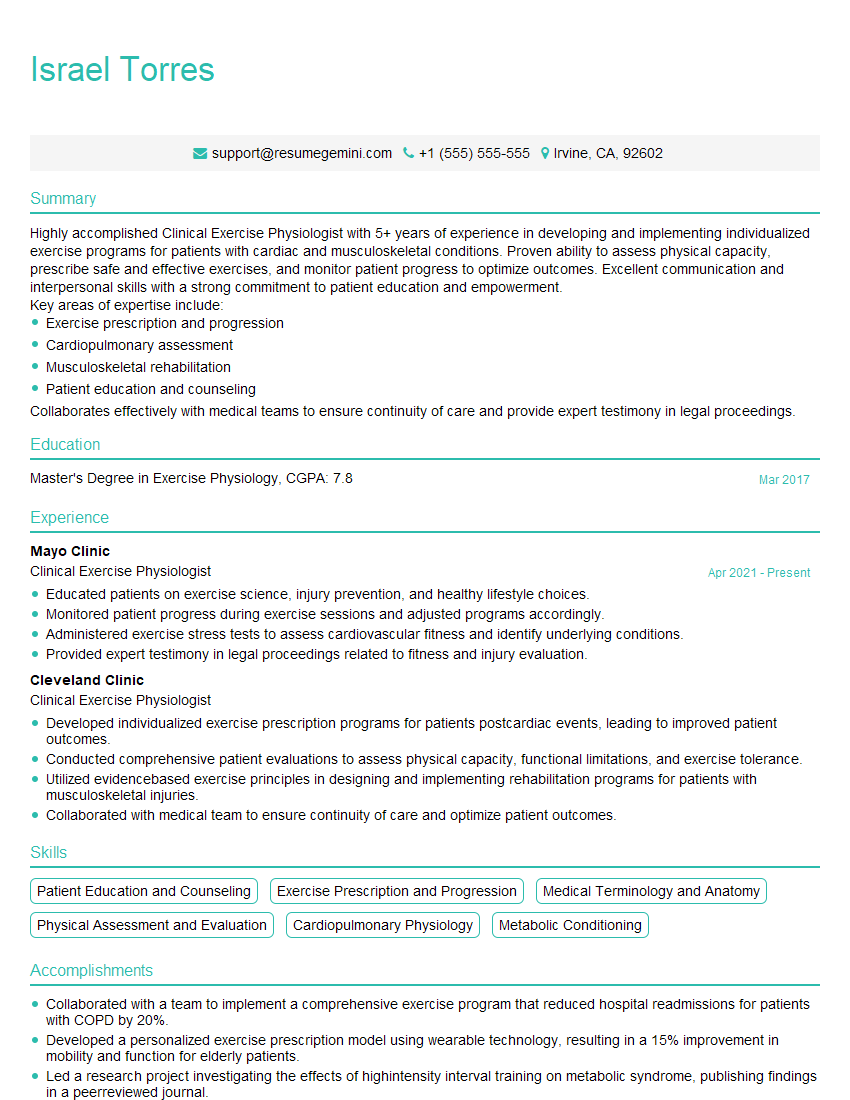
Clinical Exercise Physiologist Resume Sample
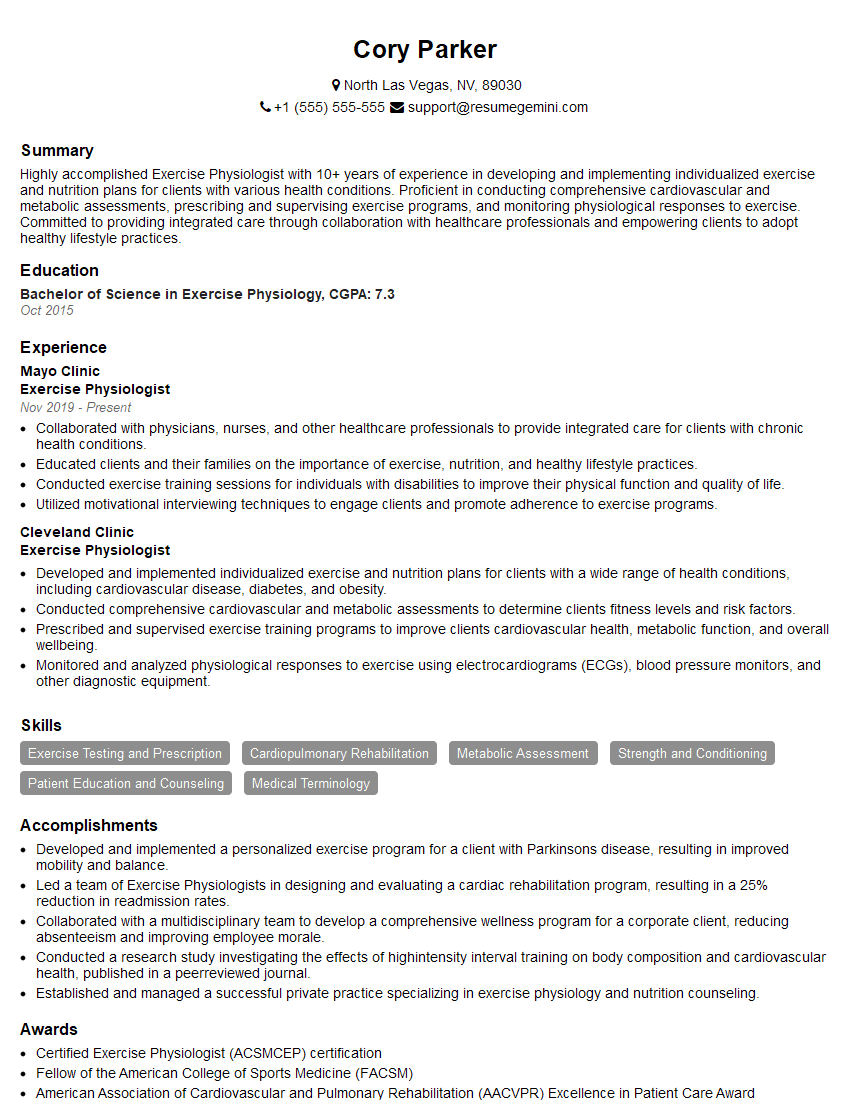
Exercise Physiologist Resume Sample
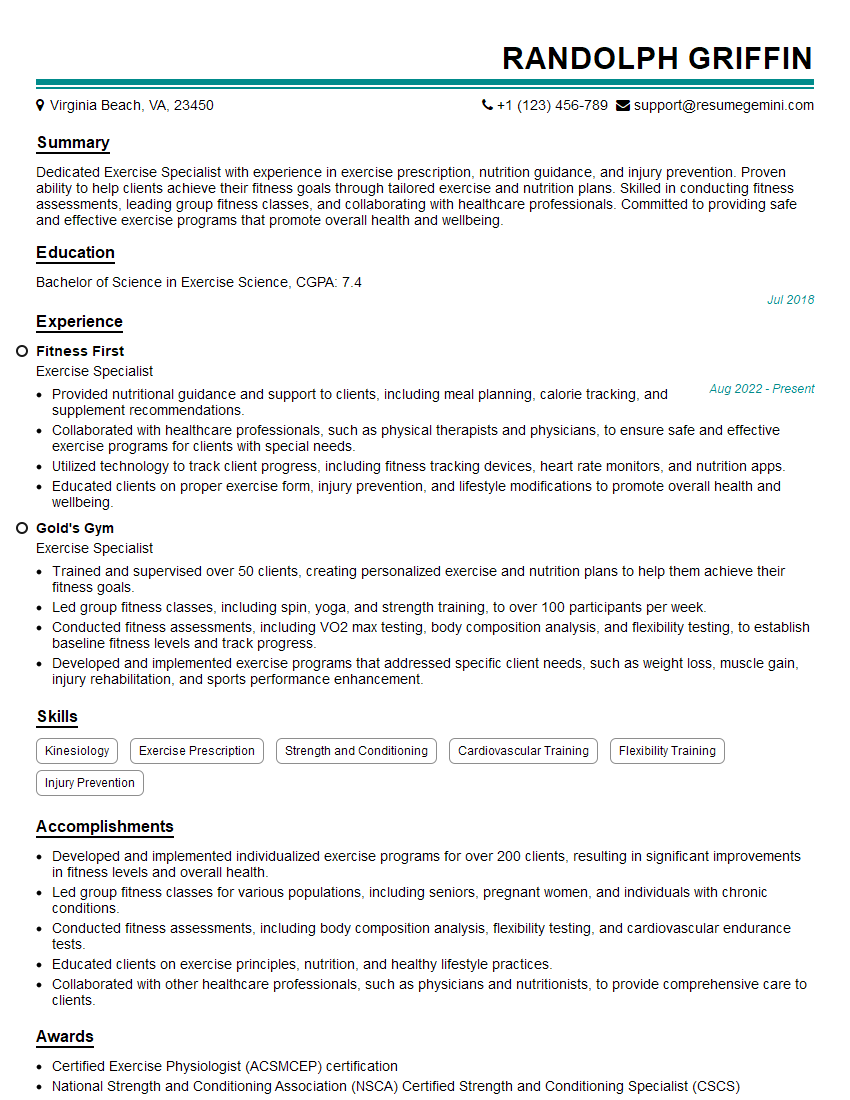
Exercise Specialist Resume Sample
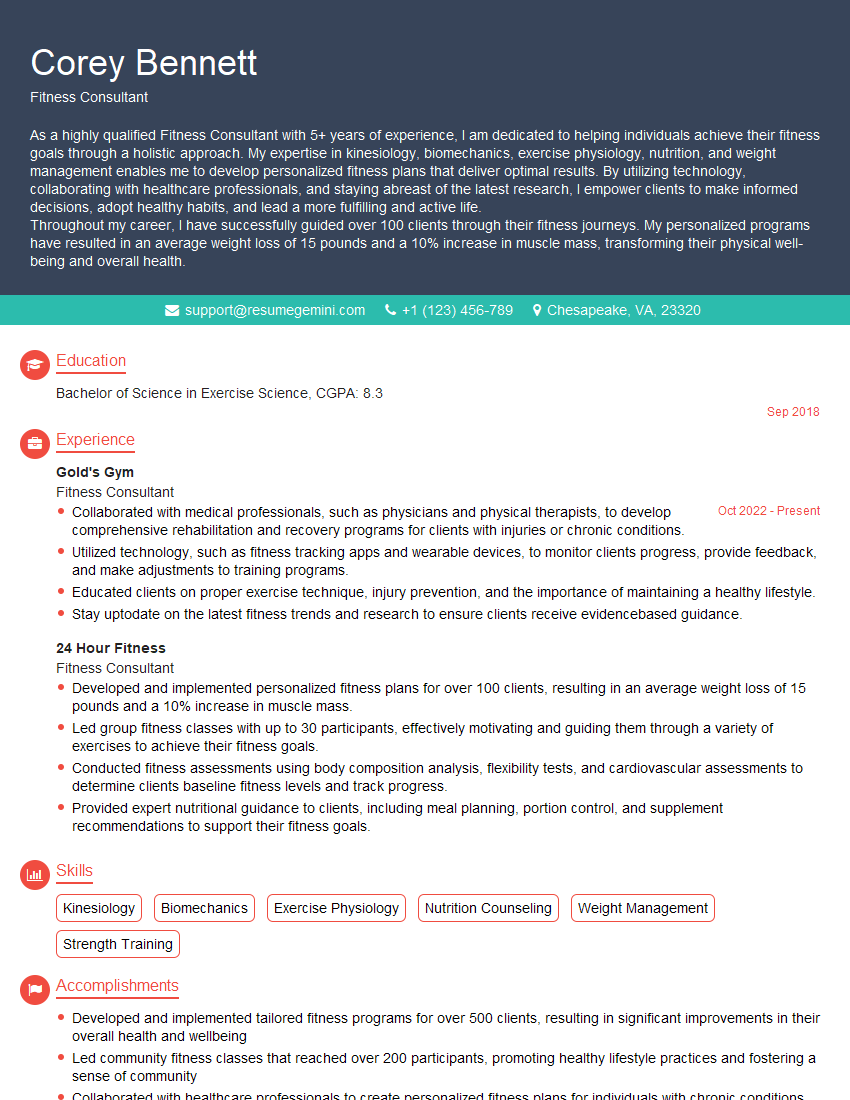
Fitness Consultant Resume Sample
Explore more articles
Users Rating of Our Blogs
Share Your Experience
We value your feedback! Please rate our content and share your thoughts (optional).
What Readers Say About Our Blog
To the interviewgemini.com Webmaster.
Very helpful and content specific questions to help prepare me for my interview!
Thank you
To the interviewgemini.com Webmaster.
This was kind of a unique content I found around the specialized skills. Very helpful questions and good detailed answers.
Very Helpful blog, thank you Interviewgemini team.