Interviews are opportunities to demonstrate your expertise, and this guide is here to help you shine. Explore the essential Exercise Supervision interview questions that employers frequently ask, paired with strategies for crafting responses that set you apart from the competition.
Questions Asked in Exercise Supervision Interview
Q 1. Describe your experience creating and implementing exercise programs for diverse populations.
Creating and implementing exercise programs for diverse populations requires a nuanced understanding of individual needs and limitations. My approach involves a thorough initial consultation to assess each client’s goals, health history, physical capabilities, and preferences. For example, a program for a senior citizen with arthritis will differ significantly from one designed for a young athlete training for a marathon. I’ve worked with individuals recovering from injuries, those with chronic conditions like diabetes or heart disease, pregnant women, and people of all fitness levels. Each program is tailored to their specific needs, incorporating modifications as necessary. I’ve successfully designed programs incorporating bodyweight exercises, resistance training, cardiovascular activities, and flexibility exercises, ensuring that each component is appropriate and progressively challenging. For instance, for a client with limited mobility, I might start with chair exercises before gradually progressing to standing exercises. I also take cultural considerations into account, ensuring that the program aligns with their beliefs and lifestyle.
- Example 1: For a group of seniors, I designed a program focusing on balance exercises, low-impact cardio, and strength training using light weights or resistance bands, emphasizing safety and joint protection.
- Example 2: When working with a client with diabetes, I incorporated both aerobic and strength training activities into their program, emphasizing the importance of consistent exercise in blood sugar management and overall health.
Q 2. How do you assess a client’s fitness level and design a safe and effective program?
Assessing a client’s fitness level is crucial for designing a safe and effective program. I begin with a comprehensive health history questionnaire and a physical assessment. This involves measuring resting heart rate and blood pressure, assessing body composition (using methods like body mass index or skinfold measurements), and conducting movement screenings to check for any limitations or postural issues. Functional fitness tests, such as the ability to perform squats, push-ups, or planks, further inform the assessment. Based on this data, I can determine their baseline fitness level. Then, I design a program that progressively challenges them while remaining safe. The program is built on the principles of overload (gradually increasing the intensity or duration of exercise), progression (gradually increasing the difficulty of the exercises), and specificity (choosing exercises relevant to the client’s goals). I also incorporate rest and recovery periods into the program to prevent injury and allow for muscle repair. Regular reassessments throughout the program are essential to monitor progress and make adjustments as needed.
- Example: A client who can only perform 5 push-ups initially might gradually increase the number of push-ups over time, possibly by incorporating variations or working towards a higher rep range.
Q 3. Explain your understanding of exercise physiology principles and their application in supervision.
My understanding of exercise physiology is fundamental to my role as an exercise supervisor. It’s the science of how the body responds to physical activity. This includes understanding cardiorespiratory function (how the heart and lungs work during exercise), muscular strength and endurance, flexibility, body composition, and energy systems. Applying this knowledge allows me to design programs that effectively improve cardiovascular health, build muscle strength and endurance, enhance flexibility and balance, and manage body weight. For example, understanding the different energy systems (aerobic and anaerobic) helps me tailor training intensity and duration to achieve specific goals, such as building endurance or improving speed. I also use the principles of progressive overload and specificity to optimize training effectiveness and minimize the risk of injury. Furthermore, I consider the concept of the training stimulus and the body’s adaptation to that stimulus in creating training programs. The principles of exercise physiology are the foundation of good and safe exercise programming.
- Example: Designing a program for improved cardiovascular fitness involves incorporating activities like running, swimming, or cycling, focusing on maintaining a target heart rate range for an appropriate duration. Understanding how the body adapts to this stimulus allows me to adjust the training intensity over time.
Q 4. What are the key safety considerations when supervising exercise activities?
Safety is paramount in exercise supervision. Key considerations include: a proper warm-up before exercise to prepare the body for activity; ensuring the exercise environment is safe and free of hazards (like loose cables or slippery floors); instructing clients on proper exercise techniques to minimize the risk of injury; monitoring clients closely for signs of fatigue, discomfort, or distress; and having a clear emergency plan in place, including knowing where the nearest AED (Automated External Defibrillator) is located, and having access to appropriate first-aid supplies; promoting hydration and ensuring clients drink sufficient water throughout the exercise session. Appropriate attire is also important, avoiding loose clothing that might get caught on equipment. Finally, I ensure a safe and appropriately planned cool-down at the end of every session. By addressing these aspects, I significantly reduce the likelihood of incidents.
Q 5. How do you motivate clients and ensure adherence to their exercise programs?
Motivation and adherence are crucial for successful exercise programs. I create a positive and supportive environment, setting realistic goals and celebrating milestones achieved by my clients. I personalize the program to make it enjoyable and relevant to their interests. This might involve incorporating activities they enjoy, such as dancing or hiking. I use positive reinforcement and regular feedback to build their confidence and maintain their motivation. Regular check-ins and open communication are crucial. I track their progress and adjust the program as needed. Providing education about the benefits of exercise and its impact on their overall health can also be powerfully motivating. Additionally, finding an accountability partner or working with a group can encourage consistent exercise adherence.
- Example: I might encourage a client who enjoys music to create a workout playlist or participate in a group fitness class.
Q 6. How do you handle emergencies or injuries during exercise supervision?
In case of an emergency or injury, I am trained to respond effectively. My first priority is to ensure the client’s safety and seek immediate medical attention if necessary. I follow a clear protocol, which may include calling emergency services, providing first aid (if trained and appropriate), and monitoring the client’s vital signs. I have completed advanced first-aid training and CPR certification, which is essential for responding promptly and effectively in emergency situations. The emergency procedures are practiced regularly and documented. Furthermore, a detailed emergency contact list for each client ensures swift notification of their loved ones.
Q 7. Describe your experience with various types of exercise equipment and their safe operation.
I have extensive experience with various types of exercise equipment, including treadmills, stationary bikes, elliptical trainers, weight machines, free weights, and resistance bands. I am proficient in the safe operation and maintenance of this equipment, and thoroughly instruct clients on proper use and safety precautions. I understand the limitations of each piece of equipment and know how to properly adjust settings to suit individual needs. Safety checks are performed before each session to ensure that all equipment is functioning properly and free of any potential hazards. I emphasize correct posture and form to minimize the risk of injury during exercise. Regular maintenance and servicing of the equipment are essential to ensure its longevity and safety.
- Example: Before allowing a client to use a treadmill, I would demonstrate the proper starting and stopping procedures, explain the different speed and incline settings, and emphasize the importance of using the emergency stop button if needed.
Q 8. How do you monitor client progress and make adjustments to their programs as needed?
Monitoring client progress is crucial for ensuring their safety and achieving their fitness goals. It’s a multifaceted process involving regular assessments and program adjustments. I typically use a combination of methods:
Regular Assessments: I conduct initial fitness assessments (e.g., body composition analysis, strength tests, cardiovascular fitness tests) to establish a baseline. Then, I schedule follow-up assessments (e.g., every 4-6 weeks) to track progress. These might include retesting, monitoring weight changes, and assessing client feedback on perceived exertion and overall well-being.
Progress Tracking: I use various tools to track progress, including client journals, spreadsheets, or dedicated fitness tracking apps. This data provides objective evidence of changes in strength, endurance, and body composition. I also pay close attention to the client’s subjective feedback on how they feel during and after workouts.
Program Adjustments: Based on the data collected, I make adjustments to the exercise program. This might involve increasing the intensity, duration, or frequency of workouts, progressing to more challenging exercises, or modifying the program to address any plateaus or setbacks. For example, if a client isn’t progressing with a particular exercise, I might adjust the weight, reps, sets, or technique. If they’re experiencing pain or fatigue, I might reduce the intensity or volume of training.
Communication: Open communication is key. I regularly discuss progress with clients, addressing any concerns or questions they may have. I empower them to participate actively in the process, encouraging them to provide feedback on their experiences and how the program is affecting them.
Q 9. Explain your understanding of different training methods (e.g., interval training, circuit training).
Understanding various training methods is fundamental to effective exercise supervision. Each method has its strengths and is suited to different goals and fitness levels. Here are a few examples:
Interval Training: This involves alternating periods of high-intensity exercise with periods of rest or low-intensity exercise. It’s very effective for improving cardiovascular fitness and burning calories. An example would be sprinting for 30 seconds, followed by jogging for 60 seconds, repeated for several rounds. Variations in the intensity and duration of the intervals allow for customization based on individual fitness levels.
Circuit Training: This involves performing a series of exercises in a circuit, with little or no rest between exercises. It’s excellent for building strength, endurance, and improving overall fitness. For example, a circuit might include squats, push-ups, lunges, and rows, with each exercise performed for a set number of repetitions before moving on to the next.
Strength Training: This focuses on building muscle mass and strength through exercises using weights, resistance bands, or body weight. It’s crucial for improving bone density, metabolism, and overall functional fitness. This often includes methods like progressive overload, where the resistance is gradually increased over time.
Flexibility Training: Essential for improving range of motion, preventing injuries, and improving posture. Techniques like static stretching (holding a stretch for a period of time) and dynamic stretching (moving through a range of motion) are commonly used.
Choosing the right training method depends on the client’s goals, fitness level, and any limitations or medical conditions.
Q 10. How do you communicate effectively with clients, colleagues, and supervisors?
Effective communication is the cornerstone of successful exercise supervision. I prioritize clear, concise, and empathetic communication with clients, colleagues, and supervisors. My approach involves:
Active Listening: I pay close attention to what clients are saying, both verbally and nonverbally, to understand their needs and concerns.
Clear Explanations: I explain exercise techniques, programs, and safety guidelines in a way that is easy to understand, avoiding jargon whenever possible. I use visual aids and demonstrations when appropriate.
Positive Reinforcement: I provide regular positive feedback to motivate clients and celebrate their successes. I focus on effort and progress, rather than just results.
Professionalism: I maintain a professional demeanor at all times, respecting the privacy and confidentiality of clients. I communicate respectfully and professionally with colleagues and supervisors.
Documentation: I maintain thorough records of client interactions, progress, and any modifications to their programs. This is vital for ensuring consistency and accountability.
For instance, if a client is struggling with an exercise, I’ll actively listen to their concerns, demonstrate the proper technique, and offer modifications to make it more manageable. Regular updates with supervisors ensure alignment with organizational goals and best practices.
Q 11. Describe your experience in adapting exercise programs for individuals with special needs or medical conditions.
Adapting exercise programs for individuals with special needs or medical conditions requires a thorough understanding of their limitations and capabilities. This involves careful assessment and collaboration with medical professionals.
Assessment: I begin with a comprehensive assessment of the individual’s physical capabilities, medical history, and any limitations. This may involve reviewing medical records, conducting physical examinations, and discussing their goals and limitations with them and their doctors.
Collaboration: I collaborate closely with physicians, physiotherapists, or other healthcare professionals to ensure the safety and effectiveness of the exercise program. I follow any prescribed limitations or recommendations.
Program Modification: I modify exercise programs to accommodate the individual’s needs. This might involve modifying exercise intensity, duration, or type, or using adaptive equipment. For example, for someone with arthritis, I might focus on low-impact exercises and avoid high-impact activities. For someone with a cardiac condition, I’ll work closely with their cardiologist to create a safe and appropriate exercise plan.
Safety Considerations: Safety is paramount. I carefully monitor the individual’s response to exercise, making adjustments as needed. I ensure that they understand proper techniques and safety procedures to minimize the risk of injury.
For example, I worked with a client recovering from a knee injury. Collaborating with their physical therapist, we designed a program focusing on low-impact exercises like cycling and swimming, gradually increasing intensity as their knee strength improved. This approach allowed them to regain strength and function safely and effectively.
Q 12. How do you ensure the cleanliness and maintenance of exercise equipment?
Maintaining a clean and well-maintained exercise environment is critical for hygiene and safety. My approach involves:
Regular Cleaning: I wipe down equipment after each use with an appropriate disinfectant. I ensure that all areas of the facility are regularly cleaned, including floors, changing rooms, and restrooms.
Equipment Inspection: I inspect exercise equipment regularly for damage or malfunction. I report any issues to the appropriate personnel for repair or replacement immediately.
Safety Checks: I regularly check that safety features are functioning correctly, such as emergency stops on cardio equipment and safety clips on weight machines.
Organization: I ensure that weights and other equipment are properly organized and stored to prevent accidents. I ensure the space is free of clutter and obstacles.
Client Education: I educate clients on the importance of hygiene and proper equipment use, encouraging them to wipe down equipment after use.
Maintaining a clean and safe environment not only prevents the spread of germs and injuries but also creates a positive and welcoming atmosphere for clients.
Q 13. What is your approach to managing client expectations and resolving complaints?
Managing client expectations and resolving complaints requires open communication, empathy, and a problem-solving approach.
Clear Communication: I clearly explain the exercise program, its benefits, and any potential limitations or challenges upfront. I set realistic expectations and ensure that the client understands what to expect in terms of effort, commitment, and results.
Active Listening: If a client has a complaint, I listen attentively and empathize with their concerns. I avoid interrupting or becoming defensive. I ensure I thoroughly understand their perspective before responding.
Problem-Solving: I work collaboratively with the client to find a solution that addresses their concerns. This might involve modifying the exercise program, adjusting the schedule, or offering alternative solutions. I offer practical steps toward a resolution.
Follow-Up: I follow up with the client after resolving the complaint to ensure they are satisfied with the outcome. This demonstrates my commitment to their well-being and satisfaction.
For instance, if a client feels the program is too difficult, I’ll listen to their concerns, assess their fitness level, and adjust the program to make it more manageable. Maintaining open communication and a client-centered approach will foster trust and build a positive relationship.
Q 14. How do you stay current with best practices in exercise supervision and safety?
Staying current with best practices in exercise supervision and safety is crucial for providing effective and safe services. My approach involves:
Continuing Education: I regularly participate in continuing education courses, workshops, and conferences to stay updated on the latest research, techniques, and safety guidelines. This helps to expand my knowledge and enhance my skill set.
Professional Organizations: I maintain memberships in professional organizations such as the American College of Sports Medicine (ACSM) or similar relevant organizations. These organizations provide access to resources, publications, and networking opportunities.
Professional Journals and Publications: I regularly read professional journals and publications to stay abreast of new research and best practices. This allows me to adapt my approach based on the latest scientific evidence.
Networking: I actively network with other exercise professionals to share knowledge, discuss challenges, and learn from their experiences. This provides valuable insights and perspectives.
Self-Reflection: I regularly reflect on my practice, identifying areas for improvement and seeking feedback from colleagues and supervisors.
Staying updated with the latest information is not only important for professional development but is also vital for ensuring client safety and effectiveness of the exercise programs.
Q 15. Describe your experience with client record-keeping and data management.
Client record-keeping is paramount in exercise supervision. It ensures client safety, tracks progress, and allows for informed decision-making. My approach involves using a secure, HIPAA-compliant system (either electronic or paper-based, depending on the setting) to meticulously document all relevant information. This includes:
- Demographic data: Name, age, contact information, medical history.
- Health status: Pre-existing conditions, medications, allergies, recent surgeries.
- Fitness assessments: Results of fitness tests (e.g., resting heart rate, body composition, blood pressure), providing a baseline for progress monitoring.
- Exercise programs: Detailed workout plans, including exercises, sets, reps, and intensity levels. Any modifications made based on client progress or feedback are also recorded.
- Progress notes: Regular updates on the client’s performance, adherence to the program, any observed changes, and any communication with the client.
- Consent forms: Documentation of informed consent for participation in the exercise program.
Data management involves regular backups, secure storage, and adherence to all relevant privacy regulations. I utilize data analysis to track client progress, identify trends, and modify programs as needed. For example, if a client’s weight loss plateaus, I can analyze their records to identify potential areas for adjustment, such as increasing exercise intensity or modifying dietary recommendations.
Career Expert Tips:
- Ace those interviews! Prepare effectively by reviewing the Top 50 Most Common Interview Questions on ResumeGemini.
- Navigate your job search with confidence! Explore a wide range of Career Tips on ResumeGemini. Learn about common challenges and recommendations to overcome them.
- Craft the perfect resume! Master the Art of Resume Writing with ResumeGemini’s guide. Showcase your unique qualifications and achievements effectively.
- Don’t miss out on holiday savings! Build your dream resume with ResumeGemini’s ATS optimized templates.
Q 16. How do you conduct pre-exercise screenings and identify potential risks?
Pre-exercise screenings are crucial for identifying potential health risks and ensuring client safety. I typically utilize a combination of methods, starting with a thorough health history questionnaire that addresses medical conditions, medications, and family history. This is followed by a physical activity readiness questionnaire (PAR-Q) to assess any limitations or risks associated with physical activity. For higher-risk individuals, a medical clearance from their physician might be required.
I carefully review all information gathered to identify potential risks, such as cardiovascular issues, musculoskeletal problems, or other health concerns that might necessitate modifications to the exercise program or even contraindicate certain activities. For example, a client with a history of hypertension might require a lower intensity program and close monitoring of blood pressure. A client with knee pain might need modifications to reduce stress on the knee joint. The goal is to develop a safe and effective exercise plan tailored to the individual’s specific needs and limitations.
Q 17. Explain your knowledge of exercise prescription guidelines for different populations.
Exercise prescription guidelines vary significantly depending on the population. My knowledge encompasses guidelines for diverse groups, including:
- Healthy adults: Prescriptions often focus on building cardiorespiratory fitness, muscular strength and endurance, and flexibility, following guidelines from organizations like the American College of Sports Medicine (ACSM).
- Older adults: Programs emphasize maintaining functional fitness, preventing falls, and improving balance and mobility, with considerations for age-related physiological changes.
- Individuals with chronic diseases (e.g., diabetes, heart disease): Exercise prescriptions are carefully designed to manage specific disease symptoms and improve overall health, often in collaboration with other healthcare professionals.
- Pregnant women: Exercise programs should accommodate the physiological changes of pregnancy, focusing on low-impact activities and modifications to avoid strain.
- Children and adolescents: Focuses on promoting physical activity and healthy habits, incorporating fun and engaging activities.
I always tailor the exercise prescription to the individual’s specific goals, fitness level, and any limitations, ensuring it aligns with evidence-based guidelines and promotes safety.
Q 18. How do you manage a large group of participants during exercise classes?
Managing a large group requires effective organization and communication. I utilize a structured class format with clear instructions, demonstrations, and regular monitoring of participants. This includes:
- Pre-class briefing: Providing clear instructions on warm-up, exercise techniques, and safety guidelines.
- Proper demonstration: Ensuring everyone understands the correct form to prevent injuries.
- Individual attention: Circulating throughout the class to offer corrections, modifications, and encouragement.
- Progression and regression options: Offering variations of exercises to cater to different fitness levels.
- Clear communication: Using verbal cues, visual aids, and written instructions to maintain clarity.
- Safety precautions: Creating a safe environment, checking for hazards, and ensuring participants are aware of emergency procedures.
I also find it helpful to create a sense of community and camaraderie among participants through encouraging interaction and teamwork. For instance, partner exercises can make the class more engaging and supportive.
Q 19. How do you handle challenging or difficult clients?
Handling challenging clients requires empathy, patience, and effective communication. I approach these situations by:
- Active listening: Understanding their concerns and perspectives.
- Empathetic response: Validating their feelings and experiences.
- Collaboration: Working together to find solutions that meet their needs and goals.
- Setting clear expectations: Establishing guidelines for behavior and participation.
- Consistent reinforcement: Providing positive feedback and encouragement.
- Seeking support: Consulting with colleagues or supervisors when necessary.
For example, if a client expresses frustration with their progress, I might adjust their program, offer additional support, or discuss their expectations realistically. Open and honest communication is key to building trust and rapport, even with the most challenging clients.
Q 20. What is your experience with developing and conducting fitness assessments?
I have extensive experience developing and conducting fitness assessments, utilizing a variety of methods to obtain a comprehensive picture of an individual’s fitness level. This typically involves:
- Resting measurements: Height, weight, body mass index (BMI), resting heart rate, and blood pressure.
- Cardiorespiratory fitness tests: Tests like the Bruce protocol treadmill test or a submaximal cycle ergometer test to assess cardiovascular fitness.
- Muscular strength and endurance tests: Tests such as one-repetition maximum (1RM) for various exercises to assess strength, and repetitions-to-failure for endurance.
- Flexibility assessments: Tests such as the sit-and-reach test to measure flexibility.
- Body composition assessments: Methods such as skinfold calipers, bioelectrical impedance analysis (BIA), or underwater weighing to assess body fat percentage.
The choice of tests depends on the client’s goals, age, health status, and available resources. Accurate assessment is crucial for creating an effective and safe exercise program tailored to the individual’s needs.
Q 21. How do you maintain a safe and positive exercise environment?
Maintaining a safe and positive exercise environment is crucial for client motivation and injury prevention. This involves several key strategies:
- Proper equipment maintenance: Ensuring all equipment is in good working order and regularly inspected.
- Safe facility design: A well-lit, clean, and organized space, free of obstacles.
- Clear safety instructions: Providing clear instructions on proper equipment use and safety procedures.
- Emergency preparedness: Having a plan in place for handling emergencies, including access to first aid and emergency medical services.
- Positive and encouraging atmosphere: Creating a welcoming and supportive environment where participants feel comfortable.
- Hygiene: Maintaining a clean and sanitary environment to prevent the spread of germs.
I also encourage positive social interaction among participants to foster a sense of community and motivation. Creating a welcoming atmosphere ensures clients feel comfortable pushing themselves and achieving their fitness goals in a safe and supportive environment.
Q 22. Describe your experience using different methods of client feedback and progress tracking.
Client feedback and progress tracking are crucial for effective exercise supervision. I utilize a multi-faceted approach, combining various methods to gain a comprehensive understanding of each client’s journey. This includes:
Regular Check-ins: I schedule brief, informal check-ins during or after sessions to discuss immediate feelings and any challenges. This allows for immediate adjustments and fosters open communication.
Progress Journals/Logs: Clients maintain journals recording their workouts, perceived exertion levels, and any notable changes in their physical or mental state. This offers a detailed timeline of progress.
Formal Assessments: I employ standardized fitness assessments (e.g., body composition analysis, strength testing, cardiovascular fitness tests) at regular intervals. These provide objective measures of progress towards goals. For example, I track a client’s 1RM (one-rep max) in various lifts to monitor strength gains.
Feedback Forms/Surveys: Periodic surveys or written feedback forms allow clients to provide detailed insights on their experience, satisfaction, and program effectiveness. This includes areas for improvement and suggestions.
Technology Integration: I leverage fitness tracking apps and wearable devices (when appropriate and with client consent) to monitor activity levels, sleep patterns, and other relevant data points. This allows for more granular data analysis.
By integrating these methods, I build a holistic picture of client progress, allowing me to adapt programs and provide individualized support.
Q 23. How do you enforce facility rules and ensure participant compliance?
Enforcing facility rules and ensuring participant compliance requires a proactive and positive approach. My strategy emphasizes education and clear communication, rather than punitive measures. This includes:
Clearly Defined Rules: Rules and regulations are prominently displayed and explained clearly at the beginning of each program or session. This includes guidelines on equipment usage, hygiene, conduct, and safety.
Positive Reinforcement: I praise and recognize participants who consistently follow the rules, fostering a culture of compliance. This builds a positive and collaborative environment.
Educational Approach: When a rule is broken, I approach it as an opportunity to educate rather than reprimand. I explain the rationale behind the rule and its importance for safety and overall program effectiveness.
Consistent Enforcement: Fair and consistent enforcement of rules is vital. This ensures that no participant feels singled out and reinforces the importance of adherence.
Addressing Concerns: I create a safe space for participants to express concerns or challenges. This proactive communication can prevent rule violations before they occur.
Progressive Discipline: If educational approaches fail, I implement a progressive discipline system, escalating measures only if necessary. This could include verbal warnings, temporary suspension, or, in severe cases, permanent exclusion.
Ultimately, my goal is to create a safe, respectful, and productive environment where everyone feels comfortable following established guidelines.
Q 24. How do you prioritize tasks effectively during a busy exercise supervision session?
Prioritizing tasks during a busy session requires a structured approach. I employ a combination of strategies to ensure efficiency and client safety.
Pre-Session Planning: Before the session begins, I review client schedules, individual needs, and planned activities. This allows me to anticipate potential challenges and plan accordingly.
Time Allocation: I allocate specific time slots for each client or activity. This helps to maintain a structured flow and prevents time slippage.
Prioritization Matrix: I use a simple prioritization matrix (urgent/important) to determine which tasks require immediate attention. Tasks crucial to client safety and program effectiveness are prioritized.
Delegation (if applicable): If working with a team, I delegate tasks based on individual strengths and expertise. This ensures optimal use of resources.
Flexibility: While planning is crucial, I remain flexible to accommodate unexpected situations or client needs. It’s important to be adaptable and adjust the schedule as required, maintaining client safety as the top priority.
By combining pre-session planning, effective time management, and a flexible approach, I ensure that all clients receive the attention they deserve, even during high-volume sessions.
Q 25. What are your strategies for promoting teamwork and collaboration among staff members?
Promoting teamwork and collaboration amongst staff is essential for a cohesive and effective exercise supervision team. My approach focuses on building strong relationships and fostering open communication.
Regular Team Meetings: I hold regular team meetings to discuss program updates, client progress, challenges, and best practices. This allows for shared learning and problem-solving.
Open Communication: I encourage open and honest communication among staff members. This means creating a safe environment where everyone feels comfortable sharing ideas and concerns without fear of judgment.
Shared Decision-Making: I involve staff members in decision-making processes, empowering them to contribute their expertise and ideas.
Cross-Training: I facilitate cross-training opportunities to enable staff members to gain experience in various aspects of exercise supervision. This promotes versatility and collaboration.
Team Building Activities: I organize regular team-building activities to strengthen relationships and foster camaraderie. These activities can range from informal social gatherings to formal training workshops.
Recognition and Appreciation: I regularly acknowledge and appreciate the contributions of individual staff members, boosting morale and reinforcing positive teamwork.
By cultivating a strong team spirit, I create an environment where staff members are motivated, collaborative, and committed to providing high-quality exercise supervision.
Q 26. Describe your experience in budget management or resource allocation for fitness programs.
Budget management and resource allocation are critical aspects of successful fitness program implementation. My experience involves:
Needs Assessment: I begin by conducting a thorough needs assessment to determine the resources required to achieve program goals. This includes equipment, staffing, marketing, and administrative costs.
Budget Development: Based on the needs assessment, I develop a comprehensive budget that aligns with available funding. This often involves prioritizing needs and seeking cost-effective solutions.
Resource Allocation: I allocate resources strategically to maximize program effectiveness. This means prioritizing investments in areas that yield the greatest impact, such as staff training and high-quality equipment.
Cost Control: I implement cost control measures to ensure that resources are used efficiently. This could involve negotiating with suppliers, seeking grants, or exploring alternative funding sources.
Monitoring and Evaluation: I regularly monitor spending and evaluate program costs to identify areas for improvement and cost savings. This often involves tracking program participation, client satisfaction, and return on investment.
For example, in a previous role, I successfully secured a grant to upgrade our facility’s equipment, leading to increased client satisfaction and program participation. This required detailed budget planning, resource allocation, and ongoing monitoring of funds.
Q 27. How do you ensure program effectiveness and measure its outcomes?
Ensuring program effectiveness and measuring outcomes requires a systematic approach. I use a combination of quantitative and qualitative methods.
Pre- and Post-Program Assessments: I conduct comprehensive assessments (e.g., fitness tests, health questionnaires) before and after program implementation to track changes in participants’ physical fitness, health markers, and overall well-being. These provide quantifiable data on program impact.
Client Feedback: Regular client feedback through surveys, interviews, and informal discussions provide valuable insights into program satisfaction and areas for improvement. This qualitative data complements quantitative findings.
Data Analysis: I analyze data collected from various sources (assessments, feedback, attendance records) to identify trends, measure program success, and inform future improvements. This could involve using statistical software or simply charting progress over time.
Goal Setting: Clearly defined goals are essential for measuring effectiveness. Goals should be specific, measurable, achievable, relevant, and time-bound (SMART). For instance, a goal might be to improve participants’ cardiovascular fitness by 15% within three months.
Program Modifications: Based on outcome data and feedback, I modify programs to optimize effectiveness and address client needs. This iterative process of evaluation and adjustment is essential for continuous improvement.
For example, analyzing post-program assessment data revealed a significant improvement in participants’ flexibility. This confirmed the effectiveness of our flexibility training component and supported future program development.
Q 28. What is your experience with obtaining certifications or continuing education in exercise supervision?
Continuing education and certification are essential for maintaining proficiency and credibility in exercise supervision. My commitment to professional development is demonstrated through:
Certifications: I hold multiple nationally recognized certifications in exercise science, including a [Insert specific certifications, e.g., ACSM Certified Personal Trainer, ACE Certified Group Fitness Instructor]. These certifications provide me with a strong foundation in exercise physiology, program design, and client safety.
Continuing Education Units (CEUs): I regularly attend workshops, conferences, and online courses to acquire CEUs and stay abreast of the latest research and best practices in the field. This ensures that my knowledge and skills remain current.
Professional Organizations: I am an active member of professional organizations such as [Insert specific organizations, e.g., American College of Sports Medicine (ACSM), American Council on Exercise (ACE)]. These organizations provide access to valuable resources, networking opportunities, and continuing education materials.
Self-Directed Learning: I actively engage in self-directed learning through reading professional journals, reviewing research articles, and exploring online resources. This allows me to stay informed about emerging trends and advancements in exercise supervision.
My dedication to ongoing learning ensures that I can provide the highest quality of exercise supervision, employing the most current and evidence-based practices.
Key Topics to Learn for Exercise Supervision Interview
- Exercise Programming & Design: Understanding principles of exercise prescription based on individual needs, goals, and limitations. This includes designing safe and effective programs for diverse populations.
- Safety & Risk Management: Identifying and mitigating potential risks associated with exercise, including proper spotting techniques, emergency procedures, and recognizing signs of exertion or injury.
- Client Communication & Motivation: Effectively communicating with clients to understand their needs, provide feedback, and maintain motivation throughout their fitness journey. Active listening and motivational interviewing skills are crucial.
- Exercise Technique & Form: Demonstrating and correcting proper exercise form to prevent injuries and maximize results. A deep understanding of biomechanics is beneficial.
- Health & Wellness Knowledge: Possessing a foundational understanding of anatomy, physiology, and common health conditions that may impact exercise prescription.
- Program Evaluation & Adaptation: Tracking client progress, evaluating program effectiveness, and adjusting exercise programs based on individual responses and achieving goals. Data analysis and interpretation are key here.
- Legal & Ethical Considerations: Understanding professional standards, liability, and ethical considerations related to exercise supervision, including confidentiality and client autonomy.
Next Steps
Mastering Exercise Supervision is crucial for career advancement in the fitness industry, opening doors to leadership roles and higher earning potential. A strong resume is your first step towards securing your dream job. Crafting an ATS-friendly resume is vital for getting past Applicant Tracking Systems and into the hands of hiring managers. ResumeGemini is a trusted resource to help you build a professional and impactful resume, ensuring your skills and experience shine. We provide examples of resumes tailored to Exercise Supervision to help you get started. Take control of your career – invest in yourself and your future.
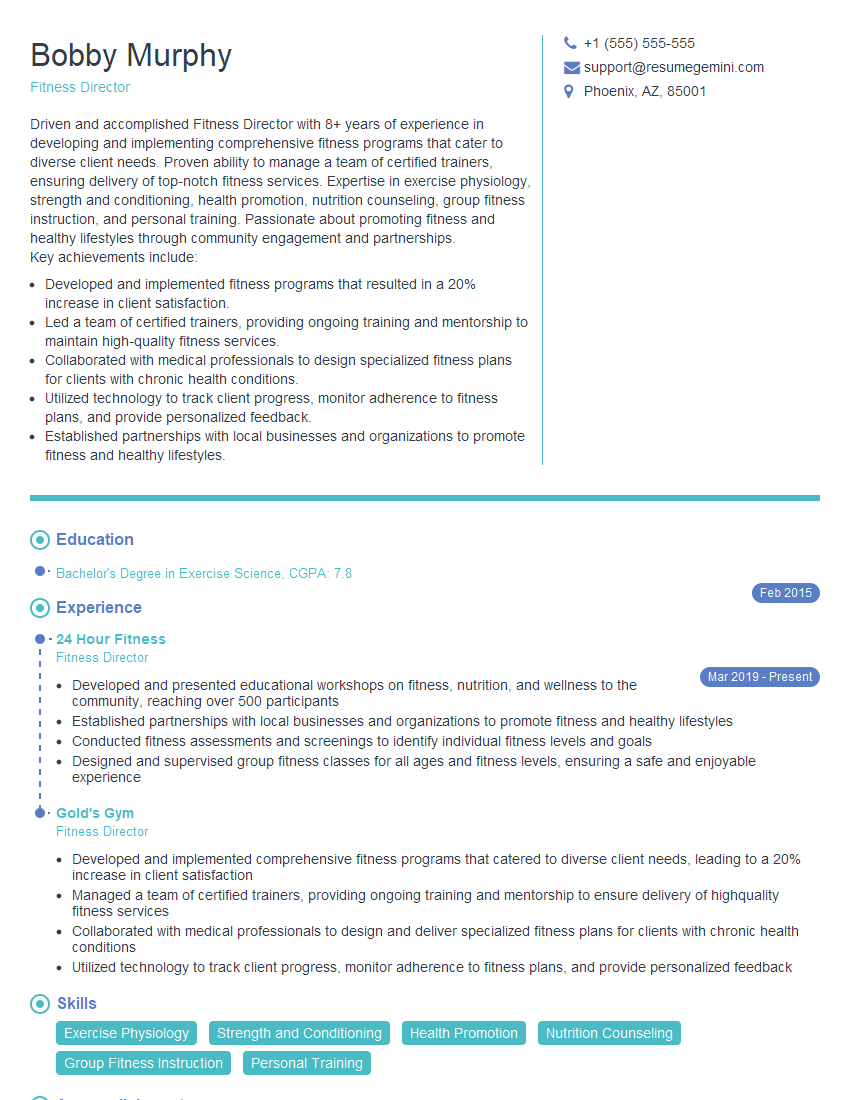
Fitness Director Resume Sample
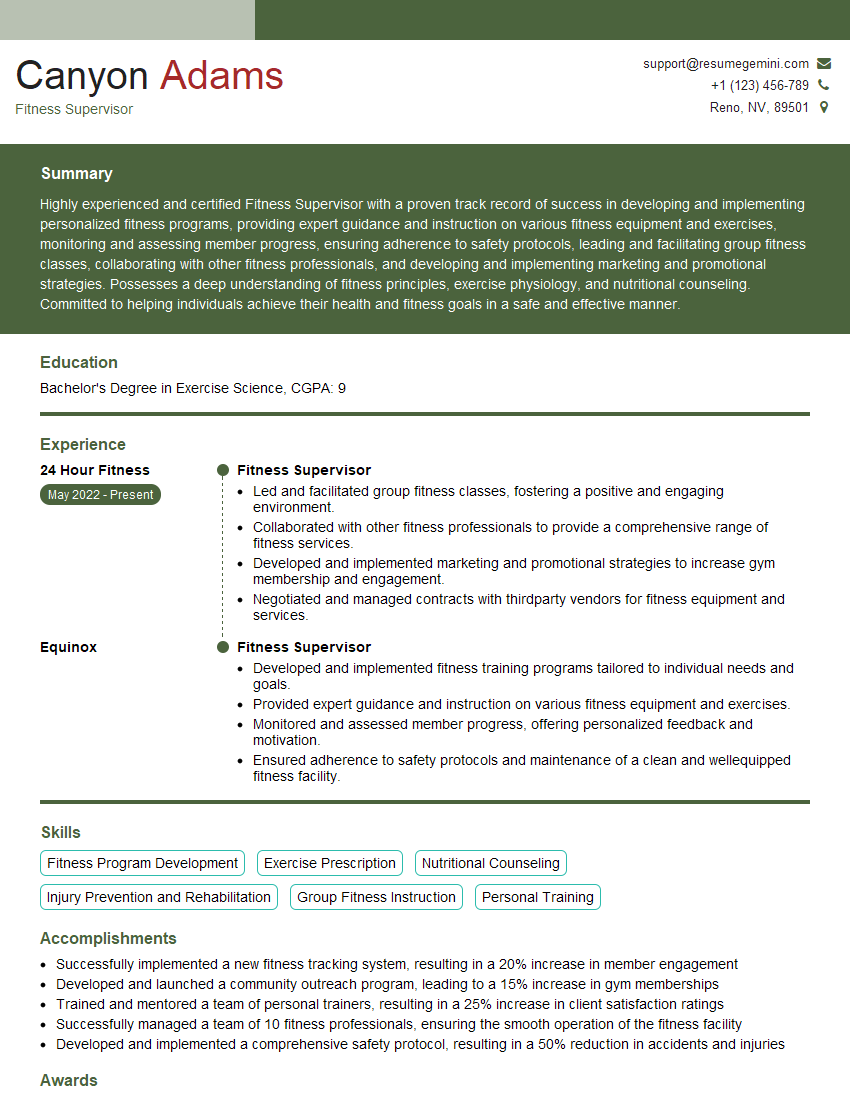
Fitness Supervisor Resume Sample
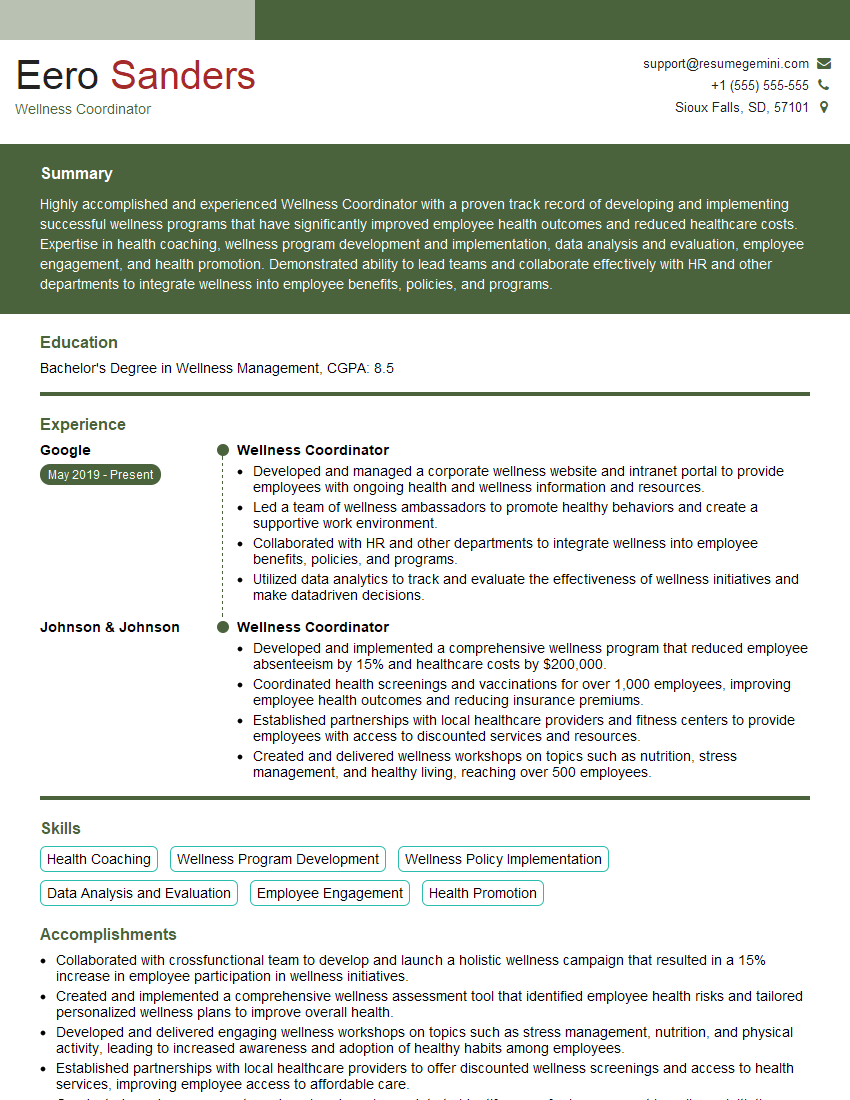
Wellness Coordinator Resume Sample
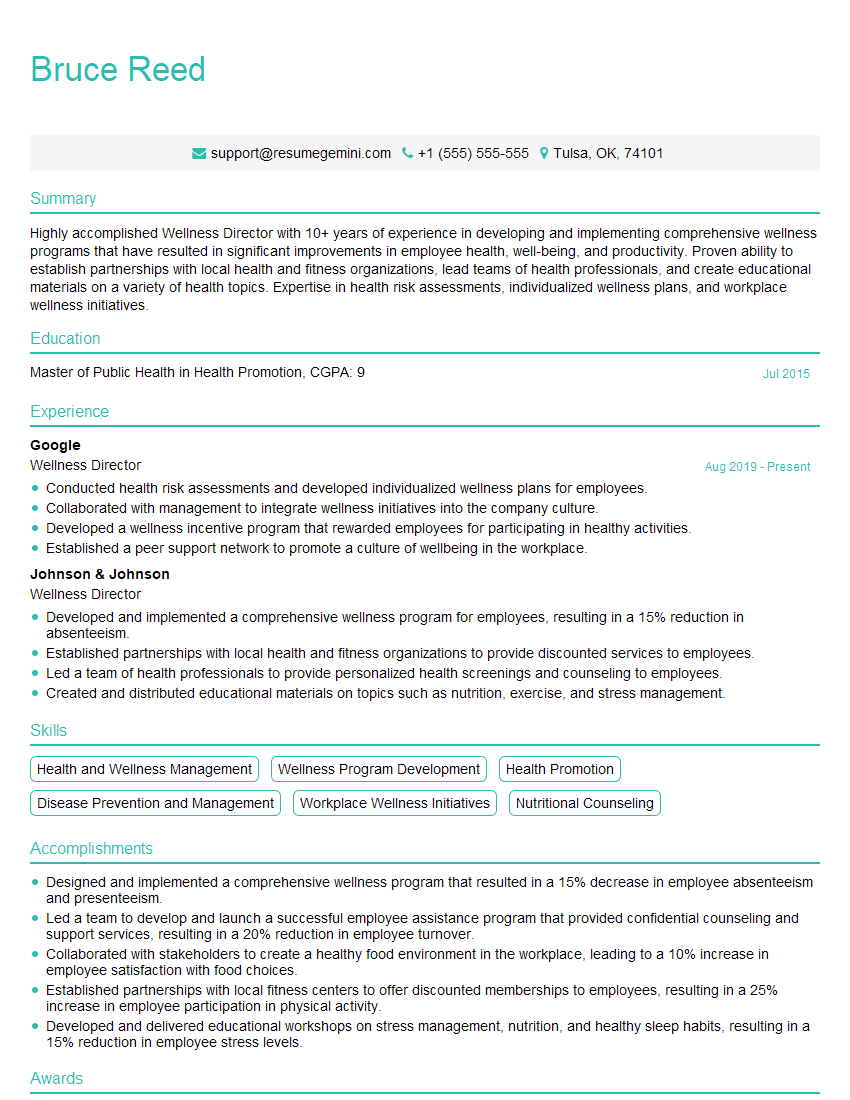
Wellness Director Resume Sample
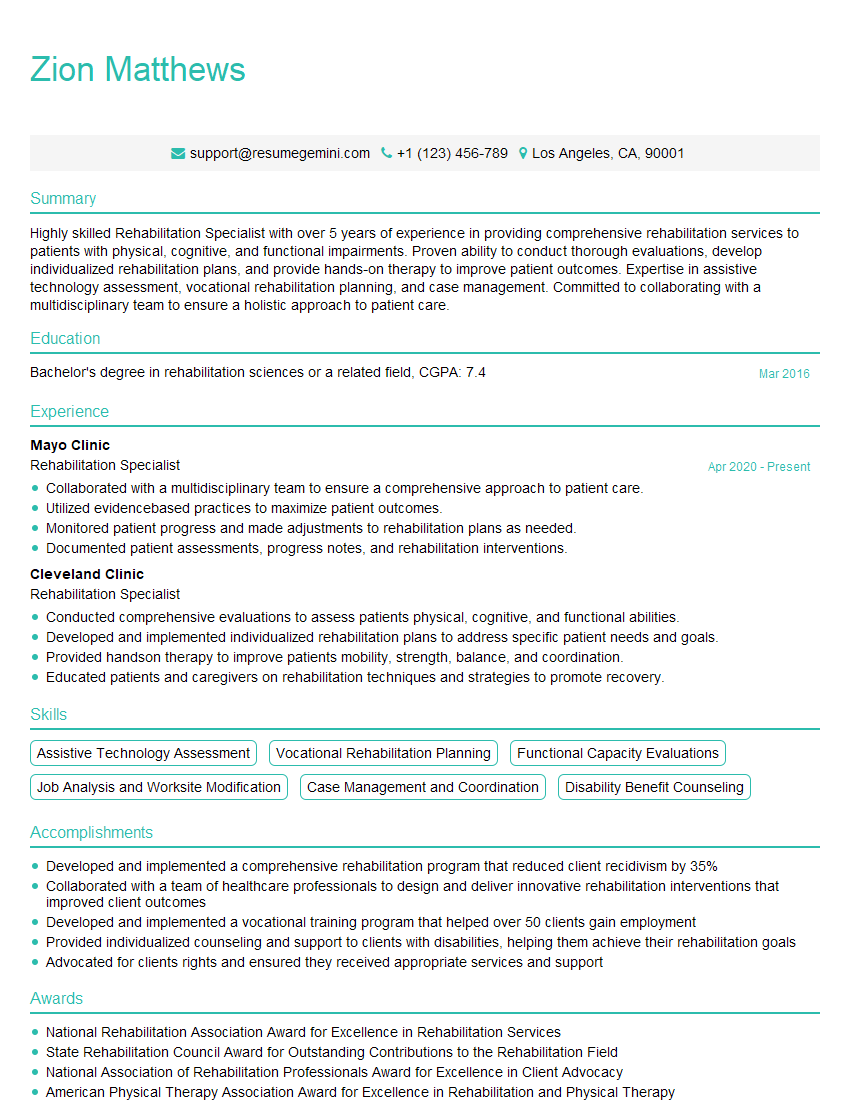
Rehabilitation Specialist Resume Sample
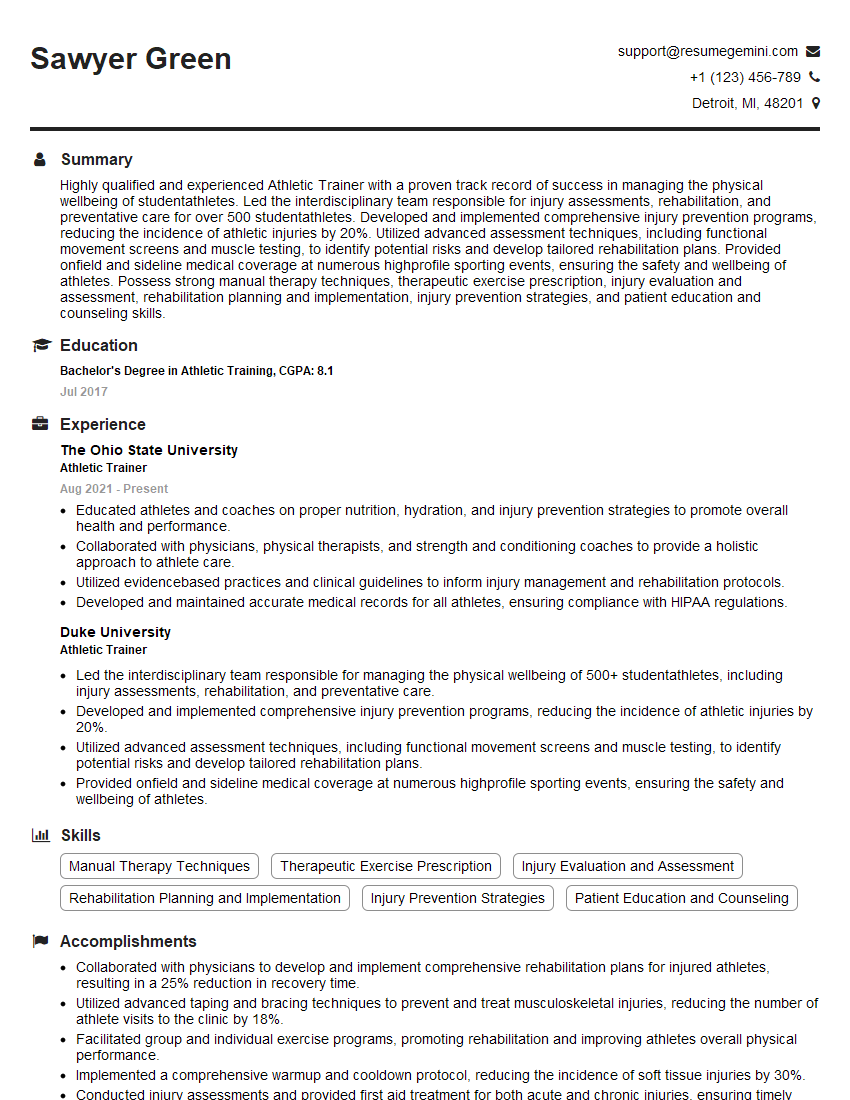
Athletic Trainer Resume Sample
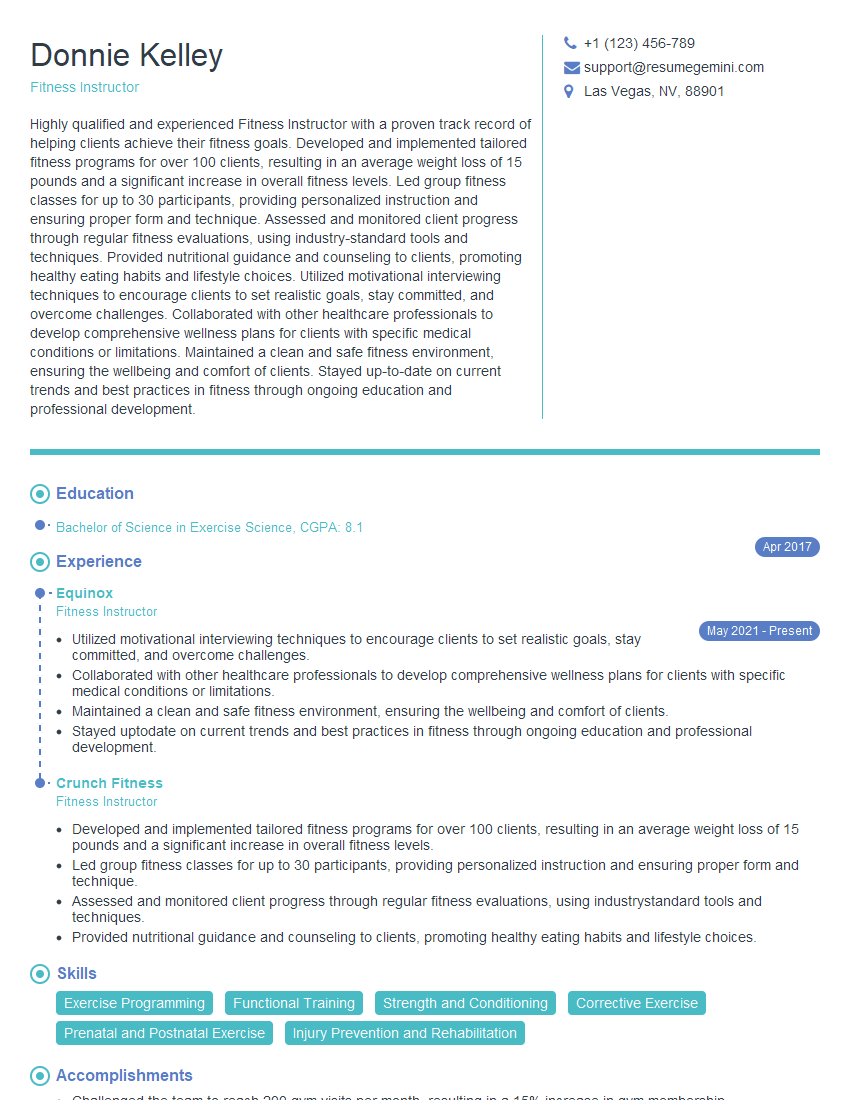
Fitness Instructor Resume Sample
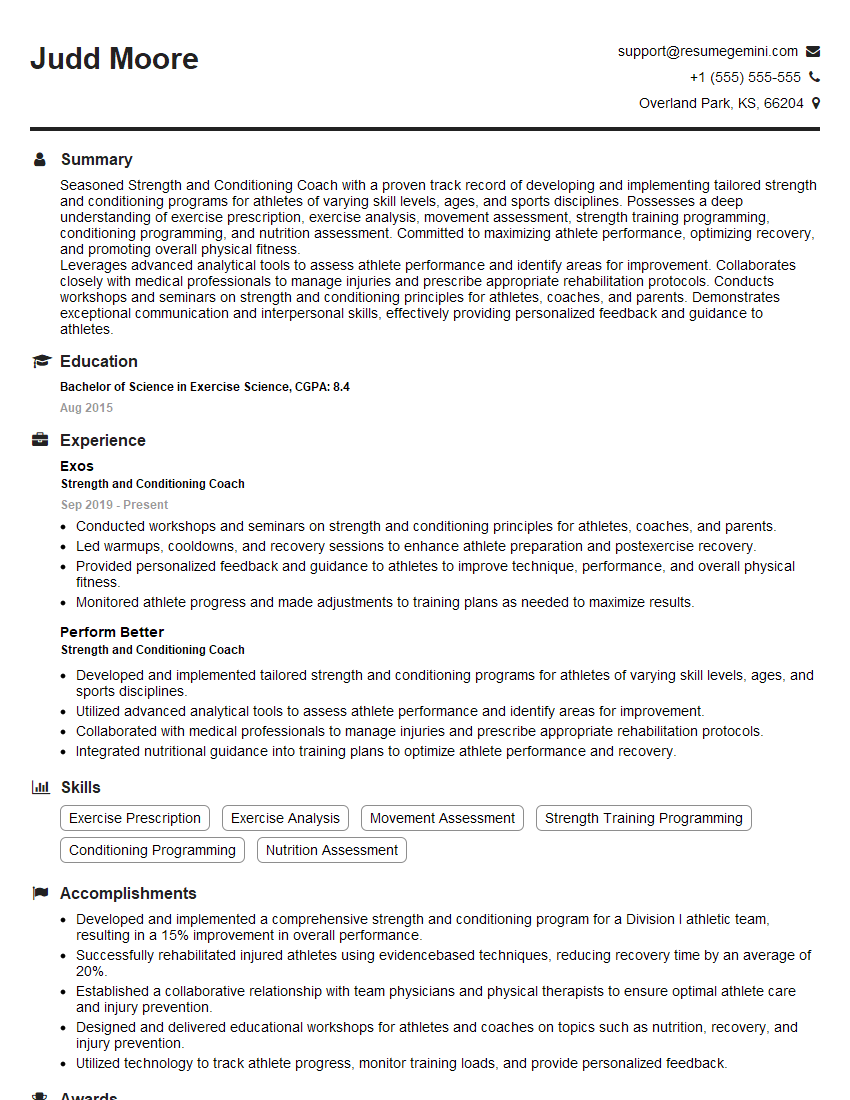
Strength and Conditioning Coach Resume Sample
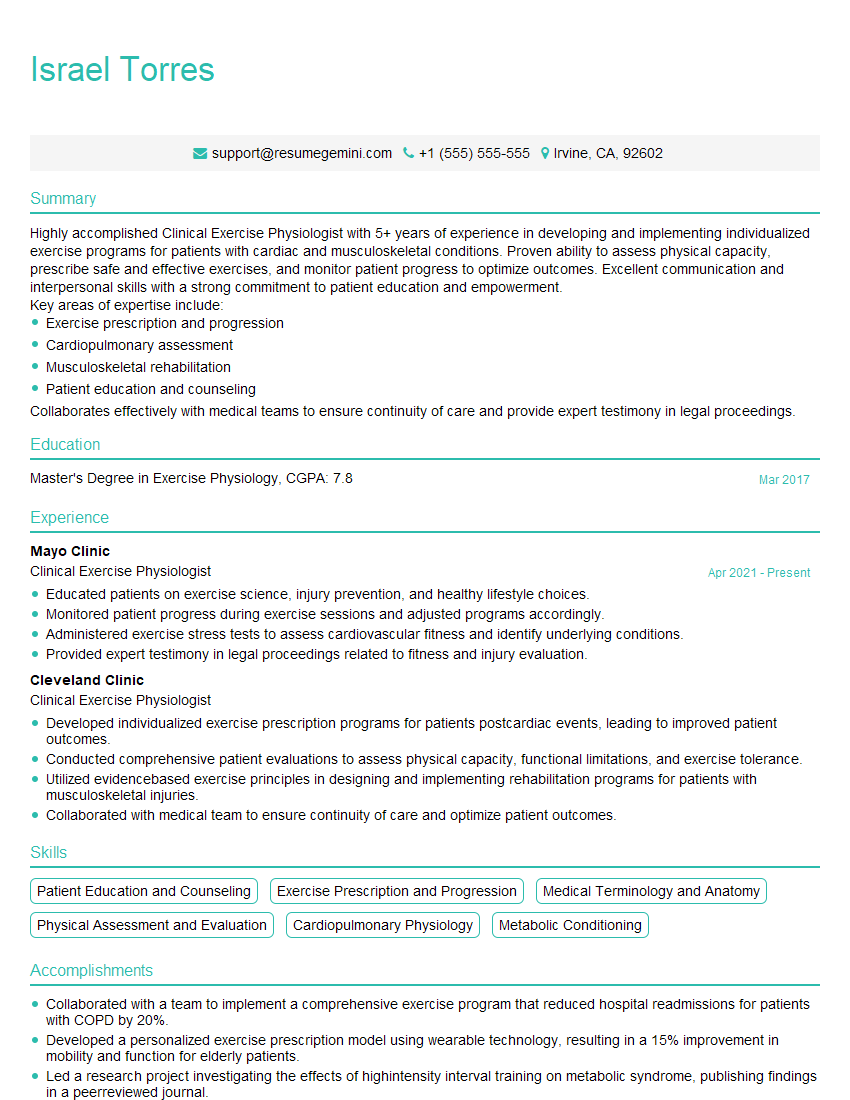
Clinical Exercise Physiologist Resume Sample
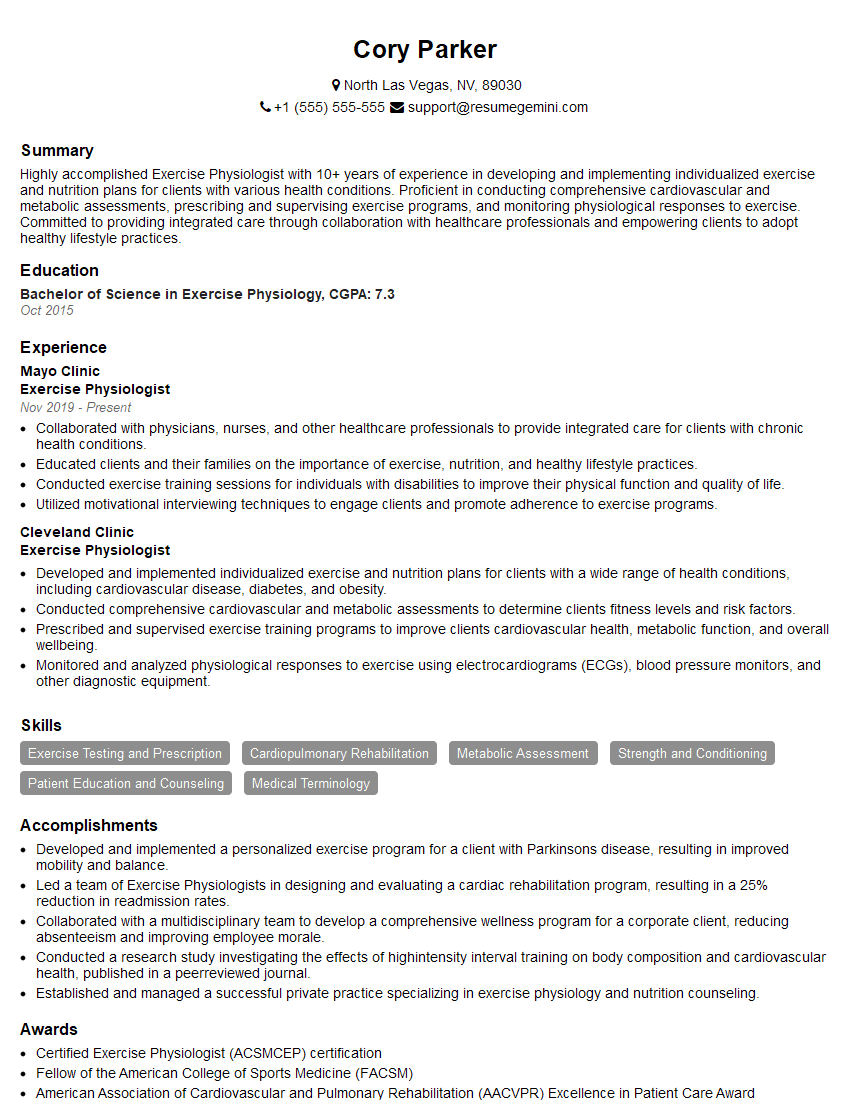
Exercise Physiologist Resume Sample
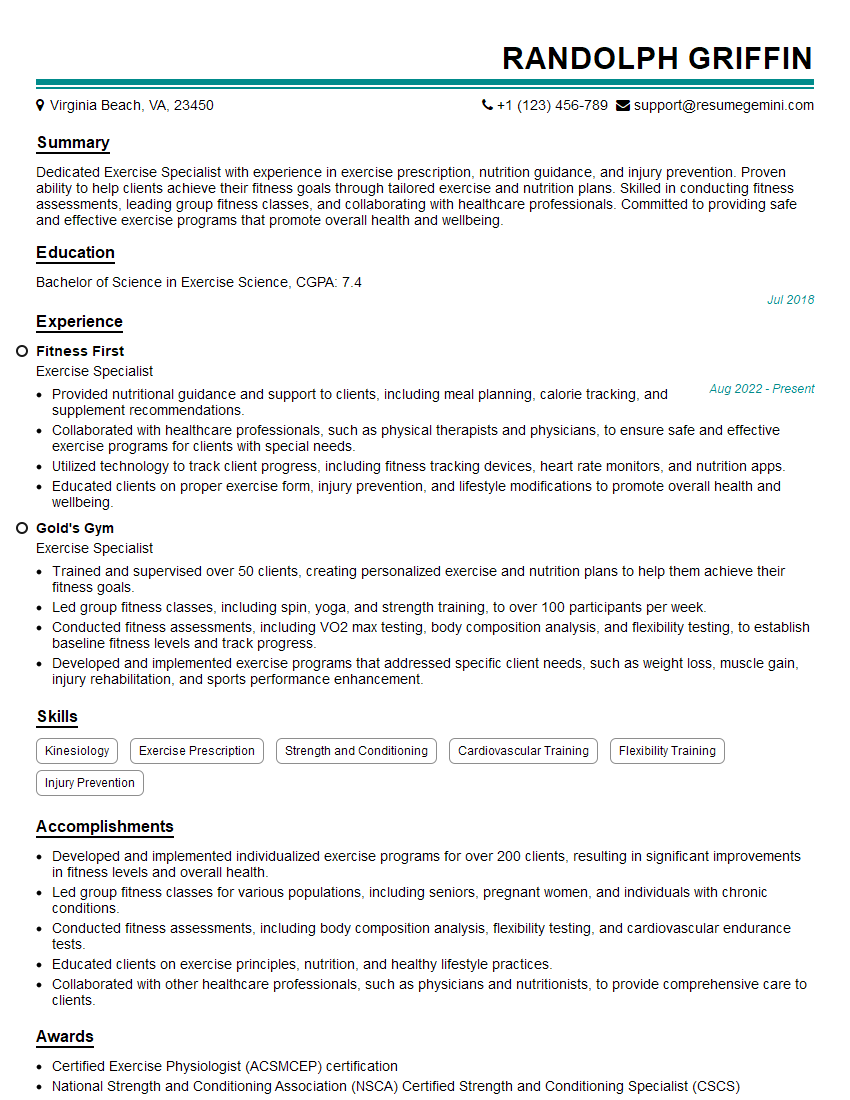
Exercise Specialist Resume Sample
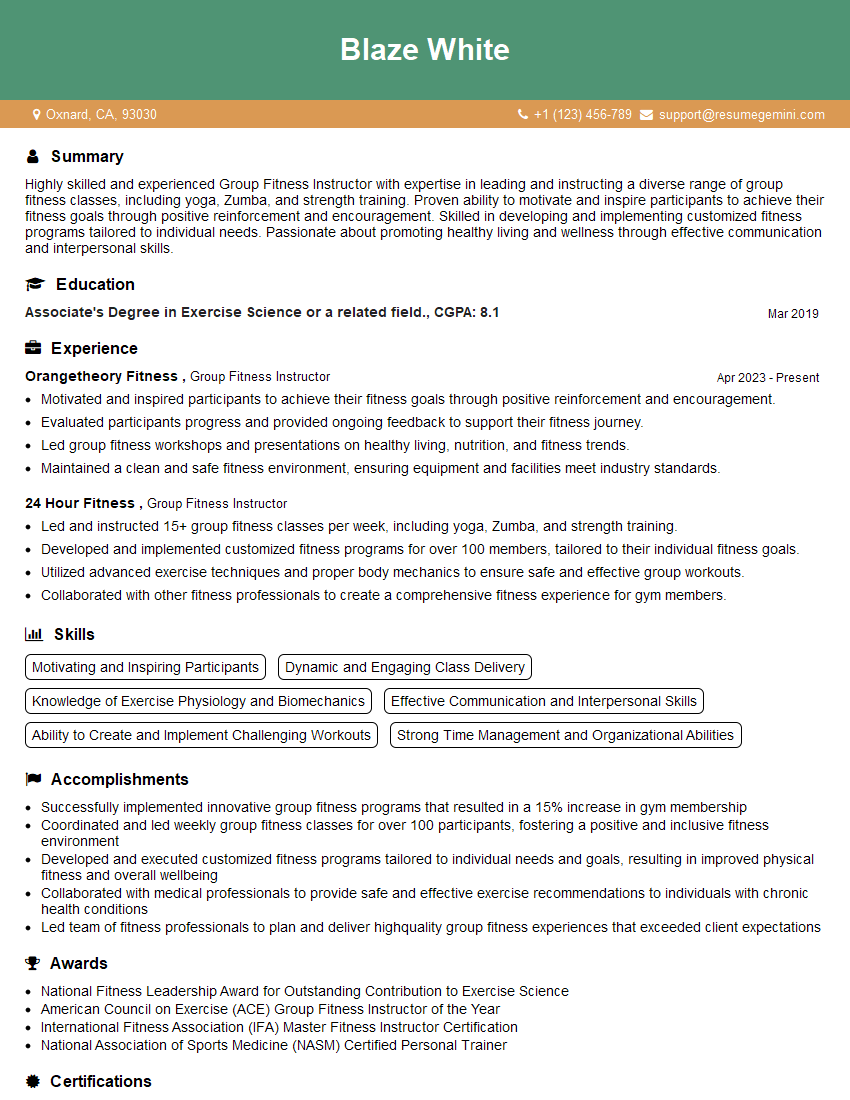
Group Fitness Instructor Resume Sample
Explore more articles
Users Rating of Our Blogs
Share Your Experience
We value your feedback! Please rate our content and share your thoughts (optional).
What Readers Say About Our Blog
To the interviewgemini.com Webmaster.
Very helpful and content specific questions to help prepare me for my interview!
Thank you
To the interviewgemini.com Webmaster.
This was kind of a unique content I found around the specialized skills. Very helpful questions and good detailed answers.
Very Helpful blog, thank you Interviewgemini team.