Interviews are opportunities to demonstrate your expertise, and this guide is here to help you shine. Explore the essential Experience in collaborating with other professionals interview questions that employers frequently ask, paired with strategies for crafting responses that set you apart from the competition.
Questions Asked in Experience in collaborating with other professionals Interview
Q 1. Describe a time you had to collaborate with a team member who had a vastly different work style than your own. How did you navigate this?
One project involved collaborating with a designer who preferred a highly iterative, free-flowing approach, while I favor a more structured, linear methodology. To navigate this, we started by clearly defining project goals and deliverables upfront. This established a common understanding of our ultimate objective. Then, we created a hybrid approach, incorporating elements of both our preferred styles. I structured the overall project timeline into phases, allowing for the designer’s iterative process within each phase. Regular check-ins, facilitated by a shared online project management tool, ensured we stayed aligned and addressed any discrepancies quickly. This blend of structure and flexibility fostered mutual respect for each other’s working styles, leading to a successful project completion.
Q 2. How do you handle conflict within a team setting?
Conflict is inevitable in teamwork, but how it’s handled determines the outcome. My approach emphasizes proactive communication and respectful dialogue. I encourage team members to express their concerns openly, without fear of judgment. I act as a neutral facilitator, ensuring everyone feels heard. I help the team identify the root cause of the conflict, not just the symptoms. We then brainstorm solutions collaboratively, focusing on finding a mutually acceptable outcome that aligns with project goals. If the conflict persists, I might suggest mediation or involve a senior manager to facilitate a resolution. The goal is always to preserve team cohesion and to learn from the experience to prevent future conflicts.
Q 3. Explain your approach to facilitating effective team meetings.
Effective team meetings require clear agendas, defined objectives, and time management. I always begin by distributing the agenda beforehand to allow team members to prepare. During the meeting, I keep a strict timeline, ensuring we stay focused on the key topics. I actively encourage participation from all members, using techniques like round-robin discussions or breakout sessions to ensure everyone has a voice. Action items are clearly assigned and documented, along with deadlines. Post-meeting, I circulate minutes summarizing key decisions and action items to keep everyone accountable and informed. This structured approach ensures meetings are productive and value-added, rather than time-consuming.
Q 4. Give an example of a time you successfully negotiated a compromise within a team project.
During a website redesign project, the development team favored a minimalist design, while the marketing team preferred a more visually complex one. The conflict stemmed from differing opinions on user experience and brand appeal. To negotiate a compromise, I facilitated a workshop where both teams presented their arguments and supporting data (user testing results, competitor analysis etc.). We identified common ground: a design that was both user-friendly and visually engaging. We then created a hybrid design that incorporated key elements from both initial proposals. This required iterative prototyping and testing, but the collaborative process led to a final design that satisfied both teams and resulted in a successful website launch.
Q 5. Describe a situation where you had to persuade a team member to adopt a new approach or idea.
A team member was resistant to using a new project management software. They were comfortable with the old system, despite its inefficiencies. To persuade them, I didn’t simply mandate the change. Instead, I organized a training session highlighting the new software’s advantages, such as improved collaboration, task tracking, and reporting features. I also addressed their concerns individually, offering personalized support and demonstrating how the new system would simplify their workflow and save them time in the long run. By demonstrating the practical benefits and addressing their reservations, I successfully transitioned the team to the new software, improving overall team productivity.
Q 6. How do you contribute to a positive and productive team environment?
Contributing to a positive and productive team environment involves fostering open communication, mutual respect, and celebrating successes. I encourage team members to share their ideas and concerns freely, fostering a sense of psychological safety. I actively listen to individual perspectives and recognize contributions, both big and small. Regular team-building activities, both formal and informal, help to build camaraderie. I also strive to create a culture of continuous learning and improvement, encouraging feedback and knowledge sharing amongst team members. This comprehensive approach promotes a collaborative and supportive atmosphere where everyone thrives.
Q 7. How do you ensure all team members feel heard and valued?
Ensuring every team member feels heard and valued requires active listening, empathy, and inclusive practices. I make a conscious effort to give each member equal opportunities to contribute during meetings and discussions. I actively solicit feedback from everyone, using anonymous surveys or one-on-one conversations, if needed, to gather honest opinions. I am mindful of individual work styles and preferences, adapting my communication accordingly. I also acknowledge and appreciate individual contributions both publicly and privately. Building a culture of trust and respect is crucial to ensuring everyone feels their voice is heard and valued.
Q 8. What strategies do you use to keep a team on track and focused on goals?
Keeping a team focused requires a multifaceted approach that combines clear communication, proactive planning, and consistent support. I start by ensuring everyone understands the overarching goals and their individual roles in achieving them. This often involves a collaborative brainstorming session where we define success metrics and break down large projects into smaller, manageable tasks. Regular check-ins – daily stand-ups for agile projects, weekly meetings for others – are crucial for tracking progress, addressing roadblocks, and celebrating milestones. Visual tools like Kanban boards or project management software help maintain transparency and accountability. Finally, I foster a positive and supportive team environment where open communication is encouraged, and team members feel comfortable seeking help when needed. Think of it like a well-orchestrated symphony – each player needs to know their part, the conductor needs to guide them, and everyone needs to work together harmoniously to create beautiful music.
Q 9. How do you identify and address communication breakdowns within a team?
Communication breakdowns are often subtle but can significantly impact team performance. I actively listen to team members, paying attention to both verbal and nonverbal cues. If I detect a disconnect – perhaps missed deadlines, conflicting information, or decreased morale – I initiate a discussion to understand the root cause. This might involve individual one-on-ones or facilitated group discussions. Sometimes, it’s a matter of clarifying expectations or improving the flow of information; other times, it might reveal deeper issues like personality conflicts or skill gaps. I then implement corrective actions, which could range from adjusting communication channels (e.g., using project management software, implementing regular reporting structures) to addressing interpersonal conflicts through mediation or conflict resolution training. In one project, we found that using a shared project management tool drastically reduced email clutter and improved task visibility, directly addressing a communication bottleneck.
Q 10. Describe a time you had to delegate tasks effectively within a team.
During a website redesign project, we had a tight deadline and a large scope of work. I had to delegate tasks effectively to ensure everything was completed on time and to the best of our abilities. First, I assessed each team member’s skills and experience, matching tasks to their strengths. For example, our front-end developer handled the visual aspects, while the back-end developer focused on database integration. I provided clear instructions and deadlines for each task, along with the necessary resources and support. Regular check-ins allowed me to monitor progress and offer assistance when needed. Importantly, I empowered team members to take ownership of their tasks, fostering a sense of accountability and promoting problem-solving within the team. This approach ensured that not only was the project completed on schedule, but each team member also felt valued and developed their skills.
Q 11. How do you handle a situation where a team member is underperforming?
Addressing underperformance requires a sensitive but firm approach. I begin by having a private conversation with the team member, expressing my concerns in a constructive manner. I focus on specific examples of underperformance, avoiding generalizations or personal attacks. Together, we explore the potential causes of the underperformance – are there skill gaps, lack of resources, unclear expectations, or personal issues affecting their work? Based on our conversation, we collaboratively develop an action plan that includes specific steps to improve performance, setting realistic and measurable goals, and providing the necessary support and training. Regular follow-ups are essential to monitor progress and offer guidance. If performance doesn’t improve despite these interventions, I escalate the issue to management to explore further options, potentially including performance improvement plans or other HR procedures. It’s crucial to remember that supporting a struggling team member is as important as addressing the underperformance itself.
Q 12. How do you provide constructive feedback to your colleagues?
Constructive feedback is about helping colleagues grow and improve. I focus on providing specific, actionable feedback that is both positive and balanced. I start by highlighting positive aspects of their work, then address areas for improvement. Instead of simply stating problems, I offer suggestions on how they can improve. For example, instead of saying “your report was disorganized,” I might say “your report could benefit from clearer headings and a more concise structure. Consider using bullet points and a summary section to highlight key findings.” I always ensure the feedback is delivered in a private and respectful manner, focusing on behaviors and actions, not personal characteristics. And finally, I encourage a two-way conversation, allowing the colleague to share their perspective and ask questions. The goal is to foster growth and collaboration, not criticism or judgment.
Q 13. How do you utilize different communication methods to keep a team informed?
I tailor my communication methods to the specific information and the audience. For quick updates and announcements, I might use instant messaging or email. For more complex information or discussions requiring collaboration, I might use video conferencing or project management software. For documenting decisions and processes, shared documents and wikis are essential. Regular team meetings, both formal and informal, provide opportunities for face-to-face interaction and collaborative problem-solving. For example, I use project management software for task assignments, progress tracking, and file sharing, ensuring everyone has access to the same information. We use a shared calendar for scheduling meetings, and a team chat application for quick questions and updates. Selecting the right tool for the job is crucial for efficient and effective communication.
Q 14. Describe your experience using project management tools for collaboration.
I have extensive experience using various project management tools, including Jira, Asana, and Trello. My choice depends on the project’s specifics and team preferences. These tools significantly enhance collaboration by providing a central hub for task management, communication, and file sharing. For example, in a recent project using Jira, we used its Kanban boards to visualize workflow, assign tasks, track progress, and identify bottlenecks. The integrated communication features allowed for seamless collaboration and timely resolution of issues. These tools not only improve project organization but also foster transparency and accountability within the team. Mastering these tools allows for efficient project execution and improves overall team productivity.
Q 15. How do you measure the success of collaborative efforts?
Measuring the success of collaborative efforts goes beyond simply completing a project. It involves assessing both the outcome and the process. A successful collaboration achieves the project goals efficiently and effectively, while also strengthening team relationships and individual skills.
We can measure success using a multi-faceted approach:
- Quantitative Metrics: These are measurable outcomes, such as project completion rate, budget adherence, time saved, customer satisfaction scores (if applicable), or key performance indicators (KPIs) specific to the project. For example, if we aimed to reduce customer support tickets by 15%, we’d track the actual reduction to assess success.
- Qualitative Metrics: These focus on the team dynamics and the process itself. We use feedback mechanisms like surveys, team meetings, and post-project reviews to assess team cohesion, individual contributions, and areas for improvement. Did team members feel valued and supported? Were conflicts resolved constructively? Did the project enhance team members’ skillsets?
- Balanced Scorecard Approach: Combining both quantitative and qualitative data provides a holistic view of success. This could include tracking deadlines met alongside team morale scores obtained through anonymous surveys.
Ultimately, the specific metrics will vary depending on the project goals, but a balanced approach ensures a thorough evaluation of both the results and the collaborative journey.
Career Expert Tips:
- Ace those interviews! Prepare effectively by reviewing the Top 50 Most Common Interview Questions on ResumeGemini.
- Navigate your job search with confidence! Explore a wide range of Career Tips on ResumeGemini. Learn about common challenges and recommendations to overcome them.
- Craft the perfect resume! Master the Art of Resume Writing with ResumeGemini’s guide. Showcase your unique qualifications and achievements effectively.
- Don’t miss out on holiday savings! Build your dream resume with ResumeGemini’s ATS optimized templates.
Q 16. Describe a time you had to adapt your communication style to work effectively with different personality types.
I’ve found that adapting my communication style is crucial for effective collaboration. For instance, on a recent project involving a diverse team, I noticed that one member, let’s call him Mark, preferred concise, data-driven communication, while another, Sarah, thrived on more detailed explanations and emotional context.
With Mark, I focused on bullet points, charts, and clear deliverables. My emails were brief and to-the-point, emphasizing measurable outcomes. With Sarah, I ensured that my communication included more background information, acknowledging her insights and perspectives. I also scheduled regular one-on-one meetings to discuss progress and address her concerns.
This involved actively listening to understand their preferences. For example, during brainstorming sessions, I observed how each team member expressed their ideas. This allowed me to tailor my interactions to their preferred communication methods. While Mark liked structured meetings, Sarah appreciated a more conversational and flexible approach. By adjusting my communication, I fostered a more inclusive and productive environment.
Q 17. How do you resolve conflicts of interest within a team project?
Resolving conflicts of interest requires a structured approach that prioritizes open communication and mutual respect. I usually start by clearly identifying the conflict – what are the competing interests?
My steps generally include:
- Facilitation: I create a safe space for team members to express their concerns and perspectives without judgment. This often involves a facilitated meeting where I act as a neutral mediator.
- Active Listening: I carefully listen to understand each individual’s point of view and concerns, emphasizing empathy and avoiding interrupting.
- Identifying Shared Goals: I work with the team to find common ground and reiterate shared project goals. Reminding everyone of the overall objective can often help prioritize solutions that benefit the entire project.
- Brainstorming Solutions: I guide the team through a brainstorming process to generate multiple solutions that address everyone’s concerns. This promotes creative problem-solving and collaborative decision-making.
- Negotiation and Compromise: I help the team negotiate and reach a compromise that satisfies, or at least addresses, the core concerns of all involved parties. This might involve concessions from each side.
- Documentation: Once a solution is reached, it’s important to document it clearly for future reference and to ensure everyone is on the same page.
If the conflict remains unresolved, I escalate it to a higher authority, such as a project manager or supervisor, for further intervention.
Q 18. How do you identify and leverage the strengths of each team member?
Identifying and leveraging team strengths is essential for optimal performance. I typically start by having open discussions to understand individual skills and preferences.
My approach involves:
- Skill Assessment: Informal assessments, such as reviewing past projects or asking for self-assessments, help me understand individual expertise. For example, asking ‘What are you most proud of accomplishing in your previous projects?’ can reveal hidden talents.
- Personality Assessments (optional): Tools like Myers-Briggs can give further insight into working styles, although I always emphasize that these are not definitive assessments of capability.
- Task Delegation: Based on identified strengths, I assign tasks strategically. This ensures that individuals are working in areas where they can excel, boosting both individual and team morale. For example, if someone is a strong communicator, they might lead client presentations.
- Mentorship and Support: I encourage collaboration, creating opportunities for team members to share knowledge and learn from each other. This helps in developing team skills and improving overall productivity.
- Feedback and Recognition: Regular feedback sessions provide opportunities to acknowledge contributions and identify areas for development, strengthening team morale and reinforcing positive behaviour.
By strategically leveraging each member’s unique contributions, I ensure the team achieves synergy, exceeding the sum of individual efforts.
Q 19. Describe your approach to managing competing priorities within a team project.
Managing competing priorities within a team project requires a structured approach focused on prioritization and clear communication. I utilize a combination of techniques:
- Prioritization Matrix: Using a matrix like Eisenhower’s Urgent/Important matrix helps us categorize tasks based on urgency and importance. This provides a clear framework for decision-making regarding task allocation.
- Project Management Software: Tools like Jira or Asana enable us to track tasks, deadlines, and dependencies, making it easier to manage multiple priorities simultaneously. These tools also provide reporting capabilities that can assist in identifying bottlenecks.
- Regular Team Meetings: We hold regular meetings to discuss progress, identify any roadblocks, and re-prioritize tasks as needed. Open communication ensures everyone is aware of shifting priorities.
- Timeboxing: Allocating specific time blocks for each task helps manage time effectively. This is especially valuable when facing multiple deadlines.
- Delegation and Collaboration: Effectively delegating tasks, ensuring clear responsibilities, and fostering team collaboration helps in distributing the workload across team members, ensuring a smooth workflow.
Open communication and a proactive approach to addressing potential delays are crucial. By regularly monitoring progress and adapting our approach as needed, we can ensure that the most crucial tasks are completed on time and within budget.
Q 20. How do you ensure that everyone understands the project goals and objectives?
Ensuring everyone understands project goals and objectives is fundamental for a successful collaboration. I use a multi-pronged approach:
- Clear Project Charter: Developing a concise and comprehensive project charter outlining goals, objectives, scope, deliverables, and timelines is the first step. This document serves as a central reference point.
- Kick-off Meeting: A dedicated kick-off meeting provides an opportunity to explain the project in detail, answer questions, and ensure everyone is on the same page. This often involves interactive discussions.
- Regular Communication: Maintaining open and consistent communication through regular team meetings, email updates, and project management tools keeps everyone informed of progress and any changes.
- Visual Aids: Using visual aids such as Gantt charts, flowcharts, or mind maps helps to clarify complex information and makes it more accessible. These aid in demonstrating dependencies and illustrating the project timeline.
- Feedback Mechanisms: Employing feedback mechanisms like surveys or informal check-ins allows me to gauge understanding and address any confusion proactively. This ensures a collaborative environment where everyone feels empowered to contribute.
By utilizing these methods, I ensure that everyone has a shared understanding of the goals and objectives, preventing misunderstandings and contributing to a more cohesive and productive team.
Q 21. How do you deal with disagreements about methods or approaches to a task?
Disagreements about methods or approaches are common in collaborative projects. However, these disagreements can be opportunities for innovation and improvement if handled constructively.
My approach involves:
- Encouraging Open Discussion: I create a safe space for team members to express their opinions and rationales without fear of judgment. This involves actively listening to all perspectives.
- Data-Driven Decision Making: When possible, I encourage the use of data and evidence to support different approaches. This shifts the focus from personal preferences to objective evaluation.
- Exploring Different Options: I facilitate a discussion to explore the pros and cons of different approaches, fostering critical thinking and creative problem-solving.
- Pilot Testing (if feasible): Sometimes, the best way to resolve a disagreement is to try out different methods on a smaller scale. This allows for a practical comparison and minimizes risk.
- Consensus Building: I guide the team toward reaching a consensus, ensuring everyone feels heard and understood. This might involve compromises or adopting a hybrid approach.
- Documentation: The agreed-upon method is documented to provide clarity and avoid future confusion. This provides an archive for future reference.
By embracing these disagreements as opportunities for improvement, I transform potential conflicts into collaborative solutions that enhance project outcomes and team learning.
Q 22. Describe a time you successfully resolved a conflict through collaborative problem-solving.
Conflict resolution through collaboration is about finding mutually acceptable solutions, not about winning or losing. In one project, our team was deeply divided on the best approach to a key feature – one group favored a complex, highly customizable solution, while another pushed for a simpler, more streamlined design. The conflict was impacting our timeline and morale.
To resolve this, I initiated a structured problem-solving session. We started by clearly defining the problem: delivering a functional feature on time and within budget, while considering both user experience and development feasibility. Next, we brainstormed individually, then shared our ideas, focusing on the benefits of each approach, rather than arguing their merits. We identified common goals and prioritized them. This helped us move from opposing viewpoints to a shared understanding. Finally, we collaboratively designed a hybrid solution that incorporated the best aspects of both initial proposals, addressing the concerns of all team members. This led to a successful product launch and improved teamwork going forward.
Q 23. How do you contribute to building trust and rapport within a team?
Building trust and rapport is essential for effective teamwork. I actively contribute through open communication, active listening, and consistent reliability. I make a point of showing genuine interest in my team members’ ideas and perspectives, even if they differ from my own. I strive to create a safe space where people feel comfortable sharing their thoughts and concerns without fear of judgment. I demonstrate my commitment to shared goals by consistently meeting my deadlines and providing high-quality work.
For example, I regularly check in with team members individually to see how they’re doing, both professionally and personally. Small gestures of appreciation, like acknowledging someone’s hard work or offering help when needed, go a long way in building positive relationships.
Q 24. How do you stay motivated and engaged in team projects, even when faced with challenges?
Maintaining motivation and engagement in challenging projects requires a proactive approach. I focus on celebrating small wins along the way, which helps maintain momentum and morale. Breaking down large tasks into smaller, manageable steps makes progress more visible and less daunting. I also actively seek out opportunities for learning and growth within the project; discovering new skills or applying existing ones in new ways keeps the work interesting and fulfilling.
When faced with obstacles, I try to reframe challenges as opportunities for learning and improvement. I actively participate in problem-solving sessions, offering solutions and suggestions, rather than dwelling on the difficulties. Open communication with my team and manager is crucial to addressing challenges effectively.
Q 25. What are your preferred methods for brainstorming and generating creative solutions within a team?
My preferred brainstorming methods focus on encouraging diverse perspectives and efficient idea generation. I frequently use a combination of techniques, adapting to the specific project needs. This might involve mind-mapping to visualize connections between ideas, or using the ‘Six Thinking Hats’ method to explore a problem from multiple perspectives (facts, emotions, benefits, drawbacks, creative solutions, and process).
Another valuable technique is the ‘brainwriting’ method, where individuals silently generate ideas before sharing them collectively. This reduces the influence of dominant personalities and encourages quieter team members to contribute. After brainstorming, we critically evaluate the ideas using a structured approach, prioritizing based on feasibility, impact, and resource requirements.
Q 26. How do you utilize technology to enhance team communication and collaboration?
Technology plays a crucial role in enhancing team communication and collaboration. We utilize project management software (like Asana or Jira) to track tasks, deadlines, and progress. This promotes transparency and ensures everyone is aligned on expectations. For real-time communication, we use instant messaging platforms (like Slack) for quick questions and updates. Video conferencing tools (like Zoom or Google Meet) are essential for meetings and remote collaboration.
To further enhance communication, we use shared online document editors (like Google Docs) allowing for simultaneous contributions and reducing version control issues. We also leverage knowledge management systems to store and share relevant project information and resources, ensuring everyone has access to the information they need.
Q 27. Describe a time you took initiative to improve team processes or communication.
Recognizing a bottleneck in our project’s communication flow, I took the initiative to improve our process. We were experiencing delays due to an inefficient feedback loop. Team members were sending individual emails and messages, leading to confusion and missed updates.
To address this, I proposed and implemented a centralized communication system using a dedicated project management software. We established clear communication protocols, including regular team meetings, daily stand-up updates, and a dedicated channel for project-specific discussions. This streamlined our workflow, reduced confusion, improved accountability, and ultimately accelerated project completion.
Q 28. How do you handle pressure and deadlines within a collaborative team setting?
Handling pressure and deadlines effectively in a team setting involves proactive planning and clear communication. We start by breaking down large tasks into smaller, manageable chunks with clearly defined timelines. Regular progress reviews help identify potential roadblocks early on, enabling us to adjust our strategy accordingly. Open communication is key to transparently addressing challenges and ensuring that everyone is informed of potential delays or resource constraints.
We use a prioritization matrix to focus on the most critical tasks first, ensuring that we meet the most important deadlines. We also build in buffer time to account for unexpected delays or complexities. Importantly, maintaining open communication with our team and manager throughout the project allows us to address challenges promptly and collaboratively. This prevents escalation of issues and maintains a sense of calm control even under pressure.
Key Topics to Learn for Experience in Collaborating with Other Professionals Interview
- Communication Styles & Strategies: Understanding different communication preferences (verbal, written, visual) and adapting your approach for optimal teamwork. Practical application: Describe a situation where you had to tailor your communication to a diverse team.
- Conflict Resolution & Negotiation: Identifying and addressing disagreements constructively, finding common ground, and negotiating solutions that benefit all parties. Practical application: Provide an example of a conflict you successfully resolved within a team setting.
- Team Dynamics & Roles: Recognizing individual strengths and weaknesses within a team, understanding different team structures, and adapting your role to support collective goals. Practical application: Discuss your role in a team project and how you contributed to its success.
- Collaboration Tools & Technologies: Proficiency in using various collaboration platforms (e.g., project management software, communication tools) to enhance teamwork efficiency. Practical application: Describe your experience using specific tools to manage projects or communicate within a team.
- Active Listening & Feedback: Effectively listening to and understanding others’ perspectives, providing constructive feedback, and incorporating feedback to improve performance. Practical application: Explain how you provide and receive constructive criticism in a team environment.
- Shared Goals & Accountability: Defining clear goals, establishing individual and collective responsibilities, and working towards shared objectives. Practical application: Describe a project where clear goals and accountability were crucial for success.
Next Steps
Mastering collaboration skills is crucial for career advancement. Employers highly value individuals who can effectively work within teams, contributing to a positive and productive work environment. To maximize your job prospects, building an ATS-friendly resume is essential. ResumeGemini can significantly help you craft a compelling resume that highlights your collaboration experience. We provide examples of resumes tailored to showcase experience in collaborating with other professionals, helping you present your skills effectively to potential employers.
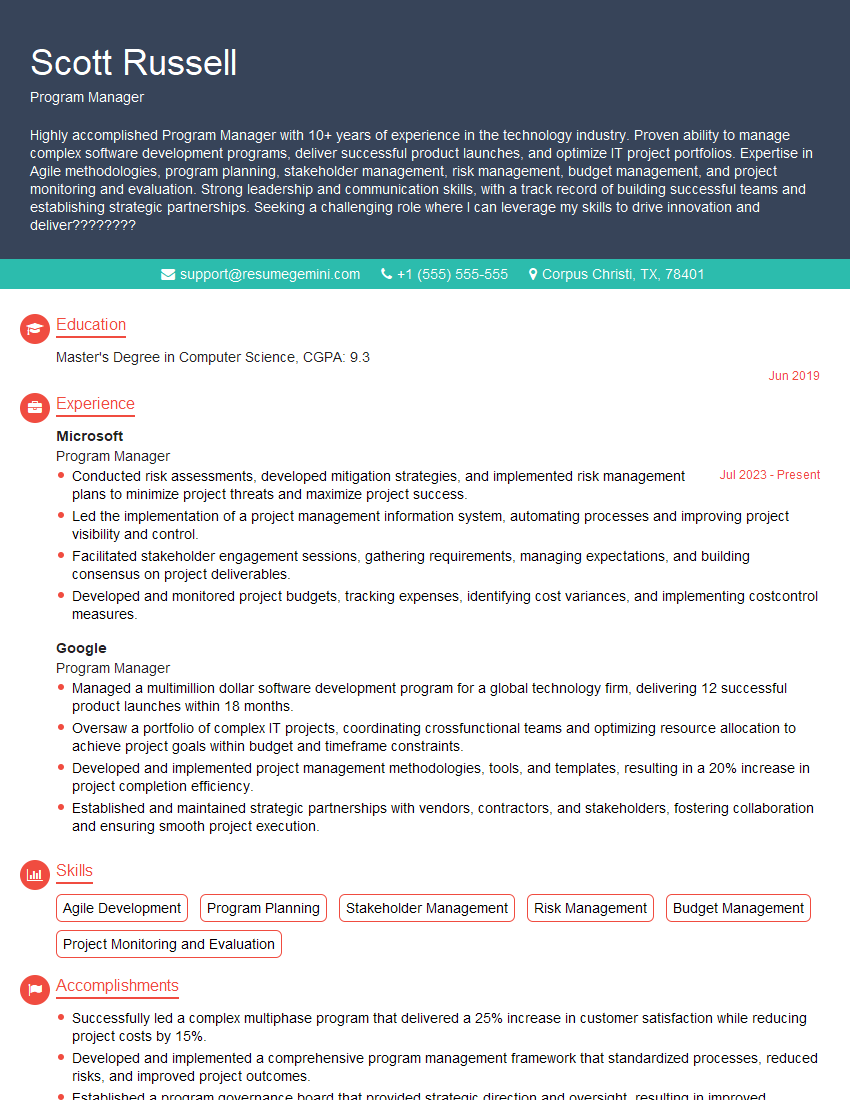
Program Manager Resume Sample

Operations Manager Resume Sample
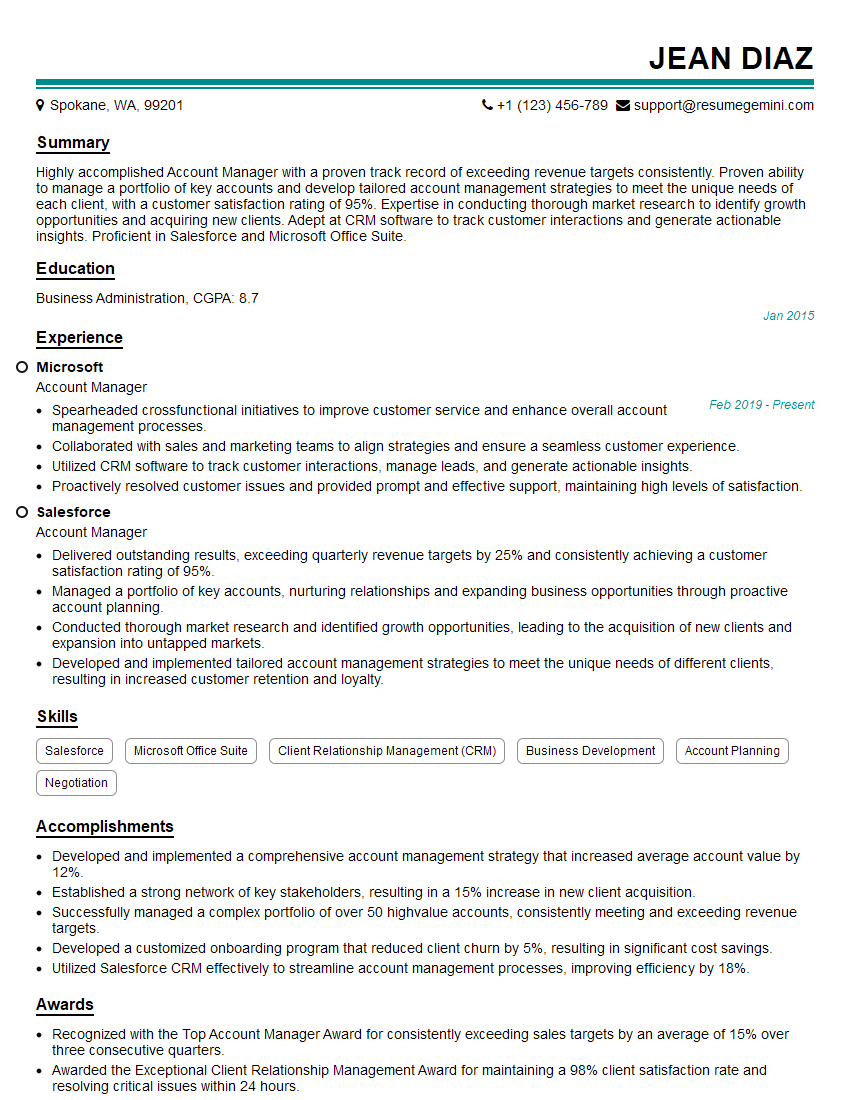
Account Manager Resume Sample
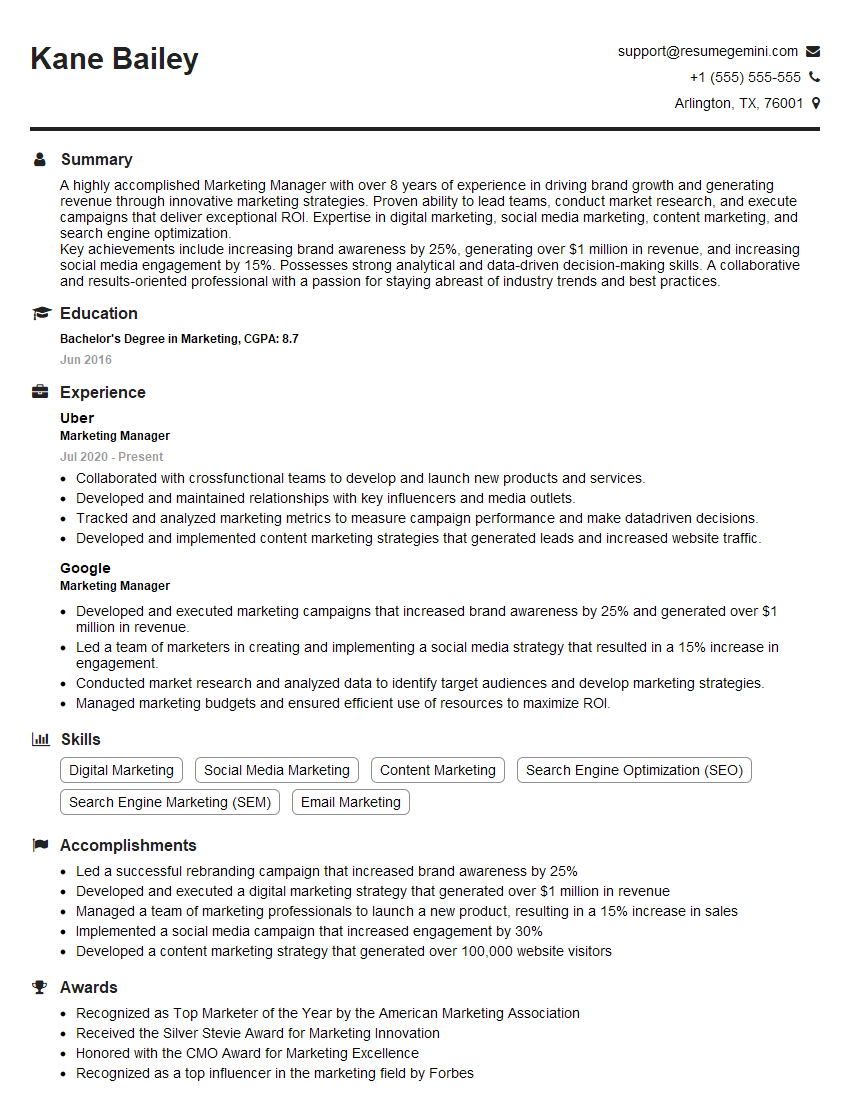
Marketing Manager Resume Sample
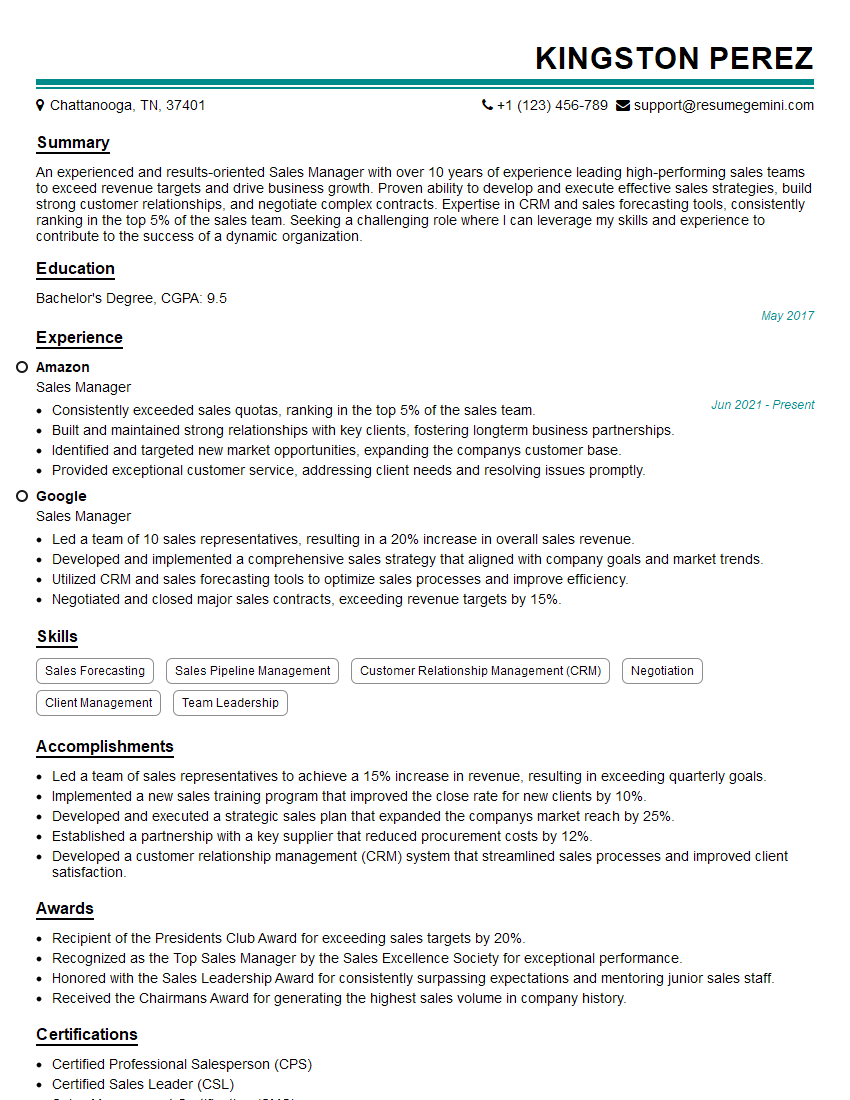
Sales Manager Resume Sample
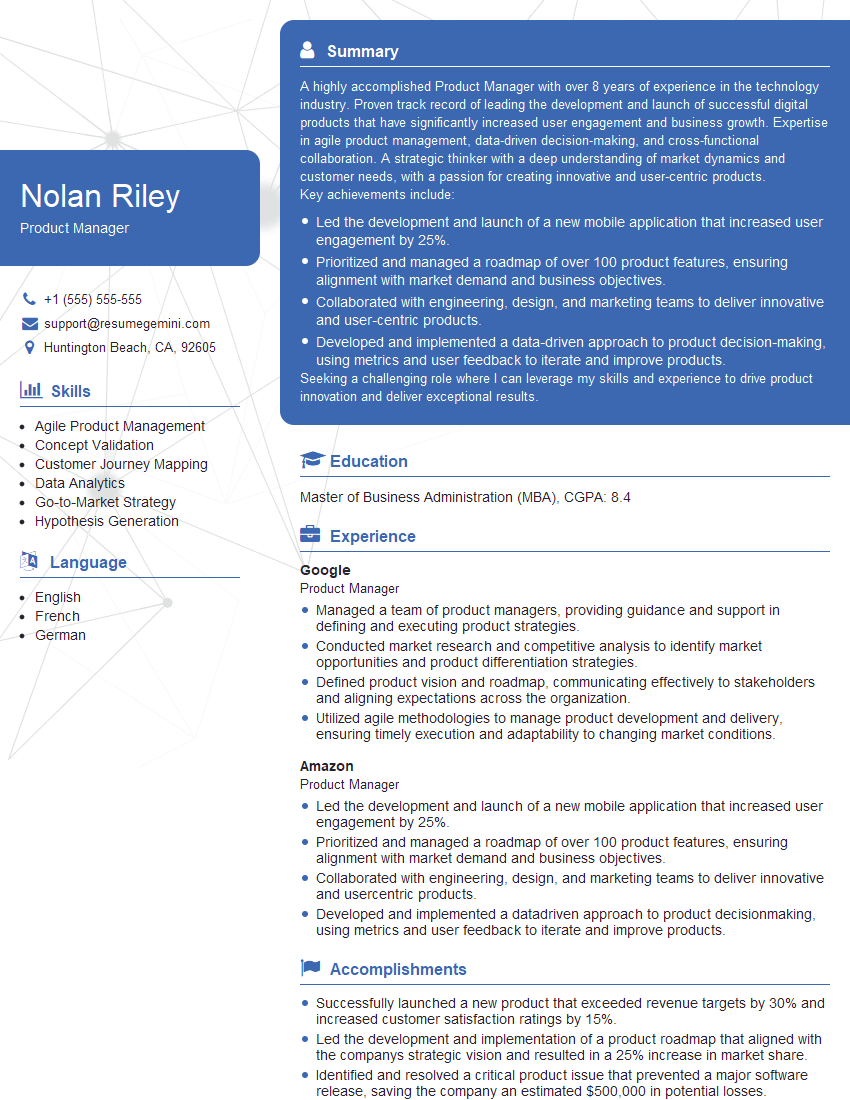
Product Manager Resume Sample

Communications Manager Resume Sample
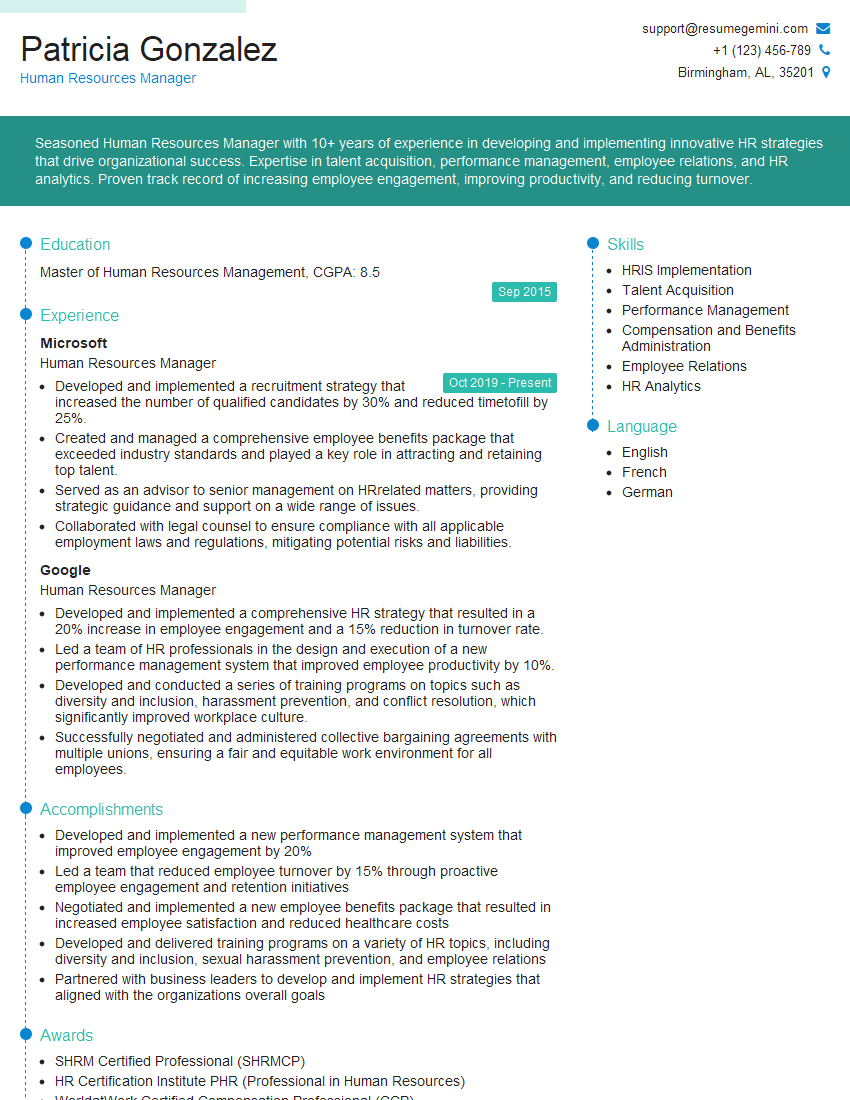
Human Resources Manager Resume Sample
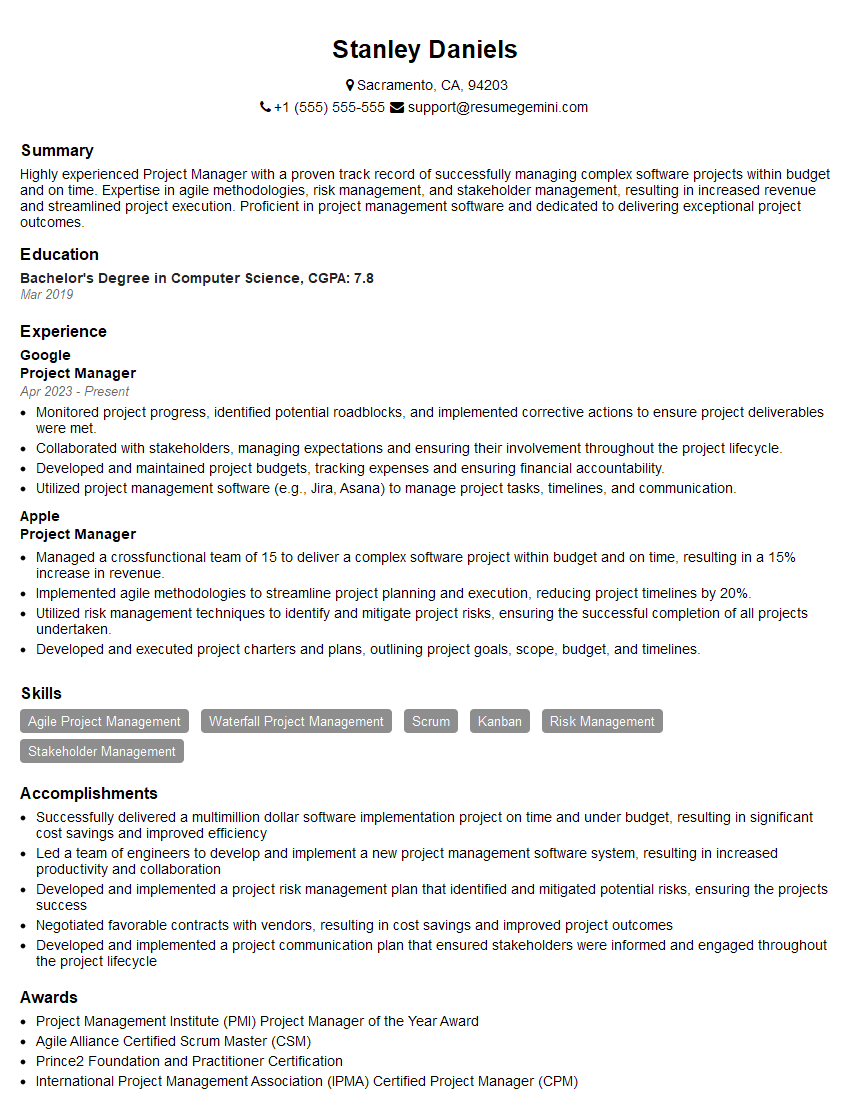
Project Manager Resume Sample
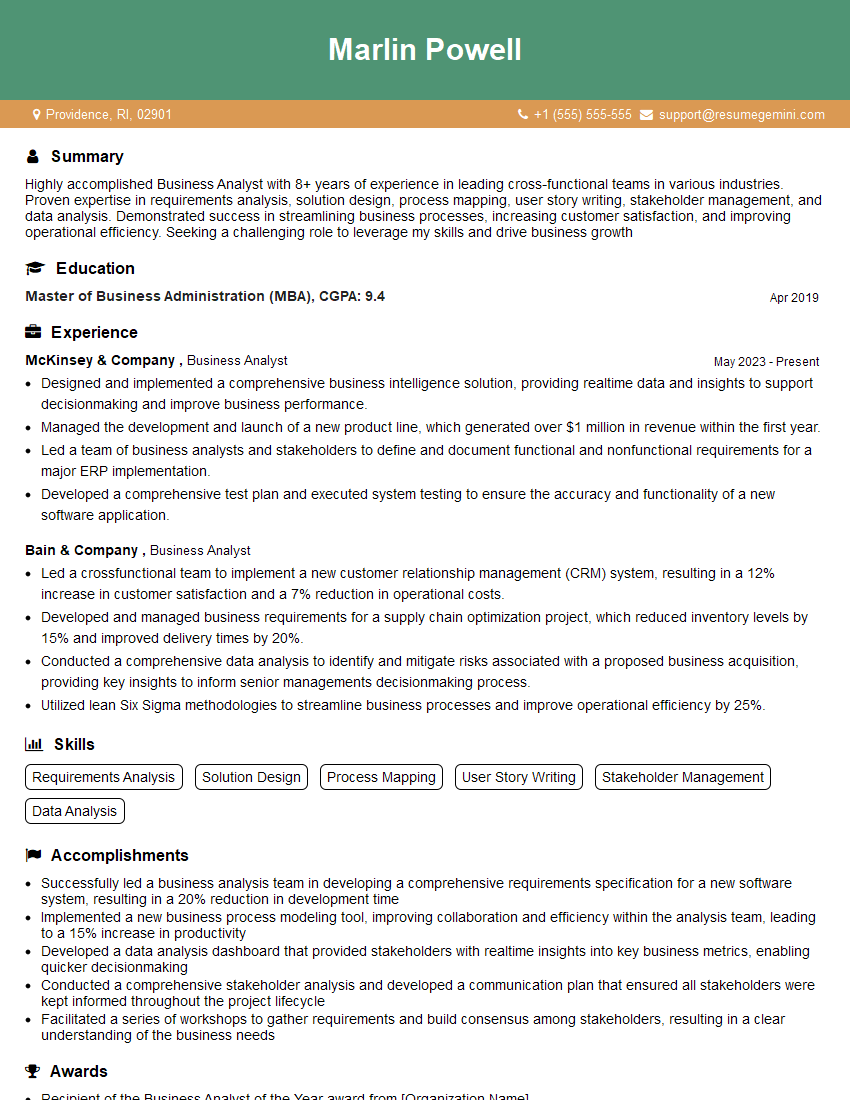
Business Analyst Resume Sample
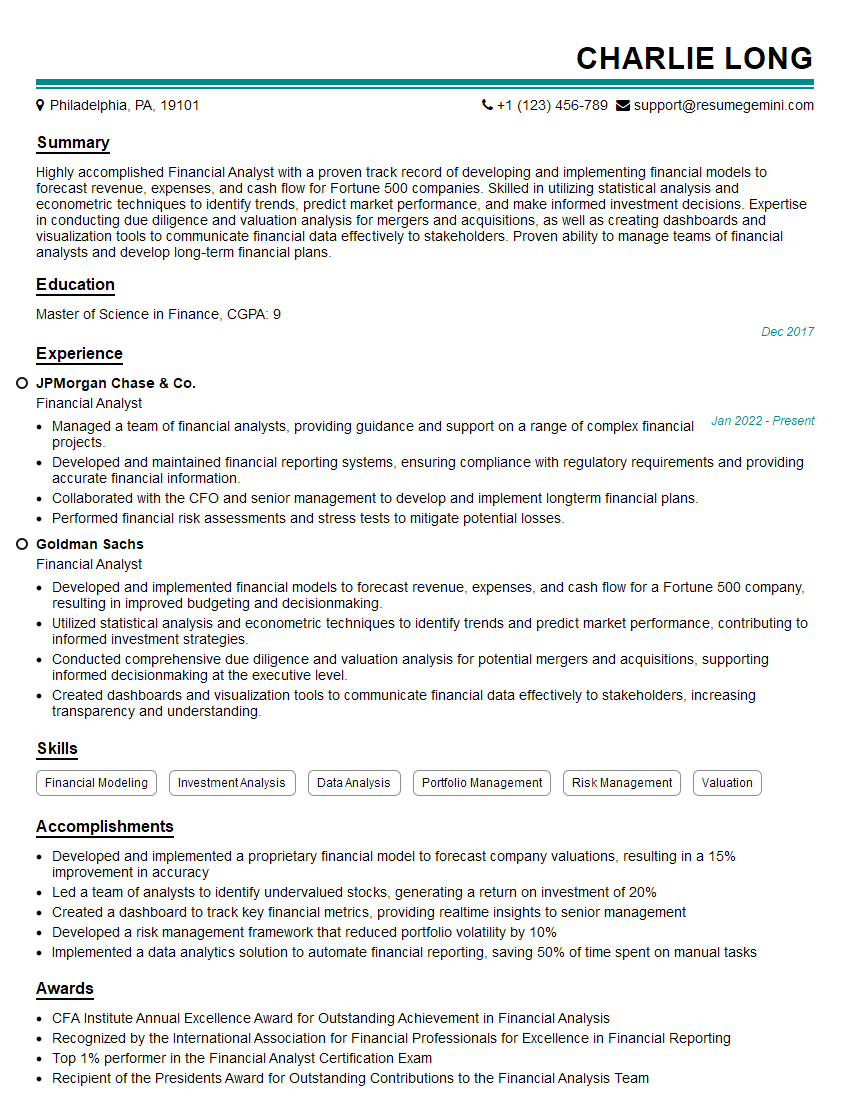
Financial Analyst Resume Sample
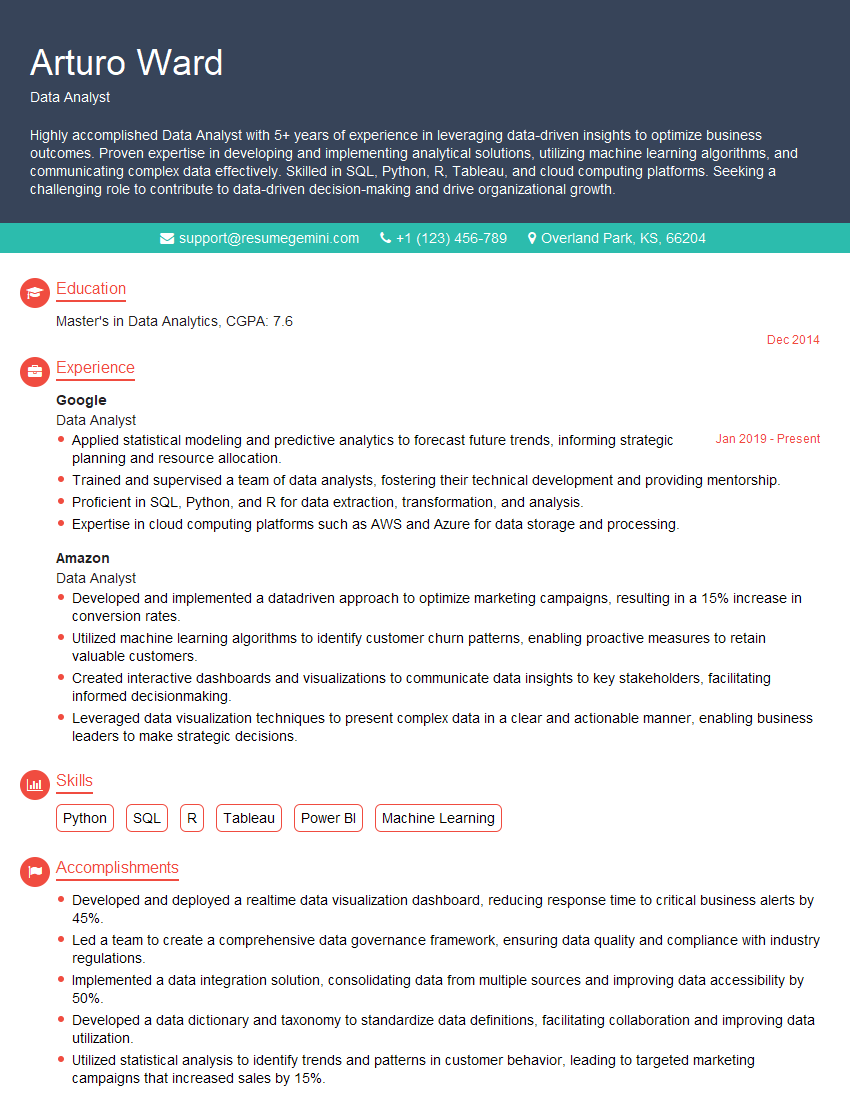
Data Analyst Resume Sample
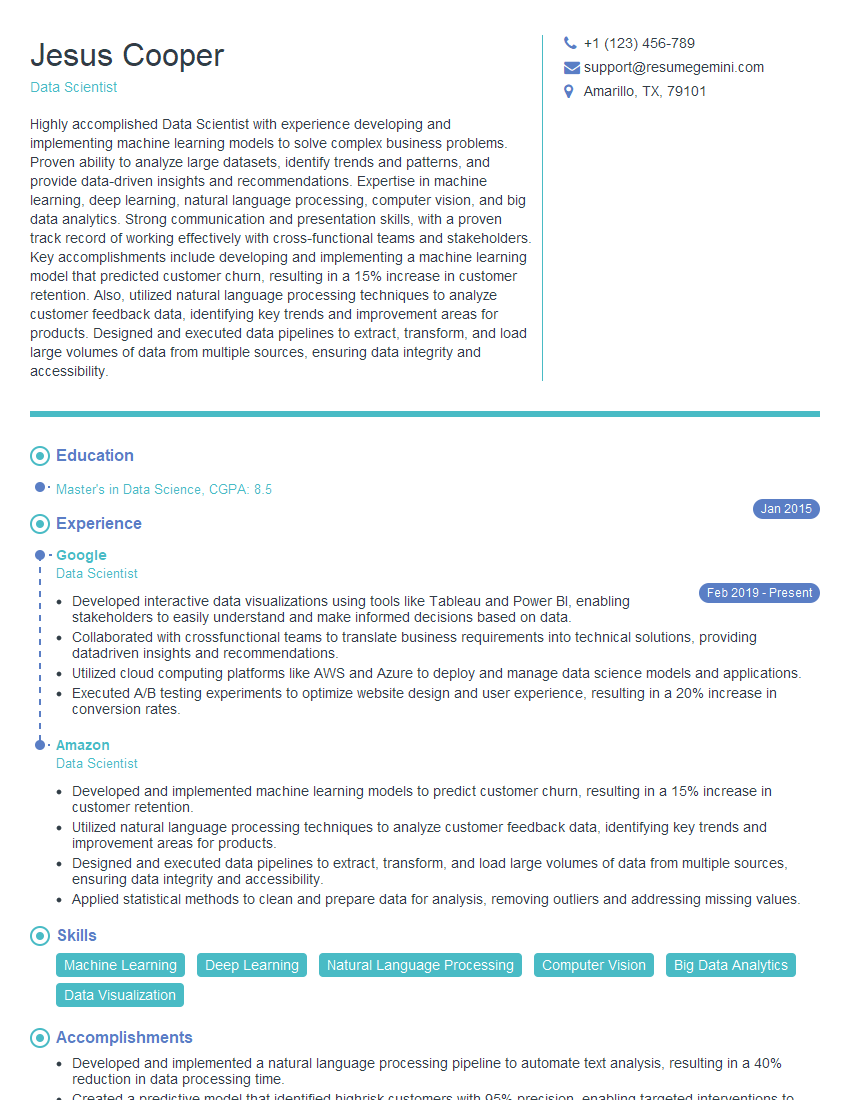
Data Scientist Resume Sample
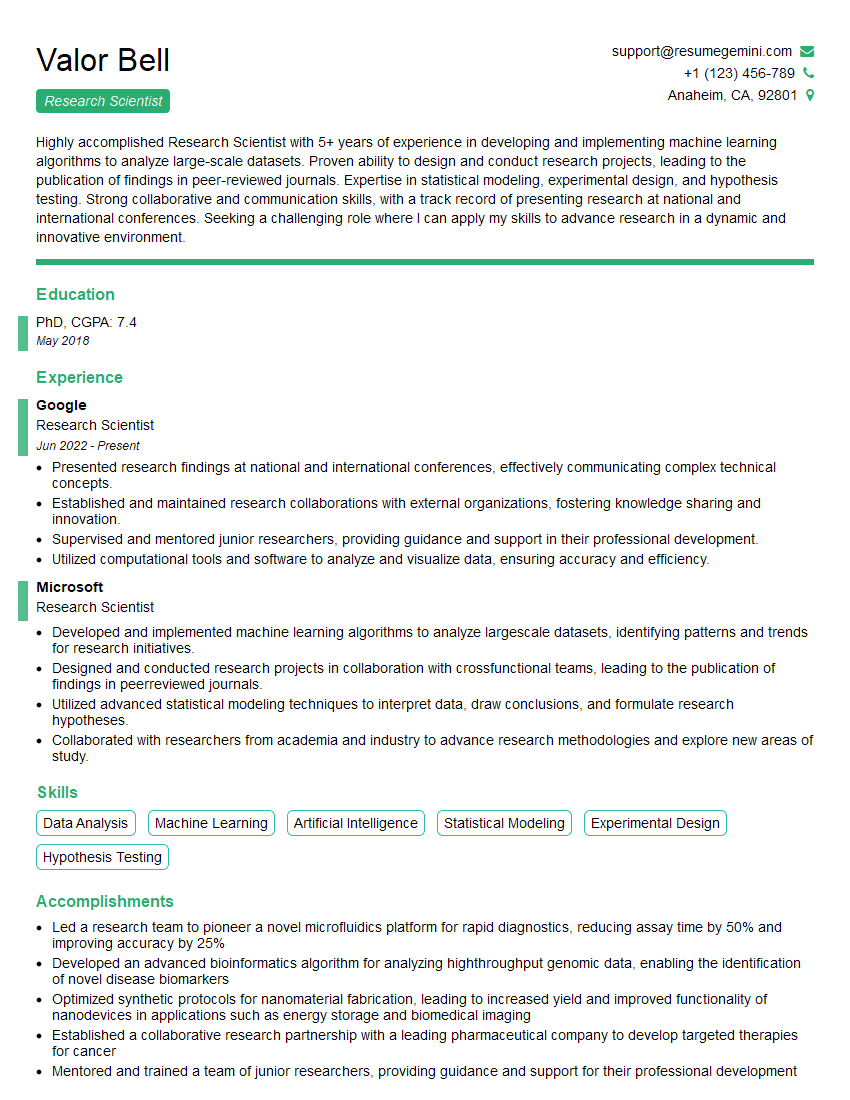
Research Scientist Resume Sample

Senior Software Engineer Resume Sample
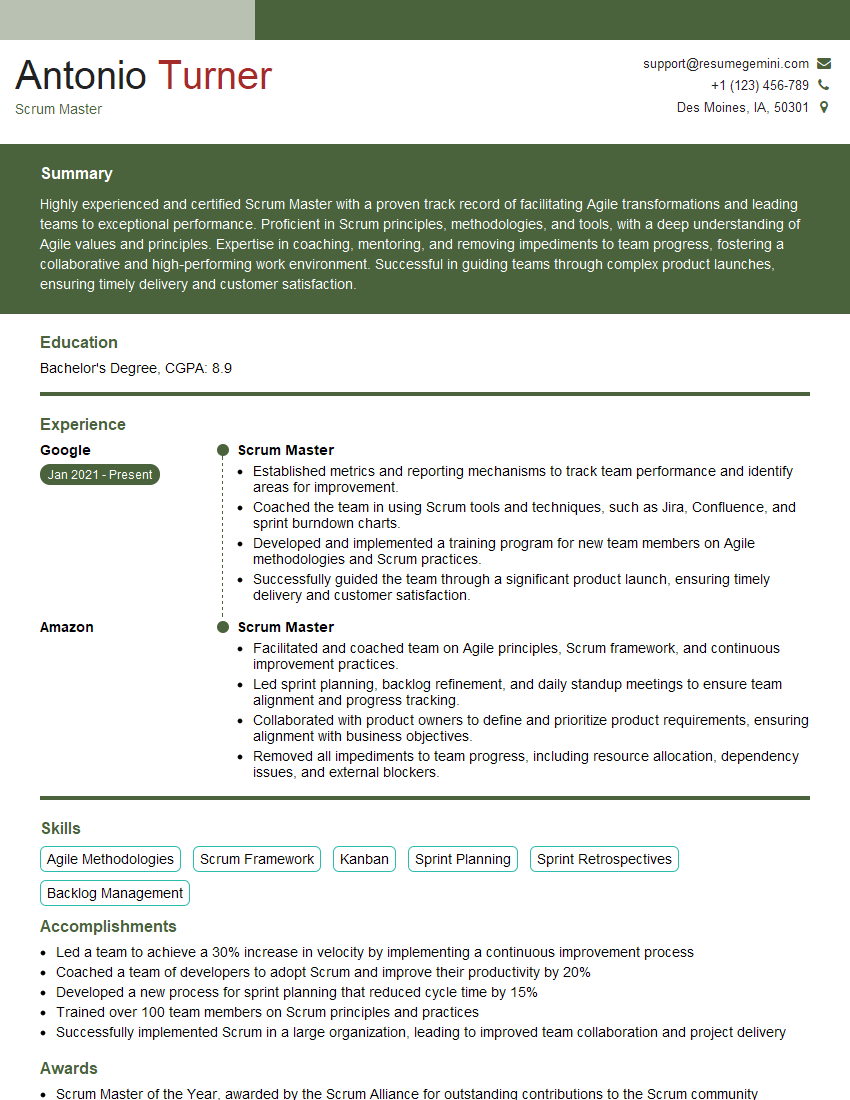
Scrum Master Resume Sample
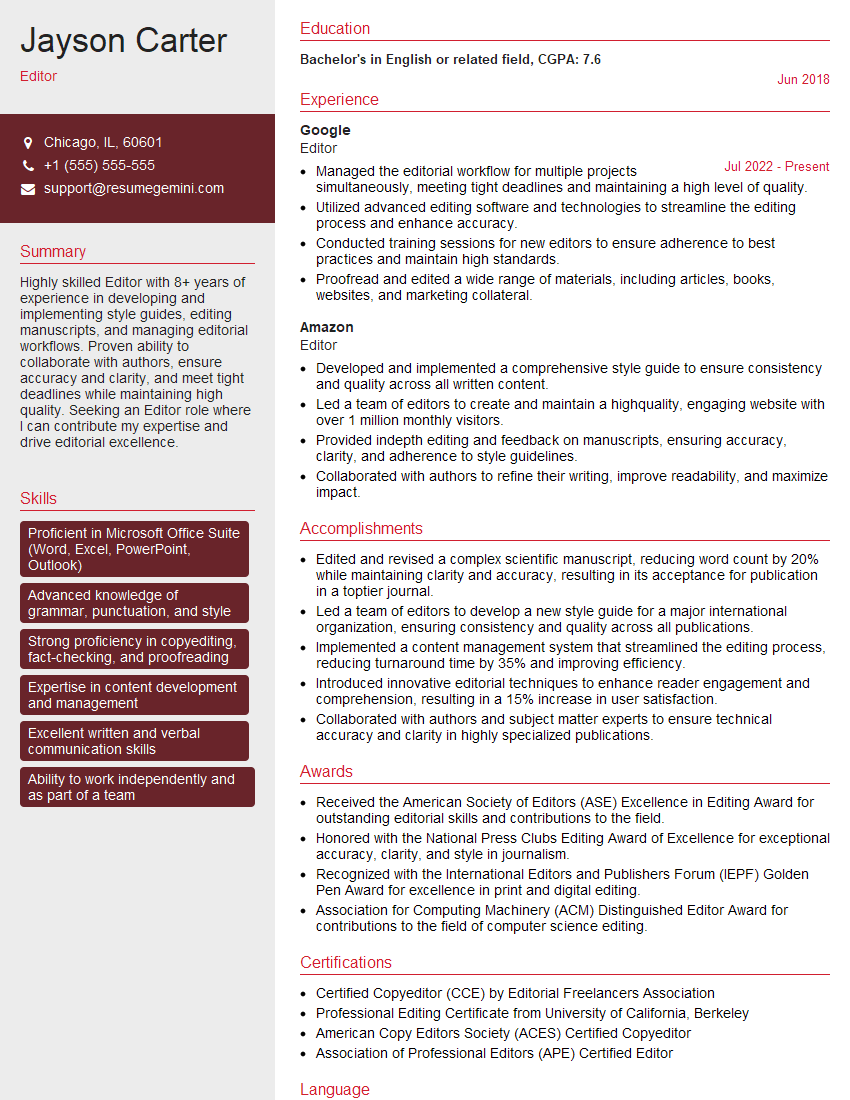
Editor Resume Sample
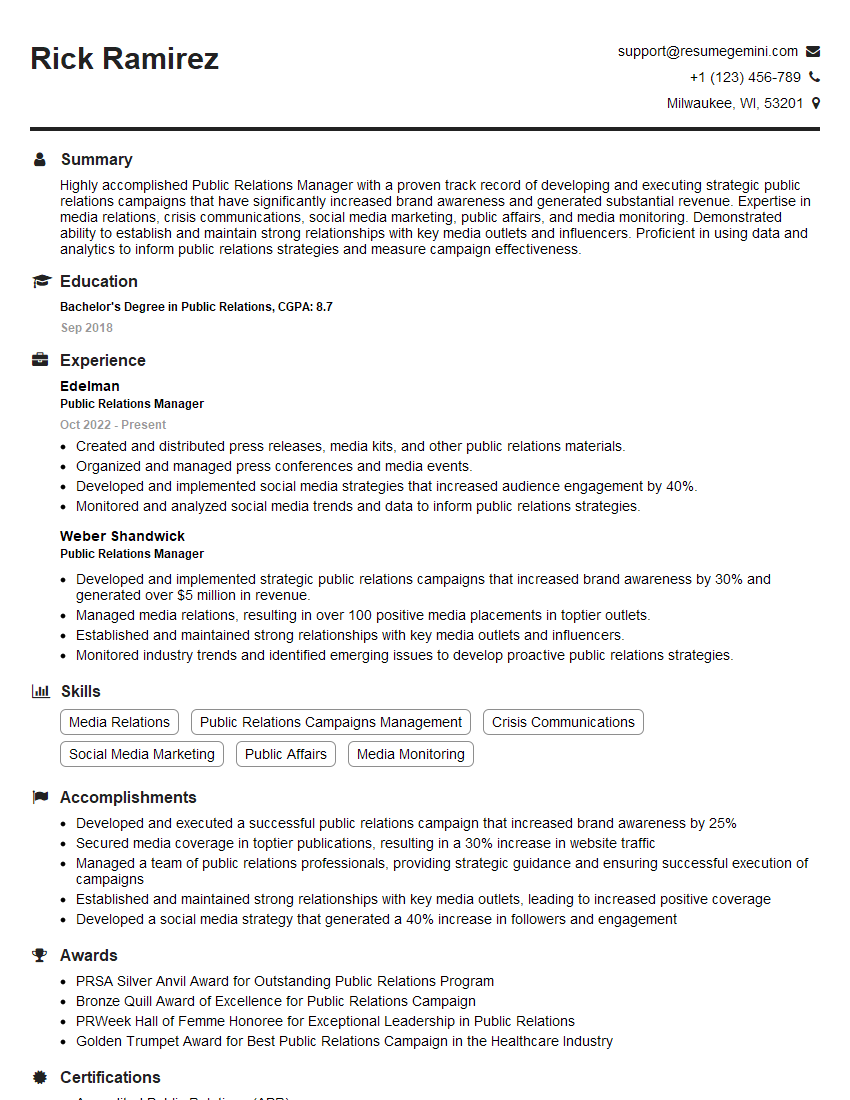
Public Relations Manager Resume Sample

Technical Writer Resume Sample
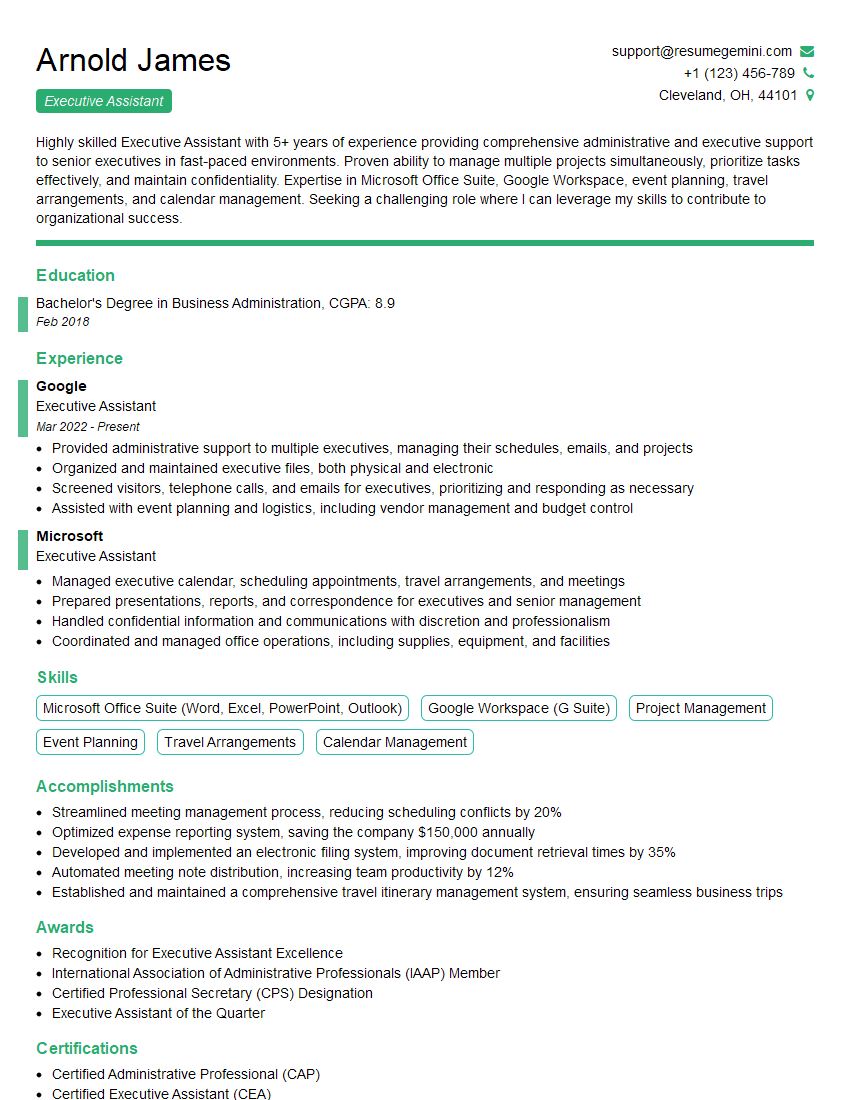
Executive Assistant Resume Sample
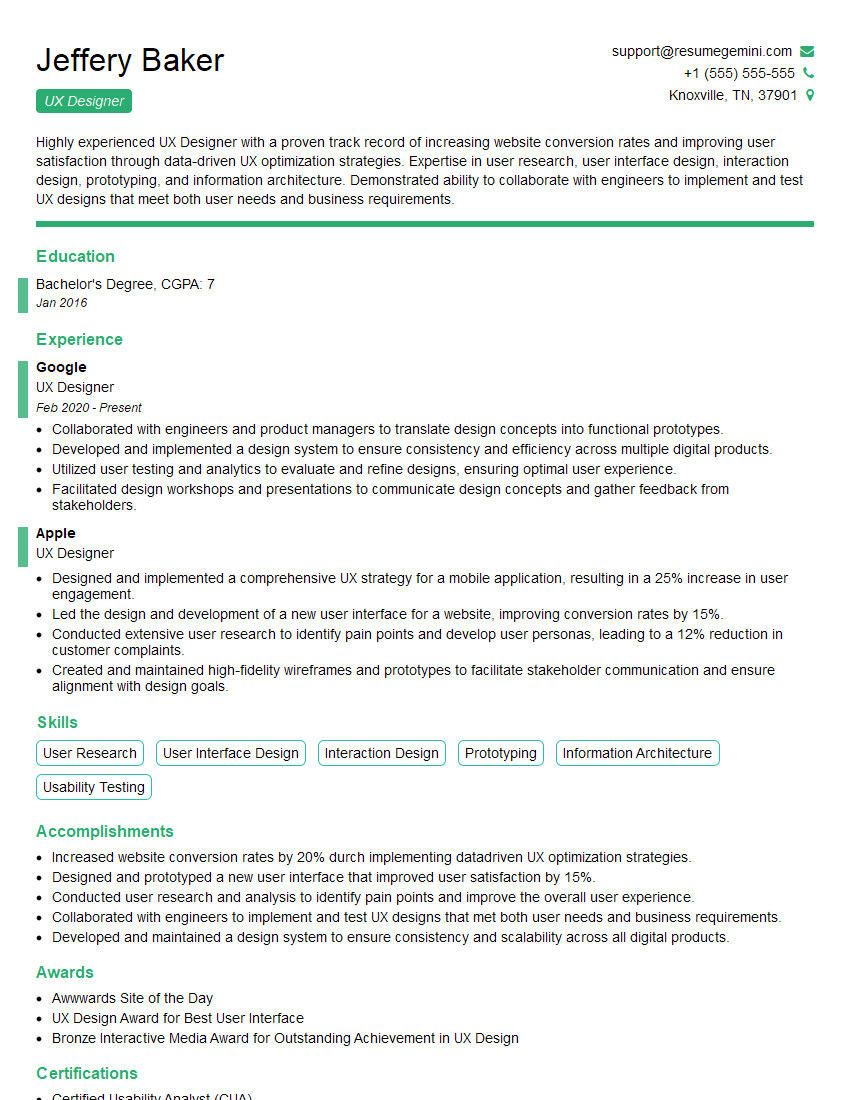
UX Designer Resume Sample
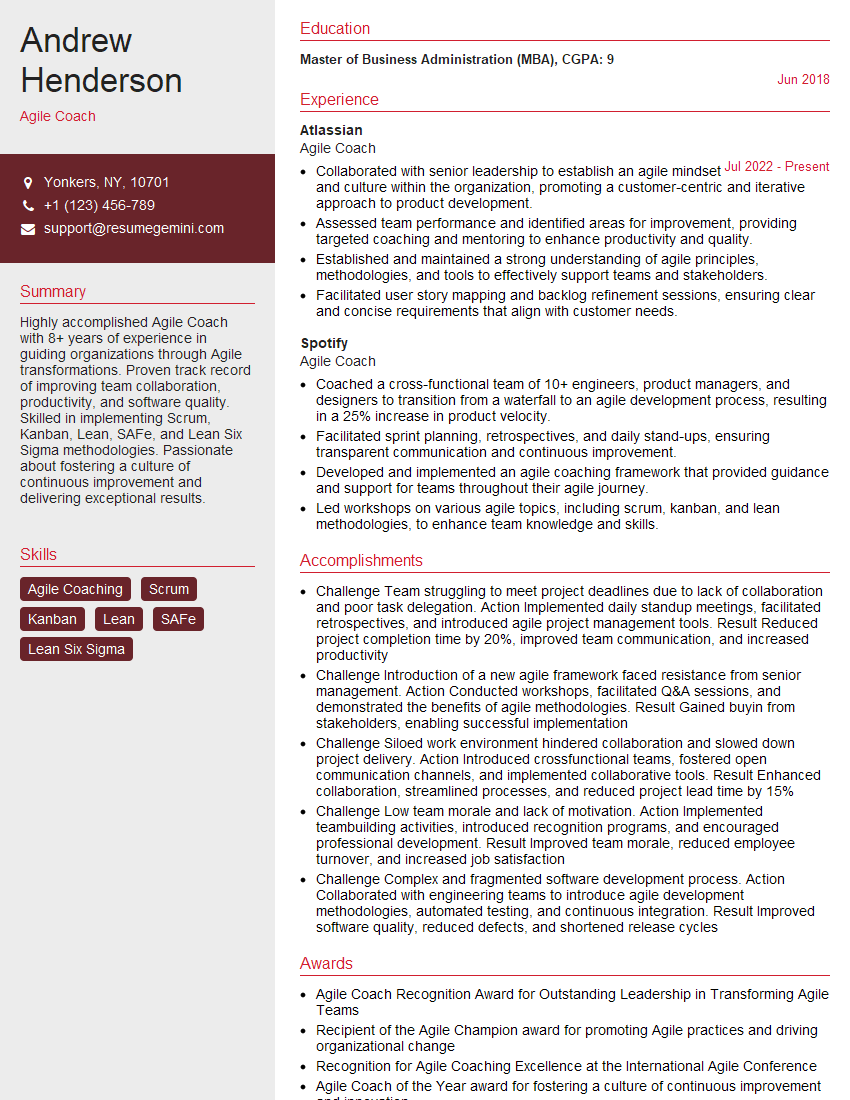
Agile Coach Resume Sample
- Program Manager
- Operations Manager
- Account Manager
- Marketing Manager
- Sales Manager
- Product Manager
- Communications Manager
- Human Resources Manager
- Project Manager
- Business Analyst
- Financial Analyst
- Data Analyst
- Data Scientist
- Research Scientist
- Senior Software Engineer
- Scrum Master
- Editor
- Public Relations Manager
- Technical Writer
- Executive Assistant
- UX Designer
- Agile Coach
Explore more articles
Users Rating of Our Blogs
Share Your Experience
We value your feedback! Please rate our content and share your thoughts (optional).
What Readers Say About Our Blog
To the interviewgemini.com Webmaster.
Very helpful and content specific questions to help prepare me for my interview!
Thank you
To the interviewgemini.com Webmaster.
This was kind of a unique content I found around the specialized skills. Very helpful questions and good detailed answers.
Very Helpful blog, thank you Interviewgemini team.