Feeling uncertain about what to expect in your upcoming interview? We’ve got you covered! This blog highlights the most important Experience in working with older adults interview questions and provides actionable advice to help you stand out as the ideal candidate. Let’s pave the way for your success.
Questions Asked in Experience in working with older adults Interview
Q 1. Describe your experience working with patients exhibiting signs of dementia.
My experience working with patients exhibiting signs of dementia is extensive, spanning over ten years in various care settings, from assisted living facilities to memory care units. I’ve worked with individuals at different stages of dementia, from mild cognitive impairment to advanced Alzheimer’s disease. This has provided me with a deep understanding of the progressive nature of the disease and its impact on individuals and their families. I’ve learned to tailor my approach based on the individual’s specific needs and abilities, recognizing that no two cases are exactly alike.
For example, I recall a patient, Mrs. Jones, who initially exhibited mild forgetfulness. Over time, her memory deteriorated, and she experienced increased confusion and anxiety. Through careful observation and collaboration with her family and medical team, we implemented strategies to support her daily living, including personalized memory aids and a consistent daily routine. This approach significantly improved her quality of life and reduced her distress.
Q 2. How do you adapt communication strategies for individuals with cognitive impairments?
Adapting communication strategies for individuals with cognitive impairments is crucial for effective interaction and care. The key is to simplify language, be patient, and use multiple communication channels. I often use clear, concise sentences, avoiding jargon and abstract concepts. I speak slowly and clearly, using visual cues and gestures to support verbal communication. Nonverbal cues, like facial expressions and body language, are also essential to conveying understanding and empathy.
For instance, if a patient is struggling to understand a verbal instruction, I might demonstrate the task visually, showing them step-by-step what to do. I also utilize reminiscence therapy, engaging them in conversations about their past experiences, which often evokes positive emotions and improves cognitive function. Building trust and rapport is paramount; a calm and reassuring demeanor can make a significant difference.
Q 3. Explain your approach to managing challenging behaviors in elderly patients.
Managing challenging behaviors in elderly patients requires a holistic approach that focuses on understanding the underlying causes. These behaviors are often manifestations of underlying medical conditions, pain, unmet needs, or cognitive impairment. My approach always begins with a thorough assessment to identify the triggers and potential contributing factors. I then collaborate with the medical team to rule out any physical or medical causes.
Once the root cause is identified, I implement strategies such as distraction techniques, environmental modifications, and behavioral interventions. For example, if a patient is agitated due to sensory overload, I might create a quieter, more calming environment. If a patient exhibits repetitive behaviors, I’ll try to channel those behaviors into more constructive activities. Consistent routines and validation therapy can also help reduce anxiety and frustration. De-escalation techniques are crucial, ensuring safety and minimizing conflict.
Q 4. How do you ensure the safety and well-being of older adults in your care?
Ensuring the safety and well-being of older adults is paramount. This involves a multifaceted approach encompassing physical safety, emotional well-being, and cognitive health. Regular safety checks of the environment are crucial, identifying and mitigating potential hazards like fall risks or medication errors. This includes proper use of assistive devices and adapting the living space to minimize risks. I am meticulous about medication management, ensuring the correct dosage is administered at the right time and closely monitoring for any adverse reactions.
Regular health assessments, both physical and cognitive, are also vital for early detection of any problems. Open communication with the patient, their family, and the healthcare team is essential for addressing concerns promptly and effectively. Creating a supportive and compassionate environment fosters emotional well-being and reduces stress, contributing to overall safety and quality of life.
Q 5. What strategies do you utilize to promote independence in elderly patients?
Promoting independence in elderly patients is a crucial aspect of my approach. I believe in empowering them to maintain their autonomy and self-esteem for as long as possible. My strategy involves individualized care planning, focusing on the patient’s strengths and abilities. This may involve adapting tasks to suit their physical limitations, providing assistive devices, or offering adaptive techniques for daily living activities.
For example, a patient with limited mobility might benefit from using adaptive utensils or a raised toilet seat. Encouraging participation in activities they enjoy, even if it’s just simple tasks, can enhance their sense of purpose and independence. I regularly assess their abilities and adjust the level of support as needed, always aiming to strike a balance between assistance and empowerment. The goal is to foster a sense of accomplishment and control over their lives.
Q 6. Describe your experience with medication management for older adults.
My experience with medication management for older adults is extensive, encompassing accurate administration, careful monitoring for side effects, and effective communication with physicians and patients. Older adults are often prescribed multiple medications, increasing the risk of interactions and adverse reactions. This necessitates a detailed understanding of each medication’s purpose, dosage, and potential side effects. I meticulously track medication administration times and document any observations or concerns.
I also educate patients and their families about their medications, emphasizing the importance of adherence to the prescribed regimen and reporting any side effects immediately. Regular communication with the physician helps ensure the medication plan remains appropriate and effective. This proactive and thorough approach significantly minimizes the risks associated with polypharmacy and ensures optimal medication efficacy and patient safety.
Q 7. How do you address the emotional and psychological needs of elderly individuals?
Addressing the emotional and psychological needs of elderly individuals is critical for their overall well-being. Many older adults experience loneliness, isolation, grief, or anxiety. Active listening, empathy, and providing a safe space for them to express their feelings are crucial. I use validation therapy to acknowledge and respect their feelings, even if I don’t necessarily agree with them. This creates a sense of trust and acceptance.
Connecting them with social activities, support groups, or family members helps combat isolation and loneliness. Referring them to mental health professionals when necessary is also part of my role. Promoting a sense of purpose and dignity through meaningful engagement helps improve their mood and self-esteem. Creating a positive and supportive environment, where they feel valued and respected, is paramount in promoting their emotional and psychological well-being.
Q 8. How do you handle conflicts or disagreements with elderly patients or their families?
Handling conflicts with elderly patients or their families requires a delicate balance of empathy, clear communication, and conflict resolution skills. I approach each situation by first actively listening to understand all perspectives, validating their feelings and concerns. This isn’t about being right or wrong, but about finding solutions that respect everyone’s needs. For example, if a family disagrees with a care plan, I’ll explain the rationale behind it clearly and respectfully, offering alternative approaches where possible and ensuring they understand the potential consequences of different options. I might use a collaborative approach, involving them in decision-making to foster a sense of partnership and shared responsibility. If the conflict escalates, I would involve my supervisor or other relevant team members to mediate and ensure a safe and productive resolution. Documentation is crucial in these instances, noting all conversations and agreements reached.
Q 9. Explain your understanding of different types of elder abuse and neglect.
Elder abuse and neglect encompass a range of harmful actions or omissions towards older adults. These can be categorized broadly into:
- Physical abuse: Inflicting physical harm, such as hitting, slapping, or restraining inappropriately.
- Emotional/psychological abuse: Causing emotional distress through threats, humiliation, isolation, or intimidation. This can be particularly damaging to an older adult’s mental health.
- Financial exploitation: Misusing or stealing an elder’s money or assets, including forging signatures or coercing them into financial decisions they don’t understand.
- Sexual abuse: Any unwanted sexual contact.
- Neglect: Failing to provide necessary care, leading to inadequate nutrition, hygiene, medication, or medical attention. This can be active (intentional) or passive (due to caregiver inability or overwhelm).
- Self-neglect: An older adult failing to care for themselves due to physical, cognitive, or psychological limitations.
Recognizing the signs of abuse and neglect is vital. It often involves observing changes in the patient’s behavior, physical condition, or financial circumstances. Reporting suspected abuse is mandatory under most regulations, and I’m trained to follow proper procedures in such situations.
Q 10. How do you document patient care and progress effectively?
Effective documentation is fundamental to providing high-quality care and ensuring continuity. My approach utilizes a comprehensive system based on clear, concise, and objective entries. I make sure to record all observations, interventions, and patient responses. For example, I would document vital signs, medication administration, patient interactions, changes in mental or physical status, and any significant events. I use standardized charting formats, adhering to legal and ethical guidelines. For example, using a SOAP note (Subjective, Objective, Assessment, Plan) format provides a structured framework for recording information concisely. I always ensure the documentation is legible, accurate, and complete. Electronic health records (EHRs) are crucial tools, enabling easy access to comprehensive patient data and seamless communication across the healthcare team.
Q 11. How do you maintain confidentiality and privacy when working with elderly patients?
Maintaining confidentiality and privacy is paramount. I strictly adhere to HIPAA regulations and organizational policies. I only share information with authorized individuals and on a need-to-know basis. For example, I would not discuss patient information in public areas or leave patient records where unauthorized individuals could access them. I always secure electronic records by logging out of systems and using strong passwords. I also obtain consent before sharing information with family members or other healthcare professionals. I’m mindful of the sensitive nature of health information and treat it with the utmost respect and discretion.
Q 12. Describe your experience with end-of-life care.
My experience with end-of-life care emphasizes compassionate and holistic support for both the patient and their loved ones. This involves providing comfort, managing pain and symptoms, respecting individual wishes, and offering emotional support. I’ve assisted patients in completing advance directives, ensuring their preferences are documented and respected. I’ve also worked with families navigating grief and loss, helping them understand the dying process and offering resources for bereavement support. Each experience is unique, and my approach centers around providing dignified and peaceful care, tailored to the individual’s needs and preferences.
Q 13. How do you collaborate with other healthcare professionals to provide holistic care?
Holistic care demands effective collaboration. I regularly communicate with physicians, nurses, social workers, physical therapists, and other relevant professionals to ensure a coordinated and comprehensive approach. This involves attending care planning meetings, sharing updates on patient progress, and participating in interdisciplinary rounds. I use electronic communication systems effectively to ensure timely and efficient information exchange. For instance, a collaborative approach with a physical therapist helps us create a rehabilitation plan that aligns with the patient’s overall health goals. This multi-faceted approach ensures the patient receives the best possible care, addressing both physical and emotional needs.
Q 14. What are some common physical and mental health challenges faced by older adults?
Older adults face a variety of physical and mental health challenges. Common physical issues include:
- Chronic conditions: Arthritis, heart disease, diabetes, and hypertension are prevalent. These often require ongoing management and can significantly impact quality of life.
- Frailty and decreased mobility: Reduced muscle strength, balance problems, and increased risk of falls.
- Cognitive decline: Dementia and Alzheimer’s disease are significant concerns, impacting memory, thinking, and daily functioning.
- Sensory impairments: Vision and hearing loss can significantly impact independence and social interaction.
Mental health challenges can include:
- Depression and anxiety: Often linked to physical health problems, social isolation, or grief.
- Loneliness and social isolation: Can exacerbate both physical and mental health issues.
Understanding these challenges allows us to tailor care and support to address both the physical and emotional needs of older adults, promoting their overall well-being and independence.
Q 15. How do you incorporate family members or caregivers into the care plan?
Incorporating family and caregivers into a care plan is crucial for holistic elder care. It’s not just about providing medical assistance; it’s about building a supportive network around the patient. I begin by establishing open communication. I hold initial meetings with both the patient and their family/caregivers to understand their perspectives, goals, and concerns. This includes discussing the patient’s medical history, current needs, and preferences regarding their care.
Next, I collaboratively create a care plan, ensuring all parties understand their roles and responsibilities. For instance, family members might help with daily tasks like medication reminders or light housekeeping, while professional caregivers could manage more complex medical needs. Regular check-ins are vital to monitor progress, address challenges, and make necessary adjustments to the plan. I also actively involve the family in decision-making processes related to the patient’s care, promoting a sense of shared responsibility and empowerment.
For example, I worked with a family whose elderly mother was struggling with dementia. We collaborated on a care plan that involved the daughter assisting with daily routines while a professional caregiver provided overnight support. Regular family meetings allowed us to address concerns promptly, such as managing the mother’s fluctuating moods and adapting the care plan as her condition progressed.
Career Expert Tips:
- Ace those interviews! Prepare effectively by reviewing the Top 50 Most Common Interview Questions on ResumeGemini.
- Navigate your job search with confidence! Explore a wide range of Career Tips on ResumeGemini. Learn about common challenges and recommendations to overcome them.
- Craft the perfect resume! Master the Art of Resume Writing with ResumeGemini’s guide. Showcase your unique qualifications and achievements effectively.
- Don’t miss out on holiday savings! Build your dream resume with ResumeGemini’s ATS optimized templates.
Q 16. Describe a time you had to adapt your care plan based on a patient’s changing needs.
Adaptability is paramount in elder care. I recall a patient, Mrs. Davis, who initially presented with mild cognitive impairment. Her care plan focused on memory aids and cognitive stimulation activities. However, over several months, her condition worsened, progressing to moderate dementia. She became increasingly agitated and resistant to her routine.
Initially, I tried reinforcing the existing strategies. But it became clear they were no longer effective. I had to adapt the care plan significantly. This involved reducing structured activities to minimize frustration and incorporating more calming interventions like music therapy and aromatherapy. We also adjusted her medication regimen, consulting with her physician to manage her increased anxiety and agitation.
Moreover, we brought in specialized caregivers trained in dementia care. This adaptation improved her quality of life and reduced her distress. This experience highlighted the importance of regular assessment and the willingness to adjust the care plan based on the individual’s dynamic needs and evolving condition.
Q 17. What are some resources you use to support your work with elderly patients?
Supporting my work with elderly patients requires a robust network of resources. I regularly utilize geriatric specialists like physicians, neurologists, and psychiatrists for consultation and collaborative care. Therapy resources, such as occupational therapists, physical therapists, and speech therapists, are invaluable in addressing the various physical and cognitive challenges older adults face. Furthermore, I rely on social services agencies and community organizations to provide essential support services, including meal delivery, transportation assistance, and home healthcare.
Beyond these, I often utilize online databases and research journals to keep abreast of the latest advancements in geriatric care and evidence-based practices. Government agencies and non-profit organizations offer valuable information and support regarding patient rights, elder abuse prevention, and caregiver support programs. Networking with other professionals in the field, through conferences and professional organizations, allows me to share best practices and access support when needed.
Q 18. How do you utilize technology to improve patient care and communication?
Technology plays a significant role in enhancing both patient care and communication. I use telehealth platforms to conduct remote check-ins with patients, monitor their vital signs remotely, and offer virtual consultations, which is especially beneficial for patients with limited mobility. Secure messaging platforms facilitate efficient communication with patients, families, and other healthcare providers, allowing for timely updates and collaborative decision-making.
Furthermore, various apps designed for older adults can aid in medication management, tracking daily activities, and promoting cognitive stimulation. I also utilize electronic health records (EHRs) to maintain accurate and readily accessible patient information, facilitating seamless transitions of care and minimizing potential errors. The use of technology necessitates consideration of digital literacy and access, ensuring equitable access and appropriate training for patients and their families where necessary.
Q 19. Explain your experience with different types of assistive devices.
My experience encompasses a wide range of assistive devices, including mobility aids like walkers, canes, and wheelchairs. I’m familiar with various types of hearing aids, and their adjustment and maintenance. I also have experience with visual aids such as magnifying glasses and adaptive technology for visually impaired patients. Moreover, I’ve worked with adaptive eating utensils, communication devices for individuals with speech impairments, and medication dispensers to improve medication adherence.
For example, I helped a patient select a proper wheelchair that accommodated his specific needs and body type. For another, I assisted in programming a communication device to help a patient with aphasia express their needs more effectively. The selection and proper utilization of these devices significantly impact a patient’s independence, safety, and overall well-being. It’s critical to assess each patient’s individual needs and ensure proper training and support in using the selected assistive devices.
Q 20. How do you recognize and respond to signs of depression or anxiety in older adults?
Recognizing depression and anxiety in older adults requires careful observation and a sensitive approach. Common signs include persistent sadness, loss of interest in activities, changes in sleep patterns (insomnia or excessive sleeping), changes in appetite, social withdrawal, fatigue, and feelings of hopelessness or worthlessness. Physical symptoms like unexplained aches and pains can also be indicative of underlying emotional distress. Anxiety may manifest as excessive worry, irritability, restlessness, difficulty concentrating, and panic attacks.
My response involves a thorough assessment, including a detailed discussion with the patient and their family. I utilize standardized screening tools to assess their mental health status. Based on the assessment, I work collaboratively with the patient and their physician to develop a tailored intervention plan, which may include counseling, medication management, and supportive therapies. Furthermore, it’s essential to create a supportive environment and encourage social engagement to combat feelings of isolation and loneliness, which can exacerbate these conditions. Prompt identification and intervention are crucial for improving mental health outcomes in older adults.
Q 21. What are some strategies for promoting healthy aging and preventing age-related diseases?
Promoting healthy aging and preventing age-related diseases requires a multi-faceted approach that prioritizes both physical and mental well-being. Regular physical activity, tailored to the individual’s abilities, is crucial for maintaining muscle strength, bone density, and cardiovascular health. A balanced and nutritious diet rich in fruits, vegetables, and whole grains is essential to support overall health and reduce the risk of chronic diseases.
Cognitive stimulation through activities like puzzles, reading, and social interaction helps maintain cognitive function and may reduce the risk of dementia. Regular health checkups and screenings for age-related conditions, such as hypertension, diabetes, and cancer, are vital for early detection and management. Stress management techniques, such as mindfulness and relaxation exercises, are important for both physical and mental health. Finally, fostering strong social connections and maintaining a sense of purpose and engagement are crucial for emotional well-being and overall quality of life. A proactive, holistic approach that addresses the individual’s unique needs and preferences is key to successful healthy aging.
Q 22. Describe your understanding of the ethical considerations in geriatric care.
Ethical considerations in geriatric care are paramount, encompassing respect for autonomy, beneficence, non-maleficence, and justice. Autonomy means respecting the older adult’s right to make their own decisions, even if those decisions differ from what we might recommend. Beneficence involves acting in the best interests of the patient, always striving to do good. Non-maleficence focuses on avoiding harm, both physical and emotional. Justice ensures fair and equitable treatment, regardless of the patient’s background or circumstances.
For example, respecting autonomy might involve thoroughly explaining treatment options to a patient with dementia, even if their understanding is limited, and ensuring they have the support needed to make a decision. Beneficence would be demonstrated by advocating for their needs and preferences within a care plan. Non-maleficence might entail carefully monitoring medication to avoid adverse drug reactions, which are common in older adults due to polypharmacy (taking many medications). Justice would mean ensuring all patients, regardless of their social standing or financial resources, receive the same high standard of care.
Ethical dilemmas often arise concerning capacity (ability to make decisions), end-of-life care, and the balance between paternalism (making decisions for the patient) and patient autonomy. Addressing these dilemmas requires careful consideration, consultation with colleagues and family (when appropriate), and adherence to relevant professional guidelines.
Q 23. How do you ensure cultural sensitivity in your interactions with elderly patients?
Cultural sensitivity is crucial in geriatric care because older adults come from diverse backgrounds with varying beliefs, values, and communication styles. To ensure cultural sensitivity, I begin by actively listening and demonstrating genuine interest in understanding their unique perspectives. This involves asking open-ended questions about their preferences and traditions, such as their dietary needs or religious practices.
For example, I always ask about preferred communication styles. Some cultures favor direct communication while others prefer more indirect approaches. Similarly, some cultural groups have strong family involvement in decision-making, so I make sure to include family members when appropriate, always respecting the patient’s wishes. I also strive to learn common cultural practices and beliefs related to aging, health, and illness, which can greatly improve the quality of care.
Furthermore, I utilize interpreters and culturally relevant resources when needed, and continuously seek to expand my own cultural competency through education and professional development. It’s not just about avoiding mistakes; it’s about building trust and rapport, ultimately leading to better patient outcomes.
Q 24. How would you handle a situation where a patient refuses care?
If a patient refuses care, my first response is to respectfully understand their reasons. I would engage in a calm, empathetic conversation to explore their concerns and address any misunderstandings. This may involve explaining the benefits and risks of the proposed treatment in simple, clear terms. It’s crucial to avoid coercion and pressure.
If the refusal persists despite my efforts, I would carefully document the conversation, including the patient’s stated reasons, my explanation of the treatment, and the patient’s final decision. Depending on the situation, I would discuss this with the healthcare team to develop an alternative plan, focusing on the patient’s overall comfort and well-being. If the refusal puts the patient at significant risk, I may be obligated to consult with a supervisor or other relevant authority to ensure patient safety, all while respecting the patient’s autonomy as much as possible. The aim is always to find a collaborative solution that prioritizes the patient’s wishes within the context of ethical and legal boundaries.
Q 25. What is your approach to pain management in older adults?
Pain management in older adults is complex because age-related physiological changes can affect how they experience and respond to pain. My approach is multifaceted and starts with a thorough assessment, taking into account their physical, cognitive, and emotional status. This includes not only using standardized pain scales but also observing nonverbal cues and utilizing validated screening tools for cognitive impairment that might affect pain reporting.
I advocate for a holistic approach, combining pharmacological and non-pharmacological interventions. Pharmacological options might include medications such as analgesics (pain relievers), but I carefully consider potential drug interactions and adverse effects, particularly in patients taking multiple medications. Non-pharmacological strategies include physical therapy, occupational therapy, massage, relaxation techniques, and cognitive behavioral therapy (CBT). The plan is always individualized, taking into account the specific type and severity of pain, patient preferences, and any comorbidities (other health conditions).
Regular monitoring and evaluation are vital to ensure the effectiveness and safety of the pain management plan. If needed, adjustments are made collaboratively with the patient and their healthcare team, acknowledging that successful pain management is an iterative process.
Q 26. How do you utilize evidence-based practices in your geriatric care?
Evidence-based practice (EBP) is central to my approach to geriatric care. EBP involves integrating the best available research evidence with clinical expertise and patient values to make informed decisions. I consistently stay updated on the latest research findings through professional journals, conferences, and continuing education programs.
For instance, when considering medication choices, I refer to guidelines from reputable organizations like the American Geriatrics Society to ensure that I am prescribing medications appropriate for older adults, carefully considering the potential for adverse effects and drug interactions. Similarly, when developing care plans for specific conditions like dementia or heart failure, I always reference evidence-based guidelines and protocols.
I also critically appraise research studies to assess their validity and relevance to my clinical practice. Not all research is created equal, and it’s crucial to distinguish between high-quality evidence and less reliable studies. This rigorous approach ensures that the care I provide is grounded in the best available scientific evidence, while always being sensitive to the unique needs and preferences of each individual patient.
Q 27. Describe a time you had to advocate for an elderly patient.
I once advocated for an elderly patient with limited mobility who was being discharged from the hospital without the necessary home healthcare services. While the hospital staff felt she could manage at home with minimal assistance, I assessed her physical limitations and her cognitive decline. It was clear she needed significant help with daily tasks, medication management, and fall prevention.
I documented my concerns thoroughly and presented them to the discharge planning team, highlighting the potential risks of early discharge. I discussed her individual needs and presented evidence-based guidelines supporting the need for home healthcare. I also collaborated with her family to reinforce my advocacy and to ensure a unified approach in presenting her case to the discharge team. After several discussions, we successfully secured home healthcare services to support her safe transition home. This experience underscores the importance of strong advocacy skills and interprofessional collaboration to achieve optimal outcomes for vulnerable older adults.
Q 28. How do you maintain your own well-being while working in a demanding geriatric care setting?
Working in geriatric care can be emotionally and physically demanding. To maintain my own well-being, I prioritize self-care strategies that address both my mental and physical health. This includes regular exercise, mindfulness practices such as meditation or yoga, and ensuring sufficient sleep. I also make time for hobbies and activities outside of work to help me de-stress and recharge.
Equally important is building strong connections with my colleagues and engaging in regular professional supervision. Sharing experiences and receiving support from peers helps to normalize the challenges of the job and provides valuable insights for coping mechanisms. I also actively seek opportunities for professional development and self-reflection to improve my skills and enhance my sense of competence and confidence. Maintaining work-life balance and prioritizing my well-being are crucial not just for my personal happiness but also for my ability to provide the best possible care to my patients.
Key Topics to Learn for Experience in working with older adults Interview
- Understanding Age-Related Changes: Comprehending the physical, cognitive, and emotional changes associated with aging, and how these impact individual needs and care requirements.
- Communication and Empathy: Developing effective communication strategies tailored to diverse communication styles and cognitive abilities. Practicing active listening and demonstrating genuine empathy and respect.
- Promoting Independence and Dignity: Exploring person-centered care approaches that prioritize individual autonomy and maintain the dignity of older adults. Discuss strategies to support self-care and engagement in meaningful activities.
- Safety and Fall Prevention: Identifying and mitigating fall risks within various settings. Understanding the use of assistive devices and strategies for maintaining a safe environment.
- Working with Families and Caregivers: Developing effective collaboration strategies with family members and other caregivers. Understanding the dynamics of family caregiving and providing support and resources.
- Common Health Concerns and Conditions: Familiarizing yourself with prevalent health issues in older adults (e.g., dementia, arthritis, heart disease) and their impact on daily life and care needs.
- Legal and Ethical Considerations: Understanding relevant laws and ethical principles related to elder care, including patient confidentiality, consent, and end-of-life care.
- Utilizing Technology to Support Care: Exploring how technology can enhance the quality of life for older adults and improve care delivery (e.g., telehealth, assistive technology).
- Problem-Solving and Conflict Resolution: Developing strategies for addressing challenging behaviors, conflicts, and ethical dilemmas within the context of elder care.
Next Steps
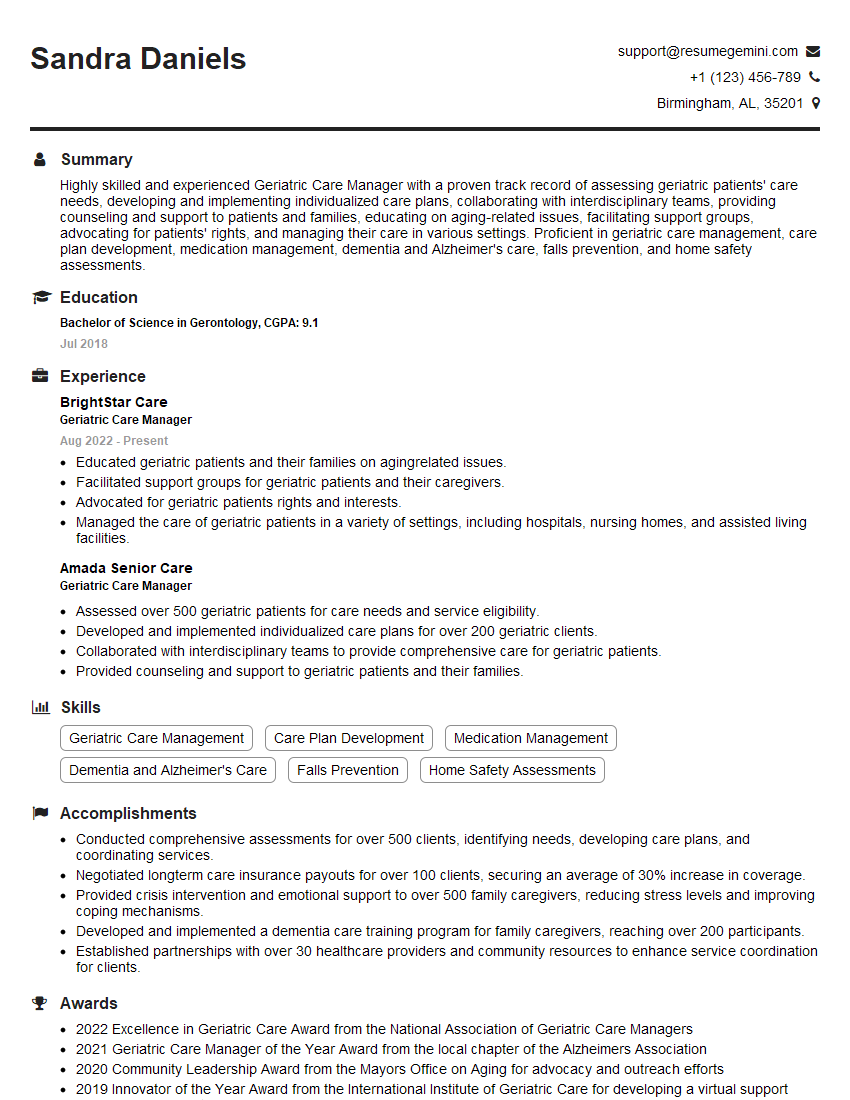
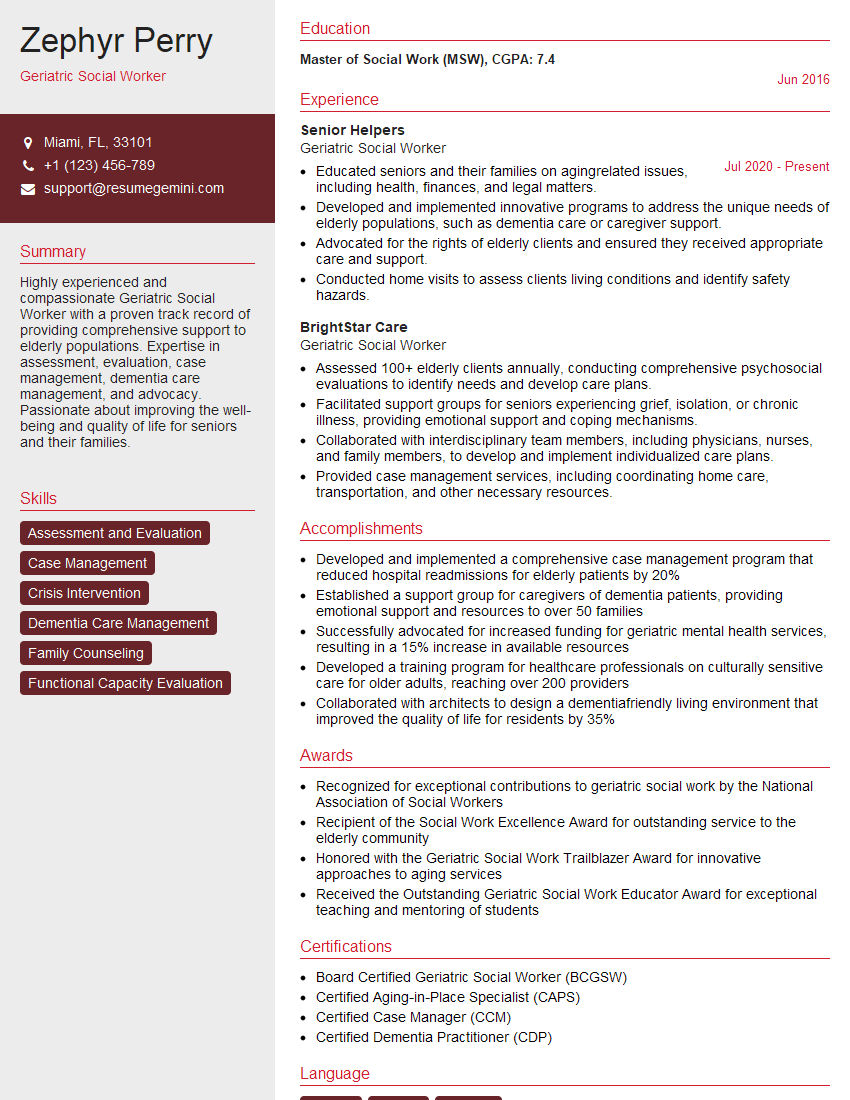
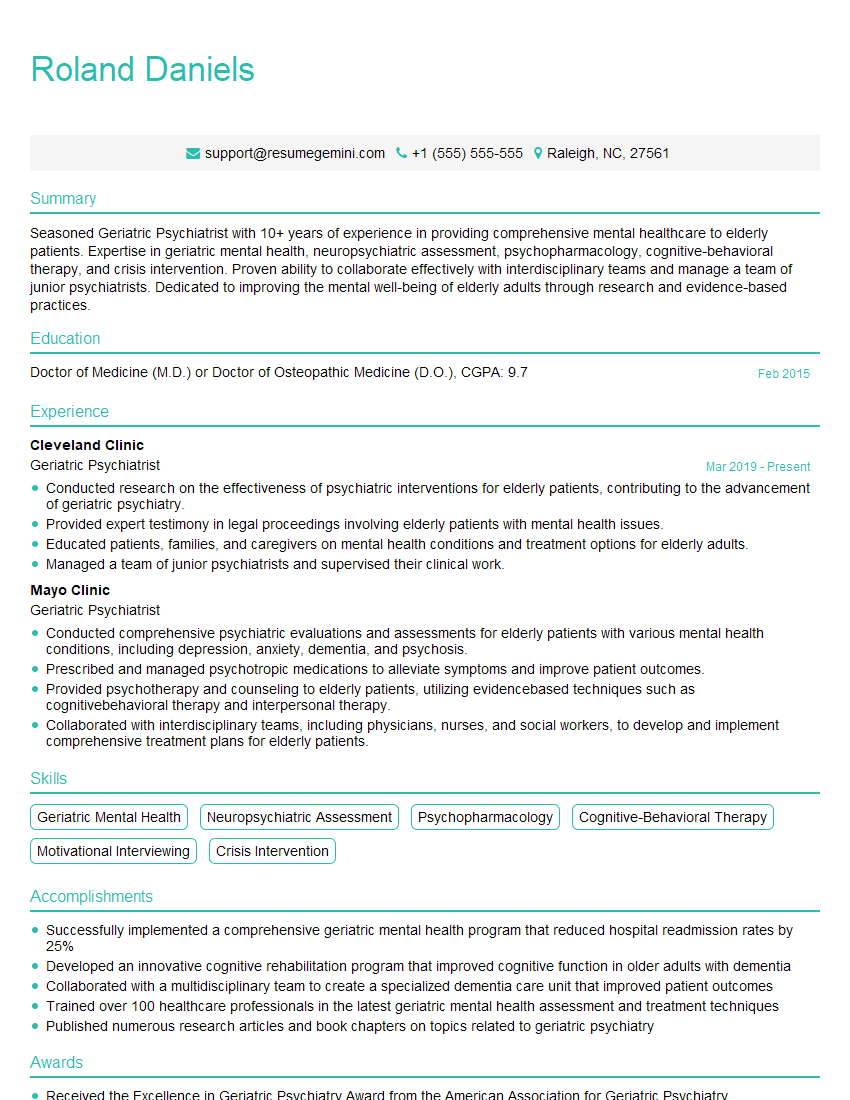
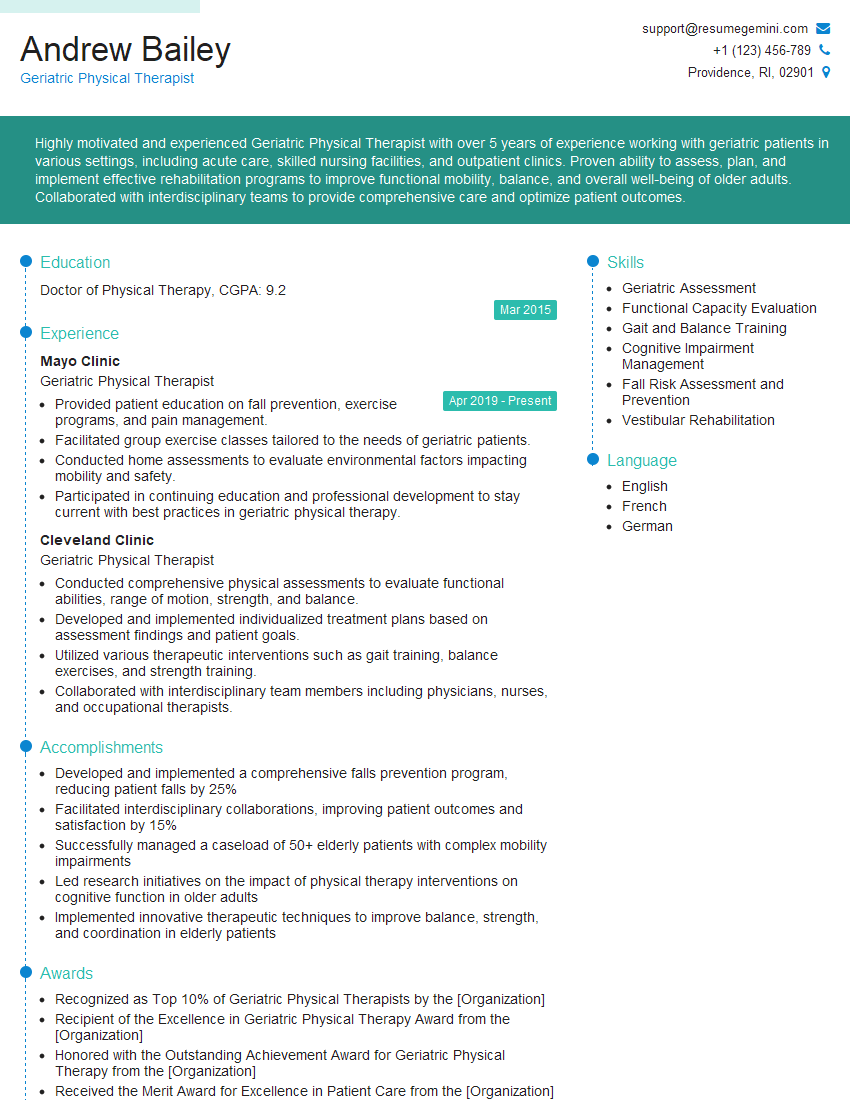
Mastering the nuances of working with older adults significantly enhances your career prospects in healthcare, social work, and related fields. It showcases your compassion, adaptability, and commitment to providing high-quality care. To stand out, create an ATS-friendly resume that effectively highlights your relevant skills and experiences. ResumeGemini is a trusted resource to help you build a professional and impactful resume. Examples of resumes tailored to experience in working with older adults are provided to guide your process.
Explore more articles
Users Rating of Our Blogs
Share Your Experience
We value your feedback! Please rate our content and share your thoughts (optional).
What Readers Say About Our Blog
To the interviewgemini.com Webmaster.
Very helpful and content specific questions to help prepare me for my interview!
Thank you
To the interviewgemini.com Webmaster.
This was kind of a unique content I found around the specialized skills. Very helpful questions and good detailed answers.
Very Helpful blog, thank you Interviewgemini team.