Interviews are opportunities to demonstrate your expertise, and this guide is here to help you shine. Explore the essential Experience with Energy-Efficient Construction Techniques interview questions that employers frequently ask, paired with strategies for crafting responses that set you apart from the competition.
Questions Asked in Experience with Energy-Efficient Construction Techniques Interview
Q 1. Explain the principles of passive solar design.
Passive solar design harnesses the sun’s energy for heating and lighting without using mechanical systems. It’s like designing your house to work with nature, rather than against it.
The core principles involve strategic building orientation, window placement, and thermal mass. Orientation focuses on maximizing solar gain in winter (south-facing windows in the Northern Hemisphere) and minimizing it in summer (overhangs or shading devices). Window placement ensures optimal sunlight penetration during the day, while thermal mass (materials like concrete, stone, or brick) absorbs and stores solar heat, releasing it slowly at night, regulating indoor temperatures.
For example, imagine a house with large south-facing windows. In winter, the sun’s rays directly penetrate, warming the thermal mass within the building. As the sun sets, the stored heat is gradually released, keeping the house warm. In summer, overhangs prevent direct sunlight from entering, keeping the interior cool. Proper insulation minimizes heat loss at night.
Q 2. Describe different types of building insulation and their R-values.
Building insulation materials reduce heat transfer, keeping a building warmer in winter and cooler in summer. Their effectiveness is measured by the R-value, which represents thermal resistance – higher R-values indicate better insulation.
- Fiberglass: Common, cost-effective, and available in batts, rolls, or loose-fill. R-values vary depending on thickness; typical values range from R-13 to R-38.
- Cellulose: Made from recycled paper, it’s a loose-fill insulation with good thermal performance and fire resistance. Typical R-values are R-3.0 to R-3.7 per inch.
- Mineral Wool (Rock Wool & Glass Wool): These are durable, fire-resistant, and offer good sound insulation. R-values similar to fiberglass, depending on density and thickness.
- Spray Foam: Offers excellent air sealing along with insulation. Closed-cell spray foam has a higher R-value and better moisture resistance than open-cell foam. R-values vary, but closed-cell can reach R-6 per inch.
- Rigid Foam Boards (Polyisocyanurate, Extruded Polystyrene): Used for exterior walls, roofs, and foundations. They have high R-values per inch (e.g., Polyisocyanurate can reach R-6 to R-8 per inch).
The choice of insulation depends on factors like budget, climate, building type, and desired R-value. For instance, in colder climates, higher R-values are essential to minimize heat loss, often necessitating thicker insulation or higher-performing materials.
Q 3. What are the benefits and drawbacks of using geothermal energy in a building?
Geothermal energy utilizes the relatively constant temperature of the earth to heat and cool buildings. It’s a sustainable and efficient alternative to traditional HVAC systems.
Benefits: High efficiency (COPs of 3-5 or higher), reduced reliance on fossil fuels, lower operating costs, and environmentally friendly.
Drawbacks: High upfront costs for installation (ground loop heat exchangers require significant excavation), potential for ground water contamination if not properly installed, and geographic limitations (the effectiveness depends on consistent ground temperatures).
For example, a geothermal system uses a network of pipes buried underground to exchange heat with the earth. In winter, the heat from the earth is pumped into the building; in summer, heat from the building is transferred to the earth. This requires less energy compared to traditional systems that generate heat or cool air from scratch. However, the initial cost of drilling and installing the ground loop can be a substantial barrier to adoption.
Q 4. How does the building envelope contribute to energy efficiency?
The building envelope encompasses all exterior components that separate the interior from the exterior environment: walls, roof, windows, doors, and foundation. Its effectiveness significantly impacts energy efficiency.
A well-designed building envelope minimizes heat transfer through insulation, air sealing, and proper window selection. For instance, using high-performance windows with low U-values (U-value measures the rate of heat transfer through a window) reduces heat loss in winter and heat gain in summer. Proper insulation in walls and roofs minimizes conductive heat transfer, while air sealing prevents air leakage, reducing infiltration and exfiltration.
Consider a poorly insulated building envelope: Heat escapes in winter, increasing heating costs, and heat penetrates in summer, increasing cooling loads. Conversely, a well-insulated and air-sealed envelope significantly reduces energy consumption for heating and cooling, leading to cost savings and environmental benefits.
Q 5. Explain the importance of air sealing in energy-efficient construction.
Air sealing involves eliminating air leaks in a building’s envelope to prevent unwanted air infiltration (outside air entering) and exfiltration (inside air escaping). It’s crucial for energy efficiency because air leakage significantly impacts heating and cooling loads.
Unsealed gaps and cracks allow conditioned air to escape in winter and hot, humid air to enter in summer. This forces HVAC systems to work harder, increasing energy consumption and costs. Air sealing can be achieved by sealing gaps around windows, doors, pipes, and electrical outlets using caulk, weatherstripping, spray foam, and other sealants.
Imagine a house with numerous air leaks: In winter, warm air continuously escapes, leading to higher heating bills. In summer, hot air enters, increasing cooling loads. A properly air-sealed house, on the other hand, maintains consistent indoor temperatures, reducing energy use and improving comfort.
Q 6. What are some common energy-efficient HVAC systems?
Energy-efficient HVAC systems minimize energy consumption while providing comfortable indoor temperatures.
- Heat Pumps: Highly efficient for both heating and cooling; they move heat rather than generate it, offering significant energy savings compared to furnaces and air conditioners.
- Variable Refrigerant Flow (VRF) Systems: These systems provide precise temperature control for individual zones within a building, minimizing energy waste associated with heating or cooling unoccupied spaces.
- High-Efficiency Furnaces and Air Conditioners: Look for furnaces with high Annual Fuel Utilization Efficiency (AFUE) ratings (e.g., 95% or higher) and air conditioners with high Seasonal Energy Efficiency Ratio (SEER) ratings (e.g., 18 SEER or higher).
- Geothermal Heat Pumps (as mentioned earlier): Extremely energy-efficient due to the constant temperature of the earth.
The selection of an appropriate HVAC system depends on factors such as building size, climate, budget, and desired comfort levels. For instance, in a large commercial building, a VRF system might be more efficient than individual units for each room. In a colder climate, a heat pump with a supplemental electric resistance heating element might be a better choice than a heat pump alone.
Q 7. Describe your experience with energy modeling software (e.g., EnergyPlus, eQuest).
I have extensive experience using EnergyPlus and eQuest, industry-standard energy modeling software. These tools allow for detailed analysis of building energy performance, helping to optimize design and minimize energy consumption.
My work has involved creating detailed building models, inputting design parameters (materials, HVAC systems, window types, etc.), simulating energy usage under various climate conditions, and generating reports that identify areas for improvement. For example, using EnergyPlus, I’ve been able to identify that changing the window type from a standard double-pane to a triple-pane with low-E coating significantly reduces energy consumption for heating and cooling. This allowed clients to make informed decisions, selecting the most cost-effective and energy-efficient window option for their projects.
I’m proficient in using these tools to compare different design options, assess the impact of various energy-efficiency strategies, and ultimately create buildings that are both sustainable and economically viable. The results are used to identify the optimal balance between initial construction cost and long-term operational savings.
Q 8. How do you ensure compliance with energy codes and standards?
Ensuring compliance with energy codes and standards is paramount in energy-efficient construction. It’s a multi-step process that begins with thorough research and understanding of the specific codes applicable to the project’s location and building type. This includes federal, state, and local regulations, as well as any relevant model codes like the International Energy Conservation Code (IECC).
We start by analyzing the project requirements against the energy code, identifying the minimum performance levels mandated. This often involves using energy modeling software to simulate the building’s energy performance under various scenarios. Next, we develop a design strategy that not only meets but ideally exceeds these minimum requirements. This might involve incorporating high-performance building envelopes, efficient HVAC systems, and strategic daylighting design.
Throughout the construction phase, regular inspections and quality control measures are essential. We work closely with contractors and subcontractors to ensure that the implemented systems and materials conform to the specifications outlined in the energy code. Finally, after completion, we often conduct post-occupancy evaluations to verify actual energy performance aligns with predicted models. Any discrepancies are then analyzed and addressed proactively.
For instance, on a recent project, we had to navigate complex daylighting requirements in a high-rise building. Through sophisticated modeling, we determined the optimal window-to-wall ratios and shading strategies to meet code compliance while maximizing natural light, reducing the reliance on artificial lighting.
Q 9. Explain your understanding of LEED certification.
LEED (Leadership in Energy and Environmental Design) certification is a globally recognized green building rating system developed by the U.S. Green Building Council (USGBC). It provides a framework for designing, constructing, and operating high-performance, sustainable buildings. LEED certification demonstrates a commitment to environmental stewardship and incorporates various criteria to assess a building’s sustainability across multiple categories.
My understanding encompasses all aspects of LEED, from its various rating systems (e.g., LEED for New Construction, LEED for Existing Buildings) to the specific credit categories, such as sustainable sites, water efficiency, energy and atmosphere, materials and resources, and indoor environmental quality.
Achieving LEED certification requires a meticulous approach. It begins during the design phase, integrating sustainable design principles from the outset. This includes selecting appropriate building materials with low embodied carbon, optimizing energy efficiency through passive strategies and renewable energy integration, and planning for water conservation. During construction, diligent record-keeping and compliance with LEED requirements are crucial. Post-construction, ongoing monitoring and performance tracking help demonstrate continued compliance and optimization.
For example, in a previous project, we successfully achieved LEED Platinum certification by implementing several key strategies, including rainwater harvesting for irrigation, the use of recycled building materials, and the installation of a high-efficiency solar photovoltaic system.
Q 10. What are the key features of a Passive House building?
Passive House buildings represent a high standard of energy efficiency, achieving extremely low energy consumption through a holistic design approach. They’re characterized by a focus on minimizing energy losses and maximizing passive solar gains.
Key features include:
- High-performance building envelope: This involves superior insulation (significantly exceeding typical building codes), airtight construction to prevent air leakage, and high-performance windows with low U-values (a measure of thermal transmittance).
- Heat recovery ventilation (HRV): HRVs provide continuous fresh air while recovering heat from the exhaust air, minimizing energy loss associated with ventilation.
- Passive solar design: Strategic orientation, window placement, and shading devices maximize solar heat gain in winter and minimize solar heat gain in summer.
- Thermal bridge mitigation: Careful design and construction practices eliminate or minimize thermal bridging, points where heat can easily escape from the building.
- Precise air sealing: Meticulous attention to air sealing is crucial to minimize air infiltration and exfiltration, greatly improving thermal performance.
The result is a building requiring minimal active heating and cooling, significantly reducing energy consumption and operational costs compared to conventionally built structures. Think of it like a thermos – designed to keep things at a consistent temperature with minimal outside interference.
Q 11. Describe different types of renewable energy sources suitable for buildings.
Numerous renewable energy sources are suitable for building integration. The best choice depends on factors like climate, available space, and budget.
- Photovoltaic (PV) systems: These systems convert sunlight directly into electricity. They can be roof-mounted, integrated into building facades, or even incorporated into building materials. They are a widely used and versatile renewable energy source.
- Solar thermal systems: These systems use sunlight to heat water or air, often for domestic hot water or space heating. They can be more cost-effective than PV systems for heating applications, especially in sunny climates.
- Wind turbines: While often associated with larger-scale power generation, smaller wind turbines can be suitable for buildings in areas with consistent wind resources. However, their aesthetics and noise considerations need careful evaluation.
- Geothermal energy: Geothermal heat pumps utilize the relatively constant temperature of the ground to provide heating and cooling. They offer high efficiency and can reduce energy consumption significantly.
- Biomass energy: Using organic materials like wood pellets or agricultural residues for heating or co-generation can be a sustainable option in some contexts, though careful consideration of emissions and sourcing is vital.
Many buildings can benefit from a hybrid approach, combining several renewable sources to maximize energy independence and minimize environmental impact. For instance, a building might incorporate both solar PV and geothermal systems to meet both electricity and heating/cooling needs.
Q 12. How do you assess the energy performance of an existing building?
Assessing the energy performance of an existing building is a critical step in identifying opportunities for improvement. The process typically involves a combination of approaches:
- Energy audits: A thorough energy audit involves analyzing energy consumption data (utility bills), conducting on-site inspections to identify energy-wasting components, and using specialized tools to measure energy flows.
- Building envelope analysis: This focuses on identifying air leakage, insulation deficiencies, and thermal bridging in the building envelope. Infrared thermography can be a valuable tool for pinpointing thermal weaknesses.
- HVAC system assessment: Evaluating the efficiency and performance of heating, ventilation, and air conditioning systems is critical, including checking for proper sizing, operation, and maintenance.
- Lighting analysis: Assessing lighting systems includes determining energy consumption patterns and evaluating the potential for upgrades to more efficient technologies, like LED lighting.
- Data analysis and modeling: Using energy modeling software, we can simulate building performance under various scenarios and evaluate the potential impact of different energy-efficiency upgrades.
The results of this assessment inform the development of a prioritized retrofit plan. This plan may involve upgrading insulation, sealing air leaks, replacing inefficient HVAC equipment, installing more efficient lighting, or implementing building automation systems to optimize energy usage.
For example, in one project, an energy audit revealed significant air leakage in an older office building. By implementing air sealing measures, we were able to dramatically reduce energy consumption and improve indoor comfort.
Q 13. Explain your experience with building commissioning.
Building commissioning is a quality assurance process that ensures that building systems are designed, installed, tested, and operated to meet the owner’s project requirements and the design intent. My experience encompasses all phases of this process, from pre-design to post-occupancy.
In the pre-design phase, we review the design documents to verify that the systems are designed to meet energy efficiency goals and code requirements. During construction, we conduct regular inspections to ensure proper installation and adherence to specifications. A critical aspect is the testing and balancing of HVAC systems to verify that airflows and pressures are within design parameters. We also verify that controls are properly configured and function correctly.
Post-occupancy commissioning involves verifying that the building systems are performing as designed and that the building is meeting energy efficiency targets. This often includes reviewing operational data and conducting energy audits. We strive to identify and address any operational issues or inefficiencies that may arise.
A successful commissioning process requires collaboration between the design team, construction team, and building owner. It leads to better performing buildings, reduced operational costs, and improved indoor environmental quality. For example, on a recent project, commissioning revealed a control system misconfiguration that was causing an inefficient operation of the HVAC system. Correcting this misconfiguration resulted in significant energy savings.
Q 14. What are some strategies for reducing energy consumption in lighting systems?
Reducing energy consumption in lighting systems is crucial for enhancing energy efficiency in buildings. Several strategies can be effectively implemented:
- Upgrading to high-efficiency lighting: Replacing conventional lighting technologies (incandescent and fluorescent) with LED lighting offers significant energy savings. LEDs have much longer lifespans and higher light output for the same wattage.
- Implementing daylight harvesting: Utilizing natural daylight effectively can substantially reduce reliance on artificial lighting. This involves designing buildings with strategically placed windows and integrating automated lighting controls that dim or switch off artificial lights when sufficient daylight is available.
- Occupancy sensors: Installing occupancy sensors ensures that lights are turned off automatically when a space is unoccupied. This is particularly effective in areas with intermittent use, such as restrooms or meeting rooms.
- Lighting controls: Implementing advanced lighting controls like dimming systems can fine-tune light levels based on ambient light or occupancy. This allows for optimized lighting without compromising visual comfort.
- Regular maintenance: Cleaning light fixtures and replacing burnt-out lamps promptly can significantly improve lighting system efficiency and prevent premature failures.
A combination of these strategies can lead to substantial energy savings and contribute to a more sustainable lighting system. For example, in a previous project, the combination of LED upgrades and occupancy sensors reduced lighting energy consumption by over 60%.
Q 15. Describe your experience with life-cycle cost analysis for building projects.
Life-cycle cost analysis (LCCA) is a crucial tool in sustainable building design. It goes beyond initial construction costs to encompass all expenses over a building’s lifespan, typically 50-75 years. This includes operational costs like energy, water, and maintenance, as well as potential renovation and demolition expenses. The goal is to optimize the total cost, factoring in the long-term benefits of energy-efficient and durable solutions.
In my experience, I’ve used LCCA software and methodologies to compare various design options for projects. For example, while installing high-efficiency windows might have a higher upfront cost, the long-term savings on heating and cooling far outweigh the initial investment, leading to lower overall LCCA. I’ve also used LCCA to justify the implementation of renewable energy systems, demonstrating that the initial investment is recovered through reduced energy bills over the building’s lifespan. A thorough LCCA also helps secure funding and demonstrate the financial viability of sustainable building strategies to clients and stakeholders.
A key aspect is accurately predicting future energy prices and maintenance needs. We use data from historical trends, energy market projections, and expert judgment to build robust models. This allows us to make informed decisions and select the most cost-effective sustainable solutions in the long run.
Career Expert Tips:
- Ace those interviews! Prepare effectively by reviewing the Top 50 Most Common Interview Questions on ResumeGemini.
- Navigate your job search with confidence! Explore a wide range of Career Tips on ResumeGemini. Learn about common challenges and recommendations to overcome them.
- Craft the perfect resume! Master the Art of Resume Writing with ResumeGemini’s guide. Showcase your unique qualifications and achievements effectively.
- Don’t miss out on holiday savings! Build your dream resume with ResumeGemini’s ATS optimized templates.
Q 16. What are some strategies for reducing water consumption in buildings?
Reducing water consumption in buildings involves a multi-pronged approach focusing on both reducing demand and improving efficiency. Think of it like tightening a leaky faucet and then installing a water-saving showerhead – both actions contribute to the overall goal.
- Low-flow fixtures: Installing low-flow toilets, showerheads, and faucets significantly reduces water usage without compromising performance. Many modern fixtures achieve this without sacrificing user experience.
- Water-efficient landscaping: Utilizing drought-tolerant plants and employing smart irrigation systems drastically cuts down on outdoor water usage. This is particularly crucial in arid climates. Rainwater harvesting systems further supplement this effort.
- Greywater recycling: Reusing non-potable water from showers and sinks for toilet flushing or irrigation is a significant water-saving strategy. This requires careful planning and implementation to ensure hygiene standards are met.
- Leak detection and repair: Regular maintenance and prompt repair of leaks are vital for preventing water wastage. Automated leak detection systems are also becoming increasingly prevalent.
- Water metering and monitoring: Installing meters to track water usage allows for better monitoring and identification of areas for improvement. This data-driven approach facilitates targeted water conservation efforts.
For instance, on a recent project, we implemented a greywater recycling system for a multi-family residential building, reducing potable water consumption by nearly 30%. This system combined with low-flow fixtures resulted in substantial water and cost savings for the building owners.
Q 17. How do you integrate sustainability into the construction process?
Integrating sustainability into the construction process requires a holistic approach that begins even before the design phase. It’s about making conscious decisions throughout the entire building lifecycle, from material selection to demolition.
- Sustainable Site Selection: Choosing a site that minimizes environmental impact, considering existing infrastructure and transportation access.
- Material Selection: Prioritizing locally sourced, recycled, and rapidly renewable materials to reduce embodied carbon and transportation emissions. We utilize tools that quantify the environmental impact of different materials.
- Waste Management: Implementing rigorous waste reduction and recycling programs on-site, minimizing landfill waste and maximizing material reuse.
- Energy Efficiency: Optimizing building design for passive solar heating and cooling, natural ventilation, and high-performance insulation.
- Construction Practices: Adopting construction methods that minimize environmental disruption and prioritize worker safety.
- Post-Occupancy Evaluation: Monitoring building performance after completion to identify areas for improvement and optimize long-term sustainability.
For example, on a recent project, we used cross-laminated timber (CLT) instead of traditional steel and concrete, significantly reducing embodied carbon and improving the building’s overall sustainability profile. We also implemented a detailed waste management plan, diverting over 80% of construction waste from landfills.
Q 18. Explain your understanding of embodied carbon in building materials.
Embodied carbon refers to the greenhouse gas emissions associated with the manufacturing, transportation, and installation of building materials. It’s a significant contributor to a building’s overall carbon footprint, often accounting for a substantial portion of its life-cycle emissions. Understanding embodied carbon is essential for making informed material choices to minimize the environmental impact of construction.
The embodied carbon of a material depends on several factors, including its source, manufacturing process, and transportation distance. For example, materials like steel and concrete have relatively high embodied carbon due to their energy-intensive production. Conversely, materials like timber, particularly sustainably harvested and locally sourced timber, can have significantly lower embodied carbon.
In my work, we use Environmental Product Declarations (EPDs) and life cycle assessments (LCAs) to quantify the embodied carbon of different materials and compare various design options. This helps us make data-driven decisions to minimize the environmental impact of our projects.
Q 19. What is your experience with different sustainable building materials?
My experience encompasses a broad range of sustainable building materials, each with its unique advantages and disadvantages. The optimal choice depends on factors like project requirements, budget, and local availability.
- Timber: Especially engineered wood products like CLT, offer excellent strength-to-weight ratios, low embodied carbon (when sustainably sourced), and good thermal performance.
- Recycled Steel: Utilizing recycled steel reduces the need for virgin material and lowers embodied carbon compared to virgin steel.
- Recycled Concrete Aggregate: Substituting traditional aggregates with recycled concrete reduces landfill waste and lowers embodied carbon.
- Hempcrete: A rapidly renewable material offering excellent thermal insulation and carbon sequestration capabilities.
- Bamboo: A fast-growing, renewable resource suitable for structural and non-structural applications.
In a recent project, we successfully incorporated hempcrete into the wall construction, achieving excellent thermal performance and contributing to the building’s overall carbon neutrality. The choice was driven by the client’s strong sustainability goals and the material’s suitability for the climate.
Q 20. Describe your experience with energy audits.
Energy audits are systematic assessments of a building’s energy consumption to identify areas for improvement and potential energy savings. They involve a thorough review of building systems, including heating, cooling, ventilation, lighting, and appliances. The goal is to pinpoint inefficiencies and recommend cost-effective upgrades to improve energy performance.
My experience includes conducting both prescriptive and diagnostic energy audits. Prescriptive audits follow established protocols and checklists to assess compliance with energy codes and identify immediate areas for improvement. Diagnostic audits go deeper, utilizing advanced tools like infrared cameras and blower door tests to identify hidden energy losses and provide more detailed recommendations.
For example, a recent energy audit revealed significant air leakage in a commercial building, leading to increased heating and cooling loads. Our recommendations included air sealing measures and improvements to the building envelope, which resulted in substantial energy savings and reduced operating costs for the building owner.
Q 21. How do you incorporate renewable energy sources into building designs?
Incorporating renewable energy sources into building designs is crucial for achieving net-zero energy goals. This involves carefully integrating systems that generate clean energy on-site or procure it from off-site renewable sources.
- Photovoltaic (PV) Panels: Rooftop or facade-mounted solar panels can generate electricity to offset the building’s energy demand. Careful consideration of shading and orientation is vital for optimal performance.
- Solar Thermal Collectors: These systems collect solar energy to heat water for domestic hot water or space heating, reducing reliance on fossil fuel-based heating systems.
- Wind Turbines: Appropriate in locations with consistent wind resources, wind turbines can generate electricity to supplement grid power.
- Geothermal Heat Pumps: Utilize the stable temperature of the earth to provide heating and cooling, offering significant energy efficiency compared to conventional HVAC systems.
- Biomass Boilers: Use sustainably sourced biomass fuels, such as wood pellets, to generate heat for space heating or domestic hot water.
On a recent project, we integrated a rooftop PV system and a geothermal heat pump to achieve a nearly net-zero energy building. The design carefully considered the orientation of the PV panels, optimizing energy production, and the geothermal system reduced energy consumption for heating and cooling. This resulted in minimal reliance on the grid and significantly reduced the building’s carbon footprint.
Q 22. How do you manage energy-efficient construction projects within budget and schedule?
Managing energy-efficient construction projects within budget and schedule requires a proactive, integrated approach. It’s not just about choosing energy-efficient materials; it’s about meticulous planning from the outset.
- Detailed upfront planning: This includes comprehensive energy modeling to determine optimal strategies and material choices, accurate cost estimations that incorporate energy-saving measures, and a robust schedule accounting for potential delays associated with specialized energy-efficient technologies.
- Value Engineering: This iterative process analyzes the cost-effectiveness of different energy-saving options, helping to balance initial investment with long-term energy savings. For example, we might compare the cost-benefit of installing high-performance windows versus adding extra insulation.
- Early contractor involvement: Bringing contractors on board early in the design phase allows for input on constructability and cost, minimizing surprises later on. Their expertise can identify potential challenges and offer alternative solutions.
- Regular monitoring and reporting: Tracking progress against the schedule and budget is vital. Regular meetings, progress reports, and change management protocols are essential to staying on track and addressing any issues promptly.
- Performance-based contracting: Consider performance-based contracts that incentivize contractors to meet energy efficiency targets, leading to better quality and cost control. This shifts the risk from the owner to the contractor, motivating them to prioritize efficiency.
For instance, on a recent school renovation project, we used BIM (Building Information Modeling) software to prefabricate many components, speeding up construction and reducing waste, which significantly contributed to staying on schedule and within budget while maximizing energy efficiency.
Q 23. Explain your experience with thermal bridging and how to mitigate it.
Thermal bridging occurs when heat escapes through continuous conductive paths in the building envelope, such as steel studs or concrete. These ‘bridges’ bypass the insulation, reducing the overall energy efficiency of the building and causing localized cold spots.
- Minimizing thermal bridging: Strategies include using thermally broken components like fiberglass or wood studs instead of steel, applying continuous insulation on the exterior, and using thermally efficient materials at junctions like window frames.
- Insulation detailing: Careful detailing around windows, doors, and other penetrations is crucial. This often involves using specialized insulation materials and techniques to seal gaps and prevent heat loss. For instance, using foam sealant around window frames significantly improves performance.
- Material selection: Opt for materials with high thermal resistance (R-value). Higher R-values indicate better insulation. We carefully analyze material properties and choose those that minimize thermal bridging, balancing their insulation capacity with cost considerations.
In one project, we encountered significant thermal bridging through steel beams supporting the roof. To mitigate this, we installed continuous exterior insulation and incorporated thermal breaks in the steel components, resulting in a considerable reduction in heat loss.
Q 24. How do you address potential conflicts between energy efficiency and other design goals?
Balancing energy efficiency with other design goals, like aesthetics or budget, is a common challenge. It requires creative problem-solving and collaborative design processes.
- Integrated Design Approach: Bringing together architects, engineers, and other stakeholders early in the design process ensures that energy efficiency is considered from the outset and integrated seamlessly into the overall design. We often use design charrettes to brainstorm solutions collaboratively.
- Prioritization and Trade-offs: Sometimes, compromises are necessary. For example, high-performance windows might be more expensive than standard ones, but the long-term energy savings might justify the investment. We carefully weigh the pros and cons of various options.
- Innovative Solutions: Exploring innovative solutions that address multiple goals simultaneously is crucial. For example, using a green roof can improve both energy efficiency (through insulation) and aesthetics.
In a recent project, the client prioritized a modern, minimalist aesthetic. To balance this with energy efficiency, we used high-performance glazing with minimal framing, showcasing the desired aesthetic while minimizing heat loss through windows.
Q 25. What are some innovative energy-efficient construction techniques you are familiar with?
The field of energy-efficient construction is constantly evolving. I’m familiar with several innovative techniques:
- Passive House Design: This rigorous standard emphasizes airtight construction, high levels of insulation, and heat recovery ventilation to minimize energy use. It’s extremely effective.
- Cross-laminated timber (CLT): This engineered wood product offers excellent insulation properties and is a sustainable alternative to traditional construction materials.
- Aerogel insulation: An incredibly effective insulator that offers a very high R-value in a thin layer, maximizing space utilization.
- Phase-change materials (PCMs): These materials absorb and release heat, buffering temperature fluctuations and reducing energy loads on HVAC systems.
- Building-integrated photovoltaics (BIPV): Integrating solar panels into the building’s design, generating on-site renewable energy.
For example, I recently worked on a project that incorporated CLT construction, resulting in a shorter construction timeline and a significantly lower carbon footprint compared to traditional methods.
Q 26. Explain the importance of proper ventilation in energy-efficient buildings.
Proper ventilation is critical in energy-efficient buildings, preventing moisture buildup, improving indoor air quality, and ensuring occupant comfort. While airtightness is vital for energy efficiency, it must be balanced with adequate ventilation.
- Heat Recovery Ventilation (HRV) or Energy Recovery Ventilation (ERV): These systems transfer heat or both heat and moisture from exhaust air to incoming fresh air, minimizing energy loss associated with ventilation.
- Natural Ventilation: Employing strategically placed windows and operable vents to leverage natural airflow, reducing reliance on mechanical systems, particularly in milder climates.
- Airtightness Testing: Conducting airtightness testing (blower door test) to identify and seal air leaks, preventing energy waste and improving the effectiveness of ventilation systems.
Inadequate ventilation can lead to mold growth, respiratory problems, and uncomfortable living conditions, negating the benefits of energy-efficient design. Therefore, we always prioritize designing systems that ensure both airtightness and appropriate ventilation.
Q 27. How do you ensure the long-term performance of energy-efficient systems?
Ensuring the long-term performance of energy-efficient systems requires careful planning, high-quality installation, and ongoing monitoring.
- High-Quality Materials and Installation: Choosing durable, high-performance materials and ensuring their proper installation by qualified contractors is paramount. This reduces the likelihood of early failures.
- Regular Maintenance: Establishing a regular maintenance schedule for HVAC systems, ventilation equipment, and other energy-efficient components is essential. This helps identify and address potential issues early.
- Building Monitoring and Commissioning: Employing building monitoring systems to track energy consumption and identify deviations from expected performance. Commissioning ensures that all systems are performing as designed.
- Documentation and Training: Comprehensive documentation of the building’s energy systems, including operation and maintenance manuals, is crucial. Providing training to building operators on how to efficiently operate and maintain the systems is vital.
For instance, we always incorporate building automation systems (BAS) that allow remote monitoring and adjustment of energy systems. This enables proactive maintenance and fine-tuning to maintain optimal performance over time.
Q 28. Describe your experience with evaluating and selecting energy-efficient equipment.
Evaluating and selecting energy-efficient equipment involves a multi-faceted approach combining technical expertise, cost analysis, and consideration of long-term performance.
- Energy Efficiency Ratings: Analyzing energy efficiency ratings (e.g., SEER for air conditioners, EER for refrigerators) to compare the performance of different models. Higher ratings indicate better efficiency.
- Life-Cycle Cost Analysis: Considering the initial purchase price, operating costs, maintenance costs, and lifespan of the equipment to make informed decisions about cost-effectiveness.
- Technical Specifications: Thoroughly reviewing the technical specifications of equipment to assess its suitability for the specific application. This includes factors such as capacity, efficiency, and compatibility with other systems.
- Vendor Selection: Choosing reputable vendors with a strong track record of providing high-quality equipment and support. We often seek references and testimonials to validate their claims.
In one project, we compared several heat pump models using life-cycle cost analysis and determined that a slightly more expensive model offered significantly lower operating costs and a longer lifespan. This ultimately saved the client money over the lifetime of the equipment.
Key Topics to Learn for Experience with Energy-Efficient Construction Techniques Interview
- Building Envelope Design: Understanding principles of thermal bridging, insulation types (e.g., spray foam, fiberglass, cellulose), air sealing techniques, and window/door selection for optimal energy performance.
- High-Performance HVAC Systems: Knowledge of different HVAC system types (e.g., heat pumps, geothermal systems), their energy efficiency ratings (SEER, HSPF), and practical applications in various building designs. Consider the impact of system sizing and ductwork design on overall efficiency.
- Passive Solar Design Strategies: Familiarity with techniques such as building orientation, window placement, shading devices, and thermal mass to minimize energy consumption for heating and cooling.
- Renewable Energy Integration: Understanding the integration of solar photovoltaic (PV) systems, solar thermal systems, and other renewable energy sources into building designs. This includes considerations for system sizing, permitting, and interconnection.
- Building Codes and Standards: Knowledge of relevant energy efficiency codes (e.g., ASHRAE 90.1), LEED certification requirements, and other industry standards related to sustainable building practices.
- Energy Modeling and Simulation: Experience using energy modeling software (e.g., EnergyPlus, eQUEST) to analyze building performance and optimize energy efficiency strategies. Understanding how to interpret simulation results and make informed design decisions.
- Life Cycle Cost Analysis (LCCA): Ability to perform LCCA to compare the long-term costs and benefits of different energy-efficient building materials and systems.
- Practical Problem-Solving: Be prepared to discuss challenges encountered in implementing energy-efficient techniques on real-world projects and how you overcame them. This demonstrates practical experience and problem-solving skills.
Next Steps
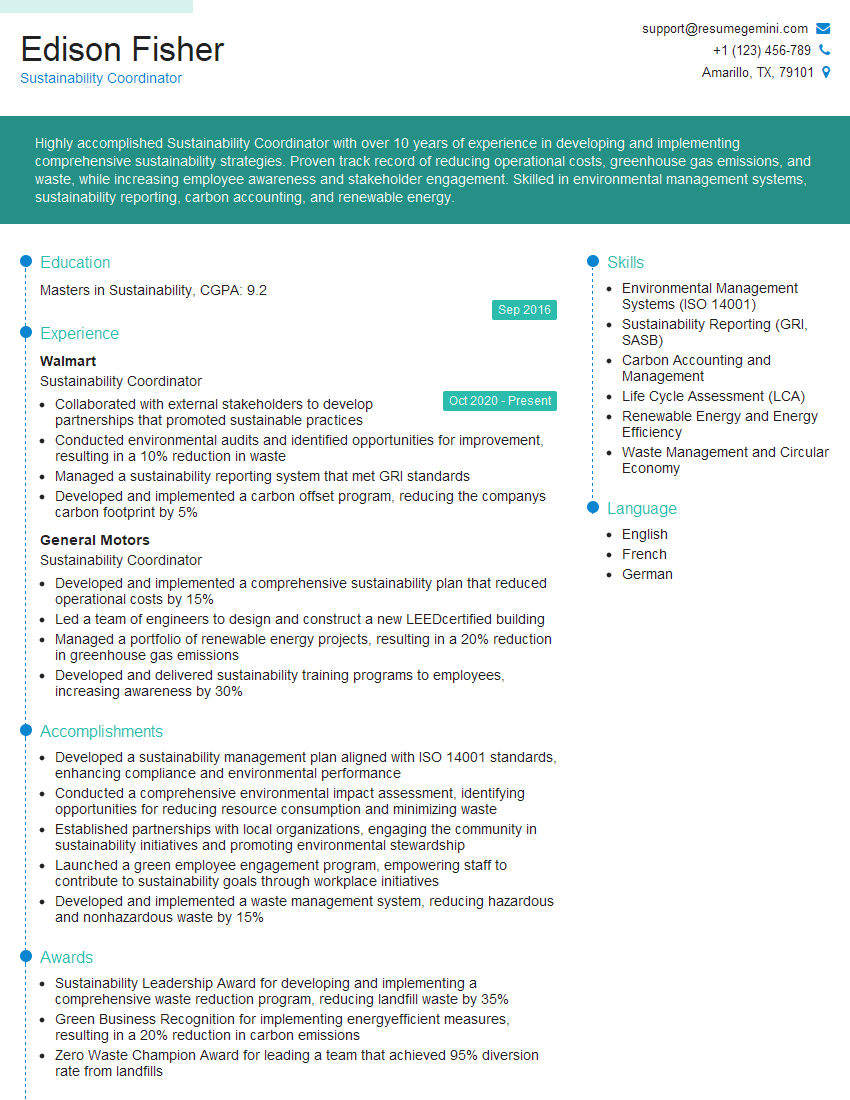
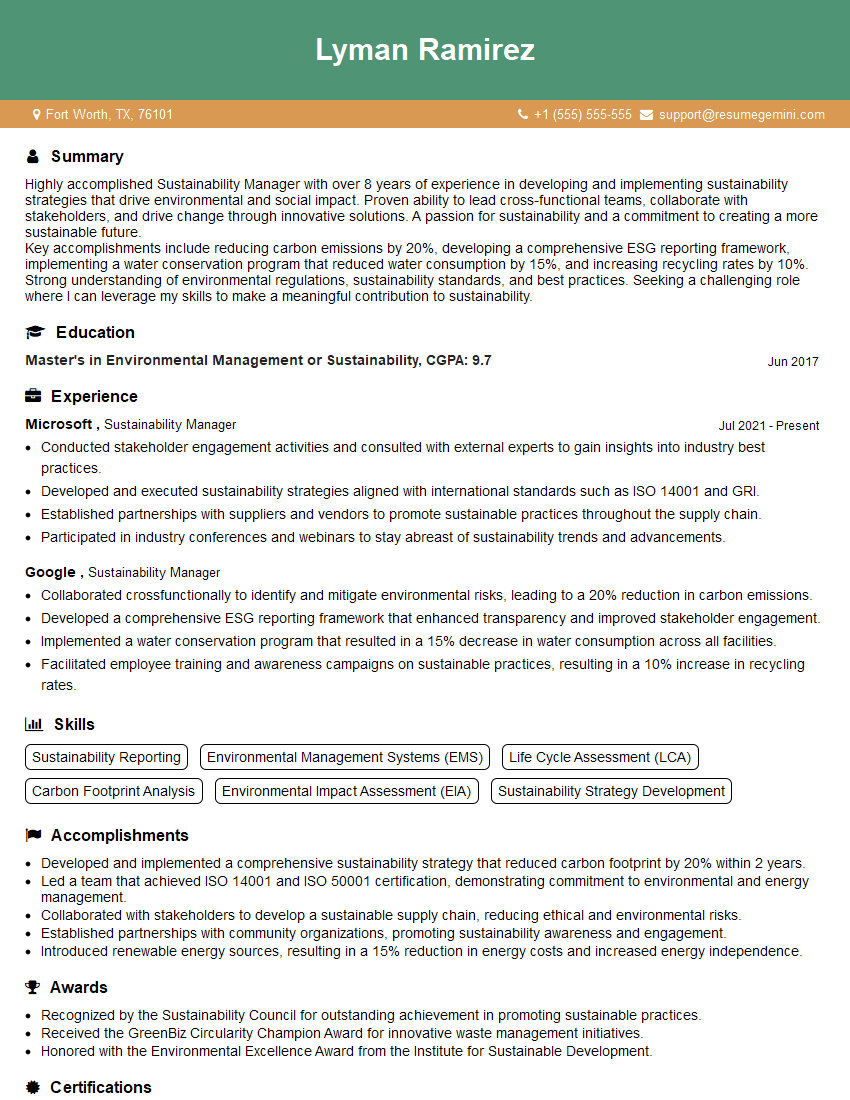
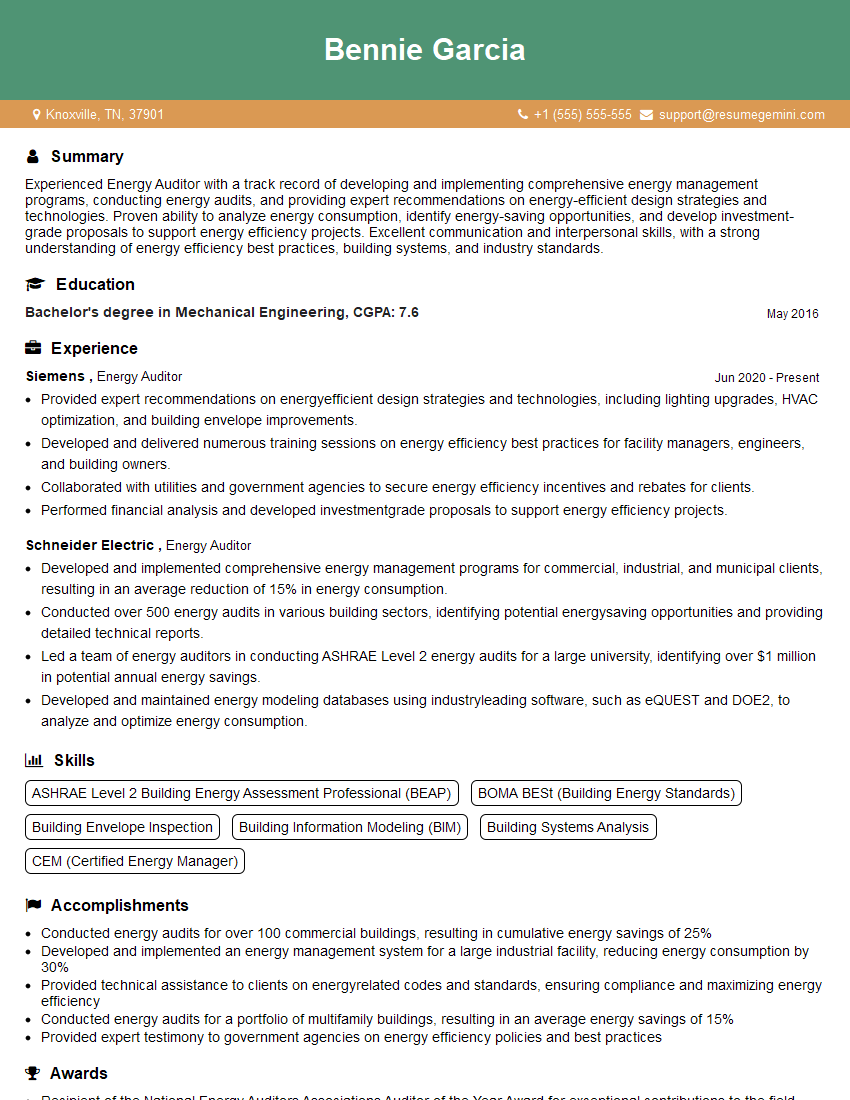
Mastering energy-efficient construction techniques is crucial for career advancement in the rapidly evolving construction industry. Demonstrating this expertise through a strong resume significantly increases your job prospects. Creating an ATS-friendly resume is key to getting your application noticed. ResumeGemini is a trusted resource to help you build a professional and effective resume that highlights your skills and experience. Examples of resumes tailored to showcasing experience with energy-efficient construction techniques are available – leverage these to craft a winning application.
Explore more articles
Users Rating of Our Blogs
Share Your Experience
We value your feedback! Please rate our content and share your thoughts (optional).
What Readers Say About Our Blog
To the interviewgemini.com Webmaster.
Very helpful and content specific questions to help prepare me for my interview!
Thank you
To the interviewgemini.com Webmaster.
This was kind of a unique content I found around the specialized skills. Very helpful questions and good detailed answers.
Very Helpful blog, thank you Interviewgemini team.