The thought of an interview can be nerve-wracking, but the right preparation can make all the difference. Explore this comprehensive guide to Facility Inspections interview questions and gain the confidence you need to showcase your abilities and secure the role.
Questions Asked in Facility Inspections Interview
Q 1. Describe your experience conducting facility inspections.
Throughout my career, I’ve conducted hundreds of facility inspections, ranging from small retail spaces to large industrial complexes. My experience encompasses various building types and purposes, including office buildings, healthcare facilities, educational institutions, and manufacturing plants. This diverse experience has provided me with a broad understanding of potential hazards and compliance requirements across different sectors. For example, I recently completed a comprehensive inspection of a pharmaceutical manufacturing facility, focusing on stringent GMP (Good Manufacturing Practices) compliance, and another for a historical building, prioritizing preservation of original features while ensuring safety and code compliance. In each case, my approach was methodical, detailed, and tailored to the specific needs and risks of the facility.
Q 2. What are the key components of a comprehensive facility inspection?
A comprehensive facility inspection involves a systematic evaluation of multiple key components. It’s not just a visual walkthrough; it’s a multi-faceted assessment. Key components include:
- Structural Integrity: Assessing the building’s foundation, walls, roof, and overall structural soundness. This includes checking for cracks, water damage, and signs of deterioration.
- Life Safety Systems: Examining fire protection systems (sprinklers, alarms, extinguishers), emergency exits, and lighting. Functionality and accessibility are crucial here.
- HVAC Systems: Inspecting heating, ventilation, and air conditioning systems for proper operation, efficiency, and air quality. This also includes assessing the ventilation system for proper air flow and filtration.
- Plumbing Systems: Checking for leaks, water pressure, and proper drainage. This often involves inspecting pipes, fixtures, and appliances for potential hazards.
- Electrical Systems: Evaluating electrical panels, wiring, outlets, and lighting fixtures for compliance with codes and safety standards. I check for overloaded circuits and other potential risks.
- Accessibility Compliance: Ensuring the facility meets accessibility standards (ADA, etc.) for individuals with disabilities. This includes ramps, elevators, and restroom accessibility.
- Exterior Conditions: Assessing the condition of sidewalks, parking lots, landscaping, and exterior lighting. This also includes checking for any exterior damage or hazards.
I always consider the specific use and occupancy of the building when determining the focus and depth of each area’s inspection.
Q 3. How do you prioritize safety concerns during a facility inspection?
Safety is always the top priority. I use a risk-based approach, focusing on potential hazards that could cause immediate or significant harm. During the inspection, I immediately address any imminent dangers, such as exposed wiring, unstable structures, or blocked exits. These are documented separately and require immediate corrective action. I use a standardized checklist tailored to the facility type, prioritizing items based on the likelihood and severity of potential harm. For instance, in a manufacturing plant, I would prioritize machinery safety and hazardous materials handling over minor cosmetic issues. I use a color-coded system in my reports – red for immediate hazards, yellow for potential hazards requiring attention, and green for areas complying with standards.
Q 4. Explain your process for documenting inspection findings.
My documentation process is meticulous and thorough. I typically use a combination of digital and physical methods. I begin by taking detailed photographs and videos of all areas inspected, noting specific conditions and potential issues. Then, I complete a detailed written report, using a standardized template. The report includes:
- Detailed descriptions: Precise descriptions of each finding, including location, severity, and potential impact.
- Photographs/Videos: Visual evidence supporting each finding. I often include date and time stamps in my photos for additional context.
- Measurements: Accurate measurements of deficiencies or anomalies.
- Recommendations: Clear and concise recommendations for corrective actions, including prioritized actions for immediate hazards.
- Compliance Status: Indication of code compliance or non-compliance with specific regulations or standards.
All reports are digitally stored, easily searchable, and readily available for future reference. This comprehensive approach provides a clear and easily understandable record of the inspection findings.
Q 5. What are the common building codes and regulations you are familiar with?
My familiarity with building codes and regulations is extensive and regularly updated. I am proficient in the International Building Code (IBC), the International Fire Code (IFC), the Americans with Disabilities Act (ADA) Standards for Accessible Design, and OSHA regulations, as well as local and state codes. The specific codes applied vary depending on the building’s use, location, and age. For instance, a newly constructed building will be assessed against the most current IBC, while a historical building might require consideration of historical preservation ordinances alongside contemporary safety regulations. Understanding the nuances of these codes and regulations is crucial for accurate and effective inspections.
Q 6. How do you handle discrepancies between inspection findings and documented records?
Discrepancies between inspection findings and documented records are investigated thoroughly. This often involves verifying the accuracy of the existing documentation. I would cross-reference building permits, previous inspection reports, and as-built drawings to identify any inconsistencies. If a discrepancy is confirmed, I’ll clearly document the difference in my report, highlighting any potential implications. For example, if the inspection reveals missing fire suppression system components not reflected in the documentation, this would be flagged as a serious safety violation. The report would include recommendations for corrective actions and a suggested follow-up inspection to verify compliance.
Q 7. Describe your experience using inspection software or technology.
I have extensive experience using various inspection software and technologies to enhance efficiency and accuracy. I am proficient with software that allows for digital reporting, photo and video integration, and data analysis. This includes solutions that provide a centralized database for storing and managing inspection reports and findings. Example Software: (Mention specific software names here if you wish, replacing this placeholder with actual software names and brief descriptions. Avoid including links.) Using technology streamlines the entire process, from scheduling inspections to generating comprehensive reports, allowing for better organization and faster turnaround times. The ability to utilize mobile devices in the field also ensures that data collection is accurate and accessible in real-time.
Q 8. How do you identify and assess potential hazards in a facility?
Identifying and assessing potential hazards in a facility is a systematic process that involves a combination of visual inspection, documentation review, and sometimes specialized testing. It starts with understanding the facility’s function and the types of hazards typically associated with it (e.g., electrical hazards in a lab, fire hazards in a kitchen, slip hazards in a bathroom).
My approach involves a structured walkthrough, meticulously checking for:
- Physical hazards: This includes things like damaged flooring, exposed wiring, trip hazards, inadequate lighting, unguarded machinery, and blocked exits. I’ll note the location, severity, and potential consequences of each hazard.
- Environmental hazards: This covers aspects like air quality (presence of asbestos, mold, or harmful gases), noise levels, temperature extremes, and potential chemical spills. Specialized equipment might be used to assess some of these.
- Safety violations: I look for non-compliance with relevant safety regulations and building codes. This could involve missing safety signage, malfunctioning fire suppression systems, or lack of personal protective equipment (PPE).
- Ergonomic hazards: This examines the workspace design for factors that can cause musculoskeletal disorders. Poor posture, awkward movements, and repetitive tasks are assessed.
After the walkthrough, I compile my findings into a detailed report, using photos and videos to document the hazards. I also prioritize the hazards based on their severity and likelihood of causing harm, using a risk matrix where appropriate.
For example, during an inspection of a manufacturing facility, I discovered a significant oil leak near an electrical panel, presenting a severe fire hazard. This was immediately flagged as a high-priority issue requiring immediate attention.
Q 9. What is your approach to communicating inspection results to stakeholders?
Communicating inspection results effectively is crucial to ensure appropriate action is taken. My approach involves tailoring the communication to the specific audience and the nature of the findings.
For instance, I’d present a concise summary of critical findings to senior management, emphasizing high-priority risks and their potential impact on operations and compliance. This often includes a prioritized list of recommended corrective actions and timelines.
With facility managers and maintenance staff, I’d delve into greater detail, explaining the specific hazards found, providing detailed photographic evidence, and discussing potential solutions and best practices for mitigation. I often conduct a follow-up meeting to answer questions and clarify any concerns.
For less technical stakeholders, I use clear, non-technical language, focusing on the key risks and what they mean for the building’s occupants. The report itself might include a glossary of terms to ensure everyone understands the findings.
In all cases, the communication is clear, concise, and professional, delivered in a timely manner. I always maintain a collaborative approach, working with stakeholders to develop solutions that are both effective and feasible.
Q 10. How do you ensure the accuracy and reliability of your inspection reports?
Ensuring the accuracy and reliability of inspection reports is paramount. I achieve this through a multi-faceted approach:
- Detailed checklists and standardized procedures: Using pre-defined checklists ensures consistent coverage of all critical areas and reduces the risk of overlooking important issues. Standardized procedures provide a framework for consistent data collection and reporting.
- Thorough documentation: I meticulously document all findings, including photographs, videos, and detailed descriptions. This creates a comprehensive record that supports the report’s conclusions.
- Calibration and maintenance of equipment: If specialized equipment is used (e.g., moisture meters, thermal cameras), I ensure that it is properly calibrated and maintained to ensure accurate readings.
- Peer review (where applicable): In complex or high-stakes inspections, a peer review process can help identify potential errors or biases in the assessment.
- Version control: Utilizing a version control system allows tracking of all changes and revisions to the report, ensuring transparency and accountability.
Ultimately, the goal is to create a report that is factual, objective, and defensible. This requires meticulous attention to detail and a commitment to maintaining professional standards throughout the inspection process.
Q 11. Describe a time you had to deal with a difficult or unexpected situation during an inspection.
During an inspection of an older warehouse, I encountered an unexpected situation involving a partially collapsed ceiling in an area that wasn’t immediately obvious from the main walkways. It was initially missed during the initial walkthrough, but a keen observation of a slight sag in the ceiling prompted me to investigate further. After carefully entering the area (with appropriate PPE), I found significant structural damage to a support beam.
This was a safety risk that required immediate action. My first step was to clearly and calmly inform the facility manager of the hazard, immediately restricting access to that section of the warehouse. Then, I documented the damage extensively, using photographs and detailed notes. I followed up with a supplemental report prioritizing this issue as a critical structural concern requiring immediate expert assessment and repair. This prevented potential injuries and significant damage. This highlights the importance of thoroughness and attention to detail, even when dealing with seemingly minor observations.
Q 12. What are some common causes of building code violations?
Building code violations stem from various factors, many of which are interconnected. Here are some common causes:
- Inadequate design or construction: Poorly designed systems or substandard construction materials can lead to violations even before the building is occupied.
- Lack of maintenance: Neglecting routine maintenance can result in deterioration and non-compliance with code requirements over time. A simple example would be failing to replace damaged fire doors.
- Changes without permits: Alterations or renovations performed without obtaining the necessary permits often violate building codes.
- Unfamiliarity with code requirements: Owners and contractors may be unaware of, or fail to interpret correctly, the applicable building codes.
- Cost-cutting measures: Sometimes, shortcuts are taken to save money, leading to compromises in safety and compliance.
- Outdated systems: Older buildings may not meet current code requirements, leading to necessary upgrades.
Identifying the root cause of a violation is crucial to implementing effective corrective actions. It often requires a deeper investigation beyond just noting the violation itself.
Q 13. How do you prioritize repairs or maintenance based on inspection findings?
Prioritizing repairs or maintenance is done by assessing both the urgency and the severity of each finding. I use a risk-based approach, often employing a risk matrix that considers the probability of an incident and the potential consequences.
High-priority repairs are those that pose immediate threats to safety or structural integrity. These must be addressed without delay, typically within a short timeframe (e.g., exposed wiring, failing structural components). A risk matrix might assign a ‘critical’ risk rating with a required response time of 24-48 hours.
Medium-priority repairs are those that have the potential for future harm or disruption. These should be scheduled and completed within a reasonable time frame, such as routine maintenance, addressing minor fire hazards, or fixing faulty electrical outlets. A risk rating might be ‘high’ with a response time within a week or two.
Low-priority repairs address minor cosmetic issues or inconveniences. They can typically be scheduled for future maintenance cycles, often depending on budget and resource availability. A risk rating might be ‘low’, allowing for scheduled work several months out.
This system allows for a balanced approach, ensuring urgent issues are addressed swiftly, while planning for longer-term maintenance needs.
Q 14. What is your experience with different types of building materials and their maintenance?
My experience encompasses a broad range of building materials and their respective maintenance needs. I’m familiar with the properties and common issues associated with various materials such as:
- Concrete: Cracking, spalling, and efflorescence are common issues requiring specialized repair techniques.
- Wood: Rot, insect infestation, and moisture damage necessitate regular inspections and appropriate treatments.
- Steel: Corrosion is a significant concern, requiring preventative measures like painting and coatings.
- Masonry: Mortar deterioration, water penetration, and freeze-thaw damage necessitate regular inspections and repairs.
- Roofing materials (asphalt shingles, metal, tile): Different materials have different lifespans and maintenance requirements, with issues like leaks, weathering, and damage from impact needing attention.
- Insulation materials (fiberglass, cellulose): Moisture intrusion can compromise the effectiveness of insulation, leading to increased energy costs and potential mold growth.
Understanding the characteristics of each material and its vulnerabilities to environmental factors is essential for developing effective maintenance strategies and identifying potential problems during inspections. This knowledge allows me to accurately assess the condition of a building and provide appropriate recommendations.
Q 15. Explain your familiarity with different building systems (HVAC, electrical, plumbing).
My familiarity with building systems extends to a comprehensive understanding of HVAC (Heating, Ventilation, and Air Conditioning), electrical, and plumbing systems. I can identify potential issues, assess their severity, and recommend appropriate solutions. For instance, in HVAC, I’m adept at recognizing faulty ductwork (leading to inefficient energy use), malfunctioning thermostats (causing temperature inconsistencies), or refrigerant leaks (affecting cooling capacity). With electrical systems, I can identify overloaded circuits (fire hazard), faulty wiring (shock risk), and outdated electrical panels (safety concerns). In plumbing, I can spot leaks (water damage), clogged drains (backups and sanitation issues), and corrosion (leading to pipe failure).
- HVAC: I’m proficient in interpreting blueprints, understanding airflow dynamics, and troubleshooting common issues like compressor failures and blower motor problems.
- Electrical: I understand electrical schematics, voltage readings, and safety protocols for working with energized equipment. I’m familiar with various electrical components such as circuit breakers, transformers, and grounding systems.
- Plumbing: I can identify various pipe materials, understand water pressure dynamics, and recognize signs of water hammer and other plumbing malfunctions. I can also recognize potential issues related to drainage systems and fixture installations.
Career Expert Tips:
- Ace those interviews! Prepare effectively by reviewing the Top 50 Most Common Interview Questions on ResumeGemini.
- Navigate your job search with confidence! Explore a wide range of Career Tips on ResumeGemini. Learn about common challenges and recommendations to overcome them.
- Craft the perfect resume! Master the Art of Resume Writing with ResumeGemini’s guide. Showcase your unique qualifications and achievements effectively.
- Don’t miss out on holiday savings! Build your dream resume with ResumeGemini’s ATS optimized templates.
Q 16. How do you stay updated on changes in building codes and regulations?
Staying current with building codes and regulations is crucial. I achieve this through a multi-pronged approach. I actively subscribe to professional journals and publications such as those from the International Code Council (ICC). I also attend regular continuing education courses and workshops offered by relevant professional organizations. Further, I maintain a network of colleagues and industry experts with whom I regularly share information and discuss recent updates. Finally, I meticulously track changes in local and state building codes through online resources and official government websites, ensuring compliance with all relevant regulations in my area of operation. For example, recently, I dedicated time to researching new energy efficiency standards for commercial buildings and incorporated them into my inspection protocols.
Q 17. Describe your experience with environmental compliance inspections.
My experience with environmental compliance inspections is extensive. I have conducted numerous inspections focusing on aspects such as asbestos abatement, lead paint remediation, and proper handling of hazardous waste. I understand the relevant environmental regulations and the appropriate documentation procedures. For example, during one inspection, I identified a potential asbestos-containing material in a building undergoing renovations. I immediately halted the work, contacted the appropriate authorities, and ensured proper abatement procedures were followed before the project could resume. I’m well-versed in the associated reporting requirements and ensure all necessary documentation is completed accurately and thoroughly.
Q 18. How do you manage your workload and meet deadlines during multiple inspections?
Managing workload and meeting deadlines during multiple inspections requires meticulous organization and prioritization. I utilize project management tools to schedule inspections effectively, allocate time for each task, and track progress. I prioritize inspections based on urgency and potential risk, ensuring that critical safety concerns are addressed promptly. I often utilize digital checklists and reporting systems to streamline the documentation process and ensure efficiency. If needed, I don’t hesitate to delegate tasks appropriately when working as part of a team, ensuring that all deadlines are met without compromising quality or thoroughness. Think of it like conducting an orchestra – each instrument (inspection) needs its time and attention to achieve a harmonious result (meeting deadlines).
Q 19. What is your approach to working collaboratively with other professionals during an inspection?
Collaboration is key. I believe in open communication and a proactive approach when working with other professionals. I clearly articulate my findings and recommendations to engineers, contractors, and building owners. I actively listen to their perspectives and input, fostering a collaborative environment where everyone’s expertise is valued. Before an inspection, I coordinate with other professionals to understand their roles and expectations. During the inspection, I maintain clear communication to avoid any misunderstandings and ensure everyone is aware of any issues that arise. For example, during a recent inspection, I worked closely with a structural engineer to assess the integrity of a load-bearing wall, combining my observations with their engineering expertise to provide a comprehensive evaluation.
Q 20. How do you ensure the confidentiality of information gathered during an inspection?
Confidentiality is paramount. I adhere to strict confidentiality protocols, ensuring all information gathered during inspections remains private and protected. I only share information with authorized personnel on a need-to-know basis. All reports and documentation are stored securely and access is restricted. I’m well-versed in data protection regulations and follow established procedures to maintain the integrity and confidentiality of sensitive information. This includes using secure digital platforms for storing and sharing inspection data and maintaining strict control over physical documentation.
Q 21. Explain your experience using various inspection tools and equipment.
I’m proficient in using a variety of inspection tools and equipment. This includes infrared cameras (for detecting thermal anomalies), moisture meters (for identifying water damage), and various testing instruments for electrical systems and plumbing. I use drones for high-level visual inspection in large or hard-to-reach areas, improving safety and efficiency. I’m also adept at using specialized software for data analysis and report generation. Regular calibration and maintenance of equipment are crucial; I make sure this is done rigorously to ensure accuracy and reliability. For instance, before each inspection, I always verify the calibration of my moisture meter to ensure precise readings.
Q 22. Describe your knowledge of emergency preparedness and response protocols.
Emergency preparedness and response protocols are crucial for ensuring the safety of occupants and minimizing damage during unforeseen events. My knowledge encompasses several key areas, including:
- Developing Emergency Plans: I’m proficient in creating and reviewing comprehensive emergency plans, incorporating elements like evacuation routes, assembly points, communication strategies, and roles and responsibilities for personnel. This includes considering specific facility needs, such as those with vulnerable populations or unique hazards.
- Hazard Identification and Risk Assessment: I’m experienced in conducting thorough hazard identification and risk assessments to pinpoint potential threats, such as fire, floods, earthquakes, or security breaches. This involves analyzing building designs, systems, and processes to anticipate potential vulnerabilities.
- Training and Drills: Effective emergency response hinges on well-trained personnel. I know the importance of designing and implementing realistic drills and training programs to familiarize staff with emergency procedures, ensuring preparedness and coordination.
- Post-Incident Response: Following an incident, a systematic approach to assess damage, facilitate recovery, and document learnings is crucial. My experience covers documenting damages, overseeing repairs, and coordinating with emergency services.
- Compliance with Regulations: I ensure compliance with all relevant local, state, and federal regulations regarding emergency preparedness and response, including OSHA, NFPA, and building codes.
For instance, in a previous role, I helped develop an evacuation plan for a large healthcare facility, which included specific considerations for patient evacuation and staff coordination. This involved detailed mapping, emergency equipment placement, and clear communication protocols.
Q 23. What is your experience with accessibility audits and compliance?
Accessibility audits ensure that facilities comply with regulations like the Americans with Disabilities Act (ADA) to guarantee equal access for people with disabilities. My experience includes:
- Conducting Comprehensive Audits: I meticulously review building designs and existing structures for compliance with ADA Standards for Accessible Design, paying close attention to features like ramps, elevators, restrooms, signage, and parking.
- Identifying Barriers: I am adept at recognizing accessibility barriers, such as inadequate ramp slopes, insufficient door widths, or a lack of accessible parking.
- Recommending Remediation: Once barriers are identified, I generate detailed reports with remediation recommendations, prioritizing cost-effective and practical solutions.
- Working with Stakeholders: I collaborate with architects, contractors, and facility managers to ensure that proposed solutions are feasible and implemented effectively.
- Staying Updated on Regulations: The ADA and related accessibility standards are updated regularly. I make sure to stay abreast of changes to ensure consistent compliance.
For example, I recently conducted an accessibility audit for a community center, identifying several issues, including inadequate signage and inaccessible restrooms. I worked with the management team to implement solutions, resulting in a more inclusive and welcoming environment for everyone.
Q 24. How do you handle situations where an inspection reveals serious safety violations?
Discovering serious safety violations during an inspection requires a structured and decisive approach. My process involves:
- Immediate Documentation: Thoroughly document all violations with photographic evidence and detailed descriptions. Precision and accuracy are critical in this phase.
- Safety Precautions: If the violations pose an immediate threat, I’ll take necessary steps to ensure the safety of occupants, potentially advising immediate cessation of operations if necessary until the issues are addressed.
- Formal Notification: I formally notify the facility management or owner, providing a detailed report outlining the violations and their potential consequences. This report includes the applicable codes and standards violated.
- Follow-Up and Verification: I establish a clear timeline for corrective actions. I follow up to verify that the necessary repairs and modifications have been made to remedy the violations, conducting a follow-up inspection where appropriate.
- Escalation (If Necessary): If the facility fails to address the violations, I escalate the matter to the relevant regulatory authorities, such as OSHA or local building inspectors.
In one instance, I discovered a significant fire hazard in a commercial kitchen due to improper grease trap maintenance. I immediately reported this to the management, secured the area, and coordinated with the fire marshal to ensure immediate remediation.
Q 25. What are some common indicators of potential building deterioration?
Building deterioration can manifest in various ways, requiring a keen eye for detail. Common indicators include:
- Structural Cracks: Cracks in walls, foundations, or ceilings can signal structural weakness or settling issues.
- Water Damage: Signs of water damage, such as staining, mold, or mildew, can indicate leaks, compromised roofing, or plumbing problems.
- Deteriorating Materials: Peeling paint, rotting wood, or corroded metal indicate material degradation and potential safety hazards.
- Foundation Issues: Uneven settling, cracks in the foundation, or visible movement of the building can be serious indicators.
- Mechanical System Failures: Malfunctioning HVAC systems, plumbing leaks, or electrical problems suggest underlying issues requiring attention.
- Pest Infestation: Evidence of rodent or insect activity points to potential structural damage, unsanitary conditions, and health risks.
Recognizing these subtle signs early on is key to preventing more significant and costly repairs later.
Q 26. How do you assess the overall condition of a facility based on inspection findings?
Assessing the overall condition of a facility involves a systematic review of all inspection findings. I employ a weighted scoring system to categorize findings into different severity levels (critical, major, minor). Each category receives a score based on its impact on safety, functionality, and code compliance. This score is then combined with other quantitative data (e.g., cost of repairs) to establish an overall condition assessment. The final assessment is presented using a tiered system (e.g., Excellent, Good, Fair, Poor, Critical) providing a clear picture of the facility’s condition and necessary maintenance or repair needs. This allows for prioritizing maintenance and capital improvement projects based on their impact on the facility’s overall condition and safety.
For example, a building might have several minor issues (like peeling paint) but one major structural crack. The weighted scoring system will appropriately emphasize the seriousness of the crack, even if the number of minor issues is greater.
Q 27. Describe a situation where you had to make a difficult decision regarding an inspection.
During an inspection of a school building, I discovered significant asbestos in the ceiling tiles of a classroom that was still in use. The decision was difficult because immediate closure of the classroom would disrupt education, yet leaving it open posed a significant health risk to the students and teachers. I followed protocol, immediately notifying the school administration and the relevant health and safety authorities. We worked collaboratively to develop a temporary relocation plan for the students, while simultaneously arranging for the safe removal of the asbestos. The situation highlighted the need for proactive asbestos surveys and the importance of swift and decisive action when critical safety violations are discovered.
Q 28. How do you ensure the objectivity and impartiality of your inspection reports?
Objectivity and impartiality in inspection reports are paramount. I ensure this through:
- Standardized Procedures: I consistently follow established inspection checklists and procedures, ensuring a consistent and unbiased approach.
- Detailed Documentation: My reports include comprehensive documentation, including photographic evidence and detailed descriptions of findings, allowing others to review and validate my conclusions.
- Fact-Based Reporting: I avoid subjective opinions and focus on objective facts, quantifiable data, and code compliance in my reports.
- Peer Review (Where Applicable): For complex or high-risk inspections, I utilize peer reviews to ensure accuracy and objectivity.
- Transparency and Disclosure: I openly disclose any potential conflicts of interest, ensuring complete transparency.
By adhering to these principles, I maintain the integrity of my inspections and provide reliable information to stakeholders for decision-making.
Key Topics to Learn for Facility Inspections Interview
- Safety Regulations and Compliance: Understanding OSHA, local codes, and industry best practices related to facility safety. Practical application: Analyzing a facility’s adherence to fire safety regulations and identifying potential hazards.
- Building Codes and Standards: Knowledge of relevant building codes (e.g., IBC) and their application in evaluating structural integrity, accessibility, and life safety systems. Practical application: Assessing a building’s compliance with ADA accessibility requirements.
- Inspection Techniques and Methodologies: Mastering visual inspections, using specialized equipment (e.g., moisture meters, thermal cameras), and documenting findings accurately. Practical application: Developing a systematic inspection checklist and effectively utilizing reporting software.
- Facility Systems and Equipment: Comprehensive knowledge of HVAC, plumbing, electrical, fire protection, and other building systems. Practical application: Troubleshooting basic mechanical issues and identifying the need for professional repairs.
- Report Writing and Documentation: Clearly and concisely documenting inspection findings, including photos and recommendations, in a professional format. Practical application: Creating a detailed report that effectively communicates risks and necessary actions to stakeholders.
- Problem-Solving and Critical Thinking: Identifying potential problems, analyzing their root causes, and proposing effective solutions. Practical application: Developing a preventative maintenance plan to mitigate identified risks.
- Communication and Interpersonal Skills: Effectively communicating findings to clients, contractors, and other stakeholders. Practical application: Presenting inspection results clearly and professionally in both written and oral formats.
Next Steps
Mastering facility inspections opens doors to a rewarding career with excellent growth potential. You can advance to senior inspector roles, specialize in specific areas like environmental compliance, or even transition into management. To significantly boost your job prospects, it’s crucial to create a strong, ATS-friendly resume that highlights your skills and experience. ResumeGemini is a trusted resource to help you build a professional resume that gets noticed. We provide examples of resumes tailored to Facility Inspections to guide you through the process. Take the next step in your career journey and craft a compelling resume today!
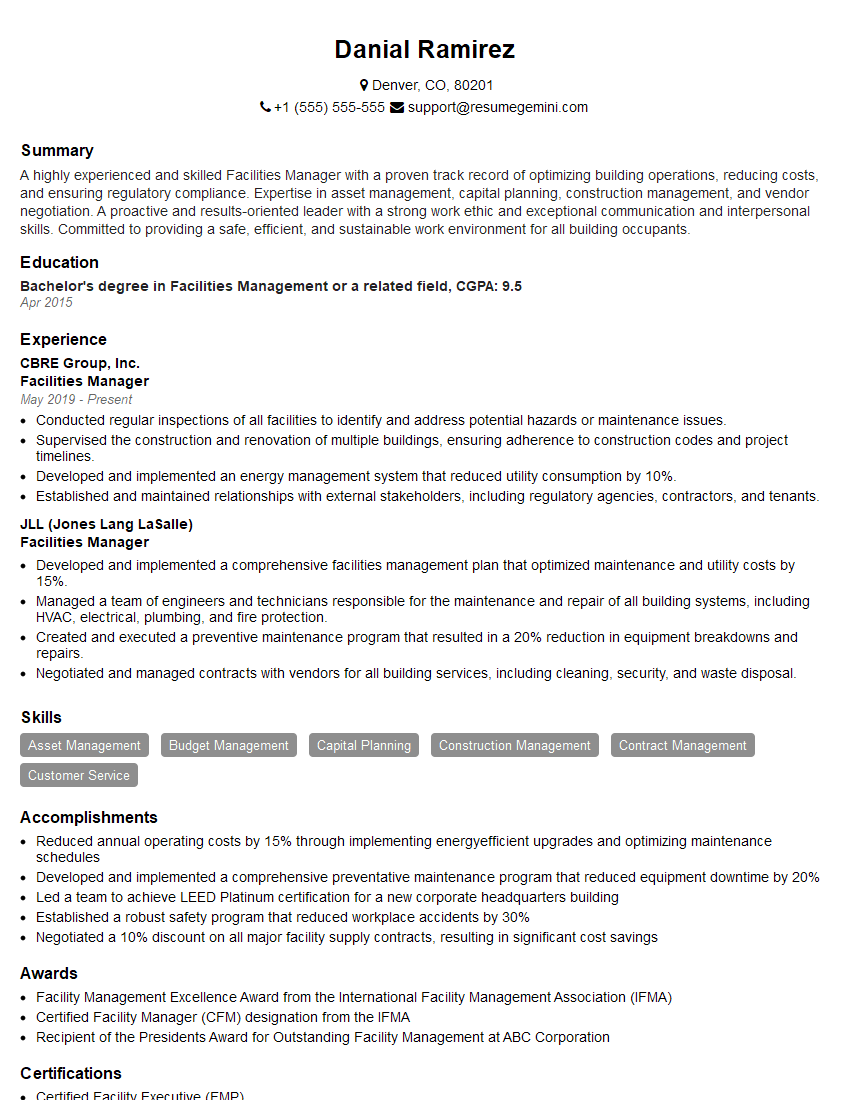
Facilities Manager Resume Sample
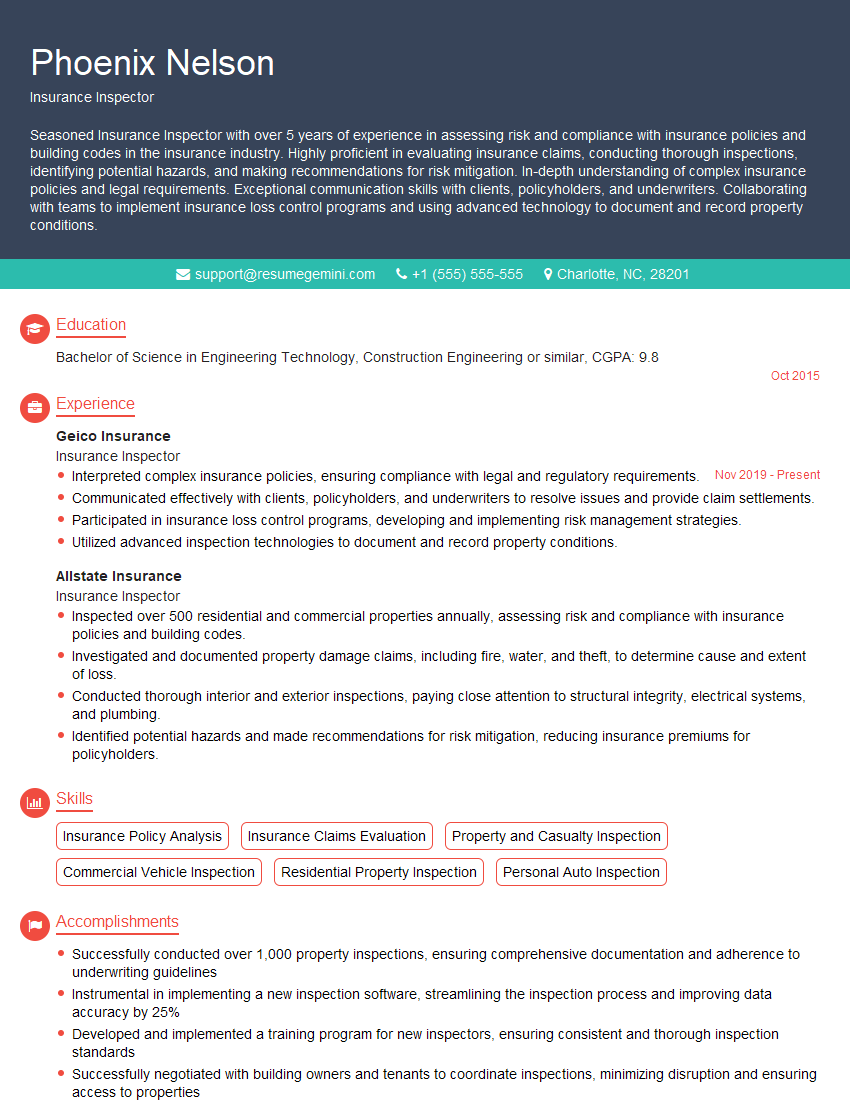
Insurance Inspector Resume Sample
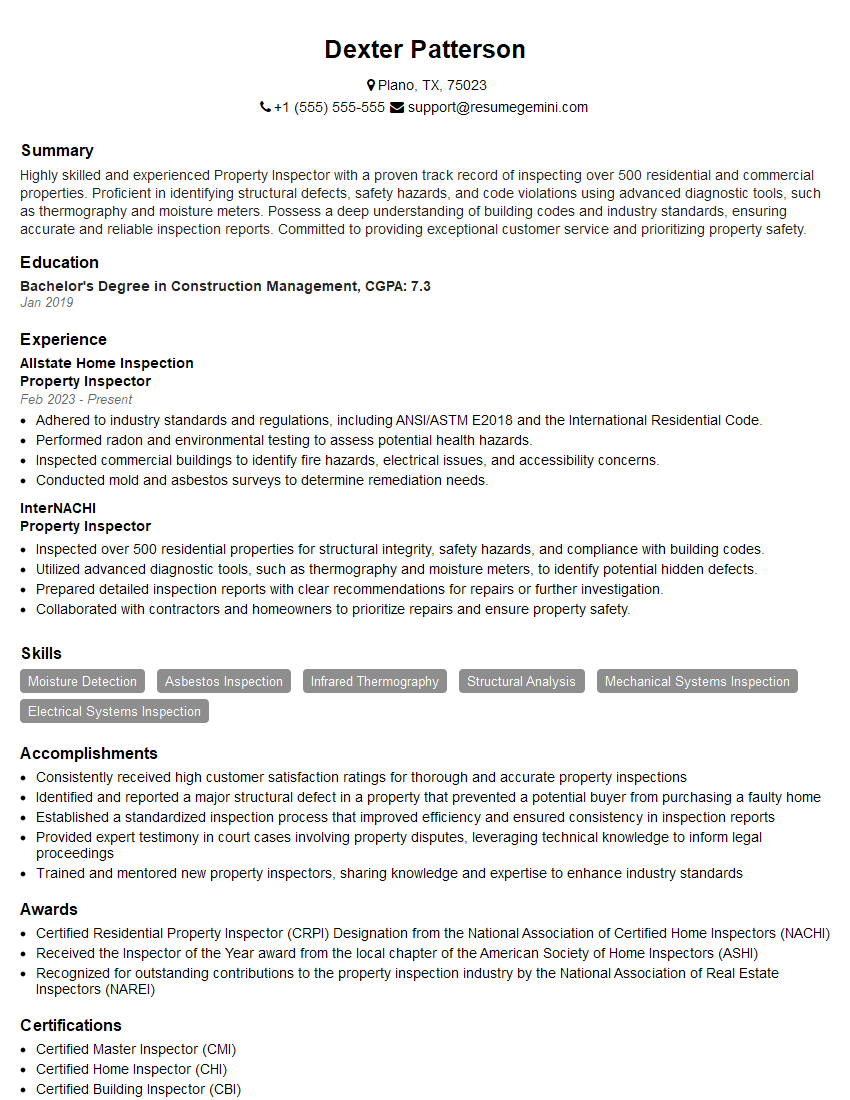
Property Inspector Resume Sample
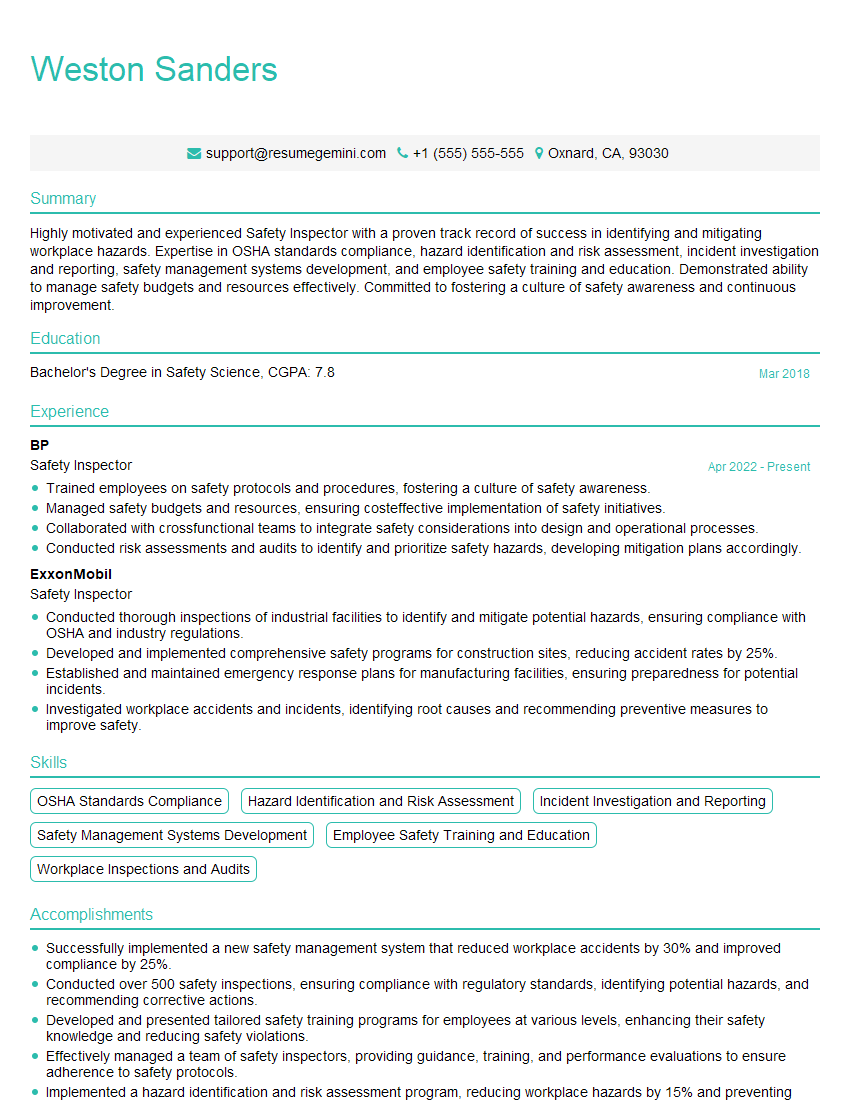
Safety Inspector Resume Sample
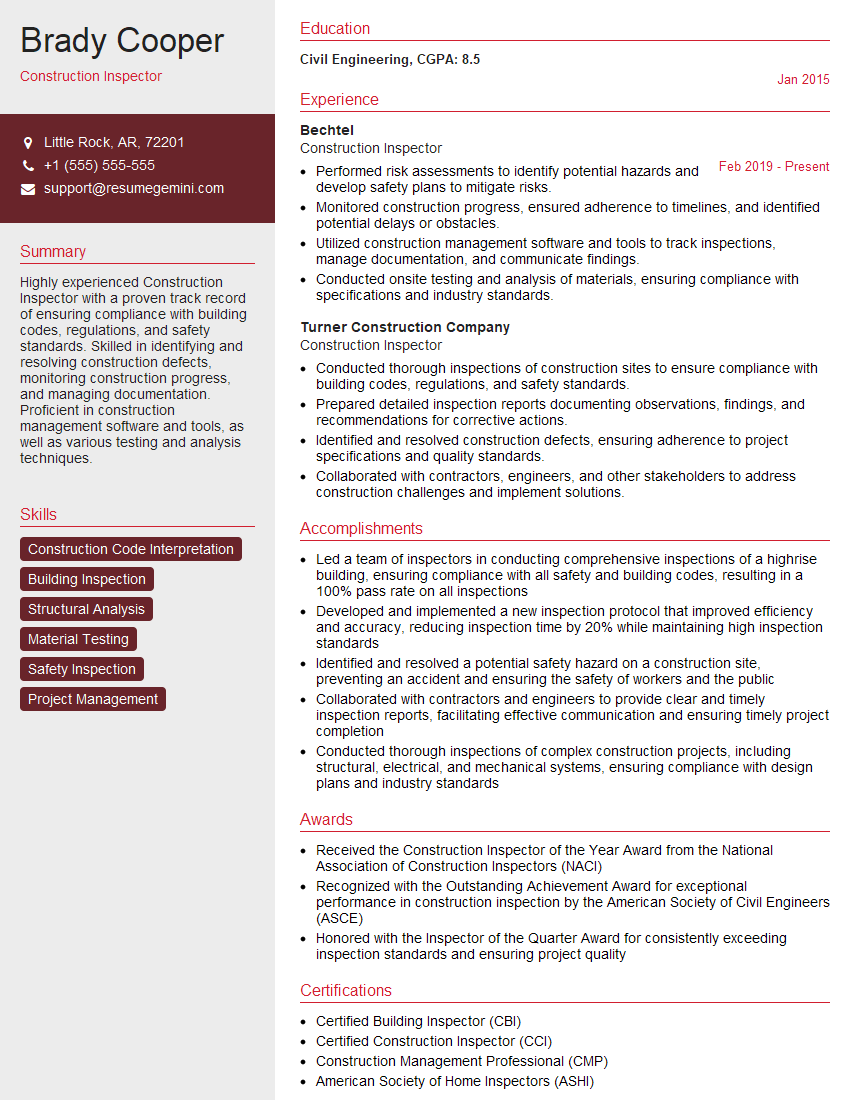
Construction Inspector Resume Sample
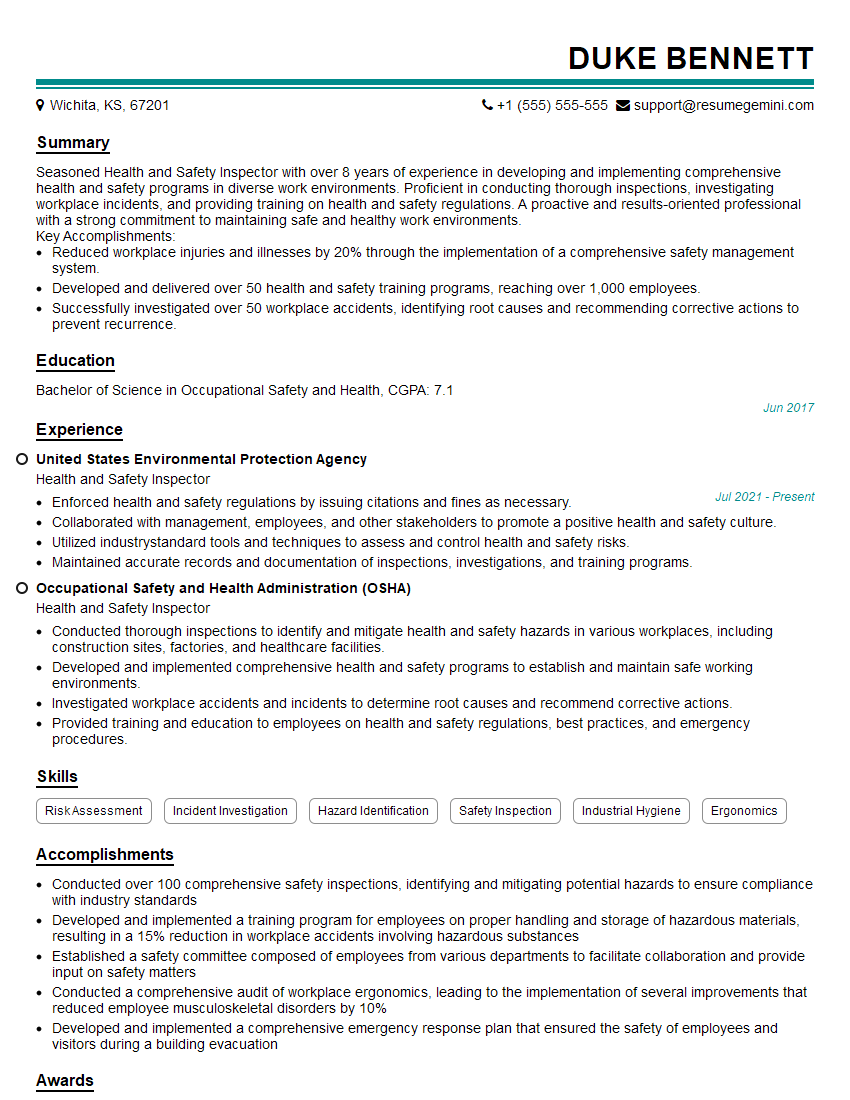
Health and Safety Inspector Resume Sample
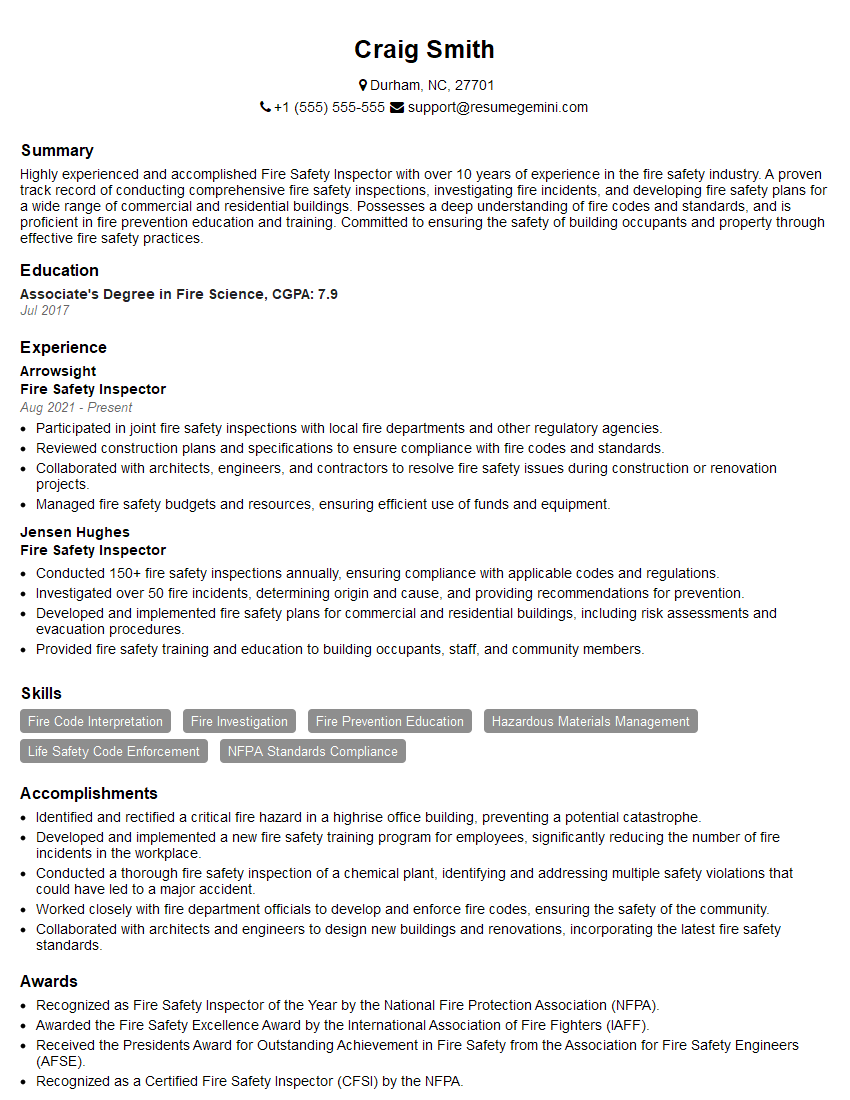
Fire Safety Inspector Resume Sample
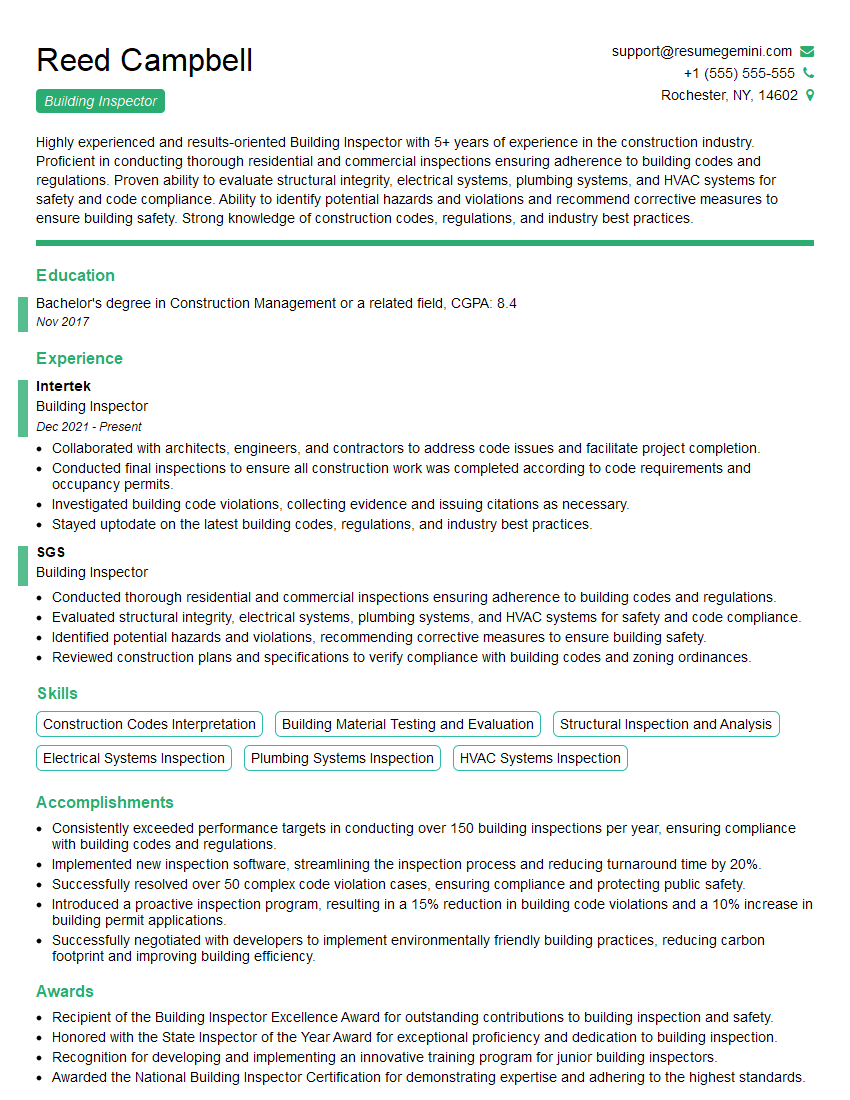
Building Inspector Resume Sample
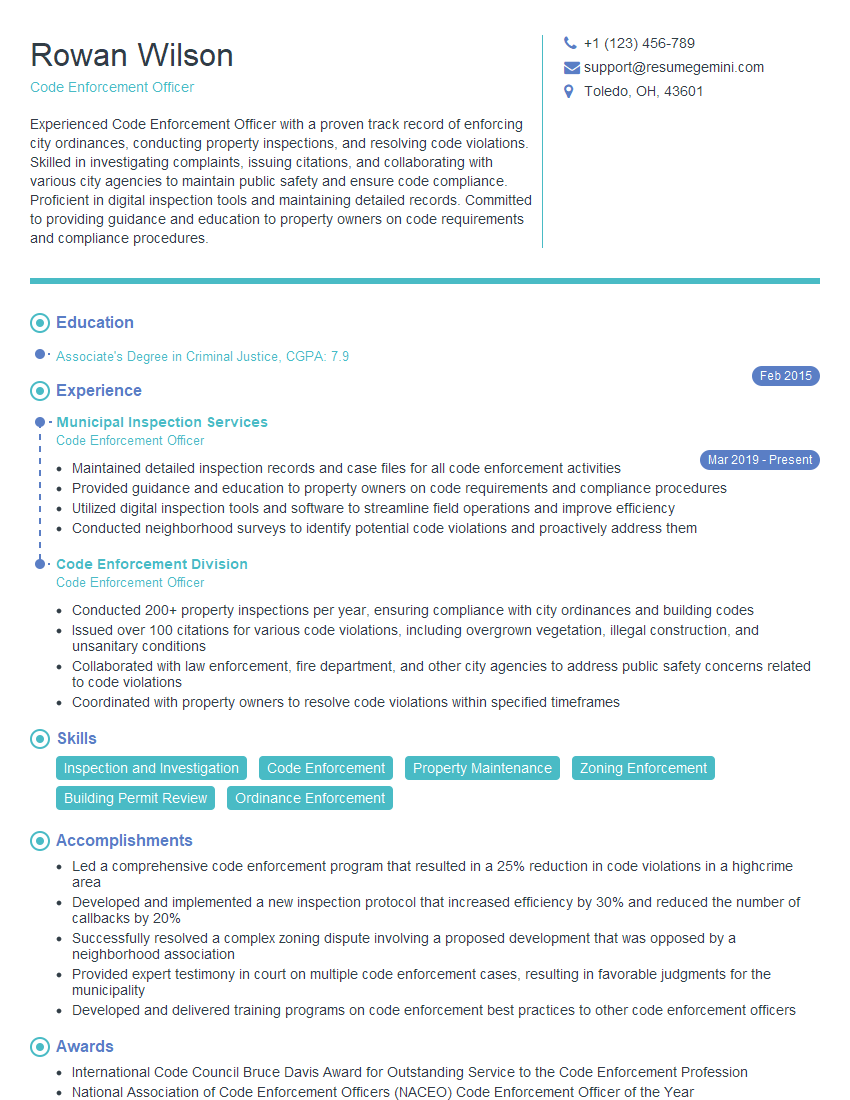
Code Enforcement Officer Resume Sample
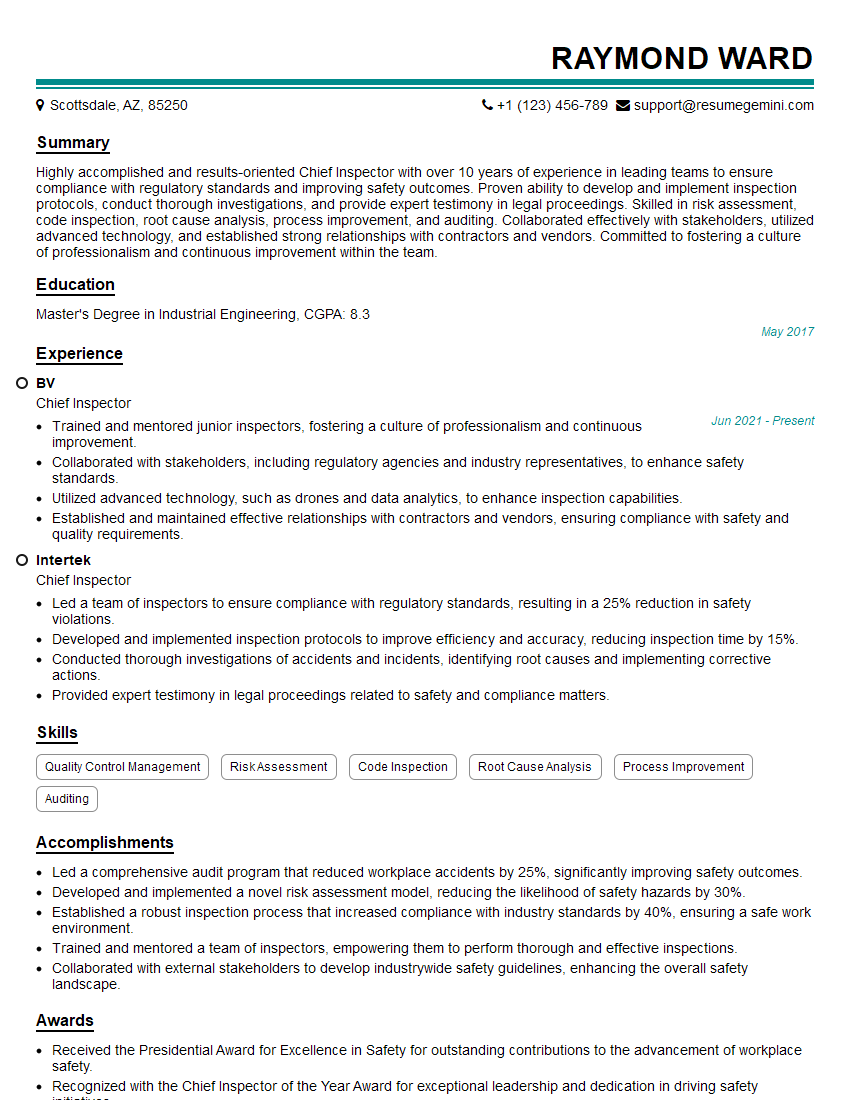
Chief Inspector Resume Sample
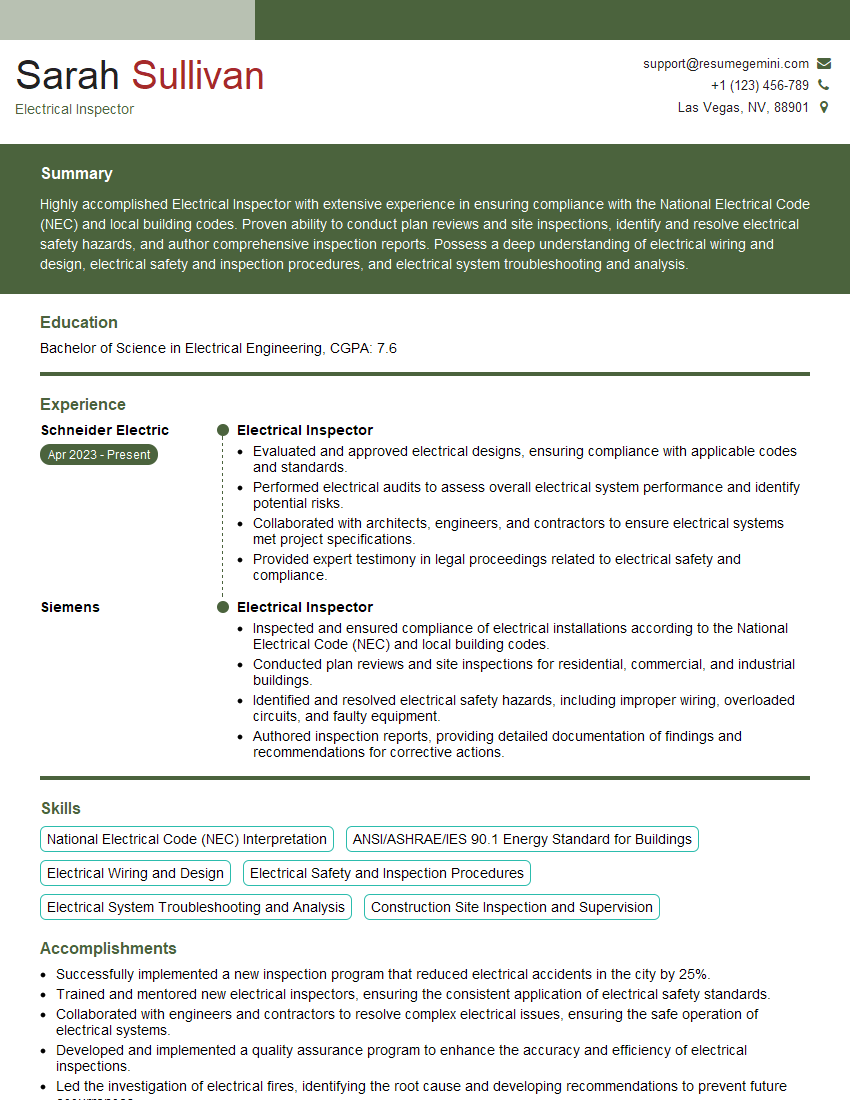
Electrical Inspector Resume Sample
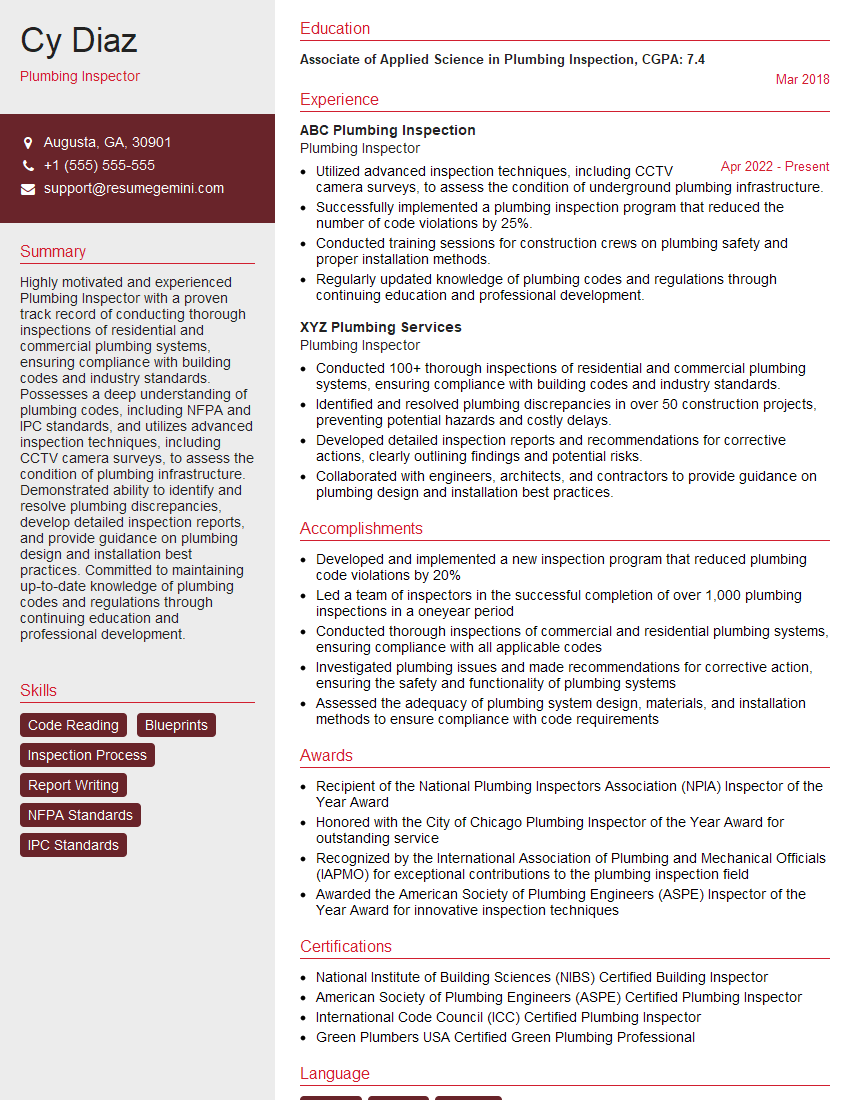
Plumbing Inspector Resume Sample
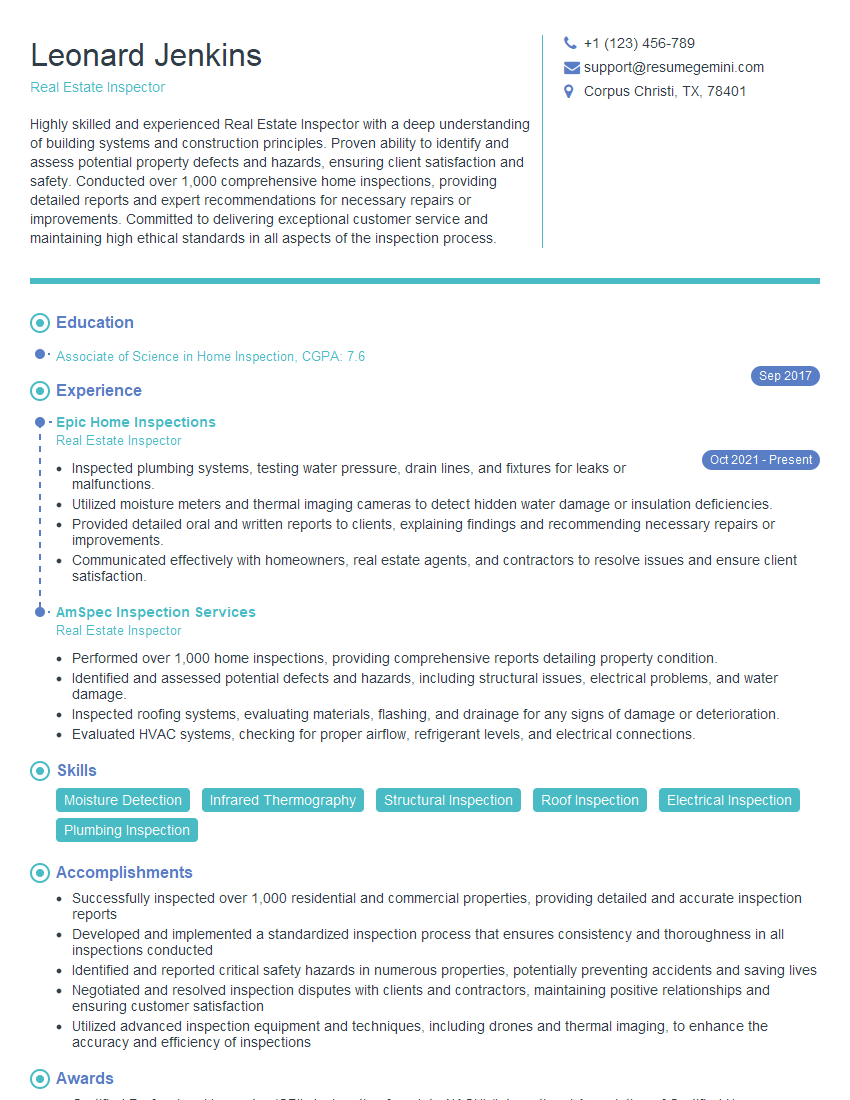
Real Estate Inspector Resume Sample
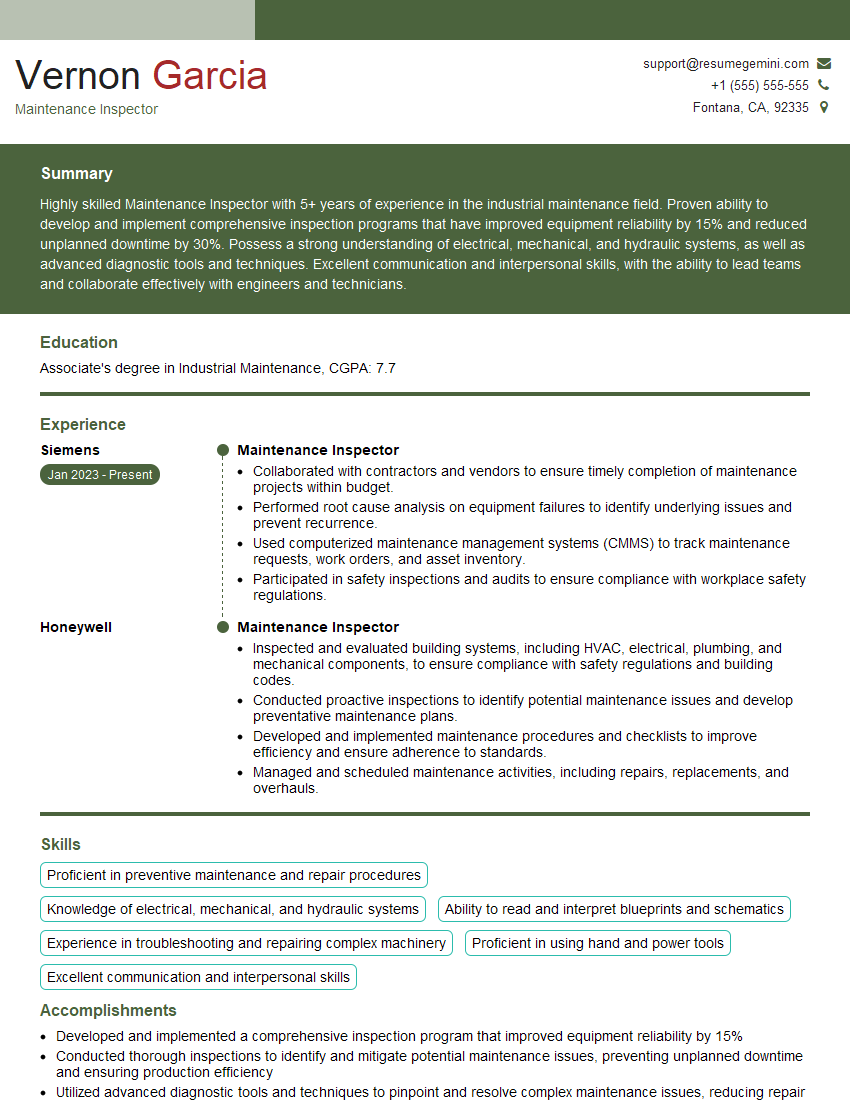
Maintenance Inspector Resume Sample
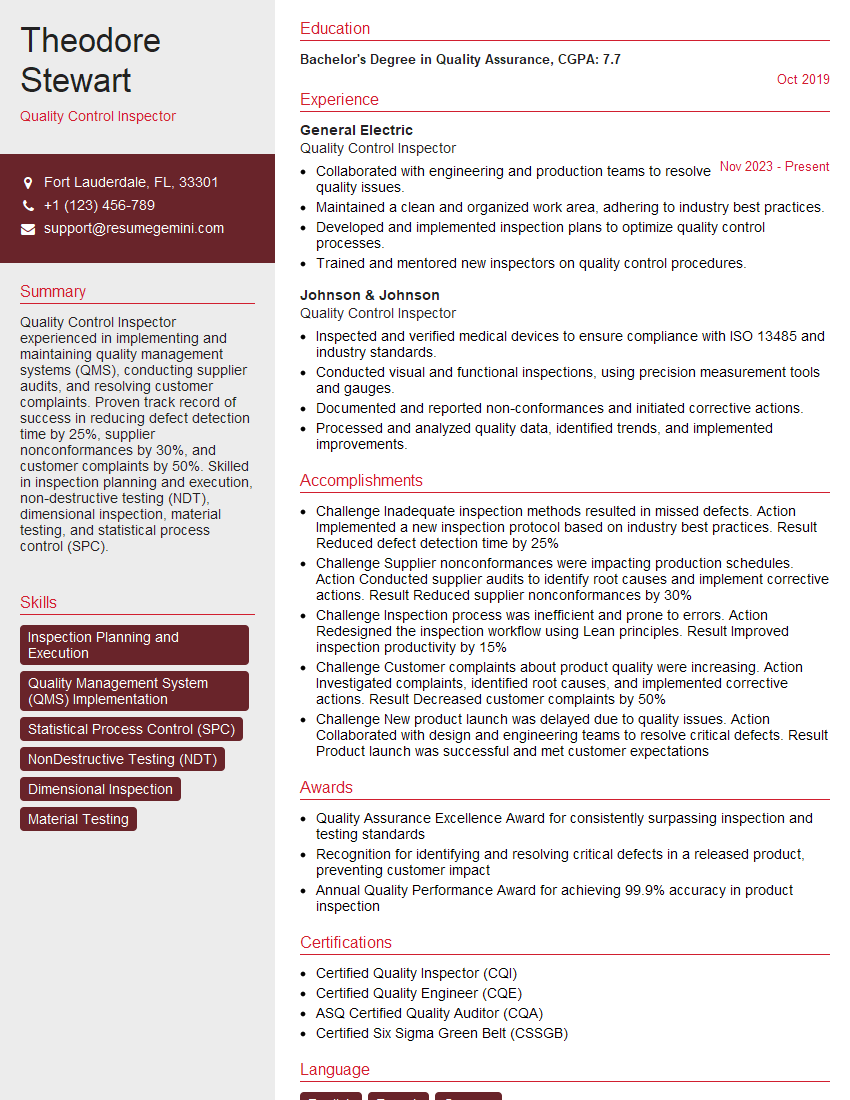
Quality Control Inspector Resume Sample
- Facilities Manager
- Insurance Inspector
- Property Inspector
- Safety Inspector
- Construction Inspector
- Health and Safety Inspector
- Fire Safety Inspector
- Building Inspector
- Code Enforcement Officer
- Chief Inspector
- Electrical Inspector
- Plumbing Inspector
- Real Estate Inspector
- Maintenance Inspector
- Quality Control Inspector
Explore more articles
Users Rating of Our Blogs
Share Your Experience
We value your feedback! Please rate our content and share your thoughts (optional).
What Readers Say About Our Blog
To the interviewgemini.com Webmaster.
Very helpful and content specific questions to help prepare me for my interview!
Thank you
To the interviewgemini.com Webmaster.
This was kind of a unique content I found around the specialized skills. Very helpful questions and good detailed answers.
Very Helpful blog, thank you Interviewgemini team.