Interviews are opportunities to demonstrate your expertise, and this guide is here to help you shine. Explore the essential Facility Orientation interview questions that employers frequently ask, paired with strategies for crafting responses that set you apart from the competition.
Questions Asked in Facility Orientation Interview
Q 1. Describe your experience developing and delivering facility orientation programs.
Developing and delivering effective facility orientation programs requires a multifaceted approach. It’s not just about showing new hires the restrooms; it’s about integrating them into the company culture and ensuring they feel safe and prepared to perform their roles. My experience involves designing programs that cover everything from company culture and values to safety protocols, emergency procedures, and departmental introductions. For example, at my previous role, I developed a modular orientation program. This allowed us to customize the experience for different roles and departments, ensuring that each new hire received only the necessary information. We moved away from a one-size-fits-all approach, resulting in a 20% increase in new hire satisfaction scores, as measured by post-orientation surveys.
This modular system involved creating several distinct training modules, each focusing on a specific aspect of the facility and job role. These modules could be combined and delivered in different orders, depending on the employee’s role. For instance, a warehouse worker might receive extensive safety training focused on forklift operation, while an office worker might focus more on IT systems and building security procedures.
Q 2. What methods do you employ to ensure new hires understand safety regulations?
Ensuring new hires understand safety regulations is paramount. My approach is multi-pronged and relies on a combination of methods to reinforce learning. We begin with interactive safety presentations that are visually engaging and easy to understand. These presentations incorporate real-life scenarios and examples relevant to the specific workplace. For example, in a manufacturing setting, we’d show videos of accidents caused by ignoring safety protocols. Following the presentations, we conduct hands-on training and drills. For example, if the facility uses specific machinery, new hires receive supervised hands-on practice and are tested on their understanding of safety mechanisms before operating the equipment independently. Finally, we use quizzes and simulations to assess understanding and ensure retention of crucial safety information.
We also incorporate regular safety talks and reminders, building safety into the daily routine. This helps to reinforce learned behaviors and maintain vigilance.
Q 3. How do you assess the effectiveness of your facility orientation programs?
Assessing the effectiveness of our facility orientation programs is an ongoing process. We use a variety of methods to ensure we’re meeting our objectives. Post-orientation surveys, where new hires provide anonymous feedback, are critical. These surveys assess their understanding of key aspects of the program, including safety procedures, company culture, and departmental structures. This gives us quantitative data on program effectiveness. We also use focus groups to gather more qualitative data – allowing us to delve deeper into their experiences and identify areas for improvement. In addition to these assessments, we track key metrics like the number of safety incidents among new hires in the initial months, the speed at which they become productive, and their overall job satisfaction. A decrease in safety incidents and an increase in employee productivity and satisfaction are direct indicators of a successful program.
Q 4. Explain your approach to creating engaging and informative orientation materials.
Creating engaging and informative orientation materials is vital for effective onboarding. My approach focuses on creating materials that are visually appealing, concise, and easy to understand. We avoid using dense blocks of text and instead use visuals like infographics, videos, and interactive elements to convey information. For instance, instead of a lengthy written description of the emergency evacuation procedures, we created a short animated video that clearly depicts the escape routes and assembly points. We also incorporate real-world examples and stories from existing employees to make the materials relatable and increase engagement. By using a variety of media and relatable examples, we cater to different learning styles, making the information accessible to everyone. Regular reviews and updates ensure materials remain relevant and up-to-date with changes in company policy and facility procedures.
Q 5. How do you handle questions and concerns from new hires during orientation?
Handling questions and concerns from new hires during orientation is a key part of the process. I create a welcoming environment where questions are encouraged. This is achieved through open communication channels and a non-judgemental atmosphere. We dedicate specific time slots during the orientation for Q&A sessions. If a question arises outside of this designated time, we encourage employees to approach us at any time without hesitation. For questions that require more in-depth answers or involve multiple departments, we ensure follow-up communication is promptly provided, either through individual emails or a follow-up meeting. We see this open communication as an opportunity to improve the program and ensure a smooth transition for new hires. Often, questions from one new hire highlight an area needing better clarity in the training materials for everyone.
Q 6. Describe your experience using technology to enhance facility orientation.
Technology plays a significant role in enhancing facility orientation. We utilize learning management systems (LMS) to deliver online modules, track progress, and facilitate assessments. This allows for self-paced learning and ensures consistency in the information delivered. We’ve also implemented interactive digital maps and virtual tours of the facility using 360-degree photography. This allows new hires to familiarize themselves with the building layout before their first day, improving their comfort and preparedness. Additionally, we use video conferencing to connect new hires with key personnel across different departments. This helps bridge geographical barriers and allows for more immediate and personalized interaction. The use of technology reduces reliance on printed materials, cuts down on travel time, and makes the entire process more efficient and engaging. Using a QR code system for accessing additional resources on mobile devices helps provide on-demand access to information during the orientation and beyond.
Q 7. What are some common challenges faced during new hire onboarding, and how have you addressed them?
Common challenges in new hire onboarding often include information overload, a lack of clarity, and feelings of isolation. To address information overload, we’ve adopted the modular approach mentioned previously, breaking down the orientation into manageable segments. This prevents new hires from feeling overwhelmed. To address clarity issues, we rely on clear, concise communication, using various media and frequently soliciting feedback. Addressing feelings of isolation involves fostering a sense of community through team-building activities and social introductions during orientation. We also assign mentors or buddies to new hires to provide support and guidance during their initial weeks. By proactively addressing these challenges, we ensure new hires feel supported, informed, and integrated into the company culture. Regularly reviewing feedback and adapting our approach based on that feedback ensures that we stay ahead of these common issues.
Q 8. How do you ensure compliance with all relevant safety and legal requirements during orientation?
Ensuring compliance with safety and legal requirements is paramount in facility orientation. This involves a multi-pronged approach beginning with a thorough understanding of all applicable regulations, including OSHA guidelines, local fire codes, and any industry-specific standards. I meticulously review these regulations and incorporate their key elements into the orientation program.
For example, if we’re orienting employees in a manufacturing facility, the orientation will cover specific machine safety protocols, emergency procedures (including the location of fire extinguishers and evacuation routes), and the correct use of Personal Protective Equipment (PPE). Each module is designed to be legally compliant, with documentation proving the employee has received and understood the training. This often includes signed acknowledgments and possibly even competency assessments.
Furthermore, we conduct regular audits to verify our compliance and ensure the orientation program remains updated with any changes in regulations. This proactive approach guarantees a safe and legal working environment for all employees.
Q 9. How do you measure the success of a facility orientation program?
Measuring the success of a facility orientation program goes beyond simply tracking attendance. We employ a comprehensive evaluation strategy using several key performance indicators (KPIs).
- Employee Knowledge Retention: Post-orientation quizzes and assessments measure how well employees have retained crucial information. This helps identify areas needing improvement in the training materials or delivery method.
- Safety Incident Reduction: A significant indicator of a successful program is a decrease in workplace accidents and near misses. This demonstrates the effectiveness of safety training within the orientation.
- Employee Feedback Surveys: Anonymous surveys capture employee perceptions of the orientation, including its clarity, relevance, and overall effectiveness. This qualitative data complements the quantitative metrics.
- Time-to-Productivity: We track how long it takes new employees to become fully productive. A shorter time frame suggests an efficient and effective orientation process.
- Employee Turnover Rate: While not solely dependent on orientation, a lower turnover rate can suggest that the program is effective in setting new employees up for success.
By analyzing these KPIs, we gain a holistic understanding of the program’s success and identify areas for continuous improvement.
Q 10. Describe your experience with different orientation delivery methods (e.g., online, in-person, blended).
I have extensive experience delivering facility orientation using various methods: in-person, online, and blended learning approaches. Each approach has its strengths and weaknesses.
- In-Person Orientation: This method fosters interaction and allows for immediate clarification of doubts. It’s highly effective for hands-on training and demonstrating physical procedures, like using specific equipment or navigating a large facility. However, it can be expensive and logistically challenging for large groups or geographically dispersed employees.
- Online Orientation: This offers flexibility and scalability. Employees can complete modules at their own pace and access information anytime, anywhere. It’s cost-effective and easily updated. However, it can lack the personal interaction and immediate feedback of in-person training and may not be suitable for all learning styles.
- Blended Learning: Combining online and in-person methods creates a balanced approach. Employees complete online modules at their convenience and participate in interactive in-person sessions for hands-on training or discussions. This approach leverages the strengths of both methods while mitigating their respective weaknesses. For example, we might use online modules for safety regulations and in-person sessions for facility tours and emergency drill participation.
My approach is to select the most effective delivery method based on the specific needs of the employees and the nature of the training content. Often a blended approach offers the best overall results.
Q 11. How do you adapt your orientation approach to accommodate diverse learning styles?
Accommodating diverse learning styles is crucial for effective orientation. I use a multi-modal approach that caters to visual, auditory, and kinesthetic learners.
- Visual Learners: I incorporate visual aids like diagrams, flowcharts, videos, and interactive simulations into the orientation materials.
- Auditory Learners: Audio narration, discussions, and presentations are used to convey information. Group activities and Q&A sessions also cater to this learning style.
- Kinesthetic Learners: Hands-on activities, demonstrations, facility tours, and interactive exercises are incorporated to provide practical experience.
For example, when explaining emergency procedures, we use visual maps, verbal instructions, and a practice evacuation drill to ensure all learning styles are addressed. We also offer various formats of learning materials – videos, written guides and interactive exercises – ensuring that the employee can use their preferred method to study the material.
Q 12. How do you track and manage employee completion of orientation modules?
We utilize a Learning Management System (LMS) to track and manage employee completion of orientation modules. The LMS provides a centralized platform for delivering training materials, monitoring progress, and generating reports. Each employee receives a unique login, and the system tracks their completion of each module, including dates and times.
Examples of LMS features we leverage include automated email reminders for incomplete modules, progress tracking dashboards for managers, and customizable certificates of completion. This ensures accountability and provides valuable data on training effectiveness. Should an employee leave the company, we can easily provide documentation of their training completion to ensure compliance and compliance with regulatory requirements.
Q 13. How do you incorporate feedback to improve your facility orientation program?
Incorporating feedback is essential for continuous improvement. We gather feedback through multiple channels:
- Post-Orientation Surveys: Anonymous surveys collect employees’ opinions on the clarity, relevance, and effectiveness of the program.
- Focus Groups: Small group discussions allow for more in-depth feedback and collaborative problem-solving.
- Managerial Feedback: Managers provide insights into how well new employees are performing, highlighting areas where the orientation could be strengthened.
- Observation of On-the-Job Performance: Direct observation identifies gaps between training and actual workplace practices.
The collected feedback is analyzed to identify areas needing improvement, such as outdated information, unclear instructions, or gaps in training. We then revise the orientation program accordingly, ensuring that it remains relevant, effective, and aligned with employee needs.
Q 14. What are your strategies for ensuring that employees retain information from the orientation?
Retention of information is crucial. We employ several strategies to maximize knowledge retention:
- Spaced Repetition: Key information is revisited at intervals throughout the orientation and even after completion, using follow-up quizzes or refresher training.
- Active Recall: The program incorporates quizzes, exercises, and discussions that require active retrieval of information, strengthening memory.
- Relevant and Engaging Content: Using real-world examples, relatable scenarios, and interactive activities helps maintain employee engagement and improves information retention.
- Reinforcement on the Job: Supervisors provide ongoing coaching and support, reinforcing the information learned during orientation and answering questions.
- Use of Multiple Learning Modalities: The varied approaches described earlier also aid retention by engaging different learning styles and pathways to memory.
By using a combination of these strategies, we ensure that employees retain crucial information long after the orientation is complete. This translates into a safer and more productive workforce.
Q 15. Describe your experience creating interactive elements for facility orientation.
Creating engaging interactive elements is crucial for effective facility orientation. Instead of relying solely on static documents, I incorporate various interactive tools to enhance understanding and retention.
- Interactive maps: I’ve developed online maps using tools like Google Maps Platform, allowing new hires to virtually explore the facility, locate key areas (e.g., restrooms, break rooms, emergency exits), and even trigger pop-up information points about specific departments or equipment.
- 360° Virtual Tours: These provide immersive experiences, letting new hires explore the building from their own computers or mobile devices before their first day. I use platforms like Matterport to create these tours.
- Gamified Quizzes and Assessments: These make learning fun and engaging while providing a quick way to assess comprehension. I often use tools like Kahoot! or custom-built quizzes within Learning Management Systems (LMS).
- Interactive Videos: These can incorporate clickable elements, branching scenarios, and quizzes to guide learners through key information.
For example, in a recent project for a large manufacturing plant, I developed an interactive map that highlighted safety protocols within specific zones. New hires could click on icons to access safety videos and quizzes specific to their assigned area, significantly improving safety awareness and compliance.
Career Expert Tips:
- Ace those interviews! Prepare effectively by reviewing the Top 50 Most Common Interview Questions on ResumeGemini.
- Navigate your job search with confidence! Explore a wide range of Career Tips on ResumeGemini. Learn about common challenges and recommendations to overcome them.
- Craft the perfect resume! Master the Art of Resume Writing with ResumeGemini’s guide. Showcase your unique qualifications and achievements effectively.
- Don’t miss out on holiday savings! Build your dream resume with ResumeGemini’s ATS optimized templates.
Q 16. How do you handle situations where a new hire has difficulty understanding a specific aspect of the orientation?
When a new hire struggles with a specific aspect of the orientation, my approach is to identify the root cause and provide tailored support. I start by asking open-ended questions to understand where the confusion lies. Is it a language barrier? A lack of prior experience with similar equipment or processes? Or perhaps the information was simply presented in a way that didn’t resonate with their learning style.
- Individualized Attention: I offer one-on-one sessions to address their specific questions and concerns. This allows me to provide personalized explanations and examples tailored to their understanding.
- Alternative Explanations: I use different teaching methods. If a written explanation isn’t working, I might try a visual aid, a demonstration, or a role-playing scenario.
- Visual Aids & Practical Demonstrations: Often, seeing a process firsthand is invaluable. I schedule hands-on demonstrations, guided tours with experienced staff, or even shadowing opportunities to enhance understanding.
- Mentorship Program: Pairing the new hire with an experienced employee can provide ongoing support and answer questions they might hesitate to ask me.
For instance, a new technician struggled to grasp the intricacies of a specific machine. Instead of simply reiterating the manual, I walked them through the process step-by-step, using physical models and allowing them to practice with guidance. This hands-on approach resulted in significantly improved understanding and comfort.
Q 17. How do you maintain accurate records and documentation related to facility orientation?
Maintaining accurate records is critical for compliance and evaluating the effectiveness of the orientation program. I use a combination of digital and physical methods to ensure comprehensive documentation.
- Learning Management System (LMS): An LMS (like Moodle or Canvas) tracks participant completion, scores on assessments, and timestamps for each module. This creates an audit trail, demonstrating that employees have received the required training.
- Attendance Records: I maintain detailed attendance records for all orientation sessions, including names, dates, and signatures. This confirms participation and identifies any gaps.
- Feedback Forms & Surveys: Post-orientation surveys collect feedback to continuously improve the program. This data is analyzed and used to inform modifications.
- Digital Documentation: All orientation materials—handouts, presentations, videos—are stored digitally, allowing for easy access, version control, and updates.
All records are stored securely, following company data privacy policies, and are regularly archived to ensure compliance and long-term accessibility.
Q 18. Describe a time you had to modify or adjust a facility orientation program based on feedback.
During the orientation for a new customer service team, initial feedback indicated the program was too lengthy and lacked practical application. Participants felt overwhelmed by the amount of information and struggled to connect the training to their daily tasks.
My response involved a three-pronged approach:
- Content Condensation: I reviewed the material, removing unnecessary information and focusing on the most essential aspects. This reduced the overall duration and improved the flow.
- Interactive Scenarios: Instead of solely relying on lectures, I incorporated interactive role-playing scenarios based on real-life customer service challenges. This gave participants the opportunity to apply what they learned.
- Modular Design: I redesigned the program into smaller, self-contained modules, allowing for flexible scheduling and a more manageable learning experience. This also facilitated targeted retraining if needed.
The revised program received overwhelmingly positive feedback. Participants felt more confident and prepared for their roles, demonstrating a significant increase in their knowledge retention and practical skills.
Q 19. What are some common mistakes to avoid in facility orientation?
Several common mistakes can hinder the effectiveness of facility orientation. Avoiding these pitfalls ensures a smooth onboarding experience.
- Information Overload: Presenting too much information at once can lead to confusion and poor retention. Break information into manageable chunks.
- Lack of Engagement: Passive learning methods (e.g., lengthy lectures) are less effective than interactive activities. Integrate engaging elements.
- Ignoring Feedback: Ignoring participant feedback prevents improvements and can perpetuate issues. Actively solicit and implement feedback.
- Inconsistent Messaging: Conflicting information from different sources creates confusion. Ensure all materials and personnel deliver consistent messages.
- Poor Organization: A poorly structured orientation leaves participants feeling lost and disoriented. Plan a logical and clear structure.
For example, failing to provide clear instructions on emergency procedures can have serious safety consequences. Similarly, omitting information about essential resources like IT support can leave new hires feeling unsupported and frustrated. A well-planned orientation avoids these problems.
Q 20. How do you ensure that all relevant stakeholders are involved in the facility orientation process?
Ensuring stakeholder involvement is key to a successful facility orientation. Stakeholders include new hires, HR, department managers, safety officers, and IT support.
- Needs Assessment: Begin by gathering input from all key stakeholders to determine the essential information and skills new hires need. This ensures the program addresses specific organizational needs.
- Collaborative Development: Involve representatives from different departments in the design and development of the program. This fosters buy-in and ensures the content is relevant and accurate.
- Regular Communication: Keep stakeholders updated on the progress of the program, seeking their input and feedback throughout the process.
- Feedback Mechanisms: Establish channels for ongoing communication and feedback after the orientation is launched. This enables continuous improvement and ensures the program remains relevant and effective.
For instance, involving the IT department in the orientation process ensures that new hires receive clear and accurate information about accessing company networks, software, and other essential resources.
Q 21. What software or tools are you proficient in using to manage facility orientation programs?
My proficiency in various software and tools allows me to manage facility orientation programs effectively.
- Learning Management Systems (LMS): Moodle, Canvas, and Blackboard for course creation, delivery, and tracking.
- Presentation Software: PowerPoint, Google Slides, and Prezi for creating engaging presentations.
- Video Editing Software: Adobe Premiere Pro and Final Cut Pro for creating instructional videos.
- Interactive Map Software: Google Maps Platform and ArcGIS for creating interactive maps.
- 360° Virtual Tour Software: Matterport and similar platforms for creating immersive virtual tours.
- Survey Tools: SurveyMonkey, Google Forms, and Qualtrics for collecting feedback and assessing effectiveness.
I am also proficient in using project management software like Asana and Trello to organize tasks, manage deadlines, and collaborate effectively with stakeholders.
Q 22. How familiar are you with emergency procedures and how would you incorporate them into orientation?
Emergency procedures are paramount in any facility orientation. My approach integrates them seamlessly, not as an afterthought, but as a crucial element of ensuring employee safety and preparedness. I wouldn’t just present a list of procedures; instead, I’d create a multi-faceted approach:
- Interactive Scenarios: We’d use real-life scenarios, perhaps a simulated fire drill or active shooter situation, to illustrate procedures and engage participants actively. This makes learning memorable and impactful.
- Map-Based Navigation: I’d incorporate interactive facility maps highlighting emergency exits, assembly points, and equipment locations. This helps people visualize escape routes and locate essential resources quickly.
- Hands-On Training: Participants would have opportunities to practice using fire extinguishers or learn basic first aid, solidifying their understanding and building confidence.
- Regular Drills and Refresher Training: Orientation isn’t a one-time event. Regular drills and refresher training would ensure procedures remain top-of-mind.
For instance, during an orientation for a hospital, we might incorporate a simulated code blue scenario, allowing trainees to learn how to react appropriately and efficiently. For a manufacturing facility, we’d emphasize the procedures for dealing with chemical spills or equipment malfunctions. The key is tailoring the training to the specific risks and hazards present in the facility.
Q 23. How do you address cultural differences and language barriers during orientation?
Addressing cultural differences and language barriers requires a thoughtful and proactive approach. Simply providing translated materials isn’t enough; it’s about creating an inclusive environment where everyone feels comfortable and understands the information.
- Multilingual Materials: Orientation materials should be available in all relevant languages, ensuring clear and accurate communication.
- Interpreters: For complex information or hands-on training, professional interpreters are essential to avoid misunderstandings.
- Culturally Sensitive Content: The orientation program should avoid language or imagery that could be offensive or insensitive to any cultural group. This includes respecting diverse communication styles and learning preferences.
- Visual Aids: Using visual aids, such as diagrams, videos, and demonstrations, can greatly improve understanding, especially when language barriers exist.
- Feedback Mechanisms: Providing opportunities for feedback in a comfortable and accessible manner is crucial. This could include anonymous surveys or one-on-one meetings with translators present.
For example, I once worked with a diverse team where we used visual maps to explain emergency exits, supplementing the verbal instructions with translated written directions. We also provided breakout sessions with interpreters for detailed Q&A sessions, ensuring all employees felt heard and understood.
Q 24. How do you ensure that the facility orientation is consistent with the organization’s overall values and culture?
Aligning facility orientation with the organization’s values and culture is critical for establishing a strong sense of belonging and promoting a positive work environment. I achieve this by:
- Integrating Values into Content: The organization’s mission statement, vision, and core values should be woven into the orientation program. This establishes a clear connection between the company’s goals and the employee’s role.
- Storytelling and Examples: Using real-life stories of employees who embody the company’s values makes the concepts relatable and memorable. This can be through videos, testimonials, or case studies.
- Interactive Activities: Engaging activities, such as group discussions or simulations, can encourage reflection on the company’s values and how they apply to daily work.
- Consistent Branding and Messaging: The visual design, language, and tone of the orientation materials should be consistent with the company’s overall branding, reinforcing a cohesive and professional image.
For instance, if the company values teamwork, the orientation might include collaborative activities. If innovation is a key value, examples of past innovations and how employees contributed would be shared. The goal is to build a consistent narrative that connects new hires to the company’s identity.
Q 25. Describe your experience with evaluating the return on investment (ROI) of facility orientation programs.
Evaluating the ROI of facility orientation programs is crucial for demonstrating their effectiveness and securing continued investment. My approach involves a multi-faceted evaluation strategy:
- Pre- and Post-Orientation Assessments: Measuring employee knowledge and understanding of safety procedures, policies, and company culture before and after the orientation helps quantify the program’s impact.
- On-the-Job Performance Metrics: Tracking key performance indicators (KPIs) like safety incidents, errors, and productivity levels helps determine whether the orientation led to improvements in these areas.
- Employee Surveys and Feedback: Collecting feedback from new hires through surveys or focus groups provides valuable insights into their experience and identifies areas for improvement.
- Cost-Benefit Analysis: Calculating the cost of the orientation program and comparing it to potential savings (reduced accidents, improved efficiency, etc.) provides a clear picture of the financial return.
For example, by demonstrating a reduction in safety incidents after implementing a new orientation program, we can quantify the savings on medical costs, insurance premiums, and lost productivity. This makes a strong case for investing in and improving the program further.
Q 26. How do you ensure that the orientation program remains up-to-date with changes in regulations and company policies?
Keeping the orientation program current is essential. I use several strategies to ensure that the program reflects the latest regulations and company policies:
- Regular Updates: The program should be reviewed and updated at least annually or whenever significant changes occur in regulations, policies, or the facility itself.
- Centralized Repository: All orientation materials should be stored in a centralized, easily accessible location, making updates efficient and consistent.
- Version Control: Tracking changes and maintaining different versions allows for easy comparison and rollback if necessary.
- Designated Point Person: Assigning someone responsibility for updating the program ensures that this crucial task is not overlooked.
- Automated Notifications: Utilizing a system for automated updates or notifications ensures all users are informed of any changes.
For example, if a new safety regulation is implemented, the relevant section of the orientation will be updated immediately and all future participants will receive the revised materials. This ensures everyone is working with the most current and accurate information.
Q 27. What are your strategies for engaging new hires and making the orientation experience positive and memorable?
Engaging new hires and creating a positive and memorable orientation experience is crucial for successful onboarding. My strategies include:
- Interactive Learning: Using a variety of interactive methods such as games, quizzes, and group discussions, instead of just lectures, keeps people engaged and promotes active learning.
- Mentorship Programs: Pairing new hires with experienced employees helps them integrate into the team and provides support during their initial period.
- Social Events: Informal events, such as welcome lunches or team-building activities, help new hires build relationships with colleagues and feel a sense of community.
- Positive Feedback and Recognition: Acknowledging and celebrating accomplishments during the orientation process boosts morale and fosters a welcoming atmosphere.
- Clear Expectations and Support: Providing new hires with a clear understanding of their roles, responsibilities, and access to support systems ensures a smooth transition.
I once organized a scavenger hunt for new hires that incorporated learning about the facility and meeting key personnel. This approach made the orientation fun, memorable, and effective. The positive feedback received highlighted the importance of engaging learning experiences in facility orientation.
Key Topics to Learn for Facility Orientation Interview
- Understanding Facility Layout and Design: Comprehending blueprints, floor plans, and spatial relationships within the facility. Practical application includes efficiently navigating the facility and identifying potential safety hazards.
- Safety Procedures and Emergency Protocols: Mastering emergency evacuation plans, fire safety regulations, and reporting procedures. Practical application involves effectively responding to emergencies and ensuring the safety of others.
- Security Measures and Access Control: Understanding keycard systems, security cameras, and visitor management protocols. Practical application includes maintaining a secure environment and following appropriate procedures.
- Technology Integration within Facilities: Familiarity with building management systems (BMS), security systems, and other relevant technologies. Practical application includes troubleshooting minor technical issues and utilizing technology to enhance facility efficiency.
- Environmental Sustainability and Compliance: Understanding environmental regulations and best practices for energy conservation and waste management within the facility. Practical application includes implementing environmentally friendly practices and minimizing the facility’s environmental impact.
- Effective Communication and Teamwork: Demonstrating the ability to clearly communicate information and collaborate effectively with colleagues and stakeholders. This includes actively listening and providing constructive feedback. Practical application is essential for seamless daily operations and effective problem-solving.
- Problem-Solving and Troubleshooting: Developing strategies for identifying, analyzing, and resolving issues that may arise within the facility. Practical application may involve quickly addressing equipment malfunctions or addressing concerns from occupants.
Next Steps
Mastering Facility Orientation is crucial for career advancement in this field, opening doors to diverse opportunities and showcasing your commitment to safety, efficiency, and effective operations. To significantly boost your job prospects, it’s essential to create a resume that is not only comprehensive but also ATS-friendly – ensuring it gets noticed by recruiters. We highly recommend using ResumeGemini, a trusted resource for building professional resumes that stand out. ResumeGemini provides examples of resumes tailored to Facility Orientation, further enhancing your preparation and increasing your chances of securing your desired role.
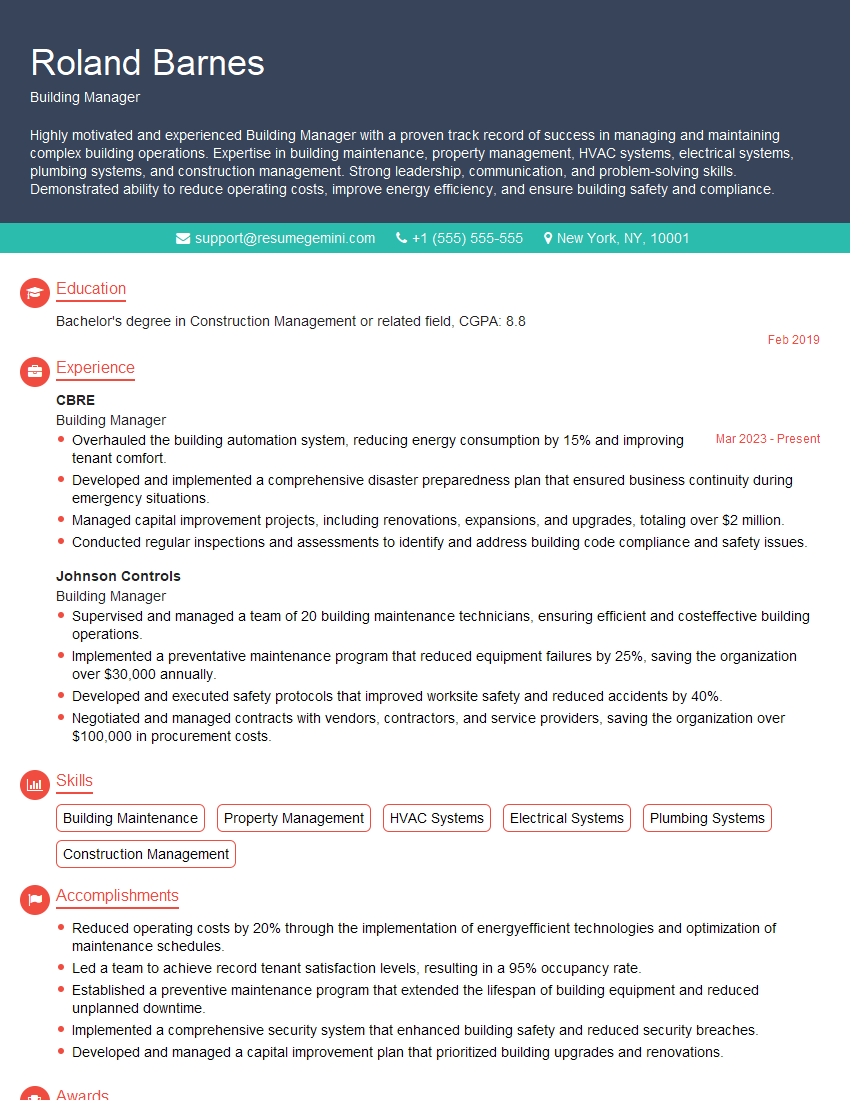
Building Manager Resume Sample
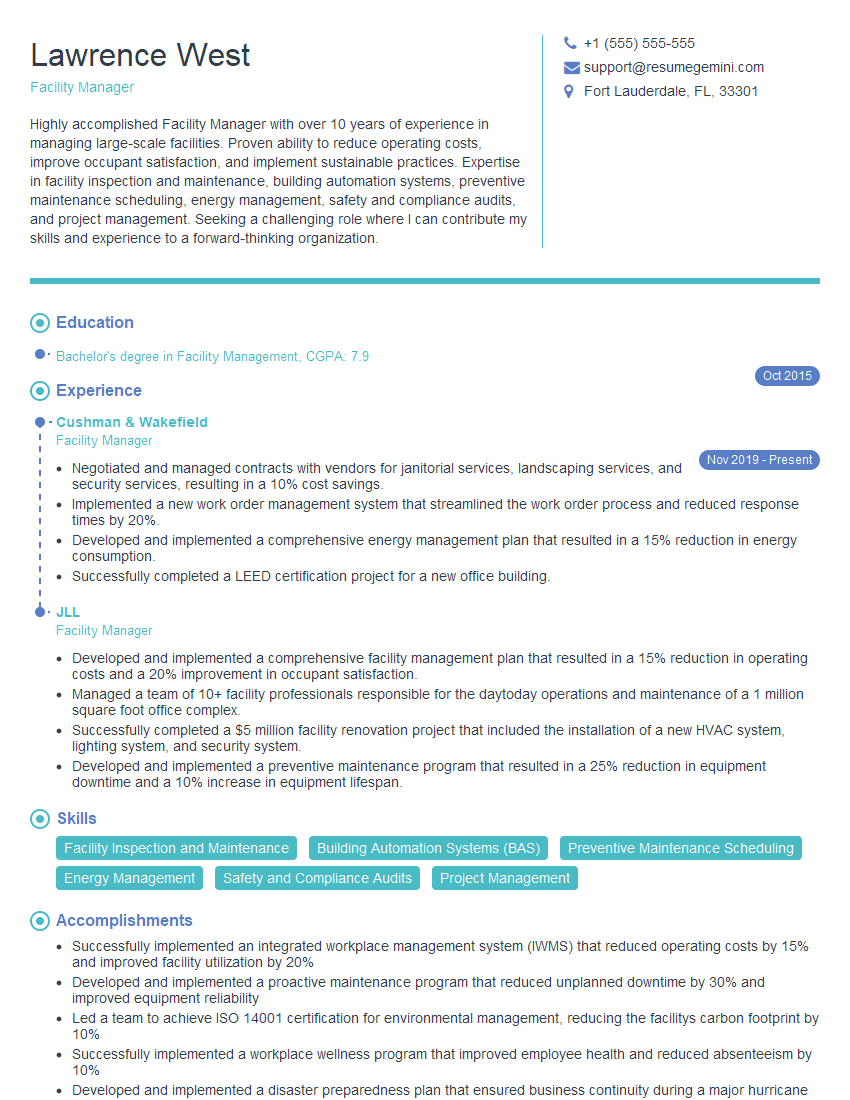
Facility Manager Resume Sample

Operations Manager Resume Sample
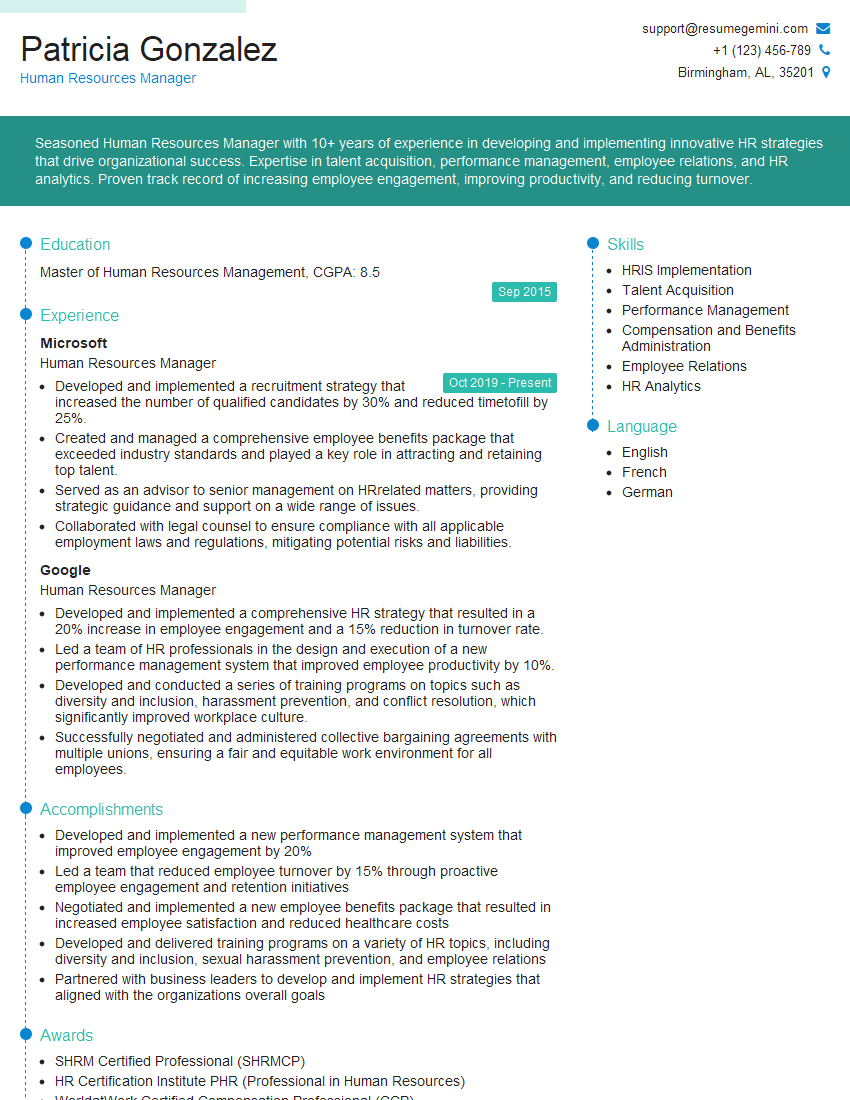
Human Resources Manager Resume Sample
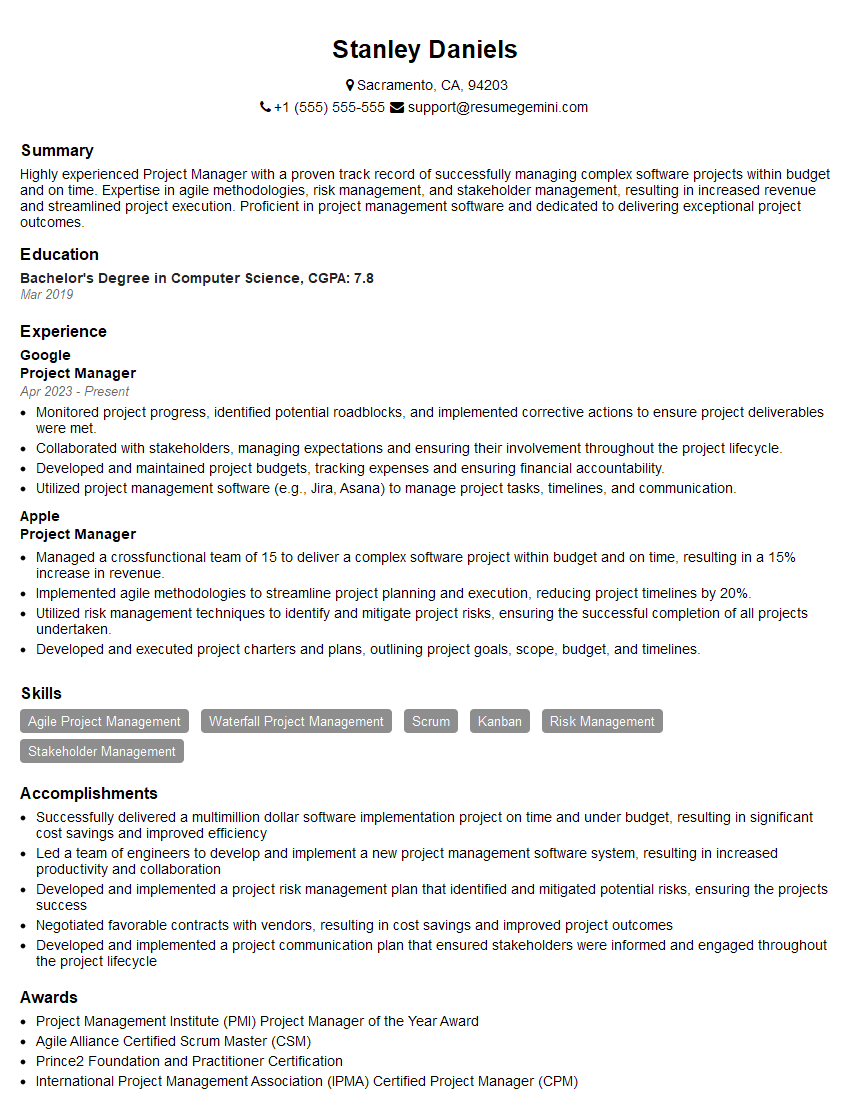
Project Manager Resume Sample
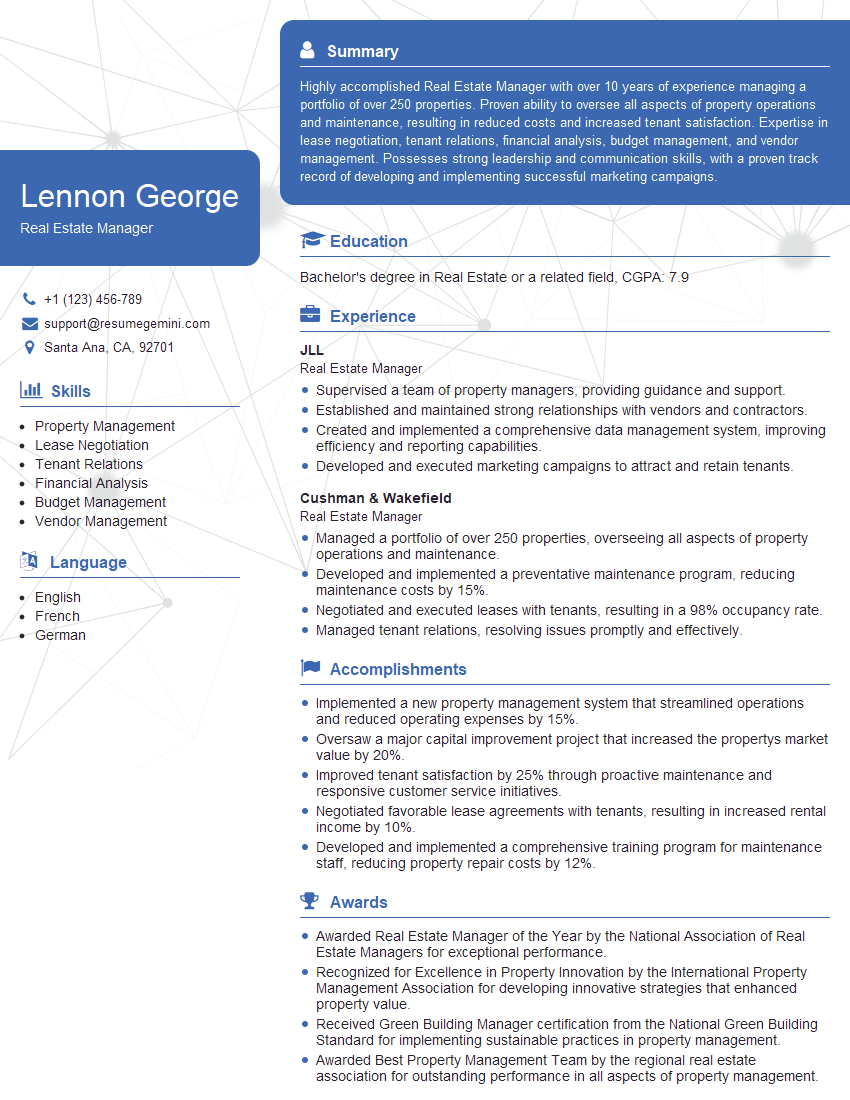
Real Estate Manager Resume Sample
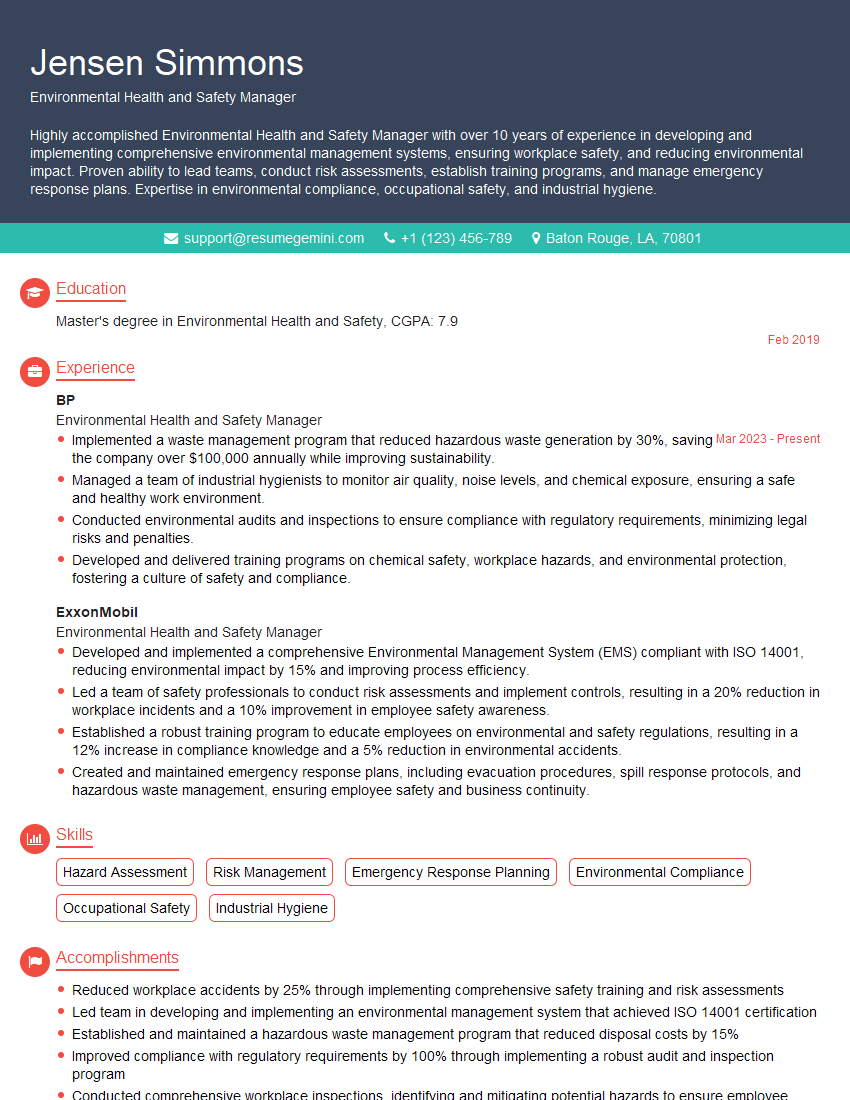
Environmental Health and Safety Manager Resume Sample
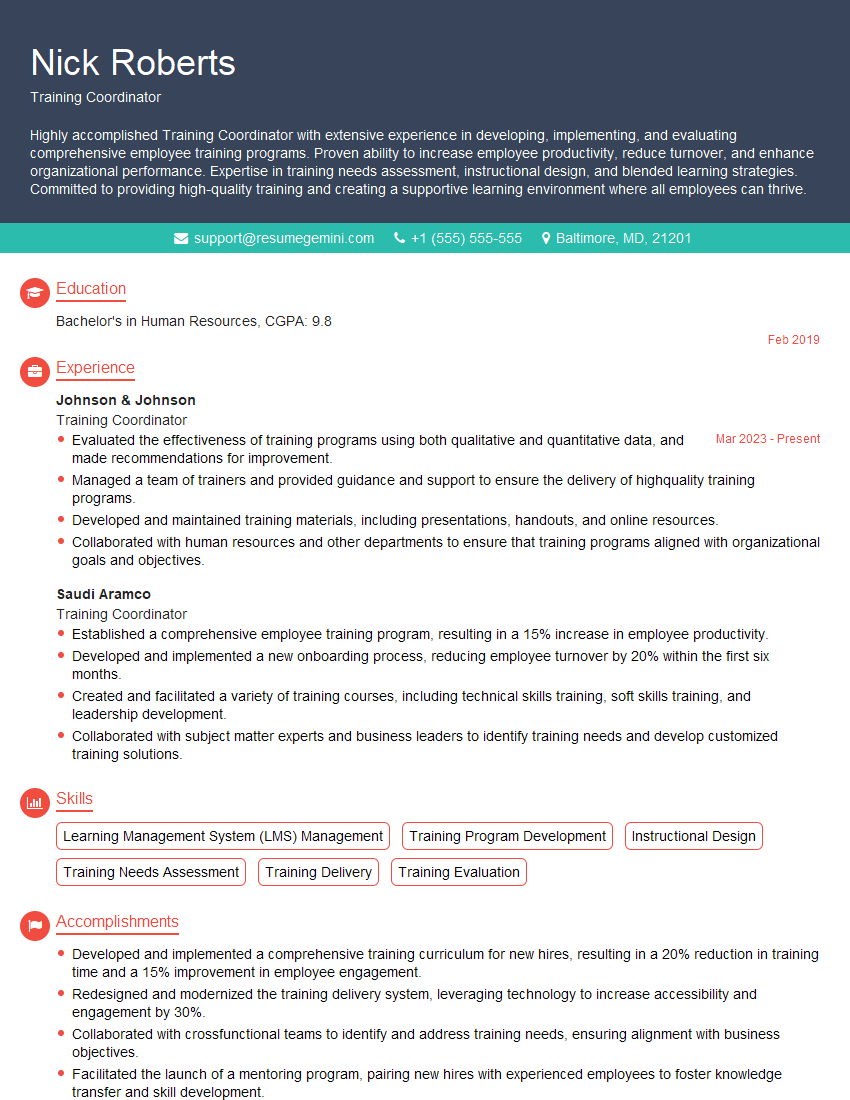
Training Coordinator Resume Sample
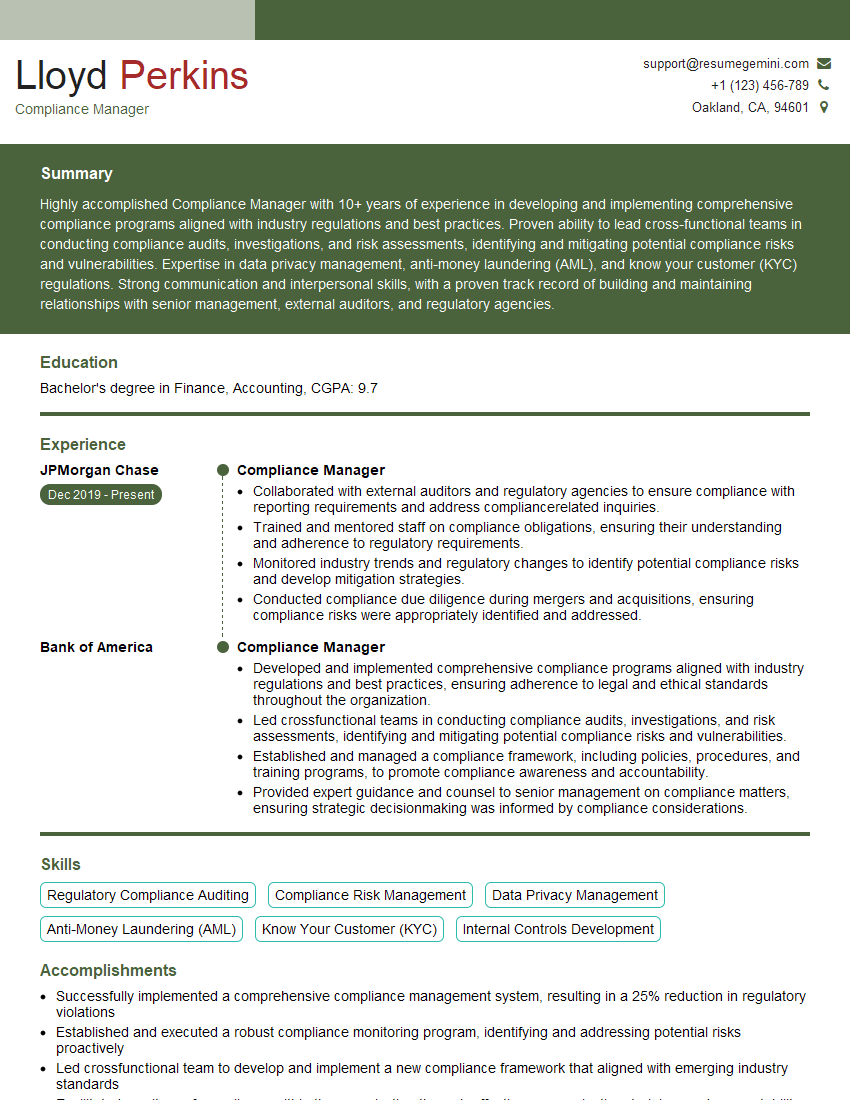
Compliance Manager Resume Sample

Compliance Officer Resume Sample
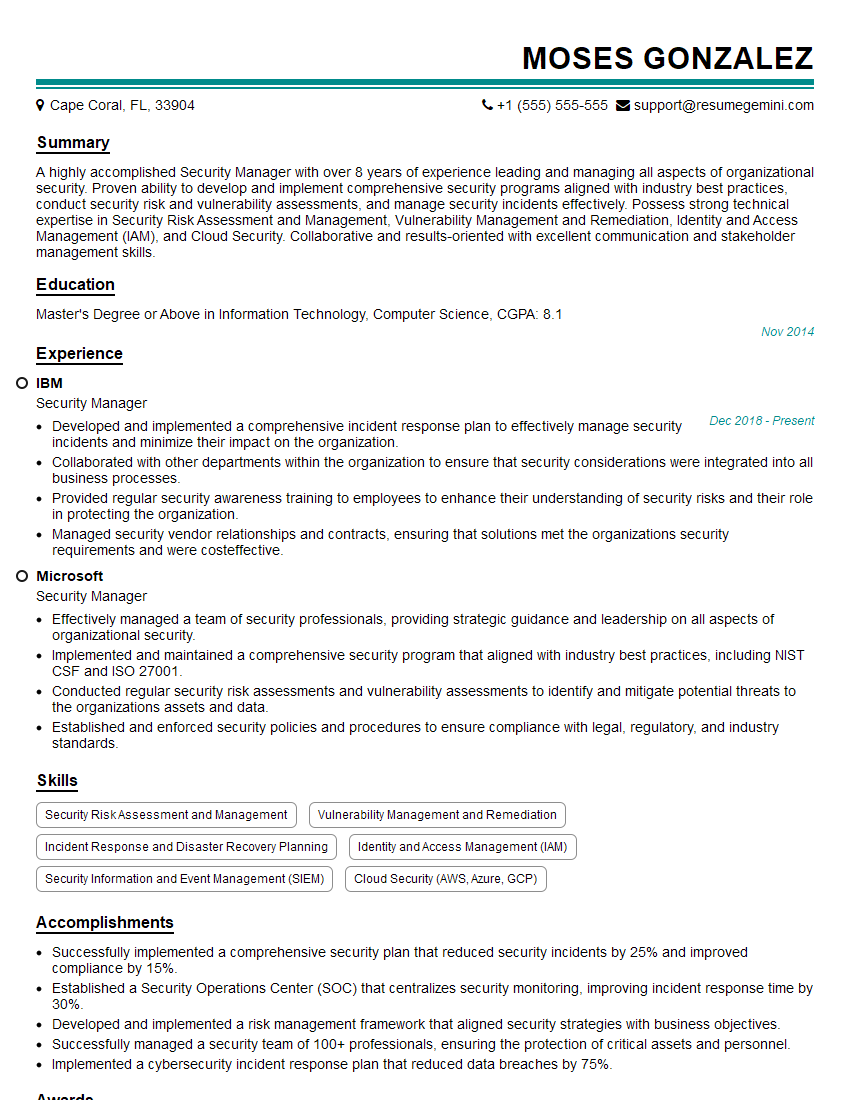
Security Manager Resume Sample
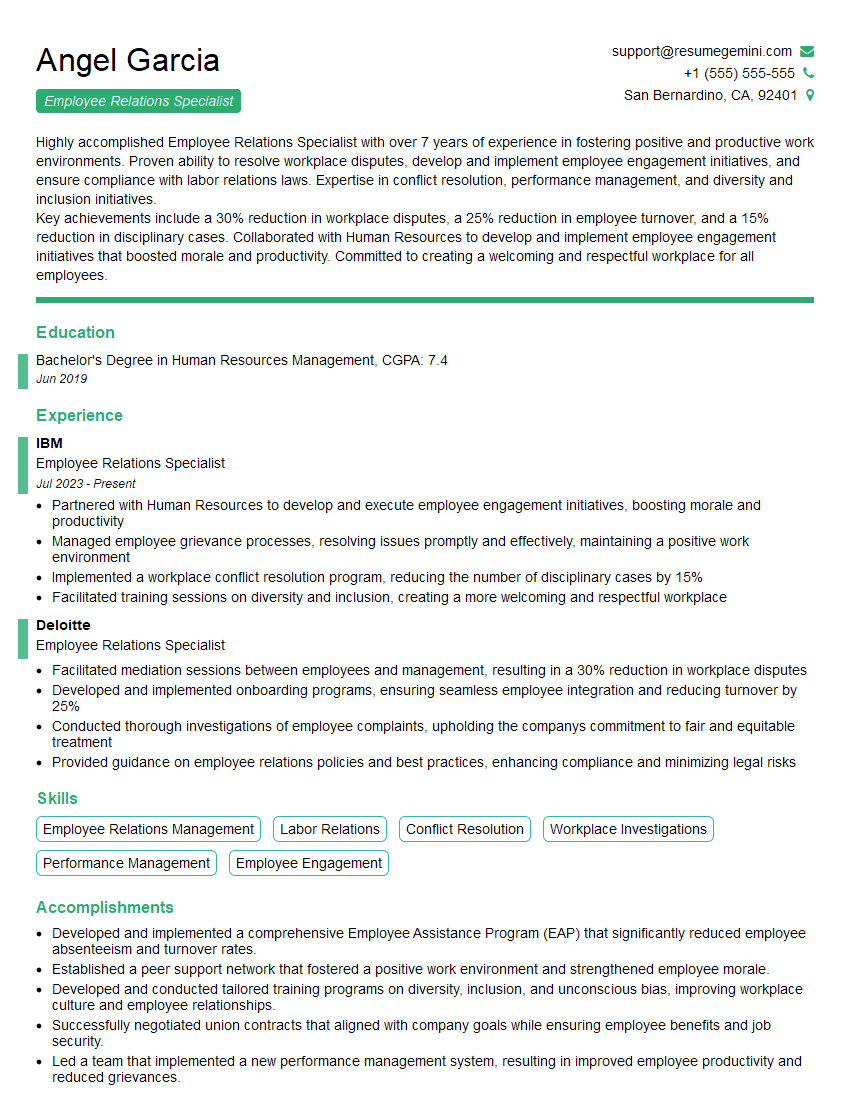
Employee Relations Specialist Resume Sample
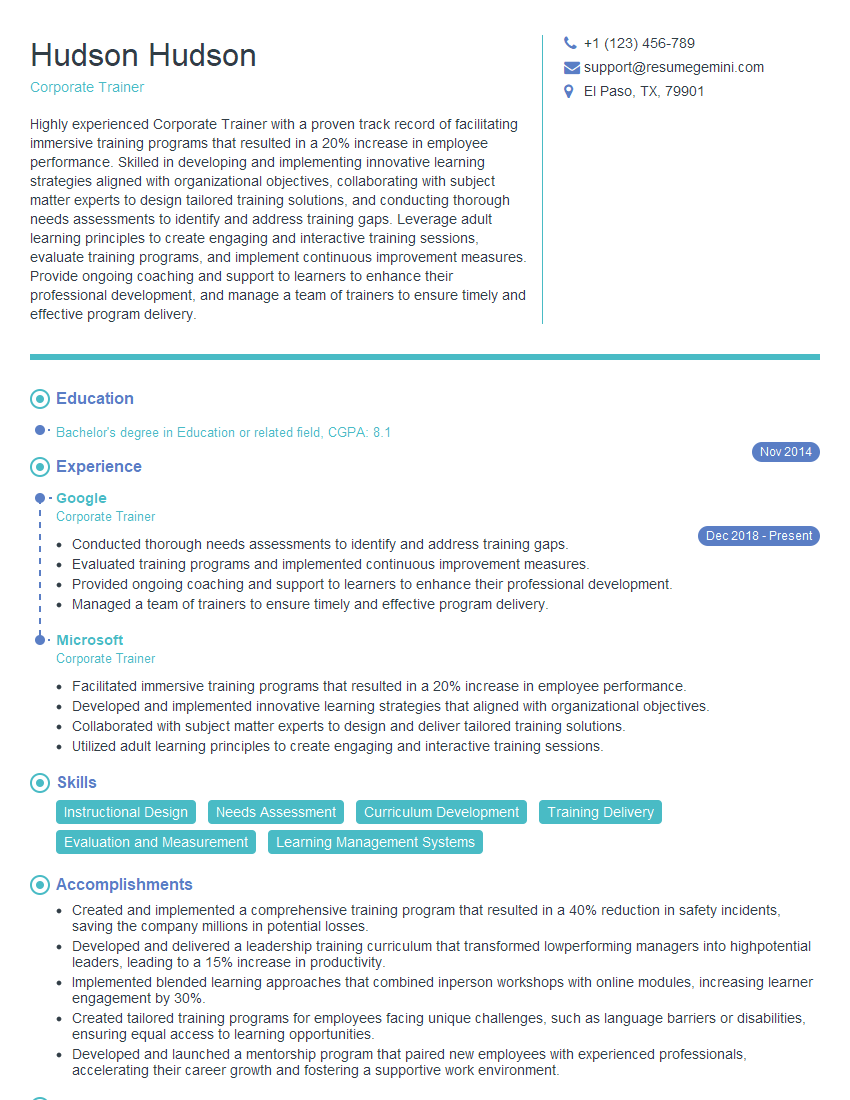
Corporate Trainer Resume Sample
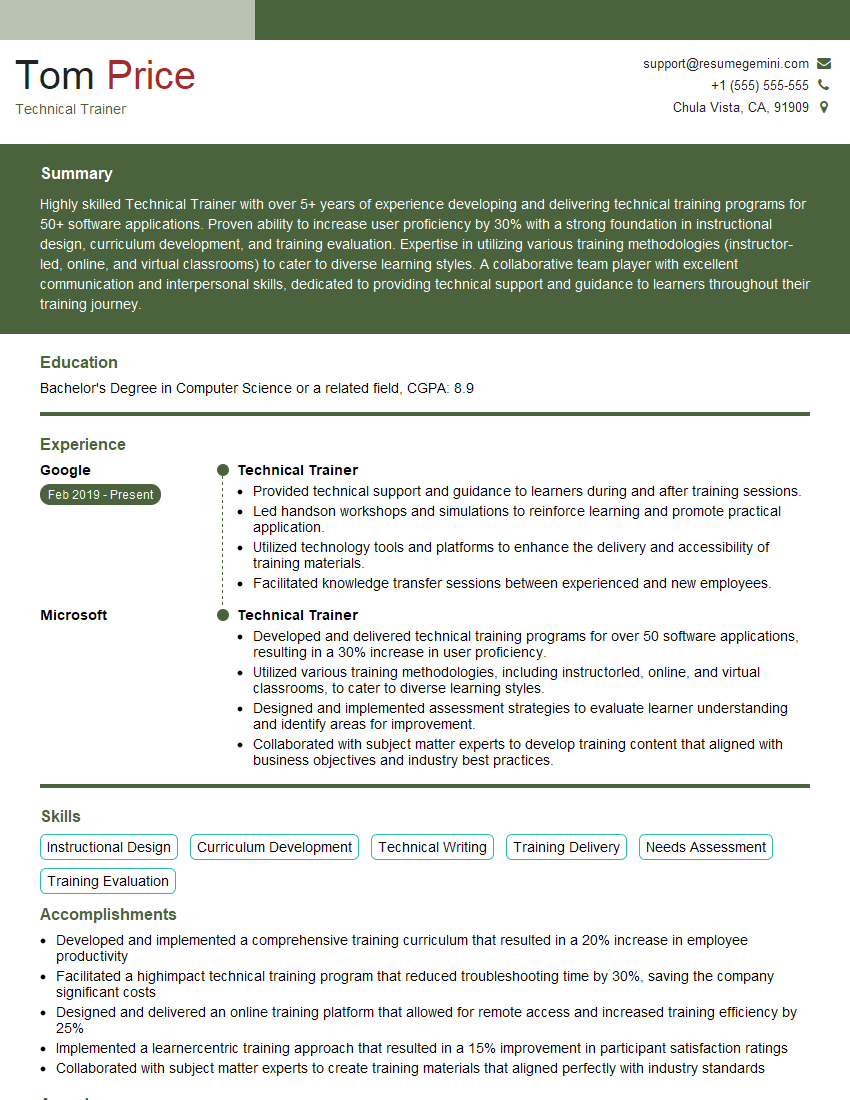
Technical Trainer Resume Sample
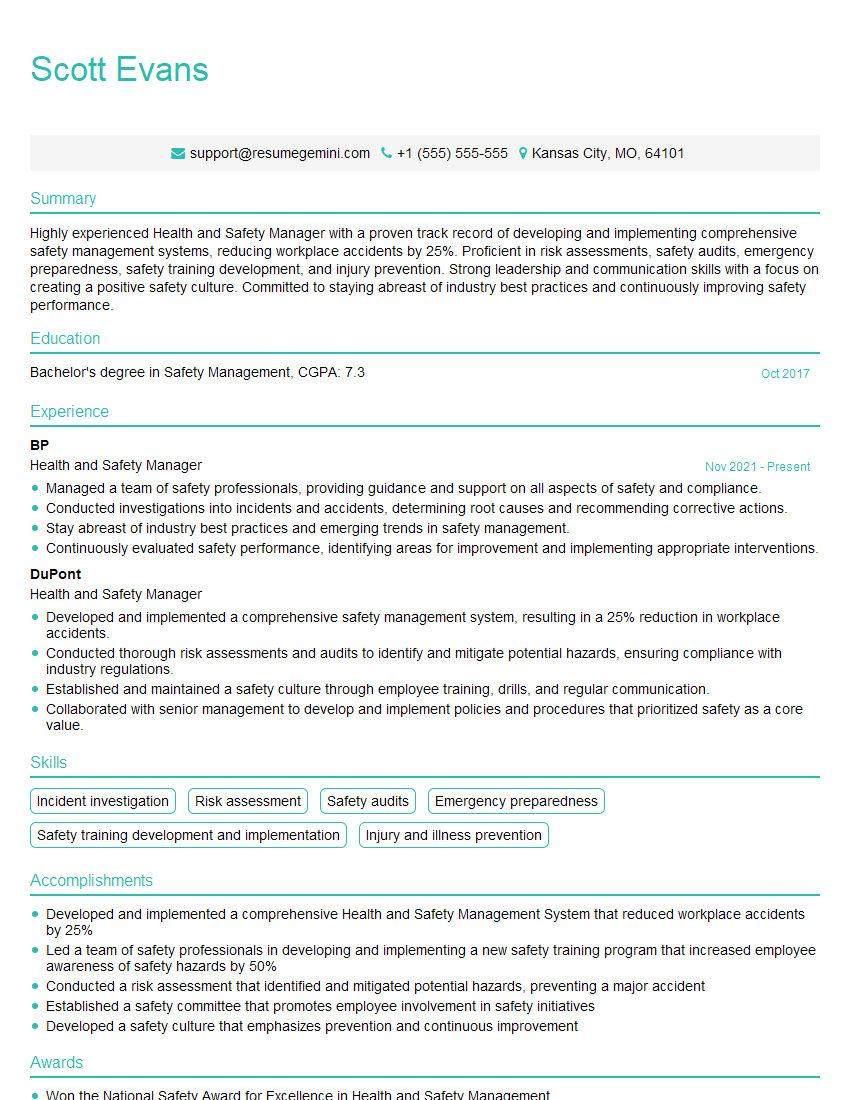
Health and Safety Manager Resume Sample
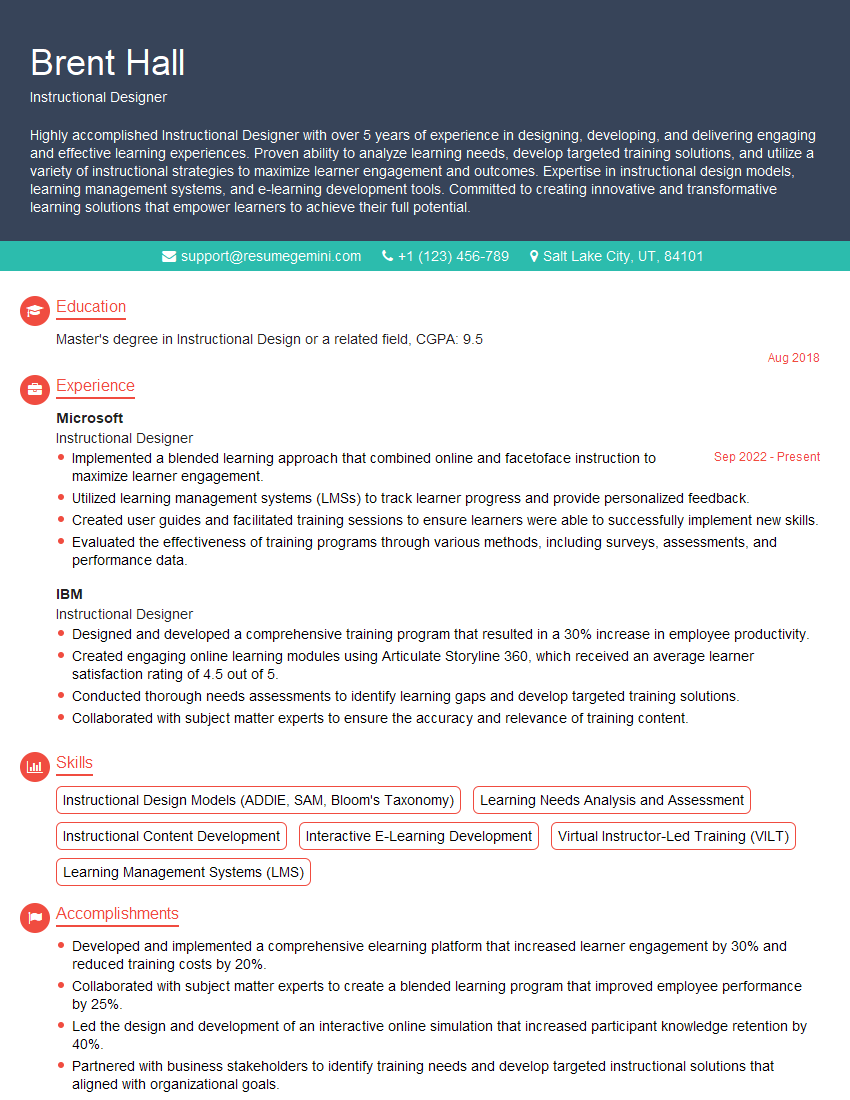
Instructional Designer Resume Sample
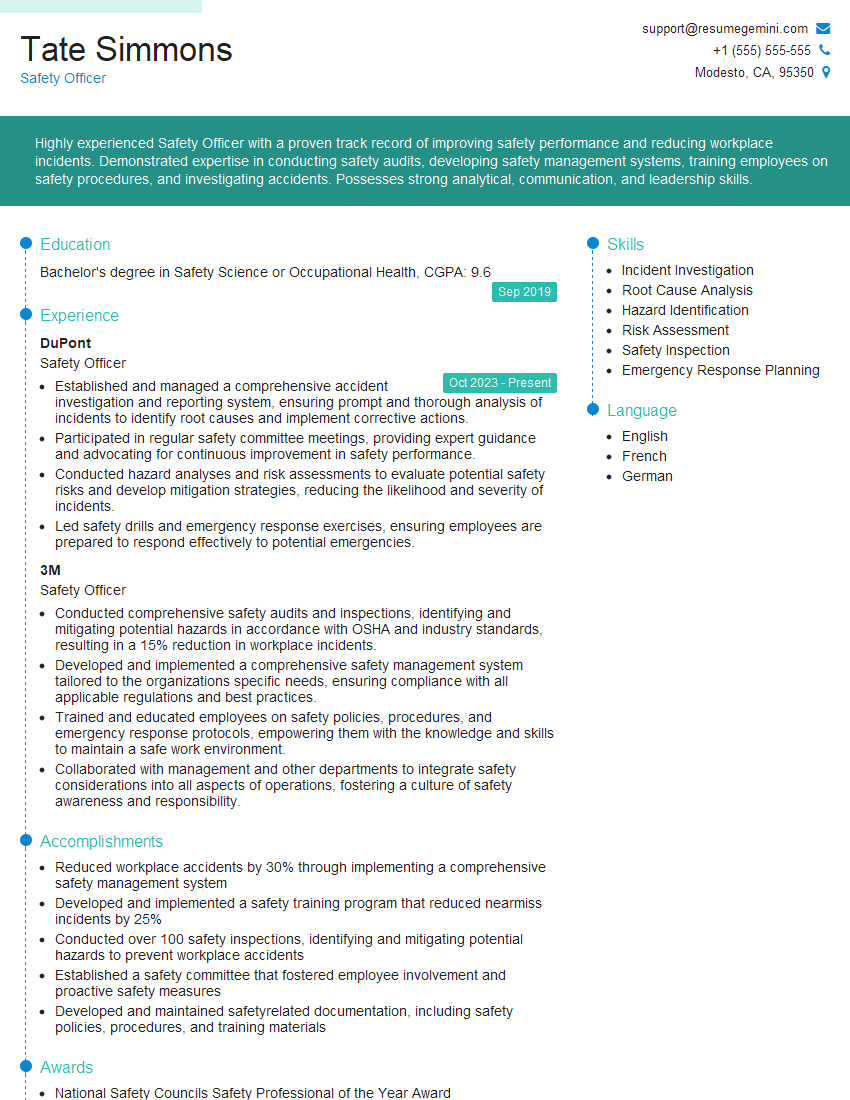
Safety Officer Resume Sample
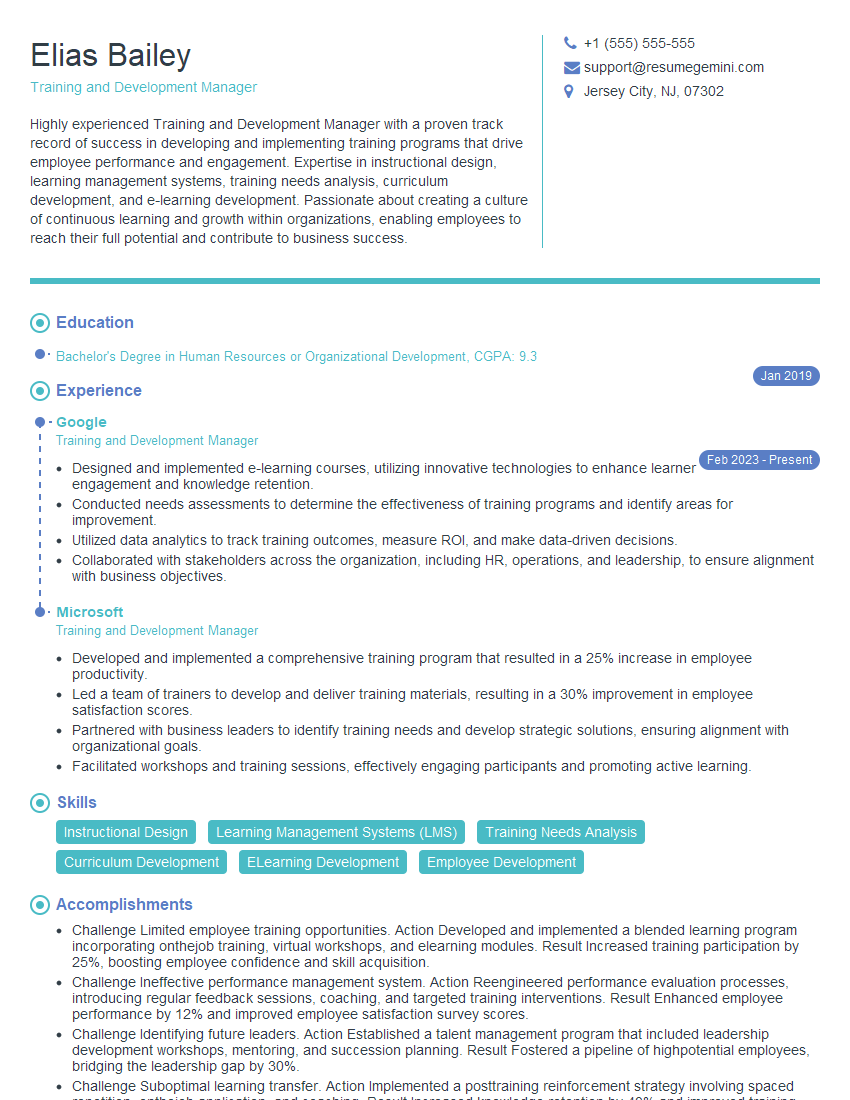
Training and Development Manager Resume Sample
- Building Manager
- Facility Manager
- Operations Manager
- Human Resources Manager
- Project Manager
- Real Estate Manager
- Environmental Health and Safety Manager
- Training Coordinator
- Compliance Manager
- Compliance Officer
- Security Manager
- Employee Relations Specialist
- Corporate Trainer
- Technical Trainer
- Health and Safety Manager
- Instructional Designer
- Safety Officer
- Training and Development Manager
Explore more articles
Users Rating of Our Blogs
Share Your Experience
We value your feedback! Please rate our content and share your thoughts (optional).
What Readers Say About Our Blog
To the interviewgemini.com Webmaster.
Very helpful and content specific questions to help prepare me for my interview!
Thank you
To the interviewgemini.com Webmaster.
This was kind of a unique content I found around the specialized skills. Very helpful questions and good detailed answers.
Very Helpful blog, thank you Interviewgemini team.