The thought of an interview can be nerve-wracking, but the right preparation can make all the difference. Explore this comprehensive guide to Family-Centered Care interview questions and gain the confidence you need to showcase your abilities and secure the role.
Questions Asked in Family-Centered Care Interview
Q 1. Define Family-Centered Care and its core principles.
Family-centered care (FCC) is a philosophy of healthcare that recognizes the family as the constant in a child’s life and holds that families have a right to be fully involved in the care and decision-making processes concerning their children. It moves away from a purely medical model and emphasizes the partnership between healthcare professionals and the family.
Its core principles include:
- Respect and dignity: Treating families with respect for their values, beliefs, and experiences.
- Information sharing: Providing families with clear, complete, and accessible information about their child’s health.
- Collaboration: Working collaboratively with families to develop and implement care plans.
- Participation: Empowering families to participate in all aspects of their child’s care.
- Advocacy: Supporting families in advocating for their child’s needs.
In essence, FCC ensures families are not just passive recipients of care but active partners in guiding their child’s journey to health and well-being.
Q 2. Explain the difference between family-centered care and patient-centered care.
While both family-centered care (FCC) and patient-centered care (PCC) emphasize the individual’s needs and preferences, their scope differs. PCC focuses primarily on the individual patient, their values, and their preferences in decision-making related to their own healthcare.
FCC, however, broadens this focus to encompass the entire family unit, recognizing that a child’s or adult’s health and well-being are deeply intertwined with their family’s support system. FCC involves the family in all aspects of care, considering their perspectives, needs, and strengths in the treatment plan, whereas PCC may only partially incorporate the family’s wishes, primarily focusing on the patient’s autonomy.
Think of it this way: PCC is like building a house around a single individual’s needs. FCC is about creating a supportive community within which that individual thrives—involving the whole family in the construction process and ensuring the final design caters to the needs of the whole household.
Q 3. Describe a time you successfully incorporated family preferences into a care plan.
I recently worked with a family whose young child was diagnosed with a chronic condition requiring extensive medication management. The family, deeply religious, expressed concerns about the potential side effects of the prescribed medication, particularly its potential impact on their child’s spiritual practices (prayer and meditation) which involved long periods of quiet.
Instead of imposing a strict medication schedule, we collaboratively explored alternative medication administration times that minimized disruption to the child’s routines. We also consulted with a pharmacist to explore potential alternatives with fewer side effects. The family’s active participation ensured adherence and, importantly, preserved their sense of spiritual comfort. The result was better medication adherence, reduced stress, and improved family well-being. The child responded well to the plan, demonstrating the power of considering cultural and religious practices in personalized care plans.
Q 4. How do you involve families in discharge planning?
Involving families in discharge planning is crucial for successful transitions from hospital to home. I begin by establishing open communication early in the hospital stay.
My approach involves:
- Early assessment: Identifying the family’s strengths, needs, and resources related to home care.
- Shared goal setting: Collaboratively setting realistic goals for post-discharge care.
- Education and training: Providing families with clear instructions and practical training on managing their child’s condition at home.
- Resource coordination: Connecting families with relevant community resources, such as home healthcare agencies, support groups, or financial assistance programs.
- Follow-up planning: Scheduling post-discharge appointments and check-ins to monitor progress and address any concerns.
By treating the family as active participants, we facilitate smooth transitions, improving patient outcomes and preventing hospital readmissions.
Q 5. What strategies do you use to communicate effectively with families from diverse backgrounds?
Effective communication with diverse families requires cultural sensitivity and humility. I utilize several strategies:
- Language access: Providing interpreters or translated materials as needed.
- Cultural awareness training: Continuously educating myself about diverse cultural norms and health beliefs.
- Active listening: Paying close attention to nonverbal cues and ensuring understanding through open-ended questions and reflective listening.
- Utilizing culturally appropriate communication styles: Adapting my communication style to be respectful and effective within each family’s cultural context. This might involve using a more formal or informal tone depending on family preference.
- Building trust: Demonstrating empathy and genuine interest in the family’s unique experiences and concerns.
I view cultural differences not as barriers but as opportunities to enrich and expand my understanding of patient needs.
Q 6. How do you address family conflict or disagreements regarding care decisions?
Family conflict regarding care decisions is common. My approach emphasizes open communication and mediation:
- Creating a safe space: Establishing a neutral and comfortable environment where family members feel safe to express their opinions.
- Facilitating communication: Encouraging open dialogue and active listening among family members.
- Identifying shared goals: Helping family members identify common goals for the patient’s well-being.
- Exploring different perspectives: Understanding each family member’s reasoning and concerns.
- Compromise and negotiation: Guiding family members toward mutually acceptable decisions.
- Seeking external support: If necessary, referring families to counselors or mediators for conflict resolution.
My role is to facilitate constructive dialogue, not to dictate solutions. The ultimate goal is to support families in making informed decisions that reflect their shared values and the patient’s best interests.
Q 7. Describe your approach to supporting families experiencing grief or loss.
Supporting families experiencing grief and loss is a critical aspect of family-centered care. My approach is compassionate and sensitive:
- Active listening and empathy: Providing a safe space for families to express their emotions without judgment.
- Validation of feelings: Acknowledging and validating the family’s grief and loss experience.
- Information and resources: Providing information about grief and bereavement support services.
- Long-term support: Offering ongoing support to families as they navigate the grieving process, acknowledging this can be a long and complex journey.
- Collaboration with bereavement specialists: Connecting families with trained professionals who can provide specialized support.
Grief is a highly personal experience. My role is to offer support and guidance, allowing families to grieve in their own way and at their own pace.
Q 8. How do you assess family needs and strengths?
Assessing family needs and strengths is the cornerstone of Family-Centered Care. It’s a collaborative process involving active listening, observation, and open communication. I use a multi-faceted approach encompassing several key strategies:
Comprehensive Family Interviews: I conduct thorough interviews with all family members willing to participate, focusing on their understanding of the situation, their concerns, their hopes, and their coping mechanisms. This involves asking open-ended questions, actively listening to their narratives, and paying attention to both verbal and nonverbal cues.
Genogram and Ecomap: These visual tools help illustrate family structure, relationships, and the family’s interaction with their external environment (school, work, community resources). This provides a holistic view of their support systems and potential stressors.
Observation: Observing family interactions during visits offers valuable insights into communication styles, family dynamics, and the level of support they provide each other. This is particularly crucial in understanding the emotional climate within the family.
Formal Assessments: Depending on the situation, I may utilize standardized questionnaires or assessments to gauge specific needs, such as coping skills, social support, or financial strain. These tools provide objective data to complement qualitative information gathered through interviews and observation.
Example: In working with a family whose child has a chronic illness, I might discover through interviews that the parents are struggling with fatigue and feelings of isolation, but also possess strong problem-solving skills and a wide circle of supportive friends. The genogram might reveal strong family bonds, while the ecomap shows limited access to respite care. This informs my approach to support – connecting them with respite services while simultaneously validating their strength and resilience.
Q 9. What resources do you utilize to support families?
Supporting families requires a network of resources tailored to their specific needs. My approach is to act as a facilitator, connecting families with the most appropriate services. This often involves:
Referral to Social Workers: Social workers can help families navigate bureaucratic processes, access financial assistance, and secure essential resources like housing or transportation.
Collaboration with Therapists: In cases of high stress, grief, or trauma, I often refer families to mental health professionals who can provide individual or family therapy.
Liaison with Support Groups: Connecting families with support groups of other families facing similar challenges provides emotional support, practical advice, and a sense of community.
Resource Websites and Publications: I regularly provide families with information and links to reputable websites, pamphlets, and books that offer additional information and support.
Advocacy and Case Management: I advocate for families’ needs within the healthcare system, ensuring they receive the appropriate level of care and that their voices are heard. I often act as a case manager, coordinating care across different providers.
Example: A family struggling with the financial burden of a child’s long-term illness might be referred to social workers for assistance with Medicaid applications and to a support group for parents of children with similar conditions. I would then coordinate communication between the various stakeholders to ensure that the family’s needs are being met.
Q 10. How do you ensure confidentiality and maintain appropriate boundaries with families?
Confidentiality and maintaining appropriate boundaries are crucial ethical considerations in Family-Centered Care. I adhere to strict professional guidelines to protect sensitive information and maintain healthy relationships with families.
HIPAA Compliance: I strictly adhere to HIPAA regulations regarding the privacy and security of Protected Health Information (PHI). This means only authorized personnel have access to patient records, and I obtain informed consent before sharing information with others.
Clear Communication of Boundaries: At the outset of my interactions with families, I clearly define my role, responsibilities, and limitations. I explain what information I am obligated to report and when I will need to involve other professionals.
Professional Objectivity: While building rapport is essential, I maintain professional objectivity, avoiding dual relationships or becoming overly involved in families’ personal lives. I carefully reflect on my own personal biases and assumptions.
Documentation: I maintain meticulous records of all interactions with families, ensuring accurate and complete documentation of any discussions, decisions, and referrals. This protects both the family and myself.
Example: If a family shares sensitive information about domestic violence, I will assure them of confidentiality within the legal and ethical constraints of mandatory reporting. I will then connect them with the appropriate resources while respecting their right to make their own decisions.
Q 11. Explain your understanding of cultural competency in Family-Centered Care.
Cultural competency is the ability to understand, appreciate, and interact effectively with people from diverse cultural backgrounds. In Family-Centered Care, it is paramount. It means recognizing that families hold diverse beliefs, values, and communication styles that significantly influence their healthcare experiences.
Awareness of Implicit Bias: I am constantly mindful of my own potential implicit biases and actively work to mitigate their impact on my interactions with families. This includes self-reflection and ongoing education.
Cultural Assessment: I conduct thorough cultural assessments, taking into account factors such as ethnicity, religion, socioeconomic status, and family structure. This may involve asking respectful questions about their preferences and beliefs regarding healthcare.
Language Access: I ensure access to qualified interpreters for families who do not speak English fluently. I understand that accurate communication is essential for providing effective care.
Respect for Family Dynamics: I recognize that family structures and decision-making processes vary across cultures. I work to understand and respect the family’s preferred approach to communication and collaboration.
Ethnorelativism: I strive towards ethnorelativism, which involves understanding and appreciating different cultural perspectives without imposing my own values or judgments.
Example: When working with a family from a culture where it’s customary for the eldest male to make healthcare decisions, I would engage him respectfully but also ensure that other family members are included in the conversation to the extent they desire.
Q 12. How do you adapt your communication style to meet the needs of different family members?
Adapting communication styles to different family members is critical for effective Family-Centered Care. Communication isn’t just about exchanging information; it’s about building relationships and fostering trust.
Individualized Approach: I tailor my communication style to each family member’s age, developmental stage, cognitive abilities, and communication preferences. For example, I will use simpler language with young children and more detailed explanations with adults.
Active Listening: I actively listen to all family members, showing empathy and understanding for their perspectives. I ask open-ended questions and summarize to ensure that I am understanding their concerns correctly.
Clear and Concise Language: I use clear and concise language, avoiding medical jargon whenever possible. If I do use technical terms, I explain them in simple terms.
Nonverbal Communication: I pay attention to nonverbal cues, such as body language and tone of voice. This provides valuable insights into how family members are feeling and what they may be trying to communicate.
Written Materials: I provide families with written materials, such as summaries of treatment plans, that they can review at their convenience. This ensures that information is conveyed clearly and that families have access to it later.
Example: When communicating with a teenager about their illness, I might involve them in the decision-making process and utilize more informal language to encourage openness and honesty. With their parents, I would provide a more detailed explanation of the treatment plan and address any of their concerns.
Q 13. Describe your experience with ethical dilemmas related to Family-Centered Care.
Ethical dilemmas are an inevitable part of Family-Centered Care. One common example involves balancing the family’s wishes with the medical recommendations for the patient, especially regarding end-of-life decisions.
Conflicting Values: Families may hold deeply rooted religious or cultural beliefs that conflict with medical interventions deemed necessary by the healthcare team.
Parental Capacity: In cases involving minors or individuals with diminished capacity, determining the appropriate decision-maker and ensuring their wishes are respected can be complex and ethically challenging.
Resource Allocation: Ethical dilemmas can also arise regarding resource allocation, particularly when families are facing significant financial burdens associated with long-term care.
Informed Consent: Obtaining genuine informed consent can be difficult when families are dealing with stress, grief, or language barriers.
Example: I once encountered a situation where the family of a terminally ill patient strongly objected to withdrawing life support, despite the medical team’s assessment that further intervention would only prolong suffering. The dilemma required navigating the family’s emotional distress and cultural beliefs while advocating for the patient’s comfort and dignity. This involved engaging in ethical discussions with the medical team, the family, and even consulting an ethics committee to develop a plan that honored both the patient’s and family’s values as much as possible.
Q 14. How do you handle situations where family wishes conflict with medical recommendations?
Handling situations where family wishes conflict with medical recommendations requires a delicate balance of empathy, negotiation, and ethical decision-making. My approach is based on a collaborative and respectful dialogue.
Active Listening and Empathy: I begin by actively listening to the family’s concerns and understanding their reasoning behind their wishes. This requires empathy and validating their emotions, even if I disagree with their perspective.
Clear Explanation of Medical Recommendations: I clearly explain the medical rationale behind the recommendations, using simple language and avoiding jargon. I am prepared to answer questions and address concerns.
Exploration of Alternatives: I collaboratively explore alternative options that may meet both the family’s wishes and the patient’s medical needs. This may involve seeking input from other medical professionals or ethicists.
Negotiation and Compromise: Whenever possible, I engage in negotiation and strive to find a compromise that addresses everyone’s concerns. This often requires patience and flexibility.
Ethical Consultation: In cases where no acceptable compromise can be reached, I may seek guidance from the hospital ethics committee or consult with legal counsel.
Example: A family might refuse blood transfusions for their child due to religious beliefs, even though the child is severely anemic and needs a transfusion. In such cases, I would work with the family, explaining the potential risks of refusing the transfusion, exploring alternative treatments, and considering legal and ethical guidelines for respecting religious freedom while ensuring the child’s wellbeing.
Q 15. Describe your experience with empowering families in decision-making.
Empowering families in decision-making is central to Family-Centered Care. It means shifting from a paternalistic model where healthcare professionals dictate treatment to a collaborative partnership where families are active participants. This involves respecting families’ knowledge of their loved ones, their values, and their preferences, and actively including them in all aspects of care planning.
In my experience, this looks like several things: First, I consistently use open-ended questions to elicit family perspectives and concerns, rather than simply providing information. For example, instead of saying, “We’ll be starting your child on this medication,” I might ask, “Based on what you know about your child and this condition, what are your thoughts and concerns about starting this medication?” Second, I provide families with clear, accessible information about treatment options, risks, and benefits, using plain language and visual aids as needed. Third, I facilitate shared decision-making by helping families weigh the pros and cons of various options, and support them in making informed choices that align with their values. I always ensure that families understand they have the right to refuse treatment or seek a second opinion.
For example, I worked with a family whose child was diagnosed with a chronic illness. Initially, they were overwhelmed and felt powerless. Through consistent, open communication and shared decision-making, we collaboratively developed a treatment plan that addressed both the medical needs of the child and the family’s logistical and emotional needs. The family’s active participation not only resulted in a better treatment outcome but also fostered a sense of empowerment and control, which greatly improved their overall well-being.
Career Expert Tips:
- Ace those interviews! Prepare effectively by reviewing the Top 50 Most Common Interview Questions on ResumeGemini.
- Navigate your job search with confidence! Explore a wide range of Career Tips on ResumeGemini. Learn about common challenges and recommendations to overcome them.
- Craft the perfect resume! Master the Art of Resume Writing with ResumeGemini’s guide. Showcase your unique qualifications and achievements effectively.
- Don’t miss out on holiday savings! Build your dream resume with ResumeGemini’s ATS optimized templates.
Q 16. How do you facilitate family participation in care conferences?
Facilitating family participation in care conferences requires careful planning and execution. It’s crucial to create a welcoming and inclusive environment where everyone feels comfortable sharing their thoughts and concerns.
My approach involves several key strategies: I begin by sending out an agenda beforehand, outlining the topics to be discussed and allowing families to add their own items. During the conference, I make sure to actively solicit input from each family member, using clear and simple language. I use visual aids, such as diagrams or charts, to explain complex medical information. I also employ active listening techniques to ensure that everyone feels heard and understood. I actively work to translate any medical jargon into plain language that the family can easily understand. Finally, I document all decisions and action items collaboratively, ensuring that the family understands the agreed-upon plan and next steps.
For example, I recently held a care conference for a child with complex needs. I involved a variety of healthcare professionals, each representing a relevant specialty. The child’s parents and extended family were actively engaged in sharing their insights on the child’s routine, preferences, and emotional well-being, leading to a more comprehensive and realistic plan.
Q 17. What are some common challenges in implementing Family-Centered Care, and how do you overcome them?
Implementing Family-Centered Care can present several challenges. Time constraints, differing cultural backgrounds, and limited family resources are common obstacles. There can also be challenges related to staff attitudes and training, and lack of system support.
To overcome these, I prioritize proactive communication and collaboration. For time constraints, I schedule longer meetings or break down discussions into smaller, more manageable sessions. To address cultural differences, I am mindful of diverse communication styles and beliefs about healthcare. I consult resources to better understand the cultural nuances impacting each family. If families face financial or logistical barriers, I connect them with appropriate support services, such as transportation assistance or financial aid programs. For staff challenges, it’s crucial to provide ongoing training and education to foster understanding and buy-in from the entire team. System-level changes, like implementing electronic health records with family portal access and creating family advisory boards, help support family-centered care initiatives.
For instance, I once encountered resistance from a medical team that felt Family-Centered Care was too time-consuming. Through regular education and demonstration of the positive impact on patient outcomes and family satisfaction, we were able to shift the team’s perspective and establish a more collaborative approach.
Q 18. How do you measure the effectiveness of your Family-Centered Care interventions?
Measuring the effectiveness of Family-Centered Care interventions requires a multi-faceted approach, going beyond traditional clinical outcomes. We need to assess both quantitative and qualitative data.
Quantitative measures might include tracking things like patient satisfaction scores (using validated surveys), readmission rates, length of hospital stay, and adherence to treatment plans. Qualitative data can be obtained from family interviews, focus groups, and chart reviews. These help us understand the family’s experience with the care provided, and if their involvement had a positive impact on their overall well-being, stress levels, and understanding of the child’s condition and treatment.
For example, we might use a validated family satisfaction survey to measure how empowered families feel in decision-making, their understanding of the care plan, and their overall experience with the healthcare team. We also might conduct semi-structured interviews with families to gather rich, descriptive data about their experience and identify areas for improvement.
Q 19. Describe your experience with technology and its role in facilitating Family-Centered Care.
Technology plays a significant role in facilitating Family-Centered Care. It enables greater access to information, improves communication, and fosters collaboration.
Examples include using patient portals for secure messaging, sharing medical records, and scheduling appointments. Telehealth technology enables remote consultations and monitoring, reducing the need for in-person visits and increasing access to care. Video conferencing platforms can facilitate family participation in care conferences, regardless of geographical location. Mobile apps can provide families with educational resources, medication reminders, and tools for tracking progress. Using secure messaging allows for quick, efficient, and documented communication between the family and the medical team, reducing misunderstandings and improving patient outcomes.
For instance, during the COVID-19 pandemic, telehealth significantly enhanced our ability to maintain regular contact with families and provide ongoing support, ensuring continuous family-centered care despite social distancing.
Q 20. How do you advocate for families within the healthcare system?
Advocating for families within the healthcare system involves several key actions. It’s about ensuring that their voices are heard and their needs are met.
This includes navigating complex healthcare systems, advocating for access to resources, and ensuring equitable treatment. I act as a liaison between families and healthcare providers, ensuring open communication and addressing any concerns or barriers to care. This might involve helping families access financial assistance, coordinating services, or challenging decisions that don’t align with the family’s values or preferences. I also advocate for system-level changes that better support families, such as improvements in communication, access to resources, and patient-centered policies. I regularly participate in hospital committees and policy-making discussions to influence changes in favor of better family-centered care.
For example, I recently advocated for a family whose child needed a specialized therapy that wasn’t covered by their insurance. By working collaboratively with the insurance company, the family, and other healthcare providers, I was able to secure funding for this vital treatment.
Q 21. What is your experience with supporting families with children with disabilities?
Supporting families with children with disabilities requires a holistic approach that addresses the multifaceted needs of both the child and the family. It’s about understanding that having a child with disabilities presents unique challenges and requires comprehensive support.
My approach involves collaborating closely with families to develop individualized plans that address the child’s medical, educational, and developmental needs. This includes coordinating services from various disciplines, such as therapists, educators, and social workers. I focus on empowering families to become active participants in their child’s care and education, providing them with resources, information, and emotional support. I also assist families in navigating complex systems, such as accessing disability benefits and specialized services. Furthermore, I provide ongoing support and education to families, helping them manage the challenges of caring for a child with disabilities while strengthening their coping mechanisms and promoting their overall well-being.
For instance, I worked with a family whose child was diagnosed with autism spectrum disorder. We worked together to create a comprehensive plan that included behavioral therapy, speech therapy, and educational support. We also connected the family with support groups and resources to help them navigate the challenges of raising a child with ASD.
Q 22. How do you address the needs of families experiencing financial hardship?
Addressing financial hardship for families requires a multifaceted approach. It starts with open communication and a thorough assessment of the family’s financial situation, being sensitive to the potential embarrassment they might feel. We avoid judgmental language and instead focus on understanding their needs and collaboratively finding solutions.
- Financial Resource Navigation: We connect families with available resources, such as hospital financial assistance programs, government aid (Medicaid, CHIP, etc.), and local charities. I actively maintain a list of these resources and update it regularly.
- Negotiating Payment Plans: We work with the hospital’s billing department to arrange affordable payment plans tailored to the family’s income. This could involve reducing fees or extending payment deadlines.
- Advocacy and Referral: We advocate for the family, helping them navigate complex paperwork and processes. This may involve referring them to social workers or community organizations specializing in financial assistance.
- Providing Information: We provide families with clear and understandable information about their bills, explaining all charges. Transparency fosters trust and empowers them to participate in decisions about their care.
For example, I recently worked with a single mother whose unexpected medical bills were overwhelming. By connecting her with Medicaid and arranging a payment plan, we alleviated her financial stress, allowing her to focus on her child’s recovery.
Q 23. Explain your understanding of the role of interpreters and translators in Family-Centered Care.
Interpreters and translators are integral to Family-Centered Care, ensuring equitable access to healthcare for families who don’t speak the same language as the healthcare team. Their role goes beyond simply translating words; it’s about bridging cultural and communication gaps to ensure accurate understanding and meaningful participation.
- Accurate Translation: Interpreters ensure that medical information is conveyed precisely, avoiding any misinterpretations that could impact treatment or decision-making. This includes using culturally appropriate language.
- Cultural Mediation: They help navigate cultural differences in communication styles, family dynamics, and health beliefs. This sensitive approach is crucial for building trust and rapport.
- Advocacy: They can advocate for the family’s needs and ensure their voices are heard, acting as a bridge between the family and the healthcare team.
- Maintaining Confidentiality: Professional interpreters are bound by strict confidentiality protocols, ensuring the privacy of patient information.
Imagine trying to explain a complex diagnosis to a family who only speaks Spanish. A qualified interpreter not only translates the medical terms but also adapts the language to ensure comprehension and cultural sensitivity, ensuring the family understands their treatment options and can participate fully in care decisions.
Q 24. How do you promote family well-being beyond the immediate healthcare setting?
Promoting family well-being extends far beyond the hospital walls. It requires a holistic approach that considers the family’s needs and resources across various domains.
- Community Resource Referrals: We connect families with local support networks, such as parenting groups, mental health services, and financial aid programs.
- Follow-up Support: We provide post-discharge support, including phone calls, home visits, or virtual check-ins, to monitor the family’s progress and address any challenges they may face.
- Education and Empowerment: We empower families by providing them with information and resources to manage their child’s health and well-being at home. This could include educational materials, workshops, or online resources.
- Collaboration: We collaborate with other professionals, such as social workers, therapists, and community health nurses, to ensure a comprehensive approach to family support.
For example, we might connect a family struggling with a child’s chronic illness to a local support group where they can share experiences and learn coping strategies from other families facing similar challenges. This fosters a sense of community and reduces feelings of isolation.
Q 25. Describe your experience with interdisciplinary collaboration in Family-Centered Care.
Interdisciplinary collaboration is the cornerstone of effective Family-Centered Care. It involves the seamless integration of multiple healthcare professionals to provide comprehensive and coordinated care.
- Regular Team Meetings: We participate in regular interdisciplinary team meetings where healthcare professionals from different disciplines (physicians, nurses, social workers, therapists, etc.) share information, coordinate care plans, and collaboratively address family concerns.
- Shared Decision-Making: We actively engage in shared decision-making, ensuring that the family’s preferences, values, and needs are integrated into the care plan.
- Open Communication: We maintain open and effective communication with all members of the healthcare team, ensuring everyone is informed and working towards a common goal.
- Respectful Collaboration: We foster a collaborative environment built on mutual respect and understanding, recognizing each professional’s unique contributions.
In a recent case involving a child with complex medical needs, our interdisciplinary team – including doctors, nurses, respiratory therapists, and social workers – collaborated closely to develop a comprehensive care plan that addressed the child’s medical, emotional, and social needs, ultimately leading to improved outcomes for the child and family.
Q 26. How do you ensure family input is valued and acted upon in the care team’s decisions?
Valuing and acting upon family input requires a proactive and respectful approach. It involves actively seeking their perspectives, incorporating their feedback into decision-making, and transparently communicating the rationale for decisions.
- Active Listening: We actively listen to family concerns and perspectives, creating a safe space for open and honest communication.
- Shared Decision-Making Models: We use shared decision-making models that involve families in the planning and implementation of their care.
- Regular Check-Ins: We conduct regular check-ins with families to ensure their needs are met and their input is considered.
- Documentation: We meticulously document family input and how it has influenced care decisions. This shows respect and accountability.
- Feedback Mechanisms: We provide structured ways for families to provide feedback on their experience and suggest improvements to care.
For instance, if a family expresses concerns about a medication’s side effects, we thoroughly investigate their concerns, discuss them with the medical team, and adjust the treatment plan accordingly, ensuring that family concerns are addressed transparently.
Q 27. How would you manage a situation where a family member is verbally abusive to staff?
Verbal abuse towards staff is unacceptable and requires a firm yet compassionate response. The safety of our staff is paramount.
- Immediate Intervention: We immediately intervene to de-escalate the situation. This may involve calmly speaking to the family member, separating them from the immediate environment, or requesting security assistance if necessary. Our focus is on calming the situation without escalating it.
- Setting Boundaries: We clearly communicate unacceptable behavior and the consequences of continued abuse. This demonstrates that abusive behavior will not be tolerated.
- Seeking Support: We seek support from colleagues, supervisors, or security personnel to ensure the safety of staff and patients.
- Documenting the Incident: We meticulously document the incident, including the time, location, individuals involved, and actions taken. This is essential for follow-up, reporting, and potential disciplinary actions.
- Post-Incident Debriefing: We conduct a post-incident debriefing with staff involved to provide support and address any concerns they might have.
- Developing a Safety Plan: In cases of repeated abuse, a safety plan may be developed in collaboration with the healthcare team and potentially security personnel.
We strive to understand the underlying reasons for the abusive behavior, but this understanding does not excuse the unacceptable actions. The goal is to ensure safety while still offering support and resources to the family, if appropriate and safe to do so.
Q 28. How do you ensure the safety and privacy of patient information within a Family-Centered Care model?
Ensuring patient safety and privacy is crucial in Family-Centered Care. We adhere to strict confidentiality protocols and best practices to protect sensitive information.
- HIPAA Compliance: We strictly adhere to HIPAA regulations and all relevant privacy laws. This includes secure storage of medical records, controlled access to information, and proper disposal of sensitive documents.
- Informed Consent: We obtain informed consent from patients and families before releasing any information. We ensure they understand what information is being shared, with whom, and for what purpose.
- Password Protection and Access Controls: We utilize strong password protection and access controls to limit access to patient information only to authorized personnel. Electronic health records are particularly secure.
- Data Encryption: Sensitive data is encrypted both in transit and at rest to protect against unauthorized access.
- Regular Training: Staff receive regular training on HIPAA regulations, data security protocols, and privacy best practices.
- Incident Reporting: Any breaches of privacy or security are reported immediately following established procedures.
For example, we ensure that patient information is only discussed in private settings, not in public areas. We also utilize secure electronic communication methods to protect data from interception.
Key Topics to Learn for Family-Centered Care Interview
- Defining Family-Centered Care: Understanding the core principles and philosophies behind this approach to healthcare, including respect for family diversity and cultural sensitivity.
- Collaboration and Communication: Mastering effective communication strategies for building strong therapeutic alliances with families, navigating differing perspectives, and fostering shared decision-making.
- Assessment and Planning: Developing comprehensive assessment tools to understand family needs, strengths, and challenges. Learning to create individualized care plans that align with family goals and preferences.
- Advocacy and Empowerment: Understanding the role of the healthcare professional as a family advocate, empowering families to actively participate in their loved one’s care, and navigating complex healthcare systems.
- Ethical Considerations: Exploring ethical dilemmas related to family-centered care, including informed consent, confidentiality, and end-of-life decision-making.
- Practical Application: Developing case studies to illustrate your understanding of these concepts in real-world scenarios. Consider examples where you’ve successfully collaborated with families to achieve positive outcomes.
- Problem-Solving Approaches: Practice addressing challenging situations, such as conflict resolution within families, managing disagreements on treatment plans, and adapting to unexpected circumstances.
- Cultural Competence: Demonstrate an understanding of how cultural backgrounds influence family dynamics and healthcare preferences. Highlight your skills in providing culturally sensitive care.
Next Steps
Mastering Family-Centered Care principles is crucial for career advancement in healthcare. It demonstrates your commitment to patient-centered care and your ability to build strong, trusting relationships with families. To significantly increase your job prospects, crafting an ATS-friendly resume is essential. ResumeGemini is a trusted resource to help you build a professional and impactful resume that highlights your skills and experience in Family-Centered Care. Examples of resumes tailored specifically to this field are available through ResumeGemini to guide you.
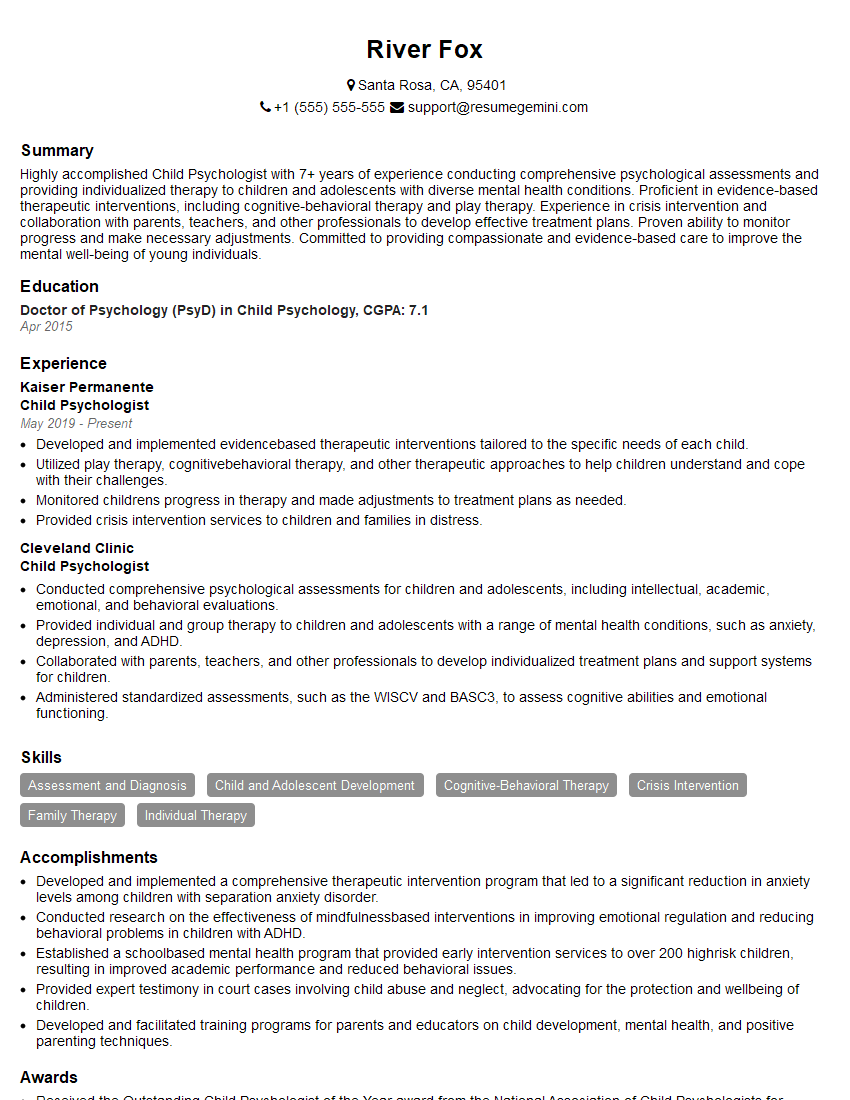
Child Psychologist Resume Sample
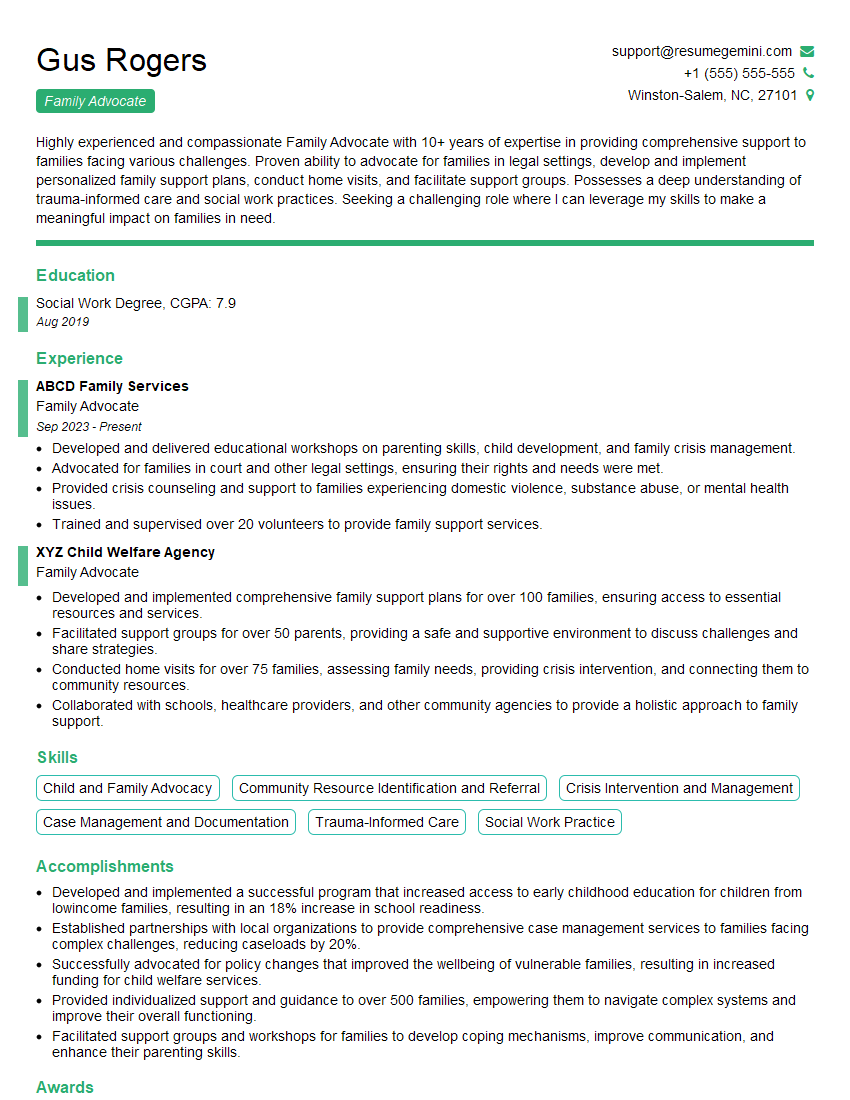
Family Advocate Resume Sample
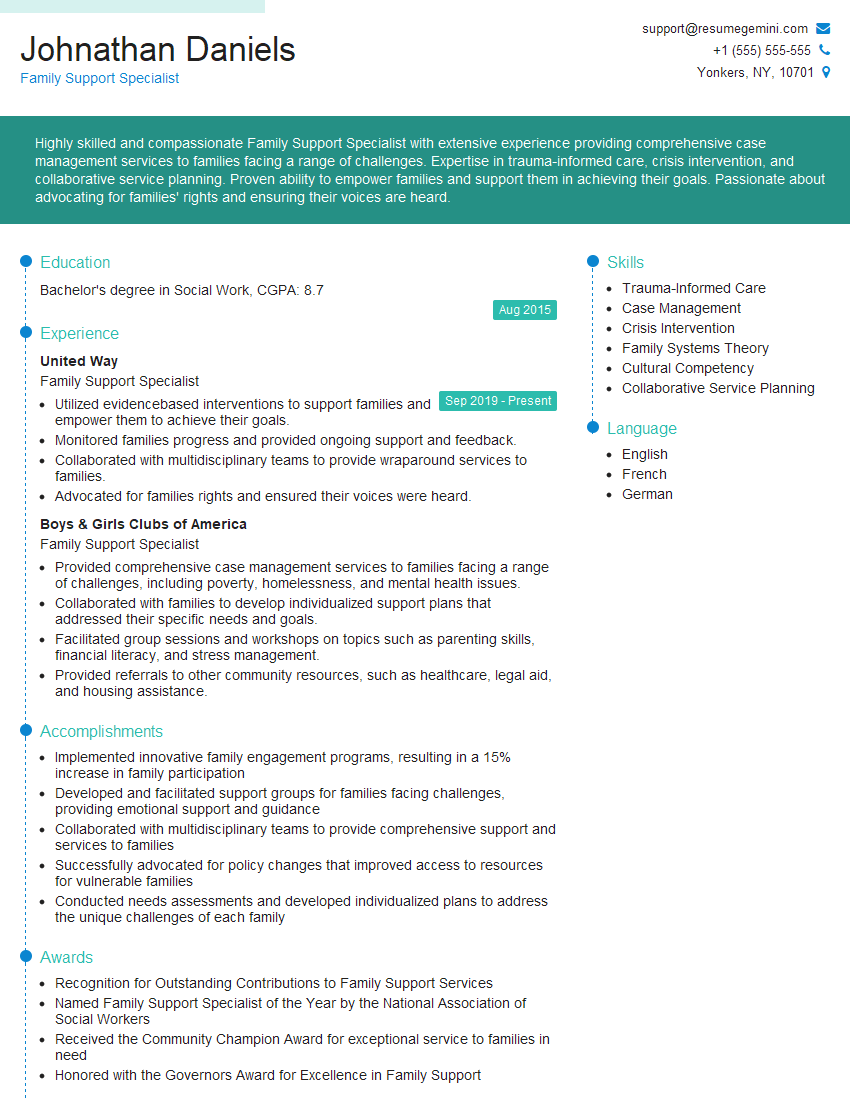
Family Support Specialist Resume Sample
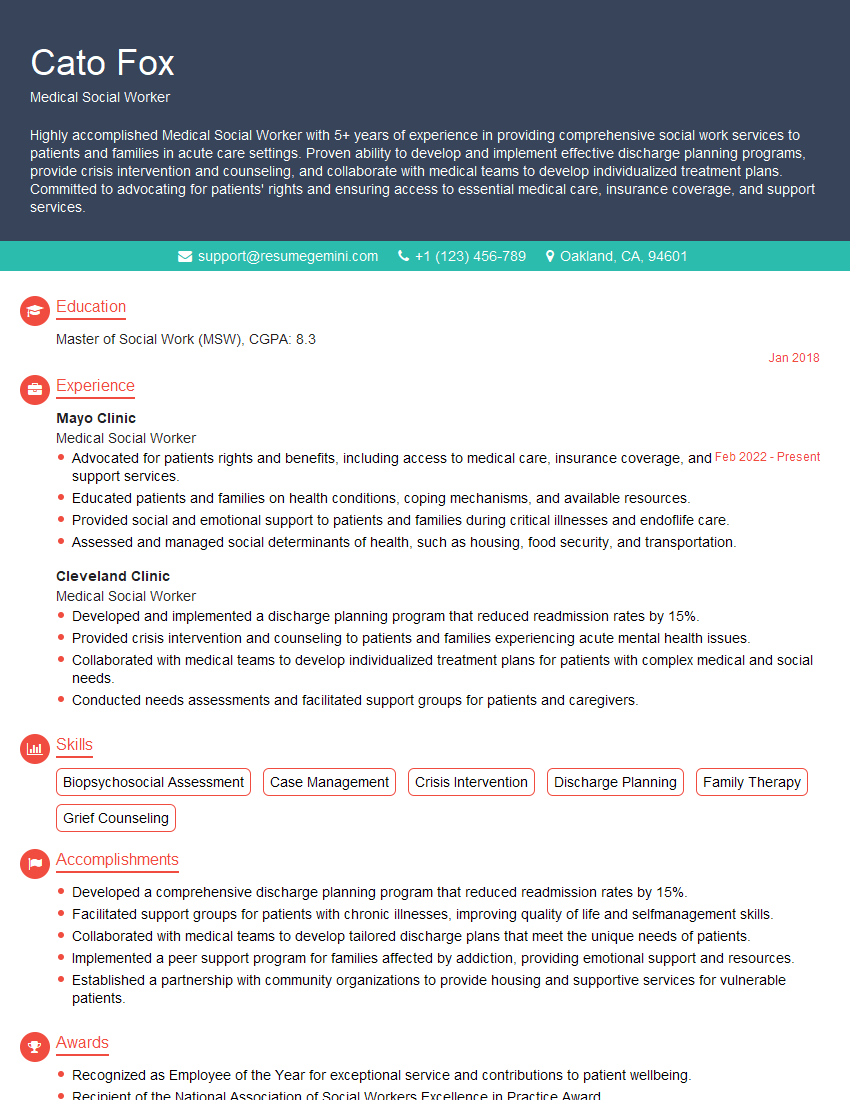
Medical Social Worker Resume Sample
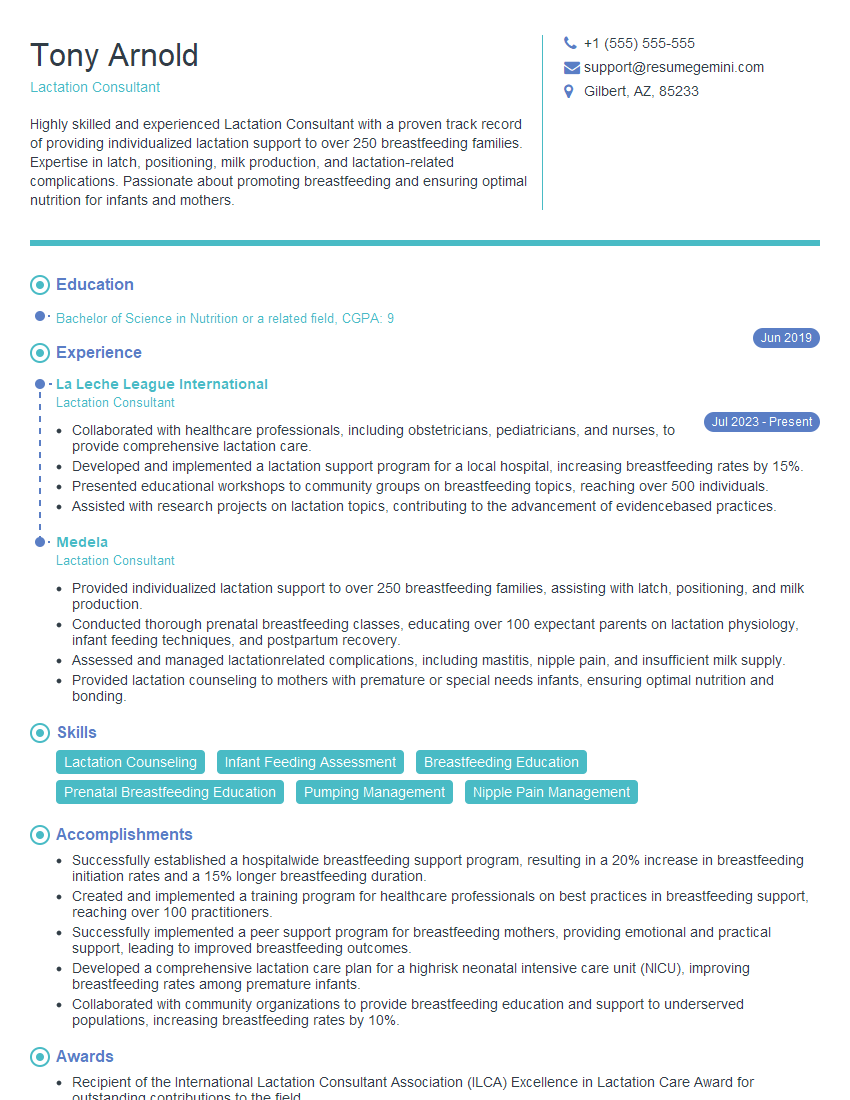
Lactation Consultant Resume Sample
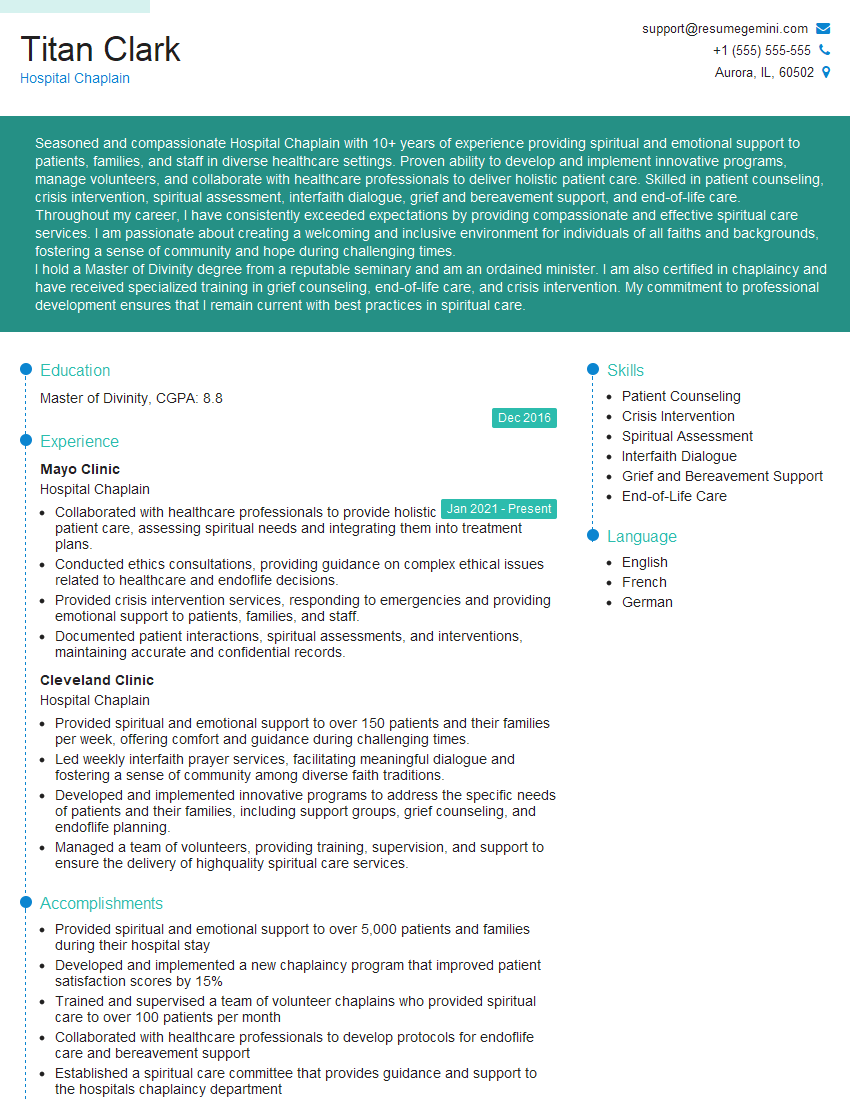
Hospital Chaplain Resume Sample
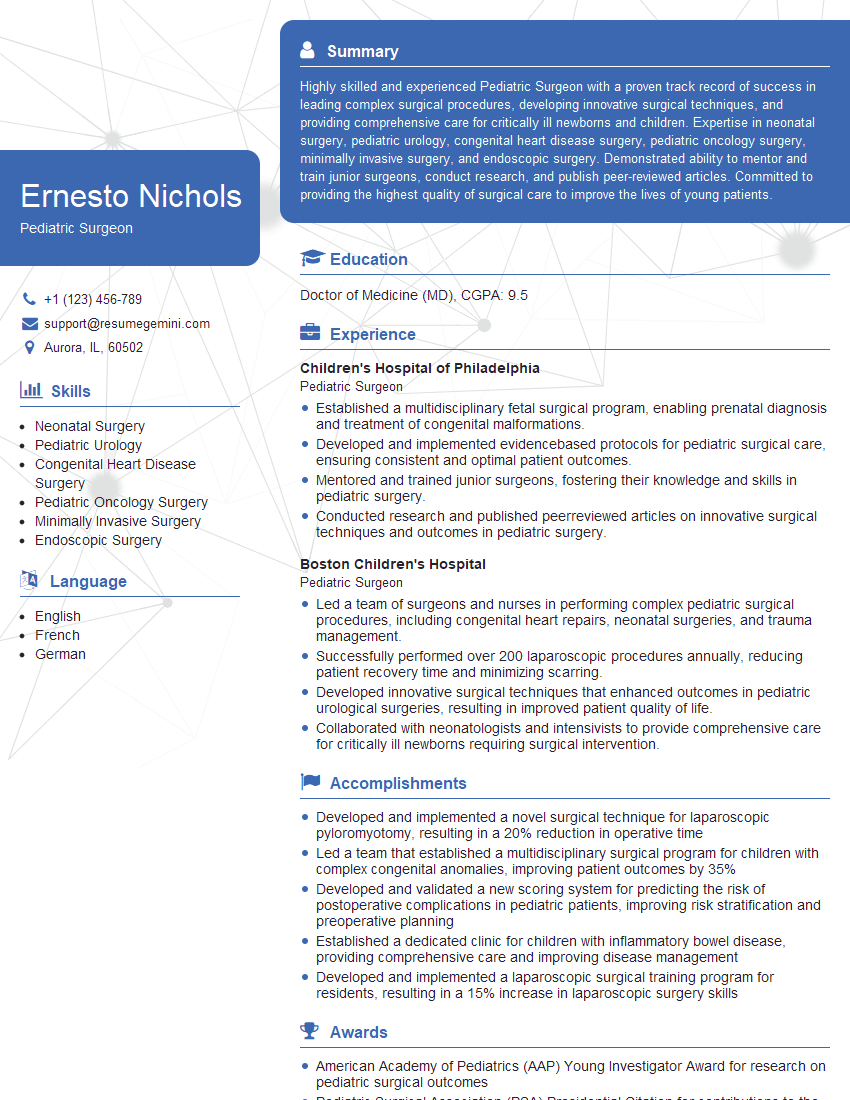
Pediatric Surgeon Resume Sample
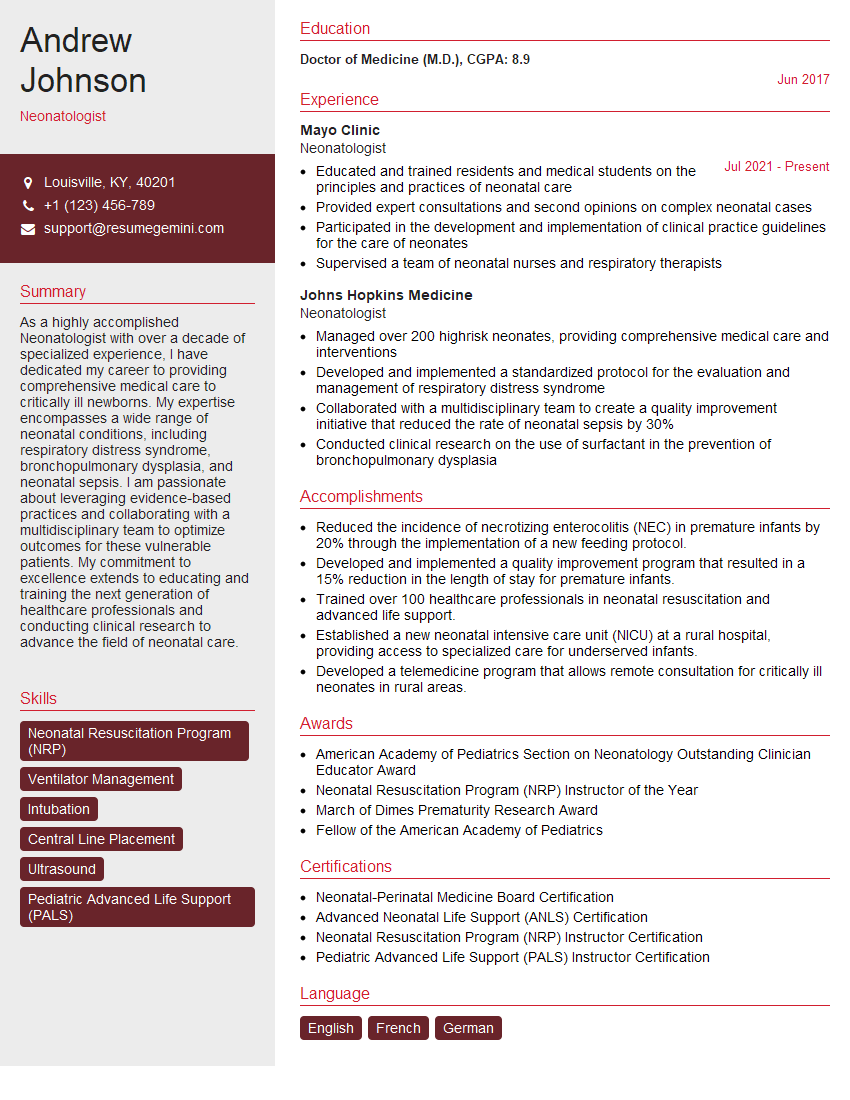
Neonatologist Resume Sample
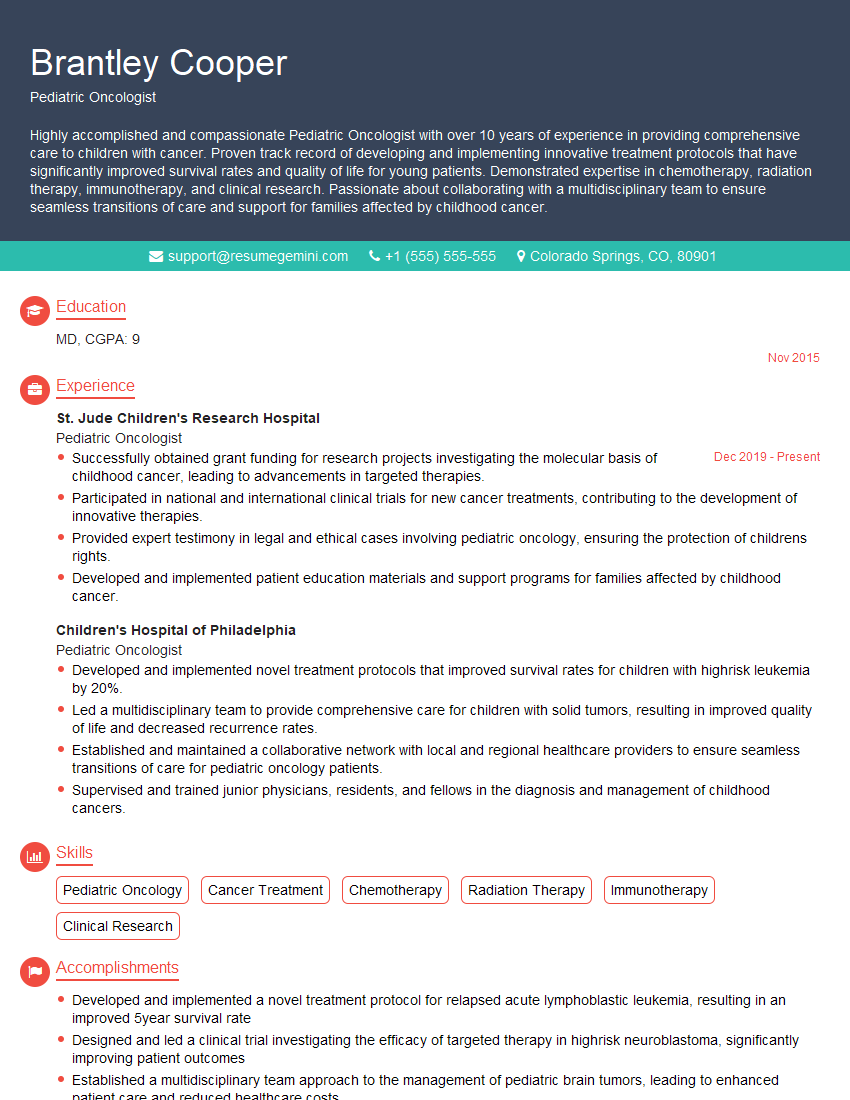
Pediatric Oncologist Resume Sample
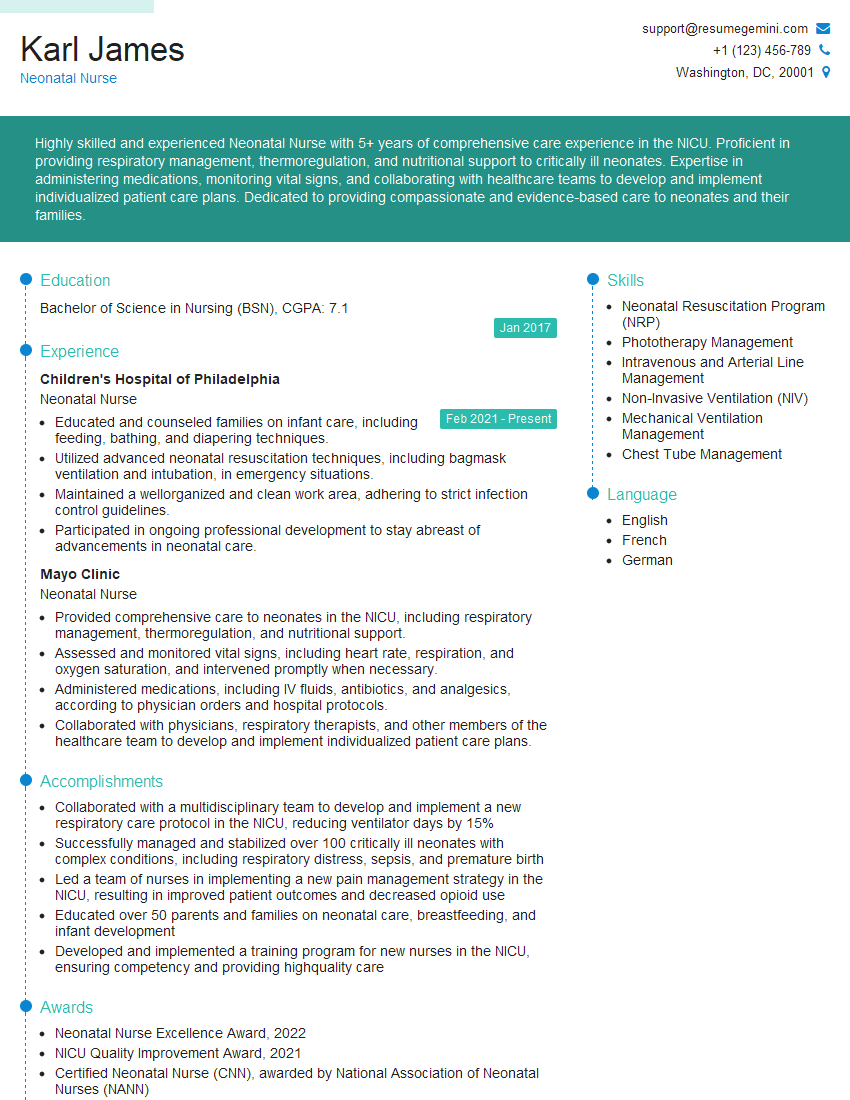
Neonatal Nurse Resume Sample
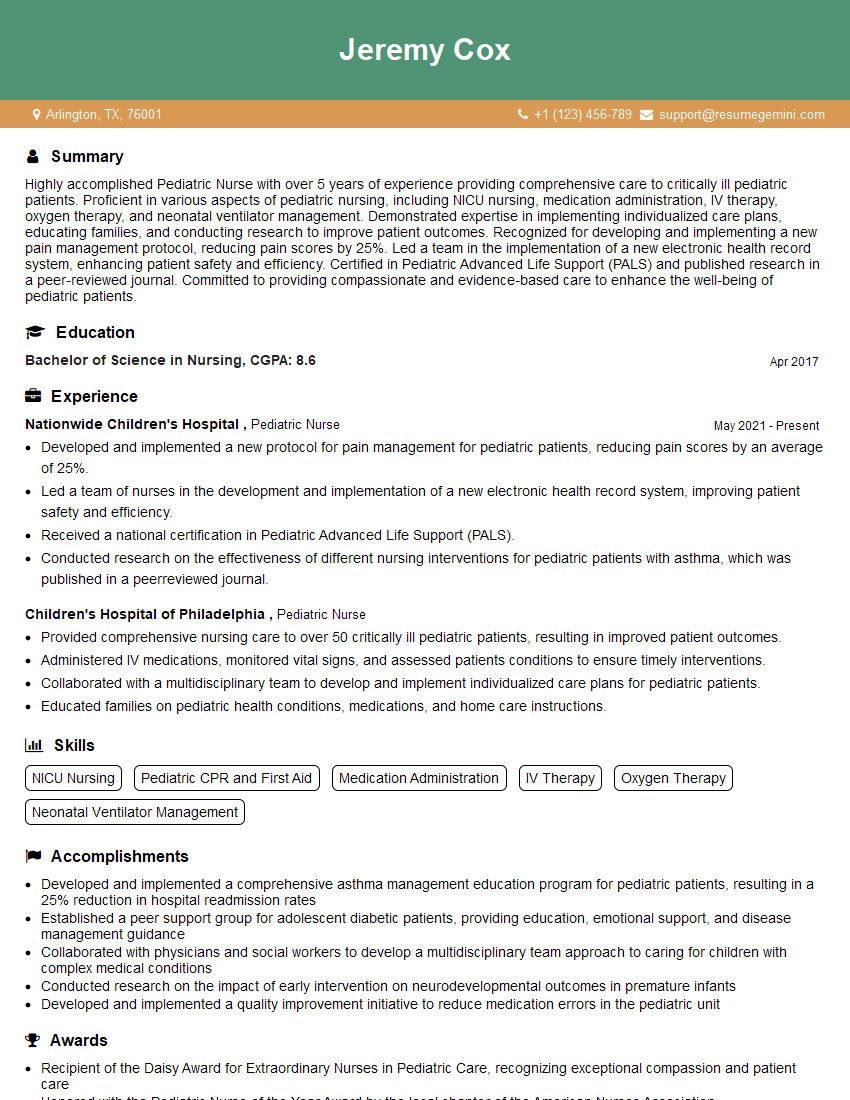
Pediatric Nurse Resume Sample
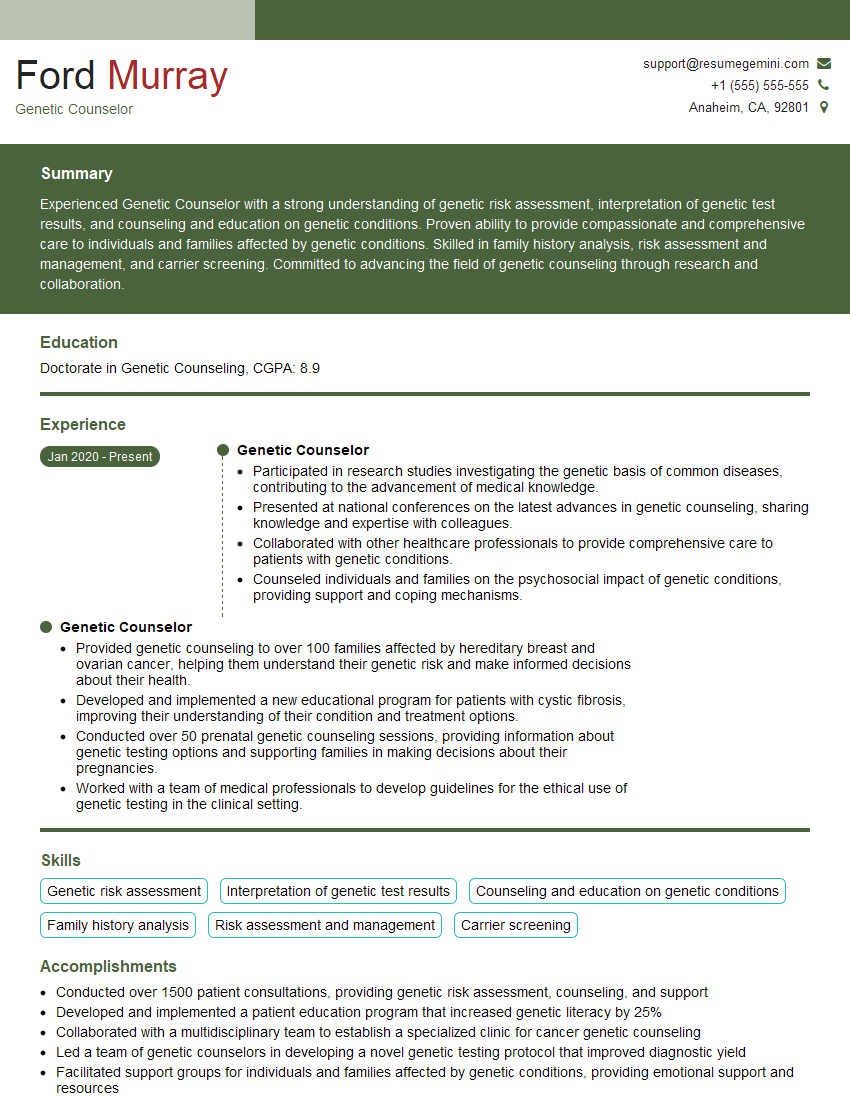
Genetic Counselor Resume Sample
Explore more articles
Users Rating of Our Blogs
Share Your Experience
We value your feedback! Please rate our content and share your thoughts (optional).
What Readers Say About Our Blog
To the interviewgemini.com Webmaster.
Very helpful and content specific questions to help prepare me for my interview!
Thank you
To the interviewgemini.com Webmaster.
This was kind of a unique content I found around the specialized skills. Very helpful questions and good detailed answers.
Very Helpful blog, thank you Interviewgemini team.