The thought of an interview can be nerve-wracking, but the right preparation can make all the difference. Explore this comprehensive guide to Fiberoptic Endoscopic Evaluation of Swallowing (FEES) interview questions and gain the confidence you need to showcase your abilities and secure the role.
Questions Asked in Fiberoptic Endoscopic Evaluation of Swallowing (FEES) Interview
Q 1. Describe the procedure for performing a FEES examination.
A FEES examination is a relatively straightforward procedure, though requiring skill and experience for accurate interpretation. The patient is seated upright, and a flexible endoscope, approximately 6 mm in diameter, is passed through the nose and into the pharynx. Topical anesthetic is typically applied to the nasal passages for patient comfort. The procedure is usually performed by a speech-language pathologist or otolaryngologist.
Step-by-step procedure:
- Preparation: The patient is informed about the procedure, and topical anesthetic is administered.
- Endoscope insertion: The flexible endoscope is gently inserted through the nasal passage and advanced into the pharynx. The examiner continuously observes the anatomy.
- Visualization: The examiner assesses the structure and function of the pharynx, larynx, and vocal folds during rest and while the patient swallows various consistencies of food or liquid (e.g., pudding, water, crackers). Multiple swallows of different bolus types are encouraged for a comprehensive evaluation.
- Image capture: Still images and video recordings are usually taken throughout the examination to aid in later analysis and documentation.
- Procedure conclusion: Once the examination is completed, the endoscope is gently withdrawn, and the patient is monitored briefly for any discomfort or complications.
Q 2. Explain the indications and contraindications for FEES.
FEES is indicated for evaluating swallowing disorders (dysphagia) where the clinical examination or videofluoroscopy (VFSS) is inconclusive or impractical. It’s particularly useful in patients with suspected pharyngeal dysfunction, including those with neurological conditions, head and neck cancer, or those who have had previous head and neck surgery. It’s also valuable for identifying aspiration risk.
Indications:
- Unexplained dysphagia
- Suspected pharyngeal dysphagia
- Assessment of aspiration risk
- Evaluation of the effects of treatment interventions
- Patients unable to tolerate VFSS due to claustrophobia or radiation concerns
Contraindications:
- Severe nasal obstruction or pathology
- Recent nosebleed
- Coagulation disorders (increased risk of bleeding)
- Patients who cannot cooperate or maintain a seated position
It’s important to note that while generally safe, there are potential risks associated with FEES including nasal bleeding, discomfort, and rarely, damage to the mucosa.
Q 3. What are the different types of endoscopic equipment used in FEES?
The most common equipment used in FEES is a flexible fiberoptic endoscope with a light source and a video camera. The specific features may vary across manufacturers, but essential components include:
- Flexible endoscope: Allows for navigation through the nasal passages and pharynx, providing visualization of the swallowing structures.
- Light source: Provides illumination for clear visualization of the anatomy.
- Video camera: Captures real-time images of the swallowing process, which are recorded for later review.
- Monitor: Displays the images captured by the camera.
- Recording device: Stores the captured video and images.
Beyond the basic equipment, advanced features might include specialized lenses for better magnification or image processing software that aids in analysis.
Q 4. How do you assess pharyngeal residue during a FEES exam?
Pharyngeal residue assessment during FEES involves careful observation of the amount and location of any material remaining in the pharynx after a swallow. The examiner visually inspects the valleculae (spaces between the base of the tongue and epiglottis), pyriform sinuses (spaces on either side of the larynx), and posterior pharyngeal wall for any residual food or liquid. The amount of residue is typically described qualitatively (e.g., minimal, moderate, large) and its location noted.
Example: A significant amount of residue remaining in the pyriform sinuses after a swallow suggests reduced pharyngeal clearance and potential for aspiration.
Q 5. What are the key anatomical structures visualized during a FEES?
FEES provides excellent visualization of several key anatomical structures crucial to swallowing. These include:
- Nasopharynx: The upper part of the pharynx, behind the nasal cavity.
- Oropharynx: The middle part of the pharynx, behind the oral cavity.
- Hypopharynx: The lower part of the pharynx, just above the esophagus.
- Valleculae: Spaces at the base of the tongue.
- Pyriform sinuses: Spaces on either side of the larynx.
- Epiglottis: A leaf-shaped structure that protects the airway during swallowing.
- Posterior pharyngeal wall: The back wall of the pharynx.
- Tongue base: The back portion of the tongue.
- Larynx: The voice box, containing the vocal cords.
The dynamic interaction of these structures during swallowing can be comprehensively assessed using FEES.
Q 6. Explain how to interpret findings related to aspiration during a FEES study.
Aspiration during FEES is identified by visualizing material entering the airway below the vocal folds. The examiner looks for evidence of food or liquid entering the trachea or lungs. The severity of aspiration can range from minimal to massive. The timing of aspiration is also important; aspiration before, during, or after a swallow has implications for the underlying etiology and management.
Interpretation of findings:
- Presence of aspiration: This is a critical finding, indicating increased risk of pneumonia and other respiratory complications. The frequency, volume, and timing of aspiration events need to be documented.
- Absence of aspiration: This is a reassuring finding; however, other swallowing difficulties may still be present (e.g., pharyngeal residue).
- Severity of aspiration: This is often graded qualitatively (e.g., minimal, moderate, severe) based on the volume of aspirated material and the patient’s response.
It’s important to note that aspiration can be silent, meaning the patient shows no visible signs of choking or coughing, emphasizing the importance of a thorough FEES examination.
Q 7. How do you differentiate between penetration and aspiration?
Penetration and aspiration are two distinct but related events that occur during swallowing. Both involve the entry of material into the airway, but they differ in location:
- Penetration: Entry of material into the larynx (voice box) above the vocal folds. This does not necessarily imply entry into the lungs but can trigger a cough and increase the risk of aspiration.
- Aspiration: Entry of material into the airway below the vocal folds, into the trachea and lungs. This poses a significant risk of respiratory complications like pneumonia.
Example: Imagine a bolus of food. If it enters the larynx, touching the vocal cords but getting coughed out, that’s penetration. However, if the bolus passes below the vocal cords into the trachea, that is aspiration.
Differentiating between penetration and aspiration is critical for developing effective treatment strategies. Penetration alone warrants intervention to prevent aspiration; aspiration requires immediate intervention to minimize respiratory risks.
Q 8. Describe the various compensatory strategies that may be identified during a FEES.
Compensatory strategies in swallowing are techniques patients use to improve the efficiency and safety of their swallow. During a FEES, we observe these strategies to understand how the patient is adapting to their dysphagia. These strategies can be very effective short-term, but are not always a long-term solution. Some common compensatory strategies identified during FEES include:
Postural adjustments: This involves changing the head and neck position to influence the bolus flow. For instance, head tilt to the stronger side can help with unilateral weakness, or chin tuck to narrow the pharynx.
Dietary modifications: This refers to changes in food consistency and volume. We might observe patients using smaller boluses, thicker liquids, or pureed foods to improve swallowing safety.
Swallowing maneuvers: These are specific techniques the patient might employ, such as the Mendelsohn maneuver (prolonged laryngeal elevation), supraglottic swallow (closing the vocal folds before and during the swallow), or effortful swallow (increased force during the swallow). We can often observe the effectiveness of these maneuvers on the FEES.
Oral motor strategies: These are adjustments in the way the patient uses their tongue, lips, and jaw to manipulate and transport the bolus. For example, a patient might use more tongue movement to propel the bolus posteriorly.
Identifying these strategies is crucial for developing an effective treatment plan. We analyze not only what strategies the patient is using, but also how effective those strategies are in preventing aspiration or residue.
Q 9. What are the limitations of FEES compared to other dysphagia assessments?
FEES, while a powerful tool, has limitations compared to other dysphagia assessments like videofluoroscopic swallowing study (VFSS). VFSS provides a dynamic view of the entire swallow, from oral cavity to esophagus, using x-ray. FEES, on the other hand, primarily focuses on the pharyngeal phase.
Limited visualization of oral phase: FEES offers a limited view of the oral preparatory and oral phases of swallowing. VFSS is better for evaluating oral transit and mastication.
Radiation exposure: FEES avoids radiation exposure, which is a significant advantage over VFSS, especially for patients requiring frequent assessments.
Esophageal assessment: FEES doesn’t provide information about esophageal function, whereas VFSS can visualize the bolus entering and traveling through the esophagus. Further investigation such as an esophagogastroduodenoscopy (EGD) may be needed to assess the esophagus.
Dynamic aspects of the swallow: While FEES allows real-time visualization, it is a 2-D view. VFSS provides a dynamic 3-D visualization of the swallow. This can be crucial in understanding the precise timing and coordination of different swallowing structures.
Patient comfort: Some patients find the FEES procedure more comfortable than a VFSS due to its less invasive nature.
Therefore, the choice between FEES and VFSS depends on the specific clinical questions and the patient’s individual needs. Often, a combination of both provides the most comprehensive assessment.
Q 10. How do you document your findings from a FEES examination?
Documentation of FEES findings is crucial for effective communication and continuity of care. My documentation follows a structured format, including:
Patient demographics and medical history: This includes age, medical diagnoses, medications, and relevant surgical history.
Procedure details: Date, time, type of instrumentation used, and any modifications made during the procedure.
Oral phase observations: Description of lip closure, tongue movement, bolus formation, and mastication, if applicable.
Pharyngeal phase observations: Details about the initiation of the swallow, laryngeal elevation, vocal fold closure, pharyngeal stripping wave, and residue. I often use anatomical landmarks to describe the location of any residue.
Aspiration/Penetration: This section describes the presence, type (silent aspiration, penetration-aspiration), and amount of aspiration or penetration. I note the consistency of the bolus involved.
Compensatory strategies: A detailed description of any compensatory strategies employed by the patient, and their efficacy.
Overall assessment and recommendations: A summary of the findings, including a global assessment of swallowing safety and efficiency. I provide specific, measurable, achievable, relevant, and time-bound (SMART) recommendations for interventions.
Images: I include screenshots or videos from the FEES examination to visually support my findings. I label these images clearly with relevant details.
All this information is integrated into a formal report, accessible to the patient’s medical team for coordinated care. It’s critical to use clear and concise language, avoiding technical jargon wherever possible.
Q 11. Explain the role of FEES in the management of dysphagia.
FEES plays a pivotal role in the management of dysphagia throughout the diagnostic and treatment process.
Diagnosis: FEES provides real-time visualization of the pharyngeal phase of swallowing, allowing for the identification of anatomical abnormalities, physiological impairments and aspiration risks. This leads to a precise diagnosis, guiding appropriate therapy.
Treatment planning: Based on the FEES findings, we can develop a personalized treatment plan. This might include dietary modifications, swallowing exercises, or postural adjustments. FEES is also useful for evaluating the effectiveness of these interventions.
Monitoring progress: FEES can be used to track the patient’s progress throughout therapy. Repeated FEES examinations can demonstrate improvements in swallowing function and safety.
Biofeedback: Some FEES scopes have the capacity for biofeedback, allowing the patient to actively see their swallowing on a screen in real time, increasing patient awareness and improving treatment adherence.
Pre and post-surgical evaluation: FEES can be used to assess swallowing function before and after surgical interventions such as head and neck surgery. This is important for assessing the need for intervention and for monitoring recovery.
By providing this comprehensive information, FEES empowers clinicians to design targeted treatment strategies, maximize therapeutic outcomes, and enhance the quality of life for individuals with dysphagia.
Q 12. How would you counsel a patient and their family regarding FEES findings?
Counseling patients and their families after a FEES examination requires sensitivity and clear communication. My approach focuses on:
Explaining the findings in simple terms: I avoid using technical jargon and explain the results in a way that is easy to understand. I use visual aids like diagrams or photos from the FEES.
Addressing concerns and answering questions: I encourage patients and families to ask questions and address their concerns openly and honestly. I ensure they understand the significance of the findings in relation to their overall health and daily functioning.
Providing realistic expectations: I explain the treatment options, their potential benefits and limitations. I emphasize that recovery is a process that takes time and effort.
Emphasizing hope and empowerment: Even with challenging findings, I highlight the patient’s strengths and resilience. I emphasize that dysphagia is manageable and that with appropriate interventions, they can improve their swallowing function and quality of life. I focus on practical solutions they can implement immediately.
Collaboration and support: I involve the patient and their family in decision-making regarding their treatment. I provide referrals to support groups, speech-language pathologists, dieticians and other professionals, as needed.
Ultimately, my goal is to empower the patient and their family to actively participate in their care and achieve the best possible outcome. It is also essential to provide written instructions and materials to support understanding and follow up.
Q 13. What are the potential risks and complications associated with FEES?
While generally safe, FEES carries some potential risks and complications, though these are rare when performed by trained professionals:
Gagging and vomiting: These are common reactions and are generally managed by stopping the procedure temporarily or modifying technique. We always prepare patients for this possibility.
Bleeding: Minor bleeding from the nasal mucosa can occur, especially in patients with fragile nasal tissue. This is usually self-limiting but requires careful monitoring. We utilize appropriate topical anesthetics to minimize this.
Infection: The risk of infection is low with proper aseptic technique. However, there’s always a small possibility of infection at the site of insertion.
Nasal discomfort: Some patients experience nasal irritation or discomfort following the procedure. We address this proactively with adequate anesthetic.
Sinusitis: In rare cases, FEES could exacerbate pre-existing sinusitis. We carefully screen patients for this before the examination.
Rare complications: Although exceedingly rare, there is a small potential for damage to the nasal passages or other structures. This is again minimized with careful technique and appropriate training.
Before performing a FEES examination, I always obtain informed consent from the patient, explaining the potential risks and benefits. I carefully screen patients to identify any contraindications, such as severe coagulopathy or nasal trauma. Appropriate preparation and post-procedure monitoring minimize these risks considerably.
Q 14. Describe your experience with different types of FEES instrumentation.
My experience encompasses various FEES instrumentation, each with its own advantages and disadvantages. I have extensive experience with:
Rigid endoscopes: These provide high-resolution images and are valuable for detailed anatomical assessments. They are less flexible, however, and may not be suitable for all patients, particularly those with limited mouth opening or anatomical variations.
Flexible endoscopes: These are more comfortable for patients, allowing for better access to the pharynx even with limited mouth opening. The images are generally not as high resolution compared to rigid endoscopes. The ability to maneuver the endoscope allows us to get better views around areas with anatomical variations.
Endoscopes with different diameters: I have experience with different sized endoscopes to accommodate for different patient anatomies and tolerance. A larger diameter endoscope might provide superior visualization but may not be comfortable for the patient.
Endoscopes with integrated light sources and cameras: Modern endoscopes incorporate high-quality cameras and integrated light sources, enabling clear visualization and high-quality recording.
Endoscopes compatible with different recording systems: I am proficient in using FEES systems with various recording capabilities, allowing for detailed documentation and analysis of the examination.
Choosing the appropriate instrumentation depends on the patient’s individual needs and the specific clinical questions being addressed. For example, I would choose a flexible endoscope for a patient with limited mouth opening, while a rigid endoscope might be more suitable for a patient requiring a detailed assessment of the valleculae. My training ensures that I can select and utilize the most appropriate instrumentation for each patient to obtain optimal results.
Q 15. How do you handle unexpected situations during a FEES examination?
Unexpected situations during a FEES examination are thankfully rare but require quick thinking and a prioritization of patient safety. For example, a patient might experience a coughing fit or gag reflex stronger than anticipated. My approach is systematic and prioritizes the patient’s well-being.
- Immediate Response: I would immediately stop the procedure, reassure the patient, and remove the endoscope if necessary.
- Assessment: I would then assess the situation – is the patient distressed? Is there any bleeding or other concerning symptoms?
- Adjustments: Based on my assessment, I might adjust the examination – perhaps limiting the amount of bolus given, or changing the bolus consistency, or even postponing the examination completely if necessary.
- Documentation: I always meticulously document any unexpected events, including my response, and any changes made to the examination protocol. This is crucial for both patient safety and for improving future procedures.
For instance, I once had a patient experience a significant gag reflex during the introduction of the endoscope. I immediately paused, reassured them, and used a slightly smaller-diameter scope after a short break. We successfully completed the exam with minimal discomfort after this adjustment.
Career Expert Tips:
- Ace those interviews! Prepare effectively by reviewing the Top 50 Most Common Interview Questions on ResumeGemini.
- Navigate your job search with confidence! Explore a wide range of Career Tips on ResumeGemini. Learn about common challenges and recommendations to overcome them.
- Craft the perfect resume! Master the Art of Resume Writing with ResumeGemini’s guide. Showcase your unique qualifications and achievements effectively.
- Don’t miss out on holiday savings! Build your dream resume with ResumeGemini’s ATS optimized templates.
Q 16. What are the ethical considerations related to performing a FEES exam?
Ethical considerations in FEES are paramount. They center around patient autonomy, beneficence, non-maleficence, and justice.
- Informed Consent: Obtaining truly informed consent is critical. This means explaining the procedure, its risks (e.g., gagging, discomfort, rare bleeding), benefits, and alternatives in language the patient understands. I always ensure they have the opportunity to ask questions and refuse the procedure at any time.
- Confidentiality: Maintaining patient confidentiality is paramount. All information gathered during the examination, including images and reports, is handled in accordance with HIPAA regulations and other relevant privacy guidelines.
- Competence: I only perform FEES examinations within the scope of my training and competence. It’s unethical to attempt procedures beyond one’s skillset. Continuing education is crucial to maintaining that competence.
- Professional Boundaries: Maintaining appropriate professional boundaries with patients is essential. I treat all patients with respect and dignity, ensuring their comfort and safety are always prioritized.
For example, If a patient expresses discomfort or anxiety, it’s ethically imperative to address it immediately, possibly by rescheduling the exam or exploring alternative approaches.
Q 17. How do you maintain the sterile field during a FEES procedure?
While FEES isn’t a sterile procedure in the same way as surgery, maintaining a clean and safe environment is critical to minimize the risk of infection.
- Hand Hygiene: Thorough handwashing with soap and water or the use of an alcohol-based hand rub is the first and most important step.
- Endoscope Preparation: The endoscope is processed between uses according to manufacturer’s instructions, typically involving high-level disinfection.
- Protective Gear: Gloves are always worn. Depending on the patient’s condition and potential for spread of infection, a mask or face shield may also be used.
- Environment: The examination area should be clean and well-lit. Any disposable items used are properly discarded according to infection control protocols.
Think of it like a meticulous approach to food hygiene – though we aren’t operating, we aim for a clean and safe workspace to prevent any possible contamination or cross-infection.
Q 18. Explain the differences between FEES and Videofluoroscopic Swallow Study (VFSS).
FEES and VFSS are both used to assess swallowing function, but they differ significantly in their methods and the information they provide.
- FEES (Fiberoptic Endoscopic Evaluation of Swallowing): This uses a flexible endoscope passed through the nose to visualize the pharynx and larynx during swallowing. It provides a direct view of the swallow and can assess pharyngeal function and the presence of aspiration. It’s a dynamic assessment.
- VFSS (Videofluoroscopic Swallow Study): This utilizes X-rays to visualize the entire swallow from the mouth to the stomach. It provides a lateral view, showing bolus movement throughout the oropharyngeal and esophageal phases of swallowing. It offers information about the oral cavity, tongue movement, and penetration/aspiration.
The key differences lie in the imaging modality (endoscopy vs. X-ray), the view obtained (anterior vs. lateral), and radiation exposure (none with FEES, significant with VFSS). Often, the choice depends on the specific clinical question; FEES might be chosen for patients with suspected pharyngeal dysfunction where direct visualization is beneficial, while VFSS might be preferred when the entire swallow from mouth to stomach needs to be assessed.
Q 19. Describe your experience interpreting FEES data in various patient populations (e.g., pediatric, geriatric).
My experience interpreting FEES data spans various populations, and each presents unique challenges and considerations.
- Pediatric Patients: Interpreting FEES in children requires patience and often specialized techniques. Developmental norms must be considered, and a less invasive approach is crucial due to potential anxiety and limited cooperation. For example, a child’s gag reflex might be more sensitive, so smaller boluses and careful maneuvering of the scope are essential. I often find it helpful to engage the child with games or distractions.
- Geriatric Patients: Older adults may have underlying medical conditions that affect their swallowing, such as dementia or reduced oral motor control. Careful interpretation is needed, taking into account the possibility of cognitive impairments impacting their ability to follow instructions. My strategies here often include more time for patient instruction, slower-paced assessments, and consideration of potential physical limitations.
In all cases, I carefully correlate the FEES findings with the patient’s medical history, clinical presentation, and other diagnostic tests to develop a comprehensive understanding of their swallowing difficulties and recommend appropriate interventions.
Q 20. What are your strategies for dealing with patient anxiety during a FEES procedure?
Patient anxiety is a common issue in FEES, and addressing it effectively is crucial for both the success of the examination and the patient’s well-being.
- Pre-Procedure Education: Thoroughly explaining the procedure in simple terms, showing the endoscope, and allowing the patient to ask questions significantly reduces anxiety. A demonstration on a model is extremely effective.
- Building Rapport: Establishing a comfortable and trusting relationship through calm conversation and attentive listening is vital.
- Relaxation Techniques: Encouraging deep breathing or providing a distraction can ease anxiety during the procedure.
- Topical Anesthesia: If appropriate, using a topical anesthetic spray in the nose can help reduce discomfort and gag reflex during scope insertion.
- Positive Reinforcement: Positive reinforcement and encouragement throughout the exam is vital.
For example, I might explain the procedure step by step, reassuring the patient at each stage. I often show them pictures or even a video clip of a FEES to further reduce anxiety. A calm demeanor and genuine empathy are key.
Q 21. How do you ensure patient comfort and safety during a FEES examination?
Patient comfort and safety are my top priorities during a FEES examination.
- Positioning: The patient is comfortably positioned in a chair with proper head and neck support to facilitate optimal visualization and minimize discomfort.
- Monitoring: I continuously monitor the patient’s vital signs (oxygen saturation if necessary) and level of comfort during the procedure.
- Minimizing Discomfort: Employing techniques to minimize discomfort, such as using topical anesthetic, adjusting the endoscope position to prevent excessive gagging or discomfort.
- Emergency Preparedness: Being prepared to handle potential complications, including having suction readily available to manage secretions or potential aspiration. Knowing emergency protocols and having the equipment to support basic life support on hand is essential.
- Post-procedure care: Monitoring the patient for any post-procedural complications and providing clear instructions and advice on care after the examination.
For example, I ensure the patient is in a comfortable upright position that minimizes any strain during the procedure. Regular communication with the patient to assess their level of comfort throughout the process is vital. It’s all about a holistic approach to safety, which includes pre-procedural explanations, attention to detail during the process, and post-procedure care.
Q 22. Explain your approach to documenting abnormal findings during a FEES.
Documenting abnormal FEES findings involves a meticulous approach to ensure accurate and comprehensive reporting. I utilize a standardized format, typically including a detailed description of the observed swallow physiology and any deviations from normal. This includes both qualitative and quantitative data.
For instance, if I observe aspiration, I note the timing (e.g., during the oral, pharyngeal, or esophageal phase), the consistency of the material aspirated (e.g., liquid, puree, solid), and the volume aspirated (if estimable). I also document the patient’s response to the aspiration (e.g., cough, choking), and the location of penetration/aspiration (e.g., laryngeal vestibule, trachea).
Further, I carefully describe the anatomy and physiology of the swallow: pharyngeal wall movement, velopharyngeal closure, hyolaryngeal excursion, and laryngeal elevation. Any abnormalities in these areas, such as reduced pharyngeal contraction, poor laryngeal closure, or reduced tongue base retraction, are noted, including their severity and potential contributing factors. I also include images of these findings obtained during the FEES examination and detailed descriptions referencing these images. Finally, I always correlate the findings with the patient’s symptoms and the clinical presentation.
- Qualitative observations: Descriptive terms like ‘reduced,’ ‘delayed,’ ‘absent,’ or ‘inadequate’ are used to characterize the observed abnormalities.
- Quantitative measures: When possible, I quantify the findings, for example, measuring the duration of the pharyngeal transit time or estimating the amount of residue.
- Image documentation: Still images and video recordings of the FEES procedure are essential for accurate documentation and for consultations.
Q 23. How do you integrate FEES findings with other assessment data in a comprehensive dysphagia evaluation?
Integrating FEES findings with other assessment data is crucial for a holistic dysphagia evaluation. FEES provides a direct visual assessment of the swallow, which complements other assessment methods. I often correlate FEES findings with information gathered from a clinical history, bedside swallow examination, instrumental assessments such as videofluoroscopic swallow study (VFSS), and laboratory results.
For example, if a patient reports coughing after swallowing liquids, a bedside swallow examination might reveal pocketing in the mouth, while a VFSS might show aspiration. FEES can then confirm the aspiration and identify the exact location and timing, providing a complete picture of the swallow pathology. This integrative approach helps to refine the diagnosis and guide treatment planning, reducing reliance on any single assessment.
Laboratory results, such as blood counts, can inform the presence of any infection or other systemic factors that could impact swallowing physiology. Comparing findings across these different approaches helps provide a more comprehensive understanding of the disorder, and this allows me to tailor the interventions specifically to the patient’s needs.
Q 24. Describe your experience with using FEES to guide treatment planning.
FEES is invaluable in guiding treatment planning for dysphagia. The direct visualization of the swallow allows for targeted intervention strategies. For instance, observing reduced hyolaryngeal excursion during FEES suggests that techniques aimed at improving laryngeal elevation, such as the Mendelsohn maneuver, might be beneficial. Similarly, if the FEES reveals poor posterior pharyngeal wall movement, exercises that target strengthening this muscle group would be implemented.
I’ve used FEES to assess the effectiveness of various interventions, including postural adjustments, such as head turns, and different swallowing maneuvers. For instance, a patient with unilateral pharyngeal weakness might demonstrate improved swallow safety with a head rotation towards the weak side, as observed during a FEES with this postural modification. The visual feedback from FEES allows me to observe the real-time effect of these interventions and tailor them to maximize their effectiveness.
Furthermore, FEES can inform decisions about diet modification. If a patient exhibits aspiration with thin liquids, the FEES can help determine the optimal viscosity of liquids required for safe swallowing. This allows for individualized recommendations on appropriate food textures to ensure safe and effective nutrition, ultimately enhancing the patient’s quality of life.
Q 25. How do you monitor the patient’s vital signs and oxygen saturation during a FEES?
Monitoring vital signs and oxygen saturation during a FEES procedure is a crucial aspect of patient safety. While the procedure itself is minimally invasive, it’s essential to continuously monitor the patient’s condition. I typically use a pulse oximeter to continuously monitor the oxygen saturation (SpO2) levels and heart rate. Blood pressure is also monitored before, during, and after the procedure, especially if there are any pre-existing cardiovascular concerns.
The pulse oximeter is placed on a finger or earlobe before the procedure commences and remains in place throughout. Continuous monitoring allows for immediate detection of any significant changes, such as a drop in SpO2, indicating possible hypoxemia, or an increase in heart rate, suggesting discomfort or a possible adverse event. I have a readily available emergency cart with oxygen and suction equipment as well as emergency medications should any issues arise. Any significant changes in the vital signs necessitate immediate intervention and may lead to termination of the procedure.
Regular observation of the patient’s respiratory rate, color, and level of consciousness is also performed. Any signs of distress, such as increased respiratory effort, cyanosis, or altered mental status, warrant immediate attention and may also necessitate cessation of the exam.
Q 26. What are the specific safety precautions for operating the FEES equipment?
Safety precautions during FEES are paramount. Prior to initiating the examination, I ensure the endoscope is thoroughly inspected for any damage, including cracks or frayed wires. The scope is properly cleaned and sterilized according to established infection control protocols. I confirm the functionality of the light source, camera, and video recording system before beginning. The patient’s medical history and current medications are carefully reviewed to identify any potential risks or contraindications. The procedure is explained clearly, and informed consent is obtained.
During the procedure, the patient’s vital signs are continuously monitored (as described above). Suction is readily available to remove any secretions or aspirated material. I use appropriate lubricant to minimize discomfort during insertion and prevent any trauma. The depth of insertion is carefully controlled to prevent damage to the pharyngeal mucosa or other tissues. After the procedure, the equipment is thoroughly cleaned and disinfected to prevent cross-contamination.
Emergency protocols are in place in case of complications, including aspiration, laryngospasm, or cardiac arrest. A trained assistant is always present to assist with patient care and emergency response. Proper documentation of the procedure, including any adverse events, is meticulously maintained.
Q 27. How do you adapt your FEES technique for patients with specific medical conditions (e.g., tracheostomy, reduced oral cavity)?
Adapting FEES techniques for patients with specific medical conditions requires careful consideration and modification of the standard procedure. For patients with a tracheostomy, the endoscope is introduced through the mouth, and care must be taken to avoid accidental trauma to the tracheostomy tube. The presence of the tracheostomy tube may alter swallowing physiology and requires focused observation of any potential leakage around the tube and changes in respiratory function during swallowing.
Patients with a reduced oral cavity, such as those with severe microstomia or significant oral scarring, may require a smaller endoscope or a modified insertion technique to minimize discomfort and prevent trauma. Careful assessment of oral anatomy is crucial to avoid any damage or inadvertent injury to sensitive tissues. Visualization may be limited in this case; however, close observation can provide valuable insights into the pharyngeal and laryngeal phases of the swallow.
For patients with other conditions, such as neurological disorders affecting swallowing, the FEES technique remains largely unchanged, though attention is given to the specific swallowing challenges presented by the neurological condition. Detailed observation and documentation are crucial in identifying and characterizing the deviations from normal swallowing physiology. For example, if a patient exhibits signs of reduced lingual strength, adjustments to the testing bolus consistency might be made. Overall, flexibility and adaptability are key to successful FEES examinations in diverse patient populations.
Q 28. Describe a situation where you had to troubleshoot a problem during a FEES examination and how you resolved it.
During a FEES examination on a patient with a history of stroke and severe dysphagia, I encountered difficulty obtaining clear visualization of the pharyngeal swallow due to excessive secretions. The patient’s secretions were significantly thick and obscured the view, hindering assessment of the swallow dynamics.
My initial attempt to manage the secretions involved using suction to clear the airway, but this proved inadequate. The secretions were continuously accumulating, obscuring the view. I then implemented a combination of strategies: I adjusted the patient’s posture to facilitate better drainage, while simultaneously using more frequent suctioning, employing smaller and more frequent suctioning strokes to reduce trauma. I also used a combination of warm saline rinses between swallows and smaller boluses to reduce the volume of secretions.
This combined approach proved effective. The combination of postural adjustment and smaller, more frequent suctioning intervals significantly reduced the volume of secretions, allowing for clearer visualization of the swallow. I was then able to accurately assess the swallow physiology and identify the location and timing of penetration-aspiration. This experience highlighted the importance of problem-solving skills and the adaptability needed to overcome technical challenges during FEES.
Key Topics to Learn for Fiberoptic Endoscopic Evaluation of Swallowing (FEES) Interview
- Anatomy and Physiology of Swallowing: Understand the phases of swallowing (oral, pharyngeal, esophageal), relevant muscles, and neurological control.
- FEES Procedure: Master the steps involved in performing a FEES assessment, including equipment setup, patient positioning, and image interpretation.
- Identifying Swallowing Disorders: Learn to recognize common dysphagia patterns (e.g., aspiration, penetration, residue) and their underlying causes.
- Interpreting FEES Findings: Develop skills in analyzing FEES images to determine the severity and type of swallowing impairment.
- Practical Applications: Discuss how FEES is used in various clinical settings (e.g., acute care, rehabilitation, outpatient clinics) and its role in treatment planning.
- Safety and Protocols: Understand infection control measures, emergency protocols, and ethical considerations related to FEES procedures.
- Different Food Consistencies and Their Impact: Analyze how different textures affect swallowing mechanics and how this is visualized during FEES.
- Therapeutic Interventions Guided by FEES: Discuss how FEES can guide the implementation and monitoring of swallowing therapy techniques.
- Comparison with other Swallowing Assessments (e.g., Videofluoroscopic Swallow Study – VFSS): Understand the strengths and limitations of FEES compared to other diagnostic methods.
- Documentation and Reporting: Learn how to effectively document FEES findings and communicate them to the interdisciplinary team.
Next Steps
Mastering Fiberoptic Endoscopic Evaluation of Swallowing (FEES) significantly enhances your career prospects in speech-language pathology, otolaryngology, and related fields. A strong understanding of FEES principles and practical applications will make you a highly competitive candidate. To increase your chances of landing your dream job, focus on creating an ATS-friendly resume that highlights your skills and experience effectively. ResumeGemini is a trusted resource that can help you build a professional and impactful resume tailored to the specific requirements of FEES-related positions. Examples of resumes tailored to Fiberoptic Endoscopic Evaluation of Swallowing (FEES) are available to guide you.
Clinical Supervisor Resume Sample
Healthcare Consultant Resume Sample
Medical Technologist Resume Sample
Rehabilitation Specialist Resume Sample
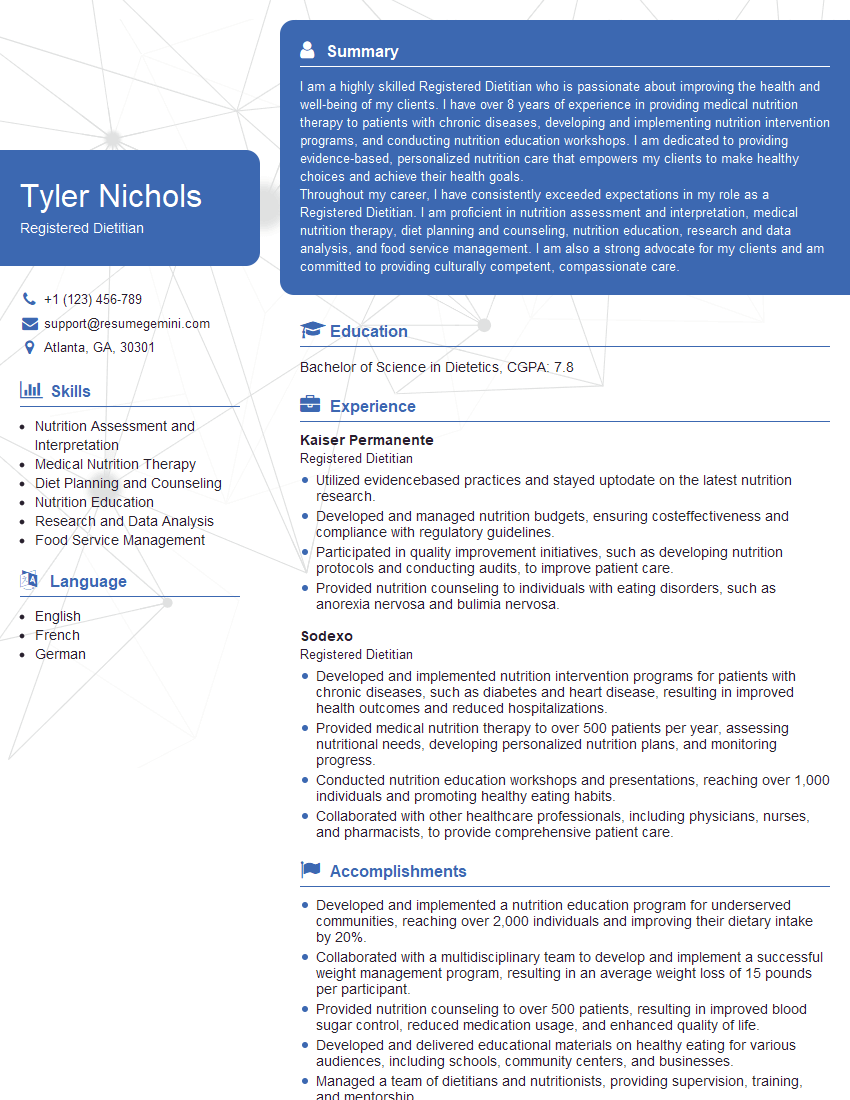
Registered Dietitian Resume Sample
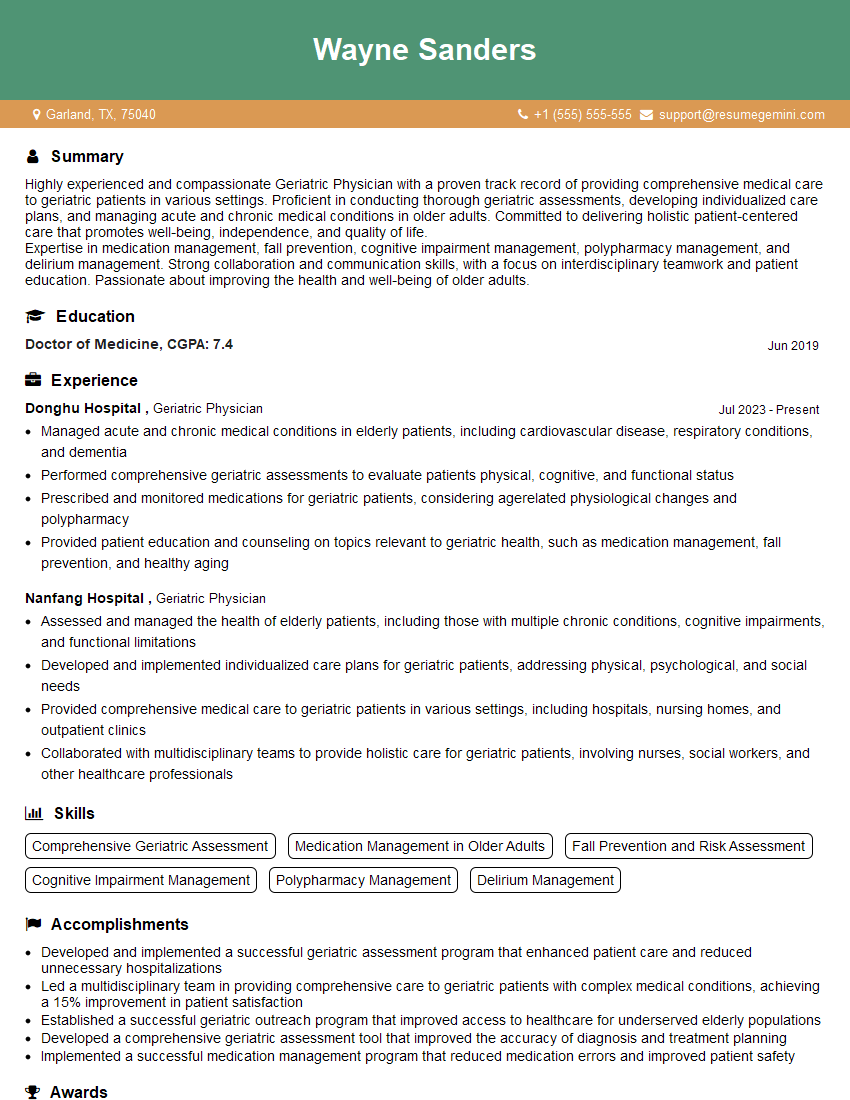
Geriatric Physician Resume Sample
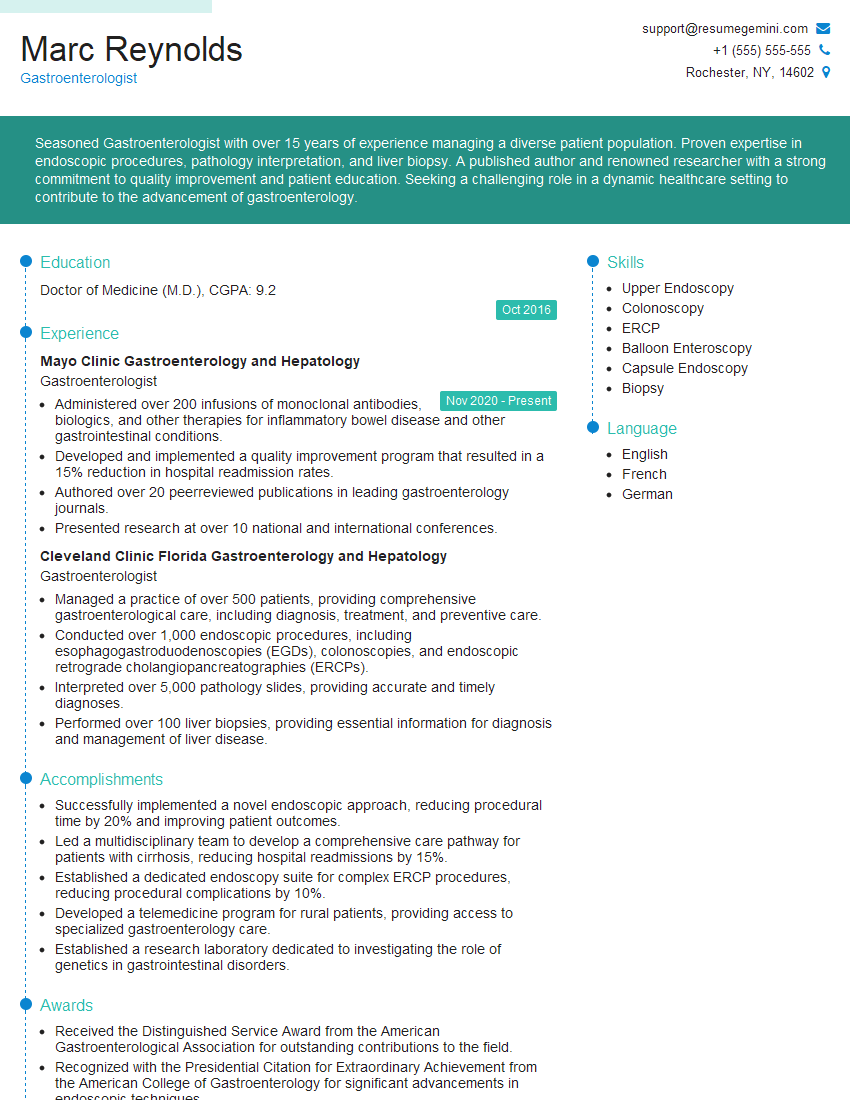
Gastroenterologist Resume Sample
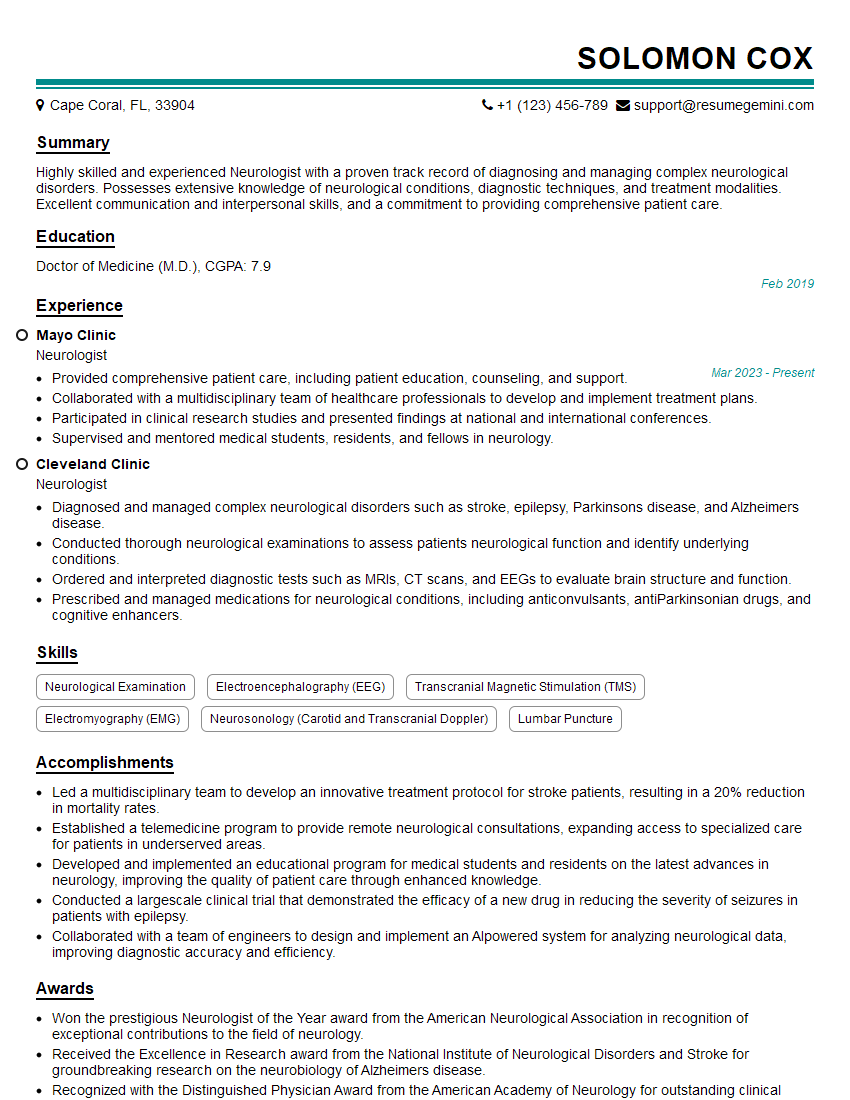
Neurologist Resume Sample
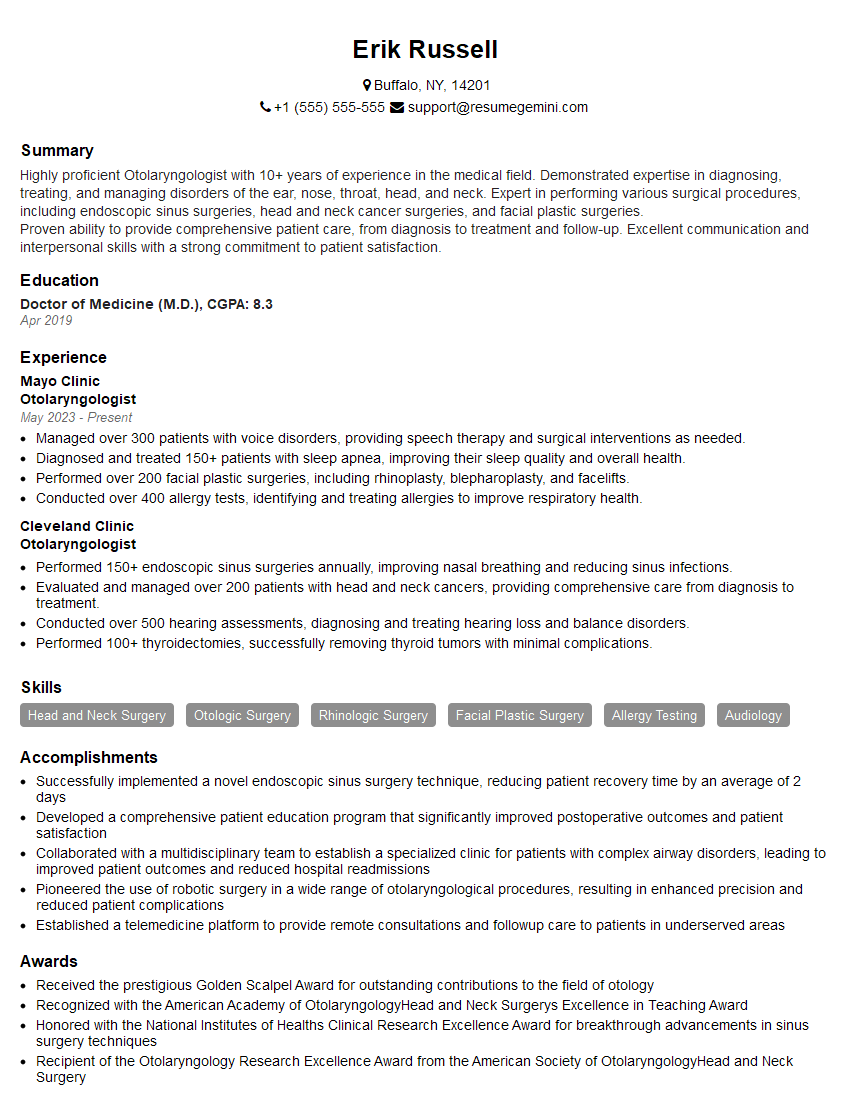
Otolaryngologist Resume Sample
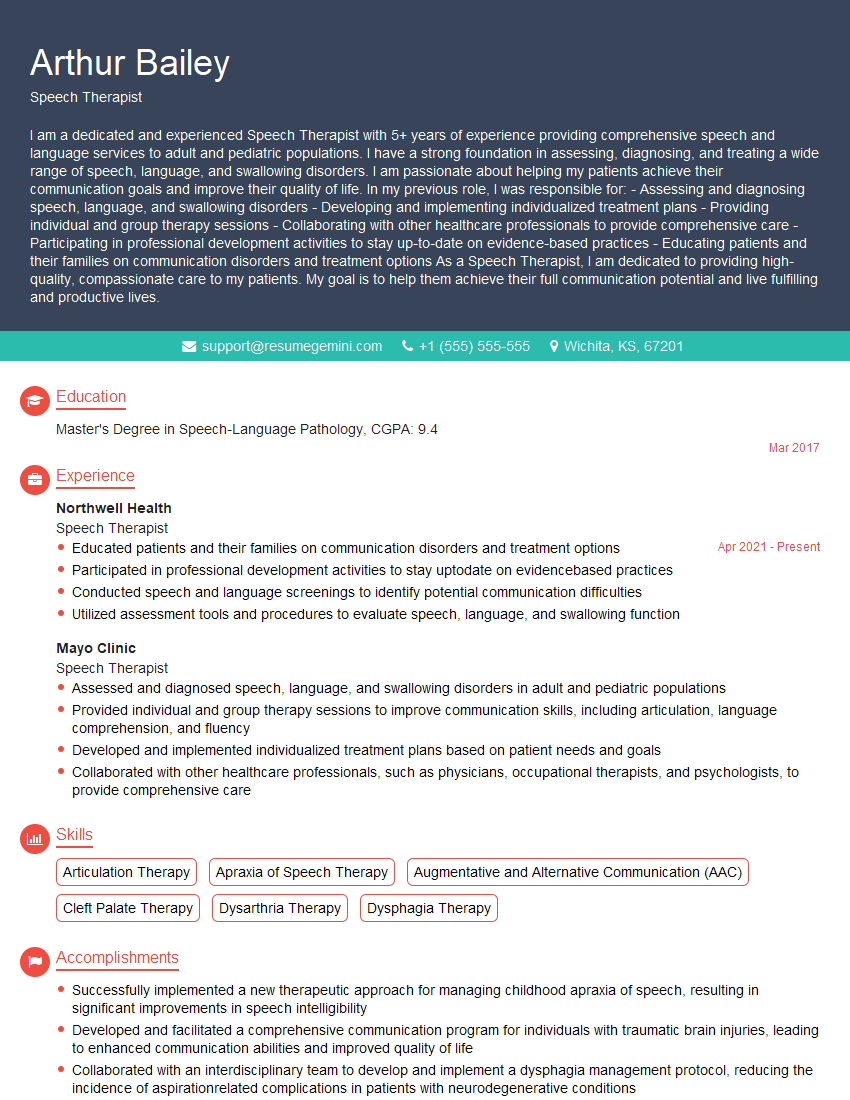
Speech Therapist Resume Sample
Explore more articles
Users Rating of Our Blogs
Share Your Experience
We value your feedback! Please rate our content and share your thoughts (optional).
What Readers Say About Our Blog
To the interviewgemini.com Webmaster.
Very helpful and content specific questions to help prepare me for my interview!
Thank you
To the interviewgemini.com Webmaster.
This was kind of a unique content I found around the specialized skills. Very helpful questions and good detailed answers.
Very Helpful blog, thank you Interviewgemini team.