Interviews are opportunities to demonstrate your expertise, and this guide is here to help you shine. Explore the essential Flash Point Analysis interview questions that employers frequently ask, paired with strategies for crafting responses that set you apart from the competition.
Questions Asked in Flash Point Analysis Interview
Q 1. Explain the principle behind Flash Point determination.
Flash point determination is all about finding the lowest temperature at which a liquid can form an ignitable mixture with air. Imagine a candle; you need a certain amount of heated wax vapor in the air before you can light it. The flash point is that temperature threshold. It’s not the temperature at which the liquid will continuously burn (that’s the fire point), but rather the temperature at which a momentary flash will occur if an ignition source is present. This is a crucial safety parameter, as it dictates how flammable a substance is.
The process typically involves heating a sample of the liquid in a controlled manner while periodically introducing a small ignition source (a small flame or spark). The lowest temperature at which a momentary flash is observed is recorded as the flash point. Different test methods exist, leading to slightly varying results.
Q 2. Describe the difference between closed-cup and open-cup flash point methods.
The key difference between closed-cup and open-cup flash point methods lies in how the sample is exposed to the ignition source. Think of it like this: a closed-cup method is like testing in a slightly enclosed container, minimizing air circulation, while an open-cup method is more exposed, allowing for greater air circulation and vapor dispersion.
- Closed-cup methods (like Pensky-Martens) minimize air movement, leading to a lower flash point reading. This is because the vapor concentration above the liquid remains higher, making it easier to ignite. They are generally preferred for more volatile substances.
- Open-cup methods (like Cleveland Open Cup) allow for more air circulation, resulting in a higher flash point reading. This is because the vapors are more readily dispersed. They are typically used for less volatile materials.
The choice between methods depends on the volatility of the liquid and the specific application. Regulatory bodies often specify which method is required for certain materials.
Q 3. What are the common standards used for flash point testing (e.g., ASTM D3828, ASTM D3278)?
Several internationally recognized standards govern flash point testing. These standards dictate the apparatus used, the test procedure, and the reporting methods, ensuring consistent and comparable results across different laboratories. Some of the most common standards include:
- ASTM D3828: Standard Test Method for Flash Point by Small-Scale Closed-Cup Apparatus.
- ASTM D3278: Standard Test Method for Flash Point of Liquids by Pensky-Martens Closed Tester.
- ASTM D56: Standard Test Method for Flash Point by Tag Closed Tester.
- ISO 2719: Petroleum products – Determination of flash point – Pensky-Martens closed cup method.
Adherence to these standards is crucial for ensuring the accuracy and reliability of flash point data. The specific standard used will depend on the nature of the liquid and the applicable regulations.
Q 4. What are the safety precautions when conducting flash point analysis?
Flash point testing involves handling flammable materials, so safety is paramount. Here are some crucial precautions:
- Proper Ventilation: Always perform tests in a well-ventilated area to prevent the buildup of flammable vapors.
- Grounding: Ground all equipment to prevent static electricity buildup, a potential ignition source.
- Flame Safety: Keep all ignition sources (e.g., open flames, sparks) away from the test area except when specifically required during the test.
- Personal Protective Equipment (PPE): Wear appropriate PPE, including safety glasses, lab coats, and gloves.
- Emergency Procedures: Have a fire extinguisher and spill cleanup kit readily available.
- Training: Only trained personnel should conduct flash point testing.
Ignoring these precautions can lead to serious accidents, including fires and explosions.
Q 5. How do you ensure the accuracy and reliability of flash point measurements?
Ensuring the accuracy and reliability of flash point measurements requires meticulous attention to detail. This includes:
- Calibration: Regularly calibrate the testing equipment according to the manufacturer’s instructions and relevant standards. Temperature is particularly critical.
- Proper Sample Preparation: Ensure the sample is free of contamination and representative of the entire batch.
- Cleanliness: Maintain the testing apparatus meticulously clean to avoid residue affecting the results.
- Standard Operating Procedures (SOPs): Adhere strictly to established SOPs for each testing method. Consistency is key.
- Multiple Measurements: Conduct multiple tests on the same sample to determine the average flash point and assess the variability of the results.
- Quality Control: Incorporate quality control measures, such as using certified reference materials, to verify the accuracy of the testing process.
By following these procedures, laboratories can ensure their flash point data is trustworthy and suitable for regulatory compliance and informed decision-making.
Q 6. Explain the importance of flash point determination in various industries.
Flash point determination is crucial across various industries for safety and regulatory compliance reasons. Knowing the flash point of a liquid helps prevent accidents and ensures safe handling, transportation, and storage.
- Chemical Industry: For classifying chemicals, determining safe storage and handling conditions, and complying with transportation regulations.
- Oil and Gas Industry: Assessing the flammability of crude oil, refined products, and other petroleum-based materials.
- Paint and Coatings Industry: Determining the flammability of solvents and paints and ensuring safe application and storage.
- Pharmaceutical Industry: Assessing the flammability of solvents and other materials used in drug manufacturing.
- Transportation Industry: Classifying liquids for safe transportation via road, rail, sea, and air.
In essence, understanding a material’s flash point is essential for minimizing risks and adhering to industry best practices.
Q 7. What are the limitations of different flash point testing methods?
Different flash point testing methods have their limitations. These limitations need to be understood to interpret the results accurately.
- Closed-Cup Methods: While offering a lower and often safer flash point value, they might not perfectly reflect the behavior of a liquid in an open environment. The limited air circulation might not represent real-world scenarios. Certain highly viscous or residue-forming liquids might produce inaccurate results.
- Open-Cup Methods: They provide a higher flash point value, representing a more open environment, yet they are more susceptible to factors such as air currents that can affect the vapor concentration above the liquid. They also pose a slightly higher risk during testing due to increased vapor exposure.
- Sample Size and Handling: Using an insufficient or unrepresentative sample can yield inaccurate results. Improper handling of the sample during testing might introduce biases.
- Equipment Maintenance: Failure to maintain and calibrate the equipment properly can lead to significant errors.
It’s important to select the appropriate method based on the properties of the liquid and the intended application. Always be aware of the inherent limitations of any specific method and consider the results within that context.
Q 8. How do you interpret flash point data?
Flash point data represents the lowest temperature at which a liquid can form an ignitable mixture in air near the surface of the liquid. Interpreting this data is crucial for safety and regulatory compliance. A lower flash point indicates a higher flammability risk. For instance, a flash point of -10°C suggests a highly flammable substance that poses a significant fire hazard even at relatively low temperatures, while a flash point of 100°C indicates a much lower risk.
We interpret flash point data by considering the specific value in the context of the material’s intended use and storage conditions. This information informs decisions about handling, transportation, storage, and the appropriate safety precautions to take. Regulatory limits often dictate safe handling procedures based on the measured flash point.
For example, a fuel with a low flash point might require special storage in a well-ventilated area away from ignition sources, whereas a substance with a high flash point might only necessitate standard precautions.
Q 9. How do sample preparation and handling affect flash point results?
Sample preparation and handling significantly impact flash point results. Improper techniques can lead to inaccurate and unreliable data, potentially causing safety miscalculations.
- Water Contamination: The presence of water can significantly elevate the apparent flash point. Careful drying of the sample is essential.
- Sample Volatility: Highly volatile samples may lose some components before testing, leading to an artificially higher flash point. Rapid testing and proper sealing are crucial.
- Dissolved Gases: Dissolved gases can affect the mixture’s flammability. Samples should be degassed or tested under controlled conditions to minimize their influence.
- Sample Purity: Impurities can influence the flash point, necessitating a thorough understanding of the sample’s composition.
Imagine testing gasoline containing water; the result would be a much higher flash point than the actual value, significantly underestimating the fire hazard. Proper procedures, including careful sample selection, cleaning, and conditioning, are paramount for accuracy.
Q 10. Describe the different types of flash point testers and their applications.
Several flash point testers exist, each with unique features and applications.
- Cleveland Open Cup (COC): This method is standardized and widely used for relatively less volatile liquids. It is simple to use and provides reproducible results. Its open design makes it susceptible to drafts and evaporation, potentially leading to slight variations in results.
- Pensky-Martens Closed Cup (PMCC): This closed-cup method offers greater precision, particularly for volatile liquids. The closed system minimizes evaporation and drafts, yielding more accurate and consistent results.
- Tag Closed Cup (TCC): A simpler and smaller closed-cup tester, the TCC is often used for routine testing and quality control, especially in petroleum labs.
- Small-Scale Automated Testers: Modern automated testers offer increased efficiency, reduced human error, and improved data reproducibility. They often integrate with other lab systems for streamlined data handling.
The choice of tester depends on the sample’s volatility, the required precision, the resources available, and regulatory requirements. For instance, PMCC is often preferred for flammable solvents, while COC might suffice for less volatile materials.
Q 11. What are the potential hazards associated with handling flammable materials?
Handling flammable materials poses several potential hazards, primarily fire and explosion risks. The severity depends on the material’s flash point, flammability limits, and the presence of ignition sources.
- Fires: Flammable liquids can easily ignite, leading to rapid fire spread and potential damage to property and injury to personnel.
- Explosions: Flammable vapors, when mixed with air in certain concentrations, form explosive mixtures. A spark or flame can trigger a violent explosion.
- Burns: Contact with flammable liquids can cause severe burns.
- Toxicity: Some flammable materials are also toxic and inhalation of their vapors can lead to health problems.
Proper safety measures, including adequate ventilation, the use of appropriate personal protective equipment (PPE), grounding of equipment, and the implementation of fire prevention protocols, are crucial to mitigate these risks. Remember, prevention is always better than cure when handling flammable materials.
Q 12. How do you troubleshoot common problems encountered during flash point testing?
Troubleshooting flash point testing involves systematic investigation to identify and rectify problems affecting the accuracy and reliability of the results. Common problems and their solutions include:
- Inconsistent Results: Check for proper calibration of the equipment, consistent sample preparation, and the absence of drafts or other environmental factors affecting the test.
- High/Low Results: Verify sample purity, check for water contamination, ensure proper sample temperature equilibration, and ensure the tester is functioning correctly.
- Equipment Malfunction: Perform regular maintenance and calibration checks according to the manufacturer’s instructions. If issues persist, consult with a service technician.
- Operator Error: Ensure operators are properly trained and follow standardized procedures. Independent repeat measurements help confirm the reliability of the test.
A systematic approach, beginning with visual inspection and proceeding through a series of checks based on the observed inconsistencies, typically resolves issues. Record-keeping and documentation are essential for troubleshooting and future analysis.
Q 13. What are the regulatory requirements related to flash point determination?
Regulatory requirements related to flash point determination vary depending on the jurisdiction and the specific application. However, common regulations include:
- Transportation Regulations (e.g., DOT, IATA): Strict regulations govern the transportation of flammable materials, often classifying materials based on their flash points and requiring special packaging and handling procedures.
- Workplace Safety Regulations (e.g., OSHA): Workplace safety regulations often mandate flash point testing for materials used in the workplace and specify safety measures depending on the flash point.
- Product Labeling Regulations: Regulations mandate that the flash point be stated on the label of flammable products to warn users of fire hazards.
- Environmental Regulations: Some regulations address the environmental impact of flammable materials, which may include restrictions on their use and disposal.
Failure to comply with relevant regulations can lead to significant penalties, including fines and legal action. Understanding and adhering to applicable regulations are essential aspects of safe handling and disposal of flammable materials.
Q 14. How do you select the appropriate flash point testing method for a given sample?
Selecting the appropriate flash point testing method depends on several factors:
- Sample Volatility: Highly volatile samples necessitate closed-cup methods (PMCC, TCC) to prevent evaporation and ensure accurate results.
- Sample Viscosity: Highly viscous samples might require specific modifications or alternative techniques to ensure proper heating and mixing.
- Regulatory Requirements: Specific regulations might mandate the use of a particular method for certain applications.
- Available Resources: The availability of appropriate equipment and the level of operator expertise also influence method selection.
- Sample Quantity: The available sample quantity might determine whether a small-scale or standard-scale method is appropriate.
For instance, a highly volatile solvent would be tested using a Pensky-Martens Closed Cup (PMCC), while a less volatile fuel might be tested with a Cleveland Open Cup (COC). Always consult relevant standards and regulations to ensure that the chosen method is appropriate and the results are legally compliant.
Q 15. Explain the relationship between flash point and fire point.
Flash point and fire point are both crucial properties indicating a substance’s flammability, but they represent different stages of ignition. The flash point is the lowest temperature at which a liquid can form an ignitable mixture in air near the surface of the liquid. At this point, a momentary flash will occur if an ignition source is present, but sustained combustion won’t. The fire point, on the other hand, is the lowest temperature at which a liquid will continuously burn after ignition. The fire point is always higher than the flash point because it requires sufficient vapor concentration to sustain a flame. Think of it like this: the flash point is like a spark, while the fire point is like a sustained bonfire. The difference between the two can vary, but is usually relatively small, often between 5 and 10 degrees Celsius.
Career Expert Tips:
- Ace those interviews! Prepare effectively by reviewing the Top 50 Most Common Interview Questions on ResumeGemini.
- Navigate your job search with confidence! Explore a wide range of Career Tips on ResumeGemini. Learn about common challenges and recommendations to overcome them.
- Craft the perfect resume! Master the Art of Resume Writing with ResumeGemini’s guide. Showcase your unique qualifications and achievements effectively.
- Don’t miss out on holiday savings! Build your dream resume with ResumeGemini’s ATS optimized templates.
Q 16. What are the common causes of discrepancies in flash point measurements?
Discrepancies in flash point measurements can arise from several sources. Sample preparation is key; the presence of water or other impurities can significantly alter the results. Variations in the testing apparatus itself, such as differences in the cup size, stirrer efficiency, or the ignition source, can also influence the outcome. Operator technique is another critical factor. Inconsistent stirring or an inaccurate temperature reading can lead to errors. For example, using a different closed-cup tester (like a Pensky-Martens) versus an open-cup tester (like a Cleveland Open Cup) will yield slightly different results due to the different vapor pressures allowed to build. Finally, the environmental conditions, particularly temperature and atmospheric pressure, can affect the vapor pressure of the liquid and thus its flash point.
Q 17. How do you manage and dispose of waste generated during flash point testing?
Waste management in flash point testing is crucial for safety and environmental compliance. The first step is always to adhere to your local regulations. Often, the waste generated (the tested liquid) falls under hazardous waste classification due to its flammability. Proper labeling is paramount. Before disposal, the waste needs to be rendered non-flammable, possibly through incineration or chemical neutralization depending on the material. In many cases, specialized waste disposal companies handle the disposal process, ensuring environmentally sound practices. It’s imperative to keep detailed records of all testing and disposal activities. My experience involves strictly following the company’s Safety Data Sheets (SDS) and working closely with the environmental health and safety team to ensure responsible disposal and maintain regulatory compliance.
Q 18. Describe your experience with different flash point testing instruments.
I have extensive experience using various flash point testers, including both closed-cup and open-cup methods. The Pensky-Martens Closed Cup tester is a widely used standard for determining the flash point of liquids. Its closed design minimizes vapor loss, yielding a more precise measurement, especially for less volatile substances. I’ve also worked extensively with Cleveland Open Cup testers, which provide a more rapid and simplified testing procedure but are generally less accurate than closed-cup methods for volatile materials. Additionally, I am familiar with automated testers that utilize advanced sensors and data acquisition systems, greatly improving efficiency and reproducibility. My expertise extends to interpreting results from these diverse instruments and identifying potential sources of error based on the instrument and the tested material’s properties. For example, understanding the limitations of the open-cup method for highly volatile liquids is crucial for accurate risk assessment.
Q 19. Explain the concept of flammability limits.
Flammability limits, also known as explosive limits, define the range of concentrations of a flammable substance in air that will support combustion. These limits are expressed as a percentage of the flammable substance by volume in air. The lower flammability limit (LFL) represents the minimum concentration of a flammable vapor or gas in air that will support combustion. Below the LFL, there is not enough fuel present to sustain a flame. The upper flammability limit (UFL) is the maximum concentration of the flammable vapor or gas in air that will support combustion. Above the UFL, there is too much fuel and not enough oxygen to support combustion. Imagine a campfire: you need enough wood (fuel) to keep it going, but too much wood can smother the flames. Knowing the flammability limits is crucial for preventing fires and explosions in industrial settings.
Q 20. How do temperature and pressure affect flash point values?
Temperature and pressure significantly influence flash point values. Increased temperature generally lowers the flash point, because higher temperatures increase the vapor pressure of the liquid, leading to a higher concentration of flammable vapors in the air. Conversely, decreased temperature raises the flash point. Similarly, increased pressure also tends to lower the flash point by increasing the vapor concentration. Decreased pressure has the opposite effect. These relationships are complex and influenced by the specific properties of the substance being tested. Accurate flash point determination requires accounting for these variables and maintaining consistent conditions during testing. These effects are critical in environments where pressure and temperature fluctuate, such as those involving high altitude or pressurized vessels.
Q 21. What is the significance of flash point in risk assessment?
The flash point is a critical parameter in risk assessment, especially in the handling, storage, and transportation of flammable materials. A low flash point indicates a higher risk of fire and explosion, requiring more stringent safety precautions. Knowing the flash point allows for the proper selection of safety measures, including appropriate storage containers, ventilation systems, and personal protective equipment. It’s a key factor in determining the classification of a material as hazardous and informing the development of emergency response plans. For instance, a material with a low flash point will necessitate more stringent safety measures during transportation and storage, such as using specialized containers and maintaining controlled environments to prevent the accumulation of flammable vapors.
Q 22. How can you improve the efficiency of flash point testing procedures?
Improving the efficiency of flash point testing hinges on optimizing several key areas. First, selecting the right test method is crucial. Closed-cup methods like Pensky-Martens are generally faster for routine testing, while open-cup methods, like Cleveland Open Cup, might be preferred for certain applications. The choice depends on the sample’s properties and regulatory requirements.
Second, proper sample preparation is paramount. Ensuring the sample is free of contaminants, properly homogenized, and at the correct temperature before testing significantly reduces errors and repetition. For example, water contamination in a petroleum sample can drastically alter the flash point. Third, regular maintenance and calibration of the equipment is essential for accurate and consistent results. A well-maintained instrument minimizes downtime and errors.
Finally, adopting efficient laboratory practices can make a big difference. This includes using appropriate sample handling techniques, well-defined procedures, and proper documentation. Implementing a robust quality control system with regular checks and validation of results will ensure accuracy and reliability, further optimizing efficiency.
Q 23. Discuss your experience in documenting and reporting flash point results.
Documenting and reporting flash point results requires meticulous attention to detail to ensure compliance and traceability. My experience involves creating comprehensive reports that include all relevant information such as the sample identification, the test method used (e.g., ASTM D3828, ISO 2719), the date and time of the test, the instrument used and its serial number, the observed flash point, and any observations during testing. I always ensure the report includes details about sample preparation, including any pre-treatment steps.
I utilize a laboratory information management system (LIMS) to manage data, which provides an audit trail, guaranteeing data integrity and facilitates easy retrieval of information. In addition to numerical results, I include photographs of the test setup (where applicable), to further enhance clarity. The final report is always reviewed and approved before distribution to ensure accuracy and adherence to established quality standards. This process helps in easy identification of any inconsistencies or anomalies, contributing to improved accuracy and reliability of the final flash point results.
Q 24. What are the ethical considerations related to conducting flash point analysis?
Ethical considerations in flash point analysis are crucial for ensuring the safety of personnel and the integrity of the results. First and foremost, safety is paramount. The testing process involves flammable materials, therefore strict adherence to safety protocols, including the use of personal protective equipment (PPE) like safety glasses and gloves, as well as working in a well-ventilated area is crucial. Proper disposal of waste materials after testing is another vital ethical consideration.
Furthermore, maintaining data integrity is essential. This involves accurate and honest recording of results, avoiding any manipulation or falsification of data. Reporting only verifiable and reliable results is ethically paramount, regardless of the pressure or potential consequences. Finally, maintaining confidentiality of client information and respecting intellectual property rights associated with the tested materials is a fundamental ethical responsibility. This comprehensive approach guarantees responsible testing practices and protects both people and data.
Q 25. How do you maintain and calibrate flash point testing equipment?
Maintaining and calibrating flash point testing equipment is vital for accurate and reliable results. This involves regular cleaning, according to the manufacturer’s instructions, to prevent build-up of residues that can affect the test outcome. For example, any residue from previous tests could alter the temperature reading. The instrument should be checked for any physical damage and its components examined for wear and tear. This might include replacing worn-out seals or replacing parts as required.
Calibration is equally important and is typically conducted using certified reference materials with known flash points. This ensures accuracy and traceability of results. The frequency of calibration depends on the instrument and its usage, with some requiring daily calibration, while others may only need it monthly or annually. Accurate records are kept of all maintenance and calibration activities, which are essential for audits and maintaining ISO accreditation. This meticulous approach ensures that the test results are reliable and meet the required quality standards.
Q 26. Describe a situation where you had to troubleshoot a flash point testing issue.
In one instance, I encountered a situation where a Pensky-Martens apparatus consistently yielded flash point values significantly higher than expected for a particular solvent. Initially, I suspected sample contamination, but after carefully re-preparing the sample and obtaining the same results, I focused on the instrument itself. I systematically checked each component, beginning with verifying the thermometer’s calibration. It turned out to be slightly off, leading to inaccurate temperature readings.
After recalibrating the thermometer, the issue was resolved and subsequent tests produced results consistent with the expected flash point. This situation emphasized the critical importance of regular calibration and the need for a systematic troubleshooting approach, which helped to identify the cause and restore the accuracy of the flash point testing. This experience demonstrated the importance of thorough investigation and systematic troubleshooting and highlight the importance of routine preventative maintenance.
Q 27. How would you train a new employee on flash point testing procedures?
Training a new employee on flash point testing procedures involves a phased approach. First, a comprehensive overview of flash point analysis principles, its significance, and various testing methods (Pensky-Martens, Cleveland Open Cup, etc.) is given. This theoretical foundation sets the stage for practical training.
Next, hands-on training using a specific flash point apparatus begins. This involves detailed instruction on sample preparation, instrument operation, data recording, and safety protocols. The trainee will initially observe experienced personnel performing tests before working independently under supervision. Regular practical sessions, including different sample types and testing conditions, ensure skill development. The training progresses gradually from simple to complex scenarios. Throughout the training, emphasis is given to understanding data interpretation and the importance of maintaining high quality standards. Finally, proficiency assessment through practical tests and record review confirms their competency before independent testing is allowed.
Q 28. What are the advancements and future trends in flash point analysis technology?
Advancements in flash point analysis technology are focused on enhancing speed, accuracy, and automation. Miniaturization of the testing equipment leads to reduced sample size and improved portability, which is beneficial for field testing. The incorporation of advanced sensors and data acquisition systems is improving the accuracy and precision of measurements. Some newer instruments offer automated data logging and analysis. This automation can reduce human error and increase efficiency.
Future trends include the integration of artificial intelligence (AI) and machine learning (ML) algorithms for enhanced data analysis and predictive modeling. These technologies could improve the accuracy of flash point predictions, enabling faster testing and improved safety. There’s also a growing focus on developing greener testing methods that minimize the use of solvents and reduce environmental impact, thereby aligning with the increasing environmental consciousness within the industry.
Key Topics to Learn for Flash Point Analysis Interview
- Understanding Flash Point: Defining flash point, its significance in safety and process control, and the different methods used for its determination (e.g., Pensky-Martens, Cleveland Open Cup).
- Factors Affecting Flash Point: Exploring the influence of factors like chemical composition, pressure, temperature, and the presence of impurities on a substance’s flash point.
- Practical Applications: Analyzing real-world examples of how flash point analysis is used in various industries (e.g., petroleum refining, chemical manufacturing, fire safety). Discuss case studies and scenarios involving flash point determination and its implications.
- Safety and Hazard Analysis: Understanding the role of flash point in assessing fire and explosion hazards, and how this information is used in risk management and process safety.
- Data Interpretation and Reporting: Mastering the skills to accurately interpret flash point data, generate reports, and communicate findings effectively to both technical and non-technical audiences.
- Troubleshooting and Problem Solving: Developing the ability to identify and resolve common challenges encountered during flash point testing and analysis, such as discrepancies in results or equipment malfunctions.
- Relevant Regulations and Standards: Familiarity with industry-specific regulations and standards related to flash point determination and reporting (mentioning general awareness, not specifics).
Next Steps
Mastering Flash Point Analysis significantly enhances your employability across various safety-critical industries, opening doors to exciting career opportunities and higher earning potential. To maximize your job prospects, it’s crucial to present your skills effectively through a well-crafted, ATS-friendly resume. ResumeGemini is a trusted resource that can help you build a professional resume tailored to highlight your expertise in Flash Point Analysis. We provide examples of resumes specifically designed for this field to help you get started. Invest in crafting a compelling resume – it’s your first impression and a key to unlocking your career ambitions.
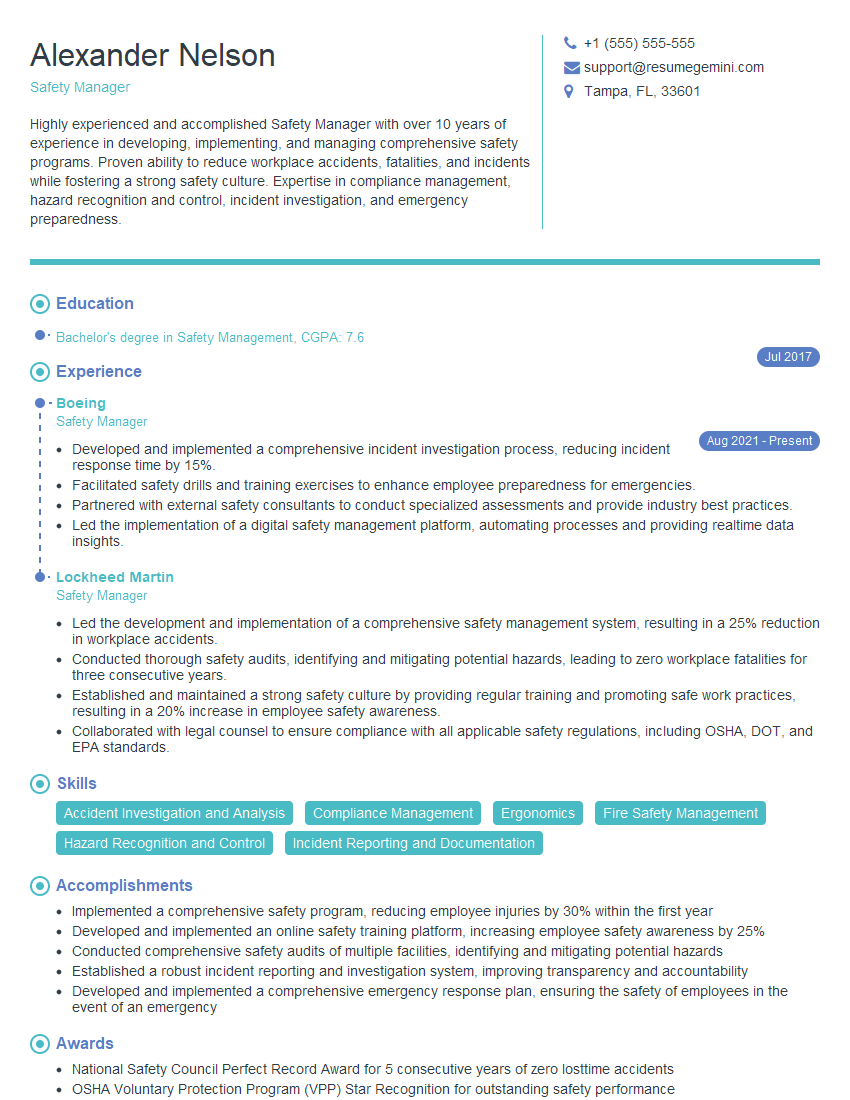
Safety Manager Resume Sample

Compliance Manager Resume Sample
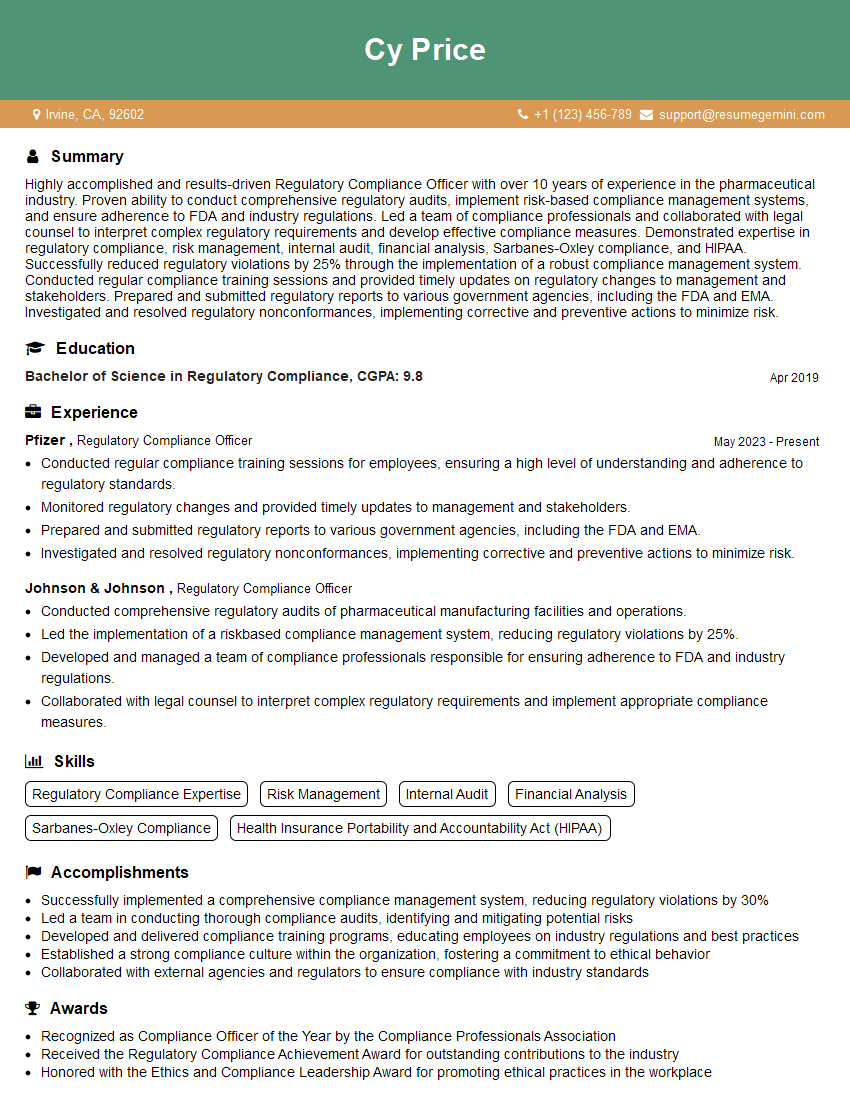
Regulatory Compliance Officer Resume Sample
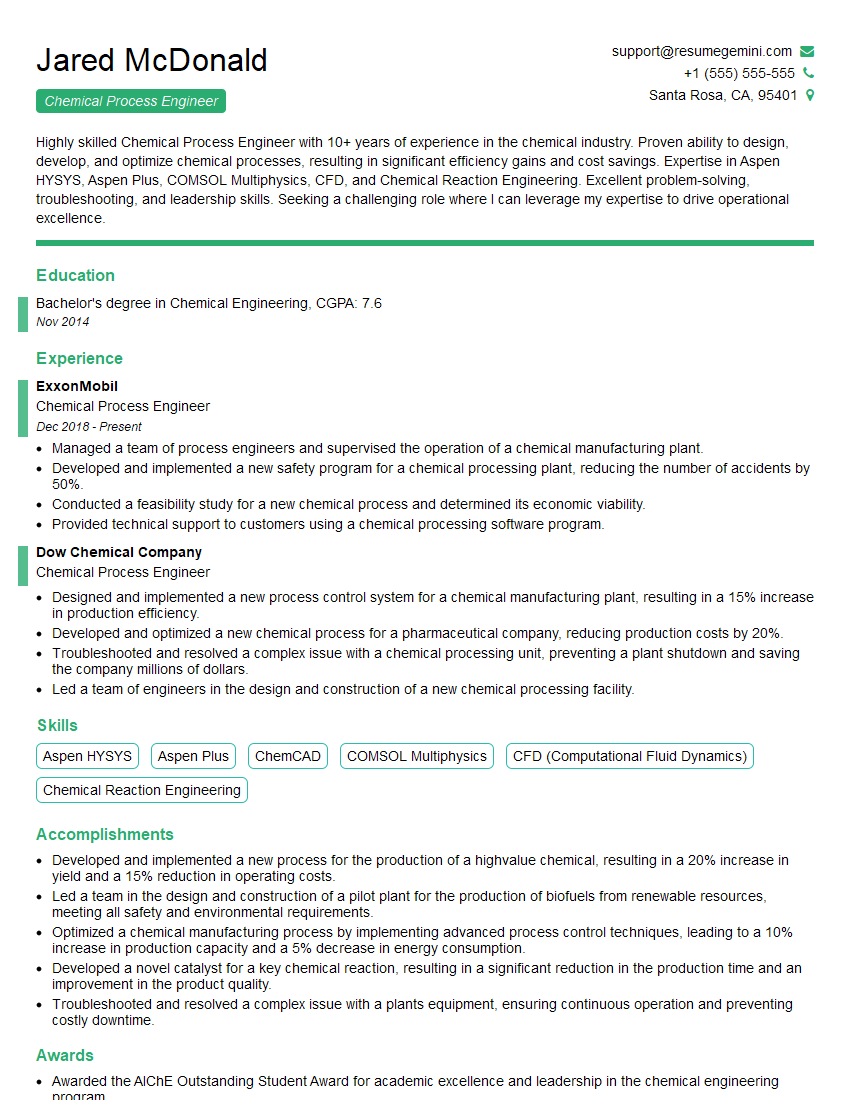
Chemical Process Engineer Resume Sample
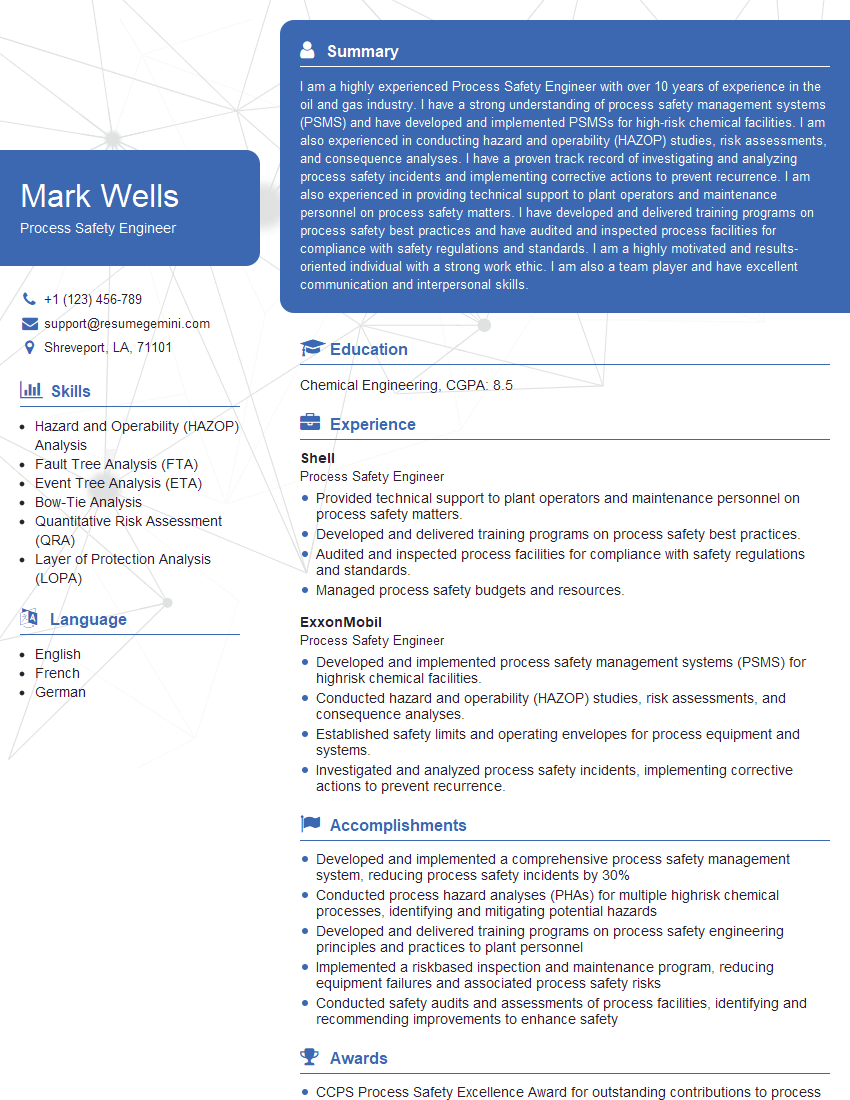
Process Safety Engineer Resume Sample

Petroleum Engineer Resume Sample

Laboratory Supervisor Resume Sample

Analytical Chemist Resume Sample
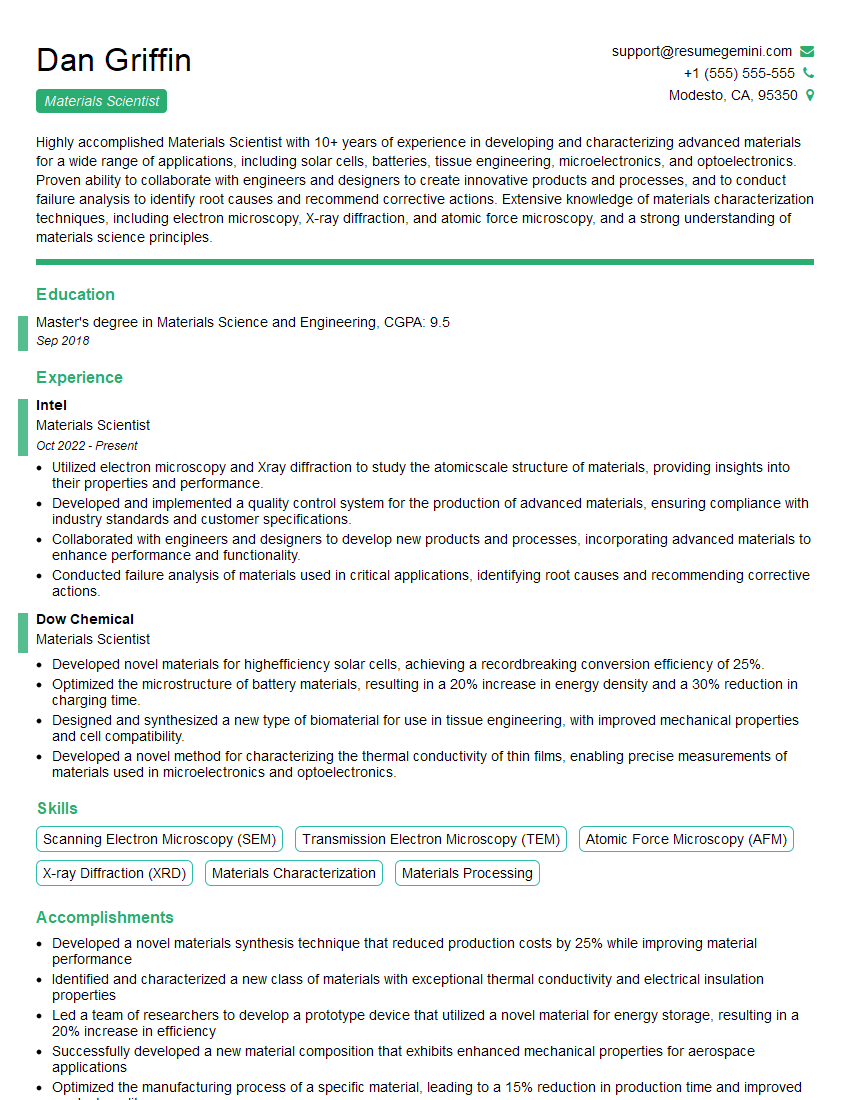
Materials Scientist Resume Sample
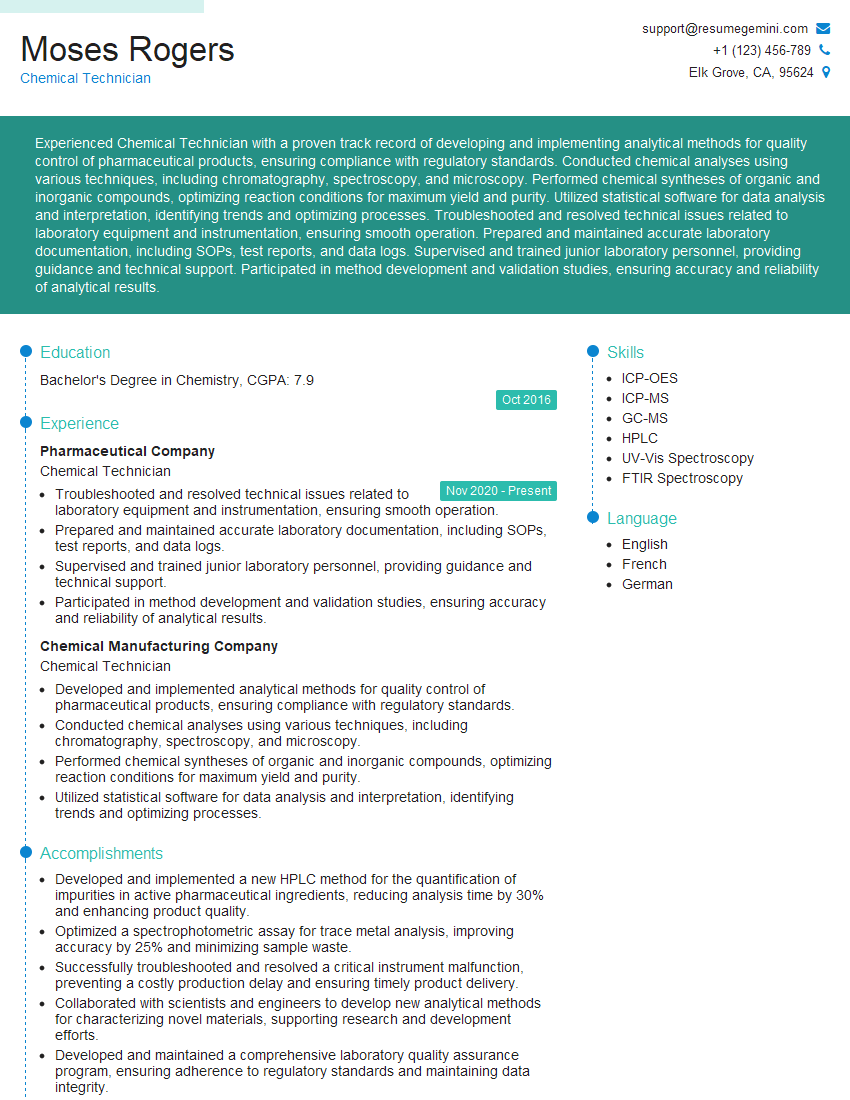
Chemical Technician Resume Sample
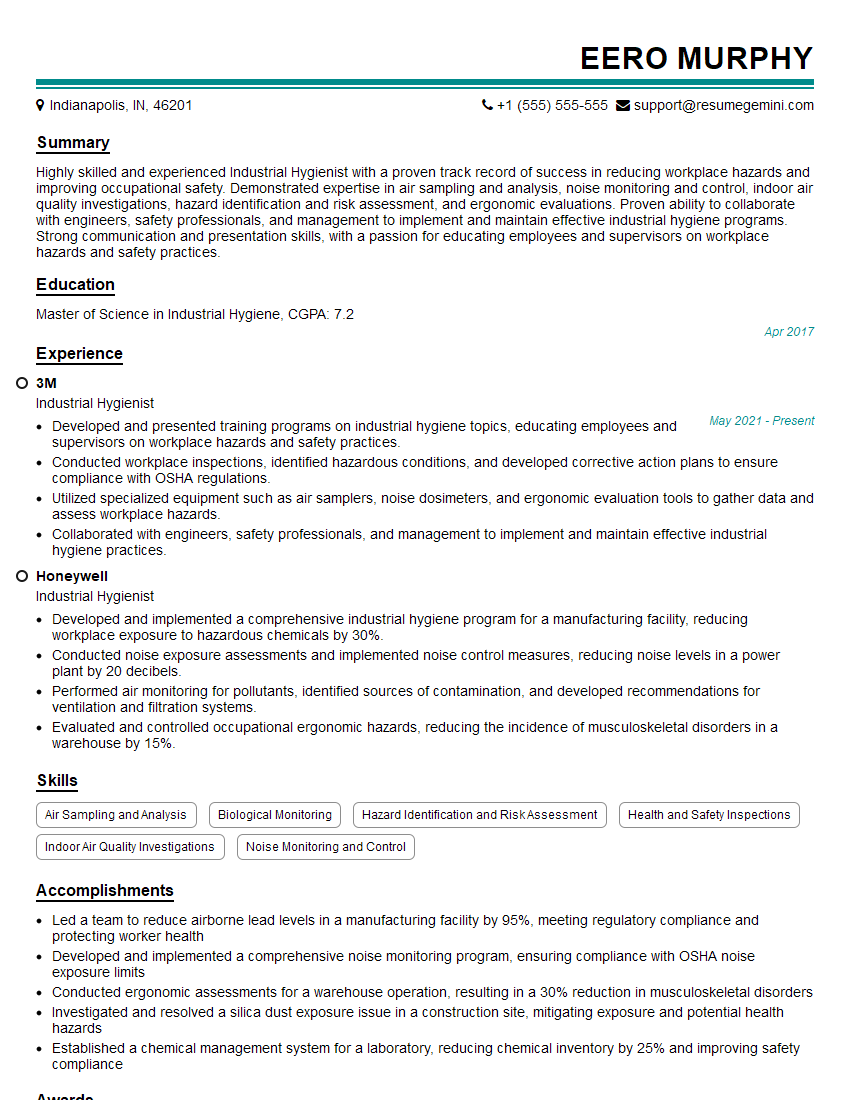
Industrial Hygienist Resume Sample
Explore more articles
Users Rating of Our Blogs
Share Your Experience
We value your feedback! Please rate our content and share your thoughts (optional).
What Readers Say About Our Blog
To the interviewgemini.com Webmaster.
Very helpful and content specific questions to help prepare me for my interview!
Thank you
To the interviewgemini.com Webmaster.
This was kind of a unique content I found around the specialized skills. Very helpful questions and good detailed answers.
Very Helpful blog, thank you Interviewgemini team.