Every successful interview starts with knowing what to expect. In this blog, we’ll take you through the top Food and Beverage interview questions, breaking them down with expert tips to help you deliver impactful answers. Step into your next interview fully prepared and ready to succeed.
Questions Asked in Food and Beverage Interview
Q 1. Describe your experience with inventory management in a food service setting.
Inventory management in a food service setting is crucial for profitability and smooth operations. It involves tracking all food and beverage items, from receiving to usage, to minimize waste and ensure sufficient stock. My experience includes using both manual and computerized inventory systems. In a previous role at a bustling cafe, we used a spreadsheet-based system initially, meticulously tracking stock levels, purchase dates, and expiry dates. This allowed us to identify slow-moving items and adjust ordering accordingly. Later, we transitioned to a point-of-sale (POS) system integrated with inventory management software. This automated the process significantly, providing real-time data on stock levels, sales trends, and automatically generating purchase orders. This improved accuracy and efficiency, reducing food waste and ensuring we never ran out of popular items. A key aspect was implementing FIFO (First-In, First-Out) – always using the oldest stock first to minimize spoilage. We also conducted regular physical inventory checks to reconcile with the system data, catching discrepancies early.
- Manual System: Spreadsheets, manual counts, visual inspection.
- Computerized System: POS integration, automated ordering, real-time data.
- Key Metrics: Inventory turnover rate, spoilage rate, stock-to-sales ratio.
Q 2. Explain your understanding of food safety regulations and HACCP principles.
Food safety regulations and HACCP (Hazard Analysis and Critical Control Points) principles are paramount in the food industry. HACCP is a preventative system designed to identify and control potential biological, chemical, or physical hazards throughout the food production process. My understanding encompasses all aspects of safe food handling, including proper storage temperatures, hygiene protocols, and pest control. I’m familiar with regulations like FDA Food Code in the US, or equivalent regulations in other regions. For example, in my previous role, we implemented a strict HACCP plan covering all stages from receiving deliveries (checking temperatures and verifying expiration dates) to food preparation, cooking, holding, and serving. We meticulously documented all critical control points (CCPs), such as cooking temperatures for poultry (165°F), refrigeration temperatures (41°F or below), and handwashing protocols. Regular staff training on food safety and hygiene was mandatory, and temperature logs were meticulously maintained and reviewed. Any deviations from the HACCP plan were immediately investigated and corrective actions implemented and documented.
- Key Principles of HACCP: Hazard analysis, CCP identification, critical limits, monitoring, corrective actions, verification, record keeping.
- Common Hazards: Biological (bacteria, viruses), chemical (pesticides, cleaning agents), physical (glass, metal fragments).
Q 3. How would you handle a customer complaint regarding food quality or service?
Handling customer complaints is a crucial skill in food service. My approach is always empathetic and focused on resolving the issue promptly and professionally. I would begin by actively listening to the customer, acknowledging their concerns, and apologizing for their negative experience, regardless of the cause. I would then ask clarifying questions to understand the nature of the complaint – Was the food undercooked? Was the service slow? Was the portion size incorrect? Then, I would take appropriate action. If it’s a food quality issue, I might offer a replacement meal or a refund. If it’s a service issue, I would address the underlying cause and strive to prevent similar issues from happening again. I would also record the complaint thoroughly, including the customer’s details and the resolution. Finally, I would follow up with the customer to ensure they were satisfied with the outcome. For example, if a customer complains about undercooked chicken, I’d immediately apologize, remove the dish, and prepare a new one, ensuring it’s cooked to the correct temperature before serving, and possibly offer a complimentary dessert to show goodwill.
Q 4. Describe your experience with menu development or cost control.
Menu development and cost control are intertwined aspects of successful food service operations. My experience includes designing menus based on seasonal ingredients, customer preferences, and profit margins. I’m proficient in using costing software to calculate the cost of each menu item, taking into account ingredient costs, labor, and overhead. I also have experience in developing creative and innovative menu items while ensuring they remain cost-effective. For example, during a previous project, we analyzed sales data to identify the most popular items and their profitability. This guided us to redesign our menu, highlighting popular dishes while replacing underperforming items with new, cost-effective creations. We also implemented portion control strategies and used less expensive but equally high-quality ingredients where possible without sacrificing taste or quality. We regularly monitored our food costs and adjusted our recipes and purchasing strategies as needed to maintain profitability.
- Menu Engineering: Analyzing menu items based on popularity and profitability.
- Costing Methods: Calculating the cost of each menu item, including food, labor, and overhead.
- Recipe costing: Detailed breakdown of ingredients costs for each menu item.
Q 5. How do you maintain a positive and productive team environment in a high-pressure kitchen?
Maintaining a positive and productive team environment in a high-pressure kitchen requires strong leadership, clear communication, and mutual respect. My approach focuses on fostering teamwork, open communication, and providing constructive feedback. I believe in leading by example, maintaining a calm demeanor even during stressful situations. Regular team meetings allow for open communication about challenges and successes, allowing for collaborative problem-solving. I also emphasize the importance of clear roles and responsibilities, delegating tasks effectively and ensuring everyone feels valued and appreciated. Recognizing and rewarding team achievements, both big and small, helps boost morale and foster a sense of camaraderie. In my previous role, for instance, we established a system of peer-to-peer recognition where team members could commend colleagues for their hard work or exceptional performance. This simple system proved highly effective in strengthening team spirit and creating a more supportive atmosphere, even during the busiest service periods.
Q 6. What are your strategies for managing food waste and minimizing costs?
Managing food waste and minimizing costs are crucial for sustainability and profitability. My strategies involve careful planning, proper storage, and precise portion control. This begins with accurate forecasting of demand, ordering only what’s needed, and using inventory management software to track stock levels and expiry dates. Implementing FIFO (First-In, First-Out) is critical to minimize spoilage. Regular staff training on proper storage techniques and portion control is also essential. We can also utilize food scraps creatively. For example, vegetable scraps can be used to make stock, while leftover bread can be turned into croutons. Composting food waste is another environmentally friendly approach. Regularly reviewing recipes to identify areas for cost reduction without sacrificing quality is also important. For instance, substituting certain premium ingredients with equally acceptable but more cost-effective alternatives could result in significant cost savings over time.
- Strategies: Accurate forecasting, FIFO, proper storage, portion control, creative use of scraps, composting.
- Cost Reduction: Menu engineering, ingredient substitutions, negotiating with suppliers.
Q 7. Explain your experience with different cooking techniques and methods.
My experience encompasses a wide range of cooking techniques and methods. I’m proficient in various culinary styles, including classic French techniques like mise en place (preparation), sauces (béchamel, velouté, espagnole), and various roasting, braising, and sautéing methods. I’m also adept at modern cooking techniques, such as sous vide (vacuum-sealed cooking), molecular gastronomy (using chemicals to modify food texture and appearance), and advanced grilling and smoking techniques. I’m familiar with various cooking equipment, including ovens (conventional, convection, wood-fired), grills (gas, charcoal), fryers, and specialized equipment like pasta makers or smokers. For instance, I’ve utilized sous vide to create perfectly cooked and consistently tender proteins, and have experimented with foams and spherification techniques in molecular gastronomy. My experience with different cuisines allows me to adapt my skills to various culinary environments and challenges.
- Classical Techniques: Sauces, roasting, braising, sautéing, grilling.
- Modern Techniques: Sous vide, molecular gastronomy, smoking, advanced grilling.
- Equipment Proficiency: Ovens, grills, fryers, specialized equipment.
Q 8. How do you ensure consistency in food quality and presentation?
Maintaining consistent food quality and presentation is paramount to a successful food and beverage operation. It’s achieved through a multi-pronged approach focusing on standardized recipes, rigorous training, and quality control checks.
Standardized Recipes (Recipe Cards): We use detailed, standardized recipes with precise measurements and step-by-step instructions. Think of them as blueprints – every dish should be built the same way, every time. This eliminates inconsistencies caused by guesswork or individual interpretation.
Quality Control Checks: Regular taste tests and visual inspections are vital. At different stages of preparation, chefs check for adherence to standards, ensuring proper cooking temperatures, appropriate seasoning, and appealing plating. Think of it as a quality assurance process like you’d find in manufacturing.
Thorough Staff Training: Comprehensive training programs, including hands-on practice and regular refreshers, are key. Staff must understand the recipes, techniques, and presentation standards. We use a combination of demonstrations, practical exercises, and feedback sessions to ensure everyone is on the same page.
Ingredient Sourcing: Consistent quality begins with the ingredients. We carefully select reliable suppliers who consistently provide high-quality produce, meats, and other items. Regular supplier audits ensure that this standard is maintained.
For example, in a restaurant setting, a standardized recipe for a Caesar salad would dictate the exact amount of romaine lettuce, croutons, parmesan cheese, and dressing to be used, ensuring every salad tastes and looks the same.
Q 9. Describe your experience with purchasing and supplier management.
My experience in purchasing and supplier management encompasses building strong relationships, negotiating favorable terms, and ensuring the consistent supply of high-quality ingredients. This involves:
Supplier Selection: I meticulously research and evaluate potential suppliers based on factors such as quality, reliability, pricing, and sustainability practices. I look for suppliers who share our commitment to quality and ethical sourcing.
Negotiation and Contract Management: I negotiate contracts that secure competitive pricing and favorable terms, including delivery schedules and payment conditions. This ensures we get the best value for our money.
Inventory Management: I work closely with the kitchen to forecast demand and optimize inventory levels to minimize waste and ensure we always have the necessary ingredients on hand. This might involve using inventory management software to track stock levels and order supplies automatically when they fall below a certain threshold.
Quality Control: Regular inspections and taste tests of incoming ingredients are essential to maintain consistent quality. If any issues arise, I address them directly with the supplier to rectify the problem and prevent future occurrences.
Relationship Building: Building strong, collaborative relationships with suppliers is crucial. Open communication and mutual respect foster a reliable partnership that benefits both parties.
For instance, I once successfully negotiated a long-term contract with a local organic farm, securing a consistent supply of high-quality produce at a competitive price, contributing significantly to reducing our food costs and improving our menu’s quality.
Q 10. How do you handle peak service periods and manage staff effectively during rushes?
Managing peak service periods requires careful planning and effective teamwork. It’s all about anticipating demand and having the right resources in place.
Staff Scheduling: Strategic staff scheduling based on historical data and predicted demand is vital. We use scheduling software to optimize staffing levels during peak hours, ensuring we have enough staff to handle the increased volume of customers.
Pre-preparation: A significant amount of mise en place (prepping ingredients) is done during slower periods to streamline service during rushes. This includes chopping vegetables, preparing sauces, and setting up stations. Think of it as building an assembly line.
Communication: Clear and efficient communication between the front-of-house and back-of-house staff is crucial. We use a system of order tickets and verbal communication to keep things flowing smoothly.
Teamwork and Cross-Training: Cross-training staff allows us to adjust staffing levels dynamically based on the demands of the service period. Team members should be adaptable and able to assist in different areas as needed.
Order Management Systems: Using efficient point-of-sale (POS) systems can significantly improve order accuracy and speed up service times during peak hours. This helps reduce bottlenecks and keeps the kitchen running smoothly.
For example, during a busy weekend brunch service, we’d have extra servers and kitchen staff scheduled, with prepped ingredients readily available to ensure a quick and efficient service without compromising quality.
Q 11. What is your approach to training and developing culinary staff?
Training and development of culinary staff is an ongoing process that focuses on skill enhancement, knowledge expansion, and professional growth. It’s an investment in the quality of our food and the success of our team.
Onboarding Program: A structured onboarding program ensures new staff members understand our standards, recipes, and safety protocols. This includes hands-on training, demonstrations, and written materials.
Ongoing Skill Development: Regular training sessions cover knife skills, cooking techniques, food safety, and sanitation. We also organize workshops on specific culinary skills or new menu items.
Mentorship Programs: Experienced chefs mentor less experienced staff, providing guidance, feedback, and support. This fosters a culture of learning and professional growth.
Cross-Training Opportunities: Cross-training allows staff to gain experience in different areas of the kitchen, enhancing their versatility and adaptability. This makes them valuable assets during peak times or when staff is absent.
External Training: We encourage staff to participate in external workshops, seminars, and culinary competitions to expand their knowledge and skills.
For instance, we recently implemented a knife skills training program using a step-by-step approach, resulting in increased efficiency and consistency in food preparation. We also encourage staff to pursue certifications in areas like food safety.
Q 12. Explain your understanding of wine pairings and beverage service.
Wine pairing and beverage service are integral parts of the dining experience. It’s about enhancing the meal and creating a holistic culinary journey.
Understanding Flavor Profiles: I have a deep understanding of the flavor profiles of wines and how they interact with different types of food. This involves knowing the acidity, tannins, and sweetness levels of various wines.
Matching Flavors: I’m proficient in creating complementary pairings, considering the weight, texture, and flavors of the dish. For instance, a rich red wine might pair well with a hearty meat dish, while a light white wine would be better suited for seafood.
Temperature Control: Proper temperature control is critical for optimal wine taste and presentation. I ensure that wines are served at the correct temperature for each type of wine.
Beverage Menu Design: I’m experienced in developing beverage menus that complement our food offerings, catering to diverse tastes and preferences. This might involve offering a selection of wines by region, varietal, or price point.
Service Etiquette: I know proper beverage service etiquette, including the correct way to open and pour wine, serve other drinks and handle customer requests professionally and efficiently.
For example, I’ve created a wine list that features several choices specifically paired with signature dishes on our menu, highlighting the unique flavor combinations.
Q 13. How do you stay current with food trends and industry best practices?
Staying current with food trends and industry best practices requires continuous learning and engagement with the industry. It’s about staying ahead of the curve.
Industry Publications: I regularly read trade publications, food magazines, and online resources to keep abreast of the latest trends and innovations.
Food Blogs and Social Media: I follow food blogs, social media accounts, and influencers to gain insights into emerging food trends and consumer preferences.
Culinary Events and Conferences: I attend industry events, conferences, and workshops to network with other professionals and learn about new techniques and technologies.
Competitor Analysis: I regularly analyze the menus and offerings of competitors to identify trends and opportunities for innovation.
Customer Feedback: I actively solicit and analyze customer feedback to understand their preferences and identify areas for improvement.
For example, recently I noticed a growing interest in plant-based cuisine and incorporated several new vegan dishes into our menu to cater to this growing segment of our customer base. Similarly, I’ve incorporated sustainable practices into our purchasing to stay aligned with environmentally conscious trends.
Q 14. Describe your experience with creating a profitable menu.
Creating a profitable menu requires a careful balance of culinary creativity, cost control, and market understanding. It’s about appealing to your target audience while ensuring profitability.
Market Research: I conduct thorough market research to identify customer preferences and demand. This involves understanding the demographics of our target market and their dining habits.
Cost Analysis: I carefully analyze the cost of ingredients and labor to determine the appropriate pricing for each menu item. This ensures that we maintain a healthy profit margin.
Menu Engineering: I use menu engineering techniques to optimize the menu’s profitability. This might involve identifying high-profit, popular items and adjusting the pricing or placement of other items to encourage sales.
Variety and Balance: I ensure the menu offers a good balance of appetizers, entrees, and desserts, catering to various dietary preferences and price points.
Visual Appeal: The menu’s design and presentation are important. I ensure the menu is easy to read, visually appealing, and accurately reflects our brand identity.
For example, I once redesigned a menu, identifying less profitable items and replacing them with more appealing dishes that utilized readily available, cost-effective ingredients. This resulted in a significant increase in profitability without sacrificing the quality of the food offerings.
Q 15. How do you handle staff conflicts or disciplinary issues?
Addressing staff conflicts requires a fair, consistent, and timely approach. My strategy involves open communication, active listening, and a focus on finding solutions that benefit the team and the establishment.
- Initial Assessment: I begin by privately speaking to each involved party to understand their perspectives, avoiding judgment or taking sides. This helps me gather all the facts and understand the root cause of the conflict.
- Mediation: If possible, I facilitate a meeting where both parties can discuss their concerns in a safe and controlled environment. I guide the conversation, focusing on finding common ground and mutually agreeable solutions. I may use conflict-resolution techniques like focusing on the issue, not the person.
- Disciplinary Action (If Necessary): If mediation fails, or if the conflict involves serious violations of company policy (e.g., harassment, theft), I will follow company protocols for disciplinary action. This may include warnings, suspensions, or termination, depending on the severity of the infraction and past performance.
- Documentation: Every step of the process is meticulously documented, including dates, times, individuals involved, and the actions taken. This documentation protects both the employees and the business.
For instance, I once mediated a conflict between two chefs with differing cooking styles. By focusing on the impact of their disagreements on the team’s efficiency and the quality of the food, I helped them find a compromise that ensured both their culinary talents were utilized effectively.
Career Expert Tips:
- Ace those interviews! Prepare effectively by reviewing the Top 50 Most Common Interview Questions on ResumeGemini.
- Navigate your job search with confidence! Explore a wide range of Career Tips on ResumeGemini. Learn about common challenges and recommendations to overcome them.
- Craft the perfect resume! Master the Art of Resume Writing with ResumeGemini’s guide. Showcase your unique qualifications and achievements effectively.
- Don’t miss out on holiday savings! Build your dream resume with ResumeGemini’s ATS optimized templates.
Q 16. What is your experience with point-of-sale (POS) systems and restaurant technology?
I possess extensive experience with various POS systems, from traditional cash registers to cloud-based solutions like Toast, Square, and Lightspeed. My expertise encompasses not just order taking and payment processing but also inventory management, employee scheduling, and reporting functionalities.
- System Proficiency: I’m adept at setting up, configuring, and troubleshooting POS systems. I understand how to customize settings to meet specific business needs, such as configuring tax rates, adding modifiers to menu items, and setting up different user roles with varying permissions.
- Data Analysis: I utilize the data generated by POS systems to analyze sales trends, identify peak hours, track inventory levels, and manage staff schedules effectively. This data-driven approach helps in optimizing operations and increasing profitability.
- Integration with Other Technologies: I’m familiar with integrating POS systems with other technologies, such as online ordering platforms, kitchen display systems (KDS), and customer relationship management (CRM) software. This integration streamlines operations and enhances the customer experience.
In my previous role, I implemented a new POS system that reduced order errors by 15% and improved table turnover time by 10%, directly impacting revenue and customer satisfaction.
Q 17. How would you address a shortage of essential ingredients during service?
Addressing ingredient shortages during service requires quick thinking, resourcefulness, and strong communication. My approach prioritizes minimizing disruption to customer service while ensuring food safety and quality.
- Immediate Assessment: I first identify the extent of the shortage and the dishes affected. This involves checking the inventory and communicating with the kitchen staff.
- Substitution: If possible, I’ll immediately explore substitute ingredients that maintain the dish’s integrity and flavor. This might involve using a similar ingredient or slightly altering the recipe.
- Communication: I’ll inform the front-of-house staff about the shortage so they can inform customers proactively. Transparency and honesty are key to mitigating customer frustration.
- Expediting Orders: For dishes unaffected by the shortage, I focus on expediting their preparation to minimize customer wait times.
- Long-Term Solution: After service, I investigate the cause of the shortage and implement measures to prevent similar situations in the future. This could involve reviewing ordering procedures, improving inventory management systems, or adjusting portion sizes.
For instance, if we ran out of a specific type of cheese, I might substitute it with another type of cheese, inform the customer of the change, or offer an alternative dish.
Q 18. Describe your experience with different types of kitchen equipment.
My experience encompasses a wide range of kitchen equipment, including ovens (convection, deck, and pizza), ranges (gas and electric), grills (charbroiler, flat top), fryers (deep and shallow), refrigerators, freezers, mixers (stand and hand), food processors, slicers, and various smaller appliances. I am also familiar with specialized equipment such as sous vide machines and blast chillers.
Beyond basic operation, my knowledge includes maintenance, safety protocols, and troubleshooting. I understand the importance of proper cleaning and sanitation to prevent cross-contamination and ensure the longevity of the equipment. For example, I understand the critical temperature requirements for different types of equipment like ovens and fryers to ensure food is cooked safely.
Q 19. How do you maintain a clean and organized work environment?
Maintaining a clean and organized work environment is paramount for efficiency, food safety, and employee morale. My approach is based on a combination of preventative measures, consistent cleaning schedules, and employee empowerment.
- Preventative Measures: We implement procedures to minimize mess, such as designated areas for prepping, cooking, and cleaning. We use color-coded cutting boards and utensils to prevent cross-contamination. And regularly check and organize storage areas.
- Cleaning Schedules: We have detailed cleaning schedules for all areas of the kitchen, including equipment, work surfaces, floors, and storage areas. These schedules are regularly reviewed and adapted as needed.
- Employee Empowerment: Every staff member plays a role in maintaining cleanliness. We emphasize the importance of cleaning as you go, and regular training sessions reinforce safe and efficient cleaning techniques.
- Regular Inspections: We conduct regular inspections to identify any potential hazards and ensure adherence to cleaning protocols. This helps us stay ahead of any problems.
Think of it like running a well-oiled machine; each part needs to be clean and functional for everything to run smoothly.
Q 20. What is your approach to creating a welcoming and positive customer experience?
Creating a welcoming and positive customer experience is central to a successful food and beverage establishment. My approach involves several key elements:
- Warm Greetings and Attentive Service: I train my staff to greet customers warmly, make eye contact, and offer prompt and attentive service without being intrusive.
- Personalized Interactions: I encourage staff to learn customer preferences and tailor their service accordingly, creating a personal connection.
- High-Quality Food and Drinks: This is the foundation. We use fresh, high-quality ingredients and focus on consistent preparation to ensure a delicious and satisfying experience.
- Clean and Comfortable Environment: A clean, well-maintained space contributes significantly to a positive customer experience. This includes table setting, lighting, and background music.
- Handling Complaints Effectively: Addressing customer complaints promptly and professionally is crucial. We empower staff to resolve issues efficiently and fairly, striving for customer satisfaction.
I believe in creating an atmosphere where customers feel valued and appreciated. A simple ‘thank you’ and a genuine smile can go a long way in leaving a lasting positive impression.
Q 21. How would you handle an emergency situation, such as a fire or injury in the kitchen?
Handling emergencies like fires or injuries requires a calm, organized, and proactive response. My approach is based on established safety protocols and quick, decisive action.
- Fire Safety: In case of fire, the immediate response is to activate the fire alarm, evacuate the premises following established escape routes, and alert emergency services. We conduct regular fire drills to ensure everyone knows what to do in an emergency.
- Injury Response: For injuries, we prioritize first aid and then call emergency services as needed. We have a well-stocked first-aid kit and trained staff in basic first aid and CPR.
- Post-Emergency Procedures: After the emergency is over, we cooperate fully with emergency services and conduct a thorough investigation to determine the cause and prevent future incidents. This includes documenting the event and reviewing safety procedures.
Safety training is crucial for all employees, and we conduct regular refresher courses to keep safety protocols at the forefront.
Q 22. Describe your experience with budgeting and financial reporting.
Budgeting and financial reporting are crucial for the success of any food and beverage establishment. My experience encompasses developing and managing budgets across various revenue streams, including food sales, beverage sales, and catering. This involves forecasting sales, controlling costs (labor, food, utilities, etc.), and analyzing variances between projected and actual figures. I’m proficient in using various financial software and reporting tools to track key performance indicators (KPIs) such as food cost percentage, labor cost percentage, and gross profit margin.
For example, in my previous role at ‘The Golden Spoon’ restaurant, I successfully reduced food costs by 5% within six months by implementing a rigorous inventory management system and negotiating better deals with suppliers. This involved meticulously tracking inventory levels, minimizing waste through improved portion control, and identifying opportunities to substitute more cost-effective ingredients without compromising quality. My financial reports provided clear insights into these successes, allowing management to make informed decisions.
I also have experience in preparing monthly and annual financial reports for stakeholders, including profit and loss statements, balance sheets, and cash flow statements. This includes accurately presenting financial data, identifying trends, and making recommendations to improve profitability.
Q 23. How do you ensure compliance with health and safety regulations?
Ensuring compliance with health and safety regulations is paramount in the food and beverage industry. My approach is multifaceted and proactive. It starts with a thorough understanding of all applicable local, state, and federal regulations, including those related to food handling, sanitation, hygiene, and workplace safety. This understanding informs the creation and implementation of comprehensive policies and procedures.
I regularly conduct staff training sessions on food safety practices, such as proper handwashing techniques, temperature control, cross-contamination prevention, and the handling of potentially hazardous foods. We use interactive training methods, including videos, quizzes, and hands-on demonstrations, to reinforce learning and ensure staff competency. Maintaining accurate documentation of training is essential for demonstrating compliance during inspections.
Beyond staff training, I ensure that our facilities meet all sanitation standards. This includes regular cleaning and sanitizing of all equipment, surfaces, and food preparation areas. We maintain detailed records of cleaning and sanitizing schedules, ensuring consistent adherence to established protocols. We also conduct regular equipment maintenance checks to prevent breakdowns and maintain safety standards. Furthermore, I ensure we have proper emergency procedures in place and that all staff are trained to respond to various scenarios, such as fire emergencies or accidents.
Q 24. What is your understanding of different service styles (e.g., table service, buffet)?
Different service styles cater to diverse customer needs and preferences. Table service offers a more personalized and attentive experience, often preferred for special occasions or more formal settings. This involves taking orders, serving food and beverages, and ensuring customer satisfaction throughout the dining experience. It demands a higher level of staff training and often results in higher labor costs.
Buffet service, on the other hand, provides a more casual and self-serve option, suitable for large gatherings or events where speed and efficiency are priorities. This style requires careful planning to ensure adequate food quantity, presentation, and appropriate replenishment to avoid long queues and maintain food safety. While labor costs may be lower per customer, efficient management is key to avoid overcrowding and maintain cleanliness.
Other service styles include fast-casual, where customers order at a counter but their food is brought to their table, and quick-service, which involves ordering at a counter and picking up food directly. Understanding the nuances of each style is essential for optimizing operations, staff allocation, and customer satisfaction.
Q 25. How do you balance speed of service with quality?
Balancing speed of service with quality is a constant challenge. The key is to streamline processes without sacrificing attention to detail. This starts with efficient kitchen operations, optimized menu design, and well-trained staff. Investing in technology like point-of-sale systems (POS) and kitchen display systems (KDS) can significantly improve order accuracy and speed.
In the kitchen, adopting standardized recipes and preparation methods ensures consistency in quality and reduces preparation time. Efficient workflow design, where tasks are clearly defined and personnel are properly assigned, is also essential. Regular staff training focuses on speed and efficiency without compromising food preparation techniques and presentation.
Monitoring customer feedback is vital for identifying areas for improvement. Are customers complaining about food quality? Long wait times? This information guides adjustments to workflows, staff training, or even menu offerings. The goal is a consistently pleasant and efficient dining experience that delivers both speed and quality.
Q 26. Describe your experience with managing staff schedules and labor costs.
Managing staff schedules and labor costs requires careful planning and effective forecasting. I use a combination of methods, including historical data analysis, sales projections, and anticipated events (e.g., holidays, special promotions) to predict staffing needs. I utilize scheduling software to create optimized staff schedules that minimize labor costs while ensuring adequate coverage during peak hours. This involves considering employee availability, skill sets, and seniority levels.
To control labor costs, I continuously monitor labor productivity and identify opportunities for improvement. This might involve adjusting staff schedules based on actual sales figures, cross-training employees to perform multiple roles, or implementing strategies to reduce overtime. Careful monitoring of employee hours, including tracking breaks and ensuring accurate timekeeping, helps avoid unnecessary expenses. Regular communication with staff about scheduling and any adjustments is vital to maintain morale and productivity.
I also work closely with management to determine appropriate staffing levels based on the restaurant’s budget and revenue goals. For example, during slower periods, I might implement a rotating schedule or adjust hours to align with demand, while ensuring adequate coverage to maintain service standards.
Q 27. How do you adapt to changing customer demands and preferences?
Adapting to changing customer demands and preferences is essential for long-term success in the food and beverage industry. My approach involves actively monitoring various indicators to understand shifts in customer tastes and expectations. This includes analyzing sales data, tracking social media trends, gathering customer feedback through surveys and online reviews, and staying updated on industry publications and competitor offerings.
Based on this data, I develop strategies to meet emerging needs. This might involve introducing new menu items, adjusting portion sizes, modifying pricing strategies, or even completely revamping the restaurant’s concept. For example, if customer feedback highlights a growing demand for vegan options, we’d work to develop and introduce appealing vegan dishes. Similarly, increased customer preference for healthier choices might prompt us to offer more salads and lighter options.
Data-driven decision-making is critical here. Continuously analyzing sales figures, customer reviews and market trends helps determine what resonates with customers and what doesn’t, allowing us to adapt and stay competitive.
Q 28. What are your salary expectations for this role?
My salary expectations for this role are in the range of $[Lower Bound] to $[Upper Bound] annually. This range reflects my experience, skills, and the responsibilities associated with this position. I’m open to discussing this further based on a comprehensive understanding of the role’s requirements and the company’s compensation structure.
Key Topics to Learn for Your Food & Beverage Interview
- Food Safety and Hygiene: Understand HACCP principles, foodborne illness prevention, and safe food handling practices. Consider practical applications like implementing cleaning schedules or identifying potential contamination risks in a kitchen setting.
- Menu Engineering & Cost Control: Explore menu pricing strategies, ingredient costing, portion control, and waste reduction techniques. Think about how you’d analyze menu profitability or propose strategies to improve efficiency.
- Beverage Management: Learn about wine service, beer styles, cocktail preparation, and inventory management for alcoholic and non-alcoholic beverages. Consider scenarios involving customer service and managing beverage costs.
- Customer Service & Communication: Develop strong communication skills, conflict resolution techniques, and strategies for handling customer complaints. Think about how you would handle a difficult customer or address a service issue.
- Operations Management: Understand restaurant operations, supply chain management, staffing, and scheduling. Explore different operational models and their implications on efficiency and profitability.
- Trends in Food & Beverage: Stay updated on current culinary trends, emerging technologies (e.g., automation), and sustainable practices within the industry. Consider how these trends impact restaurant operations and consumer preferences.
- Teamwork & Leadership (if applicable): If applying for a supervisory role, demonstrate your understanding of team management, motivation, and delegation. Prepare examples showcasing your leadership skills and experience.
Next Steps
Mastering the Food & Beverage industry opens doors to diverse and rewarding careers, offering opportunities for growth and specialization. To stand out, a strong, ATS-friendly resume is crucial. It’s your first impression – make it count! ResumeGemini can help you craft a compelling resume that highlights your skills and experience effectively. Use ResumeGemini to create a professional, impactful resume that showcases your qualifications. We provide examples of resumes tailored specifically to the Food & Beverage industry to help guide you.
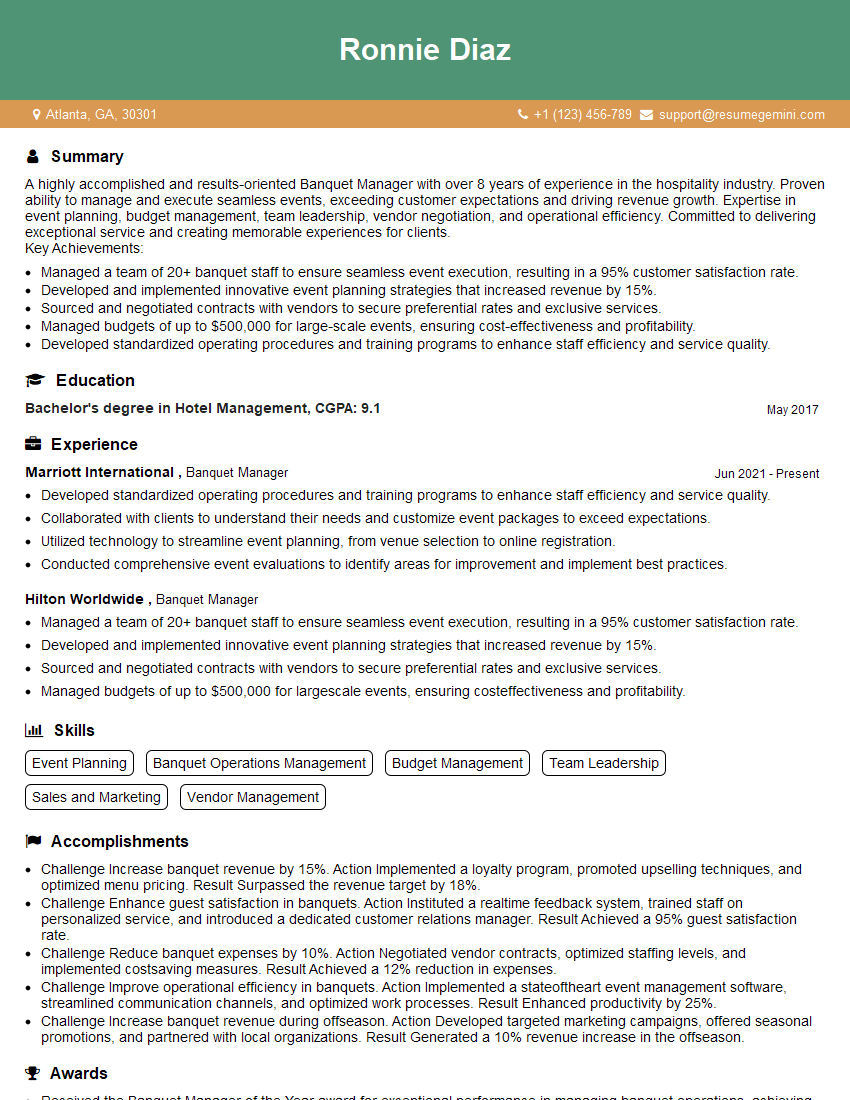
Banquet Manager Resume Sample
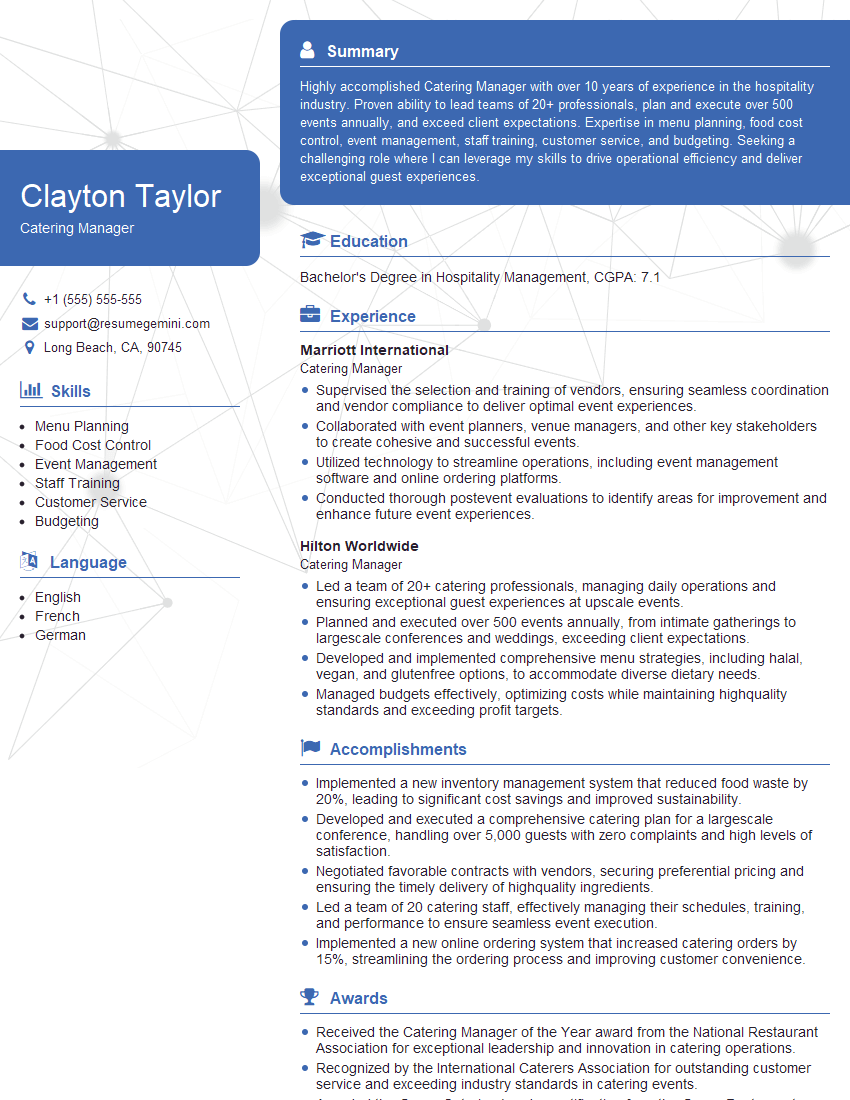
Catering Manager Resume Sample
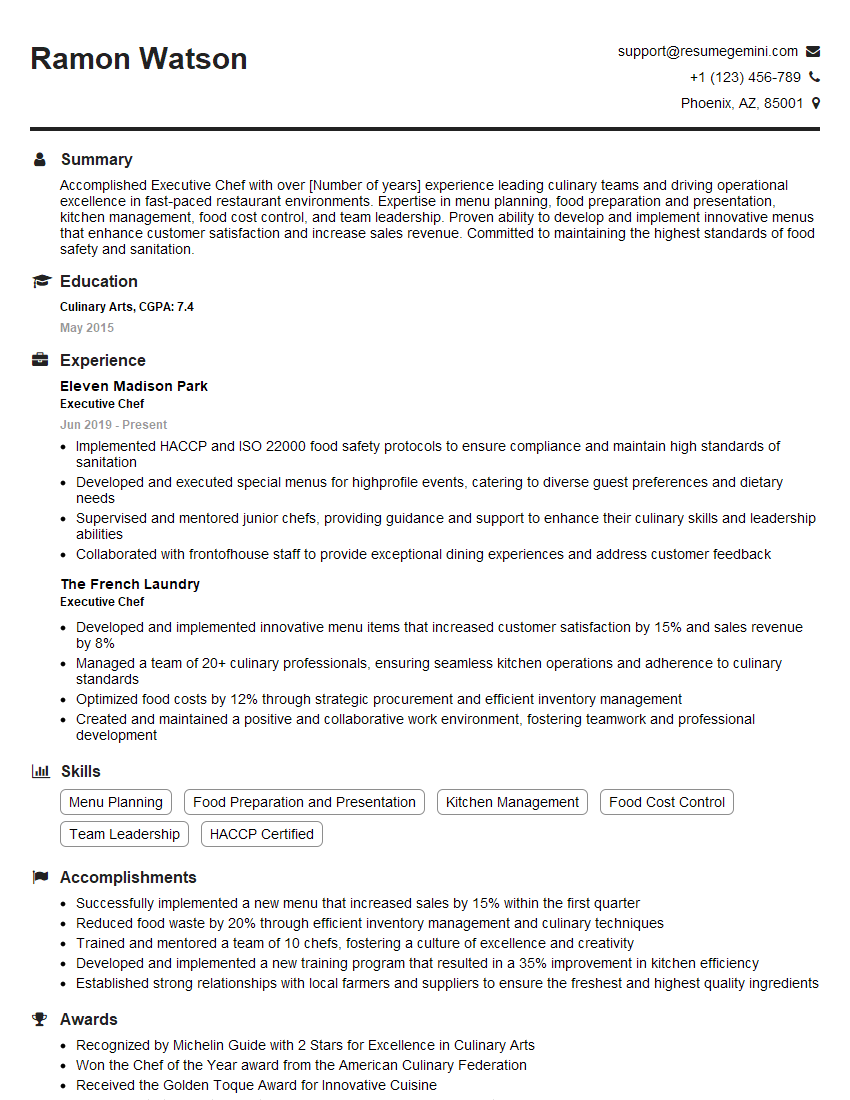
Executive Chef Resume Sample
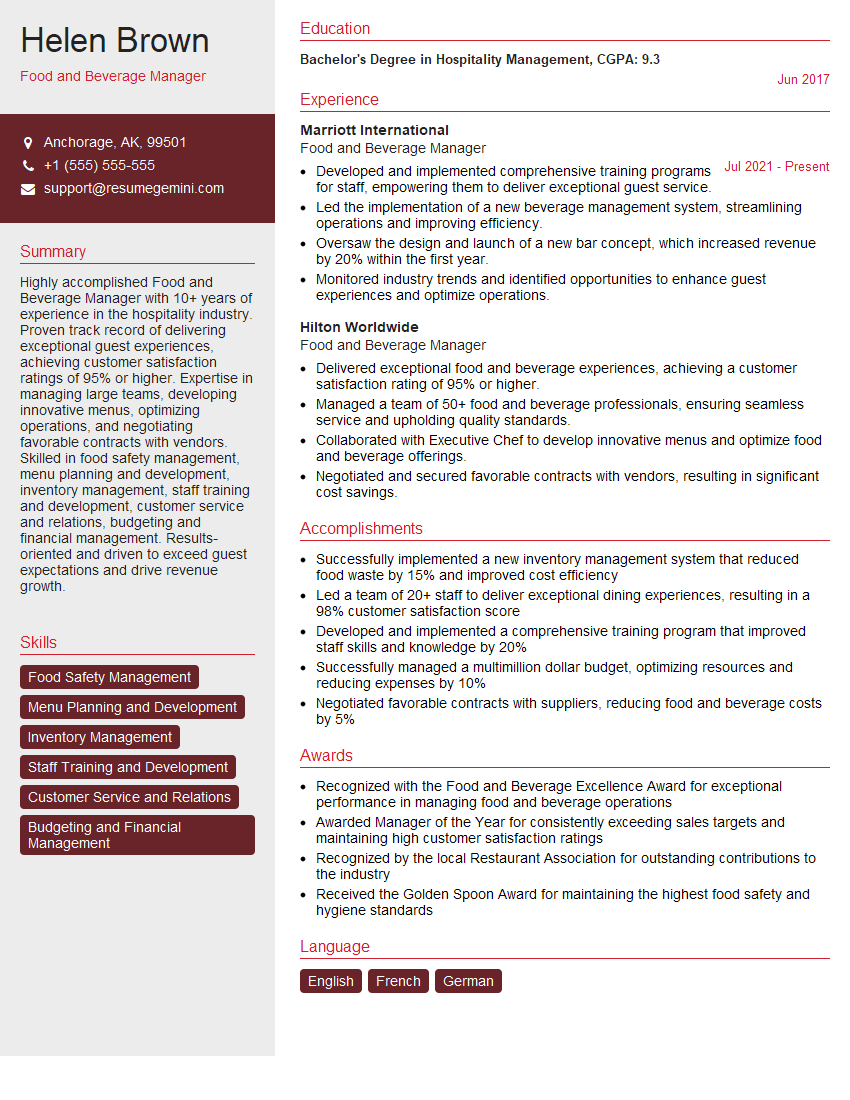
Food and Beverage Manager Resume Sample
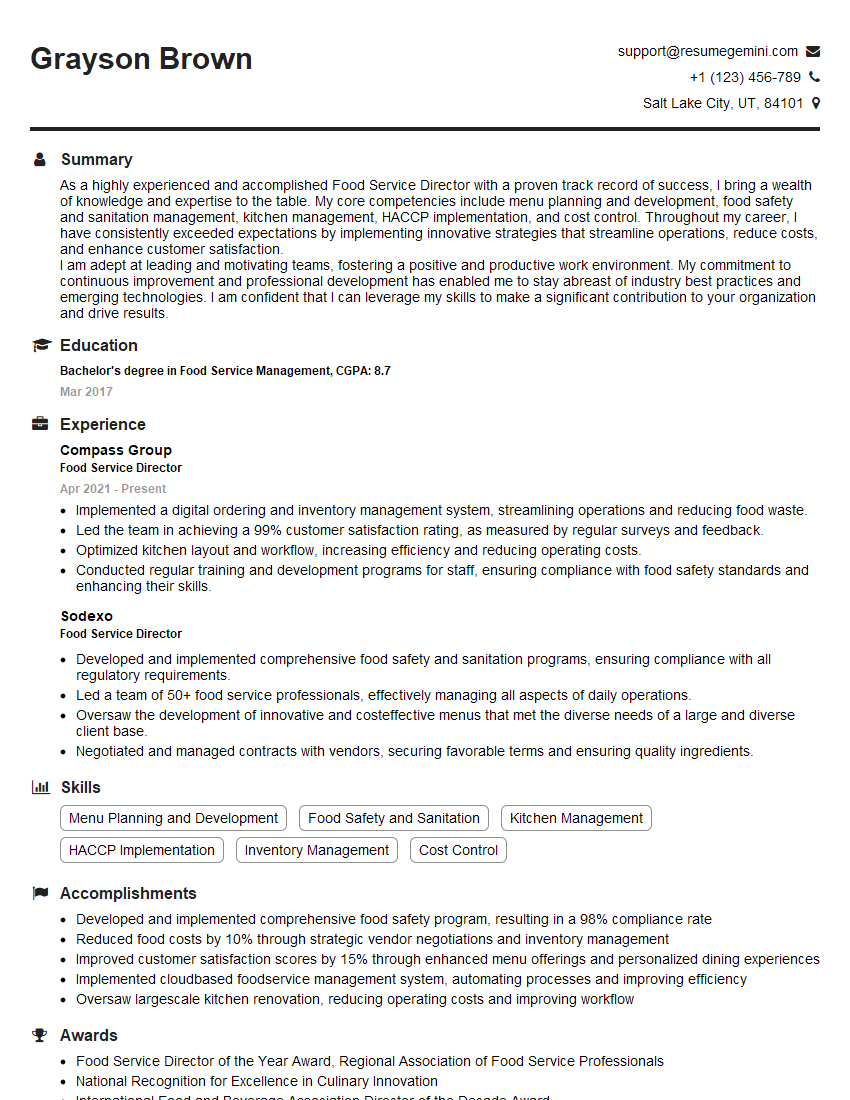
Food Service Director Resume Sample
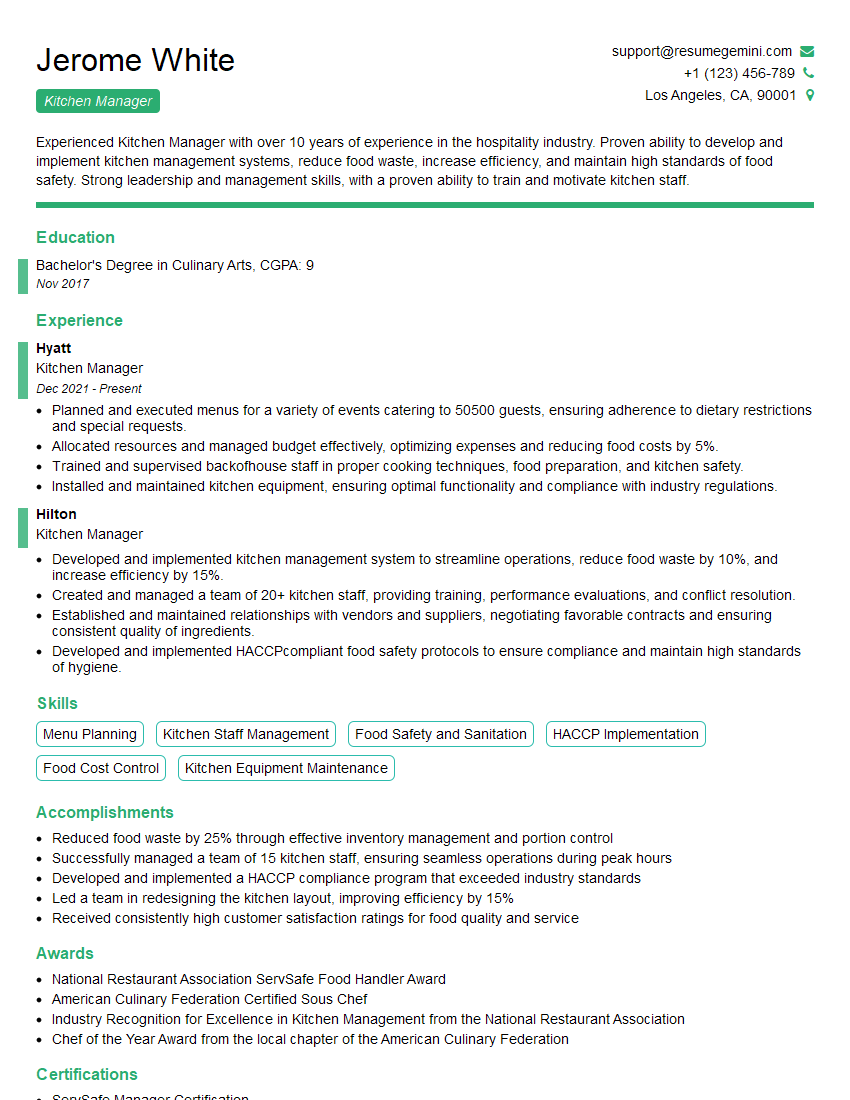
Kitchen Manager Resume Sample
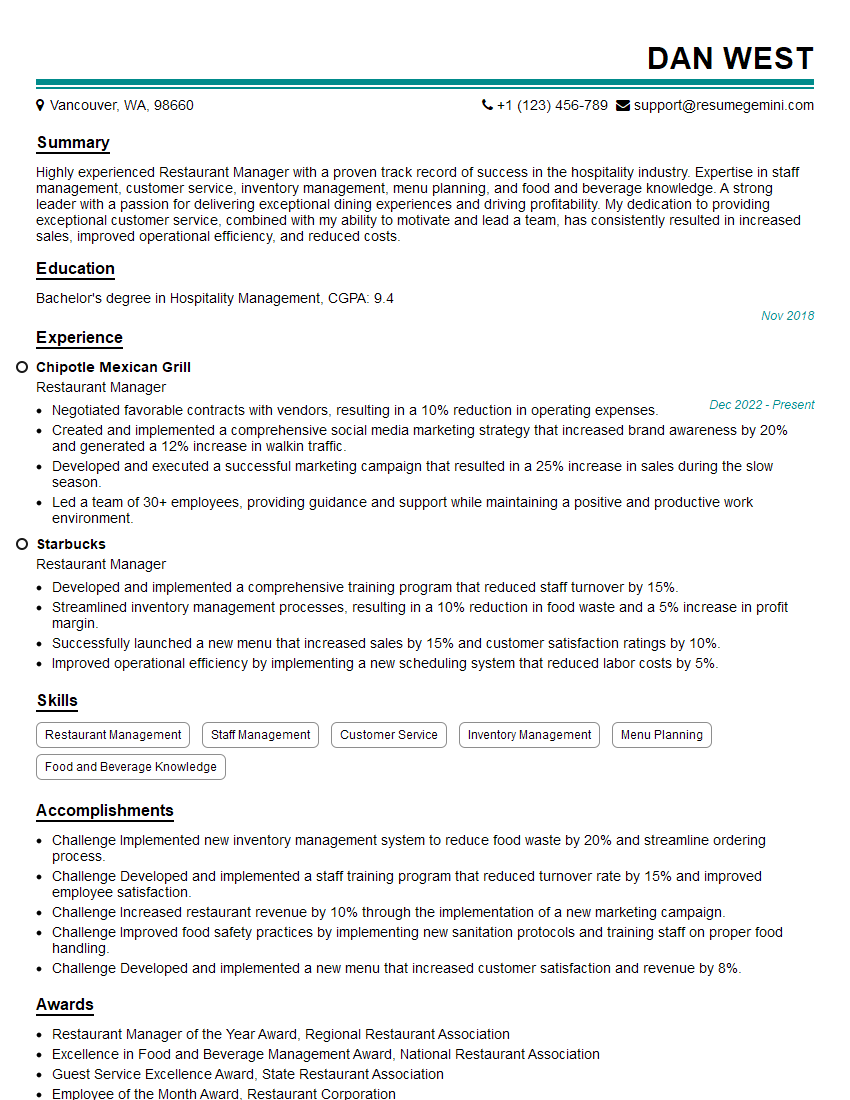
Restaurant Manager Resume Sample
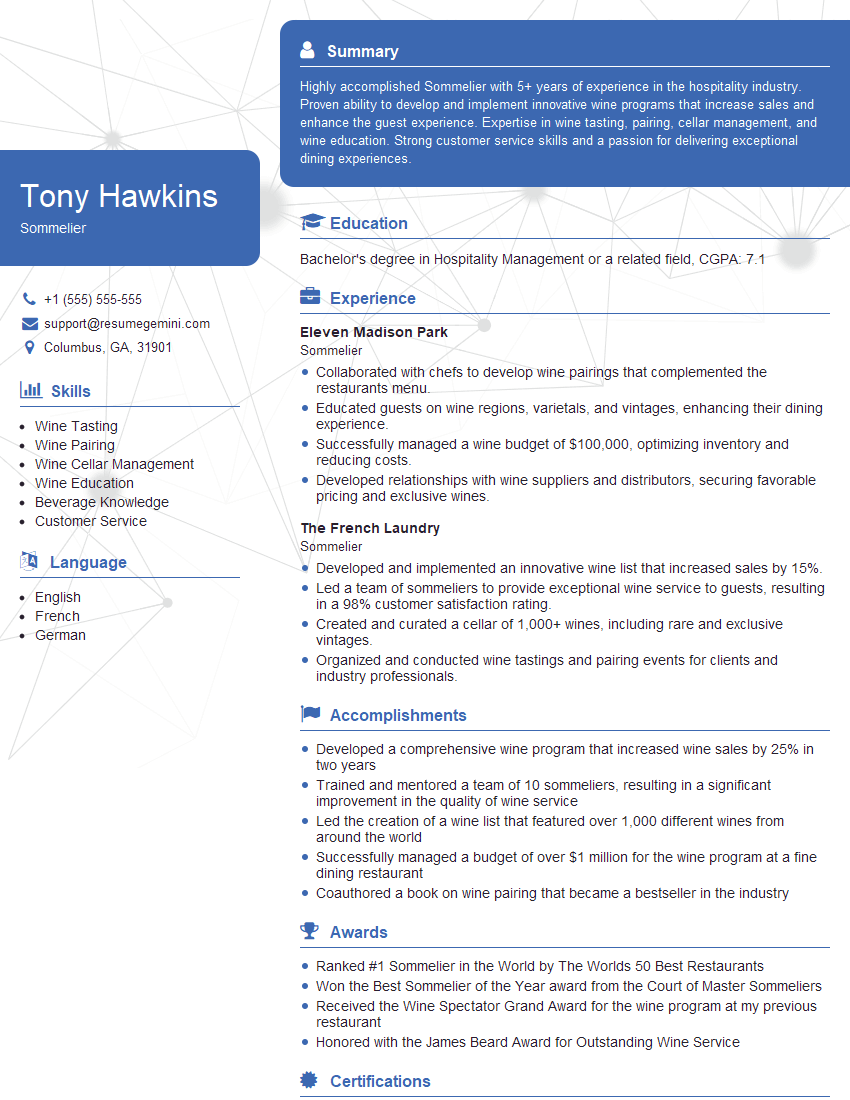
Sommelier Resume Sample
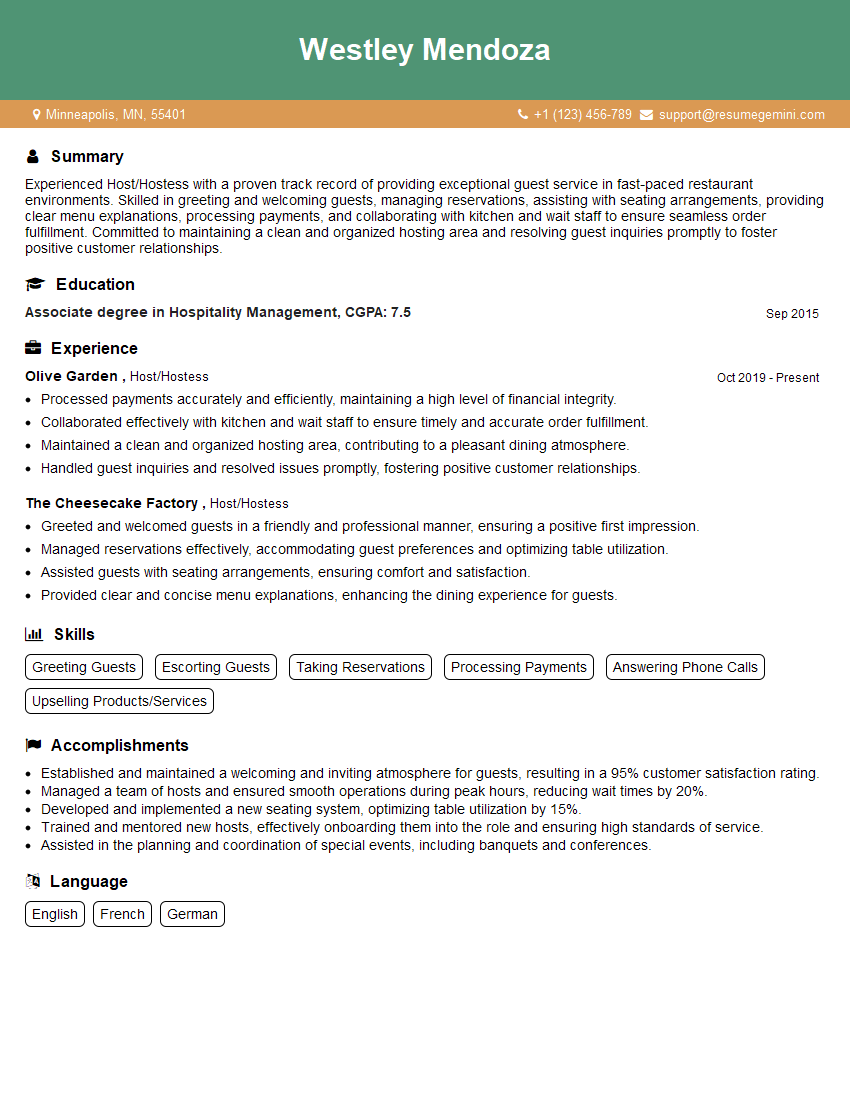
Host/Hostess Resume Sample
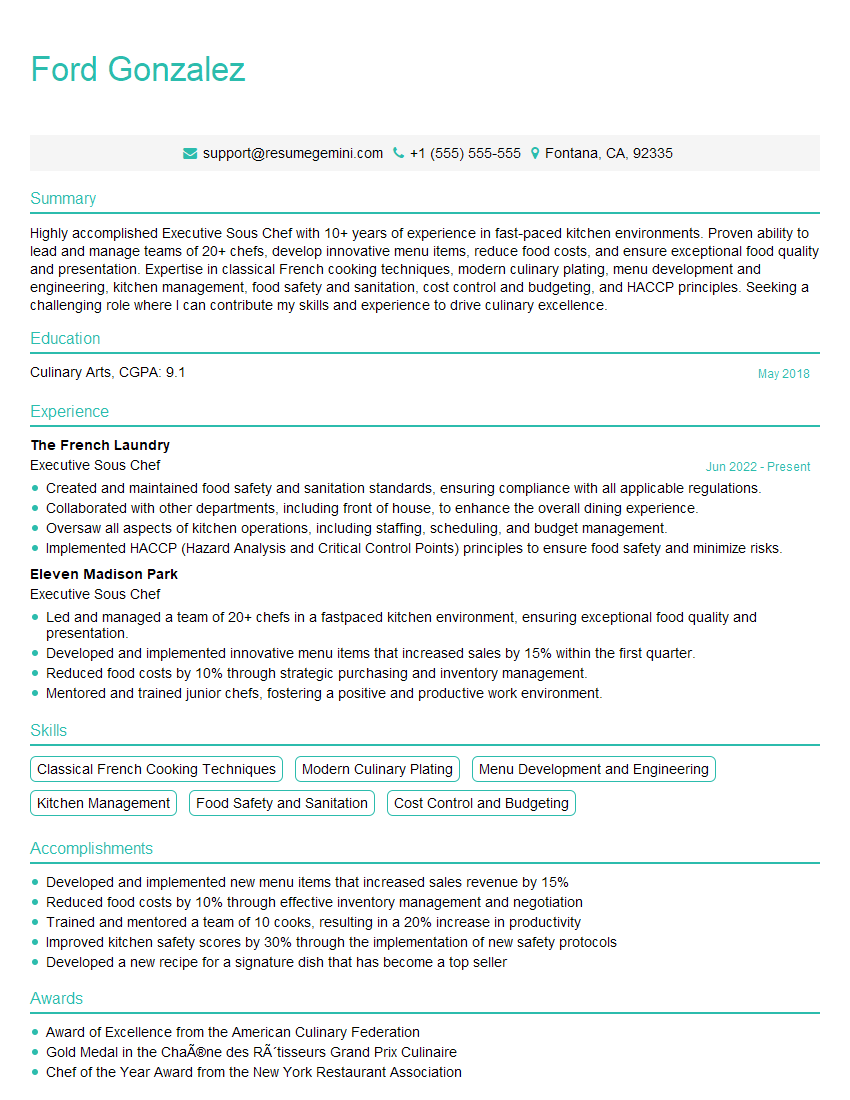
Executive Sous Chef Resume Sample
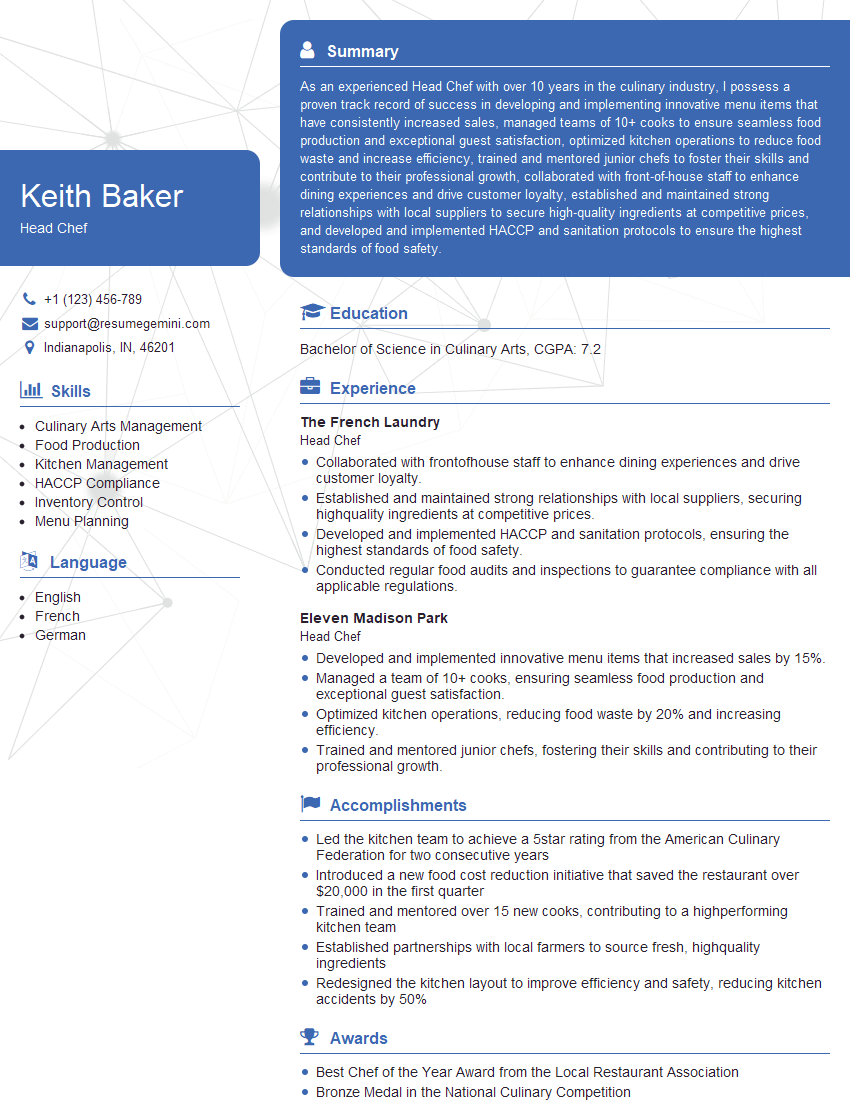
Head Chef Resume Sample
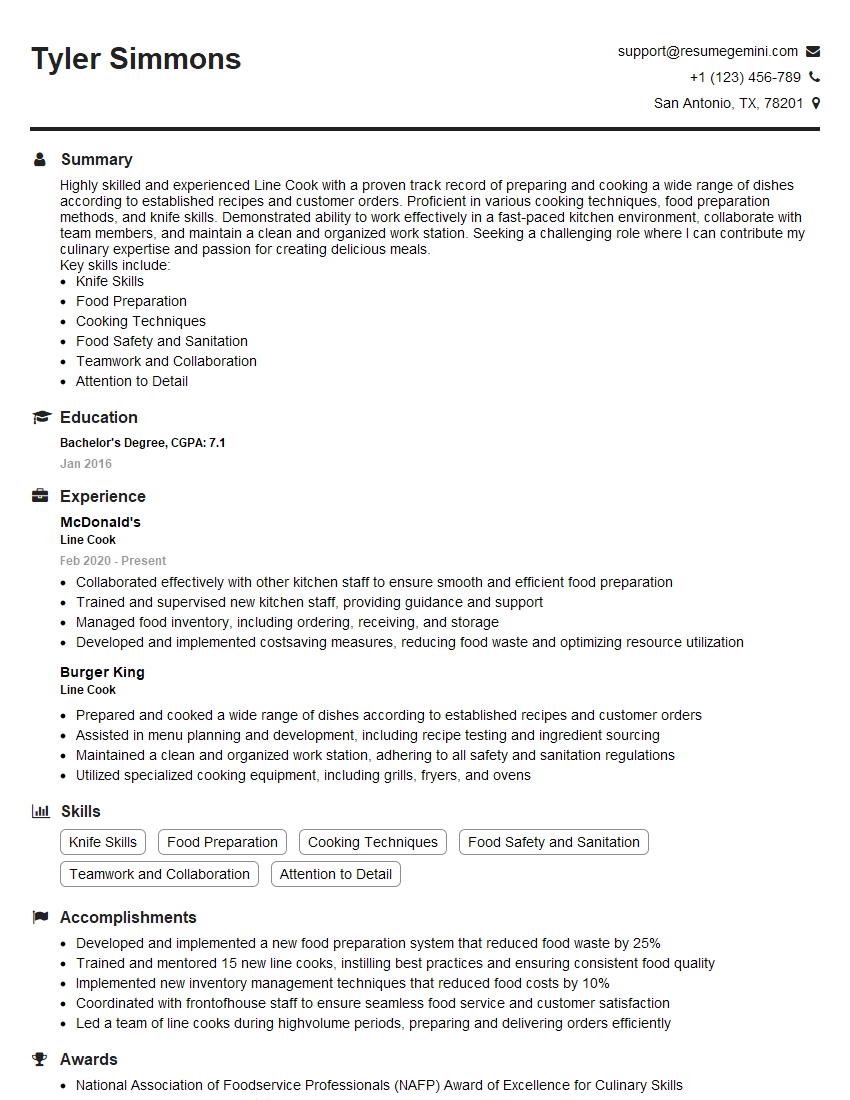
Line Cook Resume Sample
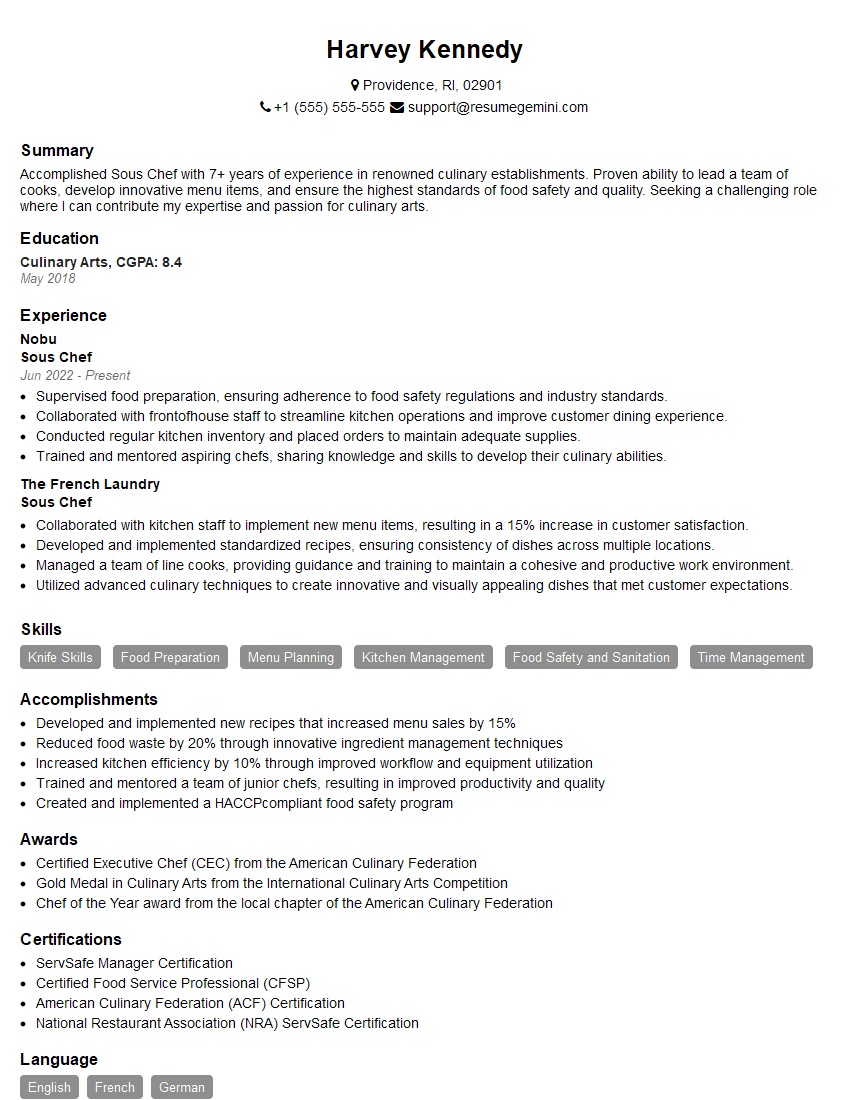
Sous Chef Resume Sample
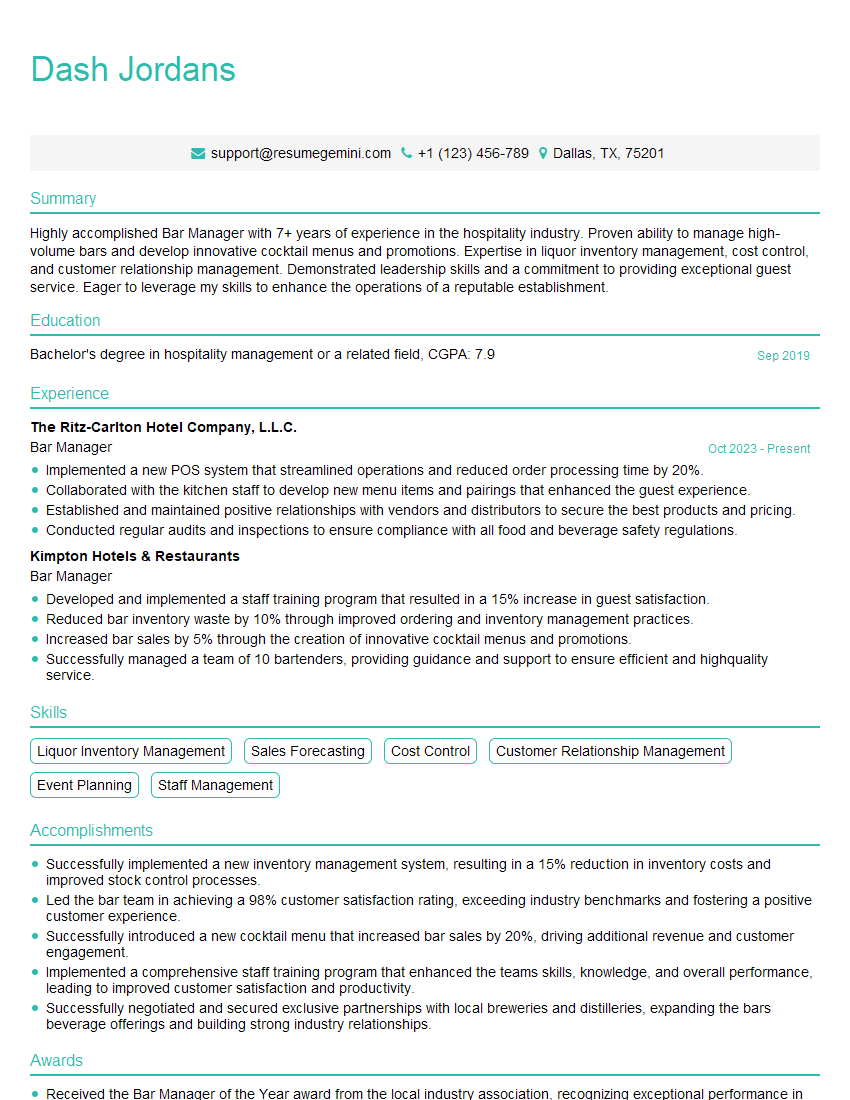
Bar Manager Resume Sample
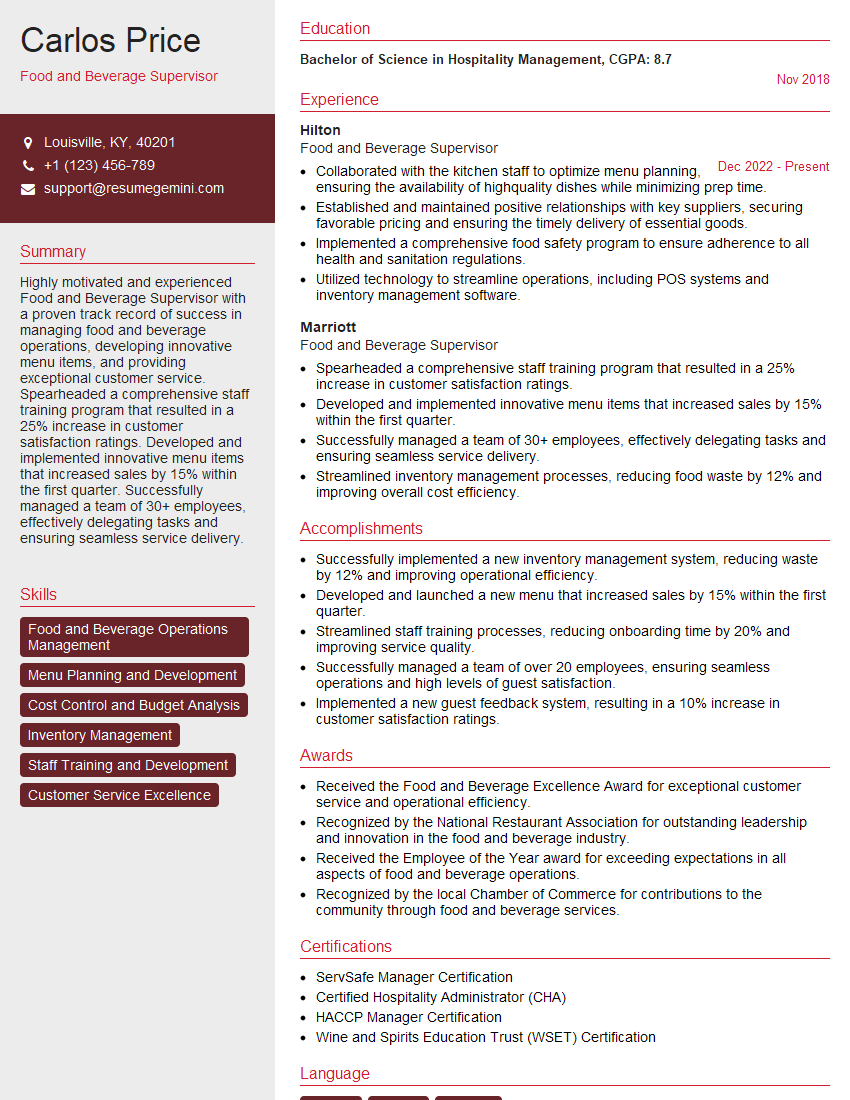
Food and Beverage Supervisor Resume Sample
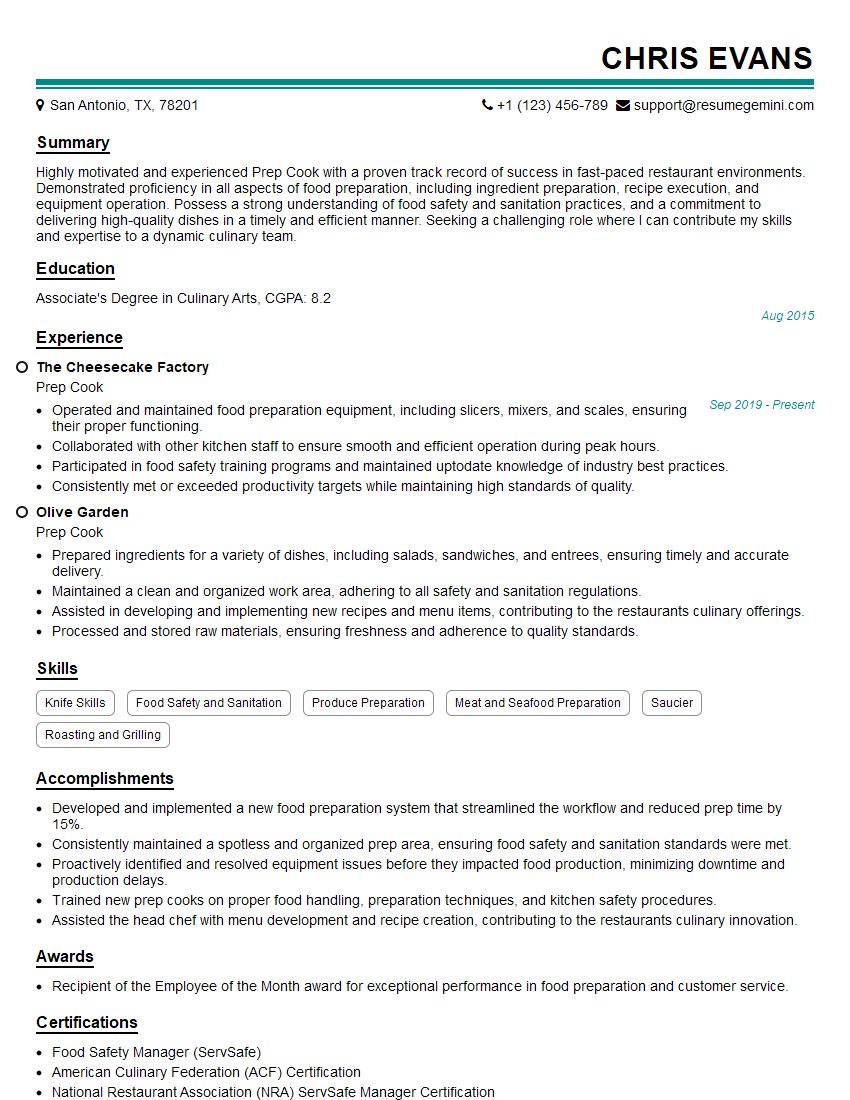
Prep Cook Resume Sample

Chef De Partie Resume Sample
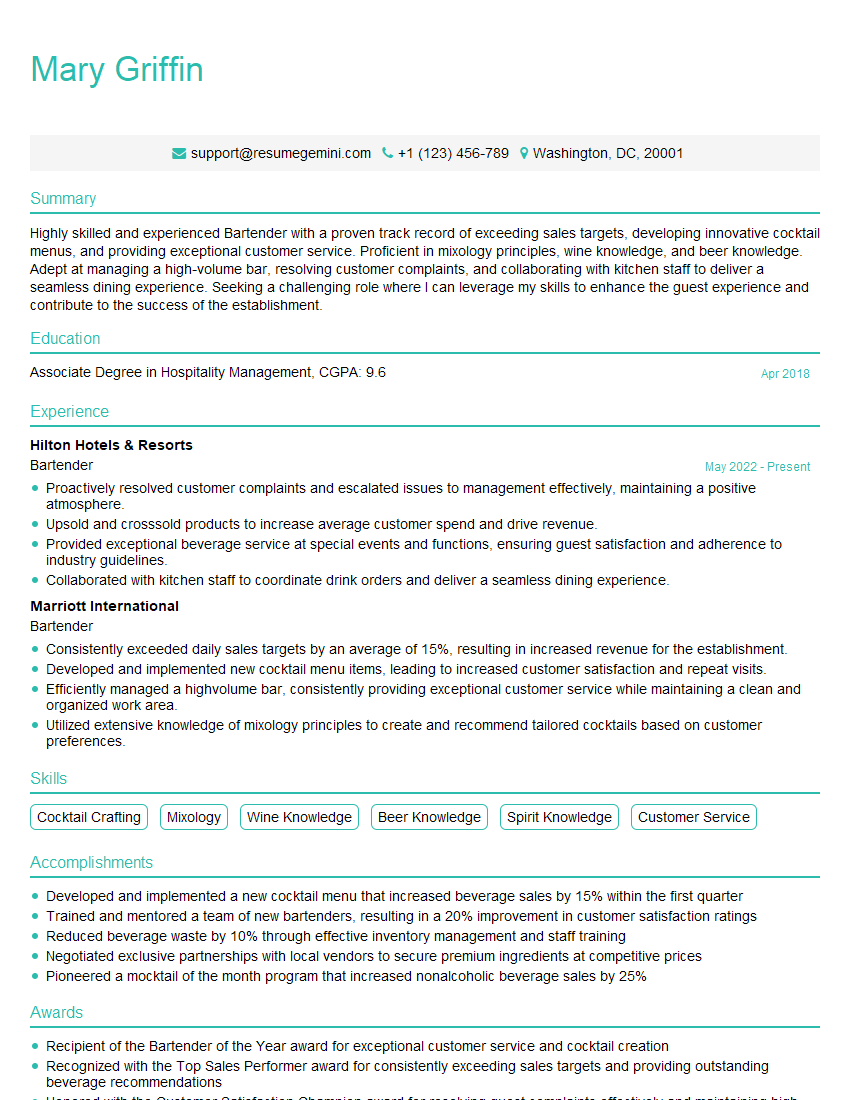
Bartender Resume Sample
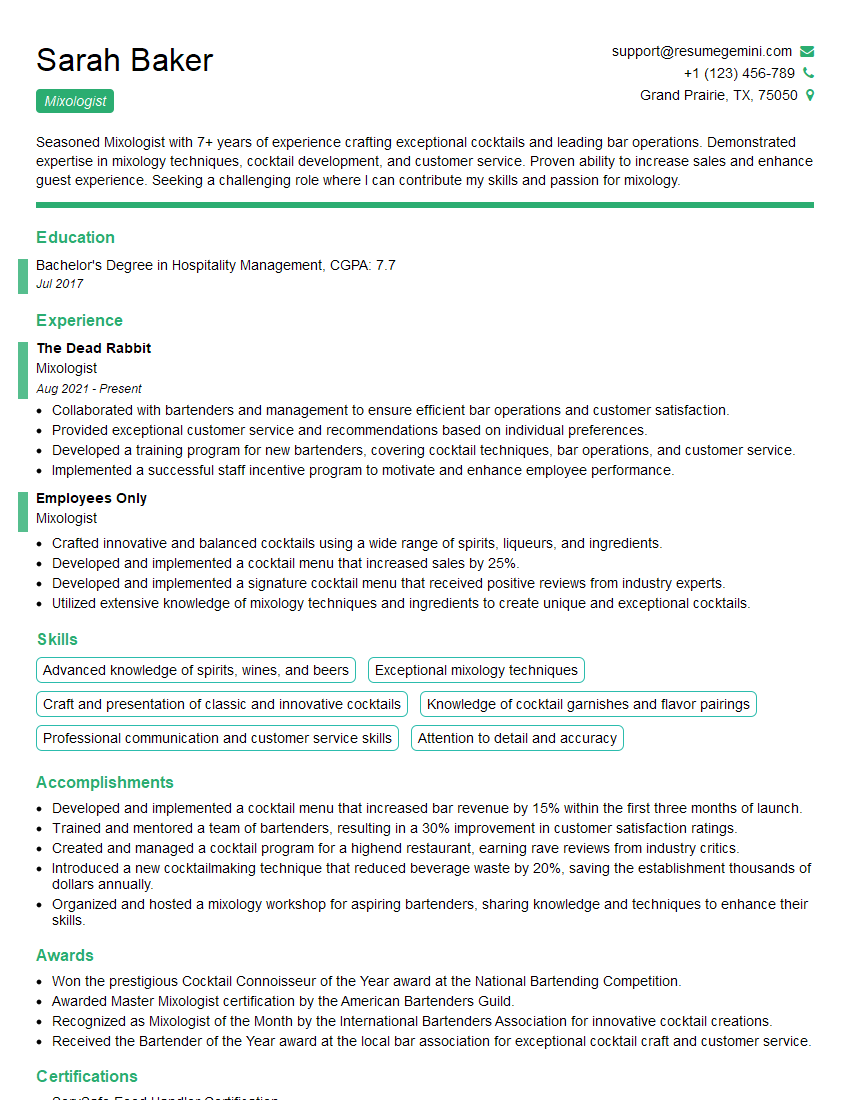
Mixologist Resume Sample
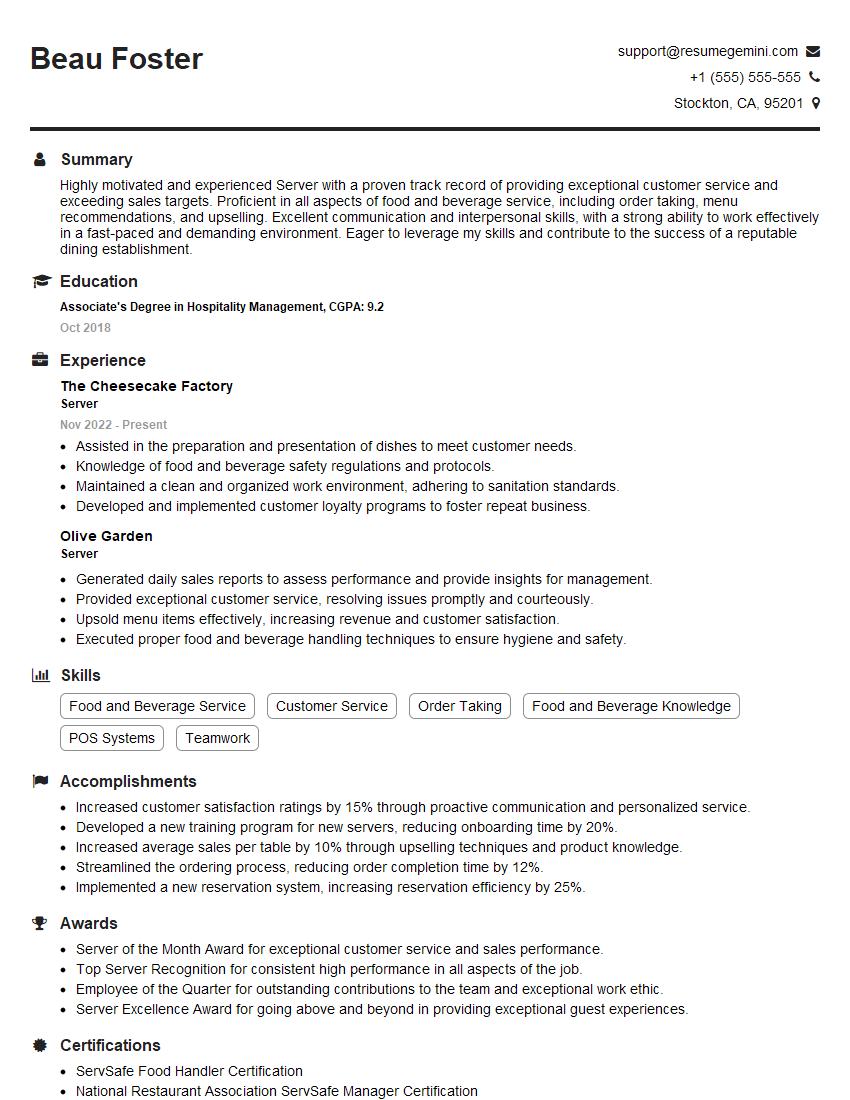
Server Resume Sample
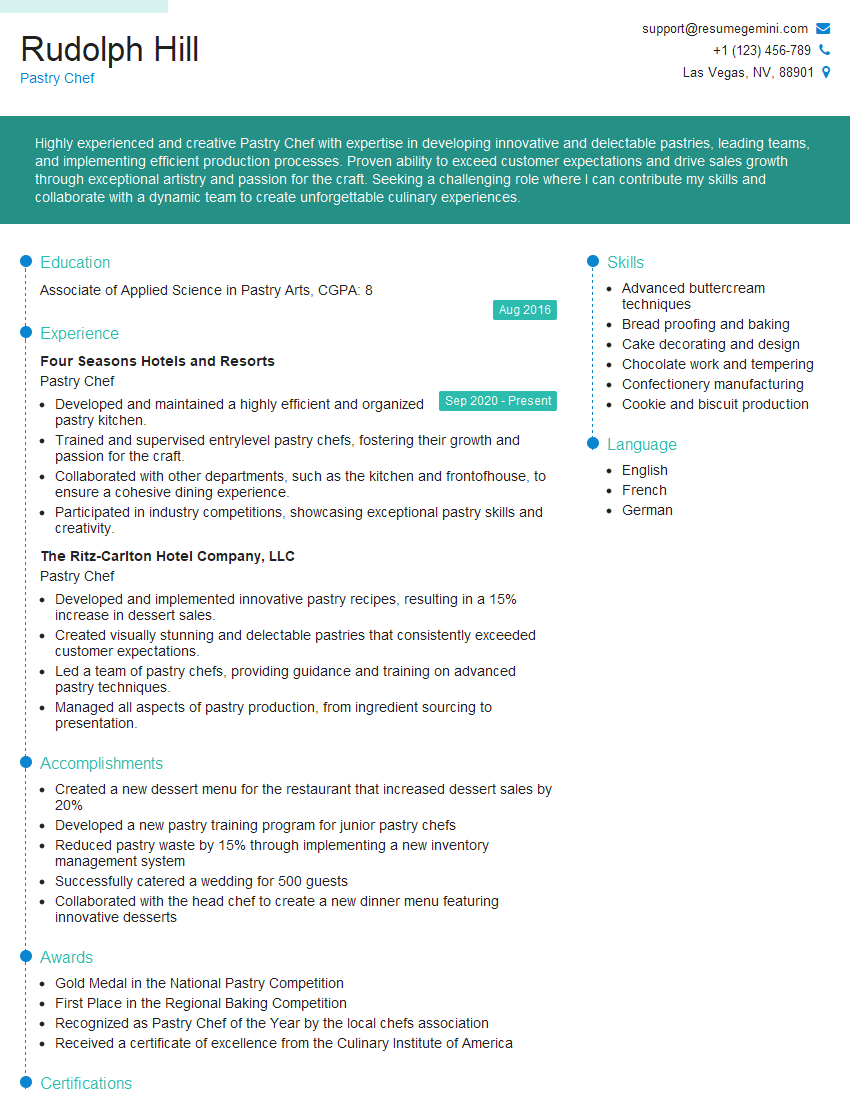
Pastry Chef Resume Sample
- Banquet Manager
- Catering Manager
- Executive Chef
- Food and Beverage Manager
- Food Service Director
- Kitchen Manager
- Restaurant Manager
- Sommelier
- Host/Hostess
- Executive Sous Chef
- Head Chef
- Line Cook
- Sous Chef
- Bar Manager
- Food and Beverage Supervisor
- Prep Cook
- Chef De Partie
- Bartender
- Mixologist
- Server
- Pastry Chef
Explore more articles
Users Rating of Our Blogs
Share Your Experience
We value your feedback! Please rate our content and share your thoughts (optional).
What Readers Say About Our Blog
To the interviewgemini.com Webmaster.
Very helpful and content specific questions to help prepare me for my interview!
Thank you
To the interviewgemini.com Webmaster.
This was kind of a unique content I found around the specialized skills. Very helpful questions and good detailed answers.
Very Helpful blog, thank you Interviewgemini team.