Are you ready to stand out in your next interview? Understanding and preparing for Fuel Handling and Transportation interview questions is a game-changer. In this blog, we’ve compiled key questions and expert advice to help you showcase your skills with confidence and precision. Let’s get started on your journey to acing the interview.
Questions Asked in Fuel Handling and Transportation Interview
Q 1. Explain the different modes of fuel transportation.
Fuel transportation relies on several modes, each with its strengths and weaknesses. The choice depends on factors like distance, volume, cost, and the type of fuel.
- Road Transportation: This is the most common method, using tankers of various sizes. It’s flexible for shorter distances and reaching various locations, but can be slower and more susceptible to traffic congestion and accidents. Think of the tanker trucks you see regularly on highways delivering gasoline to gas stations.
- Rail Transportation: Ideal for bulk transportation over long distances. Rail transport is cost-effective and can handle large volumes, but lacks the flexibility of road transport and requires dedicated rail infrastructure. Imagine massive rail cars carrying crude oil across continents.
- Water Transportation (Maritime): This is crucial for moving large quantities of fuel internationally or along coastlines. It’s highly cost-effective for long distances, but slower than road or rail and relies on port infrastructure. Picture massive oil tankers traversing oceans.
- Pipeline Transportation: The most efficient method for transporting large volumes of liquid fuels over long distances. Pipelines are cost-effective and relatively safe, but require significant upfront investment and are less flexible in terms of routing. The Alaskan pipeline is a prime example.
- Air Transportation: Used primarily for smaller quantities of specialized fuels or emergency situations. It’s the fastest but also the most expensive mode of transport. Think of supplying jet fuel to remote airports.
Understanding the pros and cons of each mode allows for optimal logistics planning, minimizing costs and maximizing safety.
Q 2. Describe the safety procedures for handling hazardous fuel materials.
Safety is paramount when handling hazardous fuel materials. Procedures should adhere to strict regulations and industry best practices. Here’s a summary:
- Proper Training and Certification: All personnel involved must undergo thorough training on safe handling procedures, emergency response protocols, and relevant regulations (e.g., OSHA).
- Personal Protective Equipment (PPE): PPE such as safety glasses, gloves, respirators, and flame-resistant clothing are mandatory. The specific PPE will depend on the fuel and the task.
- Spill Prevention and Containment: Regular inspections of equipment and facilities are critical to identify and address potential leaks promptly. Spill kits containing absorbent materials and other containment tools must be readily available.
- Grounding and Bonding: To prevent static electricity buildup, which can cause ignition, grounding and bonding procedures must be followed, especially during fuel transfer operations.
- No Smoking and Ignition Sources: Strict no-smoking policies and control of all potential ignition sources (e.g., sparks, flames) are essential in fuel handling areas.
- Emergency Response Plan: A well-defined emergency response plan must be in place, including procedures for handling spills, fires, and other emergencies, with regular drills to ensure preparedness.
- Proper Storage and Handling: Fuels must be stored in approved containers, appropriately labeled, and handled with care to avoid spills or leaks. Temperature control might be necessary for certain fuels.
Consistent adherence to these procedures minimizes risks and protects both personnel and the environment.
Q 3. What are the common challenges in fuel transportation logistics?
Fuel transportation logistics present many challenges:
- Infrastructure Limitations: Poor road conditions, limited pipeline capacity, or inadequate port facilities can hinder efficient transportation.
- Security Risks: Theft, vandalism, and terrorism pose significant threats to fuel transportation, demanding robust security measures.
- Regulatory Compliance: Navigating complex regulations related to safety, environmental protection, and fuel quality can be challenging and requires specialized expertise.
- Fuel Volatility and Storage: Maintaining the quality and preventing degradation of fuel during transportation and storage requires careful planning and temperature control.
- Weather Conditions: Extreme weather events (e.g., blizzards, hurricanes) can severely disrupt fuel transportation and distribution.
- Demand Fluctuations: Seasonal changes or unexpected events can create significant fluctuations in fuel demand, placing pressure on logistics networks.
- Geopolitical Factors: Political instability, international conflicts, or sanctions can disrupt fuel supplies and routes.
Effective logistics management requires proactive strategies to mitigate these challenges and ensure a continuous flow of fuel.
Q 4. How do you ensure the quality and integrity of fuel during transportation?
Maintaining fuel quality and integrity throughout transportation is crucial. This involves several measures:
- Proper Tanker Selection: Using tankers specifically designed for the type of fuel being transported, ensuring they are clean, well-maintained, and properly sealed is crucial.
- Regular Inspections and Maintenance: Tankers must undergo routine inspections to detect potential leaks or damages. Regular maintenance helps prevent equipment failure.
- Inerting and Purging: For certain fuels, inerting (filling the tanker with an inert gas) or purging (removing oxygen) is necessary to prevent oxidation and degradation.
- Temperature Control: Maintaining appropriate temperature during transportation, often requiring specialized tankers with temperature control systems, is necessary for some fuels.
- Sampling and Testing: Regular sampling and testing of the fuel at different stages of the transportation process ensures quality remains consistent.
- Use of Additives: In some cases, additives may be used to enhance fuel stability or prevent microbial growth during transport.
- Data Logging and Monitoring: Using sensors and data loggers can track temperature, pressure, and other parameters during transport, providing real-time insight into fuel condition.
By implementing these measures, the quality and integrity of the fuel are preserved from origin to destination.
Q 5. Explain the role of GPS tracking in fuel transportation.
GPS tracking plays a vital role in modern fuel transportation by providing real-time location data, enhancing efficiency and security.
- Real-time Tracking: GPS allows for constant monitoring of fuel tanker location, enabling efficient route optimization and reducing delays.
- Enhanced Security: GPS tracking helps deter theft and unauthorized access to fuel tankers, as their movements can be continuously monitored.
- Improved Logistics Planning: Real-time data allows for better scheduling and coordination of fuel deliveries, minimizing transit times and improving delivery accuracy.
- Fuel Efficiency Monitoring: GPS data, coupled with other sensor data, can be used to analyze driving behavior and identify opportunities for fuel efficiency improvements.
- Emergency Response: In case of accidents or emergencies, GPS data helps locate fuel tankers quickly, facilitating timely intervention and minimizing potential environmental damage.
- Data Analytics: Aggregated GPS data provides valuable insights into transportation patterns, allowing for better route planning and fleet management decisions.
GPS tracking is no longer a luxury but a necessity for efficient and secure fuel transportation management.
Q 6. Describe your experience with fuel inventory management systems.
My experience with fuel inventory management systems spans several years and includes working with both manual and automated systems. I’ve worked with systems ranging from simple spreadsheets to sophisticated enterprise resource planning (ERP) systems designed specifically for fuel management. These systems typically track:
- Fuel Levels: Precise measurement of fuel levels in storage tanks, tankers, and distribution points.
- Fuel Movements: Recording fuel transfers, deliveries, and consumption data to maintain accurate inventory records.
- Fuel Quality: Tracking parameters such as density, sulfur content, and other relevant quality indicators.
- Financial Data: Managing costs related to fuel procurement, storage, transportation, and sales.
- Reporting and Analytics: Generating reports on inventory levels, consumption patterns, and other key metrics for decision-making.
Effective inventory management systems are crucial for optimizing fuel procurement, minimizing waste, and preventing stockouts or overstocking. Experience with these systems has improved my ability to analyze trends and efficiently manage fuel resources.
Q 7. How do you handle fuel spills or leaks during transportation?
Handling fuel spills or leaks during transportation requires a prompt and coordinated response to minimize environmental damage and ensure safety.
- Immediate Actions: Secure the area, ensuring the safety of personnel. Stop the leak immediately if possible. Contact emergency services (fire department, environmental agencies) immediately.
- Containment and Cleanup: Use absorbent materials (spill kits) to contain the spill and prevent further spread. Employ specialized equipment for larger spills.
- Environmental Remediation: If the spill contaminates soil or water, environmental remediation experts must be involved. This might involve soil excavation or water treatment.
- Investigation and Reporting: A thorough investigation must determine the cause of the spill, to prevent future occurrences. Detailed reports must be filed to relevant authorities.
- Personnel Safety: Ensure all personnel involved in the cleanup process have appropriate PPE and follow established safety protocols.
Effective spill response planning and training are crucial. The specific procedures will vary depending on the type and volume of fuel spilled, as well as the environment.
Q 8. What are the regulatory compliance requirements for fuel transportation?
Regulatory compliance in fuel transportation is paramount, encompassing a complex web of federal, state, and sometimes local regulations. These vary depending on the type of fuel (gasoline, diesel, jet fuel, etc.), the mode of transport (truck, rail, pipeline, ship), and the quantity being moved. Key areas include:
- Hazardous Materials Regulations (HAZMAT): These regulations, often overseen by the Department of Transportation (DOT) in the US, dictate the proper classification, packaging, labeling, and handling of fuels as hazardous materials. Failure to comply can result in severe penalties and safety risks.
- Environmental Protection Agency (EPA) Regulations: The EPA sets standards for fuel quality, emissions, and spill prevention and response. Regulations cover things like vapor recovery systems on tanker trucks and spill containment measures at terminals.
- Pipeline and Hazardous Materials Safety Administration (PHMSA): This agency specifically governs the safety of pipelines, including design, construction, operation, and maintenance. Regular inspections, integrity assessments, and emergency response plans are crucial.
- State and Local Regulations: Many states and localities have their own specific regulations related to fuel transportation, such as permitting requirements, hours of service for drivers, and taxation.
For instance, a company transporting gasoline across state lines must ensure its vehicles meet DOT HAZMAT standards, are properly equipped with spill containment gear, and the drivers adhere to all relevant hours-of-service regulations. Ignoring these regulations can lead to accidents, environmental damage, hefty fines, and reputational damage.
Q 9. Explain your understanding of fuel pipeline safety and maintenance.
Fuel pipeline safety and maintenance are critical for preventing catastrophic failures and environmental disasters. Think of a pipeline as the circulatory system of the fuel industry – a complex network requiring constant monitoring and care. Key aspects include:
- Regular Inspections: Pipelines undergo routine inspections, including above-ground visual checks and in-line inspections using intelligent pigs (devices sent through the pipeline to detect anomalies).
- Integrity Management Programs (IMPs): These programs use advanced technologies and data analysis to identify potential weaknesses in the pipeline and prioritize repairs. This might involve analyzing historical data, soil conditions, and pipeline material properties.
- Preventative Maintenance: This includes scheduled maintenance activities such as cleaning, coating repairs, and cathodic protection (to prevent corrosion).
- Emergency Response Plans: Robust plans are essential to handle leaks, spills, or other emergencies. These plans involve identifying response teams, evacuation procedures, and cleanup strategies.
- Leak Detection Systems: Sophisticated systems constantly monitor the pipeline for pressure changes and other anomalies that could indicate a leak.
Imagine a scenario where a pipeline’s integrity is compromised due to corrosion. A leak could lead to a massive environmental disaster, impacting soil and water resources, and potentially harming wildlife and human populations. A robust maintenance program would detect and address such issues before they escalate.
Q 10. How do you manage fuel delivery schedules and optimize routes?
Managing fuel delivery schedules and optimizing routes requires a sophisticated approach, blending logistical expertise with technological tools. The goal is to deliver fuel efficiently, on time, and at the lowest possible cost.
- Route Optimization Software: Advanced software packages use algorithms to determine the most efficient routes, considering factors like traffic patterns, distance, and delivery windows.
- Demand Forecasting: Accurate predictions of fuel demand are essential for effective scheduling. This involves analyzing historical data, seasonal trends, and any anticipated changes in consumption.
- Real-time Tracking and Monitoring: GPS tracking systems provide real-time visibility into the location and status of fuel tankers, allowing for adjustments in case of unforeseen delays or emergencies.
- Communication and Coordination: Effective communication between dispatchers, drivers, and customers is vital for seamless operations.
- Inventory Management: Closely monitoring fuel levels at storage facilities and distribution points prevents stockouts and ensures optimal inventory levels.
For example, a company delivering fuel to multiple gas stations can use route optimization software to consolidate deliveries, reducing mileage and fuel consumption. Real-time tracking allows dispatchers to reroute tankers in case of traffic congestion, ensuring timely deliveries.
Q 11. Describe your experience with different types of fuel storage tanks.
I have extensive experience with various fuel storage tanks, each with its own strengths and weaknesses. The choice of tank depends on factors like fuel type, storage capacity, environmental considerations, and budget.
- Aboveground Storage Tanks (ASTs): These tanks are typically made of steel and are easier to inspect and maintain than underground tanks. They are often equipped with secondary containment to prevent spills.
- Underground Storage Tanks (USTs): These tanks are buried underground and are less susceptible to weather damage. However, they are more challenging to inspect and require stringent regulations to prevent leaks.
- Double-Walled Tanks: These tanks provide an extra layer of protection against leaks, offering increased safety and environmental protection.
- Cone Roof Tanks: These are large-capacity tanks often used for bulk storage of fuels at terminals.
- Floating Roof Tanks: These tanks have a floating roof that moves up and down with the fuel level, minimizing vapor emissions.
For instance, a gas station might use USTs for storing gasoline and diesel, while a large refinery would employ cone roof tanks or floating roof tanks for bulk storage. The choice depends on the specific context and regulatory requirements.
Q 12. What are the key performance indicators (KPIs) for fuel transportation?
Key Performance Indicators (KPIs) for fuel transportation are crucial for evaluating efficiency, safety, and profitability. These metrics provide insights into areas for improvement and help track progress toward objectives.
- On-Time Delivery Rate: The percentage of deliveries completed on schedule.
- Fuel Consumption per Mile: Measures the efficiency of fuel transportation operations.
- Accident Rate: The number of accidents per vehicle-mile traveled, reflecting safety performance.
- Inventory Turnover Rate: Indicates how quickly fuel is being sold and replenished.
- Spill Rate: The number of spills per delivery, reflecting environmental responsibility.
- Delivery Cost per Unit: The cost of delivering a unit of fuel, crucial for profitability.
- Customer Satisfaction: Measures how satisfied customers are with delivery services.
By monitoring these KPIs, a fuel transportation company can identify areas needing improvement – perhaps a particular route is consistently causing delays, or specific drivers have a higher accident rate. This data-driven approach ensures efficient and safe operations.
Q 13. Explain your understanding of fuel pricing and market dynamics.
Fuel pricing is a complex interplay of global and local factors, influenced by supply and demand, geopolitical events, and refining margins. Understanding these dynamics is crucial for effective fuel transportation management.
- Crude Oil Prices: Crude oil is the primary feedstock for fuels, and its price significantly impacts fuel prices.
- Refining Margins: The profit margin for refineries converting crude oil into finished fuels influences prices.
- Taxes and Regulations: Government taxes and environmental regulations affect fuel costs.
- Seasonal Demand: Fuel demand fluctuates seasonally, with higher demand during peak travel seasons.
- Geopolitical Factors: Political instability in oil-producing regions or global events can significantly impact prices.
- Supply Chain Disruptions: Events such as natural disasters, labor strikes, or pipeline outages can disrupt the supply chain and cause price volatility.
For example, a sudden surge in crude oil prices due to geopolitical tensions will likely lead to higher fuel prices, impacting the cost of transportation and potentially the profitability of fuel delivery operations. Careful monitoring of these factors allows for better forecasting and risk management.
Q 14. How do you manage fuel transportation risks and mitigate potential hazards?
Managing fuel transportation risks requires a proactive and multifaceted approach encompassing various strategies for risk mitigation. These risks can range from accidents and spills to theft and regulatory non-compliance.
- Risk Assessment: A systematic process for identifying and evaluating potential hazards, using tools like Failure Mode and Effects Analysis (FMEA).
- Driver Training: Thorough training programs ensure drivers are proficient in safe driving practices, hazmat handling, and emergency procedures.
- Vehicle Maintenance: Regular maintenance of fuel tankers and other vehicles is essential to prevent mechanical failures that could lead to accidents.
- Security Measures: Implementing security measures such as GPS tracking, cargo locks, and driver identification systems helps deter theft and unauthorized access.
- Emergency Response Planning: Developing and regularly testing emergency response plans to handle spills, accidents, and other incidents is crucial.
- Insurance and Liability Coverage: Adequate insurance coverage is necessary to protect against financial losses resulting from accidents or spills.
- Compliance Monitoring: Regular audits and inspections to ensure adherence to all relevant regulations are key to avoid penalties.
For example, a company might conduct regular driver training on safe handling of hazardous materials, and implement GPS tracking on all vehicles to deter theft and monitor driver behavior. Proactive risk management ensures both safety and compliance.
Q 15. Describe your experience with fuel transportation documentation and reporting.
Fuel transportation documentation and reporting are critical for ensuring compliance, tracking shipments, and managing liability. My experience spans several years, encompassing the creation and management of a wide array of documents, including bills of lading, delivery receipts, driver logs, fuel manifests, and safety data sheets (SDS). I’m proficient in using both paper-based systems and sophisticated electronic logging devices (ELDs) and transportation management systems (TMS). For example, in a previous role, I implemented a new TMS that automated many reporting processes, reducing errors and saving significant time. This system allowed for real-time tracking of fuel shipments, immediate notification of any discrepancies, and the generation of comprehensive reports for regulatory compliance and internal analysis. Another key aspect is ensuring the accuracy and completeness of all documentation, as even minor errors can lead to significant delays and penalties. I’ve developed robust procedures to verify data accuracy at each stage of the transportation process, from the initial order to final delivery.
Career Expert Tips:
- Ace those interviews! Prepare effectively by reviewing the Top 50 Most Common Interview Questions on ResumeGemini.
- Navigate your job search with confidence! Explore a wide range of Career Tips on ResumeGemini. Learn about common challenges and recommendations to overcome them.
- Craft the perfect resume! Master the Art of Resume Writing with ResumeGemini’s guide. Showcase your unique qualifications and achievements effectively.
- Don’t miss out on holiday savings! Build your dream resume with ResumeGemini’s ATS optimized templates.
Q 16. What are the environmental regulations related to fuel transportation?
Environmental regulations governing fuel transportation are stringent and vary by location, but generally focus on preventing spills, emissions, and groundwater contamination. Key regulations often include those concerning hazardous materials transportation (like the U.S. Department of Transportation’s HAZMAT regulations or equivalent international standards), spill response plans, emissions control (for vehicle exhaust and vapor recovery), and waste disposal. For instance, tankers must meet specific design and maintenance standards to minimize the risk of leaks. Drivers must be properly trained in hazardous materials handling and emergency response. Companies must also have contingency plans in place to address spills, including procedures for containment, cleanup, and reporting to relevant authorities. Failure to comply with these regulations can result in significant fines, operational disruptions, and reputational damage. I have extensive experience navigating these regulations, ensuring our operations remain compliant and environmentally responsible.
Q 17. How do you ensure the security of fuel shipments against theft or diversion?
Securing fuel shipments requires a multi-layered approach combining physical security measures, technological solutions, and robust operational procedures. This involves GPS tracking of tankers in real-time, providing constant monitoring of their location and movement. Secure locking mechanisms on tankers and specialized seals are employed to deter tampering. Background checks and rigorous training for drivers are essential, along with regular audits of security protocols. We also utilize sophisticated security systems, such as alarm systems and tamper detection devices. In one instance, we faced a threat of fuel theft in a high-risk area. By implementing additional security measures—including armed escorts for certain high-value shipments and increased surveillance—we successfully mitigated the risk. Clear communication protocols with law enforcement are also crucial in case of theft or diversion attempts. A proactive approach focusing on prevention, detection, and response is key to securing fuel shipments and maintaining supply chain integrity.
Q 18. Explain your experience with fuel transportation budgeting and cost control.
Fuel transportation budgeting and cost control require a detailed understanding of various factors influencing expenses, including fuel prices, driver wages, maintenance, insurance, and regulatory compliance costs. My experience includes developing and managing budgets, tracking expenses against forecasts, identifying areas for cost reduction, and negotiating favorable contracts with carriers and service providers. For example, I implemented a fuel-efficient routing system that reduced transportation costs by optimizing delivery routes and minimizing idle time. We also employed predictive maintenance strategies, reducing downtime and associated repair costs. Regular analysis of operational data helps identify trends and areas where efficiency improvements can be made. Cost control isn’t just about cutting expenses; it’s about maximizing efficiency while ensuring the safety and reliability of our operations. In my previous role, I led a project that successfully reduced transportation costs by 15% without compromising safety or service levels.
Q 19. How do you handle communication and coordination with different stakeholders in fuel transportation?
Effective communication and coordination are vital for seamless fuel transportation. Stakeholders include fuel suppliers, transporters, customers, regulatory agencies, and emergency response teams. I utilize a variety of communication tools, including emails, phone calls, and specialized transportation management software, to maintain open lines of communication and share real-time updates on shipments. For instance, I implemented a centralized communication platform enabling all stakeholders to access real-time information on shipments, enabling proactive problem-solving and avoiding costly delays. Regular meetings and briefings ensure everyone is informed and aligned. Clear communication protocols are essential, especially during emergencies. Building strong relationships with stakeholders is critical for effective collaboration and mutual understanding. Transparency and proactive communication are key to mitigating conflict and building trust among all involved parties.
Q 20. Describe your experience with fuel transportation emergency response plans.
Fuel transportation emergency response plans are crucial for mitigating the risks associated with accidents, spills, or security breaches. My experience encompasses developing, implementing, and regularly testing emergency response plans that comply with all relevant regulations. These plans outline procedures for handling various emergency scenarios, including spills, fires, accidents, and security incidents. They detail the roles and responsibilities of different team members, communication protocols, and procedures for contacting emergency services and regulatory agencies. Regular drills and training exercises ensure that all personnel are well-prepared to respond effectively in case of an emergency. For example, I developed a comprehensive spill response plan that included procedures for containment, cleanup, and environmental remediation, as well as communication protocols for notifying relevant authorities and stakeholders. Thorough planning and preparation are key to minimizing the impact of emergencies and ensuring the safety of personnel and the environment.
Q 21. What is your understanding of the different types of fuel tankers and their applications?
Fuel tankers come in various types, each designed for specific applications. Common types include:
- Tanker trucks: These are widely used for road transport of various fuels, including gasoline, diesel, and jet fuel. Different designs exist for varying fuel viscosities and volumes.
- Rail tank cars: These are used for bulk transportation of fuels over long distances by rail. They are typically designed for high capacity and are highly regulated for safety.
- Barges and ships: These are used for transporting large quantities of fuel over water, particularly for long-distance transport or between countries. They are designed to withstand harsh marine conditions.
- Specialized tankers: These include cryogenic tankers for liquefied natural gas (LNG) or liquefied petroleum gas (LPG), which require specialized insulation and pressure control systems to maintain the fuel in its liquid state.
The choice of tanker depends on several factors, including the type of fuel, distance, volume, and regulations in place. My understanding of these different types and their applications allows for efficient and safe fuel transportation strategies.
Q 22. How do you ensure compliance with HAZMAT regulations during fuel transportation?
Ensuring compliance with HAZMAT (Hazardous Materials) regulations during fuel transportation is paramount for safety and legal reasons. It involves meticulous adherence to regulations set by agencies like the Department of Transportation (DOT) in the US or equivalent bodies in other countries. This begins with proper classification of the fuel type, which dictates the specific handling requirements. For example, gasoline is classified differently than diesel fuel, each with its own set of transportation rules.
- Proper Documentation: Shipping papers must be meticulously completed and readily available for inspection, including the quantity, type, and UN number of the fuel.
- Vehicle Maintenance: Fuel tankers must be regularly inspected and maintained to prevent leaks or spills. This includes checking for corrosion, proper sealing of valves, and functionality of emergency shut-off mechanisms.
- Driver Training: Drivers must undergo specific HAZMAT training and obtain the necessary certifications, demonstrating knowledge of safe handling procedures, emergency response, and regulatory compliance.
- Emergency Response Planning: A comprehensive spill response plan should be in place, detailing steps to take in case of an accident, including containment, cleanup, and reporting to the relevant authorities.
- Route Planning: Routes should avoid congested areas, sensitive environments, and areas with high risk of accidents. This involves considering weather conditions and potential hazards along the route.
Failure to comply with HAZMAT regulations can result in severe penalties, including hefty fines, legal action, and damage to reputation. Therefore, proactive compliance is not just a legal necessity but a crucial element of responsible fuel transportation.
Q 23. Explain your experience with fuel loading and unloading procedures.
My experience in fuel loading and unloading procedures encompasses a wide range of scenarios, from large-scale refinery operations to smaller-scale distribution terminals. The procedures are always dictated by safety and efficiency.
- Pre-loading Checks: Before any loading, a thorough inspection of the tanker truck is crucial. This includes checking the integrity of the tank, the functionality of valves and meters, and the proper grounding of the equipment to prevent static electricity buildup.
- Metering and Monitoring: Accurate metering is vital to ensure the correct quantity of fuel is loaded. Modern systems use automated loading arms and electronic monitoring to precisely track the volume and prevent overfilling.
- Vapor Recovery: To minimize emissions, vapor recovery systems are used to capture and recycle hydrocarbons released during loading and unloading.
- Post-loading Checks: After loading, a final inspection is conducted to ensure all valves are properly sealed, no leaks are present, and the tanker is properly labeled and documented.
- Unloading Procedures: Similar checks are performed before and after unloading, ensuring safe and accurate transfer of fuel to the designated storage tanks. Appropriate grounding and bonding procedures are crucial during unloading to avoid static discharge.
Throughout the process, rigorous adherence to safety protocols, including the use of personal protective equipment (PPE), is essential. I have personally overseen and participated in thousands of loading and unloading operations, emphasizing safety and efficiency in every instance.
Q 24. Describe your knowledge of different fuel types and their specific handling requirements.
My knowledge of different fuel types and their handling requirements is extensive. Each fuel type presents unique challenges, necessitating specific handling precautions.
- Gasoline: Highly volatile and flammable, requiring careful handling to prevent ignition. Specialized equipment and procedures are needed to control vapor emissions and prevent static electricity buildup.
- Diesel Fuel: Less volatile than gasoline but still flammable. While less stringent than gasoline’s handling requirements, precautions against spills and ignition sources remain critical.
- Jet Fuel: Similar to diesel in terms of flammability but with stricter purity requirements to prevent engine damage. Strict quality control is needed throughout the supply chain.
- Biofuels: These fuels often have different characteristics than traditional petroleum fuels, such as higher viscosity or different chemical compositions, influencing storage, handling, and transportation needs.
- LNG/CNG: Liquefied natural gas (LNG) and compressed natural gas (CNG) require cryogenic storage and handling due to their extremely low temperatures. Specific equipment and safety measures are essential to prevent accidents.
Understanding these differences is crucial for optimizing storage, transportation, and distribution, mitigating risks and ensuring safety and compliance.
Q 25. How do you use technology to improve efficiency in fuel transportation?
Technology plays a vital role in enhancing efficiency in fuel transportation. Several tools and systems are employed to optimize operations and minimize costs.
- GPS Tracking: Real-time tracking of fuel tankers allows for efficient route planning, monitoring delivery times, and reducing delays. This also aids in security and ensures accountability.
- Telematics: Advanced telematics systems provide data on vehicle performance, fuel consumption, and driver behavior, enabling proactive maintenance and improved driver training.
- Automated Loading/Unloading Systems: Automated systems enhance speed and precision during loading and unloading, minimizing human error and improving efficiency.
- Fuel Management Software: Software solutions help in inventory management, optimizing delivery routes, and providing real-time visibility of the entire fuel supply chain.
- Blockchain Technology: This emerging technology can enhance transparency and security in fuel tracking and documentation, preventing fraud and ensuring provenance.
By leveraging these technologies, we can significantly reduce operational costs, enhance safety, and improve the overall efficiency of fuel transportation.
Q 26. Explain your understanding of fuel supply chain management.
Fuel supply chain management involves the complex coordination of various stages, from fuel production and refining to storage, transportation, and delivery to end-users. Effective management requires a holistic approach considering several key elements.
- Sourcing and Procurement: Securing reliable fuel sources at competitive prices.
- Storage and Inventory Management: Optimizing storage capacity, minimizing losses due to evaporation or theft, and maintaining accurate inventory records.
- Transportation and Logistics: Efficient planning of transportation routes, selection of appropriate modes of transportation, and management of the tanker fleet.
- Risk Management: Identifying and mitigating potential risks, such as fuel spills, theft, regulatory non-compliance, and price fluctuations.
- Quality Control: Ensuring fuel quality is maintained throughout the entire supply chain, meeting required specifications.
Effective supply chain management requires sophisticated planning, robust systems, and close collaboration with various stakeholders throughout the process. My experience includes developing and implementing strategies for optimizing each stage of the fuel supply chain, resulting in cost savings and enhanced reliability.
Q 27. Describe your experience with fuel transportation contracts and negotiations.
Negotiating fuel transportation contracts requires a deep understanding of market dynamics, logistics, and regulatory requirements. Successful contract negotiation involves careful consideration of several key aspects:
- Pricing Strategies: Understanding market pricing models, including spot pricing, contract pricing, and fuel surcharges.
- Volume and Delivery Schedules: Negotiating favorable terms based on consistent fuel volumes and delivery schedules.
- Risk Allocation: Defining responsibilities and liabilities in case of accidents, delays, or fuel quality issues.
- Contract Terms and Conditions: Clearly defining payment terms, insurance coverage, and dispute resolution mechanisms.
- Performance Metrics: Establishing key performance indicators (KPIs) to track contract performance and ensure accountability.
I have extensive experience in negotiating contracts with various carriers, optimizing terms to ensure cost-effectiveness, reliability, and compliance. I am adept at balancing competing interests to secure favorable agreements that benefit all parties.
Q 28. How do you maintain accurate records for fuel transportation and delivery?
Maintaining accurate records for fuel transportation and delivery is crucial for regulatory compliance, financial reporting, and operational efficiency. This involves a multi-faceted approach:
- Electronic Logging Devices (ELDs): ELDs automatically record driver activity, including hours of service, location data, and other crucial information.
- Bill of Lading: A detailed document providing information about the shipment, including the sender, receiver, quantity of fuel, and delivery details.
- Delivery Receipts: Confirming delivery and acceptance of fuel by the recipient.
- Fuel Inventory Management Systems: Maintaining accurate records of fuel levels at various storage facilities.
- Data Analytics: Utilizing data analytics tools to identify trends and patterns in fuel consumption, delivery times, and potential issues.
These records are not only essential for regulatory compliance but also serve as valuable data for business analysis, enabling proactive decision-making and operational improvements. I have developed and implemented robust record-keeping systems that ensure accurate, secure, and easily accessible fuel transportation data.
Key Topics to Learn for Fuel Handling and Transportation Interview
- Safety Regulations and Compliance: Understanding and adhering to local, national, and international regulations concerning fuel handling, transportation, and storage. This includes HAZMAT regulations and emergency response procedures.
- Fuel Types and Properties: Knowledge of different fuel types (gasoline, diesel, jet fuel, etc.), their properties (flammability, volatility, etc.), and appropriate handling techniques for each.
- Transportation Modes and Logistics: Familiarity with various transportation methods (trucks, pipelines, rail, ships), their advantages and disadvantages, and the logistical planning involved in efficient and safe fuel delivery.
- Storage and Inventory Management: Understanding principles of safe fuel storage, including tank maintenance, leak detection, and inventory control systems to minimize waste and ensure supply chain efficiency.
- Equipment and Technology: Knowledge of fuel handling equipment (pumps, meters, filters, etc.), and the application of technology in areas such as automated tank gauging and pipeline monitoring systems.
- Environmental Considerations: Awareness of environmental regulations and best practices for minimizing the environmental impact of fuel handling and transportation, including spill prevention and response.
- Risk Management and Emergency Procedures: Developing and implementing procedures to mitigate risks associated with fuel handling and transportation, including emergency response plans for spills or accidents.
- Quality Control and Testing: Understanding methods for ensuring the quality and integrity of fuel throughout the handling and transportation process, including testing and analysis procedures.
- Documentation and Reporting: Proficiency in maintaining accurate records and generating reports related to fuel handling, transportation, and inventory management.
- Problem-solving and Decision-making in High-Pressure Situations: Demonstrating the ability to quickly assess and address challenges related to fuel handling and transportation, including the capacity to handle unexpected events and emergencies.
Next Steps
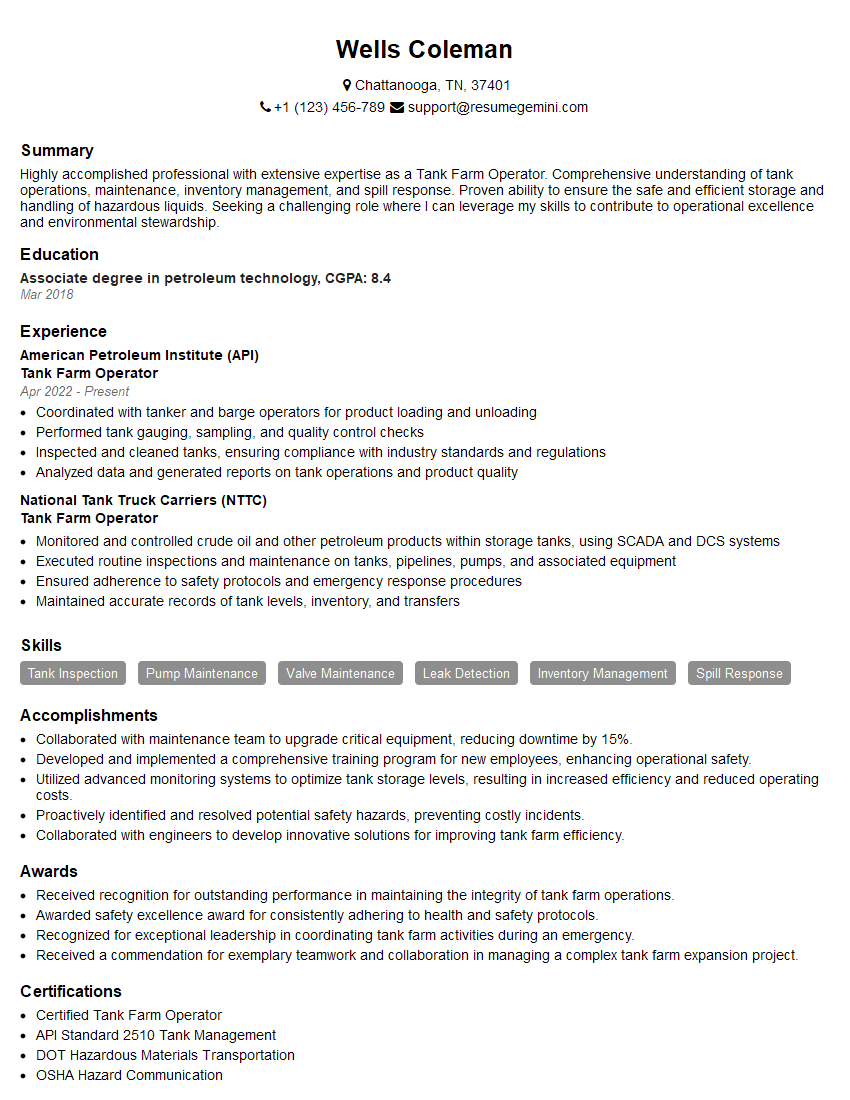
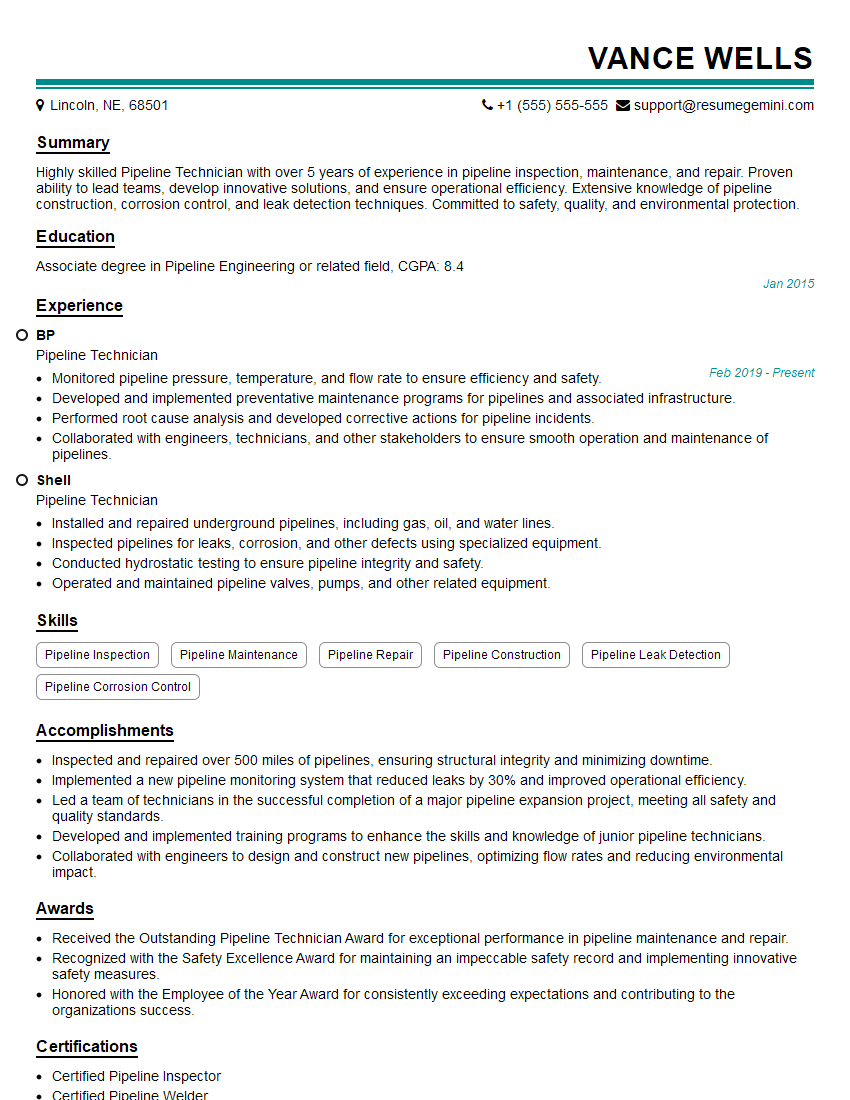
Mastering Fuel Handling and Transportation principles is crucial for career advancement in this vital industry. A strong understanding of safety, logistics, and regulations significantly improves your prospects for securing a fulfilling and well-compensated role. To maximize your chances, create an ATS-friendly resume that effectively highlights your skills and experience. ResumeGemini is a trusted resource that can help you build a professional and impactful resume. Examples of resumes tailored to the Fuel Handling and Transportation industry are available to guide you. Take the next step towards your dream job today!
Explore more articles
Users Rating of Our Blogs
Share Your Experience
We value your feedback! Please rate our content and share your thoughts (optional).
What Readers Say About Our Blog
To the interviewgemini.com Webmaster.
Very helpful and content specific questions to help prepare me for my interview!
Thank you
To the interviewgemini.com Webmaster.
This was kind of a unique content I found around the specialized skills. Very helpful questions and good detailed answers.
Very Helpful blog, thank you Interviewgemini team.