Preparation is the key to success in any interview. In this post, we’ll explore crucial Ganglion Cyst Removal interview questions and equip you with strategies to craft impactful answers. Whether you’re a beginner or a pro, these tips will elevate your preparation.
Questions Asked in Ganglion Cyst Removal Interview
Q 1. Describe the different types of ganglion cysts.
Ganglion cysts are fluid-filled sacs that most commonly arise near joints or tendons. While they share a similar appearance, they can be categorized based on their location and the structures they’re associated with. There isn’t a universally accepted strict classification, but we generally distinguish them based on their location. For example, a ganglion cyst on the dorsal aspect of the wrist is very different from one found in the knee joint. We’ll often describe them by their location—such as a volar wrist ganglion or a dorsal wrist ganglion —rather than by a specific subtype.
Think of it like describing a tree; you might specify it as an oak, a maple, etc. But a ganglion cyst’s type is often less precisely defined and is more descriptive of its location and relation to surrounding structures.
Q 2. What are the common locations for ganglion cysts?
Ganglion cysts can appear in many locations throughout the body, but some areas are far more common than others. The most frequent sites are the wrists (both dorsal and volar aspects), hands, and feet. You can also find them around the ankles, knees, and even less frequently in the shoulders or elbows. Their location is often related to areas of repetitive movement or potential stress on joints and tendons.
For instance, a musician might develop a ganglion cyst on their wrist due to repetitive hand movements, while an athlete might develop one on their ankle due to the repeated stress of running or jumping.
Q 3. Explain the diagnostic methods used to identify a ganglion cyst.
Diagnosing a ganglion cyst is usually straightforward. A physical examination is the first step—the doctor will feel the lump to assess its consistency, mobility, and tenderness. The characteristic features are usually enough for a definitive diagnosis. A ganglion cyst typically presents as a smooth, round, or oval mass with a tense, fluctuant consistency. Transillumination, shining a light through the cyst, may be used to confirm the presence of fluid. In ambiguous cases or to rule out other conditions, imaging studies may be utilized.
While imaging isn’t always necessary, ultrasound can provide a clearer picture of the cyst’s size, location, and internal contents. It helps differentiate it from other masses, such as tumors. MRI scans are rarely needed for a simple ganglion cyst but may be used in complex cases or when the diagnosis is uncertain.
Q 4. What are the conservative treatment options for ganglion cysts?
Many ganglion cysts resolve without any intervention. Conservative management is often the first approach. This typically involves a period of observation to see if the cyst shrinks or disappears on its own. Some patients find that immobilizing the affected joint with a splint or cast can provide relief and potentially promote resolution. Aspiration, where a needle is used to remove the fluid from the cyst, can also be attempted; however, recurrence is fairly common with this method. Non-steroidal anti-inflammatory drugs (NSAIDs) can help manage pain and inflammation.
For example, a patient with a small, asymptomatic ganglion cyst on their wrist might be advised to observe it for several months, while someone with a painful and large cyst might be offered aspiration or other treatment.
Q 5. When is surgical removal of a ganglion cyst indicated?
Surgical excision is considered when conservative treatments fail, the cyst causes significant pain or functional impairment, or when there’s concern about potential nerve compression. A large cyst that is causing cosmetic concerns may also be a reason to opt for surgery. The decision to proceed with surgery is a collaborative one between the surgeon and patient, taking into account the individual circumstances and potential risks and benefits.
For example, a ganglion cyst that is compressing a nerve and causing numbness in the hand would clearly necessitate surgical removal. A smaller cyst causing no significant functional limitations might only need observation, however.
Q 6. Describe the surgical techniques used for ganglion cyst removal (open vs. arthroscopic).
Two primary surgical techniques exist for ganglion cyst removal: open surgery and arthroscopic surgery. Open surgery involves a small incision over the cyst, allowing the surgeon to directly visualize and remove the entire cyst, including its stalk. This approach is often chosen for larger or more complex cysts or cysts located in areas where arthroscopic surgery may be more difficult.
Arthroscopic surgery uses a small incision and a specialized instrument to remove the cyst. This minimally invasive technique usually leads to less scarring and faster recovery times compared to open surgery. However, it might not be suitable for all cyst locations or sizes. The choice between open and arthroscopic techniques depends on several factors, including the location and size of the cyst, the surgeon’s expertise, and patient preference.
Q 7. What are the potential complications associated with ganglion cyst removal?
While ganglion cyst removal is generally a safe procedure, potential complications exist. Infection at the surgical site is a possibility, requiring antibiotic treatment. Nerve injury is a rare but serious risk, potentially causing numbness, tingling, or weakness in the affected area. Recurrence of the cyst, even after surgical removal, is also possible, although relatively uncommon. Incomplete removal of the cyst stalk can contribute to recurrence. Hematoma (blood clot) formation and scarring are other potential complications, although typically minor.
Careful surgical technique and meticulous attention to detail during the procedure help minimize these risks. Post-operative care, including keeping the wound clean and dry, is vital to prevent infection.
Q 8. How do you manage post-operative pain and swelling after ganglion cyst removal?
Post-operative pain and swelling after ganglion cyst removal are common and usually manageable. We employ a multi-modal approach focusing on minimizing discomfort and promoting healing. This typically involves a combination of strategies.
Medication: Prescription pain relievers, such as NSAIDs (non-steroidal anti-inflammatory drugs) like ibuprofen or naproxen, are often prescribed to control pain. In some cases, stronger opioid analgesics might be necessary for a short period, especially if the surgery was more complex.
Elevation and Ice: Keeping the affected area elevated above the heart and applying ice packs for 15-20 minutes at a time, several times a day, helps reduce swelling and inflammation. Think of it like icing a sprained ankle – it constricts blood vessels, limiting swelling.
Compression: A compression bandage can further assist in reducing swelling and providing support to the affected area. This helps to keep the tissues stabilized and reduces the risk of further inflammation.
Physical Therapy: Depending on the location and size of the cyst, and the extent of the surgery, physical therapy may be recommended to improve range of motion and strength in the affected joint. Gentle exercises are crucial for optimal recovery.
We carefully monitor patients for any signs of excessive pain or swelling that might indicate a complication, emphasizing regular follow-up appointments.
Q 9. What are the common post-operative instructions given to patients?
Post-operative instructions are crucial for a successful recovery. These are tailored to each patient, but generally include:
Wound Care: Keeping the incision clean and dry is paramount. Specific instructions on dressing changes and signs of infection (redness, swelling, increased pain, pus) are provided. Patients are taught how to properly clean and dress the wound to minimize the risk of infection.
Pain Management: Patients are instructed on how to take prescribed pain medication safely and effectively, as well as recognizing potential side effects. We emphasize the importance of managing pain appropriately to facilitate healing and mobility.
Activity Restrictions: Depending on the surgical site and the extent of the procedure, activity restrictions are implemented. This might involve avoiding strenuous activities, heavy lifting, or specific movements that could stress the surgical site. We provide individualized guidelines to balance rest and gradual return to normal activities. For example, a wrist ganglion removal may require avoiding certain hand movements initially.
Follow-up Appointments: Regular follow-up appointments are scheduled to monitor healing progress, assess pain levels, and address any concerns. These visits are essential for early detection of potential complications and to ensure optimal recovery.
We provide written instructions and encourage patients to ask questions to ensure complete understanding.
Q 10. How do you counsel patients about the recurrence rate of ganglion cysts?
Recurrence is a possibility that we openly discuss with patients. It’s important to manage expectations realistically. While the exact recurrence rate varies based on factors like location and surgical technique, it is crucial to convey that a complete cure is not always guaranteed in a single procedure.
I typically explain that recurrence rates are typically around 5-10%, but can be higher depending on factors like the completeness of cyst removal. I use analogies to illustrate this, for example comparing it to removing a weed – sometimes small root fragments remain, leading to regrowth. We stress the importance of adhering to post-operative instructions to minimize this risk.
Open and honest communication is key. We empower patients to actively participate in their recovery by discussing potential scenarios and strategies for managing any recurrence, including non-surgical options such as aspiration or observation if deemed appropriate.
Q 11. Explain the role of aspiration in managing ganglion cysts.
Aspiration is a minimally invasive procedure where a needle is used to withdraw the fluid from the ganglion cyst. While it’s often considered a simpler and less invasive alternative to surgery, it’s important to highlight that it’s not always effective and has a high recurrence rate (often higher than surgical removal). It’s sometimes used as a first-line approach in specific cases, but not always the ideal solution.
The procedure typically involves local anesthesia, followed by the insertion of a needle into the cyst to drain the fluid. The cyst is then usually compressed to try to collapse it. While simple and less invasive than surgery, aspiration does not address the stalk of the cyst that connects it to the joint, hence the high recurrence rate. I explain this to patients transparently and highlight that it may only provide temporary relief in many cases.
Q 12. Discuss the advantages and disadvantages of open vs. arthroscopic ganglion cyst removal.
Both open and arthroscopic surgery are viable options for ganglion cyst removal, each with its advantages and disadvantages. The choice depends on various factors, including the location, size, and complexity of the cyst.
Open Surgery: This is a more traditional approach where a small incision is made to directly access and remove the cyst and its stalk. Advantages include a more direct approach for larger or complex cysts and a potentially lower recurrence rate, allowing complete excision. Disadvantages are a larger incision resulting in more scarring, greater post-operative pain, and a longer recovery time.
Arthroscopic Surgery: This minimally invasive technique uses small incisions and a camera to visualize and remove the cyst. Advantages are smaller incisions, less pain, faster recovery time, and minimal scarring. Disadvantages are the potential for incomplete removal of the stalk, leading to higher chances of recurrence in certain cases; and it’s not always feasible for larger cysts or those in difficult-to-access locations.
Q 13. How do you choose the optimal surgical approach for a particular patient?
Selecting the optimal surgical approach is a personalized decision, based on a careful assessment of several factors:
Cyst Size and Location: Small, easily accessible cysts might be ideal candidates for arthroscopic surgery. Larger or deeply situated cysts often require open surgery for complete removal.
Patient’s Age and Overall Health: Older patients or those with underlying health conditions might benefit from the less invasive arthroscopic technique.
Patient Preferences: After a thorough explanation of the advantages and disadvantages of each approach, the patient’s preferences and comfort level are taken into consideration. Shared decision making is essential.
Surgeon’s Expertise: The surgeon’s experience and comfort level with both open and arthroscopic techniques will influence the final decision. I ensure the choice is aligned with my skills and the patient’s needs for an optimal outcome.
Thorough pre-operative discussions and imaging studies (such as ultrasound) are critical in guiding this decision-making process.
Q 14. Describe your experience with managing complications such as infection or nerve injury.
Managing complications is a crucial part of surgical practice. While rare, complications such as infection or nerve injury can occur after ganglion cyst removal. Early recognition and prompt intervention are vital.
Infection: Signs of infection, such as redness, swelling, increased pain, pus, or fever, are closely monitored. If infection is suspected, prompt antibiotic treatment is initiated, often with IV antibiotics in severe cases. In some instances, surgical drainage may be necessary.
Nerve Injury: Nerve injury is a rare but potentially serious complication. Symptoms such as numbness, tingling, or weakness in the area around the incision are carefully assessed. Conservative management, including time and physical therapy, is often sufficient. In severe cases, further surgical intervention might be considered.
My approach involves meticulous surgical technique to minimize the risk of complications, careful post-operative monitoring, and prompt and decisive action should any complications arise. Open communication with the patient is essential throughout this process to ensure their comfort and recovery.
Q 15. How do you assess the success of ganglion cyst removal?
Assessing the success of ganglion cyst removal centers around two key areas: resolution of symptoms and prevention of recurrence. We consider the surgery successful if the patient experiences complete resolution of pain, numbness, tingling, or any functional limitations caused by the cyst. Post-operative imaging, such as ultrasound, might be used to confirm complete cyst removal, although this isn’t always necessary. However, the absence of recurrence, ideally over a year or more post-surgery, is the ultimate marker of long-term success. Recurrence rates are a key performance indicator. For example, a patient who reports complete relief from wrist pain and maintains full range of motion for two years following removal is considered a successful case. Conversely, a patient experiencing persistent pain or a regrowth of the cyst would be considered a less successful outcome, prompting a review of the surgical technique and potential underlying factors.
Career Expert Tips:
- Ace those interviews! Prepare effectively by reviewing the Top 50 Most Common Interview Questions on ResumeGemini.
- Navigate your job search with confidence! Explore a wide range of Career Tips on ResumeGemini. Learn about common challenges and recommendations to overcome them.
- Craft the perfect resume! Master the Art of Resume Writing with ResumeGemini’s guide. Showcase your unique qualifications and achievements effectively.
- Don’t miss out on holiday savings! Build your dream resume with ResumeGemini’s ATS optimized templates.
Q 16. What are the key aspects of pre-operative patient assessment?
Pre-operative assessment for ganglion cyst removal is crucial to ensure patient safety and optimize surgical outcomes. It involves a thorough history taking, including the duration and severity of symptoms, past treatments (if any), and any relevant medical conditions. A detailed physical examination focuses on the location, size, and consistency of the cyst, as well as the range of motion in the affected joint. We also assess for neurological deficits such as sensory changes or weakness, and evaluate the overall health status of the patient to identify any conditions that might increase surgical risk. This might include checking for allergies, bleeding disorders, or medication interactions. For instance, a patient with a history of bleeding disorders may require special considerations to minimize bleeding during surgery. A thorough understanding of the patient’s lifestyle and expectations helps manage post-operative rehabilitation expectations. This holistic assessment allows for a personalized surgical plan to achieve optimal results.
Q 17. What imaging techniques are helpful in diagnosing a ganglion cyst?
Ultrasound is the imaging modality of choice for diagnosing ganglion cysts. It’s readily available, non-invasive, and provides excellent visualization of the cyst’s characteristics, including its size, internal contents, and relationship to surrounding structures. Ultrasound can also help differentiate a ganglion cyst from other wrist masses. Magnetic resonance imaging (MRI) is occasionally used, particularly in complex cases or when there’s uncertainty about the diagnosis. MRI provides superior soft tissue detail but is more expensive and less readily available than ultrasound. Plain X-rays, while helpful in ruling out other conditions, do not directly visualize ganglion cysts as they are fluid-filled and not visible on x-ray. For example, ultrasound easily shows the characteristic anechoic (fluid-filled) appearance of a ganglion cyst, confirming the diagnosis and guiding surgical planning.
Q 18. Describe the anatomy relevant to ganglion cyst removal.
Understanding the anatomy surrounding a ganglion cyst is vital for safe and effective removal. Ganglion cysts typically arise from the joint capsule or tendon sheath. The dorsal wrist ganglion, the most common type, originates from the scapholunate or radiocarpal joint. The surgeon needs to be intimately familiar with the precise location of the cyst in relation to vital structures such as tendons, nerves, and blood vessels. Careful dissection is required to avoid injury to these structures during removal. For example, during the removal of a dorsal wrist ganglion, the surgeon must carefully identify and protect the extensor tendons and the posterior interosseous nerve to prevent post-operative complications such as tendon injury or nerve damage.
Q 19. How do you differentiate a ganglion cyst from other wrist masses?
Differentiating a ganglion cyst from other wrist masses requires a comprehensive approach. Clinical examination, patient history, and imaging studies are crucial. Ganglion cysts typically present as smooth, well-circumscribed, fluctuant masses, often located on the dorsal aspect of the wrist. Other masses like lipomas, tenosynovitis, or even tumors, can mimic ganglion cysts clinically. Ultrasound helps differentiate these lesions based on their internal echogenicity, vascularity, and relationship to surrounding structures. For instance, a lipoma will show characteristic fatty tissue on ultrasound, unlike the anechoic appearance of a ganglion cyst. If there’s uncertainty, MRI can provide further characterization and aid in diagnosis. Careful consideration of clinical features and judicious use of imaging are key to accurate diagnosis.
Q 20. What are the contraindications to surgical removal of a ganglion cyst?
Contraindications to surgical removal of a ganglion cyst are relatively few. However, active infection at the site of the cyst, untreated bleeding disorders, or severe underlying medical conditions that pose significant surgical risks represent absolute contraindications. Relative contraindications include patient refusal, unrealistic expectations from surgery, and situations where the cyst is asymptomatic and causing minimal functional impairment. In such cases, conservative management with observation and aspiration (if appropriate) might be preferable. For example, in an elderly patient with several comorbidities and a small, asymptomatic cyst, the risks associated with surgery might outweigh the benefits, leading us to opt for conservative management.
Q 21. What are the long-term outcomes of ganglion cyst removal?
Long-term outcomes following ganglion cyst removal are generally favorable. Most patients experience complete resolution of symptoms and a return to normal activity. However, recurrence remains a possibility, typically occurring within the first year post-surgery, potentially due to incomplete removal or persistence of the stalk. The recurrence rate varies depending on surgical technique and location of the cyst. Post-operative complications, though rare, can include infection, nerve injury, or tendon damage. To optimize long-term outcomes, patients are provided with detailed instructions on post-operative care, including immobilization, physiotherapy, and activity modification. Regular follow-up appointments help monitor healing, detect any complications early, and evaluate the success of the surgery. In patients experiencing recurrent symptoms or new complications, we may need to reconsider treatment strategies.
Q 22. How do you address patient concerns and anxieties related to the procedure?
Addressing patient concerns about ganglion cyst removal is paramount. Many patients experience anxiety about surgery, pain, scarring, and recurrence. I begin by actively listening to their specific worries. I explain the procedure in simple, non-medical terms, using analogies to help them understand. For example, I might describe the cyst as a small, fluid-filled sac that’s putting pressure on a nerve, and the removal as a simple procedure to alleviate that pressure. I also show them images and videos of the procedure and recovery to visually demonstrate what to expect. I answer all their questions patiently and honestly, addressing their fears directly. If needed, I connect them with support groups or other healthcare professionals for further emotional support. Reassurance and open communication are crucial in alleviating their anxieties.
Q 23. Explain your approach to obtaining informed consent for ganglion cyst removal.
Informed consent is the cornerstone of ethical medical practice. Before any ganglion cyst removal, I ensure the patient fully understands the procedure. This includes explaining the nature of the cyst, the surgical technique (e.g., aspiration versus excision), the potential benefits (pain relief, improved function), and the risks (infection, recurrence, scarring, nerve damage). I present alternative treatment options like conservative management (observation, immobilization) and discuss their pros and cons. I carefully document the discussion, ensuring the patient understands the implications of their decision before they sign the consent form. I encourage them to ask questions at any point and answer them truthfully and comprehensively. I make sure they feel completely comfortable and empowered in their decision-making process.
Q 24. Describe your experience with different types of anesthesia used during the procedure.
The choice of anesthesia for ganglion cyst removal depends on various factors, including the cyst’s location, size, and the patient’s overall health and preferences. Most ganglion cysts can be removed under local anesthesia, meaning the area is numbed, and the patient remains awake. This is often preferred for its simplicity, faster recovery, and lower risk of complications. However, for larger cysts or those in difficult-to-access areas, regional anesthesia (nerve block) might be used to numb a larger area. In rare instances, general anesthesia (patient is asleep) might be considered for very anxious patients or complex procedures. My experience spans across all three types, and I choose the optimal anesthetic technique based on a comprehensive patient assessment and discussion to ensure maximum comfort and safety.
Q 25. How do you manage a recurrent ganglion cyst?
Recurrence of ganglion cysts is unfortunately not uncommon. My approach to managing recurrent cysts involves a thorough evaluation to determine the cause. This includes considering factors such as incomplete removal of the cyst stalk, underlying joint instability, or underlying repetitive trauma. Treatment options for recurrence vary. Aspiration may be attempted again, but surgical excision with careful removal of the stalk is often preferred to reduce the chances of recurrence. In some cases, steroid injection may be considered as an alternative to surgery. If recurrence persists despite these measures, I explore more advanced options such as surgical techniques aiming for complete excision of the cyst wall and stalk. Open communication with the patient regarding the challenges of recurrent cysts and management expectations is crucial.
Q 26. What are your strategies for minimizing scarring after ganglion cyst removal?
Minimizing scarring is a priority. I employ several techniques to achieve this. Firstly, I use a minimally invasive approach whenever possible, such as small incisions. Secondly, I carefully select the incision site, choosing locations that are hidden or naturally camouflaged. Thirdly, I use meticulous surgical technique with precise dissection to minimize tissue trauma. Finally, I use appropriate suture materials and wound closure techniques to minimize scarring. Post-operatively, I provide the patient with detailed instructions on wound care, including keeping the incision clean and dry, and recommend scar massage to improve the cosmetic appearance over time. The use of silicone gel sheets or other topical treatments can also be discussed to help reduce scar prominence.
Q 27. Discuss the role of rehabilitation after ganglion cyst removal.
Rehabilitation after ganglion cyst removal is usually minimal. For simple cases, the patient can resume normal activities within a few days. However, I typically advise patients to avoid strenuous activity for a week or two to allow for proper healing. For more complex cases or those involving larger cysts or significant tissue dissection, a more tailored rehabilitation plan might be recommended. This could include physical therapy to regain full range of motion and strength. The role of rehabilitation is to restore function, reduce pain, and prevent stiffness. I provide clear instructions on activity modifications and pain management, and regularly follow up with patients to assess their progress and address any concerns.
Q 28. Describe a challenging case involving ganglion cyst removal and how you handled it.
One challenging case involved a deeply situated ganglion cyst near the median nerve in the wrist of a professional musician. The cyst was large and adhered to the nerve, making complete removal without nerve damage a significant challenge. I opted for a surgical approach under local anesthesia with magnification to enhance precision. Using microsurgical techniques, I carefully dissected the cyst from the nerve, achieving complete removal while preserving nerve function. Post-operative management included meticulous wound care and a gradual return to playing, guided by the patient’s comfort level and feedback. The outcome was successful; the cyst didn’t recur, and the patient was able to return to their professional career. This highlights the importance of adapting surgical strategies to individual patient needs and utilizing advanced techniques to achieve optimal results while minimizing complications.
Key Topics to Learn for Ganglion Cyst Removal Interview
- Anatomy and Physiology: Understanding the structure of the wrist and hand, including tendons, ligaments, and joint capsules, is crucial for comprehending ganglion cyst formation and its impact on surrounding tissues.
- Diagnosis and Assessment: Mastering techniques for physical examination, including palpation and range-of-motion assessment, and interpreting imaging studies like ultrasound and MRI to confirm the diagnosis and rule out other conditions.
- Surgical Techniques: Familiarize yourself with different surgical approaches to ganglion cyst removal, including open surgery and minimally invasive techniques. Understand the advantages and disadvantages of each method, as well as potential complications.
- Post-operative Care and Management: Thorough knowledge of post-operative instructions, including wound care, pain management, and physical therapy protocols, is essential for patient recovery and successful outcomes.
- Complications and Management: Be prepared to discuss potential complications such as recurrence, infection, nerve injury, and scarring. Understand the strategies for prevention and management of these complications.
- Non-surgical Treatment Options: While surgery is common, understanding aspiration and other non-surgical management options is vital for a holistic approach to patient care.
- Patient Communication and Counseling: Effective communication with patients, including explaining the procedure, managing expectations, and addressing concerns, is a critical aspect of successful ganglion cyst removal.
- Ethical Considerations: Be prepared to discuss ethical dilemmas that may arise in the context of ganglion cyst removal, particularly regarding informed consent and shared decision-making.
Next Steps
Mastering the intricacies of Ganglion Cyst Removal significantly enhances your career prospects in orthopedics and hand surgery. A strong understanding of the theoretical concepts and practical applications discussed above will set you apart from other candidates. To maximize your chances of securing your dream role, create an ATS-friendly resume that highlights your skills and experience effectively. ResumeGemini is a trusted resource to help you build a compelling and professional resume that showcases your expertise in Ganglion Cyst Removal. Examples of resumes tailored to this specialty are available to guide you. Invest the time to craft a powerful resume – it’s your key to unlocking exciting career opportunities.

Practice Manager Resume Sample
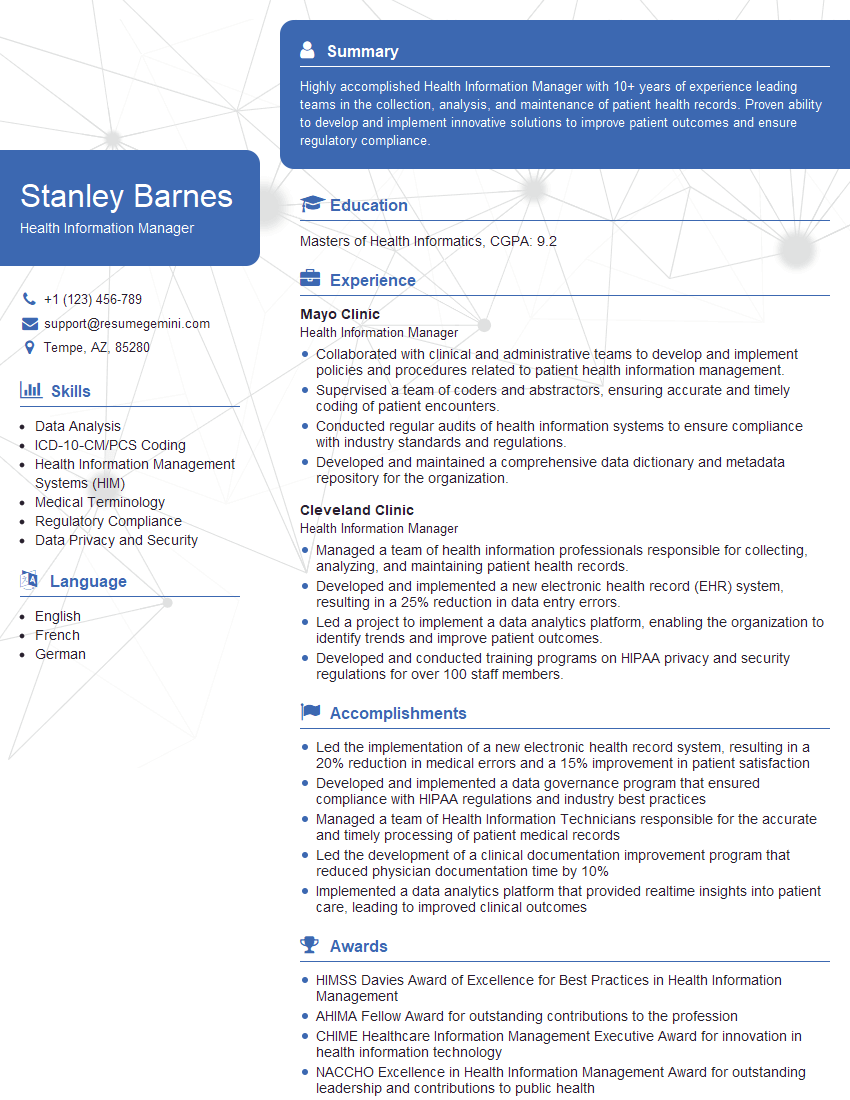
Health Information Manager Resume Sample
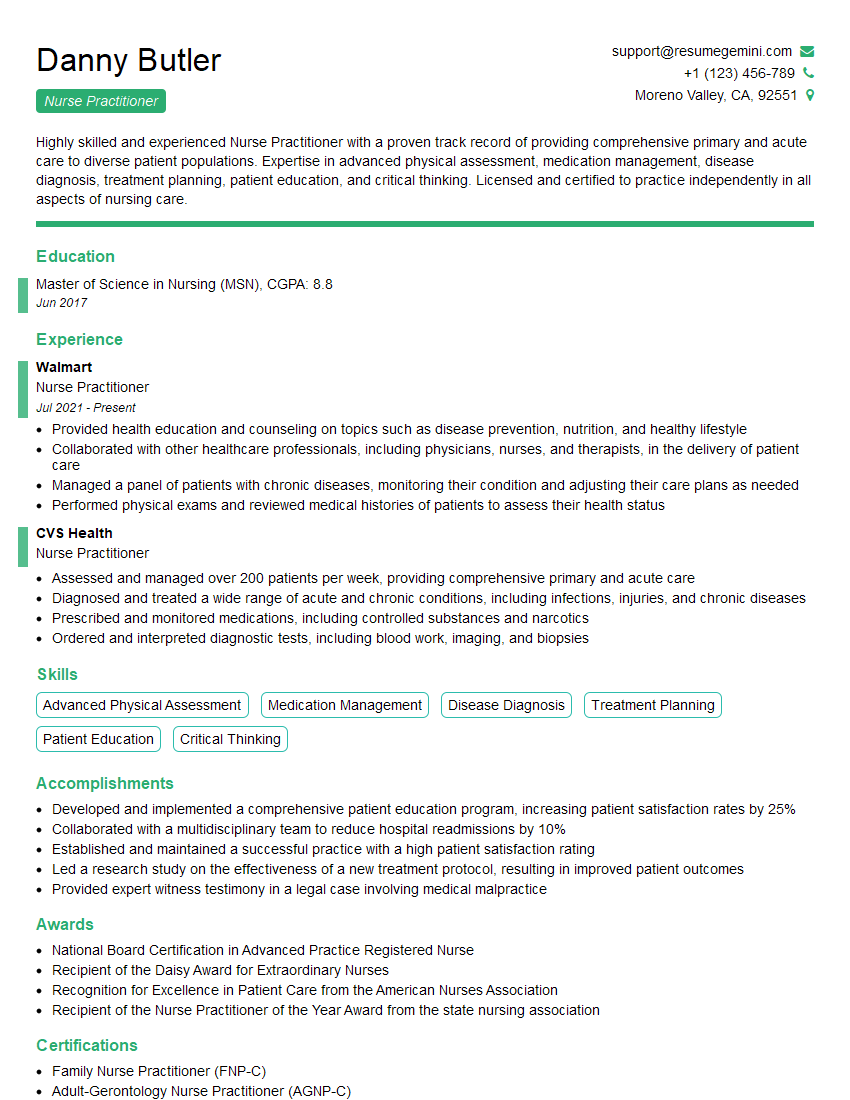
Nurse Practitioner Resume Sample
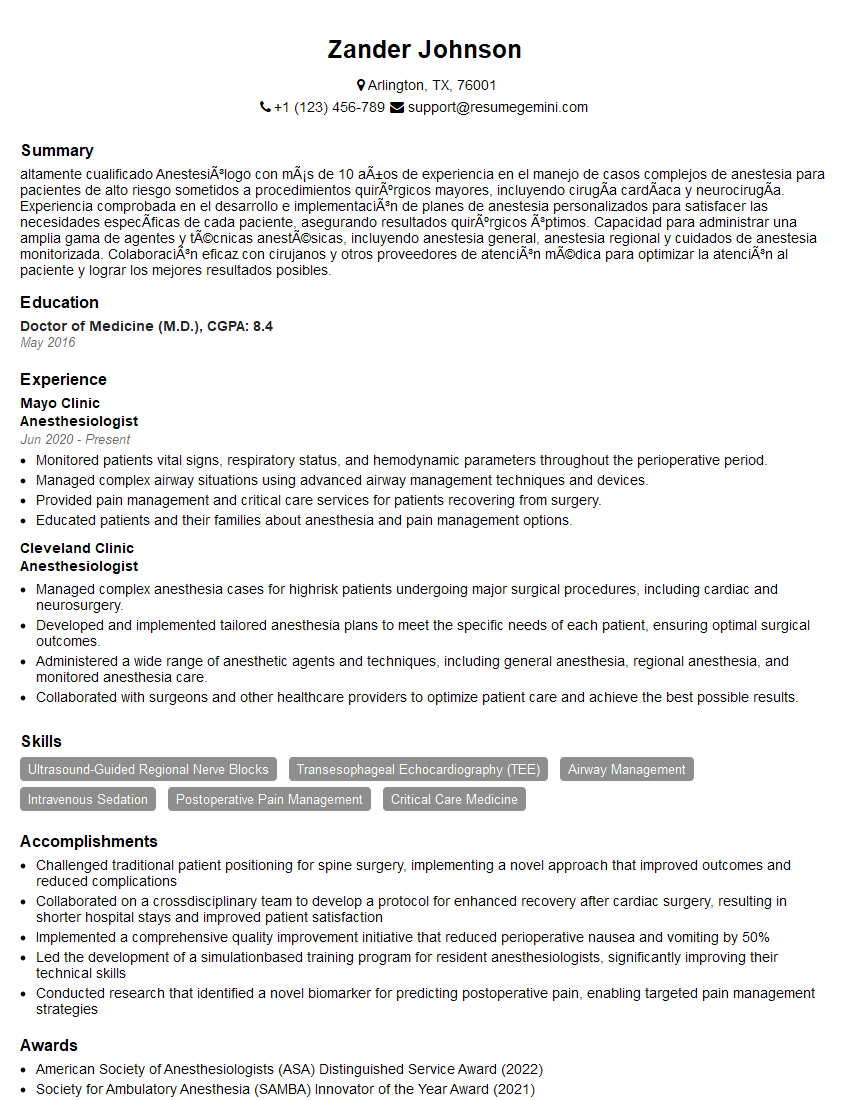
Anesthesiologist Resume Sample

Physician Assistant Resume Sample
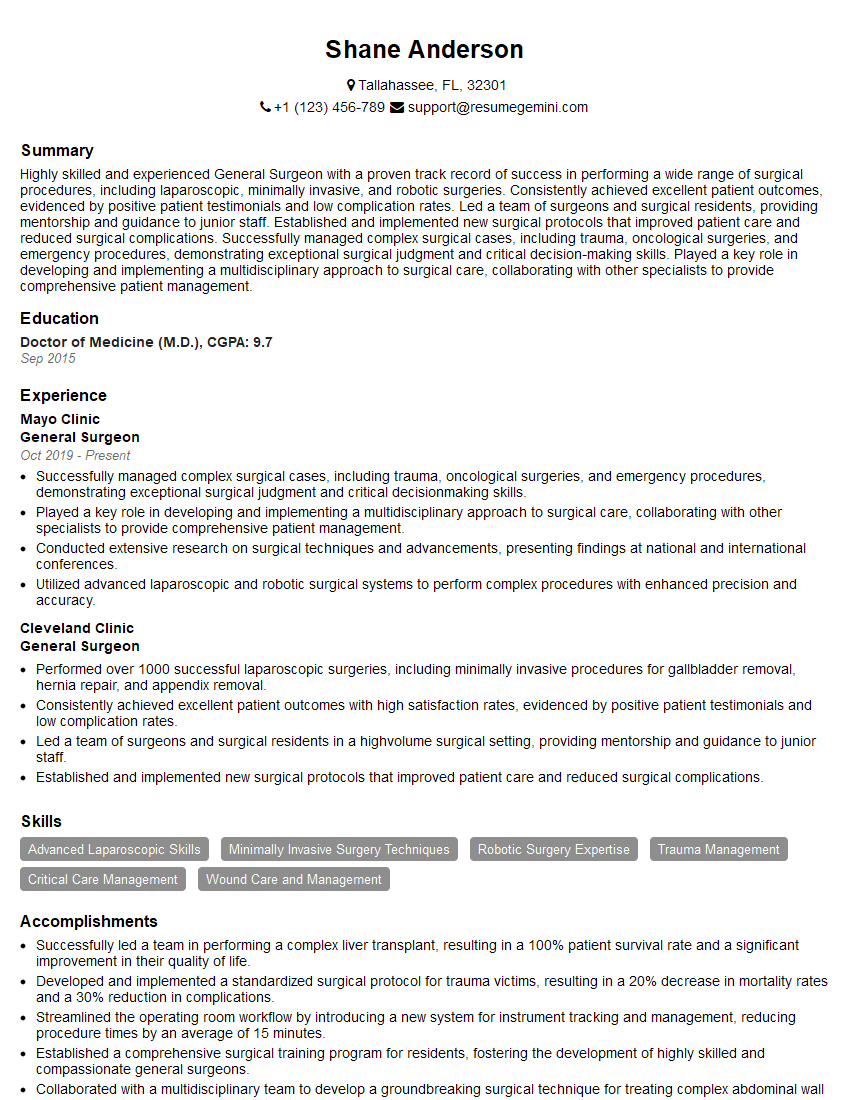
General Surgeon Resume Sample
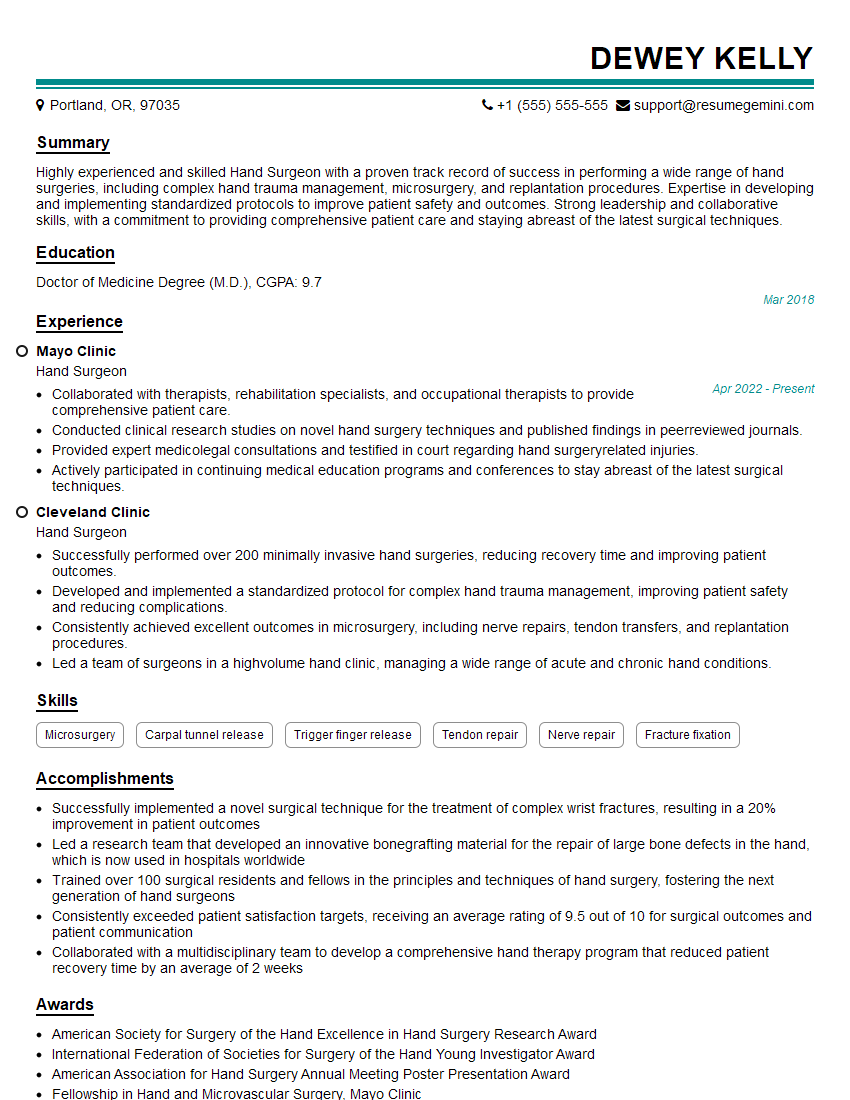
Hand Surgeon Resume Sample
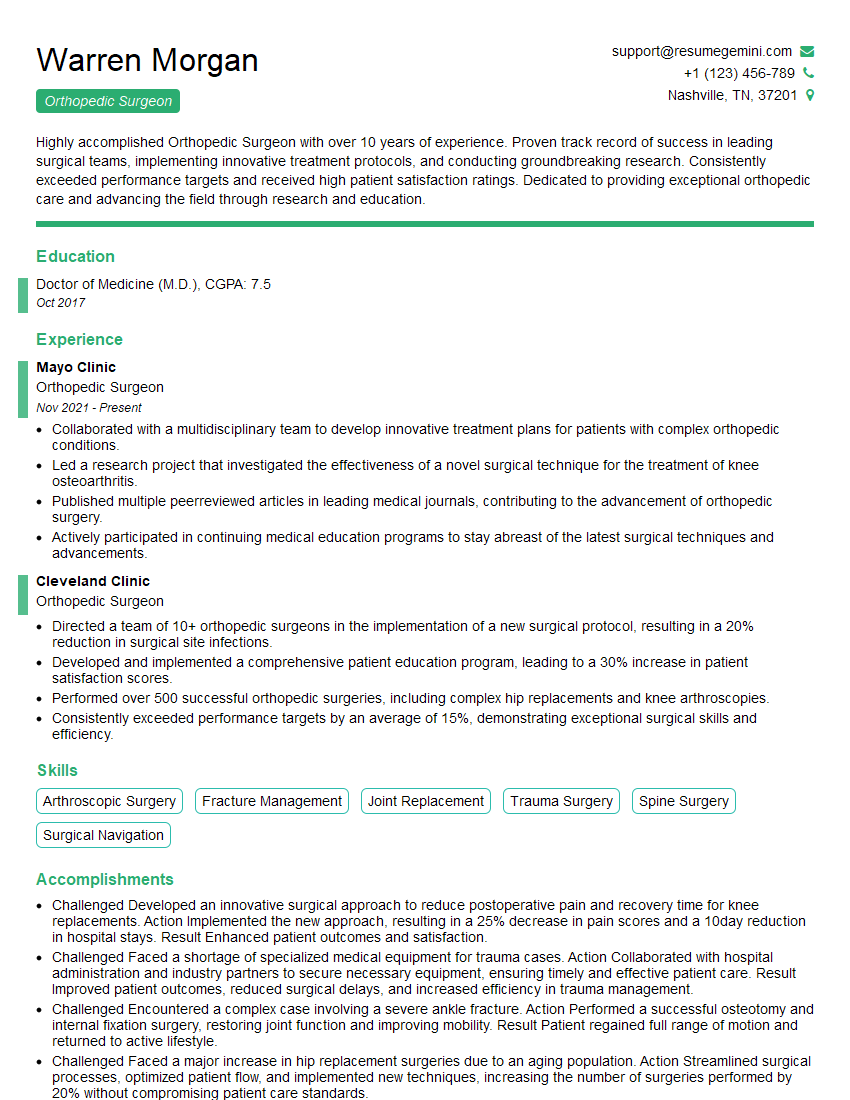
Orthopedic Surgeon Resume Sample
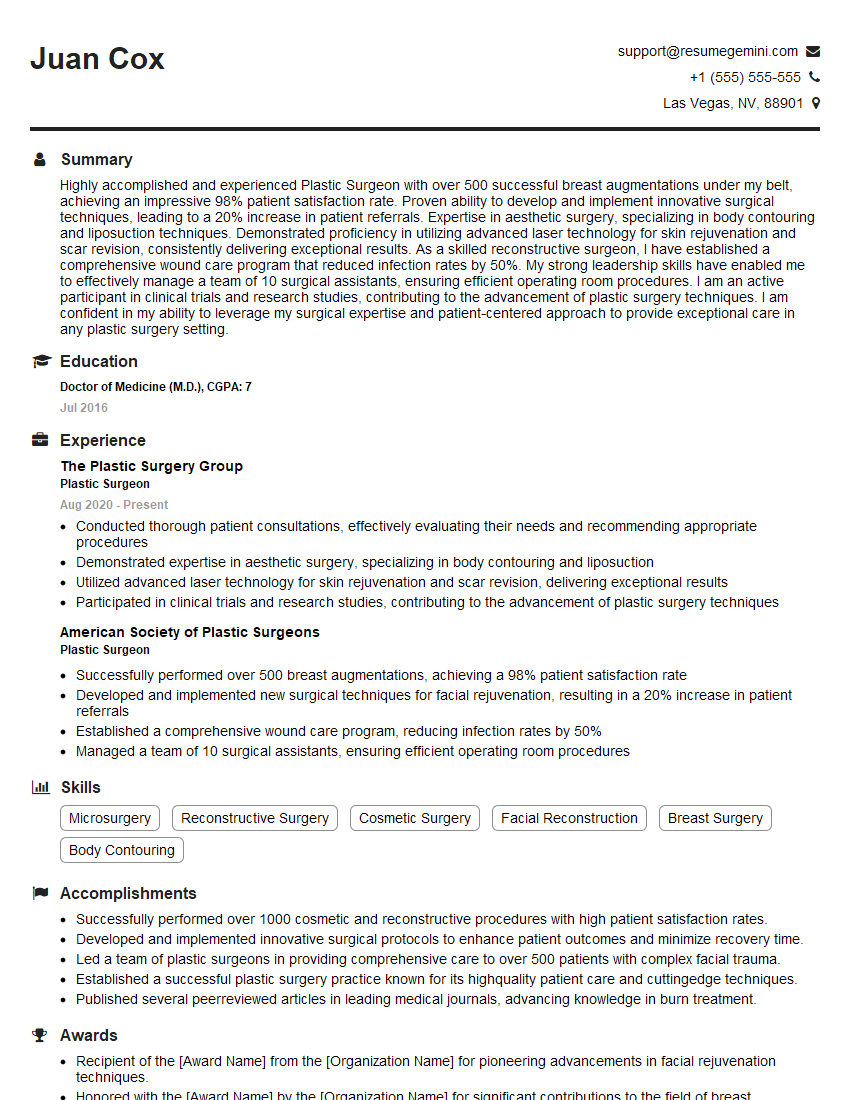
Plastic Surgeon Resume Sample
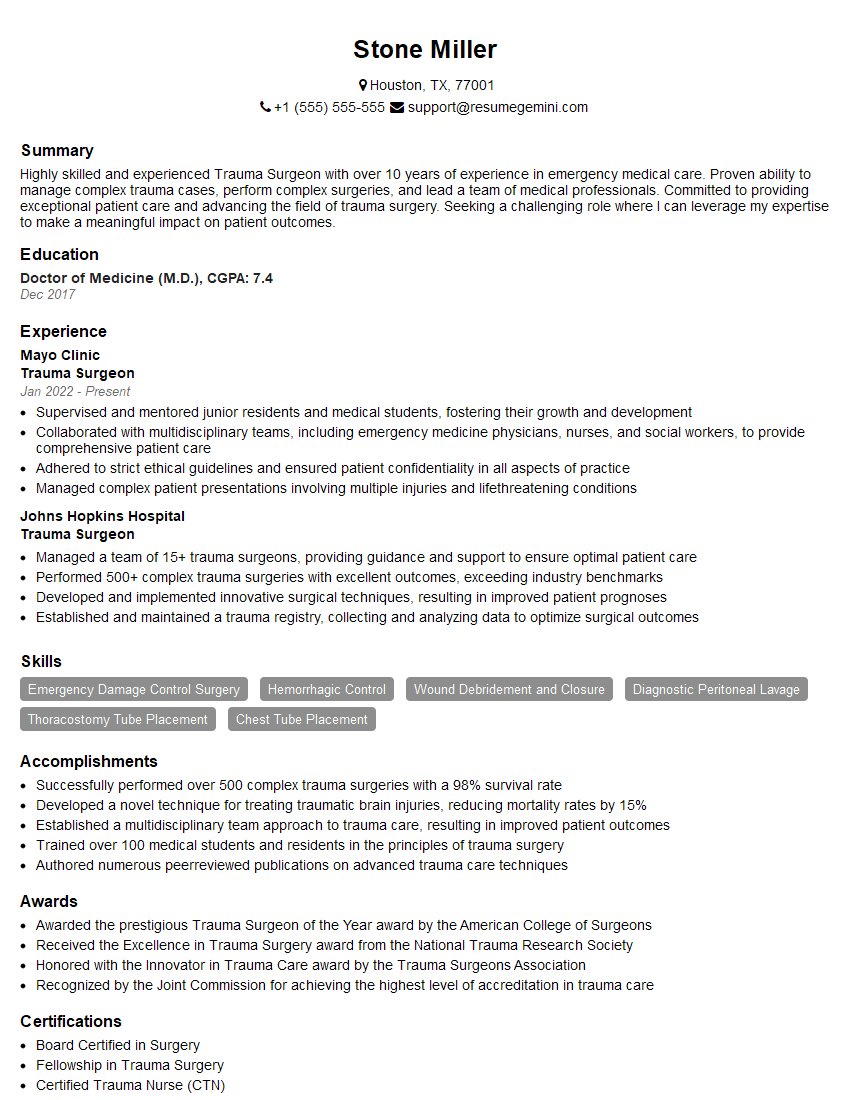
Trauma Surgeon Resume Sample
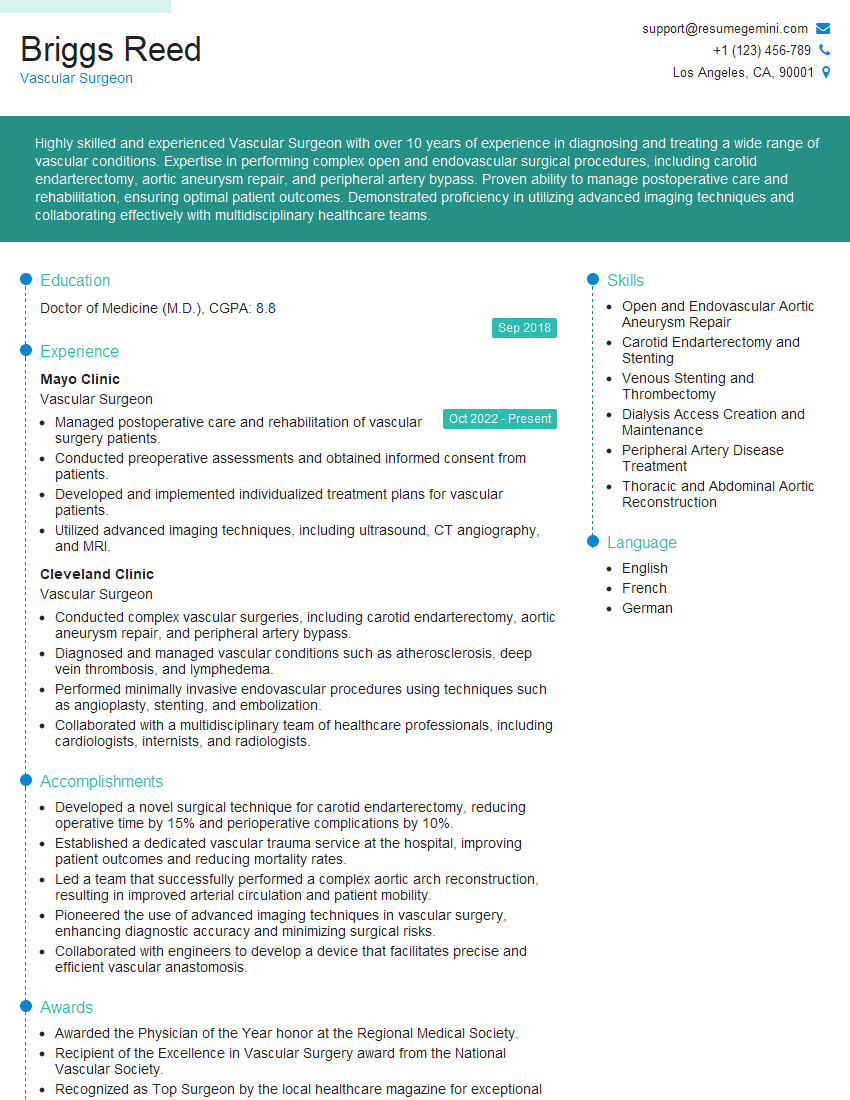
Vascular Surgeon Resume Sample
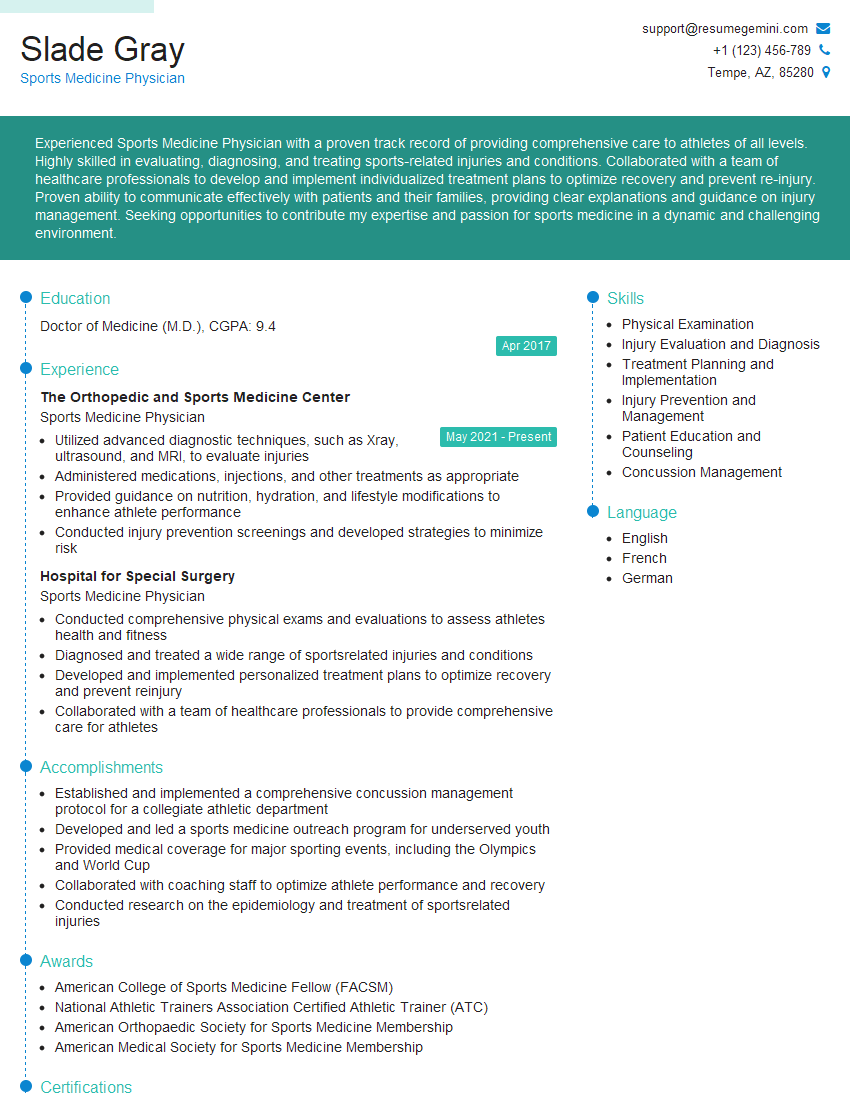
Sports Medicine Physician Resume Sample
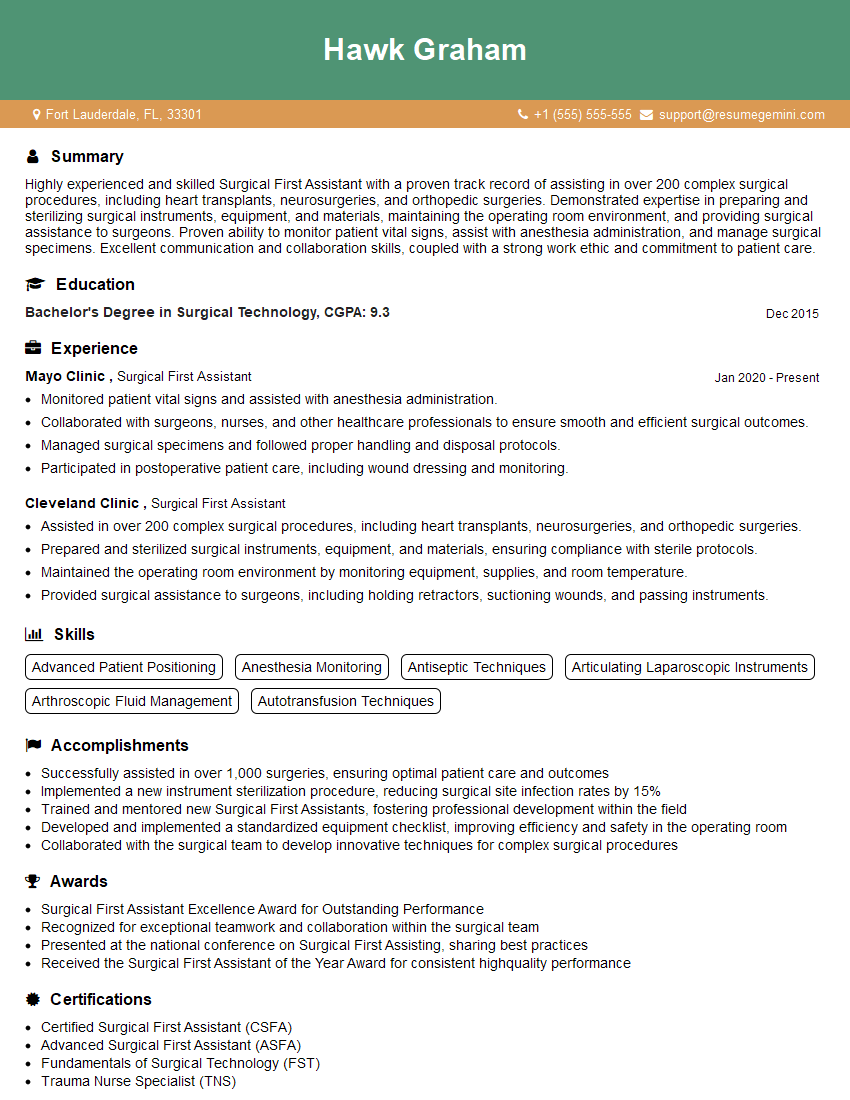
Surgical First Assistant Resume Sample
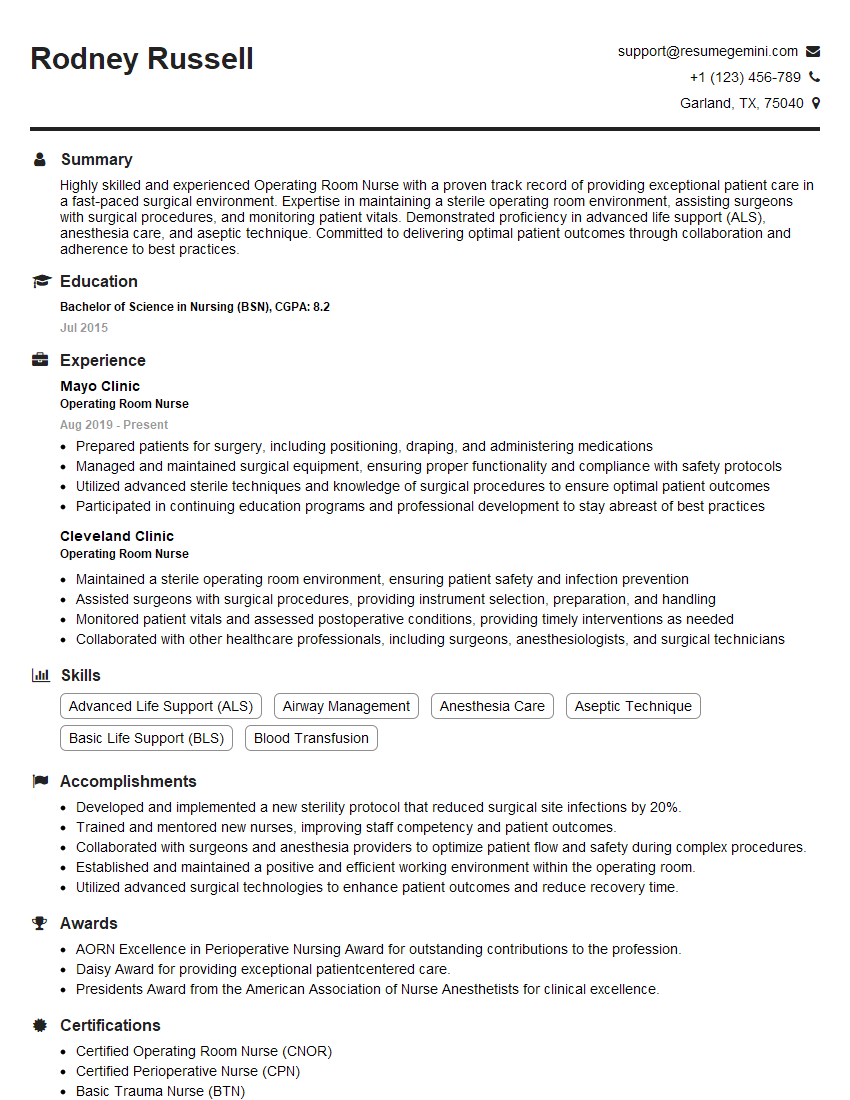
Operating Room Nurse Resume Sample
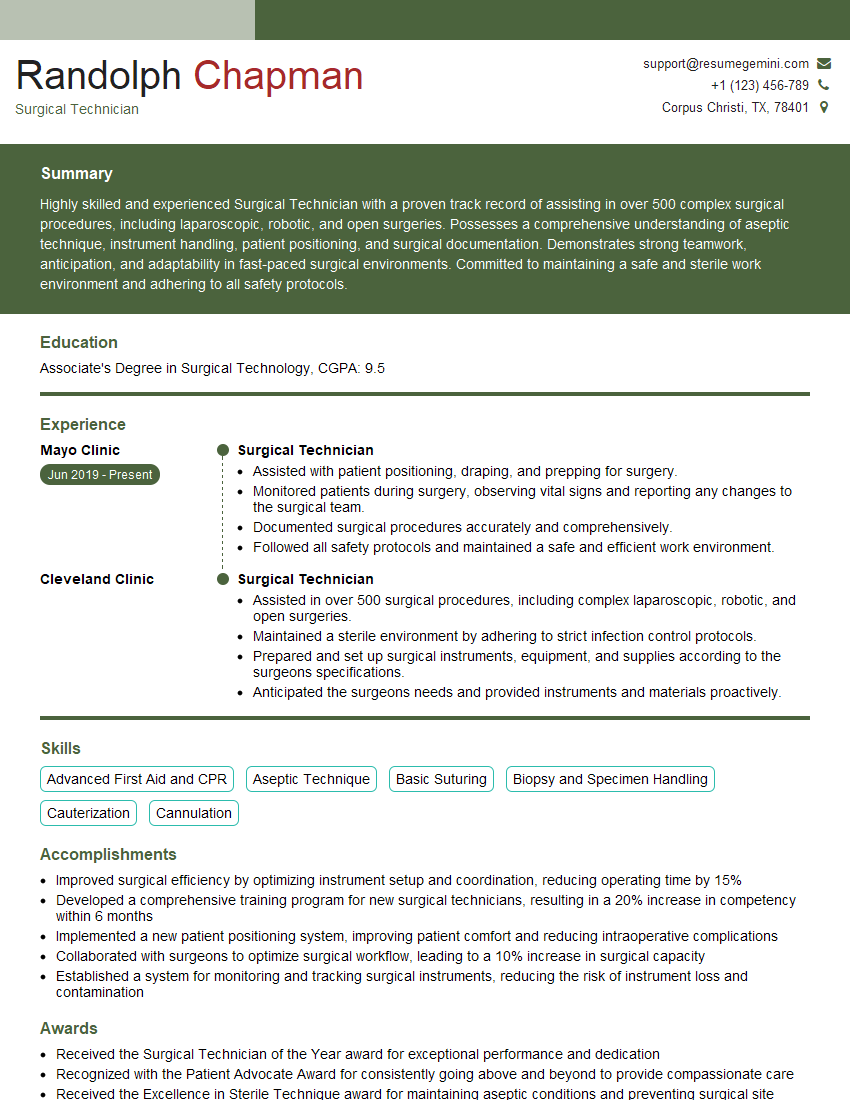
Surgical Technician Resume Sample
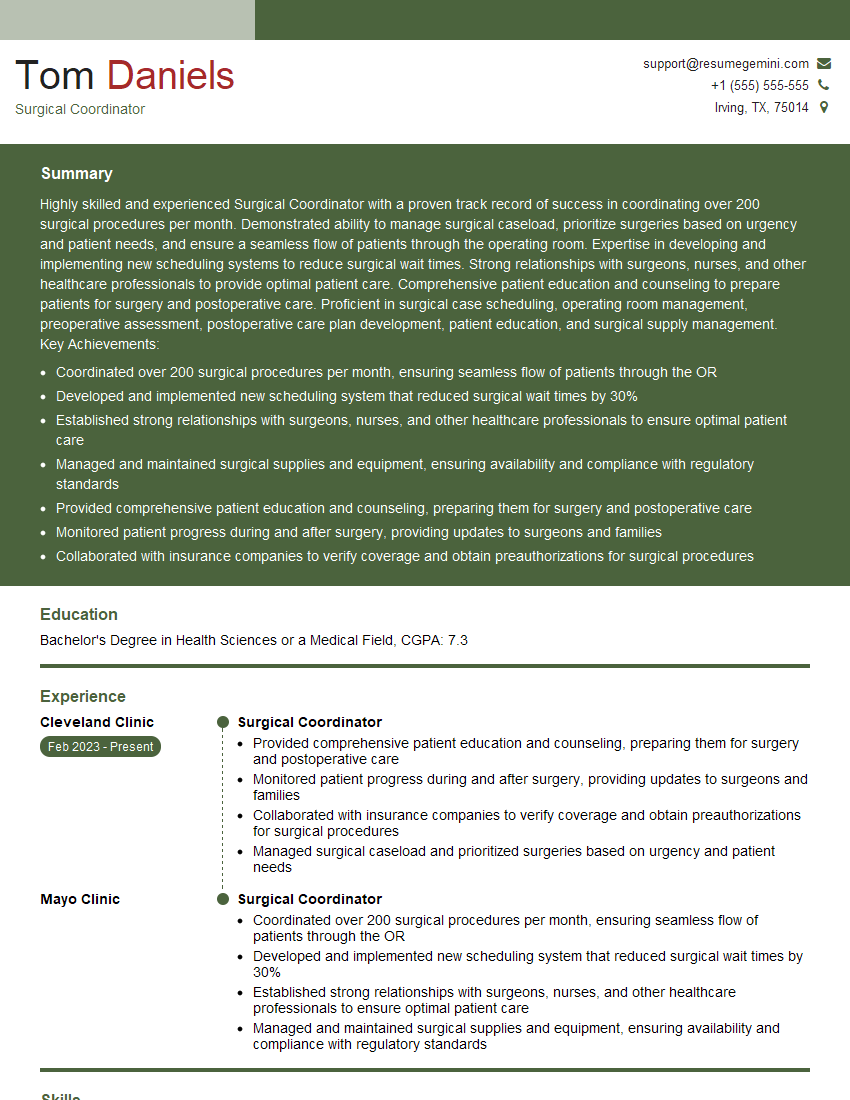
Surgical Coordinator Resume Sample
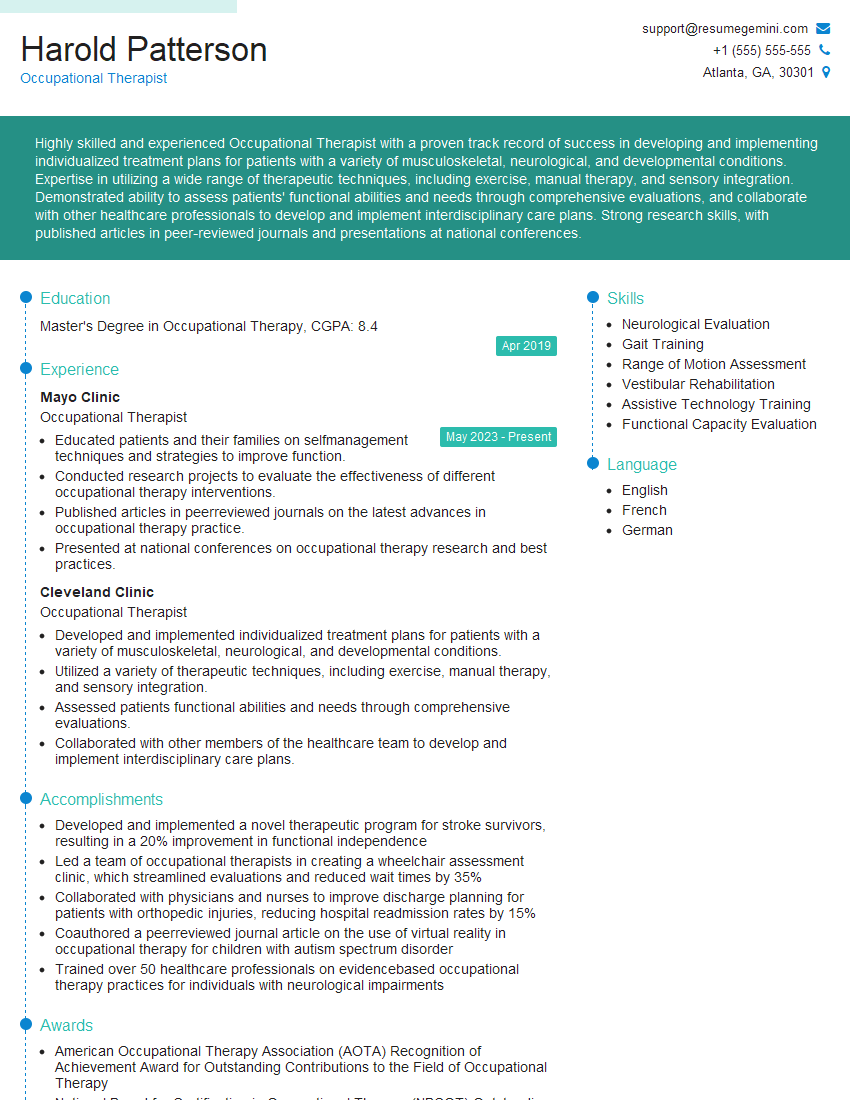
Occupational Therapist Resume Sample
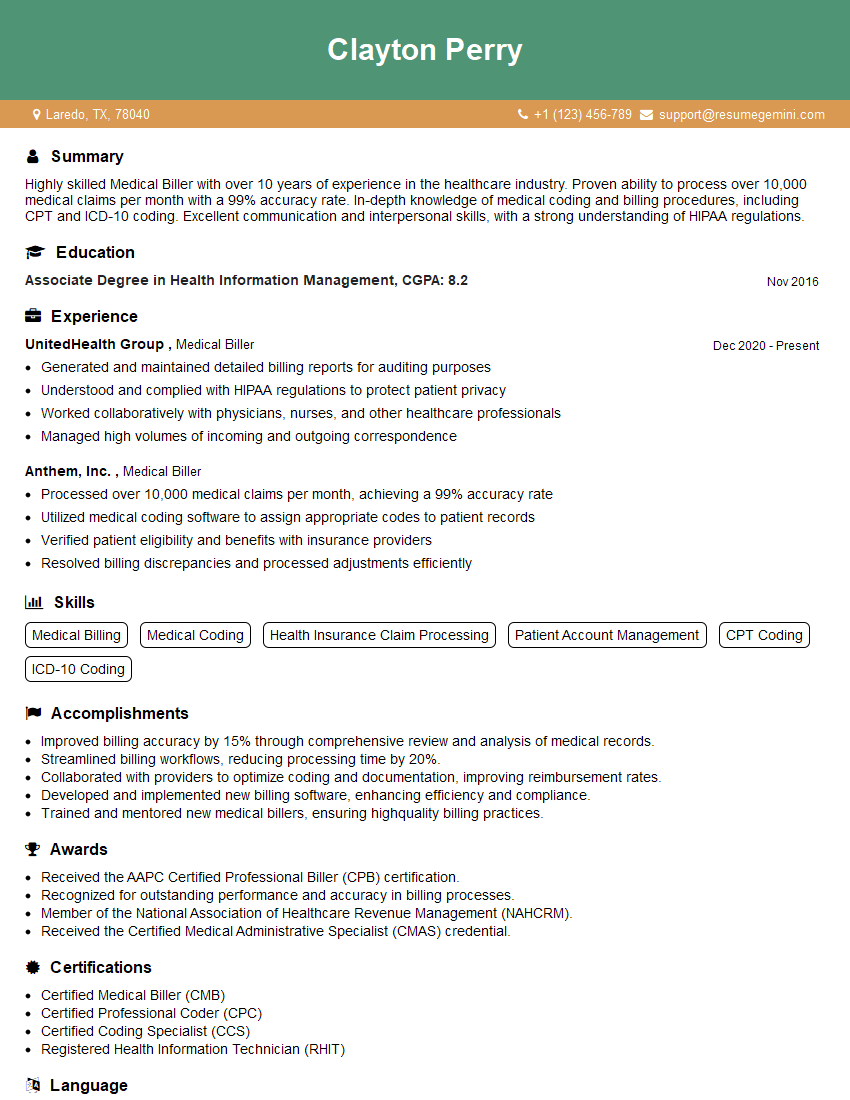
Medical Biller Resume Sample
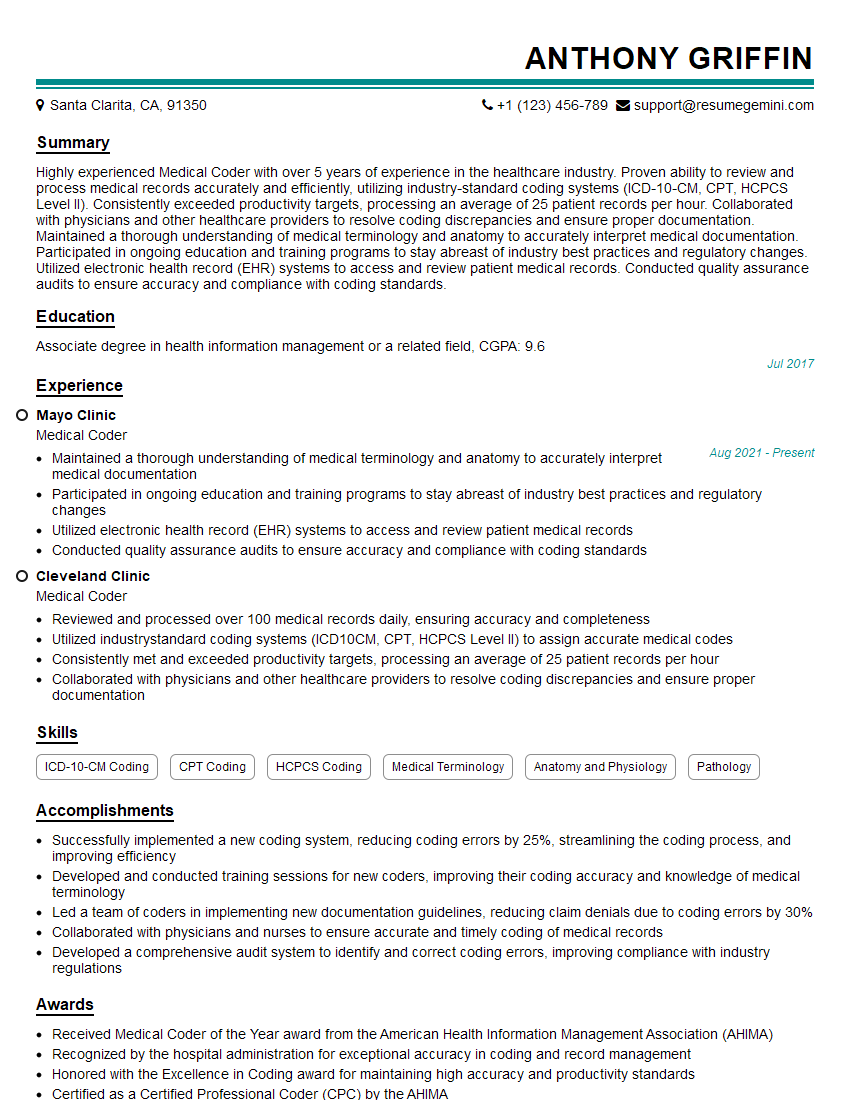
Medical Coder Resume Sample
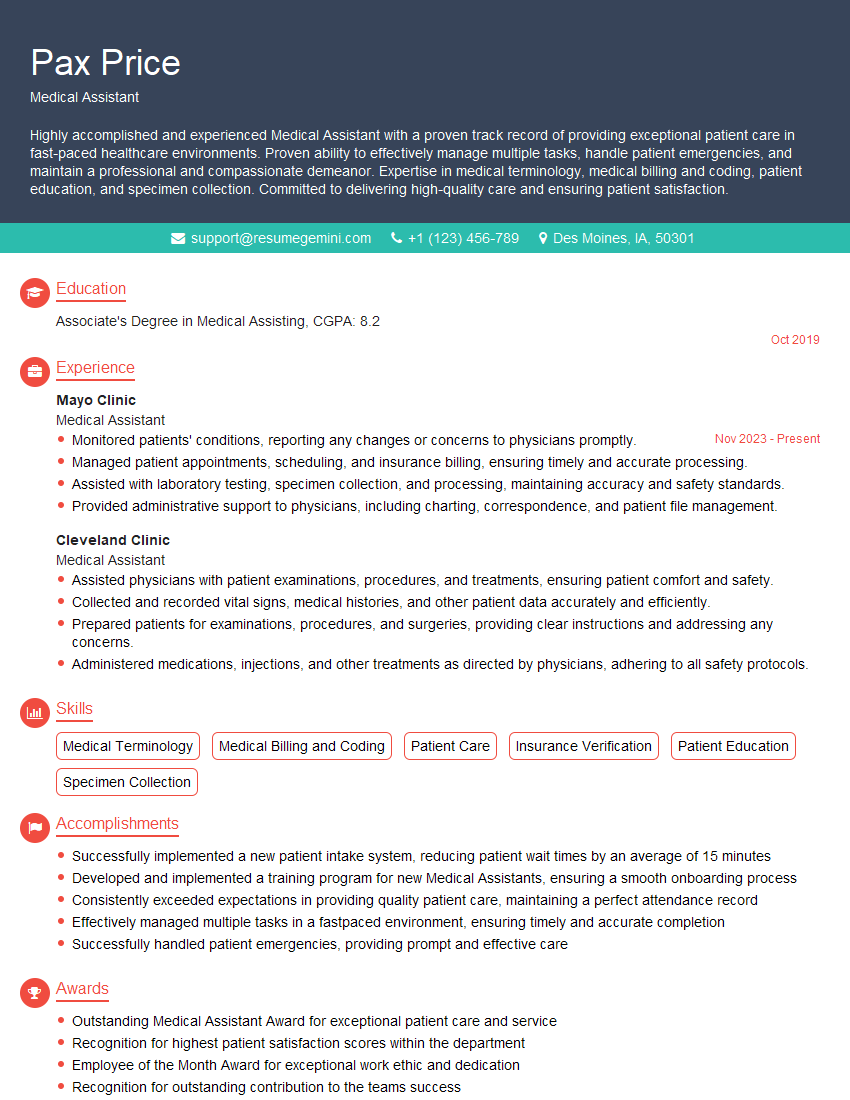
Medical Assistant Resume Sample
- Practice Manager
- Health Information Manager
- Nurse Practitioner
- Anesthesiologist
- Physician Assistant
- General Surgeon
- Hand Surgeon
- Orthopedic Surgeon
- Plastic Surgeon
- Trauma Surgeon
- Vascular Surgeon
- Sports Medicine Physician
- Surgical First Assistant
- Operating Room Nurse
- Surgical Technician
- Surgical Coordinator
- Occupational Therapist
- Medical Biller
- Medical Coder
- Medical Assistant
Explore more articles
Users Rating of Our Blogs
Share Your Experience
We value your feedback! Please rate our content and share your thoughts (optional).
What Readers Say About Our Blog
To the interviewgemini.com Webmaster.
Very helpful and content specific questions to help prepare me for my interview!
Thank you
To the interviewgemini.com Webmaster.
This was kind of a unique content I found around the specialized skills. Very helpful questions and good detailed answers.
Very Helpful blog, thank you Interviewgemini team.