Interviews are more than just a Q&A session—they’re a chance to prove your worth. This blog dives into essential GMP Adherence interview questions and expert tips to help you align your answers with what hiring managers are looking for. Start preparing to shine!
Questions Asked in GMP Adherence Interview
Q 1. Describe your experience with GMP documentation and record-keeping.
GMP documentation and record-keeping are the backbone of demonstrating compliance. It’s not just about having documents; it’s about ensuring they’re accurate, complete, readily retrievable, and auditable. My experience spans over [Number] years, working in [Industry/Company Type], where I’ve been responsible for developing, implementing, and maintaining comprehensive documentation systems. This includes creating and revising Standard Operating Procedures (SOPs), batch records, training records, equipment logs, and deviation reports. For example, I once streamlined a chaotic paper-based system for a small batch manufacturing facility by implementing an electronic document management system (EDMS), resulting in a 30% reduction in document retrieval time and improved traceability. I’ve also implemented robust change control procedures to ensure all document revisions are properly managed and approved.
- Developing and maintaining SOPs for various manufacturing processes.
- Creating and reviewing batch records for accuracy and completeness.
- Managing electronic document control systems and ensuring version control.
- Training personnel on proper documentation practices.
- Conducting regular audits to ensure compliance with documentation requirements.
Q 2. Explain the importance of deviation management in GMP.
Deviation management is crucial in GMP because it highlights instances where processes deviate from established procedures. These deviations, even minor ones, can signal underlying issues that, if left unaddressed, could lead to product defects, inconsistencies, or even safety risks. Effective deviation management involves identifying the deviation, investigating its root cause, implementing corrective actions to prevent recurrence, and documenting the entire process. Think of it like a car’s check engine light – it alerts you to a problem that needs attention before it leads to major damage. In my experience, a thorough investigation can uncover hidden flaws in SOPs, equipment malfunctions, or even inadequately trained personnel. For instance, I investigated a deviation where a batch of product failed a purity test. The investigation revealed a flaw in the cleaning validation procedure, leading to cross-contamination. We implemented corrective actions including revising the cleaning procedure and retraining staff, ensuring the problem didn’t recur.
Q 3. How do you ensure compliance with current Good Manufacturing Practices (cGMP)?
Ensuring cGMP compliance is a continuous process, requiring a proactive and multi-faceted approach. It starts with a thorough understanding of the applicable GMP regulations and guidelines relevant to your specific industry and product. Then, it’s about translating those regulations into practical, day-to-day operational procedures. This includes developing and implementing SOPs, conducting regular internal audits, performing equipment calibrations and validations, implementing robust training programs for all personnel, and meticulously documenting every step of the process. Effective communication and collaboration across all departments are also vital. Imagine it like building a house – you need a solid foundation (regulations), detailed blueprints (SOPs), skilled workers (trained personnel), and regular inspections (audits) to ensure the final product is safe and meets the required standards. We use a risk-based approach to prioritize critical aspects of GMP compliance, focusing on activities with the highest potential impact on product quality and safety.
Q 4. What is your understanding of the FDA’s role in GMP enforcement?
The FDA plays a critical role in GMP enforcement, primarily through inspections and regulatory oversight. Their inspections aim to verify that companies are adhering to cGMP guidelines. They have the authority to issue warning letters, impose fines, and even initiate legal action against companies found to be in violation. Their role is not just punitive; they also provide guidance and support to help companies achieve and maintain compliance. The FDA’s actions significantly influence industry practices and contribute to maintaining consumer safety and public health. I’ve directly experienced FDA inspections, where thorough documentation and a strong compliance culture were crucial in ensuring a successful outcome. A proactive approach to compliance, including regular internal audits and robust corrective action processes, is vital in preparing for and managing FDA interactions.
Q 5. Describe your experience with CAPA (Corrective and Preventive Action) investigations.
CAPA investigations are a critical component of GMP compliance. My experience involves leading and participating in numerous CAPA investigations, ranging from minor deviations to major incidents. The process typically involves defining the problem, identifying the root cause through a systematic investigation (e.g., using root cause analysis tools like fishbone diagrams or 5 Whys), implementing corrective actions to address the immediate issue, and preventative actions to prevent recurrence. For example, a CAPA investigation into repeated equipment failures led to the identification of inadequate preventive maintenance procedures. Implementing a revised PM schedule and additional operator training eliminated the repeated failures. Thorough documentation throughout the investigation, including the root cause analysis, corrective actions, and preventative actions, is essential. This documentation is used to demonstrate to regulatory authorities that the company has taken appropriate steps to address the issue and prevent it from happening again.
Q 6. How do you handle GMP non-conformances?
Handling GMP non-conformances requires a structured approach focused on immediate corrective action and longer-term preventative measures. The first step is to identify and document the non-conformity, then initiate a thorough investigation to determine the root cause. This often involves reviewing batch records, equipment logs, and interviewing personnel involved. Corrective actions address the immediate problem, such as quarantining affected product or re-processing a batch. Preventive actions aim to prevent similar non-conformances in the future, such as revising SOPs, improving training, or upgrading equipment. For instance, a non-conformance involving inaccurate weighing of raw materials might necessitate retraining on proper weighing techniques and calibration procedures. A comprehensive investigation report is crucial, documenting the non-conformity, root cause analysis, corrective and preventative actions, and effectiveness verification. This ensures the issue is addressed comprehensively and doesn’t reoccur.
Q 7. Explain your familiarity with different GMP guidelines (e.g., EU GMP, FDA 21 CFR Part 11).
My familiarity with GMP guidelines extends to both EU GMP and FDA 21 CFR Part 11, amongst others. I understand the key principles and requirements of each, recognizing their similarities and differences. EU GMP emphasizes a more holistic approach to quality management, while FDA 21 CFR Part 11 specifically addresses electronic records and signatures. I have practical experience applying these guidelines in various settings and understand the nuances of each. For example, I’ve worked with electronic batch record systems that comply with 21 CFR Part 11 requirements, ensuring data integrity and audit trails. A deep understanding of these guidelines helps in developing robust compliance programs tailored to specific regulatory requirements. I stay updated on changes and amendments to these guidelines through continuous professional development and participation in industry events.
Q 8. How do you conduct a GMP audit?
A GMP audit is a systematic and independent examination of a facility’s compliance with Good Manufacturing Practices. It’s like a thorough health check for your manufacturing processes, ensuring they consistently produce safe and high-quality products. My approach involves a multi-faceted strategy.
- Pre-audit planning: This includes reviewing relevant GMP guidelines, understanding the specific processes under audit, and defining the audit scope and objectives. I would also review any previous audit findings or CAPAs (Corrective and Preventive Actions) to target areas needing special attention.
- On-site inspection: This involves a meticulous review of documents, facilities, equipment, and processes. I use a checklist aligned with the relevant GMP guidelines and look for evidence of compliance through documentation review, interviews with personnel, and direct observation. For example, I’d examine batch records for accuracy and completeness, observe cleaning procedures, and interview operators about their training and understanding of the processes.
- Data analysis and reporting: After the on-site visit, I meticulously analyze the collected data to identify any deviations or gaps from GMP requirements. This forms the basis of a comprehensive audit report, including findings, conclusions, and recommendations for corrective actions. I emphasize clear and concise communication, ensuring that the report is understandable and actionable for the audited organization.
For example, in a previous audit of a pharmaceutical manufacturing facility, we identified a gap in their cleaning validation process for a critical piece of equipment. This highlighted a risk to product quality and sterility, and the report included detailed recommendations for remediation and an improved validation plan.
Q 9. What are the key elements of a robust quality management system (QMS) aligned with GMP?
A robust QMS aligned with GMP principles is the backbone of any successful pharmaceutical or medical device manufacturing facility. Think of it as the operating system that ensures all processes work together harmoniously and effectively. Key elements include:
- Management responsibility: Clearly defined roles, responsibilities, and accountability for quality within the organization are crucial. Top management must be visibly committed to quality.
- Resource management: Adequate resources, including personnel, facilities, and equipment, must be allocated to support the QMS.
- Product realization: This covers all stages from design and development to production, packaging, and release, ensuring consistent quality throughout.
- Measurement, analysis, and improvement: Regular monitoring, data analysis, and the implementation of corrective and preventive actions (CAPAs) are essential to continually improve the QMS. Key performance indicators (KPIs) should be tracked and reviewed to identify trends and areas for improvement.
- Corrective and Preventive Actions (CAPA): A documented and effective CAPA system is essential for addressing deviations and preventing their recurrence. This includes detailed investigation of deviations, root cause analysis, and implementation of corrective actions to prevent future occurrences.
For example, a robust QMS would include a documented procedure for handling customer complaints, ensuring that issues are investigated thoroughly, and corrective actions implemented to prevent similar complaints in the future.
Q 10. How do you ensure data integrity in a GMP environment?
Data integrity is paramount in a GMP environment. It’s like having an accurate and reliable set of blueprints for your manufacturing process. Without it, you can’t trust your data, and consequently, you can’t ensure product quality or safety. Ensuring data integrity requires a multi-pronged approach:
- ALCOA+ principles: Data should be Attributable, Legible, Contemporaneous, Original, and Accurate, plus complete, consistent, enduring, and available. This framework ensures data is reliable and traceable.
- Electronic systems validation: Any electronic system used to collect, store, or process data must be validated to ensure it works as intended and provides accurate results. This includes testing for security, reliability, and compliance with data integrity requirements.
- Access control and audit trails: Strict controls should be in place to limit access to data and maintain a complete audit trail of all data changes. This makes it easy to track who made changes, when, and why.
- Data backup and recovery: Robust systems for data backup and recovery are essential to protect against data loss.
- Training: Personnel should be well trained in data integrity principles and procedures.
For example, if a batch record is amended, a clear justification for the change must be provided, and the original and amended versions must be retained. The system must automatically record who made the amendment, when it was made, and what changes were made.
Q 11. Describe your experience with change control processes in GMP.
Change control in GMP is a formalized process for managing any alteration to a process, system, or facility that could impact product quality or safety. It’s like having a carefully planned and documented renovation to your house, ensuring everything remains structurally sound and safe. My experience includes developing and implementing change control procedures for various manufacturing settings.
- Change request submission: Any proposed change must be documented in a formal change request, detailing the proposed changes, rationale, and potential impact. This includes assessing the risk associated with the change.
- Review and approval: The change request is then reviewed and approved by relevant stakeholders. This may involve various levels of approval depending on the significance of the change.
- Implementation and verification: The change is implemented following approved procedures, and its effectiveness is verified through appropriate testing or validation activities.
- Documentation: All aspects of the change control process, including the request, review, approval, implementation, and verification, are meticulously documented.
In one instance, I oversaw the implementation of a new software system for managing batch records. The change control process ensured that the system was thoroughly validated before implementation, reducing the risk of data integrity issues.
Q 12. What is your experience with validation activities (e.g., equipment, cleaning)?
Validation activities are crucial to ensure that equipment and processes consistently produce high-quality products. Think of it as ensuring all your tools are properly calibrated and working as intended before starting a crucial task. My experience encompasses various validation activities, including equipment qualification and cleaning validation.
- Equipment qualification: This involves demonstrating that equipment is fit for its intended purpose, encompassing Installation Qualification (IQ), Operational Qualification (OQ), and Performance Qualification (PQ). IQ ensures correct installation, OQ ensures the equipment functions as designed, and PQ shows it performs consistently within specified parameters.
- Cleaning validation: This is a crucial step to prevent cross-contamination between batches and ensure the removal of residues. It involves demonstrating that cleaning procedures effectively remove residues to acceptable levels. This often involves testing for the presence of residues on surfaces.
In a past project, I led the validation of a new high-speed tablet press. The process included detailed IQ, OQ, and PQ protocols, ensuring that the equipment was appropriately qualified and performing to specifications, preventing product defects and ensuring the consistency of manufactured tablets. Similarly, I have overseen cleaning validation studies for various production equipment, using appropriate analytical methods to confirm the effectiveness of cleaning procedures.
Q 13. Explain your understanding of process validation and its importance in GMP.
Process validation is the documented evidence that a process consistently produces a product that meets predetermined specifications and quality attributes. It’s like having a detailed recipe and instructions that ensure a consistently delicious outcome every time. Its importance in GMP is undeniable because it provides assurance that the manufacturing process is reliable and consistently produces safe, high-quality products.
- Defining acceptance criteria: Clearly defining the quality attributes of the finished product and establishing acceptance criteria is the first step. This ensures that the process consistently meets required standards.
- Process performance qualification: This involves collecting data during a manufacturing run to demonstrate that the process meets the predefined acceptance criteria. This usually involves multiple batches under normal operating conditions.
- Continued process verification (CPV): Even after validation, regular monitoring is necessary to ensure the process remains in a state of control. This could involve periodic review of batch records, monitoring of key process parameters, and periodic revalidation.
For example, in the production of sterile injectable drugs, process validation is critical to ensure that the sterilization process effectively eliminates any microorganisms. Failure to validate the sterilization process could lead to the production of contaminated products, with severe consequences for patients.
Q 14. How do you manage supplier audits for GMP compliance?
Managing supplier audits for GMP compliance is essential for ensuring the quality and safety of materials and services used in manufacturing. It’s like ensuring that all the ingredients you use in your recipe come from reliable and trusted sources. My approach involves a systematic approach.
- Supplier selection and qualification: Careful selection of suppliers based on their capabilities and GMP compliance is crucial. A qualified supplier should have a robust QMS of their own.
- Audit planning: A detailed audit plan is created specifying the scope, objectives, and methodology. This plan outlines what will be audited and how.
- On-site audit: This includes a review of the supplier’s facilities, processes, documentation, and quality systems. I’d examine relevant records, interview personnel, and directly observe operations to ensure compliance.
- Audit report: A comprehensive report is prepared summarizing the findings and identifying any non-conformances. Recommendations for corrective actions are included.
- Corrective action follow-up: Following the audit, it’s crucial to follow up with the supplier to ensure that any identified non-conformances are effectively addressed.
For instance, in a previous role, we audited a supplier of active pharmaceutical ingredients (APIs). The audit identified a gap in their change control process, resulting in a corrective action plan being implemented by the supplier and follow-up audits until the issue was resolved to our satisfaction.
Q 15. Describe your experience with quality control testing and analysis.
My experience in quality control testing and analysis encompasses a wide range of activities, from designing and validating analytical methods to executing tests and interpreting results. I’ve worked extensively with various analytical techniques, including HPLC, GC, UV-Vis spectroscopy, and microbiological assays. I’m proficient in using LIMS (Laboratory Information Management Systems) to manage data and ensure traceability. For example, in a previous role, I was responsible for validating a new HPLC method for the quantification of a key active pharmaceutical ingredient. This involved method development, system suitability testing, accuracy, precision, linearity, and robustness studies. Another example involved troubleshooting an OOS result in a stability study, which required a thorough investigation of the analytical method, the sample handling, and the instrument calibration to identify the root cause. Ultimately, this led to a revised testing protocol which improved the reliability of the results.
Career Expert Tips:
- Ace those interviews! Prepare effectively by reviewing the Top 50 Most Common Interview Questions on ResumeGemini.
- Navigate your job search with confidence! Explore a wide range of Career Tips on ResumeGemini. Learn about common challenges and recommendations to overcome them.
- Craft the perfect resume! Master the Art of Resume Writing with ResumeGemini’s guide. Showcase your unique qualifications and achievements effectively.
- Don’t miss out on holiday savings! Build your dream resume with ResumeGemini’s ATS optimized templates.
Q 16. What is your understanding of calibration and maintenance in GMP?
Calibration and maintenance are cornerstones of GMP compliance. Calibration ensures that equipment used in manufacturing and testing provides accurate and reliable results, while preventative maintenance minimizes the risk of equipment failure. Think of it like this: a perfectly calibrated scale is crucial for ensuring the correct dosage of medication; a poorly maintained autoclave can lead to incomplete sterilization and compromised product quality. In GMP, calibration and maintenance are documented meticulously, often following a predetermined schedule. This includes detailed records of calibration certificates, maintenance logs, and any corrective actions taken. We often use a computerized maintenance management system (CMMS) to schedule and track this information effectively. Failure to adhere to strict calibration and maintenance protocols can lead to deviations, OOS results, and even product recalls.
Q 17. How do you handle out-of-specification (OOS) results?
Handling out-of-specification (OOS) results requires a systematic and thorough investigation. It’s not simply about dismissing the result; instead, it’s a critical opportunity to identify and address potential problems within the manufacturing process or analytical methods. The first step involves immediately notifying relevant personnel and initiating an investigation to determine the root cause. This investigation typically involves reviewing all relevant documentation, including batch records, standard operating procedures (SOPs), and raw data. We then systematically assess possible causes: Was there an error in sampling, weighing, or testing? Was there a problem with the equipment? Was there a deviation from the SOP? Once the root cause is identified, corrective and preventative actions (CAPA) are implemented to prevent recurrence. Documentation of the entire process is vital for regulatory compliance. Failure to adequately investigate and document OOS results can lead to serious consequences, including regulatory actions and product recalls.
Q 18. Explain your understanding of the principles of risk management in GMP.
Risk management in GMP is a proactive approach to identify and mitigate potential hazards that could impact product quality, safety, and regulatory compliance. It’s about understanding what could go wrong and putting measures in place to prevent it. The principles are based on identifying potential risks, analyzing their likelihood and impact, and implementing appropriate controls. This often involves using risk assessment tools like Failure Mode and Effects Analysis (FMEA) to systematically evaluate processes and identify potential failure points. For instance, a risk assessment might identify the risk of microbial contamination in a cleanroom. By implementing appropriate controls such as stricter environmental monitoring, improved cleaning and sanitization procedures, and personnel training, the risk can be mitigated. A well-defined risk management system ensures that potential problems are addressed before they cause significant damage.
Q 19. How do you identify and mitigate GMP risks?
Identifying and mitigating GMP risks involves a multi-faceted approach. It begins with a thorough understanding of the manufacturing process and the potential risks associated with each step. We frequently employ tools like Failure Mode and Effects Analysis (FMEA) and Hazard Analysis and Critical Control Points (HACCP) to systematically identify and assess potential risks. Once the risks are identified, we develop and implement mitigation strategies. These strategies might include implementing stricter SOPs, improving equipment maintenance procedures, enhancing employee training, or implementing additional quality control checks. The effectiveness of these mitigation strategies is continuously monitored and reviewed. For example, if a risk assessment identified a high risk of cross-contamination, we might implement measures such as dedicated equipment, enhanced cleaning procedures, and strict change control protocols. Regular audits and internal reviews are also crucial to ensure the ongoing effectiveness of the risk management system.
Q 20. What is your experience with environmental monitoring in GMP?
My experience with environmental monitoring in GMP includes designing, implementing, and interpreting environmental monitoring programs for controlled environments such as cleanrooms and aseptic processing areas. This involves monitoring parameters like microbial counts in the air, on surfaces, and in liquids. I’m familiar with various sampling techniques and analytical methods, and I understand the importance of maintaining comprehensive records and interpreting results in accordance with established alert and action levels. For example, in my previous role, I designed an environmental monitoring program for a cleanroom used for aseptic filling. This involved determining appropriate sampling locations, frequencies, and methods based on risk assessment. We also implemented a robust data management system to track results and ensure compliance with regulatory expectations. An increase in microbial counts triggered a thorough investigation to identify and rectify the root cause, which in this case was a malfunctioning HEPA filter.
Q 21. Describe your experience with training and competency assessments in a GMP environment.
Training and competency assessments are critical in ensuring that all personnel involved in GMP activities are properly trained and qualified to perform their duties. My experience involves developing and delivering training programs covering various GMP topics, including SOPs, quality control, and safety procedures. I’ve also been involved in designing and implementing competency assessments, including both written and practical examinations. I understand the importance of documenting training records and ensuring that all personnel demonstrate proficiency in their roles. This includes regular refresher training to maintain knowledge and address any changes in SOPs or regulations. For instance, I developed a comprehensive training program on aseptic techniques for manufacturing personnel, which included both classroom instruction and hands-on practical training sessions. This was followed by a competency assessment to ensure that all personnel demonstrated the necessary skills and knowledge to perform aseptic operations correctly.
Q 22. How do you ensure the effectiveness of GMP training programs?
Effective GMP training isn’t just about ticking boxes; it’s about fostering a deep understanding and commitment to Good Manufacturing Practices. I ensure effectiveness through a multi-pronged approach.
Needs Assessment: Before designing any program, I conduct a thorough needs assessment to identify specific GMP knowledge gaps within the team. This involves interviews, surveys, and reviewing existing documentation to pinpoint areas needing improvement.
Tailored Content: Generic training is ineffective. I create training materials tailored to specific roles and responsibilities, ensuring relevance and engagement. For example, a production operator’s training will differ significantly from that of a quality control manager.
Interactive Methods: Lectures alone are boring and rarely effective. I incorporate interactive elements like case studies, simulations, workshops, and group discussions to enhance knowledge retention and practical application. Hands-on activities are key.
Regular Assessments & Feedback: I utilize various assessment methods – quizzes, practical exercises, and observations – to gauge understanding and identify areas needing further clarification. Regular feedback sessions allow for adjustments and continuous improvement of the training program.
Documentation and Record Keeping: Meticulous record-keeping is crucial. This includes training attendance records, assessment results, and any feedback received. This ensures traceability and accountability.
Reinforcement and Refreshers: GMP compliance is an ongoing process. I implement regular refresher training sessions and job aids to reinforce learned concepts and address any changes in regulations or procedures.
For example, in my previous role, we implemented a gamified training module for cleaning validation procedures. Employee engagement and knowledge retention significantly improved, leading to a demonstrable reduction in deviations.
Q 23. How do you contribute to a culture of GMP compliance within a team?
Building a culture of GMP compliance goes beyond simply enforcing rules; it requires fostering a shared sense of responsibility and ownership. My approach involves:
Leading by Example: I consistently demonstrate adherence to GMP principles in my own work, setting a clear example for my team. This builds trust and credibility.
Open Communication: I create a safe environment where team members feel comfortable raising concerns, reporting deviations, or suggesting improvements without fear of retribution. Regular team meetings and open-door policies are vital.
Empowerment and Ownership: I empower team members to take ownership of GMP compliance within their respective areas of responsibility. This fosters a proactive approach, rather than a reactive one.
Recognition and Rewards: I actively recognize and reward individuals and teams who consistently demonstrate exceptional GMP compliance. This reinforces positive behaviors and motivates others.
Continuous Improvement: I encourage a culture of continuous improvement by regularly reviewing GMP procedures, identifying areas for enhancement, and implementing changes collaboratively with the team.
For instance, I once initiated a team-based improvement project focusing on reducing documentation errors. By involving the team in brainstorming solutions and implementing changes, we saw a significant reduction in deviations related to documentation and a boost in team morale.
Q 24. Describe your experience with investigations related to product quality complaints.
Investigating product quality complaints requires a systematic and thorough approach. My experience involves:
Immediate Containment: The first step is to contain the situation, preventing further distribution of potentially affected products.
Detailed Investigation: A thorough investigation is initiated, following a predefined protocol. This involves reviewing batch records, production logs, testing data, and conducting interviews with relevant personnel to identify the root cause of the complaint.
Root Cause Analysis: Techniques such as the 5 Whys or Fishbone diagrams are used to identify the root cause of the problem, not just the symptoms.
Corrective and Preventive Actions (CAPA): Once the root cause is identified, appropriate CAPAs are developed and implemented to prevent recurrence. These actions are documented and verified.
Reporting and Documentation: The entire investigation process, including findings, conclusions, and corrective actions, is meticulously documented and reported to regulatory authorities, if necessary.
In one case, we investigated a complaint regarding the potency of a drug product. Our investigation revealed a flaw in the weighing process during manufacturing. We implemented new procedures, including additional checks and balances, and retrained personnel. This successfully resolved the issue and prevented future occurrences.
Q 25. What is your approach to ensuring timely and accurate reporting of GMP related issues?
Timely and accurate reporting of GMP-related issues is critical for maintaining compliance and ensuring patient safety. My approach centers on:
Established Reporting Procedures: Clear and well-defined procedures for reporting deviations, non-conformances, and other GMP-related issues are crucial. These procedures should specify who to report to, the format of the report, and timelines for reporting.
Dedicated Reporting System: A dedicated system, whether electronic or paper-based, should be utilized for tracking and managing reported issues. This ensures that no issues are overlooked.
Prompt Investigation: Reported issues should be investigated promptly to determine the root cause and implement corrective actions.
Regular Monitoring and Review: Regular review of reported issues helps identify trends, potential systemic problems, and the effectiveness of implemented corrective actions.
Escalation Procedures: Clear escalation procedures should be in place for critical issues that require immediate attention from senior management or regulatory authorities.
I use a combination of electronic reporting systems and regular team meetings to ensure all issues are addressed promptly and effectively. This proactive approach helps minimize the risk of larger problems developing.
Q 26. How would you handle a situation where a GMP violation is suspected?
Suspecting a GMP violation requires immediate and decisive action. My approach follows these steps:
Immediate Assessment: First, assess the seriousness of the suspected violation. Is it a minor deviation or a major breach of GMP principles?
Secure Evidence: Gather all available evidence related to the suspected violation. This includes documentation, samples, and witness statements.
Report to Management: Immediately report the suspected violation to appropriate management personnel according to established procedures.
Initiate Investigation: Collaborate with management and quality assurance personnel to conduct a thorough investigation following established protocols.
Implement Corrective Actions: Based on the findings of the investigation, implement appropriate corrective and preventive actions to address the violation and prevent recurrence.
Document Everything: Meticulously document every aspect of the suspected violation, the investigation, and the corrective actions taken.
In one instance, I suspected a deviation in the calibration of a critical piece of equipment. Following our procedure, I reported it immediately, initiated an investigation, and we found the equipment was indeed out of calibration. Corrective actions were taken, and the incident was documented. This prevented potential production of faulty products.
Q 27. Explain your understanding of the importance of GMP in ensuring patient safety.
GMP is not merely a set of regulations; it’s the cornerstone of patient safety in the pharmaceutical industry. Adherence to GMP ensures that:
Product Quality: GMP guidelines establish stringent controls over manufacturing processes, ensuring that products consistently meet their specifications in terms of purity, potency, and safety.
Product Identity: GMP ensures the correct identification and labeling of products, preventing mix-ups or errors that could lead to adverse effects.
Contamination Prevention: GMP incorporates measures to prevent contamination from microorganisms, chemicals, or other undesirable substances, protecting patients from harmful exposure.
Traceability and Accountability: Comprehensive documentation and record-keeping under GMP allow for complete traceability of materials and processes, enabling quick identification of the source of any problem.
Consider the impact of a contaminated batch of medication. GMP ensures such events are extremely rare through preventative measures. Ultimately, GMP’s focus on quality and safety directly translates to patient well-being and trust in pharmaceutical products.
Q 28. How do you stay updated on the latest GMP regulations and guidelines?
Staying current with GMP regulations and guidelines is crucial for maintaining compliance. My approach involves:
Subscription to Regulatory Updates: I subscribe to newsletters and alerts from regulatory agencies like the FDA (in the US) and EMA (in Europe) to receive timely updates on changes in regulations and guidelines.
Professional Organizations: I actively participate in professional organizations related to pharmaceutical manufacturing and quality control. These organizations provide valuable insights and educational resources.
Industry Conferences and Webinars: Attending industry conferences and webinars keeps me informed about the latest advancements in GMP practices and emerging trends.
Review of Scientific Literature: I regularly review relevant scientific publications and journals to stay abreast of new research and best practices in GMP.
Internal Training Programs: Participating in and sometimes leading internal training programs on GMP keeps me updated and allows me to share my knowledge with colleagues.
Continuous learning is essential in this field. I actively seek opportunities to enhance my knowledge and ensure our company maintains the highest standards of GMP compliance.
Key Topics to Learn for GMP Adherence Interview
- Documentation and Record Keeping: Understanding the critical role of accurate and complete documentation in GMP compliance. This includes understanding different types of records, their purpose, and best practices for maintaining them.
- Deviation Management: Knowing how to identify, investigate, and document deviations from GMP procedures. This includes understanding root cause analysis and corrective and preventative actions (CAPA).
- Change Control: Comprehending the process of managing changes to processes, equipment, or documentation to ensure continued GMP compliance. This involves understanding validation and impact assessments.
- Quality Control Testing: Familiarizing yourself with various quality control testing methods and their importance in ensuring product quality and GMP adherence. Consider different types of testing and their application.
- Audits and Inspections: Understanding the purpose and process of internal and external audits, as well as preparing for and responding to regulatory inspections. This includes understanding audit trails and inspection readiness.
- Cleaning and Sanitation: Knowing the importance of proper cleaning and sanitation procedures to prevent contamination and maintain GMP standards. This includes different cleaning validation methods.
- Good Manufacturing Practices (GMP) Principles: A strong foundational understanding of the core principles of GMP, their application across various industries, and the regulatory frameworks governing them.
- Problem-Solving and Critical Thinking in GMP Contexts: Demonstrating the ability to analyze GMP-related problems, identify root causes, and develop effective solutions. Be prepared to discuss case studies.
Next Steps
Mastering GMP Adherence is crucial for career advancement in regulated industries. A strong understanding of these principles demonstrates your commitment to quality and compliance, making you a highly valuable asset to any team. To significantly boost your job prospects, create an ATS-friendly resume that highlights your GMP expertise. ResumeGemini is a trusted resource to help you craft a professional and impactful resume that gets noticed. Examples of resumes tailored to GMP Adherence roles are available to help you get started. Take the next step towards your dream career today!
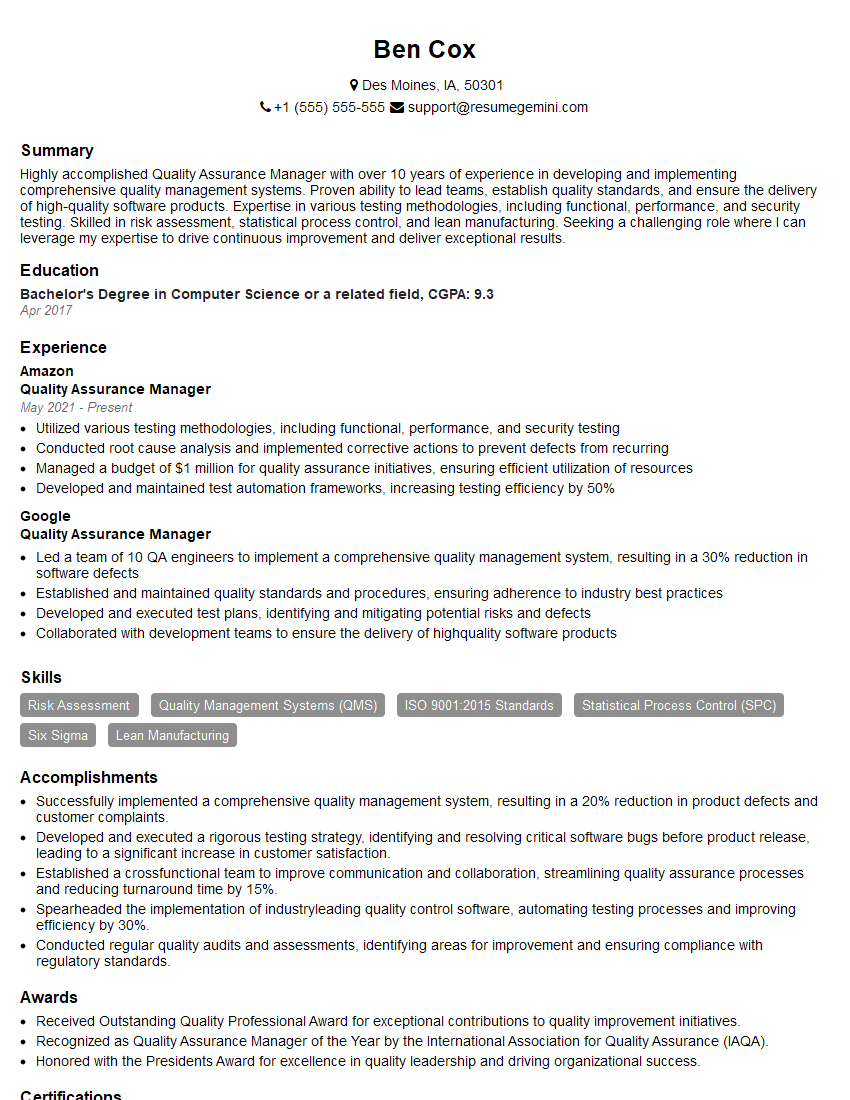
Quality Assurance Manager Resume Sample
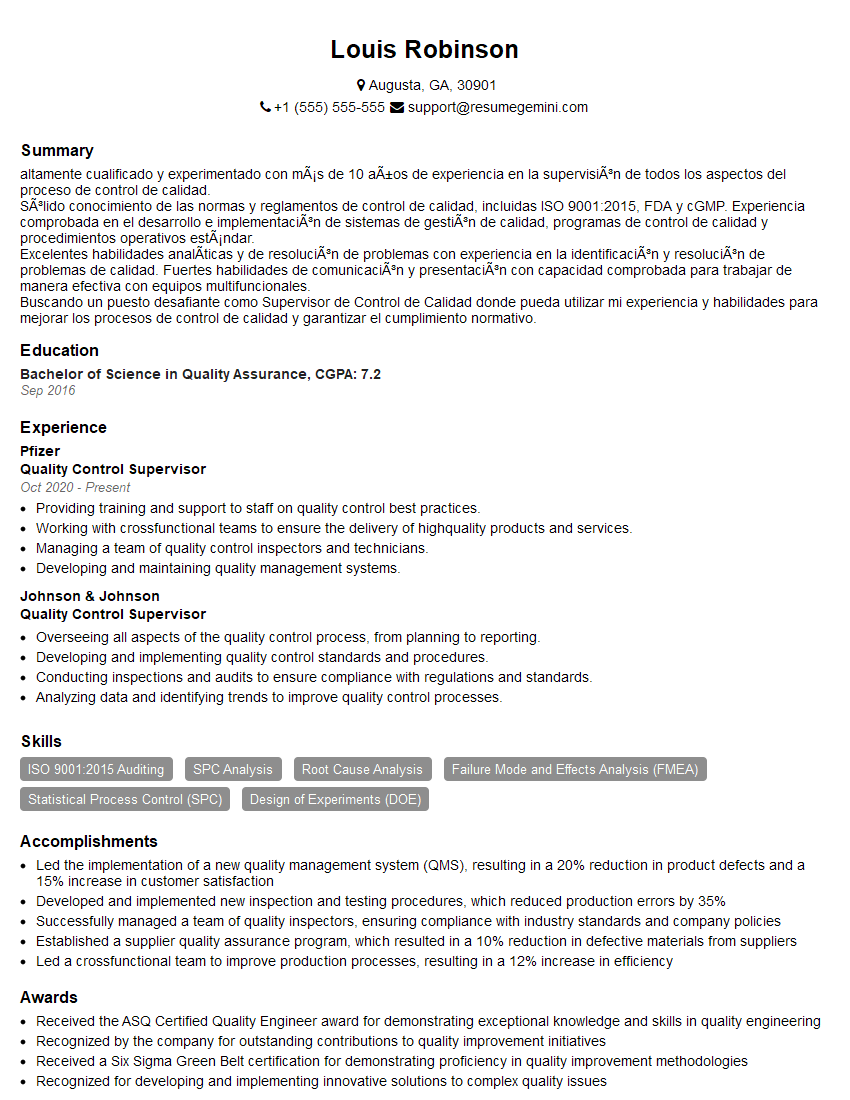
Quality Control Supervisor Resume Sample
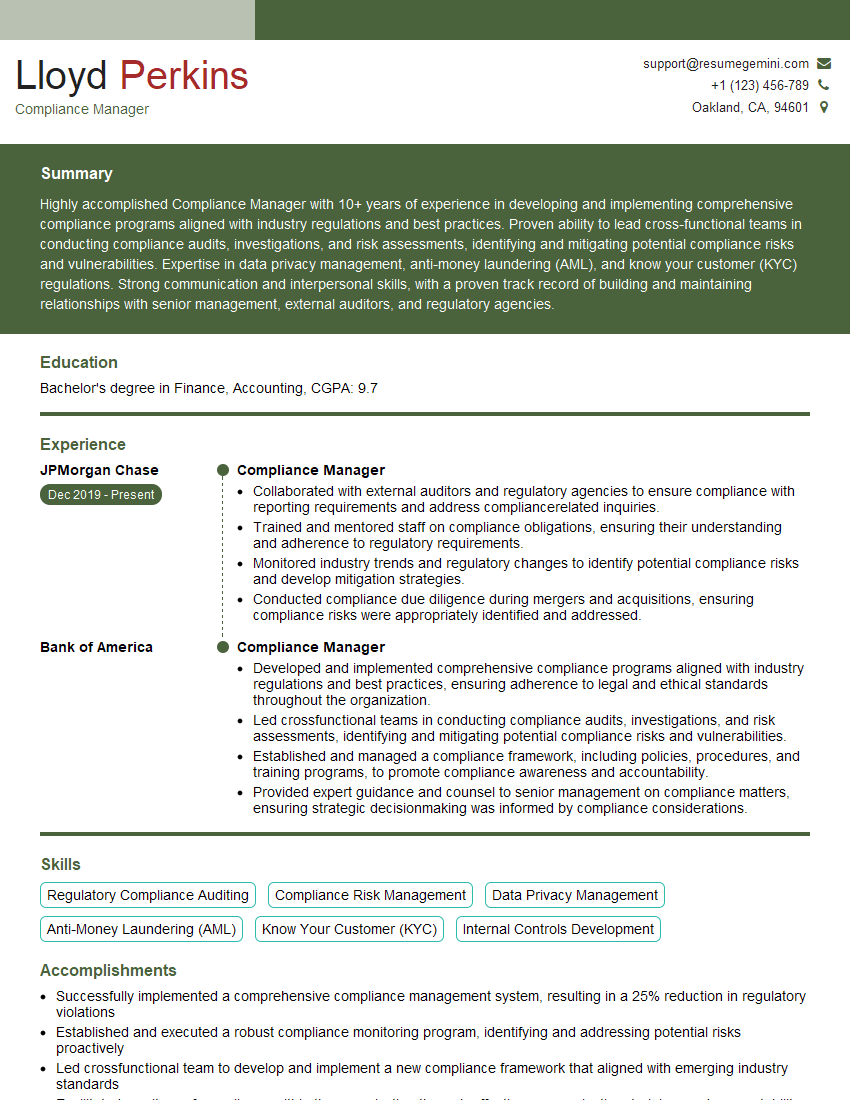
Compliance Manager Resume Sample
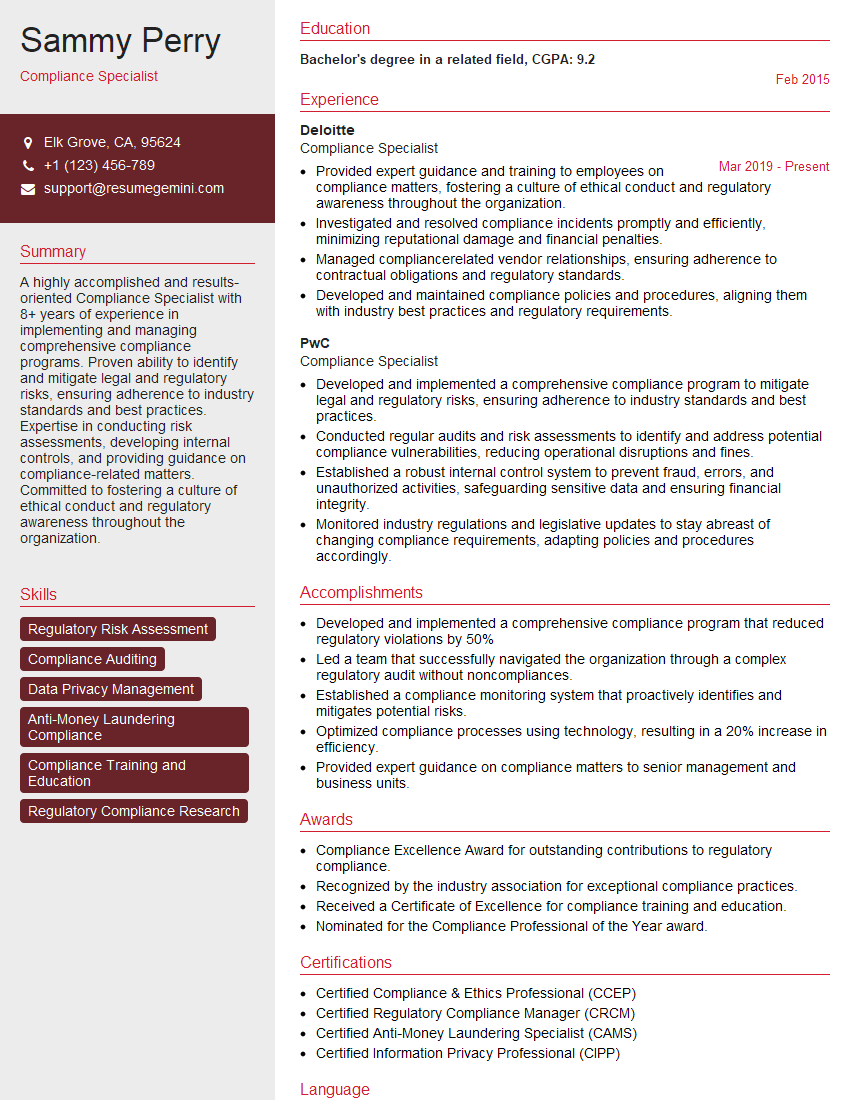
Compliance Specialist Resume Sample
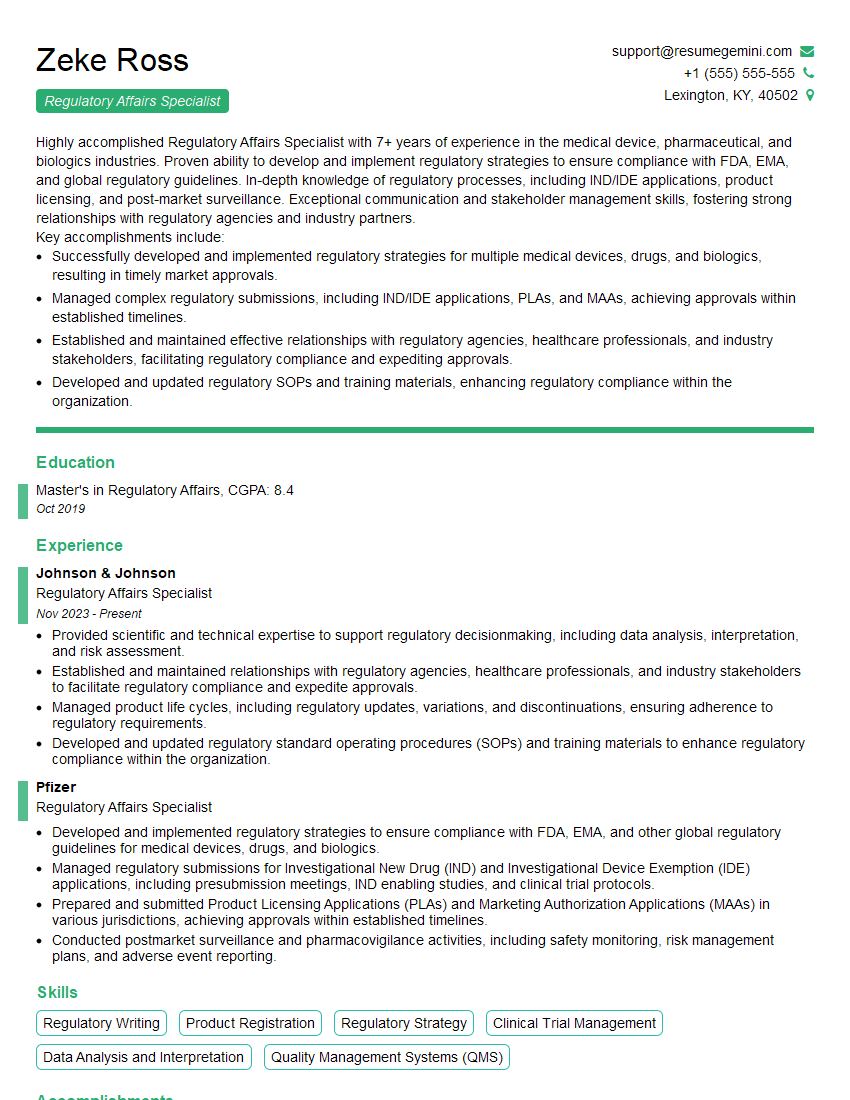
Regulatory Affairs Specialist Resume Sample
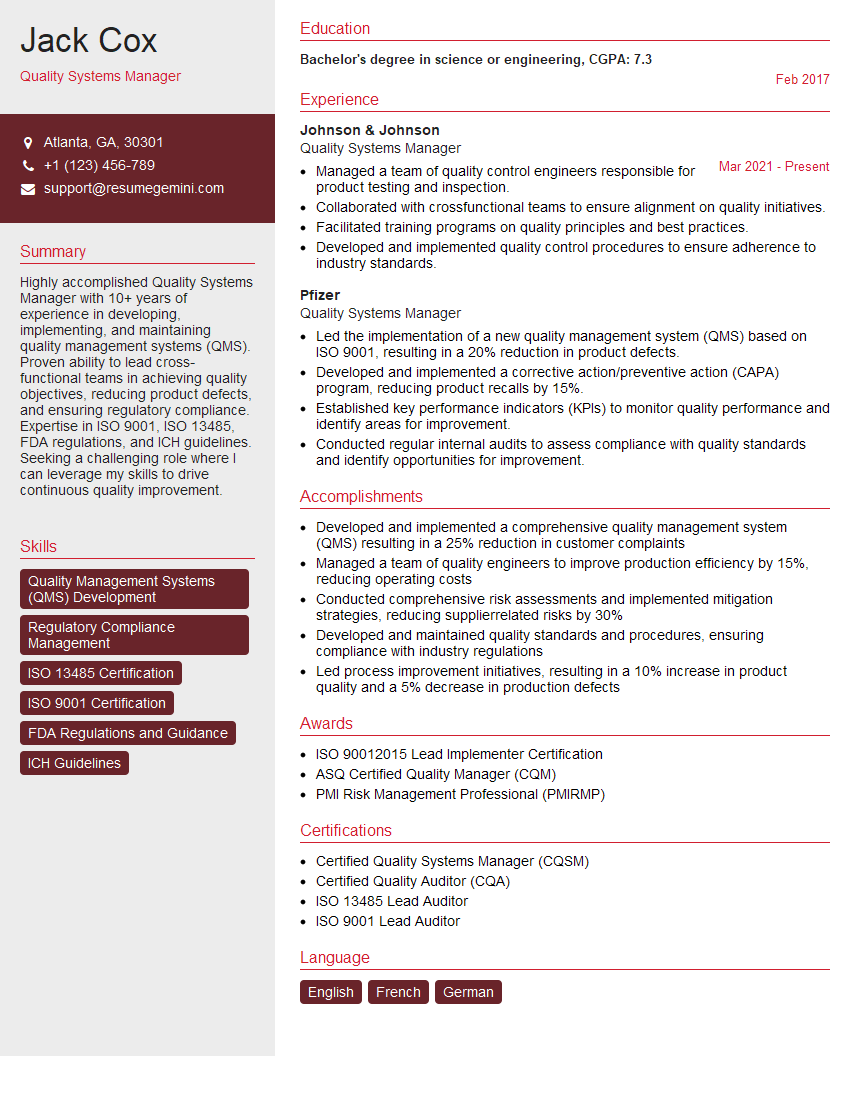
Quality Systems Manager Resume Sample
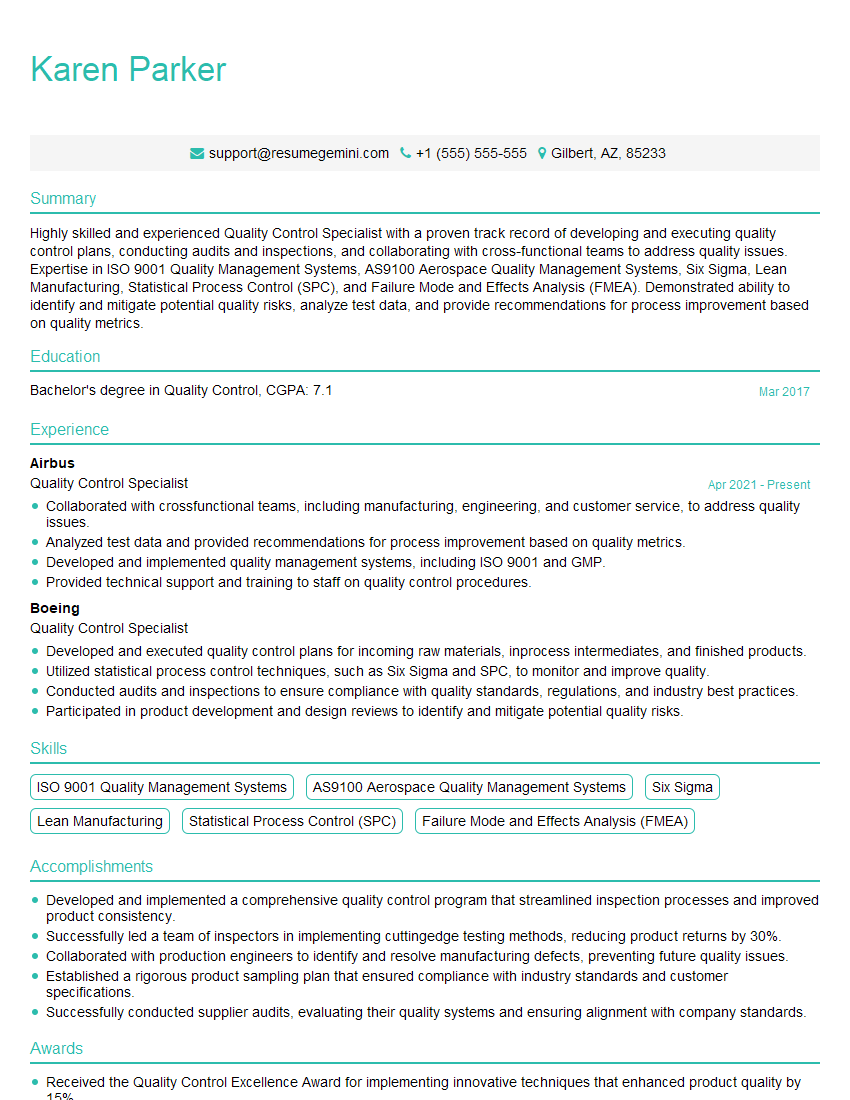
Quality Control Specialist Resume Sample
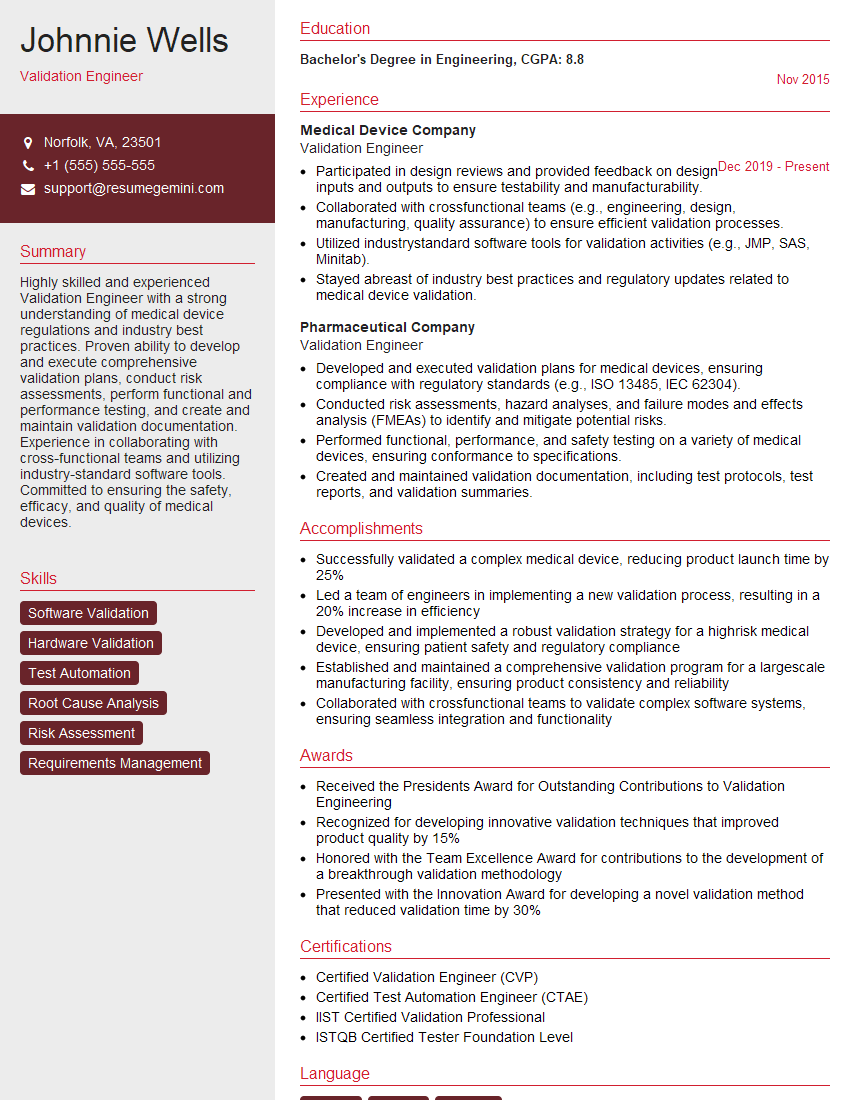
Validation Engineer Resume Sample
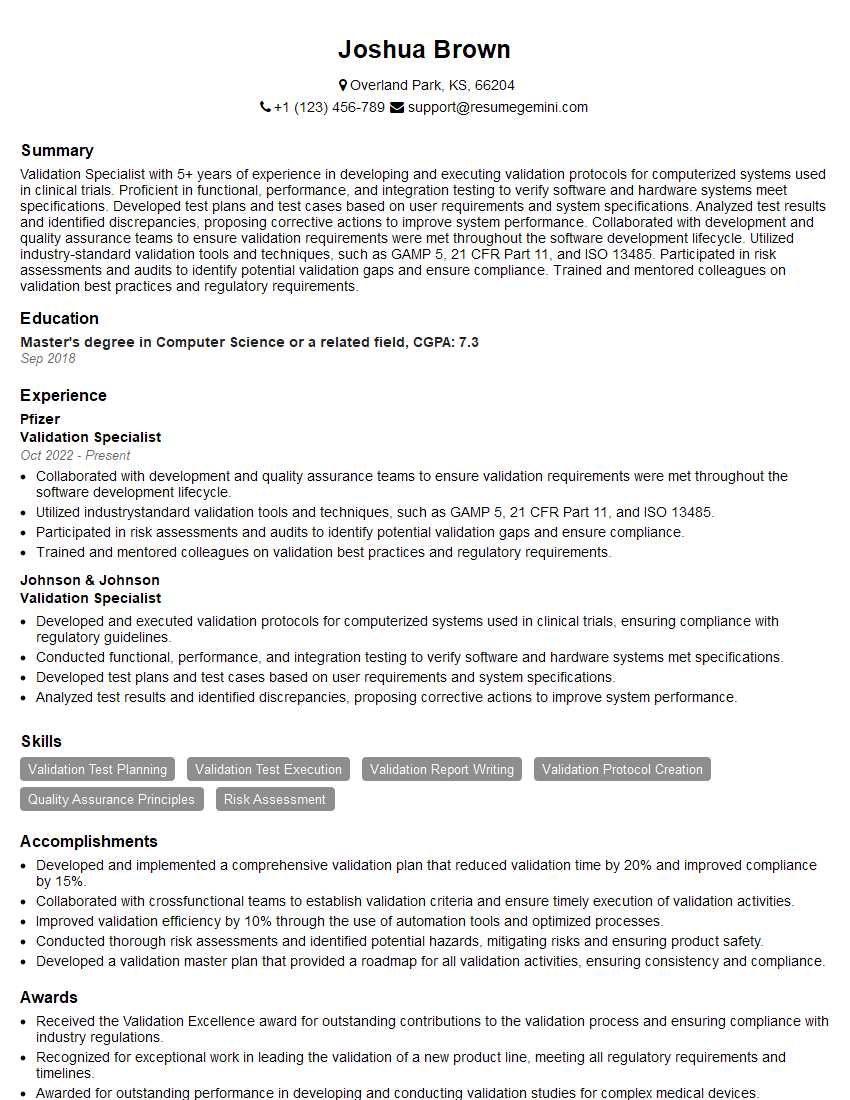
Validation Specialist Resume Sample
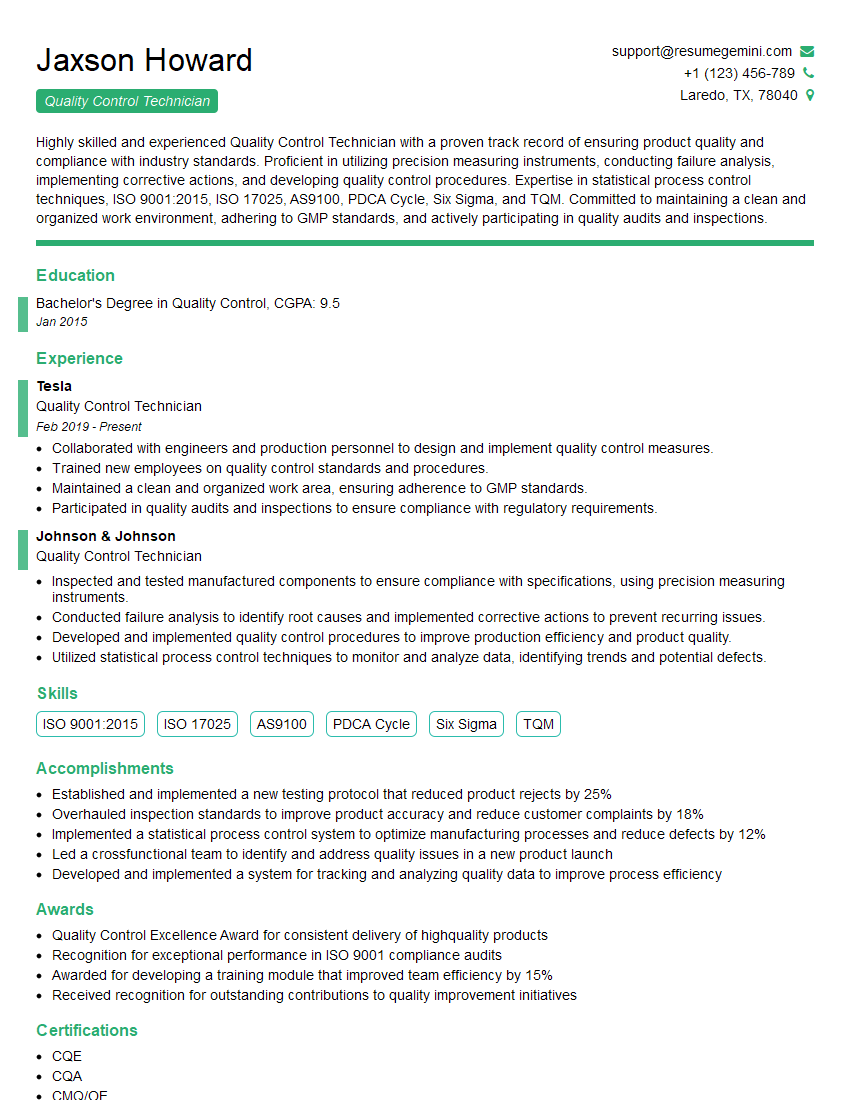
Quality Control Technician Resume Sample
Explore more articles
Users Rating of Our Blogs
Share Your Experience
We value your feedback! Please rate our content and share your thoughts (optional).
What Readers Say About Our Blog
To the interviewgemini.com Webmaster.
Very helpful and content specific questions to help prepare me for my interview!
Thank you
To the interviewgemini.com Webmaster.
This was kind of a unique content I found around the specialized skills. Very helpful questions and good detailed answers.
Very Helpful blog, thank you Interviewgemini team.