Interviews are more than just a Q&A session—they’re a chance to prove your worth. This blog dives into essential GMP and GLP Standards interview questions and expert tips to help you align your answers with what hiring managers are looking for. Start preparing to shine!
Questions Asked in GMP and GLP Standards Interview
Q 1. Define GMP and GLP. What are the key differences?
GMP, or Good Manufacturing Practice, is a system for ensuring that products are consistently produced and controlled according to quality standards appropriate for their intended use and as required by the marketing authorization. It focuses on the manufacturing process itself, ensuring the quality of the final product. GLP, or Good Laboratory Practice, is a quality system intended to ensure the uniformity, consistency, reliability, reproducibility, quality, and integrity of non-clinical safety studies that are used to assess the safety of chemicals and other substances. It’s focused on the generation of reliable and trustworthy data during testing.
The key difference lies in their focus: GMP governs the manufacturing process of products, while GLP governs the testing process of those products (or other substances) prior to manufacturing and marketing. GMP is product-centric, ensuring the final product meets quality and safety standards. GLP is data-centric, ensuring the reliability and integrity of the data generated during non-clinical testing.
Think of it this way: GMP ensures the car is built correctly, while GLP ensures that the safety tests performed on the car’s components are accurate and reliable.
Q 2. Explain the importance of documentation in GMP and GLP.
Documentation is the cornerstone of both GMP and GLP. It provides an auditable trail, demonstrating compliance with regulations and standards. In GMP, this includes batch records, equipment maintenance logs, cleaning validation records, and personnel training records. In GLP, comprehensive documentation is crucial to demonstrate the reliability and integrity of study data. This includes study protocols, raw data, standard operating procedures (SOPs), and any deviations or amendments.
Without thorough documentation, it becomes impossible to trace the history of a product or a study, making it difficult – if not impossible – to identify the source of a problem, reproduce results, or demonstrate compliance with regulatory requirements. Imagine trying to solve a car manufacturing defect without the assembly line records; it’s simply not feasible. Proper documentation in both GMP and GLP frameworks is essential for traceability and accountability.
Q 3. Describe your experience with deviation investigations.
Throughout my career, I’ve been extensively involved in deviation investigations, both in GMP and GLP settings. My approach follows a structured methodology, typically employing the following steps:
- Immediate Containment: The first priority is to contain the situation to prevent further issues.
- Investigation Team Formation: A cross-functional team is assembled to investigate thoroughly.
- Root Cause Analysis: We use techniques like the 5 Whys or Fishbone diagrams to identify the root cause of the deviation.
- Corrective and Preventive Actions (CAPA): Once the root cause is identified, we develop and implement CAPAs to prevent recurrence.
- Documentation: The entire investigation process, including findings and CAPAs, is meticulously documented.
For example, I once investigated a deviation in a GMP environment where a batch of tablets failed a dissolution test. Through our investigation, we determined that the root cause was a faulty mixing impeller in the granulator. Our CAPA involved replacing the impeller and implementing a preventative maintenance program for all granulators.
Q 4. How do you ensure data integrity in a GLP environment?
Data integrity is paramount in GLP. It refers to the completeness, consistency, accuracy, reliability, and authenticity of data. Ensuring data integrity requires a multi-faceted approach:
- SOPs and Training: Strict SOPs must be in place for data handling, recording, and archiving. All personnel must be adequately trained on these procedures.
- Electronic Systems Validation: For electronically generated data, the systems must be validated to ensure data security, accuracy, and audit trails.
- Data Review and Verification: A system of checks and balances is essential, often involving multiple reviewers to ensure data accuracy and consistency.
- Access Control: Strict control of access to data and systems should be in place to prevent unauthorized modification or deletion.
- Data Archiving: Data must be stored securely and according to regulatory guidelines. This includes electronic and physical data.
A critical element is to establish a culture where data integrity is a top priority and deviations are not tolerated. Regular audits and inspections are vital for ensuring compliance and maintaining the highest standards of data integrity.
Q 5. What are the critical aspects of GMP during manufacturing?
Critical aspects of GMP during manufacturing encompass the entire production process. Key areas include:
- Facility and Equipment: Maintaining a clean and well-maintained facility with validated and calibrated equipment is critical.
- Raw Materials: Ensuring the quality and authenticity of raw materials through proper testing and documentation.
- Manufacturing Process: Following established and validated manufacturing procedures meticulously.
- Personnel: Well-trained and competent personnel are essential for maintaining quality and compliance.
- Environmental Monitoring: Monitoring environmental parameters like temperature, humidity, and particulate matter to prevent contamination.
- Quality Control: Implementing robust quality control procedures, including in-process testing and final product release testing.
- Documentation: Meticulous record-keeping of all aspects of the manufacturing process.
A failure in any of these areas can compromise the quality and safety of the final product, potentially leading to serious consequences.
Q 6. How do you handle out-of-specification (OOS) results?
Handling out-of-specification (OOS) results requires a thorough and systematic investigation. The process typically involves:
- Immediate Actions: Isolate the affected batch and prevent its release or distribution.
- OOS Investigation Team: Form a team to investigate the root cause of the OOS result.
- Review of Data: Critically examine the entire data set for any anomalies or inconsistencies.
- Laboratory Investigation: Conduct additional testing to verify the initial OOS result.
- Root Cause Analysis: Employ appropriate techniques (5 Whys, Fishbone diagram etc.) to identify the root cause.
- Corrective and Preventive Actions (CAPA): Implement effective CAPAs to prevent recurrence.
- Documentation: Meticulously document every step of the investigation and resolution.
It’s crucial to maintain objectivity throughout the investigation process, avoiding premature conclusions or biased interpretations of the data. A thorough OOS investigation protects patient safety and maintains product quality.
Q 7. Explain your understanding of change control procedures.
Change control procedures are formal systems for managing changes to any aspect of the manufacturing process, testing procedures, or facilities. The purpose is to ensure that any changes are thoroughly evaluated for potential impact on product quality, safety, and regulatory compliance before implementation. A typical change control process involves:
- Change Request: A formal request proposing the change, detailing its rationale and potential impact.
- Change Assessment: A thorough evaluation of the proposed change’s potential impact on product quality, safety and regulatory compliance.
- Risk Assessment: Identifying potential risks associated with the change and developing mitigation strategies.
- Approval Process: A formalized process for obtaining approval from appropriate personnel or committees.
- Implementation: Controlled implementation of the approved change.
- Verification: Verification that the change has been implemented correctly and meets the intended outcomes.
- Documentation: Meticulous documentation of the entire change control process.
Failure to manage changes effectively can lead to deviations, product recalls, and regulatory violations. A well-defined change control process minimizes risks and ensures that changes are implemented safely and efficiently.
Q 8. Describe your experience with CAPA (Corrective and Preventive Action).
CAPA, or Corrective and Preventive Action, is a systematic process for identifying, investigating, and resolving quality issues. It’s crucial for maintaining compliance and preventing recurrence. My experience involves leading and participating in CAPA investigations across various stages, from initial deviation identification to final verification of corrective actions. This includes:
- Deviation Reporting and Investigation: I’ve managed numerous deviation reports, systematically investigating root causes using tools like fishbone diagrams and 5 Whys analysis. For instance, I investigated a batch failure due to an improperly calibrated instrument, identifying the root cause as inadequate calibration procedures and implementing a new, more robust system to prevent future failures.
- Corrective Action Implementation: I’ve developed and implemented corrective actions ranging from minor procedural changes to major equipment upgrades. This includes documentation, training of personnel, and verification of effectiveness. For example, we implemented a new SOP for equipment maintenance, resulting in a significant reduction in equipment-related deviations.
- Preventive Action Planning: I’ve collaborated with cross-functional teams to develop preventive actions aimed at preventing similar deviations from occurring again. This often involves risk assessments and process improvements. In one case, we identified a potential risk of contamination and implemented a new cleaning validation procedure, completely eliminating that risk.
- CAPA Effectiveness Verification: I’ve implemented procedures to verify the effectiveness of corrective and preventive actions. This involved data analysis, trend monitoring, and conducting regular audits to ensure sustained improvements. Tracking metrics demonstrated the success of these changes in reducing deviation rates.
Q 9. How do you ensure compliance with regulatory requirements (e.g., FDA, EMA)?
Ensuring regulatory compliance, particularly with agencies like the FDA and EMA, is paramount. My approach is proactive and multi-faceted. It starts with a thorough understanding of the relevant regulations (e.g., 21 CFR Part 11, GMP Annex 1) and their implications for our operations. This understanding guides our:
- Quality Management System (QMS) Development and Implementation: We have a robust QMS that is regularly reviewed and updated to reflect current regulations and best practices. This includes SOPs (Standard Operating Procedures) for all critical processes, ensuring all personnel are trained and follow the established procedures.
- Documentation and Record Keeping: Meticulous record-keeping is crucial. We utilize electronic systems where appropriate (compliant with 21 CFR Part 11), ensuring data integrity and traceability. All documents are readily available for audit purposes. For example, we use an electronic batch record system to document all manufacturing processes.
- Internal Audits and Self-Inspections: Regular internal audits help us identify any potential gaps in compliance before external inspections. This allows for proactive correction, reducing the risk of non-compliance during regulatory inspections. These audits are rigorously documented and reported to management.
- External Audits and Inspections: We fully cooperate with external audits and inspections, providing all necessary documentation and addressing all audit findings promptly and completely. Following up on audit findings with detailed CAPA plans is critical to continuous improvement.
- Training Programs: Comprehensive training programs for all personnel ensure everyone understands the relevant regulations and their roles in maintaining compliance. Regular refresher training keeps everyone up-to-date.
By focusing on these key areas, we maintain a high level of compliance, minimizing risks and protecting the integrity of our products.
Q 10. What is your experience with internal and external audits?
I have extensive experience with both internal and external audits, having participated in numerous audits across various pharmaceutical settings. My role has encompassed both the audited party and the auditor. This provides a comprehensive perspective on the process.
- Internal Audits: I have conducted and participated in numerous internal audits, covering various aspects of GMP and GLP compliance, from documentation reviews to equipment calibration checks. I’ve used established audit checklists and reported findings with appropriate recommendations for corrective action. This proactive approach has ensured early identification and resolution of potential issues.
- External Audits: I’ve worked with various regulatory agencies and third-party auditors during inspections. My experience includes preparing for inspections, responding to auditor questions effectively, and effectively managing any identified non-conformances. I’ve learned to approach external audits with a collaborative spirit, aiming to learn from their observations and improve our systems.
- Audit Report Preparation and Follow-up: I’ve prepared comprehensive audit reports summarizing findings, recommendations, and implemented CAPAs. This detailed approach ensures accountability and continuous improvement.
The key to success in both internal and external audits is thorough preparation, clear documentation, and a commitment to continuous improvement. It’s not just about finding problems; it’s about learning from them and preventing their recurrence.
Q 11. Explain your knowledge of different validation techniques.
Validation techniques are essential for demonstrating that processes and equipment consistently produce the expected results. My knowledge encompasses various techniques, including:
- Process Validation: This involves demonstrating that a manufacturing process consistently produces a product meeting predefined specifications and quality attributes. This often includes IQ (Installation Qualification), OQ (Operational Qualification), and PQ (Performance Qualification) for manufacturing processes.
- Equipment Qualification: This verifies that equipment performs as intended. Again, IQ, OQ, and PQ are used to ensure the equipment is properly installed, operates as designed, and consistently meets performance specifications. For example, we would validate an autoclave by demonstrating it consistently achieves the required sterilization parameters.
- Cleaning Validation: This verifies that cleaning procedures effectively remove residues from equipment, preventing cross-contamination. This involves sampling and testing for residual levels of previous batches.
- Computer System Validation: This ensures that computer systems used for manufacturing, testing, or data management meet regulatory requirements and operate reliably. This often involves risk assessments, security measures, and testing for functionality and data integrity.
- Method Validation: This establishes the accuracy, precision, specificity, and linearity of analytical methods used in testing. For example, validating a high-performance liquid chromatography (HPLC) method to quantify a drug substance.
The choice of validation technique depends on the specific process or equipment. A thorough understanding of regulatory requirements and industry best practices is crucial for effective validation.
Q 12. Describe your experience with calibration and maintenance of equipment.
Calibration and maintenance of equipment are critical for ensuring data accuracy and preventing equipment failures. My experience involves developing and implementing calibration and maintenance programs that meet regulatory requirements and ensure equipment reliability. This includes:
- Calibration Schedules: Developing and maintaining calibration schedules for all critical equipment based on manufacturer recommendations, regulatory requirements, and risk assessments. We use a computerized maintenance management system (CMMS) to track calibrations and schedule preventative maintenance.
- Calibration Procedures: Developing and documenting standardized calibration procedures to ensure consistency and traceability. These procedures specify the equipment, methods, and acceptance criteria for each calibration activity.
- Preventive Maintenance Programs: Developing and implementing preventive maintenance programs for equipment to prevent failures and extend its lifespan. These programs are tailored to each piece of equipment and are tracked using a CMMS.
- Calibration and Maintenance Records: Maintaining detailed records of all calibration and maintenance activities, including the date, results, and any corrective actions. This meticulous record-keeping is crucial for demonstrating compliance during audits.
- Training: Providing training to personnel on proper calibration, maintenance, and troubleshooting procedures.
A well-structured calibration and maintenance program not only ensures the reliability of our equipment but also minimizes the risk of deviations and non-conformances.
Q 13. How do you manage non-conforming materials?
Managing non-conforming materials (NCM) requires a systematic approach to ensure that substandard materials are appropriately handled and prevented from entering the supply chain. My experience includes:
- Identification and Segregation: Implementing procedures for promptly identifying and segregating non-conforming materials to prevent their use in production. This usually involves clear labeling and physical separation from conforming materials.
- Investigation: Thoroughly investigating the root causes of non-conformances to prevent their recurrence. This often involves using root cause analysis tools like the 5 Whys.
- Evaluation and Disposition: Evaluating the non-conforming materials to determine an appropriate disposition, such as rework, repair, scrap, or rejection. This decision is based on the severity of the non-conformances and the potential impact on product quality.
- Documentation: Maintaining detailed documentation of all actions taken related to NCM, including investigation reports, disposition decisions, and any corrective or preventive actions taken.
- Supplier Communication: Communicating with suppliers to address quality issues and prevent future occurrences of non-conformances.
Effective NCM management prevents compromised product quality, minimizes waste, and protects the company’s reputation.
Q 14. Explain your experience with quality risk management.
Quality risk management (QRM) is a systematic process to identify, analyze, evaluate, and control risks to product quality and patient safety. My experience includes the application of risk-based approaches in various aspects of GMP and GLP operations. This often involves:
- Risk Assessment: Employing risk assessment methodologies (e.g., FMEA, Fault Tree Analysis) to identify potential risks throughout the product lifecycle, from raw material sourcing to product release. This often involves qualitative and quantitative risk assessment methods.
- Risk Evaluation: Evaluating identified risks to determine their likelihood and potential impact on product quality and patient safety. This often leads to prioritization of risks based on their severity.
- Risk Control: Developing and implementing control strategies to mitigate identified risks. This may involve process changes, procedural improvements, additional testing, or other actions necessary to reduce the risk.
- Risk Communication: Communicating risk information effectively to relevant stakeholders, including management, regulatory bodies, and internal teams. This includes documenting and communicating risk assessment results and implemented control strategies.
- Continuous Monitoring: Continuously monitoring the effectiveness of risk control strategies and re-evaluating risks as needed to ensure ongoing product safety and quality.
Implementing QRM is crucial for proactively identifying and mitigating potential problems, ensuring patient safety and regulatory compliance. It’s a dynamic process that adapts to changing circumstances and new information.
Q 15. Describe your experience with 21 CFR Part 11 compliance.
21 CFR Part 11 is a set of regulations from the US Food and Drug Administration (FDA) that govern the electronic records and electronic signatures used in the pharmaceutical and other regulated industries. My experience encompasses ensuring compliance throughout the entire data lifecycle, from data creation and storage to review and archiving. This includes implementing and validating systems to ensure data integrity, authenticity, and auditability.
For instance, in a previous role, we implemented a new LIMS (Laboratory Information Management System) that needed to be 21 CFR Part 11 compliant. This involved detailed system validation, including establishing user access controls with appropriate authorization levels, implementing audit trails for all data modifications, and using digital signatures to authenticate user actions. We also developed and followed strict SOPs for system maintenance and backups to guarantee data integrity. We conducted rigorous testing and documented every step of the validation process, generating comprehensive documentation ready for FDA inspection.
Another example involved working with electronic lab notebooks (ELNs). We implemented a system with robust access controls, version control, and audit trails ensuring that all data modifications were documented, traceable, and attributable to specific users. This also included rigorous training for all personnel on the proper use of the ELN system and the importance of adherence to the 21 CFR Part 11 requirements.
Career Expert Tips:
- Ace those interviews! Prepare effectively by reviewing the Top 50 Most Common Interview Questions on ResumeGemini.
- Navigate your job search with confidence! Explore a wide range of Career Tips on ResumeGemini. Learn about common challenges and recommendations to overcome them.
- Craft the perfect resume! Master the Art of Resume Writing with ResumeGemini’s guide. Showcase your unique qualifications and achievements effectively.
- Don’t miss out on holiday savings! Build your dream resume with ResumeGemini’s ATS optimized templates.
Q 16. How do you ensure proper handling of samples in GLP studies?
Proper sample handling in GLP studies is paramount to ensure data integrity and the reliability of the study results. It starts with a meticulously planned and documented sample management plan. This plan outlines procedures for sample receipt, identification, storage, handling, and disposal. Every step needs to be documented, traceable, and auditable.
Think of it like a meticulously organized library: each sample is akin to a book, uniquely identified and cataloged with its specific details. We use unique identifiers (e.g., barcodes or alphanumeric codes) to prevent any confusion or mix-ups. Storage conditions (temperature, humidity, light exposure) are strictly controlled and monitored, and deviation logs are maintained. Samples are handled according to established SOPs, including specific procedures for weighing, aliquoting, and transfer. Chain of custody is carefully tracked, documenting who handled the sample and at what time. Finally, we adhere to rigorous disposal procedures to avoid contamination or improper waste management.
For example, in a pesticide residue study, maintaining a consistent cold chain is critical to prevent sample degradation. This includes using temperature-controlled containers, monitoring temperatures throughout the process, and immediately documenting any temperature deviations. Any deviation would be investigated and the impact on the study evaluated.
Q 17. What are the key elements of a GLP study protocol?
A GLP study protocol is the blueprint for a study. It provides a detailed description of the study objectives, methods, and procedures ensuring the study is conducted in a consistent and scientifically sound manner. Key elements include:
- Study Objectives: Clearly defined aims and hypotheses.
- Study Design: Detailed description of the experimental design, including the study duration, sample size, and statistical analysis plan.
- Test Substance Characterization: Thorough description of the test substance, including its purity, identity, and physicochemical properties.
- Animal or Material Selection: Criteria for selecting animals or other materials, including their source, housing conditions, and health status.
- Experimental Procedures: Step-by-step instructions for conducting the study, including sample preparation, administration routes, and data collection methods.
- Quality Control Procedures: Outlines the measures to ensure data quality, including calibration procedures for instruments and procedures for handling outliers.
- Data Analysis Plan: Specifies the methods and statistical analyses to be performed to interpret the study results.
- Reporting Requirements: Describes the content and format of the final study report.
A well-written protocol minimizes ambiguity, prevents deviation from planned procedures, and ensures the reproducibility of the study.
Q 18. How do you manage data in a GLP compliant system?
GLP-compliant data management is crucial for ensuring data integrity and auditability. This typically involves the use of a validated electronic system, such as a LIMS or ELN, with features to maintain data integrity and traceability. This system should have built-in functionalities for audit trails, version control, and electronic signatures. Data access is controlled through user roles and permissions. Data backups are regularly conducted and stored securely in a secure location to safeguard against data loss. Data are processed using validated software and methodologies, and all raw data are retained.
Imagine a highly secure vault for your data. Access is strictly controlled, records of every access attempt are meticulously logged, and multiple backups exist in secure offsite locations. This ensures that the data are protected, retrievable, and auditable at any time. Regular audits and inspections help to ensure that the data management system remains compliant with GLP standards.
Q 19. What is your understanding of standard operating procedures (SOPs)?
Standard Operating Procedures (SOPs) are documented instructions that provide detailed step-by-step guidelines for performing routine tasks or procedures within a laboratory or manufacturing environment. They ensure consistency, repeatability, and quality. They are crucial for GLP and GMP compliance.
A good SOP is clear, concise, easy to follow, and avoids ambiguity. It should include: a purpose statement, scope of application, detailed procedures with diagrams or flowcharts where necessary, safety precautions, and approval signatures. In short, it’s a recipe for success, ensuring that every time a specific task is performed, it’s done in the same manner, yielding consistent results. We regularly review and update SOPs to reflect changes in regulations, technology, or best practices. Deviation from an SOP must be carefully documented and justified. Think of SOPs as the instruction manual for conducting all activities within a lab or facility – a well-written instruction manual helps to guarantee a standardized and consistent approach to work practices.
Q 20. How do you ensure the accuracy and precision of analytical testing?
Ensuring the accuracy and precision of analytical testing is fundamental to GLP compliance. This involves a multi-faceted approach. First, we use validated analytical methods that have undergone rigorous testing to demonstrate their accuracy, precision, specificity, and other performance characteristics. Calibration and verification of equipment are performed according to a schedule, using certified reference materials and documented procedures. We incorporate quality control samples (blanks, standards, and duplicates) within each analytical batch to monitor the performance of the methods and to detect any potential problems. Statistical analysis is used to assess the accuracy and precision of the data, and any outliers are investigated. Finally, well-trained personnel following validated procedures are key to ensuring consistently high-quality results.
For example, in a chromatography analysis, we would use certified reference standards to calibrate the instrument and then regularly monitor its performance using quality control samples. We document everything and keep it all in a centralized system. If a value falls outside the acceptable range, we have defined procedures to investigate the problem and take corrective action.
Q 21. Describe your experience with method validation.
Method validation is a critical process to demonstrate that an analytical method is suitable for its intended purpose. This involves a series of experiments designed to evaluate the method’s performance characteristics. These characteristics include:
- Accuracy: How close the measured values are to the true values.
- Precision: The reproducibility of the measurements.
- Specificity: The ability of the method to measure the analyte of interest in the presence of other substances.
- Linearity: The ability of the method to produce results that are directly proportional to the concentration of the analyte.
- Range: The concentration range over which the method can produce reliable results.
- Limit of Detection (LOD) and Limit of Quantitation (LOQ): The lowest concentration of the analyte that can be reliably detected and quantified.
- Robustness: The ability of the method to withstand small variations in experimental conditions.
My experience in method validation includes designing and executing validation studies, analyzing the data, and writing comprehensive validation reports. I’m proficient in using various statistical tools to analyze validation data. A successful validation demonstrates that the method is fit-for-purpose and reliable, producing high-quality, defensible results. This ensures we use appropriate methods for the analysis.
Q 22. Explain your understanding of quality by design (QbD).
Quality by Design (QbD) is a systematic approach to pharmaceutical development that begins with a thorough understanding of the desired product quality attributes and how the manufacturing process impacts those attributes. Instead of reacting to problems after they arise, QbD proactively designs products and processes to ensure consistent quality. It’s like building a house with a detailed blueprint rather than improvising as you go.
QbD relies on a deep understanding of material properties, process parameters, and product quality attributes. This understanding is used to define a design space – the multidimensional combination of input variables (e.g., raw material properties, processing parameters) and process parameters that produce a consistent, high-quality product. This design space is scientifically justified and documented.
Key elements of QbD include:
- Understanding product quality: Defining critical quality attributes (CQAs) that are essential for safety and efficacy.
- Process understanding: Identifying and understanding critical process parameters (CPPs) that influence CQAs.
- Design space: Establishing a multidimensional combination of input and process variables that consistently delivers the desired product quality within specified limits.
- Risk assessment: Identifying and mitigating potential risks that could affect product quality.
- Control strategy: Implementing controls to ensure consistent process performance and product quality.
For example, in developing a new tablet formulation, QbD would involve systematically investigating the impact of different excipients (ingredients other than the active pharmaceutical ingredient) on tablet hardness, dissolution rate (how quickly the drug dissolves), and disintegration time. This data would be used to define a design space where consistent tablet quality is assured.
Q 23. How do you conduct root cause analysis for quality issues?
Root cause analysis (RCA) is a systematic approach to identifying the underlying cause of a quality issue, not just the symptoms. The goal isn’t just to fix the immediate problem, but to prevent it from happening again. Think of it as detective work to find the root of the problem, not just patching a leak.
I typically use a structured approach like the 5 Whys technique or a more formal method like Fishbone diagrams (Ishikawa diagrams). The 5 Whys involves repeatedly asking “Why?” to peel back layers of explanation until the root cause is revealed. Fishbone diagrams help visually organize potential causes categorized by factors like materials, methods, manpower, machinery, and environment.
A typical RCA process involves:
- Defining the problem: Clearly stating the quality issue with specific data.
- Gathering data: Collecting information from various sources such as production records, lab results, and personnel interviews.
- Identifying potential causes: Using techniques like the 5 Whys or Fishbone diagrams to brainstorm possible causes.
- Verifying the root cause: Analyzing the data to confirm the identified root cause.
- Developing corrective actions: Implementing solutions to address the root cause and prevent recurrence.
- Verification of effectiveness: Monitoring the effectiveness of the corrective actions.
For example, if a batch of tablets failed dissolution testing, the RCA process might reveal that the root cause was a change in the supplier’s raw material specifications, leading to altered tablet properties. The solution would then involve working with the supplier to address the raw material quality or finding an alternative supplier.
Q 24. Describe your experience with supplier audits.
Supplier audits are critical for ensuring the quality and reliability of materials and services used in pharmaceutical manufacturing. My experience includes conducting both on-site and document audits, covering various aspects of a supplier’s operations – it’s all about verifying that they meet our requirements and maintain consistent quality.
The process typically involves:
- Pre-audit planning: Defining the audit scope, objectives, and the team involved. We review the supplier’s quality system documentation beforehand.
- On-site audit (if applicable): Observing the supplier’s facilities, processes, and personnel. This includes examining documentation, interviewing staff, and inspecting equipment.
- Document review: Evaluating the supplier’s quality system documentation, such as their quality manual, standard operating procedures (SOPs), and testing records.
- Data analysis: Evaluating the data collected during the audit to identify any non-conformances or areas for improvement.
- Reporting: Preparing a detailed audit report summarizing the findings, including any non-conformances and recommendations for corrective actions.
- Follow-up: Monitoring the supplier’s implementation of corrective actions and verifying their effectiveness.
I’ve conducted audits for suppliers providing raw materials, packaging components, and analytical services. In one instance, an audit of a raw material supplier revealed inconsistencies in their testing procedures. This led to a collaborative effort to improve their processes, ensuring the consistent quality of the raw materials we receive.
Q 25. Explain your understanding of Good Documentation Practices (GDP).
Good Documentation Practices (GDP) are essential for ensuring the accuracy, completeness, and reliability of all records related to pharmaceutical development, manufacturing, and testing. It’s about maintaining a clear and auditable trail of all activities – a crucial part of demonstrating compliance and ensuring quality.
Key elements of GDP include:
- Data integrity: Ensuring that data is accurate, complete, consistent, and reliable.
- Record retention: Maintaining records for the required period, typically defined by regulatory requirements and internal policies.
- Document control: Establishing procedures for creating, reviewing, approving, distributing, and revising documents.
- Traceability: Maintaining clear links between records and the associated events or activities.
- Legibility and readability: Ensuring that records are clear, legible, and easily understood.
- Archival: Implementing a system for storing and retrieving records efficiently.
A breach in GDP could have significant consequences, including regulatory actions and product recalls. For example, poorly maintained lab notebooks with illegible entries or missing data points can raise serious concerns about the integrity of the testing results and ultimately the quality of the product.
Q 26. How do you ensure the proper training of personnel in GMP/GLP?
Ensuring proper training of personnel in GMP/GLP is critical for maintaining quality and compliance. It’s not a one-time event, but an ongoing process of education and development. We use a multi-faceted approach.
Our training program includes:
- Initial training: Comprehensive training covering the relevant GMP/GLP principles and procedures for all personnel involved in regulated activities. This includes interactive sessions, case studies, and practical exercises.
- Refresher training: Regular refresher courses to keep personnel updated on changes in regulations, best practices, and new technologies. This is often delivered through short modules or online learning.
- Job-specific training: Training tailored to specific job roles and responsibilities. This might include specialized training on equipment operation, testing methods, or quality control procedures.
- On-the-job training: Mentoring and coaching by experienced personnel to guide new employees and reinforce training concepts.
- Documentation: Maintaining detailed records of all training activities, including attendance, assessment results, and certifications.
We use a blended learning approach combining classroom training, online modules, and practical exercises to suit different learning styles and ensure effective knowledge transfer. Regular competency assessments and performance reviews further strengthen this.
Q 27. Describe a time you identified a potential GMP/GLP issue and how you resolved it.
During a routine review of manufacturing records, I noticed an inconsistency in the calibration records for a critical piece of equipment used in the manufacturing process. While the equipment was still within its operational parameters, the missing calibration data was a significant GDP breach.
My response involved:
- Immediate action: I immediately halted production using the equipment until the calibration issue was resolved.
- Investigation: I initiated an investigation to identify the root cause of the missing data and whether it affected any previous batches. I interviewed the personnel involved and reviewed their training records. It turned out to be an oversight in SOP adherence, not intentional negligence.
- Corrective action: I implemented corrective actions including immediate recalibration of the equipment, updated SOPs with clearer instructions for calibration record keeping, and additional training for personnel involved.
- Preventive action: I introduced a new system for regular review of calibration records with automated alerts to prevent future instances of missing documentation.
- Communication: I communicated the issue, investigation findings, and corrective actions to relevant stakeholders, including management and regulatory authorities as appropriate.
This incident highlighted the importance of thorough documentation and routine review processes in maintaining GMP/GLP compliance. The timely identification and resolution of the issue prevented potential quality problems.
Q 28. What are your strengths and weaknesses regarding GMP and GLP compliance?
My strengths lie in my comprehensive understanding of GMP/GLP regulations and my proven ability to apply this knowledge to solve practical problems. I possess strong analytical skills, attention to detail, and a proactive approach to risk management. I am adept at conducting audits, implementing corrective actions, and ensuring the proper training of personnel. I am also comfortable working with cross-functional teams.
One area where I continually strive for improvement is staying completely abreast of the rapidly evolving regulatory landscape. The constant updates and interpretations can be challenging to keep up with. To mitigate this, I actively participate in industry conferences and training programs to maintain my expertise and stay current with the latest developments.
Key Topics to Learn for GMP and GLP Standards Interview
- Good Manufacturing Practices (GMP): Understanding the core principles of GMP, including documentation, quality control, and deviation management. This includes theoretical knowledge of the regulatory framework and its practical application in a manufacturing environment.
- Good Laboratory Practices (GLP): Mastering the principles of GLP, focusing on data integrity, study design, and compliance with regulatory guidelines. Consider practical applications like designing a GLP compliant study and analyzing potential sources of error.
- Documentation and Record Keeping: Learn the importance of accurate, complete, and auditable documentation in both GMP and GLP contexts. This includes understanding different record types and the implications of non-compliance.
- Quality Control and Assurance: Explore the roles of QC and QA in maintaining compliance with GMP and GLP standards. This includes understanding different testing methodologies and their application in ensuring product quality and data reliability.
- Deviation Management and CAPA: Familiarize yourself with procedures for handling deviations and implementing Corrective and Preventive Actions (CAPA). This involves understanding root cause analysis and the development of effective preventative measures.
- Audits and Inspections: Understand the process of GMP and GLP audits and inspections, including preparation and response to findings. This includes practical application like preparing documentation for an upcoming audit.
- Specific Industry Applications: Research how GMP and GLP principles are applied within your specific area of interest (e.g., pharmaceuticals, cosmetics, food). Understanding industry-specific nuances will significantly enhance your interview performance.
Next Steps
Mastering GMP and GLP standards is crucial for career advancement in regulated industries. A strong understanding of these principles demonstrates your commitment to quality, compliance, and safety, making you a highly desirable candidate. To significantly boost your job prospects, create an ATS-friendly resume that effectively showcases your skills and experience. ResumeGemini is a trusted resource to help you build a professional and impactful resume that gets noticed. We provide examples of resumes tailored to GMP and GLP Standards to guide you in creating your own compelling application materials.
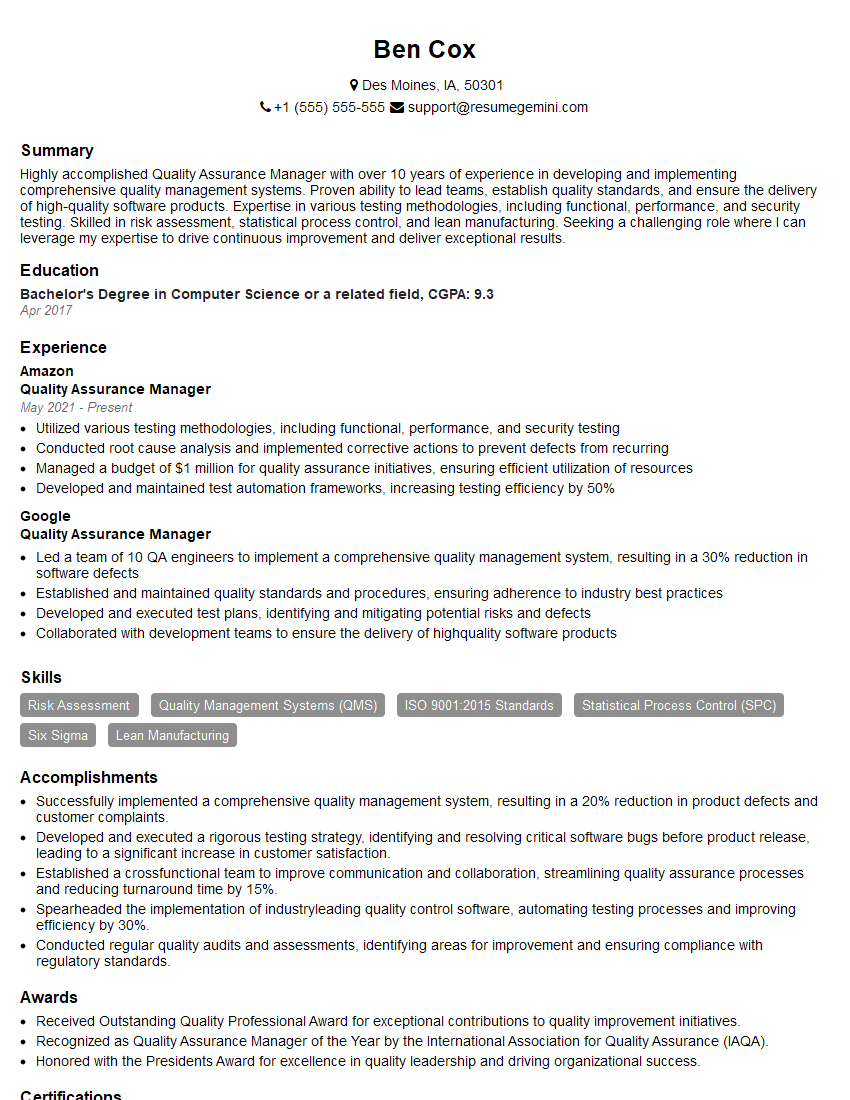
Quality Assurance Manager Resume Sample
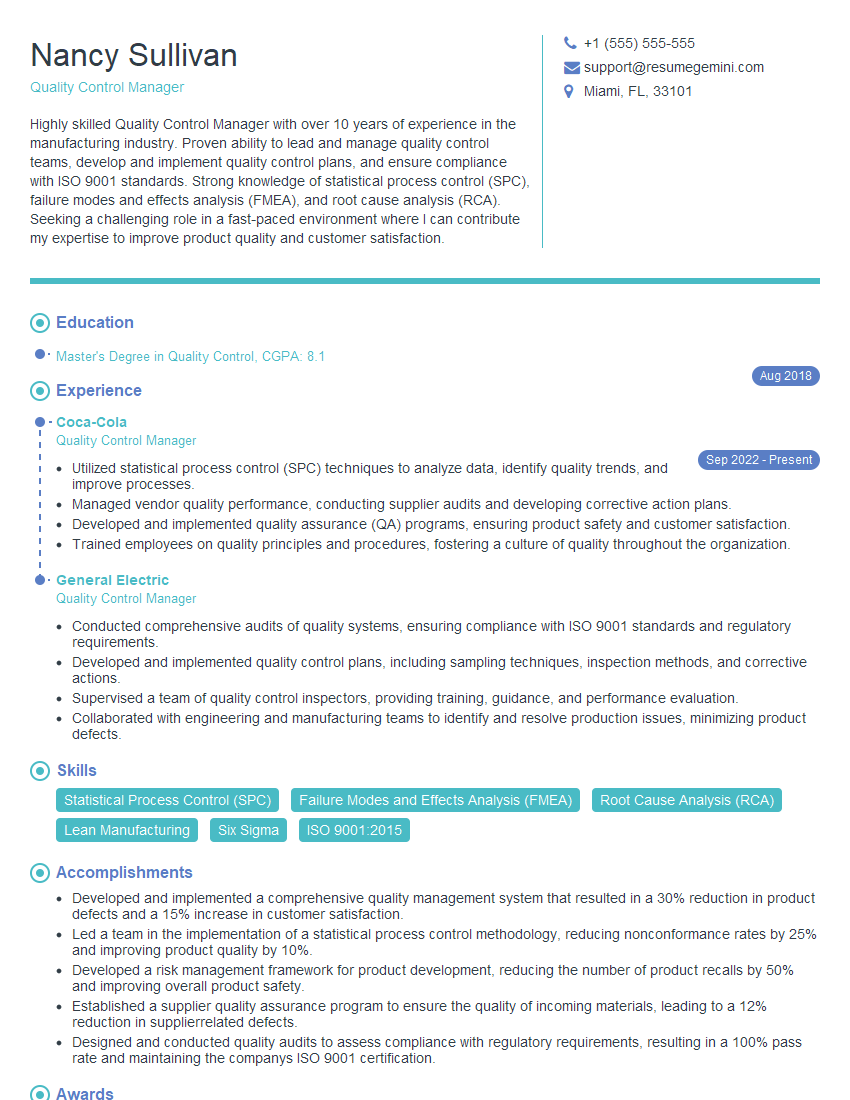
Quality Control Manager Resume Sample
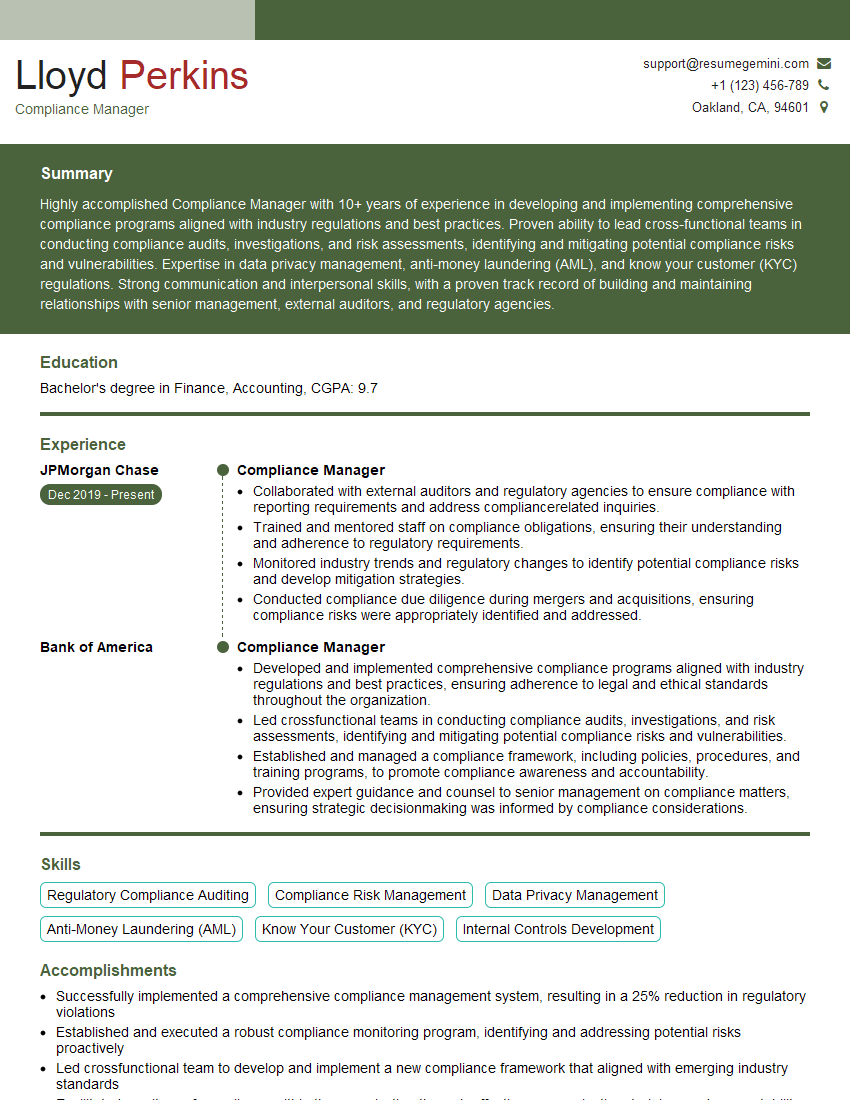
Compliance Manager Resume Sample
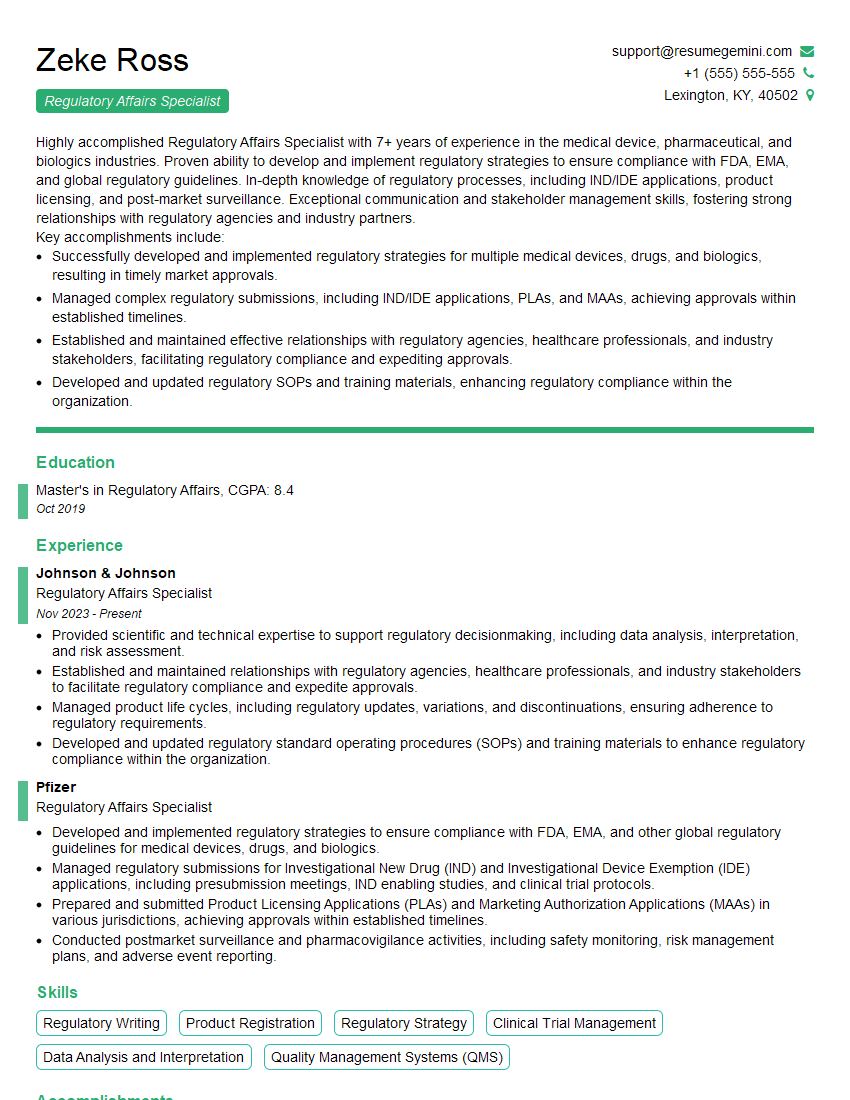
Regulatory Affairs Specialist Resume Sample
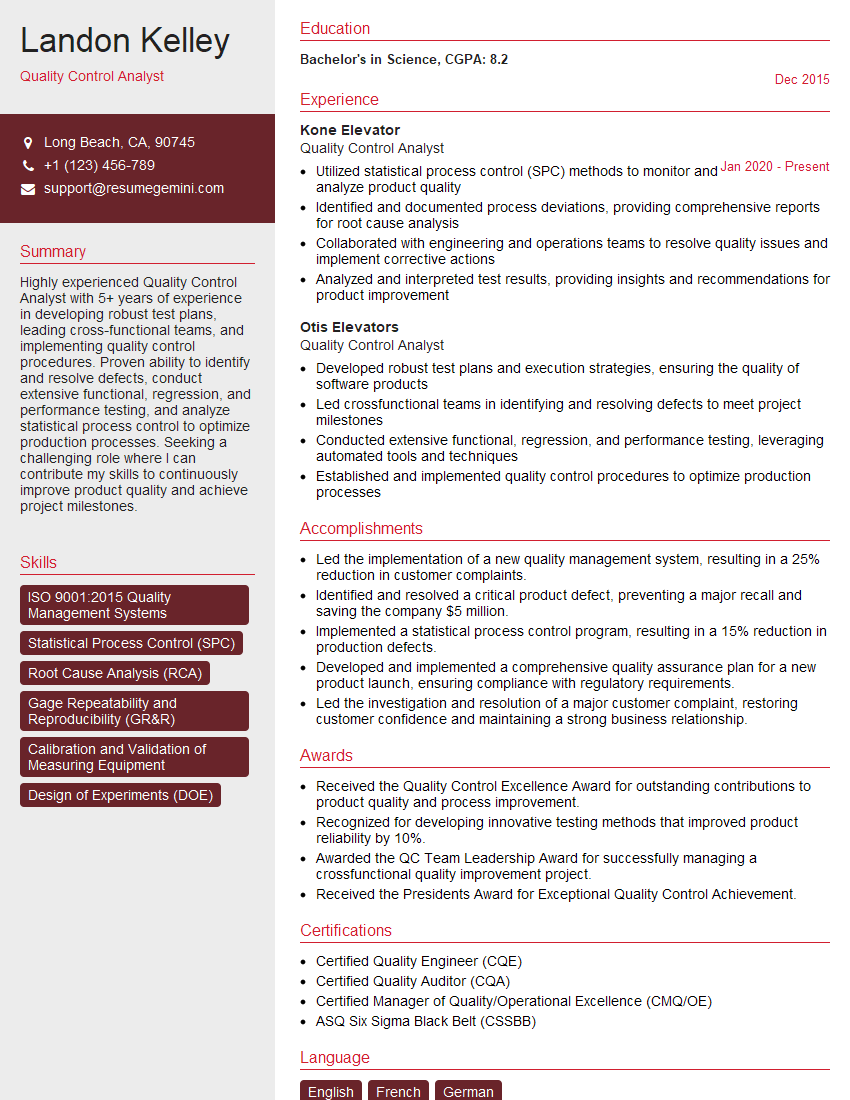
Quality Control Analyst Resume Sample
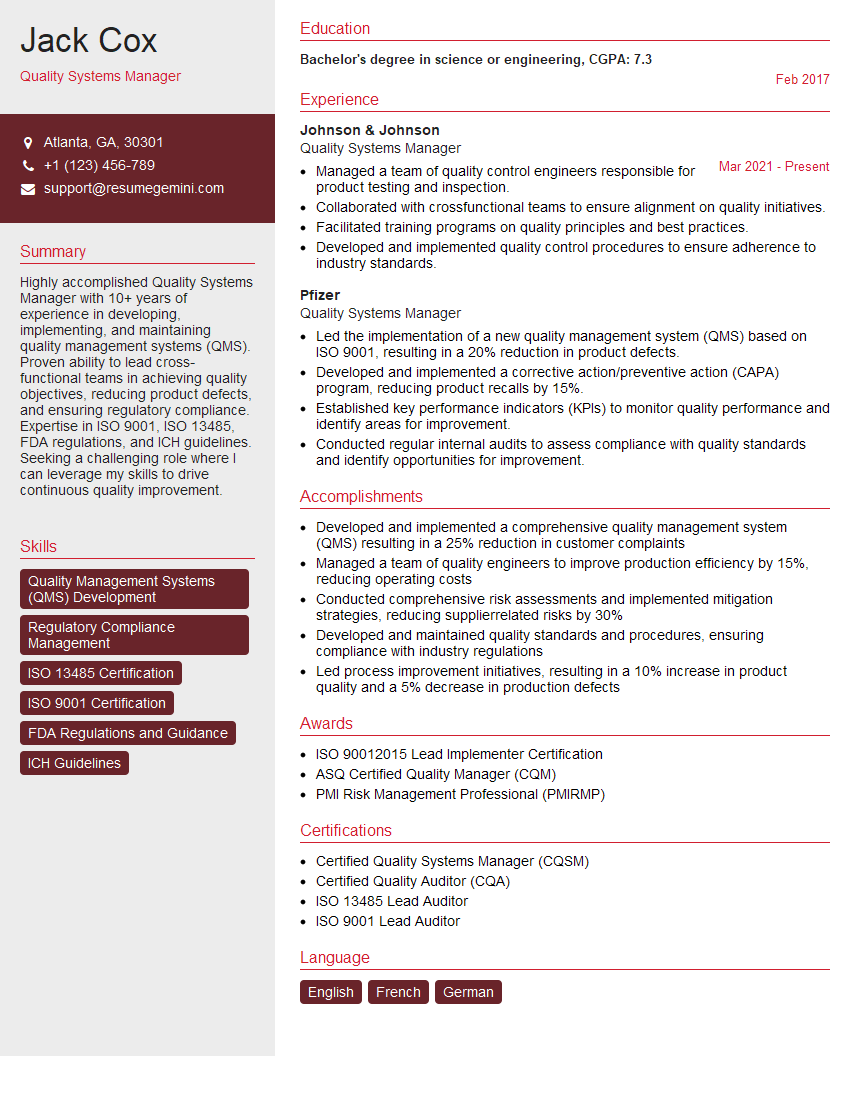
Quality Systems Manager Resume Sample
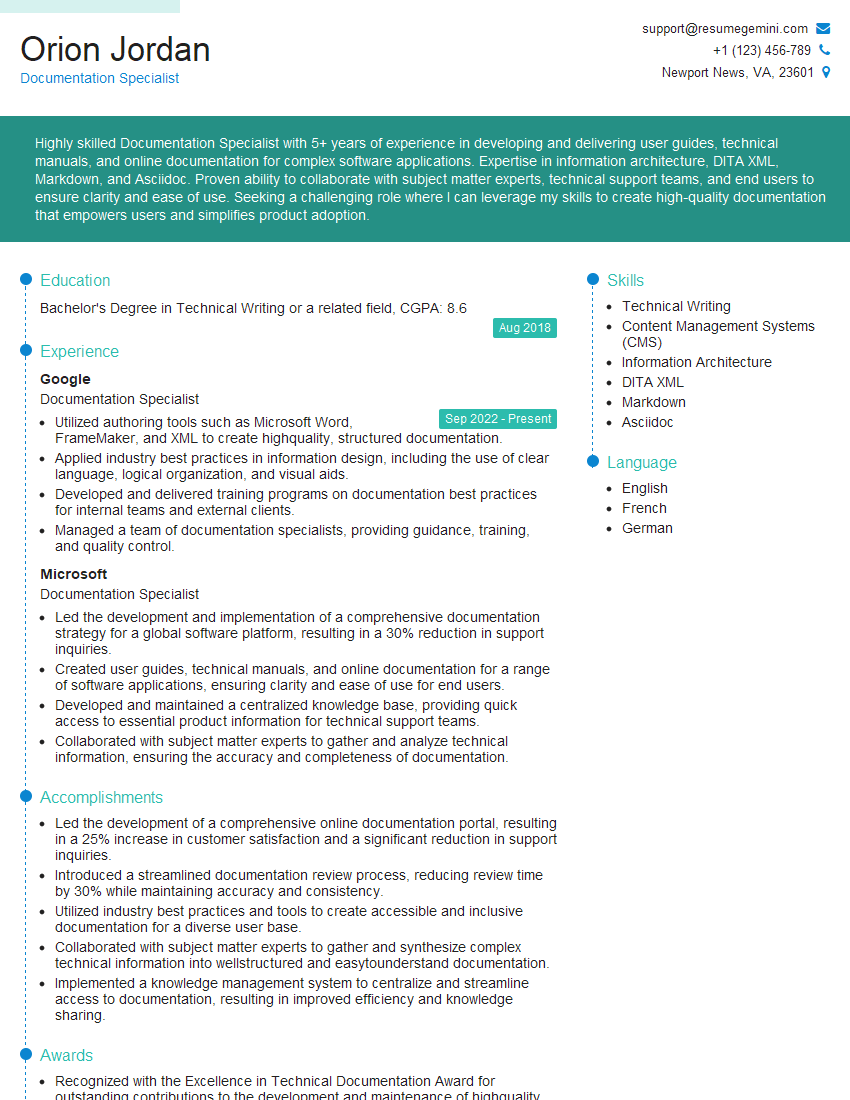
Documentation Specialist Resume Sample
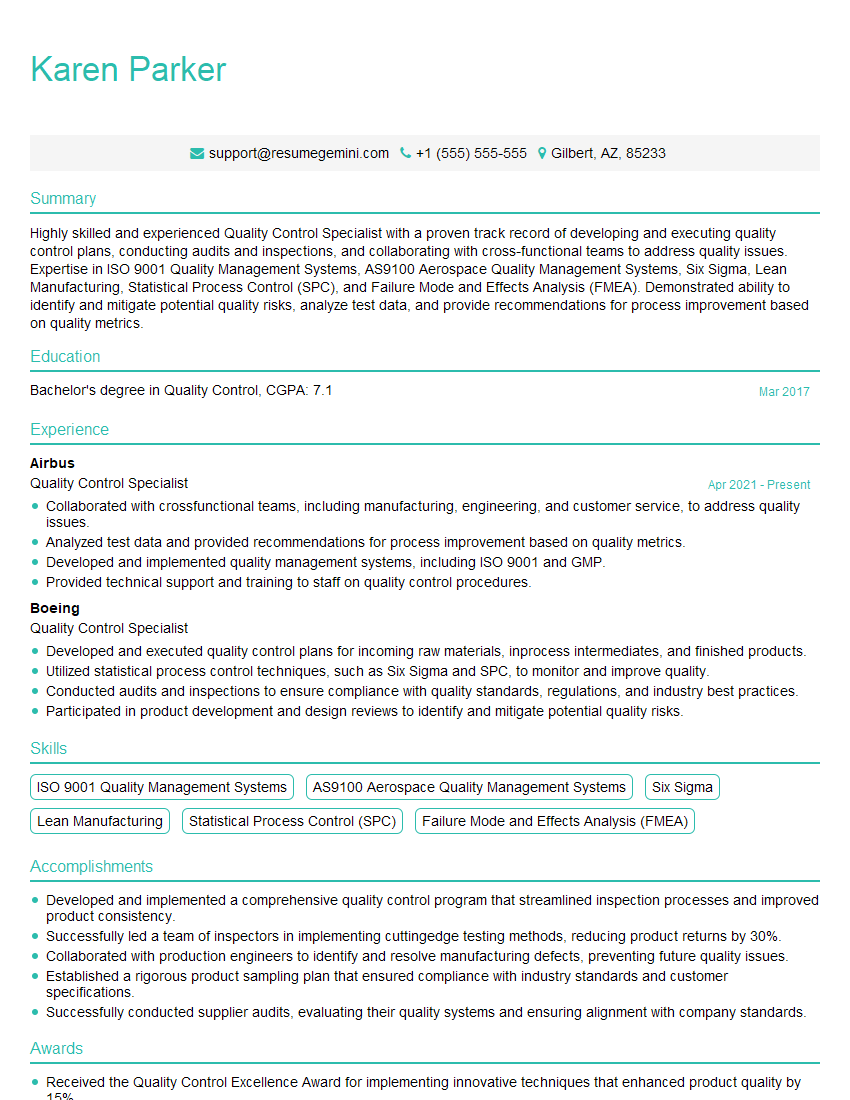
Quality Control Specialist Resume Sample
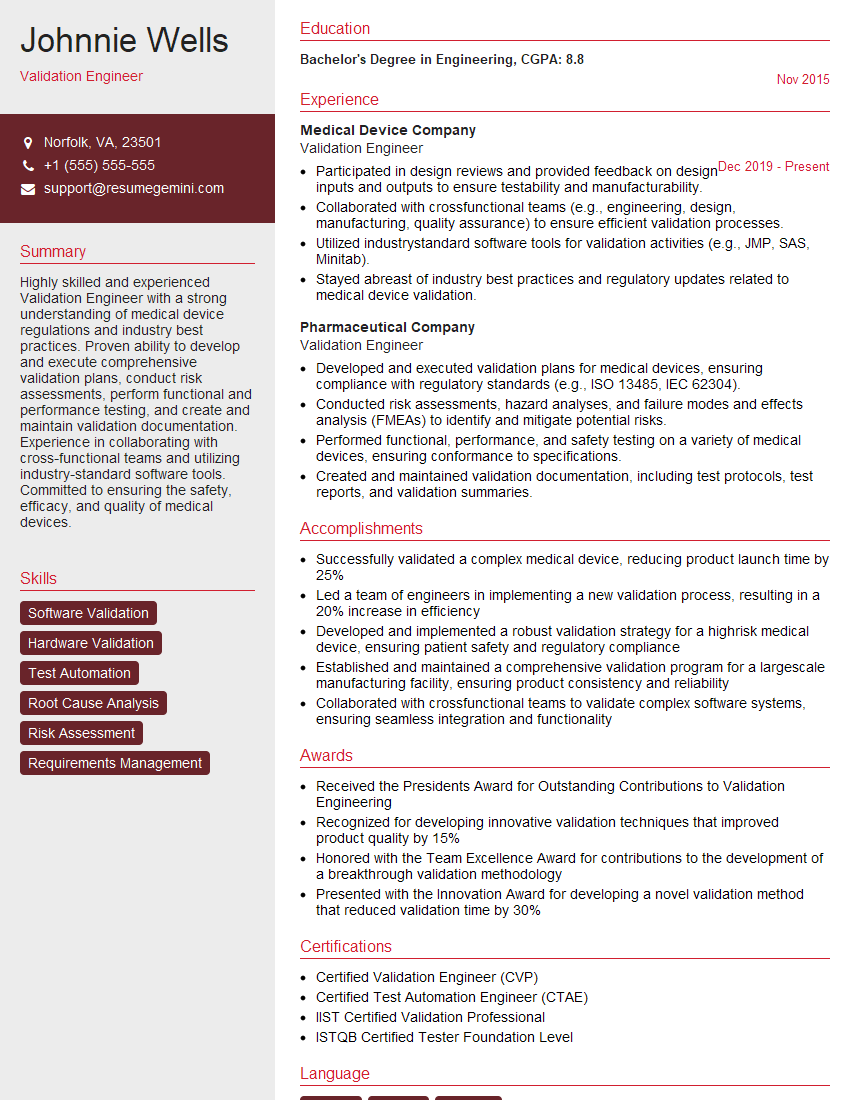
Validation Engineer Resume Sample
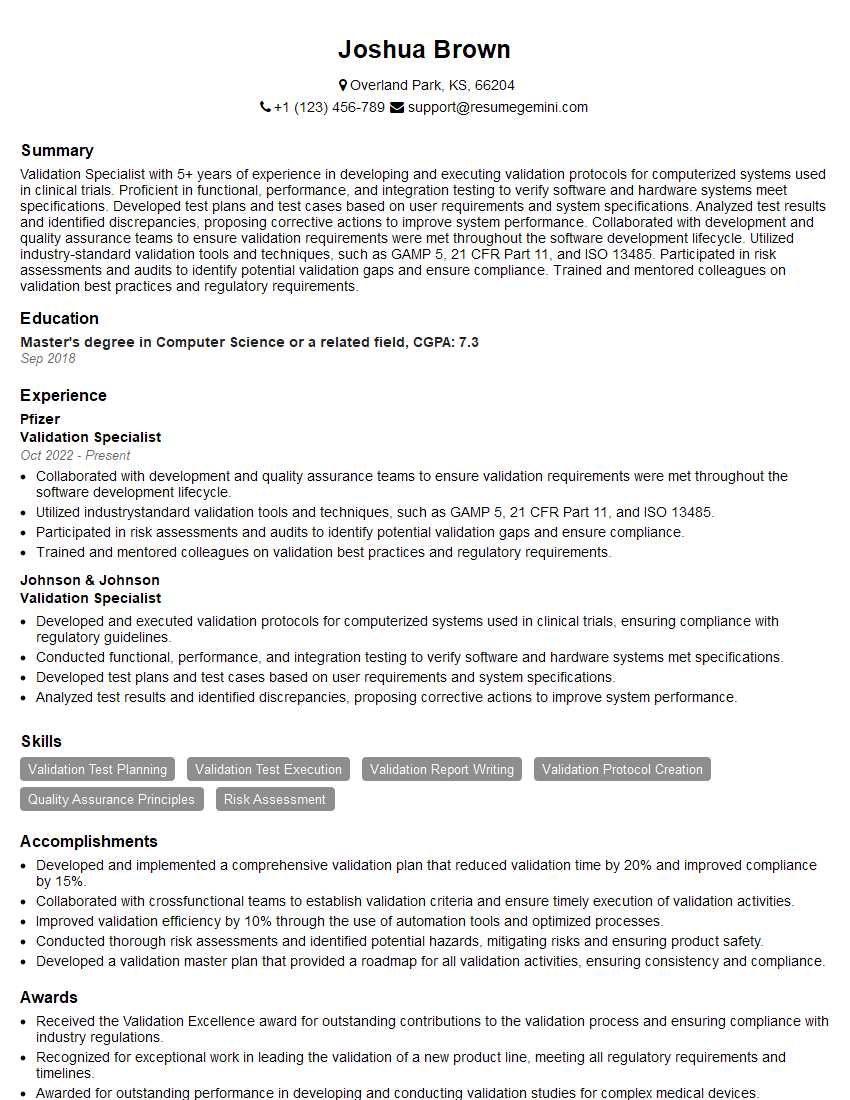
Validation Specialist Resume Sample
Explore more articles
Users Rating of Our Blogs
Share Your Experience
We value your feedback! Please rate our content and share your thoughts (optional).
What Readers Say About Our Blog
To the interviewgemini.com Webmaster.
Very helpful and content specific questions to help prepare me for my interview!
Thank you
To the interviewgemini.com Webmaster.
This was kind of a unique content I found around the specialized skills. Very helpful questions and good detailed answers.
Very Helpful blog, thank you Interviewgemini team.