Interviews are opportunities to demonstrate your expertise, and this guide is here to help you shine. Explore the essential Graduation interview questions that employers frequently ask, paired with strategies for crafting responses that set you apart from the competition.
Questions Asked in Graduation Interview
Q 1. Describe your experience in planning and executing large-scale events.
Planning and executing large-scale events like graduations requires meticulous attention to detail and robust project management skills. My experience encompasses all stages, from initial concept development to post-event analysis. This involves creating comprehensive event plans, securing venues, managing logistics (catering, seating, AV equipment), coordinating with various stakeholders (faculty, students, families, vendors), and adhering to strict timelines and budgets.
For example, in my role at [Previous Institution/Organization], I was responsible for the graduation ceremony of over 500 students. This involved securing a large venue, coordinating transportation for attendees, managing catering for over 1000 guests, and ensuring seamless stage management including the procession, speeches, and award ceremonies. We utilized a detailed Gantt chart to visualize timelines and assigned specific tasks and responsibilities to team members to enhance accountability and transparency.
Furthermore, I’ve developed proficiency in risk assessment and mitigation planning, identifying potential issues (e.g., inclement weather, technical malfunctions) and implementing contingency plans to minimize disruptions. This proactive approach ensures a smooth and successful event execution.
Q 2. How would you handle a last-minute change to the graduation ceremony schedule?
Handling last-minute schedule changes requires a calm, decisive approach and excellent communication skills. The first step is to understand the nature and impact of the change. Then, I would immediately inform all relevant stakeholders – including speakers, the registrar’s office, catering staff, and security personnel – through a clear and concise communication. This could be through a mass email, text message, or even a quick phone call depending on the urgency.
Next, I would assess the feasibility of the change. Can we realistically accommodate this without significant disruption? If possible, I would adjust the schedule accordingly, ensuring a logical flow and minimizing inconvenience to guests. If the change is too significant, I would collaboratively explore alternative solutions with stakeholders and potentially offer revised timelines.
Transparency is key. Keeping everyone informed about the change and the steps being taken to address it minimizes confusion and prevents unnecessary panic. For instance, a short, clearly written announcement on the event screens or a quick update on social media can help keep attendees informed and manage their expectations.
Q 3. What strategies do you use to manage a large budget effectively?
Managing a large budget effectively requires a detailed and methodical approach. It starts with creating a comprehensive budget that outlines all anticipated expenses and potential revenue streams. This often involves using budgeting software to track expenses and revenue, forecast potential surpluses or shortfalls, and generate reports. I would leverage techniques like zero-based budgeting, starting from scratch each year and justifying every expense. This promotes efficiency and minimizes unnecessary spending.
Regular monitoring and analysis of the budget are critical. I would track expenses against the budget throughout the planning process, identifying and addressing any deviations promptly. This proactive approach allows for adjustments as needed, preventing cost overruns. Prioritizing expenses based on importance and impact on the event’s success is another crucial aspect. For example, prioritizing essential items like venue rental, speakers’ fees, and security over less critical elements allows for responsible resource allocation.
Finally, seeking competitive bids from vendors and negotiating favorable terms can significantly impact budget efficiency. Documenting all financial transactions meticulously is essential for accountability and auditing.
Q 4. Explain your experience in managing a team during a complex project.
Managing a team during a complex project like a graduation ceremony requires strong leadership, clear communication, and effective delegation. I believe in fostering a collaborative environment where team members feel valued and empowered. This begins with clearly defining roles, responsibilities, and expectations for each team member. Open and regular communication channels are established to ensure everyone is informed and aligned on project goals and timelines.
I often employ project management methodologies like Agile, using daily stand-up meetings to track progress, identify roadblocks, and address issues promptly. Regular feedback sessions are crucial to provide constructive criticism and guidance, ensuring everyone stays on track and maintains morale. Celebrating milestones and successes along the way helps build teamwork and maintain motivation during challenging phases.
For example, in one project I had to manage a team of 10 volunteers. I used a combination of regular check-ins, task assignment through a shared project management tool (like Asana or Trello), and consistent feedback to ensure that tasks were completed on time and that everyone felt supported. This participatory approach ensured a successful outcome.
Q 5. How do you ensure smooth communication and coordination among multiple stakeholders?
Smooth communication and coordination among multiple stakeholders are paramount for a successful graduation ceremony. I employ a multi-faceted approach that includes regular meetings, clear communication channels, and the use of collaborative tools. This involves scheduling regular meetings with key stakeholders – faculty, students, parents, vendors, and administrative staff – to discuss progress, address concerns, and make informed decisions.
Utilizing collaborative tools like shared online calendars, project management software, and email distribution lists helps streamline communication and ensures everyone has access to the latest information. I also create a centralized communication hub, such as a shared online document or a dedicated website, to store all relevant information and updates. This minimizes confusion and ensures consistent messaging across all channels.
Finally, maintaining open and proactive communication is crucial. Addressing concerns promptly and keeping all parties informed prevents misunderstandings and fosters trust. For instance, a weekly email newsletter summarizing key updates and upcoming tasks would facilitate efficient communication.
Q 6. How would you handle a crisis situation during the graduation ceremony?
Handling a crisis during a graduation ceremony requires quick thinking, decisive action, and effective communication. The first step is to assess the situation quickly and accurately to understand the nature and extent of the problem. Is it a medical emergency, a security breach, or a technical malfunction? Once the nature of the crisis is clear, I would immediately activate the pre-planned emergency response protocol, which would include contacting emergency services if needed, and assigning roles and responsibilities to team members to address the specific issues.
Clear and concise communication is critical during a crisis. I would use multiple channels, such as announcements, signage, or social media to keep attendees informed of the situation and the steps being taken to resolve it. Maintaining calm and assuring people that the situation is under control is essential to prevent panic.
After the crisis is resolved, a thorough post-incident review is crucial to identify areas for improvement in the emergency response plan. This iterative process ensures that future events are better prepared to handle similar situations. Documenting the event and lessons learned is extremely beneficial.
Q 7. Describe your experience in using event management software.
I have extensive experience using various event management software, including [mention specific software, e.g., Cvent, Eventbrite, Social Tables]. These tools are invaluable in managing the complexities of large-scale events like graduations. They allow for efficient task management, budget tracking, registration and ticketing, communication with stakeholders, and venue planning.
For example, I’ve used [Specific Software] to manage attendee registration, track RSVPs, manage seating arrangements, and create detailed event schedules. The software’s reporting features are beneficial for post-event analysis and identifying areas for improvement. The ability to create custom reports allows me to measure key performance indicators (KPIs), such as attendance rates, satisfaction scores, and budget adherence.
My proficiency in utilizing these tools significantly improves efficiency and reduces the administrative burden associated with large-scale events, freeing up time to focus on strategic aspects of event planning and execution.
Q 8. What metrics would you use to measure the success of a graduation ceremony?
Measuring the success of a graduation ceremony goes beyond simply counting attendees. It involves assessing multiple aspects of the event’s impact and execution. Key metrics fall into three categories: Participant Satisfaction, Operational Efficiency, and Event Impact.
- Participant Satisfaction: This is measured through surveys gauging graduate, family, and faculty satisfaction with various aspects, including ceremony flow, venue, speakers, and overall experience. We can use a Likert scale (e.g., strongly agree to strongly disagree) for specific questions. A high average satisfaction score indicates success.
- Operational Efficiency: This includes metrics like the number of on-time arrivals, adherence to the planned schedule, incident-free execution, and efficient management of resources (staff, volunteers, vendors). For example, tracking the number of incidents requiring intervention helps assess the effectiveness of planning and execution.
- Event Impact: This focuses on the lasting impression left on participants and the wider community. This could involve tracking social media mentions and sentiment analysis, collecting feedback about the ceremony’s inspiring nature, and assessing how the event contributed to the institution’s overall image and reputation. For instance, a high number of positive social media posts about the ceremony indicates a positive event impact.
By carefully tracking and analyzing these metrics, we can gain valuable insights into the strengths and weaknesses of the ceremony and make improvements for future events. A comprehensive data collection strategy, employing both quantitative and qualitative methods, is essential for a truly accurate and insightful assessment.
Q 9. How familiar are you with health and safety regulations for large events?
I’m very familiar with health and safety regulations for large events. My experience encompasses understanding and implementing regulations related to crowd control, emergency procedures, fire safety, first aid provisions, and accessibility. I understand the importance of risk assessments, developing contingency plans, and securing necessary permits and licenses. This includes adhering to regulations set by local authorities, fire marshals, and relevant health organizations.
For instance, in managing a graduation ceremony, a thorough risk assessment would identify potential hazards like overcrowding, slips and falls, heatstroke, and medical emergencies. Based on this, we’d create a comprehensive safety plan including designated first aid stations, emergency exits clearly marked, trained personnel for crowd management, and a robust communication system. We’d also ensure compliance with all relevant regulations regarding crowd capacity limits and emergency evacuation procedures, documented meticulously. Regular safety checks and staff training are paramount.
Q 10. What is your experience in managing volunteer teams?
I have extensive experience in managing volunteer teams, particularly in large-scale events. My approach focuses on clear communication, effective delegation, and appreciation of their contributions. I begin by creating a detailed volunteer handbook outlining roles, responsibilities, schedules, and contact information. This ensures everyone is on the same page.
Before the event, I conduct thorough training sessions, covering everything from event logistics to emergency procedures. During the event, I establish clear communication channels, regularly checking in with team leads and addressing any arising issues promptly. Post-event, I organize a thank-you event or send personalized notes to show appreciation for their dedication. For example, I once managed a team of 50 volunteers for a university convocation, coordinating their roles in guest registration, ushering, and directing attendees. Effective team management led to a smooth, successful event, with high volunteer satisfaction.
Q 11. How do you ensure accessibility and inclusivity at graduation ceremonies?
Ensuring accessibility and inclusivity is paramount in planning a graduation ceremony. This involves proactively considering the needs of individuals with disabilities and diverse backgrounds.
- Accessibility: This includes providing wheelchair access throughout the venue, including ramps, accessible restrooms, and designated seating areas. We also provide sign language interpretation, audio description for visually impaired guests, and accessible parking.
- Inclusivity: This entails acknowledging and celebrating the diversity of graduates and their families. This could involve incorporating elements into the ceremony that reflect diverse cultures and backgrounds. We might also provide translation services and ensure materials like programs are available in multiple languages.
For example, in a recent ceremony, we collaborated with disability advocacy groups to tailor the event’s layout and provide appropriate support services for attendees with various needs. The result was an inclusive environment where everyone felt welcomed and valued. Proactive planning and collaboration with relevant organizations ensure the needs of all attendees are addressed appropriately.
Q 12. Describe your experience in coordinating with vendors and suppliers.
Coordinating with vendors and suppliers is a crucial aspect of event management. My experience involves selecting reputable vendors, negotiating contracts, and establishing clear communication channels. I start with a thorough vendor selection process, comparing quotes, evaluating experience, and verifying their capabilities. Contracts are meticulously drafted, outlining deliverables, timelines, and payment schedules.
Regular communication is maintained through email and phone calls, tracking progress and addressing any issues promptly. For instance, I’ve managed contracts with catering companies, stage and sound providers, photographers, and transportation services. Clear communication and proactive problem-solving are essential for ensuring all vendors fulfill their obligations smoothly and on time.
Q 13. What is your experience with ticketing and registration systems?
I have considerable experience with ticketing and registration systems. I’m proficient in using various platforms, from simple online registration forms to sophisticated ticketing systems that manage guest lists, seat assignments, and event check-in.
My expertise extends to data management and reporting; I’m adept at using the data collected through these systems for post-event analysis. For example, I’ve used Eventbrite and similar platforms to manage ticket sales and registration for large-scale events, generating reports to track attendance, revenue, and other relevant metrics. Experience with different systems ensures I can adapt to varying needs and effectively manage attendee data.
Q 14. How would you address logistical challenges such as seating arrangements and transportation?
Addressing logistical challenges like seating arrangements and transportation requires careful planning and coordination. For seating, I would start by analyzing attendee numbers and any specific seating requirements (e.g., accessibility needs, family groups). We’d then develop a seating chart to optimize space utilization and ensure ease of movement.
Transportation involves coordinating with transportation providers, potentially arranging shuttle services from parking areas or designated drop-off points to the venue. We might also arrange transportation for VIP guests or those with special needs. Clear signage and adequate staff to direct attendees are vital for managing traffic flow smoothly. For instance, I once managed seating for over 2000 attendees at a graduation, utilizing a color-coded system to effectively guide guests to their designated areas. Effective planning and clear communication ensure a smooth and efficient flow of attendees.
Q 15. How would you handle complaints or negative feedback from attendees?
Handling complaints and negative feedback is crucial for improving future events. My approach is multifaceted and focuses on empathy, efficient resolution, and proactive learning.
- Active Listening: I begin by actively listening to the attendee’s concerns, showing genuine empathy and understanding their perspective. This often diffuses tension immediately.
- Documentation and Categorization: I meticulously document each complaint, categorizing them by theme (e.g., logistical issues, dissatisfaction with catering, sound quality problems). This allows me to identify recurring issues and address systemic problems.
- Immediate Action & Follow-up: Where possible, I take immediate action to resolve the issue. If a resolution requires further investigation, I provide a timeline for follow-up and keep the attendee informed of progress.
- Formal Response & Feedback Incorporation: I provide a formal written response addressing the specific complaint and explaining the steps taken to resolve it. This shows professionalism and accountability. I also incorporate feedback into post-event reviews to improve future ceremonies.
- Example: At a past graduation, several attendees complained about long queues at the refreshment area. After documenting the issue, we adjusted the layout and increased staffing for the next year, eliminating the problem.
Career Expert Tips:
- Ace those interviews! Prepare effectively by reviewing the Top 50 Most Common Interview Questions on ResumeGemini.
- Navigate your job search with confidence! Explore a wide range of Career Tips on ResumeGemini. Learn about common challenges and recommendations to overcome them.
- Craft the perfect resume! Master the Art of Resume Writing with ResumeGemini’s guide. Showcase your unique qualifications and achievements effectively.
- Don’t miss out on holiday savings! Build your dream resume with ResumeGemini’s ATS optimized templates.
Q 16. What is your experience in creating and managing event budgets?
Budget management is a critical aspect of event planning. My experience includes developing comprehensive budgets, securing funding, and meticulously tracking expenditures. I utilize spreadsheet software such as Excel or dedicated event planning software to create detailed budgets that outline anticipated revenue and expenses. This includes:
- Revenue Projections: Accurately forecasting revenue based on anticipated attendance, ticket sales, sponsorships, and donations.
- Expense Categorization: Detailed breakdown of expenses into categories like venue rental, catering, entertainment, printing, staffing, technology, and contingency funds.
- Contingency Planning: Allocating a percentage of the budget for unforeseen expenses.
- Regular Monitoring: Tracking actual expenses against the budget throughout the event planning process, identifying any variances early on, and adjusting the plan accordingly.
- Example: For a recent graduation, I secured sponsorship from local businesses, lowering the overall cost, and negotiated discounted venue rental rates, resulting in significant savings.
Q 17. How do you ensure that the graduation ceremony aligns with university policies and procedures?
Ensuring alignment with university policies and procedures is paramount. My approach involves a proactive and collaborative strategy:
- Thorough Review of Policies: I meticulously review all relevant university policies, including those related to event planning, budget allocation, risk management, accessibility, and student conduct.
- Consultation with Stakeholders: I collaborate closely with relevant university departments, including administration, student affairs, and facilities management, to ensure all aspects of the graduation ceremony comply with regulations and guidelines.
- Compliance Documentation: I maintain detailed documentation of all approvals, permits, and compliance measures to ensure transparency and traceability.
- Risk Assessment and Mitigation: I incorporate university policies into the risk assessment and mitigation plan to address potential issues related to compliance.
- Example: Before finalizing the ceremony program, I submitted it to the university’s student affairs office for approval, ensuring adherence to their guidelines on commencement speeches and event protocols.
Q 18. How do you track and manage event expenses effectively?
Effective expense tracking is essential for maintaining budgetary control. I employ a multi-pronged approach:
- Centralized System: I use a dedicated spreadsheet or project management software (e.g., Asana, Trello) to track all expenses. This system allows for easy access, tracking, and reporting.
- Detailed Receipts and Invoices: All vendors are required to provide detailed receipts and invoices, which are cross-referenced with the budget and expense tracker.
- Regular Reconciliation: I reconcile bank statements and credit card transactions regularly to ensure accuracy and identify discrepancies promptly.
- Categorized Reporting: I generate regular reports, categorized by expense type, to monitor spending against the budget and identify potential overspending early on.
- Example: I use a colour-coded system in my spreadsheet, highlighting variances from the budget (green for on-budget, red for over-budget, yellow for approaching the budget limit) for clear visualization and quick identification of potential issues.
Q 19. How do you utilize technology to enhance the graduation experience?
Technology plays a vital role in enhancing the graduation experience. My approach integrates technology to improve communication, engagement, and accessibility:
- Event Website/App: A dedicated website or app provides attendees with essential information, including the schedule, directions, seating charts, and FAQs.
- Live Streaming: Live streaming allows those who cannot attend in person to participate virtually.
- Digital Program: Replacing traditional paper programs with a digital version reduces waste and offers interactive elements.
- Social Media Engagement: Utilizing social media platforms (e.g., Twitter, Facebook, Instagram) to promote the event, share updates, and encourage audience participation.
- Example: We created a QR code that linked to a dedicated graduation website with live updates, photos, and a digital program, improving the attendee experience.
Q 20. Describe your experience in managing risk associated with large events.
Managing risk is a crucial part of large-scale event planning. My approach involves proactive identification, assessment, and mitigation of potential risks:
- Risk Identification: I brainstorm potential risks associated with the event (e.g., inclement weather, security breaches, medical emergencies, logistical challenges).
- Risk Assessment: I evaluate the likelihood and potential impact of each identified risk.
- Mitigation Strategies: I develop specific strategies to mitigate the identified risks (e.g., having a backup plan for inclement weather, employing security personnel, having a first-aid station and medical personnel on-site).
- Contingency Planning: Developing contingency plans for unforeseen circumstances.
- Communication Plan: A detailed communication plan ensures that all stakeholders are informed about potential risks and the steps being taken to mitigate them.
- Example: For a large outdoor graduation, we developed a detailed weather contingency plan, including a backup indoor venue and a system for notifying attendees of changes.
Q 21. How do you ensure that the graduation ceremony is well-publicized?
Effective publicity is key to a successful graduation ceremony. My approach uses a multi-channel strategy:
- University Website & Newsletter: Prominently featuring the event details on the university’s website and in its regular newsletters.
- Social Media Marketing: Utilizing social media platforms to create awareness and engage potential attendees. This includes targeted advertising and content creation.
- Email Marketing: Sending targeted email announcements to students, faculty, staff, alumni, and other relevant stakeholders.
- Press Releases: Distributing press releases to local media outlets to generate positive publicity.
- Print Media: If appropriate, utilizing print media such as flyers and posters.
- Example: We created a visually appealing video showcasing past graduation ceremonies and highlighting the upcoming event; this video was shared on social media, the university website and emailed to attendees.
Q 22. How would you handle unexpected weather conditions on graduation day?
Handling unexpected weather on graduation day requires a proactive and multi-faceted approach. It’s about having contingency plans in place and being prepared to adapt quickly.
- Pre-Event Planning: Before the day, I would thoroughly research the weather forecast and develop alternative plans. This might include securing an indoor venue as a backup, having readily available tents or canopies, and providing attendees with information on how to dress appropriately for varying conditions.
- Real-time Monitoring: On the day of graduation, I would continuously monitor the weather updates and communicate any changes to the event staff, speakers, and graduating class. Clear and timely communication is key to avoiding confusion and panic.
- On-the-Spot Decisions: If severe weather hits, I would assess the situation’s severity and make the necessary decisions – this could range from a temporary postponement to a complete relocation. Safety is paramount. I’d ensure everyone understands the decision-making process and that any changes are communicated effectively.
- Post-Event Review: After the event, a thorough post-event analysis would take place to assess what went well and what could be improved. This review would inform future graduation planning, including creating more robust weather contingency plans.
For example, during a previous event, a sudden thunderstorm threatened to disrupt the outdoor ceremony. We had a backup indoor space planned, and within 30 minutes, we smoothly transitioned the event, minimizing disruption to the graduates and guests.
Q 23. What is your experience in working with diverse groups of people?
My experience working with diverse groups is extensive. I’ve successfully managed teams from various backgrounds, cultures, and skill sets. I believe in fostering inclusivity by encouraging open communication, active listening, and creating a safe and respectful environment where everyone feels valued and heard.
- Communication Strategies: I adapt my communication style to cater to individual preferences, using clear and concise language, avoiding jargon, and providing multiple communication channels.
- Conflict Resolution: I’ve developed strong conflict resolution skills. I approach conflicts constructively, focusing on finding common ground and solutions beneficial to all parties involved.
- Celebrating Differences: I celebrate the unique strengths and perspectives each individual brings to the table. This creates a collaborative and enriching environment where innovative solutions emerge.
In my previous role, I managed a team of 15 people from seven different countries. Through careful team-building activities and open communication, I fostered a productive and harmonious working environment that resulted in the successful completion of many challenging projects.
Q 24. How do you maintain a positive and professional demeanor under pressure?
Maintaining a positive and professional demeanor under pressure is crucial for success in event management. It’s about staying calm, focused, and solution-oriented, even when things get hectic.
- Preparation is Key: Thorough planning and preparation help minimize unexpected issues and equip me to handle unforeseen challenges with confidence.
- Mindfulness and Self-Care: I prioritize self-care to manage stress effectively. This includes techniques like deep breathing and mindful breaks to avoid burnout.
- Positive Attitude: I believe in maintaining a positive attitude even in stressful situations, inspiring confidence and teamwork within the team. A positive leader influences a positive outcome.
- Problem-Solving Focus: Instead of dwelling on problems, I focus on finding solutions. A structured approach to problem-solving helps me to think clearly and systematically.
For instance, during a graduation ceremony with a technical malfunction, I remained calm, delegated tasks to my team, and collaborated with technical support to quickly resolve the issue, ensuring the ceremony continued with minimal disruption.
Q 25. Describe a time you had to make a quick decision in a high-pressure situation.
In one instance, a key speaker unexpectedly canceled hours before a major graduation event. The pressure was immense, as the event was about to begin.
My quick decision-making process involved the following steps:
- Assess the Situation: I immediately identified the problem – lack of a keynote speaker.
- Brainstorm Solutions: I quickly brainstormed alternatives, including finding a replacement speaker, adjusting the schedule, or having a pre-prepared video presentation.
- Select the Best Option: Considering the time constraint, I opted for a well-regarded faculty member who was already on-site and could adapt their remarks to fill the gap.
- Implement the Decision: I quickly coordinated with the faculty member and event staff to make the necessary arrangements.
- Evaluate the Results: The substitute speaker did an excellent job, and the event proceeded smoothly. The post-event review revealed the importance of having a backup plan for unforeseen circumstances.
Q 26. How do you prioritize tasks and manage multiple deadlines effectively?
Prioritizing tasks and managing multiple deadlines effectively involves utilizing a structured approach. I use a combination of techniques, including:
- Task Prioritization Matrices: I use Eisenhower Matrix (urgent/important) to categorize tasks and prioritize accordingly. This helps me focus on high-impact tasks first.
- Project Management Software: Tools like Asana or Trello are invaluable for tracking tasks, deadlines, and progress. These tools promote team collaboration and ensure accountability.
- Time Blocking: I allocate specific time blocks for different tasks to maximize productivity and avoid multitasking. This improves focus and efficiency.
- Regular Review and Adjustment: I regularly review my to-do list and adjust priorities as needed, considering changes in circumstances and unexpected events.
For example, during the final stages of graduation planning, I had to juggle numerous tasks, including coordinating vendors, managing logistics, and dealing with last-minute requests. By employing these techniques, I managed to meet all deadlines effectively and deliver a successful event.
Q 27. Describe your experience in post-event analysis and reporting.
Post-event analysis and reporting are crucial for continuous improvement. My approach is data-driven and focuses on identifying areas of success and areas needing improvement. This involves collecting data from multiple sources and creating comprehensive reports to inform future planning.
- Data Collection: I gather data from various sources, including attendee feedback surveys, financial records, and staff evaluations.
- Data Analysis: I analyze the data using appropriate methods, identifying trends and patterns. This includes calculating key performance indicators (KPIs) such as attendee satisfaction and event cost-effectiveness.
- Report Creation: I create clear, concise reports that highlight key findings and recommendations for future events. These reports are visually appealing and easy to understand for a wide audience.
- Actionable Insights: The reports include actionable insights and recommendations to improve processes and optimize future events.
For instance, after a recent graduation, I analyzed attendee feedback and identified areas for improvement in the catering service. This feedback informed changes in our vendor selection process for future events.
Q 28. What are your salary expectations for this role?
My salary expectations for this role are in line with the industry standard for similar positions with my experience and skillset. I am open to discussing a compensation package that reflects the value I bring to your organization, considering factors such as responsibilities, benefits, and long-term growth opportunities. I would be happy to provide more specifics after reviewing the full job description and discussing the specifics of the role further.
Key Topics to Learn for Your Graduation Interview
- Project Management in Graduation Projects: Discuss your approach to planning, execution, and successful completion of your final-year project. Highlight challenges overcome and lessons learned.
- Technical Skills & Applications: Showcase your proficiency in relevant software, tools, and technologies used during your graduation. Prepare examples demonstrating practical application and problem-solving.
- Teamwork & Collaboration: Detail your experiences working collaboratively on projects. Emphasize your contributions and how you navigated group dynamics.
- Problem-Solving & Critical Thinking: Be ready to discuss complex problems you encountered and your systematic approach to finding effective solutions. Use the STAR method (Situation, Task, Action, Result) to structure your answers.
- Adaptability & Learning Agility: Highlight instances where you adapted to new challenges, learned new skills quickly, and embraced change during your academic journey.
- Communication & Presentation Skills: Practice clearly articulating your ideas and experiences. Prepare to discuss your graduation project and its significance confidently.
- Graduation Thesis/Dissertation (if applicable): Be prepared to discuss the methodology, findings, and implications of your research. Understand the broader context of your work.
Next Steps
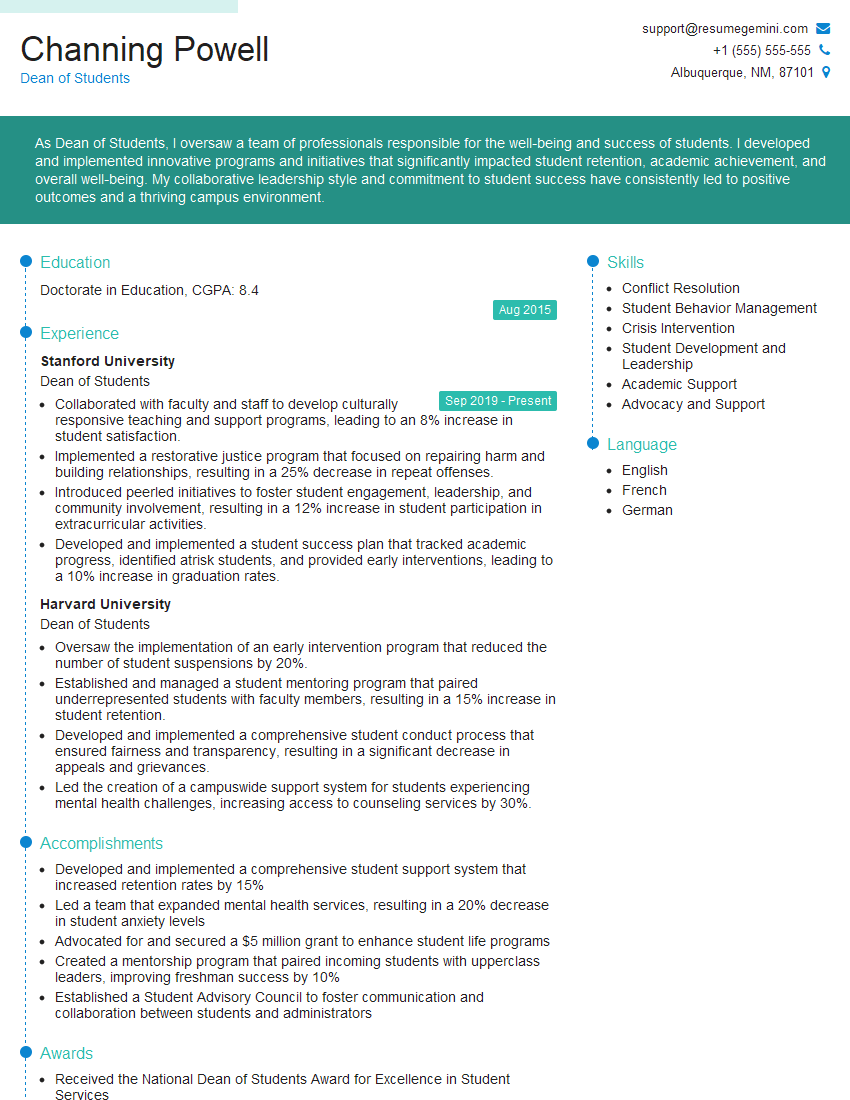
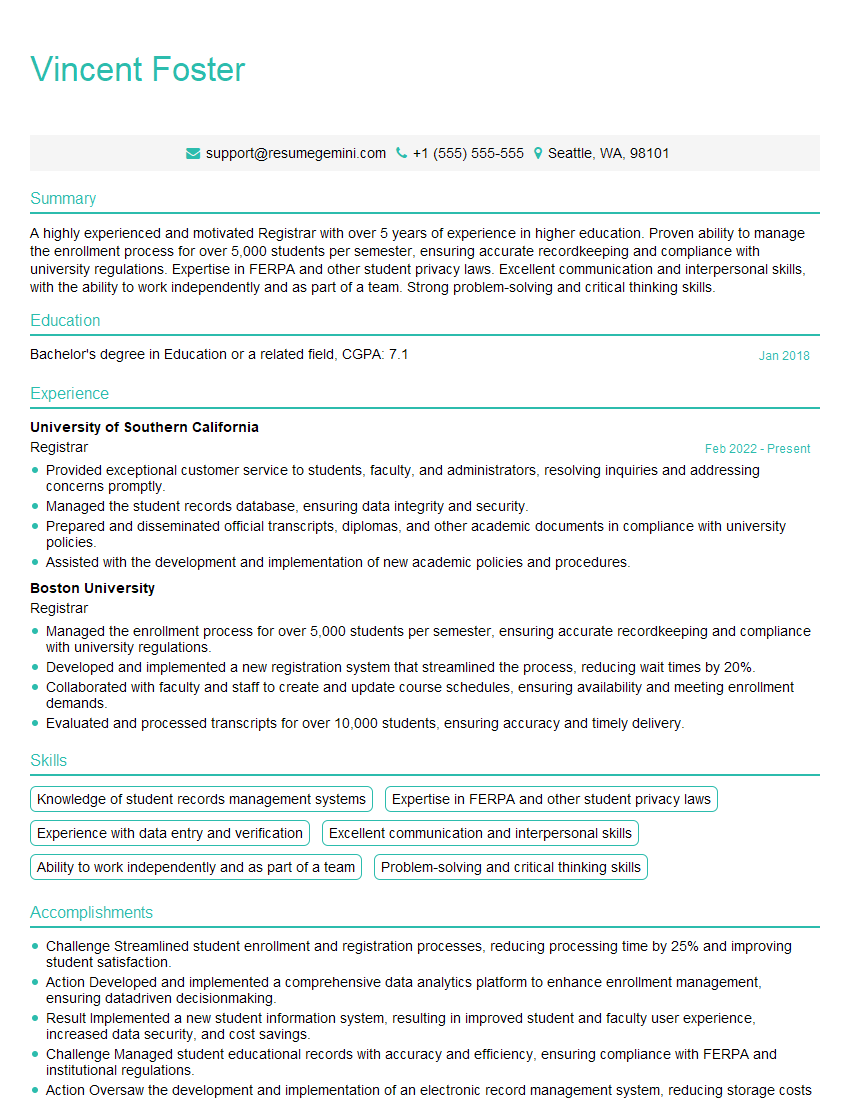
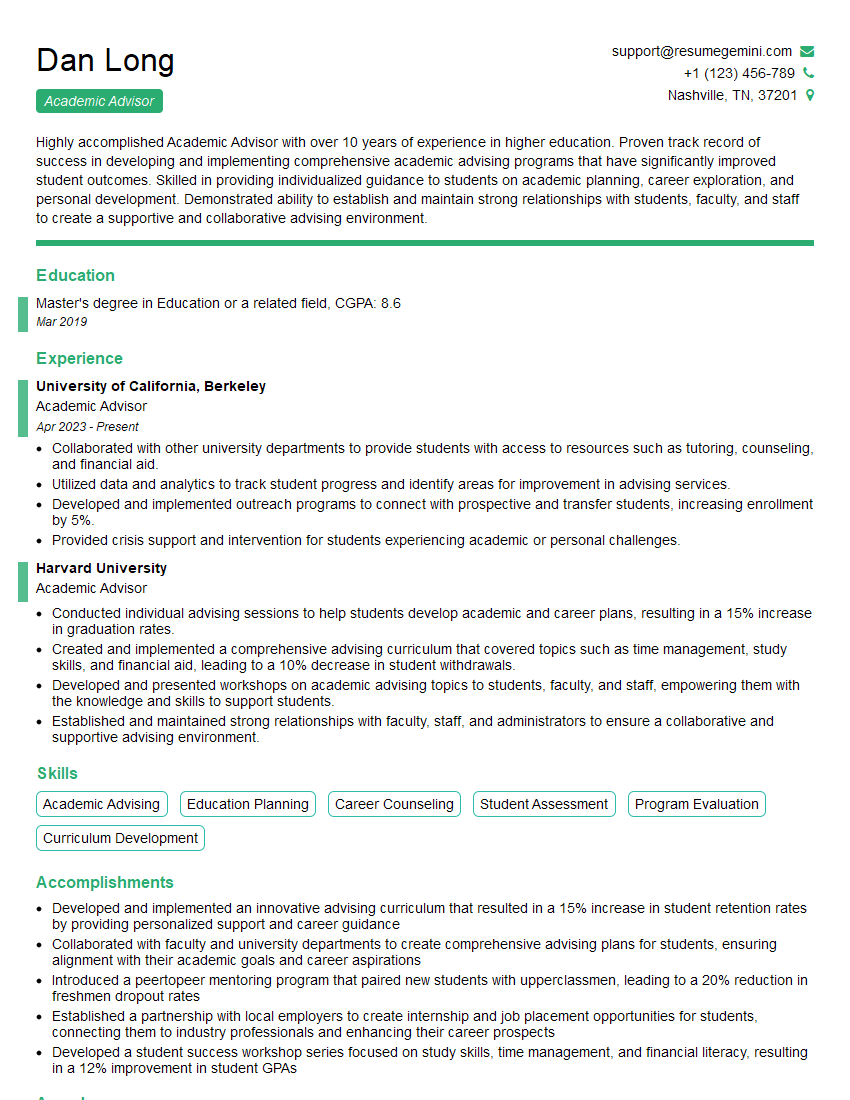
Mastering the concepts related to your graduation is crucial for showcasing your skills and securing your dream role. A strong foundation in these areas demonstrates your readiness for professional challenges and sets you apart from other candidates. To further enhance your job prospects, invest time in creating an ATS-friendly resume that highlights your achievements and qualifications effectively. ResumeGemini is a trusted resource that can help you build a professional and impactful resume. We provide examples of resumes tailored to showcase Graduation achievements, helping you present yourself in the best possible light to potential employers.
Explore more articles
Users Rating of Our Blogs
Share Your Experience
We value your feedback! Please rate our content and share your thoughts (optional).
What Readers Say About Our Blog
To the interviewgemini.com Webmaster.
Very helpful and content specific questions to help prepare me for my interview!
Thank you
To the interviewgemini.com Webmaster.
This was kind of a unique content I found around the specialized skills. Very helpful questions and good detailed answers.
Very Helpful blog, thank you Interviewgemini team.