Are you ready to stand out in your next interview? Understanding and preparing for Groundwater Treatment interview questions is a game-changer. In this blog, we’ve compiled key questions and expert advice to help you showcase your skills with confidence and precision. Let’s get started on your journey to acing the interview.
Questions Asked in Groundwater Treatment Interview
Q 1. Explain the difference between in-situ and ex-situ groundwater remediation.
Groundwater remediation techniques are broadly classified into in-situ and ex-situ methods. The key difference lies in whether the treatment occurs directly within the contaminated aquifer (in-situ) or after the groundwater is extracted (ex-situ). Think of it like this: in-situ is like cleaning a room while everything is still inside, while ex-situ is like taking everything out of the room to clean it separately.
In-situ remediation involves treating the contaminants directly underground. This minimizes disturbance to the environment and often reduces costs associated with excavation and transportation. Examples include bioremediation (using microorganisms to break down contaminants), chemical oxidation (injecting oxidants to destroy contaminants), and permeable reactive barriers (placing reactive materials in the groundwater flow path to filter out contaminants).
Ex-situ remediation involves extracting the contaminated groundwater, treating it above ground, and then often re-injecting the treated water back into the aquifer or disposing of it properly. Pump and treat is a prime example of ex-situ remediation.
Q 2. Describe the process of pump and treat remediation.
Pump and treat is a common ex-situ groundwater remediation technique. It involves installing extraction wells to pump contaminated groundwater to the surface. Once extracted, the water undergoes treatment to remove contaminants. Common treatment methods include air stripping (removing volatile organic compounds), activated carbon adsorption (absorbing contaminants onto carbon particles), and advanced oxidation processes (using chemical oxidation to break down contaminants). After treatment, the cleaned water can be discharged or reinjected into the aquifer, depending on regulations and site-specific conditions. Imagine it like a giant vacuum cleaner for groundwater, sucking up the polluted water and then cleaning it before returning it (or safely disposing of it).
The process typically involves several steps: 1) Site investigation and characterization, 2) Well installation and pump selection, 3) Groundwater extraction, 4) Treatment, 5) Treated water disposal/reinjection, and 6) Monitoring and performance evaluation.
Q 3. What are the limitations of pump and treat technology?
While pump and treat is widely used, it has several limitations. One major limitation is the difficulty in removing contaminants that are sorbed (attached) to soil particles or present in low permeability zones. These contaminants are not easily accessible to the extraction wells. This often leads to long remediation times and high costs. Another limitation is the potential for incomplete removal of contaminants, especially those that are non-aqueous phase liquids (NAPLs), which often form separate pools underground. Furthermore, it can be inefficient for very large or diffuse plumes. Finally, pumping can cause drawdown (lowering of the water table), potentially impacting nearby wells or ecosystems. It’s not a magic bullet, and its effectiveness needs to be carefully evaluated based on the specific site conditions and contaminant characteristics.
Q 4. Explain the principles of bioremediation for groundwater.
Bioremediation leverages the natural ability of microorganisms (bacteria, fungi, etc.) to break down contaminants into less harmful substances. It’s an in-situ technique that’s often more environmentally friendly and cost-effective than other methods. The process involves stimulating the growth and activity of these microorganisms through the addition of nutrients, oxygen (for aerobic bioremediation), or electron acceptors (for anaerobic bioremediation). Think of it as using nature’s own cleanup crew. Different microorganisms have different capabilities, so selecting the right ones for the specific contaminants is crucial. For example, certain bacteria can break down petroleum hydrocarbons, while others can degrade chlorinated solvents. The success of bioremediation depends on several factors, including the availability of nutrients, suitable environmental conditions (temperature, pH, etc.), and the presence of microorganisms capable of degrading the target contaminants. Sometimes, we might add specific types of bacteria to enhance the process (bioaugmentation).
Q 5. What are some common groundwater contaminants and their treatment methods?
Groundwater can be contaminated by a wide range of substances. Volatile Organic Compounds (VOCs) like trichloroethylene (TCE) and tetrachloroethylene (PCE) are common industrial solvents often treated by air stripping, activated carbon adsorption, or bioremediation. Semi-volatile Organic Compounds (SVOCs), like pesticides and PCBs, are more challenging and might require advanced oxidation processes or soil vapor extraction. Inorganic contaminants, such as heavy metals (lead, arsenic, chromium) and nitrates, necessitate different strategies, including chemical precipitation, ion exchange, or membrane filtration. Radionuclides require specialized treatment and disposal. The choice of treatment method depends heavily on the type and concentration of the contaminant, as well as the hydrogeological characteristics of the site. For instance, a sandy aquifer will allow for different remediation strategies compared to a clay-rich aquifer.
Q 6. Describe different types of groundwater monitoring wells and their applications.
Groundwater monitoring wells are crucial for assessing groundwater quality and flow. Several types exist, each suited for different purposes. Piezometers are typically screened over a short interval to measure hydraulic head (water pressure), providing information about groundwater flow direction and gradient. Multi-level samplers have multiple screened intervals at different depths, enabling the collection of samples from various zones within the aquifer. This helps to identify vertical variations in contaminant concentrations. Conventional monitoring wells have a single, longer screened interval and are used for sampling and measuring water levels. Vertical wells are drilled vertically, while horizontal wells are drilled horizontally to intercept groundwater flow more effectively and provide better coverage of a contaminated zone, particularly helpful for collecting representative samples from areas of low permeability. The choice of well type depends on the site-specific conditions and objectives of the monitoring program. For instance, a multi-level sampler might be ideal for a site with a vertically heterogeneous aquifer, while a horizontal well could be more efficient for monitoring a long, thin plume.
Q 7. How do you interpret groundwater flow data?
Interpreting groundwater flow data involves analyzing the spatial and temporal variations in hydraulic head (water pressure) and groundwater flow direction. This typically includes creating contour maps (potentiometric maps) of hydraulic head, which illustrate the direction of groundwater flow (from high to low head). The slope of the potentiometric surface is the hydraulic gradient, which indicates the velocity of groundwater flow. We can use Darcy’s law (Q = -KA(dh/dl), where Q is the flow rate, K is hydraulic conductivity, A is the cross-sectional area, and dh/dl is the hydraulic gradient) to estimate flow rates. Analyzing water level fluctuations over time can reveal seasonal changes or the impact of pumping. We also integrate other data, such as geological information and contaminant concentration data, to construct a comprehensive understanding of the groundwater flow system and the fate and transport of contaminants. Data analysis might involve statistical methods and numerical modeling to simulate groundwater flow and contaminant transport under various scenarios. A key aspect is considering the uncertainties associated with the data and assumptions made in the analysis.
Q 8. Explain the concept of hydraulic conductivity and its importance in groundwater modeling.
Hydraulic conductivity is a measure of how easily water can move through a porous medium like soil or rock. Think of it like the permeability of the ground to water. A high hydraulic conductivity indicates that water flows easily, while a low hydraulic conductivity means the flow is restricted. In groundwater modeling, hydraulic conductivity is a crucial parameter because it directly influences the rate and direction of groundwater flow. Accurate estimations are essential for predicting contaminant transport, assessing the impact of pumping wells, and designing effective remediation strategies.
For example, a sandy aquifer will have a much higher hydraulic conductivity than a clay aquifer. This means that contaminants introduced into the sandy aquifer will spread much faster than in the clay aquifer. Groundwater models use this parameter, along with others like porosity and aquifer thickness, to simulate groundwater flow and predict future conditions.
Q 9. What are the key parameters used to assess groundwater quality?
Assessing groundwater quality involves analyzing various parameters. Key indicators include:
- pH: Measures the acidity or alkalinity of the water, affecting the solubility of many contaminants.
- Dissolved Oxygen (DO): Indicates the presence of aerobic or anaerobic conditions, influencing the type of microbial activity and contaminant degradation.
- Specific Conductance (EC): Represents the total dissolved solids (TDS), providing a general measure of salinity and potential contamination.
- Major Ions (e.g., Ca2+, Mg2+, Na+, Cl–, SO42-): Indicate the overall chemical composition and potential sources of contamination.
- Trace Metals (e.g., As, Cr, Pb, Hg): Assess the presence of potentially toxic elements, even at low concentrations.
- Nutrients (e.g., Nitrate, Phosphate): Important for determining eutrophication potential and agricultural runoff impact.
- Organic Contaminants (e.g., VOCs, PAHs): Indicate potential industrial or fuel-related contamination.
- Microbiological Indicators (e.g., Coliform bacteria): Assess the presence of fecal contamination and potential health risks.
The specific parameters analyzed depend on the suspected or known contaminants and the intended use of the groundwater.
Q 10. How do you design a groundwater remediation system?
Designing a groundwater remediation system is a multi-step process requiring a thorough understanding of the hydrogeology, contaminant distribution, and regulatory requirements. Here’s a general framework:
- Site Characterization: This involves detailed investigations to determine the extent and nature of contamination, the hydrogeological setting (including hydraulic conductivity, aquifer properties), and the potential pathways of contaminant migration.
- Remediation Technology Selection: The choice depends on factors like contaminant type, concentration, aquifer properties, and cost-effectiveness. Options include pump-and-treat systems, bioremediation (using microorganisms to break down contaminants), permeable reactive barriers (PRBs), in-situ chemical oxidation (ISCO), and in-situ chemical reduction (ISCR).
- System Design and Modeling: Numerical models are used to simulate groundwater flow and contaminant transport to optimize the remediation system’s design and predict its performance.
- Construction and Installation: This phase involves installing wells, PRBs, or other necessary components.
- System Operation and Monitoring: Regular monitoring of groundwater quality is essential to assess the effectiveness of the remediation and make necessary adjustments.
- Closure and Post-Remediation Monitoring: Once remediation goals are achieved, the system is decommissioned, and long-term monitoring is conducted to ensure that the contamination does not reappear.
For example, a pump-and-treat system might be suitable for removing dissolved contaminants from a relatively shallow aquifer, while bioremediation could be more appropriate for treating contaminants in a less accessible or deeper aquifer.
Q 11. What are the regulatory requirements for groundwater remediation in your region?
Regulatory requirements for groundwater remediation vary significantly by region and country. Generally, they involve obtaining permits before starting any remediation work, adhering to specific cleanup standards, and submitting regular reports on the progress of the remediation. These regulations often specify acceptable levels of contaminants in groundwater and outline procedures for site assessment, remediation design, implementation, monitoring, and closure. Specific agencies responsible for overseeing these regulations can include environmental protection agencies at the state or federal levels. Failure to comply with these regulations can lead to penalties and legal actions.
For instance, some regions have stricter standards for certain contaminants, such as volatile organic compounds (VOCs), than others. It’s crucial to consult with relevant regulatory bodies early in the project to understand and meet all legal requirements.
Q 12. Explain the role of Darcy’s Law in groundwater flow.
Darcy’s Law is the fundamental equation governing groundwater flow. It states that the rate of groundwater flow (discharge) through a porous medium is proportional to the hydraulic gradient and the hydraulic conductivity of the medium. Mathematically, it’s expressed as:
Q = -KA(dh/dl)
Where:
Qis the discharge rate (volume of water flowing per unit time)Kis the hydraulic conductivityAis the cross-sectional area of flowdh/dlis the hydraulic gradient (the change in hydraulic head over a given distance)
The negative sign indicates that flow occurs from higher to lower hydraulic head. Darcy’s Law is crucial for understanding groundwater flow patterns and is a cornerstone of groundwater modeling. It allows us to predict how water will move in response to changes in hydraulic head, such as pumping from a well or changes in recharge.
Q 13. Describe different types of aquifer systems.
Aquifer systems are classified based on their geological characteristics and hydrological properties. Some common types include:
- Unconfined Aquifers: These aquifers are not overlain by a confining layer, and the water table is free to fluctuate with recharge and discharge. They are relatively easy to access but are more susceptible to contamination.
- Confined Aquifers: These aquifers are overlain by a confining layer (e.g., clay) that restricts vertical flow. The water pressure is typically higher than atmospheric pressure.
- Perched Aquifers: These are small, localized aquifers that occur above the main water table due to a localized lens of impermeable material.
- Artesian Aquifers: These are confined aquifers where the potentiometric surface (the level to which water would rise in a well) is above the land surface. Water flows naturally to the surface in wells or springs.
- Fractured Rock Aquifers: Groundwater is stored and transmitted through interconnected fractures in hard rocks like granite or basalt.
Understanding the type of aquifer system is critical for designing effective groundwater management and remediation strategies. For instance, remediation in a confined aquifer might require different techniques compared to an unconfined aquifer due to the differences in flow patterns and accessibility.
Q 14. What are the potential risks associated with groundwater contamination?
Groundwater contamination poses several significant risks:
- Human Health Risks: Ingestion of contaminated groundwater can lead to various health problems, depending on the type and concentration of contaminants. This can range from mild gastrointestinal issues to serious chronic illnesses like cancer.
- Ecological Impacts: Contaminated groundwater can affect aquatic ecosystems, harming plants and animals dependent on groundwater for their survival. It can also disrupt delicate ecological balances.
- Economic Losses: Contamination can lead to significant economic losses due to the cost of remediation, loss of property value, and potential disruption of businesses that rely on clean groundwater.
- Environmental Degradation: Contamination can permanently alter the quality of groundwater resources, affecting the availability of clean water for future generations.
- Social Impacts: Water scarcity caused by contamination can lead to conflicts among different user groups and communities competing for limited resources.
The severity of these risks depends on several factors, including the type and concentration of contaminants, the extent of the contamination, and the vulnerability of the surrounding ecosystems and human populations.
Q 15. How do you select appropriate remediation technologies for a specific site?
Selecting the right groundwater remediation technology is crucial for effective and cost-efficient cleanup. It’s a multi-step process that begins with a thorough site characterization. This involves understanding the type and extent of contamination, the hydrogeology of the site (e.g., soil type, aquifer properties, groundwater flow direction), and the presence of any other complicating factors (e.g., sensitive receptors like drinking water wells).
Next, we evaluate different remediation technologies based on their suitability for the specific contaminants and site conditions. For example, pump and treat is effective for dissolved contaminants but may be less suitable for DNAPLs (dense non-aqueous phase liquids). Bioremediation is a cost-effective option for biodegradable contaminants, but requires specific environmental conditions. In-situ chemical oxidation (ISCO) and in-situ chemical reduction (ISCR) are suitable for oxidizing or reducing contaminants, respectively. Permeable reactive barriers (PRBs) are effective for intercepting contaminant plumes.
The selection also considers factors like cost, time frame, regulatory requirements, and potential impacts on surrounding areas. A cost-benefit analysis is often performed to compare different options and select the most appropriate technology, or a combination of technologies, to achieve remediation goals effectively and within budget. For instance, a site with a large plume of dissolved volatile organic compounds might benefit from a pump-and-treat system combined with air stripping, whereas a site with a localized DNAPL spill may require a combination of techniques like surfactant flushing and thermal desorption.
Career Expert Tips:
- Ace those interviews! Prepare effectively by reviewing the Top 50 Most Common Interview Questions on ResumeGemini.
- Navigate your job search with confidence! Explore a wide range of Career Tips on ResumeGemini. Learn about common challenges and recommendations to overcome them.
- Craft the perfect resume! Master the Art of Resume Writing with ResumeGemini’s guide. Showcase your unique qualifications and achievements effectively.
- Don’t miss out on holiday savings! Build your dream resume with ResumeGemini’s ATS optimized templates.
Q 16. Explain the importance of risk assessment in groundwater remediation.
Risk assessment is paramount in groundwater remediation. It’s not just about cleaning up the contamination; it’s about managing the risks associated with the contamination and the remediation process itself. A thorough risk assessment identifies potential human health and environmental impacts from the contaminated groundwater. This involves characterizing the contaminant concentrations, assessing exposure pathways (e.g., drinking water, soil ingestion), and evaluating the potential health effects.
The results of the risk assessment inform the remediation goals. For example, a high-risk site might require a more aggressive remediation strategy with stringent cleanup levels, while a low-risk site might allow for a less intensive approach. Moreover, a risk assessment helps justify the selection of a particular remediation technology and allows for a comparison of different approaches in terms of their effectiveness in reducing risk. It also aids in communication with stakeholders and regulatory agencies, ensuring transparency and compliance. Imagine a scenario where a contaminated site is near a school; a thorough risk assessment would be crucial to ensure the safety of students and prioritize a quick and efficient remediation strategy.
Q 17. Describe the process of developing a remediation work plan.
Developing a remediation work plan is a systematic process that involves multiple stages. It starts with the information gathered during site characterization and risk assessment. The plan outlines the specific remediation objectives, detailing the target contaminant concentrations to be achieved and the timeframe for completing the project.
- Selection of Remediation Technology: Based on the site assessment, the most suitable technology or combination of technologies is chosen.
- Detailed Design: This includes the design of the remediation system, specifying equipment, materials, and procedures. For example, if pump and treat is chosen, this section would specify well locations, pumping rates, and treatment system design.
- Implementation Schedule: This sets out a clear timeline for each stage of the remediation process, including mobilization, installation, operation, and monitoring.
- Quality Assurance/Quality Control (QA/QC): Procedures are outlined to ensure the data quality and consistency throughout the project. This includes regular calibration of equipment and analysis of samples.
- Health and Safety Plan: This critical component addresses potential hazards associated with the remediation activities and outlines measures to protect workers and the environment. This might include personal protective equipment requirements, emergency response plans, and waste management protocols.
- Monitoring Plan: This specifies the monitoring parameters, frequency of sampling, and analytical methods to be used to track the effectiveness of the remediation efforts.
- Cost Estimate: A detailed budget is developed, outlining the anticipated expenses for all aspects of the project.
The work plan must be approved by regulatory agencies before remediation work begins. Regular updates and revisions are made throughout the project to adapt to changing site conditions and to ensure the project remains on schedule and within budget.
Q 18. How do you monitor the effectiveness of a groundwater remediation system?
Monitoring the effectiveness of a groundwater remediation system is essential to ensure the remediation objectives are being met. A comprehensive monitoring program includes both groundwater and soil sampling. Groundwater monitoring involves regular sampling from monitoring wells located upgradient, downgradient, and within the contaminated area. Samples are analyzed for target contaminants and other relevant parameters, such as pH, dissolved oxygen, and redox potential.
The frequency of sampling depends on the site-specific conditions and the remediation technology used. For example, frequent sampling may be necessary during the initial phases of remediation, while less frequent sampling might suffice once the system has stabilized. Soil sampling provides information about the contaminant distribution in the vadose zone (the unsaturated zone above the water table) and can help to evaluate the effectiveness of soil remediation techniques. Data are analyzed to track changes in contaminant concentrations over time, and this information is used to evaluate the performance of the remediation system and to make adjustments if needed. For instance, if contaminant concentrations are not decreasing as expected, this might indicate that the pump rate needs to be adjusted or that a different remediation strategy should be considered. Statistical analysis is commonly used to assess the significance of changes in contaminant concentrations.
Q 19. What are the challenges in remediating dense non-aqueous phase liquids (DNAPLs)?
Remediating DNAPLs presents unique challenges due to their low solubility and high viscosity. DNAPLs are immiscible liquids that are denser than water and tend to sink into the subsurface, forming pools and ganglia (irregular masses) that are difficult to remove. Their low solubility means that they don’t readily dissolve into the groundwater, limiting the effectiveness of techniques like pump and treat.
One major challenge is the difficulty in accessing and removing the DNAPL. Traditional pump-and-treat systems are often ineffective because they primarily remove dissolved contaminants, leaving the source of contamination behind. More aggressive techniques are often necessary, such as: surfactant flushing (to increase the solubility and mobility of the DNAPL), thermal desorption (to volatilize the DNAPL), or enhanced bioremediation (to stimulate the growth of microorganisms that can degrade the DNAPL). These methods, however, are often more expensive and complex than treating dissolved contaminants. Another challenge is the long remediation times often involved; complete removal of DNAPL can take years, or even decades, depending on the extent and nature of the contamination.
Furthermore, the presence of DNAPL can create long-term risks, even after the dissolved phase concentrations have been reduced to acceptable levels. Therefore, a comprehensive monitoring program is vital to ensure the long-term effectiveness of the remediation strategy. For example, a site with significant DNAPL contamination may require long-term monitoring to detect any remobilization of the DNAPL.
Q 20. Explain the concept of contaminant transport in groundwater.
Contaminant transport in groundwater is governed by several processes that determine how contaminants move through the subsurface. The primary mechanisms are advection, dispersion, and retardation.
- Advection: This refers to the movement of contaminants with the groundwater flow. The rate of advection depends on the groundwater velocity and the hydraulic gradient.
- Dispersion: This is the spreading of the contaminant plume due to variations in groundwater velocity and diffusion. Mechanical dispersion is caused by variations in the groundwater flow paths, while molecular diffusion is caused by the random movement of contaminant molecules.
- Retardation: This is the slowing down of contaminant movement due to interactions between the contaminant and the soil matrix. For example, contaminants can be adsorbed onto soil particles, which reduces their mobility.
The extent of contaminant transport depends on several factors, including the hydraulic conductivity of the aquifer, the porosity of the soil, the contaminant’s properties (solubility, adsorption coefficient), and the presence of any reactive zones. Understanding contaminant transport is essential for designing effective remediation strategies. For instance, knowledge of groundwater flow direction helps in optimizing the placement of remediation wells or reactive barriers. Numerical modeling is frequently used to simulate contaminant transport and predict the future extent of contamination. Such models incorporate parameters such as hydraulic conductivity, porosity, and dispersion coefficients and assist in assessing various remediation scenarios.
Q 21. What are some innovative groundwater remediation technologies?
Several innovative groundwater remediation technologies are emerging to address the limitations of traditional methods. These include:
- Phytoremediation: Using plants to remove or degrade contaminants from groundwater. This is a cost-effective and environmentally friendly approach, particularly suitable for certain organic contaminants.
- Electrokinetic remediation: Applying an electric field to move contaminants through the soil. This is effective for removing both dissolved and some non-dissolved contaminants.
- Bioaugmentation: Enhancing the activity of naturally occurring microorganisms or introducing specific microbial strains to degrade contaminants. This is a sustainable approach that can be particularly effective for biodegradable contaminants.
- Nanoscale zero-valent iron (nZVI): Using nanoparticles of zero-valent iron to reduce contaminants in situ. This approach is effective for a variety of contaminants, and the nanoparticles can be transported through the subsurface to reach the contaminant source.
- Activated Carbon Adsorption: Employing highly porous activated carbon materials to adsorb contaminants from groundwater. This technique is particularly useful for removing specific organic compounds.
The development and application of these innovative technologies are continually evolving, offering promising solutions for challenging groundwater contamination scenarios. The choice of technology will still depend on factors like site-specific conditions, contaminant characteristics, regulatory requirements, and cost-effectiveness. For example, phytoremediation is a suitable option for smaller sites with biodegradable contaminants and limited access, while electrokinetic remediation might be preferable for sites with clay soils and low permeability.
Q 22. How do you address uncertainty in groundwater modeling?
Addressing uncertainty in groundwater modeling is crucial because groundwater systems are inherently complex and data is often limited or imperfect. We tackle this using a multi-pronged approach.
- Probabilistic Modeling: Instead of relying on single best-estimate parameters, we use Monte Carlo simulations or other probabilistic methods. This involves running the model numerous times with parameters drawn from probability distributions reflecting our uncertainty. The output then provides a range of possible outcomes, rather than a single prediction. For instance, we might model contaminant plume migration, generating a range of possible plume extents at a future time.
- Sensitivity Analysis: This helps identify which parameters have the greatest influence on model output. By focusing on these key parameters, we can prioritize data collection and refinement efforts where they’ll have the biggest impact on reducing overall uncertainty. Imagine a scenario where model output is highly sensitive to hydraulic conductivity; we would focus our efforts on obtaining more accurate measurements of this parameter.
- Data Integration and Calibration: We meticulously gather diverse data types – historical water levels, well logs, geophysical surveys, etc. These data are used to calibrate the model, adjusting parameters until the model outputs match observed data as closely as possible. This iterative process helps constrain the range of plausible scenarios.
- Model Comparison: Sometimes, we run multiple models using different conceptualizations of the aquifer system. Comparing the results highlights the strengths and weaknesses of each model and helps us build a more robust understanding of the system’s behavior. Discrepancies could point to data gaps or the need to refine our understanding of the subsurface.
By combining these techniques, we generate a more comprehensive understanding of the uncertainty associated with our model predictions and communicate this uncertainty transparently to stakeholders.
Q 23. Describe your experience with groundwater modeling software (e.g., MODFLOW).
I have extensive experience with MODFLOW, a widely used groundwater modeling software. I’ve used it to simulate various groundwater flow and transport processes in a variety of settings, from regional aquifer assessments to site-specific remediation designs.
My experience includes building complex models incorporating features like:
- Variably saturated flow: Modeling situations where both saturated and unsaturated zones are present is crucial for assessing the effectiveness of various remediation techniques, including soil vapor extraction or bioremediation.
- Reactive transport: Modeling the fate and transport of contaminants that undergo chemical reactions in the subsurface. This is vital in selecting the appropriate remediation strategy.
- Well pumping and injection: Simulating the impact of pumping wells (for water extraction or remediation) and injection wells (for aquifer recharge or remediation techniques like permeable reactive barriers).
Beyond MODFLOW, I am also proficient in using other supporting software for pre- and post-processing tasks, data visualization and GIS integration, enabling me to create comprehensive and easy-to-interpret model results.
For example, in a recent project involving a chlorinated solvent plume, I utilized MODFLOW to simulate the effectiveness of pump-and-treat remediation. The model helped optimize well placement and pumping rates to maximize contaminant removal while minimizing energy costs. The detailed modeling results were critical in securing regulatory approvals and communicating our remediation plan to stakeholders.
Q 24. Explain the process of obtaining necessary permits for groundwater remediation.
Obtaining permits for groundwater remediation is a complex process that varies significantly depending on location and the specific contaminants involved. Generally, it involves these steps:
- Initial Site Assessment: A thorough investigation to characterize the extent and nature of contamination. This assessment forms the basis of the permit application.
- Permit Application: This involves completing detailed forms and submitting supporting documentation including the site assessment, proposed remediation plan, and budget. Depending on the jurisdiction, this might involve multiple permits from different agencies.
- Regulatory Interaction: This includes meetings and correspondence with the relevant regulatory agencies. This phase often involves answering their questions, providing additional data, and potentially revising the remediation plan.
- Permit Review and Approval: The regulatory agency reviews the application and may request additional information or modifications to the plan. Once approved, the permit outlines the specific requirements and limitations for the remediation project.
- Compliance Monitoring: Throughout the remediation project, regular monitoring is required to demonstrate compliance with the permit conditions. This includes sampling and analysis of groundwater to track contaminant concentrations and progress towards remediation goals.
Navigating this process successfully requires a deep understanding of local regulations, clear communication skills and a proactive approach to addressing potential issues with the regulatory bodies early on.
Q 25. How do you manage project budgets and timelines for groundwater remediation projects?
Effective budget and timeline management is critical for successful groundwater remediation. I utilize a structured approach that involves:
- Detailed Budget Development: A comprehensive budget is created that accounts for all project phases, from initial site investigation to final site closure. This includes costs associated with labor, equipment rental, analytical services, permits, and potential unforeseen contingencies.
- Work Breakdown Structure (WBS): The project is broken down into manageable tasks, each with its own timeline and associated cost. This allows for better tracking of progress and cost management.
- Regular Monitoring and Reporting: Progress is tracked regularly against the budget and timeline. This involves reviewing invoices, monitoring task completion, and generating reports for stakeholders. Any potential deviations from the plan are identified early and corrective actions are taken promptly.
- Contingency Planning: A portion of the budget is allocated to unforeseen circumstances, such as unexpected delays or additional analytical needs. This minimizes the risk of project overruns.
- Communication and Collaboration: Open communication with clients and regulatory agencies is essential to manage expectations and address any issues that may arise throughout the project.
For example, on a recent project, a diligent cost analysis revealed we could optimize drilling locations reducing the number of wells needed which resulted in significant cost savings without compromising project effectiveness.
Q 26. Describe your experience with different types of sampling techniques for groundwater.
My experience encompasses a range of groundwater sampling techniques tailored to specific project needs and site conditions.
- Purge and Sample: This standard method involves purging the well of stagnant water before collecting a representative sample. The purging process aims to remove stagnant water and reduce the risk of biased samples.
- Low-Flow Sampling: Minimizes well disturbance, improving the representativeness of samples and avoiding the contamination of the aquifer. This is particularly useful in low-permeability formations.
- Multi-Level Samplers (MLS): These devices are installed in a single well to collect samples from different depths within the aquifer simultaneously, providing a detailed vertical profile of contaminant concentrations.
- Passive Samplers (e.g., diffusive samplers): These devices provide time-integrated samples, offering a valuable insight into long-term contaminant concentrations, especially when short-term fluctuations are not the primary concern.
- Direct-Push Sampling: A rapid and cost-effective method for collecting soil samples and groundwater samples using specialized probes that are directly pushed into the ground. Useful in reconnaissance or rapid site assessments.
Selecting the appropriate technique requires considering factors like the depth of the aquifer, the type of contaminants, aquifer characteristics, and project budget. It’s often necessary to employ multiple techniques to comprehensively assess groundwater quality and inform remediation decisions.
Q 27. How do you ensure the safety of workers during groundwater remediation activities?
Worker safety is paramount in all groundwater remediation activities. My approach encompasses a multi-layered strategy:
- Hazard Identification and Risk Assessment: A thorough assessment of potential hazards including chemical exposure, confined space entry, equipment operation, and potential for explosions (e.g., during soil vapor extraction) is conducted prior to any fieldwork.
- Safe Work Procedures (SWPs): Detailed SWPs are developed for each task, outlining the required safety measures, personal protective equipment (PPE), and emergency procedures. These procedures are thoroughly reviewed and updated as needed.
- Training and Competency: All personnel are trained to follow SWPs and use appropriate PPE. Regular competency assessments ensure that workers are adequately trained and understand the risks associated with their work.
- Site Supervision: Experienced supervisors oversee all activities to ensure that SWPs are followed and workers are aware of and actively mitigate hazards. This includes conducting regular site safety inspections and emergency response drills.
- Emergency Response Plan: A comprehensive emergency response plan is developed and practiced regularly. This plan outlines procedures for handling various emergencies, such as chemical spills, injuries, or equipment malfunctions.
- Monitoring of worker health: Regular medical monitoring is often necessary, depending on the nature of the contaminants.
Prioritizing worker safety is not merely a legal requirement but a moral obligation. A safe work environment fosters productivity and minimizes risks. I believe in a culture of safety where everyone feels empowered to identify and report hazards.
Q 28. What are your strategies for communicating technical information to non-technical audiences?
Communicating complex technical information to non-technical audiences is crucial for building trust and ensuring project success. My approach focuses on clarity, simplicity, and visualization:
- Plain Language: Avoid jargon and technical terms. Explain concepts using simple, everyday language and relatable analogies. For instance, when explaining groundwater flow, I might use the analogy of water flowing through a sponge.
- Visual Aids: Use diagrams, charts, maps, and infographics to visually represent data and concepts. A picture is often worth a thousand words, especially when dealing with complex technical information.
- Storytelling: Frame technical information within a narrative that resonates with the audience. This helps make the information more engaging and memorable.
- Tailored Communication: Adapt the level of detail and complexity to the audience’s knowledge and understanding. What might be appropriate for engineers might not be appropriate for community members.
- Interactive Communication: Engage the audience through questions and answers, group discussions, or hands-on activities to encourage understanding and participation.
For example, when presenting to community members about a remediation project, I use clear visuals like maps showing the plume extent and progress, and explain the process in simple terms, while answering their questions and addressing their concerns openly.
Key Topics to Learn for Groundwater Treatment Interview
- Hydrogeology Fundamentals: Understanding aquifer characteristics, groundwater flow, and contaminant transport mechanisms. Practical application: Interpreting hydrogeological data to assess site suitability for treatment.
- Treatment Technologies: Familiarize yourself with various methods like adsorption, ion exchange, membrane filtration (reverse osmosis, ultrafiltration, microfiltration), air stripping, oxidation, and biological treatment. Practical application: Selecting appropriate technology based on contaminant type and concentration.
- Contaminant Fate and Transport: Mastering the principles governing contaminant behavior in the subsurface, including degradation, attenuation, and dispersion. Practical application: Designing effective remediation strategies.
- Regulatory Compliance: Understanding relevant environmental regulations and permitting processes. Practical application: Ensuring treatment systems meet legal requirements.
- Site Assessment and Remediation: Developing and implementing site investigation plans, designing and managing remediation projects. Practical application: Evaluating the effectiveness of remediation efforts.
- Water Quality Monitoring and Analysis: Understanding water quality parameters, sampling techniques, and laboratory analysis methods. Practical application: Interpreting analytical results to assess treatment effectiveness.
- Project Management and Cost Estimation: Developing project timelines, budgets, and risk assessments. Practical application: Managing groundwater treatment projects efficiently and effectively.
- Emerging Contaminants: Gaining knowledge about new and challenging contaminants like PFAS and their treatment challenges. Practical application: Evaluating innovative treatment technologies for emerging contaminants.
Next Steps
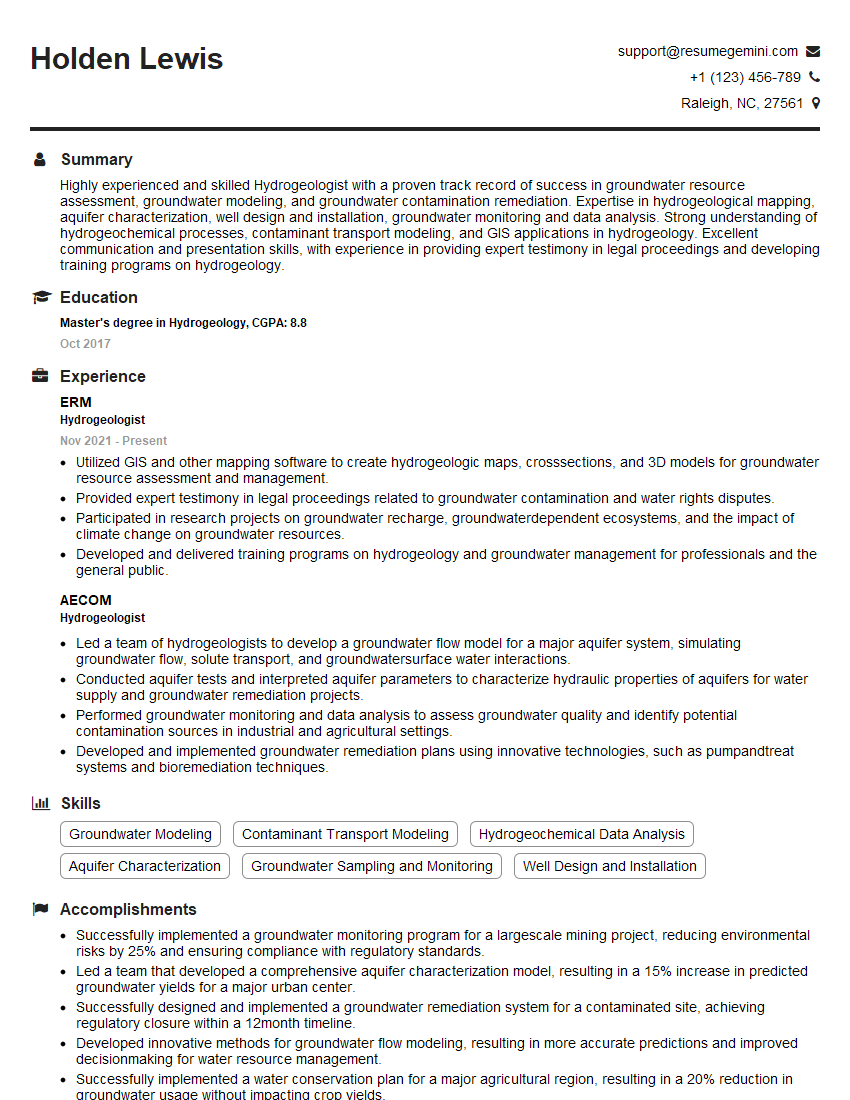
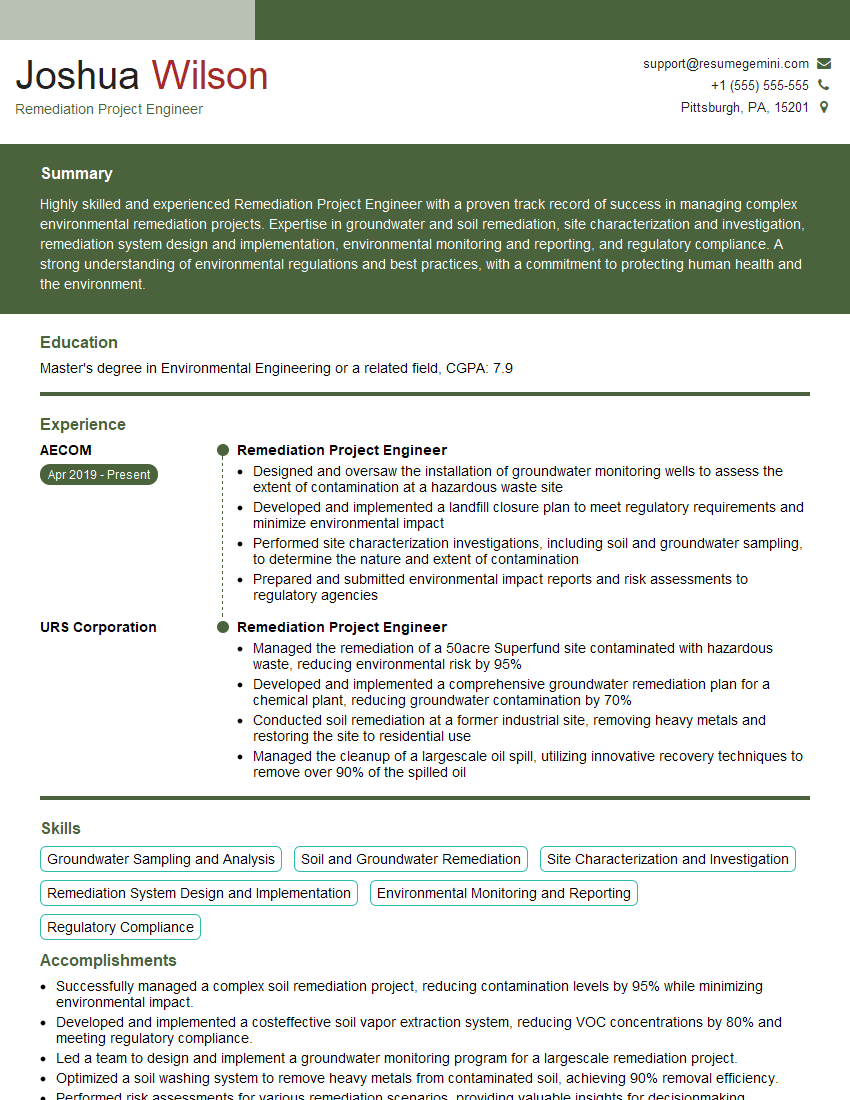
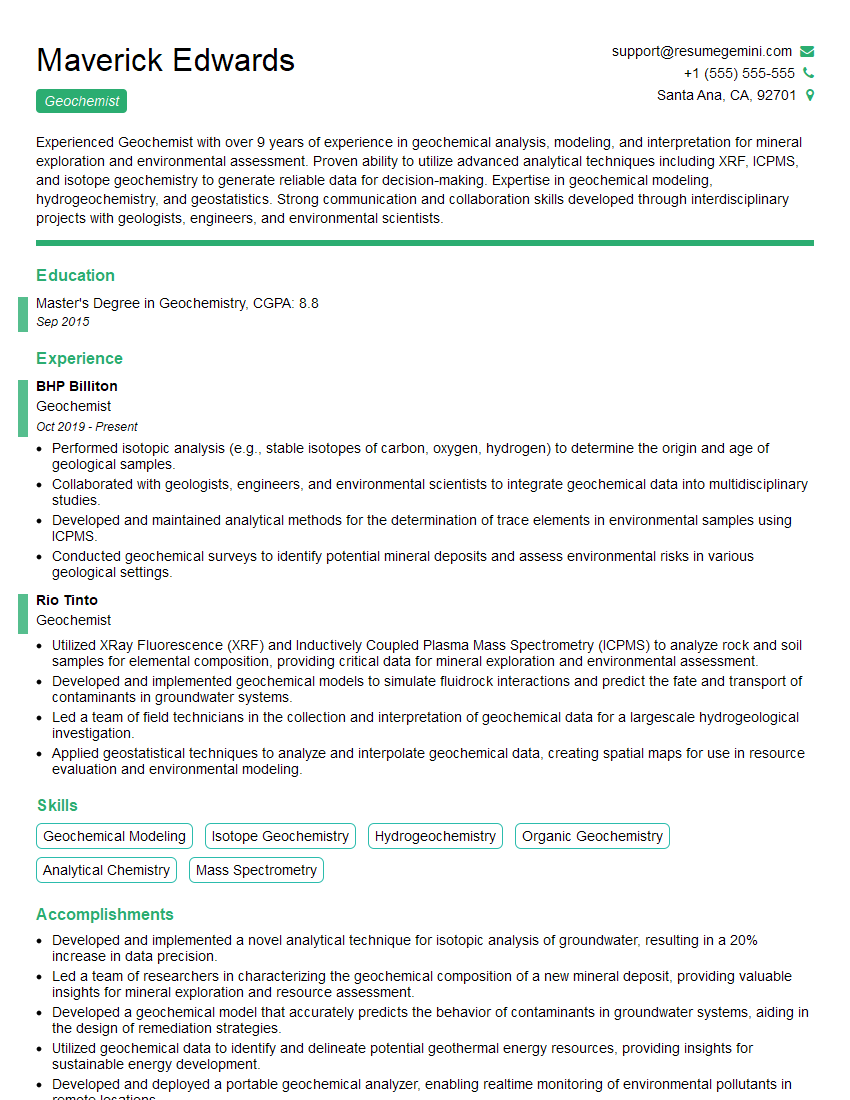
Mastering groundwater treatment opens doors to exciting and impactful careers in environmental consulting, remediation, and water resource management. To significantly boost your job prospects, create a compelling and ATS-friendly resume that highlights your skills and experience effectively. ResumeGemini is a trusted resource that can help you build a professional and impactful resume, tailored to the specific demands of the groundwater treatment industry. Examples of resumes tailored to Groundwater Treatment are available to guide you. Invest the time to craft a strong resume—it’s a critical step in securing your dream job.

Explore more articles
Users Rating of Our Blogs
Share Your Experience
We value your feedback! Please rate our content and share your thoughts (optional).
What Readers Say About Our Blog
To the interviewgemini.com Webmaster.
Very helpful and content specific questions to help prepare me for my interview!
Thank you
To the interviewgemini.com Webmaster.
This was kind of a unique content I found around the specialized skills. Very helpful questions and good detailed answers.
Very Helpful blog, thank you Interviewgemini team.