Cracking a skill-specific interview, like one for Group Dynamics and Process, requires understanding the nuances of the role. In this blog, we present the questions you’re most likely to encounter, along with insights into how to answer them effectively. Let’s ensure you’re ready to make a strong impression.
Questions Asked in Group Dynamics and Process Interview
Q 1. Describe Tuckman’s stages of group development.
Tuckman’s stages of group development is a widely accepted model describing the phases a team goes through as it matures. It’s not a rigid, linear process; teams may revisit stages or experience them differently. The model helps us understand team dynamics and anticipate challenges.
- Forming: This initial stage is characterized by dependence and uncertainty. Members are cautious, polite, and focused on getting to know each other. There’s a lack of clarity regarding roles and responsibilities. Example: A newly formed project team meeting for the first time, introducing themselves and discussing the project’s overall goals.
- Storming: As members become more comfortable, conflicts and disagreements may emerge. Individuals may challenge leadership or express differing opinions. This stage is crucial for clarifying roles and expectations. Example: Team members disagree on the best approach to a problem, leading to tense discussions and potential personality clashes.
- Norming: The team establishes norms, rules, and working procedures. Trust and cohesion develop as members learn to collaborate effectively. Conflict is resolved constructively, and roles become clearer. Example: The team agrees on a communication plan, deadlines, and methods for conflict resolution.
- Performing: The team operates efficiently and effectively. Members are highly productive, supportive, and focused on achieving shared goals. There’s a strong sense of unity and shared purpose. Example: The project team seamlessly coordinates tasks, meets deadlines, and consistently delivers high-quality work.
- Adjourning: This final stage involves the completion of the project or task and the disbanding of the team. Members may experience a range of emotions, including sadness, relief, or pride. Example: A project team celebrates successful project completion before formally disbanding.
Q 2. Explain the difference between groupthink and brainstorming.
Groupthink and brainstorming are both group processes but serve very different purposes and can lead to drastically different outcomes.
Groupthink is a phenomenon where the desire for harmony or conformity within a group results in an irrational or dysfunctional decision-making outcome. Group members try to minimize conflict and reach a consensus without critical evaluation of alternative viewpoints. This often leads to poor decisions because dissenting opinions are suppressed.
Brainstorming, conversely, is a creative problem-solving technique designed to generate a large number of ideas in a short amount of time. The goal is to encourage diverse thinking, even if ideas seem initially unrealistic. Criticism is explicitly postponed to foster a free flow of ideas.
In short: Groupthink stifles creativity and critical thinking, while brainstorming actively promotes it. Think of groupthink as a pressure cooker where dissent is silenced, leading to an explosion of poorly-considered choices. Brainstorming is more like a pressure valve, releasing a flood of ideas which can then be filtered and refined.
Q 3. How would you handle conflict within a team?
Handling conflict within a team requires a multifaceted approach focused on understanding the root cause, managing emotions, and finding mutually acceptable solutions. I would follow these steps:
- Identify and define the conflict: Clearly articulate the issue at hand, avoiding assumptions or blame. Involve all parties and let them express their perspectives.
- Manage emotions: Create a safe space for open communication where everyone feels heard and respected. Focus on active listening and empathy. Address any emotional outbursts calmly and professionally.
- Explore underlying interests: Dig deeper than surface-level disagreements to understand the underlying needs and motivations of each party. What are their concerns? What are their goals?
- Generate potential solutions: Collaboratively brainstorm various solutions. Encourage creative thinking and compromise. Focus on finding solutions that address the underlying interests of all parties.
- Evaluate and select a solution: Assess the feasibility, effectiveness, and fairness of each potential solution. Choose the option that best addresses the needs and concerns of all involved.
- Implement and monitor: Put the agreed-upon solution into action. Monitor its effectiveness and make adjustments if necessary. Regular check-ins can help prevent future conflicts.
For example, if two team members clash over a project deadline, I would facilitate a discussion exploring the reasons for the disagreement, help them understand each other’s perspectives, and collaborate on adjusting the timeline or assigning tasks differently.
Q 4. What techniques do you use to facilitate effective meetings?
Facilitating effective meetings requires careful planning and execution. My approach involves:
- Clear objectives and agenda: Distribute an agenda beforehand, outlining the purpose, key discussion points, and desired outcomes. This ensures everyone is prepared and focused.
- Time management: Set a clear timeframe for each agenda item and stick to it. This shows respect for everyone’s time and helps maintain focus.
- Structured participation: Encourage participation from all members, using techniques like round-robin discussions or breakout groups to ensure everyone has a voice. Address any dominance or silence promptly.
- Actionable outcomes: Assign clear action items with owners and deadlines. This ensures the meeting leads to concrete results, rather than just discussion.
- Follow-up: Distribute meeting minutes and track progress on action items. This keeps everyone informed and accountable.
For instance, instead of a rambling open-ended discussion, a structured meeting with time limits and defined action items for each topic ensures the meeting stays focused and productive, maximizing the time spent.
Q 5. Describe a time you improved a team’s process.
In a previous project, our team was struggling with inconsistent project updates and a lack of transparency. This led to misunderstandings, delays, and frustration. To improve the process, I implemented a centralized project management system with daily stand-up meetings.
The system allowed for real-time tracking of progress, task assignments, and potential roadblocks. The daily stand-up meetings fostered open communication and collaboration, facilitating quick problem-solving. This significantly improved team communication, increased accountability, and shortened project timelines. We moved from a chaotic, opaque workflow to a streamlined, transparent process, resulting in greater efficiency and team morale.
Q 6. How do you identify and address group biases?
Identifying and addressing group biases requires awareness, open communication, and a proactive approach. I would employ these strategies:
- Awareness training: Educate team members about common cognitive biases, such as confirmation bias, anchoring bias, and in-group bias, to increase their awareness and sensitivity to potential biases in their thinking and decision-making.
- Diverse perspectives: Actively seek diverse viewpoints and backgrounds within the team. This challenges assumptions and reduces the likelihood of groupthink.
- Structured decision-making processes: Utilize techniques like the Delphi method or nominal group technique to ensure all voices are heard and biases are minimized. These techniques provide structured ways to collect and consider different perspectives before reaching a consensus.
- Data-driven decisions: Base decisions on objective data and evidence as much as possible, reducing reliance on intuition or subjective opinions.
- Critical evaluation: Encourage critical evaluation of decisions and assumptions. Designate a “devil’s advocate” role to challenge prevailing opinions and identify potential biases.
For example, if a team consistently overlooks solutions proposed by members from underrepresented groups, we’d address this by emphasizing inclusive language, implementing blind evaluation processes for submissions, and making a conscious effort to solicit input from everyone.
Q 7. What are the key elements of effective team communication?
Effective team communication relies on several key elements:
- Clarity and conciseness: Messages should be clear, concise, and easy to understand. Avoid jargon or ambiguous language.
- Active listening: Members should actively listen to each other, seeking to understand perspectives rather than just waiting for their turn to speak.
- Open communication channels: Establish various communication channels to suit different needs and preferences, such as email, instant messaging, project management software, and face-to-face meetings.
- Regular feedback: Provide regular feedback, both positive and constructive, to help team members improve and feel valued.
- Respectful communication: Maintain a respectful and professional tone in all communication, even during disagreements.
- Nonverbal communication awareness: Be mindful of nonverbal cues, as these can significantly impact communication and understanding.
For instance, using a project management tool to track progress, deadlines, and communication in a centralized space enhances transparency and avoids information silos. Combining this with regular team meetings for open discussion ensures a free flow of information and collaboration.
Q 8. How do you measure the success of a team project?
Measuring the success of a team project goes beyond simply completing it on time and within budget. It requires a multi-faceted approach, considering both the process and the outcome. We need to evaluate if the project achieved its intended goals, the quality of the deliverables, and the effectiveness of the team’s collaborative process.
- Goal Achievement: Did the project meet its predefined objectives? Quantifiable metrics are key here. For example, if the goal was to increase website traffic by 20%, we’d measure the actual increase and compare it to the target.
- Quality of Deliverables: Were the project outcomes of high quality? This could involve client feedback, user testing results, or internal quality assurance checks. A software project, for instance, would be assessed based on functionality, usability, and bug count.
- Team Process Effectiveness: Did the team work efficiently and effectively together? This is assessed through team surveys, feedback sessions, and observation of collaboration methods. Did they leverage each member’s strengths? Was communication clear and regular?
- Impact and Return on Investment (ROI): For business projects, the impact on the organization needs evaluation. This might involve sales figures, cost savings, or improved efficiency metrics. Did the project deliver a positive ROI compared to its investment?
A holistic approach that combines quantitative data with qualitative feedback provides the most comprehensive assessment of project success.
Q 9. Explain your understanding of social loafing and how to mitigate it.
Social loafing is the phenomenon where individuals in a group exert less effort than they would if working individually. It’s like the feeling when you’re working on a group project and some members seem to be ‘riding on the coattails’ of others. This reduction in effort can stem from a diffusion of responsibility – the feeling that one’s individual contribution isn’t crucial to the overall outcome.
Mitigating social loafing requires a multi-pronged strategy:
- Clearly Defined Roles and Responsibilities: Ensure each team member has specific, measurable tasks. This increases accountability and reduces the feeling that one’s contribution is insignificant.
- Individual Accountability: Regularly track individual progress and contributions. This can involve progress reports, individual assessments, or peer evaluations.
- Boosting Team Cohesion: Foster a strong team spirit and camaraderie through team-building activities. When individuals feel connected to the team, they are more likely to contribute their best.
- Meaningful Tasks: Ensure the project is engaging and meaningful to team members. When individuals feel invested in the outcome, they are more motivated to contribute.
- Regular Feedback and Communication: Open and frequent communication helps to keep everyone on track and addresses potential issues early on.
For example, in a marketing team project, assigning specific tasks like content creation, social media management, and analytics to individuals with clear deadlines helps avoid social loafing.
Q 10. Describe different leadership styles and their impact on group dynamics.
Leadership styles significantly influence group dynamics. There’s no one ‘best’ style, as the optimal approach depends on the team, the project, and the context.
- Transformational Leadership: This style focuses on inspiring and motivating team members towards a shared vision. Leaders act as role models, empowering individuals and fostering creativity. This style often leads to high morale and innovation but can be less effective in highly structured environments.
- Transactional Leadership: This style relies on clear goals, rewards, and consequences. It’s effective for managing tasks and achieving specific outcomes, but may not foster strong team cohesion or creativity. Think of clear incentives and penalties in a sales team.
- Democratic Leadership: This style involves shared decision-making and collaboration. It promotes team ownership and buy-in, leading to higher satisfaction and commitment. However, it can be slower and less efficient in time-sensitive situations.
- Laissez-faire Leadership: This style involves minimal involvement from the leader, giving team members significant autonomy. It can foster independence and creativity but may lead to a lack of direction and coordination, particularly in complex projects.
- Autocratic Leadership: In this style, the leader makes decisions unilaterally with little input from the team. While this might be useful in crisis situations, it can stifle creativity and morale in the long run.
A skilled leader often adapts their style based on the situation and the needs of the team.
Q 11. How do you foster a culture of trust and collaboration within a team?
Building a culture of trust and collaboration is crucial for team success. It’s like building a strong foundation for a house – you need a solid base before you can build anything significant.
- Open Communication: Encourage open and honest communication, creating a safe space for team members to share ideas, concerns, and feedback without fear of judgment. Regularly scheduled team meetings and informal check-ins can be beneficial.
- Active Listening: Leaders and team members must actively listen to each other, demonstrating empathy and understanding. This creates a sense of psychological safety.
- Shared Goals and Values: Clearly define team goals and values, ensuring everyone understands their contribution to the overall objective. This fosters a sense of shared purpose.
- Conflict Resolution Mechanisms: Establish clear processes for resolving conflicts constructively. This might involve mediation, facilitated discussions, or conflict resolution training.
- Celebrating Successes: Acknowledge and celebrate team achievements, both big and small. This reinforces positive behaviors and builds morale.
- Vulnerability and Transparency: Leaders should be willing to be vulnerable and transparent with the team, sharing both successes and challenges.
For instance, implementing a regular ‘feedback Friday’ session where team members share constructive criticism and positive feedback can foster an environment of trust and collaboration.
Q 12. What are some common challenges in group decision-making, and how can they be overcome?
Group decision-making can be powerful, but it also presents several challenges:
- Groupthink: This is the tendency for group members to prioritize harmony over critical evaluation of ideas. It can lead to poor decisions because dissenting opinions are suppressed.
- Dominating Individuals: One or a few individuals can dominate the discussion, silencing other voices and preventing diverse perspectives from being considered.
- Social Loafing (as discussed above): Individuals may contribute less effort in a group setting than they would individually.
- Polarization: The group’s initial position can become more extreme over time, leading to risky or biased decisions.
- Information Bias: The group may rely too heavily on readily available information, ignoring crucial data or perspectives.
Overcoming these challenges requires:
- Structured Decision-Making Processes: Employ frameworks such as nominal group technique or Delphi method to ensure all voices are heard and considered.
- Devil’s Advocate: Assign someone to challenge assumptions and identify potential flaws in the proposed solutions.
- Diverse Perspectives: Actively seek out diverse perspectives and viewpoints to enrich the decision-making process.
- Open Communication and Debate: Encourage open discussion and healthy debate, creating a safe space for dissenting opinions.
- Data-Driven Decisions: Base decisions on facts and data rather than intuition or assumptions.
Q 13. Explain your experience with process mapping and improvement techniques.
Process mapping is a visual representation of a workflow or process. It’s like a blueprint, showing the steps involved in a task or activity. I use process mapping to analyze existing processes, identify bottlenecks, and suggest improvements.
I have extensive experience using various process mapping techniques, including:
- Flowcharts: These use standardized symbols to represent different steps in a process.
- Swimlane Diagrams: These show the responsibilities of different actors within a process.
- Value Stream Mapping: This focuses on identifying and eliminating waste within a process.
Process improvement techniques I’ve used include:
- Lean methodologies: Focuses on eliminating waste and optimizing efficiency.
- Six Sigma: Uses data-driven methods to reduce defects and improve quality.
- Kaizen: Emphasizes continuous improvement through small, incremental changes.
In a past project, I used value stream mapping to analyze a customer onboarding process. By identifying bottlenecks and areas of waste, we were able to reduce the onboarding time by 30%, improving customer satisfaction and efficiency.
Q 14. How do you ensure inclusivity and diverse perspectives in group work?
Inclusivity and diverse perspectives are essential for effective group work. They enrich the problem-solving process and lead to more creative and innovative solutions. Imagine a team working on a new product – if everyone thinks alike, they may miss crucial market segments.
Here’s how I ensure inclusivity:
- Diverse Team Composition: I strive to create teams that represent a range of backgrounds, experiences, and viewpoints. This includes gender, ethnicity, age, cultural background, and professional experience.
- Inclusive Communication Styles: I use clear and concise language, avoiding jargon or technical terms that might exclude certain members. I actively encourage participation from everyone.
- Active Listening and Empathy: I listen carefully to all team members, showing empathy and understanding for their perspectives. This creates a safe and welcoming environment.
- Structured Collaboration Methods: I utilize structured methods for brainstorming, decision-making, and conflict resolution that ensure all voices are heard, such as the nominal group technique.
- Awareness of Unconscious Bias: I am aware of my own unconscious biases and strive to mitigate their impact on team dynamics. This includes actively seeking diverse perspectives and challenging assumptions.
- Flexible Working Arrangements: Where possible, I offer flexible working arrangements to accommodate diverse needs and circumstances.
By fostering an inclusive environment, teams can unlock the potential of diverse perspectives, leading to richer discussions, better decisions, and more innovative solutions.
Q 15. Describe your experience with different conflict resolution strategies.
Conflict resolution is a crucial skill in group dynamics. My experience encompasses a range of strategies, tailored to the specific nature of the conflict and the team involved. I’ve successfully utilized approaches such as:
- Collaborating: Finding a win-win solution where all parties feel heard and their needs are addressed. For instance, in a project team disagreement over resource allocation, we collaboratively created a shared spreadsheet to track resource utilization and prioritize tasks based on shared criteria, ensuring fair distribution.
- Compromising: Finding a mutually acceptable solution where each party gives something up. This approach is effective when time is limited, or when a quick resolution is crucial. I once used compromise to resolve a scheduling conflict within a team by having each member shift their availability slightly, resulting in a workable solution.
- Accommodating: Prioritizing the other party’s needs over your own. This is beneficial when the issue is less important to you than maintaining the relationship. I have used this approach in situations where a junior team member had a strong preference on a minor design element, understanding the importance of their morale.
- Avoiding: Postponing the conflict or choosing not to engage directly. This strategy can be useful when the conflict is minor or when emotions are running high, allowing time to cool down and find a more productive approach later. I’ve used this when addressing inter-team conflict where tensions needed time to dissipate before constructive dialogue.
- Competing: Asserting your own needs and position aggressively. This approach is suitable only in extreme circumstances where a decisive and quick action is required and the stakes are high. It is rarely a preferred method.
My approach is always to first understand the root cause of the conflict before choosing a strategy. I find active listening, empathy, and a focus on shared goals are essential in any conflict resolution process.
Career Expert Tips:
- Ace those interviews! Prepare effectively by reviewing the Top 50 Most Common Interview Questions on ResumeGemini.
- Navigate your job search with confidence! Explore a wide range of Career Tips on ResumeGemini. Learn about common challenges and recommendations to overcome them.
- Craft the perfect resume! Master the Art of Resume Writing with ResumeGemini’s guide. Showcase your unique qualifications and achievements effectively.
- Don’t miss out on holiday savings! Build your dream resume with ResumeGemini’s ATS optimized templates.
Q 16. How do you manage virtual teams effectively?
Managing virtual teams requires a deliberate and proactive approach. Effective management hinges on:
- Clear Communication: Establishing regular communication channels (e.g., daily stand-ups, weekly meetings, project management software) is crucial. Using clear written communication also helps avoid misunderstandings and ensures everyone stays informed. For example, we utilize project management software for task assignments, progress tracking, and to keep communications centralized.
- Building Trust and Rapport: This is more challenging in a virtual environment, but it’s vital. Regular check-ins focusing on personal well-being and team-building exercises – even virtual coffee breaks – help create a sense of community.
- Defined Roles and Responsibilities: Ensuring everyone understands their roles and responsibilities prevents confusion and duplication of effort. Utilizing project charters or RACI matrices can help clarify expectations.
- Technology Proficiency: Ensuring the team has access to and is proficient in using the necessary technology is paramount. Providing training and support in tools like video conferencing and project management software is essential.
- Regular Feedback and Recognition: Providing regular feedback, both positive and constructive, is vital. Acknowledging contributions, both big and small, maintains motivation and engagement.
I believe in creating a culture of transparency and collaboration within virtual teams to overcome the limitations of physical distance.
Q 17. What are the key performance indicators (KPIs) for evaluating group performance?
Key Performance Indicators (KPIs) for evaluating group performance should be tailored to the specific goals and context of the group. However, some common and valuable KPIs include:
- Productivity: This could involve measuring output, efficiency, or project completion rates. For example, the number of units produced, projects completed on time, or bugs resolved per sprint.
- Quality of Work: Metrics like defect rates, customer satisfaction, or error rates assess the quality of the group’s output. For example, the percentage of customer complaints or the rate of errors in software development.
- Innovation: Tracking the number of innovative ideas generated, patents filed, or new product launches provides an assessment of the group’s creativity and problem-solving abilities.
- Team Cohesion and Collaboration: Assessing team morale, communication effectiveness, and conflict resolution success helps measure how well the team works together. For instance, conducting team surveys, using engagement scores, or monitoring conflict resolution rates.
- Efficiency: Tracking time spent on tasks, resource utilization, and meeting efficiency reflects how effectively the team manages resources and its time. For example, tracking the number of meetings held and the time spent in meetings.
It’s important to balance quantitative and qualitative KPIs to gain a holistic view of group performance.
Q 18. How do you adapt your leadership style to different team contexts?
Adaptability is key to effective leadership. My leadership style is not fixed; I adapt it based on the team’s context, including factors such as team maturity, individual member personalities, task complexity, and organizational culture. I use a situational leadership model, which is flexible, allowing me to shift my approach depending on the specific requirements of the team and situation.
- For new or less experienced teams, a more directive and coaching style is often necessary, providing clear guidance and support.
- With high-performing and self-managed teams, a more delegative and supportive style enables them to operate autonomously and take ownership of their work.
- In crisis situations, a more assertive and authoritative style might be required to provide quick decisions and direction.
I rely on frequent observation and feedback to understand team dynamics and adapt my approach effectively. The goal is always to empower the team, while providing the necessary guidance and support for their success.
Q 19. Describe a time you had to navigate a challenging group dynamic.
In a previous project, my team faced a significant challenge during the final stages of a software development project. We experienced a major technical setback resulting from incompatible code modules. The team’s initial response was characterized by blame and finger-pointing, significantly hindering progress and creating a toxic environment.
To address this, I initiated a series of facilitated discussions focused on understanding the root causes of the issue, rather than assigning blame. We employed a structured problem-solving approach, breaking the problem down into manageable components. I actively encouraged collaboration, fostering a safe space for open communication. We implemented regular check-ins to monitor progress, address emerging issues promptly and ensure everyone felt heard and valued. By shifting the focus from blame to collaborative problem-solving, we eventually resolved the technical issue and completed the project successfully. This experience solidified my understanding of the importance of conflict resolution, fostering a safe environment for open communication and collaborative problem-solving within teams.
Q 20. How do you identify and develop the strengths of individual team members?
Identifying and developing individual strengths is crucial for optimizing team performance. My approach involves a combination of:
- Observation: I carefully observe team members’ work habits, contributions, and interactions to understand their strengths and weaknesses.
- Feedback and 360-degree reviews: I actively solicit and provide feedback, using techniques like regular one-on-ones and 360-degree reviews, to gain a comprehensive understanding of each individual’s capabilities.
- Personality and skills assessments: Where appropriate, these tools can provide valuable insights into individual strengths and preferences.
- Providing opportunities for growth: I strive to assign tasks and projects that allow team members to utilize their strengths and develop new skills. This might include mentoring opportunities, skill-building workshops or leading specific aspects of projects.
- Open communication and feedback: Establishing a culture of open communication enables team members to share their ideas and seek feedback regularly, aiding in both skill development and better understanding of strengths.
By consistently focusing on individual growth and development, I aim to maximize team performance and job satisfaction.
Q 21. Explain your understanding of systems thinking in relation to group processes.
Systems thinking, in the context of group processes, emphasizes understanding the interconnectedness of individuals and their roles within a larger system. It moves beyond a reductionist approach, recognizing that a group’s performance is not simply the sum of its individual members’ contributions, but rather a complex interplay of interactions, processes, and feedback loops.
For example, a change in one aspect of the group—such as a change in leadership style or introduction of new technology—can ripple through the entire system, impacting other elements, such as communication patterns, motivation levels, and ultimately, productivity. Understanding these interconnectedness allows leaders to make more informed decisions and anticipate the potential consequences of interventions. Systems thinking promotes considering the broader context and the long-term impacts of decisions, making it crucial for effective group management. Using a systems thinking approach aids in anticipating and resolving challenges proactively, promoting better collaboration and overall group efficiency.
Q 22. How do you use data to inform decisions related to group performance?
Data is crucial for understanding and improving group performance. I use various data points, both quantitative and qualitative, to inform decisions. Quantitative data might include metrics like project completion rates, individual contributions, task durations, and error rates. This data can be collected through project management software, time tracking tools, or surveys. Qualitative data offers deeper insight into the ‘why’ behind the numbers. This can be gathered through observation, team meetings, feedback sessions, and informal conversations. For example, consistently low completion rates on a particular task type might suggest a need for additional training or a re-evaluation of the process. Simultaneously, feedback from team members revealing frustration with unclear expectations can help adjust project management strategies. Analyzing both types of data provides a holistic picture that allows for data-driven decision making, ultimately improving group efficiency and output.
Q 23. What are the ethical considerations in managing group dynamics?
Ethical considerations in managing group dynamics are paramount. Fairness, respect, and transparency are fundamental. This includes ensuring equitable distribution of tasks and responsibilities, providing constructive feedback, creating a safe space for open communication, and protecting individual privacy. For instance, avoiding favoritism is critical. Every team member should feel valued and have equal opportunities for growth and development. Confidentiality regarding personal information shared during group discussions must be strictly maintained. A lack of ethical considerations can lead to decreased morale, distrust, and even legal issues. Maintaining ethical behavior creates a positive and productive work environment where team members feel respected and valued.
Q 24. How do you handle resistance to change within a team?
Resistance to change is a common hurdle. My approach focuses on understanding the root cause of the resistance. Often, it stems from fear of the unknown, lack of trust, or perceived loss of control. I begin by actively listening to concerns and validating those feelings. Then, I work collaboratively with the team to address their concerns. This might involve providing clear communication about the reasons for the change, demonstrating its benefits, and involving the team in the implementation process. Transparency and open communication are key. For example, if a new software is being introduced, I would offer training sessions, demos, and ongoing support to alleviate concerns about usability. Addressing anxieties proactively fosters buy-in and smooth transition, even when the change is significant.
Q 25. What is your approach to building team cohesion?
Building team cohesion involves fostering a sense of shared identity, purpose, and trust. I use several strategies, including team-building activities (both formal and informal), clear communication and goal setting, recognition and appreciation of individual contributions, and conflict resolution mechanisms. For example, initiating informal social gatherings or team lunches can build camaraderie and encourage relationship building. Regular check-ins, feedback sessions, and open communication channels help maintain transparency and build trust. Celebrating successes, big or small, acknowledges the team’s collective effort and promotes a sense of accomplishment. Addressing conflicts promptly and fairly helps prevent resentment and maintains a positive team dynamic. The overall goal is to create an environment where team members feel supported, respected, and connected to one another and the shared goals.
Q 26. Describe your experience with root cause analysis in process improvement.
Root cause analysis (RCA) is fundamental to process improvement. My approach often involves using the ‘5 Whys’ technique, which involves repeatedly asking ‘why’ to uncover the underlying causes of a problem. I also utilize tools like fishbone diagrams (Ishikawa diagrams) to systematically identify potential contributing factors. For example, if a project is consistently delayed, I might use the 5 Whys to drill down: ‘Why is the project delayed? Because of insufficient resources.’ ‘Why are resources insufficient? Because the budget was underestimated.’ ‘Why was the budget underestimated? Because of inaccurate initial project scoping.’ This helps to identify the root problem—inaccurate scoping—which allows for more effective solutions than simply adding resources. Documenting the entire RCA process is vital, allowing future review and preventing recurrence of similar issues.
Q 27. How do you prioritize tasks and manage competing demands within a team setting?
Prioritizing tasks and managing competing demands requires a structured approach. I use techniques like prioritization matrices (e.g., Eisenhower Matrix – urgent/important), which help categorize tasks based on urgency and impact. This allows for a clear understanding of which tasks require immediate attention and which can be delegated or rescheduled. Regular team meetings are held to review progress, discuss challenges, and re-prioritize if necessary. Transparency and open communication are critical; team members should understand the rationale behind task prioritization and have the opportunity to contribute to the process. Utilizing project management software helps track progress, deadlines, and resource allocation, providing a centralized view of all ongoing tasks and facilitating effective prioritization decisions.
Q 28. What are your preferred methods for documenting and tracking group progress?
Documenting and tracking group progress relies on a combination of methods, chosen based on the project’s complexity and team preferences. Project management software (e.g., Jira, Asana, Trello) provides a centralized platform to track tasks, deadlines, and progress. Regular meeting minutes provide a record of decisions, action items, and any issues raised. Shared online documents (e.g., Google Docs, Microsoft SharePoint) allow for collaborative note-taking, document sharing, and tracking of individual contributions. Visual tools like Kanban boards offer a clear and concise overview of workflow progress. The choice of method should promote transparency, accountability, and easy access to relevant information for all team members. Regular review and updates of these documents are crucial to ensure accuracy and reflect the current project status.
Key Topics to Learn for Group Dynamics and Process Interview
- Team Roles and Dynamics: Understanding Tuckman’s stages of group development (forming, storming, norming, performing, adjourning), Belbin’s team roles, and how to identify and leverage individual strengths within a team.
- Communication and Collaboration: Exploring effective communication strategies in diverse teams, including active listening, conflict resolution techniques, and strategies for collaborative problem-solving. Practical application: Describe a situation where you successfully navigated a team conflict or facilitated productive collaboration.
- Decision-Making Processes: Analyzing various decision-making models (e.g., consensus, majority rule, expert opinion) and their implications for group outcomes. Practical application: Explain how you would approach a complex decision within a team setting, considering differing perspectives and potential risks.
- Groupthink and Bias Mitigation: Recognizing the pitfalls of groupthink and developing strategies to encourage critical thinking, diverse viewpoints, and objective evaluation within the team. Practical application: Describe a situation where you challenged the group’s consensus to prevent a potentially flawed decision.
- Leadership Styles and Influence: Exploring different leadership styles (e.g., transformational, transactional, laissez-faire) and their impact on team effectiveness. Practical application: Analyze your preferred leadership style and how it aligns with your ability to motivate and guide team members.
- Conflict Management and Resolution: Understanding different conflict styles and employing appropriate strategies for effective conflict resolution within a team setting. Practical application: Describe your experience managing conflict constructively, demonstrating empathy and finding mutually beneficial solutions.
- Team Performance Measurement and Improvement: Identifying key metrics for assessing team performance and implementing strategies to enhance team effectiveness. Practical application: Describe a scenario where you helped a team improve its performance using data-driven insights.
Next Steps
Mastering group dynamics and processes is crucial for career advancement, demonstrating your ability to collaborate effectively and contribute meaningfully within team environments. A strong resume is your key to unlocking opportunities. Creating an ATS-friendly resume significantly increases your chances of getting noticed by recruiters. To build a professional and impactful resume that highlights your skills and experience in group dynamics and process, we recommend using ResumeGemini. ResumeGemini provides a user-friendly platform to craft a compelling resume, and we even offer examples of resumes tailored to Group Dynamics and Process roles to inspire your own creation. Take the next step in your career journey today!
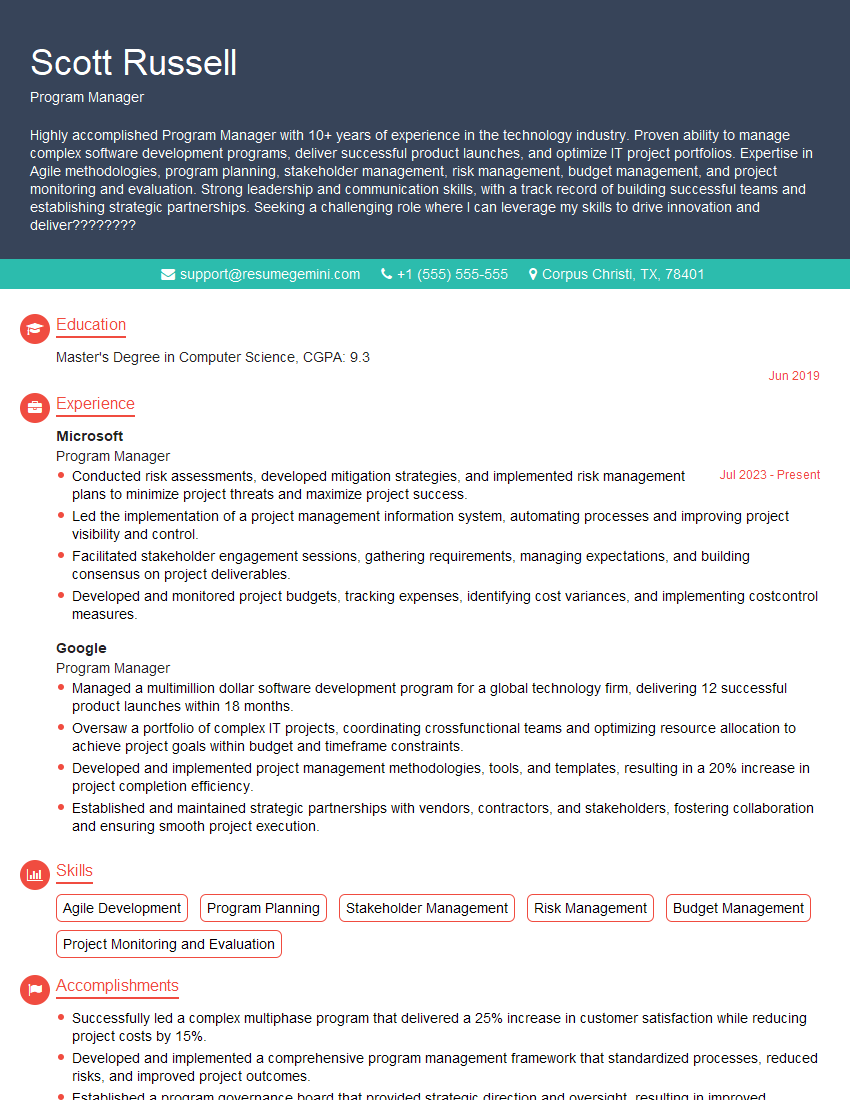
Program Manager Resume Sample

Operations Manager Resume Sample

Communications Manager Resume Sample
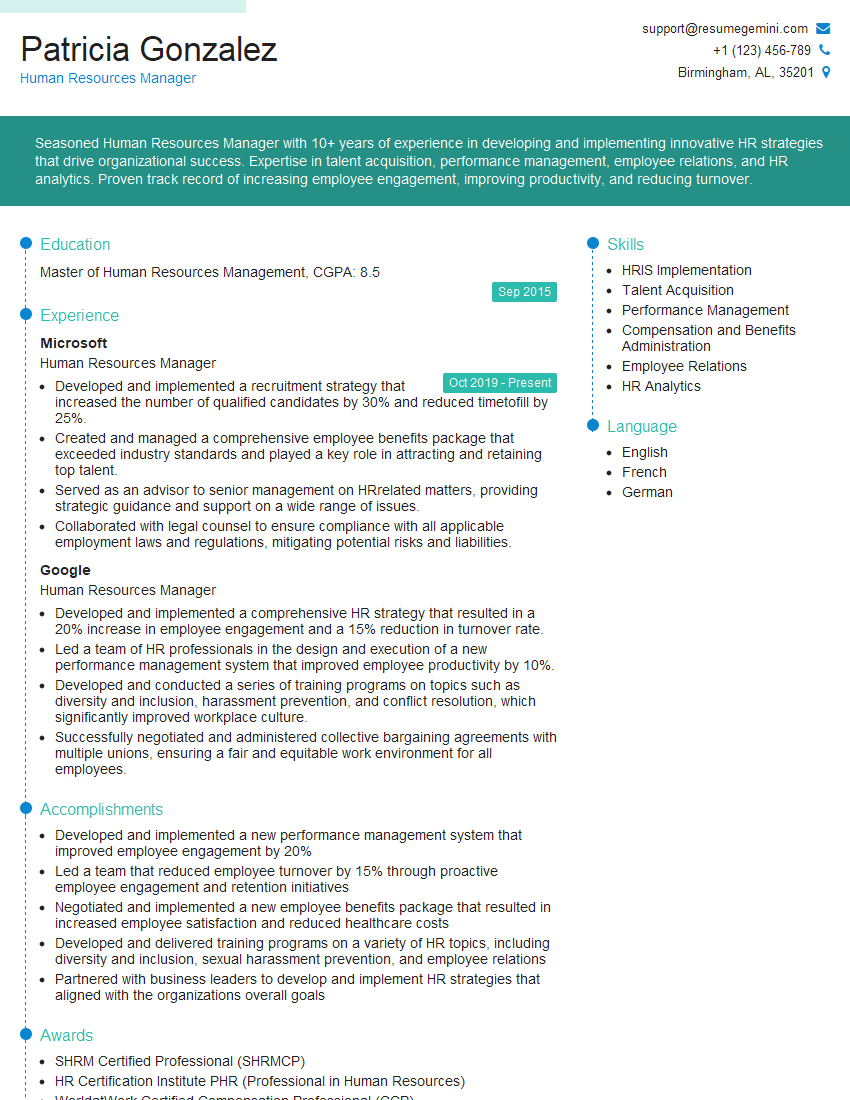
Human Resources Manager Resume Sample
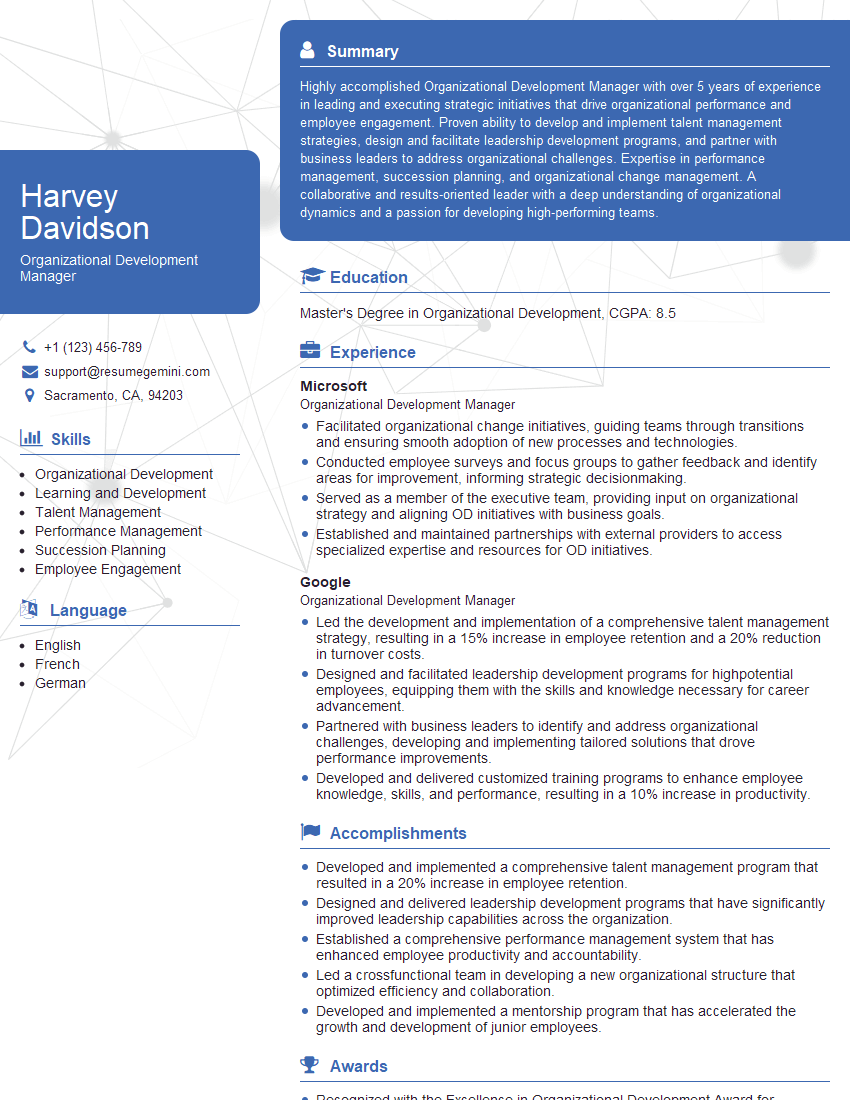
Organizational Development Manager Resume Sample
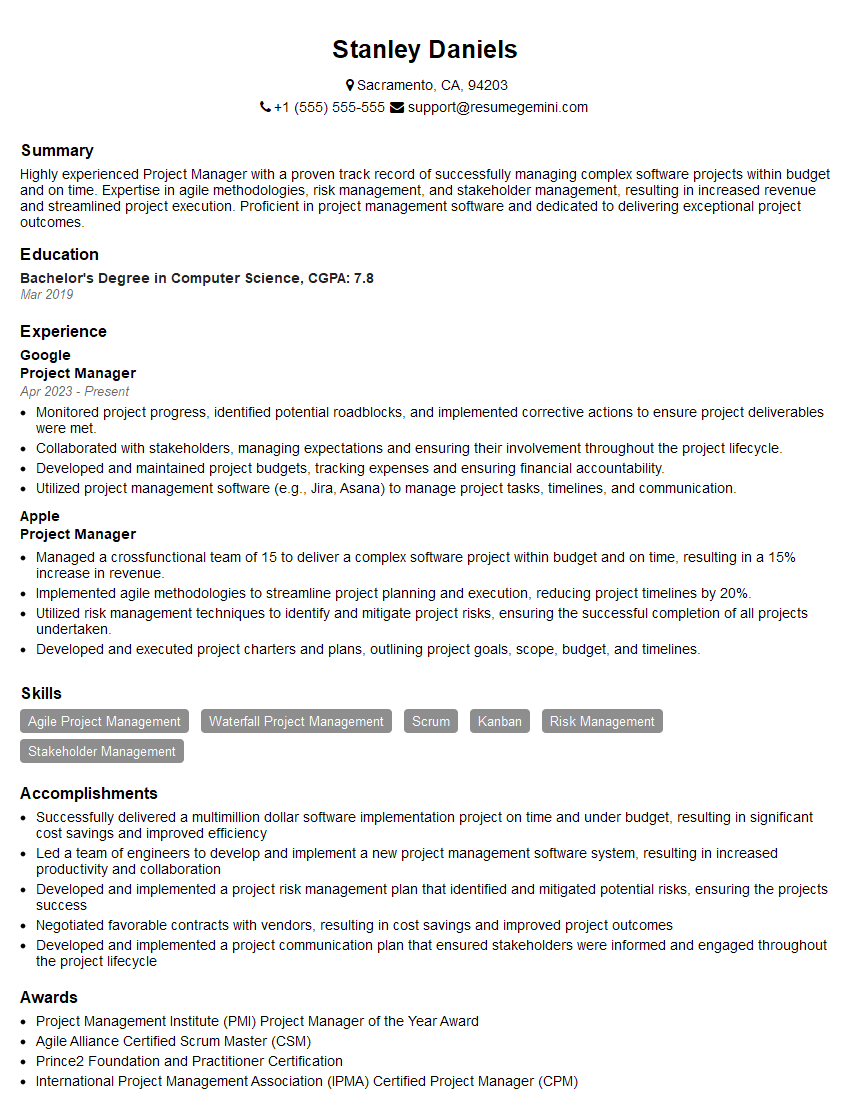
Project Manager Resume Sample
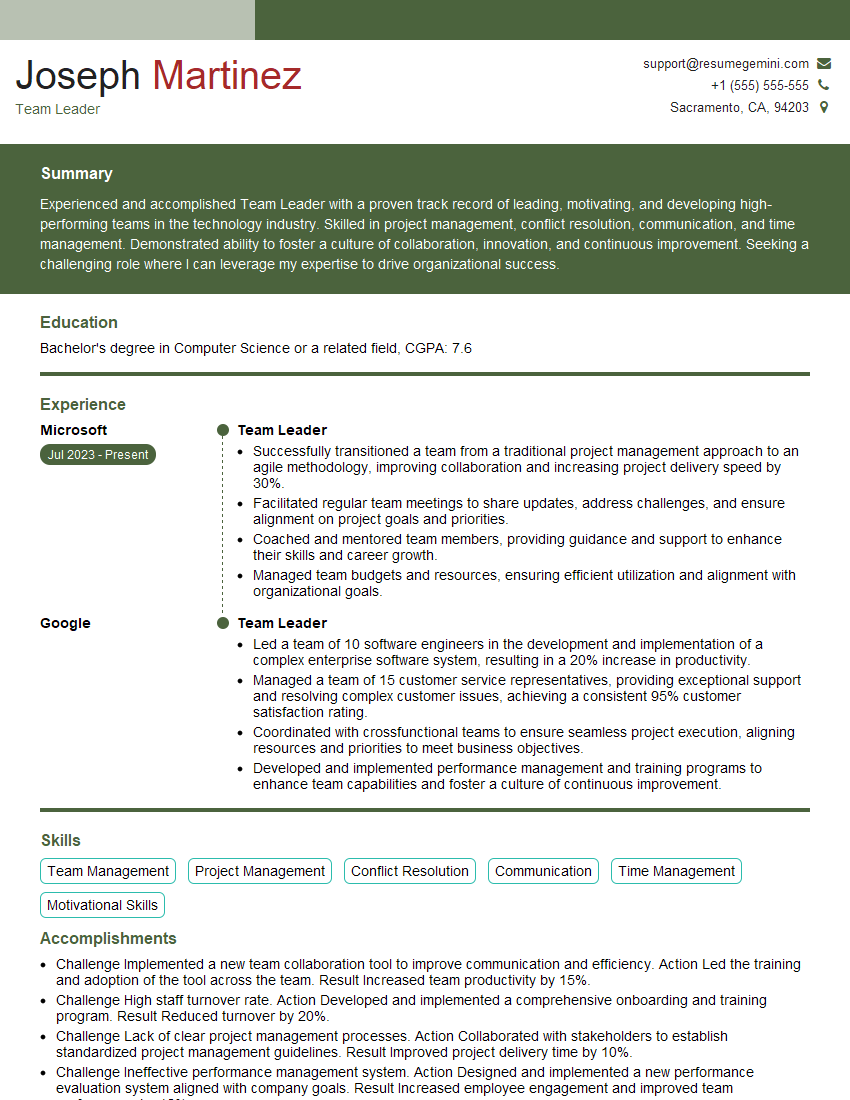
Team Leader Resume Sample
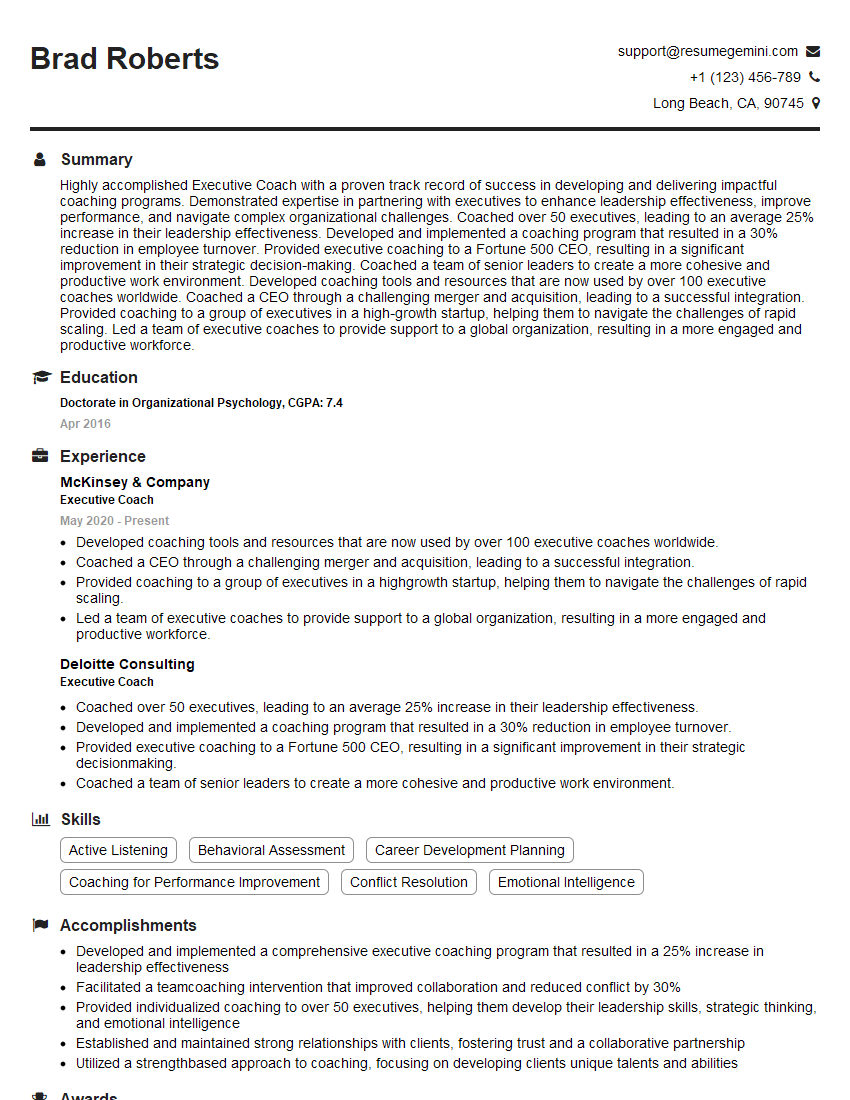
Executive Coach Resume Sample
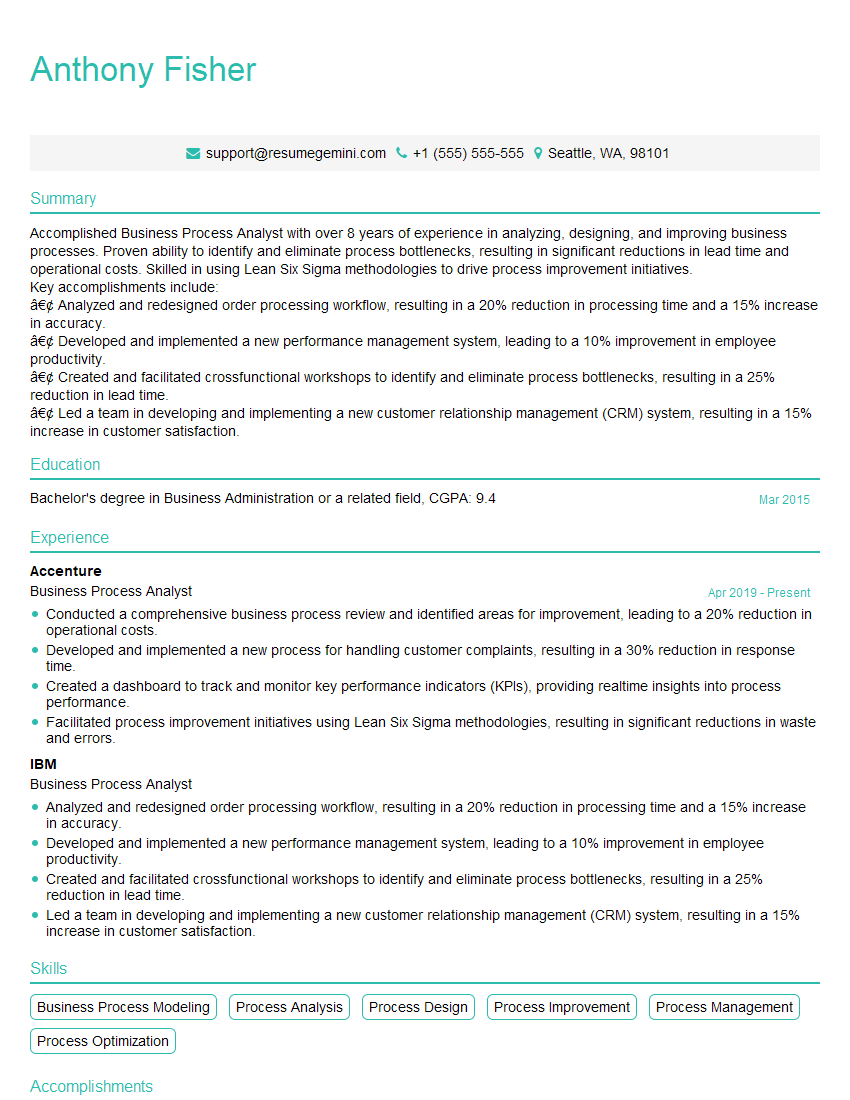
Business Process Analyst Resume Sample
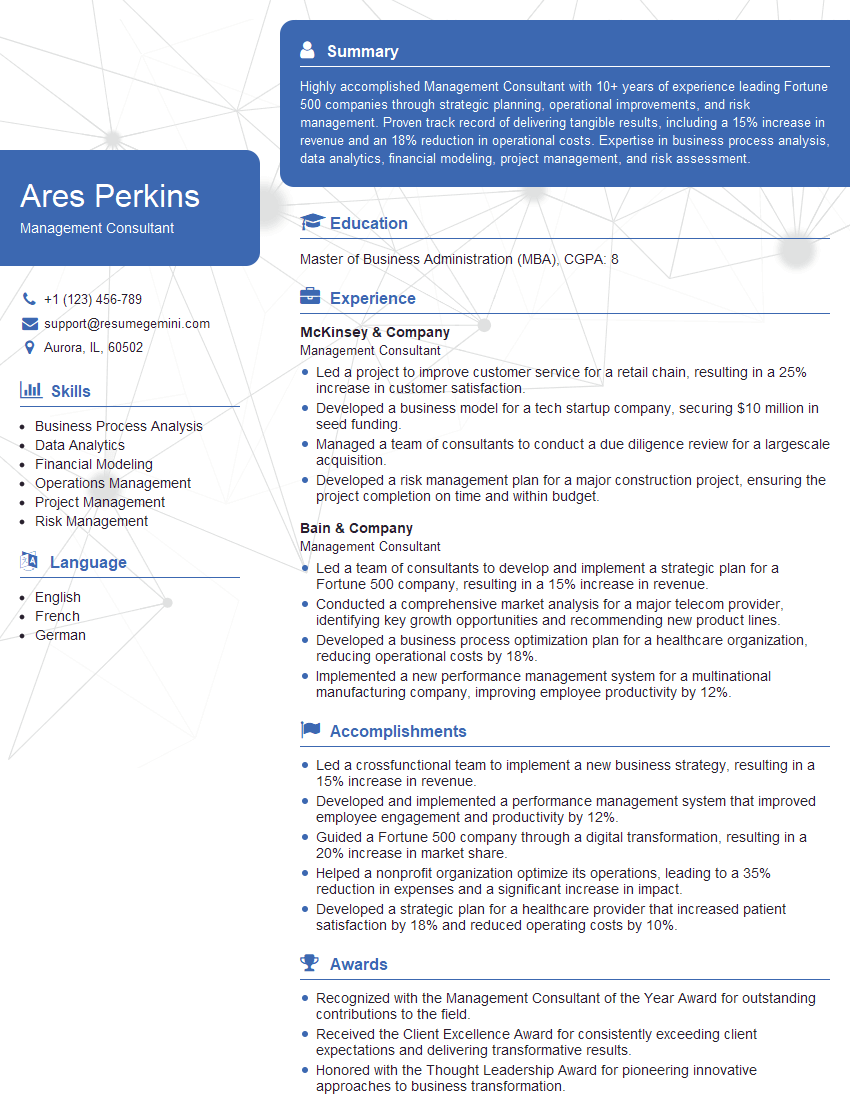
Management Consultant Resume Sample
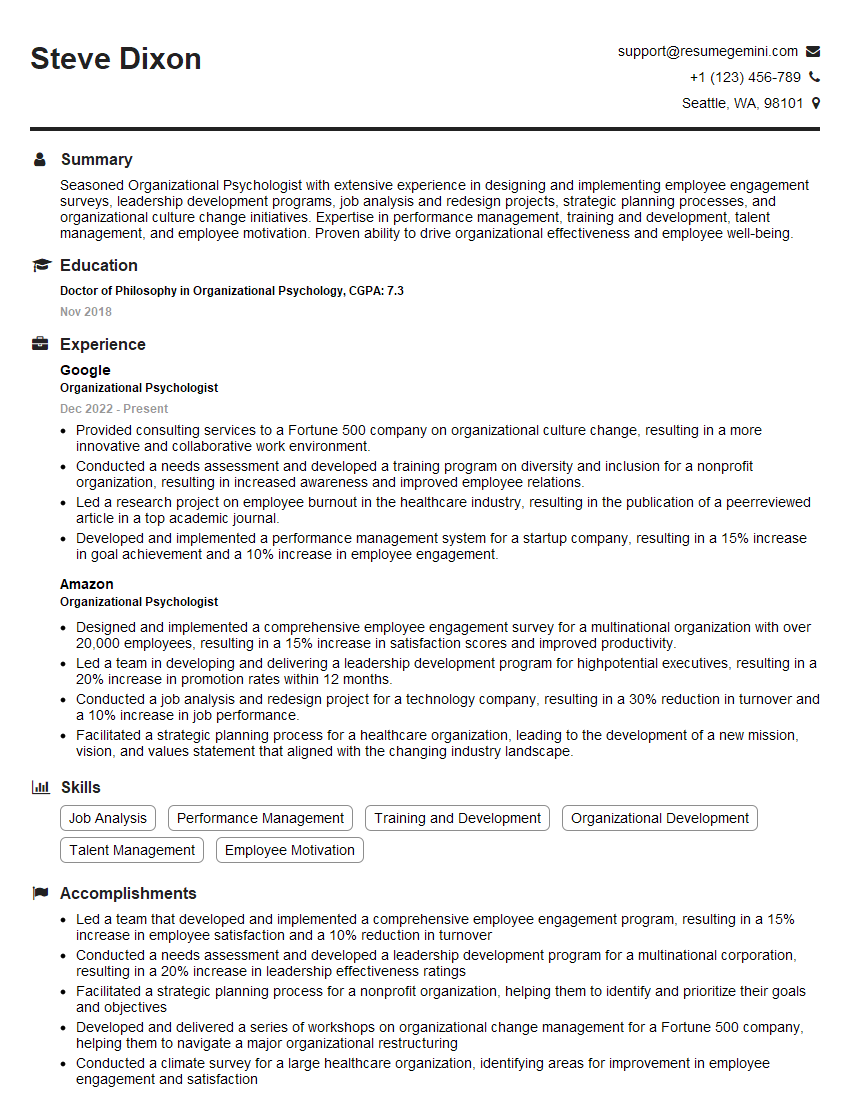
Organizational Psychologist Resume Sample
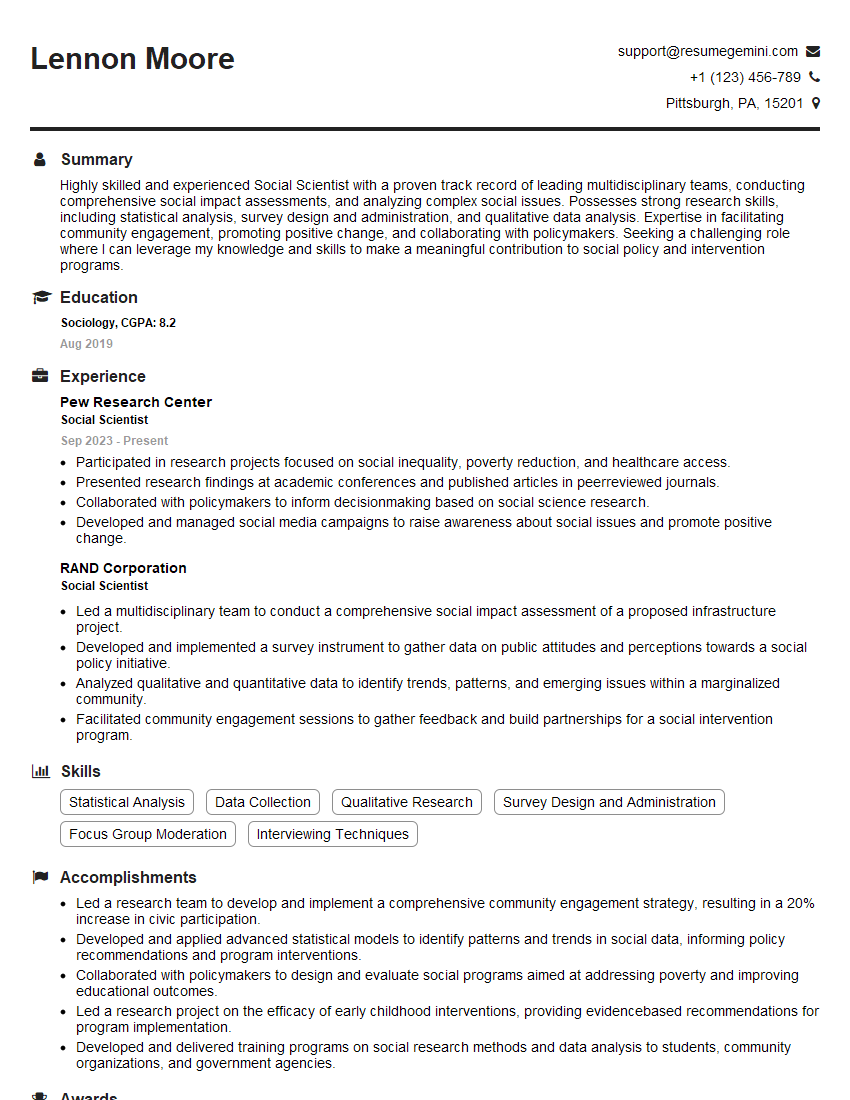
Social Scientist Resume Sample
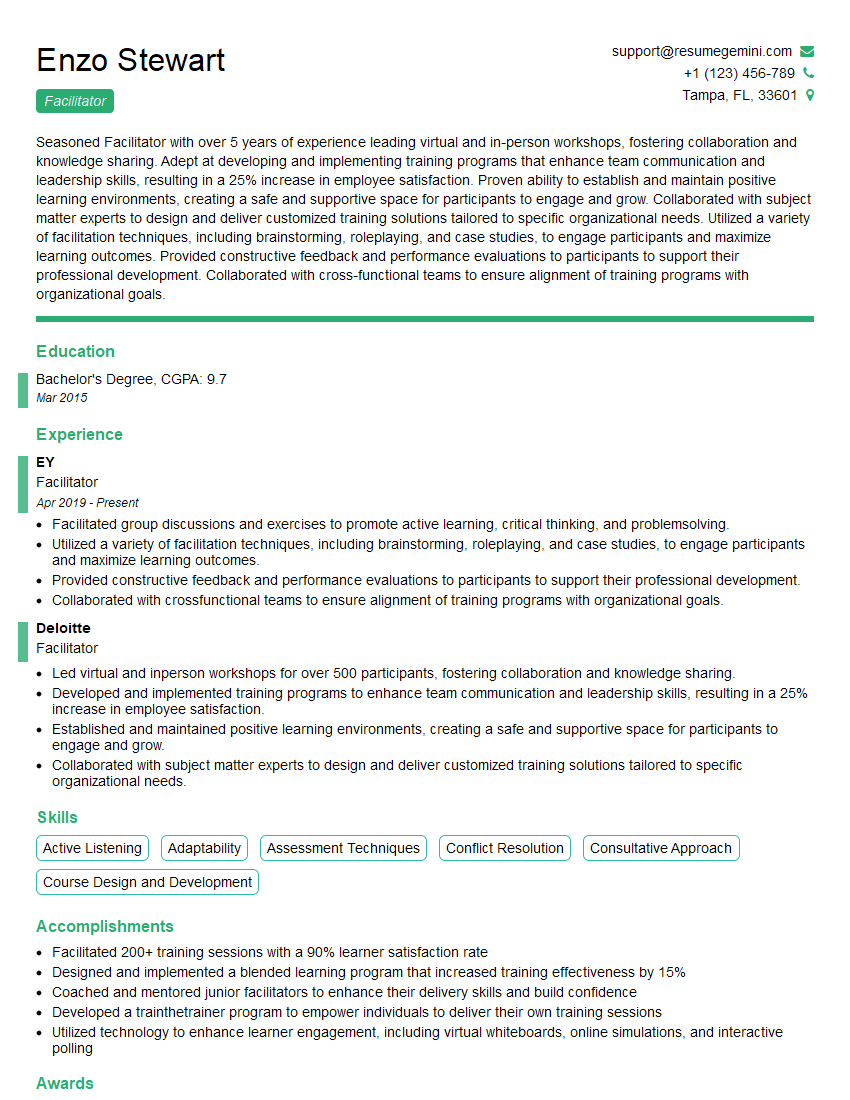
Facilitator Resume Sample
Explore more articles
Users Rating of Our Blogs
Share Your Experience
We value your feedback! Please rate our content and share your thoughts (optional).
What Readers Say About Our Blog
To the interviewgemini.com Webmaster.
Very helpful and content specific questions to help prepare me for my interview!
Thank you
To the interviewgemini.com Webmaster.
This was kind of a unique content I found around the specialized skills. Very helpful questions and good detailed answers.
Very Helpful blog, thank you Interviewgemini team.