The right preparation can turn an interview into an opportunity to showcase your expertise. This guide to Group Management and Team Building interview questions is your ultimate resource, providing key insights and tips to help you ace your responses and stand out as a top candidate.
Questions Asked in Group Management and Team Building Interview
Q 1. Describe your approach to building high-performing teams.
Building a high-performing team is a multifaceted process that goes beyond simply assigning tasks. My approach centers around establishing a clear vision, fostering a collaborative environment, and empowering individual team members. It involves several key steps:
- Defining clear goals and objectives: The team needs a shared understanding of what success looks like. This involves collaboratively setting SMART goals (Specific, Measurable, Achievable, Relevant, Time-bound).
- Selecting the right individuals: Building a team requires identifying individuals with complementary skills and personalities. A diverse team brings a range of perspectives and problem-solving approaches.
- Establishing clear roles and responsibilities: Each member needs to know their contribution and how it aligns with the overall objectives. This prevents confusion and overlap.
- Fostering open communication and collaboration: Regular team meetings, open forums, and readily available communication channels ensure everyone feels heard and informed.
- Providing regular feedback and recognition: Constructive feedback helps individuals improve, while positive reinforcement boosts morale and motivation.
- Promoting continuous learning and development: Investing in training and development opportunities keeps the team’s skills sharp and fosters innovation.
- Celebrating successes: Acknowledging milestones and achievements, both big and small, strengthens team cohesion and reinforces positive behavior.
For example, in a previous project managing the launch of a new software product, I started by holding a team brainstorming session to define the project goals and deliverables. We then collaboratively created a detailed project plan outlining individual roles and responsibilities. Throughout the project, I facilitated regular communication via daily stand-up meetings and weekly progress reviews. This transparent approach helped resolve issues proactively and fostered a strong sense of shared purpose, ultimately leading to a successful launch.
Q 2. How do you handle conflict within a team?
Conflict is inevitable in any team, but how it’s handled determines its impact. My approach emphasizes addressing conflict constructively and using it as an opportunity for growth. I typically follow these steps:
- Identify and understand the conflict: The first step is to determine the root cause of the disagreement, ensuring all parties involved have a chance to express their perspectives.
- Create a safe space for discussion: A neutral environment where all parties feel comfortable expressing themselves honestly is crucial. Active listening is key.
- Focus on the issue, not the person: The conversation should center on the problem at hand, avoiding personal attacks or blame.
- Facilitate a collaborative solution: Encourage brainstorming and collaborative problem-solving to find a mutually agreeable solution that addresses everyone’s concerns.
- Document the agreement: Once a solution is reached, it’s important to document it clearly to ensure everyone understands and adheres to the agreement.
- Follow up and monitor: Regular check-ins help ensure the solution is effective and address any remaining issues.
For instance, in a past team, a disagreement arose about the best approach to a marketing campaign. Instead of letting it escalate, I organized a facilitated meeting where each team member explained their perspective. We then collectively brainstormed different campaign strategies, weighing the pros and cons of each approach. This process led to a solution everyone could support, showcasing that conflict can lead to better outcomes.
Q 3. Explain your experience with different team-building activities.
My experience with team-building activities encompasses a wide range, tailored to the specific needs and context of the team. I avoid generic activities and prefer those that promote collaboration, communication, and problem-solving skills. Some examples include:
- Escape Rooms: These activities encourage teamwork, communication, and creative problem-solving under pressure.
- Improvisation Workshops: These improve communication, spontaneity, and the ability to adapt to unexpected situations.
- Volunteer Work: Engaging in community service fosters a sense of shared purpose and strengthens team bonds.
- Outdoor Activities: Hiking, kayaking, or other outdoor pursuits promote physical and mental well-being and encourage teamwork in a less formal setting.
- Project-Based Activities: Working together on a small, self-contained project allows the team to practice their skills and see immediate results.
The choice of activity depends on the team’s size, dynamics, and objectives. The key is to choose an activity that is engaging, relevant, and promotes interaction among team members.
Q 4. How do you delegate tasks effectively within a group?
Effective delegation is about entrusting tasks to the right individuals, empowering them to succeed, and maintaining oversight. My approach involves:
- Assess team members’ skills and capabilities: Understanding each individual’s strengths and weaknesses is crucial for assigning tasks appropriately.
- Clearly define tasks and expectations: Providing clear instructions, deadlines, and desired outcomes minimizes ambiguity and ensures everyone is on the same page.
- Provide necessary resources and support: Delegating isn’t simply assigning tasks; it’s providing the resources and support needed for successful completion.
- Set clear communication channels: Establishing regular check-ins and feedback mechanisms helps track progress and address challenges proactively.
- Empower team members to make decisions: Giving individuals autonomy and decision-making power fosters ownership and increases engagement.
- Provide constructive feedback: Regular feedback helps individuals learn and improve their performance.
For instance, when managing a large project, I delegated specific tasks to team members based on their expertise. I provided them with the necessary resources, set clear deadlines, and scheduled regular check-in meetings to monitor progress and provide support. This approach ensured efficient task completion while developing individual team members’ skills and confidence.
Q 5. What strategies do you use to motivate team members?
Motivating team members requires understanding individual needs and preferences. My strategies focus on creating a positive and supportive environment, recognizing achievements, and offering opportunities for growth. This includes:
- Recognition and appreciation: Acknowledging individual and team accomplishments, both big and small, is crucial. This could involve verbal praise, written recognition, or small rewards.
- Opportunities for growth and development: Investing in training, mentorship, or challenging assignments fosters professional development and increases job satisfaction.
- Clear communication and feedback: Regular communication ensures transparency and allows individuals to understand their progress and contribution.
- Empowerment and autonomy: Allowing team members to take ownership of their work and make decisions increases engagement and motivation.
- Creating a positive and supportive work environment: Fostering a culture of trust, respect, and collaboration creates a motivating environment where team members feel valued.
In one team, I noticed a member feeling undervalued. By assigning them a challenging project that utilized their unique skills, providing regular feedback, and publicly acknowledging their contribution upon completion, I saw a significant improvement in their engagement and overall performance.
Q 6. How do you measure team performance?
Measuring team performance is crucial for understanding effectiveness and identifying areas for improvement. My approach is multifaceted and includes both quantitative and qualitative measures. This can include:
- Key Performance Indicators (KPIs): These measurable metrics, such as project completion rates, customer satisfaction scores, or sales targets, provide a quantitative assessment of performance.
- Qualitative assessments: Gathering feedback through surveys, 360-degree reviews, or team meetings offers insights into team dynamics, morale, and overall effectiveness.
- Project milestones and deliverables: Tracking progress toward project goals provides a clear indication of team performance.
- Individual performance reviews: Assessing individual contributions helps identify strengths and areas for development, ultimately improving team performance.
For example, in a previous project, we tracked KPIs such as on-time delivery, budget adherence, and customer satisfaction. We also conducted regular team retrospectives to gather qualitative feedback on the team’s process and identify areas for improvement. This combined approach gave us a comprehensive understanding of the team’s performance and informed future decisions.
Q 7. Describe a time you had to manage a difficult team member.
I once had a team member who consistently missed deadlines and displayed a lack of communication. My approach involved a series of steps:
- Private conversation: I initiated a private conversation to understand the root cause of the issue, listening empathetically while maintaining a professional demeanor.
- Setting clear expectations: I reiterated the importance of meeting deadlines and adhering to communication protocols, offering support and resources where needed.
- Performance improvement plan: We collaboratively developed a performance improvement plan outlining specific goals, deadlines, and support strategies.
- Regular check-ins: Frequent check-ins allowed for monitoring progress, providing timely feedback, and adjusting strategies as needed.
- Documentation: Throughout the process, I meticulously documented all interactions and agreements to protect both the team member and the organization.
While this situation was challenging, through consistent communication, support, and clear expectations, the team member eventually improved their performance. This experience highlighted the importance of addressing performance issues proactively, offering support, and documenting the process.
Q 8. How do you facilitate effective communication within a team?
Effective team communication is the lifeblood of any successful group. It’s not just about talking; it’s about ensuring everyone understands, feels heard, and contributes meaningfully. I facilitate this through a multi-pronged approach.
Establishing Clear Communication Channels: This involves selecting the right tools for the job – email for formal communication, instant messaging for quick updates, project management software for task tracking, and regular team meetings (both formal and informal) for discussions and brainstorming.
Active Listening and Feedback: I encourage active listening during meetings and conversations, prompting clarification when needed. I also implement regular feedback mechanisms, including both formal performance reviews and informal check-ins to gauge individual and team progress and address concerns proactively.
Promoting Transparency: Open communication about project goals, challenges, and successes builds trust and fosters a sense of shared ownership. I ensure that information flows freely and that everyone is kept informed of relevant developments.
Defining Communication Protocols: Establishing clear guidelines on response times, meeting etiquette, and preferred communication methods ensures efficiency and minimizes misunderstandings. For example, defining an escalation path for urgent issues keeps things moving smoothly.
For example, in a previous role, we were facing communication bottlenecks due to inconsistent project updates. By implementing a daily stand-up meeting and a shared project management platform, we streamlined information flow, reduced confusion, and improved overall team efficiency.
Q 9. How do you handle disagreements among team members?
Disagreements are inevitable in any team, but how they’re handled determines the team’s success. My approach focuses on constructive conflict resolution.
Creating a Safe Space: I foster an environment where team members feel comfortable expressing their opinions without fear of retribution. This involves establishing ground rules for respectful dialogue and emphasizing the importance of focusing on issues, not personalities.
Active Listening and Empathy: I facilitate discussions by actively listening to each person’s perspective, ensuring everyone feels heard and understood. I help team members see different viewpoints through empathy.
Collaborative Problem-Solving: Instead of imposing solutions, I guide the team towards finding mutually acceptable solutions through collaborative brainstorming and compromise. Techniques like root cause analysis can help uncover the underlying issues.
Mediation if Necessary: In cases where disagreements escalate, I might act as a mediator, guiding the discussion towards a resolution while maintaining neutrality.
For instance, in a previous project, two team members had a strong disagreement about the best approach to a technical problem. By facilitating a structured discussion where both members clearly articulated their positions and listened to each other, we arrived at a hybrid solution that leveraged the strengths of both approaches. The outcome strengthened the team dynamic as both individuals felt heard and valued.
Q 10. What’s your experience with remote team management?
My experience with remote team management spans several years, and I’ve found that success hinges on adapting traditional management techniques to the virtual environment.
Leveraging Technology Effectively: Proficient use of collaboration tools like Slack, Microsoft Teams, Zoom, and project management software is crucial. This ensures seamless communication and task management.
Building Relationships Virtually: I prioritize virtual team-building activities to foster camaraderie and connection. This could involve online games, virtual coffee breaks, or even shared online experiences.
Clear Communication and Expectations: Even more so than in co-located teams, clear communication of expectations, roles, and responsibilities is essential in a remote setting. Regular check-ins and progress updates are vital.
Flexible Work Arrangements: Recognizing that remote workers often manage personal responsibilities alongside their work, flexible work arrangements can significantly improve productivity and morale.
Addressing Potential Isolation: Proactive steps to mitigate feelings of isolation among remote team members are crucial. This includes regular virtual social interactions and ensuring that individual contributions are acknowledged and celebrated.
In a past role managing a fully remote development team, we successfully launched a major product update by employing daily stand-up meetings through video conferencing, using a shared project management platform to track progress and assigning clear roles and responsibilities to each team member. Regular social check-ins, facilitated through online games and virtual coffee breaks, helped maintain a strong team dynamic despite the physical distance.
Q 11. How do you foster a positive and inclusive team environment?
Creating a positive and inclusive team environment requires a deliberate and ongoing effort. It’s about fostering a sense of belonging where everyone feels respected, valued, and empowered to contribute their best.
Promoting Diversity and Inclusion: I actively seek diverse perspectives and ensure that all team members feel heard and respected, regardless of their background. This includes actively challenging unconscious biases and creating inclusive language policies.
Open Communication and Feedback: An open and honest communication style, where feedback is both given and received constructively, is essential for a positive environment. Regularly soliciting feedback from team members is critical.
Celebrating Successes: Acknowledging and celebrating individual and team achievements helps foster a sense of accomplishment and boosts morale. This could involve team lunches, small gifts, or public recognition.
Team Building Activities: Regular team-building activities, tailored to the team’s interests, can help strengthen relationships and improve collaboration. These activities should be inclusive and accessible to all members.
Addressing Conflict Constructively: Addressing conflicts promptly and fairly, using techniques discussed earlier, is vital for maintaining a positive team environment.
In one instance, I noticed a team member feeling excluded from team activities. By having a private conversation and discovering the root of the issue, we were able to implement changes that made them feel more included and valued, leading to a significant increase in their contributions and engagement.
Q 12. Describe your experience with agile methodologies in team management.
Agile methodologies are integral to my team management approach. I’ve extensively used Scrum and Kanban frameworks in various projects, appreciating their adaptability and focus on iterative progress.
Scrum Implementation: I’ve facilitated Scrum teams by establishing sprints, daily stand-up meetings, sprint reviews, and retrospectives. This structured approach enhances transparency, accountability, and adaptability to changing requirements.
Kanban Application: In projects needing more flexibility, I’ve implemented Kanban boards to visualize workflow, limit work in progress, and identify bottlenecks. This improves efficiency and allows for more reactive adjustments to shifting priorities.
Adapting to Context: My experience teaches me that the best Agile approach depends on the specific project and team. I tailor the framework to suit the unique needs and context.
Emphasis on Collaboration: Agile emphasizes collaboration and continuous feedback, which I foster through regular communication, cross-functional teamwork, and shared decision-making.
For example, using Scrum on a software development project, we were able to deliver incremental value frequently, adapt to changing client needs effectively, and improve team productivity through regular retrospectives which addressed recurring issues.
Q 13. How do you identify and address skill gaps within a team?
Identifying and addressing skill gaps is crucial for team performance. My approach is proactive and data-driven.
Performance Reviews and Assessments: Regular performance reviews provide valuable insights into individual strengths and weaknesses. Skill gap assessments, either through questionnaires or observation, help identify areas needing improvement.
360-Degree Feedback: Collecting feedback from multiple sources—peers, supervisors, and subordinates—provides a holistic view of individual performance and skill levels.
Training and Development: Once skill gaps are identified, I work with individuals to create personalized development plans, providing access to relevant training courses, mentorship opportunities, or job shadowing experiences.
Mentorship Programs: Pairing experienced team members with those needing development can accelerate skill acquisition and improve team cohesion.
External Resources: Leveraging external training providers or online courses allows for access to specialized expertise not readily available within the team.
In a past team, we identified a lack of data analysis skills. Through targeted training sessions and mentorship opportunities, we improved team members’ data literacy, resulting in more data-driven decisions and improved project outcomes.
Q 14. How do you ensure team members feel valued and supported?
Making team members feel valued and supported is paramount for a high-performing team. This involves both individual and collective efforts.
Recognition and Appreciation: Regularly acknowledging and appreciating individual contributions, both big and small, boosts morale and fosters a sense of belonging. This can involve verbal praise, written thank-you notes, or public recognition.
Work-Life Balance Support: Promoting a healthy work-life balance is crucial for employee well-being and productivity. This might involve flexible work arrangements, encouraging breaks, and supporting employee wellbeing initiatives.
Open Door Policy: Maintaining an open-door policy, where team members feel comfortable approaching their manager with concerns or issues, demonstrates trust and support.
Career Development Opportunities: Investing in team members’ career development demonstrates commitment to their growth and long-term success within the organization.
Mentorship and Coaching: Providing mentorship and coaching opportunities helps team members grow professionally and personally, fostering a sense of belonging and value.
For instance, recognizing a team member’s dedication to a challenging project, we publicly acknowledged their hard work during a team meeting, boosting morale and demonstrating to others the value of consistent effort. Offering flexible working arrangements also allowed for greater work-life balance resulting in higher engagement.
Q 15. How do you prioritize tasks and manage deadlines within a team?
Prioritizing tasks and managing deadlines effectively within a team requires a structured approach. I typically use a combination of methods, starting with a clear understanding of project goals and individual roles. Then, I employ techniques like:
- Prioritization Matrices: Using tools like Eisenhower Matrix (urgent/important), MoSCoW method (must have/should have/could have/won’t have), or simply ranking tasks by value and urgency. This ensures we focus on the most critical tasks first.
- Work Breakdown Structure (WBS): Breaking down large projects into smaller, manageable tasks. This makes it easier to assign responsibilities and track progress.
- Gantt Charts or Project Management Software: Visualizing task dependencies and deadlines. This allows for proactive identification of potential bottlenecks and adjustments to the schedule as needed. Tools like Asana or Trello are invaluable here.
- Regular Team Meetings: Short, focused meetings to discuss progress, address roadblocks, and re-prioritize tasks based on changing circumstances. Transparency is key.
For example, in a previous project involving a website launch, we utilized a Gantt chart to visually track the development, design, and testing phases. When a critical design element was delayed, we held a quick team meeting, re-prioritized tasks, and adjusted the launch date accordingly, avoiding significant project delays.
Career Expert Tips:
- Ace those interviews! Prepare effectively by reviewing the Top 50 Most Common Interview Questions on ResumeGemini.
- Navigate your job search with confidence! Explore a wide range of Career Tips on ResumeGemini. Learn about common challenges and recommendations to overcome them.
- Craft the perfect resume! Master the Art of Resume Writing with ResumeGemini’s guide. Showcase your unique qualifications and achievements effectively.
- Don’t miss out on holiday savings! Build your dream resume with ResumeGemini’s ATS optimized templates.
Q 16. Describe your experience with performance management within a team.
Performance management is a continuous process, not just an annual review. It’s about fostering growth and maximizing team potential. My approach involves:
- Setting Clear Expectations: Ensuring each team member understands their roles, responsibilities, and performance goals. This often involves creating clear Key Performance Indicators (KPIs).
- Regular Check-ins: Providing consistent feedback – both positive reinforcement and constructive criticism – through regular one-on-one meetings. This helps identify any challenges early on.
- Providing Resources and Support: Equipping team members with the necessary tools, training, and mentorship to succeed. This shows commitment to their development.
- Performance Reviews: Formal performance evaluations provide a structured opportunity to discuss achievements, areas for improvement, and future goals. These should be collaborative and forward-looking.
- Performance Improvement Plans (PIPs): When necessary, I develop and implement PIPs for underperforming team members, focusing on specific areas needing improvement and providing support to reach performance goals.
In a past role, I implemented a system of regular check-ins, combined with quarterly performance reviews, leading to a 15% improvement in overall team productivity within six months.
Q 17. How do you adapt your leadership style to different team dynamics?
Adapting my leadership style is crucial for effective team management. I believe in a situational leadership approach, recognizing that different teams require different styles. I assess team dynamics based on factors like:
- Team Member Experience and Skills: A team of experienced professionals may benefit from a more collaborative and delegative style, while a newer team might require more directive leadership.
- Project Complexity and Urgency: High-pressure situations might demand a more direct and authoritative style, whereas less urgent projects allow for more participative decision-making.
- Team Culture and Preferences: I observe communication styles and team preferences to tailor my approach accordingly. Some teams thrive on autonomy, while others prefer more structured guidance.
For instance, with a highly skilled and autonomous team, I focus on providing resources, support, and strategic guidance, letting the team self-manage. However, with a newly formed team, I provide more structured direction and clear guidelines, offering more frequent feedback and support.
Q 18. Explain your experience with team goal setting and planning.
Team goal setting and planning are essential for aligning efforts and achieving shared objectives. My process typically involves:
- Defining Clear Objectives: Starting with the overall project goals and breaking them down into smaller, measurable, achievable, relevant, and time-bound (SMART) goals.
- Collaborative Goal Setting: Involving the team in the goal-setting process ensures buy-in and commitment. This creates a shared sense of ownership.
- Developing an Action Plan: Creating a detailed action plan that outlines the steps required to achieve each goal, assigning responsibilities, and setting deadlines.
- Resource Allocation: Ensuring the team has the necessary resources (budget, tools, expertise) to successfully complete the project.
- Regular Monitoring and Adjustments: Tracking progress regularly and making adjustments to the plan as needed to stay on track.
In one project, we used a collaborative brainstorming session to define team goals, which led to a more innovative and effective approach, resulting in exceeding our initial targets.
Q 19. How do you build trust and rapport within a team?
Building trust and rapport within a team is foundational for effective collaboration. I focus on:
- Open and Honest Communication: Creating a safe space where team members feel comfortable sharing ideas, concerns, and feedback without fear of judgment.
- Active Listening: Truly listening to understand perspectives, demonstrating empathy and respect.
- Leading by Example: Demonstrating integrity, accountability, and commitment to the team’s goals.
- Team-Building Activities: Organizing activities that foster camaraderie and build relationships outside of work tasks.
- Celebrating Successes: Recognizing and rewarding team achievements, both big and small, to boost morale and motivation.
For instance, in one team, we implemented weekly team lunches, which helped to build casual relationships and significantly improved communication and collaboration.
Q 20. What metrics do you use to track team progress?
Tracking team progress requires a multifaceted approach. I use a variety of metrics, depending on the project and goals. Common metrics include:
- Project Milestones Achieved: Tracking progress towards key milestones provides a clear picture of overall project advancement.
- Task Completion Rates: Monitoring the percentage of tasks completed against the schedule helps identify delays and potential problems.
- Quality Metrics: Measuring the quality of work produced, such as defect rates or customer satisfaction scores, is vital for ensuring high standards.
- Time Spent on Tasks: Analyzing time spent on individual tasks can reveal inefficiencies and areas for improvement.
- Team Member Performance: Tracking individual performance metrics (aligned with KPIs) helps identify areas of strength and weakness within the team.
In a software development project, we tracked code commits, bug fixes, and test coverage to monitor progress and ensure quality. This data-driven approach allowed for early detection of issues and proactive adjustments.
Q 21. How do you provide constructive feedback to team members?
Providing constructive feedback is a crucial skill for fostering growth and improvement. My approach centers on:
- Specificity: Focusing on specific behaviors or actions, rather than making general statements. Instead of saying “you’re not a good communicator,” I’d say, “In the last meeting, your presentation lacked clear visuals, making it hard to follow.”
- Balance: Highlighting both positive aspects and areas for improvement. This emphasizes strengths while addressing weaknesses.
- Focus on Behavior, Not Personality: Addressing observable behaviors, avoiding personal attacks. Instead of “you’re lazy,” I’d say, “The deadline was missed on this task. Let’s discuss strategies to manage your workload more effectively.”
- Collaboration: Making feedback a two-way conversation, allowing for clarification and discussion. I encourage questions and suggestions.
- Actionable Steps: Offering concrete suggestions for improvement. “To improve your presentations, let’s try using a storyboarding technique to structure your content.”
I always aim to frame feedback in a way that is supportive and motivational, focusing on growth and development rather than criticism.
Q 22. How do you handle underperforming team members?
Addressing underperformance requires a multifaceted approach focused on understanding the root cause, providing support, and setting clear expectations. It’s not about blame, but about helping the individual succeed and contribute to the team’s goals.
Identify the Issue: I begin by having a private conversation with the team member. This conversation focuses on understanding the reasons for the underperformance. Are there skill gaps? Are there personal issues affecting their work? Are they overwhelmed by their workload? This requires active listening and empathy.
Develop an Action Plan: Once the root cause is identified, we collaboratively develop an action plan. This might involve additional training, mentorship, adjusting workloads, or clarifying expectations. The plan should have specific, measurable, achievable, relevant, and time-bound (SMART) goals.
Provide Support and Resources: I ensure the team member has the necessary resources, including tools, information, and mentorship, to succeed. Regular check-ins are crucial to monitor progress and provide ongoing support.
Performance Improvement Plan (PIP): In more serious cases, a formal PIP might be necessary. This document outlines specific performance expectations, a timeline for improvement, and the consequences of continued underperformance. It should be fair, documented, and reviewed regularly with the team member.
Performance Management: If the action plan isn’t successful despite efforts, further action, up to and including termination, may be necessary. This decision is made cautiously and with consideration for all aspects of the situation, adhering to company policies and procedures.
Example: In a previous role, a team member’s performance dipped due to a lack of confidence with a new software. We implemented a tailored training program, paired them with a mentor, and adjusted their workload to focus on mastering the software. Their performance improved significantly within a few weeks.
Q 23. Describe your experience with using project management tools.
I have extensive experience using various project management tools, adapting my choice based on project needs and team preferences. My experience spans from Agile methodologies using tools like Jira and Trello to more traditional project management software such as Microsoft Project.
Jira: Excellent for Agile projects, facilitating sprint planning, task assignment, bug tracking, and progress visualization via Kanban boards and scrum boards. I’ve used Jira extensively for managing complex software development projects, leveraging its features for issue tracking, workflow customization, and reporting.
Trello: A more user-friendly platform, ideal for smaller teams or projects requiring simpler task management. Its visual Kanban-style boards help in visualizing workflows and progress.
Microsoft Project: A robust tool suitable for larger, more complex projects requiring detailed scheduling, resource allocation, and cost management. I’ve used it for projects involving multiple teams and dependencies.
Asana/Monday.com: I am also familiar with these platforms, which offer a blend of features suitable for diverse project needs, offering good task management, collaboration features, and reporting capabilities.
My approach involves selecting the right tool for the job, configuring it to match our workflow, and training the team on its effective use. Consistent use and data-driven insights from these tools are key to effective project management.
Q 24. How do you ensure team members have the resources they need?
Ensuring team members have the necessary resources is paramount to their success and overall team productivity. My approach is proactive and involves anticipating needs before they become roadblocks.
Needs Assessment: I regularly assess the team’s needs through open communication, one-on-one meetings, and team feedback sessions. This helps to identify any resource gaps – be it technology, training, budget, or support staff.
Proactive Resource Allocation: Based on the needs assessment, I work with management to secure the required resources. This might involve requesting new software licenses, additional budget allocation for training, or assigning support staff to assist with complex tasks.
Training and Development: Investing in training and development is crucial. I identify skill gaps and arrange appropriate training programs to enhance individual and team capabilities. This could range from online courses to workshops or mentoring.
Open Communication: Maintaining open communication channels is vital. I encourage team members to openly express their resource needs and challenges without hesitation. This creates a culture of trust and ensures that issues are addressed promptly.
Example: In a past project, I noticed the team was struggling with a new software integration. I proactively requested additional training from the software vendor and secured budget for an external consultant to guide the implementation process. This ensured a smooth transition and prevented significant delays.
Q 25. How do you deal with changing priorities within a team?
Dealing with changing priorities is an inevitable aspect of project management. Transparency and adaptability are crucial for navigating these shifts effectively.
Communicate the Change: When priorities change, I immediately communicate the reason for the shift and its impact on the project to the entire team. This avoids confusion and ensures everyone is on the same page.
Reprioritize Tasks: Collaboratively, I work with the team to reprioritize tasks based on the new priorities. This involves open discussion and a consensus-building approach to ensure fairness and buy-in.
Adjust Scope and Timeline: Depending on the magnitude of the change, we may need to adjust the project scope and timeline. This requires careful evaluation of the impact of the changes and communication with stakeholders.
Maintain Transparency: Throughout the process, I maintain transparency with all stakeholders, keeping them updated on progress and any challenges encountered.
Flexibility and Adaptability: A successful response to changing priorities hinges on the team’s ability to adapt quickly and flexibly. I foster a culture that embraces change and encourages problem-solving.
Example: Once, a high-priority project required a sudden shift in focus due to a client request. We held an immediate team meeting, re-evaluated the tasks, and adjusted the schedule accordingly. Transparent communication throughout the process ensured team morale and successful project completion despite the unexpected change.
Q 26. What is your approach to mentoring and developing team members?
Mentoring and developing team members is a critical part of my role. I believe in fostering a culture of continuous learning and growth.
Identifying Potential: I start by identifying the strengths and weaknesses of each team member. This involves regular performance reviews, observing their work, and soliciting feedback from peers.
Customized Development Plans: Based on the assessment, I develop customized development plans for each team member. These plans outline specific goals, learning opportunities, and timelines for improvement.
Mentorship and Coaching: I provide mentorship and coaching to guide team members in their professional development. This might involve one-on-one meetings, providing constructive feedback, and helping them navigate challenges.
Training and Skill Enhancement: I identify relevant training opportunities and encourage team members to pursue them. This could involve online courses, workshops, or attending industry conferences.
Feedback and Recognition: I provide regular, constructive feedback and actively recognize achievements to motivate and encourage continuous improvement.
Example: I mentored a junior team member who lacked confidence in public speaking. We developed a plan that involved participating in smaller presentations, receiving constructive feedback, and ultimately leading a presentation to a larger client. Their growth was remarkable, boosting their confidence and skillset significantly.
Q 27. How do you encourage innovation and creativity within a team?
Cultivating innovation and creativity requires a supportive and stimulating environment. My approach focuses on removing obstacles and encouraging experimentation.
Brainstorming Sessions: I regularly conduct brainstorming sessions using techniques like mind mapping and design thinking. These sessions are designed to generate ideas and foster collaboration.
Idea Incubators: I encourage the creation of an ‘idea incubator’ where team members can freely share their innovative ideas without fear of judgment. This creates a safe space for experimentation.
Cross-functional Collaboration: Encouraging collaboration across different teams exposes individuals to diverse perspectives and promotes creative problem-solving.
Hackathons and Innovation Challenges: Organizing hackathons or innovation challenges can provide a structured environment for generating creative solutions to specific problems.
Celebrating Failures: I create a culture where it’s okay to fail. Failures are viewed as learning opportunities rather than setbacks, encouraging experimentation and risk-taking.
Example: In one team, we implemented a ‘suggestion box’ where anyone could submit innovative ideas for process improvement. The best ideas were implemented, with the contributors recognized for their creativity and contributions.
Q 28. Describe a time you successfully resolved a team conflict.
Team conflicts are inevitable, but how they’re handled determines their impact. My approach emphasizes understanding, communication, and finding mutually acceptable solutions.
In one instance, two team members clashed over project approach. One favored a more traditional, structured method, while the other preferred a more agile, iterative approach. Their disagreement escalated into personal attacks, hindering project progress.
Facilitate a Meeting: I facilitated a private meeting with both individuals. The goal wasn’t to assign blame but to understand each person’s perspective and concerns. Active listening was crucial. I created a safe environment for them to express their feelings without interruption.
Identify Common Ground: We worked together to identify areas of common ground and shared objectives. This helped to shift the focus from personal differences to shared goals.
Develop a Compromise: We collaboratively developed a compromise, integrating elements of both approaches. This hybrid model leveraged the strengths of each method. The solution wasn’t about winning or losing, but finding the most efficient path forward.
Follow-up and Monitoring: After agreeing on the compromise, we regularly followed up to ensure the new process worked and addressed any concerns promptly.
The conflict resolution significantly improved team dynamics and project efficiency. The key was fostering open communication, empathy, and a focus on finding a solution that worked for everyone involved. It reinforced a culture of respect and collaboration within the team.
Key Topics to Learn for Group Management and Team Building Interviews
- Understanding Team Dynamics: Learn to identify different team roles, communication styles, and potential conflict areas. Explore frameworks like Belbin’s Team Roles to analyze team composition and effectiveness.
- Leadership Styles and Approaches: Explore various leadership styles (transformational, transactional, servant leadership) and understand when to apply each effectively. Consider the impact of your leadership style on team motivation and performance.
- Conflict Resolution and Negotiation: Develop strategies for proactively addressing conflict and facilitating constructive dialogue within teams. Practice negotiation techniques to achieve win-win outcomes.
- Motivation and Team Engagement: Explore theories of motivation (Maslow’s Hierarchy, Herzberg’s Two-Factor Theory) and apply them to create engaging and productive work environments. Learn to recognize and address factors affecting team morale.
- Goal Setting and Performance Management: Master techniques for setting SMART goals, tracking progress, and providing constructive feedback to team members. Understand different performance management approaches and their implications.
- Delegation and Empowerment: Learn effective delegation strategies to leverage team members’ strengths and foster a sense of ownership and responsibility. Understand how to empower team members to make decisions and take initiative.
- Team Communication and Collaboration: Explore various communication methods and tools to enhance collaboration within teams. Consider how to improve communication clarity and efficiency.
- Building a Positive Team Culture: Understand the importance of fostering trust, respect, and inclusivity within the team. Learn how to create a positive and supportive work environment.
Next Steps
Mastering Group Management and Team Building is crucial for career advancement, opening doors to leadership roles and increased responsibility. A strong resume highlighting these skills is essential for attracting recruiters. Crafting an ATS-friendly resume is vital to ensuring your application gets seen. ResumeGemini is a trusted resource to help you build a professional and impactful resume that showcases your abilities in Group Management and Team Building. We provide examples of resumes tailored to these skills to help you get started. Invest time in creating a compelling resume – it’s your first impression!
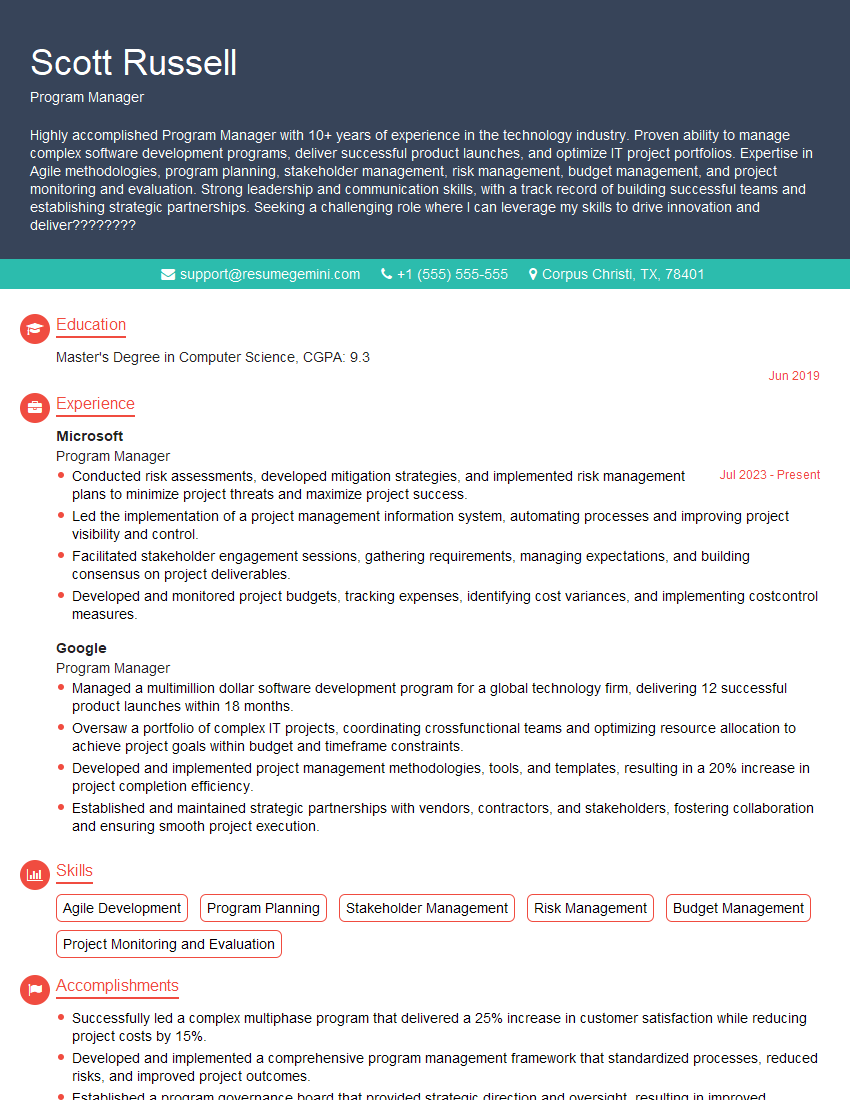
Program Manager Resume Sample

Operations Manager Resume Sample
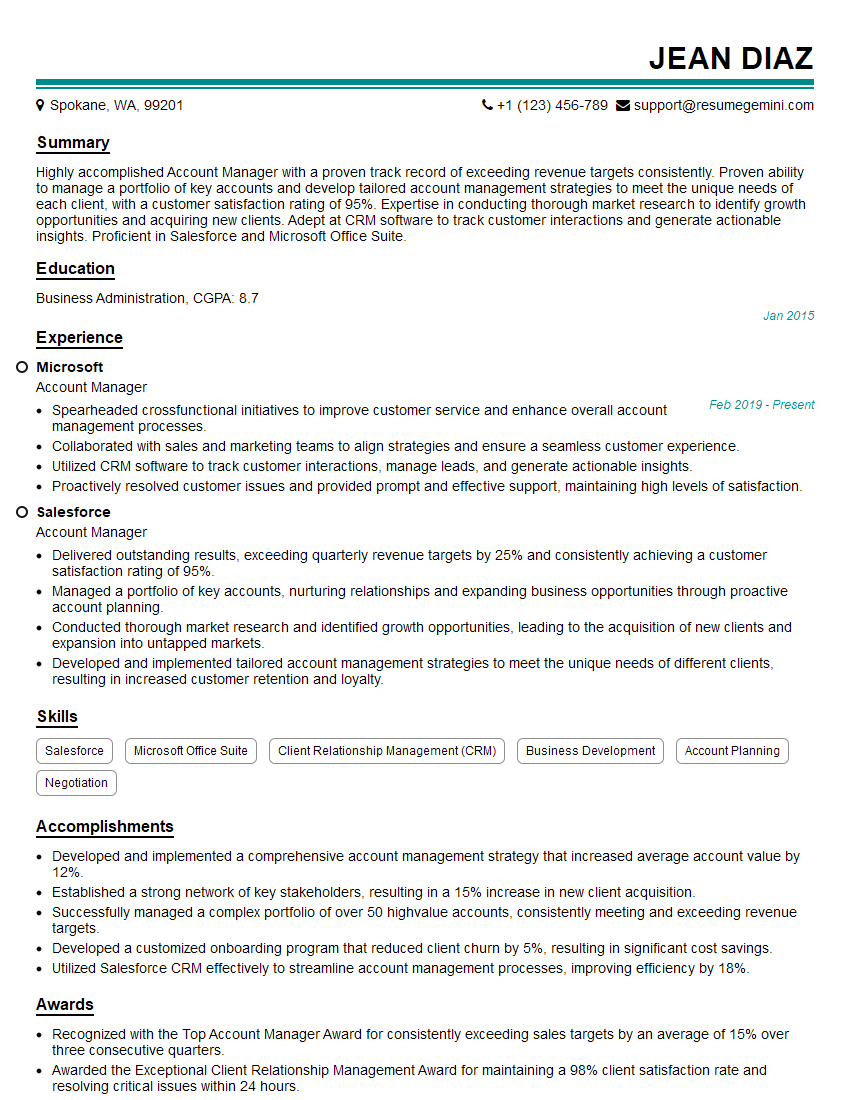
Account Manager Resume Sample
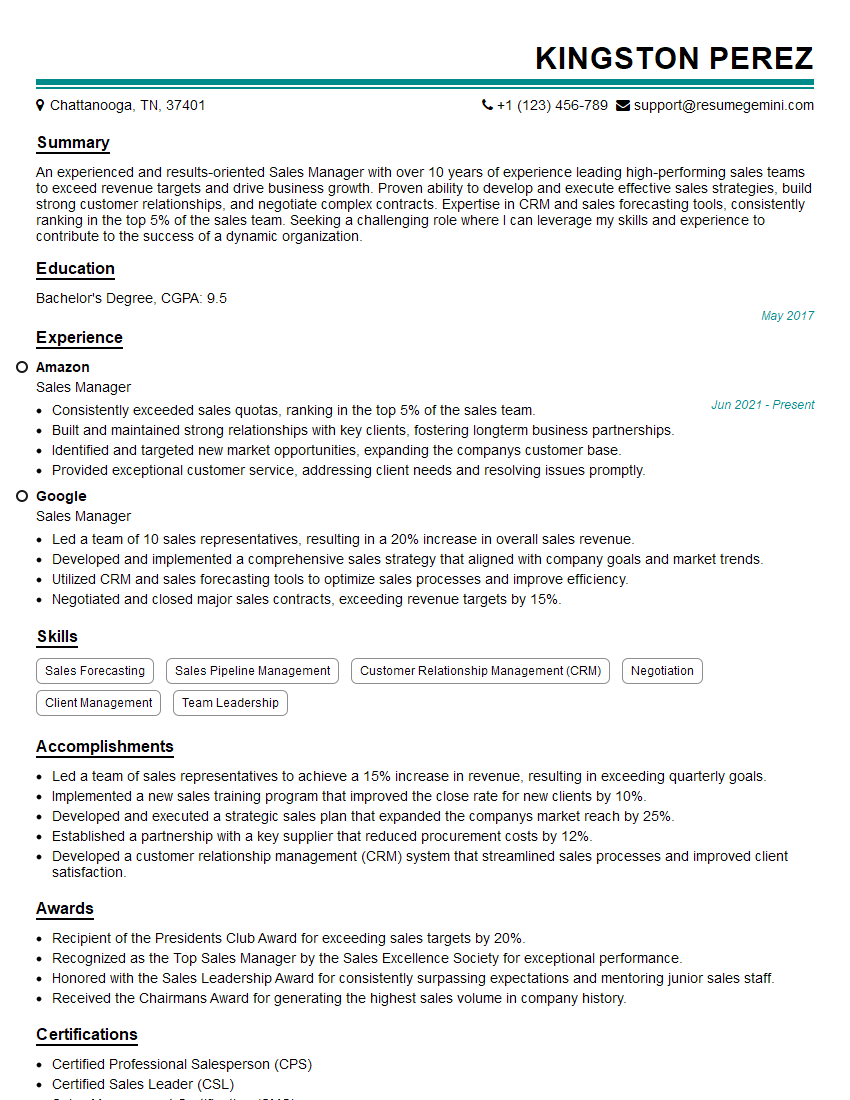
Sales Manager Resume Sample
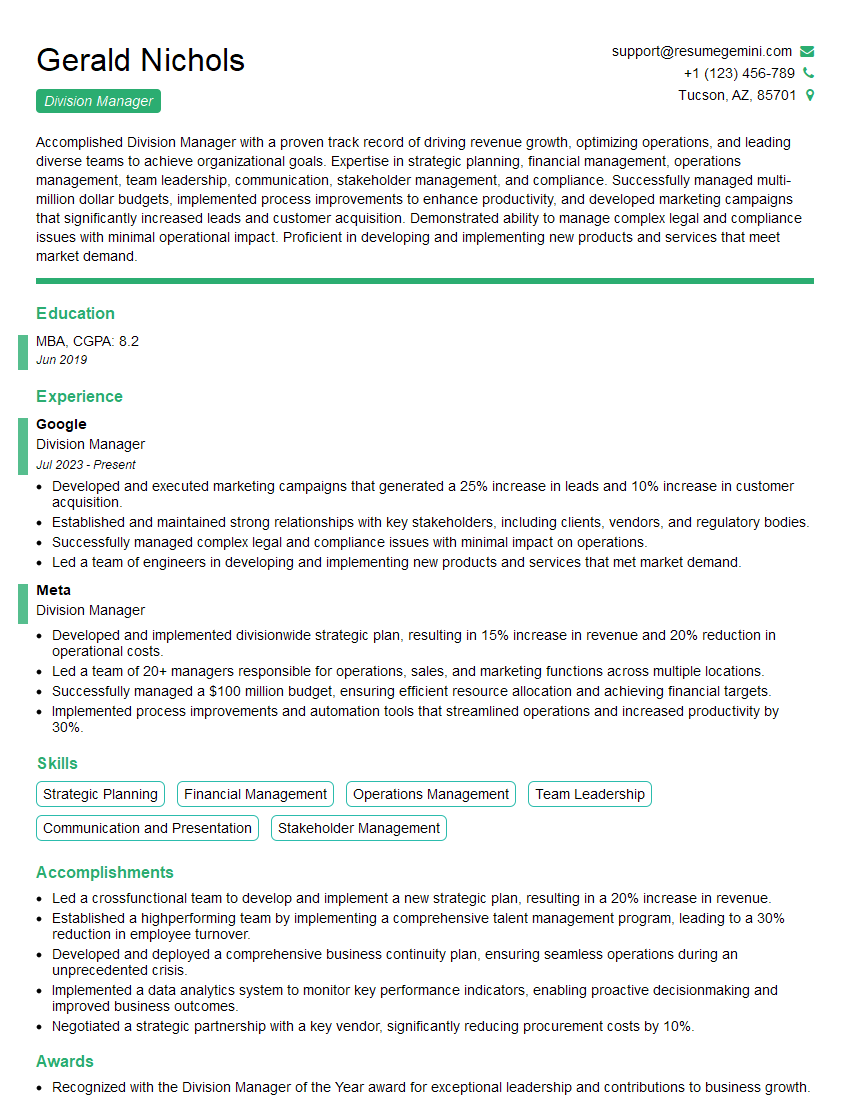
Division Manager Resume Sample
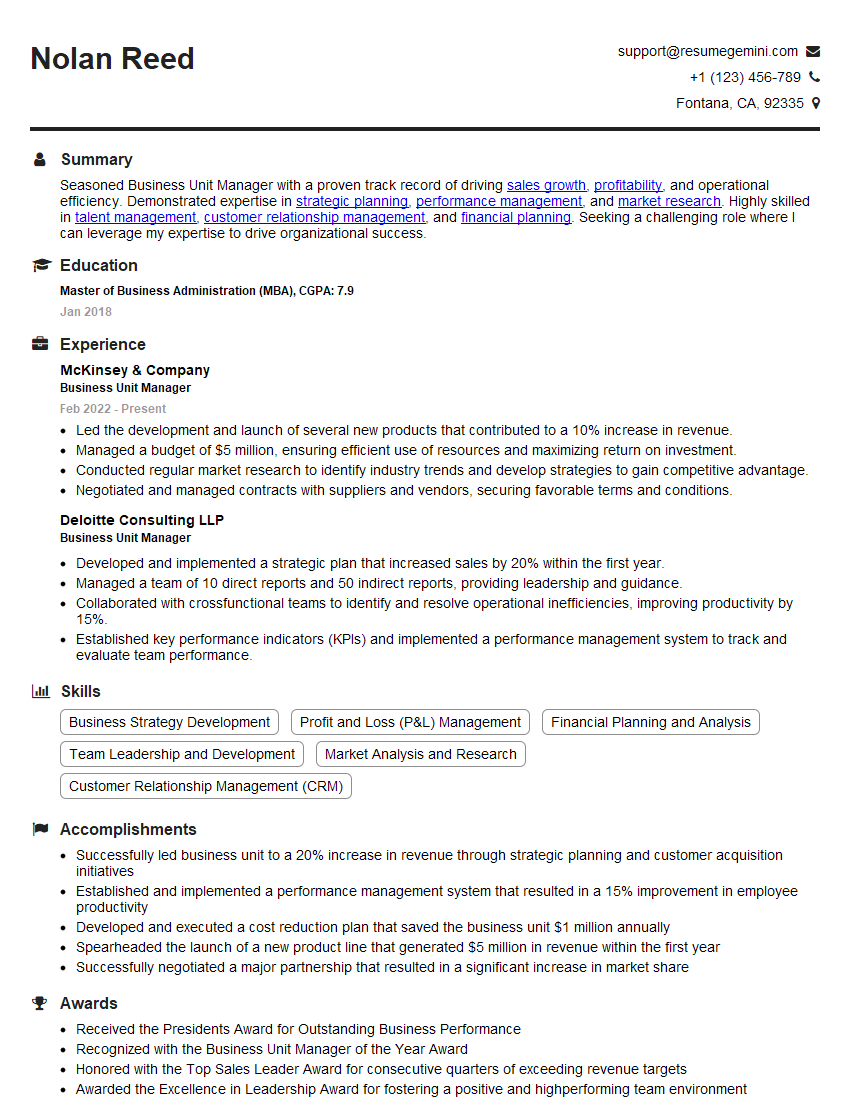
Business Unit Manager Resume Sample
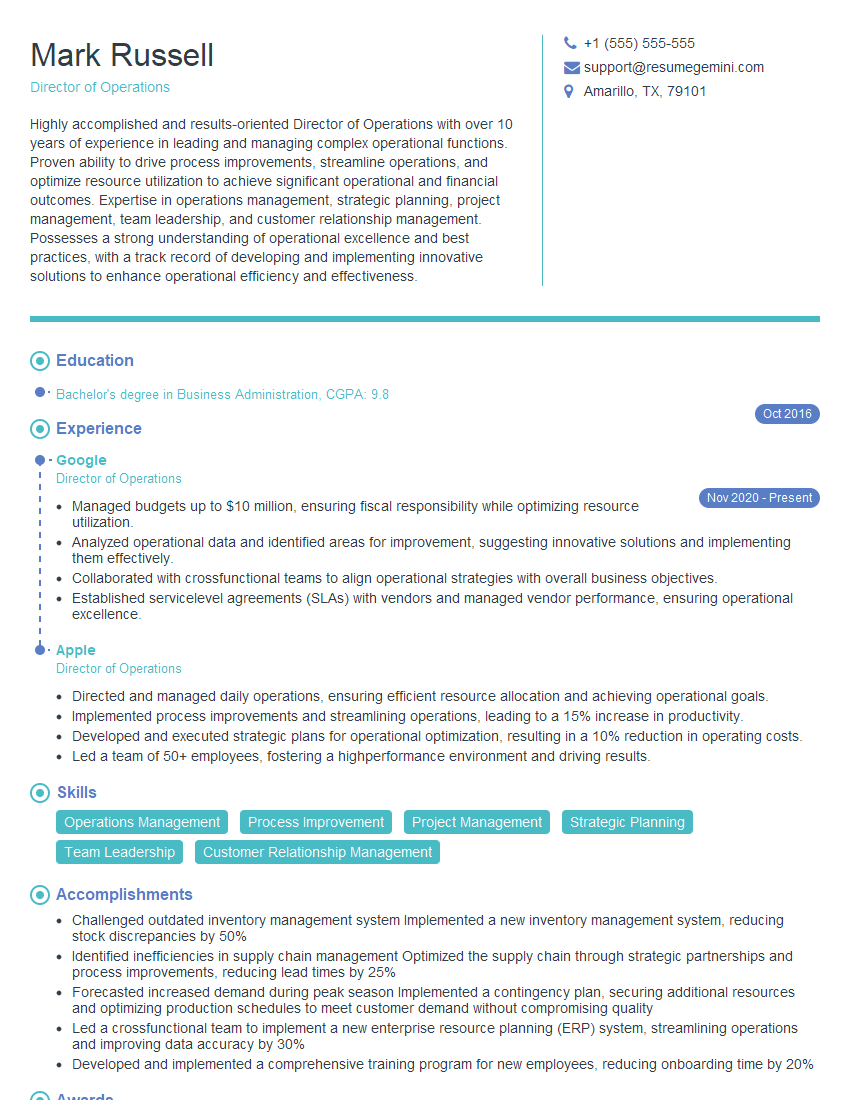
Director of Operations Resume Sample
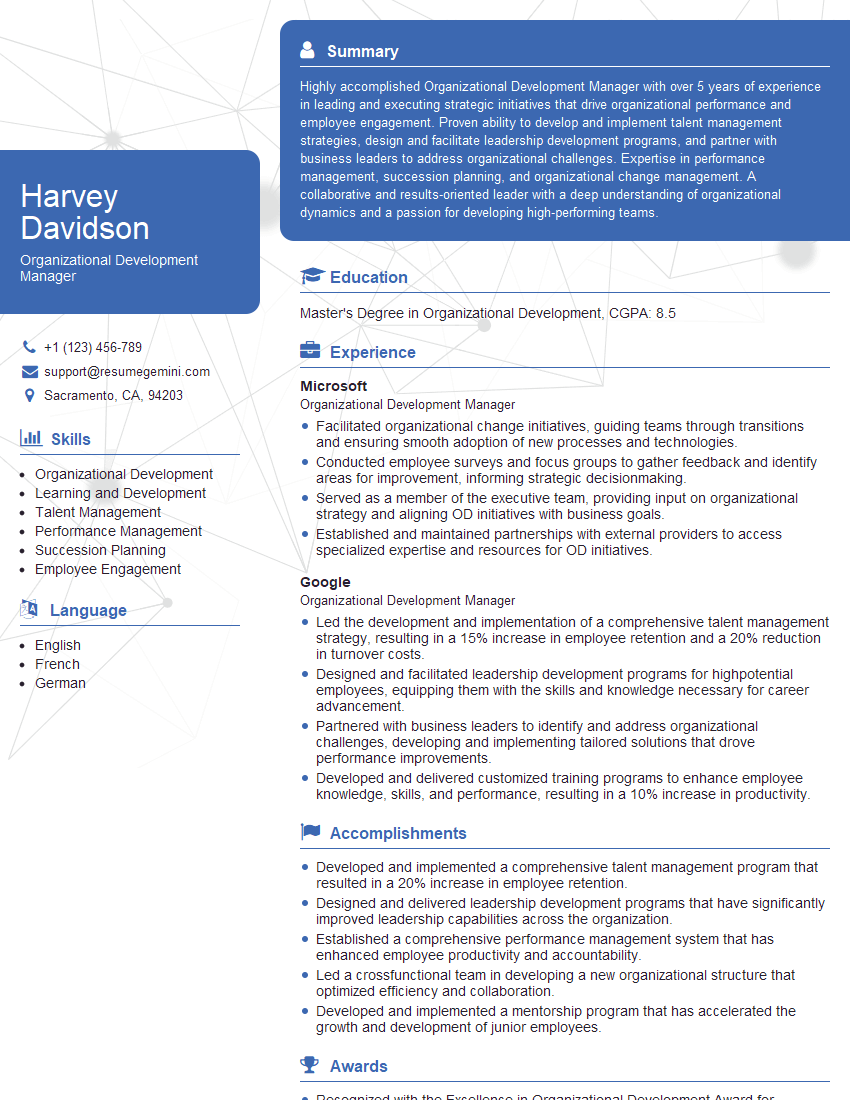
Organizational Development Manager Resume Sample
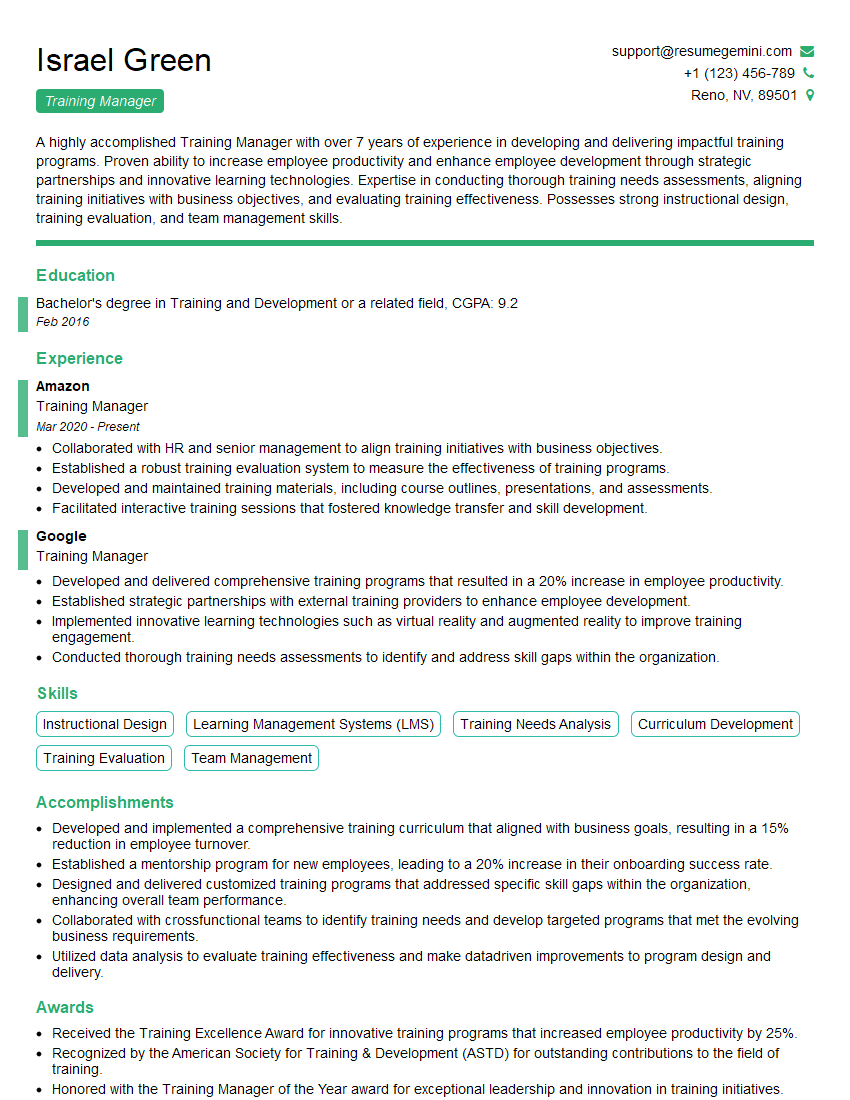
Training Manager Resume Sample

Project Manager Resume Sample
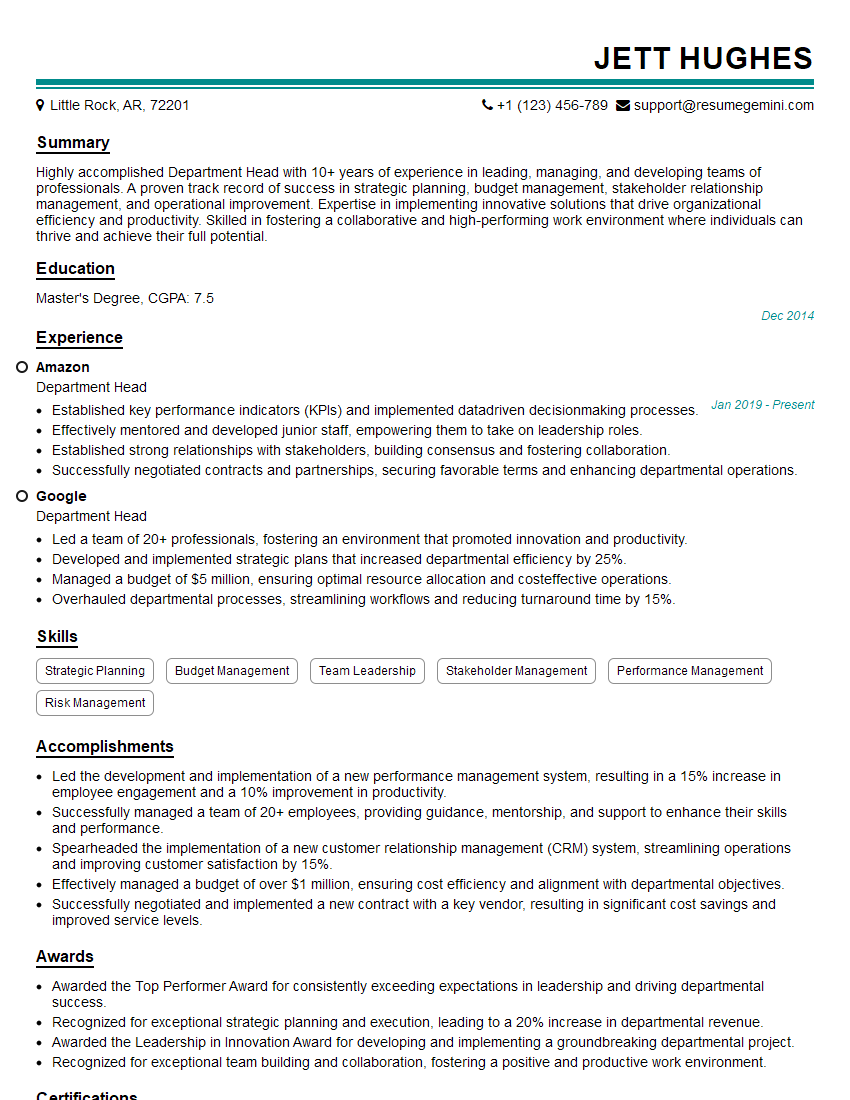
Department Head Resume Sample
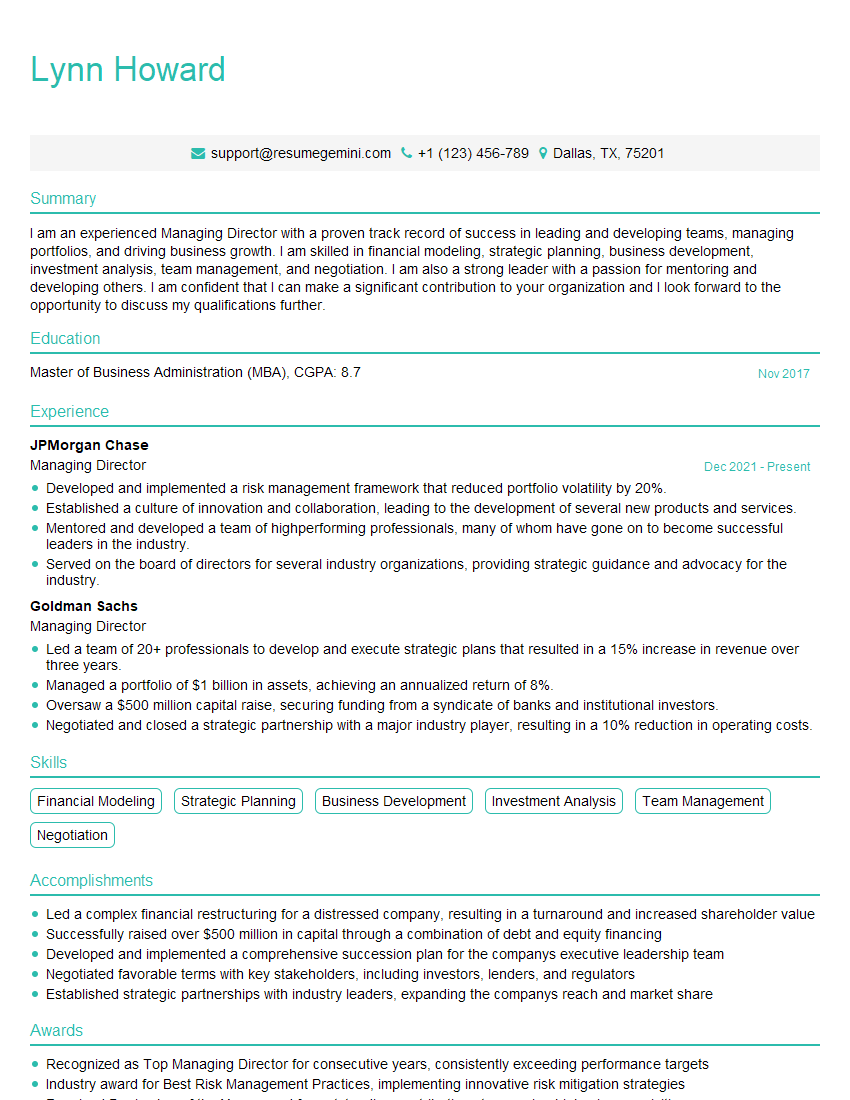
Managing Director Resume Sample
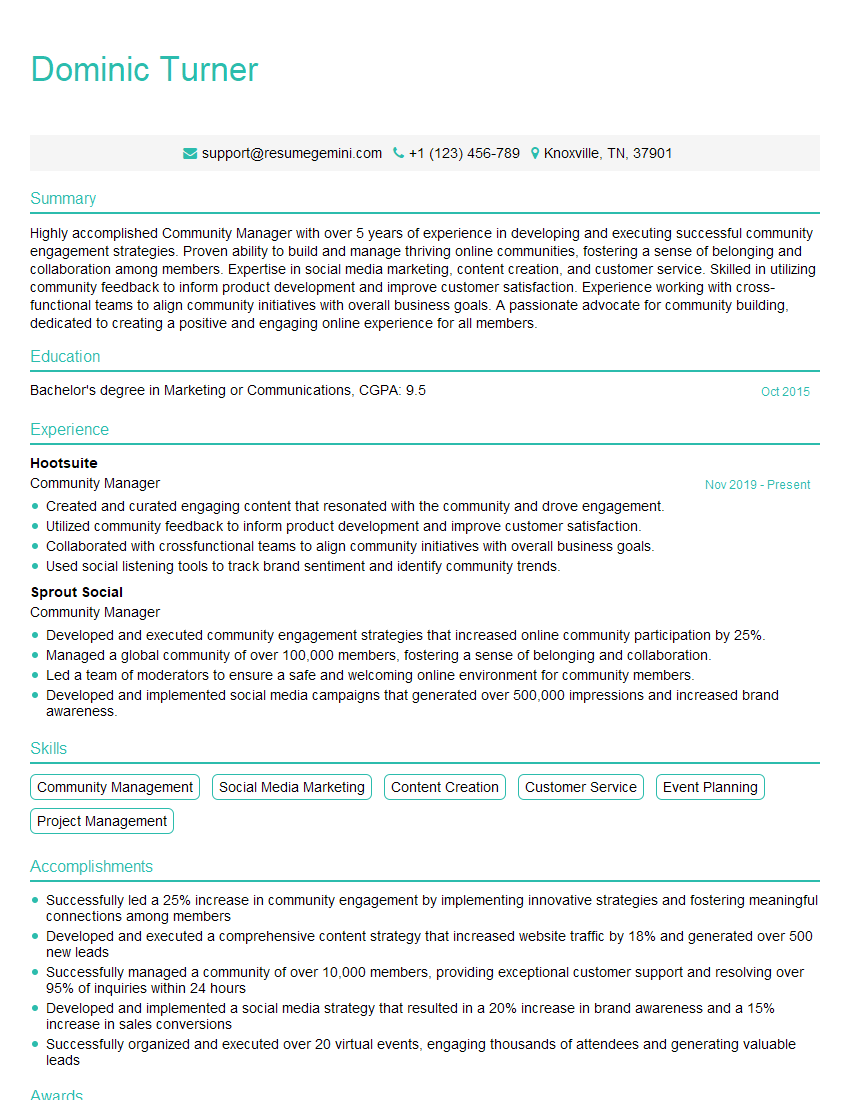
Community Manager Resume Sample
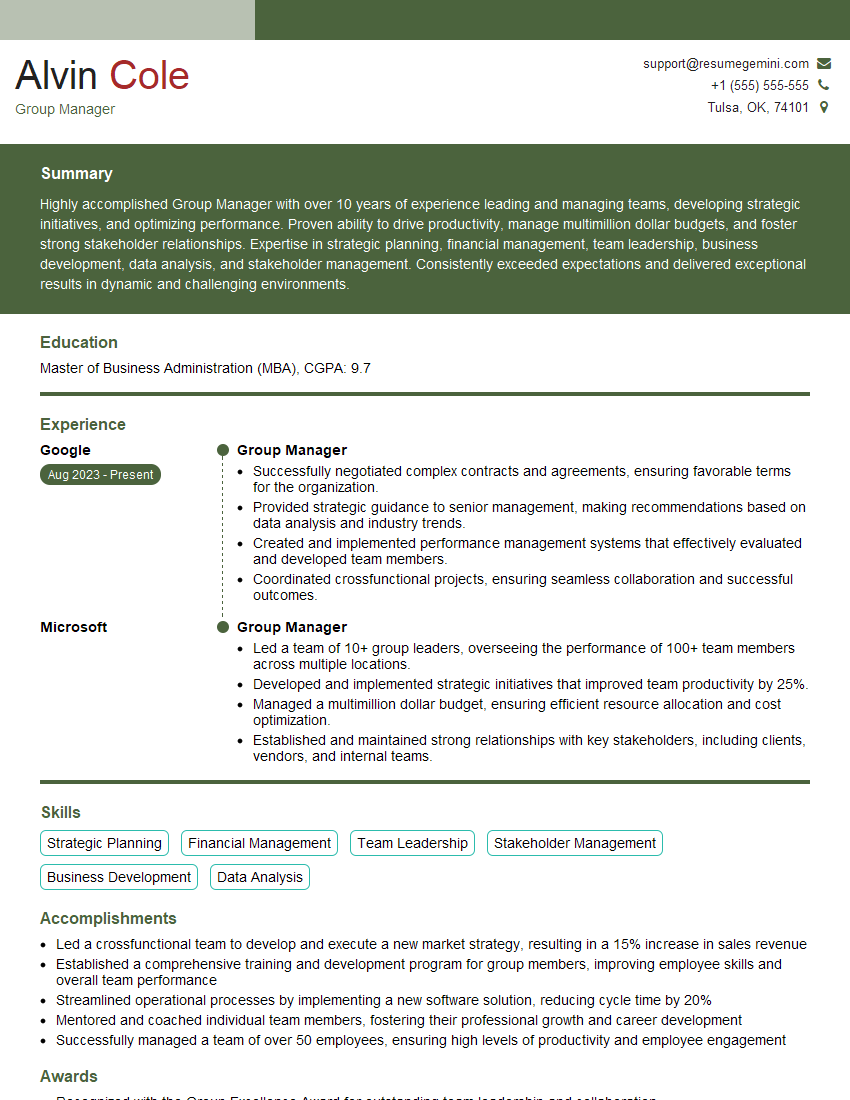
Group Manager Resume Sample
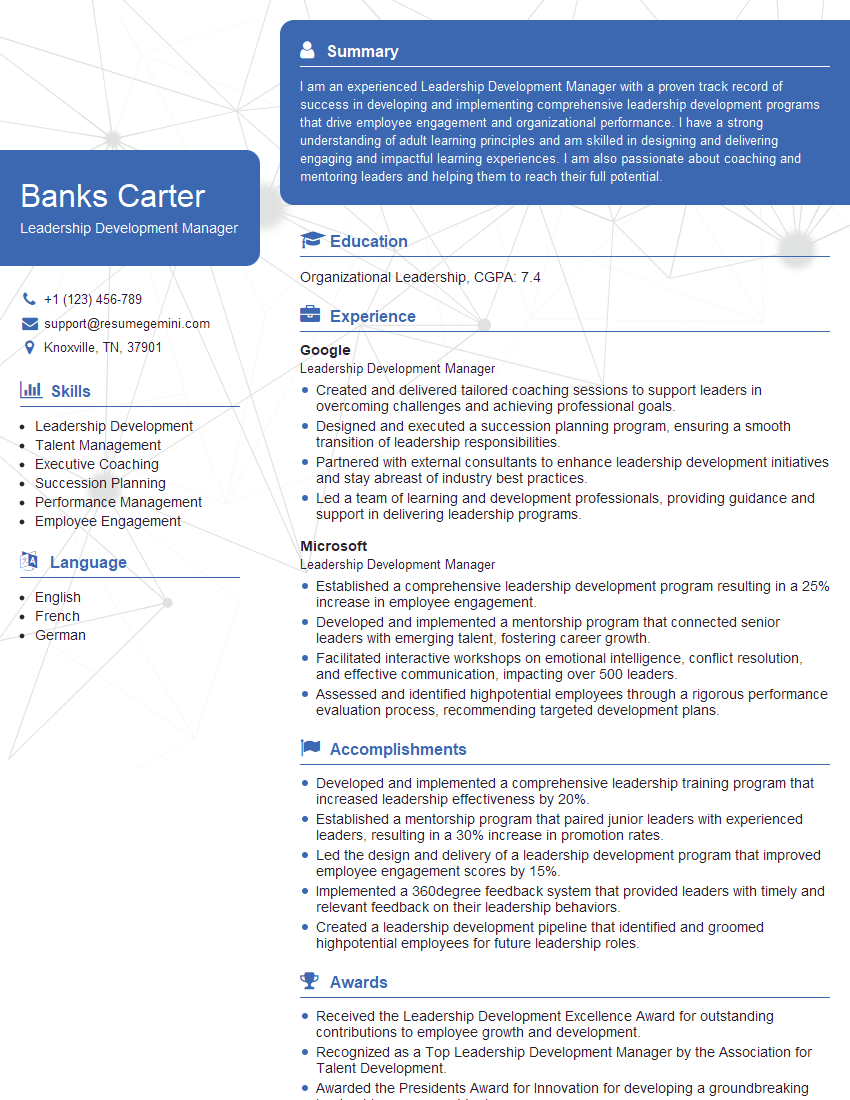
Leadership Development Manager Resume Sample
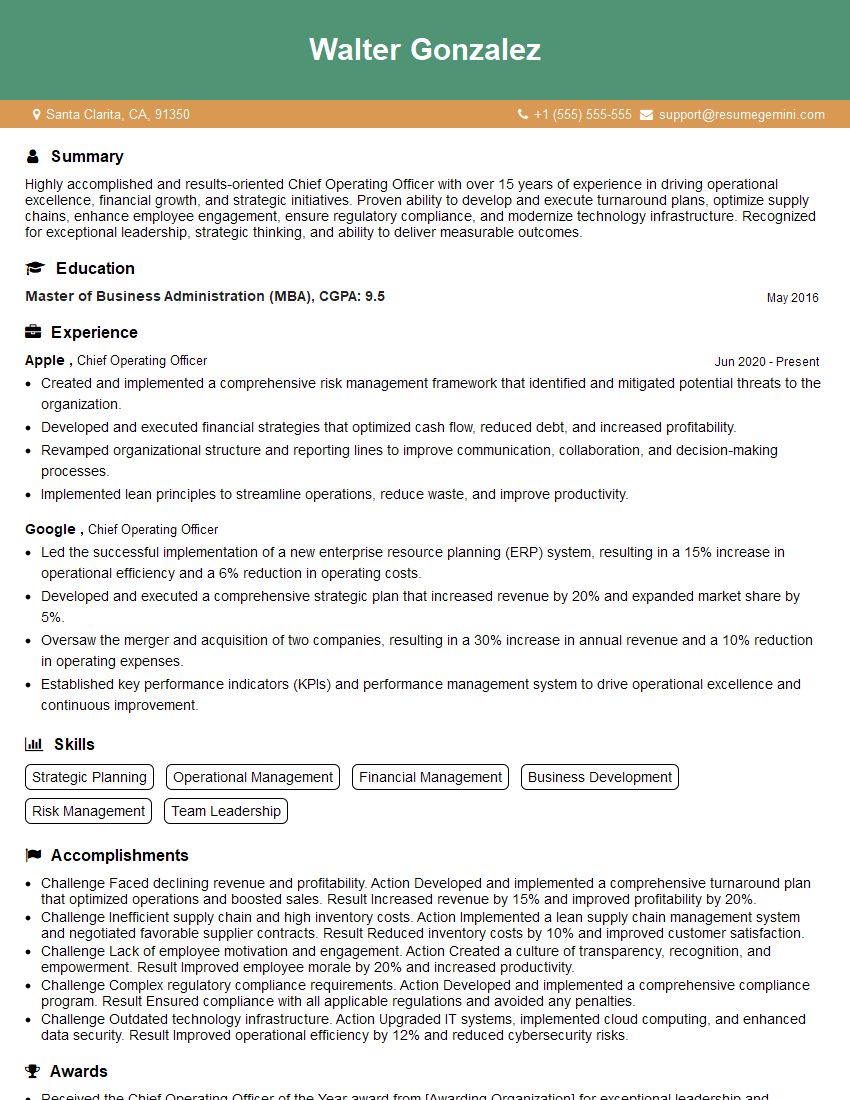
Chief Operating Officer Resume Sample
- Program Manager
- Operations Manager
- Account Manager
- Sales Manager
- Division Manager
- Business Unit Manager
- Director of Operations
- Organizational Development Manager
- Training Manager
- Project Manager
- Department Head
- Managing Director
- Community Manager
- Group Manager
- Leadership Development Manager
- Chief Operating Officer
Explore more articles
Users Rating of Our Blogs
Share Your Experience
We value your feedback! Please rate our content and share your thoughts (optional).
What Readers Say About Our Blog
To the interviewgemini.com Webmaster.
Very helpful and content specific questions to help prepare me for my interview!
Thank you
To the interviewgemini.com Webmaster.
This was kind of a unique content I found around the specialized skills. Very helpful questions and good detailed answers.
Very Helpful blog, thank you Interviewgemini team.