Preparation is the key to success in any interview. In this post, we’ll explore crucial Grouting and Repointing interview questions and equip you with strategies to craft impactful answers. Whether you’re a beginner or a pro, these tips will elevate your preparation.
Questions Asked in Grouting and Repointing Interview
Q 1. What are the different types of grout commonly used in masonry repair?
Choosing the right grout is crucial for a successful masonry repair. Grout types are primarily categorized by their cement base and additives. Common types include:
- Portland Cement Grout: The most common, offering excellent strength and durability. It’s suitable for most applications, but its color can be somewhat limited and requires careful mixing to achieve a consistent shade.
- Lime Grout: A more traditional option, offering greater flexibility and permeability than Portland cement. It’s ideal for historic structures or situations where slight movement is expected, as it’s less likely to crack under stress. However, it’s generally weaker than Portland cement grout.
- Polymer-Modified Grout: This type incorporates polymers to enhance strength, flexibility, and water resistance. It’s perfect for areas exposed to harsh weather conditions or where a high-performance, long-lasting solution is needed. It often comes pre-mixed for ease of use.
- Epoxy Grout: Extremely strong and waterproof, epoxy grout is ideal for situations demanding exceptional durability and resistance to chemicals. It’s often used in areas prone to water ingress like swimming pools or damp basements but is more expensive and requires specialized application techniques.
The choice often depends on the specific project requirements and the aesthetic goals.
Q 2. Explain the process of selecting the appropriate grout for a specific project.
Selecting the appropriate grout involves considering several factors:
- Substrate Material: The type of brick, stone, or block dictates the compatibility of the grout. For example, a highly alkaline grout might damage certain types of stone.
- Application Environment: Will the grout be exposed to the elements? If so, a waterproof or highly durable grout like polymer-modified or epoxy is essential. Indoor applications might allow for a more traditional lime or Portland cement grout.
- Aesthetic Requirements: The desired color and texture of the grout will heavily influence the choice. Color matching existing grout can be challenging, requiring careful consideration of pigment and potential fading over time.
- Structural Requirements: Is the grout intended to be purely cosmetic, or does it need to bear significant load? High-strength grout will be essential for structural applications.
- Budget: Epoxy grout, for example, is significantly more expensive than Portland cement grout.
In practice, I always start with a thorough site assessment, reviewing the materials, environmental conditions, and the client’s expectations. This informed decision-making ensures a successful outcome and avoids costly mistakes.
Q 3. Describe the various methods for preparing a surface before grouting or repointing.
Thorough surface preparation is critical for successful grouting or repointing. This involves several key steps:
- Cleaning: Removing loose mortar, debris, dirt, and efflorescence (salt deposits) is crucial for proper adhesion. Wire brushes, chisels, and high-pressure water cleaning are commonly employed. For stubborn efflorescence, specialized cleaning agents might be necessary.
- Raking Out: Old, deteriorated mortar must be carefully removed from the joints to a sufficient depth (usually around 1-1.5 inches) to allow for proper penetration of the new grout. This is done using a variety of tools, including rakes, chisels, and specialized grout removal tools. It’s important to avoid damaging the masonry units themselves.
- Joint Preparation: After raking, joints need to be cleaned again, ensuring all loose material is removed. This improves adhesion and creates a uniform surface for the new grout.
- Moistening: Slightly moistening the masonry surface before applying the grout prevents it from drawing moisture too quickly and cracking. However, avoid saturating the surface, as this can interfere with adhesion.
Consider the surrounding environment. Damp conditions might require additional drying time before grouting.
Q 4. What tools and equipment are essential for effective grouting and repointing?
Effective grouting and repointing requires a range of tools and equipment:
- Pointing Trowels: Various sizes are essential for applying grout to different joint sizes.
- Jointing Tools: These help shape and finish the grout joints.
- Chisels and Hammers: For removing old mortar.
- Wire Brushes: For cleaning surfaces.
- Grout Mixer: For mixing grout thoroughly and consistently (especially for large projects).
- Buckets and Mixing Containers: For holding and mixing grout.
- Sponge and Water Spray Bottle: For cleaning and moistening.
- Safety Gear: Safety glasses, gloves, dust mask, and potentially ear protection depending on the tools used.
Having the right tools significantly improves efficiency and the quality of the finished work. A poorly equipped worker risks producing sub-standard results.
Q 5. How do you ensure proper curing of grout after application?
Proper curing is essential for the longevity of the grout. Newly applied grout needs to be protected from rapid drying and kept moist to allow for proper hydration of the cement. Methods include:
- Water Curing: Regularly misting or lightly spraying the grout with water for several days. This is particularly crucial in hot, dry, or windy conditions.
- Plastic Sheeting: Covering the grouted area with plastic sheeting helps retain moisture and protects it from the elements.
- Burlap Covering: Similar to plastic sheeting, burlap is porous, allowing for some air circulation while helping maintain moisture. It’s especially beneficial for larger projects.
- Curing Compounds: Specialized liquid curing compounds are available; these can provide extra protection and improve the final strength of the grout.
The curing time will depend on the grout type, weather conditions, and project specifications. Following manufacturer recommendations is crucial. I usually recommend a minimum of 7 days of curing, even in ideal weather conditions.
Q 6. What are the common signs of failing grout or mortar?
Failing grout and mortar often show several visible signs:
- Cracking: Hairline cracks, larger fissures, or crumbling mortar are clear indicators of deterioration.
- Spalling: Chips or pieces of mortar breaking away from the masonry.
- Erosion: Wearing away of the mortar, often due to weathering or chemical attack.
- Efflorescence: White, powdery salt deposits on the surface of the masonry, indicative of moisture problems.
- Discoloration: Significant change in color, often indicating water damage or chemical reactions.
- Loose Joints: Mortar that is loose and easily dislodged.
These signs are often a symptom of underlying problems that need to be addressed, like water penetration or structural movement. A simple visual inspection will rarely be enough, often requiring closer investigation.
Q 7. How do you identify and address different types of cracking in masonry?
Cracking in masonry can be caused by various factors, requiring different approaches to repair:
- Hairline Cracks: These are usually cosmetic and might be caused by shrinkage during setting. They often require minimal intervention, perhaps just a sealant to prevent water penetration.
- Structural Cracks: Larger, wider cracks usually indicate a problem with the foundation or building structure. These require a thorough structural assessment by a qualified engineer before any repair is undertaken. Repairing the underlying structural problem is critical. Often, specialized techniques like epoxy injection might be necessary.
- Settlement Cracks: Caused by uneven settling of the foundation, often showing a diagonal pattern. Addressing these cracks requires identifying the cause of the settlement and stabilizing the foundation. This often involves underpinning or other foundation repair techniques.
- Freeze-Thaw Cracks: These commonly occur in areas exposed to repeated freezing and thawing cycles. Water seeping into cracks freezes and expands, causing damage. These require addressing water penetration issues through improved drainage, waterproofing, and careful repointing with a suitable grout.
Identifying the cause is key to a proper repair. Often, multiple factors contribute. It’s always advisable to consult with a structural engineer for complex scenarios or significant cracking.
Q 8. Explain the difference between tuckpointing and repointing.
Tuckpointing and repointing are both methods for repairing deteriorated mortar in masonry, but they differ significantly in their approach and visual outcome. Repointing involves completely removing the old, damaged mortar from the joints and replacing it with new mortar. Think of it like replacing a worn-out tire with a new one – the entire joint is replaced.
Tuckpointing, on the other hand, is a more specialized and aesthetically driven technique. It involves removing only the deteriorated surface of the mortar joint, leaving the underlying mortar largely intact. New mortar is then applied to create a recessed, ‘tooled’ joint, mimicking the appearance of traditional mortar work. Imagine cleaning and re-painting a scuffed wall instead of replacing the entire wall – it maintains the integrity of the original work while improving its appearance.
In essence, repointing is functional and necessary for structural integrity, while tuckpointing is both functional and cosmetic, aiming for a historically accurate or aesthetically pleasing result. The choice between the two depends on the extent of the damage and the desired outcome. For significant joint deterioration, repointing is essential; for minor damage and cosmetic improvement, tuckpointing might suffice.
Q 9. What safety precautions are necessary when working with grout and mortar?
Safety is paramount in grouting and repointing. Working at heights often necessitates fall protection like harnesses and safety lines. Respiratory protection, such as dust masks or respirators, is crucial to prevent inhalation of silica dust from mortar and brick. Eye protection is essential to guard against flying debris from chisels and other tools. Gloves protect against skin irritation and cuts from sharp materials. Proper footwear with steel toes prevents foot injuries. Furthermore, always ensure the work area is well-ventilated to avoid inhaling harmful fumes. Finally, a thorough understanding and adherence to the safety data sheets (SDS) for all materials used is non-negotiable. I’ve seen firsthand the devastating consequences of neglecting these precautions, making safety my top priority on every project.
Q 10. How do you handle different weather conditions during grouting and repointing?
Weather significantly impacts grouting and repointing. Extreme heat can cause the mortar to dry too quickly, leading to cracking and reduced strength. Conversely, cold temperatures and rain can prevent the mortar from curing properly, affecting its durability. Ideal conditions include moderate temperatures and low humidity. To mitigate weather issues, I use weatherproof coverings to protect the work from rain and direct sunlight. Scheduling the work to coincide with favorable weather forecasts is equally critical. In extreme temperatures, I might adjust the mortar mix to accommodate, consulting manufacturer’s recommendations. For instance, in hot weather, I might add a retarding agent to slow down the setting time. In cold weather, I might use a warming agent or adjust the water content.
I always carefully monitor the curing process, adjusting work as needed to ensure proper set times. For instance, in a recent project, unexpected rain forced us to cover and temporarily stop the repointing process until the weather improved. Our flexibility and attention to detail ensures quality results, regardless of the challenges presented by the weather.
Q 11. Describe your experience with various types of masonry materials (brick, stone, concrete).
My experience encompasses a wide range of masonry materials. I’ve worked extensively with various types of bricks, from common clay bricks to more specialized facing bricks with different textures and colors. I’m equally comfortable working with different stone types – limestone, granite, sandstone – understanding their unique properties and how they respond to different mortars. Concrete block presents its own challenges, requiring consideration of its porosity and the strength of the bond needed. The most important factor is always selecting the right mortar mix for each material; the compatibility is critical to the longevity of the repair.
For example, on a recent restoration of a historical building with limestone facades, I used a lime-based mortar to match the existing material and ensure compatibility. This differs greatly from the approach used with modern concrete block, where a cement-based mortar provides sufficient strength.
Q 12. How do you determine the depth of penetration required for repointing?
Determining the depth of penetration for repointing is crucial for its success. It should go deep enough to achieve a secure bond with the existing masonry, yet not so deep as to compromise the structural integrity of the wall. The required depth depends on several factors: the depth of the deteriorated mortar, the type of masonry material, and the type of mortar being used. Typically, I aim for a penetration of at least 1/3 to 1/2 the width of the mortar joint.
I use various tools to assess the depth of deterioration, including chisels and wire brushes. Careful observation of the existing joint helps in determining the appropriate penetration depth. In cases of significant damage or uncertainty, I will explore the joint’s depth in a less visible area first, to ensure I have a consistent approach for the rest of the project. This careful evaluation guarantees both strength and the preservation of the original structure.
Q 13. What are the common causes of mortar deterioration?
Mortar deterioration stems from a number of factors. Freeze-thaw cycles are a major culprit, especially in climates with significant temperature fluctuations. Water penetration into the mortar, either through cracks or porous materials, leads to expansion during freezing, causing cracking and spalling. Exposure to air pollution and acid rain can chemically attack the mortar, reducing its strength and causing surface degradation. Poor initial mortar mix design, using unsuitable materials or incorrect proportions, can lead to premature failure. Finally, lack of proper water management and drainage around the building contributes significantly to the problems. Understanding these factors is key to selecting appropriate repair techniques and preventing future issues.
Q 14. Explain your experience with different types of joint profiles in masonry.
Joint profiles play a significant role in the aesthetics and performance of masonry. Common profiles include concave, convex, and V-shaped joints. Concave joints are aesthetically pleasing and can shed water effectively. Convex joints are often chosen for their strength and robustness. V-shaped joints are a popular choice in historical buildings. My experience encompasses all these profiles and others, such as weathered or raked joints. The selection of a suitable joint profile depends on several factors including historical accuracy (in preservation work), the aesthetic requirements of the project, and its functionality. Matching the profile of existing joints is crucial when preserving the character of an existing structure, ensuring consistency and visual appeal.
For example, on a recent project involving a Victorian-era building, we meticulously replicated the original V-shaped joint profiles, ensuring historical accuracy and maintaining the building’s unique charm. The joint profile not only affects the look, but it also impacts the mortar’s ability to handle water and resist damage. Understanding and appropriately selecting the profile for the application is a critical aspect of my work.
Q 15. How do you match the existing mortar color when repointing?
Matching existing mortar color in repointing is crucial for maintaining the aesthetic integrity of the building. It’s not just about finding a similar shade; it’s about understanding the mortar’s composition and achieving a seamless blend. I begin by carefully examining the existing mortar, noting its color variations, texture, and any signs of aging. I then use a color matching system, often involving a mortar sample sent to a supplier, who provides a custom mix. This ensures a precise match. Sometimes, I might need to blend multiple mortar shades on-site to achieve the perfect color match, a process requiring skilled observation and adjustment. For instance, on a recent project restoring a Victorian building, we had to create a custom blend to match the subtle variations in the original mortar, using a combination of lime, sand, and pigment. The resulting match was practically indistinguishable from the original.
Career Expert Tips:
- Ace those interviews! Prepare effectively by reviewing the Top 50 Most Common Interview Questions on ResumeGemini.
- Navigate your job search with confidence! Explore a wide range of Career Tips on ResumeGemini. Learn about common challenges and recommendations to overcome them.
- Craft the perfect resume! Master the Art of Resume Writing with ResumeGemini’s guide. Showcase your unique qualifications and achievements effectively.
- Don’t miss out on holiday savings! Build your dream resume with ResumeGemini’s ATS optimized templates.
Q 16. What are the limitations of different grout types?
Different grout types have distinct limitations. For instance, cement-based grouts are strong and durable but can crack if subjected to significant movement or expansion and contraction. They’re also less flexible than other options. Epoxy grouts, while incredibly strong and water-resistant, can be more expensive and challenging to work with, requiring specific mixing and application techniques. They also are difficult to clean up, and any staining will be permanent. Furthermore, their rigid nature can make them susceptible to cracking if the surrounding material moves. Finally, non-shrink grouts are specifically designed for situations requiring minimal shrinkage during curing; however, their relatively high cost and specialized application make them suitable for specific, high-demand projects, like critical structural repairs. The choice of grout type needs to be carefully considered based on the specific application and environmental conditions.
Q 17. Describe your experience with power tools used in grouting and repointing.
I have extensive experience with power tools used in grouting and repointing, ensuring both efficiency and precision. This includes using rotary hammers for removing old mortar, angle grinders for cleaning and shaping joints, and various types of drills for precise applications. Safety is paramount; I always use appropriate personal protective equipment (PPE), including safety glasses, dust masks, and hearing protection. On one project, we used a specialized diamond-tipped saw to create precise cuts for intricate repairs, maintaining the integrity of the existing masonry. Regular maintenance and calibration of these tools are crucial for optimal performance and longevity. Knowing when and how to use these tools efficiently makes a significant difference in the outcome of the project.
Q 18. How do you manage waste materials during grouting and repointing projects?
Waste management is a crucial aspect of responsible grouting and repointing. I always follow established environmental regulations and best practices. We typically separate waste into categories such as rubble, broken bricks, and leftover mortar. Rubble and broken bricks are often recycled for use in landscaping or other construction projects. Leftover mortar is disposed of responsibly according to local regulations, often through a licensed waste disposal company. The use of dust collection systems on power tools minimizes airborne dust, protecting both workers and the environment. Careful planning and organized work processes significantly reduce waste generation. On a recent large-scale project, we successfully diverted over 80% of construction waste from landfills through careful planning and responsible disposal practices.
Q 19. Explain your understanding of building codes and regulations related to masonry repairs.
Understanding building codes and regulations is non-negotiable. My knowledge encompasses local, state, and national standards related to masonry repairs, including requirements for material specifications, structural integrity, and safety. This involves familiarity with accessibility regulations, historic preservation guidelines, and environmental protection acts, depending on the project’s location and characteristics. I always ensure that my work complies with all applicable codes and regulations, obtaining necessary permits and inspections where required. Failure to comply can lead to costly delays, legal issues, and, most importantly, compromise structural safety and potentially harm others. Thorough pre-project planning, understanding specifications and regulations are key to a successful project.
Q 20. How do you ensure the longevity of your grouting and repointing work?
Ensuring the longevity of grouting and repointing work requires meticulous attention to detail at every stage. This begins with proper preparation, including thorough cleaning and removal of unsound mortar. Selecting appropriate materials is vital, using high-quality mortar and grout suited to the project’s conditions and the building’s specific needs. Proper joint design and careful application techniques contribute to durability. Avoiding overfilling of joints is crucial, as it can lead to stress and cracking. Post-work maintenance guidance is provided to clients, educating them about factors like water penetration and frost damage. For example, recommending regular inspection and prompt repair of any minor damage can significantly extend the lifespan of the repointed work, potentially saving money in the long run.
Q 21. Describe your problem-solving approach when encountering unexpected issues during a project.
My problem-solving approach is systematic and data-driven. When faced with unexpected issues, such as discovering hidden damage or encountering unforeseen material challenges, I follow a structured process. First, I thoroughly assess the problem, gathering all relevant information and documenting the issue. Then, I brainstorm potential solutions, considering their practicality, cost-effectiveness, and impact on the project timeline. This often involves consulting with colleagues, referring to technical literature, and even reaching out to material suppliers for expert advice. Once a solution is selected, I implement it, carefully monitoring its effectiveness. If necessary, I’ll adjust the approach as needed until a satisfactory resolution is reached. Transparency and communication are critical during this process, keeping clients informed at each stage.
Q 22. How do you maintain quality control throughout the grouting and repointing process?
Maintaining quality control in grouting and repointing is paramount for ensuring longevity and structural integrity. It’s a multi-stage process starting even before the first brick is touched.
Material Selection and Testing: We begin by meticulously specifying the correct mortar mix, considering factors like the existing masonry, environmental conditions (freeze-thaw cycles, exposure to rain), and aesthetic requirements. Samples are often tested for compressive strength and water absorption to guarantee they meet project specifications. Think of it like choosing the right paint – you wouldn’t use exterior paint for interior walls.
Surface Preparation: Thorough cleaning of the existing joints is critical. This involves removing loose or deteriorated mortar, debris, and efflorescence (salt deposits) using appropriate tools and techniques. The success of the repointing hinges on a clean, sound substrate. Imagine trying to paint a wall without cleaning it first – the paint won’t adhere properly.
Joint Preparation: The depth and profile of the joints are carefully considered and maintained to ensure consistent mortar placement. This process ensures proper adhesion and prevents future cracking. It’s like preparing a canvas before painting – a smooth, even surface provides a much better end result.
Mortar Mixing and Application: We adhere strictly to the manufacturer’s instructions when mixing mortar. Consistency is key to achieving the desired strength and workability. The mortar is applied with precision, ensuring complete joint filling without excessive pressure that could damage the masonry. It’s a delicate balance – too much pressure, and you risk cracking the brick; too little, and the joint won’t be adequately filled.
Curing and Inspection: Proper curing is crucial for mortar strength development. This involves protecting the newly pointed masonry from rapid drying and temperature fluctuations. Regular inspections are carried out to identify and rectify any imperfections promptly. Think of it like letting a cake cool properly; if you rush the process, you risk damaging the final product.
Regular quality checks throughout each stage help us identify and rectify issues before they escalate, leading to a high-quality, long-lasting result.
Q 23. What are the different types of pointing mortars and their properties?
Various pointing mortars cater to different needs, depending on the project and environmental conditions. Choosing the wrong type can lead to premature failure.
Lime Mortars: These are traditionally used for historic buildings. They are breathable, allowing moisture to escape, which minimizes the risk of damage. However, they are weaker than cement mortars and may not be suitable for all applications. They are particularly effective in preventing moisture damage.
Cement Mortars: These are strong and durable but less breathable. They can be more suitable for areas exposed to heavy weathering or where increased strength is required. However, they have the potential for increased moisture retention if not appropriately specified.
Lime-Cement Mortars: These offer a compromise between the breathability of lime mortars and the strength of cement mortars. They’re a versatile choice for many projects, balancing durability and moisture management.
Polymer-Modified Mortars: These contain polymers that enhance strength, flexibility, and water resistance. They can be beneficial in locations with harsh weather conditions. However, they are often more costly than other mortar types.
The properties to consider are compressive strength, water absorption, permeability, durability, and aesthetics. Matching the mortar to the existing masonry and the specific project requirements is essential for a successful outcome.
Q 24. How do you address efflorescence on masonry surfaces?
Efflorescence, those unsightly white salt deposits on masonry, results from soluble salts migrating to the surface with moisture. Addressing it requires a multifaceted approach.
Cleaning: The first step is to gently remove the efflorescence using soft brushes, water, and potentially a specialized cleaning solution. Aggressive cleaning can damage the masonry. This is like dusting a delicate painting; gentle and careful action is necessary.
Identifying the Source: It’s crucial to identify and address the source of the moisture causing the efflorescence. This may involve repairing leaks, improving drainage, or addressing rising damp. This is akin to finding the leak in a pipe before it causes more damage.
Prevention: Once the source is addressed, preventing future efflorescence involves maintaining proper moisture control through techniques such as applying water-repellent treatments (but breathable ones to avoid trapping moisture). Using the right pointing mortar also helps in the long-term prevention of efflorescence.
The key is not just to clean the surface, but to tackle the underlying cause of the problem to prevent its recurrence. Often, a combination of cleaning and addressing moisture issues is required for long-term success.
Q 25. What is your experience with working at heights and using appropriate safety equipment?
Safety is paramount, especially when working at heights. I have extensive experience working on scaffolding and other elevated platforms, always adhering to strict safety protocols.
Training and Certification: I hold all necessary certifications for working at heights, including fall protection and rescue techniques.
Equipment Use: I’m proficient in using all safety equipment, including harnesses, lanyards, safety nets, and fall arrest systems. Regular inspections of this equipment are part of my standard practice.
Risk Assessment: Before starting any work at heights, I perform a thorough risk assessment to identify and mitigate potential hazards. This involves planning access, establishing safe work zones, and selecting appropriate equipment.
Communication: Clear communication with colleagues and supervisors is crucial, especially when working in teams at height. A well-coordinated team is a safe team.
My commitment to safety has ensured a clean record and a safe working environment for myself and my colleagues over the years.
Q 26. How do you estimate the time and materials required for a grouting or repointing project?
Estimating time and materials requires a meticulous approach. It’s not just about measuring square footage; it’s about understanding the project’s complexities.
Site Survey: A thorough site survey is the first step, meticulously documenting the area needing grouting or repointing. This includes assessing the condition of the masonry, the extent of damage, and the accessibility of the work area.
Material Quantification: Based on the survey, we calculate the required quantity of mortar, cleaning agents, and other materials. This also involves factoring in waste and potential unforeseen issues.
Labor Estimation: We estimate the labor required based on the size and complexity of the project. Experienced workers can complete the tasks quicker and more efficiently.
Contingency Planning: It is crucial to build a contingency into the estimate to account for unexpected challenges, such as hidden damage or adverse weather conditions.
Software and Technology: We often use specialized estimating software to optimize resource allocation and enhance accuracy in calculations.
Experience plays a critical role in accurate estimation. Years of experience allow us to anticipate potential challenges and accurately estimate both time and cost.
Q 27. Describe your experience with working on historic buildings or structures.
I have extensive experience working on historic buildings and structures, understanding the unique challenges and sensitivities involved.
Traditional Techniques: I’m proficient in traditional methods of grouting and repointing, using materials and techniques appropriate to the age and type of the structure. This often means using lime mortars and avoiding techniques that could damage the historic fabric.
Material Matching: Matching the new mortar to the existing mortar in terms of color and texture is crucial for preserving the aesthetic integrity of the building.
Consultation and Collaboration: Working on historic buildings often involves collaboration with architects, conservators, and other specialists to ensure the work is carried out sensitively and in accordance with conservation principles.
Documentation: Detailed documentation of the work, including before and after photographs and records of materials used, is essential for future reference and maintenance.
For example, I recently worked on a Victorian-era townhouse, carefully selecting lime mortar and employing traditional pointing techniques to ensure the repairs were sympathetic to the original construction.
Q 28. Explain your understanding of the impact of moisture on masonry and how to mitigate it.
Moisture is the masonry’s worst enemy, leading to deterioration, efflorescence, and structural damage. Understanding its impact and mitigation is vital.
Water Ingress: Water can enter masonry through various routes, including rain penetration, rising damp, and leaks. This can saturate the bricks and mortar, leading to freeze-thaw damage (water expanding as it freezes), salt crystallization (causing cracking), and the growth of damaging biological agents (like mold and fungus).
Damage Mechanisms: Prolonged exposure to moisture weakens the masonry, reduces its compressive strength, and increases its susceptibility to damage. It’s like constantly soaking a sponge – eventually it will lose its strength and integrity.
Mitigation Strategies: The key to mitigating moisture damage is to prevent water ingress and promote drying. This may involve improving drainage, repairing leaks, applying breathable water-repellent treatments, and ensuring proper ventilation. It’s a holistic approach, addressing potential entry points and promoting the efficient dissipation of moisture.
Understanding the specific cause of moisture ingress is key to developing an effective mitigation strategy. For example, rising damp requires different treatment compared to rain penetration.
Key Topics to Learn for Grouting and Repointing Interview
- Mortar Selection and Properties: Understanding different mortar types (lime, cement, etc.), their strengths, weaknesses, and suitability for various substrates and applications. This includes considerations for water absorption, compressive strength, and freeze-thaw resistance.
- Joint Preparation: Techniques for properly cleaning and preparing joints before grouting or repointing, including the removal of old, deteriorated mortar, cleaning debris, and ensuring proper joint depth and width. This also covers the importance of surface preparation for optimal adhesion.
- Grouting Techniques: Mastering different grouting methods, such as tooling, pointing, and raking, and understanding the importance of proper pressure and consistency to achieve a strong, durable, and aesthetically pleasing finish. Consider the differences between pressure grouting and traditional methods.
- Repointing Techniques: Understanding the nuances of repointing, including matching existing mortar color and texture, ensuring proper joint profile, and maintaining the integrity of the original structure. Explore different raking and pointing tools and their application.
- Material Handling and Safety: Safe handling and disposal of materials, including understanding relevant safety regulations and personal protective equipment (PPE) requirements for working at heights and with potentially hazardous materials.
- Troubleshooting and Problem-Solving: Identifying and addressing common issues encountered during grouting and repointing, such as efflorescence, shrinkage cracks, and inconsistent mortar application. This includes understanding the root causes of such issues and their solutions.
- Tools and Equipment: Familiarity with various tools and equipment used in grouting and repointing, including their proper use and maintenance. Understanding the limitations and applications of different tools is crucial.
- Building Codes and Regulations: Awareness of relevant building codes and regulations related to grouting and repointing, ensuring compliance and best practices.
Next Steps
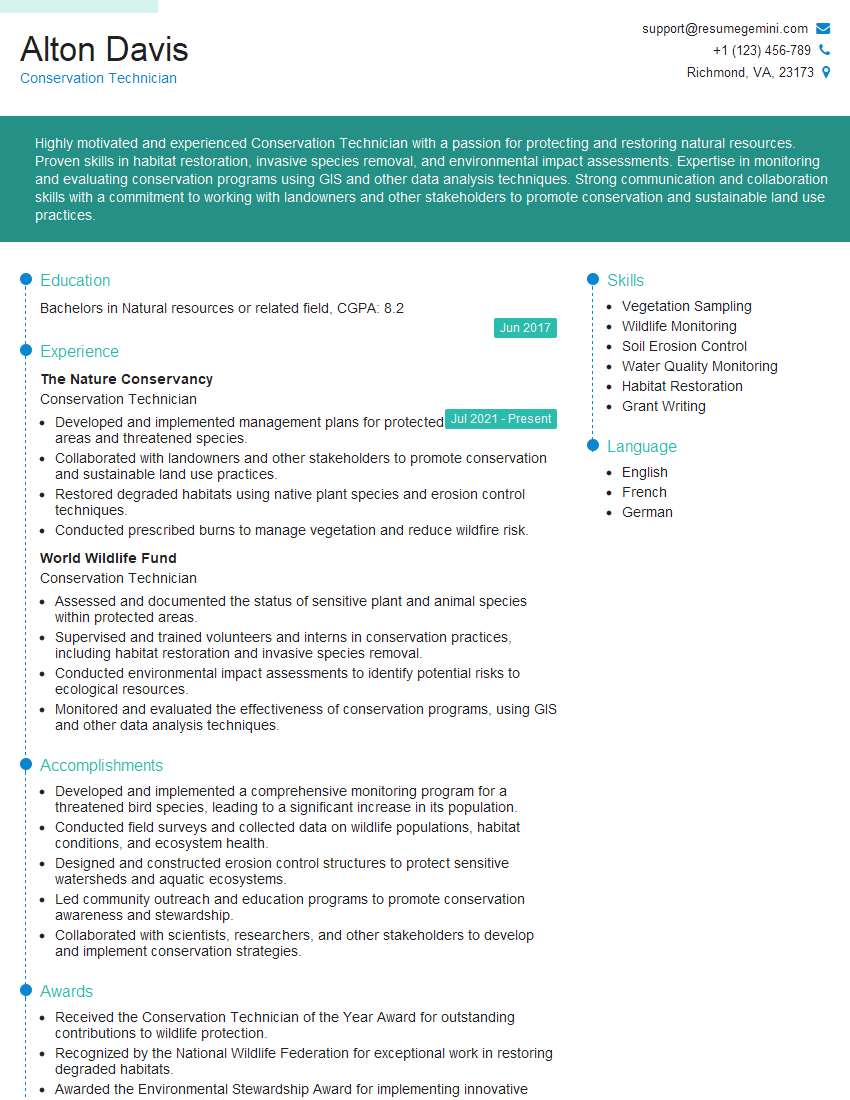
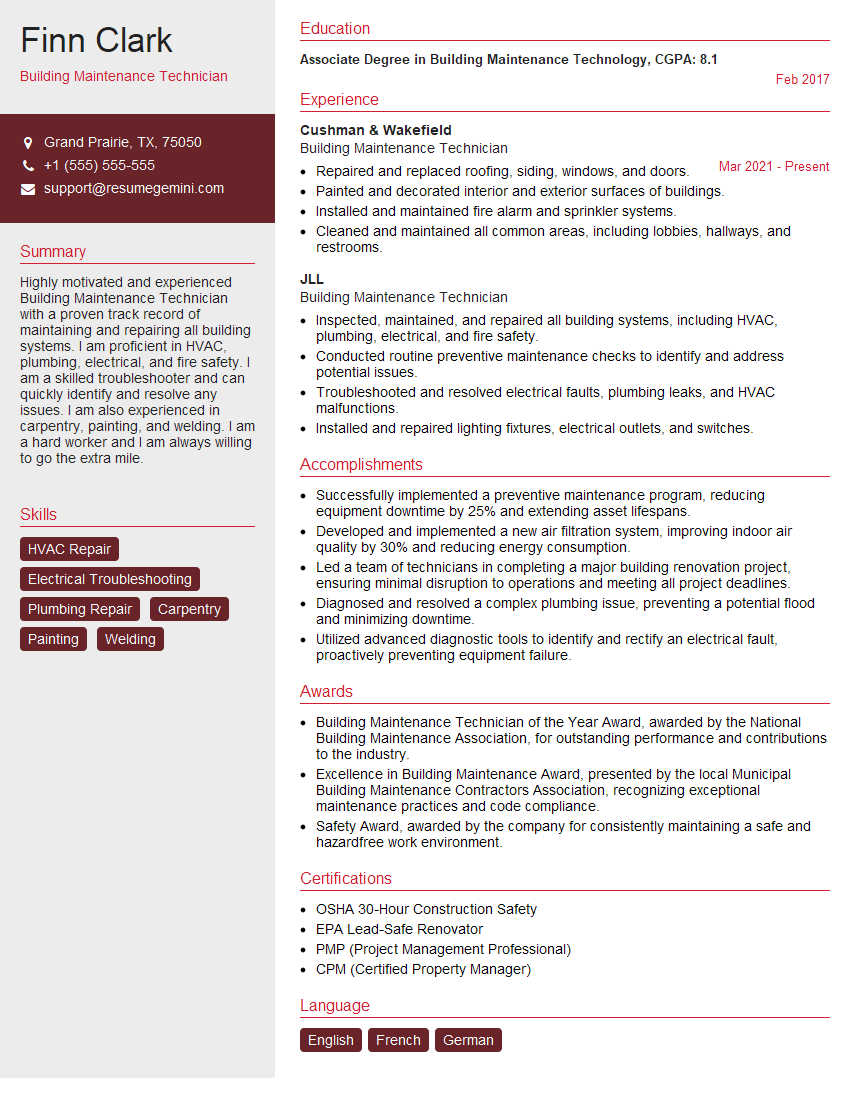
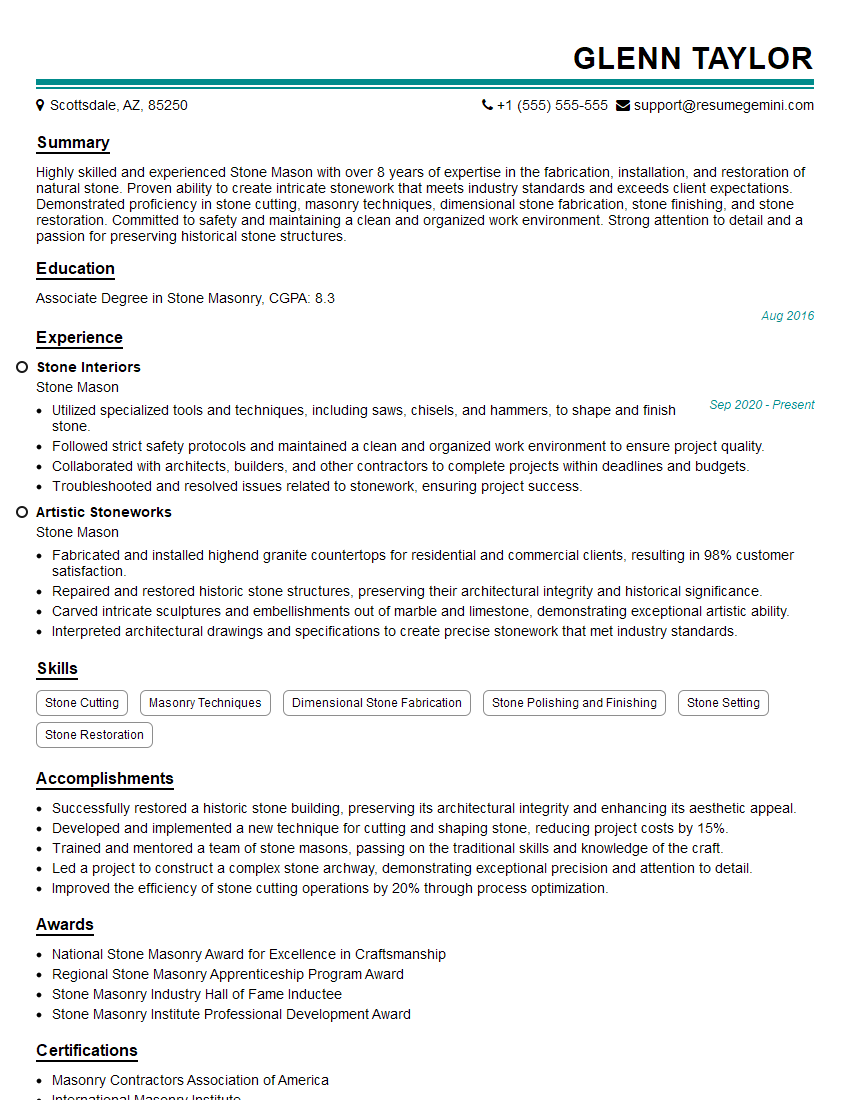
Mastering grouting and repointing techniques opens doors to a rewarding career with excellent growth potential in construction and restoration. To increase your job prospects, crafting a strong, ATS-friendly resume is vital. ResumeGemini is a trusted resource that can help you build a professional and impactful resume tailored to the specific requirements of the Grouting and Repointing industry. ResumeGemini provides examples of resumes tailored to this field, giving you a head start in showcasing your skills and experience effectively. Take the next step in advancing your career – build a winning resume today!

Explore more articles
Users Rating of Our Blogs
Share Your Experience
We value your feedback! Please rate our content and share your thoughts (optional).
What Readers Say About Our Blog
To the interviewgemini.com Webmaster.
Very helpful and content specific questions to help prepare me for my interview!
Thank you
To the interviewgemini.com Webmaster.
This was kind of a unique content I found around the specialized skills. Very helpful questions and good detailed answers.
Very Helpful blog, thank you Interviewgemini team.