Preparation is the key to success in any interview. In this post, we’ll explore crucial Growth Monitoring and Developmental Assessments interview questions and equip you with strategies to craft impactful answers. Whether you’re a beginner or a pro, these tips will elevate your preparation.
Questions Asked in Growth Monitoring and Developmental Assessments Interview
Q 1. Explain the difference between growth monitoring and developmental assessment.
Growth monitoring and developmental assessment are related but distinct processes. Growth monitoring primarily focuses on tracking a child’s physical growth – height, weight, and head circumference – using standardized growth charts. It provides a snapshot of a child’s physical development compared to normative data. Developmental assessment, on the other hand, is a broader evaluation of a child’s progress across various domains including gross motor skills (movement), fine motor skills (hand-eye coordination), language, cognitive abilities, and social-emotional development. It aims to identify any delays or strengths in a child’s overall development compared to age-appropriate expectations.
Think of it this way: growth monitoring is like checking a plant’s height and weight to see if it’s growing, while developmental assessment is like observing all aspects of the plant’s health – its leaves, its roots, its overall vibrancy – to understand its overall well-being.
Q 2. Describe the key components of a comprehensive developmental assessment.
A comprehensive developmental assessment involves several key components:
- Review of medical history and family history: This includes information about pregnancy, birth, any past illnesses or injuries, and family history of developmental delays.
- Parent/caregiver interview: This is crucial to gather information on the child’s developmental progress, concerns, and daily routines.
- Direct observation of the child: Observing the child’s play, interaction, and motor skills provides valuable insights.
- Standardized developmental screening tools: These tools use age-appropriate tasks and questions to assess different developmental domains (e.g., Bayley Scales of Infant and Toddler Development, Ages and Stages Questionnaires).
- Formal testing (if needed): Depending on screening results, more in-depth testing may be conducted by specialists (e.g., speech-language pathologist, occupational therapist).
- Integration of information: All collected data is combined to form a complete picture of the child’s developmental status and identify areas of strength and concern.
For example, if a child struggles with language during observation and scores low on a language screening tool, it may warrant a referral to a speech-language pathologist for further evaluation and intervention.
Q 3. What are the common growth charts used for children, and how are they interpreted?
The most common growth charts used in the United States are those published by the World Health Organization (WHO) and the Centers for Disease Control and Prevention (CDC). These charts plot percentiles for height, weight, and head circumference against age. Percentiles represent where a child’s measurement falls within a group of children of the same age and sex. For example, a child at the 50th percentile for height is taller than 50% of children of the same age and sex.
Interpretation:
- Percentiles: A child’s measurements are usually plotted as percentiles. While a child’s percentile can shift over time, consistent plotting below the 3rd percentile or above the 97th percentile warrants further investigation.
- Growth trajectory: It’s crucial to look at the child’s growth pattern over time, not just a single measurement. A sudden change in the trajectory can signal a problem even if the percentile is still within the normal range.
- Cross-referencing: It’s beneficial to compare height and weight percentiles to identify potential issues like failure to thrive or obesity.
For instance, if a child consistently falls below the 3rd percentile for weight, it might indicate a nutritional problem needing attention. A sudden drop in a child’s percentile on the growth chart requires immediate attention and further investigation.
Q 4. How do you identify children who are at risk for developmental delays?
Identifying children at risk for developmental delays requires a multi-faceted approach. Key indicators include:
- Failure to meet developmental milestones: Significant delays in achieving age-appropriate skills across multiple domains.
- Regression: Loss of previously acquired skills.
- Parental concerns: Parents are often the first to notice something is not right with their child’s development. Their concerns should always be taken seriously.
- Abnormal physical findings: Certain medical conditions can affect development.
- High-risk factors: Premature birth, low birth weight, exposure to toxins or infections, genetic disorders, or family history of developmental delays all increase the risk.
- Screening tools: Standardized screening tests (like the ASQ) identify children requiring more thorough evaluation.
For example, a 15-month-old child who doesn’t say any words, isn’t walking, or can’t point to body parts may require further assessment. A combination of these indicators increases the likelihood of developmental delay.
Q 5. What are some common developmental milestones for children aged 0-3 years?
Developmental milestones for children aged 0-3 years are numerous and vary. Here are some key examples, noting that there’s a wide range of normal development:
- 0-3 Months: Lifts head, smiles responsively, follows objects with eyes.
- 4-6 Months: Rolls over, sits with support, babbles, reaches for objects.
- 7-9 Months: Sits without support, crawls, transfers objects between hands, understands “no”.
- 10-12 Months: Pulls to stand, cruises, says “mama” or “dada,” points.
- 13-18 Months: Walks independently, says several words, follows simple instructions.
- 19-24 Months: Runs, walks upstairs, speaks in simple sentences, plays simple pretend.
- 25-36 Months: Jumps, copies circles, speaks in longer sentences, understands colors and shapes.
Remember that these are just examples, and individual variations are significant. A child might achieve milestones earlier or later than average while still developing normally.
Q 6. What are some common developmental milestones for children aged 3-5 years?
Developmental milestones for children aged 3-5 years focus on increased complexity and independence:
- 3-4 Years: Climbs stairs with alternating feet, copies squares, speaks in sentences, understands simple stories.
- 4-5 Years: Hops, pours liquid, copies triangles, counts to 10, knows their name and address.
Children in this age group are mastering more advanced motor skills, language, and self-care abilities. For example, dressing themselves, using utensils, and engaging in imaginative play are common developments.
Q 7. What are some common developmental milestones for children aged 5-8 years?
From 5-8 years, development continues to refine and broaden, emphasizing academic skills and social interaction:
- 5-6 Years: Rides a bike, ties shoes, prints name, can name letters and numbers, enjoys group play.
- 7-8 Years: Skips, copies complex shapes, reads simple books, performs simple math problems, understands social rules better.
This period sees a shift towards more formal learning, improved fine motor coordination, and increased social awareness. For instance, children in this age group are typically starting to read and write fluently, develop strategies for problem-solving, and engage in more complex social interactions.
Q 8. Describe the process of administering a standardized developmental assessment.
Administering a standardized developmental assessment involves a systematic process designed to ensure accuracy and comparability across different children. First, it’s crucial to select an appropriate assessment tool based on the child’s age and developmental milestones being assessed. Popular examples include the Bayley Scales of Infant and Toddler Development, the Denver Developmental Screening Test, and the Ages and Stages Questionnaires. The chosen assessment must be administered strictly according to the manual’s instructions, following a specific sequence of tasks and observations. This often involves interacting directly with the child, presenting them with age-appropriate stimuli (like toys or pictures), and observing their responses. Detailed notes are meticulously recorded, including not only the child’s performance but also observations on their engagement, mood, and any potential interfering factors. For example, a child’s tiredness or a distracting environment could affect their performance and should be documented. The entire process demands patience, attentiveness to detail, and a strong understanding of child development.
Q 9. How do you interpret the results of a standardized developmental assessment?
Interpreting the results of a standardized developmental assessment requires careful consideration of several factors. The raw scores obtained during the assessment are usually compared to normative data – a large sample of children of the same age – to determine the child’s percentile rank or standard score. This indicates how the child’s performance compares to their peers. For example, a score in the 25th percentile suggests that the child’s performance is lower than 75% of children in the same age group. However, scores alone are not the complete picture. Clinical judgment is critical. The assessor needs to consider the child’s overall developmental trajectory, medical history, and family context. A low score in one area might not be alarming if it’s balanced by strong performance in others, or if there’s a clear explanation like a recent illness. Moreover, it’s important to remember that developmental assessments provide a snapshot in time; repeated assessments can provide a more comprehensive picture of a child’s development.
Q 10. What are the ethical considerations involved in growth monitoring and developmental assessment?
Ethical considerations are paramount in growth monitoring and developmental assessment. Confidentiality is crucial; all information gathered must be kept private and shared only with authorized individuals (parents/guardians, relevant healthcare professionals) with the child’s or parent’s consent. Informed consent from parents or legal guardians is essential before administering any assessment. They should fully understand the purpose, procedures, potential benefits, and limitations of the assessment. Cultural sensitivity is vital; assessments should be culturally appropriate and avoid biases that could unfairly disadvantage children from diverse backgrounds. The assessment should be conducted in a way that respects the child’s dignity and rights. Competence is also key; assessors should possess the necessary training and qualifications to administer and interpret the assessment accurately and ethically. Finally, results should be used to benefit the child, focusing on early intervention and support rather than labeling or stigmatizing.
Q 11. How do you communicate assessment results to parents and caregivers?
Communicating assessment results to parents and caregivers is a critical skill requiring sensitivity and clear communication. The results should be explained in a clear, concise, and non-judgmental manner, avoiding technical jargon. It’s helpful to use visuals like charts or graphs to illustrate the child’s performance. The focus should be on strengths as well as areas needing support, painting a holistic picture of the child’s development. It’s important to address parental concerns and answer their questions patiently. I always emphasize that the assessment is just one piece of information and that their observations of their child are equally valuable. If the results indicate a potential developmental delay or concern, it’s crucial to provide support and guidance on available resources and intervention options, focusing on hope and empowerment. Following up with parents is essential to ensure they understand the next steps and feel supported throughout the process.
Q 12. How do you develop and implement an intervention plan based on assessment results?
Developing and implementing an intervention plan requires a collaborative approach. The plan should be based on the specific needs identified in the assessment, considering the child’s strengths and weaknesses. It’s important to involve parents and caregivers actively in the process, respecting their perspectives and ensuring the plan aligns with their values and beliefs. The intervention should be tailored to the child’s individual needs and learning style and may involve various strategies, such as targeted educational activities, therapies (speech, occupational, physical), or environmental modifications. For example, a child with language delays might benefit from speech therapy, while a child with motor skill challenges might require occupational therapy. Regular monitoring of the child’s progress is essential, adjusting the intervention plan as needed based on their response and ongoing assessment. Successful interventions require consistency, patience, and ongoing collaboration among all stakeholders.
Q 13. What are some common challenges encountered in growth monitoring and developmental assessment?
Several challenges can arise in growth monitoring and developmental assessment. One significant hurdle is the availability of resources; access to qualified assessors, appropriate assessment tools, and follow-up interventions can be limited, especially in underserved communities. Parental participation can also be a challenge; some parents may be hesitant or unable to fully participate in the assessment or intervention process due to various factors, including time constraints, cultural beliefs, or lack of awareness. Interpreting results requires expertise and caution, avoiding overgeneralization and considering the whole picture rather than focusing on isolated scores. Cultural and linguistic barriers can impact the accuracy and validity of assessments, requiring careful consideration of culturally appropriate methods. Finally, limited funding and staffing within healthcare systems often restrict the accessibility and availability of these vital services.
Q 14. How do you address cultural and linguistic diversity in developmental assessment?
Addressing cultural and linguistic diversity requires a multifaceted approach. It’s essential to select assessment tools that are culturally appropriate and validated for the target population. This might involve using assessments adapted for specific cultural contexts or choosing tools that minimize cultural bias. Using interpreters, when necessary, is vital to ensure accurate communication during the assessment process. The assessor must be aware of potential cultural differences in communication styles, child-rearing practices, and expressions of development. Building rapport and trust with the family is essential; this requires demonstrating respect, understanding their cultural background, and engaging them actively in the assessment process. Involving community members from the target culture in the assessment process can ensure greater cultural sensitivity and validity of the results. Collaboration with community health workers or bilingual professionals can also facilitate communication and enhance cultural responsiveness.
Q 15. What is the role of technology in growth monitoring and developmental assessment?
Technology plays a transformative role in growth monitoring and developmental assessment, enhancing accuracy, efficiency, and accessibility. It allows for:
- Remote Monitoring: Telehealth platforms enable remote assessment, crucial for families in rural areas or with transportation challenges. Parents can upload videos or photos, allowing for ongoing monitoring.
- Data Collection and Analysis: Software applications can streamline data entry, calculate growth percentiles automatically (like using CDC growth charts), and generate comprehensive reports, minimizing manual effort and potential errors.
- Standardized Assessment Tools: Digital versions of standardized assessments like the Bayley Scales or ASQ offer a consistent, reliable method of assessment, and often include scoring and interpretation features.
- Early Warning Systems: AI-powered systems can analyze data to identify potential delays earlier than traditional methods, enabling prompt intervention.
- Personalized Interventions: Technology allows for tailored interventions based on a child’s unique needs and progress, utilizing apps and gamified activities to enhance engagement.
For example, a mobile app could track a child’s milestones, compare them to age-appropriate norms, and provide personalized recommendations to parents, promoting proactive engagement in their child’s development.
Career Expert Tips:
- Ace those interviews! Prepare effectively by reviewing the Top 50 Most Common Interview Questions on ResumeGemini.
- Navigate your job search with confidence! Explore a wide range of Career Tips on ResumeGemini. Learn about common challenges and recommendations to overcome them.
- Craft the perfect resume! Master the Art of Resume Writing with ResumeGemini’s guide. Showcase your unique qualifications and achievements effectively.
- Don’t miss out on holiday savings! Build your dream resume with ResumeGemini’s ATS optimized templates.
Q 16. Describe your experience with different types of developmental delays.
My experience encompasses a wide range of developmental delays, including:
- Cognitive Delays: These involve difficulties with learning, problem-solving, memory, and attention. I’ve worked with children who struggled with language acquisition, abstract thinking, or adapting to new situations.
- Language Delays: Children with language delays may exhibit difficulties with understanding or expressing language, impacting their communication and social interactions. This can range from limited vocabulary to difficulties with sentence structure and grammar.
- Motor Delays: These can be either gross motor (large muscle movements like walking, running, and jumping) or fine motor (small muscle movements like writing and using utensils). I’ve seen children with delayed walking, difficulties with hand-eye coordination, and challenges with manipulating small objects.
- Social-Emotional Delays: These involve difficulties with social interaction, emotional regulation, and forming relationships. Children might struggle with understanding social cues, managing emotions, or engaging in cooperative play.
Each case is unique, requiring a thorough assessment to understand the specific challenges and develop an individualized intervention plan. For instance, a child with a cognitive delay might benefit from specialized educational programs, while a child with a motor delay might require physical therapy.
Q 17. How do you differentiate between a developmental delay and a disability?
The distinction between a developmental delay and a disability is crucial. A developmental delay signifies that a child is developing at a slower rate than expected for their age, but there’s potential for catch-up with appropriate intervention. A disability, on the other hand, indicates a persistent condition that significantly impacts a child’s ability to function in various aspects of life. It may not be possible to fully ‘catch up’ or overcome the disability, but interventions can focus on maximizing the child’s potential.
Think of it like learning to ride a bike: a delay might mean the child takes longer to learn than their peers but eventually masters it. A disability might involve a physical limitation that prevents independent cycling, requiring alternative solutions like an adaptive bike.
The diagnosis often depends on the child’s progress over time. A delay might resolve with intervention, while a disability persists despite support. Early and ongoing assessment is key to making this determination.
Q 18. Describe your experience using specific growth monitoring and developmental assessment tools (e.g., Bayley Scales, ASQ).
I have extensive experience administering and interpreting several growth monitoring and developmental assessment tools. The Bayley Scales of Infant and Toddler Development provide a comprehensive assessment of cognitive, language, motor, and socio-emotional development in infants and toddlers. I find its detailed subtests invaluable for identifying specific areas of strength and weakness.
The Ages & Stages Questionnaires (ASQ) are parent-reported questionnaires that screen for developmental delays in various domains. Their ease of administration and parent-friendly format make them an excellent screening tool for large populations. I use them to quickly identify children who might need further evaluation.
Other tools I’ve utilized include the Denver Developmental Screening Test II and the Peabody Developmental Motor Scales, Second Edition, tailoring my choice to the child’s age and suspected areas of concern. Accurate interpretation of these tools requires careful consideration of the child’s context, cultural background, and individual characteristics.
Q 19. How do you manage parental anxiety regarding developmental concerns?
Parental anxiety surrounding developmental concerns is completely understandable. My approach involves:
- Empathetic Listening: Creating a safe space for parents to express their fears and concerns is paramount. I actively listen to their perspectives and validate their emotions.
- Clear and Honest Communication: I explain assessment results in simple, non-technical terms, avoiding jargon and focusing on the child’s strengths and potential for growth.
- Collaboration: I work collaboratively with parents, involving them in the decision-making process regarding interventions and support services. They are the experts on their child.
- Positive Reinforcement: I focus on the child’s developmental progress and celebrate achievements, no matter how small. This helps maintain a positive and hopeful outlook.
- Providing Resources: I connect parents with support groups, relevant organizations, and other resources to help them cope with stress and access necessary services.
For instance, if a parent is worried about their child’s speech development, I might explain the typical progression of language skills, share strategies for stimulating language at home, and connect them with a speech therapist.
Q 20. What are some resources available to support families of children with developmental delays?
Numerous resources are available to support families of children with developmental delays:
- Early Intervention Programs: These programs provide comprehensive services, including therapy, educational support, and family training.
- Support Groups: Connecting with other parents facing similar challenges can offer invaluable emotional support and practical advice.
- Therapists: Various therapists specializing in different developmental areas (e.g., speech therapists, occupational therapists, physical therapists) provide targeted interventions.
- Educational Resources: Organizations and websites offer information, educational materials, and online resources to help families understand and address developmental delays.
- Government Agencies: Many government agencies provide funding, services, and support for families of children with disabilities.
It’s crucial to identify the specific needs of the family and connect them with the most appropriate resources. This might involve referring them to local early intervention services, a support group focused on specific developmental concerns, or providing information on financial assistance programs.
Q 21. Explain the importance of early intervention for children with developmental delays.
Early intervention is critical for children with developmental delays because the brain is most plastic during the early years. Early and intensive intervention can significantly improve developmental outcomes. The earlier support is provided, the greater the chance of reducing the long-term impact of the delay. Early interventions can lead to:
- Improved Developmental Trajectories: Early intervention helps children catch up to their peers and acquire essential skills at a faster rate.
- Enhanced Self-Esteem and Confidence: Successes in early intervention build children’s confidence and sense of accomplishment.
- Reduced Family Stress: Early support helps families manage the challenges associated with developmental delays, preventing escalation of stress and potential family conflicts.
- Improved Academic and Social Outcomes: Early intervention can lay a strong foundation for future academic success and social integration.
- Increased Independence and Quality of Life: Children with early intervention are more likely to achieve greater independence and enjoy a higher quality of life.
Imagine a child struggling with language. Early intervention with a speech therapist could drastically improve their communication skills, enabling them to thrive socially and academically, unlike a child who receives support only later in life.
Q 22. Describe your experience collaborating with other professionals in a multidisciplinary team.
Effective growth monitoring and developmental assessment rarely occur in isolation. My experience involves extensive collaboration within multidisciplinary teams, including pediatricians, nurses, occupational therapists, speech therapists, and social workers. I value the diverse perspectives each professional brings. For example, in one case involving a child with suspected developmental delays, I collaborated with an occupational therapist to assess fine motor skills and an educator to assess classroom performance. By integrating our observations and findings, we developed a comprehensive understanding of the child’s needs and created a tailored intervention plan. My approach emphasizes open communication, regular meetings, and shared decision-making to ensure a holistic and effective intervention.
In another instance, I worked with a team to assess a child experiencing significant behavioral challenges. While my role focused on developmental assessments, the team’s combined input – from a psychologist addressing emotional regulation, a psychiatrist considering medication, and a social worker exploring family dynamics – provided a complete picture, enabling a more effective and comprehensive intervention.
Q 23. How do you maintain confidentiality and comply with relevant regulations?
Maintaining confidentiality and complying with regulations are paramount in my profession. I adhere strictly to HIPAA (Health Insurance Portability and Accountability Act) and other relevant state and local regulations. All information gathered during assessments is treated with the utmost discretion. I only share information with authorized individuals directly involved in the child’s care, and I obtain explicit consent before disclosing any information. I use secure electronic health records and maintain physical security of paper-based records. I am consistently updated on changes to regulations and best practices for data privacy and security, regularly participating in professional development opportunities.
For instance, before sharing any assessment results with a parent or guardian, I explain the purpose of the information-sharing, what will be shared, and how it will be used. I document all such interactions carefully.
Q 24. Describe a situation where you had to adapt your assessment approach to meet the needs of a particular child.
I once assessed a child with significant hearing impairment who was non-verbal. Standardized tests designed for verbal children were clearly inappropriate. I adapted my approach by using observation extensively, focusing on the child’s non-verbal communication, engagement with objects, and responses to sensory stimuli. I supplemented this with parent interviews and the use of visual tools and alternative communication systems. Instead of relying solely on standardized scores, I created a narrative assessment emphasizing the child’s strengths and challenges based on my observations and parental reports. This approach yielded a much richer understanding of the child’s developmental progress than a rigid adherence to a standardized test would have.
It highlighted the importance of adapting assessment methods to the unique needs and abilities of each child, recognizing that a one-size-fits-all approach can be misleading and ineffective.
Q 25. How do you stay up-to-date with current research and best practices in growth monitoring and developmental assessment?
Staying current in this rapidly evolving field requires continuous effort. I actively participate in professional organizations such as the American Academy of Pediatrics and the National Association for the Education of Young Children. I regularly attend conferences, workshops, and webinars focused on growth monitoring and developmental assessment. I subscribe to relevant journals and online resources, regularly reviewing peer-reviewed research articles and publications. I also engage in continuing education courses to ensure my skills and knowledge remain up-to-date on the latest assessment tools and methodologies.
For example, I recently completed a course on the use of technology in developmental assessments, learning about new applications and software that can improve efficiency and accuracy.
Q 26. What are your strengths and weaknesses as a growth monitoring and developmental assessment professional?
My strengths lie in my ability to build rapport with children and families, leading to accurate and reliable data collection. I am adept at adapting my assessment approach to suit individual needs and effectively communicating complex information to parents and other professionals. I’m highly organized and detail-oriented, ensuring the accuracy and integrity of my assessments.
However, a potential area for improvement is my time management skills, especially when juggling multiple cases and administrative tasks. To address this, I have implemented a task management system and am actively working on improving my prioritization skills. I am also committed to continuing professional development to expand my knowledge of cutting-edge assessment tools and techniques.
Q 27. Describe your experience with different assessment methodologies (e.g., observation, standardized testing, parent report).
My experience encompasses a wide range of assessment methodologies. I routinely use observation, both structured and unstructured, to assess children’s behavior, interactions, and play skills in various settings. I’m proficient in administering and interpreting various standardized tests such as the Bayley Scales of Infant and Toddler Development, and the Denver Developmental Screening Test. Parent report questionnaires, such as the Ages & Stages Questionnaires, play a vital role in my assessments, providing valuable insights into the child’s development from the perspective of those who know them best.
I understand the strengths and limitations of each method and use a combination of approaches to gain a comprehensive understanding of the child’s development. For example, observation provides valuable information about the child’s actual behavior, while standardized tests offer normative data for comparison. Parent reports complement these by offering a unique perspective on the child’s daily life and developmental progress.
Q 28. How do you ensure accurate and reliable data collection in growth monitoring and developmental assessment?
Accurate and reliable data collection is fundamental to effective growth monitoring and developmental assessment. I use standardized procedures for all assessments, meticulously following the instructions of each tool and adhering to rigorous protocols for data recording. I ensure the test environment is appropriate and free from distractions. I use multiple methods to verify data whenever possible, comparing information from observations, standardized testing, and parental reports. Regular calibration checks of assessment tools are essential, and I maintain meticulous records to ensure auditability and transparency.
If discrepancies arise, I investigate thoroughly, re-assessing if necessary, and documenting all steps taken. I am trained in methods to mitigate bias in data collection, paying attention to both conscious and unconscious biases that could influence observations or interpretations. Ongoing professional development and peer review further enhance the accuracy and reliability of my work.
Key Topics to Learn for Growth Monitoring and Developmental Assessments Interview
- Growth Charts and Norms: Understanding different growth charts (e.g., WHO, CDC), percentiles, and interpreting growth patterns. Practical application: Analyzing a child’s growth trajectory to identify potential concerns.
- Developmental Milestones: Knowledge of key developmental milestones across various domains (physical, cognitive, language, social-emotional) at different age groups. Practical application: Assessing a child’s development against age-appropriate expectations and identifying delays or deviations.
- Assessment Tools and Techniques: Familiarity with various assessment tools (e.g., standardized tests, observational checklists) and their appropriate application. Practical application: Selecting and administering the most suitable assessment tool based on the child’s age and needs.
- Interpreting Assessment Data: Analyzing assessment results, considering individual variability, and integrating information from multiple sources (e.g., parent reports, medical history). Practical application: Synthesizing assessment data to develop a comprehensive understanding of the child’s strengths and weaknesses.
- Ethical Considerations: Understanding ethical principles related to confidentiality, informed consent, and cultural sensitivity in assessment. Practical application: Ensuring ethical practices in all aspects of assessment and intervention.
- Intervention Strategies: Familiarity with evidence-based intervention strategies for supporting children’s growth and development. Practical application: Developing individualized intervention plans based on assessment results.
- Communication and Collaboration: Effective communication skills for sharing assessment findings with parents, caregivers, and other professionals. Practical application: Clearly communicating complex information to diverse audiences in a supportive and understandable manner.
- Data Management and Record Keeping: Proper documentation and maintenance of assessment records. Practical application: Maintaining accurate and organized records that comply with relevant regulations and ethical guidelines.
Next Steps
Mastering Growth Monitoring and Developmental Assessments is crucial for a successful and rewarding career in child development, healthcare, or education. A strong understanding of these concepts will significantly enhance your candidacy and open doors to exciting opportunities. To increase your chances of landing your dream role, crafting an ATS-friendly resume is essential. ResumeGemini is a trusted resource that can help you build a professional and impactful resume. They offer examples of resumes tailored specifically to Growth Monitoring and Developmental Assessments, providing you with valuable templates to showcase your skills and experience effectively.
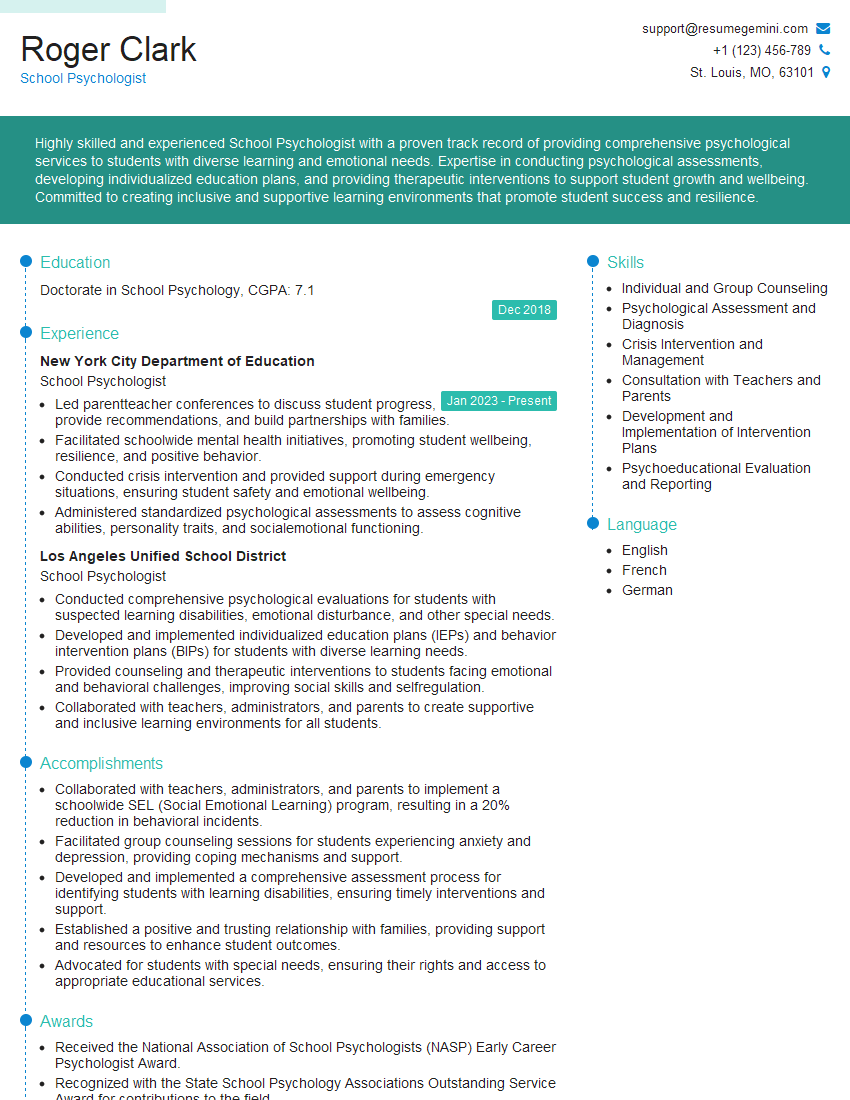
School Psychologist Resume Sample
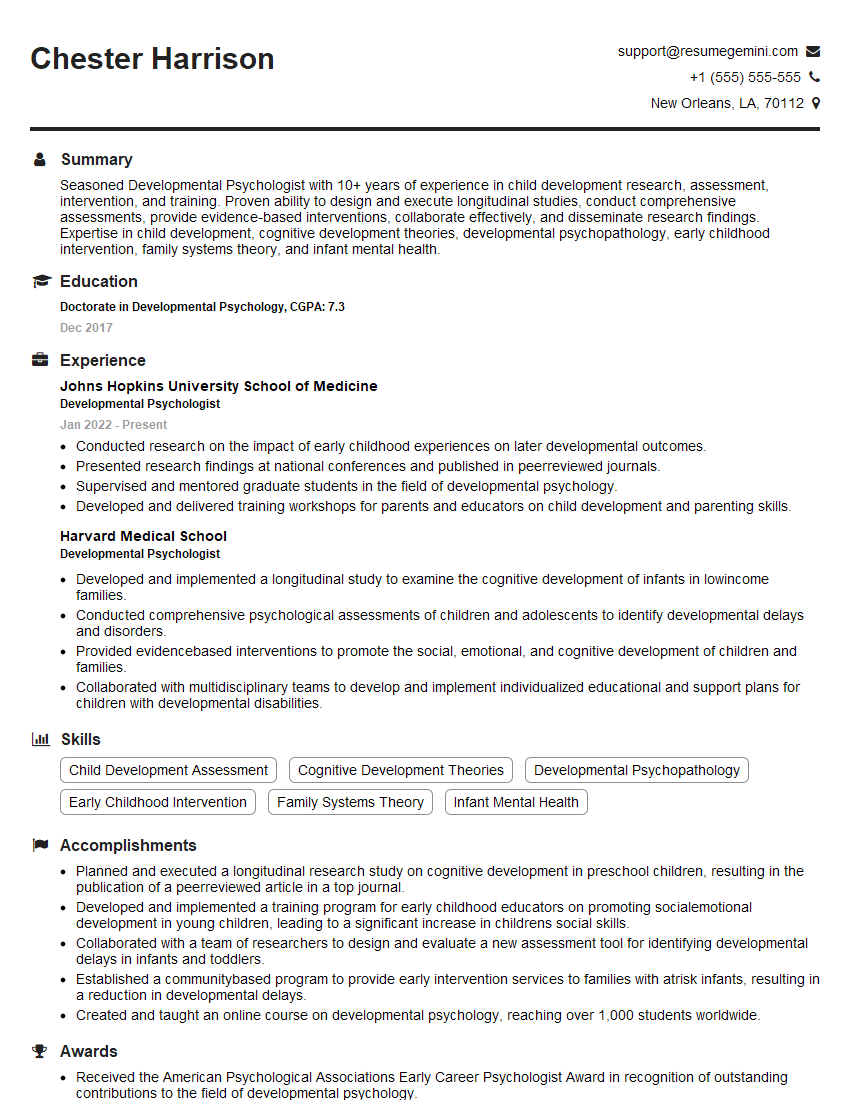
Developmental Psychologist Resume Sample
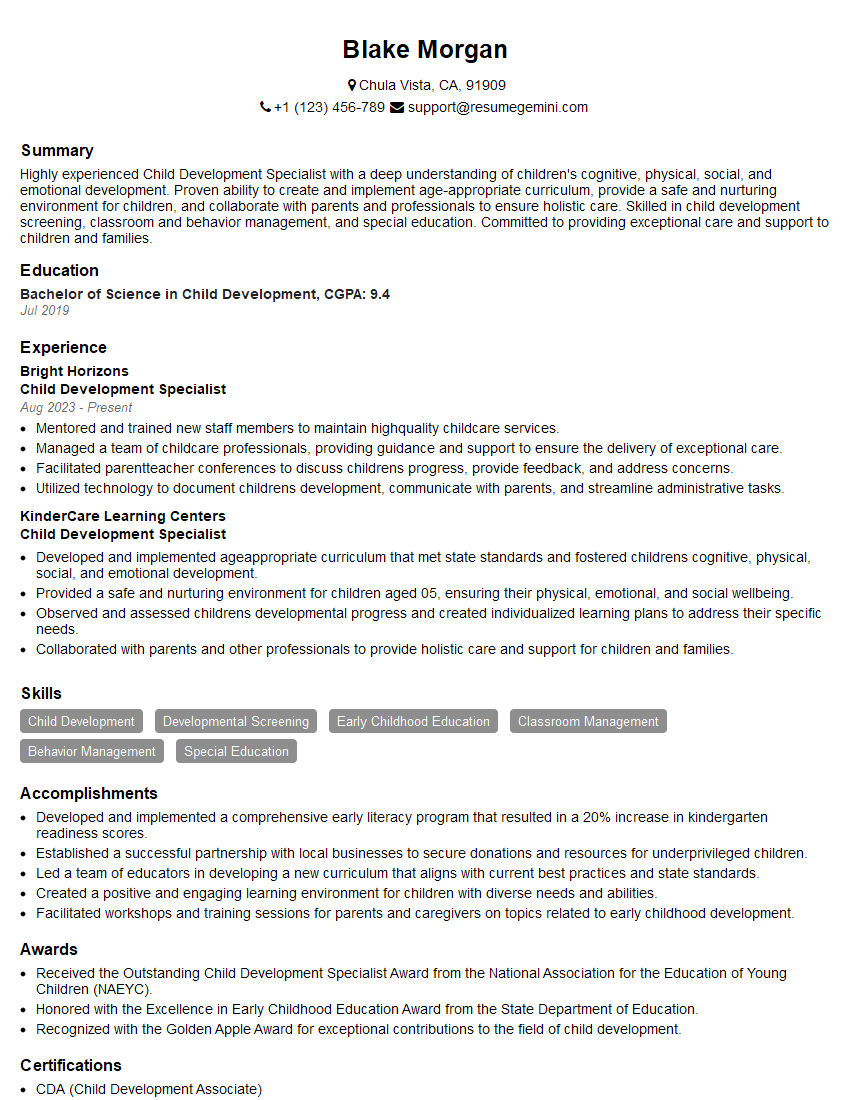
Child Development Specialist Resume Sample
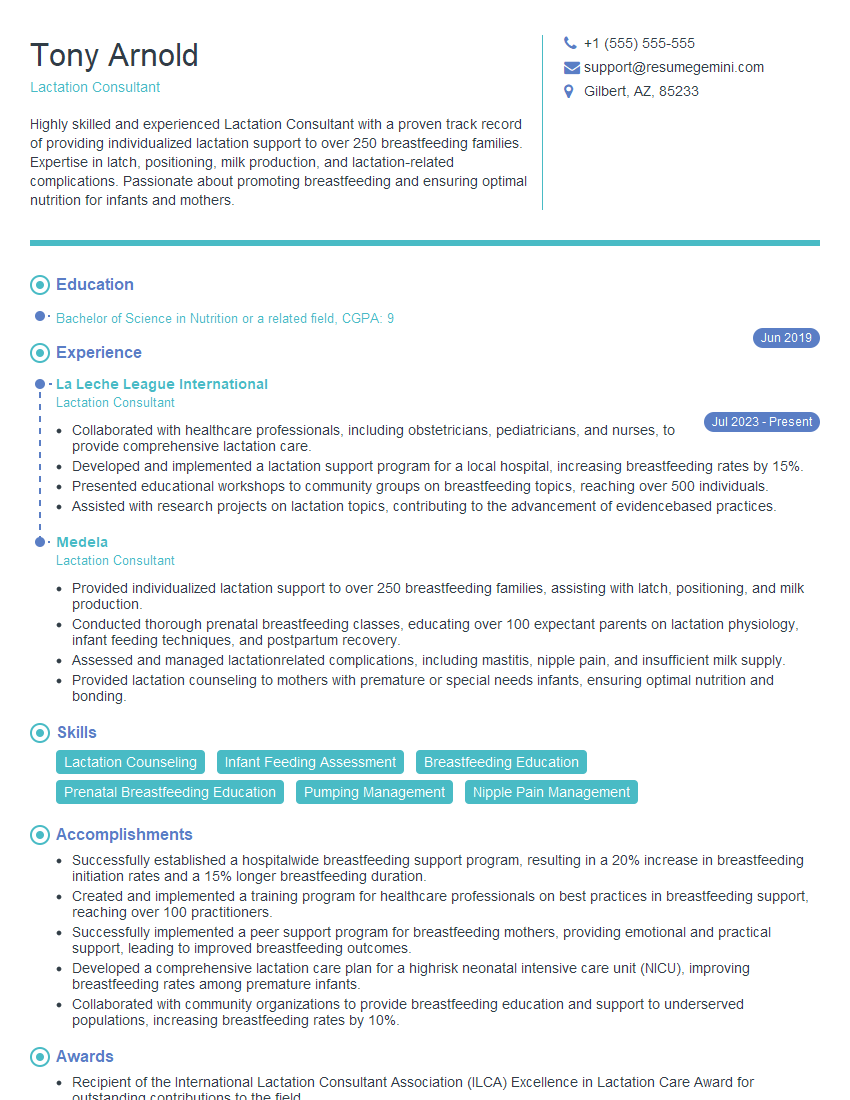
Lactation Consultant Resume Sample
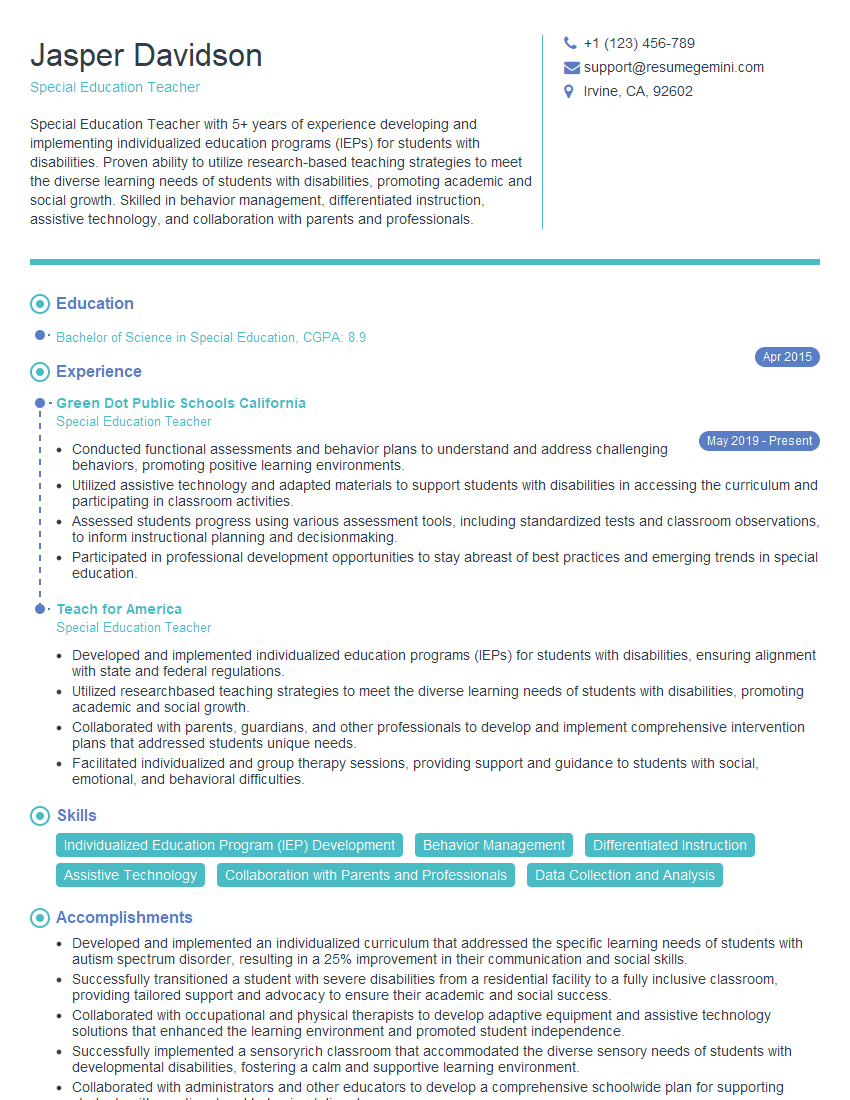
Special Education Teacher Resume Sample
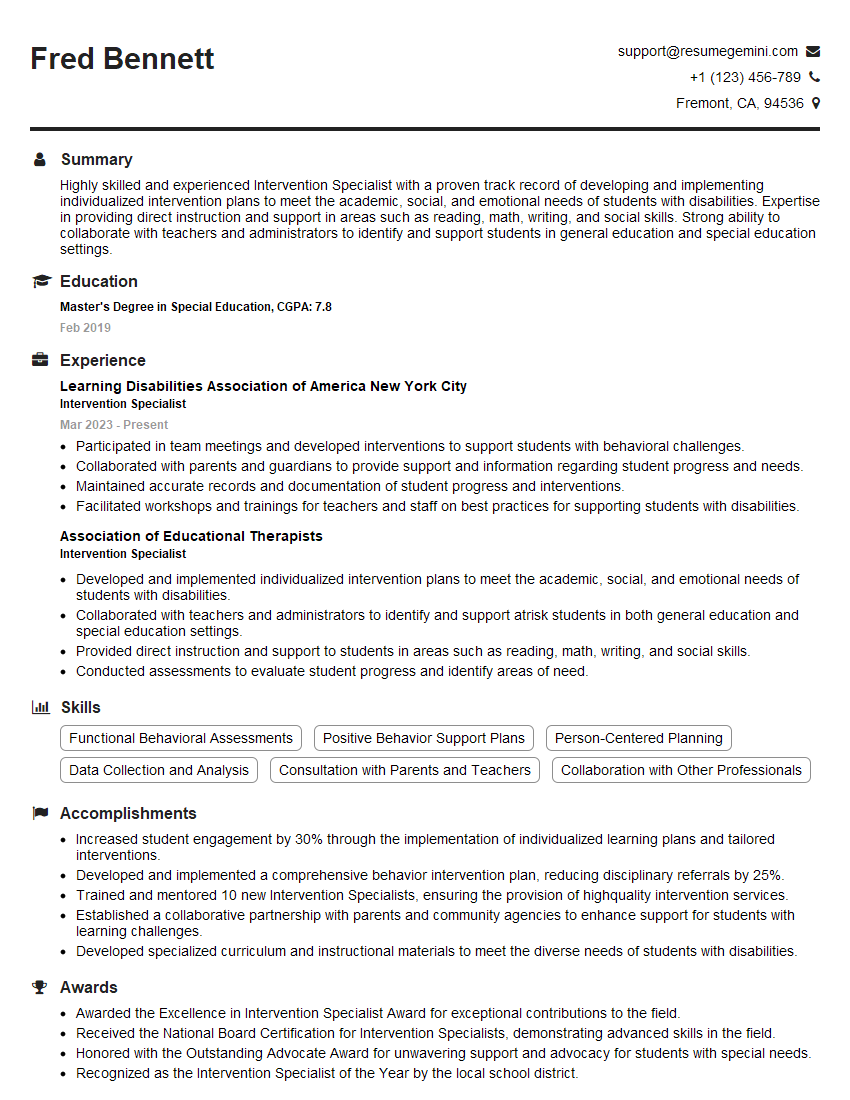
Intervention Specialist Resume Sample
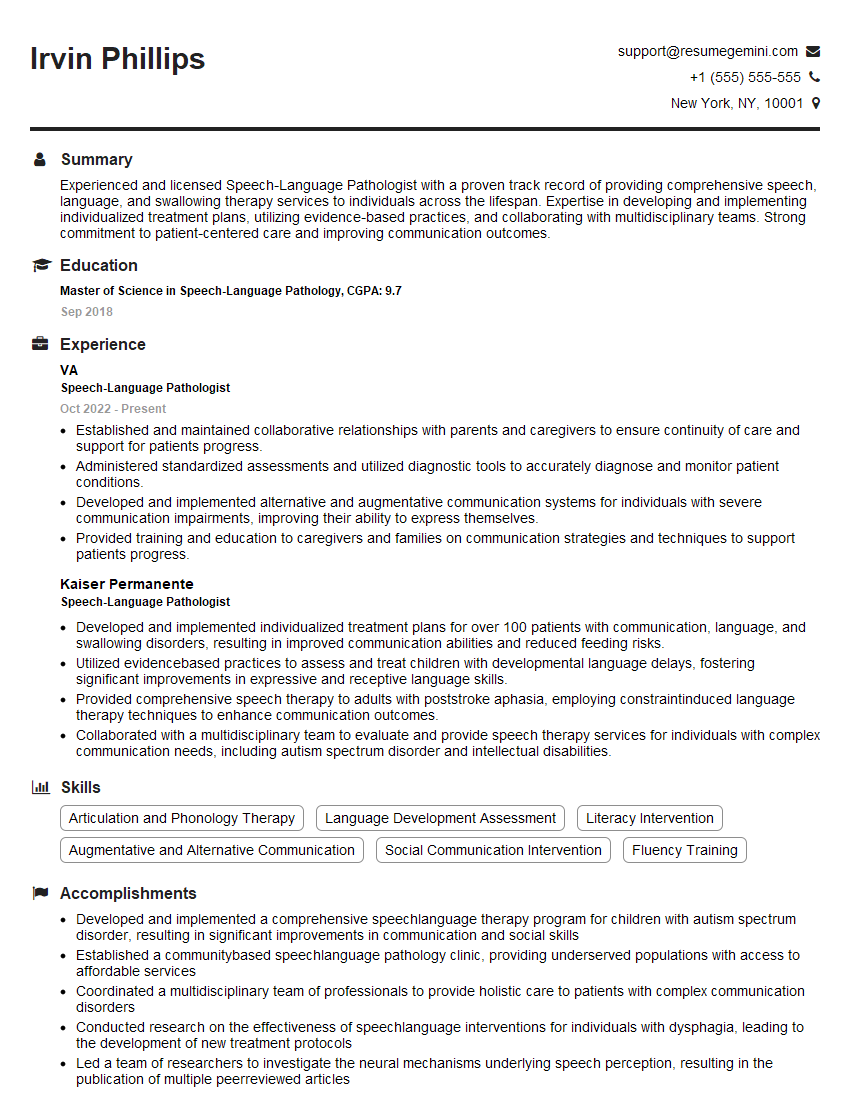
Speech-Language Pathologist Resume Sample
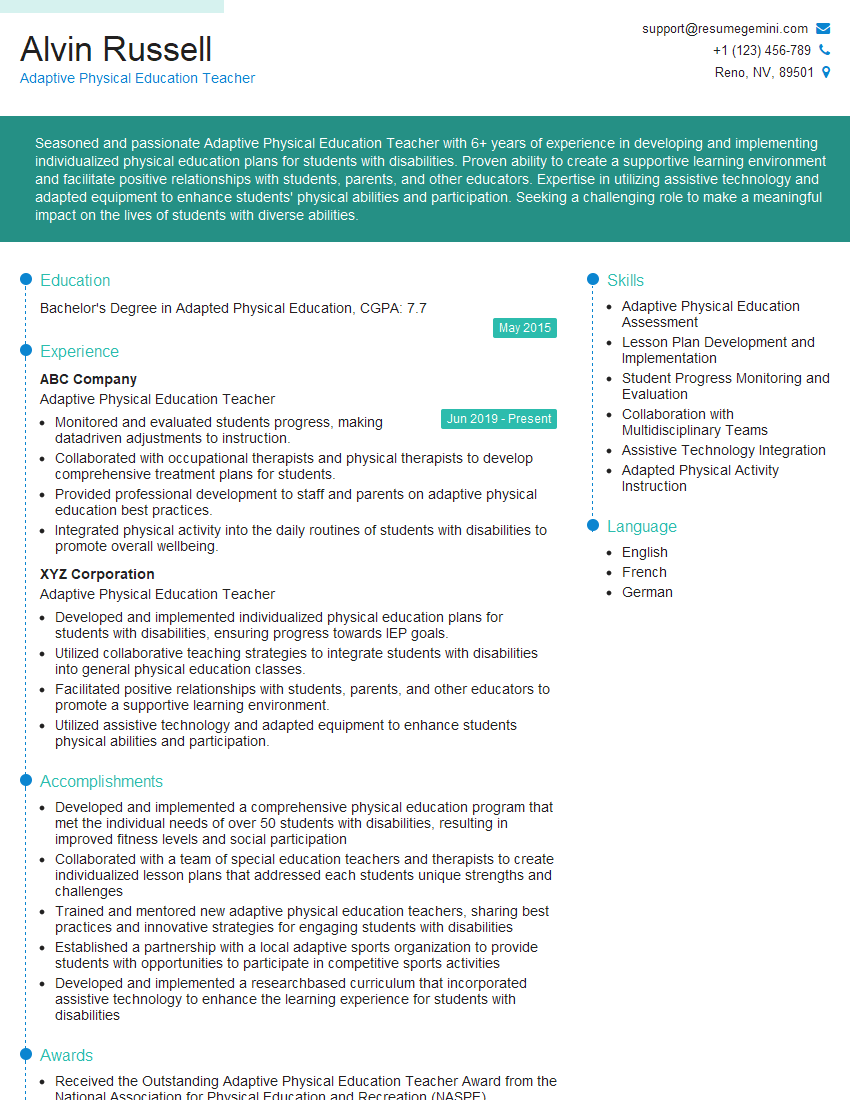
Adaptive Physical Education Teacher Resume Sample
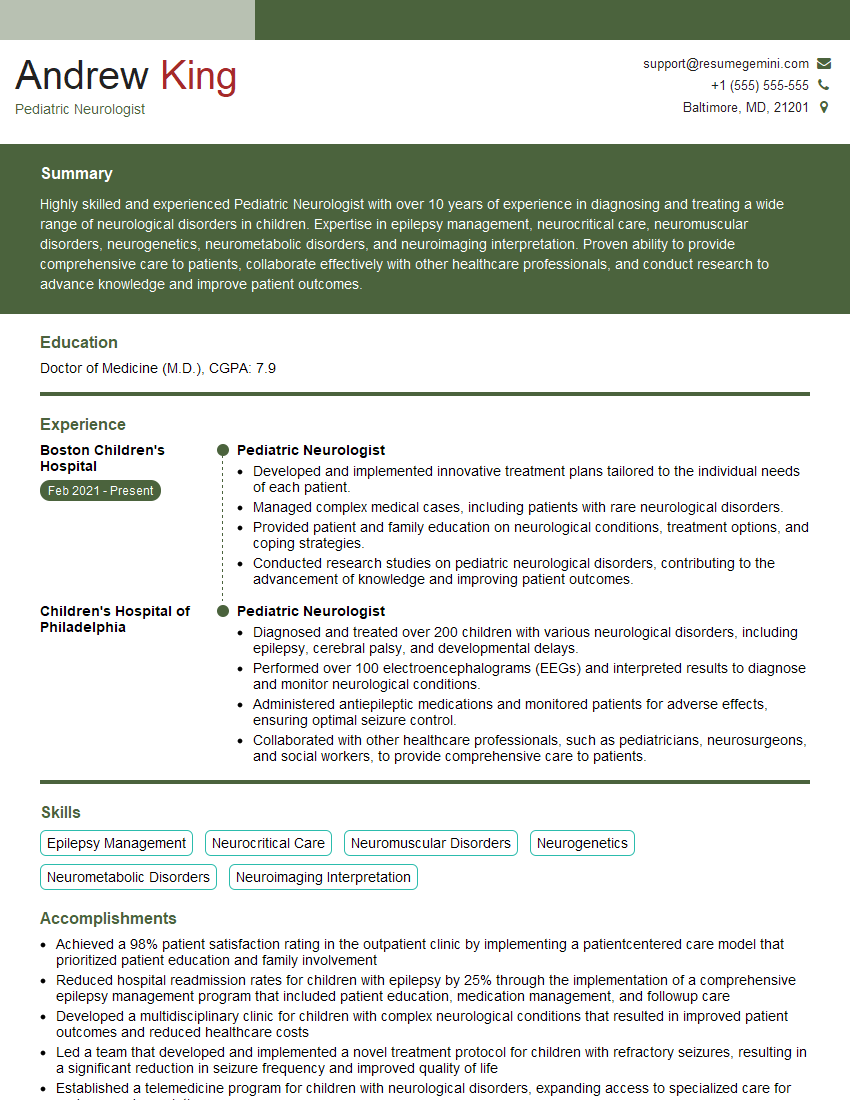
Pediatric Neurologist Resume Sample
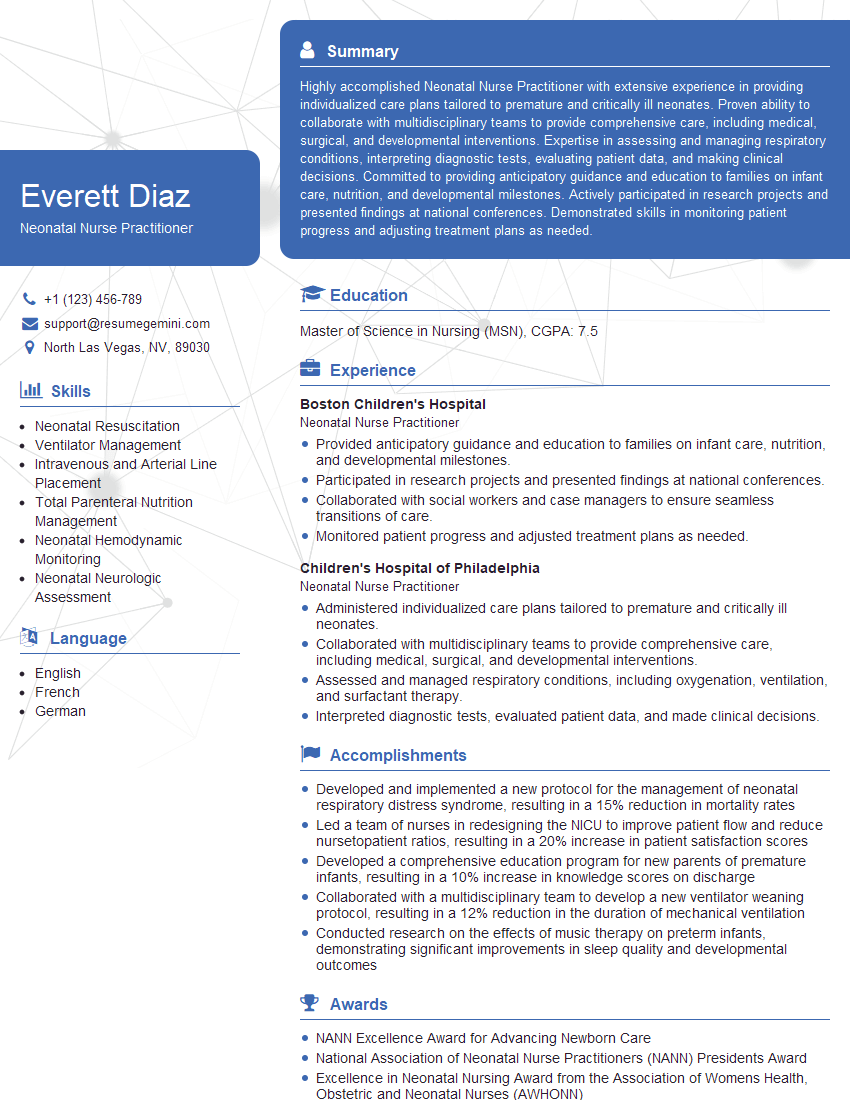
Neonatal Nurse Practitioner Resume Sample
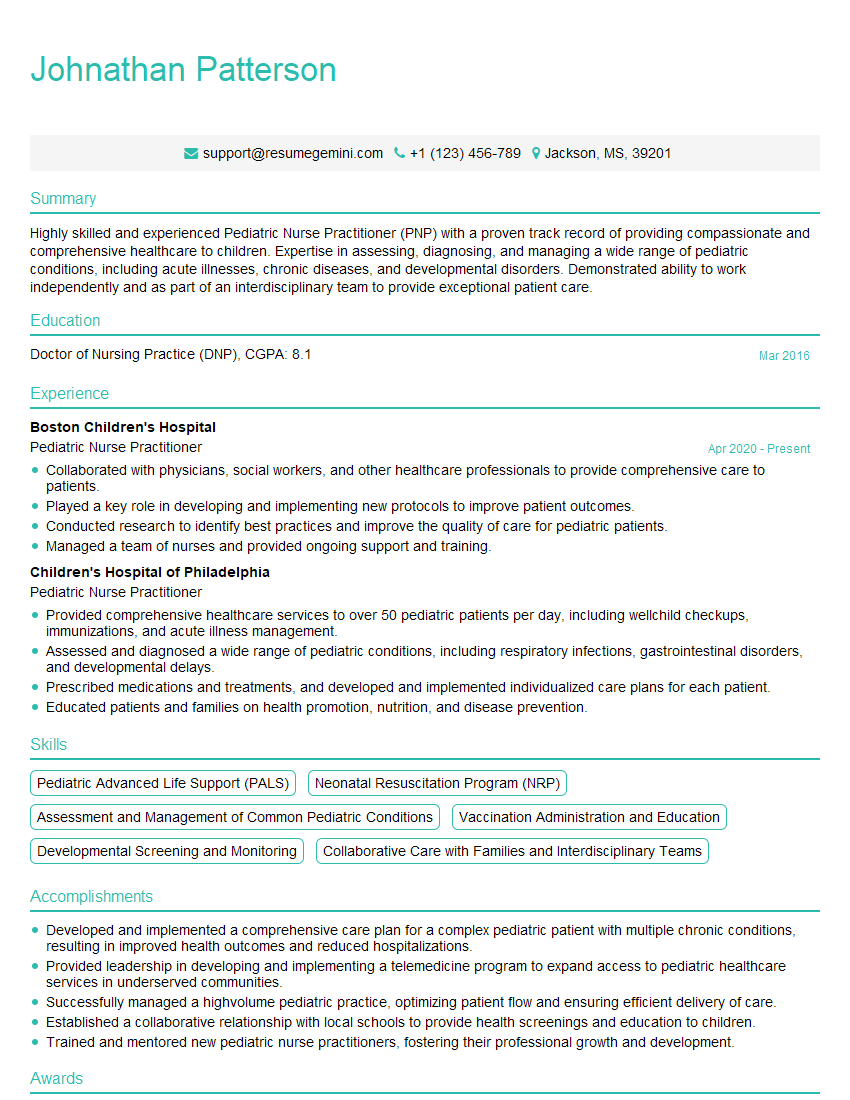
Pediatric Nurse Practitioner Resume Sample
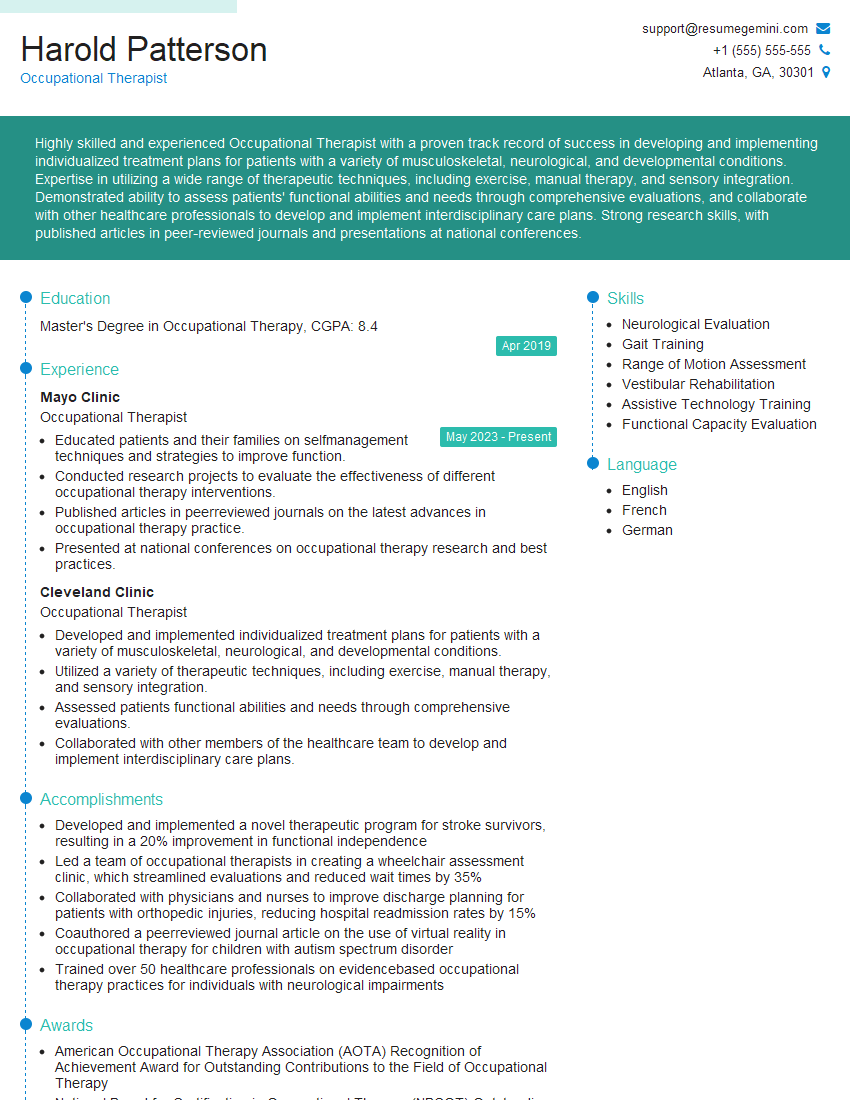
Occupational Therapist Resume Sample
- School Psychologist
- Developmental Psychologist
- Child Development Specialist
- Lactation Consultant
- Special Education Teacher
- Intervention Specialist
- Speech-Language Pathologist
- Adaptive Physical Education Teacher
- Pediatric Neurologist
- Neonatal Nurse Practitioner
- Pediatric Nurse Practitioner
- Occupational Therapist
Explore more articles
Users Rating of Our Blogs
Share Your Experience
We value your feedback! Please rate our content and share your thoughts (optional).
What Readers Say About Our Blog
To the interviewgemini.com Webmaster.
Very helpful and content specific questions to help prepare me for my interview!
Thank you
To the interviewgemini.com Webmaster.
This was kind of a unique content I found around the specialized skills. Very helpful questions and good detailed answers.
Very Helpful blog, thank you Interviewgemini team.