The right preparation can turn an interview into an opportunity to showcase your expertise. This guide to Handling and Storing Food Properly interview questions is your ultimate resource, providing key insights and tips to help you ace your responses and stand out as a top candidate.
Questions Asked in Handling and Storing Food Properly Interview
Q 1. What are the temperature danger zones for food?
The temperature danger zone for food is the range where harmful bacteria multiply rapidly, increasing the risk of foodborne illness. This crucial range is generally considered to be between 40°F (4°C) and 140°F (60°C). Think of it like this: bacteria are like tiny, fast-growing creatures. They thrive in this temperature range, much like a plant thrives in sunlight and water. Keeping food outside of this zone dramatically slows down or stops their growth.
Below 40°F (4°C): Bacterial growth is significantly slowed or stopped. This is why refrigeration is so important. Above 140°F (60°C): Most harmful bacteria are killed. This is why thorough cooking is essential.
Practical Example: Imagine leaving a cooked chicken salad out at room temperature for a few hours. It’s now in the danger zone, allowing bacteria to multiply exponentially, potentially causing illness if consumed.
Q 2. Explain the FIFO (First-In, First-Out) method of inventory management.
FIFO, or First-In, First-Out, is a crucial inventory management method for ensuring food safety and minimizing waste. It’s a simple concept: the oldest items in your inventory should be used or sold before the newest items. Think of it like a queue – the first one in line is the first one served.
How it works: When new food items are delivered, they are placed behind older items. This ensures that older items don’t get forgotten and remain in storage for extended periods, increasing the risk of spoilage.
Practical Example: In a restaurant kitchen, milk cartons with earlier expiration dates would be placed in front of newer cartons. This prevents older milk from expiring and being wasted.
Benefits: Reduced food waste, improved inventory control, minimized risk of foodborne illnesses from spoiled products.
Q 3. Describe proper handwashing techniques.
Proper handwashing is the cornerstone of food safety. It’s a simple yet incredibly effective way to prevent the spread of harmful bacteria.
- Wet your hands with clean, running water (warm or cold).
- Apply soap and lather well, scrubbing the backs of your hands, between your fingers, and under your nails for at least 20 seconds (sing the “Happy Birthday” song twice).
- Rinse thoroughly under clean, running water.
- Dry your hands using a clean towel or air dryer.
Critical Considerations: Handwashing should be done frequently, especially before and after handling food, after using the restroom, and after touching potentially contaminated surfaces.
Example: Imagine a chef preparing a delicate salad. Proper handwashing before handling ingredients prevents bacteria from their hands contaminating the food.
Q 4. How do you prevent cross-contamination?
Cross-contamination occurs when harmful bacteria or other pathogens are transferred from one food item to another. Preventing it requires careful attention to detail.
- Separate raw and cooked foods: Use different cutting boards, utensils, and containers for raw meat, poultry, seafood, and ready-to-eat foods. Think of raw meat as carrying invisible passengers (bacteria) that can contaminate other foods.
- Clean and sanitize surfaces: After preparing raw foods, thoroughly clean and sanitize all surfaces, including cutting boards, countertops, and utensils, with hot, soapy water followed by a sanitizing solution.
- Cook foods to safe internal temperatures: This kills most harmful bacteria.
- Refrigerate promptly: Cool down food quickly after cooking and refrigerate within two hours (one hour if the ambient temperature is above 90°F).
Example: Never place cooked chicken on a plate that previously held raw chicken without thoroughly washing the plate.
Q 5. What are the common causes of foodborne illnesses?
Foodborne illnesses, also known as food poisoning, result from consuming contaminated food. Several factors can lead to this:
- Bacteria: Salmonella, E. coli, and Listeria are common culprits, often found in undercooked meat, poultry, eggs, and unpasteurized dairy products.
- Viruses: Norovirus and Hepatitis A can contaminate food through improper handwashing or contact with contaminated surfaces.
- Parasites: Toxoplasma gondii, found in undercooked meat, can cause toxoplasmosis.
- Toxins: Certain toxins, like those produced by Staphylococcus aureus (Staph) bacteria, can contaminate food and cause illness, often due to improper handling and storage.
- Improper food handling and storage: This encompasses all aspects like inadequate refrigeration, unsafe cooking temperatures, and cross-contamination.
Example: Eating undercooked ground beef can lead to E. coli infection, causing severe gastrointestinal distress.
Q 6. Explain the importance of proper food storage temperatures.
Proper food storage temperatures are paramount in preventing bacterial growth and maintaining food safety. Remember the temperature danger zone (40°F/4°C to 140°F/60°C)? Keeping food outside this range is crucial.
- Refrigeration (below 40°F/4°C): Slows bacterial growth significantly. Refrigerate perishable foods promptly after purchasing or preparing them.
- Freezing (0°F/-18°C): Stops bacterial growth, offering longer-term food preservation.
- Hot Holding (above 140°F/60°C): Keeps food at temperatures that kill and prevent bacterial growth, especially important for buffet-style service.
Example: Leaving leftovers at room temperature for several hours allows bacteria to multiply rapidly, potentially causing illness if consumed. Refrigerating leftovers quickly after a meal significantly reduces this risk.
Q 7. What are the different types of food preservation methods?
Various methods are used to preserve food and extend its shelf life, increasing safety and reducing waste. These include:
- Refrigeration: Slows bacterial growth, ideal for short-term preservation.
- Freezing: Stops bacterial growth, excellent for longer-term preservation.
- Canning: Heats food to high temperatures to kill bacteria and seals it in airtight containers.
- Drying: Removes moisture, inhibiting bacterial growth (e.g., dried fruits, jerky).
- Pickling: Uses high acidity to prevent bacterial growth (e.g., pickles, olives).
- Fermentation: Uses microorganisms to preserve food (e.g., yogurt, sauerkraut, kimchi).
- High-Pressure Processing (HPP): Uses extremely high pressure to inactivate microorganisms without heat.
Example: Freezing berries preserves their flavor and nutrients for months, whereas canning tomatoes allows for long-term storage at room temperature.
Q 8. How do you identify spoiled food?
Identifying spoiled food relies on a combination of sensory checks and understanding food characteristics. Look, smell, and even touch can reveal spoilage. For example, meat that’s gone bad might have a slimy texture, a foul odor, and a dull, grayish color instead of its usual bright red or pink. Milk might smell sour or curdled. Fruits and vegetables will often show signs of mold, discoloration, or softening. Beyond the senses, consider the ‘sell-by’ or ‘use-by’ dates, but remember these are guidelines, not hard and fast rules. Always prioritize your senses, and if in doubt, throw it out. This is particularly crucial with foods that are highly susceptible to bacterial growth like raw meats and seafood.
- Visual Inspection: Look for mold, discoloration, unusual texture changes (slimy, mushy), or changes in color.
- Smell Test: A sour, rancid, or putrid odor is a strong indicator of spoilage.
- Taste Test (Use Caution): Only perform this as a last resort with a tiny amount of food, and only if you are certain the food is not already spoiled. Discard if suspicious.
Remember that even if food looks and smells okay, improper storage can lead to harmful bacteria growth. Be vigilant, and never compromise safety for convenience.
Q 9. How do you ensure proper sanitation of food preparation surfaces?
Ensuring proper sanitation of food preparation surfaces is paramount to preventing foodborne illnesses. This involves a multi-step process emphasizing thorough cleaning and disinfection. Think of it like this: cleaning removes visible dirt and debris, while sanitizing eliminates harmful microorganisms.
- Cleaning: First, remove all visible food residues from surfaces using warm, soapy water. Scrub thoroughly with a clean brush or sponge. Pay particular attention to corners and crevices. Imagine you’re cleaning a really delicate piece of jewelry – meticulousness is key.
- Rinsing: Thoroughly rinse all surfaces with clean, hot water to remove all traces of soap. Residual soap can interfere with the effectiveness of the sanitizer.
- Sanitizing: Apply a food-grade sanitizer according to the manufacturer’s instructions. Many use a dilute bleach solution (always check the recommended concentration), but there are other effective commercial sanitizers available. Allow the sanitizer to contact the surface for the recommended amount of time.
- Air Drying: Allow surfaces to air dry completely. Do not wipe them dry with a cloth, as this could reintroduce contamination.
Regular sanitation schedules are crucial, especially after preparing each food item. For example, after prepping raw chicken, meticulously clean and sanitize the cutting board, countertops, and utensils before preparing other foods. This prevents cross-contamination, which is a major source of foodborne illness.
Q 10. What is HACCP and its significance?
HACCP, or Hazard Analysis and Critical Control Points, is a preventative food safety system that identifies potential biological, chemical, and physical hazards in food production and sets up control measures to minimize or eliminate risks. It’s a proactive approach, rather than reactive. Think of it as a detective story, but instead of solving a crime, you’re preventing one from happening.
HACCP’s significance lies in its systematic approach to food safety. It involves seven principles:
- Conduct a hazard analysis: Identify potential hazards throughout the food production process.
- Determine critical control points (CCPs): Points where controls can be applied to prevent or eliminate hazards.
- Establish critical limits: Establish measurable values for each CCP to ensure safety.
- Establish monitoring procedures: Regularly monitor CCPs to ensure critical limits are met.
- Establish corrective actions: Take immediate corrective action if critical limits are not met.
- Establish verification procedures: Verify that the HACCP system is working effectively.
- Establish record-keeping and documentation procedures: Maintain thorough records of all HACCP activities.
Implementing HACCP ensures consistent food safety, minimizes risks, improves product quality, and fosters consumer confidence. It’s widely adopted in the food industry, showing its importance and effectiveness.
Q 11. What are the regulations regarding food labeling and storage?
Food labeling and storage regulations vary depending on location (country, state, etc.), but generally aim to protect consumers by providing essential information and ensuring proper storage to maintain food safety and quality.
Labeling regulations typically require information such as:
- Product name: Clear and unambiguous identification.
- Net weight/volume: The quantity of food in the package.
- List of ingredients: In descending order by weight.
- Allergen statement: Clearly identify any major allergens (e.g., nuts, dairy, soy).
- Manufacturer’s information: Name and contact details.
- Nutrition facts panel: Serving size, calories, and macronutrients.
- Best-by/Use-by/Sell-by dates: Guidance on food quality and shelf life.
Storage regulations usually focus on temperature control to prevent bacterial growth and spoilage. Different foods require different storage temperatures. For example, refrigerated foods need to be kept consistently below 40°F (4°C), while frozen foods need to be kept at 0°F (-18°C) or below. Regulations also often cover the cleanliness and maintenance of storage facilities to prevent cross-contamination. Failure to comply with these regulations can result in significant penalties, from fines to business closure.
Q 12. How do you handle food allergies and dietary restrictions?
Handling food allergies and dietary restrictions requires meticulous attention to detail and clear communication. It’s crucial to prevent cross-contamination and ensure accurate information is provided to customers.
Strategies for handling food allergies:
- Dedicated preparation areas: Designate separate areas for preparing allergen-free foods to minimize cross-contamination. Think of having a separate cutting board and utensils only for allergy-friendly preparations.
- Thorough cleaning: Clean and sanitize all surfaces and equipment after handling allergenic foods. It’s better to be over-cautious than to have an accidental reaction.
- Clear labeling: Clearly label all food items, including ingredients and potential allergens.
- Staff training: Train all staff on allergen awareness and safe handling procedures. They need to understand the seriousness of cross-contamination.
- Menu clarification: Provide menus with clear indications of allergens and dietary restrictions. Make it simple to find information.
Dietary restrictions like vegetarianism, veganism, or religious dietary laws require similar attention. Always confirm dietary requirements with customers and ensure menu options accurately reflect these preferences. Open and honest communication is key to avoiding misunderstandings and potential problems.
Q 13. Describe your experience with food safety audits and inspections.
Throughout my career, I’ve been extensively involved in food safety audits and inspections. This includes both internal audits to assess our own practices and external audits conducted by regulatory bodies. These experiences have honed my understanding of food safety regulations and best practices.
I’m familiar with various audit methodologies, from checklists to more in-depth assessments, including visual inspections of facilities, equipment, and food handling practices, as well as review of documentation such as HACCP plans, training records, and temperature logs. I understand the importance of meticulous record-keeping and the need for complete transparency during these processes. I’ve successfully navigated audits resulting in positive outcomes and identified areas for improvement when necessary. It’s a learning process; audits don’t just identify problems but also highlight best practices and opportunities for improvement.
For example, one audit revealed a minor lapse in our temperature monitoring procedures for cold storage. By immediately addressing the issue, implementing a more robust system, and providing additional training, we were able to swiftly resolve it and demonstrate our commitment to food safety.
Q 14. How do you maintain proper food storage records?
Maintaining proper food storage records is essential for ensuring food safety and traceability. Accurate and detailed records provide evidence of compliance with regulations and help identify potential issues early.
A comprehensive system for food storage records typically includes:
- Temperature logs: Regularly monitor and record the temperatures of refrigerators, freezers, and other temperature-controlled storage areas. This is crucial for perishables.
- First-in, first-out (FIFO) system: Maintain a system where older food items are used before newer ones to prevent spoilage. Proper rotation should be carefully logged.
- Inventory records: Track the quantity and type of food items in storage. This helps with efficient stock management and waste reduction.
- Supplier information: Maintain records of suppliers, including delivery dates and product details. This is critical for traceability in case of a recall.
- Rotation labels: Clearly label food items with arrival and expiration dates, making FIFO clear to anyone accessing the storage area.
These records should be kept in a secure, accessible location and stored according to regulatory requirements. Electronic systems are widely used for ease of record-keeping and data analysis; many systems even provide alerts regarding expiry dates.
Q 15. What are your strategies for managing food waste?
Managing food waste is crucial for both economic and environmental reasons. My strategy involves a multi-pronged approach focusing on prevention, proper storage, and creative repurposing.
Careful Planning & Purchasing: I meticulously plan my meals, creating shopping lists based on those plans to minimize impulse buys that might lead to spoilage. I also check my fridge and pantry before shopping to avoid duplicate purchases.
First In, First Out (FIFO): I strictly adhere to the FIFO method for storing food, ensuring older items are used before newer ones. This prevents items from expiring unnoticed at the back of the fridge or pantry.
Proper Storage Techniques: I utilize appropriate storage containers to maintain food freshness and prevent cross-contamination. This includes using airtight containers for leftovers and properly wrapping produce to extend its shelf life.
Creative Repurposing: Leftovers are transformed into new dishes, reducing waste and adding variety to meals. Vegetable scraps can be used to make stock, and wilting herbs can be frozen for later use.
Composting: Food scraps that can’t be repurposed are composted, reducing landfill waste and creating nutrient-rich soil for plants.
For example, instead of throwing away leftover cooked chicken, I might use it in a salad, soup, or quesadilla the next day. This approach significantly minimizes food waste in my kitchen and reduces my environmental impact.
Career Expert Tips:
- Ace those interviews! Prepare effectively by reviewing the Top 50 Most Common Interview Questions on ResumeGemini.
- Navigate your job search with confidence! Explore a wide range of Career Tips on ResumeGemini. Learn about common challenges and recommendations to overcome them.
- Craft the perfect resume! Master the Art of Resume Writing with ResumeGemini’s guide. Showcase your unique qualifications and achievements effectively.
- Don’t miss out on holiday savings! Build your dream resume with ResumeGemini’s ATS optimized templates.
Q 16. How do you ensure the safety of perishable foods during transportation?
Safe transportation of perishable foods requires maintaining the cold chain, preventing temperature fluctuations that can promote bacterial growth. My strategies include:
Insulated Containers: I use high-quality insulated containers or refrigerated trucks, depending on the scale of transportation. These maintain the proper temperature range during transit.
Temperature Monitoring: Temperature data loggers are used to continuously monitor the temperature inside the containers throughout the journey. This allows for immediate identification of any temperature deviations.
Proper Packaging: Foods are packaged appropriately to minimize damage and contamination during transport. This might include using ice packs or dry ice to maintain cold temperatures.
Rapid Transportation: Minimizing transportation time is crucial. Faster transit means less time for temperature fluctuations to negatively impact food safety.
Scheduled Delivery: Deliveries are scheduled to coincide with peak operational hours to ensure the shortest possible storage time at ambient temperature.
Imagine transporting a batch of fresh seafood. Using an insulated container with ice packs and a temperature logger ensures that the seafood maintains its quality and safety throughout delivery, preventing spoilage and potential health risks.
Q 17. What is your process for dealing with a suspected case of foodborne illness?
Suspected foodborne illness requires immediate and decisive action. My process follows these steps:
Isolate the Suspected Food: Immediately isolate any food suspected of causing the illness to prevent further contamination.
Report the Incident: Report the incident to the relevant authorities, such as public health officials. This is crucial for preventing further outbreaks.
Document Symptoms and Timeline: Carefully document the symptoms experienced by affected individuals, noting the onset of symptoms and the food items consumed.
Discard Contaminated Food: Dispose of any potentially contaminated food items safely. This often involves double bagging and clearly labeling the waste.
Thorough Cleaning and Sanitization: Thoroughly clean and sanitize all surfaces and equipment that came into contact with the suspected food.
Seek Medical Attention: Encourage those affected to seek medical attention if their symptoms are severe.
For instance, if multiple people experience gastrointestinal illness after consuming a particular batch of potato salad at a picnic, I would immediately discard the remaining salad, report the incident to public health, and thoroughly clean all surfaces.
Q 18. Explain the importance of personal hygiene in food handling.
Personal hygiene is paramount in food handling to prevent contamination and the spread of foodborne illnesses. It’s the cornerstone of safe food practices.
Handwashing: Frequent and thorough handwashing with soap and water is crucial, especially before, during, and after food preparation. This removes harmful bacteria and viruses.
Clean Clothing: Wearing clean clothing and aprons helps prevent contamination of food.
Hair Restraints: Hair should be restrained to prevent it from falling into food.
Gloves: Gloves should be used when handling ready-to-eat foods or when dealing with raw meats to avoid cross-contamination.
Avoiding Touching Face: Avoid touching the face, hair, or other body parts while handling food to minimize the risk of transferring pathogens.
Imagine preparing a cake. Washing your hands before mixing the batter and after handling eggs prevents the spread of salmonella. This simple act significantly reduces the risk of foodborne illness.
Q 19. What are the different types of thermometers used in food safety?
Several types of thermometers are used in food safety, each with its strengths:
Immersion Thermometers: These are inserted directly into food to measure internal temperature. They are ideal for checking the temperature of meats, poultry, and other solid foods.
Surface Thermometers: These measure the temperature of surfaces, such as grills or cooking equipment. They are important for ensuring that surfaces reach safe temperatures for cooking.
Infrared Thermometers (Non-Contact): These measure temperature without direct contact, ideal for checking the temperature of liquids or surfaces from a distance. They are useful for checking oven temperatures or food in large containers.
Thermocouples: These are more advanced thermometers often used in industrial settings for accurate and continuous temperature monitoring.
For example, an immersion thermometer is used to ensure a roast chicken reaches a safe internal temperature of 165°F (74°C) before serving.
Q 20. How do you calibrate food thermometers?
Calibrating food thermometers ensures accuracy, crucial for food safety. The process typically involves comparing the thermometer reading to a known accurate temperature source, such as:
Ice Bath Method: A mixture of ice and water creates a 32°F (0°C) reference point. Submerge the thermometer and adjust it to read this temperature.
Boiling Water Method: Boiling water at sea level provides a 212°F (100°C) reference point. Submerge the thermometer and adjust it to read this temperature.
Calibration procedures vary depending on the thermometer’s design. The manufacturer’s instructions should be consulted for specific calibration steps. Regularly calibrating thermometers ensures accurate temperature readings, preventing undercooked or overcooked foods.
Q 21. What are the proper procedures for thawing frozen foods?
Thawing frozen foods safely is crucial to prevent bacterial growth. The safest methods are:
Refrigerator Thawing: This is the safest method. Place the food in the refrigerator, allowing it to thaw slowly at a temperature of 40°F (4°C) or below. This can take several hours or even days depending on the size and type of food.
Cold Water Thawing: Submerge the food in cold running water, changing the water every 30 minutes. This method is faster than refrigerator thawing but requires close monitoring.
Microwave Thawing: Microwave thawing is possible, but the food must be cooked immediately after thawing to prevent the growth of bacteria.
Avoid thawing food at room temperature, as this allows bacteria to multiply rapidly. For instance, a large turkey should be thawed in the refrigerator for several days to ensure even thawing and food safety.
Q 22. Describe your experience with using different types of food storage containers.
My experience with food storage containers spans a wide range, from simple airtight plastic containers to specialized vacuum-sealed bags and commercial-grade stainless steel bins. The choice of container depends heavily on the food item and its intended storage duration. For instance, I frequently use airtight plastic containers for storing leftovers and frequently used pantry staples like flour and sugar. These are cost-effective and readily available, ensuring a good seal to maintain freshness and prevent contamination. For longer-term storage of items like dried beans or grains, I prefer using heavy-duty, airtight containers or mylar bags with oxygen absorbers. These significantly extend the shelf life by minimizing oxidation and pest infestation. Vacuum-sealed bags are invaluable for freezing items like meats, fruits, and vegetables, removing air and slowing down freezer burn. Finally, commercial-grade stainless steel containers are ideal for high-volume storage in professional settings, offering durability and hygiene.
For example, storing cookies in an airtight container at room temperature will preserve their texture and flavour far longer than leaving them in a loosely sealed bag. Conversely, freezing berries in vacuum-sealed bags maintains their quality and texture for months, far exceeding what would be achievable with simple plastic wrap.
Q 23. How do you prevent pest infestations in a food storage area?
Preventing pest infestations in a food storage area requires a multi-pronged approach focusing on sanitation, exclusion, and monitoring. First and foremost is maintaining impeccable cleanliness. Regularly sweeping and mopping floors, wiping down shelves, and discarding any spilled food or debris is crucial. Regularly inspecting all incoming food products and packaging for any signs of pests is essential. Next, exclusion involves sealing any cracks or crevices in walls, floors, or ceilings where pests might enter. This includes properly sealing packaging and using airtight containers. Effective pest monitoring involves regularly checking for signs of infestation such as droppings, webbing, or actual insects. Using traps, both sticky traps and bait stations, can be helpful in identifying and controlling the infestation. In severe cases, professional pest control services may be needed.
For instance, in a restaurant kitchen, we strictly adhere to a daily cleaning schedule, including thorough wiping down of all surfaces and equipment, paying close attention to areas where food is prepared and stored. We use sealed containers for all food storage and regularly inspect our dry goods for signs of pests. We also have a scheduled pest control service that regularly inspects the facility and sets traps to help maintain a pest-free environment.
Q 24. How do you maintain the cleanliness and organization of a food storage area?
Maintaining a clean and organized food storage area is paramount for food safety and efficiency. This involves establishing a system of First-In, First-Out (FIFO) stock rotation (discussed further in question 6), clearly labeling all containers with contents and dates, and regularly discarding expired items. Shelving should be organized logically, with frequently used items easily accessible and less frequently used items stored appropriately. Regular cleaning, including wiping down shelves and discarding any spoiled or damaged food, is non-negotiable. Using appropriate cleaning agents and disinfectants is crucial to prevent cross-contamination. Regular inventory checks will help in identifying and addressing potential issues such as expired items or lack of stock.
Imagine a large commercial kitchen: everything is organized by category (produce, dairy, dry goods etc.), shelves are clearly marked, and the FIFO system is rigorously enforced. Daily cleaning routines are meticulously followed, ensuring the highest standards of hygiene are met.
Q 25. What is your experience with food recall procedures?
My experience with food recall procedures involves following established protocols to ensure consumer safety and comply with regulations. Upon notification of a food recall, the immediate action is to identify and isolate any affected products in the storage area. Inventory records are checked thoroughly to determine the quantity and lot numbers of the recalled items. These products are then securely stored separately, awaiting instructions from the regulatory authorities or the food supplier on how to proceed with their disposal or return. Accurate record-keeping throughout the entire process is crucial for documentation purposes. Communicating effectively with staff, customers, and relevant authorities is vital. We’d inform our staff of the recall and educate them on handling the recalled items properly. If it’s a customer-facing issue, a clear communication strategy to inform our customers is vital.
For example, during a recall of a specific brand of frozen chicken, we immediately identified all affected packages, separated them from our stock, and contacted our supplier for instructions on how to return the recalled product.
Q 26. How do you ensure the security of food storage areas from theft?
Securing food storage areas from theft requires a layered approach combining physical security measures with procedural controls. Physical security includes using locks on storage rooms and utilizing surveillance cameras to monitor activity. Access should be limited to authorized personnel only, with clear protocols for key management. Regular inventory checks help detect any discrepancies and potential thefts early. Proper lighting in the storage area also helps deter thieves. Procedural controls focus on robust inventory management, recording all movements of stock, and employing regular stocktaking. Implementing strict accountability policies, such as requiring signatures for accessing the storage area, can also enhance security.
A large warehouse might use motion detectors, alarm systems and 24/7 surveillance to safeguard its inventory. In a smaller setting, strong locks, limited access, and regular stock counts might be sufficient.
Q 27. What are your methods for rotating stock to minimize spoilage?
Rotating stock to minimize spoilage relies heavily on the First-In, First-Out (FIFO) method. This means that the oldest items should always be used or sold before the newer ones. This requires careful organization of the storage area, with older items placed in front of newer items. Clearly labeling all items with their dates of receipt is essential for efficient stock rotation. Regular inventory checks allow for the identification of nearing-expiration products, prompting their prioritization for use or disposal. Visual checks for spoilage, such as mold or discoloration, should also be conducted during inventory checks to remove any potentially unsafe items.
Imagine a bakery: the oldest bread is placed at the front of the display case, ensuring it’s sold first. The same principle applies to all their ingredients, using FIFO to ensure optimal freshness.
Q 28. Describe your experience with different food safety certifications or training programs.
Throughout my career, I have completed several food safety certifications and training programs. I hold a ServSafe Manager certification, demonstrating proficiency in food safety management practices, including safe food handling, storage, and prevention of foodborne illnesses. I have also undertaken training in Hazard Analysis and Critical Control Points (HACCP) principles, which focus on identifying and controlling biological, chemical, and physical hazards in food production and handling. Furthermore, I’ve participated in several workshops on food safety regulations and best practices. These certifications and trainings have provided a comprehensive understanding of food safety standards and best practices, enabling me to develop and implement effective food safety programs in various settings.
These qualifications are not only important for maintaining a high standard of food safety but also demonstrate a commitment to the well-being of the consumer and adherence to regulatory standards.
Key Topics to Learn for Handling and Storing Food Properly Interview
- Food Safety Principles: Understanding the dangers of foodborne illnesses (e.g., E. coli, Salmonella), the temperature danger zone, and the importance of proper hygiene practices.
- Temperature Control: Practical application of safe cooking temperatures, chilling methods, and the use of thermometers to ensure food safety. Understanding FIFO (First In, First Out) stock rotation principles.
- Food Storage Techniques: Proper storage of different food types (e.g., meat, dairy, produce) based on their specific requirements. Identifying and avoiding cross-contamination risks.
- Cleaning and Sanitization Procedures: Understanding effective cleaning and sanitizing methods for food preparation surfaces, equipment, and utensils. Following established protocols for handwashing and personal hygiene.
- Food Handling Practices: Preventing contamination during food preparation, including safe handling of raw meat, poultry, and seafood. Understanding the importance of preventing cross-contamination between raw and cooked foods.
- Allergen Awareness and Management: Recognizing common food allergens and implementing procedures to prevent cross-contamination and ensure the safety of individuals with food allergies.
- Waste Management and Reduction: Implementing strategies to minimize food waste, while adhering to safe disposal practices.
- Documentation and Record Keeping: Understanding the importance of maintaining accurate records of food temperatures, delivery dates, and other relevant information for traceability and compliance.
- Regulatory Compliance: Familiarity with relevant food safety regulations and best practices within your specific industry or region.
- Problem-Solving Scenarios: Thinking critically about potential food safety hazards and developing effective solutions. For example, how would you handle a situation involving suspected food contamination?
Next Steps
Mastering proper food handling and storage is crucial for career advancement in the food service industry and related fields. It demonstrates your commitment to safety, quality, and efficiency. To enhance your job prospects, focus on creating a strong, ATS-friendly resume that highlights your relevant skills and experience. ResumeGemini is a trusted resource to help you build a professional and impactful resume that stands out to potential employers. Examples of resumes tailored to the Handling and Storing Food Properly field are available to help guide you.
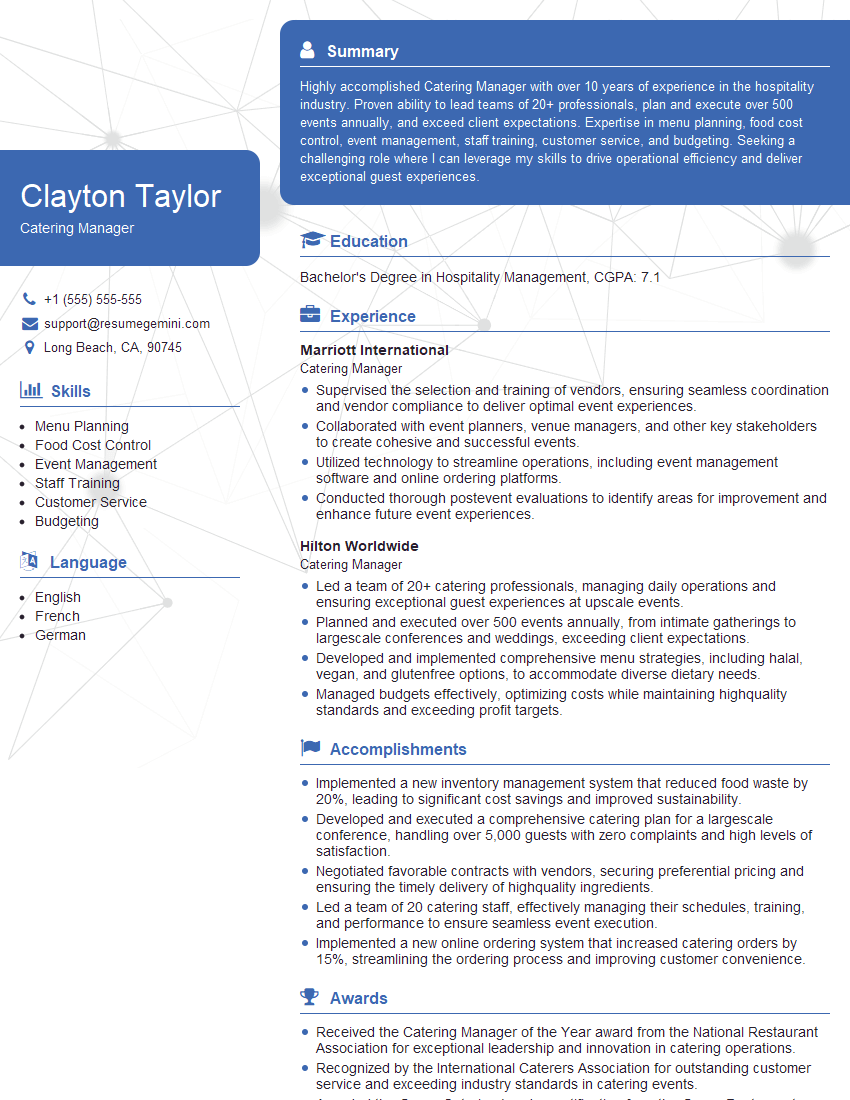
Catering Manager Resume Sample
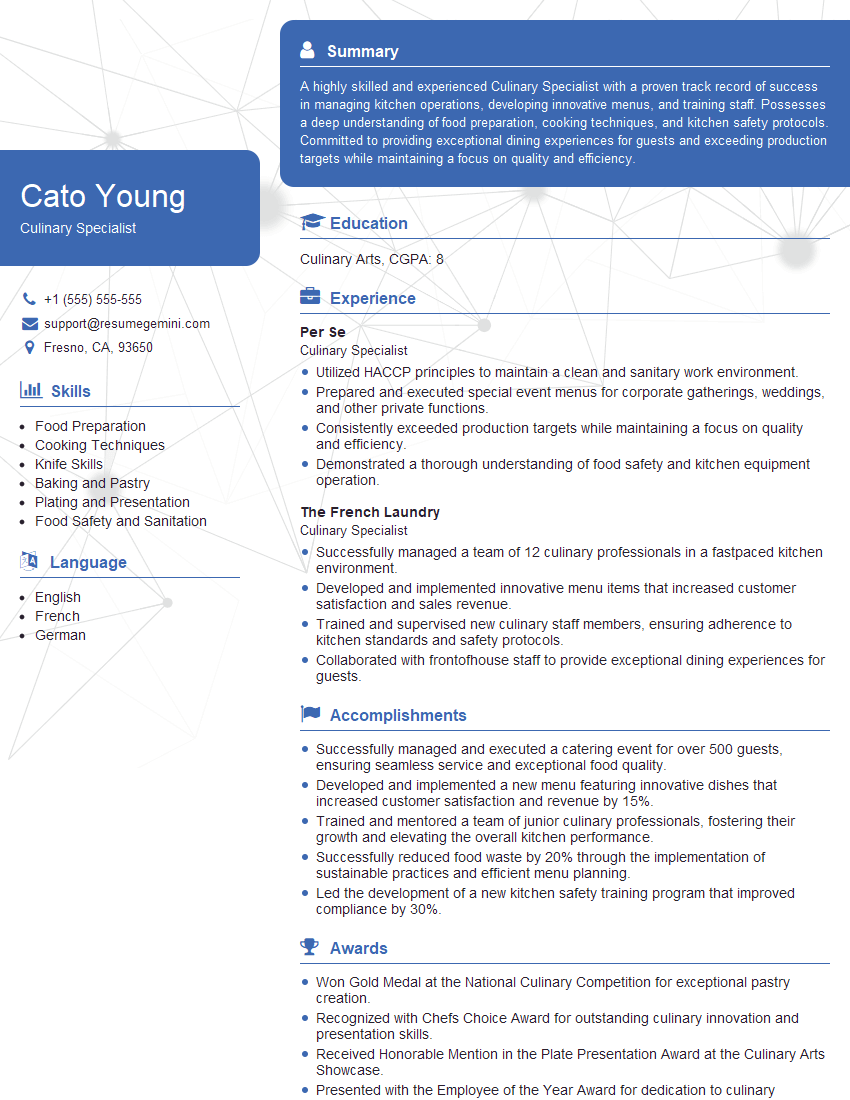
Culinary Specialist Resume Sample
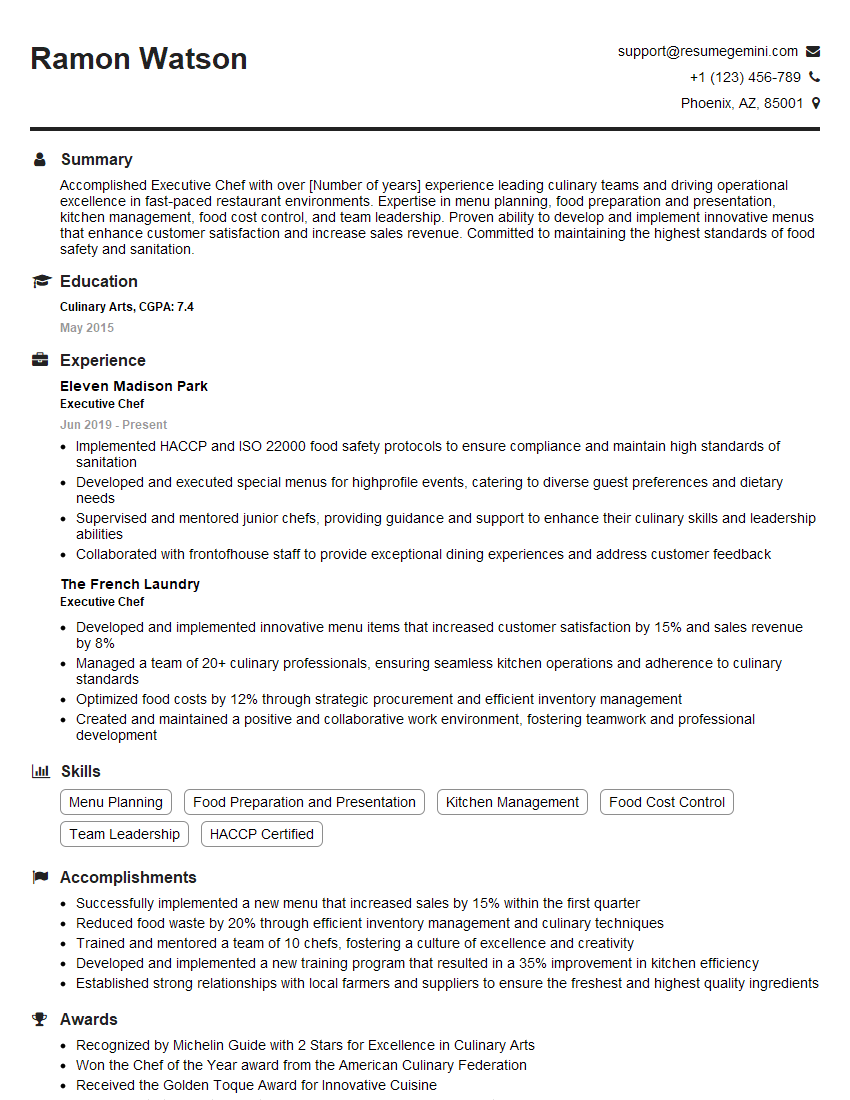
Executive Chef Resume Sample
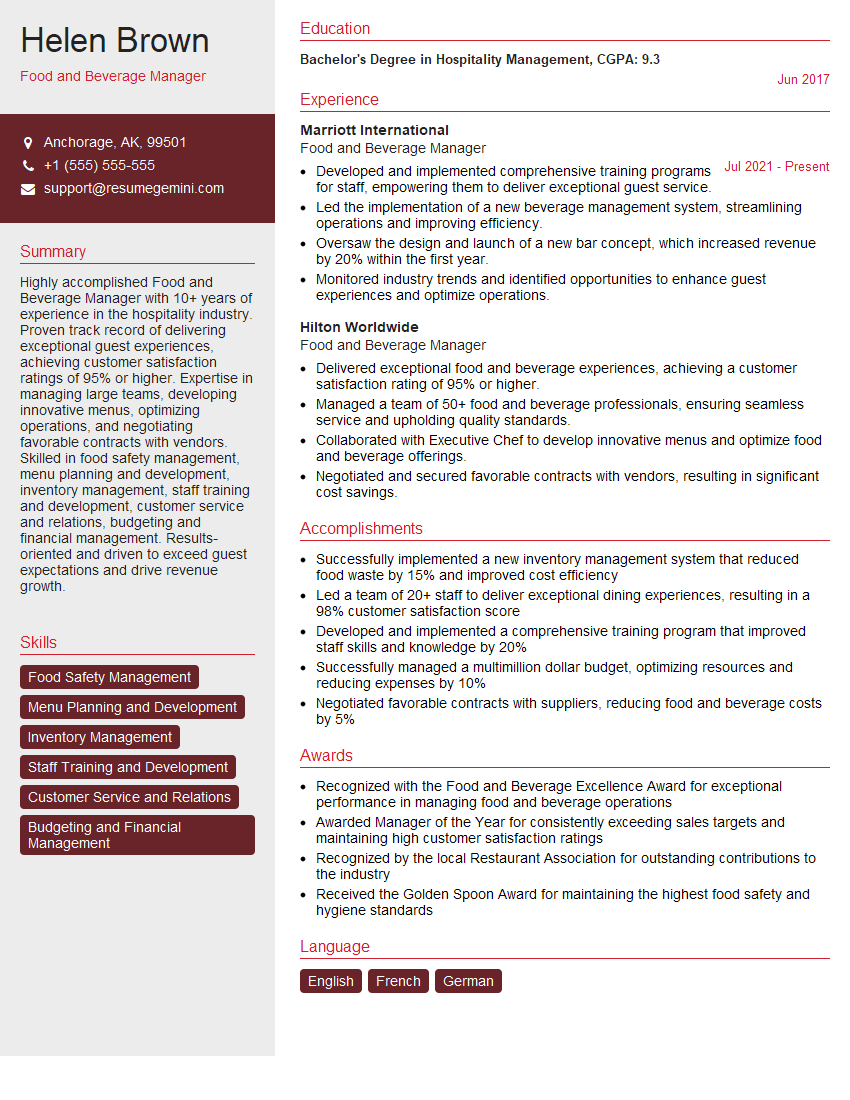
Food and Beverage Manager Resume Sample
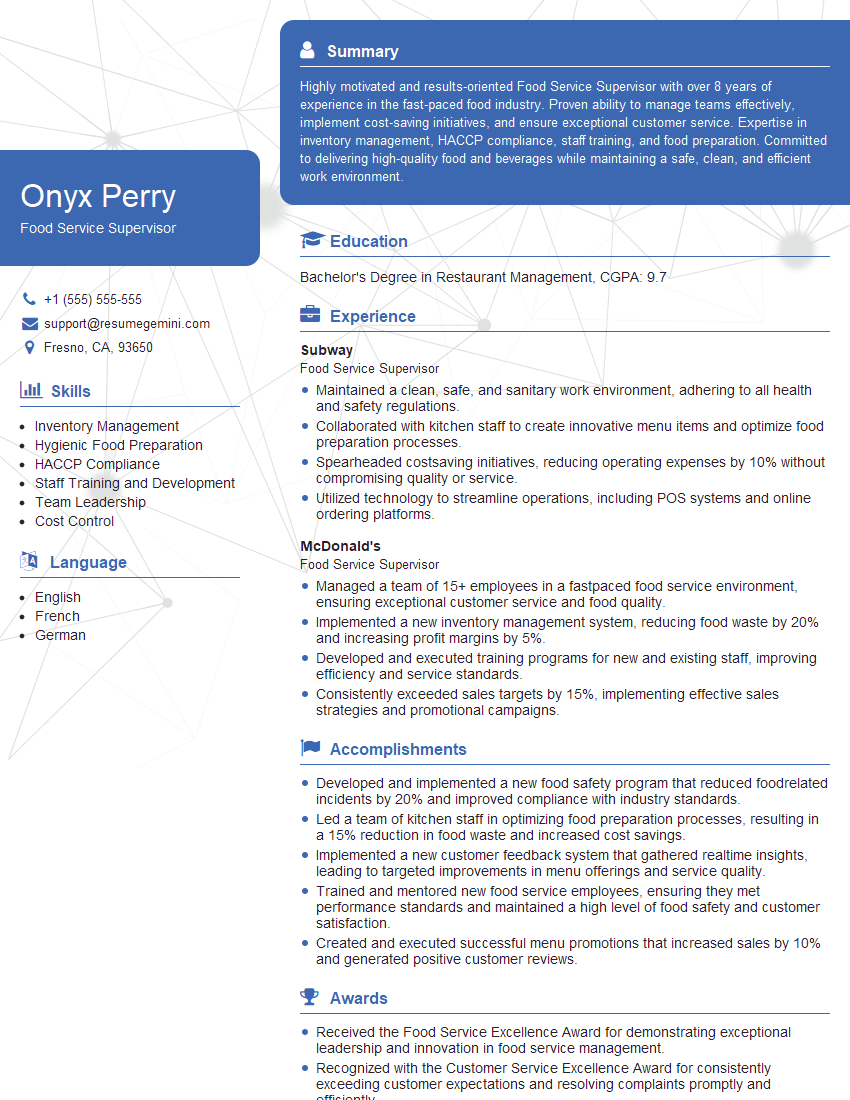
Food Service Supervisor Resume Sample
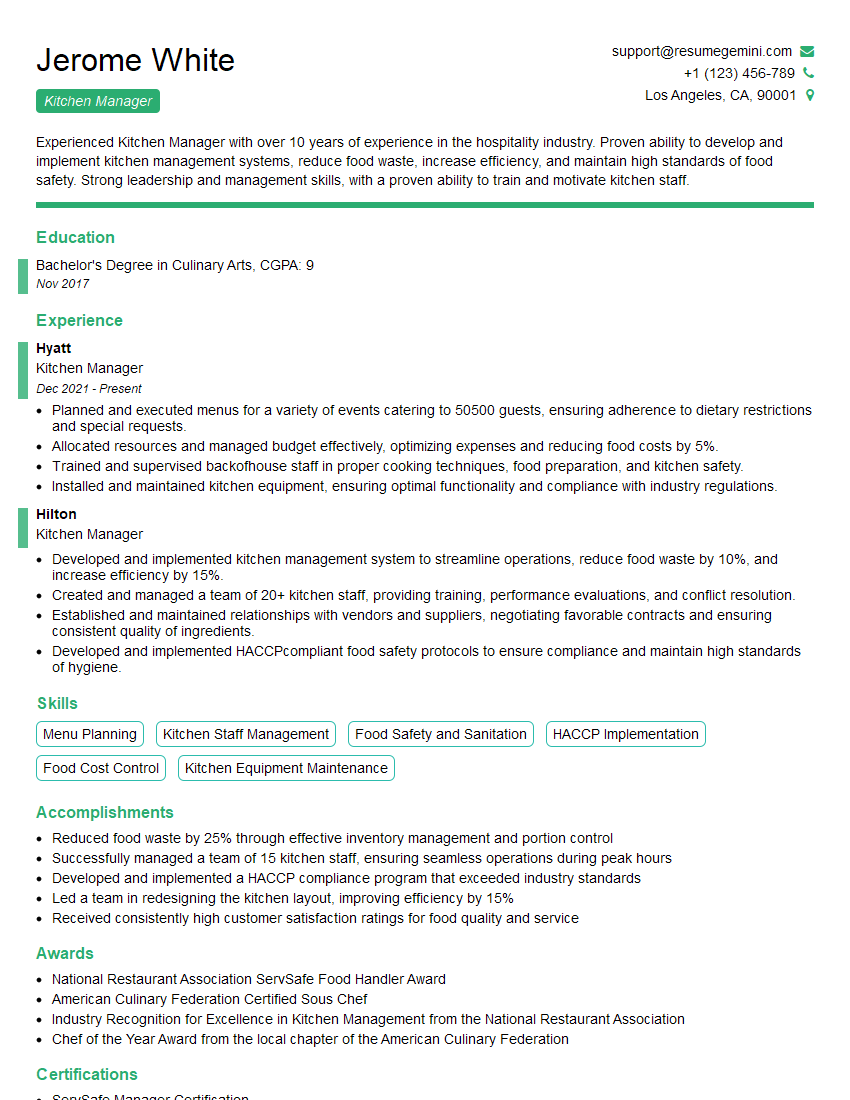
Kitchen Manager Resume Sample
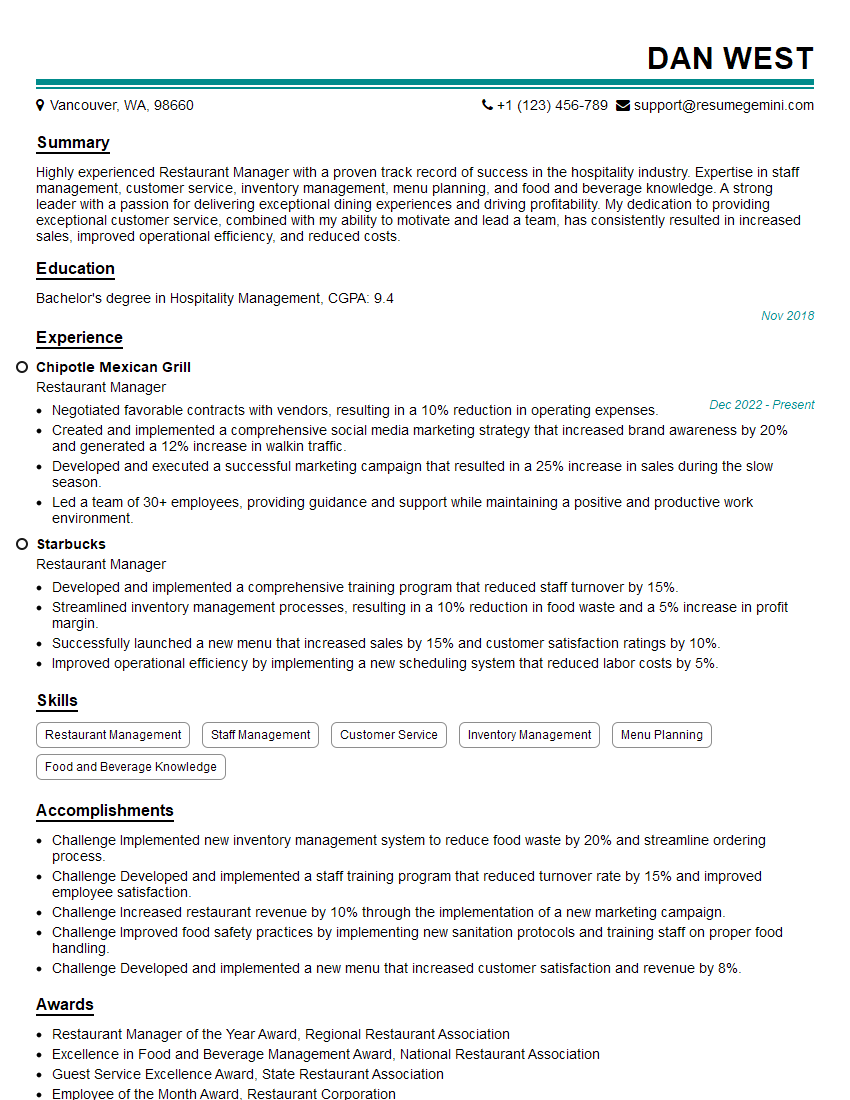
Restaurant Manager Resume Sample
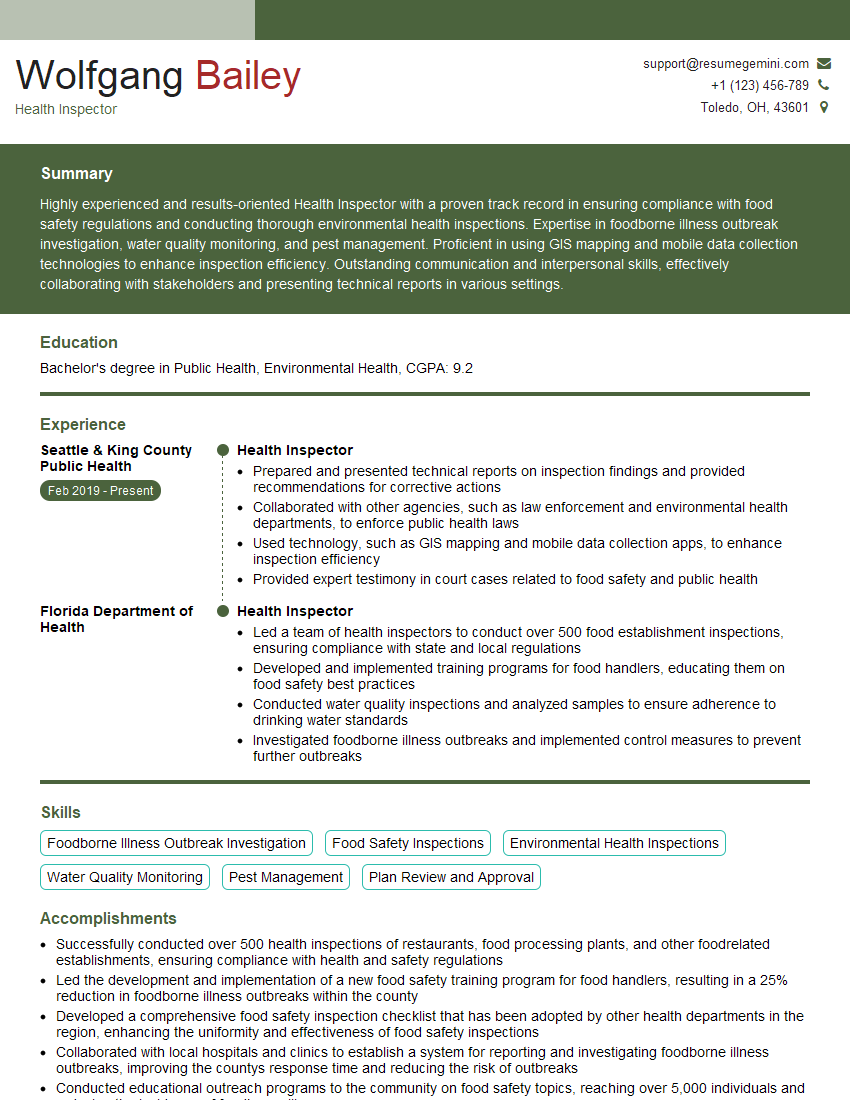
Health Inspector Resume Sample
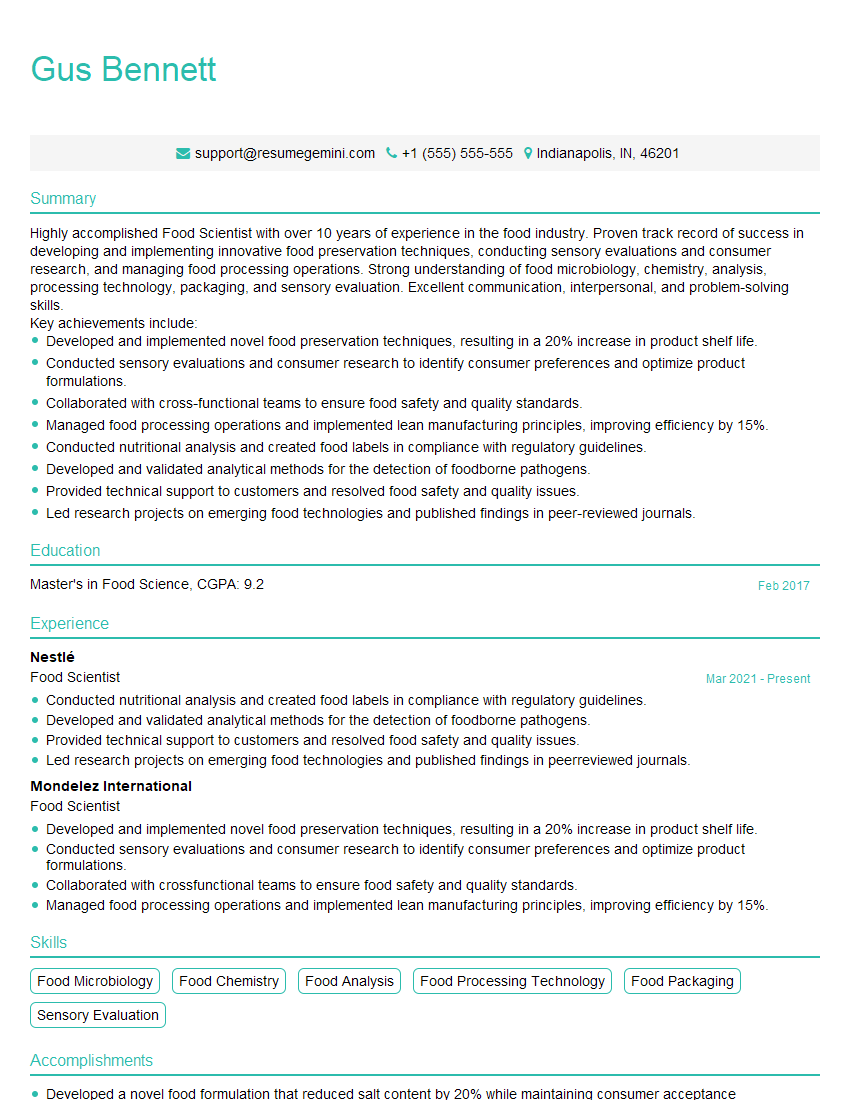
Food Scientist Resume Sample

Food Technologist Resume Sample
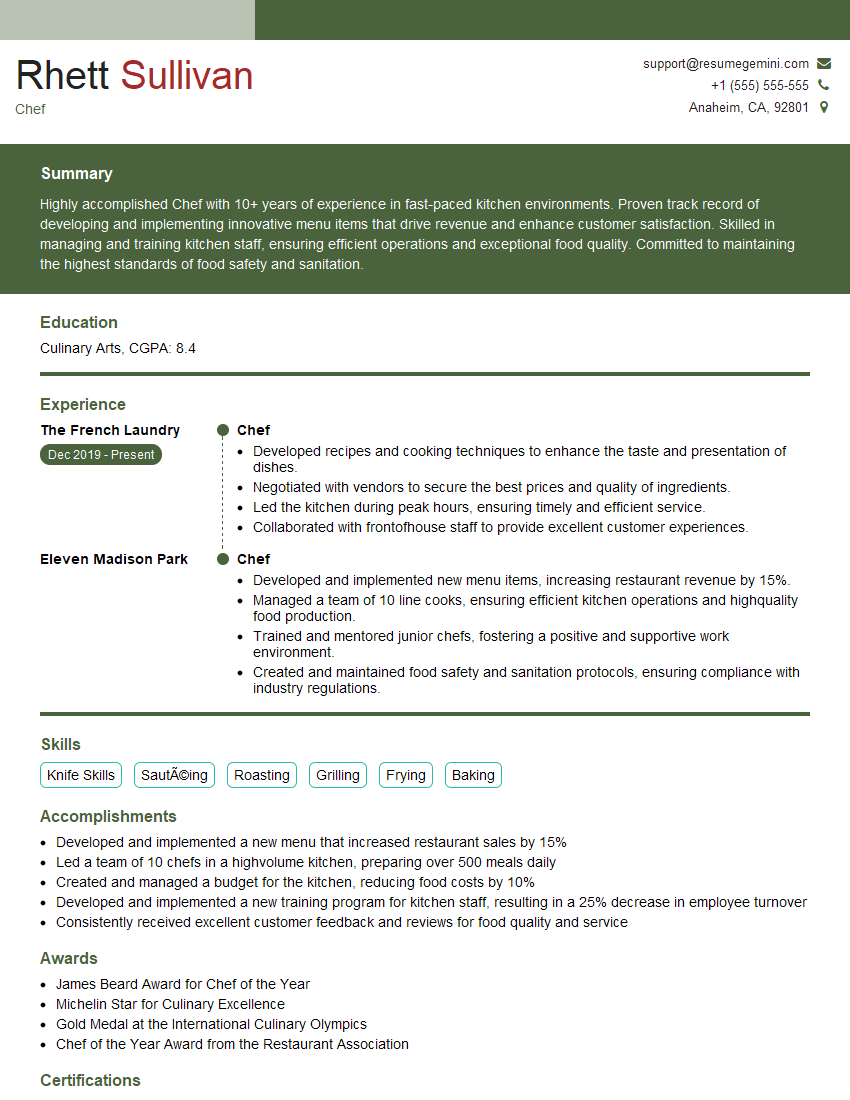
Chef Resume Sample
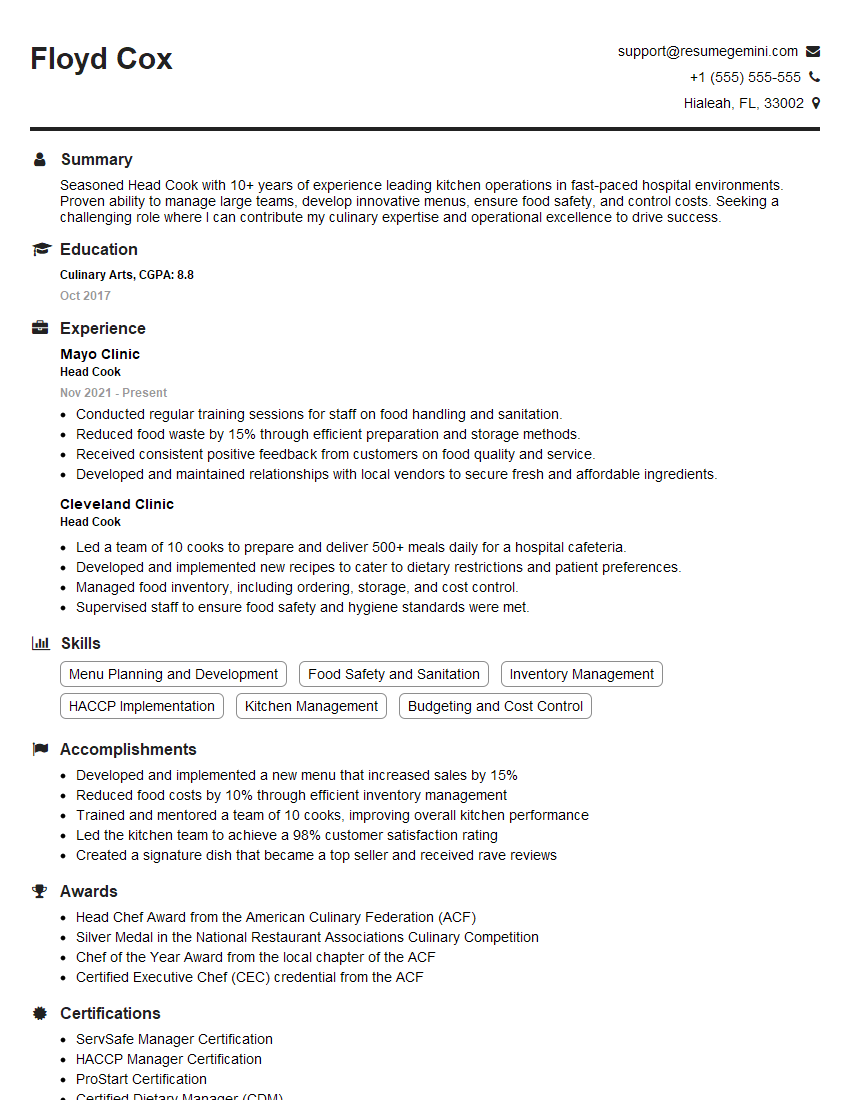
Head Cook Resume Sample
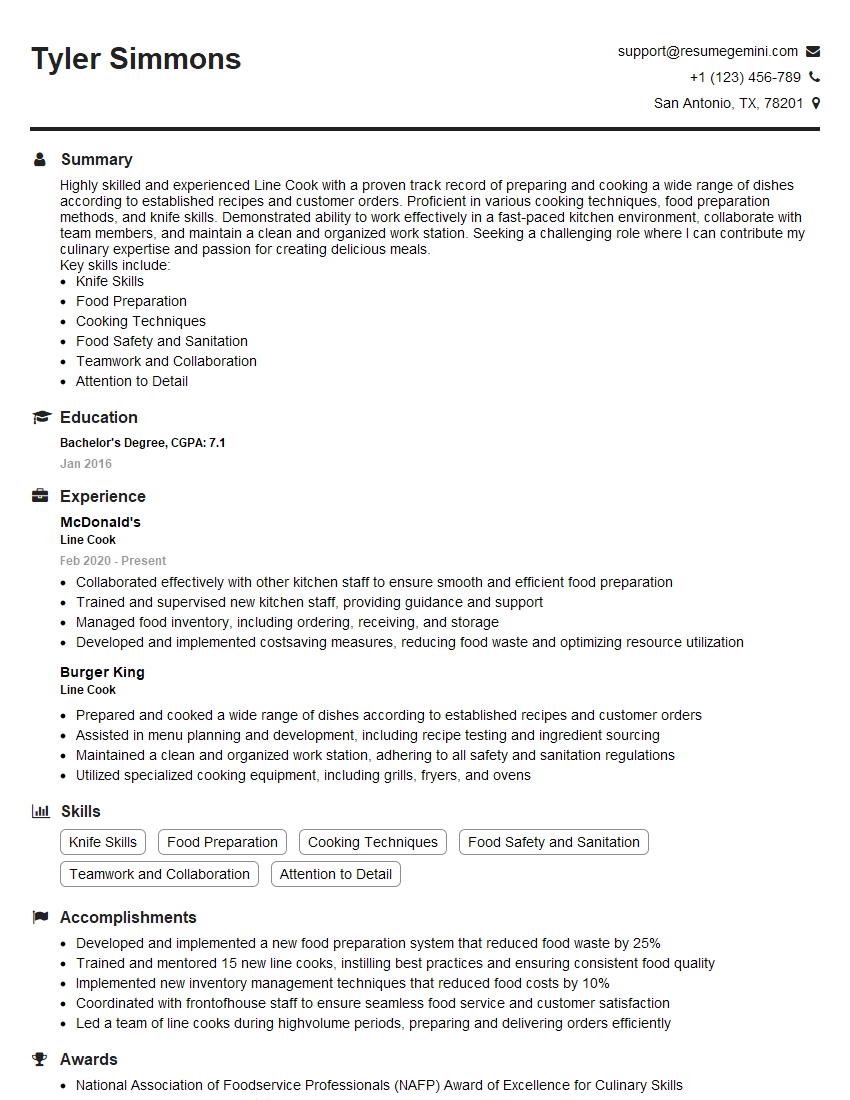
Line Cook Resume Sample
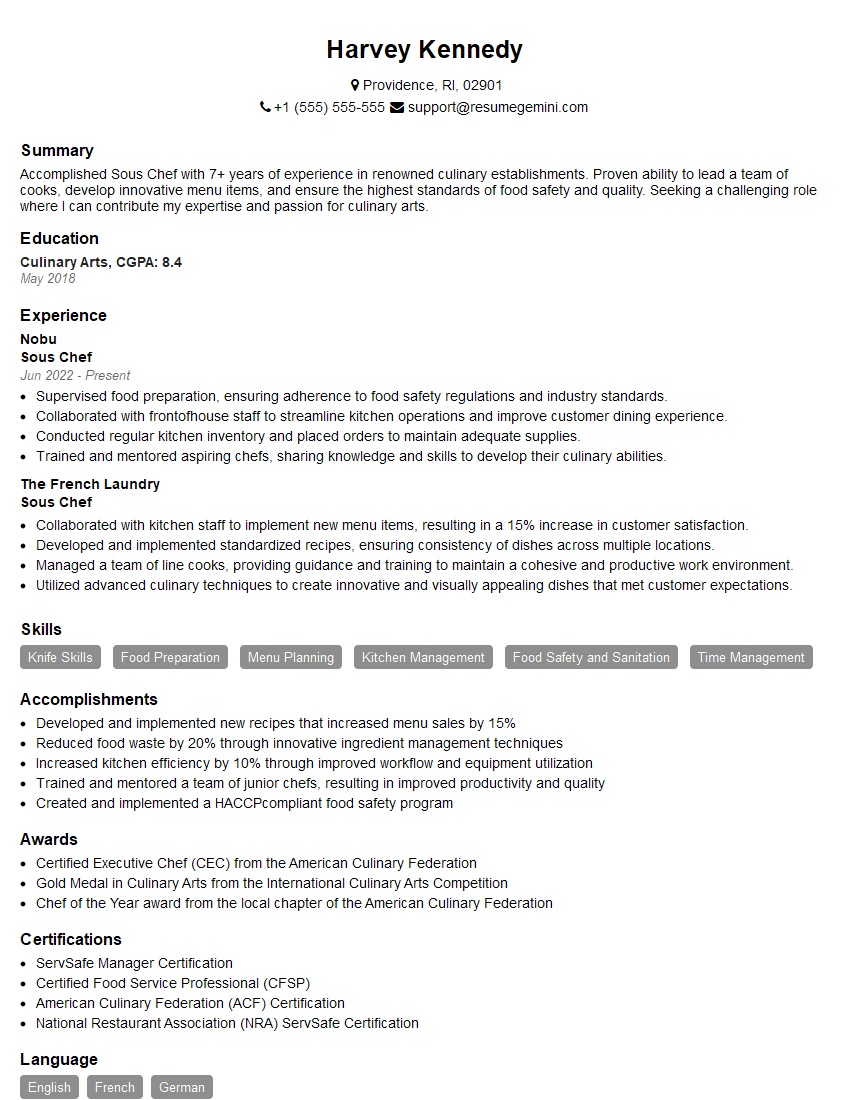
Sous Chef Resume Sample
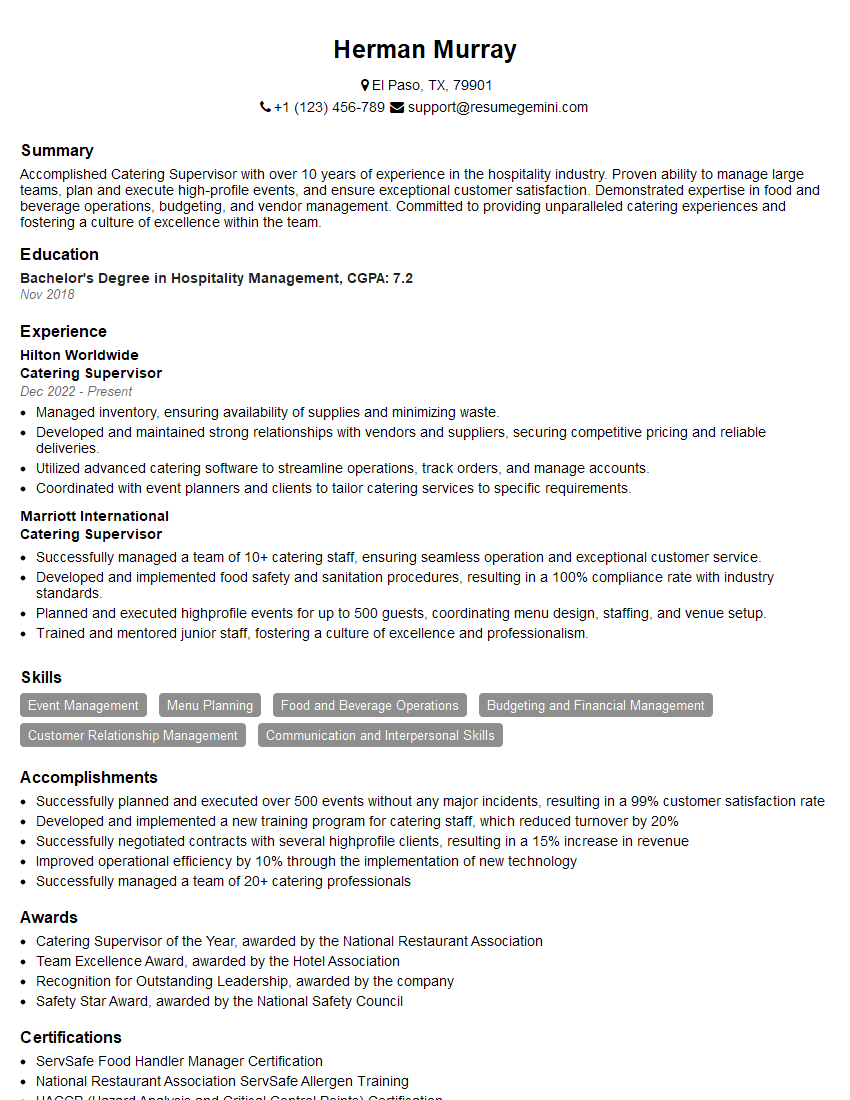
Catering Supervisor Resume Sample
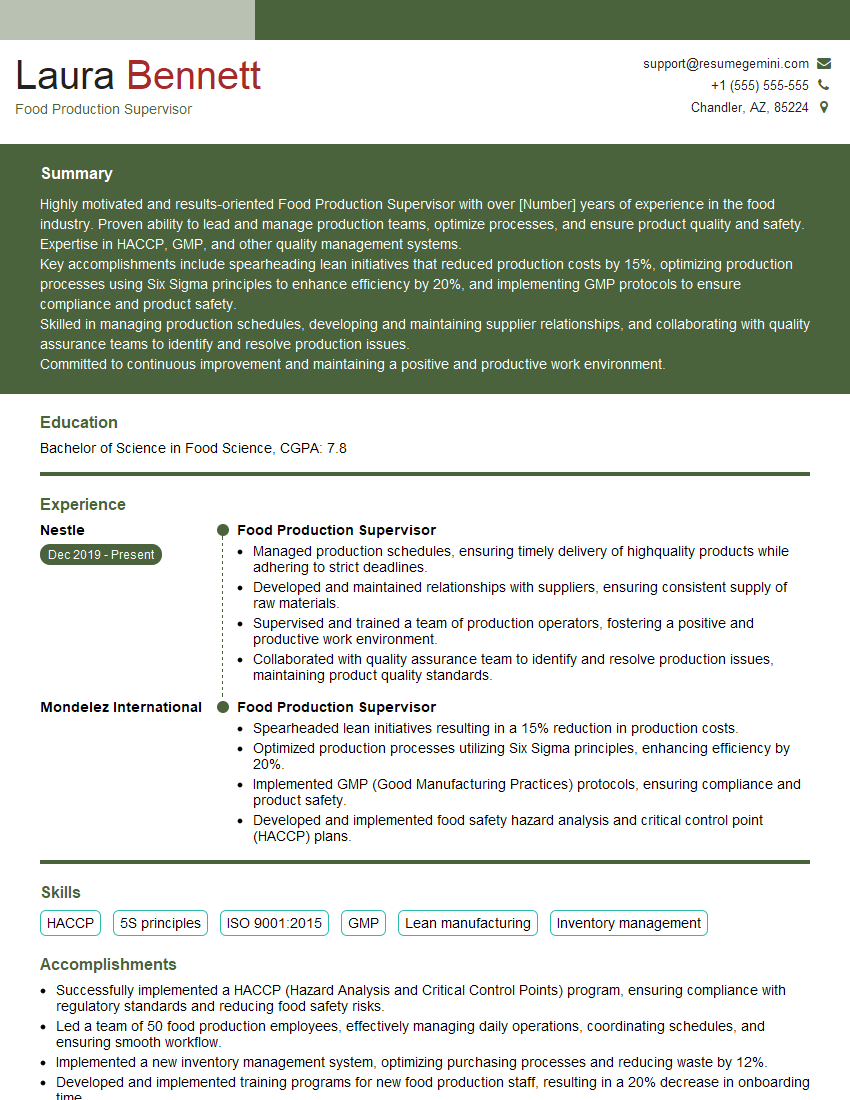
Food Production Supervisor Resume Sample
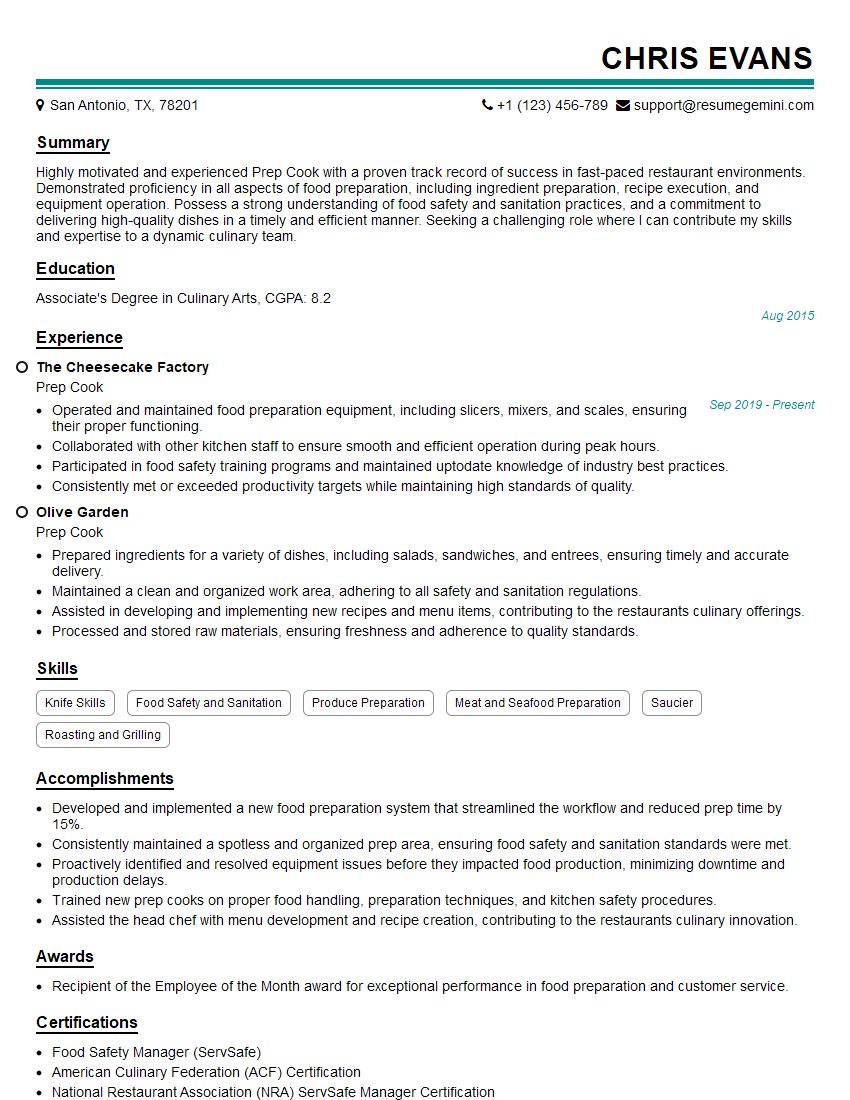
Prep Cook Resume Sample

Baker Resume Sample
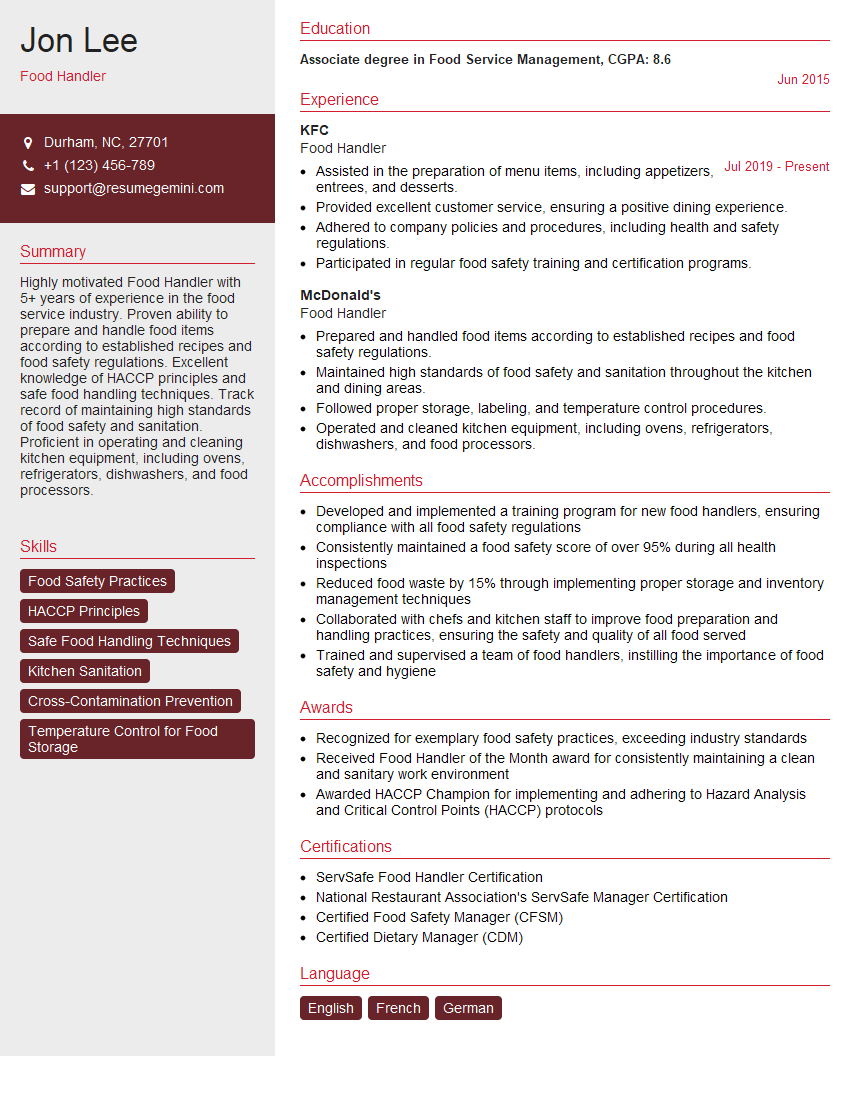
Food Handler Resume Sample
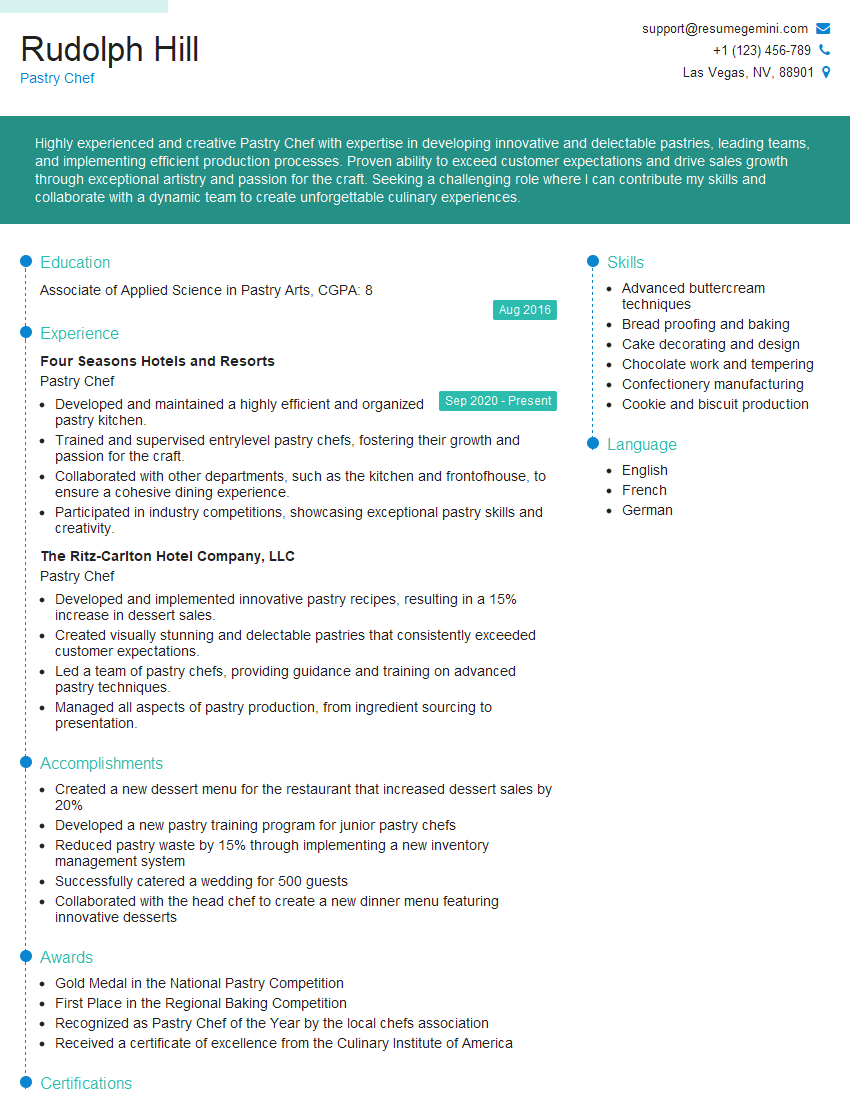
Pastry Chef Resume Sample
- Catering Manager
- Culinary Specialist
- Executive Chef
- Food and Beverage Manager
- Food Service Supervisor
- Kitchen Manager
- Restaurant Manager
- Health Inspector
- Food Scientist
- Food Technologist
- Chef
- Head Cook
- Line Cook
- Sous Chef
- Catering Supervisor
- Food Production Supervisor
- Prep Cook
- Baker
- Food Handler
- Pastry Chef
Explore more articles
Users Rating of Our Blogs
Share Your Experience
We value your feedback! Please rate our content and share your thoughts (optional).
What Readers Say About Our Blog
To the interviewgemini.com Webmaster.
Very helpful and content specific questions to help prepare me for my interview!
Thank you
To the interviewgemini.com Webmaster.
This was kind of a unique content I found around the specialized skills. Very helpful questions and good detailed answers.
Very Helpful blog, thank you Interviewgemini team.