Every successful interview starts with knowing what to expect. In this blog, we’ll take you through the top Healthcare Documentation interview questions, breaking them down with expert tips to help you deliver impactful answers. Step into your next interview fully prepared and ready to succeed.
Questions Asked in Healthcare Documentation Interview
Q 1. Explain the importance of accurate and complete healthcare documentation.
Accurate and complete healthcare documentation is the cornerstone of safe and effective patient care. It forms the basis for clinical decision-making, ensuring continuity of care, facilitating communication among healthcare providers, and supporting quality improvement initiatives. In essence, it’s the story of a patient’s healthcare journey, meticulously recorded to provide a comprehensive picture of their health status and treatment.
Imagine a scenario where a patient’s allergy to penicillin isn’t documented. A subsequent prescription could lead to a severe allergic reaction, even death. Accurate documentation prevents such medical errors. Completeness is equally vital; missing information can lead to fragmented care and inaccurate diagnoses.
- Improved Patient Safety: Prevents medical errors due to missed allergies, medication interactions, or inaccurate diagnoses.
- Enhanced Communication: Ensures seamless information sharing among doctors, nurses, and other healthcare professionals involved in a patient’s care.
- Facilitates Treatment Planning: Provides a comprehensive record for developing effective treatment plans and monitoring patient progress.
- Supports Research & Quality Improvement: Enables data analysis to identify trends, improve healthcare processes, and enhance the overall quality of care.
- Legal & Financial Protection: Serves as crucial evidence in case of medical malpractice lawsuits or insurance claims.
Q 2. Describe your experience with different types of healthcare documentation (e.g., paper, electronic).
My experience spans both paper-based and electronic health record (EHR) systems. In my earlier years, I worked extensively with paper charts, learning the intricacies of proper filing, legibility, and ensuring chronological order. This involved meticulous record-keeping, which instilled a deep appreciation for detail and accuracy. The transition to EHRs brought its own set of challenges and opportunities. I’ve gained proficiency in various EHR systems, learning to navigate their functionalities, utilize their features for efficient documentation, and ensure data integrity.
Paper-based systems, while potentially less efficient, taught me the fundamental principles of clear and concise documentation. The physicality of the record emphasized the importance of careful handwriting and thorough organization. EHRs, on the other hand, offer features such as automated reminders, data analysis tools, and improved access, streamlining workflows and improving efficiency. However, they necessitate a strong understanding of the system’s capabilities and limitations to ensure optimal utilization.
Q 3. What are the legal and ethical considerations surrounding healthcare documentation?
Legal and ethical considerations underpin healthcare documentation. Legally, accurate and complete records are crucial for defending against malpractice claims. Documentation acts as irrefutable evidence, demonstrating the standard of care provided. Ethically, documentation must uphold patient confidentiality and autonomy. Patients have a right to access their medical records and to control how their information is used and shared.
- Confidentiality: Protecting patient privacy is paramount. Only authorized individuals should access medical information.
- Accuracy: Falsifying records or omitting crucial information is unethical and illegal.
- Objectivity: Documentation should be factual and unbiased, reflecting the objective observations of the healthcare provider.
- Timeliness: Records should be updated promptly to reflect the most current information.
- Informed Consent: Documenting informed consent from the patient for procedures or treatments is crucial.
For example, failing to document a patient’s refusal of a treatment can have serious legal ramifications, while documenting subjective opinions instead of objective findings can lead to misinterpretations.
Q 4. How do you ensure the confidentiality and security of patient health information?
Confidentiality and security of patient health information are top priorities. This involves adhering to strict protocols and utilizing various measures to protect sensitive data.
- Access Control: Limiting access to patient records based on the principle of ‘need to know’. Only authorized personnel should have access to the information.
- Password Protection & Encryption: Using strong passwords and data encryption to protect electronic records from unauthorized access.
- Secure Storage: Storing both paper and electronic records in secure locations, protected from unauthorized access or environmental hazards.
- Data Disposal: Following secure procedures for disposing of both paper and electronic records when they are no longer needed.
- Staff Training: Regularly training healthcare professionals on data security protocols and ethical considerations.
For instance, using strong and unique passwords, regularly updating security software, and reporting any security breaches immediately are critical steps in maintaining data security.
Q 5. Explain your understanding of HIPAA regulations related to healthcare documentation.
HIPAA (Health Insurance Portability and Accountability Act) is a US federal law designed to protect the privacy and security of patient health information. My understanding encompasses its key provisions related to healthcare documentation, including the Privacy Rule, Security Rule, and Breach Notification Rule.
- Privacy Rule: This rule establishes standards for the use, disclosure, and protection of Protected Health Information (PHI). It governs how PHI can be shared and with whom.
- Security Rule: This rule mandates administrative, physical, and technical safeguards to protect the confidentiality, integrity, and availability of electronic PHI.
- Breach Notification Rule: This rule requires covered entities to provide notification in the event of a breach of unsecured PHI.
Understanding HIPAA is crucial for compliance. For example, it dictates how patients can access their records, what information can be shared with family members, and the procedures for handling data breaches. Non-compliance can lead to significant penalties.
Q 6. Describe your experience with electronic health record (EHR) systems.
I have extensive experience with various EHR systems, including [mention specific systems if comfortable, e.g., Epic, Cerner, Meditech]. My expertise includes data entry, chart review, report generation, and the utilization of various system functionalities to enhance documentation efficiency. I understand the importance of using standardized terminologies and coding systems (e.g., ICD, CPT) to ensure data consistency and facilitate accurate reporting and analysis.
Beyond basic data entry, I am proficient in using EHR features for tasks such as generating progress notes, ordering medications and tests, and communicating with other healthcare professionals. I also understand the importance of maintaining the accuracy and integrity of EHR data, including proper documentation of corrections and amendments.
For instance, I am adept at using the EHR’s charting tools to create clear and concise progress notes, using templates to streamline the process while maintaining detail and adhering to best practices. I understand how to utilize the system’s reporting tools to generate meaningful insights from patient data for clinical decision-making.
Q 7. How do you handle discrepancies or errors in healthcare documentation?
Discrepancies or errors in healthcare documentation must be addressed promptly and according to established protocols. The approach depends on the nature and severity of the error.
- Minor Errors: For minor errors (e.g., typographical errors), correction can be made directly, often using the system’s built-in amendment tools. This usually involves adding a note explaining the correction, the date, and the initials of the person making the change.
- Significant Errors: More substantial errors (e.g., incorrect medication dosage) require a more formal correction process, which may involve generating an addendum or amendment note detailing the error and the appropriate correction. This will often necessitate a supervisor’s review.
- Documentation of Corrections: It’s crucial to document all corrections and amendments clearly, indicating the original entry, the correction, and the reason for the change.
Never erase or delete information; instead, create a clear and concise addendum explaining the correction. This preserves a complete audit trail and ensures transparency and accountability.
Q 8. Explain your proficiency in medical terminology and coding.
My proficiency in medical terminology and coding is extensive, honed over [Number] years of experience in healthcare documentation. I possess a deep understanding of anatomical terms, disease processes, procedural codes, and diagnostic classifications. This allows me to accurately interpret and translate clinical information into standardized codes, ensuring proper billing and data analysis. For example, I can accurately translate a physician’s note describing a ‘closed reduction of a comminuted fracture of the left tibia’ into the appropriate CPT and ICD codes, ensuring the claim reflects the exact services rendered and the diagnosis.
My knowledge extends beyond simple code lookups; I understand the nuances of code selection, including the importance of proper modifiers and sequencing to ensure accurate representation of the clinical encounter. I’m also well-versed in the use of various coding resources, such as official coding manuals, online databases, and professional coding organizations, to stay abreast of the latest coding updates and guidelines.
Q 9. How do you prioritize tasks when dealing with multiple documentation requests?
Prioritizing tasks with multiple documentation requests involves a strategic approach focused on urgency and impact. I employ a system that considers factors like turnaround time requirements (e.g., STAT requests), regulatory deadlines (e.g., mandatory reporting), and potential impact on patient care (e.g., pending procedures reliant on documentation).
- Urgency: STAT or emergency requests are always prioritized, ensuring timely completion and potentially life-saving information gets to the right people immediately.
- Regulatory Compliance: Meeting deadlines for regulatory reports and mandatory disclosures takes precedence to avoid penalties and maintain compliance.
- Clinical Impact: Documents required for critical patient care decisions, like surgery approvals or medication orders, are prioritized to prevent delays in treatment.
- Workload Management: I utilize task management tools to track progress, estimate completion times, and re-prioritize as needed. This ensures a balanced workflow and prevents bottlenecks.
This multi-faceted approach ensures that critical information is handled efficiently, regulatory compliance is maintained, and the overall workflow remains smooth and efficient.
Q 10. Describe your experience with release of information processes.
My experience with release of information (ROI) processes is comprehensive. I understand the legal and ethical considerations surrounding the release of protected health information (PHI), and I adhere strictly to HIPAA regulations and other relevant privacy laws. My experience involves handling requests from various sources, including patients, attorneys, insurance companies, and other healthcare providers.
My process involves verifying the requester’s identity, obtaining proper authorization (when required), ensuring the requested information is complete and accurate, and securely transmitting the information through compliant methods. I’m familiar with various ROI technologies, including electronic health record (EHR) systems and secure fax transmission. I meticulously document each request and its fulfillment, maintaining a detailed audit trail for compliance and accountability. For example, I’ve managed complex ROI requests involving multiple providers and extensive medical records, ensuring timely delivery while maintaining patient confidentiality.
Q 11. How familiar are you with different coding systems (e.g., ICD, CPT, HCPCS)?
I am highly familiar with several coding systems crucial for accurate healthcare documentation and billing. These include:
- ICD (International Classification of Diseases): I use ICD codes (currently ICD-10-CM in the US) to classify diagnoses and other health conditions. This ensures proper reporting of diseases and conditions for public health surveillance and research.
- CPT (Current Procedural Terminology): I expertly apply CPT codes to describe medical, surgical, and diagnostic procedures. This allows for accurate billing and tracking of healthcare services provided.
- HCPCS (Healthcare Common Procedure Coding System): I’m proficient in using HCPCS Level II codes to classify supplies, equipment, and other healthcare services not covered by CPT codes. This is particularly important for accurate billing of durable medical equipment and other non-physician services.
Understanding these systems allows me to accurately code patient encounters, ensuring claims are processed correctly and reimbursements are appropriate. This involves not only knowing the codes themselves, but also understanding the underlying guidelines and conventions that determine appropriate code selection in different clinical scenarios.
Q 12. How do you stay updated on changes and advancements in healthcare documentation practices?
Staying current in the dynamic field of healthcare documentation requires a proactive and multi-pronged approach. I regularly engage in several activities to ensure my knowledge remains up-to-date:
- Professional Organizations: I actively participate in professional organizations such as AHIMA (American Health Information Management Association) and AAPC (American Academy of Professional Coders) to access continuing education resources, attend conferences, and network with other professionals.
- Continuing Education Courses: I dedicate time to completing continuing education courses focused on coding updates, regulatory changes, and emerging documentation practices. These courses often include interactive modules and case studies to reinforce learning.
- Industry Publications: I regularly review industry publications, journals, and online resources to stay informed about the latest guidelines, best practices, and technological advancements in healthcare documentation.
- Vendor Webinars: I participate in webinars offered by EHR vendors and other relevant companies to learn about software updates, coding changes, and new documentation functionalities.
This commitment to continuous learning ensures I remain a valuable asset, contributing to accurate and compliant documentation practices.
Q 13. What is your experience with auditing and quality control of healthcare documentation?
My experience with auditing and quality control of healthcare documentation is significant. I have conducted numerous audits to ensure compliance with regulatory requirements, organizational policies, and best practices. This involves reviewing medical records for completeness, accuracy, consistency, and compliance with coding guidelines. I’m skilled in identifying trends, patterns, and areas for improvement in documentation practices.
My auditing process includes developing audit plans, selecting a representative sample of records, applying established criteria, and documenting findings. I use various tools, including data analytics and specialized auditing software, to enhance efficiency and identify potential problems more effectively. For instance, I have successfully identified and corrected significant coding inconsistencies that prevented accurate reimbursement and improved overall revenue cycle management. My reports detail the findings, provide recommendations for corrective action, and contribute to process improvement initiatives that improve the quality and accuracy of healthcare documentation.
Q 14. Explain your process for identifying and resolving documentation deficiencies.
Identifying and resolving documentation deficiencies involves a systematic approach. First, I use a combination of automated tools (like querying within the EHR system) and manual chart reviews to identify potential issues such as missing data elements, conflicting information, or inaccurate coding. Then, I prioritize deficiencies based on clinical significance and potential impact on patient care and billing.
To resolve these deficiencies, I follow a process of:
- Documentation Clarification: If information is missing or unclear, I contact the appropriate healthcare provider (physician, nurse, etc.) to obtain the necessary clarifications. I document all communication regarding these requests.
- Data Correction: I make corrections or updates to the medical record according to established procedures, ensuring that all modifications are documented appropriately and are compliant with regulatory requirements.
- Coding Corrections: If coding errors are found, I correct them according to established coding guidelines and conventions. This process always includes documentation of the reason for the correction and the new coding applied.
- Follow-up: I perform follow-up reviews to ensure that the identified deficiencies have been corrected and that the documentation meets the required standards.
This thorough process ensures that documentation is accurate, complete, and compliant, contributing to better patient care, improved billing accuracy, and overall operational efficiency.
Q 15. How do you contribute to a team environment in a healthcare documentation setting?
In a healthcare documentation setting, teamwork is paramount. My contribution centers around clear communication, active listening, and collaborative problem-solving. I believe in fostering a supportive environment where everyone feels comfortable sharing ideas and concerns. For instance, I actively participate in team meetings, offering insights on documentation improvements based on my expertise. I also readily assist colleagues with complex cases, sharing best practices and providing training where needed. Furthermore, I champion a culture of continuous learning by sharing relevant articles and updates on regulatory changes, ensuring we’re all working with the most up-to-date information and best practices. Think of it like a well-oiled machine – each part needs to function optimally and communicate effectively for the whole system to succeed.
Career Expert Tips:
- Ace those interviews! Prepare effectively by reviewing the Top 50 Most Common Interview Questions on ResumeGemini.
- Navigate your job search with confidence! Explore a wide range of Career Tips on ResumeGemini. Learn about common challenges and recommendations to overcome them.
- Craft the perfect resume! Master the Art of Resume Writing with ResumeGemini’s guide. Showcase your unique qualifications and achievements effectively.
- Don’t miss out on holiday savings! Build your dream resume with ResumeGemini’s ATS optimized templates.
Q 16. Describe your experience working with clinical staff to improve documentation practices.
I’ve had extensive experience working with clinical staff to enhance documentation practices. My approach involves a combination of education, collaborative audits, and process improvement strategies. In one instance, I worked with a team of nurses who were struggling to consistently capture pain assessments. Through collaborative workshops and one-on-one training sessions, we redesigned their documentation workflow, implementing a clear, step-by-step checklist. This reduced inconsistencies and improved the overall quality of pain management documentation. I also utilize data analysis to identify recurring documentation issues and tailor training to address these specific needs. By working hand-in-hand with the clinicians, rather than imposing changes, we can create sustainable improvements that benefit both the quality of care and the efficiency of the documentation process. It’s about partnership, not dictation.
Q 17. How do you handle situations involving incomplete or missing documentation?
Incomplete or missing documentation is a critical issue in healthcare, as it can impact patient safety and reimbursement. My approach is multifaceted. First, I identify the nature and extent of the missing information. This often involves reviewing the patient’s medical record, including progress notes, lab results, and imaging reports. Next, I try to locate the missing information through direct communication with the relevant clinical staff. If the information is irretrievable, I document the attempts made to obtain the missing data, highlighting the reasons for its absence. In certain cases, it might require reaching out to the patient or their family for clarifications. Finally, I flag incomplete records and ensure they are addressed promptly. We use a system of alerts and reminders to ensure no record slips through the cracks. Think of it like a detective investigation, systematically piecing together information to ensure a complete and accurate picture of the patient’s care.
Q 18. Explain your understanding of clinical documentation improvement (CDI).
Clinical Documentation Improvement (CDI) is a crucial process aimed at improving the accuracy and completeness of patient medical records. It involves a multidisciplinary approach, typically including physicians, nurses, coders, and CDI specialists like myself. The goal is to ensure that the documentation reflects the patient’s true clinical picture, supporting appropriate coding and reimbursement. CDI specialists review medical records to identify areas where documentation is unclear, incomplete, or inconsistent with the patient’s condition. We then work with the clinical staff to clarify and supplement the records. This includes querying physicians for clarification on diagnoses, procedures, and treatment plans. Effective CDI programs often utilize advanced technology and analytics to track key metrics, identifying areas for improvement and demonstrating the program’s value. It is all about bridging the gap between clinical care and accurate representation in the medical record.
Q 19. Describe your experience with data analysis related to healthcare documentation.
My experience with data analysis related to healthcare documentation involves using various tools and techniques to identify trends, patterns, and areas for improvement. I’ve used software such as SQL and statistical packages to analyze large datasets, extracting meaningful insights. For instance, I analyzed patient discharge summaries to identify recurring deficiencies in documentation, which then informed targeted training for the clinical staff. Another project involved analyzing the completeness of documentation for specific diagnoses, revealing gaps that impacted accurate coding and reimbursement. This allowed us to focus our CDI efforts on high-impact areas, maximizing the return on investment. Data analysis helps us transform raw data into actionable insights, improving both the quality and efficiency of healthcare documentation.
Q 20. How do you ensure the accuracy and completeness of patient data entry?
Ensuring the accuracy and completeness of patient data entry is fundamental to effective healthcare. I follow a strict protocol that involves verifying data against multiple sources, including the patient’s chart, lab reports, and other relevant documentation. I pay close attention to detail, meticulously checking for inconsistencies or inaccuracies. This involves a thorough understanding of medical terminology and abbreviations, ensuring that all entries are clear, concise, and unambiguous. I also use data validation tools to minimize errors and ensure data integrity. Regular audits and quality checks form part of my process to maintain high accuracy standards. We also utilize data-entry templates and structured fields to reduce variability and human error. Think of it like assembling a jigsaw puzzle – each piece (data point) must fit precisely and contribute to the complete picture.
Q 21. Explain your experience with different types of medical transcription.
My experience encompasses various types of medical transcription, including dictated reports, handwritten notes, and digital recordings. I’m proficient in using different transcription software and hardware, adapting to various styles and preferences of dictating physicians. I’ve worked with different medical specialties, including cardiology, oncology, and general surgery, gaining familiarity with their specific terminology and documentation standards. My experience also extends to the production of different document types, from operative reports and discharge summaries to pathology reports and radiology interpretations. Ensuring accuracy and adherence to medical legal standards is paramount. A well-transcribed record ensures the continuity of patient care, facilitates seamless communication between healthcare professionals, and provides a clear and comprehensive record for legal purposes.
Q 22. How familiar are you with the different types of health information management software?
My familiarity with health information management (HIM) software is extensive. I’ve worked with a wide range of systems, from Electronic Health Records (EHRs) like Epic and Cerner, to specialized software for coding, billing, and data analytics. I understand the nuances of different systems, including their strengths and limitations in terms of data capture, retrieval, security, and interoperability. For instance, I’ve used Epic’s robust charting capabilities to document patient encounters comprehensively, and I’ve leveraged Cerner’s reporting tools to generate key performance indicators (KPIs) for quality improvement initiatives. Beyond EHRs, I’m also familiar with document management systems, which are crucial for secure storage and retrieval of medical records, and specialized coding software that helps ensure accurate billing and compliance with regulatory guidelines like ICD-10 and CPT coding systems. My experience extends to understanding the integration challenges between different systems and how to optimize workflows for seamless data exchange.
Q 23. What are the key performance indicators (KPIs) for a successful healthcare documentation specialist?
Key Performance Indicators (KPIs) for a successful healthcare documentation specialist are multifaceted and focus on accuracy, efficiency, and compliance. Some crucial KPIs include:
- Accuracy of documentation: Measured by the percentage of charts free from errors or omissions, reflecting adherence to documentation standards and legal requirements. For example, a KPI might target 99% accuracy in coding and charting.
- Timeliness of documentation: Measured by the average time taken to complete documentation tasks, reflecting efficiency and workflow optimization. A target could be completing all documentation within 24 hours of patient encounter.
- Compliance with regulations: Measured by the absence of regulatory violations, audits findings, and successful compliance reviews, showing adherence to HIPAA, state, and federal regulations. This can be tracked by number of compliance incidents.
- Coding accuracy: Measured by the accuracy of ICD and CPT codes assigned to patient encounters, directly impacting reimbursement and minimizing billing errors. A KPI might track the percentage of claims denied due to coding errors.
- Query resolution rate: Measured by the rate at which queries (clarification requests from clinicians) are resolved efficiently, ensuring clarity and completeness of medical records. A high query resolution rate means proactive communication and attention to detail.
These KPIs, when tracked and analyzed, provide valuable insights for improving efficiency, accuracy, and compliance in healthcare documentation.
Q 24. How would you handle a request for patient information that violates HIPAA regulations?
Handling a request for patient information that violates HIPAA regulations requires immediate and decisive action. My first step would be to politely but firmly refuse the request. I would then explain that I’m bound by HIPAA’s privacy regulations and cannot release protected health information (PHI) without proper authorization or a legal mandate. I would document the request, including the identity of the requester, the information requested, and the reason for denial. I would also immediately report the incident to my supervisor and the designated HIPAA compliance officer. Depending on the nature of the request, further action might include contacting legal counsel. For example, if a family member requests detailed medical information about a patient without proper authorization, I would explain that they must provide a valid authorization form signed by the patient or have legal guardianship. The entire process emphasizes safeguarding patient privacy and compliance with regulations.
Q 25. Explain your understanding of the importance of proper record retention policies.
Proper record retention policies are critical for several reasons. They ensure legal compliance, facilitate continuity of care, protect against liability, and support research and quality improvement initiatives. Policies should clearly define which records need to be kept, for how long, and how they should be stored (physically or electronically). For example, a hospital might have different retention periods for patient medical records (perhaps 10 years), billing records (7 years), and incident reports (5 years), varying based on state and federal regulations. Inadequate record retention can lead to legal issues, such as difficulty in defending against malpractice claims, loss of revenue due to inability to substantiate billing claims, and problems with accreditation. Conversely, well-defined policies facilitate efficient retrieval of records and allow for effective data analysis for improving patient care. Maintaining a secure and organized system for record storage and retrieval is vital.
Q 26. How do you ensure compliance with all relevant healthcare regulations?
Ensuring compliance with healthcare regulations is an ongoing process that requires vigilance and proactive measures. My approach includes:
- Staying updated on regulations: Regularly reviewing changes to HIPAA, state and federal regulations, and accreditation standards.
- Following established procedures: Adhering to internal policies and procedures that have been developed to ensure compliance. This includes proper authorization processes for releasing PHI and secure handling of electronic records.
- Participating in training and education: Attending regular training sessions and workshops to refresh knowledge and learn about updates in healthcare regulations and best practices.
- Documenting processes: Meticulously documenting all activities related to patient data to demonstrate compliance with audit trails.
- Reporting violations: Reporting any suspected or actual violations immediately to the appropriate personnel and following established reporting procedures.
Compliance is not a one-time event; it’s an ongoing commitment that requires continuous learning and adaptation.
Q 27. Describe your experience with abstracting medical information from various sources.
I have extensive experience abstracting medical information from various sources, including EHRs, paper charts, lab reports, radiology reports, and physician notes. My approach involves carefully reviewing each source, identifying relevant information, and accurately extracting data points into a standardized format. For instance, I’ve abstracted data for clinical research studies, requiring meticulous extraction of specific demographic data, diagnoses, procedures, and medications. This process involves ensuring data accuracy and completeness, using standardized terminology (e.g., SNOMED CT, LOINC), and applying established abstraction guidelines. I understand the importance of maintaining the integrity of the data during abstraction and utilizing quality control measures to minimize errors. Accuracy is paramount because abstracted data is often used for critical decision-making, such as billing, research, or performance analysis.
Q 28. How do you adapt to changes in healthcare documentation standards and regulations?
Adapting to changes in healthcare documentation standards and regulations is crucial. My strategy involves:
- Continuous learning: I actively participate in professional development activities, such as attending conferences and webinars, reading industry publications, and pursuing continuing education courses.
- Networking with peers: I maintain a network of colleagues in the healthcare documentation field to share knowledge and best practices for adapting to new regulations.
- Monitoring regulatory updates: I regularly check websites of regulatory bodies such as CMS and HHS for any changes in documentation guidelines and compliance standards.
- Utilizing technology: I embrace technological advances in HIM, including new software updates and data management tools, to improve workflow efficiency and compliance.
Proactive adaptation is not just about reacting to change; it is about anticipating upcoming changes and being prepared to integrate them into my workflow.
Key Topics to Learn for Healthcare Documentation Interview
- Medical Terminology and Abbreviations: Understanding and accurately using medical terminology and common abbreviations is fundamental. This ensures clear and concise documentation.
- Legal and Ethical Considerations: Learn about HIPAA compliance, patient confidentiality, and the legal implications of inaccurate or incomplete documentation. Practical application involves understanding how to protect sensitive patient information while documenting accurately.
- Electronic Health Record (EHR) Systems: Familiarity with different EHR systems (e.g., Epic, Cerner) is crucial. This includes navigating the system, understanding data entry protocols, and utilizing various features efficiently.
- Documentation Standards and Guidelines: Mastering the specific documentation standards and guidelines of your target healthcare setting (hospital, clinic, etc.) is essential for accuracy and consistency. This ensures compliant and easily understandable records.
- Problem-Solving and Critical Thinking in Documentation: Practice analyzing complex patient scenarios and translating them into clear, concise, and objective documentation. This includes anticipating potential issues and documenting preventative measures taken.
- Template Usage and Customization: Understand how to effectively use pre-existing templates while adapting them to accurately reflect individual patient needs and circumstances.
- Data Integrity and Accuracy: Learn about the importance of maintaining accurate and complete data. Explore techniques for ensuring the reliability and validity of documented information.
- Chart Auditing and Quality Improvement: Understanding how to review and audit charts for accuracy and completeness, and participate in quality improvement initiatives.
Next Steps
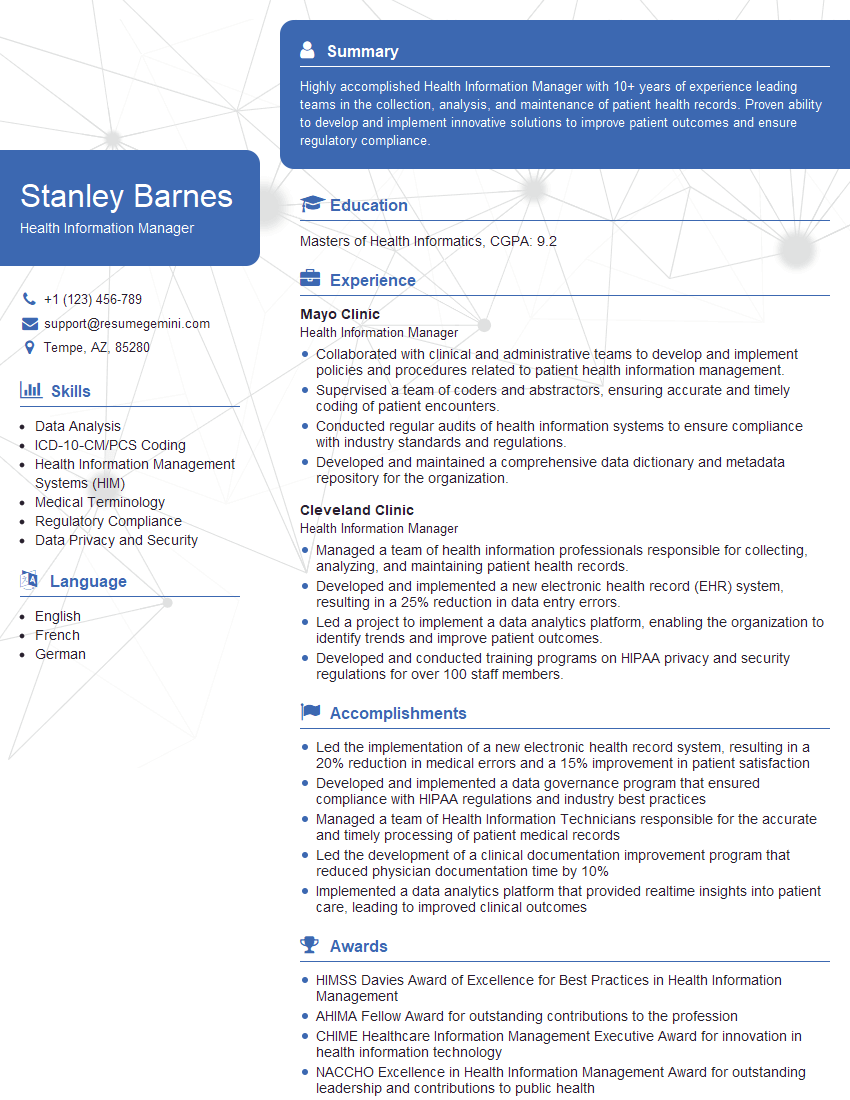
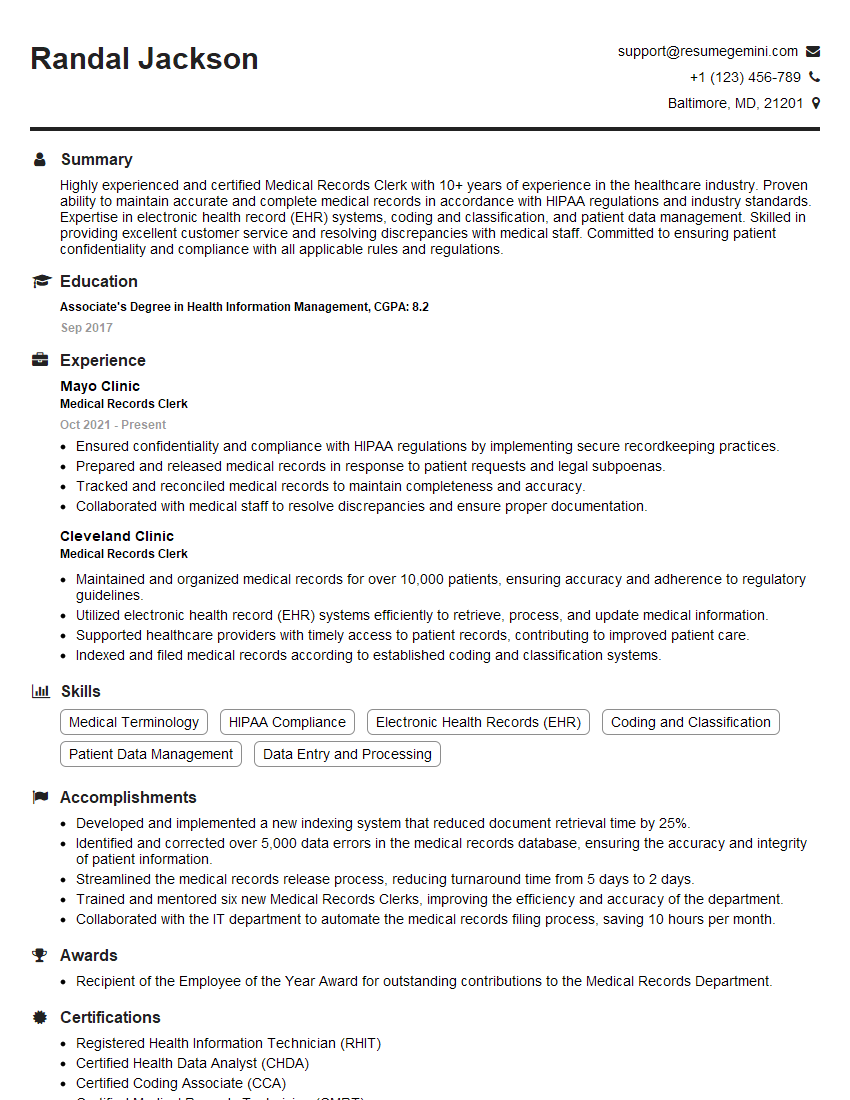
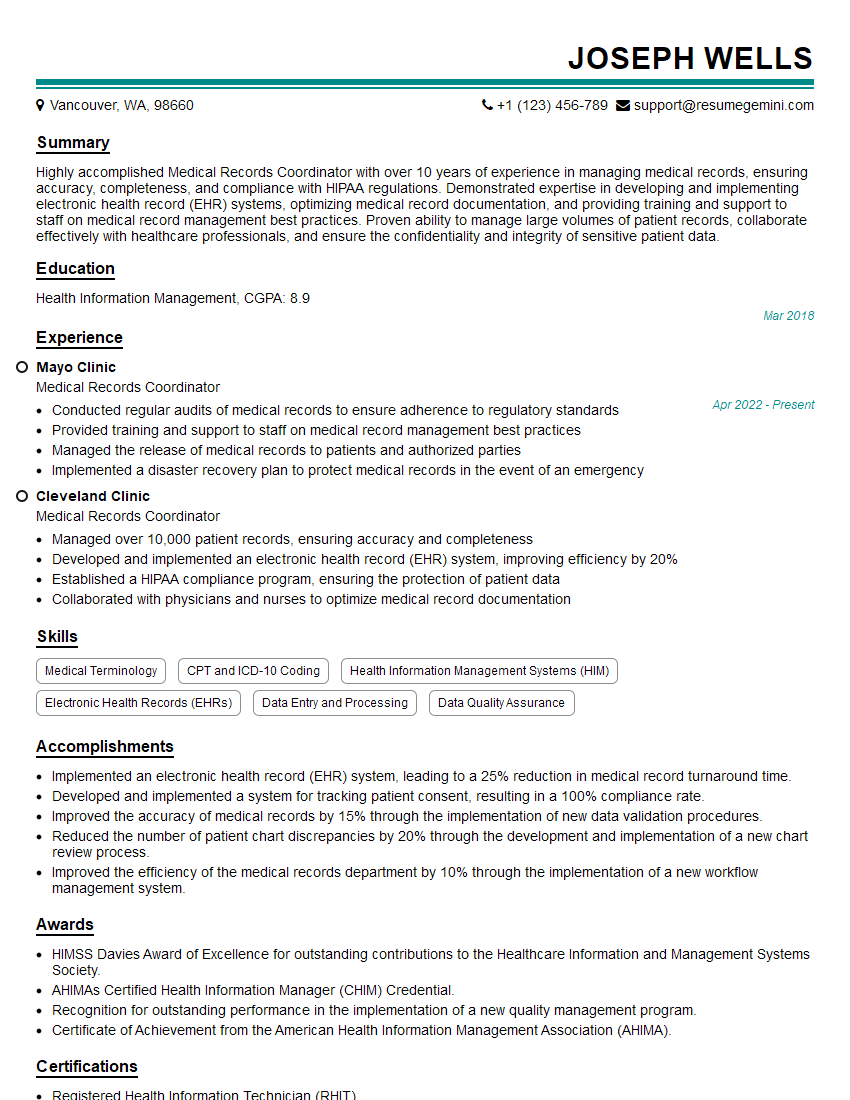
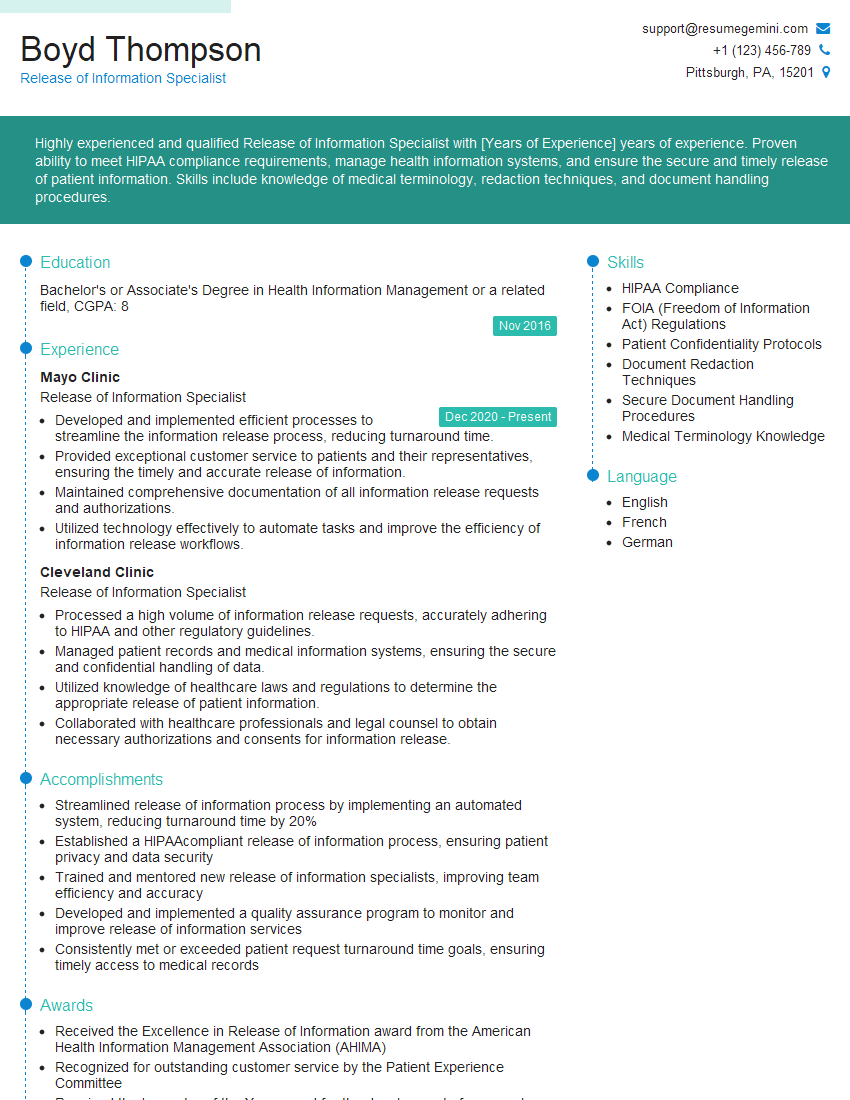
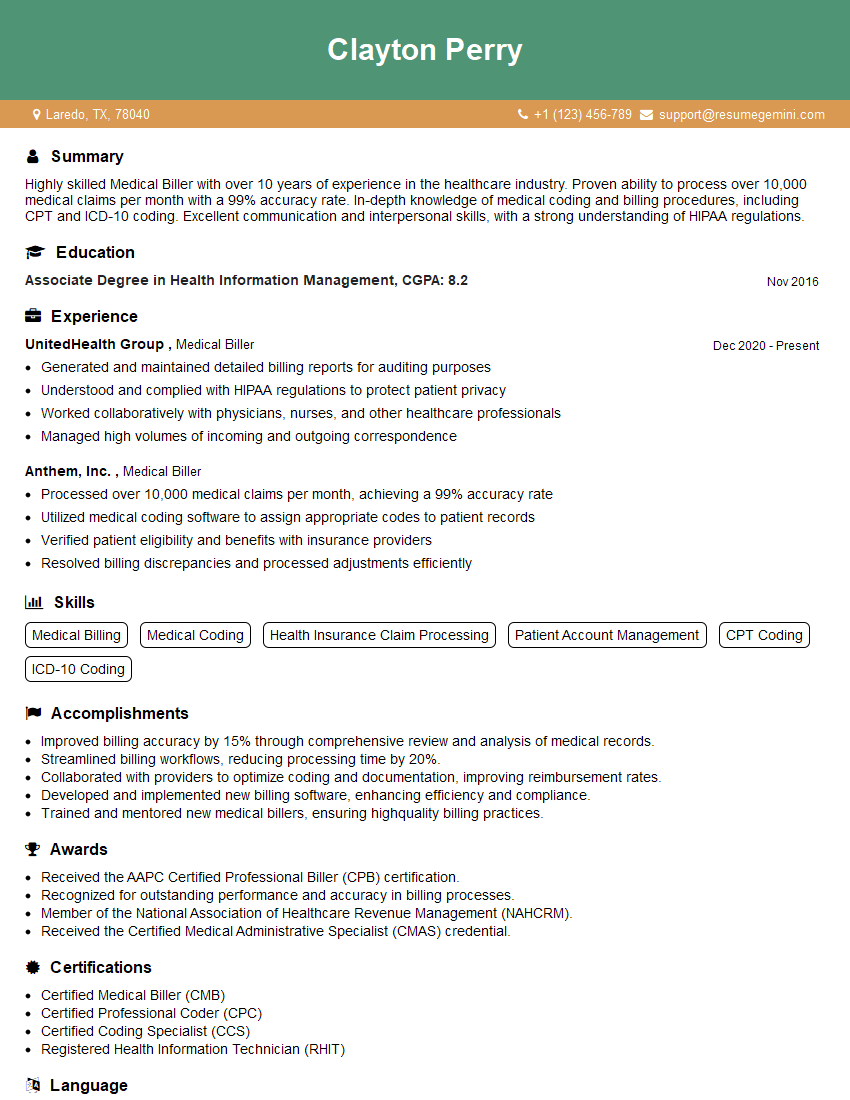
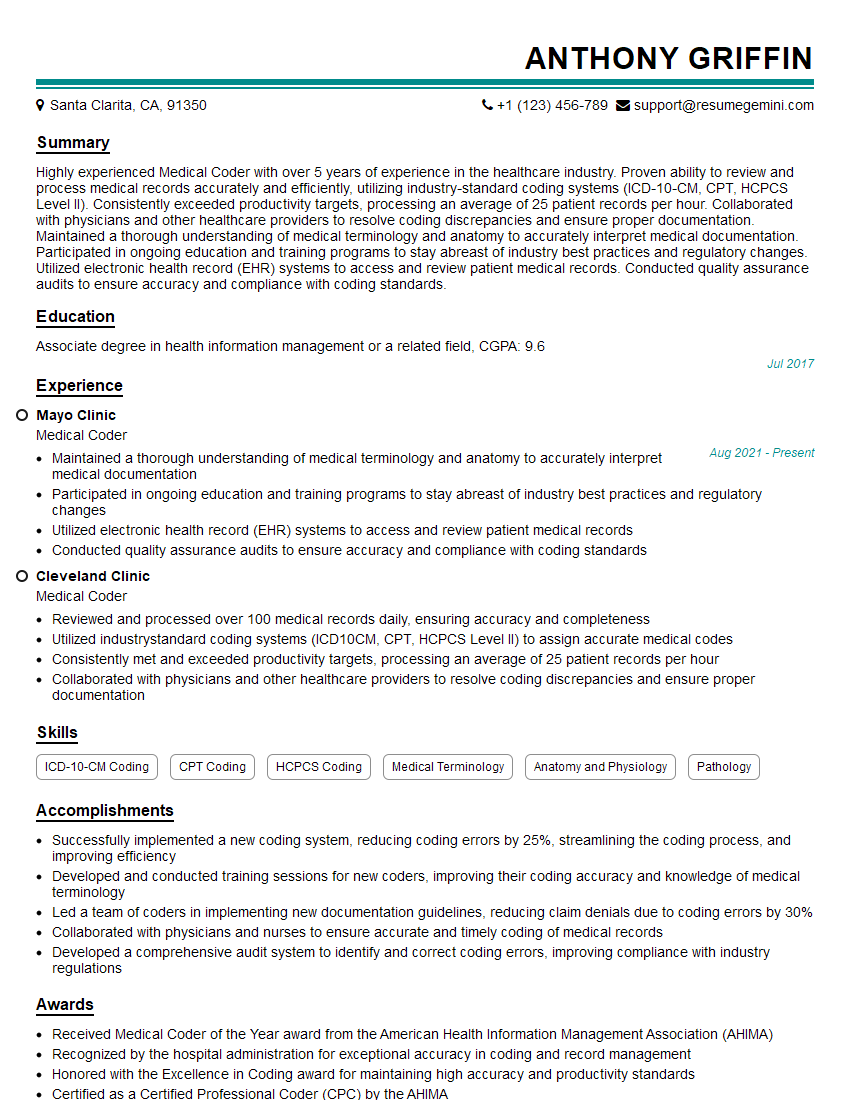
Mastering Healthcare Documentation is vital for career advancement in the healthcare industry. Accurate and efficient documentation is the cornerstone of quality patient care and contributes significantly to positive patient outcomes. To significantly increase your chances of landing your dream role, it’s crucial to craft a compelling and ATS-friendly resume that highlights your skills and experience effectively. ResumeGemini is a trusted resource to help you build a professional resume that stands out. Take advantage of their tools and resources, including examples of resumes tailored to Healthcare Documentation, to enhance your job application materials and showcase your expertise.
Explore more articles
Users Rating of Our Blogs
Share Your Experience
We value your feedback! Please rate our content and share your thoughts (optional).
What Readers Say About Our Blog
To the interviewgemini.com Webmaster.
Very helpful and content specific questions to help prepare me for my interview!
Thank you
To the interviewgemini.com Webmaster.
This was kind of a unique content I found around the specialized skills. Very helpful questions and good detailed answers.
Very Helpful blog, thank you Interviewgemini team.