Unlock your full potential by mastering the most common Psychoeducational Groups interview questions. This blog offers a deep dive into the critical topics, ensuring you’re not only prepared to answer but to excel. With these insights, you’ll approach your interview with clarity and confidence.
Questions Asked in Psychoeducational Groups Interview
Q 1. Describe your experience facilitating psychoeducational groups for adolescents.
My experience facilitating psychoeducational groups for adolescents spans over eight years, working with diverse populations in both clinical and school settings. I’ve led groups focusing on various topics, including anxiety management, stress reduction, social skills development, and healthy relationships. I’ve worked with adolescents grappling with issues stemming from trauma, depression, and ADHD. A typical group might involve 6-8 participants meeting weekly for an hour. My approach emphasizes creating a safe and supportive environment where adolescents feel comfortable sharing their experiences and learning from each other.
For example, in one group focused on anxiety management, we utilized Cognitive Behavioral Therapy (CBT) techniques such as identifying and challenging negative thought patterns and practicing relaxation exercises. We also incorporated mindfulness activities and role-playing scenarios to build coping skills. The success of these groups is often measured by pre- and post-group assessments of anxiety levels and self-reported improvements in coping strategies.
Another example involves a social skills group where we used a combination of psychoeducation, role-playing, and feedback to improve communication and interpersonal interactions. We discussed topics such as active listening, assertive communication, and conflict resolution. The group dynamic itself often provided valuable learning opportunities, as participants observed and learned from each other’s interactions.
Q 2. What theoretical frameworks inform your approach to psychoeducational groups?
My approach to psychoeducational groups is informed by several theoretical frameworks. Firstly, Cognitive Behavioral Therapy (CBT) is central to my practice. CBT helps adolescents identify and change negative thought patterns and behaviors that contribute to their difficulties. I also incorporate elements of Solution-Focused Brief Therapy (SFBT), emphasizing strengths and focusing on achievable goals. Furthermore, psychodynamic principles inform my understanding of the unconscious processes influencing behavior and relationships within the group. Finally, I draw upon systems theory to understand the adolescent’s context, recognizing the influence of family, peers, and school on their well-being.
For instance, in a group on anger management, we might use CBT techniques to identify triggers and develop coping mechanisms. SFBT would encourage the adolescents to identify times they successfully managed anger and build upon those strengths. Psychodynamic principles help me understand the underlying reasons for anger, while systems theory informs my collaboration with parents and school staff to create a supportive environment outside of the group setting.
Q 3. How do you assess the needs of participants before designing a psychoeducational group curriculum?
Assessing participant needs is crucial for designing an effective curriculum. This involves a multi-faceted approach. Initially, I conduct individual interviews with prospective group members to gain a comprehensive understanding of their challenges, goals, and expectations. I also use standardized assessments, such as questionnaires or rating scales, to quantify the severity of symptoms and identify specific areas needing attention. I might utilize tools like the Beck Anxiety Inventory or the Children’s Depression Inventory, depending on the group’s focus. Additionally, I often consult with referring professionals (therapists, teachers, etc.) to gather further information and collaborate on treatment planning.
For a group focusing on social anxiety, for example, I’d use a combination of interviews, the Social Anxiety Scale for Children, and possibly consultations with school counselors to fully grasp each participant’s unique experiences and challenges in social situations before designing the group’s curriculum.
Q 4. Explain your method for selecting appropriate group members.
Selecting appropriate group members requires careful consideration of several factors. Firstly, I ensure that participants’ needs align with the group’s focus. Homogeneity in terms of age and presenting problems is often preferred, particularly in early stages of group formation. This creates a sense of shared experience and reduces the potential for overwhelming differences in dynamics. Secondly, I carefully consider each participant’s ability to engage in group work, including their communication skills and willingness to participate actively. Finally, I conduct individual interviews to assess their suitability for a group setting, ensuring they understand the group’s structure, confidentiality, and expectations. I also screen for individuals who might pose a risk to the safety or well-being of others.
For instance, in a group for adolescents with trauma, I would prioritize those with similar experiences to foster a sense of belonging and mutual support. However, if significant differences in trauma severity exist, careful consideration is needed to prevent overwhelming anyone in the group.
Q 5. Describe a time you had to manage disruptive behavior within a psychoeducational group.
In one group focused on anger management, one participant, let’s call him Mark, consistently interrupted and dominated conversations. His behavior disrupted the flow of the group and prevented others from sharing. My initial approach involved gently redirecting Mark, reminding him of the group’s rules and the importance of respecting others’ speaking time. I also actively involved him in the discussion by asking him to share his perspective on a specific topic to give him a positive opportunity to participate in a constructive way. When gentle redirection wasn’t sufficient, I engaged Mark in a brief private conversation after the session to understand the underlying reasons for his behavior. It turned out he felt unheard and insecure, and his interrupting was a way of seeking attention.
After understanding the root cause, we worked together on strategies to help him feel more comfortable expressing himself appropriately. We practiced assertive communication techniques and explored ways for him to communicate his needs without interrupting others. The group’s success depended on understanding his behavior and creating a space for him to participate constructively.
Q 6. How do you ensure confidentiality within a group setting?
Confidentiality is paramount in group therapy. At the outset, I clearly explain to all group members the importance of confidentiality and the limits of its application. I emphasize that what is shared within the group should remain within the group, unless disclosure is legally required (e.g., threats of harm). I also address the inevitable challenges of absolute confidentiality, recognizing that perfect confidentiality within a group setting is difficult. Participants are educated to respect each others’ privacy and to avoid discussing group content outside of the sessions.
To further ensure confidentiality, I create a safe and trusting atmosphere where adolescents feel comfortable sharing their thoughts and feelings. This includes establishing clear guidelines for respectful communication and emphasizing the importance of empathy and active listening among group members.
Q 7. How do you address conflict between group members?
Conflict is an inevitable part of group dynamics. When conflict arises, my approach involves facilitating a constructive resolution rather than suppressing or ignoring it. I use a combination of strategies to guide the group members through conflict resolution. This often begins by allowing each involved party to express their perspectives and feelings without interruption. I actively listen to understand the root causes of the conflict, helping the individuals identify their unmet needs and expectations. I encourage empathy and perspective-taking by having each party try to understand the other person’s viewpoint.
I facilitate a collaborative process where group members work together to find mutually acceptable solutions. Depending on the situation, this might involve brainstorming potential solutions, compromising, or finding ways to manage differences. I act as a mediator, ensuring that all voices are heard and respected, promoting a healthy exchange of ideas leading to a respectful compromise.
Q 8. What strategies do you use to promote active participation in a group?
Promoting active participation in a psychoeducational group is crucial for its success. It’s not just about attendance; it’s about engagement and contribution. My strategies are multifaceted and focus on creating a safe, supportive, and stimulating environment.
- Structured Activities: I incorporate various activities like role-playing, brainstorming, group discussions, and creative exercises to keep participants engaged and actively involved. For example, in a group focused on stress management, we might role-play handling difficult conversations or practice relaxation techniques together.
- Clear Expectations and Guidelines: Establishing clear ground rules from the outset helps set expectations for participation and ensures everyone feels comfortable contributing. This includes respecting confidentiality and fostering a judgment-free environment.
- Building Rapport and Trust: I prioritize building rapport by creating a welcoming atmosphere where participants feel safe to share their experiences and thoughts. This involves active listening, empathy, and demonstrating genuine interest in each individual’s perspective.
- Individualized Approaches: Recognizing that people participate at different levels, I adapt my approach to reach each member. This could involve one-on-one check-ins, offering gentle encouragement, or adjusting activities to suit diverse learning styles and comfort levels.
- Positive Reinforcement: I regularly acknowledge and appreciate participants’ contributions, both large and small. This positive reinforcement encourages continued involvement and fosters a sense of accomplishment.
Q 9. Explain your process for evaluating the effectiveness of a psychoeducational group.
Evaluating the effectiveness of a psychoeducational group is a systematic process involving both qualitative and quantitative measures. It’s about assessing whether the group achieved its intended goals and positively impacted participants’ lives.
- Pre- and Post-Group Assessments: I use standardized questionnaires and scales to measure participants’ knowledge, attitudes, and behaviors related to the group’s topic before and after the sessions. This provides quantifiable data on changes over time. For instance, a group on anxiety management might use a validated anxiety scale.
- Process Evaluation: Throughout the group’s duration, I regularly monitor group dynamics, participation levels, and the overall atmosphere. This involves observing interactions, analyzing discussions, and noting any challenges or successes.
- Feedback Sessions: Formal and informal feedback sessions with participants provide valuable insights into their experiences and perspectives. This feedback can inform future group sessions and improve overall effectiveness.
- Qualitative Data Collection: I collect qualitative data through methods like focus groups or individual interviews to capture rich descriptive data on participants’ subjective experiences and perceptions of the group’s impact.
- Outcome Measures: I track long-term outcomes by following up with participants after the group concludes. This could involve brief check-in calls or surveys to assess sustained changes in knowledge, attitudes, or behaviors.
By combining these methods, I gain a comprehensive understanding of the group’s effectiveness and make necessary adjustments for future sessions.
Q 10. How do you adapt your facilitation style to meet the diverse needs of group participants?
Adapting my facilitation style to meet diverse needs is paramount. It’s about recognizing that each participant brings unique experiences, learning styles, and communication preferences.
- Differentiated Instruction: I employ differentiated instruction, offering various ways for participants to learn and engage with the material. This might include visual aids, handouts, interactive exercises, and opportunities for individual reflection.
- Cultural Sensitivity: I am mindful of cultural differences and adapt my language and communication style accordingly. This includes being aware of potential biases and ensuring that the group is inclusive and respectful of diverse backgrounds.
- Addressing Learning Styles: I cater to various learning styles—visual, auditory, kinesthetic—by integrating a variety of activities to appeal to each style. For example, using visual aids for visual learners, group discussions for auditory learners, and hands-on exercises for kinesthetic learners.
- Flexibility and Adaptability: I maintain flexibility and adapt the group’s agenda and activities as needed based on the participants’ responses and needs. Sometimes, unexpected themes or issues arise that require adjustments to the planned session.
- Individualized Support: I provide individualized support as needed, recognizing that some participants may require more attention or assistance than others. This could involve additional one-on-one sessions or connecting participants with other resources.
Q 11. Describe your experience using various group therapy techniques.
My experience encompasses a range of group therapy techniques, each chosen strategically based on the group’s specific needs and goals.
- Cognitive Behavioral Therapy (CBT): I frequently integrate CBT techniques to help participants identify and modify negative thought patterns and behaviors. This includes techniques like cognitive restructuring, behavioral experiments, and exposure therapy.
- Dialectical Behavior Therapy (DBT): DBT skills, such as mindfulness, distress tolerance, emotion regulation, and interpersonal effectiveness, are valuable in groups dealing with intense emotions and challenging interpersonal relationships.
- Acceptance and Commitment Therapy (ACT): ACT helps participants accept difficult thoughts and feelings without judgment and commit to valued actions. This approach is particularly useful for groups grappling with chronic conditions or life challenges.
- Psychodynamic Techniques: While less structured, exploring underlying themes and patterns in relationships and behaviors can be powerful in certain groups, promoting self-awareness and insight.
- Supportive Group Therapy: Creating a safe and supportive space for sharing experiences and offering mutual support is a foundational element across many groups. This emphasizes empathy, validation, and a sense of community.
I select and combine techniques based on evidence-based practices and the group’s unique context, always prioritizing the participants’ safety and well-being.
Q 12. How do you handle a participant who is resistant to participating?
Handling resistance to participation requires a sensitive and understanding approach. It’s crucial to avoid confrontation or pressure.
- Understanding the Resistance: I first try to understand the root cause of the resistance. Is it due to fear, past negative experiences, discomfort with the group setting, or something else?
- Building Rapport: I focus on building rapport with the resistant participant through individual conversations, showing genuine empathy and understanding.
- Creating a Safe Space: I emphasize the group’s confidential and supportive environment, reassuring the participant that they are not obligated to share anything they’re uncomfortable with.
- Gradual Involvement: I encourage gradual involvement, starting with smaller contributions or less demanding activities. This allows the participant to ease into the group at their own pace.
- Collaboration and Choice: I offer choices and collaborate with the participant to find ways for them to engage in the group that feel comfortable and meaningful.
- Referral if Necessary: If resistance persists, I might consider referring the participant to individual therapy or a different type of group that might better meet their needs.
Patience and understanding are key. The goal is not to force participation but to create an environment where the participant feels empowered to engage as they are ready.
Q 13. What are the ethical considerations when working with psychoeducational groups?
Ethical considerations are fundamental in working with psychoeducational groups. Maintaining ethical standards ensures the safety, well-being, and rights of all participants.
- Confidentiality: Maintaining confidentiality is paramount. I clearly explain the limits of confidentiality at the outset and adhere strictly to these limits.
- Informed Consent: All participants receive comprehensive information about the group’s purpose, structure, and procedures before joining, providing informed consent. This ensures they understand their rights and responsibilities.
- Dual Relationships: I avoid dual relationships (e.g., personal or professional relationships outside the group) to prevent conflicts of interest and maintain professional boundaries.
- Competence: I only facilitate groups in areas where I have the necessary training and experience. This ensures I can provide effective and appropriate support.
- Cultural Sensitivity: I am mindful of cultural differences and ensure that the group’s structure and activities are culturally sensitive and respectful.
- Mandatory Reporting: I am aware of mandatory reporting laws and procedures for situations involving child abuse, elder abuse, or threats of harm to self or others.
Adhering to ethical principles is not just a matter of compliance; it is essential for fostering a trusting and supportive therapeutic environment.
Q 14. How do you address the emotional needs of participants?
Addressing the emotional needs of participants is a core aspect of psychoeducational groups. It’s about creating a safe space where participants can explore and process their emotions in a healthy way.
- Validation and Empathy: I consistently validate participants’ feelings and experiences, demonstrating empathy and understanding. This helps participants feel heard, seen, and understood.
- Emotional Processing: I create opportunities for participants to process their emotions through guided discussions, reflective exercises, or creative expression. This could involve journaling, art therapy, or mindfulness practices.
- Self-Compassion: I encourage self-compassion, helping participants develop a kinder, more understanding attitude towards themselves and their emotions.
- Stress Management Techniques: I introduce and practice stress management techniques like relaxation exercises, breathing techniques, or mindfulness meditation to help participants manage overwhelming emotions.
- Coping Mechanisms: I assist participants in developing healthy coping mechanisms for managing challenging emotions and situations. This might involve problem-solving skills, emotional regulation strategies, or assertiveness training.
- Referral: If a participant is experiencing significant emotional distress or mental health challenges, I provide appropriate referrals to mental health professionals for individual therapy or specialized support.
Creating an emotionally safe and supportive environment is vital for fostering personal growth and healing within the group setting.
Q 15. Describe your experience with documenting progress in psychoeducational groups.
Documenting progress in psychoeducational groups is crucial for evaluating effectiveness and ensuring accountability. My approach involves a multi-faceted strategy, combining quantitative and qualitative data.
Quantitative Data: I track attendance, completion of homework assignments, and participation levels (measured by speaking time and engagement in group activities). This provides a numerical overview of engagement and progress. For instance, I might use a simple spreadsheet to track these metrics weekly. Example: Participant A - Attendance: 100%; Homework Completion: 90%; Participation Score (scale of 1-5): 4
Qualitative Data: This is where the richness of the group experience comes in. I utilize session summaries that highlight key themes, significant insights from participants, and changes observed in their behavior or emotional responses. These notes are kept confidential and are not shared outside the therapeutic context. I also encourage participants to keep a personal journal, and while I don’t directly review these, they can provide a valuable window into their progress. For example, a summary might note: “Session 3 focused on communication skills. Several participants reported improved interactions with family members following the role-playing exercises. Sarah, in particular, exhibited reduced anxiety during the activity.“
Finally, pre and post-group assessments are vital. These could include standardized questionnaires (e.g., measuring anxiety or depression levels) to objectively measure changes over time. Combining quantitative and qualitative data offers a holistic view of the participants’ progress and the group’s efficacy.
Career Expert Tips:
- Ace those interviews! Prepare effectively by reviewing the Top 50 Most Common Interview Questions on ResumeGemini.
- Navigate your job search with confidence! Explore a wide range of Career Tips on ResumeGemini. Learn about common challenges and recommendations to overcome them.
- Craft the perfect resume! Master the Art of Resume Writing with ResumeGemini’s guide. Showcase your unique qualifications and achievements effectively.
- Don’t miss out on holiday savings! Build your dream resume with ResumeGemini’s ATS optimized templates.
Q 16. How do you ensure the safety of participants within a group setting?
Ensuring participant safety in a group setting is paramount. My approach is proactive and involves several key strategies. It starts with establishing clear group guidelines and norms right from the first session. These address confidentiality, respecting others’ viewpoints, and appropriate boundaries.
- Clear Ground Rules: We collaboratively develop rules that emphasize respect, confidentiality, and appropriate behavior. This fosters a sense of shared responsibility for safety.
- Confidentiality Agreements: Participants are explicitly reminded about confidentiality and its limits (e.g., reporting potential harm to self or others).
- Active Monitoring: I carefully monitor group dynamics, paying close attention to verbal and non-verbal cues that indicate distress or potential conflict. This includes observing body language, tone of voice, and emotional expressions.
- Addressing Conflict: I intervene early and effectively to manage conflict. This might involve redirecting conversation, facilitating constructive dialogue, or setting boundaries for inappropriate behavior.
- Crisis Intervention Plan: A clear plan for handling crises is essential. This includes knowing the procedures for contacting emergency services or mental health professionals if needed.
- Individual Check-Ins: Before and after sessions, informal check-ins allow me to monitor participants’ emotional well-being and address any immediate concerns.
Think of it like this: creating a safe group is like building a house. You need a strong foundation (clear rules), sturdy walls (respectful communication), and a reliable alarm system (early intervention) to protect everyone inside.
Q 17. What are the key differences between psychoeducational groups and support groups?
While both psychoeducational and support groups offer valuable benefits, they differ significantly in their focus and methods.
Psychoeducational Groups: Primarily focus on teaching participants specific skills or knowledge related to a particular issue. Think of them as educational workshops with a therapeutic twist. For example, a group might focus on teaching coping mechanisms for anxiety or effective communication skills. The emphasis is on learning structured content and practicing new behaviors.
Support Groups: Provide emotional support and a sense of community for individuals facing similar challenges. The primary focus is on shared experiences, mutual understanding, and emotional validation. For example, a support group for individuals with chronic illness would provide a safe space to share feelings and experiences. Less emphasis is placed on structured learning or skill-building.
Key Differences Summarized:
- Focus: Psychoeducational – skill-building; Support – emotional support
- Structure: Psychoeducational – highly structured curriculum; Support – less structured, more organic discussions
- Leader Role: Psychoeducational – educator/facilitator; Support – facilitator/empath
- Goal: Psychoeducational – skill acquisition, knowledge gain; Support – emotional regulation, social connection
In essence, a psychoeducational group is like taking a class, while a support group is like joining a club.
Q 18. How do you build rapport with group members?
Building rapport with group members is essential for creating a trusting and productive therapeutic environment. My approach involves several techniques:
- Empathy and Active Listening: Demonstrating genuine care and actively listening to participants’ experiences builds trust. I validate their feelings and show that I understand their perspectives.
- Authenticity and Self-Disclosure (appropriately): Sharing relevant personal experiences (while maintaining professional boundaries) helps humanize the therapeutic process and foster connection. This is not about oversharing, but showing vulnerability in a healthy way.
- Respectful Communication: Using non-judgmental language, respecting participants’ diverse backgrounds, and valuing their contributions creates a safe space for expression.
- Early Interventions: Addressing potential conflicts or misunderstandings promptly can prevent tensions from escalating and undermining group cohesion. I act as a mediator to help solve interpersonal problems constructively.
- Consistency and Predictability: Maintaining a consistent group structure and schedule offers a sense of stability and predictability, which can be particularly helpful for individuals who have experienced trauma or instability in their lives.
For instance, if a participant shares a difficult experience, I might respond with, “That sounds incredibly challenging. I can see how that might leave you feeling [emotion participant expressed].” This shows both empathy and validates their experience.
Q 19. Describe your understanding of transference and countertransference in group therapy.
Transference and countertransference are crucial concepts in group therapy. They refer to the unconscious redirection of feelings from one person to another.
Transference: This refers to the unconscious redirection of feelings and expectations from past relationships onto the therapist or other group members. For example, a participant might unconsciously relate to me as an authority figure like a parent, based on their past experiences. This can manifest as positive transference (idealization) or negative transference (hostility or resentment).
Countertransference: This is the therapist’s unconscious emotional reaction to a client, triggered by the client’s transference or their own unresolved issues. For example, if a participant’s behavior triggers unresolved feelings from my past, I may unconsciously respond in a way that doesn’t serve the therapeutic process.
Recognizing and managing these dynamics is crucial. I am trained to identify and address transference and countertransference through self-reflection, supervision, and maintaining professional boundaries. When transference arises, I would address it carefully, exploring with the participant their feelings and how their past might be influencing their current reactions. Similarly, I actively engage in self-reflection and seek supervision to address any potential countertransference reactions.
Q 20. How do you use group dynamics to facilitate learning and growth?
Group dynamics – the interactions and relationships among group members – are a powerful tool for facilitating learning and growth. I utilize them in several ways:
- Modeling: Observing interactions between other members provides opportunities for learning and modeling positive behavior. For example, seeing a peer effectively manage conflict can be a powerful teaching moment for others.
- Feedback and Support: Group members offer each other support, encouragement, and constructive feedback. This fosters a sense of community and shared responsibility for growth.
- Shared Experiences: The collective experience of the group can be a source of validation, comfort, and hope. Recognizing that others face similar challenges can be incredibly empowering.
- Microgroups: Creating smaller subgroups within the larger group allows for focused interaction and exploration of specific themes. This is especially helpful when addressing sensitive topics or complex interpersonal dynamics.
- Role-Playing: Group members can practice new skills in a safe and supportive environment through role-playing exercises. This can be particularly effective for communication, conflict resolution, or assertiveness training.
For instance, in an assertiveness training group, one participant might role-play a difficult conversation with a peer, receiving immediate feedback and support from other members and myself. This active participation and observation fosters learning in a dynamic way, rather than simply lecturing on the subject.
Q 21. Explain your experience with crisis intervention in a group setting.
Crisis intervention in a group setting requires swift, decisive action and a clear understanding of the group’s dynamics. My experience involves a multi-step approach:
- Immediate Safety: My first priority is ensuring the immediate safety of the individual in crisis and other group members. This might involve removing the individual from the group temporarily or contacting emergency services if necessary.
- Validation and Support: I provide empathy and validation to the individual experiencing the crisis. This can be both verbally and nonverbally, showing genuine care and concern.
- Grounding Techniques: Employing grounding techniques can help calm the individual’s emotional distress. This can involve focusing on the present moment, deep breathing exercises, or sensory awareness.
- Collaboration: I work collaboratively with the individual to develop a safety plan, outlining steps they can take to manage their distress. This might involve making contact with a support system or taking steps to address the underlying issue.
- Group Processing: Following the crisis, I facilitate a group discussion to process the event and support the emotional needs of all participants. This helps maintain the group’s sense of cohesion and trust.
For example, if a participant experiences a panic attack, I might assist them in using deep breathing techniques while gently removing them to a quiet space. Following the resolution, we would process the event, emphasizing support and validating the participant’s experience. The group’s support is often invaluable in these situations, fostering a sense of shared community and mutual understanding.
Q 22. How do you incorporate feedback from participants to improve the group?
Incorporating participant feedback is crucial for improving a psychoeducational group. I use a multi-faceted approach. Firstly, I consistently solicit feedback throughout the group’s duration, not just at the end. This can be done informally through casual conversation, or more formally using structured feedback forms or questionnaires. I also actively observe group dynamics and member interactions, noting both positive contributions and areas needing improvement.
Secondly, I create a safe space for feedback. Participants need to feel comfortable expressing their honest opinions without fear of judgment. This involves clearly stating the purpose of feedback, emphasizing confidentiality (where appropriate), and actively modeling respectful listening. For example, I might say, ‘I value your input and want to make this group as beneficial as possible for everyone. Your feedback is vital to that process, so please feel free to share your thoughts, even if they’re critical.’
Finally, I actively use the feedback. This means reviewing all collected data and reflecting on how to implement changes. This might involve adjusting the curriculum, modifying facilitation techniques, or addressing specific concerns raised by participants. For instance, if several members mention difficulty understanding a particular concept, I’ll revisit that section, perhaps using different teaching methods or providing additional resources. Documenting these changes and their impact is also crucial for ongoing group improvement.
Q 23. What are your strategies for handling challenging group dynamics?
Handling challenging group dynamics requires a proactive and skillful approach. My strategies revolve around early identification and intervention. I start by establishing clear group norms and expectations from the outset. This includes respect, active listening, and confidentiality. I actively monitor the group for any signs of conflict, tension, or exclusion.
When challenges arise, I use a variety of techniques. For example, if I see a dominant member overshadowing others, I might gently redirect their contributions or create opportunities for quieter members to share. If conflict arises, I facilitate constructive conflict resolution by helping members express their perspectives, identifying common ground, and collaboratively finding solutions. I might use techniques such as reframing negative statements, promoting empathy, and encouraging compromise.
In cases of disruptive behavior, I address it privately with the individual, exploring the underlying reasons for their actions. If the behavior persists or significantly impacts the group, I might need to implement consequences, such as a temporary break from the group or a referral to individual therapy. Maintaining a balance between firmness and empathy is crucial in these situations. It’s important to remember that challenging dynamics are often opportunities for growth and learning for both the group and myself as a facilitator.
Q 24. Describe your experience collaborating with other professionals to support group members.
Collaboration is fundamental to effective psychoeducational group work. I regularly collaborate with other professionals, including psychiatrists, psychologists, social workers, and occupational therapists, to ensure holistic support for group members. This collaborative approach is particularly vital when addressing complex cases.
For example, I might work with a psychiatrist to adjust medication regimens for participants struggling with severe anxiety or depression. With a social worker, I may coordinate access to social services, such as housing or financial assistance, if these are barriers to progress. My collaboration with an occupational therapist might involve adapting strategies for participants managing physical disabilities or cognitive impairments.
Effective collaboration requires clear communication and a shared understanding of each professional’s role and expertise. I believe in regular case conferences and joint sessions to ensure seamless and coordinated care. These collaborations enhance the comprehensive support offered to participants and lead to better outcomes.
Q 25. How do you maintain your own well-being while facilitating psychoeducational groups?
Maintaining my own well-being is paramount when facilitating psychoeducational groups, as vicarious trauma and emotional burnout are real risks. I employ several strategies to prevent burnout and maintain a healthy work-life balance.
Firstly, I prioritize self-care. This includes regular exercise, a healthy diet, and sufficient sleep. I also make time for activities that bring me joy and relaxation, such as spending time in nature or pursuing creative hobbies. Equally important is setting clear boundaries between my professional and personal life. I avoid taking work home with me, and I disconnect from work during my downtime.
Secondly, I engage in regular supervision and peer consultation. Sharing cases and discussing challenges with experienced colleagues provides valuable support and perspective. This process allows for processing difficult emotions, identifying potential biases, and refining my facilitation skills. Finally, I regularly reflect on my experiences, identifying areas where I can improve my self-care practices and refine my strategies for managing stress and preventing burnout. This continuous self-reflection is crucial for sustainable practice.
Q 26. What are some common challenges in facilitating psychoeducational groups, and how do you address them?
Several common challenges can arise in facilitating psychoeducational groups. One is managing group member resistance to participation. Some individuals might be hesitant to share personal information or engage in group activities. Addressing this requires building rapport, fostering trust, and clearly articulating the benefits of participation.
Another challenge is maintaining group cohesion and preventing cliques from forming. This can be addressed through structured activities that encourage interaction among all members and by actively promoting inclusivity and respect. Power imbalances within the group are another challenge that needs addressing through actively managing participation and addressing unequal dynamics.
Addressing these challenges involves creating a safe and supportive environment, proactively managing group dynamics, and adapting my facilitation style to meet the group’s specific needs. For instance, if group cohesion is an issue, I might incorporate icebreaker activities or team-building exercises. If power dynamics are a problem, I would actively create opportunities for marginalized members to contribute.
Q 27. Describe your experience developing and implementing a psychoeducational group curriculum.
Developing and implementing a psychoeducational group curriculum requires careful planning and consideration. I typically begin by identifying the target population and their specific needs. This involves conducting thorough needs assessments and reviewing relevant research to inform the content and structure of the curriculum. Then, I develop clear learning objectives and tailor the content to be engaging and relevant to participants’ lives.
The curriculum’s structure is carefully designed, typically incorporating a blend of didactic instruction, experiential activities, and group discussions. I incorporate a variety of teaching methods, such as lectures, role-playing, case studies, and creative expression, to cater to diverse learning styles and preferences. Materials such as handouts, worksheets, and videos are developed to support learning and provide accessible resources for participants.
Finally, the curriculum undergoes rigorous evaluation. I consistently assess its effectiveness through participant feedback, observations of group dynamics, and the achievement of learning objectives. This data is used to make iterative improvements and refinements to the curriculum, ensuring its ongoing relevance and impact. For example, I might evaluate participant comprehension through quizzes or by observing their active participation in group discussions. This feedback loop is essential for refining the curriculum and ensuring its effectiveness.
Q 28. How do you ensure inclusivity and cultural sensitivity in your group facilitation?
Ensuring inclusivity and cultural sensitivity is paramount in psychoeducational group facilitation. I achieve this by understanding and respecting the diverse backgrounds and experiences of all group members. This involves actively seeking out and incorporating culturally relevant materials and examples in the curriculum. This might mean using diverse case studies or adapting teaching methods to meet specific cultural norms and preferences.
I also make a conscious effort to use inclusive language and avoid making assumptions about participants’ backgrounds or beliefs. If I’m unsure about something, I will ask clarifying questions rather than making generalizations. I actively create a space where all group members feel safe, respected, and valued regardless of their race, ethnicity, gender, sexual orientation, religion, or disability. This involves actively addressing any microaggressions or biases that may arise during the sessions.
Furthermore, I prioritize ongoing education and self-reflection on my own cultural biases and assumptions. I regularly review relevant literature and participate in training sessions on cultural competency to improve my skills and deepen my understanding of diverse cultural perspectives. I actively seek opportunities for consultation with experts in cultural diversity when facing challenging situations or when working with groups representing diverse cultures. This ongoing process of learning and self-reflection is essential for culturally responsive group facilitation.
Key Topics to Learn for Psychoeducational Groups Interview
- Group Dynamics and Stages of Group Development: Understand Tuckman’s stages (forming, storming, norming, performing, adjourning) and their implications for group facilitation. Consider how to address challenges at each stage.
- Theoretical Frameworks: Familiarize yourself with relevant theoretical approaches informing psychoeducational groups, such as Cognitive Behavioral Therapy (CBT), Dialectical Behavior Therapy (DBT), and Solution-Focused Brief Therapy (SFBT). Be prepared to discuss their application in a group setting.
- Group Cohesion and Member Participation: Learn strategies for fostering a positive and inclusive group environment. Explore techniques to encourage active participation from all members and manage challenging behaviors.
- Ethical Considerations: Understand the ethical principles guiding group work, including confidentiality, informed consent, and the potential for dual relationships. Be prepared to discuss these in relation to practical scenarios.
- Assessment and Treatment Planning within Groups: Explore how to assess individual needs within a group context and develop appropriate treatment plans that are adaptable to the dynamic group environment.
- Facilitator Role and Skills: Master the art of effective group facilitation, including active listening, empathy, conflict resolution, and providing constructive feedback. Consider how to manage group process and ensure all members benefit.
- Practical Application: Review case studies or examples illustrating the application of psychoeducational group principles and techniques in diverse populations (e.g., anxiety, depression, trauma). Be ready to discuss your approach to specific challenges encountered in facilitating such groups.
Next Steps
Mastering the art of facilitating psychoeducational groups is crucial for career advancement in many mental health settings. A strong understanding of group dynamics, theoretical frameworks, and ethical considerations will significantly enhance your marketability. To maximize your job prospects, focus on creating an ATS-friendly resume that effectively highlights your skills and experience. ResumeGemini is a trusted resource that can help you build a professional and impactful resume tailored to the specific requirements of psychoeducational group positions. Examples of resumes specifically tailored to this field are available to guide you through the process.
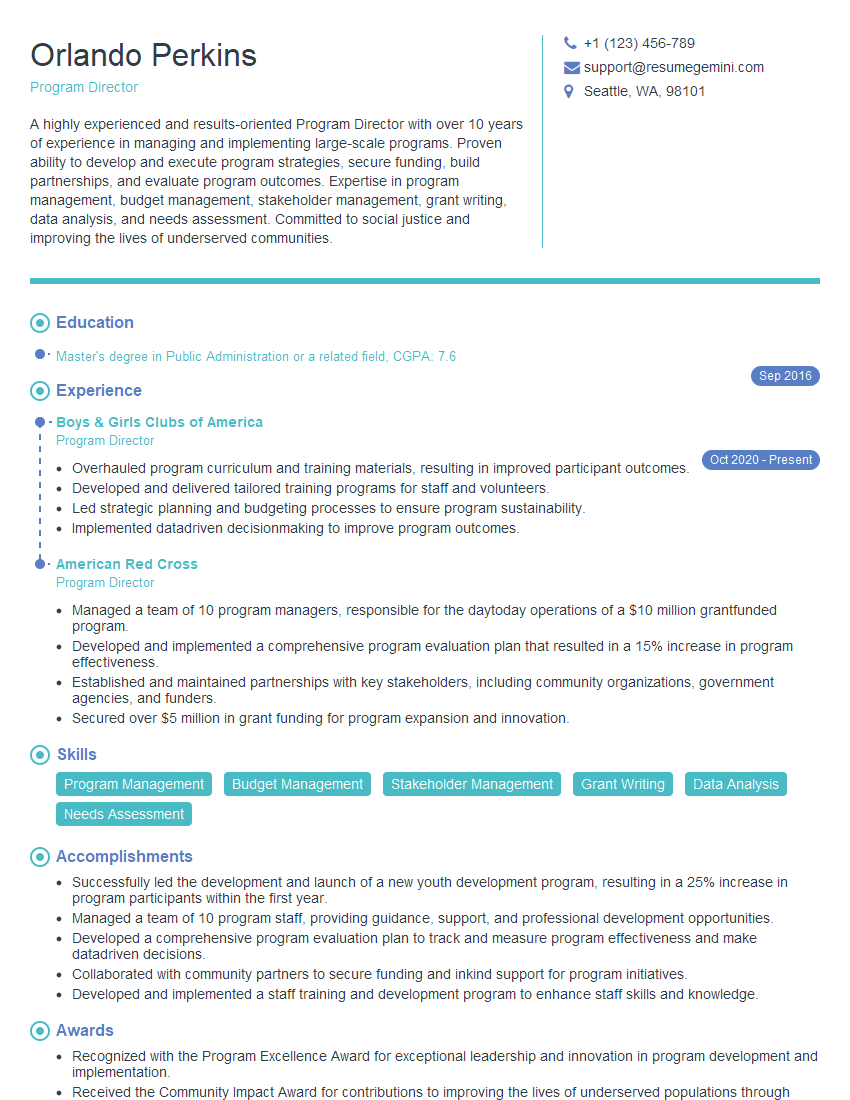
Program Director Resume Sample
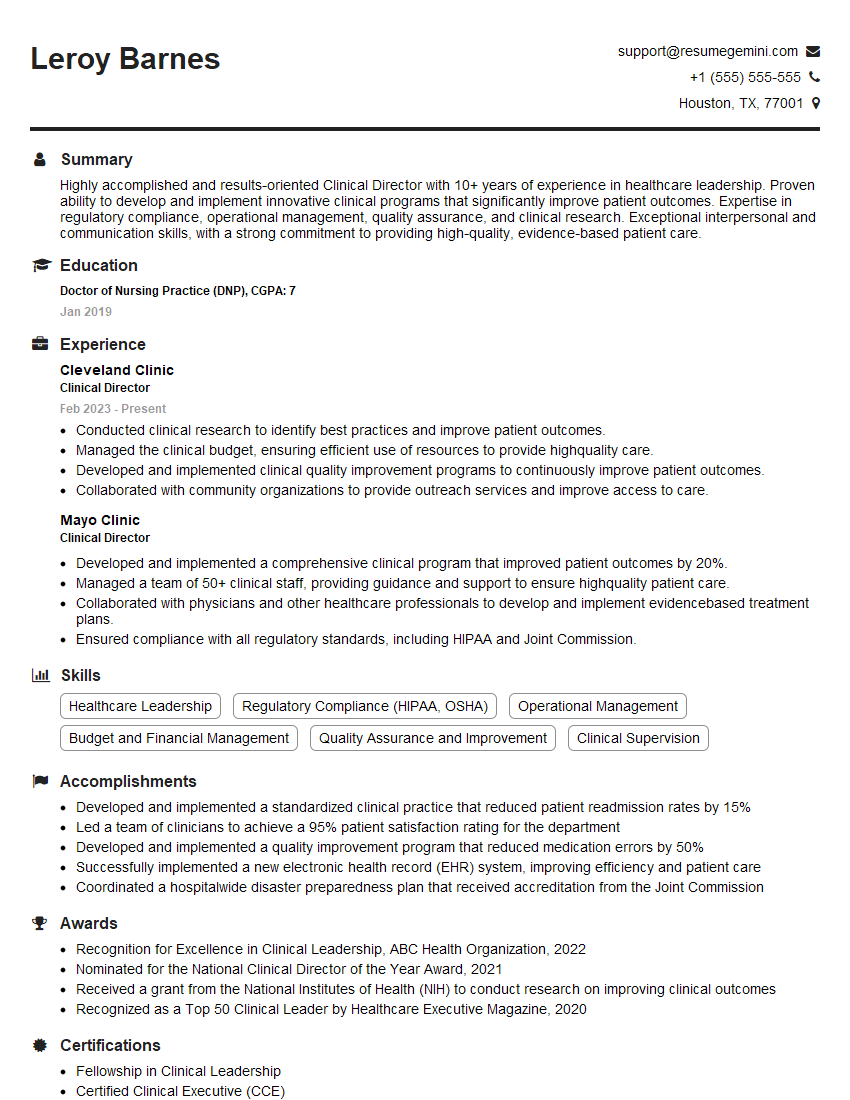
Clinical Director Resume Sample
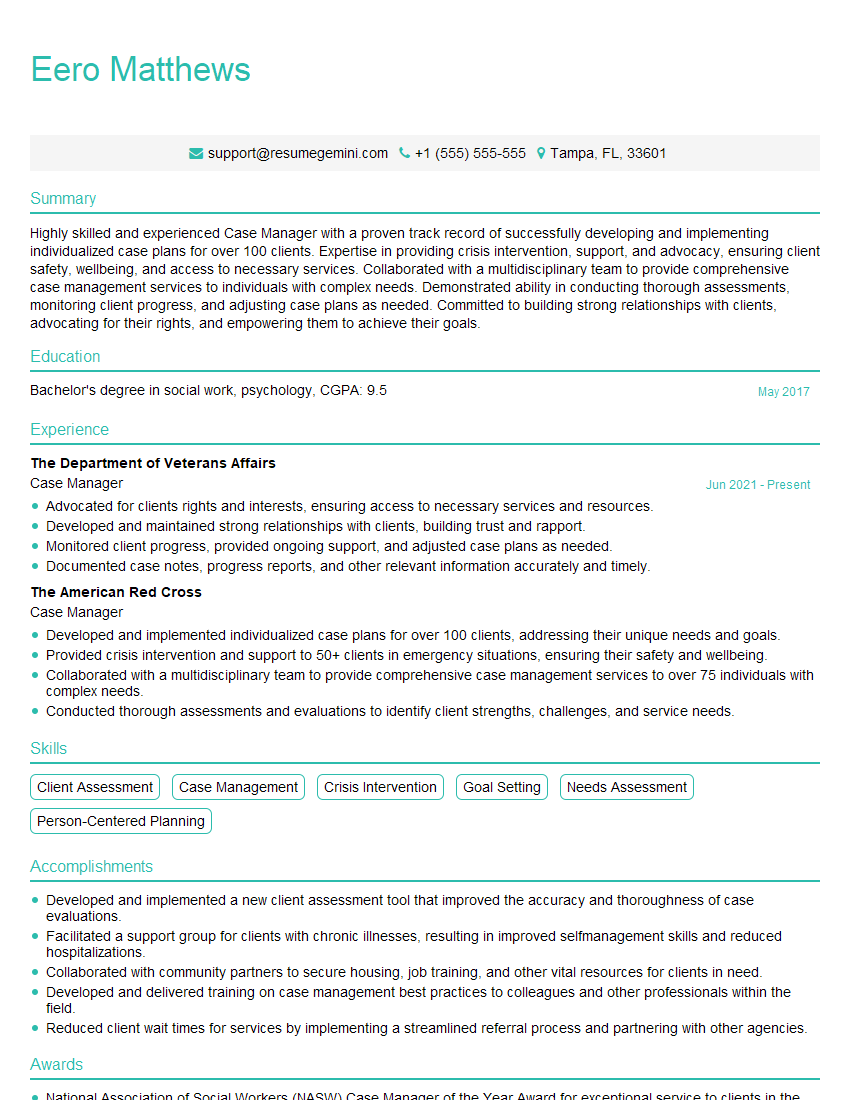
Case Manager Resume Sample
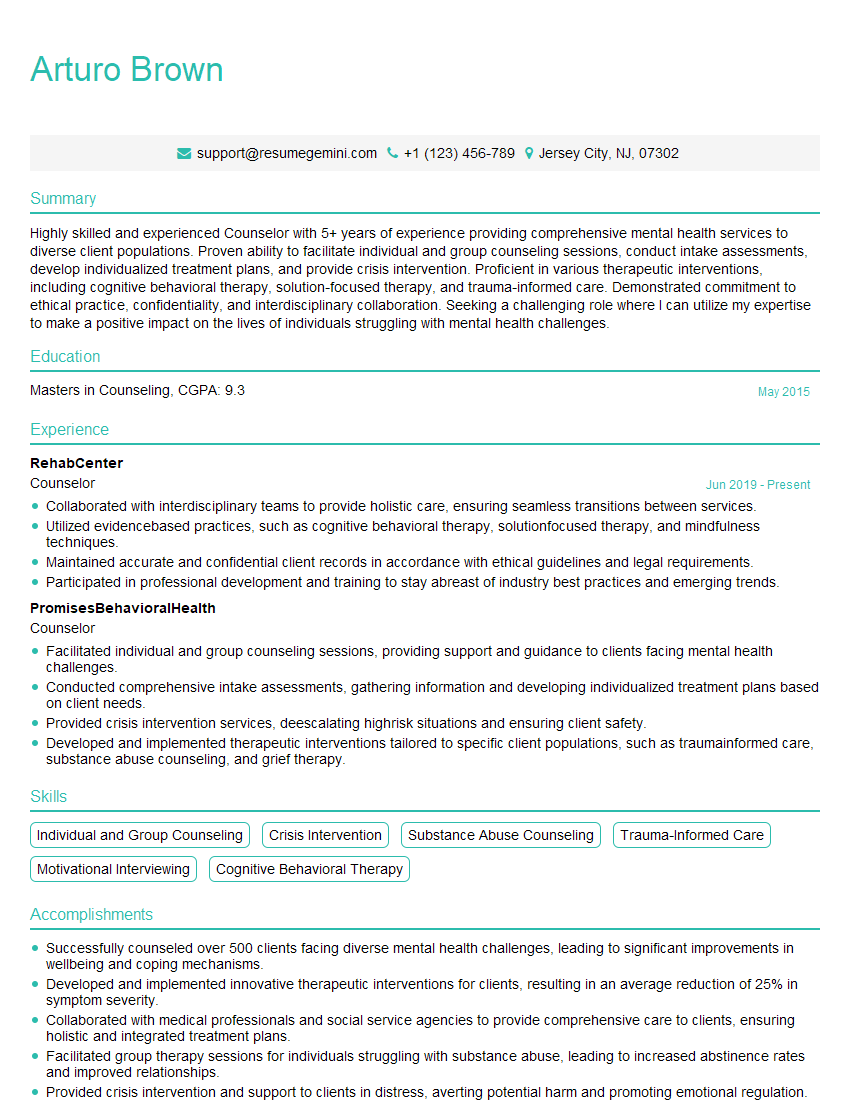
Counselor Resume Sample
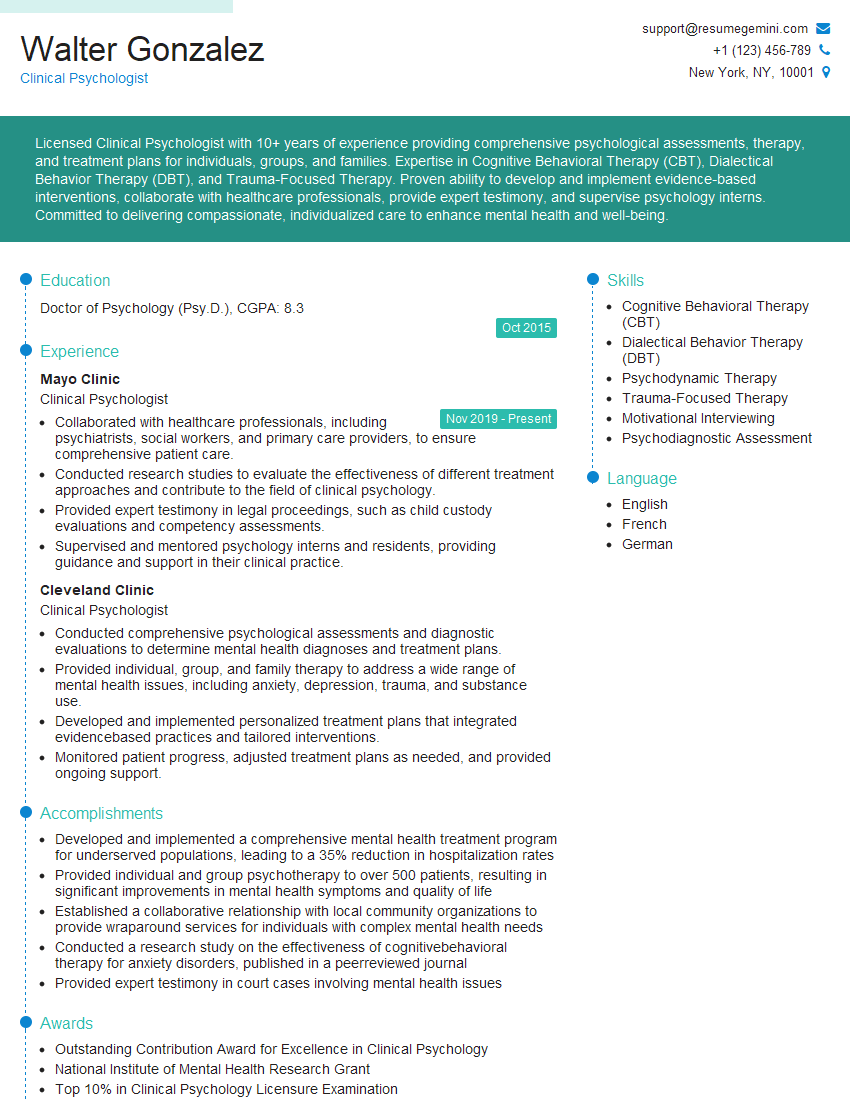
Clinical Psychologist Resume Sample
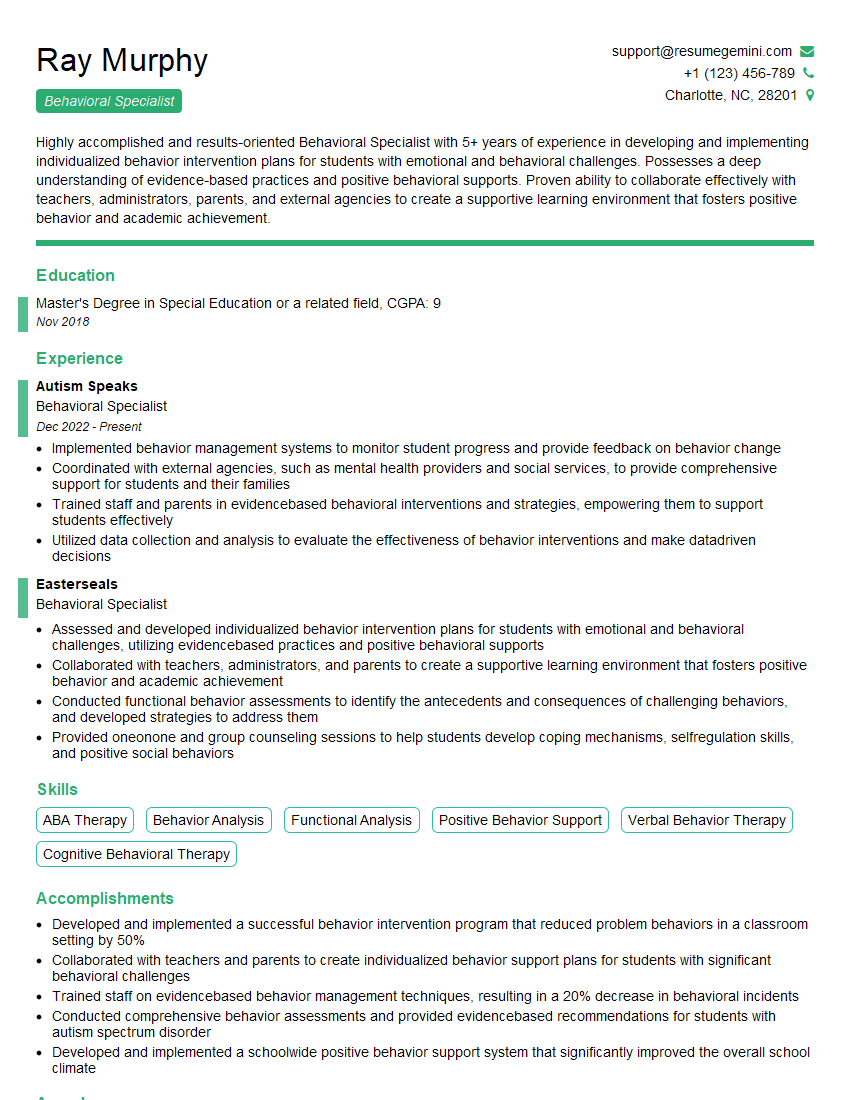
Behavioral Specialist Resume Sample
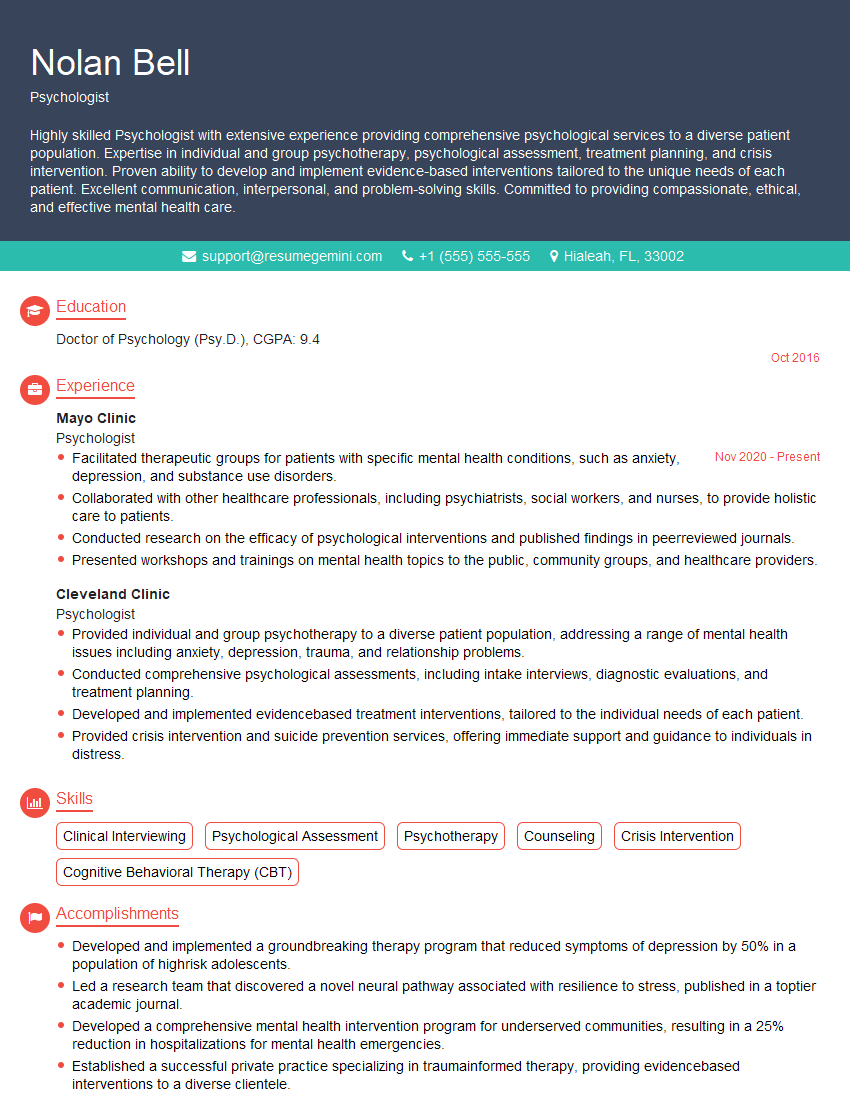
Psychologist Resume Sample
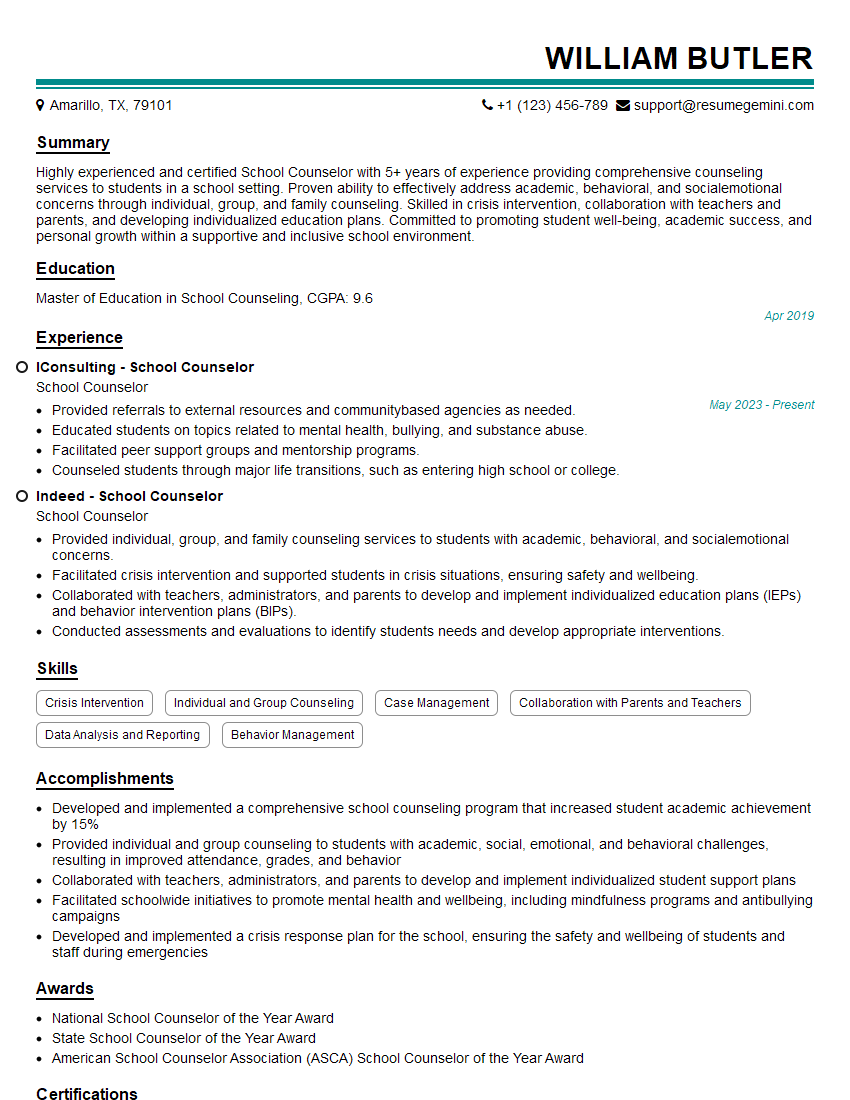
School Counselor Resume Sample
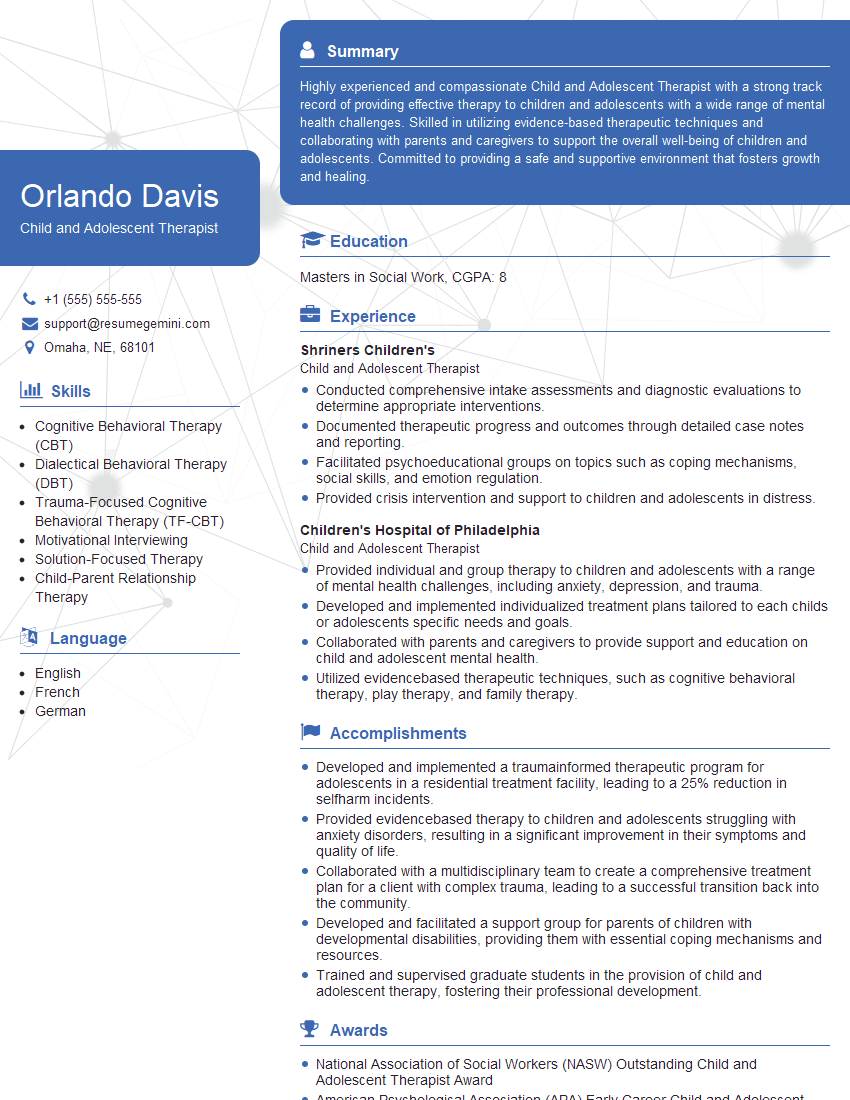
Child and Adolescent Therapist Resume Sample
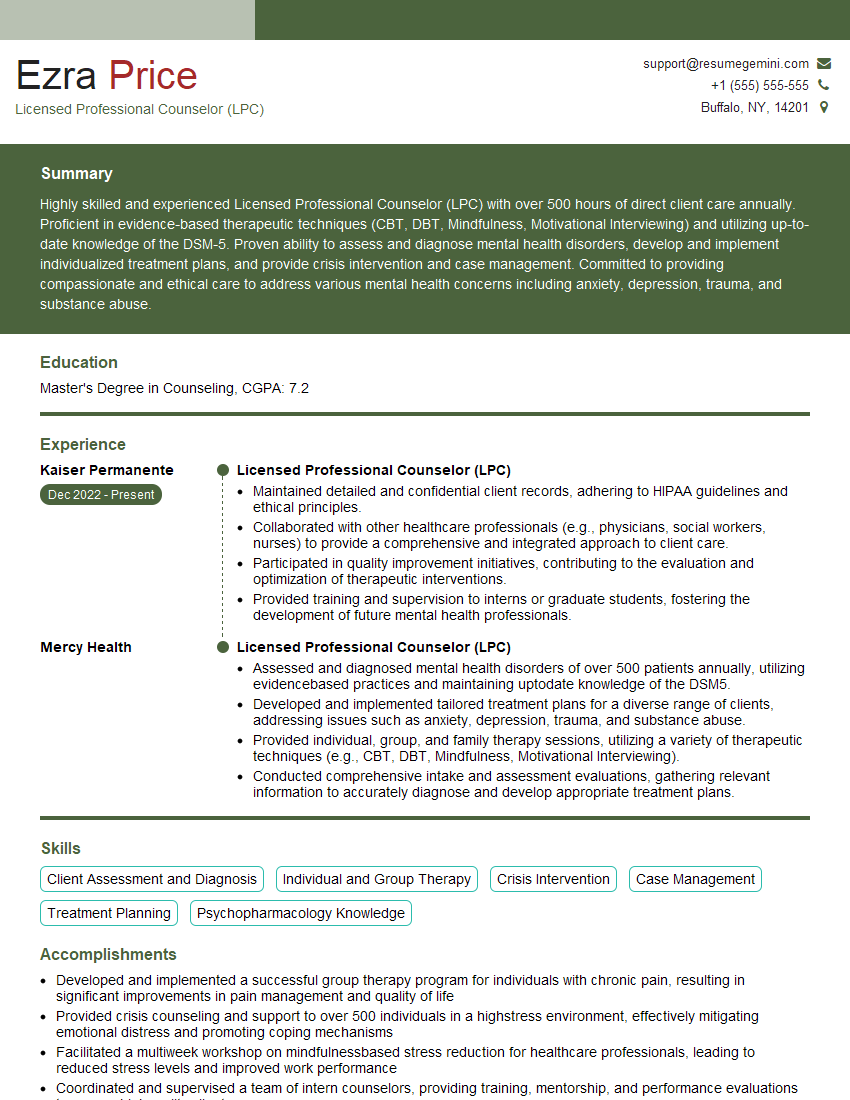
Licensed Professional Counselor (LPC) Resume Sample
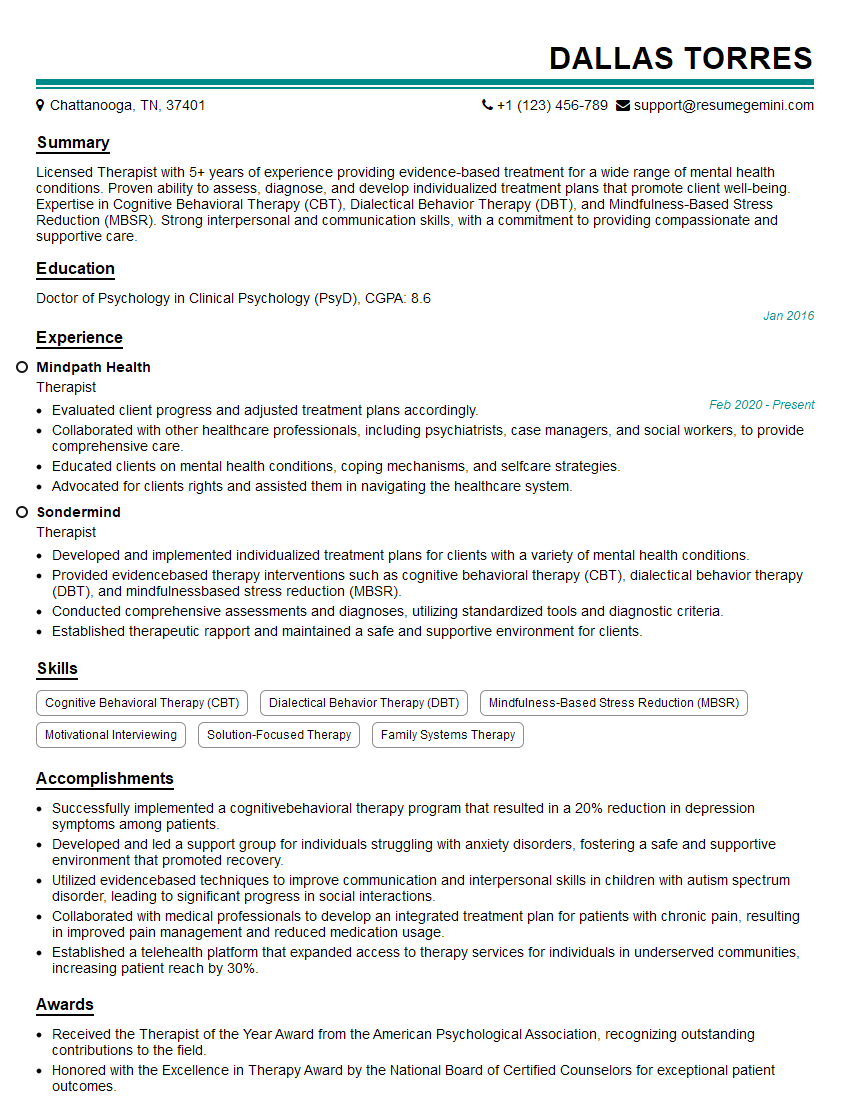
Therapist Resume Sample

Mental Health Counselor Resume Sample
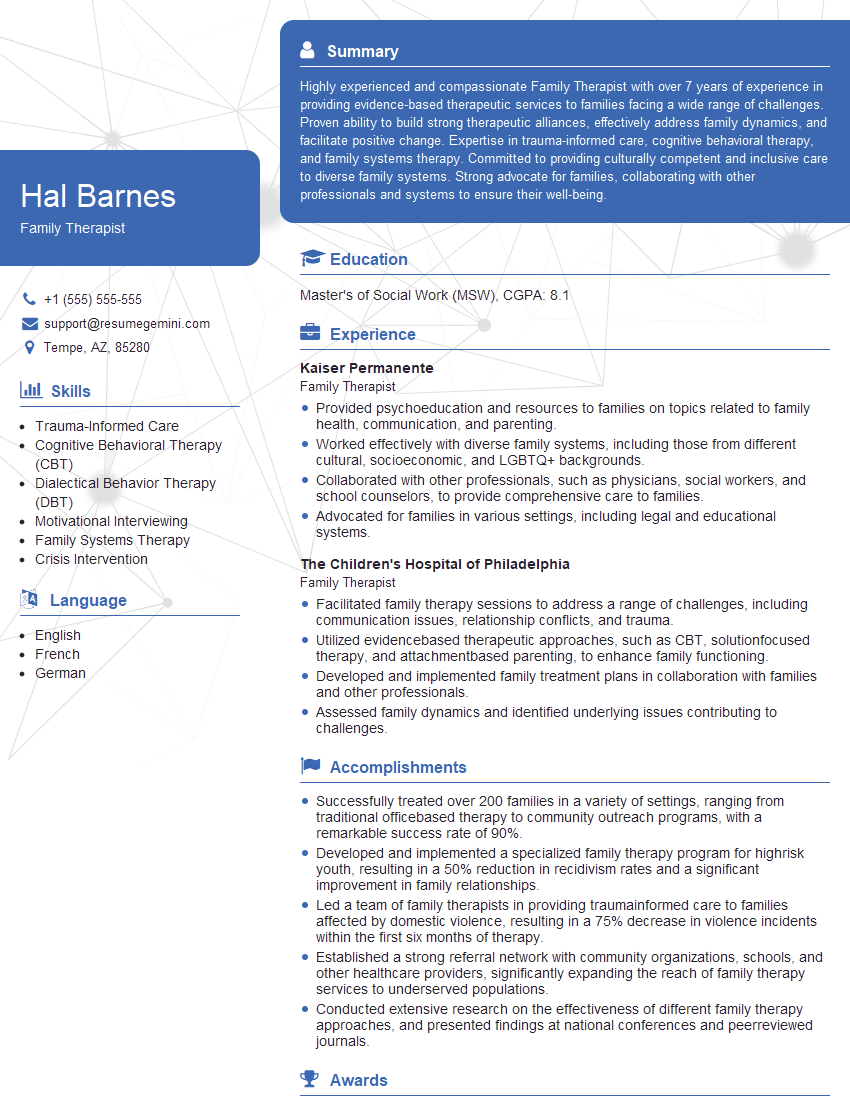
Family Therapist Resume Sample
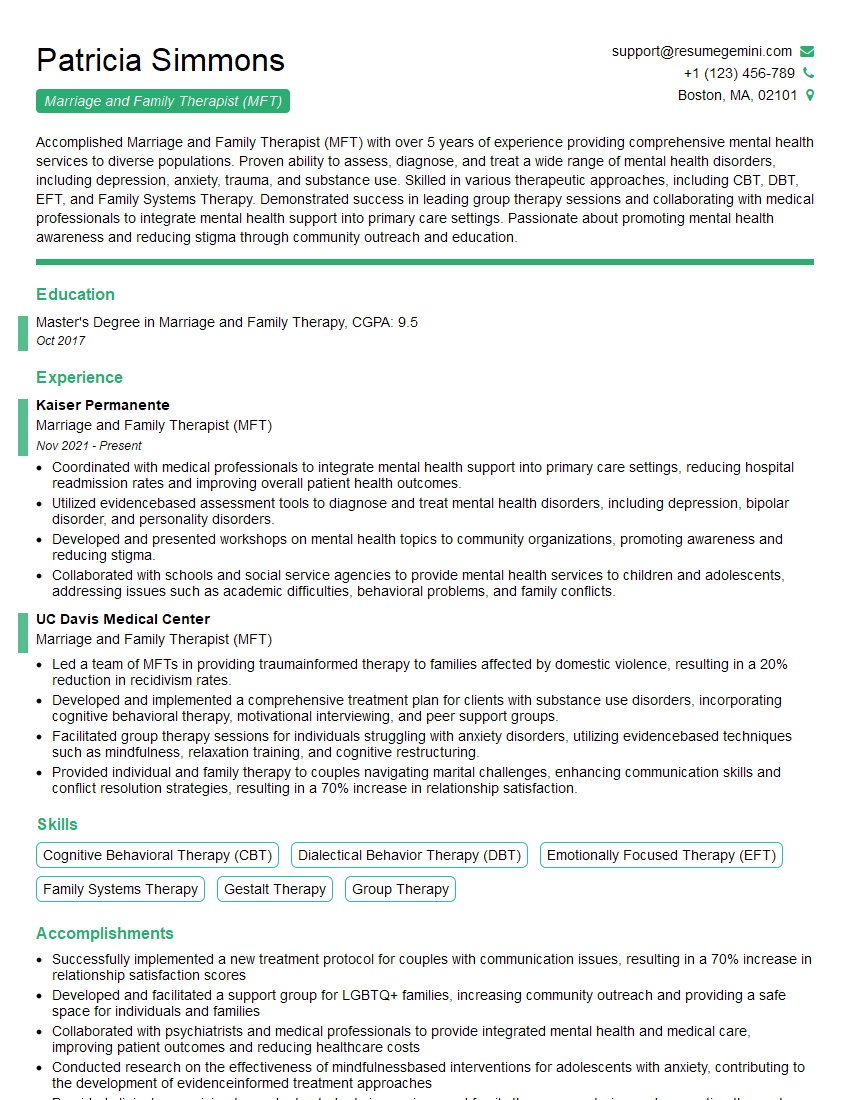
Marriage and Family Therapist (MFT) Resume Sample

Rehabilitation Counselor Resume Sample
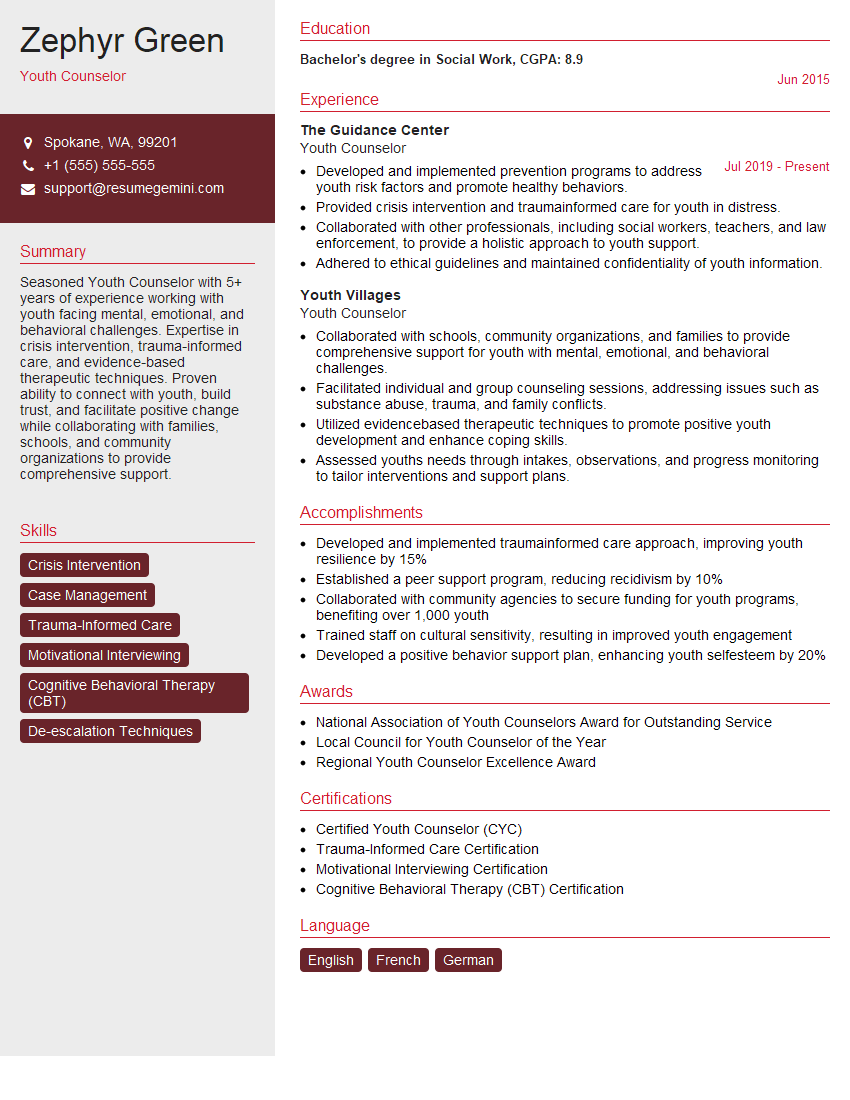
Youth Counselor Resume Sample
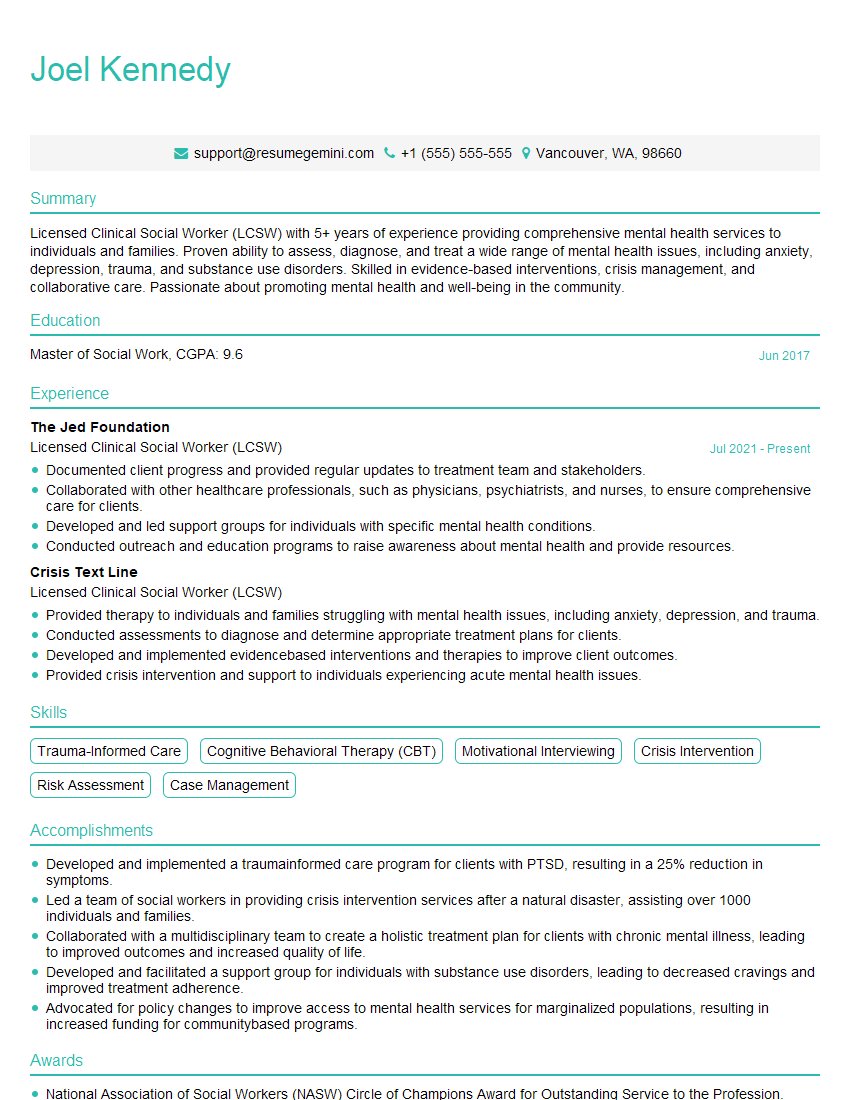
Licensed Clinical Social Worker (LCSW) Resume Sample
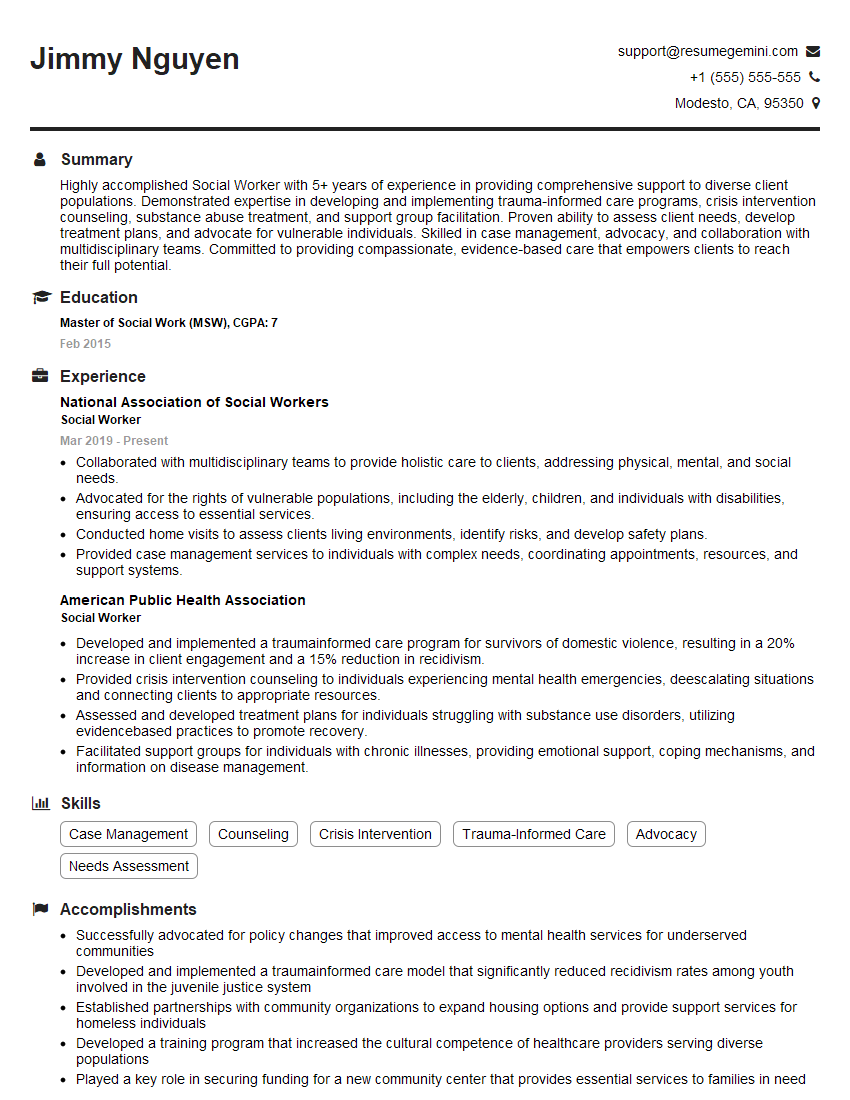
Social Worker Resume Sample
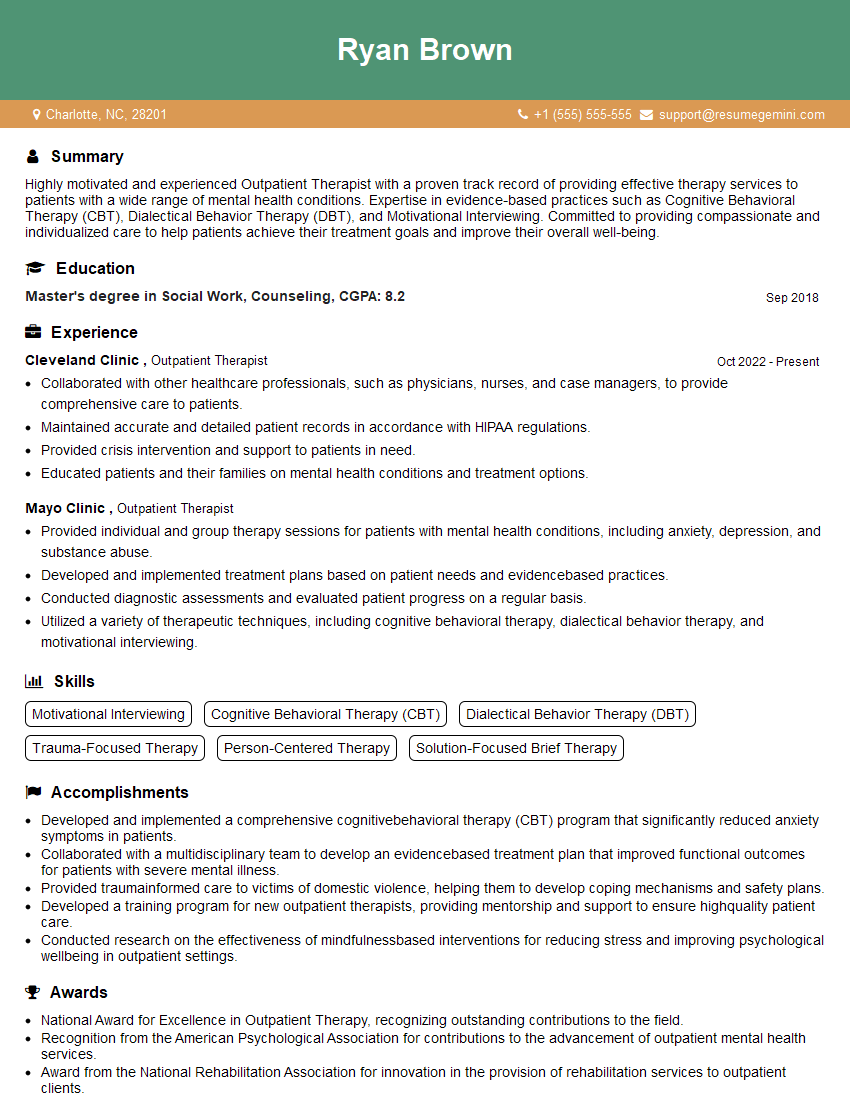
Outpatient Therapist Resume Sample
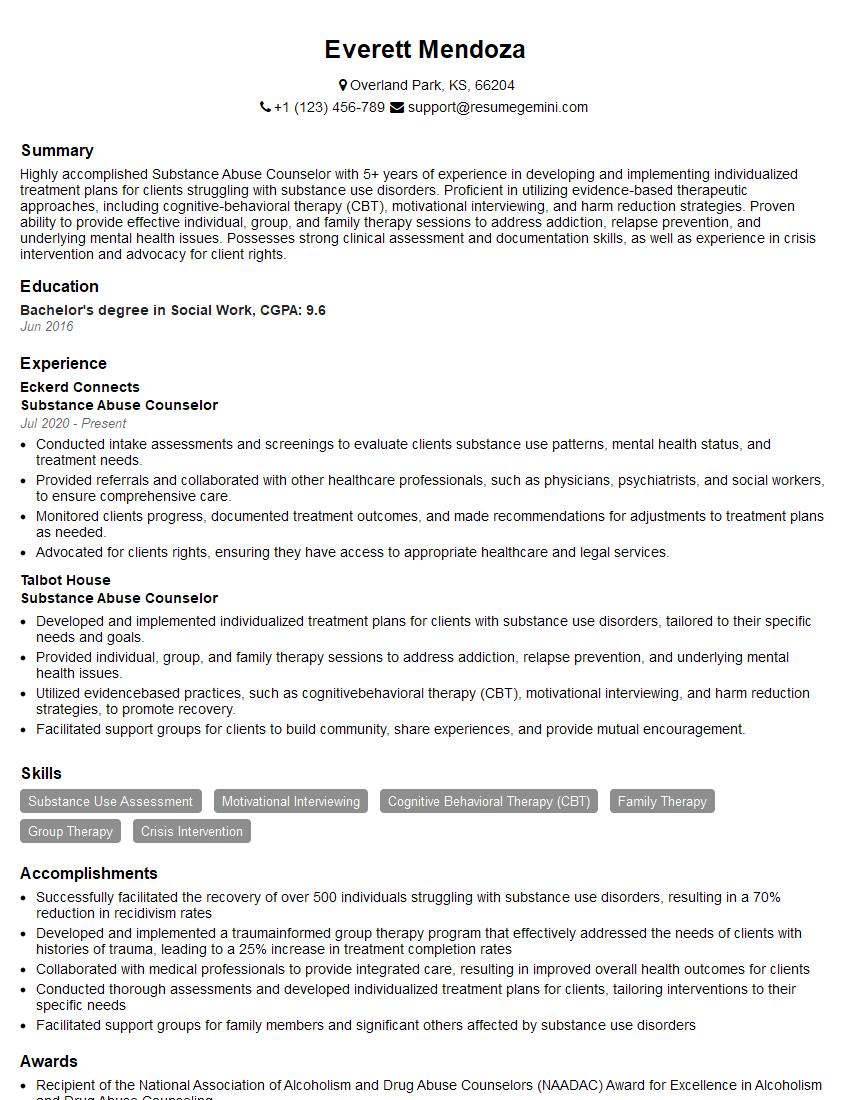
Substance Abuse Counselor Resume Sample
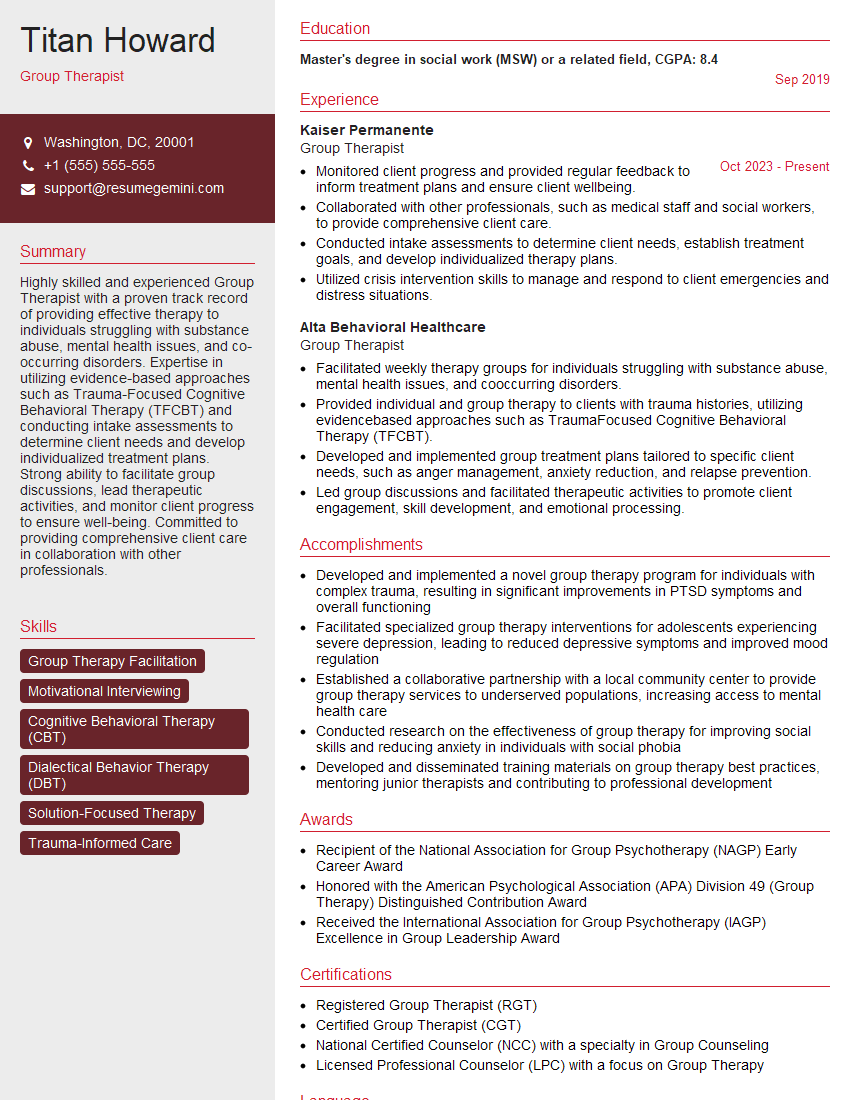
Group Therapist Resume Sample
- Program Director
- Clinical Director
- Case Manager
- Counselor
- Clinical Psychologist
- Behavioral Specialist
- Psychologist
- School Counselor
- Child and Adolescent Therapist
- Licensed Professional Counselor (LPC)
- Therapist
- Mental Health Counselor
- Family Therapist
- Marriage and Family Therapist (MFT)
- Rehabilitation Counselor
- Youth Counselor
- Licensed Clinical Social Worker (LCSW)
- Social Worker
- Outpatient Therapist
- Substance Abuse Counselor
- Group Therapist
Explore more articles
Users Rating of Our Blogs
Share Your Experience
We value your feedback! Please rate our content and share your thoughts (optional).
What Readers Say About Our Blog
To the interviewgemini.com Webmaster.
Very helpful and content specific questions to help prepare me for my interview!
Thank you
To the interviewgemini.com Webmaster.
This was kind of a unique content I found around the specialized skills. Very helpful questions and good detailed answers.
Very Helpful blog, thank you Interviewgemini team.