The thought of an interview can be nerve-wracking, but the right preparation can make all the difference. Explore this comprehensive guide to Historical Site Knowledge interview questions and gain the confidence you need to showcase your abilities and secure the role.
Questions Asked in Historical Site Knowledge Interview
Q 1. Describe your experience with artifact preservation techniques.
Artifact preservation is crucial for ensuring the longevity of historical objects and the integrity of their associated information. It involves a multi-faceted approach encompassing environmental control, conservation treatment, and preventative measures.
My experience includes working with various materials, from delicate textiles to robust stone sculptures. For instance, I was involved in a project where we stabilized a crumbling Roman mosaic using a combination of consolidation techniques and controlled microclimate adjustments. This involved carefully applying consolidants to reinforce the mosaic tesserae while minimizing damage to the original pigments. Another project focused on the preventative preservation of a collection of 18th-century maps, necessitating the control of light, temperature, and humidity within specialized archival storage.
We also employed non-invasive analytical methods, such as X-ray fluorescence (XRF) spectroscopy, to identify the materials used in the artifacts and to better understand their deterioration processes, allowing us to tailor our preservation strategies accordingly. The goal is always to minimize intervention while maximizing the artifact’s long-term stability.
Q 2. Explain the significance of the site’s historical context.
The historical context of a site is paramount – it’s the narrative that breathes life into the physical remains. Understanding this context allows us to interpret the site’s significance, understand its evolution, and connect it to broader historical events and trends. For example, a seemingly simple farmhouse might reveal a wealth of information about agricultural practices, social structures, and economic conditions of a specific time period when considered within its proper historical context.
This includes understanding the site’s chronology – when it was occupied, the different phases of its use, and how those phases might overlap or influence each other. We also consider its geographical location, its relationship to other sites, and the broader socio-political climate during its period of significance. A thorough understanding of the historical context allows for a more nuanced and accurate interpretation, helping visitors to truly connect with the past.
Q 3. How would you handle a conflict between preservation and public access?
Balancing preservation and public access is a constant challenge in historical site management. It requires careful planning and a willingness to compromise. The key is to find creative solutions that allow for visitor engagement while minimizing potential damage to the site.
One approach is to create controlled access points, perhaps using raised walkways or strategically placed viewing platforms to minimize foot traffic in sensitive areas. Another solution is to implement a robust reservation system to manage visitor numbers and prevent overcrowding. We can also utilize digital technologies such as virtual reality tours or interactive displays to offer engaging experiences without requiring direct physical interaction with fragile artifacts or delicate environments. The creation of high-quality educational materials and well-trained docents is also crucial to ensure that visitors understand the importance of preservation and behave responsibly on site.
Q 4. Detail your experience conducting historical research using primary sources.
My historical research relies heavily on primary sources – the raw materials that directly relate to the period under study. This could include anything from letters and diaries to maps, photographs, and archaeological artifacts. I’ve extensively used archival collections, for example, conducting research in the National Archives using letters written by soldiers during the American Civil War to understand their lived experiences. Similarly, I’ve analyzed archaeological excavation reports to reconstruct the daily life of a pre-Columbian civilization.
The process involves careful examination, corroboration with other sources, and a critical assessment of potential biases or limitations in the documents. This requires a deep understanding of historical methodologies, including source criticism, contextual analysis, and the application of relevant theoretical frameworks.
Q 5. What methods do you employ to interpret historical sites for diverse audiences?
Interpreting historical sites for diverse audiences requires a flexible and inclusive approach. I utilize a range of methods tailored to different learning styles and backgrounds. This involves:
- Multi-lingual materials: Providing information in multiple languages to ensure accessibility to visitors from various linguistic backgrounds.
- Sensory experiences: Incorporating interactive exhibits, audio guides, and tactile elements to cater to diverse learning styles and abilities.
- Diverse storytelling: Moving beyond a single dominant narrative, presenting multiple perspectives and acknowledging diverse voices and experiences within the historical context of the site.
- Community engagement: Collaborating with local communities to ensure that the site’s interpretation reflects their history and perspectives.
For example, at one site, we created a tactile map for visually impaired visitors, complemented by an audio guide featuring oral histories from the community. This ensured that everyone could participate in and benefit from the site’s interpretation.
Q 6. How would you develop an educational program for a historical site?
Developing an educational program for a historical site involves a multi-stage process:
- Defining learning objectives: What do we want visitors to learn and understand by the end of their visit?
- Audience analysis: Who are our target audiences (families, school groups, adults)? What are their prior knowledge levels and learning styles?
- Content development: Creating engaging and accessible educational materials, such as guided tours, interactive exhibits, workshops, and online resources. This may involve the creation of thematic trails, storytelling sessions, and hands-on activities.
- Assessment and evaluation: How will we measure the effectiveness of the program? Post-visit surveys and feedback sessions can help gauge visitor satisfaction and learning outcomes.
The program should align with national curriculum standards (if applicable) and incorporate elements of active learning and participatory engagement, promoting a deeper understanding and appreciation of the site’s history and significance.
Q 7. Explain your understanding of site management best practices.
Site management best practices encompass a holistic approach encompassing preservation, interpretation, and visitor management. These practices aim to ensure the long-term sustainability of the site and its ability to serve as a resource for education and public engagement.
Key elements include:
- Preventative conservation: Implementing measures to minimize deterioration, such as controlling environmental factors (temperature, humidity, light) and preventing vandalism.
- Risk management: Identifying and mitigating potential risks, including natural disasters, security threats, and visitor safety concerns.
- Sustainable tourism practices: Managing visitor numbers, minimizing environmental impact, and ensuring responsible tourism practices.
- Community engagement: Involving local communities in the site’s management and interpretation.
- Long-term planning: Developing comprehensive management plans that address the site’s long-term preservation and sustainability.
These practices ensure that historical sites are not only preserved but also remain accessible and engaging for future generations.
Q 8. Describe your experience with budgeting and resource allocation for historical sites.
Budgeting and resource allocation for historical sites is a complex process requiring a deep understanding of preservation needs, visitor experience expectations, and available funding sources. It’s essentially a balancing act.
My approach involves a multi-stage process starting with a comprehensive needs assessment. This includes evaluating the site’s condition, identifying critical preservation needs (e.g., roof repairs, structural stabilization, artifact conservation), and projecting visitor numbers to determine staffing and operational requirements. I then develop a detailed budget, categorizing expenses into preservation, operations, marketing, and program development. This budget is typically broken down into annual and multi-year plans to facilitate long-term strategic planning.
For instance, in my work at the [Fictional Historical Site Name], we prioritized structural stabilization over landscaping improvements in the initial budget because the building’s integrity was paramount. We also secured funding through a phased approach, prioritizing urgent repairs before tackling less critical projects. Resource allocation is then guided by this prioritized budget, ensuring that funds are used effectively and efficiently.
Furthermore, I utilize various financial models and forecasting techniques to optimize resource use. This might involve exploring cost-effective solutions, leveraging volunteer efforts for certain tasks, or securing grants and sponsorships to supplement the existing budget.
Q 9. How would you address visitor safety concerns at a historical site?
Visitor safety is a paramount concern in managing any historical site. A multi-pronged approach is essential.
- Site Assessment and Hazard Mitigation: A thorough safety audit identifying potential hazards (e.g., uneven pathways, crumbling structures, poorly lit areas) is crucial. Addressing these hazards through repairs, signage, or improved lighting is fundamental.
- Emergency Preparedness: Developing and regularly practicing an emergency response plan (including fire safety, medical emergencies, and severe weather protocols) is non-negotiable. This involves establishing clear communication channels, designating emergency assembly points, and training staff in emergency procedures.
- Staff Training: Staff must receive comprehensive training on safety protocols, including first aid, CPR, and emergency procedures. Regular refresher courses maintain competency and enhance responsiveness.
- Signage and Communication: Clear and prominent signage warning of potential dangers and providing important safety instructions is vital. This includes directions, emergency exits, and guidelines for interacting with the site’s features.
- Security Measures: Depending on the site’s nature and vulnerabilities, security measures, such as surveillance systems or security personnel, might be needed to prevent theft, vandalism, and other threats to visitor safety.
For example, at a site with steep, uneven terrain, we implemented a clearly marked pathway with handrails and informative signage cautioning visitors about the incline. We also arranged for regular maintenance to keep the path clear of debris and hazards.
Q 10. What are the ethical considerations in managing a historical site?
Ethical considerations in managing a historical site are multifaceted and demand careful attention. It’s not merely about preserving bricks and mortar; it’s about preserving narratives, honoring diverse perspectives, and acting responsibly towards the past, present, and future.
- Representation and Interpretation: Presenting a balanced and accurate account of history is crucial, avoiding biased or overly simplistic narratives. This requires engaging with diverse scholarly perspectives and acknowledging the complexities of the past, including potentially uncomfortable or challenging aspects.
- Indigenous Rights and Consultations: If the site has significance to Indigenous communities, respecting their rights, engaging in meaningful consultations, and ensuring their perspectives are incorporated into the site’s management and interpretation is essential.
- Environmental Stewardship: Sustainable practices are crucial to minimize the environmental impact of managing the site. This includes reducing carbon footprint, implementing responsible waste management systems, and protecting the site’s natural environment.
- Transparency and Accountability: Openness about the site’s management, finances, and decision-making processes is essential for building public trust. This includes clear communication and mechanisms for feedback and addressing concerns.
- Preservation Ethics: Decisions regarding conservation and restoration must prioritize the long-term preservation of the site while respecting its integrity. This requires careful consideration of intervention methods and adherence to best practices.
For example, when interpreting a site with a history of slavery, we partnered with descendants of enslaved people to develop an exhibition that accurately portrays their experiences and perspectives, avoiding a sanitized or romanticized portrayal of the past.
Q 11. How do you ensure the accessibility of a historical site to all visitors?
Ensuring accessibility for all visitors requires a proactive and holistic approach. It means removing physical, sensory, and cognitive barriers to access and participation.
- Physical Accessibility: This involves providing wheelchair-accessible ramps, pathways, restrooms, and parking. Signage should be clear, legible, and in multiple formats (braille and large print). Assistive listening devices should be available.
- Sensory Accessibility: Consider the needs of visitors with visual, auditory, or other sensory impairments. This might involve providing audio descriptions of exhibits, tactile displays, or quiet areas for sensory overload.
- Cognitive Accessibility: Providing clear, concise, and easy-to-understand information is crucial for visitors with cognitive disabilities. Using plain language, avoiding jargon, and offering multiple formats of information (e.g., visual aids, videos) are important considerations.
- Program Accessibility: Tours, workshops, and other programs should be designed to accommodate visitors with disabilities. This might involve providing sign language interpreters, adapting activities, or offering alternative formats.
- Digital Accessibility: The website and online resources should adhere to accessibility standards (e.g., WCAG guidelines) ensuring that they’re accessible to users with disabilities.
For example, at one site, we developed an audio tour narrated by a visually impaired historian, enriching the experience for everyone while demonstrating accessibility in action.
Q 12. Describe your experience with grant writing and fundraising for heritage projects.
Grant writing and fundraising are essential for securing the financial resources needed to preserve and manage historical sites. It demands strong writing skills, a deep understanding of funding priorities, and persistent networking.
My experience involves crafting compelling grant proposals that clearly articulate the project’s goals, methods, impact, and budget. I tailor proposals to the specific interests and requirements of various funding organizations, highlighting the project’s relevance to their mission and priorities. This often involves researching numerous funding opportunities, both public and private. Successful grant writing involves building strong relationships with funding bodies and demonstrating a thorough understanding of their evaluation criteria.
Fundraising strategies encompass a broader range of activities. I’ve coordinated fundraising events, cultivated relationships with individual donors and corporate sponsors, and developed membership programs to generate ongoing revenue streams. For instance, one successful campaign involved organizing a community fundraiser with participation from local businesses and residents, resulting in significant donations and increased community engagement.
A strong understanding of the project’s narrative and its impact on the community is key to generating support from various funding sources. Clear communication, demonstrating the project’s significance and alignment with the funder’s mission, is essential to secure funding.
Q 13. Explain your knowledge of relevant legislation and regulations for historical site management.
My knowledge of relevant legislation and regulations for historical site management is extensive and constantly updated. This encompasses national, regional, and local laws that protect cultural heritage, regulate preservation activities, and ensure visitor safety.
Key areas include:
- National Historic Preservation Act (NHPA) (or equivalent legislation in your region): Understanding the NHPA’s provisions regarding the identification, evaluation, and protection of historic properties is crucial. This includes the roles of the State Historic Preservation Offices (SHPOs) and the National Register of Historic Places.
- Environmental Regulations: Compliance with environmental laws and regulations relating to land use, pollution control, and waste management is essential. This includes obtaining necessary permits and adhering to environmental best practices.
- Accessibility Standards: Adhering to accessibility regulations (like the Americans with Disabilities Act or equivalent) to ensure equal access for all visitors is vital.
- Building Codes and Safety Regulations: Understanding and complying with building codes and safety regulations regarding structural integrity, fire safety, and electrical systems is crucial to ensure the safety of both staff and visitors.
- Archaeological Regulations: If archaeological excavation is involved, understanding and adhering to regulations for handling and preserving artifacts is paramount.
Staying updated on changes to legislation and regulations is an ongoing process involving regular review of legal updates, participation in professional development opportunities, and consultation with legal experts when needed. This proactive approach ensures compliance and mitigates potential risks.
Q 14. How would you handle damage or vandalism to a historical site?
Handling damage or vandalism to a historical site involves a rapid and systematic response. The process prioritizes immediate safety, preservation of evidence, and restoration.
- Secure the Site: The first step is to secure the site, ensuring the safety of staff and visitors, and preventing further damage. This might involve closing off affected areas and contacting security personnel.
- Document the Damage: Thorough documentation is vital. This includes detailed photographs, notes, and sketches documenting the extent of the damage and the condition of any artifacts. If possible, security camera footage or eyewitness accounts should be collected.
- Preserve Evidence: Handle any damaged artifacts carefully, avoiding further damage. If necessary, engage specialists in artifact conservation.
- Report the Incident: Report the incident to the appropriate authorities, including law enforcement and potentially regulatory agencies. This preserves a legal record of the incident.
- Restoration and Repair: The restoration and repair process requires careful planning, often involving specialists in historical preservation. Work must adhere to conservation ethics and use appropriate materials and techniques.
- Review Security Measures: After the incident, it’s essential to review existing security measures and make any necessary adjustments to enhance site security and prevent future incidents. This might include installing additional security cameras, improving lighting, or enhancing security patrols.
For example, when faced with graffiti on a historical building, we immediately secured the area, documented the damage with detailed photography, and then engaged a specialist conservator to carefully remove the graffiti without harming the original surface. We also increased security patrols in the area and installed additional lighting.
Q 15. What are the key challenges in preserving historical buildings and structures?
Preserving historical buildings and structures presents a multifaceted challenge. It’s a constant battle against the relentless forces of time and the elements. Key issues include:
- Deterioration from the environment: Exposure to weather (rain, sun, frost), pollution, and biological agents (fungi, insects) causes significant damage over time. Think of the erosion of stone carvings or the weakening of wooden beams. Proper waterproofing, pest control, and regular cleaning are crucial.
- Lack of funding: Preservation is expensive! Repairing historic structures often requires specialized skills and materials, making it a costly endeavor. Securing funding from governments, private donors, and grants is a continuous challenge.
- Balancing preservation with modern needs: Sometimes, adapting a historical building for modern use (accessibility, safety codes) can clash with preservation principles. Finding the right balance requires careful planning and often involves compromise.
- Finding skilled labor: Traditional building techniques are often lost, making it difficult to find skilled craftsmen and women capable of undertaking authentic repairs. Mentorship programs and training initiatives are vital to addressing this skill gap.
- Unexpected discoveries: During restoration, unexpected issues (hidden structural problems, previously unknown features) can arise, requiring adjustments to the project scope and budget.
For example, the restoration of Notre Dame Cathedral in Paris after the fire highlighted many of these challenges – sourcing appropriate stone, managing the sheer scale of the project, and balancing historical accuracy with modern safety standards.
Career Expert Tips:
- Ace those interviews! Prepare effectively by reviewing the Top 50 Most Common Interview Questions on ResumeGemini.
- Navigate your job search with confidence! Explore a wide range of Career Tips on ResumeGemini. Learn about common challenges and recommendations to overcome them.
- Craft the perfect resume! Master the Art of Resume Writing with ResumeGemini’s guide. Showcase your unique qualifications and achievements effectively.
- Don’t miss out on holiday savings! Build your dream resume with ResumeGemini’s ATS optimized templates.
Q 16. Describe your experience working with diverse stakeholders (volunteers, donors, government agencies).
Throughout my career, I’ve collaborated extensively with diverse stakeholders. My experience working with volunteers, donors, and government agencies has honed my communication and negotiation skills, enabling me to successfully navigate complex projects.
- Volunteers: I’ve successfully managed teams of volunteers during archaeological digs and site maintenance, fostering a sense of ownership and shared purpose. Clear communication, providing adequate training, and recognizing their contributions are essential.
- Donors: I’ve cultivated relationships with individual donors and foundations, effectively communicating the importance of preservation efforts and securing vital funding. Demonstrating transparency, providing regular updates, and showcasing the impact of donations are crucial.
- Government agencies: I’ve worked with various government departments to obtain permits, secure funding, and navigate regulatory requirements. This involved preparing detailed proposals, adhering to strict guidelines, and demonstrating compliance.
A successful example was securing funding from a local council for a community project to restore a historic mill. This involved presenting a compelling case to the council, demonstrating community support, and addressing their concerns regarding the project’s feasibility and long-term sustainability.
Q 17. How would you communicate complex historical information to a general audience?
Communicating complex historical information to a general audience requires a clear and engaging approach. It’s about making the past relevant to the present.
- Storytelling: Framing historical information as narratives makes it more accessible and memorable. For instance, focusing on individual stories or events within a broader context.
- Visual aids: Images, maps, and interactive exhibits can enhance comprehension and engagement. A well-designed museum exhibit, for example, can tell a story much more effectively than a dense text panel.
- Simple language: Avoiding jargon and using clear, concise language makes the information understandable for everyone. Think carefully about word choice and explain any technical terms.
- Interactive elements: Encouraging audience participation through hands-on activities, games, and discussions can increase understanding and enjoyment.
- Connecting to the present: Showcasing the relevance of the past to contemporary issues makes it more meaningful. For example, demonstrating how past events shape present-day politics or social structures.
For instance, when explaining the complexities of medieval warfare, I would focus on the lives of individual soldiers, using visual representations of weapons and armor, and demonstrating the parallels between medieval siege warfare and modern conflict resolution techniques.
Q 18. What strategies would you use to attract visitors to a historical site?
Attracting visitors to a historical site requires a multi-pronged approach that combines effective marketing, engaging experiences, and convenient access.
- Targeted marketing campaigns: Utilize social media, online advertising, and partnerships with tourism agencies to reach potential visitors.
- Develop compelling narratives: Create engaging stories that highlight the site’s unique features and draw visitors in. Perhaps focus on a specific period or a captivating individual who lived there.
- Offer diverse experiences: Go beyond just a tour; incorporate interactive exhibits, guided walks, workshops, and events to enhance the visitor experience. For example, reenactments, seasonal festivals, or themed evenings can bring the past to life.
- Improve accessibility and convenience: Ensure the site is easily accessible by public transport, offers ample parking, and provides clear signage and visitor facilities. This includes providing information in multiple languages and accommodating visitors with disabilities.
- Build online presence: A well-designed website with high-quality images, interactive maps, and online booking systems is essential.
For example, a successful strategy might involve creating a themed walking tour focusing on the lives of women in the site’s history, promoting it through targeted social media advertising and partnering with local hotels to offer package deals.
Q 19. Explain your understanding of different historical interpretation methodologies.
Historical interpretation methodologies shape how we present the past to audiences. Different approaches cater to various audiences and objectives.
- Traditional/Curatorial Approach: This focuses on presenting facts chronologically and objectively, often seen in traditional museums with detailed displays and informational panels.
- Interpretive Approach: This method goes beyond presenting facts and aims to engage visitors emotionally and intellectually. It uses storytelling, thematic presentations, and interactive exhibits to help visitors connect with the past.
- Postmodern Approach: This approach challenges traditional narratives and explores multiple perspectives, acknowledging biases and complexities within historical accounts. It often includes diverse voices and interpretations.
- Critical Approach: This focuses on challenging power structures and dominant narratives, emphasizing marginalized voices and perspectives. It examines the historical context of the site, including colonialism, oppression, or inequality.
- Experiential Approach: This approach seeks to immerse visitors in the past through sensory experiences, reconstructions, and participatory activities.
Choosing the right methodology depends on the site’s history, target audience, and the desired learning outcomes. A site with a complex and controversial past may benefit from a postmodern or critical approach, while a site aimed at families with young children might utilize an experiential approach.
Q 20. Describe your experience with using digital technologies for historical site management.
Digital technologies have revolutionized historical site management. I have extensive experience using various tools to enhance visitor experience, improve preservation efforts, and broaden access to historical information.
- Virtual Reality (VR) and Augmented Reality (AR): VR tours allow visitors to experience sites remotely or explore inaccessible areas, while AR overlays digital information onto the physical site, enhancing the visitor experience.
- Geographic Information Systems (GIS): GIS mapping helps us understand the site’s layout, analyze spatial relationships, and manage resources efficiently. We can use GIS to create interactive maps for visitors.
- Digital Asset Management (DAM): DAM systems are crucial for organizing and preserving digital photographs, documents, and other records related to the site. This ensures that vital information is accessible and protected.
- Website and Social Media: A well-designed website with engaging content, virtual tours, and online booking systems is essential for reaching wider audiences. Social media platforms are valuable for disseminating information and engaging with visitors.
- 3D Modeling and Scanning: These techniques create detailed digital representations of structures, aiding in preservation planning and documentation. They’re useful for recording the condition of a building before and during restoration.
For example, I used 3D scanning to create a digital replica of a crumbling medieval wall, which allowed for detailed analysis of its structural integrity before undertaking costly repairs. This also allowed us to create a virtual tour accessible to visitors worldwide.
Q 21. How would you conduct a site assessment to determine preservation needs?
Conducting a thorough site assessment is crucial for determining preservation needs. This involves a systematic evaluation of the site’s physical condition, historical significance, and potential threats.
- Document Review: Begin by reviewing existing documentation, including historical records, previous surveys, and architectural plans. This provides context and baseline data.
- Visual Inspection: Conduct a comprehensive visual inspection of all structures and features, noting signs of deterioration, damage, and instability. Photographs and detailed notes are essential.
- Material Analysis: Take samples of building materials to determine their composition and condition. This might involve laboratory testing to assess the extent of deterioration.
- Structural Assessment: Assess the structural integrity of buildings and other structures. This might involve hiring structural engineers to perform detailed evaluations.
- Environmental Assessment: Evaluate the site’s surroundings, including climate conditions, soil composition, and presence of pests or other environmental threats.
- Stakeholder Consultation: Consult with experts, local communities, and other stakeholders to gather information and diverse perspectives.
- Prioritization: Prioritize preservation needs based on urgency, significance, and available resources. Address immediate threats before tackling less urgent issues.
- Documentation and Reporting: Thoroughly document all findings and prepare a comprehensive report detailing the site’s condition, preservation needs, and proposed interventions.
For instance, during an assessment of a historic church, we found that the stone foundation was severely compromised by water damage. This discovery prioritized waterproofing and foundation repair as essential preservation steps before other concerns like restoring stained glass windows could be addressed.
Q 22. What are the various conservation techniques used for different types of materials (e.g., wood, stone, textiles)?
Conservation techniques for historical materials vary greatly depending on the material’s properties and the type of deterioration it’s experiencing. Think of it like treating different illnesses – you wouldn’t use the same medicine for a broken bone as you would for a cold.
- Wood: Wood is vulnerable to rot, insect infestation, and warping. Conservation might involve stabilizing the wood with consolidants (like Paraloid B-72), treating insect infestations with insecticides (after careful assessment and under strict guidelines), and carefully repairing cracks and losses with compatible wood fillers. Sometimes, controlled microclimates are essential to prevent further damage. For example, regulating humidity levels is crucial to prevent further cracking and splitting.
- Stone: Stone suffers from weathering, salt efflorescence (salt deposits migrating to the surface), and physical damage. Conservation often includes cleaning (using gentle methods to avoid further abrasion), consolidating loose stone with specialized mortars or resins, and repairing cracks with compatible materials. Understanding the stone’s type (e.g., limestone, granite) is critical, as different stones have different vulnerabilities and require tailored approaches.
- Textiles: Textiles are susceptible to degradation from light, moisture, and pests. Conservation techniques involve careful cleaning (often using vacuuming and very gentle wet cleaning), mending tears and holes with compatible threads, and storing textiles in controlled environments with low light and stable humidity and temperature to prevent further degradation. Sometimes, specialized supports are necessary to prevent further stress on fragile fabrics.
In all cases, meticulous documentation of every step of the conservation process is crucial, forming a detailed treatment record for future reference.
Q 23. How do you maintain accurate and detailed records of historical artifacts and sites?
Maintaining accurate and detailed records is paramount in historical site management. Think of it as creating a living history for every artifact and site. This involves a multi-faceted approach:
- Detailed inventories: Each artifact or element of a site should have a unique identification number and a comprehensive record including material, dimensions, condition assessment, provenance (history of ownership), and any associated documentation (e.g., photographs, historical records). Software like collections management systems (e.g., PastPerfect) greatly assist in this process.
- Photography and digital imaging: High-resolution photography and 3D scanning provide detailed visual documentation of artifacts and sites. This allows for monitoring of changes over time and provides valuable information for conservation and research purposes. This is particularly important for fragile materials.
- Condition assessments: Regular condition assessments document the state of preservation of artifacts and sites, noting any signs of deterioration and recording interventions made. This allows for proactive conservation strategies and helps track the effectiveness of conservation treatments. Using standardized condition reporting forms is essential.
- Archival storage: All documentation must be stored securely and accessibly, using archival-quality materials to prevent damage to the records themselves. Digitization of records enhances preservation and access for future researchers.
By implementing these systems, a comprehensive record of historical artifacts and sites is maintained, allowing for informed decisions regarding future preservation and research efforts.
Q 24. Explain your understanding of environmental factors affecting site preservation.
Environmental factors significantly impact the preservation of historical sites. Imagine the relentless forces of nature constantly acting upon these structures – it’s a constant battle against decay. Key factors include:
- Climate: Temperature fluctuations, humidity changes, and rainfall can cause significant damage to materials, leading to cracking, expansion, contraction, and even chemical deterioration. Think of the effects of freeze-thaw cycles on stone or the impact of high humidity on wooden structures and textiles.
- Pollution: Air pollution can contribute to material degradation, especially in urban environments. Acid rain, for instance, can corrode stone and metal objects. The effects might not be immediately apparent, but they are significant over time.
- Biological factors: Plants, insects, and microorganisms can damage historical materials. Roots can break apart stonework, insects can bore holes into wood, and molds can cause discoloration and structural damage to organic materials. Pest control in historical sites requires specialized approaches to minimize harm to the structures.
- Ground water: Waterlogged soils can cause significant damage to foundations and subsurface structures, leading to instability and deterioration. This is often a hidden threat and needs careful monitoring.
Understanding these environmental threats allows for the implementation of protective measures, such as environmental monitoring, climate control within structures, and appropriate drainage systems to mitigate risks.
Q 25. Describe your experience managing volunteers or interns at a historical site.
My experience managing volunteers and interns at historical sites involves fostering a positive and productive learning environment while ensuring the safety and preservation of the site. It’s about building a team committed to the shared goal of preservation.
- Structured Training: I provide thorough training on site-specific safety procedures, handling artifacts, and the overall mission of the site. This often includes health and safety training and training on correct handling techniques to minimize the risk of damage to artifacts.
- Clear Roles and Responsibilities: I assign tasks appropriate to each individual’s skills and experience, ensuring everyone feels valued and has a clear understanding of their responsibilities. This prevents confusion and ensures tasks are executed efficiently.
- Regular Supervision and Feedback: I provide regular supervision, offering guidance and feedback to ensure quality work and a safe environment. This also gives me the opportunity to assess learning and identify areas needing further training or support.
- Team Building: I encourage team collaboration, creating a supportive environment where volunteers and interns feel comfortable asking questions and sharing ideas. Team spirit helps maintain motivation and ensures everyone feels part of the site’s story.
For example, at the [Name of Site], I successfully managed a team of 10 interns who assisted with cataloging artifacts, conducting research, and providing visitor tours. This increased efficiency and promoted a strong sense of ownership among the team members.
Q 26. How would you create a compelling narrative for a historical site?
Creating a compelling narrative for a historical site involves weaving together various elements to connect visitors with the past in a meaningful way. Think of it as storytelling on a grand scale.
- Research and Interpretation: Thorough research is the foundation. This involves understanding the site’s history, the people who lived there, and the significant events that shaped it. The challenge is then to interpret this information in an engaging and accessible manner for the target audience.
- Target Audience: Consider your target audience – are you aiming for families, students, or history buffs? Tailor your narrative accordingly, using appropriate language and presenting information in a way that resonates with them. Using interactive displays and multilingual information can broaden the appeal.
- Storytelling Techniques: Use narrative techniques such as setting the scene, introducing key characters, and creating a sense of drama or suspense. Incorporate compelling visuals like photographs, artifacts, and multimedia presentations to enhance the experience.
- Emotional Connection: Aim to create an emotional connection with the visitors, making them feel as though they’re stepping back in time. This might involve highlighting personal stories, creating immersive experiences, and letting artifacts speak for themselves.
For instance, at [Name of Site], we used personal diaries and letters to bring the lives of past residents to life, creating a more personal and engaging experience than simply presenting factual information. We created interactive elements like touch screens to appeal to a younger audience.
Q 27. What are the best practices for developing and implementing a site maintenance plan?
Developing and implementing a site maintenance plan is crucial for long-term preservation. Think of it as preventative medicine for your historical site.
- Assessment and Prioritization: Begin with a thorough assessment of the site’s condition, identifying areas requiring immediate attention and those that can be addressed later. This might involve structural surveys, material assessments, and environmental monitoring.
- Preventive Maintenance: Regular cleaning, minor repairs, and monitoring of environmental conditions are key to preventing major problems. This is often more cost-effective than dealing with significant deterioration later. Establish a preventative maintenance schedule for various systems like heating, plumbing, and security.
- Corrective Maintenance: Develop a system for responding to unexpected issues or damage. This might involve emergency repairs, disaster planning, and establishing relationships with specialists who can address complex issues.
- Budgeting and Resource Allocation: Accurate budgeting is crucial. Factor in costs for materials, labor, and specialized services. Secure funding through grants, donations, or institutional support.
- Documentation and Monitoring: Maintain detailed records of all maintenance activities, including dates, descriptions of work performed, materials used, and costs incurred. Regularly monitor the effectiveness of the maintenance plan and adapt it as needed.
A well-structured maintenance plan safeguards the site’s integrity and ensures its longevity for future generations.
Q 28. How familiar are you with various types of historical maps and their interpretation?
I’m highly familiar with various types of historical maps and their interpretation. Historical maps are invaluable tools for understanding past landscapes and the evolution of settlements. Understanding them is like having a window into the past.
- Cadastral Maps: These maps show land ownership and boundaries, providing insights into property distribution and economic activity in the past. They are important for understanding land use over time.
- Topographic Maps: These maps illustrate the physical features of a landscape, including elevation, rivers, and roads. They are helpful in understanding how the environment might have influenced the development of settlements or the construction of historical sites. Analyzing changes in topography over time can also reveal significant information.
- Sanborn Maps: These detailed fire insurance maps show the construction and layout of buildings, often providing invaluable information about the design and development of urban areas. They can be incredibly detailed, even showing materials and the number of stories.
- Military Maps: Military maps reveal strategic locations and fortifications, revealing military strategy and movements in times of conflict. These maps sometimes include surprising details about the terrain and the context of military campaigns.
Interpreting historical maps requires understanding the cartographic conventions of the time period, recognizing symbols and notations, and being aware of potential inaccuracies or biases. I’m proficient in using GIS (Geographic Information Systems) software to analyze and visualize historical map data, allowing for a deeper understanding of the spatial relationships and changes over time.
Key Topics to Learn for Historical Site Knowledge Interview
- Site Interpretation & Presentation: Understanding different interpretive techniques (e.g., storytelling, thematic presentations) and their application to diverse audiences and site contexts.
- Historical Research & Analysis: Applying research methodologies to historical sources (primary and secondary) to build a comprehensive understanding of a site’s history and significance.
- Preservation & Conservation: Knowledge of preservation ethics, techniques, and challenges related to maintaining the physical integrity and historical context of a site.
- Visitor Experience & Management: Designing and managing engaging visitor experiences, addressing accessibility needs, and ensuring site safety and security.
- Site Management & Operations: Understanding the logistical aspects of running a historical site, including budgeting, staffing, and maintenance.
- Public Programming & Outreach: Developing and implementing educational programs, tours, and events to connect with diverse audiences and promote historical understanding.
- Legal & Ethical Considerations: Awareness of relevant laws, regulations, and ethical guidelines concerning historical preservation, cultural sensitivity, and public access.
- Marketing & Promotion: Strategies for attracting visitors and promoting the historical site to potential audiences.
- Curatorial Practices: Understanding the principles of collection management, artifact care, and exhibition design within a historical site context.
Next Steps
Mastering Historical Site Knowledge opens doors to exciting and rewarding careers in heritage preservation, tourism, and education. To maximize your job prospects, crafting a strong, ATS-friendly resume is crucial. ResumeGemini can help you build a professional resume that highlights your skills and experience effectively. We offer examples of resumes tailored specifically to Historical Site Knowledge roles, providing you with a head start in showcasing your qualifications. Take the next step towards your dream career – build your best resume with ResumeGemini.
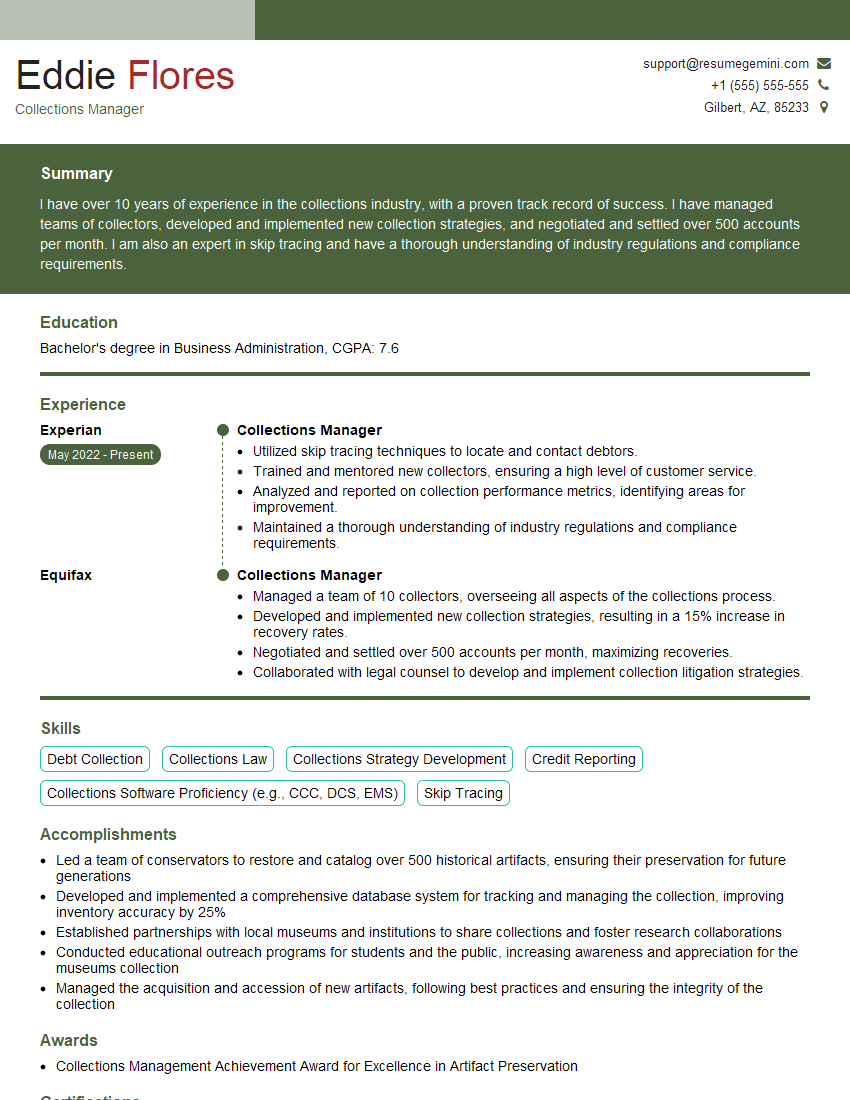
Collections Manager Resume Sample
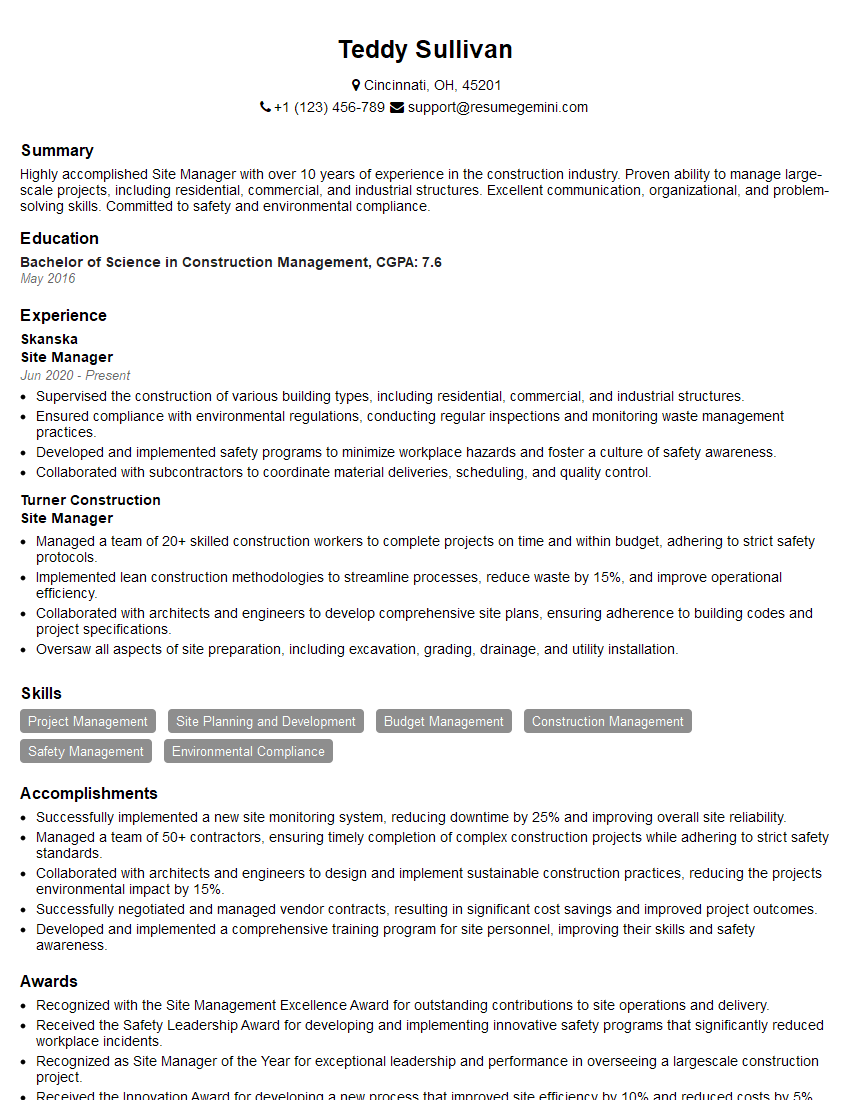
Site Manager Resume Sample
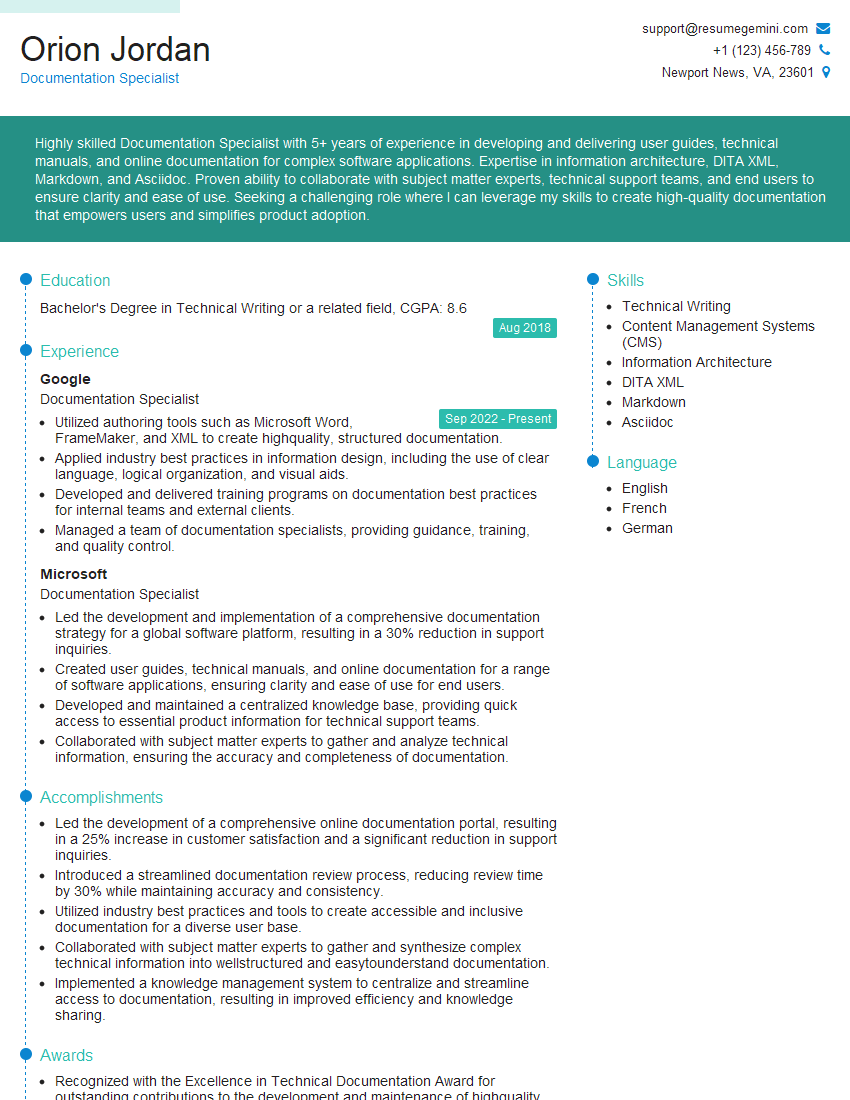
Documentation Specialist Resume Sample
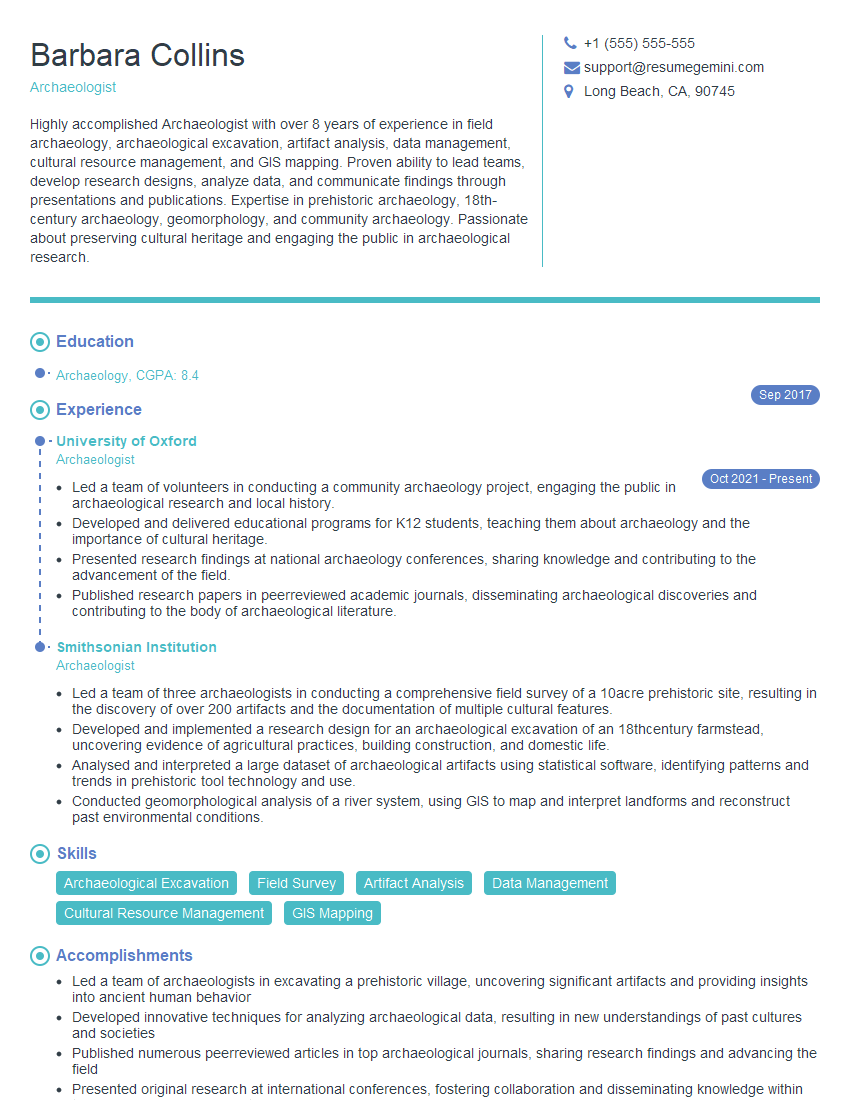
Archaeologist Resume Sample
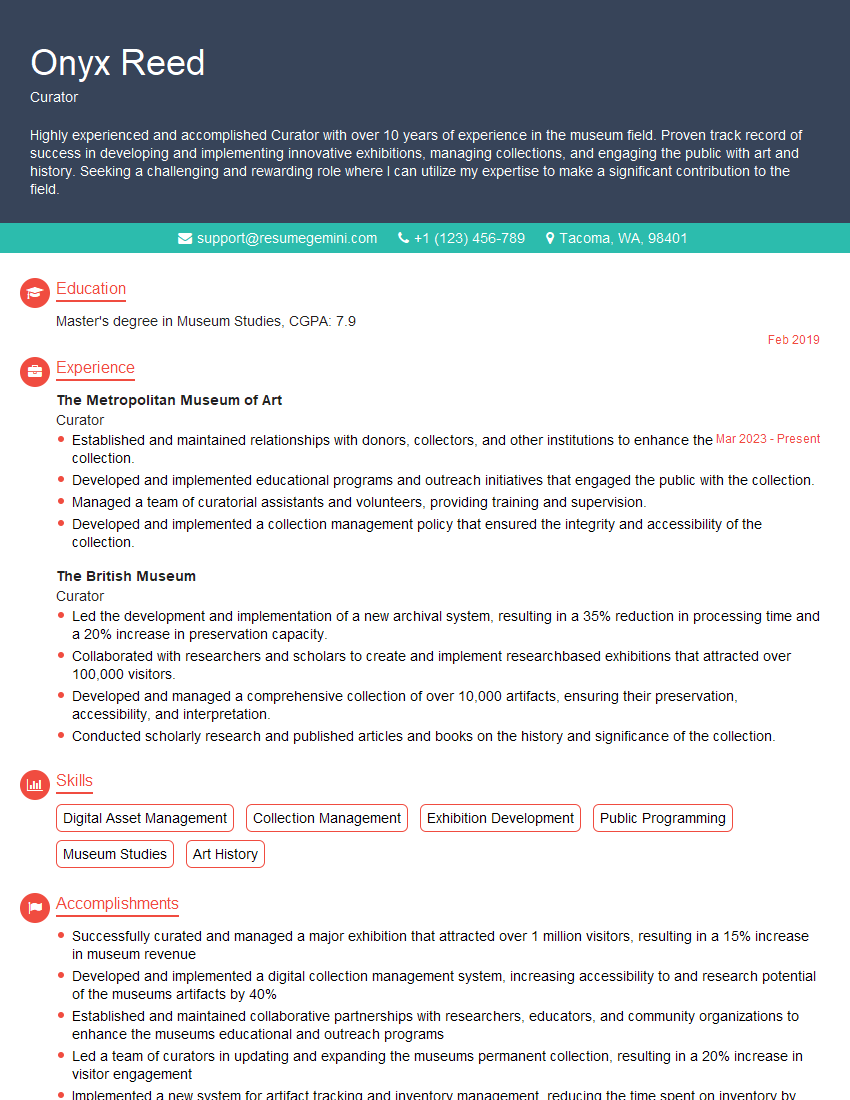
Curator Resume Sample
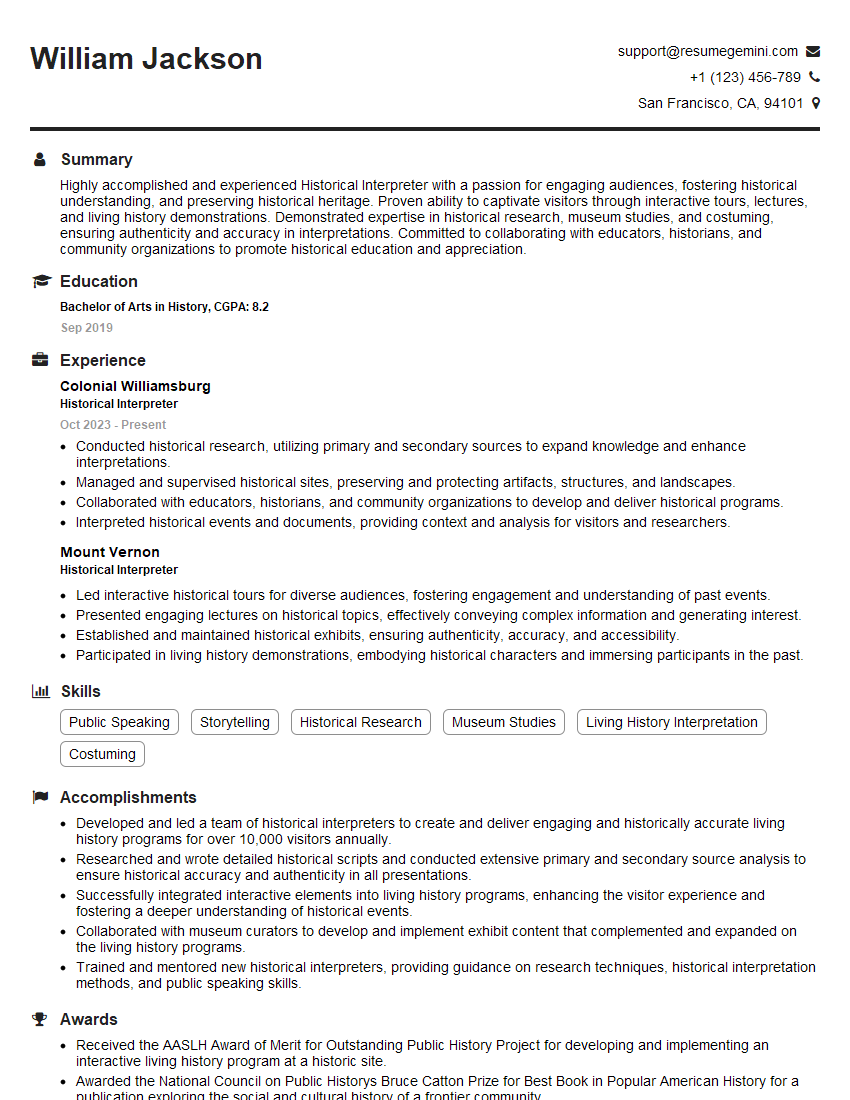
Historical Interpreter Resume Sample
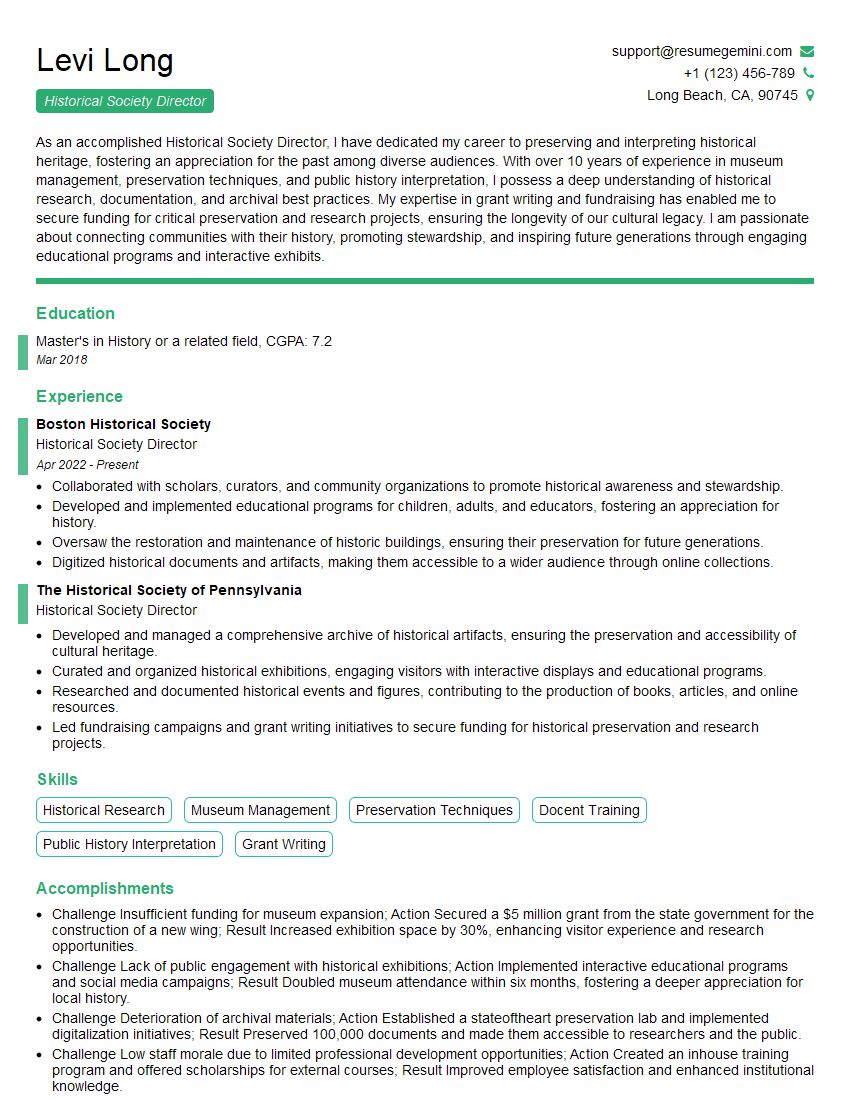
Historical Society Director Resume Sample
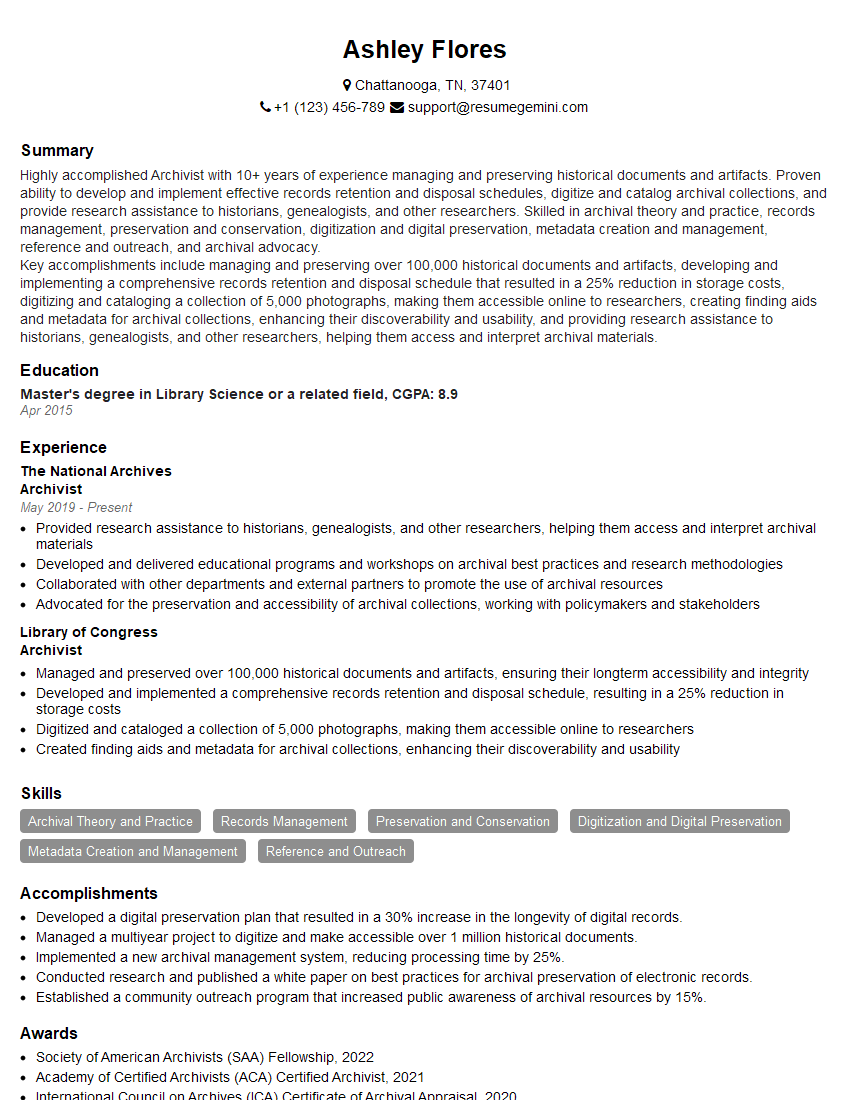
Archivist Resume Sample
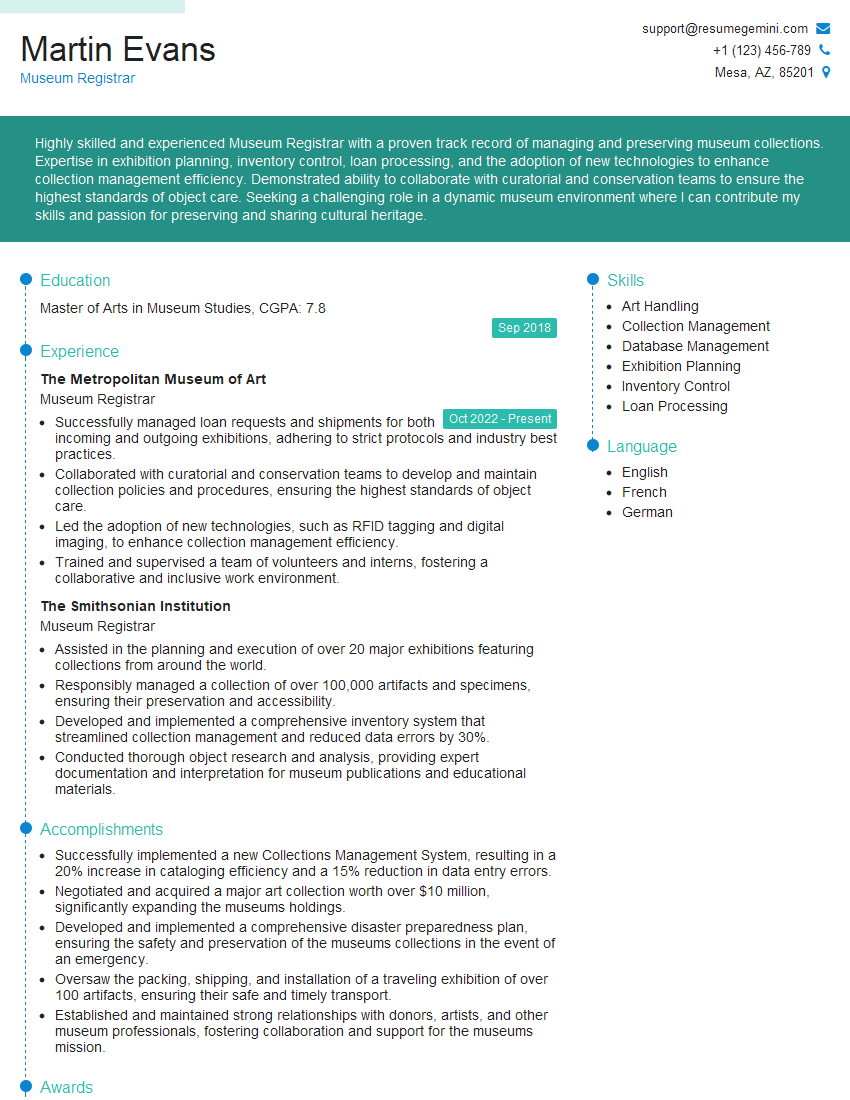
Museum Registrar Resume Sample
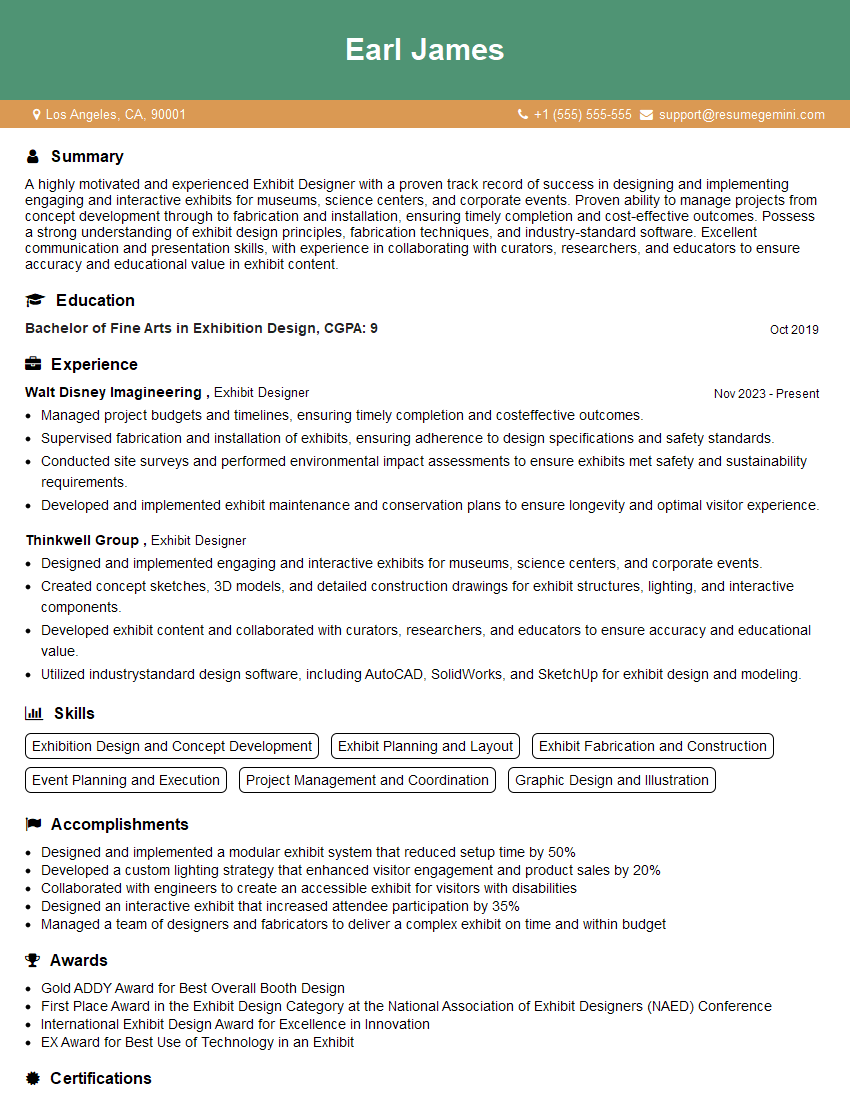
Exhibit Designer Resume Sample
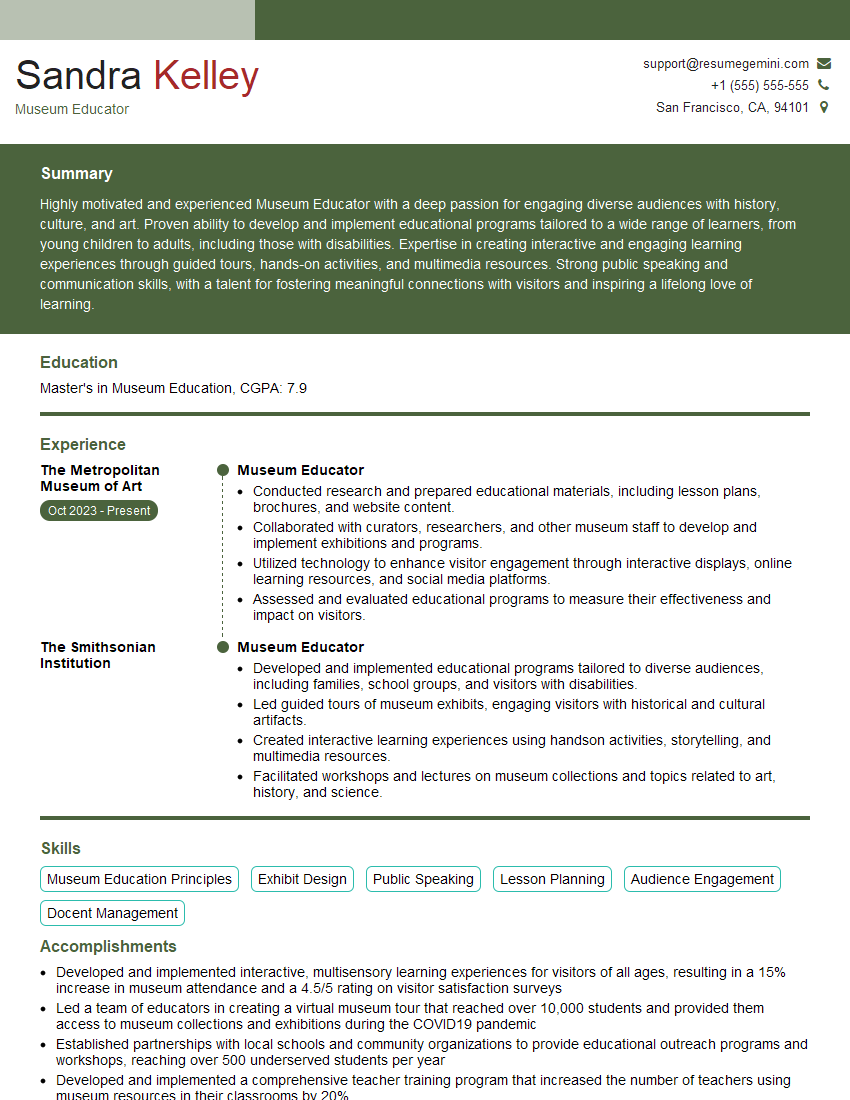
Museum Educator Resume Sample
Explore more articles
Users Rating of Our Blogs
Share Your Experience
We value your feedback! Please rate our content and share your thoughts (optional).
What Readers Say About Our Blog
To the interviewgemini.com Webmaster.
Very helpful and content specific questions to help prepare me for my interview!
Thank you
To the interviewgemini.com Webmaster.
This was kind of a unique content I found around the specialized skills. Very helpful questions and good detailed answers.
Very Helpful blog, thank you Interviewgemini team.