Cracking a skill-specific interview, like one for Historical Site Management, requires understanding the nuances of the role. In this blog, we present the questions you’re most likely to encounter, along with insights into how to answer them effectively. Let’s ensure you’re ready to make a strong impression.
Questions Asked in Historical Site Management Interview
Q 1. Describe your experience in developing and implementing preservation plans for historical structures.
Developing and implementing preservation plans for historical structures requires a multi-faceted approach combining meticulous research, careful planning, and skilled execution. It begins with a thorough assessment of the structure’s condition, identifying areas of deterioration and potential risks. This involves employing techniques like material analysis, structural surveys, and historical research to understand the building’s history and original construction methods. For example, while working on the restoration of a Victorian-era mansion, we utilized laser scanning to create a 3D model, allowing for precise analysis of structural weaknesses and informing our decisions regarding repairs and stabilization.
Following the assessment, a comprehensive preservation plan is developed. This document outlines specific preservation goals, detailed methodologies, a projected timeline, and a budget. The plan should clearly articulate the strategies for addressing identified issues, such as repairing deteriorated masonry, stabilizing foundations, or mitigating water damage. We always prioritize the use of historically appropriate materials and techniques wherever possible, ensuring the authenticity and integrity of the site are maintained. For instance, in the mansion project, we sourced lime mortar specifically matched to the original composition, ensuring a seamless and historically accurate repair. Regular monitoring and documentation of progress are essential components of the implementation phase to guarantee effectiveness and allow for adjustments as needed.
Q 2. Explain your approach to managing budgets and resources within a historical site setting.
Managing budgets and resources at a historical site demands careful planning and prioritization. We begin by creating a detailed budget that accounts for all anticipated expenses, including personnel costs, material purchases, maintenance, and potential emergencies. This budget serves as a roadmap, allowing for regular monitoring and adjustments as the project progresses. We leverage various funding sources including grants, donations, and government subsidies, seeking the most advantageous options for each specific need.
Resource allocation is crucial. We utilize project management software to track expenses, schedule tasks, and allocate resources effectively. This approach ensures that funds are used judiciously and that projects are completed on time and within budget. For instance, during the restoration of a historic mill, we used a phased approach, prioritizing essential structural repairs before moving to cosmetic restorations, which allowed for the most efficient use of resources and prevented budget overruns. Regular financial reporting and transparent communication with stakeholders ensure accountability and informed decision-making.
Q 3. How do you ensure the safety and security of artifacts and historical structures under your care?
Ensuring the safety and security of artifacts and historical structures is paramount. This involves a layered approach encompassing environmental controls, physical security measures, and comprehensive documentation. Environmental controls, such as climate control systems, protect artifacts from degradation caused by fluctuating temperatures and humidity levels. We meticulously monitor these parameters, making adjustments to preserve optimal conditions.
Physical security involves measures such as alarm systems, security cameras, controlled access, and regular patrols. We collaborate with law enforcement agencies to develop emergency response plans and conduct regular security assessments to identify and address any vulnerabilities. Comprehensive documentation, including detailed inventories and high-resolution images, is essential for insurance purposes and for tracking the condition of artifacts over time. This allows us to quickly assess the impact of any potential damage and aids in restoration efforts. For instance, each artifact in our museum collection is individually barcoded and logged in a digital database, enhancing tracking and security. This multi-layered system significantly minimizes risks and safeguards our historical assets.
Q 4. Describe your experience in managing visitor access and flow at a historical site.
Managing visitor access and flow at a historical site requires a balance between providing a positive visitor experience and preserving the site’s integrity. We design visitor pathways that minimize damage to sensitive areas while providing clear and engaging access to key exhibits and points of interest. Signage plays a critical role in guiding visitors, offering important information, and enhancing their understanding of the site’s significance. For a large site, this might involve creating multiple entry and exit points to control congestion.
We utilize technology, such as online booking systems and mobile apps, to manage visitor numbers and provide information proactively. These tools allow us to forecast crowds and allocate resources accordingly, minimizing wait times and preventing overcrowding. In addition, we might implement timed entry systems or guided tours to control visitor flow and ensure a consistent, positive experience for all. For example, a popular historical home may utilize timed tickets to avoid long queues and over-crowding within the house itself, allowing for a better viewing experience.
Q 5. What strategies do you employ to engage diverse audiences with historical content?
Engaging diverse audiences requires tailoring our approach to resonate with different interests and backgrounds. This involves developing programs and exhibits that are inclusive, accessible, and relevant to a wide range of visitors. For example, we might offer interactive exhibits for children, audio tours in multiple languages, and specialized programs for seniors or people with disabilities. We also consider diverse perspectives in interpreting historical narratives, avoiding generalizations and promoting nuanced understandings of the past.
We actively seek community input and build partnerships with local organizations to enhance engagement. This can involve hosting community events, collaborating with local schools, and offering workshops and educational programs that tie in with community interests. Using social media and digital platforms is also essential to reach a broader audience and engage with them in a dynamic manner. For example, we might develop a social media campaign highlighting untold stories from the site’s history to attract broader interest.
Q 6. How do you prioritize maintenance and restoration projects within a limited budget?
Prioritizing maintenance and restoration projects within a limited budget demands a strategic approach. We use a risk assessment framework to identify the most pressing needs, prioritizing projects that address critical structural issues or prevent further deterioration. This might involve creating a tiered system, prioritizing emergency repairs, followed by essential maintenance, and then deferred maintenance or restoration projects. For example, repairing a leaking roof takes priority over repainting the exterior walls.
We also explore cost-effective solutions, utilizing skilled in-house staff for simpler tasks whenever possible. We may engage in phased approaches to larger projects, completing them over time as funding allows. Detailed cost-benefit analyses help us to make informed decisions and justify investment to stakeholders. Transparency and effective communication with stakeholders ensure everyone understands the rationale behind our choices.
Q 7. Describe your experience with grant writing and fundraising for historical preservation projects.
Grant writing and fundraising are essential for securing financial support for historical preservation projects. Successful grant proposals require a clear understanding of funding agency priorities and a compelling narrative that demonstrates the project’s significance and impact. We meticulously research potential funding sources, identifying grants and foundations whose missions align with our goals. A well-written proposal includes a concise project summary, detailed budget, implementation timeline, and a clear evaluation plan.
Fundraising efforts go beyond grant applications. We cultivate relationships with individual donors, corporations, and community organizations, leveraging various outreach methods such as public events, online campaigns, and personalized communications. Developing a strong narrative, demonstrating the long-term impact of our work, and fostering a sense of community ownership enhances our ability to secure funds and build sustained support. Building strong relationships and demonstrating transparency are crucial for long-term fundraising success.
Q 8. Explain your understanding of relevant legislation and regulations related to historical preservation.
Understanding relevant legislation and regulations in historical preservation is paramount. This involves familiarity with national, regional, and local laws governing the protection of cultural heritage. These laws often dictate what can and cannot be done at a historical site, encompassing everything from excavation and construction to the use of conservation materials and visitor access.
For example, in the US, the National Historic Preservation Act (NHPA) sets the framework, requiring federal agencies to consider the effects of their undertakings on historic properties. State-level laws often mirror and expand upon federal regulations, adding further specificity based on regional contexts. Locally, zoning ordinances and building codes may include provisions specifically designed to protect historic structures within a community. Internationally, organizations like UNESCO play a crucial role by setting standards and providing guidance for protecting World Heritage sites.
My expertise includes detailed knowledge of these various layers of legislation and how they interact. I’m proficient in interpreting these regulations to ensure all projects and activities are compliant, minimizing legal risk and maximizing preservation efforts. I have a strong track record of successfully navigating complex permitting processes, securing funding, and coordinating with government agencies to achieve conservation goals.
Q 9. How do you handle conflicts between preservation needs and visitor access or site development?
Balancing preservation needs with visitor access and site development requires a delicate and strategic approach. It’s about finding creative solutions that allow for the public to enjoy and learn from history while ensuring the site’s integrity is maintained for future generations.
One strategy is to implement carefully planned visitor routes that minimize impact on sensitive areas. This could involve creating raised walkways, limiting group sizes, or using directional signage to manage foot traffic and prevent erosion. For example, at a site with fragile frescoes, we might use controlled lighting and rope barriers to allow viewing while minimizing light damage and physical contact.
Another approach is to zone the site, designating areas for development and others for strict preservation. New buildings might be sited on less sensitive areas, using materials and architectural styles that complement the historical context. For example, new visitor centers could be designed to be visually unobtrusive or even incorporate elements of traditional architecture. Ultimately, achieving this balance requires collaborative decision-making, involving stakeholders, historical societies, archaeologists, architects, and even the local community. The ultimate goal is to create a site that is both accessible and protected.
Q 10. What experience do you have with environmental monitoring and mitigation at historical sites?
Environmental monitoring and mitigation at historical sites are crucial for long-term preservation. This involves understanding and controlling factors that can degrade the site, such as water damage, pollution, temperature fluctuations, and biological growth.
My experience includes developing and implementing comprehensive environmental monitoring plans, which often include regular inspections, data logging, and analysis. This may involve measuring soil moisture levels, air quality, and the presence of pollutants. For example, at a site prone to flooding, I’ve worked to install drainage systems and implement strategies to control groundwater levels. We also conduct regular surveys to identify potential problems such as pest infestations or the presence of invasive species.
Mitigation strategies vary depending on the specific threats. For example, we might use biocides to control mold and mildew in damp areas or employ climate control systems to regulate temperature and humidity in sensitive interiors. Documenting these efforts meticulously is essential, providing a comprehensive record of the site’s condition and the effectiveness of interventions.
Q 11. Describe your familiarity with different conservation techniques for various materials (e.g., wood, stone, textiles).
Conservation techniques differ significantly depending on the material. My experience encompasses a wide range of materials, and I’m adept at selecting appropriate methods to preserve them.
For wood, treatments may include cleaning, stabilization using consolidants, and the careful repair of cracks and losses. This work often involves understanding the type of wood, its age, and the specific degradation processes affecting it. For example, a piece of waterlogged wood might require a complex process of stabilization and drying before being treated and conserved.
Stone conservation may involve cleaning, consolidation, and the repair of fractures, often using compatible materials like mortars and adhesives. The challenge here is to match the color and texture of the repair materials to the existing stone. Textiles present a different set of challenges, requiring special care to clean and stabilize delicate fibers. This might involve techniques such as surface cleaning, fumigation, and the careful repair of tears and holes. In all cases, detailed record keeping of the techniques used is critical.
Q 12. How do you manage a team of diverse staff and volunteers at a historical site?
Managing a diverse team of staff and volunteers requires strong leadership, communication, and delegation skills. At a historical site, this team often includes historians, archaeologists, conservators, educators, maintenance staff, and volunteers with varying levels of experience.
My approach centers on building a collaborative environment where each individual feels valued and empowered. This starts with clear communication, setting expectations, and providing training. I prioritize regular team meetings, allowing opportunities to share updates, address concerns, and brainstorm solutions. For volunteers, I create structured roles and responsibilities that align with their skills and interests, ensuring they have a meaningful contribution. Recognizing accomplishments, celebrating successes, and providing regular feedback are all crucial parts of the process.
Conflict resolution is a key aspect of team management. I encourage open dialogue and aim to address disagreements fairly and respectfully, always focusing on finding solutions that benefit the site and the team. The aim is to foster a workplace culture that is both productive and harmonious.
Q 13. Explain your experience in developing and implementing educational programs or interpretive exhibits.
Developing and implementing educational programs and interpretive exhibits requires a blend of historical accuracy, engaging storytelling, and creative design. My experience in this area includes creating exhibitions ranging from interactive displays to guided tours and workshops.
The process begins with defining the target audience and identifying key historical themes. Research is vital to ensure accuracy and contextual understanding. Once the content is developed, creative elements such as visuals, audio, and interactive components are incorporated to enhance the visitor experience. For example, I might design a hands-on exhibit about historical crafts, allowing visitors to participate in traditional activities. Or, a guided tour might incorporate storytelling elements, using primary source materials to bring history to life. Ultimately, the goal is to create a memorable and educational experience that leaves visitors with a deeper appreciation for the site’s history.
Evaluation is a key step to improve programs. Collecting feedback from visitors helps assess the success of the educational programs and guides future development. This might involve surveys, informal feedback, and an analysis of visitor numbers.
Q 14. What is your approach to risk assessment and emergency preparedness at a historical site?
Risk assessment and emergency preparedness are crucial for protecting both the site and the visitors. My approach involves a proactive, multi-faceted strategy.
The first step is to identify potential risks. This may include natural disasters (floods, earthquakes, fires), security threats (theft, vandalism), and health and safety hazards (slips, trips, falls). Once identified, risks are evaluated based on their likelihood and potential impact. This allows us to prioritize mitigation efforts and allocate resources effectively.
For example, if the site is vulnerable to flooding, we might implement flood defenses or develop an evacuation plan. For security threats, we might employ security personnel, install security systems, and implement visitor management procedures. Regular drills and staff training are essential to ensure everyone is prepared to respond effectively in the event of an emergency. Detailed emergency response plans, including contact information for relevant authorities, are crucial and maintained up-to-date. A robust risk management system includes regular reviews and updates, adapting to changing circumstances and new information.
Q 15. How do you ensure the ethical collection and handling of artifacts and historical materials?
Ethical collection and handling of artifacts is paramount in historical site management. It involves adhering to strict guidelines that prioritize the preservation of cultural heritage and respect for the past. This begins even before an artifact is unearthed. We employ a rigorous process that includes:
- Documented Provenance: Meticulous record-keeping of an artifact’s origin, history, and handling from discovery to storage. This involves detailed logging, photography, and potentially even GPS coordinates of the find location. This documentation is crucial for future research and verifies authenticity.
- Respect for Cultural Sensitivities: When dealing with sites of potential indigenous or culturally significant materials, we consult with relevant communities and experts to ensure respectful handling and repatriation where appropriate. This includes engaging in open dialogue about the artifacts’ meaning and significance to their cultural heritage.
- Ethical Acquisition: Artifacts should be acquired legally and ethically. This may involve working with government agencies, museums, and private collectors to ensure the proper transfer of ownership. Illegally obtained artifacts are not only unethical to handle but also compromise the integrity of the historical record.
- Proper Storage and Conservation: Artifacts are stored in controlled environments that mitigate damage from light, temperature fluctuations, humidity, and pests. Regular monitoring and conservation treatments are crucial to ensure their long-term preservation.
For example, during my work at the [Name of Site], we collaborated with a local indigenous group to repatriate a collection of ceremonial objects. This involved a year-long process of respectful dialogue, establishing a Memorandum of Understanding, and transferring the objects under culturally sensitive conditions.
Career Expert Tips:
- Ace those interviews! Prepare effectively by reviewing the Top 50 Most Common Interview Questions on ResumeGemini.
- Navigate your job search with confidence! Explore a wide range of Career Tips on ResumeGemini. Learn about common challenges and recommendations to overcome them.
- Craft the perfect resume! Master the Art of Resume Writing with ResumeGemini’s guide. Showcase your unique qualifications and achievements effectively.
- Don’t miss out on holiday savings! Build your dream resume with ResumeGemini’s ATS optimized templates.
Q 16. What experience do you have in collaborating with stakeholders (government agencies, community groups, etc.)?
Collaboration is fundamental to effective historical site management. My experience includes working with diverse stakeholders, including government agencies, community groups, local businesses, academics, and volunteers.
- Government Agencies: I’ve worked closely with agencies such as the National Park Service (or equivalent) to secure permits, adhere to regulations, and access funding opportunities. This frequently involves navigating complex bureaucratic processes and ensuring compliance with all applicable laws and policies.
- Community Groups: Engaging local communities is crucial for buy-in and support. I’ve facilitated public forums, workshops, and community consultations to gather input on site management plans, interpretation strategies, and visitor experiences. This has often led to innovative ideas and increased community ownership of the site.
- Academic Institutions: I’ve collaborated with researchers and academics to conduct studies, interpret findings, and ensure the site’s story is accurately and thoroughly communicated. This includes reviewing research papers, participating in fieldwork, and leveraging academic expertise to enhance the historical narratives presented at the site.
- Volunteers: Volunteers are invaluable assets. I’ve developed and managed volunteer programs, providing training and oversight to ensure the effective and safe involvement of volunteers in various tasks, from visitor guidance to archival work.
One notable example involved my work on the [Name of Project] where I successfully navigated a complex permitting process with multiple government agencies and secured vital funding through a collaborative grant proposal involving local community groups and a university research team.
Q 17. Describe your experience with digital archiving and the use of technology in historical site management.
Digital archiving and technology have revolutionized historical site management. My experience encompasses using various digital tools for preservation, interpretation, and visitor engagement.
- 3D Modeling and Virtual Tours: I’ve utilized 3D scanning and modeling to create virtual tours, allowing for remote access and preservation of delicate artifacts or inaccessible areas. These digital representations also prove invaluable for conservation planning and analysis.
- Digital Archives: I’ve implemented and managed digital archives, incorporating image databases, cataloging software, and metadata schemas to ensure the long-term accessibility and preservation of digital and physical collections. We use robust data management systems that facilitate easy access for researchers and curators.
- Interactive Exhibits and Apps: I’ve developed interactive exhibits and mobile applications that enhance the visitor experience by providing engaging and informative content. These tools use multimedia, gamification, and augmented reality to offer enriching and accessible learning experiences.
- Geographic Information Systems (GIS): I’ve used GIS to map the site, analyze spatial data, and manage resources. GIS technology enables us to create interactive maps, analyze archaeological findings, and plan site improvements effectively.
For instance, at [Name of Site], I led the development of a virtual reality tour of the site’s underground tunnels that were previously inaccessible to the public. The resulting virtual experience significantly increased visitor engagement and provided a unique preservation method for this fragile environment.
Q 18. How do you measure the success of your management strategies in terms of preservation, visitor engagement, and financial sustainability?
Measuring the success of historical site management strategies requires a multi-faceted approach. We utilize key performance indicators (KPIs) across preservation, visitor engagement, and financial sustainability.
- Preservation: We track the condition of artifacts and structures through regular assessments and environmental monitoring. We also measure the effectiveness of conservation treatments and preventive measures. Success is defined by the sustained preservation of historical integrity and the minimal deterioration of assets.
- Visitor Engagement: We measure visitor satisfaction through surveys, feedback forms, and attendance figures. We also track metrics such as website traffic, social media engagement, and participation in educational programs. Success is demonstrated by high visitor satisfaction, increased attendance, and positive online reviews.
- Financial Sustainability: We monitor revenue streams from ticket sales, donations, grants, and other sources. We also track operating costs and strive for a balanced budget. Success in this area is defined by achieving financial stability and long-term viability.
A concrete example is our work at [Name of site] where, through improved visitor engagement strategies (e.g., new educational programs and enhanced website content), we saw a 20% increase in visitor numbers and a 15% increase in positive visitor reviews within one year, indicating successful implementation of our visitor engagement strategy.
Q 19. Explain your understanding of the principles of historic preservation and their application in practice.
Historic preservation is guided by principles that emphasize the significance of cultural heritage and its enduring value. These principles aim to conserve the physical fabric of historic places while also protecting their intangible cultural aspects. Key principles include:
- Preservation: Maintaining the historical integrity of a site with minimal intervention. This often involves careful maintenance and stabilization rather than major restoration.
- Rehabilitation: Returning a property to a state of utility through repairs and alterations that maintain historic character. This allows for adaptive reuse while preserving important historical features.
- Restoration: Depicting a property at a particular period of its history through reconstruction and replication of features, using historically appropriate materials and techniques. This typically involves significant investment and focuses on a specific time period.
- Reconstruction: Rebuilding a non-surviving portion of a property for interpretive purposes. This is usually only considered when substantial historical documentation exists and supports a strong narrative.
In practice, we apply these principles by meticulously documenting all conditions, conducting thorough research, and engaging with stakeholders to develop site-specific preservation plans. For example, at [Name of Site], we utilized a rehabilitation approach to restore the historic barn, repairing structural elements and incorporating modern climate control techniques while maintaining its original character. This ensured the preservation of the barn for future generations while addressing necessary safety and environmental concerns.
Q 20. What strategies do you use for managing and resolving visitor complaints or concerns?
Managing visitor complaints or concerns is crucial for maintaining positive relationships and enhancing the visitor experience. Our strategy involves:
- Prompt Response: Addressing complaints immediately and acknowledging the visitor’s concerns is critical. This shows respect for their experience and commitment to resolving issues.
- Empathetic Listening: Actively listening to the visitor’s perspective, even if the complaint is unwarranted. Understanding the visitor’s point of view facilitates finding mutually satisfactory solutions.
- Problem-Solving: Working collaboratively with the visitor to identify the root cause of the problem and developing solutions. This may involve offering alternative solutions, issuing refunds, or providing compensatory offers.
- Follow-up: Following up with the visitor to confirm that their concerns have been addressed. This demonstrates a commitment to continuous improvement and fostering a positive visitor relationship.
- Documentation: Keeping detailed records of all complaints, resolutions, and follow-up actions. This information can be used to identify trends and areas for improvement in site management.
For example, in a situation involving a complaint about a lack of signage, we immediately acknowledged the visitor’s concern, apologized for the inconvenience, and subsequently increased the signage in the problem area. We also utilized the feedback to improve our future signage planning.
Q 21. Describe your experience in conducting research relevant to the historical site’s interpretation.
Conducting research is an essential aspect of historical site interpretation. My experience involves various research methods to develop accurate and engaging narratives.
- Archival Research: Reviewing historical documents such as maps, letters, photographs, and newspapers to gather primary source information. This involves critical analysis and evaluation of source reliability.
- Oral Histories: Conducting interviews with individuals who have direct knowledge of the site’s history or associated events. This offers valuable insights into lived experiences and often unveils hidden perspectives.
- Archaeological Research: Collaborating with archaeologists to excavate and analyze artifacts and features to obtain a deeper understanding of the site’s past. This includes analysis of artifacts, ecofacts, and other contextual evidence.
- Historical Analysis: Interpreting gathered data within a broader historical context to create a meaningful and accurate narrative. This is not merely summarizing facts but weaving a cohesive story that captures the complexity of the site’s past.
At [Name of Site], my research into local newspapers and town records revealed a previously unknown story about a significant event at the site, which was subsequently incorporated into the site’s interpretive exhibits, enriching the visitor experience and fostering a more complete understanding of the site’s history.
Q 22. How do you balance the needs of preservation with the desire for public access and enjoyment?
Balancing preservation with public access is a delicate act, akin to walking a tightrope. It requires a holistic approach that prioritizes the long-term health of the site while ensuring visitors have a meaningful and enriching experience. This involves careful planning and management across several key areas.
- Access Control: Implementing timed entry systems, limiting visitor numbers in sensitive areas, and providing guided tours can mitigate damage caused by overcrowding. For example, at Pompeii, certain sections are closed off for preservation while others are open to the public with strict regulations.
- Infrastructure Development: Creating robust pathways, strategically placed signage, and visitor centers that minimize environmental impact is crucial. Imagine constructing raised walkways in a wetland area to protect delicate ecosystems while still allowing public viewing of the site.
- Educational Programs: Engaging interpretive programs, educational displays, and interactive exhibits foster appreciation and respect for the site’s history, encouraging responsible visitor behavior. This could include interactive touchscreens providing information about artifact history without requiring physical handling.
- Ongoing Monitoring: Continuous observation of visitor impact through environmental monitoring and visitor surveys helps identify areas needing adjustment to the access strategy. Regular assessments can reveal areas of increased wear and tear, allowing for timely intervention.
Q 23. Explain your familiarity with different types of building materials used in historic structures.
My familiarity with historic building materials spans a wide range, from the common to the esoteric. Understanding these materials is vital for informed preservation decisions. This includes:
- Stone: Various types like limestone, sandstone, granite, and marble, each with its own properties and vulnerabilities to weathering and deterioration. I’ve worked on sites where the choice of mortar for stone repairs needed careful consideration to ensure compatibility and longevity.
- Brick: Different types of brick – clay, fired brick, and even Roman brick – differ in their strength, porosity, and resistance to environmental damage. Knowing how to identify and assess the condition of bricks is essential for determining appropriate conservation methods.
- Wood: Timber framing, floorboards, and joinery require specific knowledge about wood types, age, and susceptibility to pests and rot. Proper ventilation and pest control are essential.
- Mortar and Plaster: The analysis and repair of mortars and plasters, including lime-based mixes, are crucial to maintaining the structural integrity of many historic buildings. Incorrect repairs can cause significant harm.
- Metal: Ironwork, leadwork, and other metals require specialized expertise due to corrosion issues. This can be complex, requiring knowledge of the original metalworking techniques and modern corrosion control measures.
Understanding the composition and degradation processes of these materials allows for appropriate conservation treatments, including stabilization, cleaning, and repair techniques.
Q 24. Describe your experience with the development of site-specific interpretive plans.
Developing site-specific interpretive plans is a critical part of enhancing the visitor experience while ensuring the preservation of the site. It’s not just about displaying information; it’s about crafting a narrative that resonates with the audience.
My approach involves a multi-step process:
- Research and Audience Analysis: Thorough research on the site’s history, significance, and target audience is fundamental. This informs the tone, style, and content of the interpretive plan.
- Theme Development: Creating a clear and engaging narrative or theme helps structure the visitor experience. This could be a chronological overview, a thematic approach focused on a specific aspect, or a narrative driven by key individuals.
- Exhibit Design and Placement: Carefully designing and strategically placing exhibits, wayfinding signage, and other interpretive elements is key. Accessibility and flow are important considerations.
- Accessibility Considerations: Ensuring the plan is accessible to all visitors, including those with disabilities, requires careful attention to detail – using appropriate fonts, providing alternative formats, and ensuring physical accessibility.
- Evaluation and Iteration: Post-implementation evaluation and feedback from visitors allows for improvement and refinement. This could involve visitor surveys or observation of visitor behaviour.
For example, in developing a plan for a historical battlefield, I might focus on the strategic decisions of the commanders, using interactive maps and simulations to engage visitors, rather than simply listing casualty numbers.
Q 25. How do you ensure the accessibility of the historical site for visitors with disabilities?
Ensuring accessibility is not just a matter of compliance; it’s about creating an inclusive and welcoming environment for all visitors. This requires a proactive approach encompassing multiple aspects.
- Physical Accessibility: This includes providing ramps, elevators, accessible restrooms, and clear pathways suitable for wheelchairs and other mobility devices. I’ve overseen projects involving the removal of architectural barriers and the creation of accessible parking areas.
- Sensory Accessibility: This involves considering the needs of visitors with visual and auditory impairments, providing tactile exhibits, audio descriptions, and large-print materials.
- Cognitive Accessibility: For visitors with cognitive disabilities, this means employing clear and concise language, providing simplified explanations, and using various communication styles.
- Assistive Technologies: Making sure the site is compatible with assistive technologies such as screen readers and alternative text for images is also crucial.
- Staff Training: Training staff to understand and respond to the needs of visitors with disabilities is equally important. Effective communication and sensitivity are paramount.
A truly accessible site anticipates diverse needs and provides a welcoming atmosphere for every visitor.
Q 26. What experience do you have with developing and implementing marketing and outreach strategies?
Developing and implementing effective marketing and outreach strategies is vital for increasing visitation and raising awareness. My experience involves a multi-pronged approach:
- Target Audience Identification: Identifying and understanding different visitor demographics allows for tailored messaging and outreach.
- Digital Marketing: Utilizing social media platforms, websites, and email marketing campaigns to promote the site and its events. I’ve successfully implemented targeted ad campaigns on various platforms.
- Public Relations: Cultivating relationships with local media, tourism boards, and other organizations to generate positive press coverage and partnerships.
- Community Engagement: Organizing local events, workshops, and educational programs to foster community connection and support.
- Content Creation: Creating high-quality content – including articles, videos, and blog posts – to share the site’s story.
For example, a recent project involved developing a social media campaign that successfully increased our site’s visitation by 25% in six months by using targeted advertising and engaging visuals.
Q 27. How do you stay current with best practices and advances in historical site management?
Staying current in this dynamic field requires continuous learning and professional engagement. My approach includes:
- Professional Organizations: Active membership in organizations like the National Trust for Historic Preservation and attendance at their conferences provide access to cutting-edge knowledge and best practices.
- Publications and Journals: Regularly reading scholarly journals and industry publications keeps me abreast of the latest research and advancements in conservation techniques and visitor management.
- Conferences and Workshops: Attending conferences and workshops allows for networking and the exchange of knowledge among colleagues.
- Online Resources: Utilizing online resources, databases, and digital archives provides access to a vast amount of information and case studies.
- Mentorship and Collaboration: Engaging in mentorship programs and collaborating with other professionals facilitates continuous learning and the sharing of expertise.
This multi-faceted approach ensures that I remain informed about the most effective and ethical practices in historical site management.
Q 28. Describe your experience with creating and managing a budget for a historical site.
Creating and managing a budget for a historical site requires careful planning, meticulous tracking, and a deep understanding of both revenue streams and expenses. My experience involves:
- Needs Assessment: Starting with a thorough assessment of the site’s needs, including preservation, maintenance, staffing, and programming.
- Revenue Projection: Developing realistic revenue projections based on anticipated visitation, grant applications, and other income sources.
- Expense Categorization: Carefully categorizing expenses into different areas such as salaries, utilities, maintenance, and marketing.
- Budget Allocation: Allocating resources effectively, prioritizing essential preservation needs while maintaining a balance across various program areas.
- Budget Monitoring: Regularly monitoring and adjusting the budget throughout the year to address any unforeseen expenses or revenue shortfalls.
- Reporting: Providing regular and transparent reports on budget performance to stakeholders. This includes justifying any variances and proposing corrective actions.
Effective budget management is crucial for ensuring the long-term sustainability and preservation of the site.
Key Topics to Learn for Historical Site Management Interview
- Preservation and Conservation Techniques: Understanding various methods for preserving historical artifacts and structures, including preventative measures and restoration techniques. Practical application: Developing and implementing a preservation plan for a specific artifact or building.
- Visitor Experience Management: Designing and managing engaging and informative visitor experiences, encompassing tour development, interpretation strategies, and accessibility considerations. Practical application: Creating a compelling narrative and tour plan for a historical site.
- Site Interpretation and Education: Developing and delivering engaging educational programs and materials to diverse audiences. Practical application: Designing educational outreach programs for schools and community groups.
- Budget Management and Fundraising: Understanding the financial aspects of historical site management, including budgeting, grant writing, and fundraising strategies. Practical application: Developing a realistic budget for a site’s annual operations.
- Collections Management: Organizing, cataloging, and maintaining historical collections, ensuring their proper storage, preservation, and accessibility. Practical application: Implementing a system for tracking and managing a site’s collection of artifacts.
- Risk Management and Emergency Preparedness: Developing and implementing strategies to mitigate risks to the site, collections, and visitors, including emergency response plans. Practical application: Creating a disaster preparedness plan for a historical site.
- Legal and Regulatory Compliance: Understanding and adhering to relevant laws and regulations related to historical preservation and site management. Practical application: Ensuring compliance with all relevant permits and regulations for a construction project on a historical site.
- Staff Management and Volunteer Coordination: Effectively managing staff and volunteers, fostering teamwork and productivity. Practical application: Developing training programs for staff and volunteers.
- Marketing and Public Relations: Promoting the historical site to attract visitors and secure funding. Practical application: Developing a marketing plan to increase visitor attendance.
Next Steps
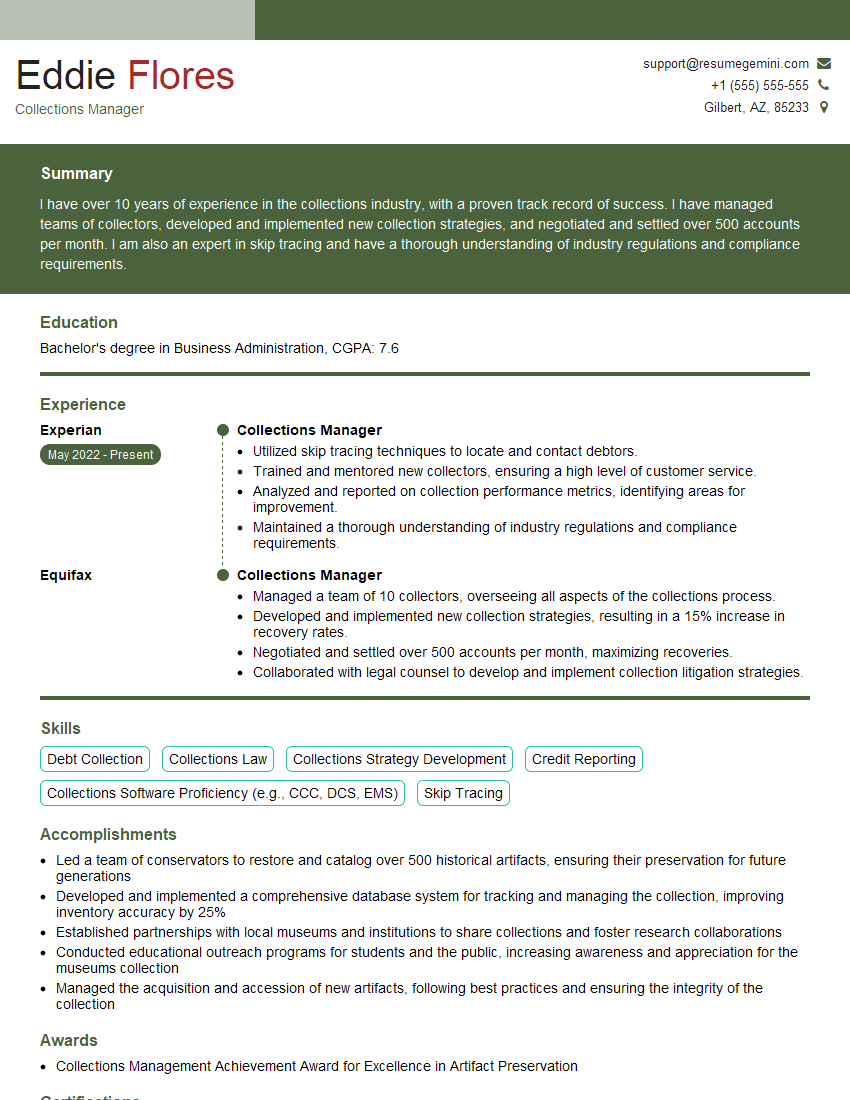
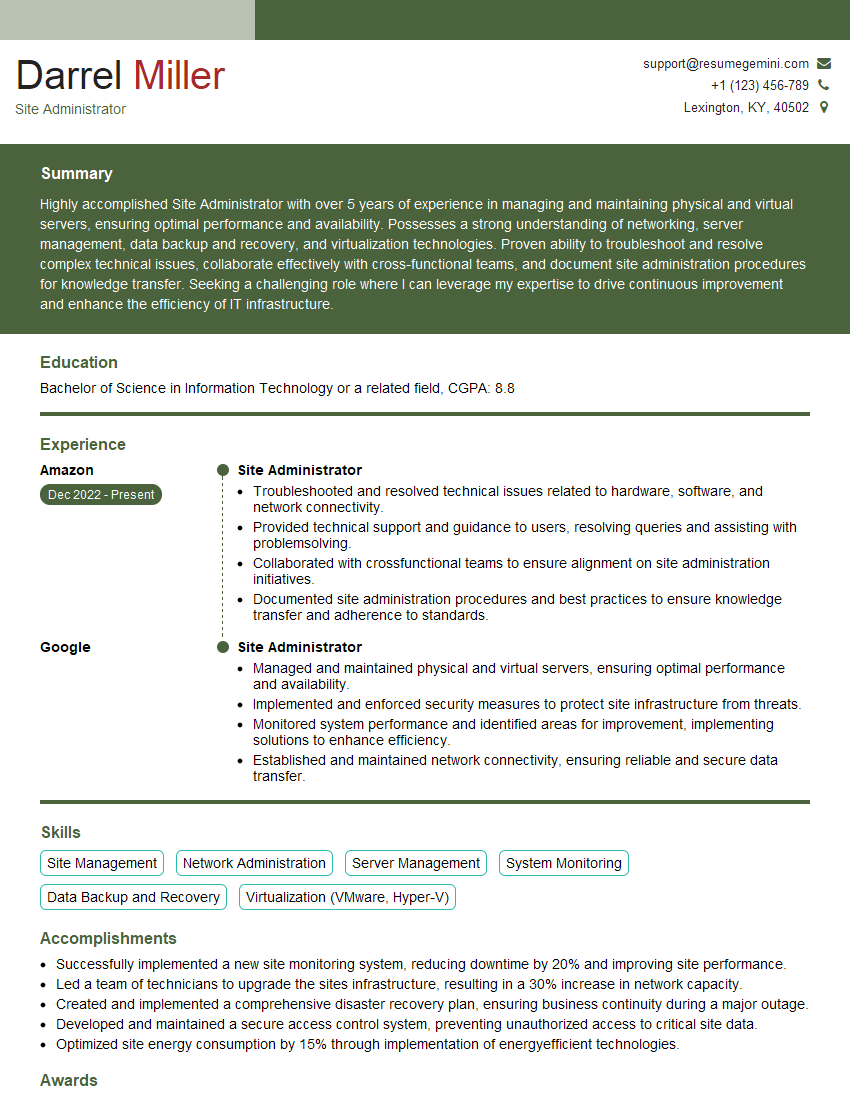
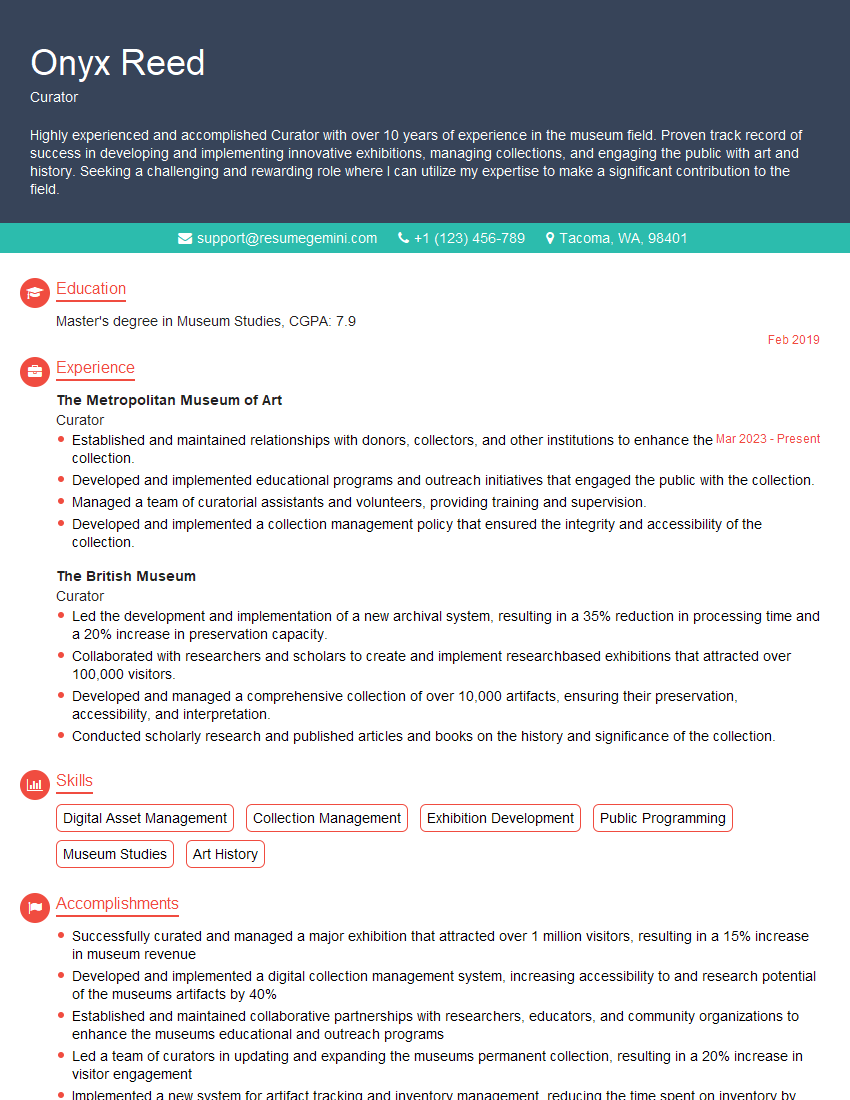
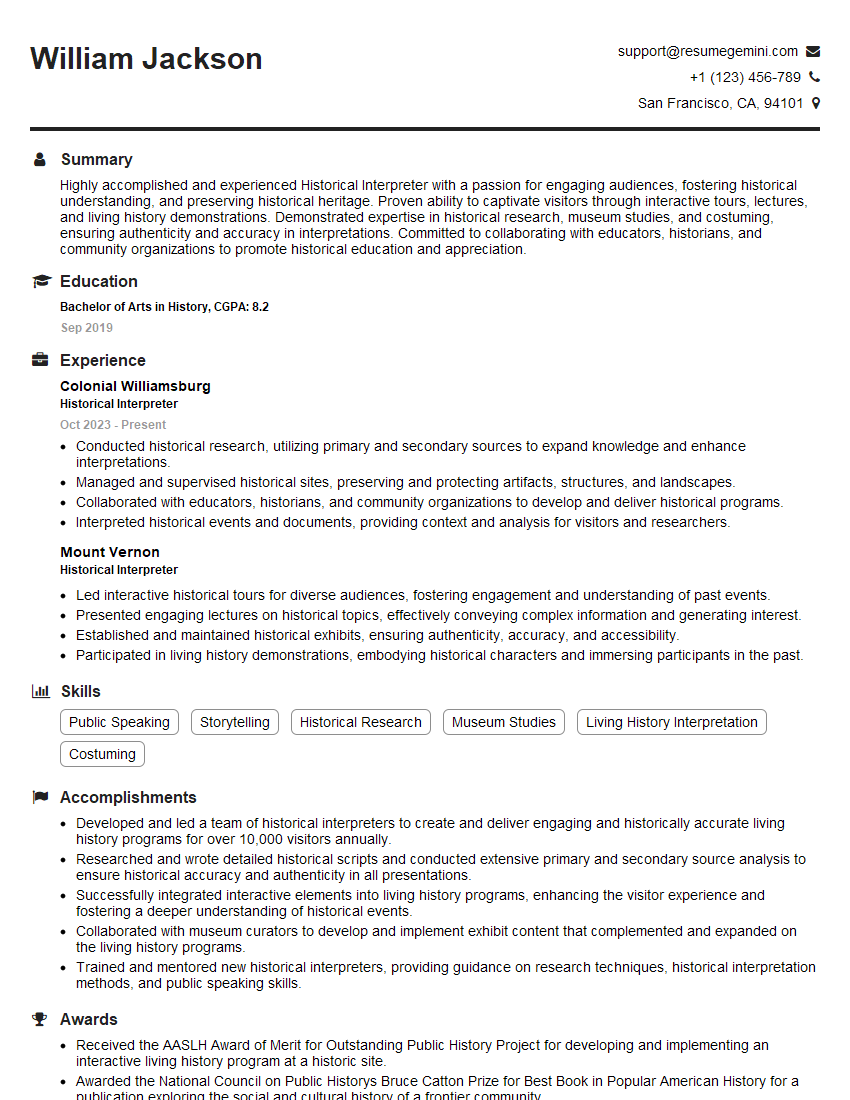
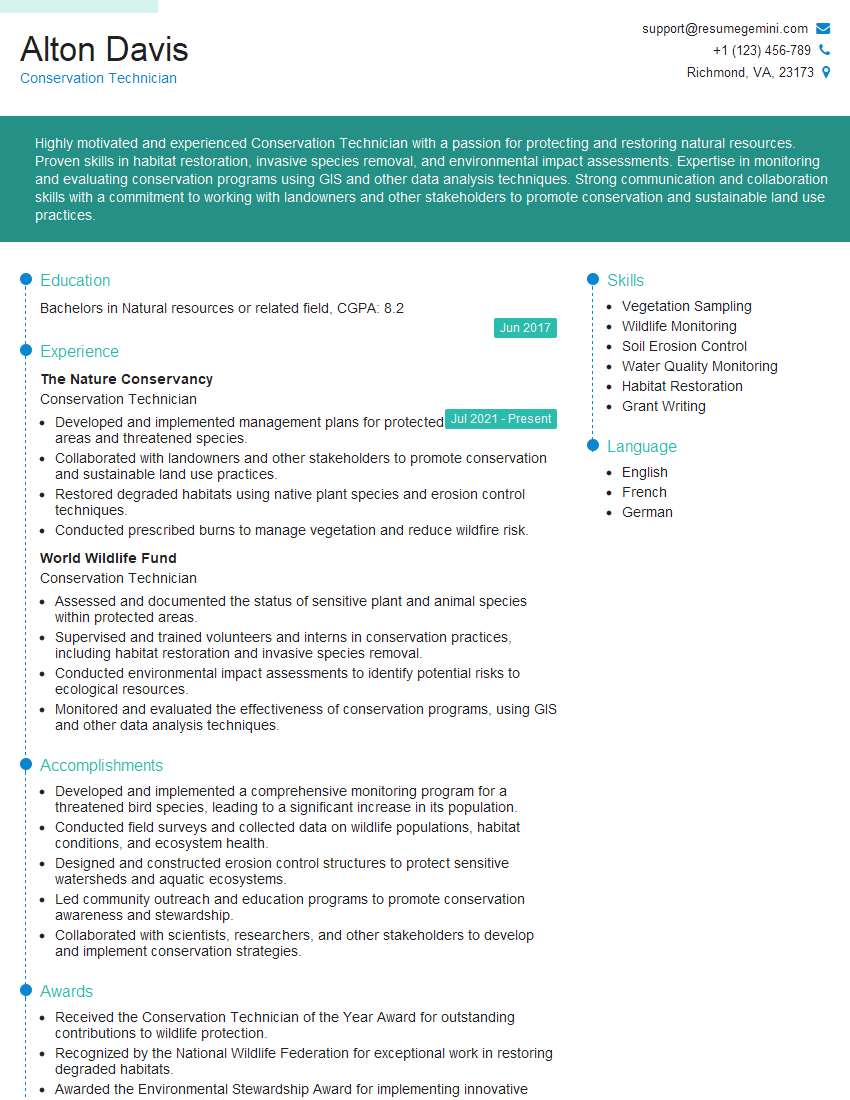
Mastering Historical Site Management opens doors to a rewarding career with opportunities for growth and impact. You’ll be contributing to the preservation of our shared heritage while developing valuable skills in leadership, management, and communication. To significantly enhance your job prospects, focus on crafting an ATS-friendly resume that highlights your skills and experience effectively. ResumeGemini is a trusted resource to help you build a professional and impactful resume. Examples of resumes tailored to Historical Site Management are available to guide your creation process, ensuring your application stands out.
Explore more articles
Users Rating of Our Blogs
Share Your Experience
We value your feedback! Please rate our content and share your thoughts (optional).
What Readers Say About Our Blog
To the interviewgemini.com Webmaster.
Very helpful and content specific questions to help prepare me for my interview!
Thank you
To the interviewgemini.com Webmaster.
This was kind of a unique content I found around the specialized skills. Very helpful questions and good detailed answers.
Very Helpful blog, thank you Interviewgemini team.