The right preparation can turn an interview into an opportunity to showcase your expertise. This guide to Hunting Regulations interview questions is your ultimate resource, providing key insights and tips to help you ace your responses and stand out as a top candidate.
Questions Asked in Hunting Regulations Interview
Q 1. Explain the difference between a hunting license and a hunting permit.
The terms “hunting license” and “hunting permit” are often used interchangeably, but there’s a subtle difference. A hunting license is a general authorization to hunt within a state or jurisdiction. It’s the foundational document proving you’ve met the basic requirements, like passing a hunter safety course and paying the required fees. Think of it as your ‘hunting driver’s license’. A hunting permit, on the other hand, is often more specific. It might be required for hunting a particular species (like a special elk tag), in a designated zone, or during a specific time. It’s an addition to your license, granting permission beyond the general hunting license’s scope. For example, you might need a general hunting license to hunt in the state, but then also require a special permit to hunt during the archery season for deer in a specific wildlife management area.
Q 2. Describe the process for obtaining a hunting license in your state.
Obtaining a hunting license varies slightly by state, but the general process is similar. First, you’ll typically need to complete a hunter education course – this is mandatory in most states. This course covers hunting safety, ethics, and wildlife conservation. Upon successful completion, you receive a certification. Next, you’ll visit your state’s wildlife agency website or a licensed agent (like sporting goods stores). You’ll need to provide personal information and proof of identification. You’ll then pay the required license fee, which can vary based on your age, residency status, and the types of hunting you plan to do. You’ll receive your license either electronically or via mail. Remember to always check your state’s specific requirements, as regulations change. For example, some states have online applications and digital licensing.
Q 3. What are the legal limitations on hunting specific game animals (e.g., deer, waterfowl)?
Legal limitations on hunting are extensive and vary greatly by species and location. For deer, this might include restrictions on the number of deer you can harvest (bag limit), the use of specific hunting methods (e.g., only archery during a certain period), and restrictions on hunting certain sexes or age classes (e.g., antlerless-only hunts). Waterfowl hunting has even more complex regulations, including daily bag limits, possession limits, and specific shooting hours that are designed to protect migratory bird populations. Additionally, there might be specific seasons for hunting each species, areas where hunting is completely prohibited (e.g., protected areas or private land without permission), and required use of non-toxic shot for waterfowl. These rules are all in place to ensure sustainable hunting practices and prevent over-harvesting.
Q 4. Detail the regulations regarding the use of hunting equipment (e.g., firearms, archery gear).
Regulations surrounding hunting equipment are crucial for safety and fair chase. Firearms often require adherence to specific caliber limitations, restrictions on the use of certain types of ammunition (e.g., lead shot in some areas), and minimum distances from roads or dwellings. Archery gear might have restrictions on draw weight or broadhead types. Furthermore, all equipment must be used lawfully and safely, adhering to state guidelines and ethical hunting practices. Many states have specific rules about the use of electronic devices to locate game animals. Misuse of equipment can result in penalties or license suspension. For instance, using a high-powered rifle in an area designated for archery-only hunting is illegal.
Q 5. What are the different hunting zones and their respective restrictions?
Hunting zones, often referred to as wildlife management units (WMUs) or similar designations, are geographic areas with unique wildlife populations and hunting regulations. These zones might have different species present, different hunting seasons, bag limits, or even equipment restrictions. For instance, a WMU might have a higher deer population and a longer hunting season than another area with a lower population and stricter regulations to prevent overhunting. The boundaries of these zones are clearly defined on hunting maps provided by your state’s wildlife agency. Understanding your hunting location and its specific regulations is critical for legal and ethical hunting.
Q 6. How do hunting seasons and bag limits work?
Hunting seasons are specific time periods when the hunting of particular species is legally permitted. These seasons are carefully determined to coincide with breeding and migration cycles to protect the animal population. Bag limits specify the maximum number of animals of a particular species that a hunter can legally harvest during a given day or during the entire hunting season. These limits ensure sustainable hunting practices and prevent over-harvesting. For example, you might have a daily bag limit of two deer and a season bag limit of four deer. Exceeding these limits can lead to hefty fines and loss of hunting privileges. It’s crucial to understand both your season dates and bag limits before heading out to hunt.
Q 7. Explain the role of hunting regulations in wildlife management.
Hunting regulations are fundamental to wildlife management. They help control animal populations, maintain healthy ecosystems, and promote sustainable use of wildlife resources. By setting hunting seasons, bag limits, and other restrictions, wildlife agencies can prevent over-harvesting and protect endangered species. Regulations also ensure that hunting is conducted safely and ethically, reducing incidents and conflicts. Regular monitoring of wildlife populations and adjustments to regulations based on data help strike a balance between conservation efforts and recreational hunting. These regulations are regularly reviewed and updated to reflect the ever-changing nature of wildlife populations and ecological challenges. In essence, hunting regulations are a crucial tool for conserving wildlife and promoting responsible hunting practices for future generations.
Q 8. What are the penalties for violating hunting regulations?
Penalties for violating hunting regulations vary widely depending on the specific violation, the jurisdiction (state or province), and the severity of the offense. Minor infractions, such as failing to properly tag a harvested animal, might result in fines ranging from a few hundred dollars to several thousand. More serious offenses, such as poaching endangered species or hunting out of season, can lead to significantly higher fines, suspension or revocation of hunting licenses, jail time, and even the seizure of hunting equipment. For instance, illegally hunting an elk during its closed season could result in a hefty fine, license suspension, and the confiscation of your weapon and the harvested elk. Always consult the specific regulations for your area, as they are frequently updated.
- Fines: Monetary penalties vary widely.
- License Suspension/Revocation: Loss of hunting privileges for a specified period or permanently.
- Jail Time: Possible for serious violations.
- Equipment Seizure: Confiscation of weapons, vehicles, and harvested game.
Q 9. How do you handle a situation where you suspect a hunting violation?
Suspecting a hunting violation requires a cautious and responsible approach. Your safety is paramount. Do not attempt to confront the suspected violator directly. Instead, discreetly observe and note as many details as possible without putting yourself in danger. This includes the time, location, description of the individual(s) involved, type of game hunted (if applicable), and any evidence of violations (e.g., illegal hunting methods, over-the-limit harvest). Note the license plate number of any vehicles involved if it is safe to do so. The next step is to report your observations to the relevant authorities.
For example, if I witnessed someone shooting deer after dark in a closed season, I would first ensure my own safety, then carefully note the time, location (including landmarks), description of the hunter (clothing, physical characteristics, etc.), and the details of the incident – including the number and size of animals shot (if possible) and whether the hunter appeared to possess a license. I would then report this information to the game warden or conservation officer.
Q 10. What is the process for reporting a hunting violation?
Reporting a hunting violation typically involves contacting your local wildlife agency, game warden, or conservation officer. You can usually find their contact information online through your state or provincial government’s website or by searching for ‘wildlife enforcement’ along with your location. When reporting, be prepared to provide as much accurate detail as possible, including:
- Your name and contact information.
- The date, time, and location of the suspected violation.
- A detailed description of the individual(s) involved and their vehicle(s).
- A description of the suspected violation.
- Any evidence you may have (photos, videos, etc.).
Remember to remain factual and avoid making assumptions. Your statement will likely be used as part of an investigation, so accuracy is critical. Providing false information is a serious offense in itself.
Q 11. Describe your understanding of ethical hunting practices.
Ethical hunting practices go beyond simply adhering to regulations; they encompass a deep respect for wildlife, the environment, and the hunting tradition itself. Ethical hunters strive to ensure a clean, quick, and humane kill. They understand the importance of fair chase, which means pursuing game animals under natural conditions, without artificial aids that unduly advantage the hunter. Ethical hunters also practice conservation by harvesting only what they need and respecting wildlife habitats. They are responsible for proper game care, ensuring that harvested animals are handled and processed respectfully and efficiently. Furthermore, they promote safety by understanding the principles of firearm safety and always employing safe hunting practices.
For instance, an ethical hunter would never use bait to attract animals to an advantageous location, nor would they shoot from a vehicle or use technology to unfairly improve their chances of success. They would also respect landowners’ rights, follow proper tagging and reporting requirements, and leave the hunting area cleaner than they found it.
Q 12. What are the regulations regarding hunting on private land?
Hunting regulations on private land are significantly influenced by the landowner’s permission. In most jurisdictions, you must obtain explicit permission from the landowner before hunting on their property. This permission should be in writing, ideally, to avoid misunderstandings. Even with permission, you are still bound by all other applicable hunting regulations, such as season dates, bag limits, and methods of hunting. The landowner can also impose additional restrictions, such as specifying certain areas to hunt in or prohibiting certain hunting methods. Hunting without the landowner’s explicit permission is considered trespassing and is a serious offense. This permission could even include specified conditions, like the type of game to be hunted.
For example, a landowner might allow hunting on their land only during specific times of the year and only for deer, or they might specify that no dogs are allowed to be used.
Q 13. How do you interpret and apply hunting regulations in complex situations?
Interpreting and applying hunting regulations in complex situations requires a methodical approach. First, I would carefully read and understand all applicable regulations, paying close attention to any exceptions or qualifications. If ambiguities exist, I would consult the relevant wildlife agency or seek clarification from an experienced hunting professional. I would analyze the specific context of the situation, considering factors like the location, species involved, date, time, and method of hunting. If conflicting regulations seem to apply, the rule with the strictest restrictions usually takes precedence. In any uncertain situation, the principle of caution should guide my actions. It is always better to err on the side of caution and avoid a potential violation.
For example, if a regulation restricts hunting certain species within a specific zone, but a neighboring zone with no such restriction is extremely close, understanding the precise boundaries of those zones is crucial and may require checking maps. I would never assume; I would double-check the rules and, if needed, seek clarification.
Q 14. What are the regulations regarding the transportation and possession of game animals?
Regulations regarding the transportation and possession of game animals are designed to ensure proper documentation, prevent illegal trafficking, and promote fair chase. Typically, harvested game must be tagged immediately after harvest with a valid tag issued by the relevant agency. Transportation usually requires the tagged game to be clearly visible. Specific requirements may exist regarding how the game is transported (e.g., properly cooled and packaged). There are often restrictions on the possession of game animals outside of hunting season or beyond the allowed bag limits. Game may also need to be checked at designated inspection stations or reported in certain circumstances. Violating these regulations can lead to serious penalties, such as fines and license suspension. Furthermore, many jurisdictions have strict guidelines on the interstate or international transport of game animals.
For example, certain regions might require all harvested deer to be checked at a wildlife agency office within 24 hours to document the harvest, even if already tagged, along with having the game properly tagged, cooled, and transported in the correct manner.
Q 15. What is your familiarity with endangered species regulations and their impact on hunting?
Endangered species regulations are crucial for wildlife conservation and significantly impact hunting. These regulations, often implemented under acts like the Endangered Species Act (ESA), prohibit or severely restrict hunting of species listed as threatened or endangered. The goal is to prevent further population decline and allow for recovery. The impact on hunting can be substantial, with the complete closure of hunting seasons for listed species and potentially impacting hunting of related species through habitat protection measures. For instance, if a particular eagle is listed as endangered, hunting activities that might disturb its habitat could be restricted, even if it doesn’t directly involve hunting that eagle.
For example, the ESA might place restrictions on hunting near a crucial nesting area for an endangered bird, even if the hunters are targeting different game altogether. This is because disturbance can harm the endangered birds, hindering their recovery. Penalties for violating endangered species regulations can range from fines to imprisonment, reflecting the severity of these conservation measures.
Career Expert Tips:
- Ace those interviews! Prepare effectively by reviewing the Top 50 Most Common Interview Questions on ResumeGemini.
- Navigate your job search with confidence! Explore a wide range of Career Tips on ResumeGemini. Learn about common challenges and recommendations to overcome them.
- Craft the perfect resume! Master the Art of Resume Writing with ResumeGemini’s guide. Showcase your unique qualifications and achievements effectively.
- Don’t miss out on holiday savings! Build your dream resume with ResumeGemini’s ATS optimized templates.
Q 16. How do you stay updated on changes in hunting regulations?
Staying current with hunting regulations requires a multi-faceted approach. I regularly check the official websites of the relevant state and federal wildlife agencies. These agencies publish updates, announcements, and often have downloadable brochures and hunting guides for the current year. Subscription to newsletters and email alerts from these agencies ensures I receive timely notifications on any changes. Additionally, I actively participate in professional organizations and attend conferences, workshops, and training sessions related to wildlife management and hunting regulations. This allows me to network with other professionals and hear updates directly from experts and regulators. Keeping abreast of changes in scientific literature pertaining to wildlife populations also informs my understanding of why regulations might change.
Q 17. Describe your experience with hunter education programs.
I have extensive experience with hunter education programs, both as a participant and an instructor. I completed my hunter safety course many years ago and have been involved in instructing the program for over a decade. This involves teaching various aspects of safe and ethical hunting practices, including firearm safety, wildlife identification, first aid and survival skills, and the importance of adhering to hunting regulations. My experience includes training hundreds of new hunters, emphasizing responsible hunting conduct, and addressing issues such as hunting ethics, conservation, and the role of hunters in wildlife management. For example, I actively demonstrate proper techniques to avoid accidental shootings and responsible handling of harvested animals.
Q 18. Explain your understanding of wildlife conservation laws and their connection to hunting.
Wildlife conservation laws are fundamentally linked to hunting. Hunting, when properly managed, can be a vital tool for wildlife conservation. These laws establish frameworks to manage wildlife populations sustainably, balancing hunting with the need to maintain biodiversity and protect endangered species. Revenue generated from hunting licenses and permits contributes directly to conservation efforts, funding habitat restoration, research, and wildlife management programs. For example, many states use revenue generated from licenses to actively manage game populations, including things like habitat improvements or population surveys.
A key connection lies in the concept of sustainable harvest. Regulations, such as bag limits and season lengths, are designed to prevent overhunting and ensure that populations can recover between hunting seasons. These laws often factor in population health data, habitat conditions, and other scientific factors to determine the appropriate level of harvest. A failure to adequately conserve wildlife through proper regulations can lead to devastating population declines or even extinctions.
Q 19. How do you ensure compliance with hunting regulations among hunters?
Ensuring compliance with hunting regulations requires a multi-pronged approach. This includes proactive education and outreach efforts to raise awareness about regulations and their importance. Clear and accessible communication materials, such as brochures, websites, and videos, are vital for informing hunters. Enforcement through regular patrols and inspections is also crucial to deter illegal hunting activities. This involves checking licenses, bag limits, and ensuring that hunters are following other relevant regulations. Collaboration with other agencies and organizations, such as law enforcement and conservation groups, strengthens enforcement efforts and helps share resources and intelligence.
Moreover, actively engaging with hunting communities and providing opportunities for feedback on regulations can increase compliance and foster a sense of shared responsibility for wildlife conservation. I believe emphasizing the importance of ethical hunting practices and the long-term benefits of sustainable wildlife management increases compliance and builds trust.
Q 20. What technology or resources do you utilize to enforce hunting regulations?
Technology plays a significant role in enforcing hunting regulations. GPS tracking devices can monitor hunter locations and activities, particularly in areas with restricted access or sensitive habitats. Digital license systems allow for easy verification of licenses and tags, often through mobile apps. Database systems allow for the tracking of harvested animals, aiding in population management and the detection of potential poaching activity. Remote cameras and drones are increasingly used to monitor wildlife and hunting activity in remote areas. Data analytics are then utilized to identify patterns and trends that can inform changes to regulations or improve enforcement strategies. This often leads to proactive enforcement, preventing violations before they occur.
Q 21. How do you handle disagreements or disputes regarding hunting regulations?
Handling disagreements or disputes regarding hunting regulations involves a structured and impartial approach. I would first ensure that all parties have a clear understanding of the relevant regulations. This might involve reviewing the specific regulations together, often with the help of visual aids. If the disagreement is based on a misunderstanding, clarification is often enough to resolve the issue. If the dispute involves a potential violation, I would follow established procedures, such as conducting a thorough investigation, gathering evidence, and documenting findings. This process often requires clear documentation, interviews with witnesses if any exist, and careful consideration of applicable laws. In cases where resolution isn’t possible at the initial level, the matter might be escalated to a higher authority, potentially involving legal proceedings or arbitration.
Transparency and fairness throughout the process are vital to maintaining credibility and trust. It’s important to clearly explain the rationale for decisions and provide opportunities for appeal if necessary.
Q 22. Describe a time you had to make a difficult decision related to hunting regulations enforcement.
One of the toughest decisions I faced involved a suspected case of illegal hunting on a protected wildlife area. We had received an anonymous tip, but the evidence was circumstantial – a few disturbed tracks and some scattered feathers, not enough for a clear-cut violation. The decision was whether to launch a full-scale investigation, which would be resource-intensive and potentially disruptive to other ongoing conservation efforts, or to close the case due to lack of conclusive evidence.
After careful consideration, weighing the potential environmental impact of unchecked poaching against the limited resources at our disposal, I decided to conduct a focused, targeted investigation. We utilized trail cameras, enhanced surveillance techniques, and collaborated with local landowners. This measured approach led to the successful apprehension of the poachers, who were subsequently prosecuted. It underscored the importance of balancing proactive enforcement with the need for judicious resource allocation. This case highlighted that sometimes, pursuing even seemingly weak leads can yield significant results, showcasing the effectiveness of strategic investigation in conservation efforts.
Q 23. How do you explain complex hunting regulations to the public?
Explaining complex hunting regulations requires a multi-faceted approach. I begin by simplifying the language, avoiding jargon and technical terms wherever possible. Think of it like teaching a child – using analogies and relatable examples is key. For instance, instead of stating ‘bag limits,’ I explain it as a ‘shopping limit’ at the ‘wildlife grocery store,’ setting a reasonable amount to take.
Visual aids such as maps, charts, and infographics are essential. A picture showing the hunting zones, for example, is much more effective than a lengthy textual description. I also utilize different communication channels—interactive workshops, online tutorials, Q&A sessions—to cater to diverse learning styles and preferences. Furthermore, I focus on the ‘why’ behind the regulations, connecting them to wildlife conservation and sustainable hunting practices. This approach fosters understanding and compliance.
Q 24. What are the key differences between federal and state hunting regulations?
Federal and state hunting regulations often work in tandem, but they have distinct roles. Federal regulations primarily address migratory birds, endangered species, and interstate commerce in wildlife products. For example, the Migratory Bird Treaty Act is a federal law that protects birds that migrate across international borders.
State regulations, on the other hand, manage the hunting of resident game animals within their borders. This includes setting hunting seasons, bag limits, licensing requirements, and establishing hunting methods. Think of it this way: federal laws set broad guidelines, while state laws address the specifics related to local wildlife populations and hunting practices. States have considerable autonomy in managing their own wildlife resources, resulting in varied regulations across the country. A hunter in Texas might face different rules than a hunter in Maine.
Q 25. How do international hunting treaties and agreements impact domestic regulations?
International hunting treaties and agreements significantly impact domestic regulations. They often involve the protection of endangered species through quotas and restrictions on trade in wildlife products. For instance, CITES (the Convention on International Trade in Endangered Species of Wild Fauna and Flora) influences domestic regulations by setting guidelines for trading endangered animals and their by-products.
These agreements can lead to stricter regulations domestically to comply with international obligations. If a species is listed as endangered under CITES, a nation may have to limit or ban hunting of that species entirely, even if its population within the country is considered healthy. This illustrates the interconnectedness of wildlife conservation on a global scale.
Q 26. How familiar are you with the use of GIS technology in wildlife management and hunting regulations?
I am highly familiar with GIS technology’s application in wildlife management and hunting regulations. GIS (Geographic Information System) plays a crucial role in mapping wildlife habitats, tracking animal movements, and delineating hunting zones.
For example, we use GIS data to analyze habitat suitability, identify crucial wildlife corridors, and set boundaries for hunting areas, ensuring the preservation of critical ecosystems and minimizing human-wildlife conflict. The technology allows us to optimize hunting seasons based on real-time data on animal populations and their distribution, promoting sustainable hunting practices. Moreover, GIS helps in monitoring hunting activity, enabling us to identify patterns and trends and adjust regulations accordingly.
Q 27. What is your understanding of the impact of climate change on wildlife and hunting regulations?
Climate change presents a significant challenge to wildlife and hunting regulations. Changing weather patterns, altered habitats, and shifts in species distributions require adaptive management strategies. For example, warmer temperatures might lead to changes in the breeding cycles of certain game animals, necessitating changes in hunting seasons to align with their reproductive periods.
Sea-level rise can encroach upon coastal habitats, reducing suitable areas for certain species. We are observing shifts in the range of some animals as they seek refuge in more favorable climates. This necessitates re-evaluation of hunting zones and quotas to ensure the long-term sustainability of wildlife populations. Adapting hunting regulations to accommodate these climate-driven changes is critical for maintaining biodiversity and supporting healthy ecosystems.
Q 28. Describe your experience working with diverse stakeholders (hunters, landowners, conservation groups) on hunting-related issues.
Working with diverse stakeholders—hunters, landowners, and conservation groups—requires strong communication and collaboration skills.
I approach these interactions by actively listening to each group’s perspectives and concerns, recognizing that they may have differing priorities. My aim is to facilitate a dialogue where each party feels heard and understood. For example, in discussions concerning a proposed change in hunting regulations, I would engage hunters to understand their concerns regarding potential impacts on their hunting experiences, landowners to discuss potential implications on their property, and conservation groups to ensure the plan aligns with broader conservation goals. This collaborative approach fosters trust and builds consensus, leading to effective and sustainable management practices. Successful outcomes often stem from finding common ground and highlighting the shared goal of preserving wildlife and our natural heritage.
Key Topics to Learn for Hunting Regulations Interview
- Federal and State Regulations: Understanding the differences and overlaps between federal and state-specific hunting laws is crucial. Practical application includes knowing how to locate and interpret relevant regulations for a given location and species.
- Hunting License and Permit Requirements: This covers the various types of licenses, permits, and tags needed for different hunting scenarios. Practical application involves demonstrating an understanding of eligibility criteria and application processes.
- Species-Specific Regulations: Different species have unique regulations regarding hunting seasons, bag limits, and methods allowed. Practical application includes knowing the specific rules for common game animals in your region.
- Weapon and Ammunition Regulations: This includes legal calibers, types of ammunition, and restrictions on the use of certain hunting equipment. Practical application involves understanding the legal implications of using specific gear.
- Land Ownership and Access: Understanding hunting rights on public and private lands is critical. Practical application includes knowing how to determine legal hunting access and respecting private property rights.
- Hunter Safety and Ethics: Demonstrate knowledge of safe hunting practices, ethical hunting conduct, and the importance of conservation. Practical application involves understanding and articulating responsible hunting behaviors.
- Conservation and Management: Understanding wildlife management principles and conservation efforts related to hunting is important for many roles. Practical application includes being able to discuss the role of hunting in population control and habitat management.
- Enforcement and Penalties: Knowing the consequences of violating hunting regulations is essential. Practical application includes understanding potential fines, license revocation, and other penalties.
Next Steps
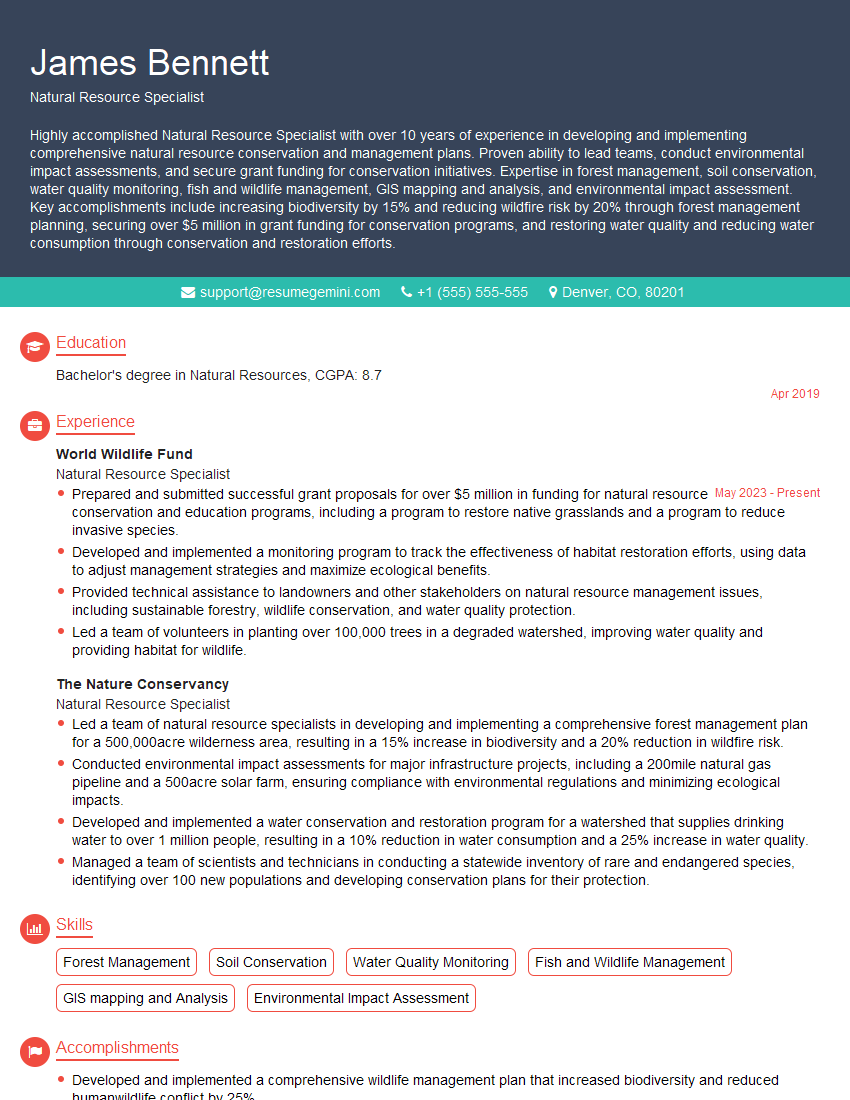
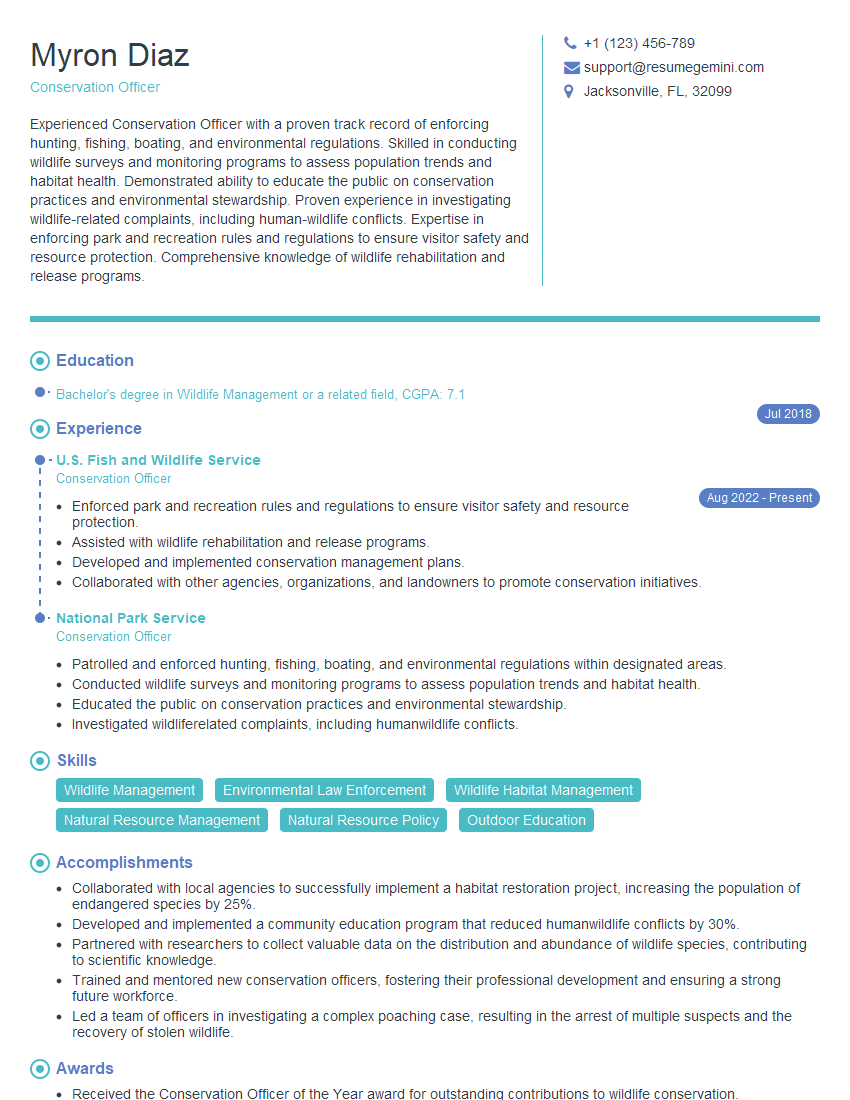
Mastering hunting regulations demonstrates a commitment to responsible hunting practices and showcases your knowledge of wildlife conservation. This expertise is highly valued in many fields, opening doors to exciting career opportunities. To significantly increase your chances of landing your dream job, crafting an ATS-friendly resume is crucial. ResumeGemini is a trusted resource that can help you build a professional and impactful resume that highlights your skills and experience effectively. Examples of resumes tailored to Hunting Regulations are available to further guide your preparation. Invest time in creating a strong resume – it’s your first impression with potential employers.

Explore more articles
Users Rating of Our Blogs
Share Your Experience
We value your feedback! Please rate our content and share your thoughts (optional).
What Readers Say About Our Blog
To the interviewgemini.com Webmaster.
Very helpful and content specific questions to help prepare me for my interview!
Thank you
To the interviewgemini.com Webmaster.
This was kind of a unique content I found around the specialized skills. Very helpful questions and good detailed answers.
Very Helpful blog, thank you Interviewgemini team.