Are you ready to stand out in your next interview? Understanding and preparing for IHS MarkIT interview questions is a game-changer. In this blog, we’ve compiled key questions and expert advice to help you showcase your skills with confidence and precision. Let’s get started on your journey to acing the interview.
Questions Asked in IHS MarkIT Interview
Q 1. Explain your understanding of IHS Markit’s core offerings and target markets.
IHS Markit, before its acquisition by S&P Global, offered a vast suite of information and analytics services across various sectors. Their core offerings revolved around providing critical data, insights, and analytical tools to help businesses make better decisions. Key areas included:
- Energy: Providing price forecasting, market intelligence, and supply chain analysis for oil, gas, and power markets. This served energy companies, investors, and governments.
- Financial Services: Offering data and analytics for credit risk, regulatory compliance, and investment management. This catered to banks, investment firms, and regulatory bodies.
- Automotive: Delivering automotive market data, including sales figures, production forecasts, and supply chain analysis. This was beneficial for automakers, suppliers, and analysts.
- Aerospace & Defence: Providing market intelligence, supply chain data, and competitive analysis in the aerospace and defense industries. This served manufacturers, suppliers, and governments.
- Engineering & Manufacturing: Offering supply chain data, standards, and specifications. Their offerings benefited engineering firms and manufacturers.
Their target markets spanned diverse industries and included corporations, financial institutions, governments, and academic institutions. Essentially, any organization needing deep market intelligence, data-driven insights, and predictive analytics was a potential client.
Q 2. Describe your experience with IHS Markit’s data platforms and tools.
My experience with IHS Markit’s data platforms and tools is extensive. I’ve worked extensively with their web-based platforms which offer user-friendly interfaces for accessing and analyzing data. I’m proficient in navigating their databases to extract relevant information, build custom reports, and perform in-depth analysis. I’m also familiar with their APIs, allowing for automated data extraction and integration with other systems. Specific tools I’ve utilized include their energy price forecasting models, supply chain mapping tools, and regulatory compliance databases. I also have experience using their advanced analytical tools for scenario planning and risk assessment.
For example, I regularly used their ‘Supply Chain Risk Management’ tool to identify potential disruptions in manufacturing processes. By mapping our supplier network and overlaying risk factors, we were able to proactively mitigate potential supply chain bottlenecks.
Q 3. How would you analyze and interpret market trends using IHS Markit data?
Analyzing market trends with IHS Markit data involves a multi-faceted approach. First, I identify the specific market and relevant datasets. This could involve using their price databases for commodities, their sales figures for automobiles, or their production data for various industries. Next, I utilize statistical tools and techniques to identify trends, such as regression analysis, moving averages, and time series modeling. I also incorporate qualitative factors, such as geopolitical events or regulatory changes, to provide a complete picture. For example, to analyze the impact of a new environmental regulation on the automotive industry, I’d combine IHS Markit’s vehicle sales data with their regulatory compliance information to project future market dynamics.
Finally, I present my findings through visualizations like charts and graphs, supplemented by written reports. This enables clear communication of complex market trends to both technical and non-technical audiences. It’s crucial to focus on actionable insights, highlighting key opportunities and risks for decision-making.
Q 4. How familiar are you with IHS Markit’s methodology for forecasting energy prices?
IHS Markit’s energy price forecasting methodology is sophisticated and incorporates various factors. It’s not a simple formula, but rather a complex model that combines fundamental analysis of supply and demand with econometric modeling and statistical techniques. Key elements of their approach include:
- Supply analysis: This involves analyzing production levels, refining capacity, and inventory levels for various energy sources.
- Demand analysis: This includes analyzing macroeconomic factors, energy consumption patterns, and the impact of technological advancements.
- Geopolitical factors: Geopolitical risks and events, such as political instability, wars, or sanctions, are considered as significant factors influencing energy prices.
- Econometric modeling: Statistical methods are employed to establish relationships between various factors and price movements, allowing for forecasting.
- Market sentiment: While not always directly quantifiable, market sentiment plays a role in determining prices and is considered in their analysis.
Their forecasts aren’t just predictions; they often include scenarios representing various levels of uncertainty or different assumptions, allowing for robust decision-making.
Q 5. Describe a scenario where you used IHS Markit data to solve a business problem.
In a previous role, we needed to assess the viability of investing in a new manufacturing plant in a specific region. I used IHS Markit’s data to analyze market demand for the product, the competitive landscape, and potential supply chain challenges. By combining their market forecasts, manufacturing cost data, and logistical information, I was able to build a detailed financial model. This model helped us quantify the risks and potential returns associated with the investment, ultimately leading to a data-driven decision to proceed with the project. The analysis, informed by IHS Markit’s comprehensive data, provided critical insight and justified the investment, avoiding a potentially costly mistake.
Q 6. How would you evaluate the reliability and accuracy of data from different sources within IHS Markit?
Evaluating the reliability and accuracy of IHS Markit data requires a critical approach. It starts with understanding the data sources. IHS Markit sources data from a range of government agencies, industry associations, company reports, and proprietary surveys. The credibility of these sources is crucial. I assess the methodology used to collect and process data; this includes scrutinizing sample sizes, data validation methods, and quality control measures.
Data consistency and accuracy across different sources need to be verified and any discrepancies need to be investigated. Comparing IHS Markit’s data with other reputable sources can help to assess its reliability and identify any potential biases. Finally, considering the age of the data and its relevance to the current market context is also vital. Outdated data may not accurately reflect current market dynamics.
Q 7. How proficient are you in using SQL to query IHS Markit databases?
My SQL proficiency is quite high. I’m comfortable writing complex queries to extract specific data points from IHS Markit’s databases. This includes joining multiple tables, using aggregate functions, and filtering results based on multiple criteria. I can optimize queries for efficient data retrieval and handle large datasets effectively. For example, I regularly use SQL to pull historical energy price data, filter it by region and date range, and then perform calculations such as calculating moving averages or correlations.
SELECT AVG(price) AS average_price, DATE_TRUNC('month', date) AS month FROM energy_prices WHERE region = 'North America' GROUP BY month ORDER BY month;
This is a simple example of how I use SQL to get the average monthly energy price for North America.
Q 8. Explain your experience with data visualization and presenting findings using IHS Markit data.
My experience with visualizing and presenting IHS Markit data centers around effectively communicating complex information to diverse audiences. I’ve leveraged various tools, including Tableau and Power BI, to create interactive dashboards and reports that highlight key trends and insights. For instance, I once used IHS Markit’s energy data to create a dashboard showcasing the price fluctuations of different energy commodities over time. This dashboard featured interactive elements like drill-down capabilities to explore regional variations and filters to analyze data by specific timeframes. The presentation included clear narratives outlining the identified trends and their implications for energy market participants. In another project, I used IHS Markit’s automotive data to visualize market share trends for different car manufacturers, illustrating the impact of technological advancements and shifting consumer preferences. The effectiveness of these visualizations rested on simplicity and clarity, focusing on actionable information rather than overwhelming the audience with excessive detail.
Q 9. How would you handle conflicting data points from various IHS Markit sources?
Handling conflicting data points from different IHS Markit sources requires a methodical approach focusing on data quality assessment and reconciliation. First, I would investigate the source of the discrepancy. Differences could stem from differing methodologies, data collection periods, or even simple errors. I would then review the data’s metadata carefully, paying close attention to the definitions, limitations, and any known biases associated with each data set. A key step involves checking for data revisions and updates; outdated information can often be the root cause of discrepancies. Next, I would prioritize data based on its reliability and relevance. For example, if one source is known to be more precise or comprehensive, I would give it greater weight. If the conflict remains unresolved after these steps, I would document the discrepancies clearly and justify my chosen approach. In the presentation of findings, I would always transparently communicate any lingering uncertainties related to the data.
Q 10. Describe your experience with time-series analysis and forecasting using IHS Markit data.
My experience with time-series analysis and forecasting using IHS Markit data involves utilizing statistical models like ARIMA, exponential smoothing, and machine learning techniques. For example, I used IHS Markit’s macroeconomic data to forecast GDP growth for several countries. This involved cleaning and preparing the data, selecting appropriate models based on data characteristics, and assessing the model’s accuracy using various metrics such as RMSE and MAE. The process is iterative; model selection and parameter tuning continue until acceptable levels of accuracy and forecasting reliability are achieved. Understanding the limitations of the forecast is crucial; the predictive ability of models weakens with increased forecast horizons. Therefore, the presentation of the forecast always included a discussion of the inherent uncertainty and the potential impact of unanticipated events.
Q 11. How would you identify key performance indicators (KPIs) relevant to IHS Markit’s clients?
Identifying relevant KPIs for IHS Markit’s clients depends heavily on their specific industry and business objectives. However, some common KPIs that often prove valuable include market share, revenue growth, profitability, customer acquisition costs, and operational efficiency. For example, a client in the automotive industry might be interested in KPIs such as vehicle sales projections, production costs, and consumer preferences for various vehicle features. A client in the energy sector, using IHS Markit’s energy data, might focus on KPIs like energy consumption, renewable energy penetration, and carbon emissions. The key is to tailor the KPIs to the client’s needs, ensuring they align with the information provided by IHS Markit’s datasets. A thorough understanding of the client’s business and strategic goals is essential to identifying the most relevant and impactful KPIs.
Q 12. Describe your experience with financial modeling and valuation techniques using IHS Markit data.
My experience with financial modeling and valuation using IHS Markit data involves using data like historical financial statements, industry benchmarks, and macroeconomic indicators. I’ve used this data to build discounted cash flow (DCF) models, comparable company analyses, and precedent transaction analyses for various valuation purposes. For instance, I used IHS Markit’s financial data to value a company in the oil and gas sector, comparing its performance against industry peers. This involved normalizing financial statements, assessing risk profiles, and selecting appropriate discount rates. The process involved carefully examining various valuation multiples such as EV/EBITDA and P/E ratios, comparing results obtained from different models to ensure consistency and reasonableness. A critical aspect is transparency; the assumptions and limitations of each model should be clearly documented and communicated.
Q 13. How would you incorporate IHS Markit’s data into a broader market analysis?
Integrating IHS Markit data into broader market analysis involves using it as a foundational layer for deeper insights. For instance, IHS Markit’s data on production costs can be combined with macroeconomic data to model supply and demand dynamics, revealing potential price fluctuations. Similarly, combining IHS Markit’s competitor analysis with market size data provides a comprehensive understanding of the competitive landscape and helps to identify opportunities and threats. The integration process requires careful consideration of data compatibility and potential biases. Data cleaning and transformation are often necessary to align different data sources. The final analysis should acknowledge the different sources and their respective methodologies, ensuring transparency and robustness of the findings.
Q 14. Describe your understanding of the regulatory landscape relevant to IHS Markit’s industry.
My understanding of the regulatory landscape relevant to IHS Markit’s industry encompasses a wide range of regulations, including those related to data privacy (like GDPR and CCPA), financial reporting (like IFRS and GAAP), and antitrust laws. IHS Markit, as a provider of critical market data, operates within a heavily regulated environment. Understanding these regulations is vital for maintaining data integrity, ensuring compliance, and preventing legal issues. This includes knowing the rules around data security, data usage, and the disclosure of confidential information. Moreover, the specific regulatory environment often varies by region and industry sector, requiring a nuanced understanding to manage risk and ensure ethical data practices.
Q 15. How would you use IHS Markit data to assess risk in a specific sector?
Assessing risk using IHS Markit data involves leveraging its diverse datasets to identify potential threats and vulnerabilities within a specific sector. For instance, in the energy sector, I’d use IHS Markit’s energy pricing data to analyze price volatility and forecast potential revenue fluctuations. I’d also incorporate their supply chain data to pinpoint potential bottlenecks or disruptions. Further, their geopolitical risk assessments would help identify potential political instability that could impact operations. The process would involve:
- Data Selection: Identifying relevant datasets from IHS Markit’s offerings (e.g., commodity prices, production data, regulatory information, etc.).
- Data Cleaning & Preprocessing: Handling missing values, outliers, and ensuring data consistency.
- Risk Factor Identification: Defining key risk factors for the sector based on industry knowledge and the available data. This could involve looking at historical trends, economic indicators and external factors.
- Quantitative Analysis: Employing statistical methods like regression analysis or time series modelling to quantify the relationship between risk factors and potential outcomes.
- Qualitative Assessment: Supplementing the quantitative analysis with qualitative insights from reports and expert analysis available through IHS Markit, to provide a more holistic view.
- Risk Scoring & Prioritization: Developing a risk score based on the identified factors and their probabilities. This could involve using scenario analysis to model various future possibilities.
- Report Generation: Producing a concise risk assessment report that outlines the findings and their implications.
For example, in assessing risk for a solar energy company, I would combine production cost data with renewable energy policy changes to estimate profitability under different scenarios. A combination of quantitative and qualitative analysis would provide a more complete picture.
Career Expert Tips:
- Ace those interviews! Prepare effectively by reviewing the Top 50 Most Common Interview Questions on ResumeGemini.
- Navigate your job search with confidence! Explore a wide range of Career Tips on ResumeGemini. Learn about common challenges and recommendations to overcome them.
- Craft the perfect resume! Master the Art of Resume Writing with ResumeGemini’s guide. Showcase your unique qualifications and achievements effectively.
- Don’t miss out on holiday savings! Build your dream resume with ResumeGemini’s ATS optimized templates.
Q 16. What are the limitations of IHS Markit data, and how can you mitigate them?
IHS Markit data, while comprehensive, has limitations. Data might be:
- Biased: The data collection methodology may introduce biases; for example, survey-based data may not represent the entire population accurately.
- Incomplete: Not all relevant information is captured; some sectors might have sparser data than others.
- Time-Lagged: There might be delays in data collection and reporting, making it less useful for real-time decision-making.
- Expensive: Accessing the full range of IHS Markit data can be costly.
To mitigate these limitations, I would:
- Triangulation: Cross-referencing IHS Markit data with other reputable sources to validate findings and fill data gaps. This strengthens the analysis and helps detect potential biases.
- Data Quality Checks: Implementing robust data validation and cleaning procedures to identify and address inconsistencies, errors, or outliers.
- Awareness of Limitations: Explicitly acknowledging data limitations in any reports or analyses; clearly explaining the scope and potential biases.
- Focus on Relevant Data: Concentrating on the most critical datasets relevant to the specific risk assessment, rather than trying to use all available data.
- Seek Alternative Data Sources: Supplementing IHS Markit data with other data sources, such as government reports or industry publications when feasible.
For example, if IHS Markit’s production data for a specific chemical shows an unusually high output, I would check against government production statistics to validate that claim and ensure the consistency of the data.
Q 17. How would you integrate IHS Markit data with other data sources to create a comprehensive view?
Integrating IHS Markit data with other data sources is crucial for creating a comprehensive view. This often involves combining structured data from IHS Markit (e.g., financial data, supply chain data) with unstructured data from other sources (e.g., news articles, social media sentiment).
For example, in analyzing the automotive industry, I might combine IHS Markit’s vehicle sales data with:
- Economic data: GDP growth rates, interest rates, and consumer confidence indices from sources like the World Bank or national statistical agencies.
- Social media sentiment: Analyzing social media posts to gauge consumer perception of specific car models or brands. This unstructured data can reveal shifts in market sentiment that might not be captured in traditional sales figures.
- Supply chain data: Combining IHS Markit’s supply chain data with alternative data sources on transportation costs and logistical constraints for a complete picture of supply chain vulnerabilities.
The integration can be achieved through various techniques, including:
- Database merging: Combining datasets using SQL or similar database technologies. This is suitable for structured data.
- Data transformation and standardization: converting data to a common format to ensure compatibility.
- Data enrichment: adding relevant information from external sources to IHS Markit data to improve its richness and context.
- Natural Language Processing (NLP): using NLP to extract insights from unstructured text data like news reports or social media comments.
The integrated data can then be analyzed using advanced analytical techniques to gain a deeper understanding of the sector and uncover previously unseen trends and relationships. It’s important to maintain data provenance and clearly document the source of each dataset for transparency.
Q 18. Describe your experience with data mining and identifying patterns within IHS Markit datasets.
My experience with data mining within IHS Markit datasets involves extensive use of statistical software like R and Python. I’ve used these tools to uncover hidden patterns and trends, particularly in identifying correlations between various economic indicators and industry performance.
For example, I once conducted a project focusing on the correlation between oil prices (from IHS Markit) and the stock prices of energy companies. Using regression analysis and time series modeling, I was able to identify a strong positive correlation, allowing for a more robust financial forecast.
Another example involved using clustering techniques to segment different geographical markets based on their energy consumption patterns, which involved using IHS Markit’s energy consumption data and GIS data. This helped identify key areas of growth and potential investment opportunities.
My data mining process typically includes:
- Data exploration and visualization: Using descriptive statistics and visualization tools to gain an initial understanding of the data.
- Feature engineering: Creating new features from existing ones to improve model accuracy.
- Model selection: Choosing appropriate machine learning models (regression, classification, clustering) depending on the specific objective.
- Model training and evaluation: Training models using a portion of the data and evaluating performance using appropriate metrics.
- Model deployment and monitoring: Deploying the models to make predictions and continuously monitoring their performance to ensure accuracy.
Through this iterative process, I’ve been able to deliver actionable insights leading to improved decision-making in various business contexts.
Q 19. How proficient are you with statistical analysis and hypothesis testing using IHS Markit data?
I am highly proficient in statistical analysis and hypothesis testing using IHS Markit data. My expertise includes:
- Descriptive statistics: Calculating measures of central tendency, dispersion, and correlation to summarize and interpret data.
- Inferential statistics: Conducting hypothesis tests (t-tests, ANOVA, Chi-square tests) to draw conclusions about populations based on sample data.
- Regression analysis: Building linear and non-linear regression models to understand the relationships between variables and make predictions.
- Time series analysis: Analyzing data collected over time to identify trends, seasonality, and cycles.
- Bayesian analysis: Using Bayesian methods to update beliefs and make informed decisions in the face of uncertainty.
I frequently utilize statistical software such as R, Python (with libraries like Statsmodels and Scikit-learn), and SPSS to perform these analyses. For example, I’ve used hypothesis testing to assess whether a particular economic policy change significantly affected a specific industry’s performance, using IHS Markit’s economic and industry data.
My approach involves clearly defining the research question, selecting appropriate statistical methods, and carefully interpreting the results within the context of the business problem. I always pay close attention to the assumptions of each statistical test to ensure the validity of the results.
Q 20. How would you communicate complex data insights from IHS Markit effectively to non-technical audiences?
Communicating complex data insights from IHS Markit to non-technical audiences requires a clear and concise approach that avoids technical jargon. My strategy involves:
- Storytelling: Framing the data analysis as a compelling narrative, highlighting key findings and their implications in a relatable way.
- Visualizations: Utilizing clear and easily understandable charts, graphs, and dashboards to present the data effectively. I often favor simple bar charts, line graphs, or maps over complex visualizations.
- Analogies and metaphors: Employing analogies and metaphors to simplify complex concepts and make them more accessible to non-technical audiences.
- Focus on the ‘so what?’: Emphasizing the practical implications of the findings and how they can inform decision-making.
- Interactive presentations: Using interactive dashboards or presentations that allow the audience to explore the data at their own pace.
- Tailoring the message: Adjusting the level of detail and technical language to match the audience’s knowledge and expertise.
For instance, instead of saying ‘the regression model showed a statistically significant positive correlation between variable X and Y,’ I might say ‘our analysis showed that when X increases, Y tends to increase as well, leading to a positive impact on the business’. This emphasizes the practical implication without delving into technical details unnecessarily.
Q 21. Describe your experience with data cleaning and preprocessing techniques using IHS Markit datasets.
Data cleaning and preprocessing are critical steps in any IHS Markit data analysis project. My experience encompasses various techniques to handle missing values, outliers, and inconsistencies.
For missing values, I typically use methods such as:
- Deletion: Removing rows or columns with missing data if the amount is negligible and doesn’t significantly bias the results.
- Imputation: Replacing missing values with estimated values using methods like mean/median imputation, K-Nearest Neighbors, or multiple imputation.
To handle outliers, I might use methods like:
- Visualization: Identifying outliers using box plots or scatter plots.
- Winsorizing or Trimming: Replacing extreme values with less extreme values within a specified range.
- Transformation: Applying transformations like logarithmic transformations to reduce the impact of outliers.
For data inconsistencies, I ensure data standardization and consistency across datasets. This involves:
- Data type conversion: Converting data to the appropriate data types (e.g., numerical, categorical).
- Data deduplication: Identifying and removing duplicate entries.
- Data validation: Checking for data errors and inconsistencies using consistency checks and range checks.
I often use scripting languages like Python (with libraries like Pandas and Scikit-learn) to automate these preprocessing tasks, ensuring efficiency and reproducibility. The specific approach is always chosen based on the characteristics of the dataset and the analysis objective. I always document the preprocessing steps to ensure transparency and reproducibility.
Q 22. How familiar are you with IHS Markit’s pricing models and subscription services?
IHS Markit’s pricing models are diverse, reflecting the complexity and varying value of their data products. They typically employ a subscription-based model, offering tiered access based on features, data volume, and user count. For example, a basic subscription might provide access to core market data, while premium packages unlock advanced analytics, forecasts, and specialized datasets. Pricing is often determined through negotiations, taking into account factors like the client’s size, industry, and specific data requirements. The subscriptions can range from individual user licenses to enterprise-wide agreements, each with customized features and pricing. In some cases, IHS Markit offers bespoke solutions that entail custom data feeds or integrated analytics tailored to specific client needs, resulting in individually negotiated pricing. Understanding the nuances of these various models is crucial for maximizing the value proposition for both the client and IHS Markit.
Q 23. How would you contribute to the improvement of IHS Markit’s data products or services?
To improve IHS Markit’s data products and services, I would focus on three key areas: enhancing data quality, improving user experience, and leveraging advanced technologies. First, I’d implement robust data validation and cleansing processes to ensure accuracy and consistency. This includes employing automated checks, leveraging machine learning for anomaly detection, and implementing regular audits. Second, I’d focus on intuitive data visualization and user interfaces, making the data easily accessible and understandable for users of all technical skill levels. This would involve user research to inform design choices and iterative testing to refine the product experience. Finally, I’d explore the integration of AI and machine learning to provide more insightful analytics and predictive capabilities, automating tasks like data analysis and report generation to enhance efficiency.
Q 24. Describe your experience with different data formats and their relevance to IHS Markit’s data.
My experience encompasses a wide range of data formats relevant to IHS Markit, including structured data like CSV, Excel, and relational databases (SQL), and unstructured data such as text documents, PDFs, and images. IHS Markit’s data is often a hybrid, involving structured financial data alongside qualitative information extracted from news articles or company reports. Understanding these different formats is key to effective data analysis. For example, structured data is easily integrated into analytical models, enabling quantitative analysis. Unstructured data, on the other hand, requires techniques like natural language processing (NLP) to extract valuable insights. Proper handling and integration of both types are essential for comprehensive market analysis and accurate forecasting.
Q 25. How would you ensure the confidentiality and security of IHS Markit’s sensitive data?
Ensuring the confidentiality and security of IHS Markit’s sensitive data requires a multi-layered approach. This includes implementing robust access controls, data encryption both in transit and at rest, regular security audits, and adherence to strict data governance policies. Specific measures would involve utilizing strong authentication protocols, employing intrusion detection and prevention systems, and regularly updating security software. Employee training is crucial to reinforce data security protocols and promote awareness of potential threats. Furthermore, a comprehensive incident response plan should be in place to address any potential breaches swiftly and effectively, minimizing data exposure and damage. Compliance with relevant data privacy regulations, such as GDPR, is also paramount.
Q 26. Explain your understanding of different analytical methodologies used within IHS Markit.
IHS Markit utilizes a variety of analytical methodologies, ranging from descriptive statistics and regression analysis to more advanced techniques like time series analysis, machine learning, and econometric modeling. Descriptive statistics provide summaries of historical data, while regression analysis helps understand relationships between variables. Time series analysis is critical for forecasting market trends, using historical data to predict future values. Machine learning algorithms, such as those for classification or prediction, can identify patterns and trends in complex datasets. Econometric modeling leverages economic theory to build sophisticated predictive models, factoring in economic factors and relationships. The choice of methodology depends on the specific research question and the nature of the data available.
Q 27. How would you stay up-to-date with the latest industry trends and their impact on IHS Markit’s data?
Staying updated on industry trends involves a multi-pronged approach. I actively follow reputable industry publications, attend conferences and webinars, and engage with industry experts through networks and professional organizations. This includes monitoring regulatory changes, technological advancements (like the increasing use of AI and big data), and shifts in market dynamics. I also leverage online resources, such as industry research reports and data aggregators, to monitor emerging trends. By analyzing this information, I can identify potential impacts on IHS Markit’s data and services, allowing for proactive adjustments in strategy and offerings to maintain relevance and competitiveness.
Q 28. Describe your experience working with large datasets and your proficiency in handling them within IHS Markit’s environment.
My experience with large datasets within the context of IHS Markit-like environments involves proficiency in using database management systems (DBMS) such as SQL Server or Oracle, as well as distributed computing frameworks like Hadoop and Spark. I’m familiar with data warehousing techniques and ETL (Extract, Transform, Load) processes for cleaning, transforming, and loading data into analytical databases. I’m adept at using programming languages such as Python or R for data manipulation, analysis, and visualization, employing libraries such as Pandas, NumPy, and scikit-learn for data wrangling and machine learning tasks. Furthermore, I have experience with cloud-based data platforms like AWS or Azure, which are crucial for managing and processing the vast volumes of data handled by companies like IHS Markit. My expertise enables efficient data handling, analysis, and generation of meaningful insights from large and complex datasets.
Key Topics to Learn for IHS MarkIT Interview
- Data Analysis & Interpretation: Understand how IHS MarkIT utilizes vast datasets. Practice interpreting complex data to draw meaningful conclusions and present your findings clearly.
- Industry Knowledge: Familiarize yourself with IHS MarkIT’s key sectors (e.g., energy, finance, transportation). Research current industry trends and challenges within these areas. Be prepared to discuss how your skills can contribute to their work.
- Financial Modeling & Forecasting: Depending on the role, understanding financial modeling techniques and forecasting methodologies will be crucial. Practice building models and interpreting the results.
- Technical Proficiency (depending on the role): This might include programming languages (e.g., Python, R), data visualization tools (e.g., Tableau, Power BI), or specific software relevant to the position. Hone your skills and be prepared to showcase your abilities with examples.
- Problem-Solving & Analytical Skills: Prepare to discuss your approach to problem-solving, highlighting your analytical skills and ability to break down complex challenges into manageable steps. Use the STAR method (Situation, Task, Action, Result) to structure your answers.
- IHS MarkIT’s Business Model & Competitive Landscape: Research IHS MarkIT’s business model, revenue streams, and competitive advantages. Understanding the company’s position in the market demonstrates your initiative and interest.
Next Steps
Landing a role at IHS MarkIT can significantly boost your career trajectory, offering exposure to leading-edge technologies and impactful projects within diverse industries. To maximize your chances, creating a strong, ATS-friendly resume is essential. This ensures your application gets noticed by recruiters and hiring managers. We highly recommend using ResumeGemini to build a professional and impactful resume tailored to IHS MarkIT’s requirements. Examples of resumes crafted for IHS MarkIT are available to help guide you.
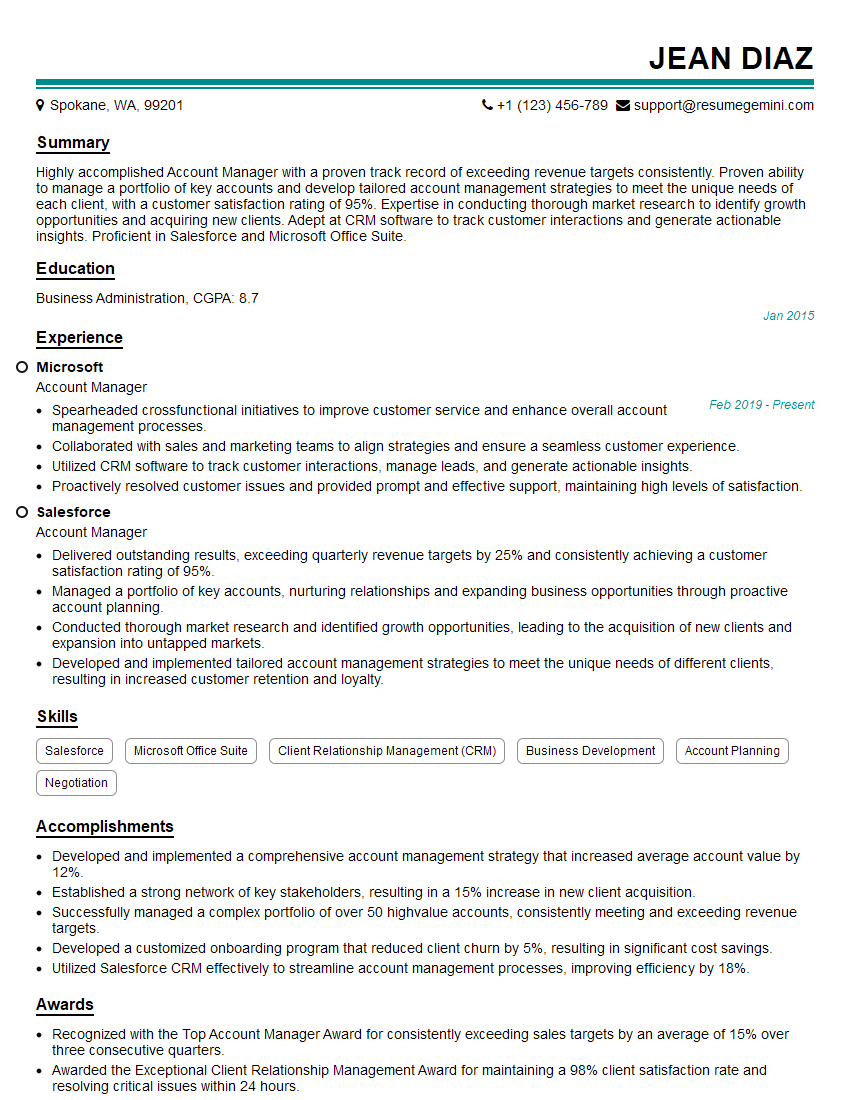
Account Manager Resume Sample
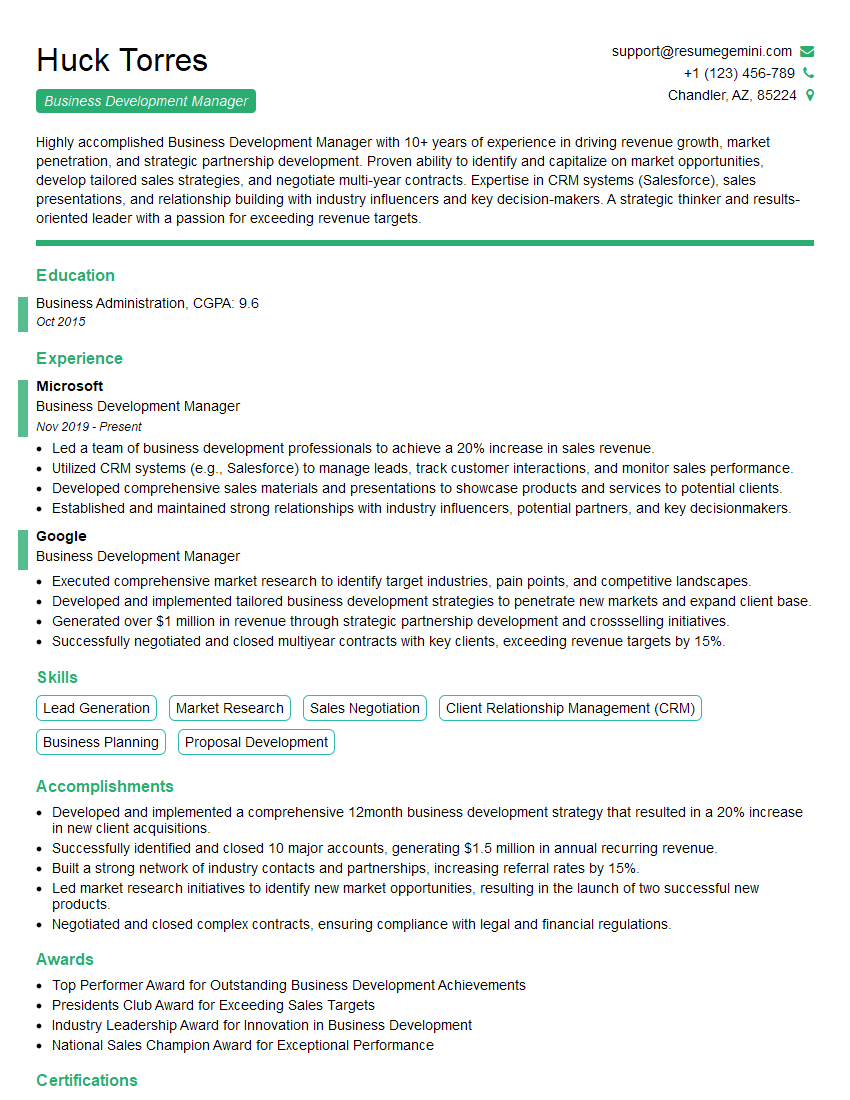
Business Development Manager Resume Sample
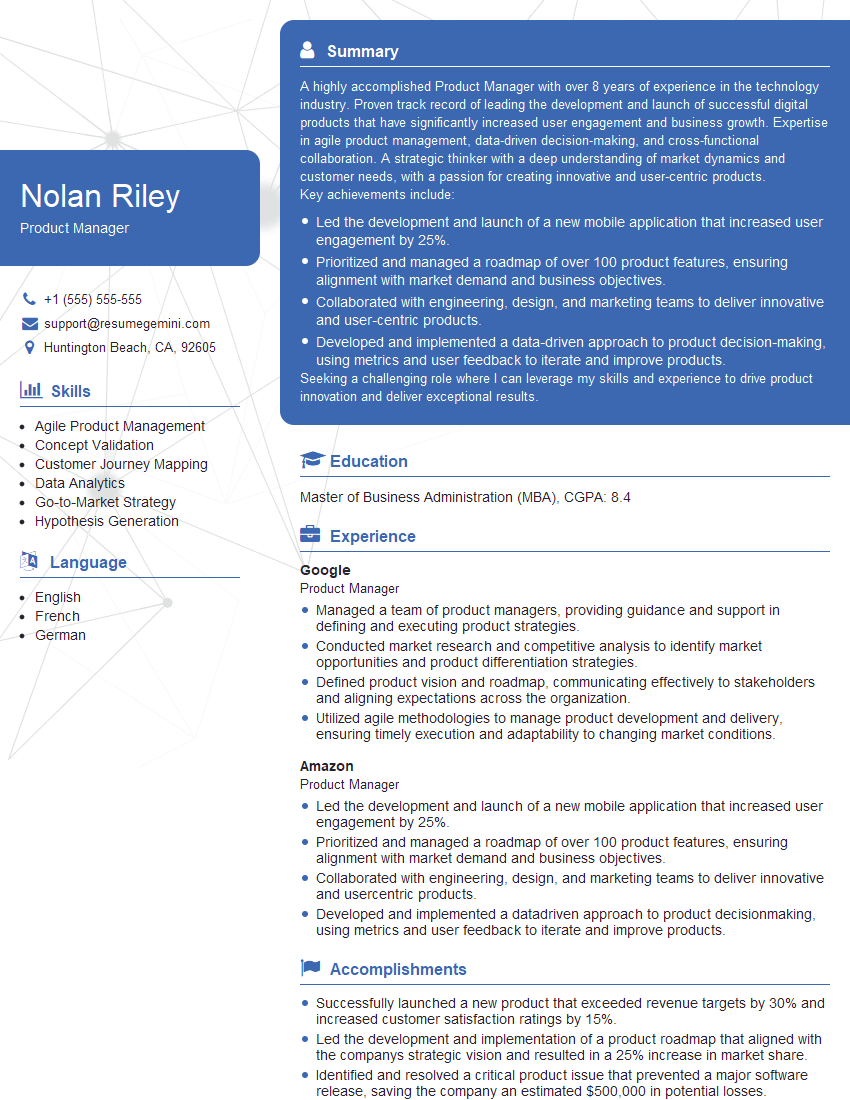
Product Manager Resume Sample
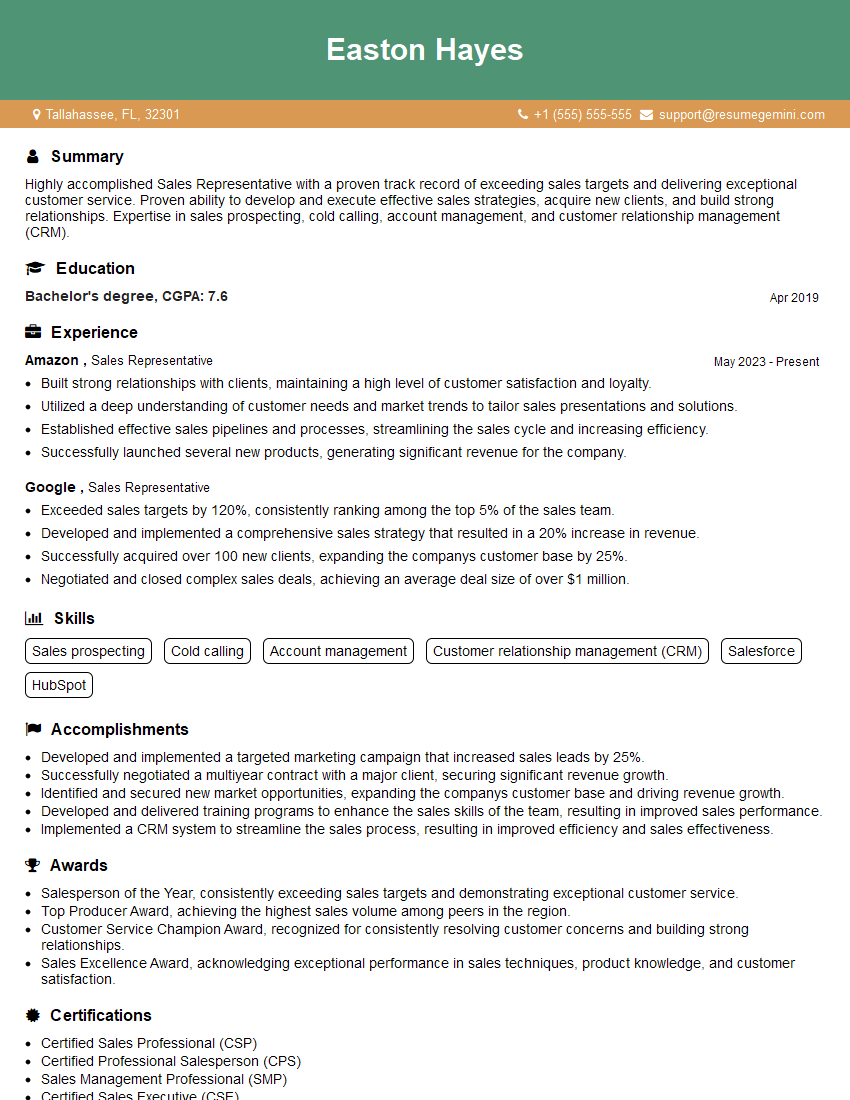
Sales Representative Resume Sample

Project Manager Resume Sample
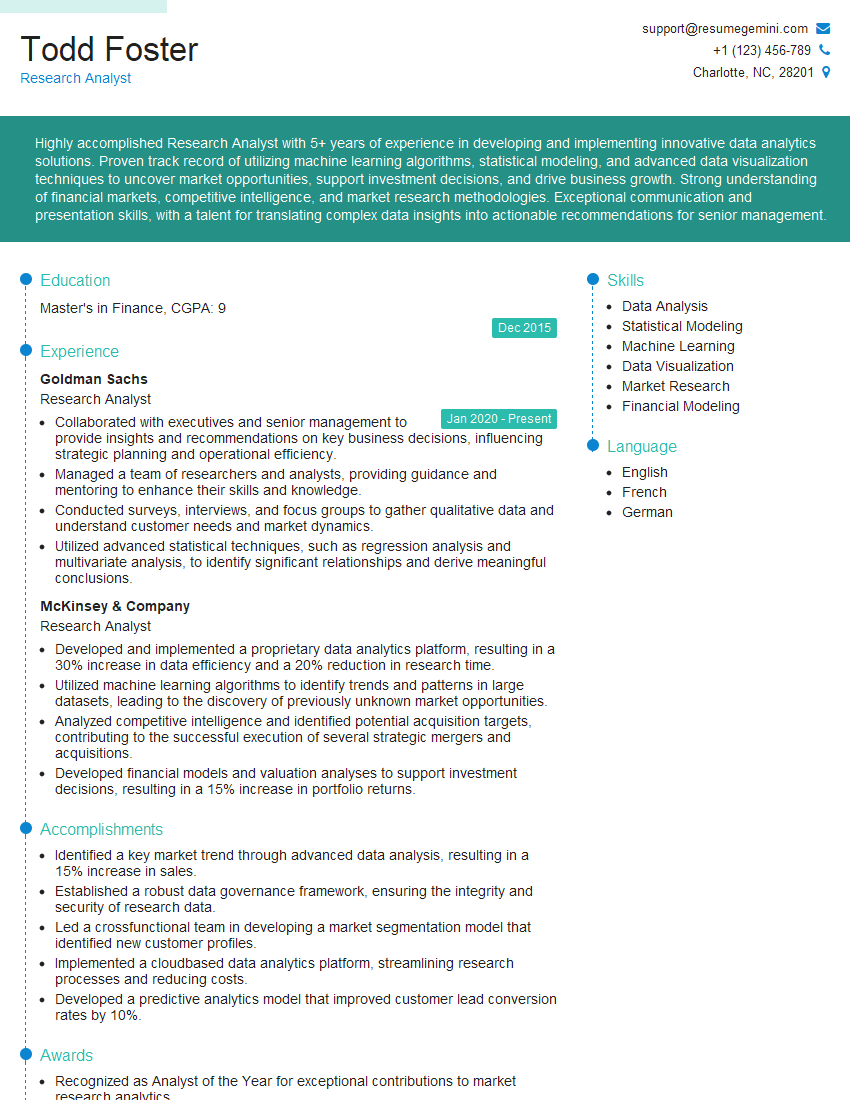
Research Analyst Resume Sample
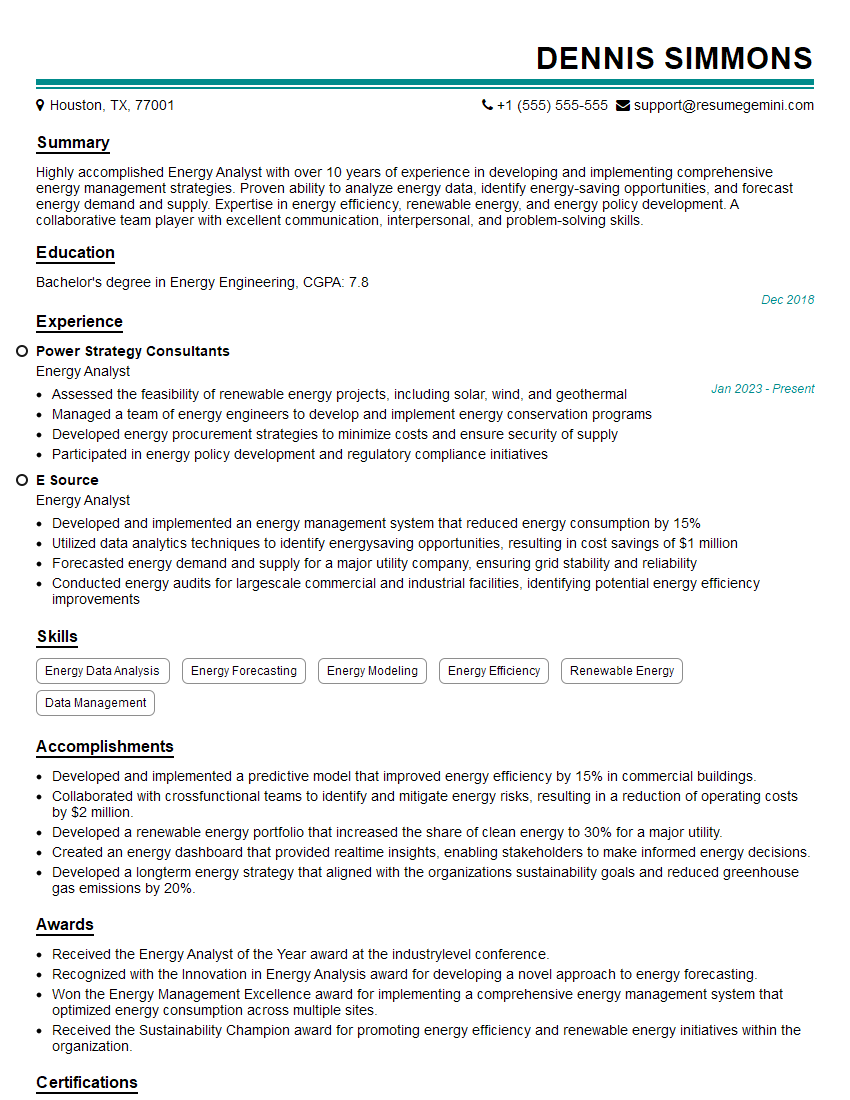
Energy Analyst Resume Sample
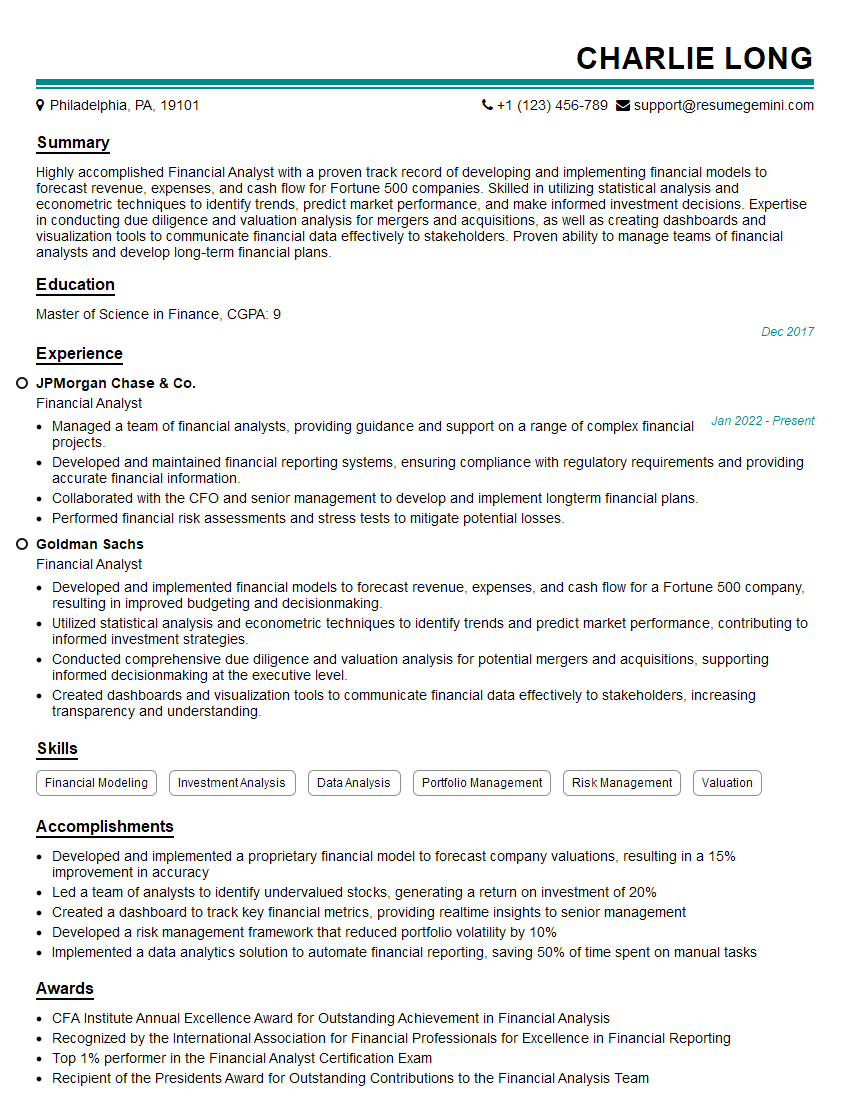
Financial Analyst Resume Sample
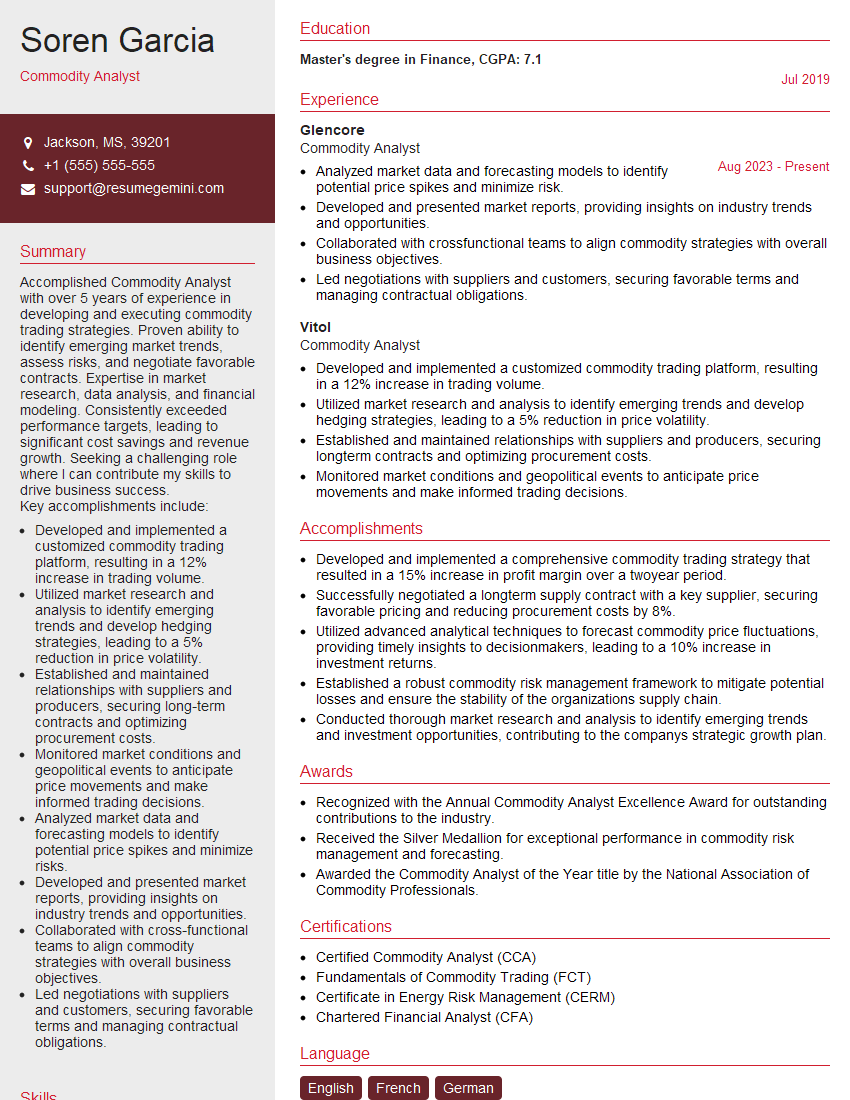
Commodity Analyst Resume Sample
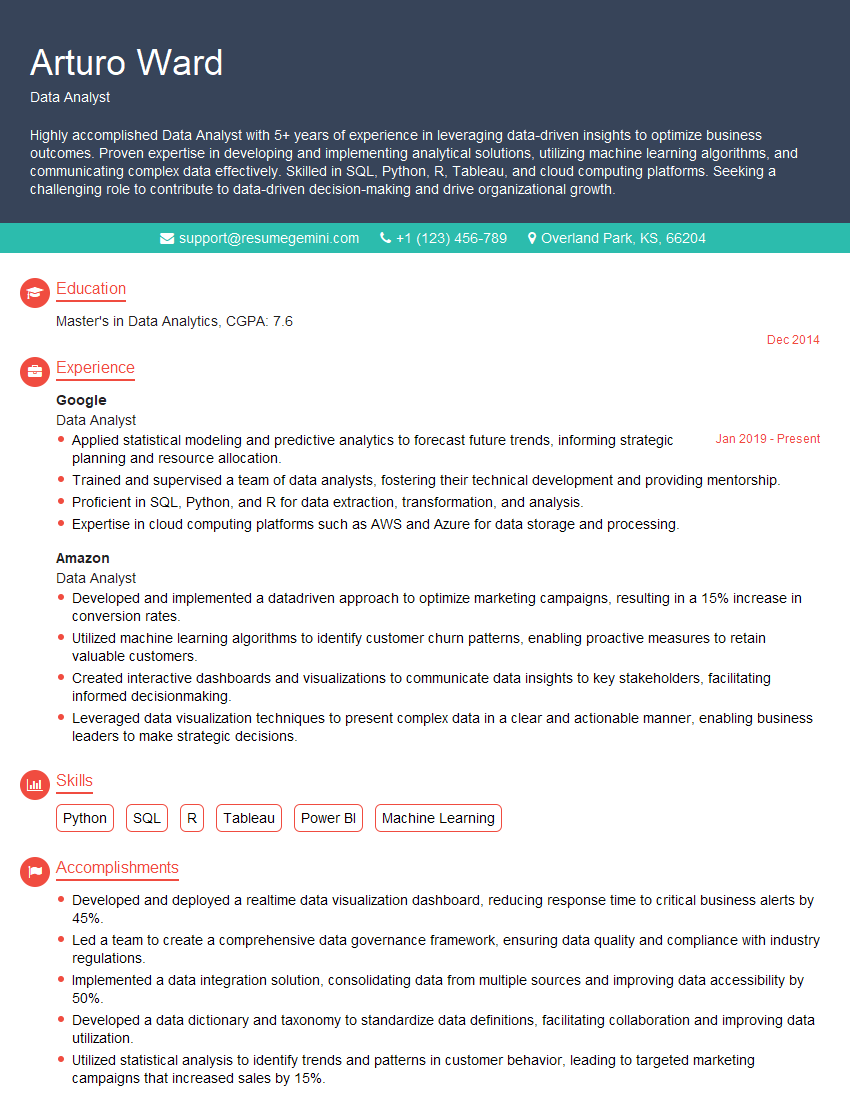
Data Analyst Resume Sample
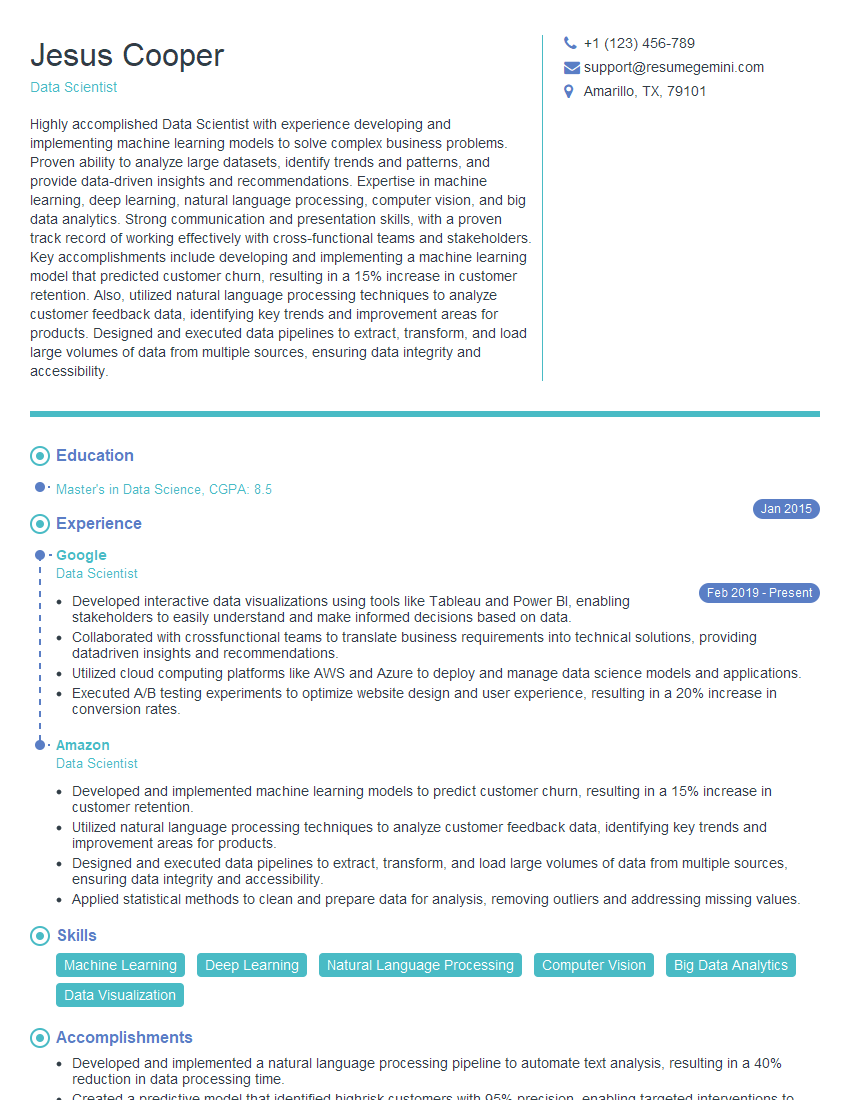
Data Scientist Resume Sample
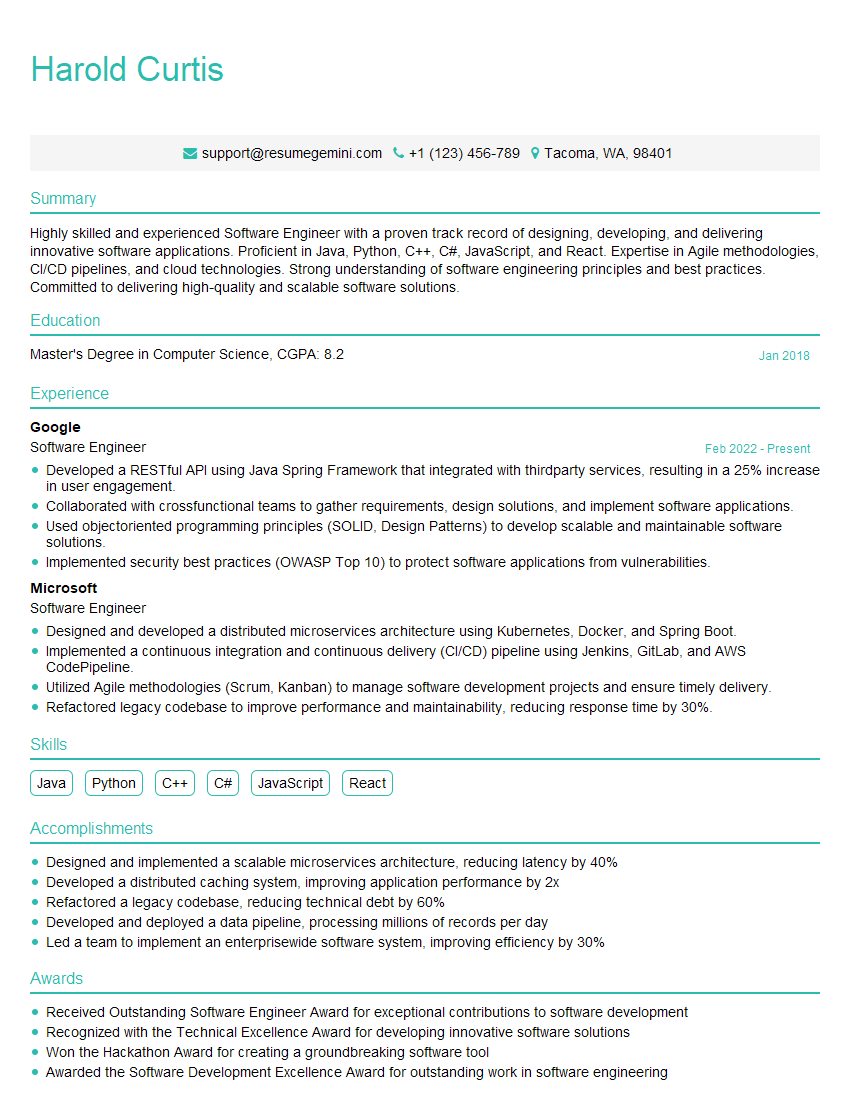
Software Engineer Resume Sample
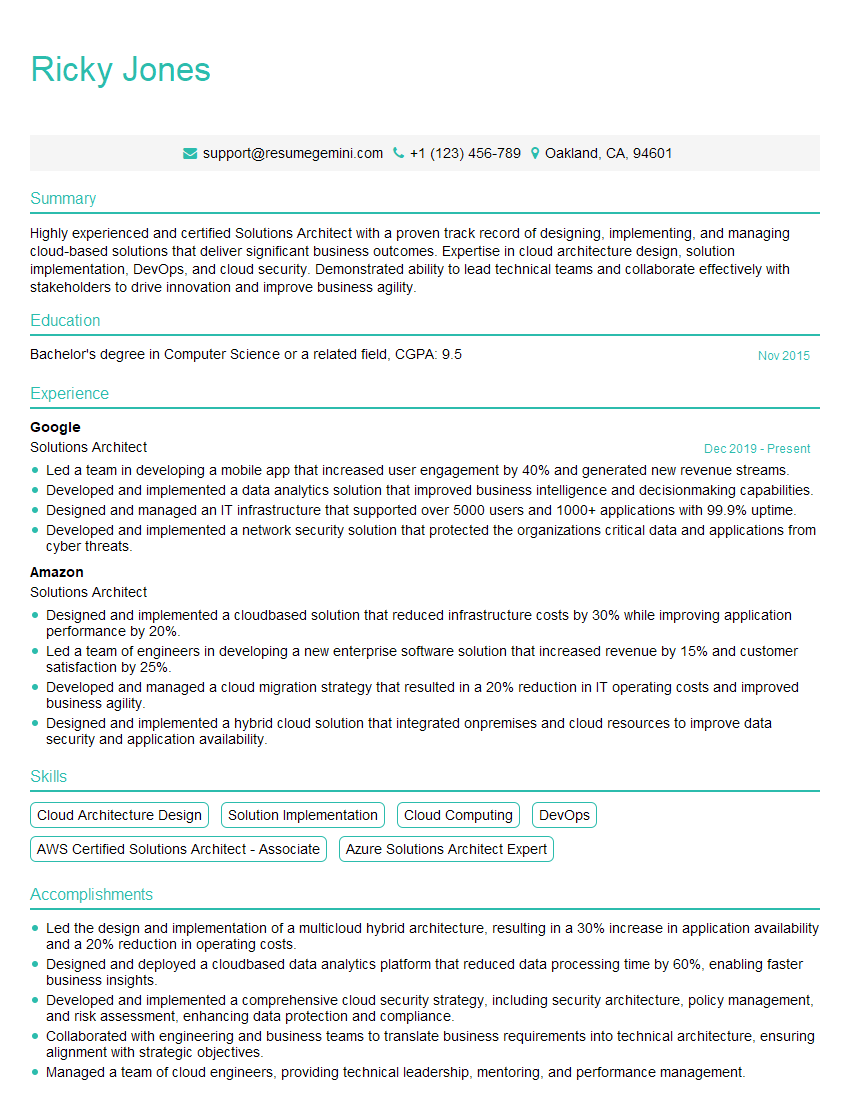
Solutions Architect Resume Sample

Senior Software Engineer Resume Sample
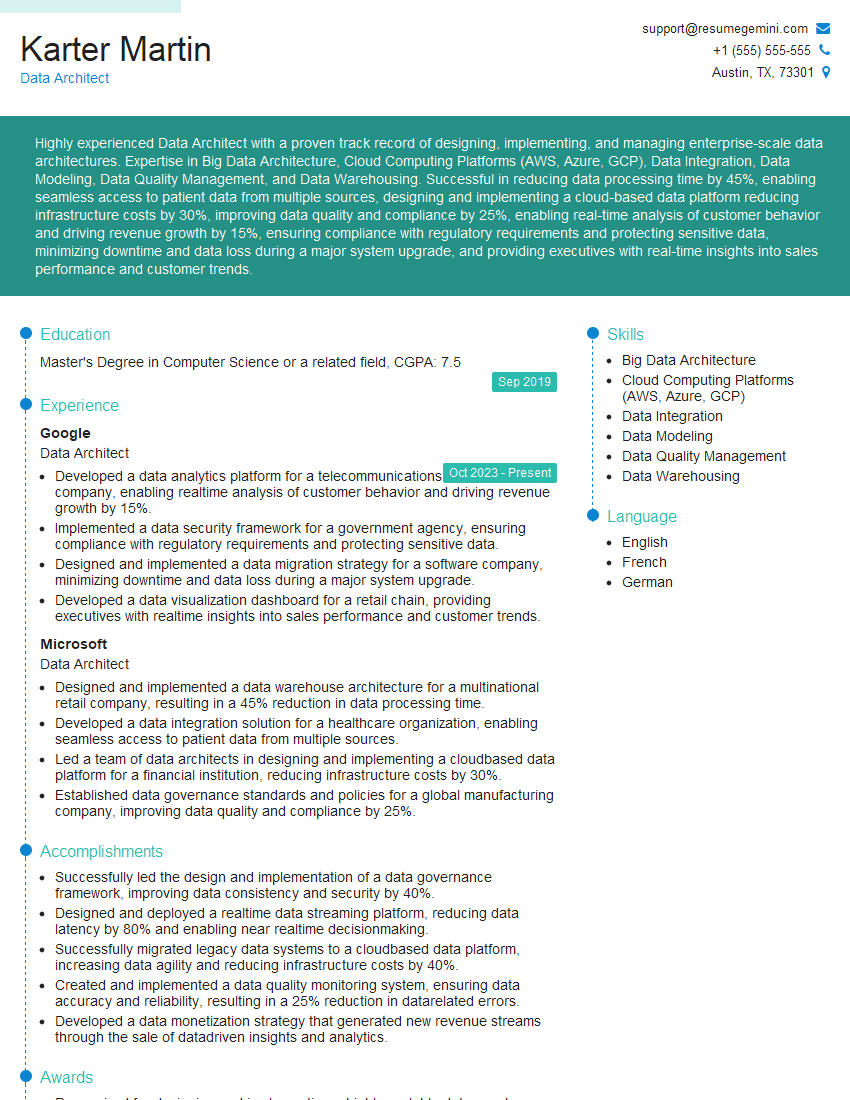
Data Architect Resume Sample
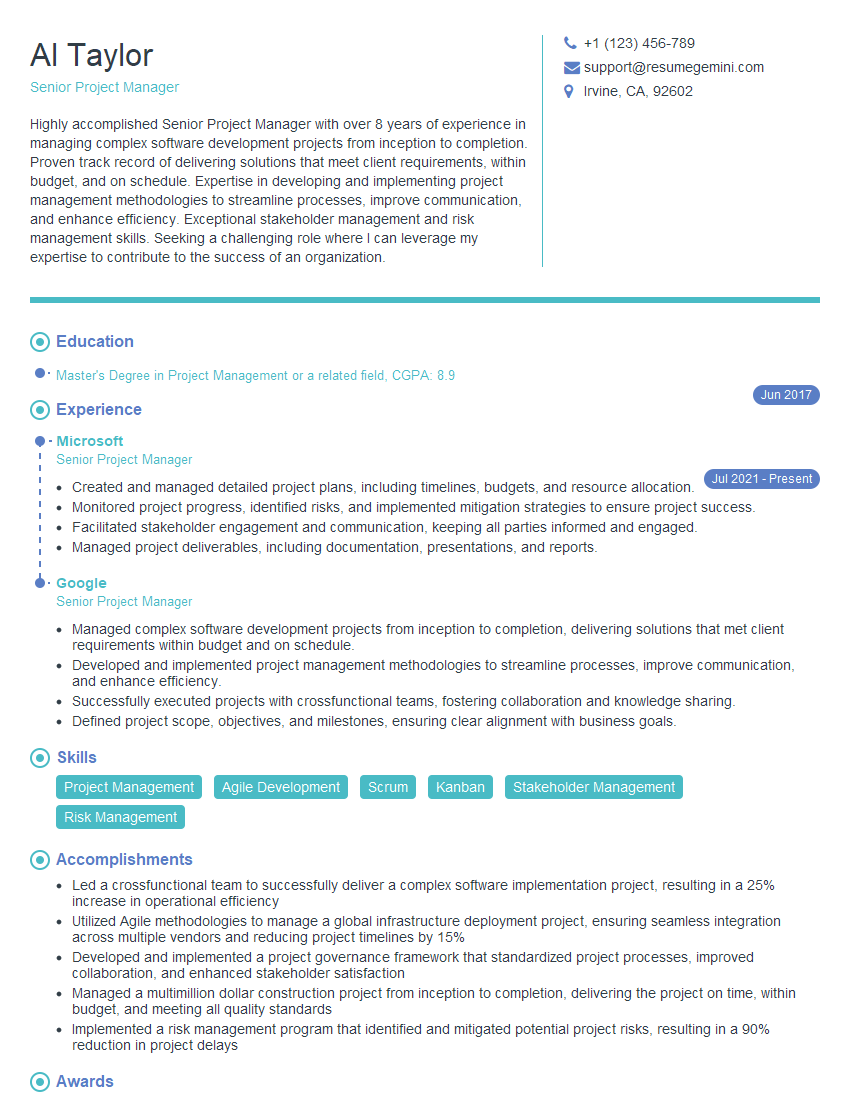
Senior Project Manager Resume Sample
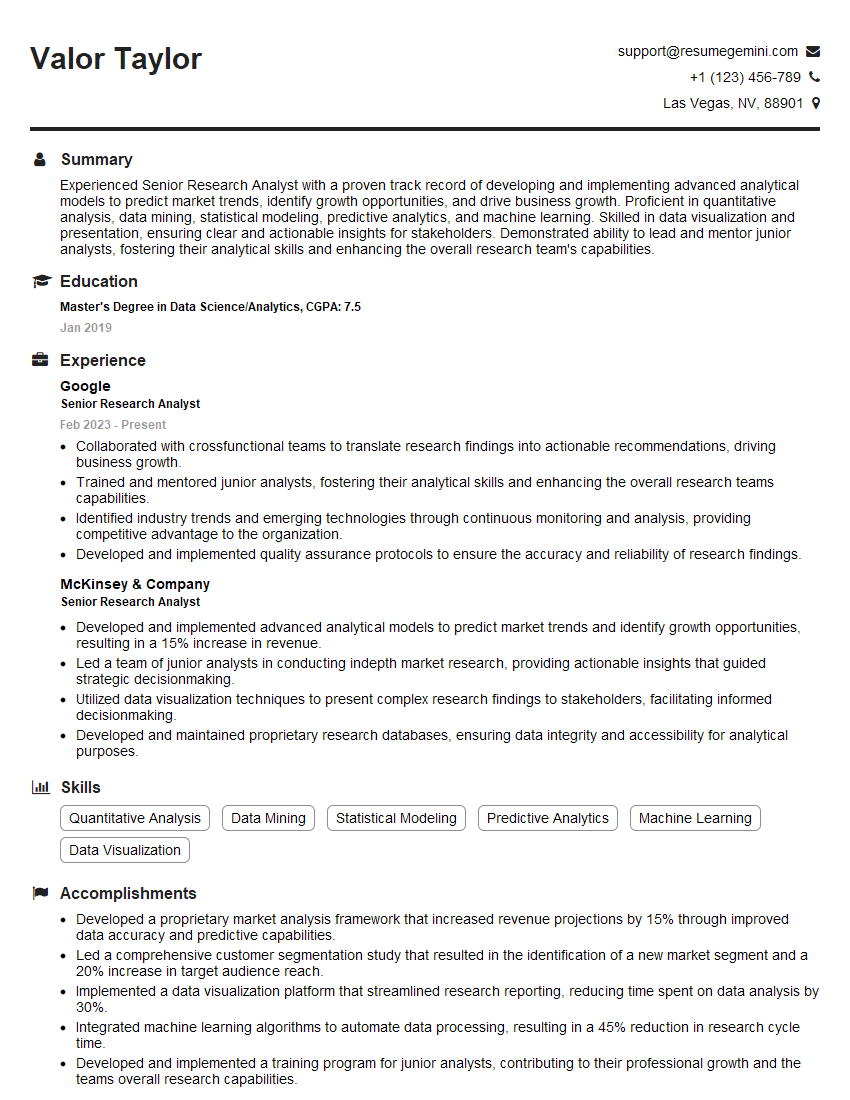
Senior Research Analyst Resume Sample
- Account Manager
- Business Development Manager
- Product Manager
- Sales Representative
- Project Manager
- Research Analyst
- Energy Analyst
- Financial Analyst
- Commodity Analyst
- Data Analyst
- Data Scientist
- Software Engineer
- Solutions Architect
- Senior Software Engineer
- Data Architect
- Senior Project Manager
- Senior Research Analyst
Explore more articles
Users Rating of Our Blogs
Share Your Experience
We value your feedback! Please rate our content and share your thoughts (optional).
What Readers Say About Our Blog
To the interviewgemini.com Webmaster.
Very helpful and content specific questions to help prepare me for my interview!
Thank you
To the interviewgemini.com Webmaster.
This was kind of a unique content I found around the specialized skills. Very helpful questions and good detailed answers.
Very Helpful blog, thank you Interviewgemini team.