Interviews are more than just a Q&A session—they’re a chance to prove your worth. This blog dives into essential Immunosuppression Management interview questions and expert tips to help you align your answers with what hiring managers are looking for. Start preparing to shine!
Questions Asked in Immunosuppression Management Interview
Q 1. Describe the mechanism of action of calcineurin inhibitors.
Calcineurin inhibitors, such as cyclosporine and tacrolimus, are cornerstone drugs in immunosuppression. Their mechanism of action centers around blocking the activity of calcineurin, a crucial enzyme in T-lymphocyte activation.
Think of it like this: T-cells are the generals of your immune system’s army. To launch an attack (initiate an immune response), these generals need to receive orders (signals). Calcineurin is the messenger that delivers those orders. By inhibiting calcineurin, these drugs prevent the T-cells from receiving the activation signals, thus suppressing the immune response. This is particularly crucial after organ transplantation, preventing the recipient’s immune system from attacking the transplanted organ (rejection).
More specifically, calcineurin’s role is in the dephosphorylation and activation of nuclear factor of activated T-cells (NFAT). NFAT is a transcription factor essential for the production of cytokines, which are crucial for T-cell proliferation and differentiation. By blocking this process, calcineurin inhibitors prevent the activation and expansion of these immune cells.
Q 2. What are the common side effects of corticosteroids?
Corticosteroids, such as prednisone and methylprednisolone, are potent anti-inflammatory drugs widely used in immunosuppression. While incredibly effective, they come with a range of potential side effects, often related to their broad impact on various bodily systems.
- Metabolic effects: Weight gain, hyperglycemia (high blood sugar), increased appetite, dyslipidemia (abnormal cholesterol levels) are common. Imagine the body’s metabolism as a finely tuned engine; corticosteroids can throw it off balance.
- Musculoskeletal effects: Osteoporosis (thinning of bones), muscle weakness, and increased risk of fractures are significant concerns, especially with prolonged use. Think of your bones and muscles as needing a specific balance of substances; corticosteroids disrupt this.
- Gastrointestinal effects: Peptic ulcers, pancreatitis, and nausea are potential problems. Corticosteroids can affect the delicate lining of the gastrointestinal tract.
- Cardiovascular effects: Hypertension (high blood pressure) and fluid retention are common. They impact the body’s fluid balance and blood vessel function.
- Psychiatric effects: Mood changes, insomnia, and even psychosis are possible in susceptible individuals. Corticosteroids can affect brain chemistry.
- Infections: Increased susceptibility to infections due to immunosuppression is a major risk.
The severity and frequency of side effects vary depending on the dose, duration of treatment, and individual patient factors. Careful monitoring and management are essential.
Q 3. Explain the role of mTOR inhibitors in immunosuppression.
mTOR (mammalian target of rapamycin) inhibitors, such as sirolimus and everolimus, represent a newer class of immunosuppressants. They target the mTOR pathway, a critical signaling pathway involved in T-cell proliferation, activation, and differentiation. Think of mTOR as a master regulator of cell growth and survival.
By inhibiting mTOR, these drugs prevent the growth and activation of T-cells, thereby suppressing the immune response. This mechanism differs from calcineurin inhibitors, offering a different approach to immunosuppression and potentially reducing the risk of some side effects. mTOR inhibitors are particularly effective in preventing rejection and are often used in combination with other immunosuppressants after organ transplantation. They are also increasingly used in the management of autoimmune diseases.
Q 4. Discuss the differences between mycophenolate mofetil and azathioprine.
Mycophenolate mofetil (MMF) and azathioprine are antimetabolites used in immunosuppression, both inhibiting purine synthesis, a process vital for DNA replication and cell division. However, they differ in their mechanism and side effect profiles.
- Mechanism: MMF is a prodrug converted to mycophenolic acid, a more potent inhibitor of inosine monophosphate dehydrogenase (IMPDH), a key enzyme in purine synthesis. Azathioprine is converted to 6-mercaptopurine, which also interferes with purine synthesis but through a broader range of mechanisms.
- Efficacy: Both are effective immunosuppressants but may differ in their potency in various clinical situations. MMF is generally considered more potent in preventing rejection.
- Side effects: MMF commonly causes gastrointestinal upset (nausea, diarrhea), bone marrow suppression (though less common than with azathioprine), and increased risk of infection. Azathioprine can cause more significant bone marrow suppression, liver toxicity, and pancreatitis. These side effects usually require careful blood monitoring.
The choice between MMF and azathioprine depends on individual patient factors, such as other medications, comorbidities, and risk factors for specific side effects. Often, a combination of immunosuppressants is used to maximize efficacy and minimize adverse events.
Q 5. How do you monitor for rejection after organ transplantation?
Monitoring for rejection after organ transplantation is crucial to ensure long-term graft survival. This involves a multi-pronged approach combining clinical assessment with various laboratory tests.
- Clinical assessment: This includes regular monitoring of vital signs, such as blood pressure and heart rate, as well as assessing the patient for any signs or symptoms of organ dysfunction (e.g., decreased urine output after kidney transplant, jaundice after liver transplant). Any deterioration in the patient’s condition warrants prompt investigation.
- Laboratory tests: Blood tests for serum creatinine (kidney function), liver enzymes (liver function), and other organ-specific markers are essential. Rising creatinine levels after a kidney transplant, for example, can be an early warning sign of rejection.
- Biopsy: If there is clinical suspicion of rejection, a biopsy of the transplanted organ may be necessary to confirm the diagnosis. This involves taking a small tissue sample for microscopic examination to assess the level of immune cell infiltration and damage.
- Imaging studies: Ultrasound, CT scans, or MRIs can be useful in some cases to assess the condition of the transplanted organ.
The frequency of monitoring varies depending on the organ transplanted, the type of immunosuppressive regimen used, and the patient’s clinical status. Early detection and treatment of rejection are crucial to maximize graft survival.
Q 6. What are the key laboratory tests used to assess immunosuppression?
Several key laboratory tests help assess immunosuppression and its effects on the patient.
- Complete blood count (CBC): This assesses the number of white blood cells, red blood cells, and platelets. Changes in these cell counts can indicate bone marrow suppression, a common side effect of certain immunosuppressants.
- Renal function tests: Serum creatinine and blood urea nitrogen (BUN) levels assess kidney function, which can be affected by some immunosuppressants and also reflects organ function if kidney is the transplanted organ.
- Liver function tests: Aspartate aminotransferase (AST), alanine aminotransferase (ALT), and bilirubin levels assess liver function. Certain immunosuppressants can cause liver damage.
- Inflammatory markers: C-reactive protein (CRP) and erythrocyte sedimentation rate (ESR) may provide indirect indications of inflammation, potentially suggesting rejection or infection.
- Therapeutic drug monitoring (TDM): This is crucial for immunosuppressants with narrow therapeutic indices (e.g., cyclosporine, tacrolimus) to ensure optimal drug levels are maintained while minimizing toxicity.
The specific tests used will depend on the immunosuppressants prescribed, the patient’s medical history, and the clinical context. Regular monitoring is vital to ensure effective immunosuppression while managing potential side effects.
Q 7. Explain the importance of therapeutic drug monitoring in immunosuppression.
Therapeutic drug monitoring (TDM) is indispensable in managing immunosuppression, particularly for drugs with a narrow therapeutic index like cyclosporine and tacrolimus. These drugs have a small window between effective doses and toxic doses. Think of it like walking a tightrope—you need to maintain a precise balance.
TDM involves measuring the drug’s blood concentration to optimize dosing and minimize side effects. Blood samples are drawn at specific intervals, and the results are used to adjust the dose to ensure the drug concentration remains within the therapeutic range. This personalized approach minimizes the risk of under-immunosuppression (leading to rejection) or over-immunosuppression (leading to increased susceptibility to infections and other side effects).
TDM is not just about numbers; it’s about individualizing care. Patient-specific factors like age, weight, liver and kidney function, and interactions with other drugs significantly influence drug levels. TDM allows clinicians to take these factors into account and tailor the treatment plan for optimal outcomes. This approach leads to improved graft survival and reduced complications for transplant recipients.
Q 8. Describe your experience with managing infectious complications in immunosuppressed patients.
Managing infectious complications in immunosuppressed patients is a critical aspect of their care. These individuals have weakened immune systems, making them highly susceptible to opportunistic infections. My approach involves proactive prevention and rapid, decisive treatment.
Prevention is paramount. This includes meticulous hand hygiene, vaccination against preventable infections (like influenza and pneumococcal pneumonia), and careful monitoring for early signs of infection. For example, I routinely counsel my patients on recognizing symptoms of pneumonia or urinary tract infections, encouraging immediate contact if any arise.
Early detection is key. Regular monitoring of vital signs, blood counts (looking for leukopenia or neutropenia), and imaging studies (like chest X-rays) are crucial for identifying infections before they become life-threatening.
Treatment requires a tailored approach considering the patient’s specific immunosuppression regimen and the type of infection. Broad-spectrum antibiotics might be necessary initially, followed by targeted therapy once the pathogen is identified. In cases of severe infection or compromised immune response, hospitalization and intravenous antibiotics may be required. For instance, a patient on high-dose corticosteroids presenting with pneumonia might necessitate hospitalization for intravenous antibiotics and supportive care.
Q 9. How do you assess and manage drug interactions with immunosuppressants?
Immunosuppressants frequently interact with other medications, potentially leading to adverse effects or reduced efficacy. A thorough medication reconciliation, including over-the-counter drugs and herbal remedies, is essential. I utilize resources like Micromedex or Lexi-Comp to assess potential interactions.
My assessment considers several factors: the specific immunosuppressant (e.g., calcineurin inhibitors like tacrolimus or cyclosporine, corticosteroids, antimetabolites like azathioprine or mycophenolate mofetil), the patient’s other medications, and their overall health status. For example, the combination of tacrolimus and erythromycin can significantly elevate tacrolimus blood levels, potentially leading to nephrotoxicity. I carefully monitor patients on such combinations, adjusting dosages as needed and closely monitoring kidney function.
Managing drug interactions may involve dose adjustments, substituting medications, or implementing careful monitoring of blood levels of immunosuppressants (therapeutic drug monitoring or TDM) to optimize therapy and minimize adverse events. Effective communication with the patient and other healthcare providers is also crucial to ensure comprehensive management.
Q 10. What are the risk factors for developing post-transplant lymphoproliferative disorder (PTLD)?
Post-transplant lymphoproliferative disorder (PTLD) is a type of cancer that can develop after organ transplantation due to immunosuppression. Several risk factors increase the likelihood of developing PTLD:
- Intensity of immunosuppression: Higher doses and longer durations of immunosuppressive therapy significantly increase the risk.
- Type of immunosuppression: Certain immunosuppressants, particularly those targeting B-cells, carry a higher risk.
- Epstein-Barr virus (EBV) status: Prior EBV infection and the recipient’s immune response to EBV play a crucial role. Patients with a lack of pre-transplant immunity to EBV are at significantly greater risk.
- Type of transplant: Solid organ transplant recipients are at risk, but the risk is higher for patients receiving hematopoietic stem cell transplants (HSCT).
- HLA matching: Poor HLA matching between donor and recipient increases the risk of PTLD.
Early detection through regular monitoring of blood counts and EBV viral loads is essential. Management often involves reducing immunosuppression (gradually) and, in more advanced cases, antiviral therapy or chemotherapy. Regular follow-up is crucial for early identification and management of this serious complication.
Q 11. Discuss your experience with managing graft-versus-host disease (GvHD).
Graft-versus-host disease (GvHD) is a serious complication primarily seen after allogeneic hematopoietic stem cell transplantation (HSCT). It occurs when donor immune cells (T-cells) recognize the recipient’s tissues as foreign and attack them.
My experience involves managing GvHD in several stages. Acute GvHD (occurring within the first 100 days post-transplant) presents with skin rashes, gastrointestinal symptoms (diarrhea, abdominal pain), and liver dysfunction. Treatment typically involves corticosteroids, with additional immunosuppressive agents if the initial response is inadequate.
Chronic GvHD develops later and can affect multiple organs, including the skin, lungs, liver, and eyes. Management can include corticosteroids, calcineurin inhibitors, immunosuppressive agents like azathioprine or mycophenolate mofetil, and sometimes biologic therapies (such as anti-TNF agents or anti-IL-6 receptor antibodies). Close monitoring of organ function and supportive care are crucial components of management.
The approach always considers the severity of GvHD, the patient’s overall health, and the potential impact on the graft. Each case needs individualized management, and close collaboration with hematologists and other specialists is essential for optimal outcomes.
Q 12. How do you counsel patients on the risks and benefits of immunosuppression?
Counseling patients about immunosuppression involves clearly explaining the necessity, benefits, and risks involved. I use a patient-centered approach, tailoring my explanation to their individual understanding and needs.
I discuss the importance of immunosuppression in preventing transplant rejection or managing autoimmune diseases. I detail potential benefits such as improved quality of life due to reduced disease activity. Simultaneously, I thoroughly explain the risks, including increased susceptibility to infections, organ damage from medications (e.g., nephrotoxicity, hepatotoxicity), and the potential for malignancies such as PTLD.
I use analogies to make complex concepts easier to understand; for example, I might compare the immune system to a security system for the body, where immunosuppressants can create security vulnerabilities that need to be managed carefully. I empower my patients by actively involving them in the decision-making process, encouraging questions, and ensuring they understand their role in managing their therapy and potential side effects.
Q 13. What are the strategies for minimizing side effects of immunosuppressants?
Minimizing the side effects of immunosuppressants is a key goal. Strategies include:
- Dose optimization: Careful monitoring of blood levels (TDM) and adjusting doses to achieve the lowest effective dose that minimizes adverse events.
- Combination therapy: Using lower doses of multiple agents can sometimes reduce the need for high doses of a single medication.
- Prophylactic measures: Administering medications to prevent or mitigate specific side effects. For example, using bisphosphonates to prevent bone loss associated with corticosteroids.
- Supportive care: Addressing side effects proactively with measures like dietary adjustments, hydration, and specific medications to manage symptoms such as nausea, diarrhea, or hypertension.
- Switching medications: If intolerable side effects occur, a change in medication may be necessary, always balancing the benefits and risks of the new medication against the old.
Close monitoring of vital signs, laboratory tests, and clinical symptoms is essential to detect early signs of adverse effects and adjust the treatment plan accordingly. A proactive approach to managing side effects not only improves patient tolerability but also promotes better adherence to therapy.
Q 14. Explain the importance of patient adherence in immunosuppressive therapy.
Patient adherence is absolutely critical in immunosuppressive therapy. Without consistent medication intake, the risk of transplant rejection, disease relapse, or serious infections increases dramatically.
I emphasize the importance of adherence during each patient encounter. I use strategies such as:
- Simplifying regimens: Using once-daily medications or reducing pill burden whenever possible.
- Medication organizers: Providing tools to assist patients in managing their medications.
- Regular follow-up: Frequent check-ins to monitor adherence, address concerns, and provide support.
- Patient education: Thoroughly explaining the purpose of each medication, potential side effects, and strategies for managing them.
- Addressing barriers to adherence: Identifying and actively addressing factors hindering medication adherence such as cost, transportation, or lack of understanding.
Encouraging patients to actively participate in their care, fostering a strong therapeutic alliance, and providing readily available support mechanisms can significantly improve adherence and improve treatment outcomes. Remember, patient adherence is not merely compliance; it’s a partnership built on trust and mutual understanding.
Q 15. Describe your experience with managing immunosuppression in specific patient populations (e.g., children, elderly).
Managing immunosuppression requires a nuanced approach tailored to the individual patient’s age and overall health. Children, for example, are particularly vulnerable to the side effects of immunosuppressants, necessitating careful dose adjustments and close monitoring for growth and development issues. We might use lower doses initially and gradually increase them as tolerated. Regular growth charts and developmental assessments become crucial. Conversely, elderly patients often have multiple comorbidities and may be taking other medications that interact with immunosuppressants. This necessitates a comprehensive medication review and careful consideration of potential drug interactions and age-related changes in organ function, like reduced kidney function requiring dosage adjustments to prevent toxicity. For both pediatric and geriatric populations, proactive management of infections is crucial because their immune systems are less robust. We emphasize preventive measures like vaccinations and promptly address any signs of infection. I have extensive experience in both populations, having worked in both pediatric and geriatric transplant units, allowing me to customize treatment plans for optimal outcomes and minimize risks.
Career Expert Tips:
- Ace those interviews! Prepare effectively by reviewing the Top 50 Most Common Interview Questions on ResumeGemini.
- Navigate your job search with confidence! Explore a wide range of Career Tips on ResumeGemini. Learn about common challenges and recommendations to overcome them.
- Craft the perfect resume! Master the Art of Resume Writing with ResumeGemini’s guide. Showcase your unique qualifications and achievements effectively.
- Don’t miss out on holiday savings! Build your dream resume with ResumeGemini’s ATS optimized templates.
Q 16. How do you address non-adherence to immunosuppression therapy?
Non-adherence to immunosuppression therapy is a significant problem, potentially leading to transplant rejection and increased risk of infection. Addressing this requires a multi-pronged approach. First, we need to understand the reasons for non-adherence – are there financial barriers, cognitive difficulties, medication side effects, or lack of understanding? Open communication is key; I actively listen to patient concerns and involve family members when appropriate. Simplified medication regimens, pill organizers, and even mobile apps with reminders can improve adherence. For patients struggling with side effects, we explore alternative medications or strategies to manage these side effects. In some cases, social work support may be necessary to address financial or social obstacles. I often use motivational interviewing techniques, collaboratively working with the patient to identify their goals and empower them to take control of their medication regimen. Regular follow-up appointments and therapeutic drug monitoring are also essential to track adherence and medication levels, promptly identifying and addressing any issues.
Q 17. What is your approach to managing acute rejection?
Acute rejection is a life-threatening event requiring prompt and decisive action. My approach involves immediate assessment of the patient’s clinical status, including organ function tests and biopsy if necessary to confirm the diagnosis and its severity. Intravenous corticosteroids are typically the first-line treatment, aimed at rapidly suppressing the immune response. If corticosteroids fail to control rejection, or if the rejection is severe, I would consider adding other immunosuppressants like monoclonal antibodies or increased doses of current medications, depending on the individual’s response and overall health. Close monitoring of vital signs and organ function is crucial throughout this phase. Each case is unique, and treatment adjustments are made based on the patient’s response to therapy. In some cases, plasmapheresis might be considered to remove harmful antibodies from the blood. The ultimate goal is to reverse the rejection process and stabilize the patient’s condition, preventing irreversible organ damage.
Q 18. Discuss your knowledge of different immunosuppression protocols.
Various immunosuppression protocols exist, each with its advantages and disadvantages. The choice of protocol depends on factors such as the type of transplant, the patient’s medical history, and the risk of rejection. Induction therapy, given immediately before or after transplantation, aims to prevent early rejection. Examples include basiliximab or daclizumab (monoclonal antibodies) and high doses of corticosteroids. Maintenance therapy, continued long-term after the transplant, aims to suppress the immune system sufficiently to prevent chronic rejection while minimizing side effects. Common regimens include combinations of calcineurin inhibitors (like tacrolimus or cyclosporine), antimetabolites (like azathioprine or mycophenolate mofetil), and corticosteroids. For example, a common protocol might involve tacrolimus, mycophenolate mofetil, and corticosteroids. The specific doses and combinations are carefully adjusted based on blood levels of the drugs, organ function, and the patient’s response. We also consider newer agents like belatacept, which might be preferable for certain patients who have difficulties tolerating other medications. The goal is to find the optimal balance between sufficient immunosuppression and minimizing side effects.
Q 19. Explain the role of monoclonal antibodies in immunosuppression.
Monoclonal antibodies are a crucial component of many immunosuppression protocols. They are engineered proteins that target specific components of the immune system, thereby reducing the risk of rejection. For instance, basiliximab and daclizumab target interleukin-2 receptors on activated T-cells, preventing them from proliferating and attacking the transplanted organ. Other monoclonal antibodies, such as alemtuzumab, are more broadly immunosuppressive, targeting a wider range of immune cells. These antibodies are typically used in induction therapy or as part of maintenance therapy, particularly in high-risk patients or those experiencing rejection. The advantages of monoclonal antibodies include their high specificity and relatively fewer side effects compared to some other immunosuppressants, yet they can still pose risks such as infusion reactions. Careful monitoring of patients for side effects and regular lab testing to assess their effectiveness is essential. I frequently employ monoclonal antibodies in my practice and remain informed about the latest developments and research in this area.
Q 20. How do you manage opportunistic infections in immunosuppressed patients?
Immunosuppressed patients are highly susceptible to opportunistic infections. Prophylaxis is key – we use vaccines to protect against preventable infections like influenza and pneumococcal pneumonia. Prophylactic medications, such as antiviral drugs for cytomegalovirus (CMV) and antifungal medications, might also be necessary, depending on the patient’s risk factors. Careful monitoring for signs and symptoms of infection, including fever, fatigue, and changes in organ function, is crucial. Rapid diagnosis and treatment are essential to minimize the risk of severe complications. Blood tests, cultures, and imaging studies may be used to identify and characterize infections. Broad-spectrum antibiotics are sometimes needed initially before the causative pathogen is identified. I collaborate closely with infectious disease specialists whenever complex or severe infections arise to ensure appropriate management and patient safety.
Q 21. What are the long-term complications of immunosuppression?
Long-term immunosuppression carries significant risks. The most common complications include increased susceptibility to infections, as discussed previously. Other long-term risks include kidney damage (nephrotoxicity), often associated with calcineurin inhibitors, cardiovascular disease, increased risk of certain cancers (like skin cancer and lymphoma), diabetes mellitus, and bone loss (osteoporosis). Regular monitoring for these complications is essential, including routine blood tests, blood pressure checks, and imaging studies as indicated. Lifestyle modifications, such as a healthy diet, exercise, and sun protection, can help mitigate some of these risks. We also discuss the potential long-term side effects upfront with patients, enabling them to make informed decisions and encouraging adherence to preventive measures. Careful attention to minimizing drug doses while maintaining effective immunosuppression is crucial in reducing these long-term consequences.
Q 22. Describe your experience with different immunosuppressive regimens.
My experience encompasses a wide range of immunosuppressive regimens, tailored to various conditions like organ transplantation, autoimmune diseases, and certain cancers. I’ve worked extensively with calcineurin inhibitors (e.g., cyclosporine, tacrolimus), which are cornerstone drugs in transplantation, managing their intricate balancing act between efficacy and toxicity. I’m also proficient in using corticosteroids, antimetabolites (e.g., azathioprine, mycophenolate mofetil), and monoclonal antibodies (e.g., basiliximab, belatacept) – often in combination therapies. For instance, in kidney transplant recipients, a common regimen might involve tacrolimus, mycophenolate mofetil, and corticosteroids. In rheumatoid arthritis, we might use methotrexate as a first-line agent, escalating to biologics like TNF inhibitors if needed. The choice of regimen is highly individualized, considering factors like the specific disease, patient comorbidities, and potential drug interactions. Each regimen requires meticulous monitoring for both therapeutic efficacy and adverse effects.
For example, I remember a patient with a recent heart transplant who developed significant nephrotoxicity from tacrolimus. We adjusted the dosage carefully, monitored creatinine levels rigorously, and implemented supportive measures. This case highlighted the importance of individualized treatment plans and proactive monitoring to prevent severe complications.
Q 23. How do you interpret renal function tests in patients on immunosuppression?
Interpreting renal function tests in immunosuppressed patients is crucial due to the nephrotoxic potential of many immunosuppressants. We primarily focus on serum creatinine and estimated glomerular filtration rate (eGFR), key indicators of kidney function. A rising creatinine level or falling eGFR suggests potential kidney damage. However, it’s important to consider baseline renal function and the patient’s overall clinical picture. Other factors to consider include age, other medications, and hydration status. We also look at urine protein and electrolyte levels to assess for other signs of renal dysfunction. For example, a patient on cyclosporine might show elevated creatinine due to the drug’s direct effect on the kidneys; we’d then adjust the dose or consider alternative agents.
We don’t solely rely on numbers; clinical symptoms such as edema, reduced urine output, or fatigue provide additional context. Regular monitoring is critical, often involving weekly or bi-weekly tests in the early post-transplant period, gradually decreasing frequency as the patient stabilizes.
Q 24. Explain your understanding of the interaction between immunosuppression and vaccination.
Immunosuppression significantly impacts the immune response to vaccination, making patients vulnerable to infections. The degree of immunosuppression determines the response; those on low-dose immunosuppressants may still mount a reasonable response, while those on high-dose therapy or those with severely compromised immune systems might not produce sufficient antibodies. Live attenuated vaccines are generally contraindicated in severely immunosuppressed individuals due to the risk of infection. Inactivated vaccines, although less effective, are generally preferred. The timing of vaccination is also crucial; ideally, it’s administered before starting immunosuppression or during periods of reduced immunosuppression, if possible.
For example, pneumococcal and influenza vaccines are highly recommended for transplant recipients, given their increased susceptibility to respiratory infections. We always assess the patient’s immune status before administering any vaccine and carefully monitor for any adverse reactions.
Q 25. What are the ethical considerations of using immunosuppressants?
Ethical considerations surrounding immunosuppressants are multifaceted. Balancing the potential benefits (e.g., preventing organ rejection, managing autoimmune diseases) with the risks (e.g., increased infection susceptibility, nephrotoxicity, malignancy) is paramount. Informed consent is essential, ensuring patients understand the potential benefits and risks involved before commencing therapy. We must carefully weigh the risks and benefits for each patient, especially considering their age, comorbidities, and life expectancy. Furthermore, equitable access to immunosuppressants is a critical ethical consideration, ensuring that all patients who require them can receive them regardless of their socioeconomic status.
For example, the high cost of certain biologic agents can create access disparities, highlighting the need for fair distribution strategies. Also, the potential for long-term side effects necessitates ongoing monitoring and counseling to mitigate potential risks and improve patient quality of life.
Q 26. Describe your experience with clinical trials related to immunosuppression.
I’ve been involved in several clinical trials investigating novel immunosuppressive agents and strategies, focusing primarily on reducing side effects while maintaining efficacy. This includes participation in trials evaluating new calcineurin inhibitors, targeted therapies, and combination regimens. My role involved patient recruitment, data collection, safety monitoring, and data analysis. The rigorous processes involved in clinical trials underscore the importance of careful evaluation of new treatments before their widespread use in clinical practice. For instance, a recent trial investigated a novel agent’s efficacy in reducing acute rejection episodes after kidney transplantation. This research helps refine treatment protocols and improve outcomes for patients. The ethical oversight in these trials ensured the safety and well-being of participants while upholding research integrity.
Q 27. How do you stay updated on the latest advancements in immunosuppression?
Staying updated in the rapidly evolving field of immunosuppression involves a multi-pronged approach. I regularly review leading medical journals (e.g., The New England Journal of Medicine, The Lancet, JAMA), attend national and international conferences, and actively participate in professional organizations like the American Society of Transplantation. I also follow reputable online resources and participate in continuing medical education courses to stay abreast of the latest guidelines and research findings. This commitment ensures I provide my patients with the most up-to-date and evidence-based care.
Q 28. Explain your understanding of the role of personalized medicine in immunosuppression.
Personalized medicine plays an increasingly important role in immunosuppression. It recognizes that individuals respond differently to drugs due to genetic, environmental, and clinical factors. Genomic testing can identify variations in genes that affect drug metabolism and response, allowing us to tailor immunosuppressive regimens to maximize efficacy while minimizing adverse effects. For instance, pharmacogenomic testing can guide the selection and dosage of certain immunosuppressants, potentially avoiding complications. This approach moves away from a ‘one-size-fits-all’ approach, leading to better outcomes and reduced healthcare costs in the long run. The future of immunosuppression lies in integrating genomics and other ‘omics’ data to provide truly individualized therapies. This is particularly important given the complex interplay between the immune system and numerous other factors influencing treatment response.
Key Topics to Learn for Immunosuppression Management Interview
- Pharmacodynamics and Pharmacokinetics of Immunosuppressants: Understanding drug mechanisms, absorption, distribution, metabolism, and excretion is crucial for effective management.
- Immunosuppressant Drug Classes: Deepen your knowledge of Calcineurin Inhibitors (e.g., Cyclosporine, Tacrolimus), mTOR Inhibitors (e.g., Sirolimus, Everolimus), Antimetabolites (e.g., Azathioprine, Mycophenolate Mofetil), and others. Understand their individual properties, side effects, and drug interactions.
- Therapeutic Drug Monitoring (TDM): Learn the importance of TDM for optimizing drug levels and minimizing toxicity. Understand the methodologies and interpretation of results.
- Monitoring for Adverse Effects: Be prepared to discuss common and rare side effects of immunosuppressants, including nephrotoxicity, hepatotoxicity, infections, and malignancies. Know how to identify, manage, and mitigate these risks.
- Patient-Specific Considerations: Understand how factors like age, comorbidities, and genetics influence immunosuppression management. Be able to tailor treatment plans accordingly.
- Organ Transplant Immunosuppression Protocols: Familiarize yourself with common immunosuppressive regimens used for various organ transplants (kidney, liver, heart, etc.).
- Immunosuppression in Autoimmune Diseases: Explore the use of immunosuppressants in managing autoimmune conditions like rheumatoid arthritis, lupus, and inflammatory bowel disease.
- Infection Prevention and Management: Understand the increased risk of infections in immunosuppressed patients and strategies for prophylaxis and treatment.
- Ethical and Legal Considerations: Be aware of the ethical implications of immunosuppression and relevant legal frameworks.
- Problem-Solving and Case Studies: Practice analyzing patient scenarios, identifying potential complications, and developing appropriate management plans. Consider using case studies to strengthen your problem-solving skills.
Next Steps
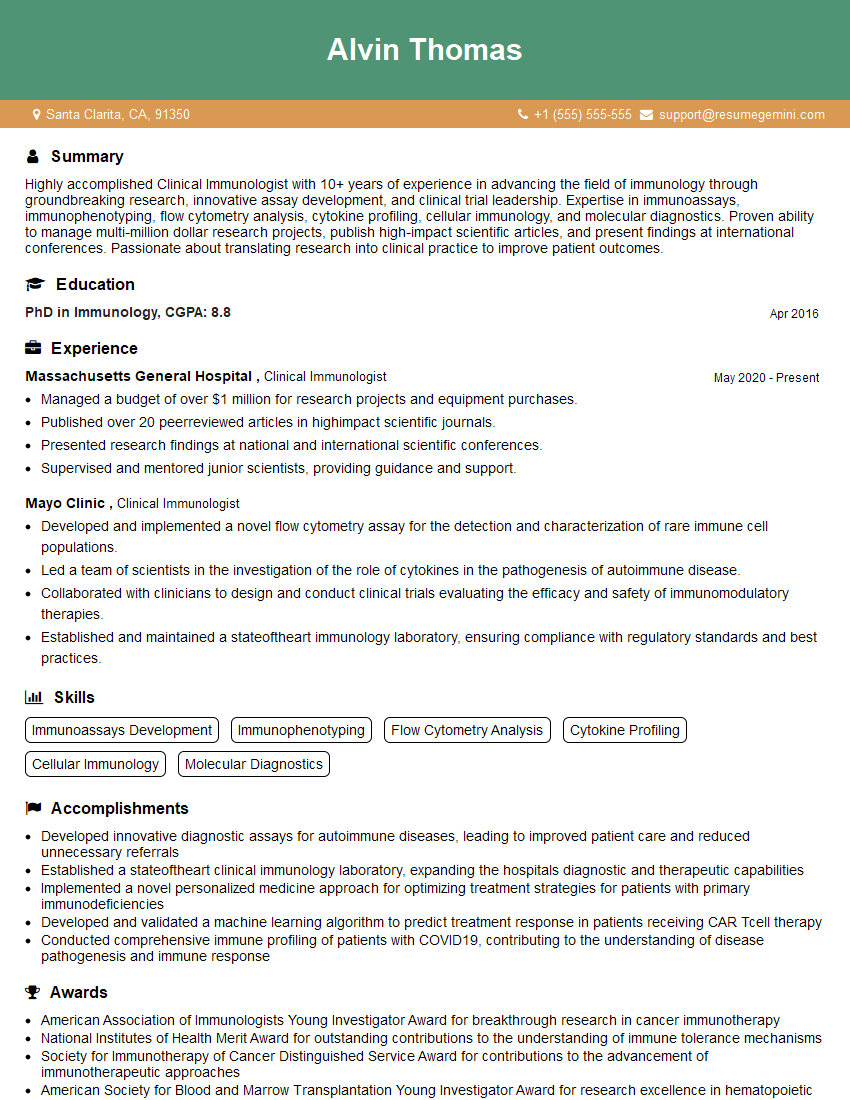
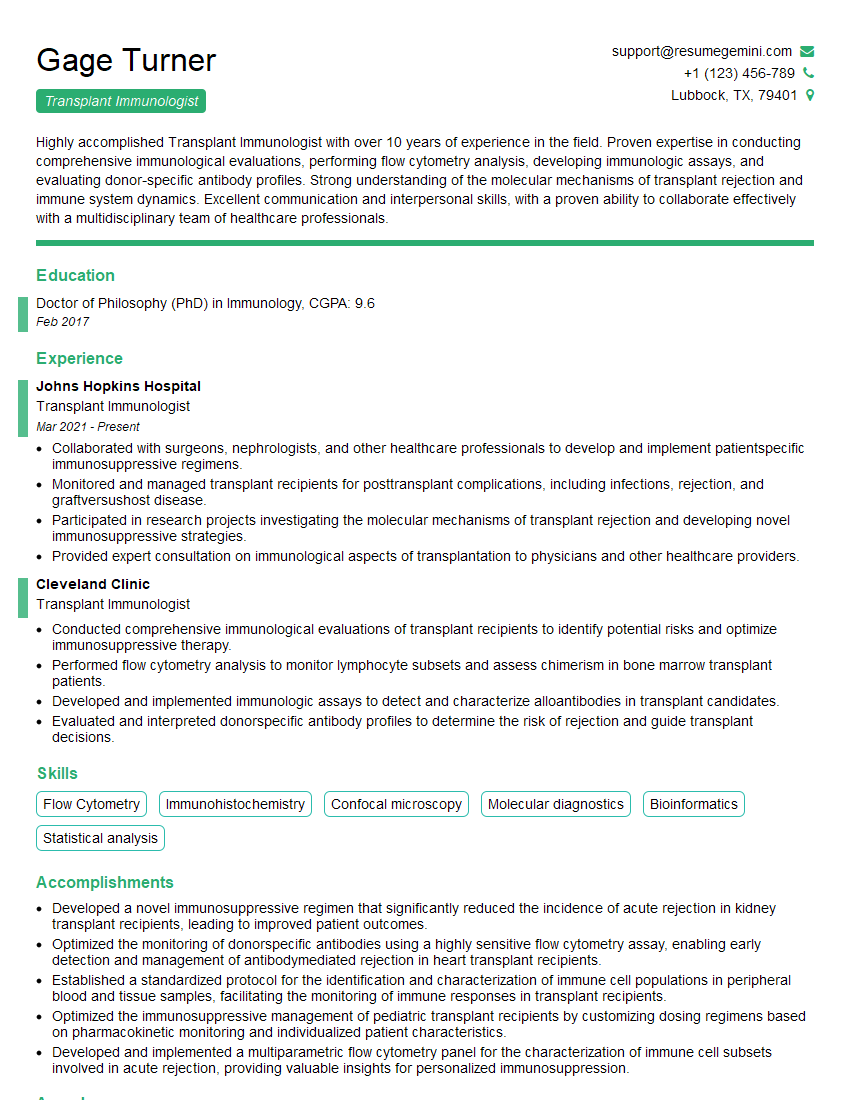
Mastering Immunosuppression Management significantly enhances your career prospects in the healthcare industry, opening doors to specialized roles and advanced opportunities. Building a strong, ATS-friendly resume is key to showcasing your skills and experience effectively. To help you create a compelling resume that highlights your expertise, we recommend using ResumeGemini. ResumeGemini provides a user-friendly platform for crafting professional resumes, and we offer examples of resumes tailored to Immunosuppression Management to guide you.
Explore more articles
Users Rating of Our Blogs
Share Your Experience
We value your feedback! Please rate our content and share your thoughts (optional).
What Readers Say About Our Blog
To the interviewgemini.com Webmaster.
Very helpful and content specific questions to help prepare me for my interview!
Thank you
To the interviewgemini.com Webmaster.
This was kind of a unique content I found around the specialized skills. Very helpful questions and good detailed answers.
Very Helpful blog, thank you Interviewgemini team.