Are you ready to stand out in your next interview? Understanding and preparing for Individual Session Therapy interview questions is a game-changer. In this blog, we’ve compiled key questions and expert advice to help you showcase your skills with confidence and precision. Let’s get started on your journey to acing the interview.
Questions Asked in Individual Session Therapy Interview
Q 1. Describe your preferred theoretical orientation for individual therapy and justify your choice.
My preferred theoretical orientation is integrative psychotherapy. This approach isn’t a single school of thought but rather a blend of various techniques and theories, allowing for flexibility and tailoring treatment to the unique needs of each client. I draw heavily from cognitive-behavioral therapy (CBT) for its effectiveness in addressing maladaptive thoughts and behaviors, and also incorporate elements of psychodynamic therapy to explore unconscious patterns and relational dynamics. This integrative approach allows me to utilize a broader range of tools and strategies to help clients achieve their therapeutic goals, as opposed to rigidly adhering to a single theoretical framework that might not be the best fit for every individual.
For example, a client struggling with anxiety might benefit from CBT techniques like cognitive restructuring and exposure therapy to challenge negative thoughts and gradually confront anxiety-provoking situations. Simultaneously, exploring past relationship patterns through a psychodynamic lens could illuminate the root causes of their anxiety and offer deeper, more lasting change.
Q 2. Explain the process of establishing rapport and building trust with a client in the first session.
Establishing rapport and trust in the first session is crucial. It sets the tone for the entire therapeutic relationship. I begin by creating a safe and welcoming environment, emphasizing confidentiality and explaining the process clearly. I actively listen to the client’s story, showing empathy and validation through both verbal and nonverbal cues. This includes maintaining appropriate eye contact, using open body language, and reflecting back their emotions and experiences to ensure they feel heard and understood. I also focus on collaboration, explaining that therapy is a partnership where we work together to achieve their goals.
For instance, I might start by asking open-ended questions such as, “Tell me what brings you in today.” I avoid interrupting and instead allow them to share their experience at their own pace. I might say something like, “It sounds like you’re feeling overwhelmed right now. That must be very difficult.” This demonstrates empathy and creates a space for them to feel comfortable sharing their vulnerabilities.
Q 3. How do you assess a client’s presenting problem and formulate a treatment plan?
Assessing a client’s presenting problem involves a thorough intake process. This includes gathering detailed information about their history, current symptoms, and the impact of their difficulties on their life. I use a combination of methods, including clinical interviews, standardized assessments (when appropriate), and collateral information (with client consent). Based on this information, I formulate a diagnosis (if applicable) and collaboratively develop a treatment plan that outlines specific goals, interventions, and a timeline for therapy.
For example, if a client presents with depression, the assessment would delve into their mood, sleep patterns, appetite, energy levels, and suicidal ideation. We would collaboratively set goals such as improving mood, increasing social engagement, and developing coping skills. The treatment plan might include CBT techniques, medication management (if necessary in collaboration with a psychiatrist), and mindfulness practices. Regular progress reviews ensure the plan remains relevant and effective.
Q 4. What techniques do you use to manage resistance in individual therapy?
Resistance in therapy is common and often reflects a client’s discomfort or fear related to exploring difficult emotions or making changes. I address resistance by first understanding its underlying cause. This involves gentle exploration of the client’s concerns and creating a space for them to express their hesitations without judgment. Strategies might include collaborative goal setting, reframing resistance as a sign of progress, and adjusting the therapeutic approach to better suit their needs.
For instance, if a client consistently avoids discussing a specific topic, I might gently explore their reluctance by saying, “I notice you seem hesitant to talk about your childhood. Is there something that makes this difficult for you right now?” The focus is on building a strong therapeutic alliance and finding ways to move forward together, rather than confronting resistance directly.
Q 5. Describe your approach to addressing transference and countertransference in the therapeutic relationship.
Transference and countertransference are crucial aspects of the therapeutic relationship. Transference refers to the client’s unconscious redirection of feelings and desires from significant figures in their past onto the therapist. Countertransference involves the therapist’s emotional reaction to the client, which might be influenced by their own past experiences. I address these dynamics by maintaining self-awareness, engaging in regular supervision, and using these relational patterns as opportunities for therapeutic exploration.
For example, if a client repeatedly expresses anger toward me, it could represent unresolved anger toward a parental figure. I might explore this by gently saying, “I notice you seem angry with me today. I wonder if this reminds you of anyone else in your life.” Similarly, if I find myself becoming overly protective or irritated by a client’s behavior, I would reflect on my own reactions and seek supervision to ensure these feelings don’t impede the therapeutic process.
Q 6. How do you handle ethical dilemmas encountered in individual therapy?
Ethical dilemmas in therapy require careful consideration and adherence to professional codes of ethics. I prioritize client well-being and autonomy, maintaining confidentiality unless legally mandated to disclose information (e.g., child abuse, imminent harm). When faced with a difficult ethical decision, I consult ethical guidelines, seek supervision, or consult with colleagues to ensure I’m making the most ethical and informed decision. Documentation is essential in these situations.
For instance, if a client reveals intentions to harm themselves or others, I am ethically obligated to take steps to ensure their safety, which might include hospitalizing them or contacting emergency services. This would be documented thoroughly, along with the rationale for the decision.
Q 7. Explain your understanding of informed consent and its importance in individual therapy.
Informed consent is a cornerstone of ethical practice. It means that clients have a clear understanding of the therapeutic process, including its goals, methods, limitations, and potential risks and benefits. They must voluntarily agree to participate, with the freedom to withdraw at any time. I explain this thoroughly at the outset of therapy, using language that’s easy to understand, and provide written materials to reinforce key information. I also ensure that they understand the limits of confidentiality and their rights within the therapeutic relationship. Obtaining informed consent ensures that clients are active participants in their own care and feel empowered throughout the process.
A good example is providing a written document outlining the therapy process, fees, cancellation policies, and confidentiality limits, giving the client ample time to read and ask questions before proceeding.
Q 8. How do you maintain client confidentiality and when would you breach confidentiality?
Client confidentiality is paramount in individual therapy. It’s the cornerstone of the therapeutic relationship, built on trust and the understanding that what is shared in session remains private. This is protected by ethical guidelines and often by law (e.g., HIPAA in the US). I maintain confidentiality by ensuring all client information, both verbal and written, is handled with the utmost care. This includes securing my office, using password-protected electronic files, and adhering to strict data privacy protocols.
However, there are mandatory exceptions to confidentiality. These are typically situations where there’s a clear and imminent risk of harm to the client or others. For example, if a client reveals an intent to harm themselves or someone else, I have a legal and ethical obligation to take steps to prevent that harm. This might involve contacting emergency services, notifying the intended victim (if feasible and safe), or hospitalizing the client. Similarly, if I suspect child abuse or elder abuse, I am mandated to report it to the appropriate authorities. In each of these cases, I would carefully document my actions, the rationale behind them, and any communication with relevant parties.
It’s crucial to note that I always strive to inform the client of my duty to report in these specific situations, balancing the need for intervention with respect for their autonomy. The exception is in cases where doing so would put the client or others at greater risk.
Q 9. Describe your experience with crisis intervention in individual therapy.
Crisis intervention is a critical skill in individual therapy. My experience involves working with clients experiencing acute emotional distress, such as suicidal ideation, panic attacks, or intense grief reactions. The approach is immediate and focused on stabilizing the client’s immediate situation, reducing their distress, and developing a safety plan. This involves active listening, validation of their feelings, and collaboratively identifying coping mechanisms.
For example, I once worked with a client experiencing a severe panic attack. My immediate actions included creating a safe and calm environment, using breathing techniques to help regulate their physiological response, and validating their fear. We then co-created a short-term safety plan including identifying triggers, relaxation techniques, and emergency contacts. Following the acute crisis, we began exploring the underlying causes of their anxiety to prevent future occurrences. In cases of suicidal ideation, the safety plan would include measures to mitigate immediate risk, such as removing access to lethal means, contacting a family member, or arranging for hospitalization if necessary.
Successful crisis intervention requires a calm and reassuring demeanor, coupled with decisive action. It involves carefully assessing the situation, prioritizing safety, and providing immediate support while planning for longer-term care.
Q 10. How do you work with clients who have complex trauma histories?
Working with clients who have experienced complex trauma requires a highly specialized and trauma-informed approach. Complex trauma often involves repeated or prolonged exposure to abuse, neglect, or violence, leading to significant and lasting effects on the individual’s mental, emotional, and physical well-being. My approach prioritizes safety, trust, and empowerment.
I begin by establishing a strong therapeutic relationship built on empathy and collaboration. This includes carefully listening to their experiences, validating their feelings, and acknowledging the impact of their trauma without pressuring them to disclose details before they are ready. We may start by focusing on stabilization techniques such as grounding exercises and mindfulness practices to help regulate their nervous system and reduce symptoms of distress.
Further, I utilize evidence-based modalities such as EMDR (Eye Movement Desensitization and Reprocessing) or somatic experiencing to help them process their traumatic memories. The pace of therapy is entirely client-driven, allowing them to set their own boundaries and work at their own speed. I often collaborate with other professionals, such as psychiatrists or case managers, to provide a comprehensive and supportive treatment plan.
A critical component is to help the client develop coping mechanisms and resilience skills to navigate future stressors and prevent retraumatization. This involves empowering them to take control of their lives and reclaim their sense of agency.
Q 11. How do you integrate cultural considerations into your therapeutic approach?
Cultural considerations are integral to effective therapy. Ignoring cultural differences can lead to misunderstandings and ineffective treatment. I integrate cultural considerations into my approach by actively seeking to understand my clients’ cultural backgrounds, values, beliefs, and experiences. This involves asking open-ended questions, actively listening, and avoiding making assumptions.
For instance, I strive to understand how their culture might influence their communication style, their views on mental health, their family dynamics, and their coping mechanisms. This may involve adjusting my therapeutic style to be more culturally sensitive and to better meet their individual needs. For example, some cultures might emphasize collectivism over individualism, influencing how we discuss family involvement or decision-making in treatment. Others might have different views on self-disclosure or expressing emotions directly.
I am also mindful of potential biases and cultural stereotypes that may unconsciously influence my interactions. Continuous self-reflection and ongoing cultural competency training are crucial to address potential biases and improve my ability to provide culturally sensitive care. When necessary, I will also seek consultation or referrals to culturally appropriate resources.
Q 12. What are the key differences between various therapeutic modalities (e.g., CBT, psychodynamic, person-centered)?
Various therapeutic modalities offer different perspectives and techniques for addressing mental health concerns. Here’s a comparison of three common approaches:
- Cognitive Behavioral Therapy (CBT): CBT focuses on identifying and changing negative thought patterns and maladaptive behaviors. It’s structured and goal-oriented, often using techniques like cognitive restructuring and behavioral experiments. For example, a client struggling with social anxiety might use CBT to identify and challenge negative thoughts about social situations and practice social interactions in a graded exposure approach.
- Psychodynamic Therapy: This approach emphasizes exploring unconscious patterns, past experiences, and relational dynamics to understand current emotional difficulties. It focuses on insight and self-understanding, often through free association and dream analysis. A client with recurring relationship problems might explore past relationships and attachment patterns to gain insight into their current relationship dynamics.
- Person-Centered Therapy: This humanistic approach prioritizes the client’s self-awareness, self-acceptance, and personal growth. The therapist provides unconditional positive regard and empathy, facilitating the client’s exploration of their own feelings and experiences. A client experiencing low self-esteem might use this therapy to explore their self-perceptions and develop a more compassionate and accepting self-image.
The choice of modality depends on the client’s individual needs, preferences, and the specific presenting issues. Often, an integrative approach, combining aspects of different modalities, is most effective.
Q 13. How do you measure treatment progress and evaluate treatment outcomes?
Measuring treatment progress and evaluating outcomes are crucial for ensuring effective therapy. I use a multi-faceted approach to track progress and determine the effectiveness of treatment.
Firstly, I use ongoing assessment measures such as standardized questionnaires (e.g., Beck Depression Inventory, Generalized Anxiety Disorder 7-item scale) and symptom rating scales to quantitatively monitor changes in the client’s symptoms over time. These provide objective data to track progress. Secondly, I regularly incorporate qualitative assessments through session notes and ongoing client feedback. These provide a richer understanding of their subjective experience of the therapeutic process and their progress toward their treatment goals. This might involve discussing their progress towards their goals, identifying obstacles, and adapting the treatment plan as needed.
Finally, I employ functional analysis to assess how changes in the client’s thinking, feeling, and behaviors correlate with their overall well-being and functioning in their daily lives. Evaluating outcomes also involves comparing the client’s initial presentation with their status at termination and through follow-up sessions where appropriate. All these methods contribute to a comprehensive understanding of treatment effectiveness and inform decisions about the treatment’s continuation or modification.
Q 14. Describe your experience documenting client sessions and maintaining accurate records.
Accurate and thorough documentation is essential for providing quality care and meeting ethical and legal requirements. My documentation practices adhere to professional standards and legal regulations (e.g., HIPAA). I maintain detailed session notes that include the date, time, and duration of the session; a summary of the client’s presentation, including key issues discussed; the interventions used; the client’s response; and any plans for future sessions. I use a structured format to ensure consistency and completeness.
My notes are objective, factual, and avoid subjective interpretations. They focus on documenting the client’s statements and behaviors, as well as my therapeutic interventions and the client’s response to them. All client records are stored securely, both electronically and physically, with access restricted to authorized personnel only. I regularly review and update client records to ensure accuracy and completeness. I follow specific procedures for record retention and destruction in line with relevant guidelines. My documentation reflects the client’s progress, the therapeutic goals, and the overall effectiveness of the intervention strategy.
Maintaining accurate records not only protects the client and the therapist but also ensures continuity of care should the client change therapists or require services from other professionals.
Q 15. How do you handle difficult or challenging clients?
Working with challenging clients requires a multifaceted approach grounded in empathy, strong therapeutic boundaries, and a commitment to ethical practice. It’s crucial to remember that challenging behaviors often stem from underlying pain or unmet needs.
My approach begins with careful assessment to understand the root of the client’s difficulties. This might involve exploring past traumas, current stressors, or ingrained coping mechanisms. I then collaboratively develop a treatment plan that addresses these issues, always prioritizing the client’s safety and well-being. This might involve techniques like:
- Collaborative goal setting: Involving the client in the process fosters a sense of ownership and commitment.
- Boundary setting: Establishing clear, consistent boundaries protects both the therapist and the client, creating a safe therapeutic space.
- Crisis intervention: Having a plan in place for managing acute crises ensures the client’s safety and stability.
- Referral: Recognizing when a client’s needs exceed my capabilities and referring them to a specialist is an essential ethical responsibility.
For example, a client expressing intense anger might be guided towards techniques like mindfulness or anger management. If their anger becomes physically threatening, I would immediately implement safety protocols, potentially involving outside support. The key is adaptability and a focus on fostering a therapeutic alliance, even amidst challenging behavior.
Career Expert Tips:
- Ace those interviews! Prepare effectively by reviewing the Top 50 Most Common Interview Questions on ResumeGemini.
- Navigate your job search with confidence! Explore a wide range of Career Tips on ResumeGemini. Learn about common challenges and recommendations to overcome them.
- Craft the perfect resume! Master the Art of Resume Writing with ResumeGemini’s guide. Showcase your unique qualifications and achievements effectively.
- Don’t miss out on holiday savings! Build your dream resume with ResumeGemini’s ATS optimized templates.
Q 16. Explain your approach to termination of therapy.
Termination of therapy is a significant event, requiring careful planning and sensitivity. It’s not simply ending sessions; it’s a process designed to help the client transition successfully to managing their life independently. I typically begin discussing termination several sessions before the actual end date.
This process involves:
- Reviewing progress: We collaboratively assess the client’s achievements and remaining goals.
- Developing a relapse prevention plan: This might include identifying potential triggers and strategies for coping with challenges.
- Practicing coping skills: We reinforce the skills learned in therapy to prepare the client for future challenges.
- Discussing future support: If needed, I help the client identify and connect with other resources, like support groups or self-help materials.
- Saying goodbye: This stage involves acknowledging the therapeutic relationship and its impact, allowing for healthy closure.
For instance, a client successfully managing their anxiety might still need tools for future stressful situations. We’d review those strategies and work to ensure their confidence before ending sessions. Proper termination aims to leave the client equipped and empowered.
Q 17. How do you manage your own emotional well-being while working with clients?
Maintaining my own emotional well-being is paramount to providing effective therapy. Compassion fatigue and burnout are real risks in this profession, and self-care is not a luxury but a necessity. My strategies include:
- Regular supervision: I meet regularly with a supervisor to discuss cases, process complex emotions, and ensure ethical practice.
- Self-reflection: I regularly journal and engage in mindfulness practices to process my experiences and maintain emotional balance.
- Maintaining healthy boundaries: I set firm boundaries between my professional and personal life to prevent emotional exhaustion.
- Seeking support: I utilize peer support groups and participate in professional development activities to connect with colleagues and share experiences.
- Engaging in self-care activities: This might include exercise, spending time in nature, pursuing hobbies, or simply relaxing.
If I find myself struggling, I don’t hesitate to seek professional help from a therapist or counselor. Prioritizing my well-being enables me to provide the best possible care to my clients. It’s a continuous process, not a one-time fix.
Q 18. Describe your experience working with specific populations (e.g., children, adolescents, adults).
My experience spans working with diverse populations, including children, adolescents, and adults. Each age group presents unique challenges and requires tailored approaches.
Children: I utilize play therapy techniques, incorporating creative activities to facilitate communication and explore emotional experiences. Building rapport is crucial, and understanding developmental stages guides my interventions.
Adolescents: Working with adolescents often involves navigating identity development, peer pressure, and family dynamics. I integrate strategies that address their specific developmental needs and encourage self-discovery.
Adults: With adults, I focus on identifying and addressing specific issues, be it anxiety, depression, or relationship difficulties, using evidence-based techniques tailored to their individual needs. Collaboration and autonomy are emphasized.
Regardless of the age group, ethical considerations, confidentiality, and building a strong therapeutic alliance are always paramount. I adapt my communication style and therapeutic modalities to best meet the client’s individual needs and comfort level.
Q 19. How do you adapt your therapeutic approach to accommodate different client needs and preferences?
Adaptability is fundamental to effective therapy. There’s no one-size-fits-all approach. I draw from a variety of therapeutic modalities, selecting those best suited to the client’s unique circumstances and preferences. This involves:
- Client-centered approach: I prioritize the client’s goals and values, collaborating with them to design a treatment plan that reflects their preferences and needs.
- Flexibility in techniques: My repertoire includes Cognitive Behavioral Therapy (CBT), Dialectical Behavior Therapy (DBT), and psychodynamic techniques, allowing me to customize the approach.
- Cultural sensitivity: I’m mindful of cultural factors that might influence a client’s worldview, communication style, or coping mechanisms.
- Open communication: Regularly checking in with the client about their experience and making adjustments based on feedback ensures the therapy remains effective and relevant.
For example, a client who prefers a more structured approach might benefit from CBT, while a client seeking deeper self-understanding may find psychodynamic techniques more helpful. Open communication ensures we’re continuously refining the approach for optimal results.
Q 20. Explain your understanding of evidence-based practices in individual therapy.
Evidence-based practices are central to my approach. These are interventions supported by rigorous research demonstrating their efficacy in treating specific mental health conditions. This doesn’t mean rigidly following a manual; rather, it involves using scientifically validated techniques while tailoring them to individual needs.
Some examples of evidence-based practices I utilize include:
- Cognitive Behavioral Therapy (CBT): Effective for anxiety, depression, and other mood disorders, CBT focuses on identifying and changing negative thought patterns and behaviors.
- Dialectical Behavior Therapy (DBT): Especially helpful for borderline personality disorder and emotional dysregulation, DBT emphasizes mindfulness, distress tolerance, and interpersonal effectiveness.
- Acceptance and Commitment Therapy (ACT): ACT assists clients in accepting difficult emotions and thoughts while committing to valued actions.
Keeping abreast of current research is crucial. I regularly attend workshops, conferences, and engage in continuing education to ensure my practice remains informed by the latest scientific findings.
Q 21. Describe a situation where you had to modify your treatment plan due to a client’s response.
I recall a client who initially presented with severe anxiety related to public speaking. We began with a structured CBT approach, focusing on cognitive restructuring and exposure therapy. However, after several sessions, it became clear that the anxiety was deeply rooted in a fear of judgment and criticism stemming from childhood experiences.
While CBT remained a valuable tool, I recognized the need to integrate aspects of psychodynamic therapy to explore the underlying emotional roots of her anxiety. We began exploring her past experiences and their impact on her current self-perception. This modified approach, incorporating elements of both CBT and psychodynamic therapy, proved far more effective. Her progress accelerated once we addressed both the surface-level symptoms (anxiety during speeches) and the deeper, underlying issues.
This highlights the importance of continuous assessment and flexibility in adapting treatment plans to meet a client’s evolving needs. A successful therapeutic relationship often involves adapting strategies as new information emerges and the client’s understanding of their challenges deepens.
Q 22. How do you collaborate with other professionals (e.g., psychiatrists, social workers) involved in a client’s care?
Collaboration is paramount in providing holistic care. I believe in a strong team approach, and actively participate in regular communication with psychiatrists, social workers, and other relevant professionals involved in a client’s treatment. This typically involves attending case conferences, sharing relevant clinical information through secure channels (following HIPAA guidelines), and actively seeking their input and expertise. For instance, if a client is experiencing significant medication side effects, I would coordinate closely with their psychiatrist to explore alternative options or adjust dosages. Similarly, I might consult with a social worker to address practical challenges like housing or financial instability, as these often impact mental health. The goal is always to provide a unified, well-coordinated treatment plan that addresses the client’s needs comprehensively.
I prioritize clear and concise communication. I use a shared electronic health record system when available, to ensure that all relevant professionals have access to up-to-date information on the client’s progress. This system facilitates seamless information sharing and reduces the potential for miscommunication or delays in care.
Q 23. How do you handle situations where a client expresses suicidal or homicidal ideation?
Suicidal or homicidal ideation requires immediate and decisive action. My first priority is to ensure the client’s safety and the safety of others. This involves a careful assessment of the client’s risk level, using standardized risk assessment tools and considering factors such as the presence of a plan, access to means, and the intensity of their feelings. If the risk is deemed imminent, I will immediately hospitalize the client or contact emergency services. This isn’t a decision I take lightly, and it always involves careful consideration of the client’s rights and preferences, as well as a thorough explanation of why hospitalization is necessary.
Beyond immediate safety measures, I will work collaboratively with the client, their family (if they consent), and other professionals to develop a safety plan. This plan outlines concrete strategies to manage suicidal or homicidal urges, including identifying support systems, managing triggers, and accessing immediate help when needed. Ongoing therapy will focus on addressing the underlying issues contributing to these thoughts, including trauma, depression, substance abuse, or other mental health concerns.
For example, I might work with a client to identify early warning signs of escalating suicidal thoughts and to develop coping mechanisms, such as mindfulness techniques or engaging in enjoyable activities. Regular check-ins and open communication are vital throughout this process.
Q 24. What are your strengths and weaknesses as an individual therapist?
My strengths as a therapist lie in my ability to build strong therapeutic alliances with clients from diverse backgrounds. I believe in creating a safe and empathetic space where clients feel comfortable sharing their vulnerabilities. I’m skilled in utilizing evidence-based therapeutic approaches like Cognitive Behavioral Therapy (CBT) and Dialectical Behavior Therapy (DBT), adapting my approach to meet the unique needs of each individual. I also possess strong active listening skills and can effectively identify and address resistance.
One area I’m constantly working to improve is my ability to manage my own emotional responses in particularly challenging cases. While empathy is crucial, maintaining professional boundaries and self-care are essential for effectiveness and preventing burnout. I regularly participate in supervision and peer consultation to help address this and other aspects of my professional development.
Q 25. How do you stay current with the latest research and developments in individual therapy?
Staying current in the field is a continuous process. I regularly attend professional development workshops and conferences. I subscribe to relevant journals and online resources such as the American Psychological Association (APA) publications and reputable mental health websites. I also actively participate in peer supervision groups, where I can discuss cases, learn from colleagues’ experiences, and stay updated on new research findings. This collaborative learning is invaluable for refining my practice and ensuring I’m providing the most effective and up-to-date care.
Specifically, I make it a point to review literature related to the specific challenges my clients face. For example, if I’m working with a client experiencing trauma, I would focus on reading recent research on trauma-informed care and the latest advancements in trauma-focused therapies. This ensures my approach is always evidence-based and aligned with the most effective practices.
Q 26. Describe your experience with utilizing technology in therapy (e.g., telehealth).
My experience with technology in therapy has been largely positive. I’ve utilized telehealth platforms extensively, especially during the pandemic and continue to offer this option to clients who find it convenient or necessary. These platforms provide a secure and HIPAA-compliant environment for conducting sessions remotely. The transition to telehealth required learning new technological skills and adapting my therapeutic approach to this mode of delivery. For example, I needed to ensure my online sessions were engaging and fostered a strong therapeutic connection, despite the absence of physical proximity.
While telehealth offers flexibility, it’s important to be mindful of technological limitations. Reliable internet access, privacy concerns, and the potential for technical difficulties must be considered. I always ensure that clients have the necessary technological support and are comfortable using the platform before starting sessions. I also maintain clear professional boundaries in the virtual space, just as I would in an in-person setting.
Q 27. Explain your approach to working with clients who have a dual diagnosis (e.g., mental health and substance abuse).
Clients with dual diagnoses, such as mental health issues and substance abuse, require a specialized and integrated approach. I collaborate closely with other professionals, such as addiction specialists and psychiatrists, to develop a comprehensive treatment plan. This typically involves addressing both the mental health condition and the substance abuse simultaneously, rather than tackling them in isolation. The treatment plan might include medication management, individual therapy targeting underlying mental health issues, and participation in substance abuse programs, such as group therapy or 12-step programs.
My approach emphasizes motivational interviewing techniques to help clients build self-awareness and motivation for change. It’s crucial to build a strong therapeutic alliance based on trust and understanding, recognizing that individuals with dual diagnoses often face significant challenges and stigma. A trauma-informed approach is frequently essential, as substance use disorders are often linked to past trauma or adverse childhood experiences. Careful and consistent monitoring of the client’s progress is crucial for adjusting the treatment plan as needed.
Key Topics to Learn for Individual Session Therapy Interview
- Therapeutic Approaches: Understanding and articulating your familiarity with various therapeutic modalities (e.g., Cognitive Behavioral Therapy (CBT), Psychodynamic Therapy, Person-Centered Therapy) and their application in individual sessions. Consider their strengths and limitations in different clinical contexts.
- Client Assessment and Diagnosis: Demonstrate your skills in conducting thorough client assessments, formulating appropriate diagnoses using the DSM-5 or ICD-11, and developing effective treatment plans tailored to individual needs.
- Building Rapport and Therapeutic Alliance: Explain how you establish trust and a strong therapeutic relationship with clients, emphasizing the importance of empathy, active listening, and cultural sensitivity.
- Ethical Considerations and Boundaries: Showcase your understanding of ethical principles in individual therapy, including confidentiality, informed consent, and managing dual relationships. Be prepared to discuss challenging ethical dilemmas.
- Crisis Intervention and Safety Planning: Discuss your experience and knowledge of handling crises, conducting risk assessments, and developing safety plans to ensure client well-being.
- Case Conceptualization and Treatment Planning: Describe your process for formulating a comprehensive case conceptualization, setting realistic goals, and developing a structured treatment plan with measurable outcomes.
- Practical Application: Prepare examples from your experience (even role-playing or case studies) illustrating your ability to apply theoretical knowledge to real-world clinical situations. Focus on specific challenges and how you effectively addressed them.
- Documentation and Record Keeping: Show your understanding of the importance of accurate and thorough clinical documentation, adhering to legal and ethical standards.
Next Steps
Mastering Individual Session Therapy is crucial for career advancement in the mental health field, opening doors to diverse opportunities and increased earning potential. A strong resume is your first impression – make it count! Crafting an ATS-friendly resume is essential for maximizing your job prospects. ResumeGemini can help you build a professional and impactful resume that highlights your skills and experience. ResumeGemini provides examples of resumes tailored to Individual Session Therapy, giving you a head start in showcasing your qualifications effectively.
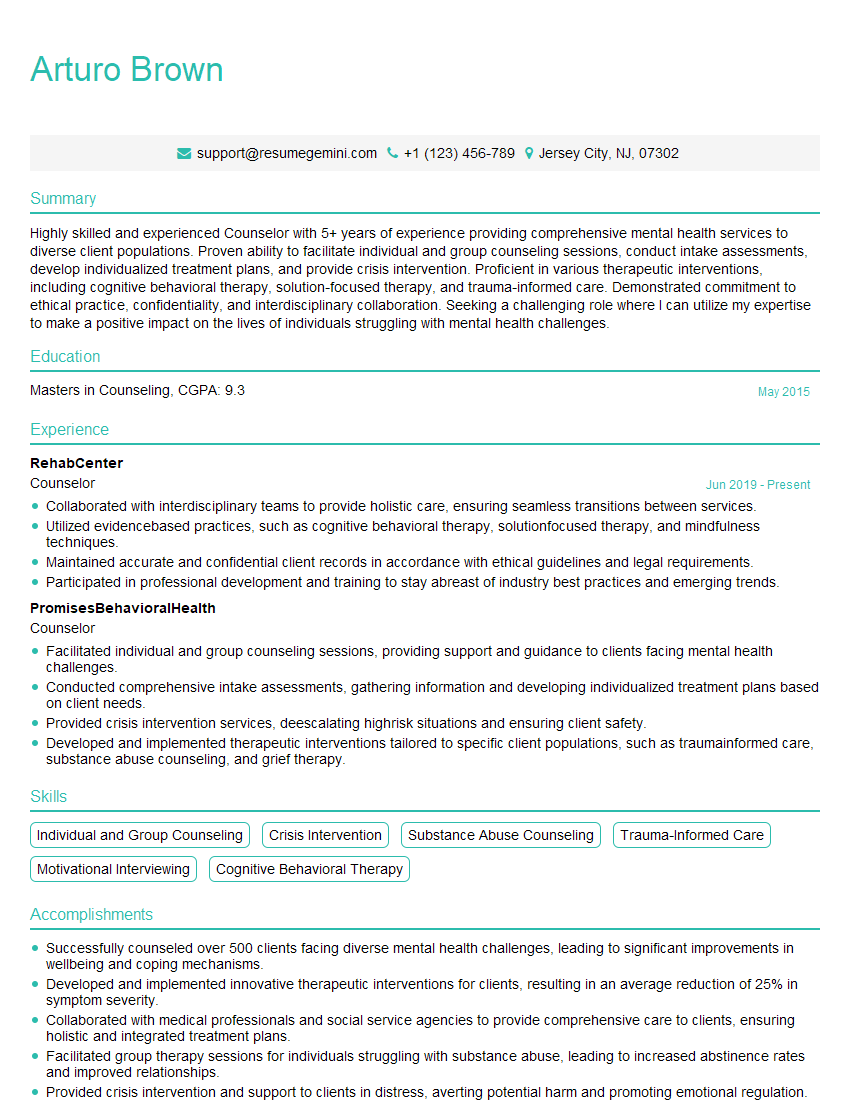
Counselor Resume Sample
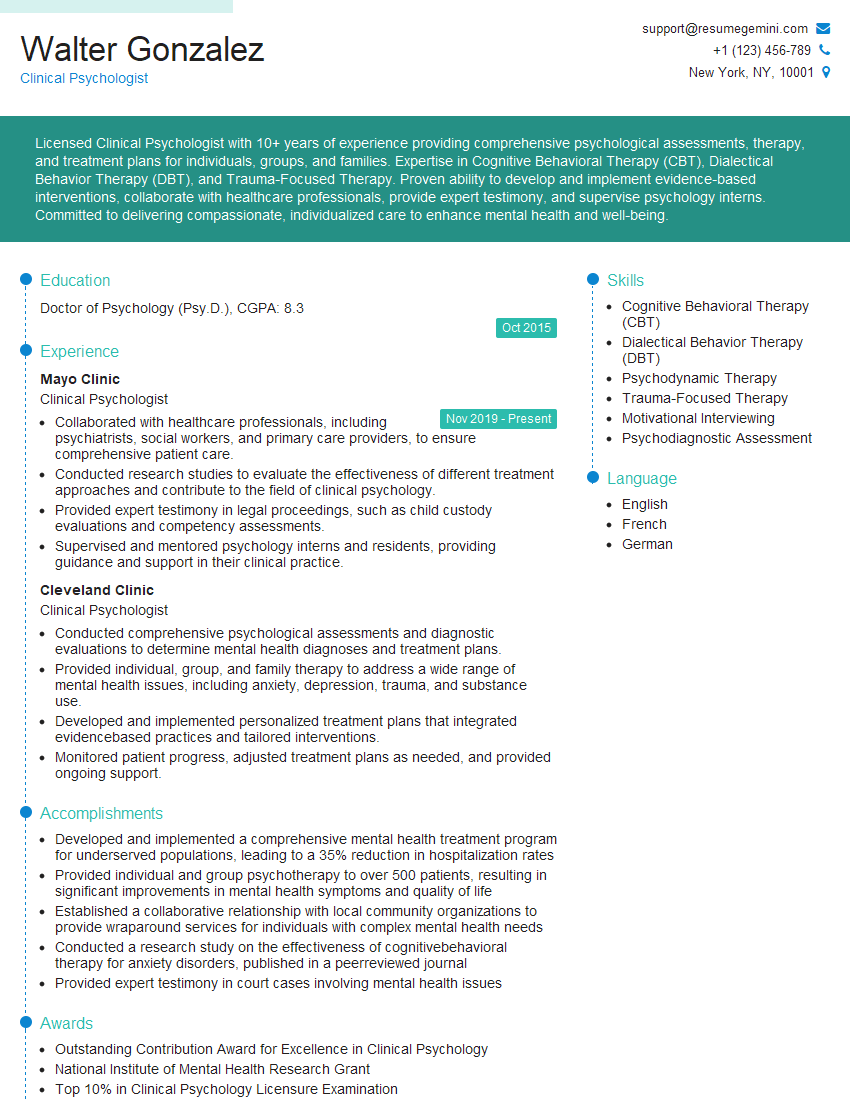
Clinical Psychologist Resume Sample
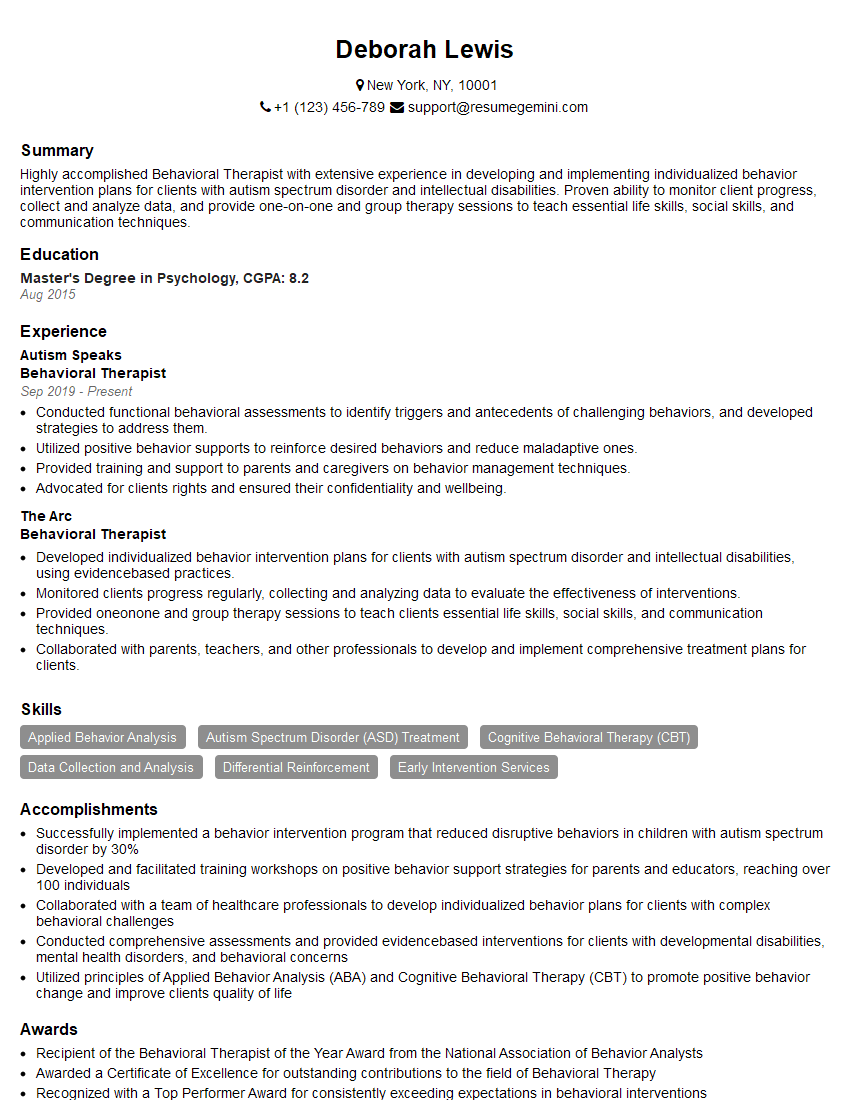
Behavioral Therapist Resume Sample
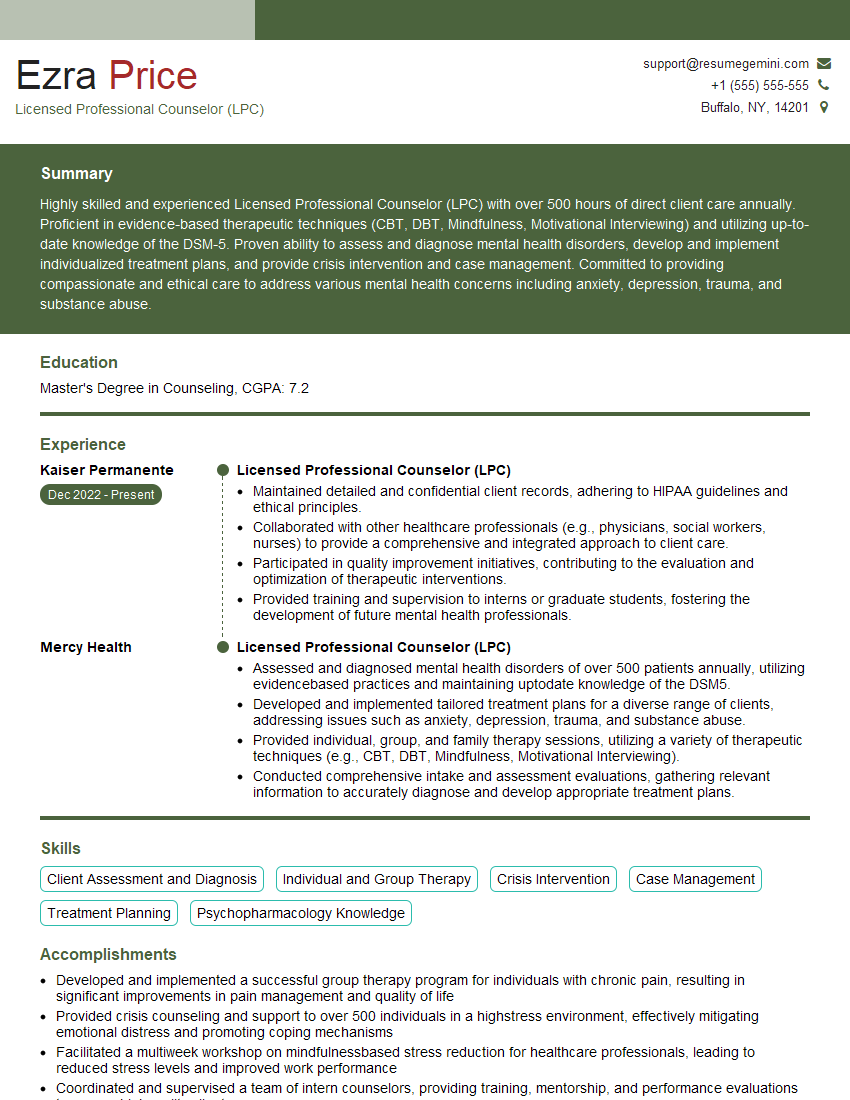
Licensed Professional Counselor (LPC) Resume Sample
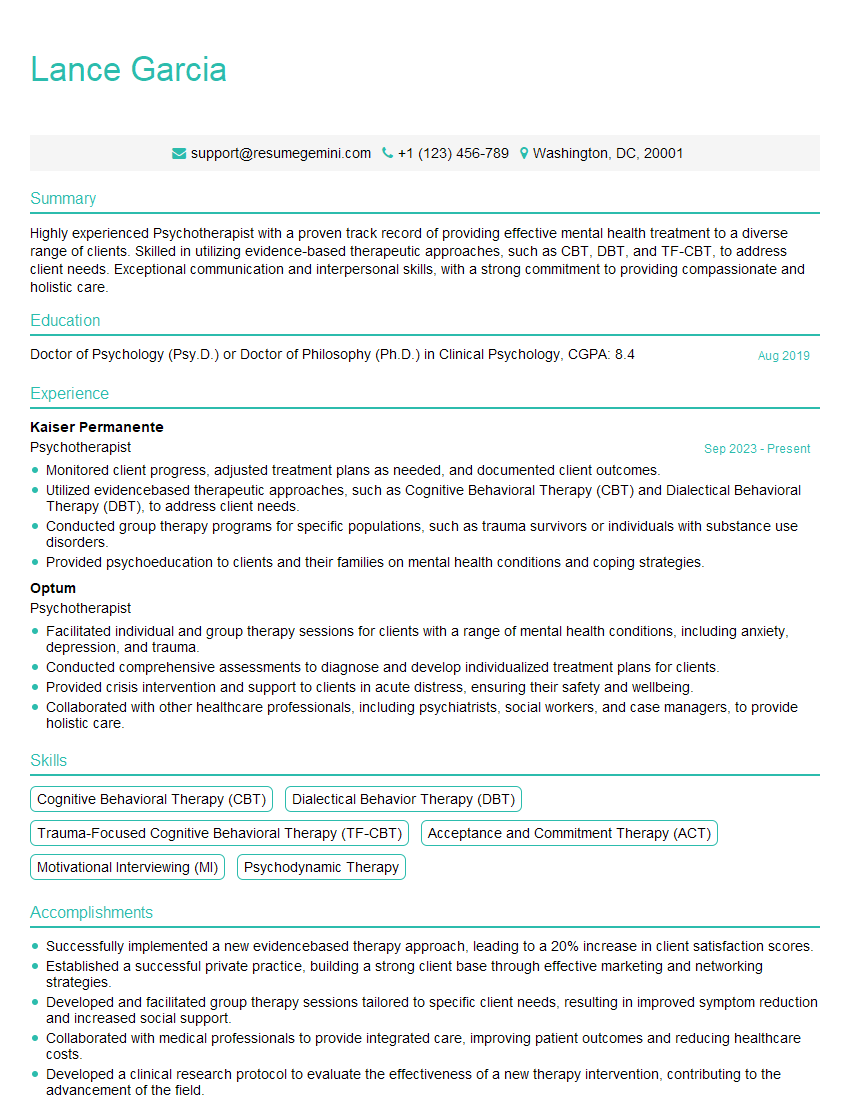
Psychotherapist Resume Sample
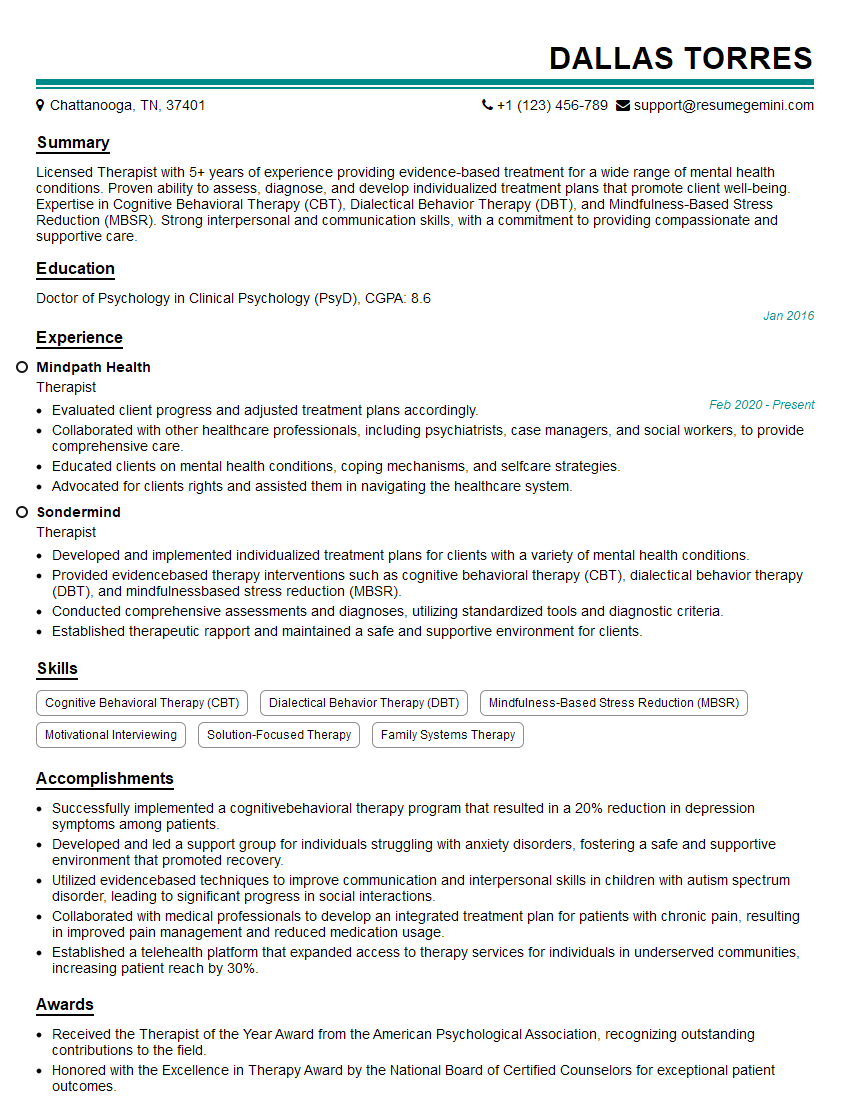
Therapist Resume Sample

Mental Health Counselor Resume Sample
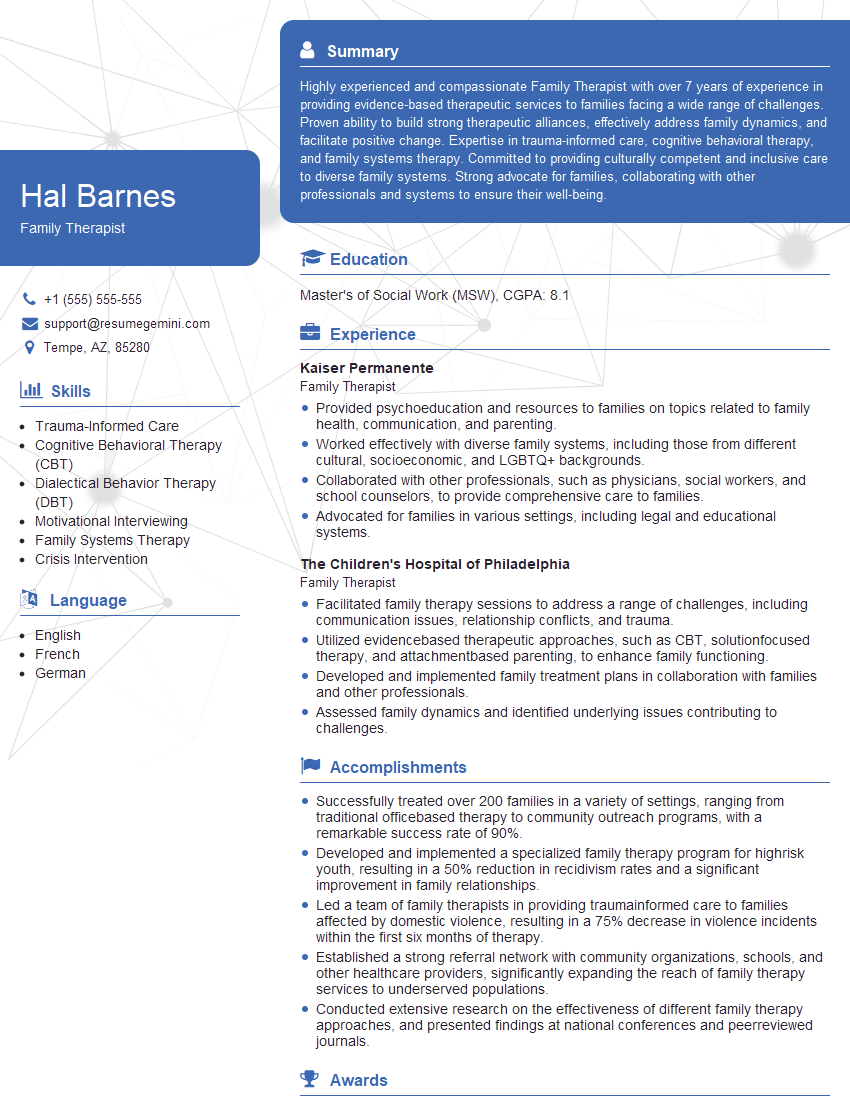
Family Therapist Resume Sample
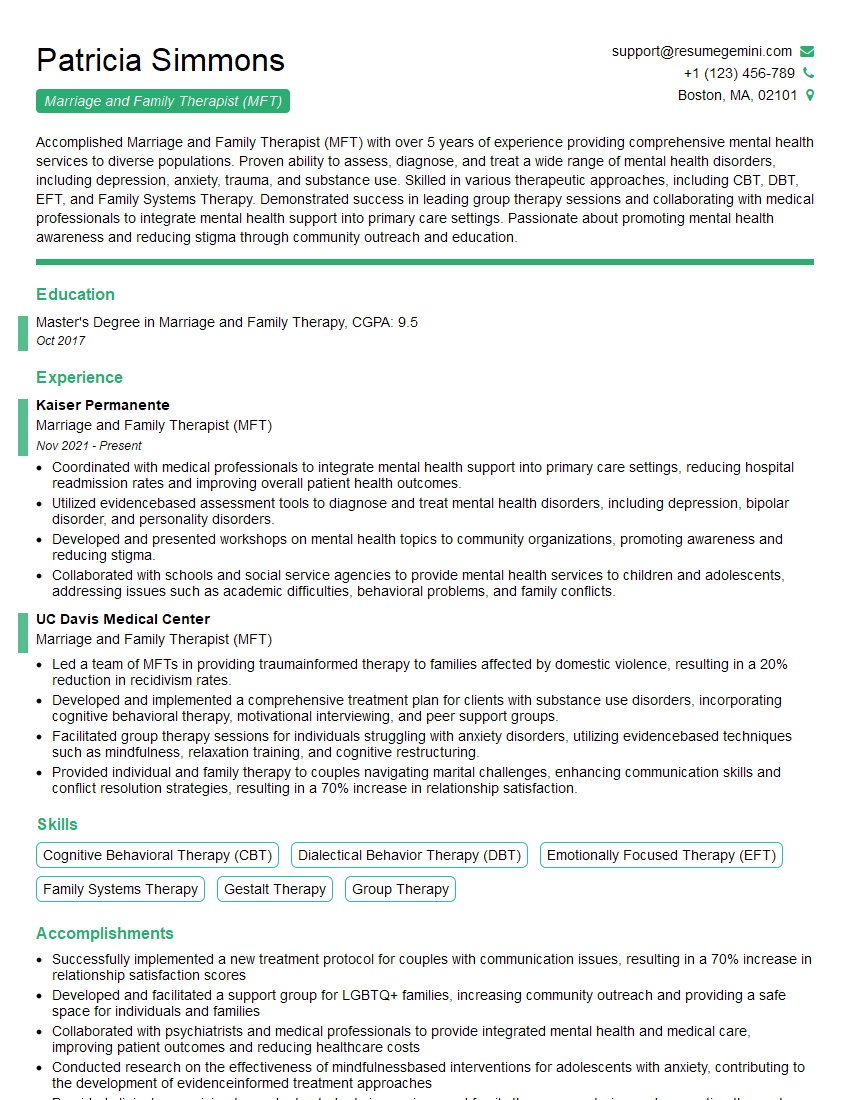
Marriage and Family Therapist (MFT) Resume Sample
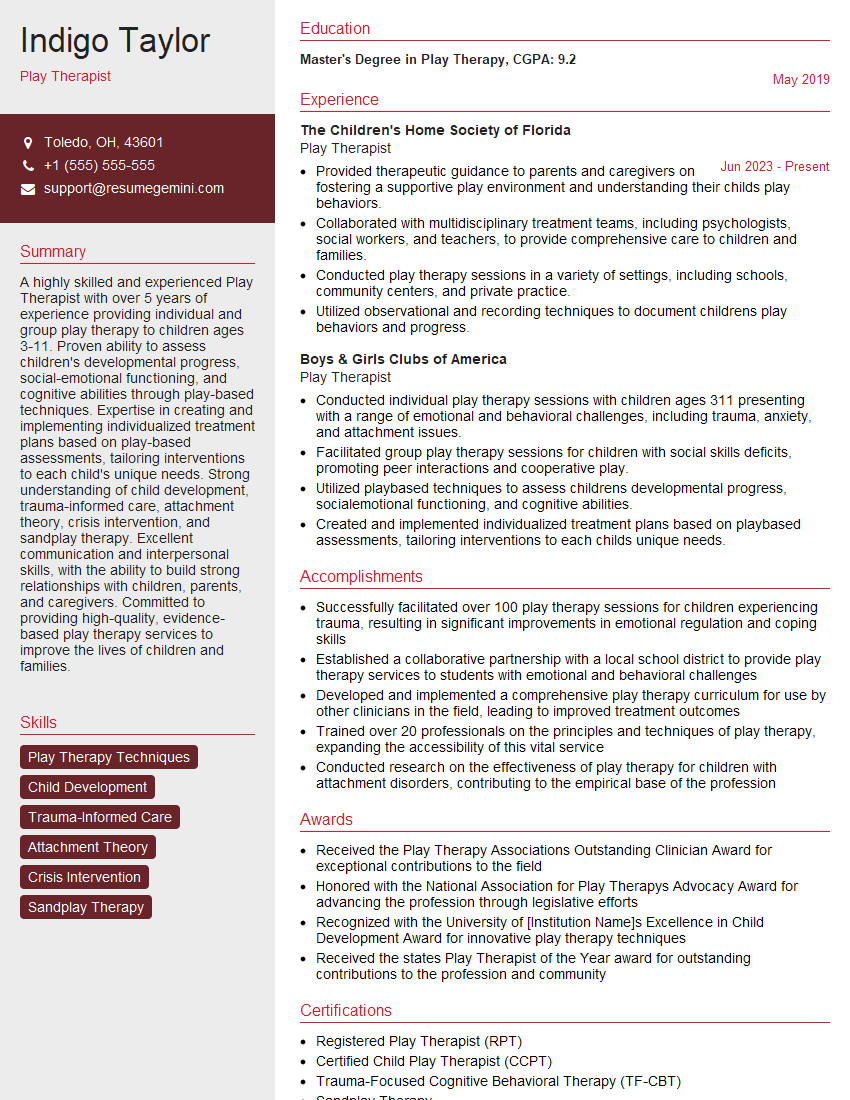
Play Therapist Resume Sample
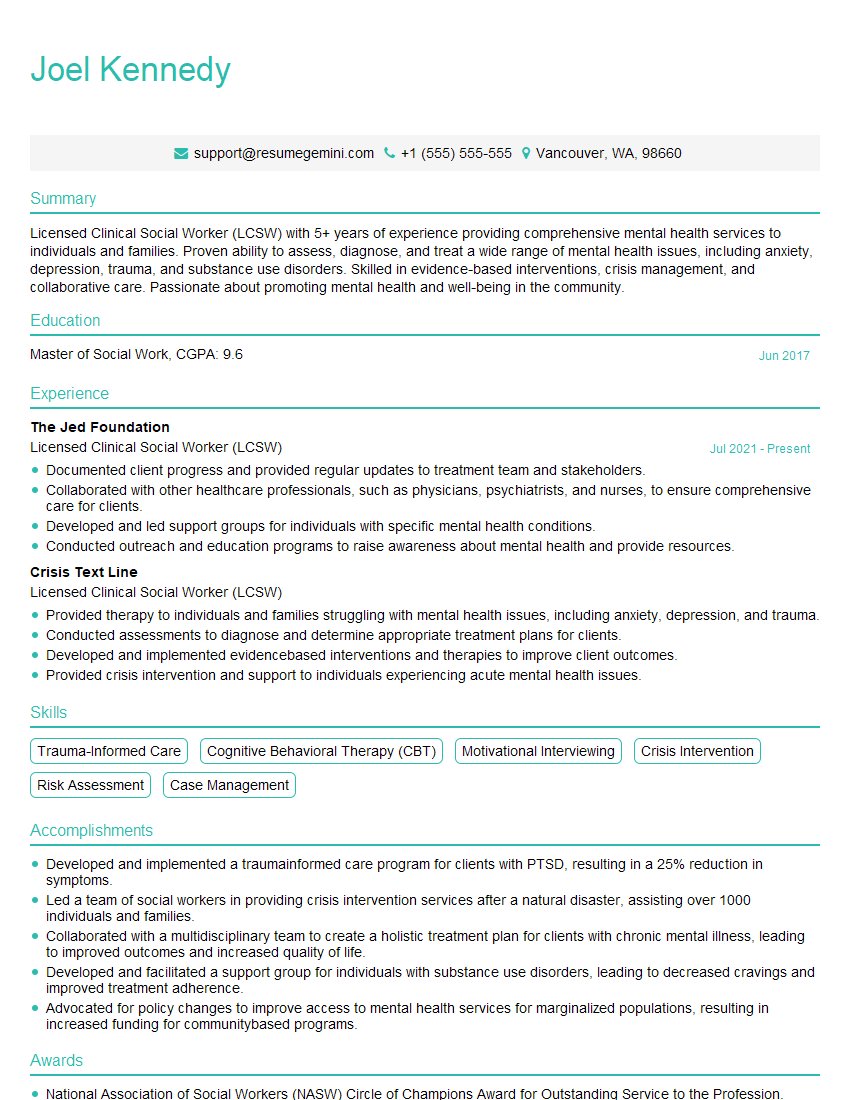
Licensed Clinical Social Worker (LCSW) Resume Sample
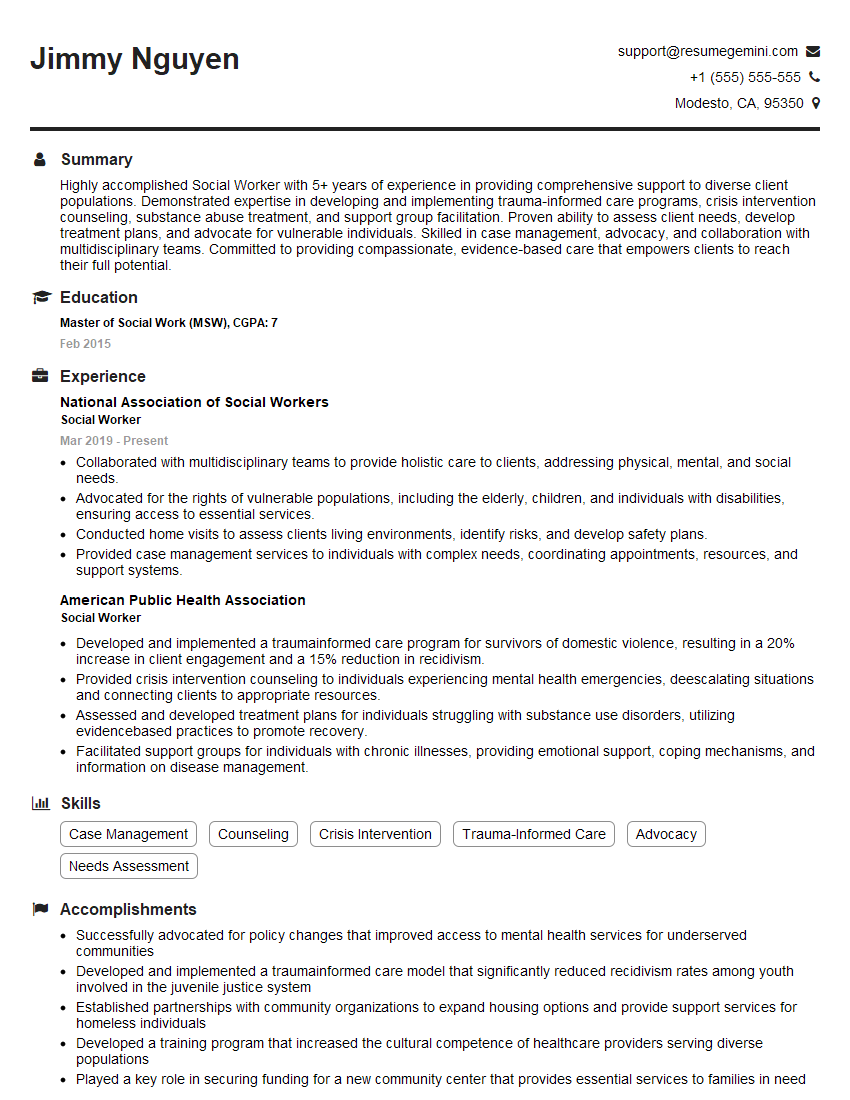
Social Worker Resume Sample
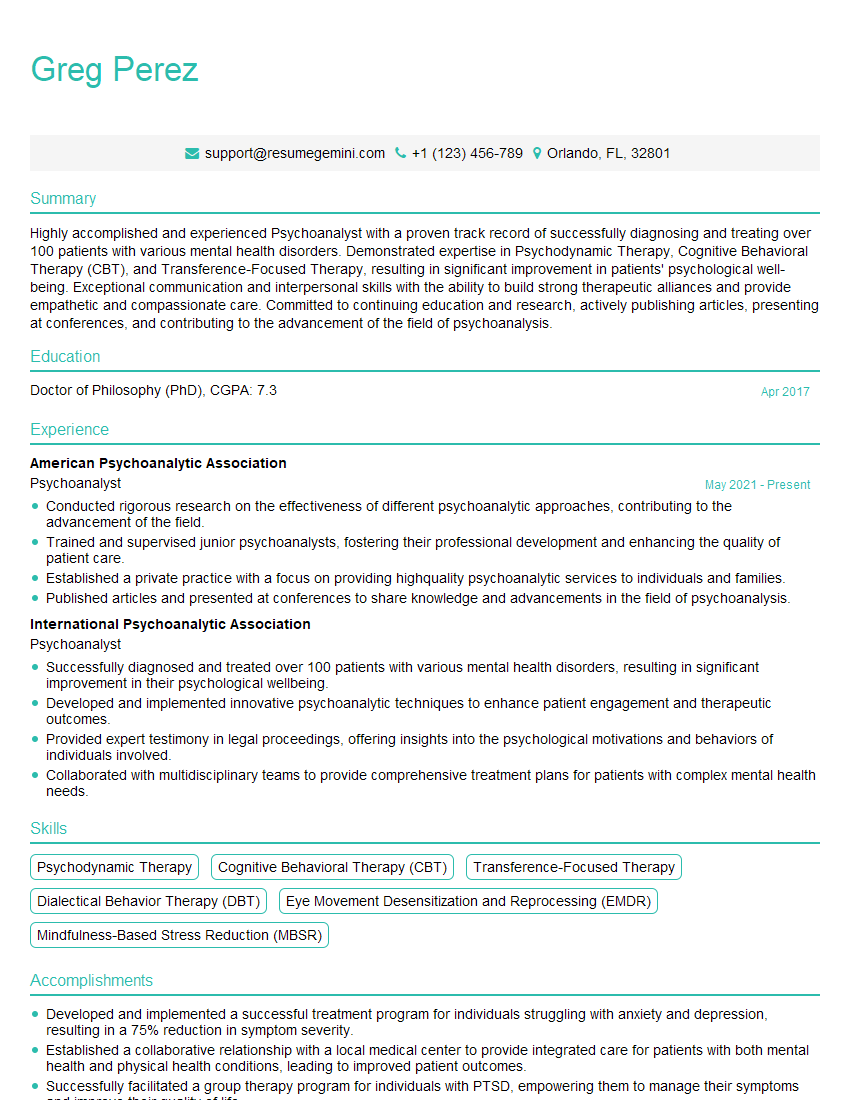
Psychoanalyst Resume Sample
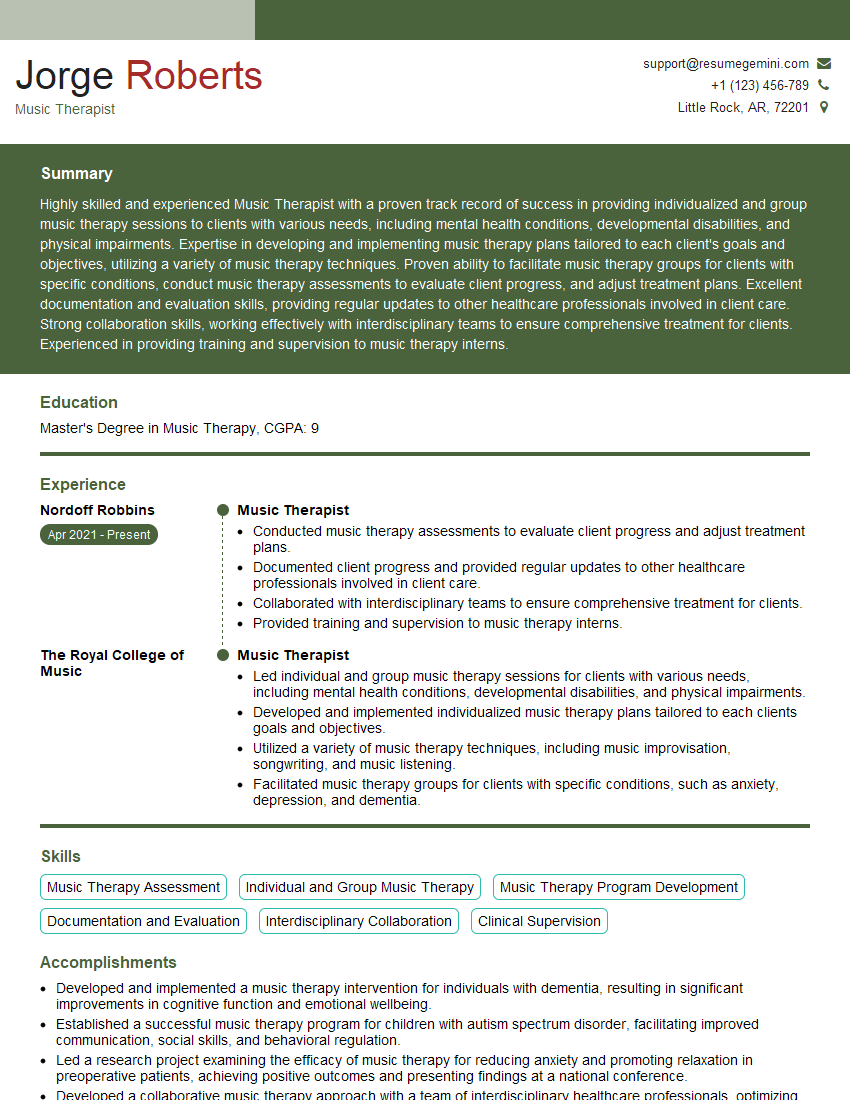
Music Therapist Resume Sample
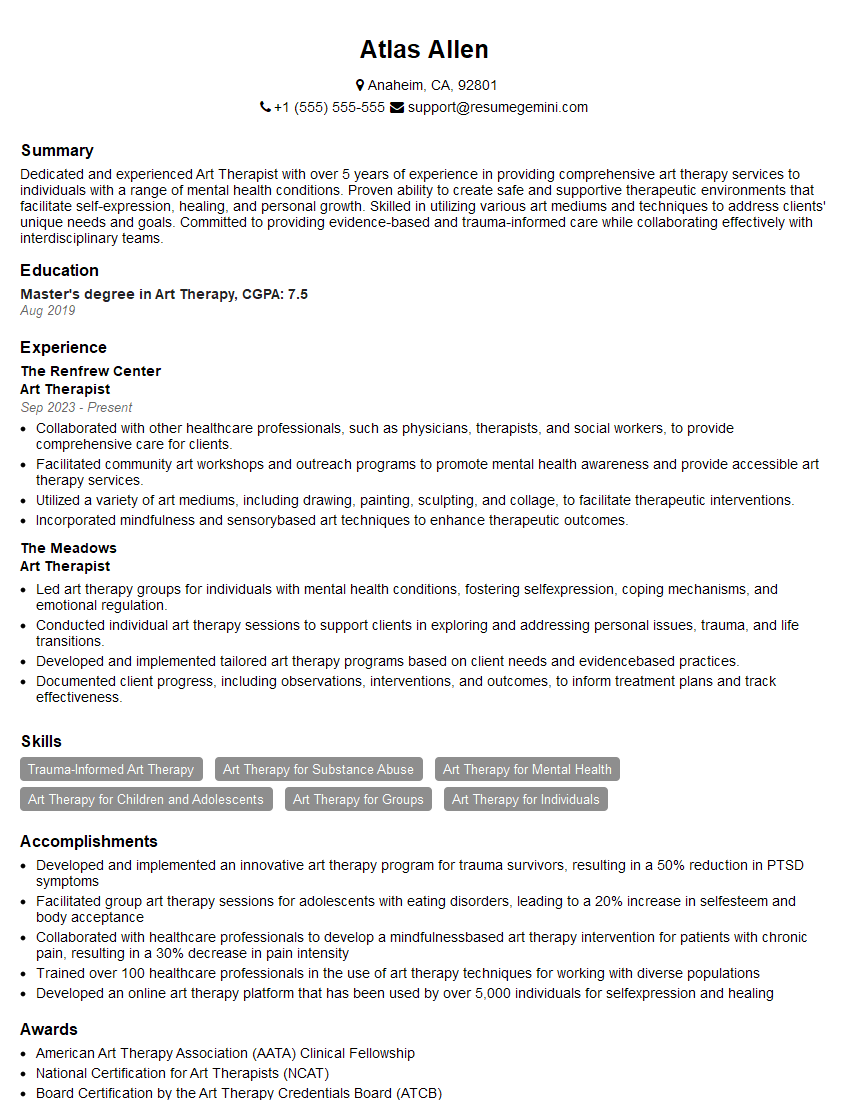
Art Therapist Resume Sample
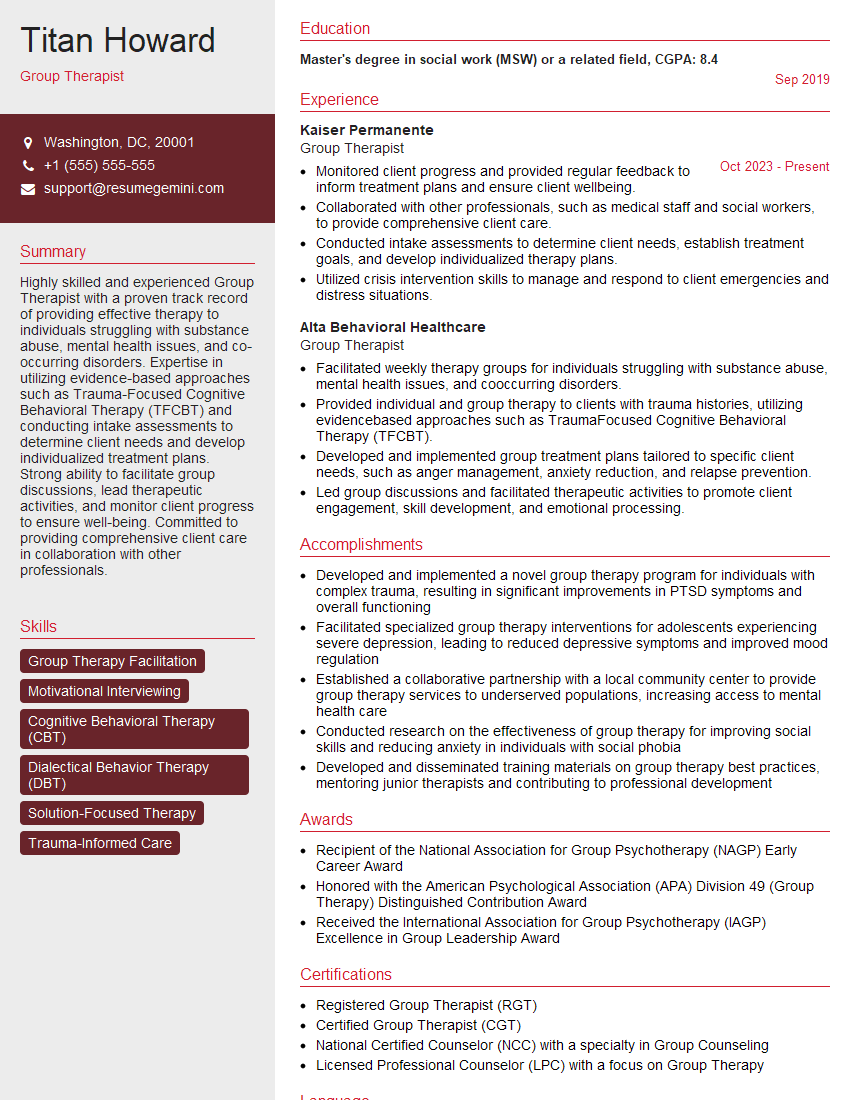
Group Therapist Resume Sample
- Counselor
- Clinical Psychologist
- Behavioral Therapist
- Licensed Professional Counselor (LPC)
- Psychotherapist
- Therapist
- Mental Health Counselor
- Family Therapist
- Marriage and Family Therapist (MFT)
- Play Therapist
- Licensed Clinical Social Worker (LCSW)
- Social Worker
- Psychoanalyst
- Music Therapist
- Art Therapist
- Group Therapist
Explore more articles
Users Rating of Our Blogs
Share Your Experience
We value your feedback! Please rate our content and share your thoughts (optional).
What Readers Say About Our Blog
To the interviewgemini.com Webmaster.
Very helpful and content specific questions to help prepare me for my interview!
Thank you
To the interviewgemini.com Webmaster.
This was kind of a unique content I found around the specialized skills. Very helpful questions and good detailed answers.
Very Helpful blog, thank you Interviewgemini team.