Every successful interview starts with knowing what to expect. In this blog, we’ll take you through the top Industry Standards and Guidelines (IEEE, IEC) interview questions, breaking them down with expert tips to help you deliver impactful answers. Step into your next interview fully prepared and ready to succeed.
Questions Asked in Industry Standards and Guidelines (IEEE, IEC) Interview
Q 1. Explain the difference between IEEE and IEC standards.
The IEEE (Institute of Electrical and Electronics Engineers) and IEC (International Electrotechnical Commission) are both globally recognized organizations that develop standards for electrical, electronics, and related technologies. However, they differ in their scope and approach.
IEEE primarily focuses on developing standards related to electrical engineering, computer science, and information technology. Their standards are often more detailed and technically specific, often driven by technological advancements. They are known for their standards in areas like communication networks (e.g., 802.11 Wi-Fi), power systems, and software engineering.
IEC, on the other hand, is an international organization that develops standards for a broader range of electrotechnical technologies, encompassing electrical, electronic, and related technologies globally. Their standards tend to be more focused on safety and interoperability, encompassing a wider array of fields from medical devices to power generation.
Think of it this way: IEEE often creates the detailed blueprints for specific technological components, while IEC establishes the building codes that ensure all components work together safely and reliably.
A crucial difference lies in their standardization processes. While both are meticulous, the specifics of their consensus-building and approval procedures vary.
Q 2. Describe your experience with a specific IEEE standard (e.g., 802.3).
I have extensive experience with IEEE 802.3, the standard for Ethernet. My work has involved designing and implementing Ethernet networks for various applications. This includes understanding the physical layer specifications (like cabling types, connectors, and transmission speeds), the data link layer protocols (like CSMA/CD), and the various amendments that extend functionality (like 802.3ab for Gigabit Ethernet and 802.3bz for Multi-Gigabit Ethernet).
In one project, we were tasked with upgrading an aging Ethernet network. Understanding the nuances of IEEE 802.3, specifically the different speeds and cabling requirements of various amendments, was crucial. We carefully assessed the existing infrastructure and chose the most cost-effective upgrade path, balancing speed requirements with cabling limitations and ensuring backward compatibility.
I’ve also worked on troubleshooting network issues. By analyzing network performance data and packet captures, I was able to identify errors related to specific 802.3 clauses and resolve issues efficiently. For example, I once resolved a network outage caused by a faulty cable not meeting the specified attenuation limits in the standard.
Q 3. How familiar are you with IEC 60601-1 (Medical Electrical Equipment)?
I am very familiar with IEC 60601-1, the international standard for the basic safety and essential performance of medical electrical equipment. This standard is critical because it ensures the safety of both patients and healthcare professionals. It outlines the requirements for various aspects of medical device design, including electrical safety, mechanical safety, and electromagnetic compatibility (EMC).
My understanding encompasses the different parts of the standard, such as:
- Part 1: General requirements for basic safety and essential performance.
- Other parts: These address specific aspects such as the safety of particular types of medical equipment (e.g., defibrillators, patient monitoring equipment).
I’ve directly utilized this standard in projects requiring design reviews and risk assessments for medical devices. Understanding IEC 60601-1 is crucial for guaranteeing that devices meet stringent safety and performance requirements, thus preventing potential hazards during clinical applications.
Q 4. What is the significance of a safety certification, such as UL or CE?
Safety certifications like UL (Underwriters Laboratories) and CE (Conformité Européenne) are incredibly significant. They provide third-party verification that a product meets specific safety and performance standards.
UL is a widely recognized safety certification in North America, and its mark indicates that a product has been tested and certified to meet established safety standards. Obtaining UL certification is often a mandatory requirement for selling products in the US and Canada.
CE marking is a mandatory declaration of conformity in the European Economic Area (EEA). It signifies that a product complies with all relevant EU directives, including those related to safety, health, and environmental protection. The process often involves demonstrating compliance with relevant harmonized standards like those developed by IEC.
These certifications are crucial for several reasons: they enhance consumer trust, facilitate market access, demonstrate compliance with legal requirements, and provide a level of protection against product liability.
Q 5. How do you ensure compliance with industry standards throughout a product’s lifecycle?
Ensuring compliance with industry standards throughout a product’s lifecycle is a multifaceted process that requires a proactive and systematic approach.
This typically involves:
- Design Phase: Integrating standards into the design process from the outset. This involves selecting components and materials that meet the relevant standards, conducting risk assessments, and creating design documentation that shows compliance.
- Testing and Verification: Rigorous testing and verification throughout the development process to ensure the product meets all required standards. This includes safety testing, EMC testing, and performance testing.
- Manufacturing Phase: Implementing quality control measures to maintain consistent product quality and compliance. Regular audits and inspections are essential to ensure adherence to standards during production.
- Post-Market Surveillance: Monitoring product performance in the field to identify and address any potential compliance issues that may arise after launch. This often includes collecting feedback from users and analyzing data on product failures.
This entire process involves documentation, training, and potentially collaboration with external certification bodies to ensure proper adherence to regulations and standards.
Q 6. Describe a situation where you had to troubleshoot a problem related to non-compliance.
In a previous project, we encountered a non-compliance issue related to electromagnetic compatibility (EMC) in a piece of industrial equipment. During testing, we found that the equipment emitted excessive electromagnetic interference (EMI) that exceeded the limits specified in the relevant IEC standard. This interference potentially disrupted the operation of other nearby equipment.
Our troubleshooting process involved:
- Identifying the source of the interference: Using specialized EMC testing equipment, we pinpointed the specific components within the device causing the excessive EMI.
- Analyzing the design: We examined the circuit schematics and PCB layout to understand why the EMI exceeded the limits.
- Implementing corrective actions: We implemented several solutions: improved shielding, filtering techniques, and changes to the PCB layout.
After re-testing, the equipment met the EMC standard and the issue was resolved. This experience highlighted the importance of proactive EMC design and thorough testing to ensure compliance and prevent potential operational issues.
Q 7. Explain your understanding of the ISO 9000 family of standards.
The ISO 9000 family of standards focuses on quality management systems. ISO 9001, the most widely known standard in this family, provides a framework for organizations to establish, implement, maintain, and improve their quality management systems. It’s not specific to a particular industry or product but provides a structured approach to ensure consistent quality.
Its principles are applicable across diverse sectors. By meeting the ISO 9001 requirements, organizations demonstrate their commitment to customer satisfaction, continuous improvement, and process efficiency. The standard encourages a systematic approach to managing processes, identifying risks, and addressing potential failures.
The benefits of ISO 9001 certification include enhanced customer confidence, improved operational efficiency, better risk management, and a more structured approach to quality control.
In my experience, implementing ISO 9001 principles has led to more streamlined processes, reduced waste, and improved communication within teams, ultimately leading to higher quality products and services.
Q 8. How do you interpret and apply a standard’s specifications in a practical setting?
Interpreting and applying a standard’s specifications involves a multi-step process that begins with thorough understanding and extends to practical implementation and verification. First, you must fully comprehend the scope and intent of the standard. This includes not only the explicit requirements but also the underlying rationale and principles. Think of it like reading a recipe – you need to understand the ingredients and the steps, but also the *why* behind each instruction to achieve the desired outcome.
Next, you need to map the standard’s requirements to your specific application. This often involves a gap analysis, identifying where your current practices align with the standard and where modifications are needed. For instance, if the standard specifies a particular testing method for electrical safety (like IEC 60950-1), you’ll need to ensure your testing procedures comply. This might involve purchasing specific equipment, modifying existing processes, or even redesigning the product itself.
Finally, you need to document your compliance. This typically includes detailed records of testing, inspections, and any deviations from the standard, along with justifications for those deviations. This documentation is crucial for demonstrating compliance to regulators, customers, and insurers. Imagine it as your ‘proof of baking’ – you need to show that you followed the recipe (standard) properly and that the cake (product) meets the specified qualities.
Q 9. What are the key differences between functional and safety requirements in a standard?
Functional requirements define what a product or system *does*, while safety requirements define how it *avoids harm*. Functional requirements describe the intended functionality; for example, ‘the device shall transmit data at 10 Mbps’. These are often related to performance and features.
Safety requirements, conversely, focus on preventing hazards. For example, ‘the device shall incorporate a mechanism to prevent overheating and automatically shut down if the temperature exceeds 85°C’. These are related to risk mitigation and ensuring the product is safe for users and the environment. In standards like IEC 61508 (functional safety), the distinction is critical, as safety requirements demand higher levels of verification and validation than functional requirements.
Consider a car. Functional requirements might include features like acceleration, braking, and entertainment systems. Safety requirements would include seatbelts, airbags, and anti-lock brakes. A failure in a functional requirement might be inconvenient, but a failure in a safety requirement could be catastrophic.
Q 10. How do you stay updated with the latest revisions and updates to industry standards?
Staying updated on standards revisions is essential for maintaining compliance and leveraging the latest best practices. I use a multi-pronged approach.
- Subscription services: I subscribe to relevant standards organizations (IEEE, IEC, etc.) for notifications of updates and new releases.
- Professional networks: I actively participate in industry conferences, workshops, and online forums to stay informed about changes and discuss challenges with peers.
- Regular checks: I regularly check the websites of the standards organizations for updates to standards relevant to my work. This usually involves setting up alerts for specific standards or using RSS feeds.
- Industry publications: I read industry publications and journals that regularly discuss and analyze changes in industry standards.
This combination ensures that I’m not only aware of changes but also understand their implications for my work.
Q 11. Describe your experience with standards development or contribution.
I’ve been actively involved in the development and review of several IEEE and IEC standards, primarily focusing on power systems and renewable energy integration. For instance, I participated in a working group that revised the standard for grid connection of photovoltaic systems. My contributions included providing technical expertise based on my experience with large-scale solar power installations and helping to resolve conflicts among stakeholders with differing perspectives.
In this role, I wasn’t just reviewing documents but actively shaping the technical content to ensure clarity, accuracy, and applicability in real-world scenarios. This experience provided invaluable insights into the standardization process itself, the challenges of balancing various technical viewpoints and ensuring practical applicability.
Q 12. What tools or software do you use to support compliance activities?
To support compliance activities, I leverage several software tools. These range from dedicated compliance management systems to specialized software for specific tasks.
- Compliance Management Software: These platforms help track requirements, manage documentation, and schedule audits. They often include features for risk assessment and reporting.
- Document Management Systems (DMS): These are essential for organizing and managing the often large volume of standards documents and related materials. Features like version control and access control are crucial.
- Simulation and Modeling Software: In certain areas (e.g., power systems, embedded systems), simulation software helps verify designs and ensure compliance with performance and safety requirements.
- Testing and Measurement Equipment Software: Specialized software is used to control testing equipment and analyze data collected during compliance testing. For instance, software for analysing data from electrical safety testing (e.g., Hi-pot testing).
The specific tools used depend heavily on the nature of the standards and the application.
Q 13. How do you handle conflicts between different standards or conflicting requirements?
Conflicts between standards or conflicting requirements are not uncommon. Resolving them requires a systematic approach.
- Identify the Conflict: Carefully analyze the conflicting requirements, noting the specific clauses and standards involved.
- Determine the Priority: Assess the relative importance of each requirement based on factors such as safety implications, legal obligations, and business priorities. This might involve risk assessment.
- Consult Relevant Documentation: Check for guidance on resolving conflicts within the standards themselves or in accompanying documentation.
- Seek Expert Opinion: If the conflict remains unresolved, consult with subject matter experts or external consultants for additional guidance.
- Document the Resolution: Clearly document the conflict, the rationale for the chosen resolution, and any necessary deviations from the standards. This documentation serves as justification for any deviations.
It’s critical to maintain a transparent and well-documented process when dealing with conflicting requirements. This prevents future misunderstandings and ensures traceability throughout the compliance process.
Q 14. Describe your understanding of risk assessment related to standards compliance.
Risk assessment plays a crucial role in standards compliance. It’s a systematic process of identifying potential hazards, analyzing the associated risks, and implementing appropriate control measures. Standards often provide guidance on conducting risk assessments (e.g., IEC 61508 for functional safety). The process typically involves:
- Hazard Identification: Identify potential hazards associated with the product or system, considering both normal operation and foreseeable malfunctions.
- Risk Analysis: Assess the likelihood and severity of each hazard, often using a risk matrix. This helps prioritize risks.
- Risk Control: Develop and implement control measures to mitigate the identified risks. These measures can range from design modifications to operational procedures.
- Risk Evaluation: Evaluate the effectiveness of the implemented controls. This may involve further iterations of risk analysis and control implementation.
The goal is to reduce the risk to an acceptable level, as defined by the applicable standards and regulations. The risk assessment process is iterative and should be revisited whenever significant changes are made to the product or system.
Q 15. Explain the importance of documentation in maintaining compliance.
Documentation is the cornerstone of compliance. Think of it as the roadmap proving you followed the rules. Without thorough, accurate documentation, demonstrating compliance with standards like those from IEEE (Institute of Electrical and Electronics Engineers) or IEC (International Electrotechnical Commission) becomes nearly impossible. Auditors rely on documentation to verify that processes were followed correctly and that the final product meets the specified requirements.
- Design Documents: These detail the initial concept, specifications, and design choices made. They are crucial for tracing the evolution of the product and demonstrating adherence to relevant standards.
- Test Results: Comprehensive testing records, including pass/fail criteria and any deviations noted, offer irrefutable evidence of product performance.
- Inspection Reports: Regular inspections and their accompanying reports document the condition of equipment or facilities, ensuring they align with safety and operational standards.
- Training Records: Demonstrates that personnel received the necessary training to perform tasks according to the required standards.
- Change Management Logs: Every modification to a design or process must be documented to trace and justify any deviations from the original plan, ensuring continued compliance.
For example, in a software development project adhering to IEEE standards, a missing software requirement specification document could lead to a failure to demonstrate compliance with software development best practices. This lack of documentation could cause delays in the project or even rejection of the final product.
Career Expert Tips:
- Ace those interviews! Prepare effectively by reviewing the Top 50 Most Common Interview Questions on ResumeGemini.
- Navigate your job search with confidence! Explore a wide range of Career Tips on ResumeGemini. Learn about common challenges and recommendations to overcome them.
- Craft the perfect resume! Master the Art of Resume Writing with ResumeGemini’s guide. Showcase your unique qualifications and achievements effectively.
- Don’t miss out on holiday savings! Build your dream resume with ResumeGemini’s ATS optimized templates.
Q 16. How do you identify and mitigate potential risks associated with non-compliance?
Identifying and mitigating non-compliance risks requires a proactive approach, combining risk assessment with robust mitigation strategies. It’s like playing defense in a game: you anticipate potential problems and plan how to stop them before they score.
- Risk Assessment: We start by identifying potential areas of non-compliance. This involves analyzing the standards themselves, considering the complexity of the project, and evaluating the potential consequences of non-compliance (e.g., financial penalties, safety hazards, reputational damage).
- Gap Analysis: Comparing current practices against the requirements of applicable standards reveals any discrepancies. This pinpoints the specific areas needing improvement.
- Mitigation Strategies: Once risks are identified, we develop strategies to reduce or eliminate them. This might involve modifying processes, improving training programs, upgrading equipment, or implementing stricter quality control measures.
- Monitoring and Review: Regularly monitoring the effectiveness of implemented mitigation strategies is essential. Periodic reviews help to ensure that the controls remain effective in preventing future non-compliance issues.
For instance, a company manufacturing medical devices must adhere to strict IEC standards for safety and reliability. Failure to conduct rigorous testing could lead to a faulty device entering the market, posing a serious risk to patients. Mitigation strategies could involve investing in more sophisticated testing equipment, increasing testing frequency, or implementing a robust quality management system.
Q 17. How would you explain a complex standard to a non-technical audience?
Explaining complex standards to a non-technical audience requires clear communication and relatable analogies. Avoid jargon and technical terms whenever possible, focusing on the ‘why’ behind the standard rather than the intricate details.
For example, when explaining a standard related to electrical safety (like a part of IEC 60950-1), I would start by explaining the basic principle of preventing electric shock. I might use an analogy like this: ‘Imagine your home’s electrical system as a water pipe system. Standards like IEC 60950-1 are the rules that ensure the pipes are properly insulated and protected to prevent leaks (electric shocks) and damage (equipment failure).’
Then, I would break down the standard’s key requirements using simple language and examples relevant to their everyday experiences. Instead of discussing ‘grounding impedance,’ I might talk about how grounding protects against electrical surges, comparing it to a lightning rod protecting a building. Visual aids, like diagrams or flowcharts, can greatly enhance understanding.
Q 18. Describe your experience in conducting audits or inspections related to standards compliance.
I have extensive experience conducting audits and inspections, ensuring compliance with various industry standards, primarily focusing on safety and quality management systems. My experience includes:
- Internal Audits: Leading internal audits within organizations to assess their compliance with standards such as ISO 9001 (Quality Management) and ISO 14001 (Environmental Management).
- Supplier Audits: Conducting audits of suppliers to ensure that they meet the required standards and quality control measures for the materials or components they provide.
- Third-Party Audits: Participating in audits performed by external certification bodies to verify compliance with specific industry standards, offering my expertise during the audit process.
During audits, I follow a structured approach, starting with a thorough review of the documentation, followed by on-site inspections and interviews with personnel. I meticulously document all findings, including both positive observations and areas for improvement, in a formal report. The report highlights the level of compliance and makes recommendations for corrective actions where necessary. My goal is not simply to find faults but to identify opportunities for improvement and help organizations enhance their compliance posture.
Q 19. What are the legal implications of non-compliance with industry standards?
The legal implications of non-compliance with industry standards can be severe and vary depending on the industry, the specific standard violated, and the jurisdiction. In essence, non-compliance can lead to substantial legal and financial repercussions.
- Legal Penalties: Governments may impose fines or other penalties for non-compliance. These penalties can be significant, especially in regulated industries such as healthcare and aerospace.
- Product Recalls: If a product fails to meet safety standards, it may have to be recalled, leading to significant financial losses and reputational damage.
- Liability Claims: Companies can be held liable for damages caused by non-compliant products or processes. This could involve compensation to injured parties or covering costs associated with product failure.
- Loss of Certification: Organizations might lose their certifications for adhering to the standards, affecting their ability to operate in certain markets.
- Criminal Charges: In some cases of serious negligence or deliberate non-compliance, criminal charges can be filed, leading to imprisonment or further penalties.
For example, a manufacturer of children’s toys that fails to comply with safety standards could face hefty fines, product recalls, and lawsuits from parents whose children were injured by their products.
Q 20. How do you determine which standards are applicable to a specific product or project?
Determining applicable standards requires a systematic approach. It’s like choosing the right tools for a job; you wouldn’t use a hammer to screw in a screw.
- Product Classification: The first step is to accurately classify the product or project. This involves identifying its function, intended use, and any relevant industry sectors.
- Regulatory Requirements: Research relevant regulatory requirements and mandates. Many products and projects must comply with government regulations, which often reference specific standards.
- Industry Best Practices: Consider industry best practices and guidelines. These are often incorporated into standards or referenced within them.
- Reference Standards: Standards often reference other standards. A thorough review ensures all relevant requirements are identified and addressed.
- Stakeholder Input: Consult with stakeholders, including clients, regulatory bodies, and industry experts, to ensure that all applicable standards are identified. This collaborative approach helps avoid oversight.
For example, designing a medical device requires careful consideration of applicable IEC 60601-1 (medical electrical equipment) standards, along with potentially other standards related to safety, performance, and electromagnetic compatibility.
Q 21. What is your understanding of the different levels of conformance to a standard?
Conformance levels to a standard vary depending on the standard itself and can often be specified within the standard’s text. Some standards clearly define levels of conformance, while others imply them.
- Full Conformance: This implies meeting all requirements specified within the standard. It is the highest level of compliance, indicating that the product or process meets all clauses and sub-clauses without exception.
- Partial Conformance: This refers to meeting a subset of the standard’s requirements. This may be acceptable in certain circumstances, but any deviations from full conformance should be clearly documented and justified. Some standards may permit partial conformance under specific conditions.
- Conditional Conformance: This may apply when a specific clause or requirement is not applicable, provided that there is a reasonable justification. It often requires evidence that the omission does not compromise safety or performance.
- Non-Conformance: This is a failure to meet one or more requirements specified within the standard. Non-conformances must be addressed through corrective actions. A company may opt to fully address non-conformances or may choose to deviate from the standard only after proper analysis and risk assessment.
For instance, a manufacturer might achieve full conformance to a standard for environmental management (like ISO 14001) by following all the requirements laid out in the standard. Partial conformance could imply that while most environmental procedures are followed, one specific aspect, perhaps related to waste management, is not yet implemented to the full extent of the standard.
Q 22. Describe your experience using a specific standard in a design or test process.
In a recent project designing a safety-critical embedded system for a medical device, we rigorously followed IEC 62304, the medical device software standard. This standard defines a risk-management process for software throughout its lifecycle.
Specifically, we used the standard to define our software development lifecycle (SDLC) process. This involved creating a detailed risk analysis document, identifying hazards and potential failures, and assigning risk levels based on the severity and probability of those failures. This risk analysis then dictated the level of rigor required for different software components. For instance, components with high-risk classifications required more extensive testing and verification procedures than those with lower risks. We documented every stage of development, including requirements, design, coding, testing, and verification, with comprehensive traceability throughout. This meticulous approach, guided by IEC 62304, ensured the system’s safety and reliability, which is paramount in medical applications.
For example, one critical function was the automated drug dispensing mechanism. We followed the standard’s guidance on software unit, integration, and system testing, ensuring thorough coverage of all functionalities. We even implemented a fault injection testing strategy, simulating various failure scenarios to assess the system’s resilience. All this documentation helped in achieving the necessary regulatory approvals.
Q 23. How do you balance the requirements of different standards in a single project?
Balancing multiple standards in a single project requires a systematic approach. Imagine designing a power supply—you might need to adhere to IEC 60950-1 (safety), IEC 61000-3-2 (harmonics), and IEC 61000-4-x (electromagnetic compatibility). The key is to create a compliance matrix. This matrix clearly lists all applicable standards, their individual requirements, and how these requirements will be met.
For each requirement, we would identify potential conflicts and develop strategies to resolve them. For instance, a particular EMC requirement might slightly impact efficiency, which needs careful consideration in relation to overall performance standards. Prioritization is crucial here; sometimes compromises might be necessary, but these must be documented and justified with thorough risk assessment. A well-defined compliance matrix and a robust risk management process allow for clear traceability and demonstrate to stakeholders that all relevant standards are being addressed effectively.
Q 24. Explain your experience with any specific standard testing methodologies.
My experience includes using various testing methodologies outlined in IEEE 829, the standard for software and system test documentation. This standard covers all aspects of testing documentation, from test plans and test cases to test incident reports and test summaries.
In a previous role, we employed a combination of black-box testing and white-box testing for a telecommunications network system. Black-box testing focused on the system’s functional behavior without considering its internal structure; we used techniques like equivalence partitioning and boundary value analysis. White-box testing, on the other hand, involved scrutinizing the internal structure and logic of the software, using methods such as statement coverage and branch coverage analysis to ensure that all code paths were tested. We also followed IEEE 829‘s guidelines for meticulously documenting our testing processes, ensuring transparency and traceability. This comprehensive approach, supported by IEEE 829, helped us ensure the system’s stability and reliability.
Q 25. How would you approach a situation where a standard is ambiguous or unclear?
When a standard is ambiguous or unclear, a multi-pronged approach is necessary. First, we consult all available interpretations and guidance documents related to that standard. This includes searching for clarifications from the standards organization itself, reviewing industry best practices, and looking at relevant case studies or previously resolved interpretations.
Next, we engage with subject matter experts within our organization and the wider industry. Discussions with colleagues and external consultants experienced in the specific standard can provide valuable insights. If the ambiguity remains, a formal request for clarification from the standards organization might be needed. Finally, in the absence of a definitive answer, we document our interpretation, rationale, and any assumptions made, ensuring transparency and accountability. This thorough investigation and documented approach mitigate any risks associated with the interpretation of the ambiguous standard.
Q 26. Describe a time you had to justify a deviation from a specific standard.
In one project developing an industrial control system, we needed to deviate from a strict interpretation of IEC 61131-3, the standard for programmable logic controllers (PLCs), regarding the implementation of a specific safety function. The standard suggested a particular approach, but we found that it would significantly increase the system’s complexity and cost without providing proportional safety benefits.
We meticulously documented our proposed alternative method, conducted rigorous analysis to demonstrate its equivalence in safety performance, and performed extensive simulations to validate our claims. We presented this detailed justification to the client and the relevant regulatory bodies. The key was providing a comprehensive and technically sound rationale to demonstrate that our deviation was safe, practical, and maintained the integrity of the system, even though it was different from the initial standard’s recommendation.
Q 27. What are the ethical considerations related to the application of industry standards?
Ethical considerations in applying industry standards center around safety, integrity, and transparency. Using a standard as a mere checklist without fully understanding its implications is unethical. It’s crucial to genuinely strive for compliance, not just for meeting minimal requirements.
This means a commitment to proper risk assessment, thorough testing, and honest reporting. Failing to report potential non-conformances, misrepresenting test results, or neglecting safety critical aspects to meet deadlines are serious ethical breaches. Moreover, applying standards in a way that favors profit over safety or societal well-being is unethical. Adhering to the spirit and intent of the standards, rather than only the letter, is an important ethical consideration, reflecting our responsibility toward the users and the public.
Q 28. How do you ensure that your team understands and follows industry standards?
Ensuring team understanding and adherence requires a multi-faceted approach. First, comprehensive training is essential; we conduct regular workshops and provide access to relevant training materials to educate our team members about the standards applicable to our work.
We implement rigorous review processes, ensuring all designs and code undergo thorough scrutiny against the relevant standards. We also employ regular internal audits and utilize checklists and templates to aid compliance. Open communication and a culture of asking questions are encouraged. We want our team members to feel comfortable raising any ambiguities or concerns. Finally, we demonstrate leadership commitment to standards compliance at all levels, making it an integral part of our work culture. This creates an environment where standards compliance isn’t just a requirement but a shared value.
Key Topics to Learn for Industry Standards and Guidelines (IEEE, IEC) Interview
- Understanding the IEEE and IEC Organizations: Their roles, differences, and the scope of their standards development processes. This includes understanding the structure of standards documents and how they are created and maintained.
- Safety Standards: Familiarize yourself with key safety standards relevant to your field (e.g., electrical safety, EMC, etc.). Understand the practical implications of these standards in design and testing procedures. Be prepared to discuss risk assessment and mitigation strategies.
- Communication Standards: Explore standards related to data communication, networking, and signal processing, focusing on their practical application in real-world systems. Consider the implications of choosing a specific standard for a project.
- Testing and Certification: Understand the processes involved in testing products and systems to ensure compliance with relevant standards. This includes familiarizing yourself with common testing methodologies and certification bodies.
- Interpreting Standards Documents: Practice reading and interpreting complex technical documents. This requires a strong understanding of technical vocabulary and the ability to extract relevant information efficiently.
- Legal and Regulatory Compliance: Understand the legal ramifications of non-compliance with industry standards and how these standards relate to product liability and regulatory requirements.
- Specific Standards Relevant to Your Role: Research the specific IEEE and IEC standards most relevant to the job you are applying for. Demonstrate your knowledge by focusing on those directly applicable to the position’s responsibilities.
Next Steps
Mastering Industry Standards and Guidelines (IEEE, IEC) is crucial for career advancement in engineering and related fields. A strong understanding demonstrates your commitment to safety, quality, and professional best practices, making you a highly desirable candidate. To maximize your job prospects, craft an ATS-friendly resume that highlights your relevant skills and experience. ResumeGemini is a trusted resource to help you build a professional and impactful resume that showcases your knowledge of IEEE and IEC standards effectively. Examples of resumes tailored to Industry Standards and Guidelines (IEEE, IEC) are available to guide your resume creation process.
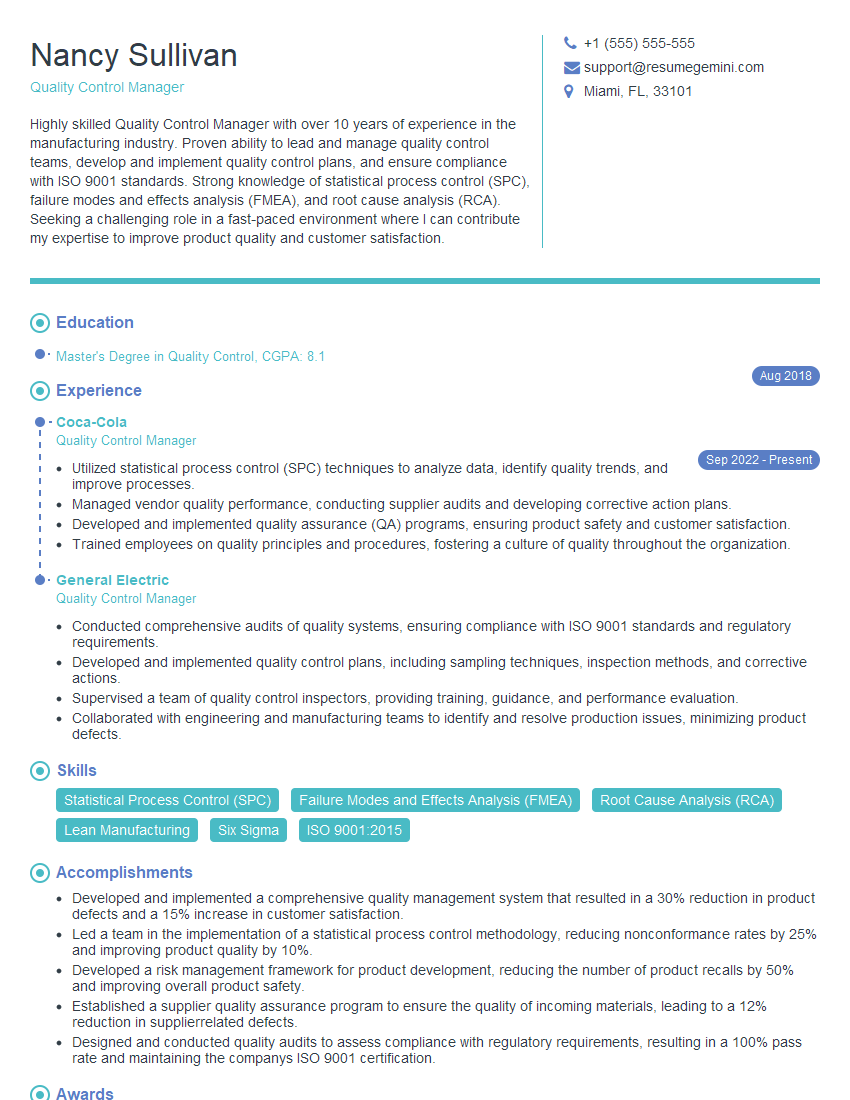
Quality Control Manager Resume Sample
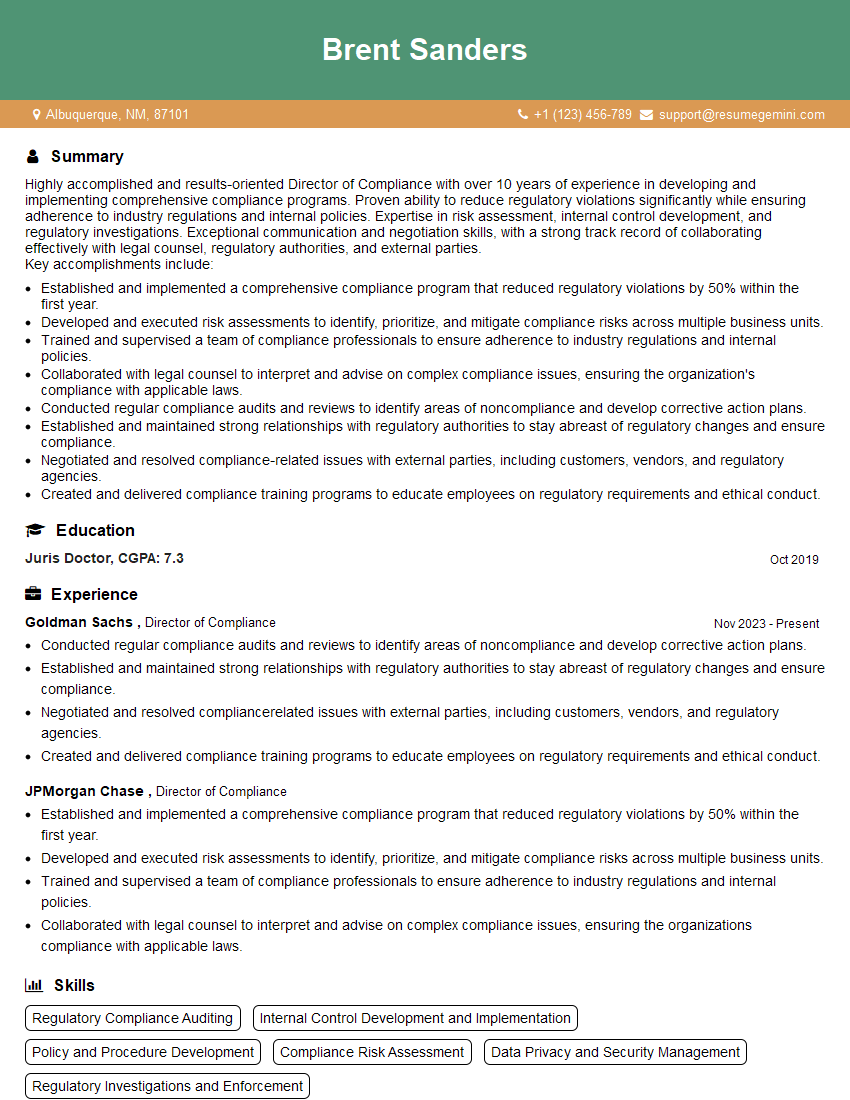
Director of Compliance Resume Sample
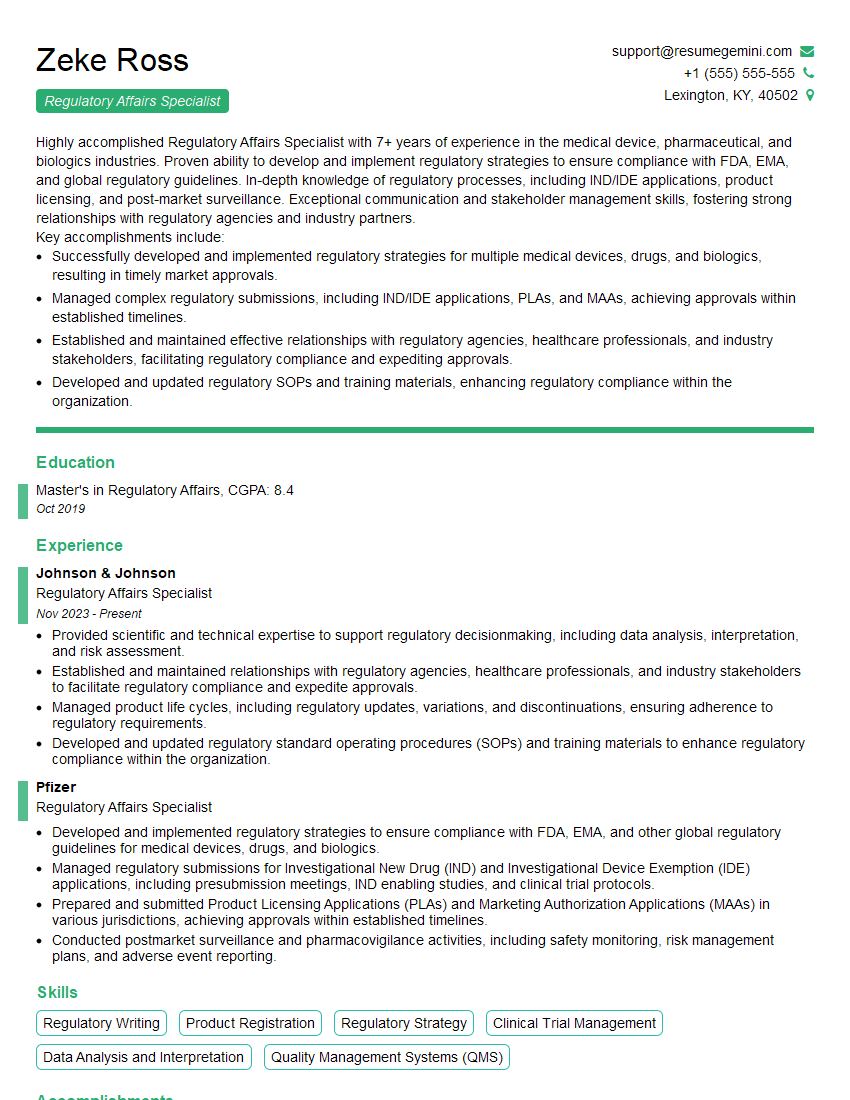
Regulatory Affairs Specialist Resume Sample
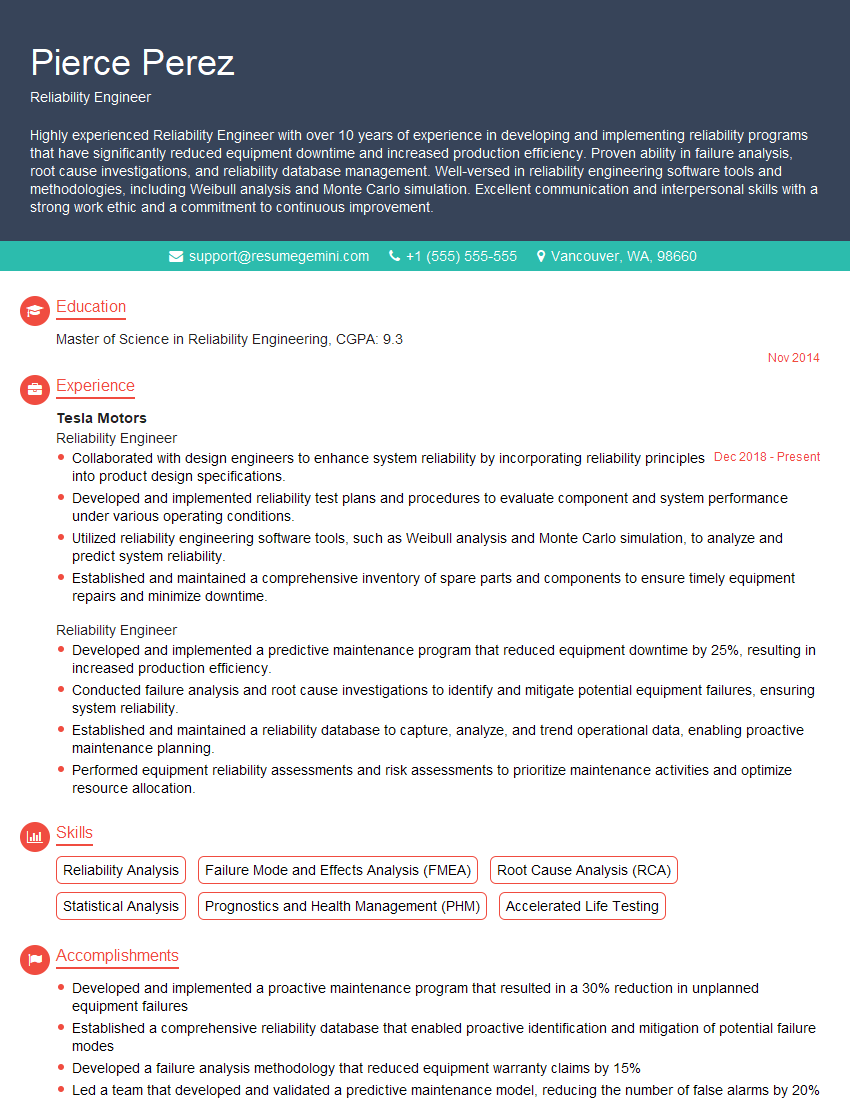
Reliability Engineer Resume Sample
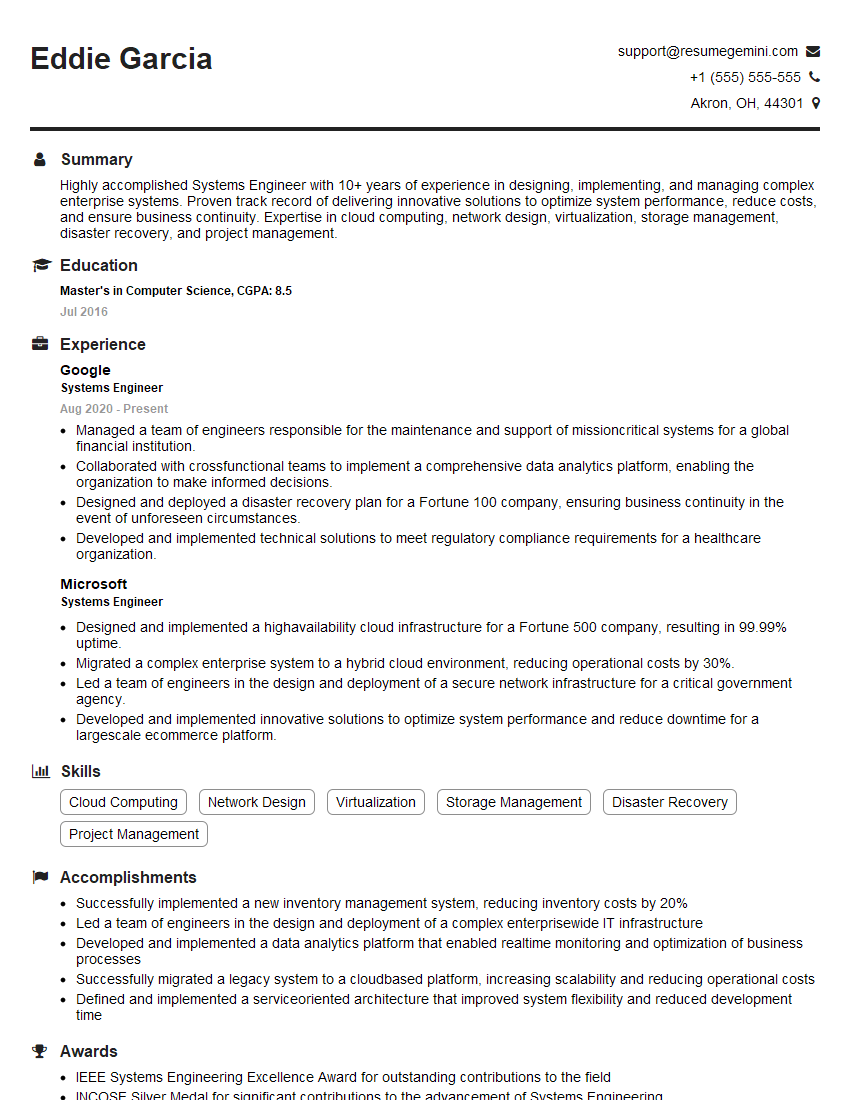
Systems Engineer Resume Sample
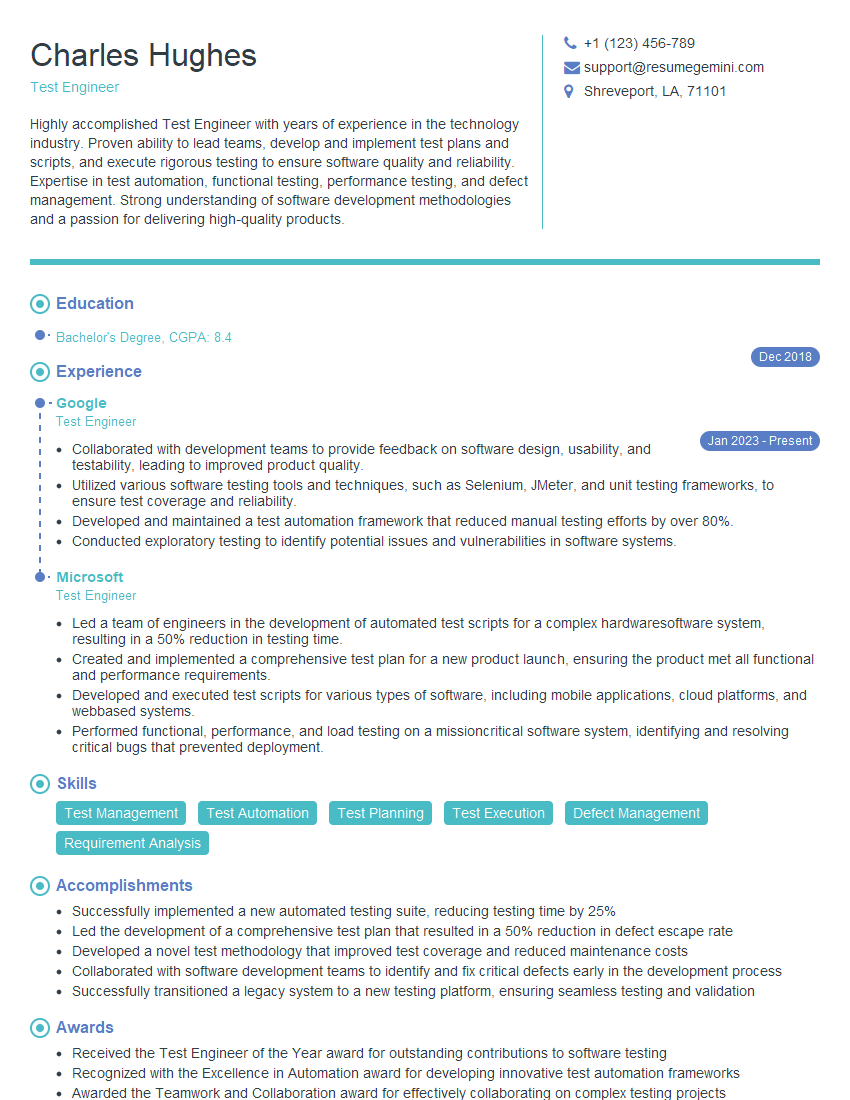
Test Engineer Resume Sample
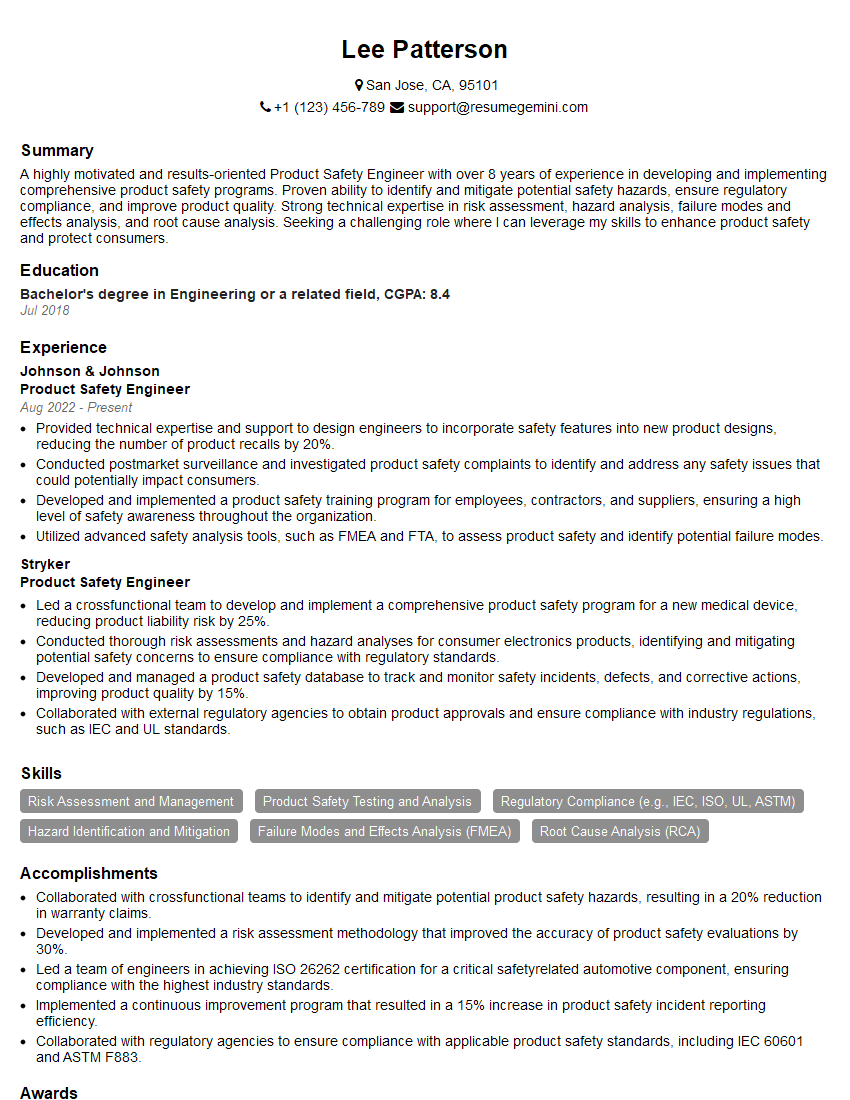
Product Safety Engineer Resume Sample
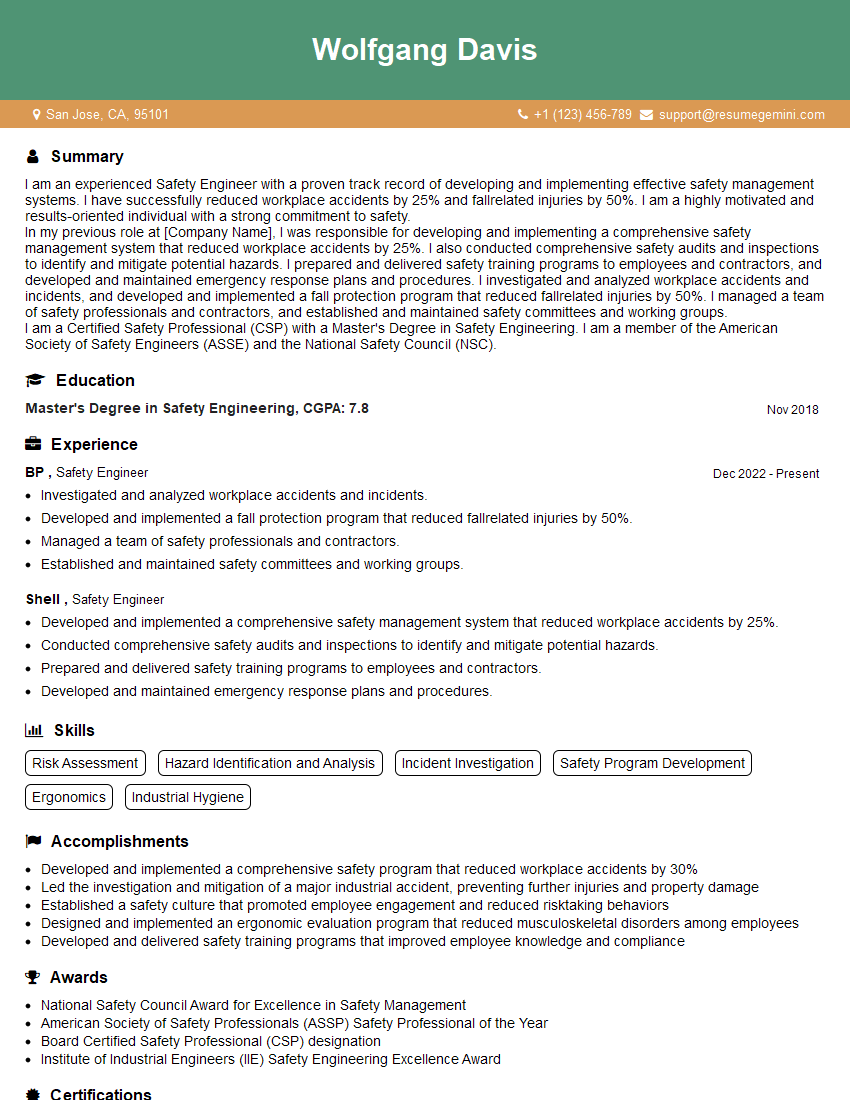
Safety Engineer Resume Sample
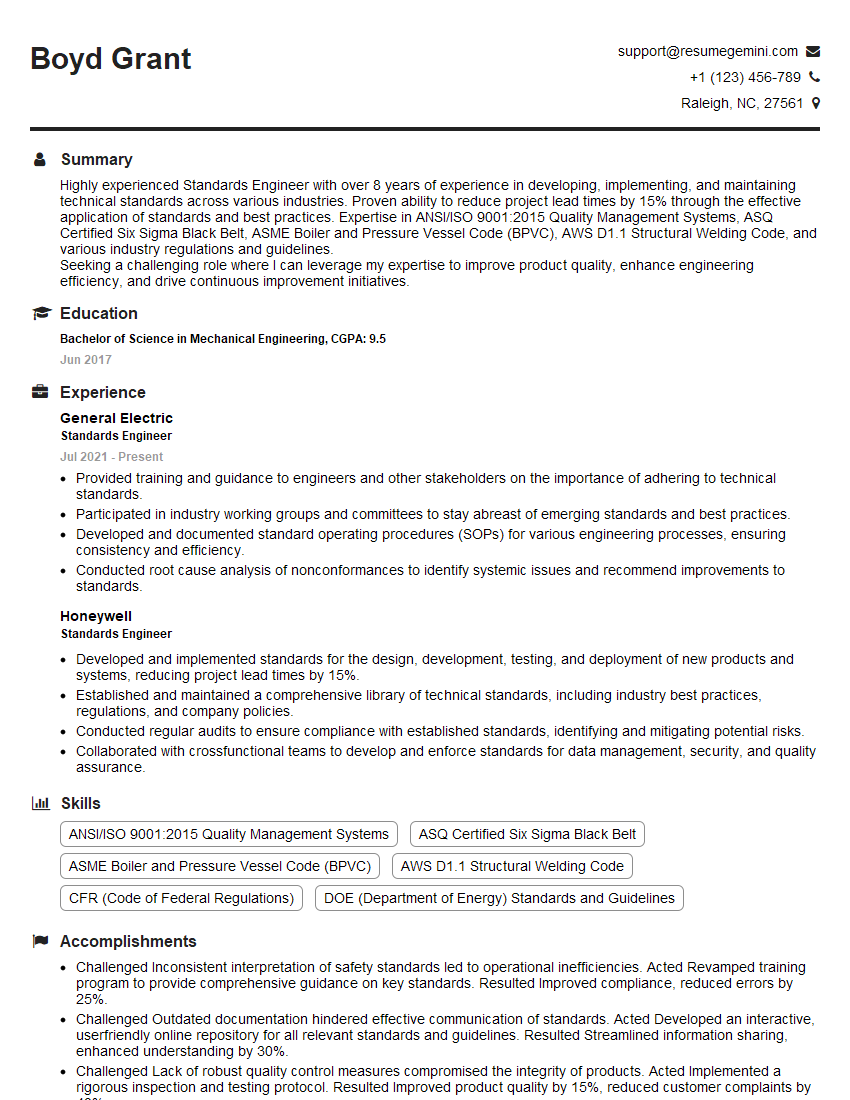
Standards Engineer Resume Sample

Quality Assurance Engineer Resume Sample
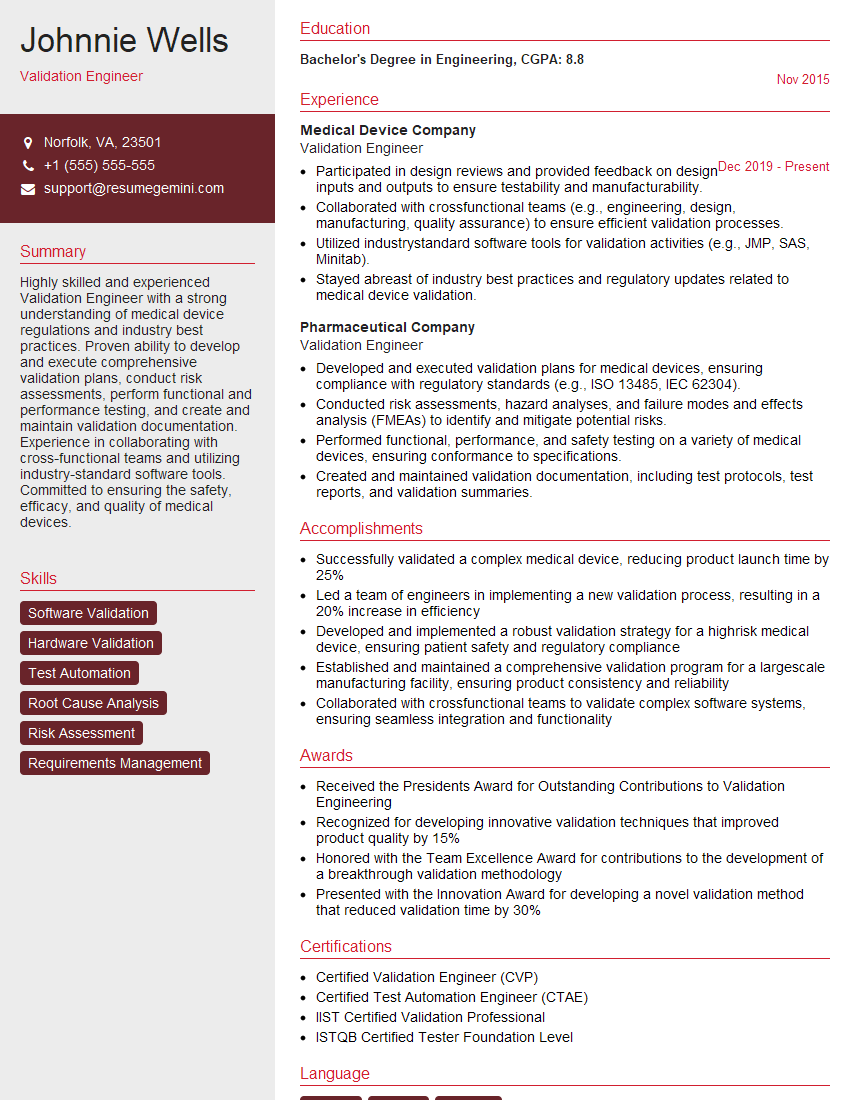
Validation Engineer Resume Sample

Technical Writer Resume Sample
Explore more articles
Users Rating of Our Blogs
Share Your Experience
We value your feedback! Please rate our content and share your thoughts (optional).
What Readers Say About Our Blog
To the interviewgemini.com Webmaster.
Very helpful and content specific questions to help prepare me for my interview!
Thank you
To the interviewgemini.com Webmaster.
This was kind of a unique content I found around the specialized skills. Very helpful questions and good detailed answers.
Very Helpful blog, thank you Interviewgemini team.