Interviews are opportunities to demonstrate your expertise, and this guide is here to help you shine. Explore the essential Injury Diagnosis and Management interview questions that employers frequently ask, paired with strategies for crafting responses that set you apart from the competition.
Questions Asked in Injury Diagnosis and Management Interview
Q 1. Describe the process of diagnosing a suspected ankle sprain.
Diagnosing an ankle sprain involves a systematic approach combining patient history, physical examination, and sometimes, imaging studies. First, I’d gather information about the mechanism of injury – how did it happen? Was there a twisting or turning movement? This helps determine the likely structures involved. The physical exam is crucial. I’d assess for pain, swelling, bruising, tenderness to the touch along the ligaments (specifically the anterior talofibular ligament, calcaneofibular ligament, and posterior talofibular ligament), and range of motion. I’d look for instability by performing stress tests – gently moving the ankle in different directions to assess ligament laxity. X-rays are often used to rule out fractures, especially if there’s significant pain, bony tenderness, or an inability to bear weight. If the x-rays are negative, and clinical suspicion for a sprain remains high, an MRI might be ordered to better visualize the ligaments, assess the extent of the injury, and guide treatment.
For instance, a basketball player who inverts their ankle during a game, reports immediate pain and swelling, and has tenderness over the lateral ligaments would be a prime candidate for an ankle sprain. The physical exam findings would then dictate the extent of the injury. If they are unable to bear weight and there’s significant tenderness over the bone, an x-ray is crucial to rule out a fracture before progressing to ligament assessment.
Q 2. What imaging modalities are used to assess a knee injury, and when would you utilize each?
Several imaging modalities help assess knee injuries. The choice depends on the suspected injury and the clinical presentation. X-rays are often the first step, primarily used to identify fractures, dislocations, and loose bodies (fragments of bone or cartilage within the joint). If the x-rays are normal but the clinical suspicion for ligament injury remains, an MRI is the gold standard. MRI provides detailed images of soft tissues, including ligaments (ACL, PCL, MCL, LCL), menisci, and cartilage, allowing precise assessment of tears and other injuries. Ultrasound can also be used, especially for evaluating superficial structures like tendons and assessing for effusion (fluid build-up in the joint). It’s often faster and cheaper than MRI, but may be less detailed. In acute situations, a CT scan might be used to evaluate complex fractures or dislocations that are difficult to fully assess with plain x-rays.
For example, a patient with a sudden, twisting knee injury who reports a ‘pop’ and feels significant instability would warrant MRI to evaluate potential ligament tears. However, a patient presenting with immediate, intense knee pain after a direct blow and obvious deformity on physical exam would first undergo x-rays to rule out fracture or dislocation.
Q 3. Explain the difference between a Grade I, II, and III ligament sprain.
Ligament sprains are classified into three grades based on the severity of the injury: Grade I, II, and III. A Grade I sprain involves minor stretching of the ligament fibers with minimal instability. Pain and swelling are mild, and the joint typically remains stable. A Grade II sprain involves a partial tear of the ligament with moderate instability. Pain and swelling are more significant, and there is noticeable laxity (looseness) on stress testing. A Grade III sprain is a complete rupture of the ligament resulting in significant instability. The patient often reports severe pain initially, followed by less pain due to nerve damage in the fully disrupted ligament. Swelling and joint laxity are pronounced.
Think of it like a rubber band: a Grade I sprain is like slightly stretching the rubber band; a Grade II sprain is like partially tearing the rubber band; and a Grade III sprain is like completely snapping the rubber band.
Q 4. How do you differentiate between a muscle strain and a tendon rupture?
Differentiating between muscle strains and tendon ruptures requires a careful clinical evaluation. Muscle strains, which are injuries to the muscle fibers, usually present with pain localized to the muscle belly, often with tenderness and swelling. The range of motion might be limited due to pain, but there may not be significant functional loss. Tendon ruptures, on the other hand, involve a tear in the tendon connecting muscle to bone. They often present with sudden, severe pain followed by rapid swelling and often a palpable defect (a gap where the tendon used to be). Functional impairment is typically more significant. Imaging studies, such as MRI or ultrasound, are valuable in confirming the diagnosis. Palpation is critical to determine where exactly the injury occurs. In muscle strains pain is found within the muscle; in tendon ruptures pain is found near the bony insertion of the tendon.
For example, a tennis player who feels a sudden sharp pain in the back of their thigh during a serve might have a hamstring strain (muscle injury) or a rupture of the hamstring tendon. MRI would help determine the specific nature of the injury.
Q 5. What are the common signs and symptoms of a rotator cuff tear?
Rotator cuff tears, injuries to the group of muscles and tendons surrounding the shoulder joint, typically present with a combination of signs and symptoms. Pain, particularly at night or with overhead activities, is common. Weakness in the shoulder, especially when lifting or rotating the arm, is another key symptom. Patients may experience a limited range of motion, and some report a catching or clicking sensation in the shoulder. In severe tears, there can be significant muscle atrophy (wasting away of muscle tissue). A physical exam focusing on range of motion and strength testing will be important to help determine which rotator cuff tendon is injured. Imaging studies, such as MRI, are useful in confirming the diagnosis and assessing the size and location of the tear.
A patient with a chronic rotator cuff tear might describe gradually increasing pain over time, especially when sleeping on their affected side, and difficulty reaching overhead to brush their hair. A sudden, intense pain after a fall might suggest a more acute, significant tear.
Q 6. Describe your approach to managing a patient with acute low back pain.
Managing acute low back pain requires a comprehensive approach focusing on pain relief, restoring function, and preventing recurrence. My initial assessment would include a detailed history of the pain, including onset, location, character, aggravating factors, and relieving factors. A thorough physical examination would assess for spinal mobility, muscle strength, neurological function, and any potential sources of referred pain. In most cases of acute low back pain, imaging is not necessary unless there are red flags present (e.g., neurological deficits, severe trauma, age over 50, fever, significant weight loss). The initial management for the majority of patients will focus on conservative management. This includes educating the patient on proper body mechanics, prescribing appropriate analgesics (pain relievers) such as NSAIDs or acetaminophen, encouraging early mobilization and activity modification. Physical therapy plays a vital role in strengthening core muscles, improving flexibility, and addressing any biomechanical issues. In some cases, I may recommend injections (epidural steroid injections, etc) or referral to a specialist if the pain is not improving after a period of conservative management.
A patient presenting with acute low back pain after lifting a heavy object would receive detailed instructions on proper lifting techniques to prevent recurrence. Pain management, along with early mobilization and core strengthening exercises as prescribed by the physical therapist, would be the cornerstones of care.
Q 7. Explain the principles of RICE therapy for acute soft tissue injuries.
RICE therapy is a widely used first-aid treatment for acute soft tissue injuries like sprains and strains. It’s an acronym for Rest, Ice, Compression, and Elevation. Rest involves avoiding activities that aggravate the injury; this helps reduce further damage and promotes healing. Ice application helps decrease pain and swelling by constricting blood vessels and reducing inflammation. Ice should be applied for 15-20 minutes at a time, several times a day. Avoid placing ice directly onto the skin (use a thin towel). Compression, often with an elastic bandage, helps reduce swelling by limiting fluid accumulation. Elevation helps reduce swelling by promoting drainage of fluid from the injured area. The injured limb should be raised above the heart. It is crucial to remember RICE therapy is for the initial management of the injury only and does not replace professional medical care. It’s essential to follow up with healthcare providers for proper diagnosis and long-term management.
For instance, someone who sprains their wrist while playing tennis would benefit from immediate RICE therapy to minimize swelling and pain. This would help reduce inflammation and prepare the wrist for subsequent physiotherapy and rehabilitation.
Q 8. What are the different types of fractures, and how are they treated?
Fractures, or broken bones, are classified in many ways, depending on the type of break, the bone involved, and the location of the break. Some common types include:
- Simple (closed) fracture: The bone breaks but the skin remains intact.
- Compound (open) fracture: The bone breaks through the skin, increasing the risk of infection.
- Comminuted fracture: The bone breaks into more than two fragments.
- Greenstick fracture: An incomplete break, common in children whose bones are more flexible.
- Stress fracture: A tiny crack in the bone, often caused by repetitive stress.
- Pathologic fracture: A fracture that occurs in a weakened bone due to a disease like osteoporosis or cancer.
Treatment varies greatly depending on the fracture type and location. Simple fractures may only require immobilization with a cast or splint. More complex fractures might need surgery, including open reduction and internal fixation (ORIF), where the bone fragments are surgically realigned and held in place with plates, screws, or rods. In some cases, external fixation devices might be used, which are metal frames attached to the bone outside the skin. The goal of treatment is always to restore bone alignment, stability, and function.
For example, a simple wrist fracture might be treated with a cast for several weeks, allowing the bone to heal naturally. However, a comminuted femur fracture would likely require surgery to stabilize the bone fragments and prevent complications.
Q 9. Discuss the role of physiotherapy in the rehabilitation of a knee injury.
Physiotherapy plays a crucial role in the rehabilitation of knee injuries, focusing on restoring range of motion, strength, stability, and function. A tailored program is essential, varying depending on the specific injury (e.g., ACL tear, meniscus tear, patellar tendinitis).
The process typically involves:
- Range of motion exercises: Gentle movements to improve flexibility and reduce stiffness. This might include simple stretches and active or passive assisted range of motion exercises.
- Strengthening exercises: Building muscle strength around the knee joint, particularly the quadriceps and hamstrings, crucial for stability. This could involve weight training, resistance band exercises, and isometrics.
- Proprioceptive training: Improving balance and coordination by engaging in exercises that challenge balance and coordination on unstable surfaces. Examples include single-leg stances and balance boards.
- Functional exercises: Activities mimicking daily movements like walking, stair climbing, and squatting, to prepare the knee for normal activities.
- Modalities: Use of therapeutic modalities like ultrasound, electrical stimulation, or heat/ice therapy, to manage pain and inflammation.
For instance, after an ACL reconstruction, a patient might start with range of motion exercises, gradually progressing to strengthening, proprioceptive training, and functional exercises over several months. Regular assessment and adjustments to the physiotherapy program are key to ensuring optimal recovery.
Q 10. What are the common complications of a fracture?
Fractures can lead to several complications, some immediate, others developing later. These include:
- Infection: Especially common in open fractures, requiring immediate antibiotic treatment.
- Nonunion: Failure of the bone fragments to heal properly.
- Malunion: Healing of the bone in an incorrect position, leading to deformity and functional limitations.
- Delayed union: Slower than expected bone healing.
- Compartment syndrome: Swelling and increased pressure within the muscle compartments, potentially compromising blood supply and causing tissue damage.
- Osteonecrosis (avascular necrosis): Death of bone tissue due to disrupted blood supply.
- Deep vein thrombosis (DVT): Blood clots in the deep veins, particularly a risk after lower extremity fractures.
- Pulmonary embolism (PE): A life-threatening complication where a blood clot travels to the lungs.
Careful monitoring and prompt treatment are crucial to minimize the risk and impact of these complications. For example, early detection and management of compartment syndrome is critical to avoid permanent damage, while prophylactic measures can reduce the risk of DVT and PE.
Q 11. How do you assess the range of motion in a joint?
Assessing joint range of motion (ROM) is a crucial part of a musculoskeletal examination. It involves measuring the extent of movement a joint can achieve in different directions. Several methods exist:
- Goniometry: Using a goniometer, a device that measures angles, to objectively measure the joint’s ROM. The goniometer is placed along the bony landmarks of the joint, and the angle of movement is recorded.
- Visual estimation: A less precise method where the clinician visually estimates the ROM, often used as a quick screening tool.
- Observation during functional activities: Observing the patient perform daily tasks like walking, climbing stairs, or reaching overhead provides insights into functional ROM.
For each joint, specific movements are assessed. For example, in the knee, flexion (bending) and extension (straightening) are measured, while in the shoulder, flexion, extension, abduction (moving away from the body), adduction (moving towards the body), internal and external rotation are all assessed. Comparing the affected joint with the unaffected side helps determine the extent of the limitation.
Accurate ROM assessment is vital in guiding treatment, monitoring progress, and evaluating the effectiveness of interventions.
Q 12. Explain the process of applying a splint or cast.
Applying a splint or cast involves several steps aimed at immobilizing a fractured bone or injured joint to promote healing. The process differs slightly depending on the type of immobilization device used.
Splint Application:
- Assessment: Evaluate the injury, ensuring proper alignment, and checking for neurovascular compromise (circulation and nerve function).
- Padding: Apply padding around the injury site to prevent pressure sores and improve comfort.
- Splint Application: Carefully position the limb and apply the splint, ensuring proper alignment and support. The splint should be snug but not too tight, allowing for some swelling.
- Securing: Secure the splint using appropriate materials such as bandages or straps.
- Neurovascular Check: After application, reassess circulation and nerve function.
Cast Application:
- Preparation: The limb is prepared by cleaning and drying the skin.
- Stockinette Application: A tubular fabric (stockinette) is applied to protect the skin and provide a smooth surface for the cast material.
- Padding: Padding material is added for comfort and pressure relief.
- Cast Application: The cast material (plaster or fiberglass) is applied in layers, shaping it around the limb to provide firm immobilization.
- Drying: Allow the cast to dry completely before weight-bearing.
- Neurovascular Check: After application, reassess circulation and nerve function.
Both splints and casts are used to immobilize injuries, but splints are generally used for temporary stabilization, while casts provide more rigid support and are used for longer periods.
Q 13. What are the key considerations when prescribing exercise therapy for a patient?
Prescribing exercise therapy requires careful consideration of several factors to ensure safety and effectiveness:
- Patient’s condition: The type and severity of the injury, the patient’s overall health status, and any co-morbidities must be considered.
- Injury stage: The rehabilitation program needs to be tailored to the stage of healing; early stages may focus on pain management and range of motion, while later stages will focus on strength and function.
- Individual needs and goals: The exercises should be tailored to the patient’s specific needs and functional goals, considering their occupation, hobbies, and lifestyle.
- Gradual progression: Exercises should be started gradually and progressed incrementally to prevent re-injury or overuse. This involves careful monitoring and adjustments based on the patient’s response.
- Patient education: Proper education on the exercises, safety precautions, and how to recognize signs of overuse or re-injury is paramount. Patients should be empowered to participate actively in their rehabilitation.
For example, a patient recovering from a rotator cuff tear would start with gentle range of motion exercises before progressing to strengthening exercises and functional activities like lifting and reaching. The progression would be gradual, and closely monitored for signs of pain or discomfort.
Q 14. How do you monitor a patient’s progress during rehabilitation?
Monitoring a patient’s progress during rehabilitation involves a multifaceted approach:
- Regular assessments: Regular clinical assessments are crucial, including evaluation of pain levels, range of motion, strength, functional ability, and overall progress towards goals.
- Outcome measures: Objective outcome measures (e.g., goniometry, strength testing) provide quantifiable data that can be tracked over time.
- Functional tests: Evaluating the patient’s ability to perform activities of daily living, such as walking, climbing stairs, and lifting objects.
- Patient self-report: Regular questionnaires or feedback from the patient regarding pain, symptoms, and functional limitations.
- Imaging studies: Depending on the injury, periodic imaging studies (X-rays, MRI) may be used to monitor healing progress.
This information is used to adjust the rehabilitation program as needed, ensuring the patient’s progress remains on track and any complications are promptly identified and addressed. For instance, if strength gains are lagging, the exercise program might be modified, or if pain persists, pain management strategies might need adjustments.
Q 15. What are the ethical considerations in the management of injuries?
Ethical considerations in injury management are paramount. They encompass patient autonomy, beneficence (acting in the patient’s best interest), non-maleficence (avoiding harm), justice (fair and equitable treatment), and confidentiality. For example, ensuring a patient understands their treatment options and makes informed decisions respects their autonomy. Beneficence guides us to choose treatments with the highest likelihood of success and the fewest side effects. Non-maleficence requires careful consideration of potential risks and complications before proceeding with any intervention. Justice necessitates providing equal access to quality care regardless of socioeconomic status or other factors. Maintaining patient confidentiality is crucial, adhering strictly to HIPAA regulations and similar legal frameworks.
A practical example might involve a patient refusing a recommended surgery. While we might believe surgery offers the best outcome (beneficence), we must respect their decision (autonomy), providing them with alternative conservative management options and ensuring they are fully informed of the potential risks and benefits of both approaches.
Career Expert Tips:
- Ace those interviews! Prepare effectively by reviewing the Top 50 Most Common Interview Questions on ResumeGemini.
- Navigate your job search with confidence! Explore a wide range of Career Tips on ResumeGemini. Learn about common challenges and recommendations to overcome them.
- Craft the perfect resume! Master the Art of Resume Writing with ResumeGemini’s guide. Showcase your unique qualifications and achievements effectively.
- Don’t miss out on holiday savings! Build your dream resume with ResumeGemini’s ATS optimized templates.
Q 16. Describe the process of documenting patient information and treatment plans.
Comprehensive documentation is vital for legal protection, continuity of care, and effective communication among healthcare professionals. This includes a detailed patient history (medical, social, and family history; current medications; allergies), a thorough description of the injury (mechanism of injury, location, severity, associated symptoms), physical examination findings, diagnostic test results (X-rays, MRIs, etc.), treatment plans, progress notes, and any complications encountered. We utilize standardized forms and electronic health records (EHRs) to ensure accuracy and accessibility.
For example, documenting the exact location and size of a fracture, the type of fracture, and the treatment (e.g., casting, surgery) is critical. Progress notes would detail the patient’s response to treatment, any changes in their condition, and any modifications made to the plan. Clear and concise documentation ensures consistent and high-quality care. Failure to accurately document can lead to legal issues or compromised care.
Q 17. How do you communicate effectively with patients and their families?
Effective communication is the cornerstone of successful injury management. This involves active listening, using clear and simple language, tailoring communication to the patient’s understanding, and addressing their concerns empathetically. I regularly use teach-back methods to ensure understanding of treatment plans and home care instructions. When communicating with families, I aim to include them in the decision-making process, providing them with updates on the patient’s progress and addressing their questions and anxieties. Non-verbal cues are also vital; maintaining eye contact, using appropriate body language, and creating a comfortable environment can significantly improve communication.
For instance, if a patient is anxious about surgery, I will take the time to explain the procedure in detail, answer their questions thoroughly, and address their fears. I may also involve a psychologist or social worker to provide additional emotional support.
Q 18. How do you adapt treatment plans to meet the needs of different patient populations?
Adapting treatment plans requires considering individual patient factors such as age, overall health, comorbidities, social support systems, functional goals, and cultural beliefs. For example, an elderly patient with osteoporosis sustaining a hip fracture will require a different treatment approach compared to a young, healthy athlete with the same fracture. The elderly patient might require a more cautious approach, prioritizing fracture healing and minimizing risks, whereas the athlete might prioritize faster recovery and return to sport. Children require age-appropriate explanations and treatment strategies. Patients with certain religious or cultural beliefs might require modifications to the treatment plan to align with their values.
A practical example is adapting rehabilitation exercises for a patient with limited mobility due to arthritis. We would modify exercises to reduce joint stress and pain, while still achieving the therapeutic goals of improving strength and range of motion.
Q 19. What are the legal aspects of injury diagnosis and management?
Legal aspects are critical, including maintaining accurate and complete medical records, obtaining informed consent for all treatments and procedures, adhering to relevant state and federal regulations (like HIPAA), managing malpractice risks, and ensuring proper documentation of patient communication and treatment decisions. Misdiagnosis or improper treatment can lead to malpractice lawsuits. Informed consent ensures patients are fully aware of the risks and benefits of their treatment options before making a decision.
For example, if a patient refuses a recommended treatment, we must meticulously document their refusal, ensuring they understand the potential consequences. Failure to do so can lead to legal complications. Strict adherence to HIPAA regulations protects patient privacy and confidentiality.
Q 20. How do you manage a patient with a complex injury?
Managing a patient with a complex injury involves a multidisciplinary approach, typically including orthopedists, surgeons, physiatrists, physical therapists, occupational therapists, and social workers. A detailed assessment is essential to understand the extent of the injury and its impact on various body systems. Treatment often requires a phased approach, starting with stabilization and pain management, followed by surgery if necessary, and finally, extensive rehabilitation to restore function. Regular monitoring and adjustments to the treatment plan based on the patient’s progress are crucial.
For instance, a patient with a severe traumatic brain injury and multiple fractures would need a coordinated effort to manage their neurological deficits, fractures, and other potential complications. This would involve close collaboration among neurosurgeons, orthopedists, rehabilitation specialists, and other professionals, with regular meetings to assess progress and adjust the treatment strategy.
Q 21. Explain the difference between conservative and surgical management of injuries.
Conservative management focuses on non-surgical interventions such as medication (pain relievers, anti-inflammatory drugs), immobilization (casts, splints, braces), physical therapy, and occupational therapy to promote healing and restore function. Surgical management involves surgical procedures to repair or reconstruct damaged tissues. The choice between conservative and surgical management depends on the nature and severity of the injury, the patient’s overall health, and their goals for recovery.
For example, a simple ankle sprain might be managed conservatively with rest, ice, compression, and elevation (RICE), and physical therapy. However, a complex fracture requiring bone realignment would usually necessitate surgical intervention. In some cases, a trial of conservative management might be attempted initially, with surgery considered if there’s insufficient improvement.
Q 22. What are the common causes of overuse injuries?
Overuse injuries, also known as repetitive strain injuries, occur when the same motion or activity is repeated excessively, causing micro-tears and inflammation in muscles, tendons, ligaments, or joints. Think of it like bending a paperclip back and forth – eventually, it breaks. The body’s tissues are similarly susceptible to overuse.
- Repetitive movements: Typing, playing a musical instrument, or repetitive assembly line work are prime examples.
- Improper technique: Incorrect form during exercise, such as running with an overstride, significantly increases the risk.
- Inadequate rest and recovery: Failing to allow sufficient time for tissues to repair themselves after exertion contributes greatly.
- Underlying conditions: Pre-existing conditions like muscle imbalances or joint instability can predispose individuals to overuse injuries.
- Inadequate warm-up: Starting an activity without properly warming up muscles increases susceptibility to injury.
For instance, a tennis player who practices their serve intensely without adequate rest might develop tennis elbow (lateral epicondylitis), an overuse injury of the forearm tendons.
Q 23. How do you assess and manage pain in patients with injuries?
Assessing and managing pain involves a multi-faceted approach. It starts with a thorough history taking, understanding the injury mechanism, the location, character and intensity of pain, aggravating and relieving factors, and the patient’s overall health.
A physical examination is crucial, assessing range of motion, strength, and identifying any anatomical abnormalities. Imaging studies like X-rays, MRI, or ultrasound may be necessary to confirm the diagnosis and rule out other pathologies.
Pain management strategies are tailored to the individual patient and the severity of their injury. This often involves a combination of:
- Rest and immobilization: Reducing stress on the injured area is fundamental. This can involve splinting, bracing, or crutches.
- Ice and compression: These help reduce inflammation and pain.
- Elevation: Elevating the injured limb above heart level decreases swelling.
- Pharmacological interventions: Over-the-counter pain relievers (NSAIDs), prescription analgesics, or even muscle relaxants may be necessary.
- Physical therapy: A tailored exercise program helps restore range of motion, strength, and function.
- Injections: Corticosteroid injections may be used in certain situations to reduce inflammation.
- Surgery: In severe cases, surgical intervention might be required.
For example, a patient with a sprained ankle would be advised to rest, ice the ankle, and use crutches for weight-bearing. Physical therapy would follow to restore ankle mobility and strength.
Q 24. What are the potential psychological impacts of injury?
Injury can significantly impact a patient’s psychological well-being. The emotional response varies depending on factors such as the severity of the injury, the athlete’s personality, their support system, and the impact on their daily life and career.
- Anxiety and fear: Uncertainty about recovery and the impact on future activities can lead to significant anxiety.
- Depression: Prolonged recovery periods, limitations in physical activity, and loss of participation in hobbies or sports can contribute to depression.
- Frustration and anger: Difficulty coping with pain, limitations, and prolonged rehabilitation can trigger feelings of frustration and anger.
- Loss of identity: For athletes, injury can lead to a sense of identity crisis, as their self-worth is often tied to their athletic performance.
- Body image issues: Injuries can affect body image, especially if they result in noticeable physical changes.
It’s crucial for healthcare professionals to recognize these psychological impacts and provide appropriate support, which may involve referring patients to mental health professionals, providing coping strategies, and emphasizing positive aspects of recovery.
Q 25. Describe your experience with different types of assistive devices.
My experience encompasses a wide range of assistive devices, including crutches, canes, walkers, braces (ankle, knee, wrist), splints, and prosthetic limbs. I’ve worked with patients across various age groups and injury types, requiring different levels of support and mobility aids.
For instance, I’ve helped patients with post-surgical knee replacements learn to use walkers and progress to canes, gradually increasing their weight-bearing capacity. I’ve fitted patients with wrist braces to manage carpal tunnel syndrome or other wrist injuries. In other cases, I’ve collaborated with prosthetists to ensure a proper fit and effective use of prosthetic limbs. The key is to select the appropriate device for the specific patient’s needs and injury, considering factors like their strength, balance, and overall functional capabilities. Proper education and training in the use of these devices are also crucial to ensure safe and effective mobility and prevent further injuries.
Q 26. How do you stay updated on the latest advancements in injury diagnosis and management?
Staying updated in this rapidly evolving field requires a proactive and multi-pronged approach:
- Continuing Medical Education (CME): Regular participation in conferences, workshops, and online courses is essential.
- Professional journals and publications: I subscribe to leading journals in sports medicine, orthopedics, and rehabilitation medicine.
- Membership in professional organizations: Active involvement in professional organizations provides access to the latest research and guidelines.
- Networking with colleagues: Engaging in discussions with peers and experts in the field facilitates knowledge sharing and learning from different perspectives.
- Evidence-based practice: Critically evaluating research and incorporating the latest evidence into my clinical practice ensures the best patient care.
For example, I recently attended a workshop on the latest advancements in arthroscopic surgery techniques for knee injuries. This allowed me to learn about less invasive surgical approaches and improve my ability to advise patients on the best treatment options.
Q 27. How do you handle difficult patients or situations?
Handling challenging patients or situations requires empathy, clear communication, and a structured approach. I focus on:
- Active listening: Understanding the patient’s concerns and perspectives is paramount.
- Empathetic communication: Showing genuine concern and validating the patient’s feelings, even if I disagree with their viewpoint.
- Setting clear expectations: Outlining the treatment plan, prognosis, and realistic goals helps manage expectations.
- Collaborative decision-making: Involving patients in their treatment decisions fosters a sense of ownership and responsibility.
- Seeking support from colleagues: Consulting with colleagues or supervisors when facing complex situations provides valuable perspectives and guidance.
- Establishing boundaries: Maintaining professional boundaries while showing compassion is crucial.
For example, I once had a patient who was resistant to following the recommended rehabilitation exercises. By actively listening to his concerns (fear of re-injury, lack of time), I adjusted the exercise plan to better fit his lifestyle and gradually built his confidence through positive reinforcement.
Q 28. Describe a time you had to make a difficult clinical decision related to injury management.
I had a patient, a young athlete, who suffered a severe ankle sprain with suspected ligament damage. The initial imaging was inconclusive, and the patient was desperate to return to competition quickly. The decision was complex: aggressive early mobilization could risk further injury and instability, but prolonged immobilization could lead to stiffness and prolonged recovery.
After careful consideration of the clinical examination, patient history, and discussions with colleagues, we opted for a conservative approach with a graded rehabilitation program focused on restoring strength, proprioception (balance), and range of motion. This involved meticulous monitoring of the patient’s progress and making adjustments to the program as needed. The patient ultimately made a full recovery without the need for surgery, demonstrating the importance of careful clinical judgment and a balanced approach. While returning to sports faster was tempting, prioritizing a full and lasting recovery was the more responsible decision.
Key Topics to Learn for Injury Diagnosis and Management Interview
- Patient History Taking and Examination: Mastering techniques for effectively gathering patient information, performing physical examinations, and interpreting findings to guide diagnostic decisions. Consider the nuances of subjective versus objective data and their relative importance.
- Imaging Interpretation (X-ray, MRI, CT): Develop a strong understanding of common imaging modalities used in injury diagnosis. Focus on recognizing normal anatomy and identifying key features indicative of various injuries. Practice interpreting images and correlating findings with clinical presentations.
- Differential Diagnosis: Learn to systematically differentiate between various injury types presenting with similar symptoms. This includes understanding the pathophysiology of common injuries and their clinical manifestations.
- Injury Classification and Grading Systems: Become familiar with standardized classification systems for different types of injuries (e.g., ligament sprains, fractures). Understand how grading systems influence treatment strategies.
- Non-Surgical and Surgical Management Options: Explore the range of treatment options available, from conservative approaches (e.g., physiotherapy, bracing) to surgical interventions. Understand the indications and contraindications for each approach.
- Rehabilitation and Recovery Strategies: Develop an understanding of the principles of rehabilitation and the role of various therapeutic modalities in facilitating recovery. Consider the importance of patient education and compliance in successful outcomes.
- Legal and Ethical Considerations: Familiarize yourself with relevant legal and ethical aspects of injury diagnosis and management, including informed consent, documentation, and professional responsibility.
- Problem-Solving and Case Studies: Practice applying your knowledge to real-world scenarios. Working through case studies will strengthen your diagnostic and management skills and help you articulate your thought processes effectively.
Next Steps
Mastering Injury Diagnosis and Management is crucial for career advancement in healthcare. A strong understanding of these principles opens doors to specialized roles and leadership opportunities. To maximize your job prospects, invest time in crafting a compelling and ATS-friendly resume that showcases your skills and experience effectively. ResumeGemini is a trusted resource that can help you build a professional resume that stands out. They provide examples of resumes tailored to Injury Diagnosis and Management to help you create a document that highlights your unique qualifications. Take advantage of these resources to make a strong impression on potential employers.
Ergonomist Resume Sample
Rehabilitation Specialist Resume Sample
Athletic Trainer Resume Sample
Chiropractor Resume Sample
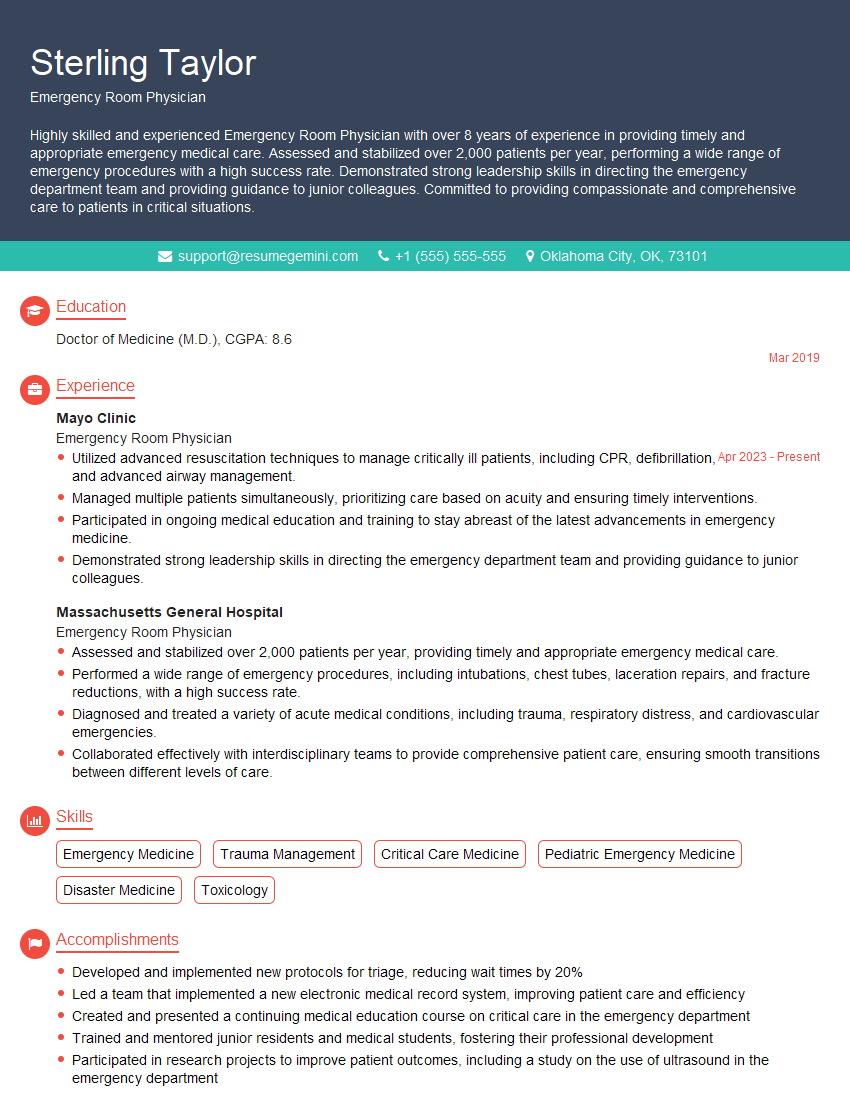
Emergency Room Physician Resume Sample
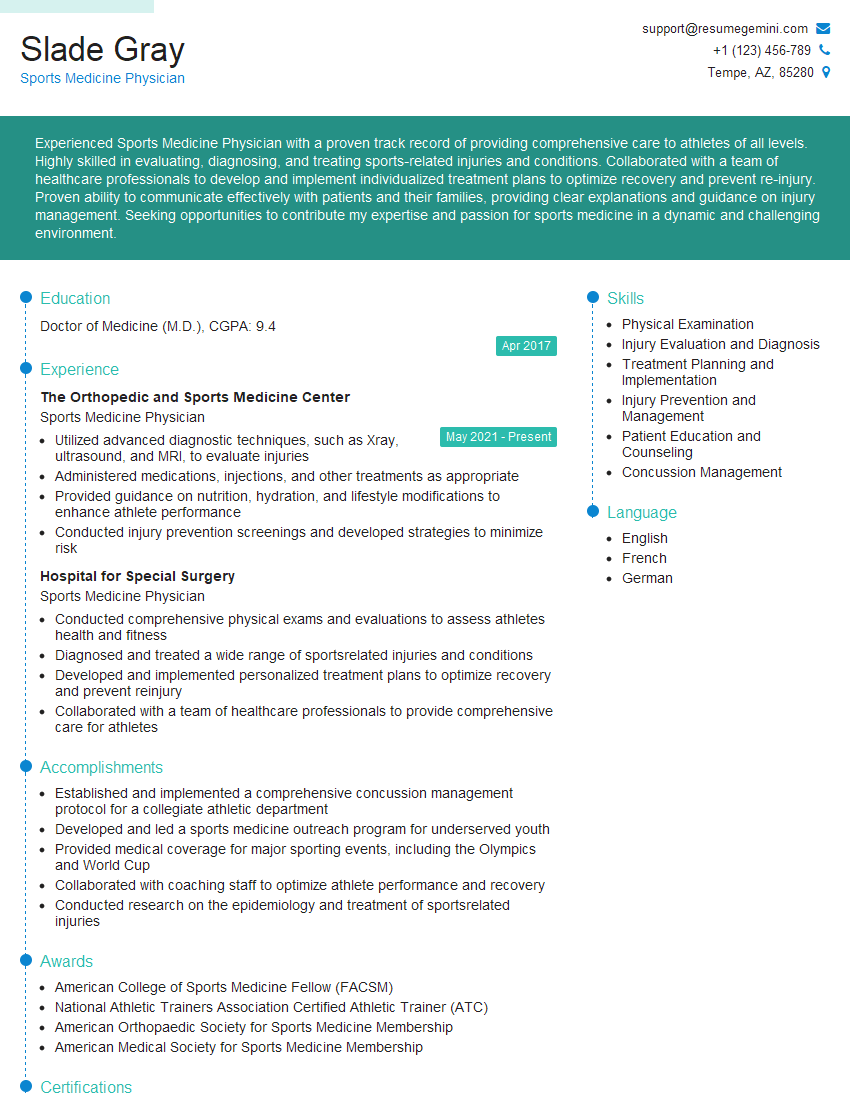
Sports Medicine Physician Resume Sample
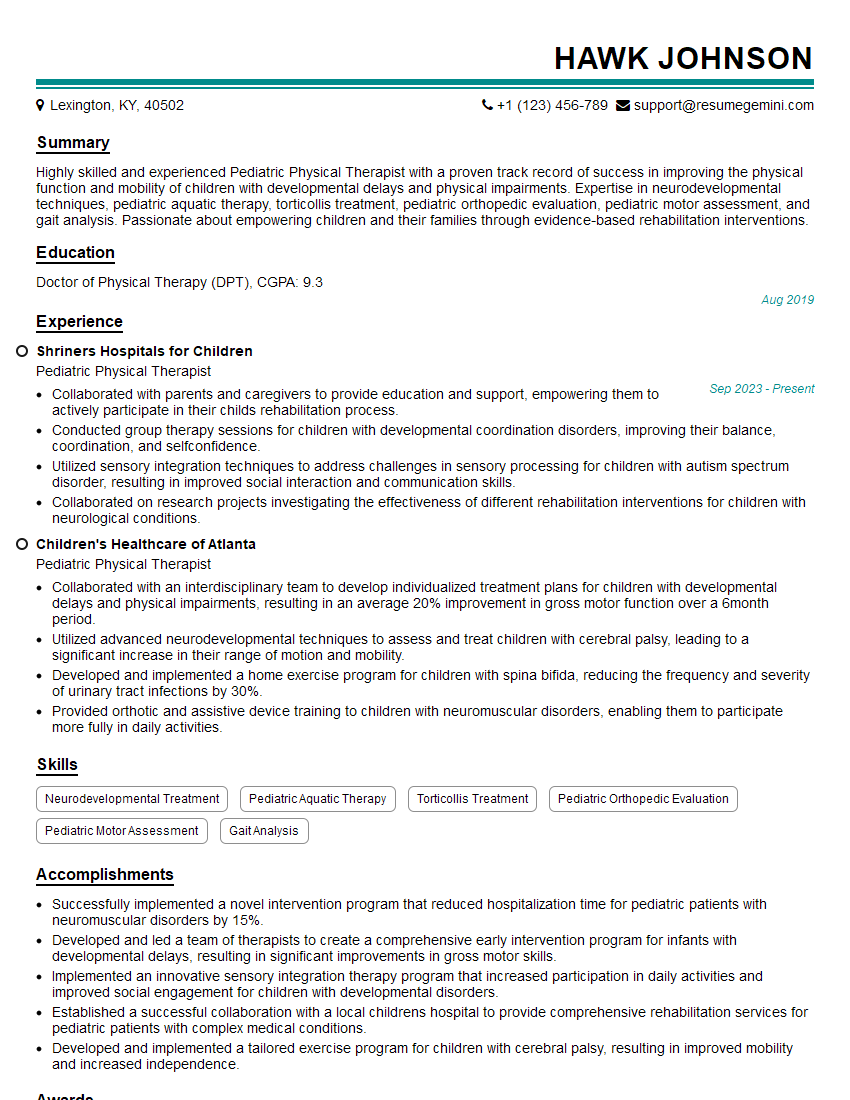
Pediatric Physical Therapist Resume Sample
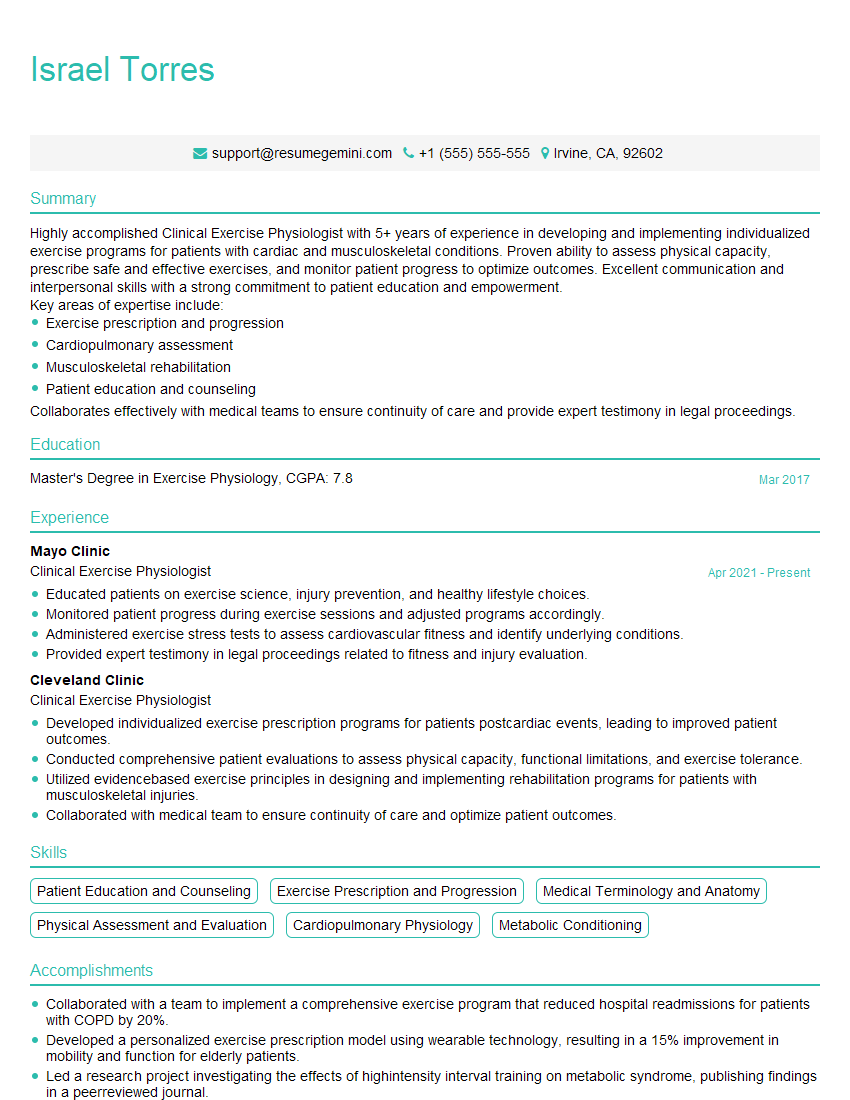
Clinical Exercise Physiologist Resume Sample
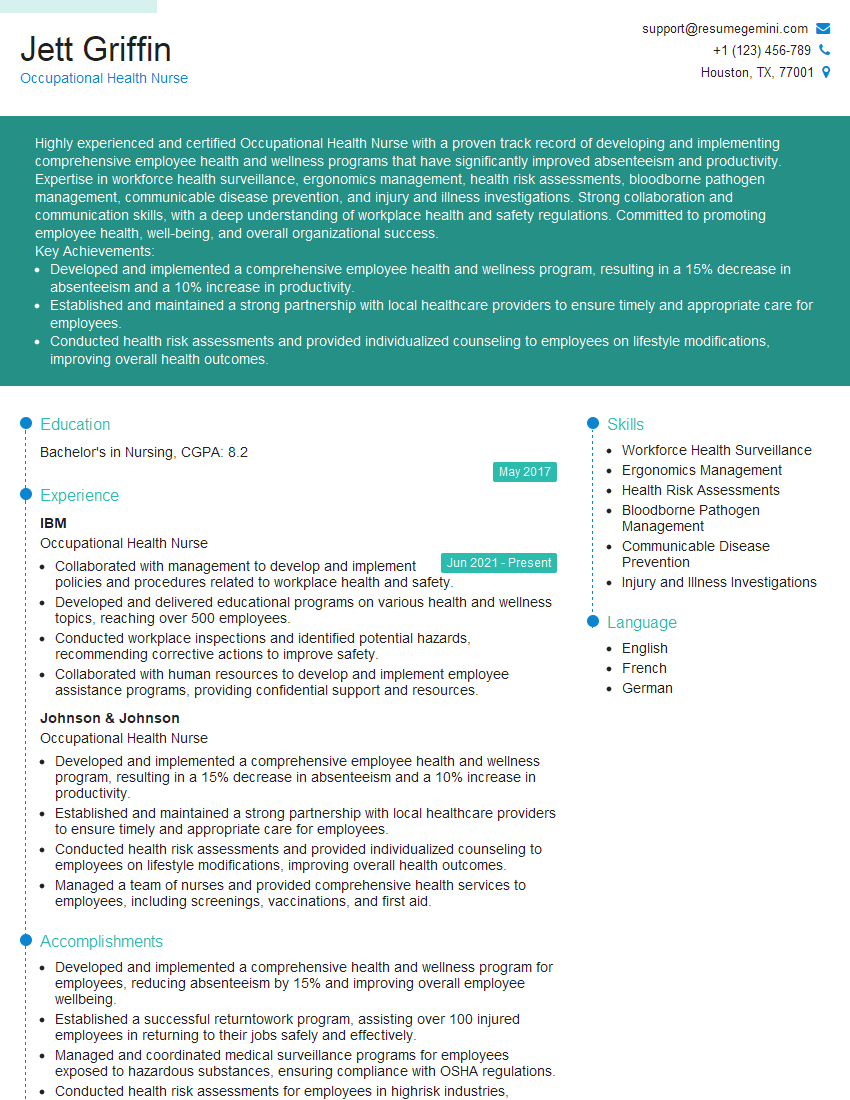
Occupational Health Nurse Resume Sample
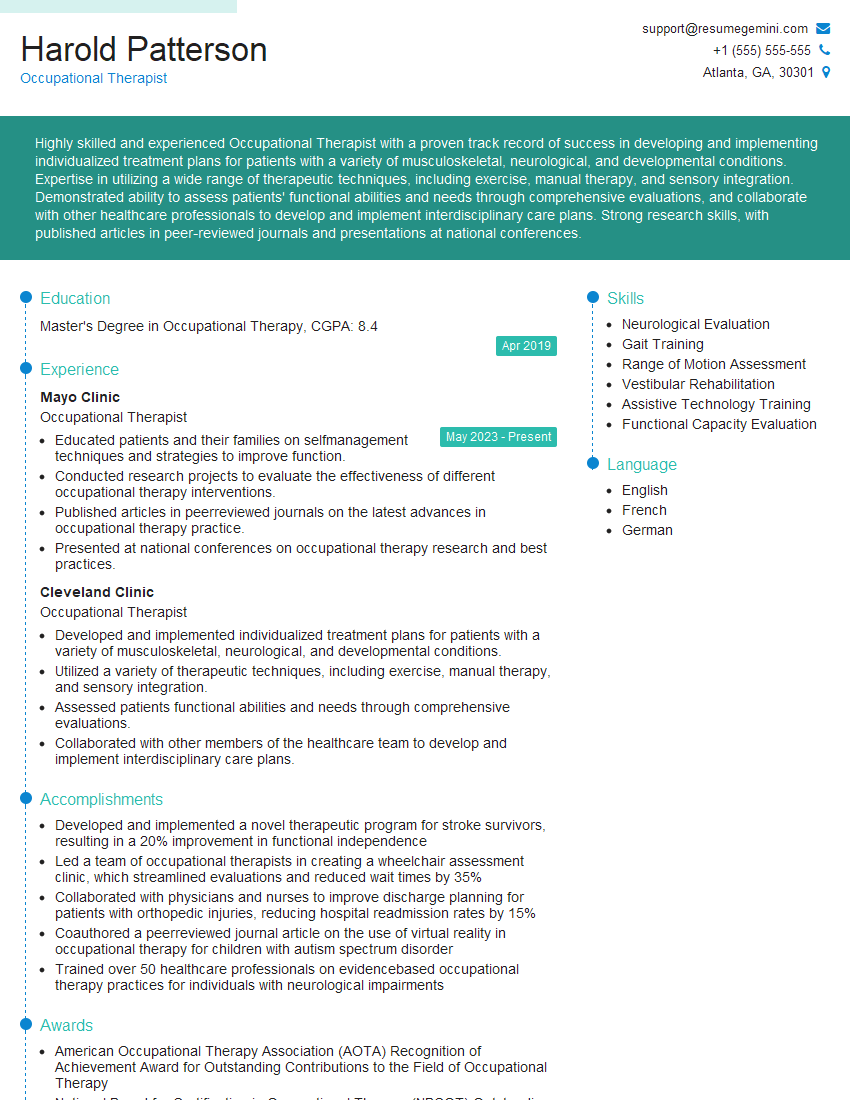
Occupational Therapist Resume Sample
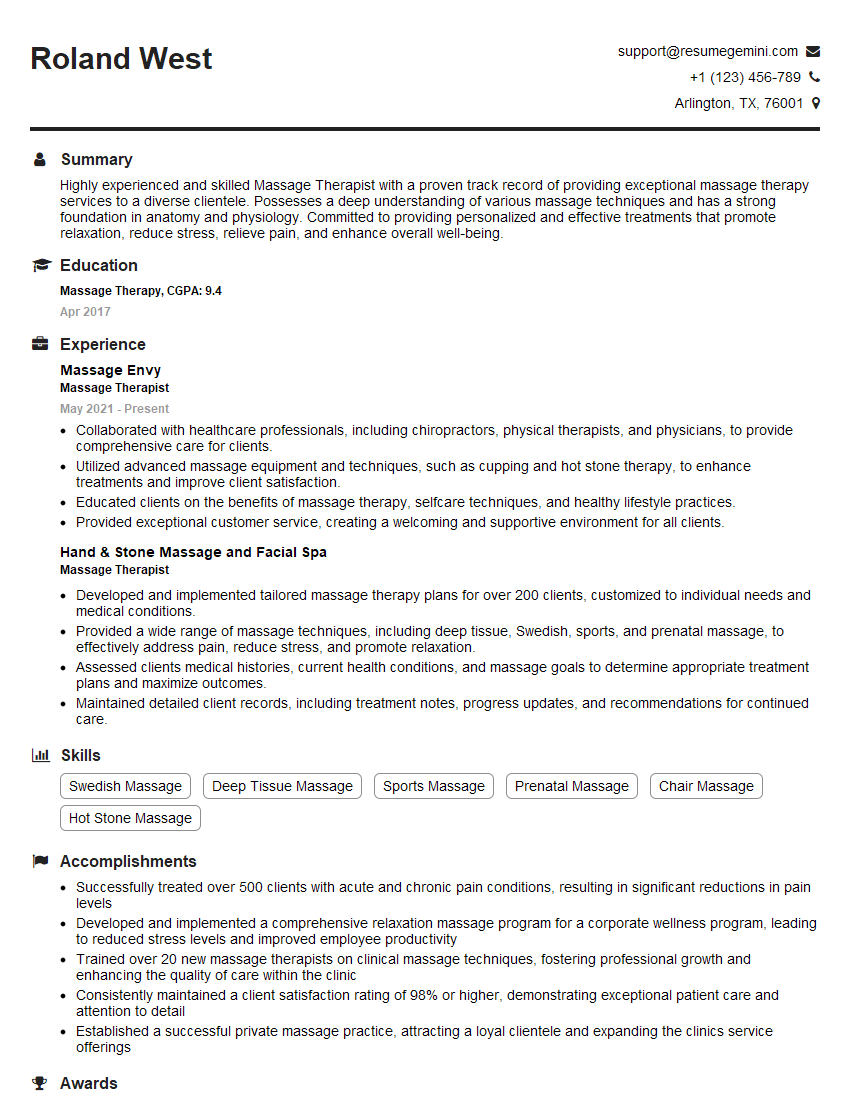
Massage Therapist Resume Sample
Explore more articles
Users Rating of Our Blogs
Share Your Experience
We value your feedback! Please rate our content and share your thoughts (optional).
What Readers Say About Our Blog
To the interviewgemini.com Webmaster.
Very helpful and content specific questions to help prepare me for my interview!
Thank you
To the interviewgemini.com Webmaster.
This was kind of a unique content I found around the specialized skills. Very helpful questions and good detailed answers.
Very Helpful blog, thank you Interviewgemini team.