Interviews are opportunities to demonstrate your expertise, and this guide is here to help you shine. Explore the essential Inspecting materials and equipment interview questions that employers frequently ask, paired with strategies for crafting responses that set you apart from the competition.
Questions Asked in Inspecting materials and equipment Interview
Q 1. Describe your experience with different inspection methods (visual, dimensional, etc.).
My experience encompasses a wide range of inspection methods, starting with the fundamental visual inspection. This involves a thorough, systematic examination using the naked eye, sometimes aided by magnifying glasses or borescopes, to detect surface defects like cracks, scratches, corrosion, or misalignments. I’ve used this extensively in pipeline inspections, checking for signs of damage or wear. Beyond visual inspection, I’m proficient in dimensional inspection, which uses precision instruments like calipers, micrometers, and dial indicators to measure dimensions and tolerances. This is critical in manufacturing, ensuring parts meet specifications. For example, I’ve used micrometers to verify the diameter of precisely machined components in automotive engine production. I also have experience with functional testing, where I assess the performance of a component or system – for instance, testing the flow rate of a valve or the pressure resistance of a tank. Finally, I’m familiar with more advanced techniques like ultrasonic testing and magnetic particle inspection, which I’ll discuss further in response to another question.
Q 2. Explain your understanding of quality control standards (e.g., ISO 9001).
My understanding of quality control standards, especially ISO 9001, is deeply rooted in its principles of continuous improvement and customer satisfaction. ISO 9001 provides a framework for establishing, implementing, maintaining, and continually improving a quality management system. It emphasizes the importance of documentation, process control, and internal audits to ensure consistent product quality. In my work, this translates to adhering to strict procedures, maintaining meticulous records of inspections, and participating in regular audits to identify areas for improvement. For example, when inspecting a batch of welds, I would follow documented procedures specifying the inspection techniques, acceptance criteria, and reporting requirements aligned with ISO 9001 standards. Any deviation or non-conformance would be documented and addressed through the established corrective action process outlined in the quality management system. The ultimate aim is to deliver products and services consistently meeting or exceeding customer expectations.
Q 3. How do you handle discrepancies found during an inspection?
Handling discrepancies discovered during an inspection involves a systematic approach. The first step is to clearly document the discrepancy, including location, type of defect, severity, and any relevant measurements. A high-quality photo or video is crucial. Then, I would isolate the affected item or batch to prevent further use or distribution. The next step is to notify the appropriate personnel, such as the production team, quality control manager, or client. Depending on the severity of the discrepancy, a decision is made whether to reject the item, repair/rework it, or concede it if within acceptable tolerance limits. This decision involves consulting relevant specifications and standards. Finally, corrective and preventive actions are identified to prevent similar discrepancies in the future. I’ve used this process numerous times, for example, identifying a batch of faulty bearings during an inspection. The defective bearings were isolated, reported, and the root cause investigated, leading to adjustments in the manufacturing process.
Q 4. What are the common causes of material defects you’ve encountered?
Over the years, I’ve encountered numerous causes of material defects. Common issues include manufacturing defects such as improper heat treatment (leading to brittleness), incorrect machining (resulting in dimensional inaccuracies), or welding flaws (like porosity or incomplete penetration). Material imperfections originating from the raw material itself are another frequent cause—for example, inclusions in castings or cracks in forgings. Environmental factors also play a significant role. Corrosion from exposure to moisture or chemicals is a recurring problem, especially in outdoor applications. Finally, improper handling or storage can lead to damage such as dents, scratches, or warping. Identifying the root cause often requires a combination of visual inspection, dimensional checks, and possibly destructive or non-destructive testing.
Q 5. Explain your experience with Non-Destructive Testing (NDT) methods.
My experience with Non-Destructive Testing (NDT) methods includes ultrasonic testing (UT), magnetic particle inspection (MPI), and liquid penetrant testing (LPT). UT uses high-frequency sound waves to detect internal flaws in materials. I’ve used this extensively to inspect welds for cracks or discontinuities. MPI is employed to detect surface and near-surface cracks in ferromagnetic materials. It involves magnetizing the material and applying a ferromagnetic particle suspension to reveal the cracks. LPT is useful for detecting surface-breaking defects in a wide range of materials by applying a dye penetrant that seeps into the cracks and is then revealed by a developer. I’ve used this technique to inspect castings for surface cracks. Selecting the appropriate NDT method depends heavily on the material type, the expected type of defect, and the accessibility of the part to be inspected.
Q 6. How do you determine the appropriate sampling plan for an inspection?
Determining the appropriate sampling plan involves several factors. First, I consider the acceptance criteria – what level of defect rate is acceptable? Next, the risk tolerance needs to be assessed. A higher risk tolerance allows for smaller sample sizes, while a lower tolerance demands larger samples. The production volume also plays a crucial role. For large production runs, statistical sampling plans like those outlined in MIL-STD-105E or ANSI/ASQ Z1.4 are often used. For smaller batches, a 100% inspection might be more practical. Finally, the inspection method will influence the sampling plan. For destructive testing methods, a smaller sample is necessary. The goal is to balance the cost and time of inspection with the need to ensure a reliable assessment of the overall quality.
Q 7. Describe your experience with using inspection tools and equipment (e.g., calipers, micrometers).
My experience with inspection tools and equipment is extensive. I’m proficient in using calipers for measuring external dimensions, micrometers for precise internal and external measurements, and dial indicators for checking surface flatness and runout. I’ve also used more specialized equipment like borescopes for inspecting internal cavities, thickness gauges for measuring material thickness, and surface roughness testers to assess surface finish. Using these tools correctly and understanding their limitations is crucial to obtaining accurate and reliable inspection results. For example, I’ve used a combination of calipers and a dial indicator to verify the concentricity of a rotating shaft. Regular calibration of these tools ensures accuracy and traceability, which is vital for maintaining the integrity of the inspection process.
Q 8. How do you document inspection findings and generate reports?
Documenting inspection findings is crucial for maintaining a record of material and equipment condition and ensuring accountability. My process involves a combination of visual inspections, measurements, and testing, all meticulously recorded. I utilize a structured format, typically a pre-defined checklist or template tailored to the specific inspection type. This ensures consistency and covers all essential aspects.
Data Collection: I use a combination of methods including:
- Digital photography and videography: To visually document defects, wear, and tear, or specific component conditions.
- Detailed written notes: Including observations, measurements (dimensions, weight, etc.), and any deviations from specifications or standards.
- Data loggers and sensors: For capturing quantitative data such as temperature, pressure, or vibration levels.
Report Generation: Once the inspection is complete, I compile all data into a comprehensive report. This report includes:
- Inspection details: Date, time, location, inspector’s name, equipment or material inspected, and relevant standards or specifications.
- Findings: Clear and concise descriptions of any defects, anomalies, or deviations from acceptable standards. I use standardized terminology and grading systems whenever possible.
- Photographs and other supporting documentation: Visual evidence is paramount to support my findings.
- Recommendations: Based on my findings, I provide clear and actionable recommendations for repair, replacement, or further investigation.
- Conclusion: A summary of the overall condition of the inspected item and its suitability for continued service.
I often use specialized software for report generation, allowing for easy data import, automated calculations, and professional report formatting. This ensures that reports are consistent, accurate, and easy to understand for a wide range of stakeholders.
Q 9. Explain your understanding of different material properties and their relevance to inspection.
Understanding material properties is fundamental to effective inspection. Different materials exhibit varying characteristics that influence their suitability for specific applications and their susceptibility to failure. Key properties I consider include:
- Mechanical properties: Tensile strength, yield strength, hardness, ductility, elasticity, fatigue strength. These properties determine a material’s ability to withstand stress and strain.
- Physical properties: Density, melting point, thermal conductivity, electrical conductivity. These dictate how the material behaves under various physical conditions.
- Chemical properties: Corrosion resistance, reactivity, flammability. Understanding these is essential for ensuring the material’s compatibility with its environment.
Relevance to Inspection: Knowledge of material properties allows me to predict potential failure modes. For example, a material with low fatigue strength might be prone to cracking under repeated stress, while a material with poor corrosion resistance could degrade over time in a specific environment. During inspections, I can compare the observed condition with expected properties, identifying potential issues early on. This helps avoid catastrophic failures and ensures safety.
Example: Inspecting a pressure vessel requires understanding the yield strength and creep resistance of the material used in its construction. If the vessel is operating at high temperatures for an extended period, creep (slow deformation under sustained stress) could compromise its integrity, leading to a potential rupture. I’d assess the vessel’s condition, noting any signs of creep, and compare its observed properties to its designed specifications.
Q 10. How do you ensure the accuracy and reliability of your inspection results?
Ensuring accuracy and reliability is paramount. I achieve this through a multi-faceted approach:
- Calibration and verification: All measuring instruments and testing equipment are regularly calibrated against traceable standards. This ensures that measurements are accurate and consistent.
- Use of standardized procedures: Following established inspection procedures and checklists minimizes human error and ensures consistency across inspections.
- Multiple inspectors or cross-checking: In critical situations, multiple inspectors independently examine the same item, comparing results to ensure agreement. This reduces bias and improves accuracy.
- Non-destructive testing (NDT) techniques: Employing NDT techniques such as ultrasonic testing, radiographic testing, or magnetic particle inspection allows for thorough examination without damaging the item.
- Documentation and traceability: Maintaining meticulous records of inspections, including calibration data and test results, provides a clear audit trail. This allows for validation of the findings and identification of any potential sources of error.
- Quality control checks: Regular internal audits ensure that the inspection process itself is effective and reliable.
Example: When inspecting welds, I might use radiographic testing to detect internal flaws that aren’t visible to the naked eye. The radiographic images are then carefully reviewed against acceptance criteria, and the results are documented. This ensures that the welds meet the required standards for structural integrity.
Q 11. How do you prioritize inspections based on risk assessment?
Prioritizing inspections based on risk assessment is crucial for efficient resource allocation and safety. My approach involves a systematic process:
- Identify potential hazards: This step involves identifying all potential failure modes of the equipment or material and their consequences. For instance, a malfunctioning safety system on a high-pressure vessel poses a far greater risk than a minor cosmetic defect on a hand tool.
- Assess the likelihood of failure: This considers factors such as age, operating conditions, past maintenance history, and environmental factors. A piece of equipment operating beyond its design life has a higher likelihood of failure compared to a new one.
- Determine the severity of consequences: The severity of a failure is assessed based on its potential impact on personnel, the environment, and operations. A failure that could lead to a major environmental release or injury requires immediate attention.
- Calculate the risk: The likelihood and severity are combined to determine the overall risk associated with each item. Risk matrices are often used to categorize risks as high, medium, or low.
- Prioritize inspections: Inspection frequency and thoroughness are determined based on the calculated risk levels. High-risk items are inspected more frequently and thoroughly than low-risk items.
Example: In a chemical plant, a pressure relief valve is critical for safety. It has a high likelihood of failure (due to wear and tear) and catastrophic consequences (release of hazardous chemicals). Therefore, this valve would receive frequent and thorough inspections compared to a simple handrail, which poses a much lower risk.
Q 12. What are your experience with different types of equipment failure modes?
My experience encompasses a wide range of equipment failure modes, including:
- Fatigue failure: Caused by repeated cyclical loading that eventually leads to crack initiation and propagation. This is common in rotating machinery and components subjected to vibrations.
- Creep failure: Time-dependent deformation under sustained stress at elevated temperatures. This is prevalent in high-temperature applications such as power generation.
- Fracture: Sudden separation of a material into two or more pieces due to excessive stress. This can be caused by brittle fracture (sudden failure without significant deformation) or ductile fracture (progressive deformation before failure).
- Corrosion: Deterioration of a material due to chemical reactions with its environment. This can lead to weakening, pitting, and ultimately, failure.
- Wear: Gradual loss of material due to friction, abrasion, or erosion. This is common in bearings, gears, and other moving parts.
- Corrosion fatigue: A combination of fatigue and corrosion, leading to accelerated crack growth and premature failure.
- Stress corrosion cracking: Cracking under sustained stress in a corrosive environment. This can affect high-strength materials.
I can identify these failure modes through visual inspection, NDT techniques, and analysis of operational data. Understanding the root cause of a failure is crucial for implementing corrective actions and preventing similar failures in the future. For example, a fatigue failure might indicate a need for redesign, improved maintenance, or changes to operating parameters.
Q 13. How familiar are you with relevant safety regulations and procedures during inspections?
Safety is my top priority. I am thoroughly familiar with relevant safety regulations and procedures, including:
- OSHA (Occupational Safety and Health Administration) regulations: These regulations cover various aspects of workplace safety, including lockout/tagout procedures, personal protective equipment (PPE) requirements, and confined space entry.
- Industry-specific codes and standards: I am familiar with codes and standards relevant to the industries I work in, such as ASME (American Society of Mechanical Engineers) codes for pressure vessels and piping.
- Permit-to-work systems: I understand the importance of permit-to-work systems for controlling hazardous work activities.
- Emergency response procedures: I am aware of the appropriate emergency response procedures in case of accidents or incidents.
Before conducting an inspection, I always assess the potential hazards and take appropriate precautions. This includes wearing appropriate PPE, following lockout/tagout procedures when necessary, and using appropriate safety equipment during testing. My detailed documentation of the inspection includes a record of all safety measures taken. Safety is not just a set of rules; it’s a mindset that guides every aspect of my work.
Q 14. Describe your experience with using statistical process control (SPC) techniques.
Statistical Process Control (SPC) techniques are valuable tools for monitoring and improving the consistency and reliability of processes. My experience with SPC includes using control charts to track key process parameters and identify trends or deviations from acceptable limits.
Control Charts: I am proficient in using various types of control charts, such as X-bar and R charts, which track the average and range of measurements, and p-charts, which track the proportion of defects. These charts allow me to visually identify if a process is in control or if there are assignable causes of variation.
Applications in Inspection: In the context of inspection, SPC can be used to monitor the quality of inspected items over time. For instance, if I’m inspecting the dimensions of a manufactured part, I can create a control chart to track the average and range of measurements. If the chart indicates that the process is drifting out of control, I can investigate the root cause of the variation and implement corrective actions.
Example: Suppose I’m inspecting the thickness of coatings applied to pipes. By using a control chart, I can continuously monitor the coating thickness across batches. If the data points repeatedly fall outside the control limits, it signals a problem in the coating process that needs investigation and correction. This ensures consistent and reliable coating quality.
Understanding and applying SPC enhances my ability to identify areas for improvement in manufacturing or operational processes, ultimately contributing to better quality and safety.
Q 15. How do you manage and resolve conflicts between production and quality control?
Managing conflicts between production and quality control requires a collaborative approach focused on shared goals. The key is open communication and mutual respect. Production often prioritizes speed and output, while quality control prioritizes adherence to standards and minimizing defects. These seemingly opposing priorities can be reconciled by establishing clear expectations and metrics early on.
For example, I’ve successfully mediated disputes by facilitating joint problem-solving sessions. We’d bring together production leads and quality control inspectors to analyze specific issues, identify root causes, and collaboratively develop solutions that balance both speed and quality. This might involve adjusting production processes, clarifying inspection criteria, or investing in new equipment. A critical element is establishing a system for escalating issues if consensus can’t be reached, perhaps involving a senior manager to provide guidance or make a final decision.
Crucially, the focus should always be on preventing future conflicts. This means regularly reviewing processes, providing training to both teams, and establishing clear communication channels to address potential concerns before they escalate into major disputes.
Career Expert Tips:
- Ace those interviews! Prepare effectively by reviewing the Top 50 Most Common Interview Questions on ResumeGemini.
- Navigate your job search with confidence! Explore a wide range of Career Tips on ResumeGemini. Learn about common challenges and recommendations to overcome them.
- Craft the perfect resume! Master the Art of Resume Writing with ResumeGemini’s guide. Showcase your unique qualifications and achievements effectively.
- Don’t miss out on holiday savings! Build your dream resume with ResumeGemini’s ATS optimized templates.
Q 16. What is your experience with root cause analysis of inspection failures?
Root cause analysis (RCA) is crucial for preventing recurring inspection failures. My experience involves employing various methodologies, including the ‘5 Whys,’ Fishbone diagrams (Ishikawa diagrams), and Fault Tree Analysis. I prefer a structured approach, following a defined process to ensure thorough investigation.
For instance, consider a scenario where a batch of components failed a dimensional inspection. Using the ‘5 Whys’ technique, we’d start by asking ‘Why did the components fail the inspection?’ The answer might be ‘because the dimensions were outside the specified tolerances.’ We’d then repeat the ‘Why?’ question four more times, progressively uncovering deeper root causes, such as machine miscalibration, faulty tooling, or inadequate operator training. This might ultimately lead to corrective actions like recalibrating the machine, replacing the tooling, or implementing a more robust training program.
Fishbone diagrams help visually map potential causes, while fault tree analysis models the sequence of events leading to failure. Regardless of the chosen technique, effective RCA requires meticulous documentation, data analysis, and collaboration with relevant stakeholders.
Q 17. How do you stay up-to-date with changes in inspection standards and technologies?
Keeping abreast of evolving inspection standards and technologies is essential in this field. I actively participate in professional organizations such as (mention relevant professional organizations), attend industry conferences and workshops, and regularly review relevant publications and online resources. I also maintain subscriptions to industry journals and online newsletters.
Furthermore, I leverage online learning platforms for targeted training on specific technologies or standards. For example, if a new non-destructive testing (NDT) method emerges, I’ll dedicate time to understanding its principles, applications, and limitations through online courses or tutorials. I actively seek out opportunities for professional development to enhance my skills and knowledge, ensuring that my practice remains current and aligned with best practices.
Q 18. How do you handle pressure and tight deadlines during inspections?
Handling pressure and tight deadlines requires a structured approach and strong organizational skills. I prioritize tasks based on criticality and urgency, utilizing tools like project management software to track progress and allocate resources effectively. This often involves breaking down large inspection tasks into smaller, manageable components.
When faced with extremely tight deadlines, I openly communicate with stakeholders to manage expectations, ensuring everyone is aware of the constraints and potential challenges. I also proactively identify potential bottlenecks and develop contingency plans to mitigate delays. For example, if a particular piece of testing equipment is unavailable, I’ll explore alternative methods or seek assistance from colleagues to ensure timely completion of the inspection. Effective time management and clear communication are key in navigating high-pressure situations.
Q 19. What is your experience with corrective and preventative actions (CAPA)?
Corrective and Preventative Actions (CAPA) are crucial for continuous improvement. My experience encompasses the entire CAPA lifecycle, from identifying and investigating non-conformances to implementing corrective actions and verifying their effectiveness. I utilize structured CAPA systems, often incorporating documented procedures and templates to ensure consistency and traceability.
Imagine a situation where a recurring defect is identified during inspection. The CAPA process would involve: 1) Defining the problem and its impact, 2) Investigating the root cause(s) using methods like RCA, 3) Developing and implementing corrective actions to address the root causes, 4) Verifying the effectiveness of these actions to prevent recurrence, and 5) Documenting the entire process for future reference and audit trails. Effective CAPA systems enhance quality, reduce costs associated with defects, and improve overall operational efficiency.
Q 20. How do you ensure traceability of materials and equipment throughout the inspection process?
Ensuring traceability is critical for maintaining product integrity and meeting regulatory requirements. We use a combination of physical and digital methods. Physically, this might involve unique identification numbers (serial numbers, batch numbers) marked on materials and equipment, along with detailed inspection reports linked to these identifiers.
Digitally, we employ database systems to track the movement and inspection status of materials and equipment throughout the entire process. This digital record-keeping enables efficient retrieval of inspection history, facilitating quick access to critical information during audits or in case of potential product recalls. Barcoding or RFID tagging can further enhance traceability, automatically capturing data at different stages of the inspection process. This detailed tracking makes it possible to quickly identify the source of problems, preventing widespread issues.
Q 21. Describe your experience with auditing inspection procedures.
Auditing inspection procedures is vital for ensuring that inspections are conducted accurately, consistently, and in accordance with established standards. My auditing experience includes both internal and external audits, involving the systematic review of inspection plans, procedures, and records. This includes verifying compliance with relevant regulations, industry standards, and company policies.
During an audit, I’d review documentation, observe inspection activities, and interview inspectors to assess their competence and understanding of procedures. I’d check for completeness and accuracy of inspection records, and identify any gaps or inconsistencies in the inspection process. The findings are then documented in a formal audit report, highlighting areas of strength and areas for improvement, leading to recommendations for corrective actions to enhance the quality and reliability of the inspection process. The objective is to maintain the integrity of the inspection system and provide confidence in the quality of the inspected materials and equipment.
Q 22. How do you communicate inspection findings to various stakeholders?
Communicating inspection findings effectively is crucial for ensuring corrective actions are taken and preventing future issues. My approach involves tailoring the communication to the audience. For example, a concise email summary with key findings and recommendations might suffice for a project manager, whereas a detailed report with photographic evidence and technical specifications would be necessary for an engineering team.
- Executive Summaries: High-level overviews for senior management, focusing on key risks and financial implications.
- Technical Reports: Comprehensive documents including detailed findings, methodology, data, and supporting evidence for engineering and technical teams.
- Verbal Briefings: Direct communication for quick updates or to address immediate concerns. I find this especially valuable when complex issues require clarification and immediate feedback.
- Visual Aids: Using photographs, diagrams, and charts to highlight critical findings and make the information easily understandable. For instance, showing a picture of a corroded pipe section speaks volumes.
Regardless of the method, I always ensure the communication is clear, concise, objective, and actionable. I maintain a professional tone and avoid overly technical language unless the audience requires it. Furthermore, I’m always available to answer questions and clarify any ambiguities.
Q 23. Explain your experience with different types of inspection reports.
My experience encompasses a wide range of inspection reports, each tailored to the specific inspection type and intended audience. I’ve prepared everything from simple checklists for routine visual inspections to comprehensive reports that include non-destructive testing (NDT) results, material certifications, and statistical analyses.
- Checklists: Used for routine inspections where pass/fail criteria are clearly defined. These are great for efficiency and ensuring consistency. Example: A daily equipment pre-operation checklist.
- NDT Reports: These reports detail the results of non-destructive testing methods like ultrasonic testing (UT), radiographic testing (RT), and magnetic particle inspection (MPI). They include detailed images, measurements, and interpretations of the findings.
- Material Test Reports: These reports summarize the results of laboratory testing of materials, such as tensile strength, chemical composition, and hardness. This is critical for verifying material quality and compliance with standards.
- Formal Inspection Reports: These are the most comprehensive reports, including all aspects of the inspection, from planning to findings and recommendations. They usually include a detailed description of the scope of work, methodology, findings, conclusions, and recommendations. I would include a section on any limitations of the inspection.
The key is to structure each report for clarity and understandability, ensuring all stakeholders can readily grasp the essential information.
Q 24. How do you handle situations where conflicting inspection results arise?
Conflicting inspection results necessitate a systematic and thorough investigation. My approach involves several key steps:
- Review the methodologies: Carefully examine the inspection procedures used by each inspector. Were the same standards and equipment employed? Were there any procedural deviations?
- Compare data and evidence: Analyze the raw data from each inspection. Do the discrepancies relate to measurement errors, interpretation differences, or equipment issues? Cross-referencing data from different inspections helps pin-point the source of inconsistency.
- Consult with experts: If the conflict persists, consult with other experienced inspectors or engineers to get a second opinion. This provides an independent assessment and potentially identifies biases or oversight.
- Re-inspection: In some cases, a re-inspection using a different methodology or by a different inspector is required to resolve the issue. A fresh pair of eyes often helps resolve the discrepancies.
- Documentation: Thoroughly document the entire conflict resolution process, including the steps taken, the findings, and the ultimate resolution. This ensures accountability and provides a record for future reference.
The goal is to identify the root cause of the conflict and arrive at a consensus based on sound technical judgment. Safety and reliability must be prioritized above all else.
Q 25. What is your experience with calibration procedures for inspection equipment?
Calibration procedures are paramount for ensuring the accuracy and reliability of inspection equipment. My experience includes working with a wide array of equipment, from simple measuring tools like calipers and micrometers to complex NDT instruments like ultrasonic flaw detectors and coordinate measuring machines (CMMs).
I understand the importance of adhering to manufacturer’s recommendations and relevant industry standards (e.g., ISO 17025). This includes maintaining detailed calibration records, tracking equipment usage, and scheduling regular calibrations based on the equipment’s specifications and usage frequency. I ensure that all equipment is calibrated by a certified calibration laboratory and that the results are documented properly.
For instance, when using a CMM, I verify the accuracy of its axes and probe before commencing any inspection, ensuring all calibration data is current and compliant. Any deviation from the accepted standards will trigger further investigation and potentially a halt of the inspection until the issue is resolved.
Q 26. How do you ensure the integrity of the inspection process?
Maintaining the integrity of the inspection process is crucial for safety, reliability, and regulatory compliance. My approach centers around a few key principles:
- Adherence to Standards: Strictly following established procedures, codes, and industry standards for each inspection. This ensures consistent quality and reliable results.
- Proper Documentation: Meticulous record-keeping, including inspection procedures, calibration records, raw data, and analysis. This builds an auditable trail and allows for verification of results.
- Independent Verification: Regularly reviewing and verifying inspection findings and procedures by different inspectors. This helps identify potential biases and ensures consistency.
- Continuous Improvement: Regularly evaluating the inspection process for areas of improvement. This often involves looking at the data to see if trends emerge and changes need to be made to procedures. Feedback from the inspections themselves is critical to the continuous improvement cycle.
- Competency and Training: Ensuring all inspectors have the necessary skills, knowledge, and experience to perform their duties effectively. Regular training and competency assessments enhance the overall process.
Maintaining the integrity of the process is not a one-time action, but rather a continuous commitment to quality and accuracy.
Q 27. Describe your experience with working within a team environment during inspections.
Teamwork is essential for efficient and effective inspections, especially in large-scale projects. My experience includes working in diverse teams of engineers, technicians, and supervisors. Effective communication, clear roles and responsibilities, and mutual respect are critical for success.
I’ve found success in team environments by:
- Pre-inspection planning: Working collaboratively to define the scope, objectives, and methodology of the inspection before commencing the work.
- Effective communication: Regularly communicating progress, challenges, and findings to team members and stakeholders.
- Shared decision-making: Collaboratively resolving discrepancies and making critical decisions, ensuring everyone feels heard.
- Mentoring junior members: Providing guidance and support to less experienced team members, fostering a learning and supportive environment.
A positive team dynamic is crucial for efficient and accurate inspections. When everyone feels valued and empowered, the entire process becomes more effective.
Q 28. How would you train a new inspector on proper inspection procedures?
Training new inspectors involves a structured approach combining classroom learning and hands-on experience. My training program would include:
- Classroom Instruction: Covering fundamental inspection principles, relevant codes and standards, specific inspection techniques, safety procedures, and documentation requirements.
- Hands-on Training: Providing supervised practical experience with various inspection methods and equipment. This might involve working alongside experienced inspectors to shadow their work, then working on their own with supervision.
- Mentorship: Assigning experienced inspectors as mentors who provide guidance, support, and feedback throughout the training process. This is a critical element of the training.
- Certification and Competency Assessment: Administering assessments to evaluate the trainee’s understanding and competency. Certification ensures a high standard is met before they work independently.
- Continuous Professional Development: Encouraging ongoing learning through professional development courses, workshops, and participation in industry events.
The ultimate goal is to develop competent and confident inspectors who can perform their duties effectively and safely, while maintaining the highest standards of quality and professionalism.
Key Topics to Learn for Inspecting Materials and Equipment Interview
- Material Properties and Standards: Understanding material specifications, tolerances, and industry standards (e.g., ASTM, ASME). Knowing how to interpret technical drawings and specifications is crucial.
- Non-Destructive Testing (NDT) Methods: Familiarity with various NDT techniques like visual inspection, ultrasonic testing, magnetic particle inspection, and liquid penetrant testing. Be prepared to discuss their applications and limitations.
- Equipment Functionality and Safety: Thorough knowledge of the equipment you’ll be inspecting, including its operational principles, maintenance requirements, and potential safety hazards. Understanding preventative maintenance schedules is key.
- Defect Identification and Classification: Ability to accurately identify and classify defects, understanding their severity and potential impact on functionality and safety. This includes understanding relevant codes and regulations.
- Reporting and Documentation: Mastering the process of creating clear, concise, and accurate inspection reports, including documenting findings, recommendations, and corrective actions. Understanding different reporting formats is important.
- Problem-Solving and Decision-Making: Demonstrate your ability to analyze inspection findings, identify root causes of defects, and propose effective solutions. Be ready to discuss your approach to problem-solving in challenging situations.
- Legal and Regulatory Compliance: Understanding relevant safety regulations, industry codes, and legal requirements related to material and equipment inspection. Knowing how to ensure compliance is critical.
Next Steps
Mastering the art of inspecting materials and equipment is vital for career advancement in many industries. A strong understanding of these principles demonstrates your commitment to safety, quality, and efficiency, making you a highly valuable asset. To significantly boost your job prospects, focus on creating an ATS-friendly resume that effectively highlights your skills and experience. ResumeGemini is a trusted resource to help you build a professional and impactful resume. We provide examples of resumes tailored to the Inspecting Materials and Equipment field to guide you through the process. Let ResumeGemini help you land your dream job!

Quality Assurance Manager Resume Sample
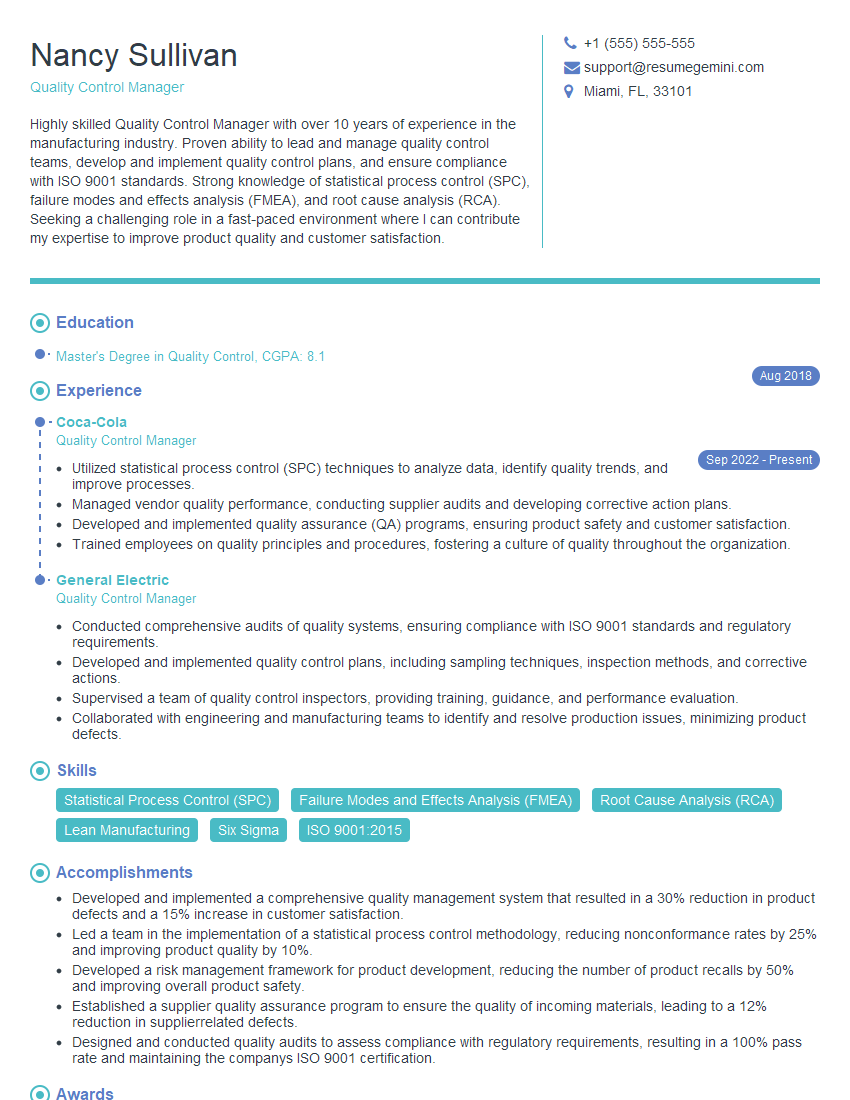
Quality Control Manager Resume Sample
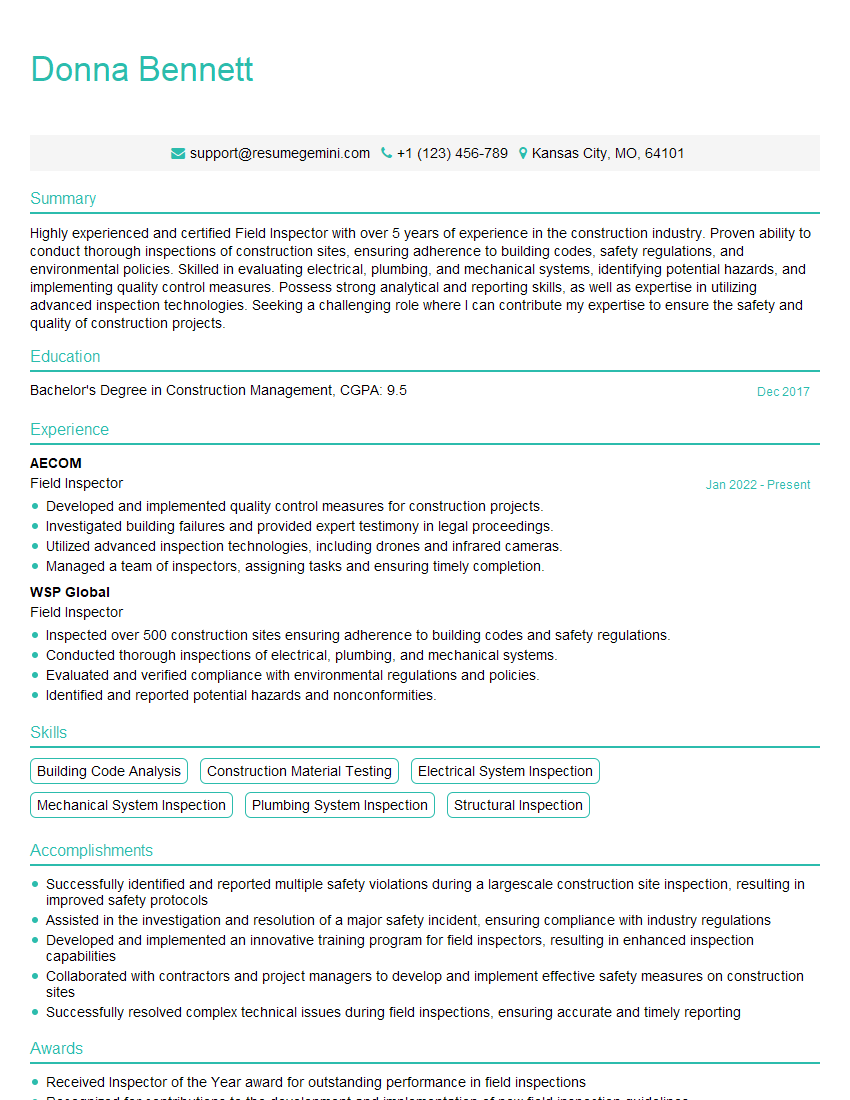
Field Inspector Resume Sample
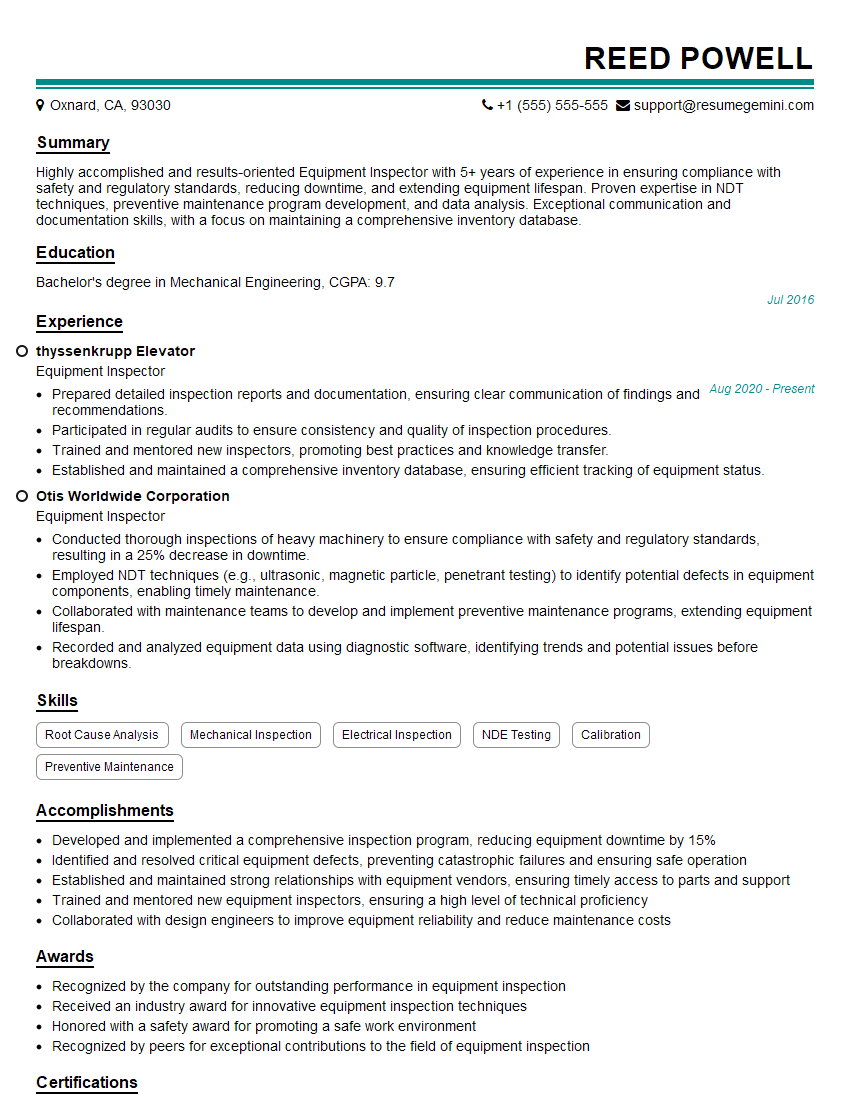
Equipment Inspector Resume Sample
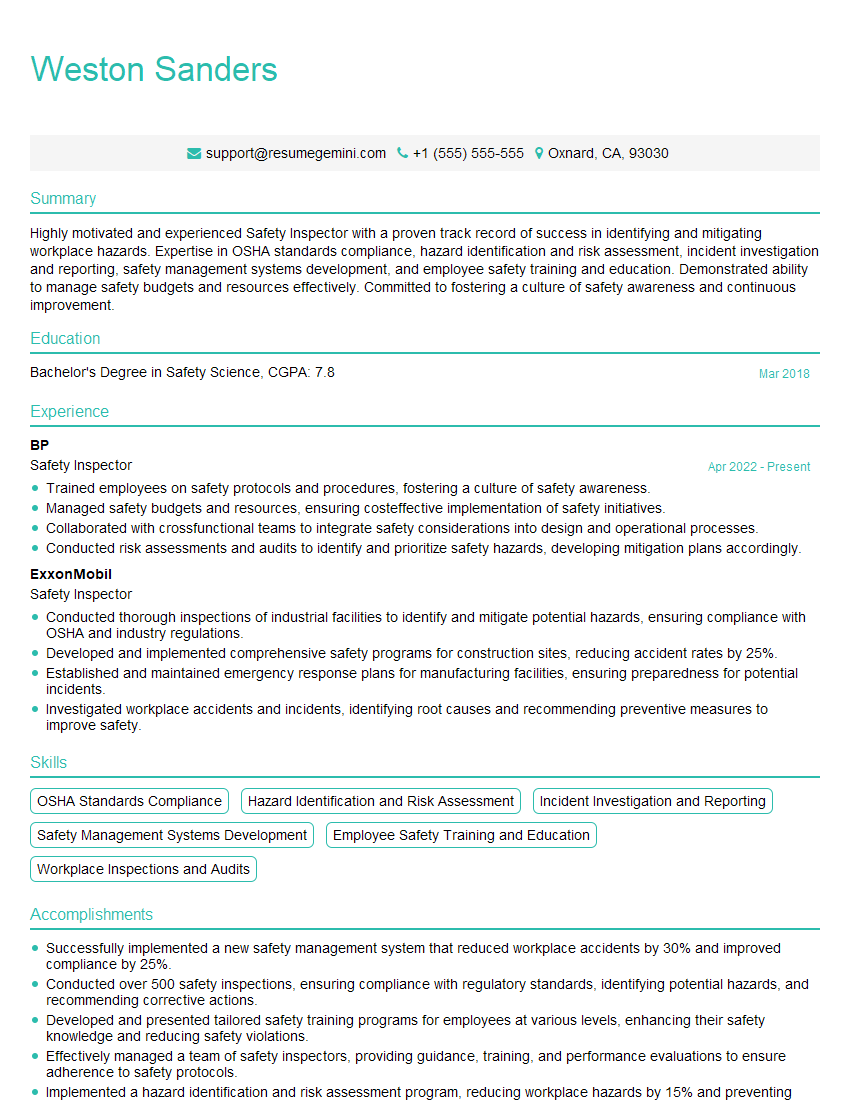
Safety Inspector Resume Sample
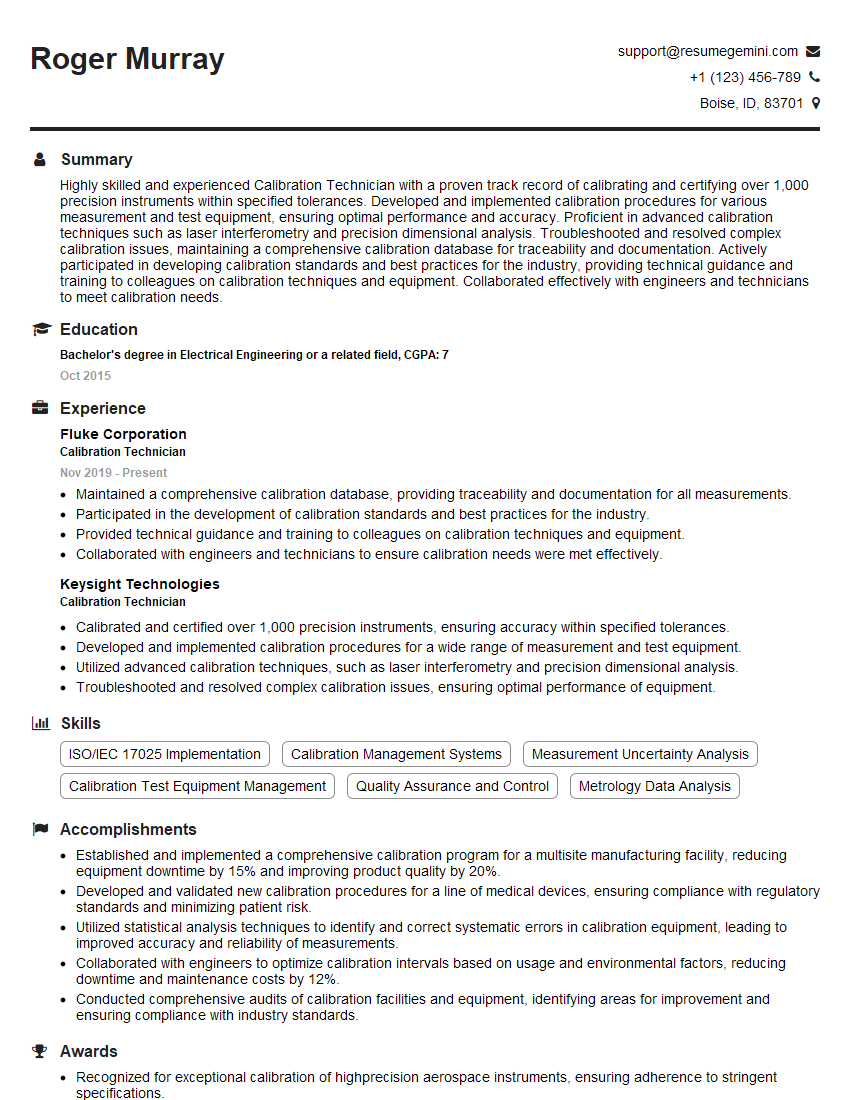
Calibration Technician Resume Sample
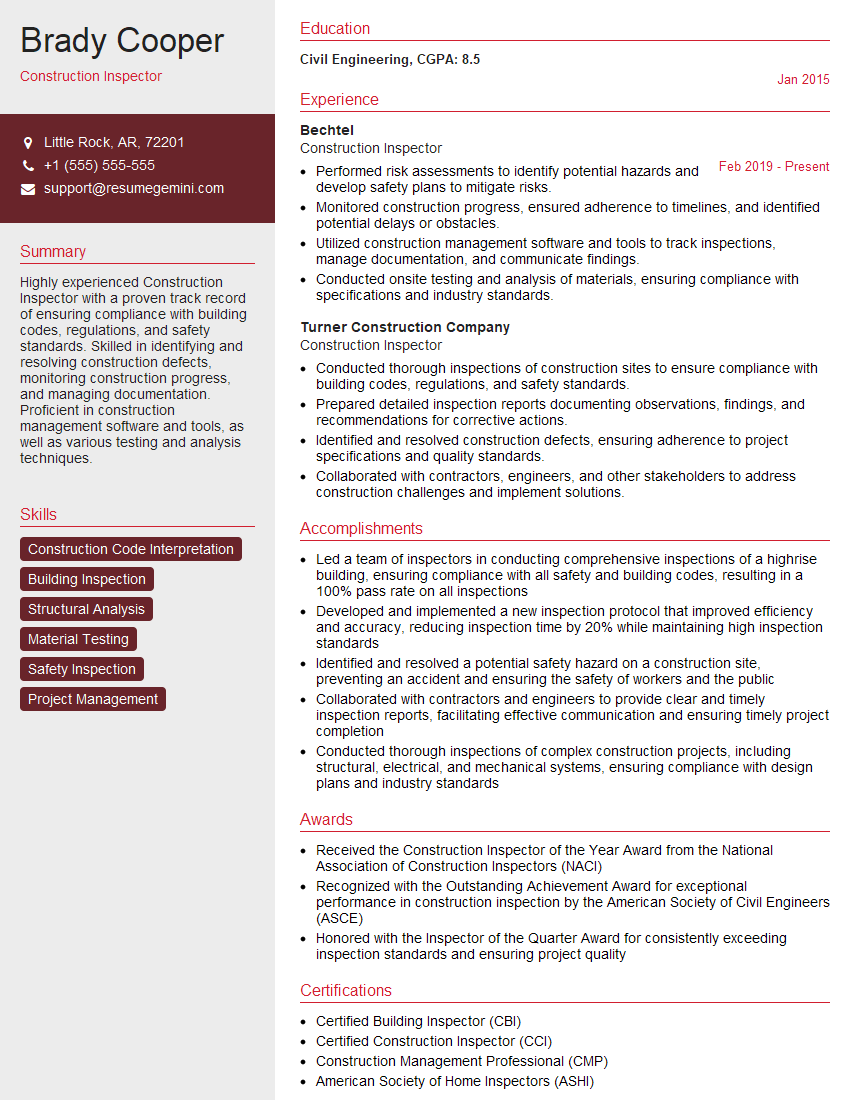
Construction Inspector Resume Sample
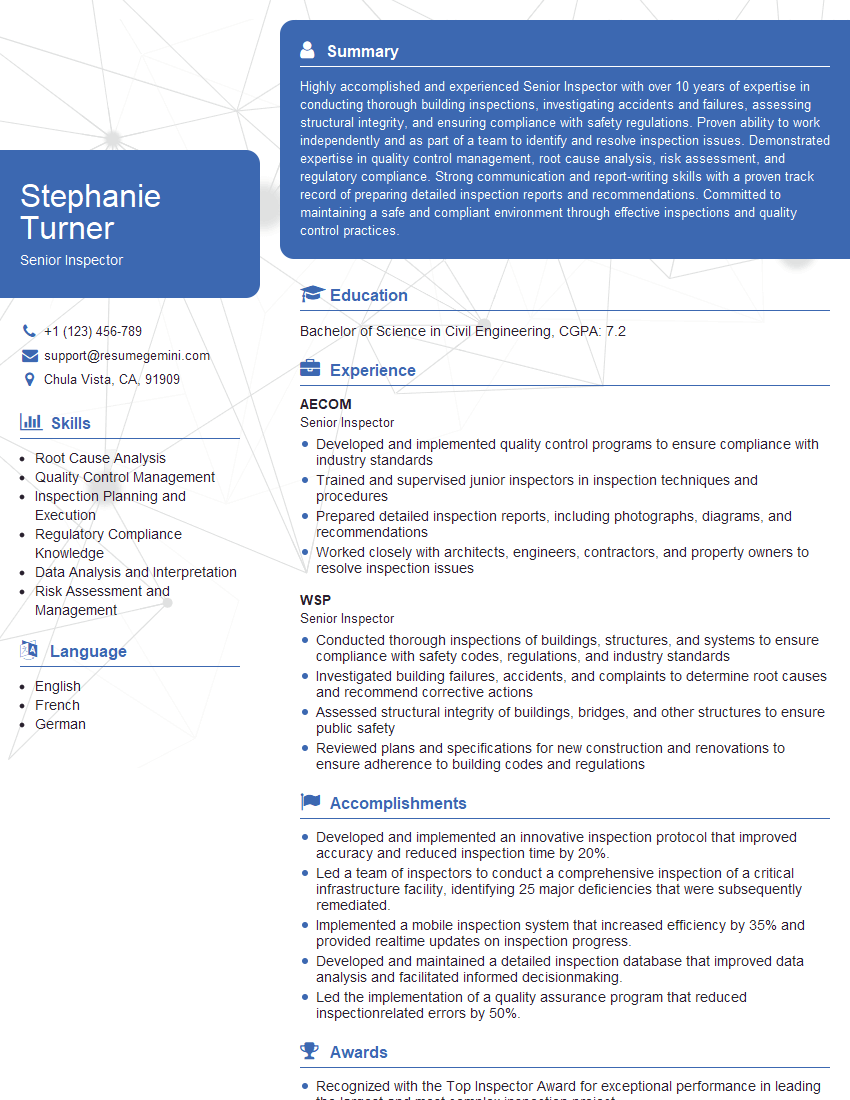
Senior Inspector Resume Sample
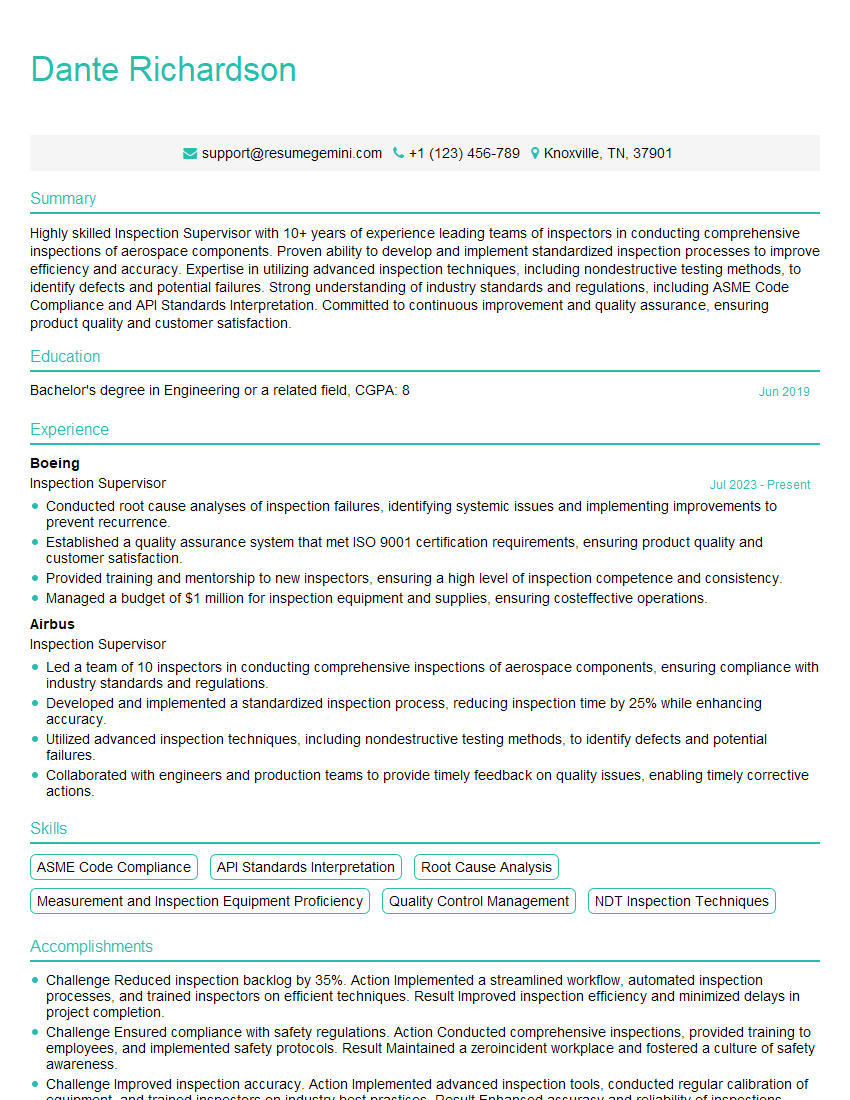
Inspection Supervisor Resume Sample
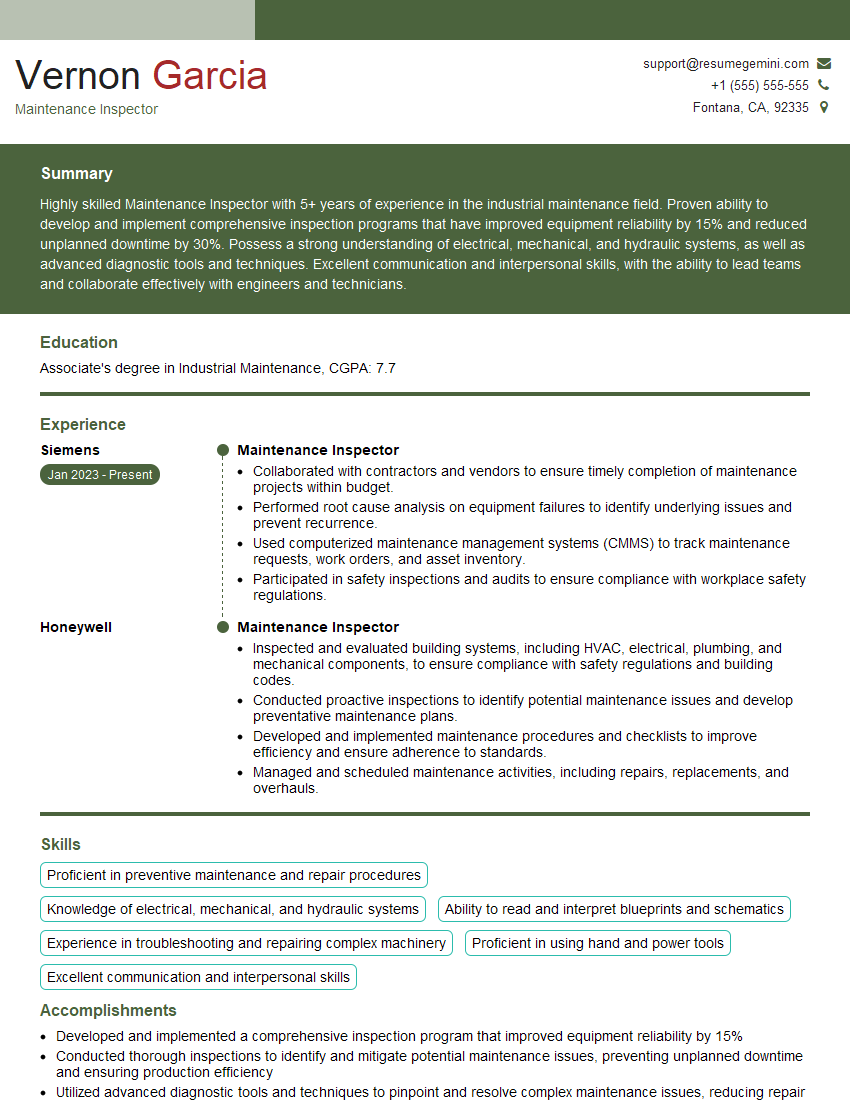
Maintenance Inspector Resume Sample
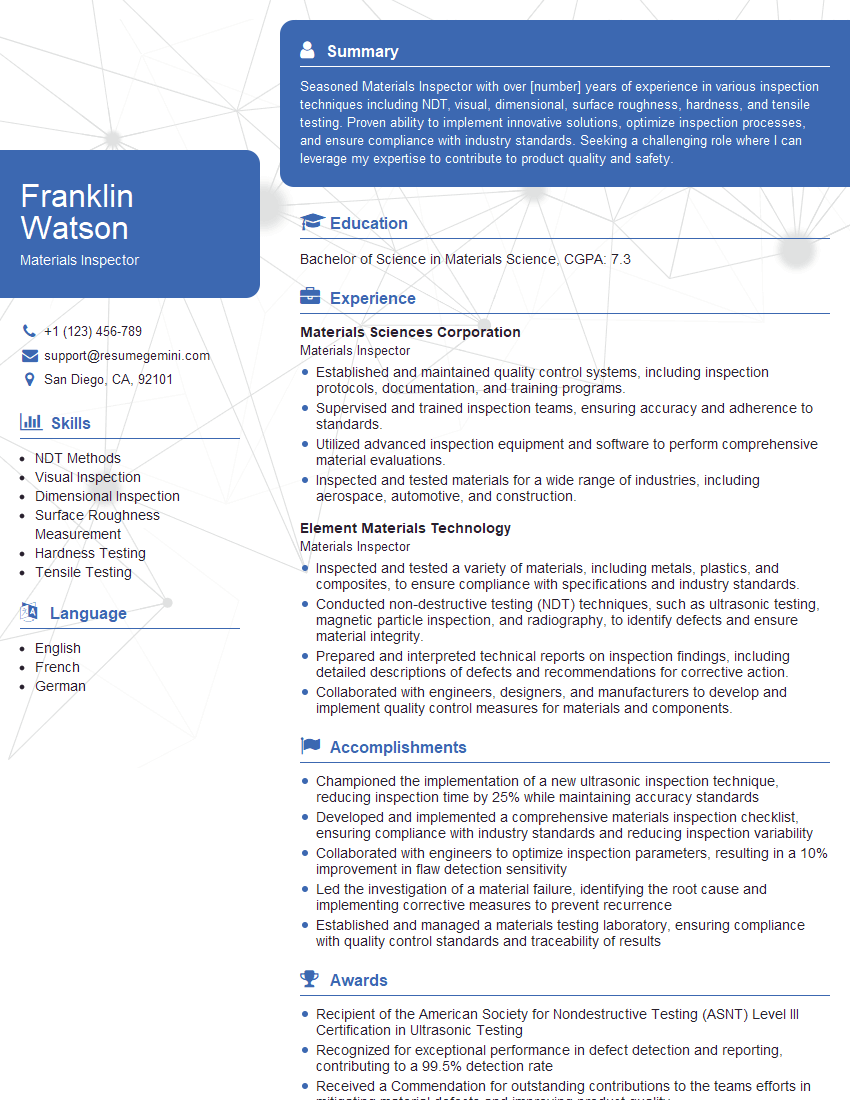
Materials Inspector Resume Sample
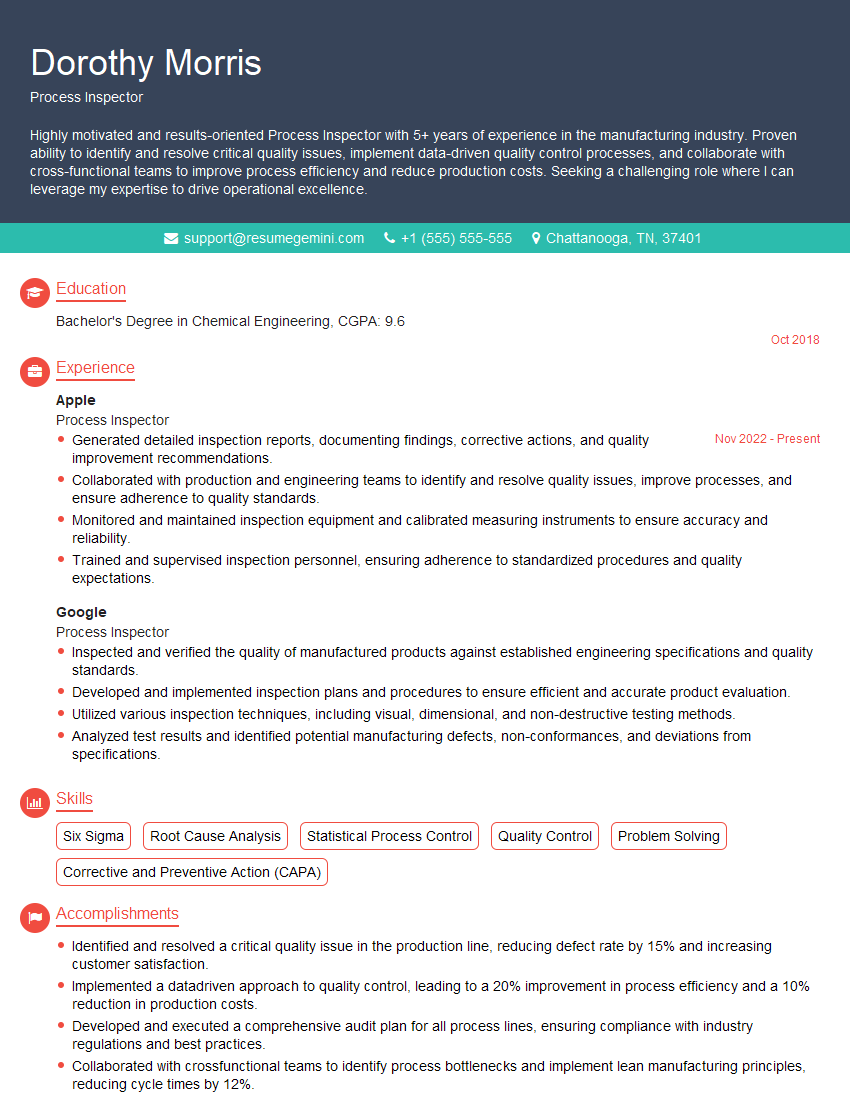
Process Inspector Resume Sample
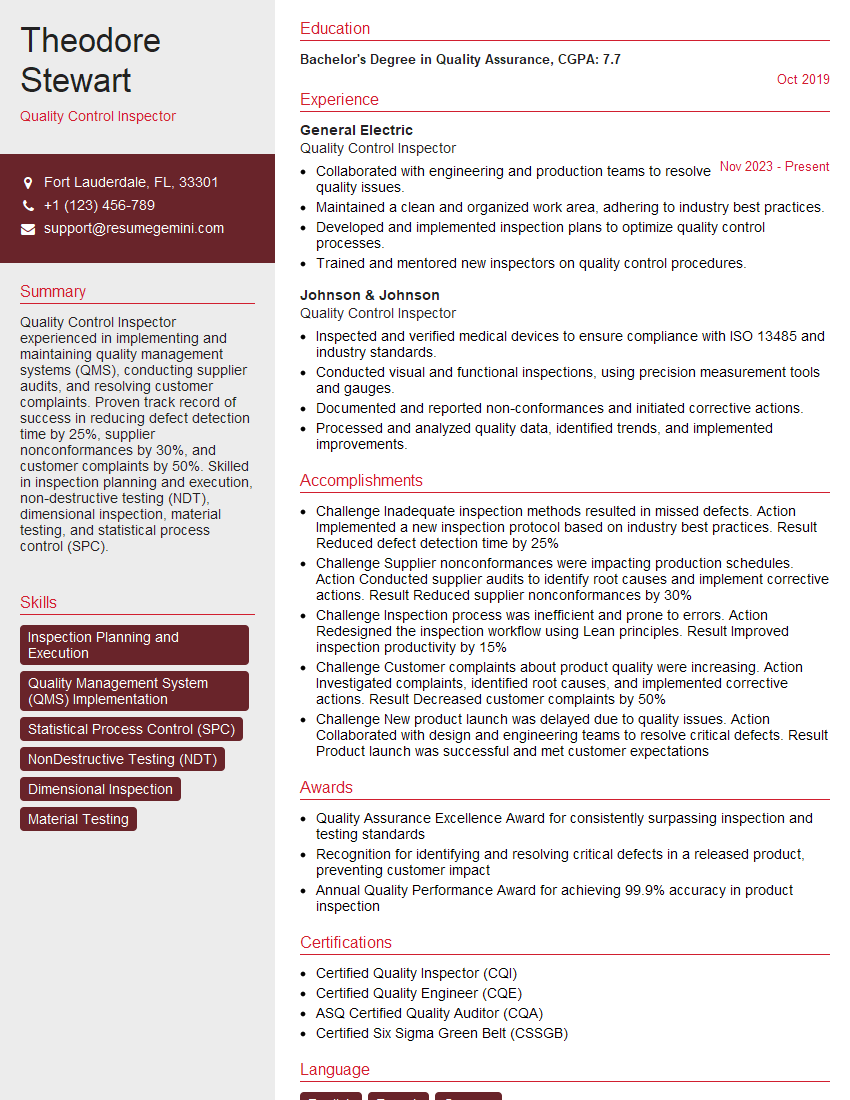
Quality Control Inspector Resume Sample
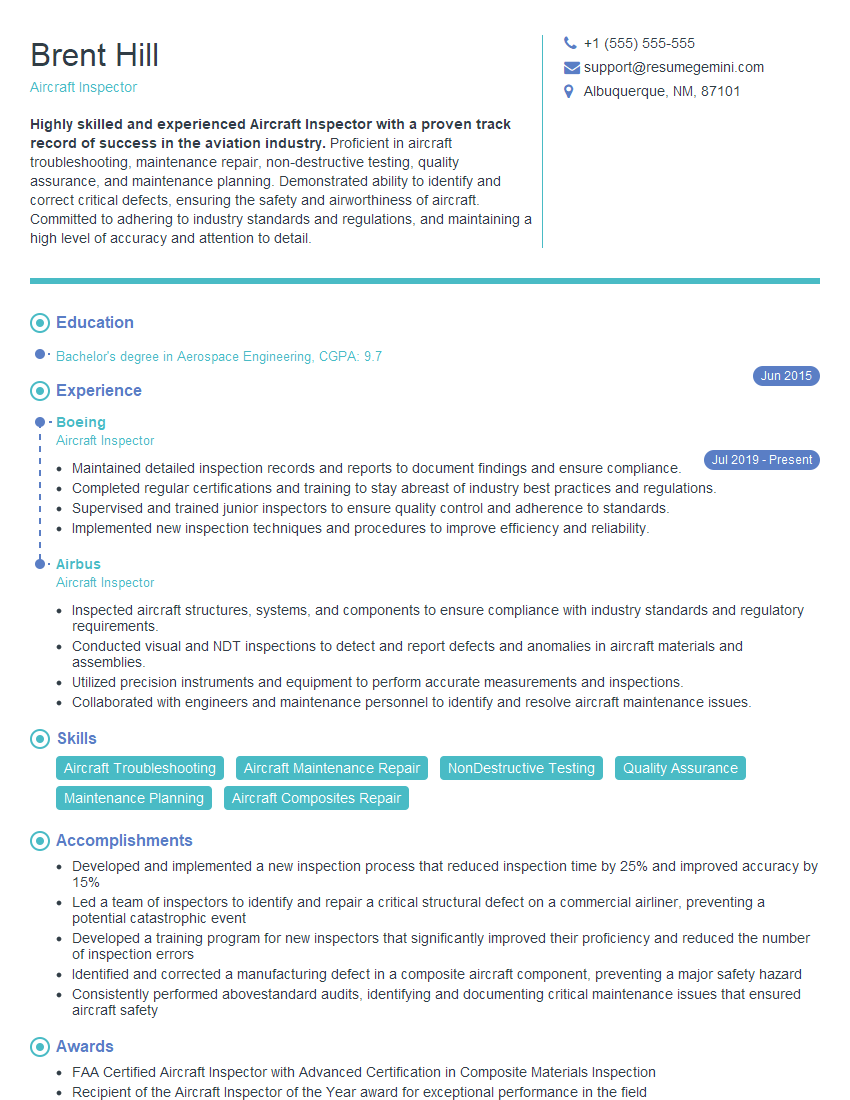
Aircraft Inspector Resume Sample
Explore more articles
Users Rating of Our Blogs
Share Your Experience
We value your feedback! Please rate our content and share your thoughts (optional).
What Readers Say About Our Blog
To the interviewgemini.com Webmaster.
Very helpful and content specific questions to help prepare me for my interview!
Thank you
To the interviewgemini.com Webmaster.
This was kind of a unique content I found around the specialized skills. Very helpful questions and good detailed answers.
Very Helpful blog, thank you Interviewgemini team.